Materia Medica
Dandelion
Taraxacum officinale
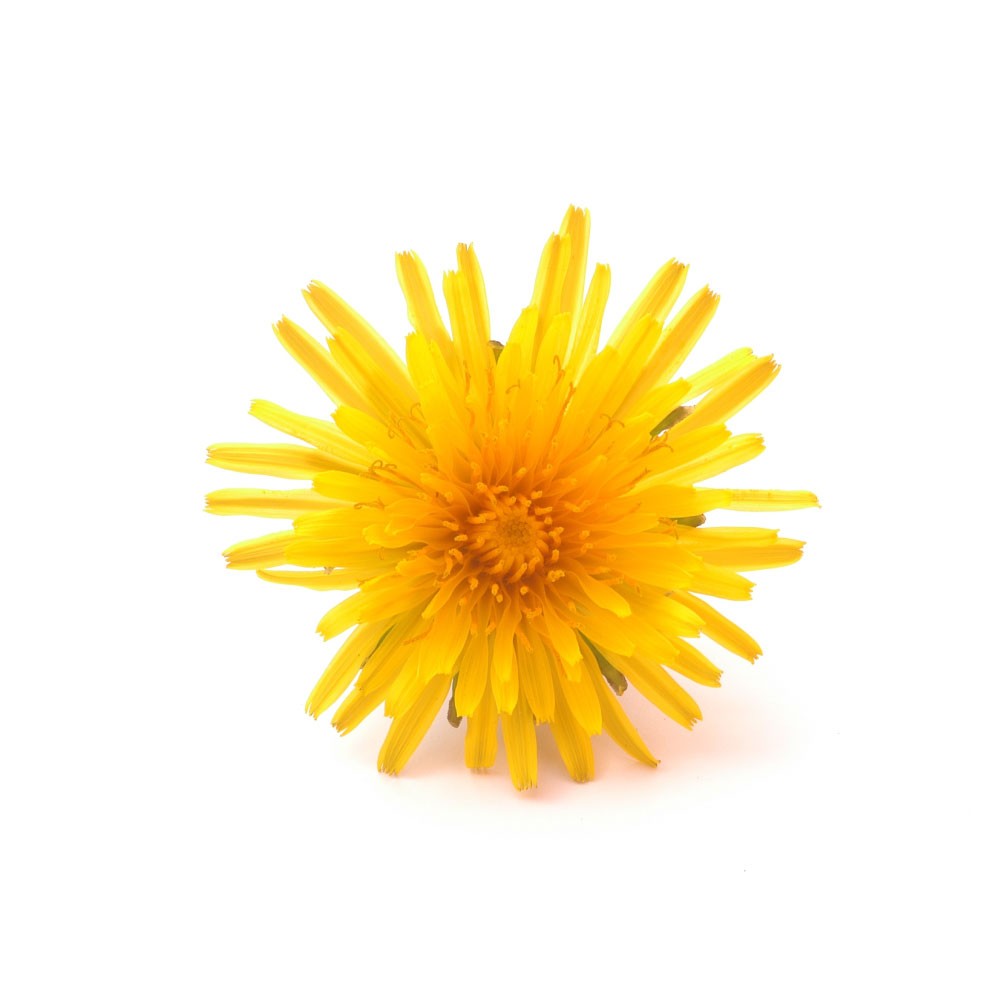
Dandelion (Taraxacum officinale) — a nutritive bitter used as a liver tonic, gentle diuretic and digestive aid.
What Is Dandelion?
Dandelion is one of the most common — and most underrated — medicinal plants in the world. The same weed that colonises lawns and roadsides is a genuine liver tonic, a nutritive bitter, and one of the few diuretics that doesn’t deplete the body’s potassium.
The plant is used in two distinct ways. The leaf is a potassium-rich diuretic, useful wherever fluid needs to be moved without the electrolyte loss that comes with conventional diuretics. The root is a bitter liver and digestive tonic that stimulates bile flow and supports the body’s natural routes of elimination.
Every part of the plant is edible, and dandelion has a long history as both food and medicine across Europe, the Middle East, and Asia.
How Is Dandelion Used?
Dandelion is mainly used to support the liver, digestion, and fluid balance. The bitter root stimulates bile production and release, making it useful for sluggish digestion, poor fat tolerance, constipation, and skin conditions linked to poor liver function.
The leaf is used as a gentle diuretic for fluid retention and mild hypertension, and as a nutritive tonic — it’s a rich dietary source of potassium, vitamins, and minerals.
As a bitter, dandelion also stimulates appetite and digestive secretions, and it’s traditionally taken as a spring tonic to support the body after winter.
Traditional Uses
Dandelion has been used for centuries across Western, Middle Eastern, and Asian herbal traditions, primarily as a liver and digestive remedy and as a diuretic.
Western Herbal Medicine
In Western herbal medicine the root is a classic bitter hepatic and cholagogue — a spring tonic and “blood cleanser” (alterative) used for sluggish digestion, poor fat tolerance, constipation and skin conditions tied to poor liver function. The leaf is valued as a potassium-sparing diuretic, earning it the French name pissenlit (“wet the bed”).
Traditional Chinese Medicine
In Traditional Chinese Medicine, dandelion (Pu Gong Ying) is used to clear heat and resolve toxicity, particularly for hot, inflamed conditions such as mastitis, sore throat, and red, swollen skin lesions.
Ayurvedic Medicine
Dandelion is not part of the classical Ayurvedic materia medica, but Taraxacum officinale grows in the Himalayan foothills and is used in Unani and northern-Indian folk medicine as a liver and digestive remedy — a role broadly matching its Western use rather than a distinct traditional indication.
Indications
- Sluggish digestion and poor fat tolerance — the bitter root stimulates bile production and release, the traditional core use backed by rodent choleretic/hepatoprotective data and Commission E recognition 7,5Reference 7ReviewThe potential of dandelion in the fight against gastrointestinal diseases: A review — [review]View study →Reference 5In vitroProtection of taraxasterol against acetaminophen-induced liver injury elucidated through network pharmacology and in vitro and in vivo experiments — [in vivo animal]View study →.
- Fluid retention and mild hypertension — the potassium-rich leaf as a gentle diuretic; the only indication with any human data 4,1Reference 4Clinical trialThe diuretic effect in human subjects of an extract of Taraxacum officinale folium over a single day — [clinical trial]View study →Reference 1ReviewTaraxacum—a review on its phytochemical and pharmacological profile — [review]View study →.
- Liver support and skin conditions linked to poor elimination — as a bitter hepatic and alterative, on preclinical and traditional grounds 5,6,7Reference 5In vitroProtection of taraxasterol against acetaminophen-induced liver injury elucidated through network pharmacology and in vitro and in vivo experiments — [in vivo animal]View study →Reference 6AnimalHepatoprotective effect of Taraxacum officinale leaf extract on sodium dichromate-induced liver injury in rats — [in vivo animal]View study →Reference 7ReviewThe potential of dandelion in the fight against gastrointestinal diseases: A review — [review]View study →.
- Constipation — mild aperient action, secondary to bile stimulation.
- Spring/convalescent tonic — as a nutritive, mineral-rich bitter taken to support the body after winter.
Botany
Dandelion is a hardy perennial in the daisy family (Asteraceae) — the largest family of flowering plants — forming a basal rosette of deeply-toothed leaves over a strong taproot that can reach 10–15 ft deep, though typically 6–18 in.. The familiar bright-yellow composite flower head matures into the characteristic spherical “puffball” seed head. The genus Taraxacum is taxonomically complex, comprising a large number of microspecies that reproduce apomictically (producing seed without fertilisation); the common dandelion, Taraxacum officinale, is the form used in herbal medicine. The milky white latex in the stems and root is characteristic of the plant and carries some of its bitter constituents. Notable medicinal and culinary relatives in the same bitter-rich family include chicory, artichoke, yarrow and milk thistle.
Distribution
Native to Eurasia, dandelion has naturalised very widely across temperate regions worldwide and now grows in all 50 US states and throughout southern Canada. It is not on the USDA federal noxious weed list, but the Invasive Plant Atlas of the United States tracks it as an ecological threat and reports it as invasive in several US National Park units, including Grand Canyon, Death Valley and Yellowstone — locally weedy/regionally invasive in natural and turf areas rather than federally noxious-listed.
Pharmacology & Research
The dandelion literature is large in volume but shallow in tier. Hundreds of papers exist, yet almost all are in vitro assays, rodent models, or narrative reviews 2,3Reference 2ReviewDiverse biological activities of dandelion — [review]View study →Reference 3Systematic reviewUnveiling the genus Taraxacum: From folk medicine to chemodiversity-driven pharmacological and toxicological outcomes-A systematic review — [systematic review]View study → — and much of the pharmacology is written about isolated constituents (taraxasterol, chicoric acid) rather than the whole root or leaf a person actually takes. Only one small human clinical study exists for any single indication: a 2009 pilot of leaf extract as a diuretic 4Reference 4Clinical trialThe diuretic effect in human subjects of an extract of Taraxacum officinale folium over a single day — [clinical trial]View study →. Two further trials are registered and completed but essentially unpublished (an anti-obesity trial and a four-patient hand-eczema study). The strongest and most coherent signals are the traditional core uses — a leaf diuretic and a root hepatic/choleretic bitter — where preclinical data, mechanism, and pharmacopoeial recognition line up; the most interesting emerging signal is the selective, extract-specific pro-apoptotic effect of aqueous root extract on cancer cell lines. Throughout, results are strongly preparation- and part-specific (root vs leaf; aqueous vs hydroethanolic vs essential oil), so a finding in one form should not be read across to another.
- Best-supported: leaf as a diuretic — the only indication with any human data, backed by the leaf’s high potassium content and long pharmacopoeial use 4,1Reference 4Clinical trialThe diuretic effect in human subjects of an extract of Taraxacum officinale folium over a single day — [clinical trial]View study →Reference 1ReviewTaraxacum—a review on its phytochemical and pharmacological profile — [review]View study →; root as a hepatoprotective, bile-stimulating bitter, backed by multiple rodent models 5,6,7Reference 5In vitroProtection of taraxasterol against acetaminophen-induced liver injury elucidated through network pharmacology and in vitro and in vivo experiments — [in vivo animal]View study →Reference 6AnimalHepatoprotective effect of Taraxacum officinale leaf extract on sodium dichromate-induced liver injury in rats — [in vivo animal]View study →Reference 7ReviewThe potential of dandelion in the fight against gastrointestinal diseases: A review — [review]View study →.
- Emerging, worth watching: taraxasterol as an in vivo anti-inflammatory (arthritis, colitis) 8,11Reference 8AnimalAnti-inflammatory and anti-arthritic effects of taraxasterol on adjuvant-induced arthritis in rats — [in vivo animal]View study →Reference 11In vitroAnti-inflammatory and anti-apoptosis activity of taraxasterol in ulcerative colitis in vitro and in vivo — [in vitro]View study →; aqueous root extract inducing selective apoptosis in colorectal and pancreatic cancer cell lines 13,14Reference 13In vitroDandelion root extract affects colorectal cancer proliferation and survival through the activation of multiple death signalling pathways — [in vitro]View study →Reference 14In vitroSelective induction of apoptosis and autophagy through treatment with dandelion root extract in human pancreatic cancer cells — [in vitro]View study →.
- Mechanistically thin: antidiabetic and anti-obesity claims rest on α-glucosidase/lipase inhibition in enzyme and docking assays and one confounded polyherbal animal study 17,16,18Reference 17In vitroChemical constituents from Taraxacum officinale and their α-glucosidase inhibitory activities — [in vitro]View study →Reference 16AnimalSynergistic antidiabetic activity of Taraxacum officinale (L.) Weber ex F.H.Wigg and Momordica charantia L. polyherbal combination — [in vivo animal]View study →Reference 18In vitroAnti-Obesity Attributes; UHPLC-QTOF-MS/MS-Based Metabolite Profiling and Molecular Docking Insights of Taraxacum officinale — [in vitro]View study →; antimicrobial activity is documented mostly at review and ethnobotany level 19Reference 19ReviewEthnobotany of the genus Taraxacum-Phytochemicals and antimicrobial activity — [review]View study →.
- The caveat: no standardised extract, no dose-finding in humans, and heavy reliance on single constituents means the whole-herb effect at realistic tea/tincture doses is largely uncharacterised.
1. Diuretic
This is dandelion’s flagship use and the only one with direct human evidence. In a 2009 pilot, 17 volunteers took a fresh-leaf hydroethanolic extract three times over one day; urinary frequency rose significantly in the 5-hour window after the first dose, and the excretion ratio (urine out : fluid in) increased after the second 4Reference 4Clinical trialThe diuretic effect in human subjects of an extract of Taraxacum officinale folium over a single day — [clinical trial]View study →. The study was uncontrolled (each subject was their own baseline), self-reported, and single-day, so it establishes plausibility rather than efficacy. Mechanistically the leaf is a credible diuretic: it carries potassium up to roughly 4.5% of dry weight, which underlies the traditional claim that it moves fluid without the potassium depletion typical of loop and thiazide diuretics 1Reference 1ReviewTaraxacum—a review on its phytochemical and pharmacological profile — [review]View study →. The reputation is old and pharmacopoeially recognised (the French name pissenlit), but the “potassium-sparing” property has never been tested against a conventional diuretic in humans.
Gap: no placebo-controlled trial, no dose-response, and the potassium-sparing advantage remains a mechanistic inference, not a measured clinical outcome.
2. Hepatoprotective
The root’s traditional role as a liver and bile tonic is the best-supported preclinical story. The triterpene taraxasterol protected against acetaminophen-induced liver injury in mice, lowering transaminases and oxidative markers, with the mechanism traced (via network pharmacology and in vitro confirmation) to Nrf2/antioxidant and inflammatory pathways 5Reference 5In vitroProtection of taraxasterol against acetaminophen-induced liver injury elucidated through network pharmacology and in vitro and in vivo experiments — [in vivo animal]View study →. Whole-leaf extract likewise reduced sodium-dichromate-induced hepatotoxicity in rats at 500 mg/kg, restoring antioxidant enzymes and liver histology 6Reference 6AnimalHepatoprotective effect of Taraxacum officinale leaf extract on sodium dichromate-induced liver injury in rats — [in vivo animal]View study →. These sit alongside the classic choleretic/cholagogue use — stimulation of bile flow — which is the basis of the root’s Commission E indication for dyspepsia and is reviewed as a consistent gastrointestinal-protective theme 7Reference 7ReviewThe potential of dandelion in the fight against gastrointestinal diseases: A review — [review]View study →. All of this is rodent- and constituent-level; the human choleretic claim rests on tradition and old animal work.
Gap: no human liver-function or bile-flow data; the strongest results are for isolated taraxasterol, not the whole root a person drinks or tinctures.
3. Anti-inflammatory
Anti-inflammatory activity is well-replicated in animals and cell systems, and largely attributable to taraxasterol and phenolics. Taraxasterol reduced paw swelling and inflammatory cytokines in adjuvant-induced arthritis in rats 8Reference 8AnimalAnti-inflammatory and anti-arthritic effects of taraxasterol on adjuvant-induced arthritis in rats — [in vivo animal]View study →, and suppressed inflammation and apoptosis in ulcerative-colitis cell models 11Reference 11In vitroAnti-inflammatory and anti-apoptosis activity of taraxasterol in ulcerative colitis in vitro and in vivo — [in vitro]View study →. Whole-dandelion extract lowered nitric-oxide and pro-inflammatory signalling in LPS-stimulated RAW264.7 macrophages and reduced inflammatory cell migration in zebrafish larvae 9Reference 9AnimalAnti-Inflammatory Effects and Mechanisms of Dandelion in RAW264.7 Macrophages and Zebrafish Larvae — [in vivo animal]View study →. A related study found a Taraxacum-containing extract induced heme oxygenase-1 and prevented dextran-sulfate colitis in mice — though that formulation was combined with another herb, limiting attribution 10Reference 10AnimalHeme Oxygenase-1 Induction and Anti-inflammatory Actions of Atractylodes macrocephala and Taraxacum herba Extracts Prevented Colitis and Was More Effective than Sulfasalazine in Preventing Relapse — [in vivo animal]View study →. The recurring mechanism is NF-κB and COX-2/iNOS downregulation with Nrf2/HO-1 induction.
Gap: entirely preclinical and heavily constituent-driven; no human inflammatory-marker or clinical endpoint data, and one key study used a two-herb combination.
4. Antioxidant
Dandelion is reliably antioxidant in the test tube, which is unsurprising given its phenolic load — chicoric acid, chlorogenic acid, and flavonoids such as luteolin. Extracts show consistent radical-scavenging and reducing activity across leaf, root, and flower, with the flower and leaf generally richest 2,12Reference 2ReviewDiverse biological activities of dandelion — [review]View study →Reference 12In vitroChemical Composition, Antioxidant and Antiproliferative Activities of Taraxacum officinale Essential Oil — [in vitro]View study →. This antioxidant capacity is also the presumed engine behind the hepatoprotective and anti-inflammatory findings above. The important caveat is preparation: several of the strongest antioxidant/antiproliferative results come from dandelion essential oil 12Reference 12In vitroChemical Composition, Antioxidant and Antiproliferative Activities of Taraxacum officinale Essential Oil — [in vitro]View study → — a distillate that is not how the herb is used as a food, tea, or tincture — so those figures should not be read across to an infusion.
Gap: cell-free and in vitro assays dominate; antioxidant capacity in a dish does not establish an in-vivo or clinical antioxidant effect at realistic intakes, and some data derive from a non-medicinal preparation.
5. Antidiabetic
The antidiabetic case is mechanistically plausible but thin. Constituents isolated from dandelion — including novel butyrolactones and known phenolics — inhibit α-glucosidase in vitro, an action that would blunt post-meal glucose absorption 17Reference 17In vitroChemical constituents from Taraxacum officinale and their α-glucosidase inhibitory activities — [in vitro]View study →. The chief phenolics (chicoric acid, chlorogenic acid) and the prebiotic fructan inulin are also invoked in reviews of dandelion in type-2 diabetes 15Reference 15ReviewThe Physiological Effects of Dandelion (Taraxacum Officinale) in Type 2 Diabetes — [review]View study →. The one animal efficacy study combined Taraxacum officinale with Momordica charantia (bitter melon), reporting synergistic glucose-lowering in diabetic rats — but the co-herb is itself a potent hypoglycaemic, so dandelion’s independent contribution is unclear 16Reference 16AnimalSynergistic antidiabetic activity of Taraxacum officinale (L.) Weber ex F.H.Wigg and Momordica charantia L. polyherbal combination — [in vivo animal]View study →.
Gap: no monotherapy animal or human glycaemic data; the evidence is enzyme-inhibition and a confounded polyherbal study.
6. Anticancer
The most striking laboratory finding, and the one most often over-read. A specific aqueous dandelion root extract induced programmed cell death in over 95% of colon cancer cells within 48 hours, across multiple lines and independent of p53 status, while sparing non-cancer cells 13Reference 13In vitroDandelion root extract affects colorectal cancer proliferation and survival through the activation of multiple death signalling pathways — [in vitro]View study →. The same group showed selective apoptosis and autophagy in aggressive, drug-resistant pancreatic cancer cells 14Reference 14In vitroSelective induction of apoptosis and autophagy through treatment with dandelion root extract in human pancreatic cancer cells — [in vitro]View study →. These are genuinely selective, multi-pathway effects — but they are cell-line only, tied to one particular aqueous root preparation, and have no whole-animal or human confirmation. Note also a safety signal from this line of work: dandelion root extract altered the plasma levels of tyrosine-kinase-inhibitor cancer drugs in rats (see Safety) 20Reference 20AnimalUPLC-MS/MS study of the effect of dandelion root extract on the plasma levels of the selected irreversible tyrosine kinase inhibitors dasatinib, imatinib and nilotinib in rats: Potential risk of pharmacokinetic interactions — [in vivo animal]View study →.
Gap: no in-vivo tumour or clinical data; effects are specific to an aqueous root extract that is not a standardised product.
7. Anti-obesity
Weakly evidenced and mostly computational. Metabolite profiling paired with molecular docking predicts dandelion phenolics bind and inhibit pancreatic lipase, the enzyme that liberates dietary fat for absorption 18Reference 18In vitroAnti-Obesity Attributes; UHPLC-QTOF-MS/MS-Based Metabolite Profiling and Molecular Docking Insights of Taraxacum officinale — [in vitro]View study →, and dandelion appears in broader screens of lipase-inhibiting plants. A human trial of a dandelion extract for obesity in premenopausal women completed with 120 participants (NCT06625736), but no results have been posted, so it contributes registration-level evidence only.
Gap: the mechanism is in silico/in vitro; the one human trial is unpublished, so there is no readable clinical outcome.
8. Antimicrobial
Dandelion shows some antibacterial and antifungal activity in vitro, attributed to its sesquiterpene lactones, triterpenoids, and phenolics, and this is catalogued in ethnobotanical and phytochemical reviews of the genus 3,19Reference 3Systematic reviewUnveiling the genus Taraxacum: From folk medicine to chemodiversity-driven pharmacological and toxicological outcomes-A systematic review — [systematic review]View study →Reference 19ReviewEthnobotany of the genus Taraxacum-Phytochemicals and antimicrobial activity — [review]View study →. The activity is real but modest and unstandardised, and maps loosely onto the traditional Chinese use of Pu Gong Ying for hot, “toxic” inflammatory conditions.
Gap: no potency benchmarking against clinical standards, no in-vivo infection models, and no isolated active principle established as therapeutically relevant.
Mechanisms
| Mechanism | Drives | Key compounds |
|---|---|---|
| Bitter-receptor stimulation of gastric/biliary secretion; TNF-α ↓ | digestive/bitteranti-inflammatory | taraxinic acid glucoside, taraxacin |
| NF-κB ↓, COX-2/iNOS ↓, Nrf2/HO-1 ↑ | anti-inflammatoryhepatoprotective | taraxasterol, taraxerol, lupeol |
| Radical scavenging; α-glucosidase ↓ | antioxidantantidiabetic | chicoric acid, chlorogenic acid |
| Radical scavenging, NF-κB ↓ | antioxidantanti-inflammatory | luteolin, apigenin |
| Colonic fermentation to short-chain fatty acids (prebiotic) | digestiveprebiotic | inulin |
| Osmotic diuresis without net potassium loss | diuretic | potassium |
Clinical trials
The clinical base is minimal: one published human study (the 2009 diuretic pilot 4Reference 4Clinical trialThe diuretic effect in human subjects of an extract of Taraxacum officinale folium over a single day — [clinical trial]View study →) plus two registered trials marked completed but with no posted results (an anti-obesity trial in premenopausal women, NCT06625736, n=120; a hand-eczema study, NCT00442091, n=4); everything else is preclinical.
| Completed | Planned | Terminated | Preclinical |
|---|---|---|---|
| 3 | 0 | 0 | ~200+ |
Last checked: July 2026.
Phytochemistry
Dandelion’s bitterness comes largely from sesquiterpene lactones — collectively termed taraxacin, with taraxinic acid beta-D-glucopyranoside the principal bitter of the root and latex. The root is also notable for its inulin content, a prebiotic fructan that can reach roughly a quarter of the root by dry weight, especially when harvested in autumn.
The triterpene alcohol taraxasterol (with lupeol) characterises the unsaponifiable fraction, while the leaf carries a notably high level of potassium — up to ~4.5% of dry weight — which underlies its potassium-sparing diuretic reputation. Phenolic acids (chiefly chicoric and chlorogenic acid) and flavonoids round out the profile.
Constituent Summary
Figures are approximate and vary widely with plant part and season — inulin peaks in the autumn root, bitter sesquiterpene lactones in the spring leaf. Entries marked No Data are documented qualitatively only 1,2Reference 1ReviewTaraxacum—a review on its phytochemical and pharmacological profile — [review]View study →Reference 2ReviewDiverse biological activities of dandelion — [review]View study →.
Fructan1 compound1 with data
Mineral1 compound1 with data
Sesquiterpene Lactone2 compoundsno data
Triterpene3 compoundsno data
Phenolic Acid2 compoundsno data
Phenolic1 compoundno data
Dosage
There is no standardised or research-derived dose for dandelion. The single human study — the 2009 diuretic pilot — used a non-standardised fresh-leaf hydroethanolic extract (8 mL three times in one day) that is specific to that preparation and not a generalisable dose 4Reference 4Clinical trialThe diuretic effect in human subjects of an extract of Taraxacum officinale folium over a single day — [clinical trial]View study →. Preparations are strongly part- and extract-specific: the root (bitter hepatic/choleretic) and the leaf (potassium-rich diuretic) are used for different purposes, and aqueous, hydroethanolic, and essential-oil forms behave differently, so a dose or finding for one should not be read across to another. As a gentle, food-like herb, dandelion has a high margin of safety and is well suited to long-term use in liver, alterative, and spring-tonic formulas.
Safety & Pregnancy
Dandelion has a high margin of safety and is eaten as a food, with no serious adverse effects in safety reviews; its main cautions are daisy-family allergy and the root’s bile-stimulating action.
- Asteraceae allergy. Can provoke allergic contact dermatitis, especially from the latex and in people sensitised to ragweed or feverfew.
- Bile-duct obstruction. The bile-stimulating root is traditionally contraindicated in bile-duct obstruction, cholangitis and active gallstones.
- Drug interactions. Rat data suggest the root extract can shift plasma levels of tyrosine-kinase inhibitors; take care alongside prescription diuretics.
- High margin of safety. Widely eaten as a food; serious adverse effects are not reported in herbal-safety reviews.
Full safety & interactions detail
Dandelion has a high margin of safety and is eaten as a food; serious adverse effects are not reported in systematic reviews of herbal-medicine safety 21Reference 21Systematic reviewAdverse effects of herbal medicines: an overview of systematic reviews — [systematic review]View study →. Its main documented risk is allergy: as an Asteraceae (Compositae) member it can provoke allergic contact dermatitis, particularly from the latex and in people sensitised to other daisy-family plants such as ragweed and feverfew 22Reference 22ReviewJovanović M, Poljacki M (2003). [Compositae dermatitis] — [review]. Med Pregl. https://pubmed.ncbi.nlm.nih.gov/12793186/View study →. Because the root stimulates bile flow, it is traditionally contraindicated in bile-duct obstruction, cholangitis, and active gallstones, and the leaf’s diuretic action warrants care alongside prescription diuretics or where fluid balance is being actively managed 1,7Reference 1ReviewTaraxacum—a review on its phytochemical and pharmacological profile — [review]View study →Reference 7ReviewThe potential of dandelion in the fight against gastrointestinal diseases: A review — [review]View study →. A pharmacokinetic signal also merits caution: dandelion root extract altered plasma levels of the tyrosine-kinase inhibitors imatinib, dasatinib, and nilotinib in rats, suggesting a possible herb–drug interaction affecting drug-metabolising or transport pathways 20Reference 20AnimalUPLC-MS/MS study of the effect of dandelion root extract on the plasma levels of the selected irreversible tyrosine kinase inhibitors dasatinib, imatinib and nilotinib in rats: Potential risk of pharmacokinetic interactions — [in vivo animal]View study →.
Herb–drug interactions have not been systematically evaluated in humans: the rat pharmacokinetic signal above 20Reference 20AnimalUPLC-MS/MS study of the effect of dandelion root extract on the plasma levels of the selected irreversible tyrosine kinase inhibitors dasatinib, imatinib and nilotinib in rats: Potential risk of pharmacokinetic interactions — [in vivo animal]View study → and the diuretic–diuretic and bile-flow cautions are mechanistic or traditional, not the product of dedicated human interaction trials.
No clinical pregnancy or lactation studies were identified for dandelion. It is widely eaten as a food and traditionally regarded as safe in normal dietary amounts, but that reflects food and traditional use rather than formal assessment — treat medicinal or concentrated preparations as unstudied, and do not read the absence of reports as evidence of safety.
References
- Schütz K, Carle R, Schieber A (2006). Taraxacum—a review on its phytochemical and pharmacological profile — [review]. J Ethnopharmacol. https://pubmed.ncbi.nlm.nih.gov/16950583/
- González-Castejón M, Visioli F, Rodriguez-Casado A (2012). Diverse biological activities of dandelion — [review]. Nutr Rev. https://pubmed.ncbi.nlm.nih.gov/22946853/
- Cui M, Wang X, Yu T, Liu X, Zhang X (2026). Unveiling the genus Taraxacum: From folk medicine to chemodiversity-driven pharmacological and toxicological outcomes-A systematic review — [systematic review]. J Ethnopharmacol. https://pubmed.ncbi.nlm.nih.gov/41554454/
- Clare BA, Conroy RS, Spelman K (2009). The diuretic effect in human subjects of an extract of Taraxacum officinale folium over a single day — [clinical trial]. J Altern Complement Med. https://pubmed.ncbi.nlm.nih.gov/19678785/
- Ge B, Sang R, Wang W, Yan K, Yu Y, Kong L, et al. (2023). Protection of taraxasterol against acetaminophen-induced liver injury elucidated through network pharmacology and in vitro and in vivo experiments — [in vivo animal]. Phytomedicine. https://pubmed.ncbi.nlm.nih.gov/37209606/
- Hfaiedh M, Brahmi D, Zourgui L (2016). Hepatoprotective effect of Taraxacum officinale leaf extract on sodium dichromate-induced liver injury in rats — [in vivo animal]. Environ Toxicol. https://pubmed.ncbi.nlm.nih.gov/25270677/
- Li Y, Chen Y, Sun-Waterhouse D (2022). The potential of dandelion in the fight against gastrointestinal diseases: A review — [review]. J Ethnopharmacol. https://pubmed.ncbi.nlm.nih.gov/35405251/
- Wang S, Wang Y, Liu X, Guan L, Yu L, Zhang X (2016). Anti-inflammatory and anti-arthritic effects of taraxasterol on adjuvant-induced arthritis in rats — [in vivo animal]. J Ethnopharmacol. https://pubmed.ncbi.nlm.nih.gov/27109342/
- Li W, Luo F, Wu X, Fan B, Yang M, Zhong W, et al. (2022). Anti-Inflammatory Effects and Mechanisms of Dandelion in RAW264.7 Macrophages and Zebrafish Larvae — [in vivo animal]. Front Pharmacol. https://pubmed.ncbi.nlm.nih.gov/36091818/
- Han KH, Park JM, Jeong M, Han YM, Go EJ, Park J, et al. (2017). Heme Oxygenase-1 Induction and Anti-inflammatory Actions of Atractylodes macrocephala and Taraxacum herba Extracts Prevented Colitis and Was More Effective than Sulfasalazine in Preventing Relapse — [in vivo animal]. Gut Liver. https://pubmed.ncbi.nlm.nih.gov/28651306/
- Che L, Li Y, Song R, Qin C, Hao W, Wang B, et al. (2019). Anti-inflammatory and anti-apoptosis activity of taraxasterol in ulcerative colitis in vitro and in vivo — [in vitro]. Exp Ther Med. https://pubmed.ncbi.nlm.nih.gov/31410133/
- Kamal FZ, Lefter R, Mihai CT, Farah H, Ciobica A, Ali A, et al. (2022). Chemical Composition, Antioxidant and Antiproliferative Activities of Taraxacum officinale Essential Oil — [in vitro]. Molecules. https://pubmed.ncbi.nlm.nih.gov/36235013/
- Ovadje P, Ammar S, Guerrero JA, Arnason JT, Pandey S (2016). Dandelion root extract affects colorectal cancer proliferation and survival through the activation of multiple death signalling pathways — [in vitro]. Oncotarget. https://pubmed.ncbi.nlm.nih.gov/27564258/
- Ovadje P, Chochkeh M, Akbari-Asl P, Hamm C, Pandey S (2012). Selective induction of apoptosis and autophagy through treatment with dandelion root extract in human pancreatic cancer cells — [in vitro]. Pancreas. https://pubmed.ncbi.nlm.nih.gov/22647733/
- Wirngo FE, Lambert MN, Jeppesen PB (2016). The Physiological Effects of Dandelion (Taraxacum Officinale) in Type 2 Diabetes — [review]. Rev Diabet Stud. https://pubmed.ncbi.nlm.nih.gov/28012278/
- Perumal N, Nallappan M, Shohaimi S, Kassim NK, Tee TT, Cheah YH (2022). Synergistic antidiabetic activity of Taraxacum officinale (L.) Weber ex F.H.Wigg and Momordica charantia L. polyherbal combination — [in vivo animal]. Biomed Pharmacother. https://pubmed.ncbi.nlm.nih.gov/34785415/
- Choi J, Yoon KD, Kim J (2018). Chemical constituents from Taraxacum officinale and their α-glucosidase inhibitory activities — [in vitro]. Bioorg Med Chem Lett. https://pubmed.ncbi.nlm.nih.gov/29254644/
- Aabideen ZU, Mumtaz MW, Akhtar MT, Mukhtar H, Raza SA, Touqeer T, et al. (2020). Anti-Obesity Attributes; UHPLC-QTOF-MS/MS-Based Metabolite Profiling and Molecular Docking Insights of Taraxacum officinale — [in vitro]. Molecules. https://pubmed.ncbi.nlm.nih.gov/33114490/
- Sharifi-Rad M, Roberts TH, Matthews KR, Bezerra CF, Morais-Braga MFB, Coutinho HDM, et al. (2018). Ethnobotany of the genus Taraxacum-Phytochemicals and antimicrobial activity — [review]. Phytother Res. https://pubmed.ncbi.nlm.nih.gov/30039597/
- Alzoman NZ, Maher HM, Shehata SM, Abanmy NO (2019). UPLC-MS/MS study of the effect of dandelion root extract on the plasma levels of the selected irreversible tyrosine kinase inhibitors dasatinib, imatinib and nilotinib in rats: Potential risk of pharmacokinetic interactions — [in vivo animal]. Biomed Chromatogr. https://pubmed.ncbi.nlm.nih.gov/31376170/
- Posadzki P, Watson LK, Ernst E (2013). Adverse effects of herbal medicines: an overview of systematic reviews — [systematic review]. Clin Med (Lond). https://pubmed.ncbi.nlm.nih.gov/23472485/
- Jovanović M, Poljacki M (2003). [Compositae dermatitis] — [review]. Med Pregl. https://pubmed.ncbi.nlm.nih.gov/12793186/
- Invasive Plant Atlas of the United States — dandelion: Taraxacum officinale — [botanical/distribution reference]. https://www.invasiveplantatlas.org/subject.html?sub=3887