
Materia Medica
Licorice
Glycyrrhiza glabra
Licorice (Glycyrrhiza glabra) — an adrenal and tonic herb used for fatigue, inflammation, infection and gastric ulcers.
What Is Licorice?
Licorice is a popular herb with a few unique characteristics. In Chinese medicine, licorice is one of the premier tonic herbs and is found in a wide range of diverse herbal formulas for treating conditions ranging from depression and anxiety to infection and inflammation.
Licorice is an adrenal tonic that works by inhibiting the enzyme that breaks down cortisol. As a result, cortisol levels can be increased, which is useful for restoring function to fatigued adrenals, but can cause blood pressure to spike.
Licorice is also a popular herb for gastric and duodenal ulcers, to which there has been a good deal of research.
What Is Licorice Used For?
Licorice is mainly used for treating ulcers, digestive and respiratory tract inflammation, rheumatoid arthritis, diabetes, and metabolic syndrome. The corticosteroid mimicking activity of licorice makes it useful for treating conditions involving adrenal insufficiency and weaning off corticosteroid medications.
Traditional Uses
Licorice is one of the fundamental herbs used in traditional Chinese, Ayurvedic, and Kampo medicine.
In traditional Chinese medicine, licorice (known as Gan Cao), is used in two main forms; raw and prepared (usually by frying in honey).
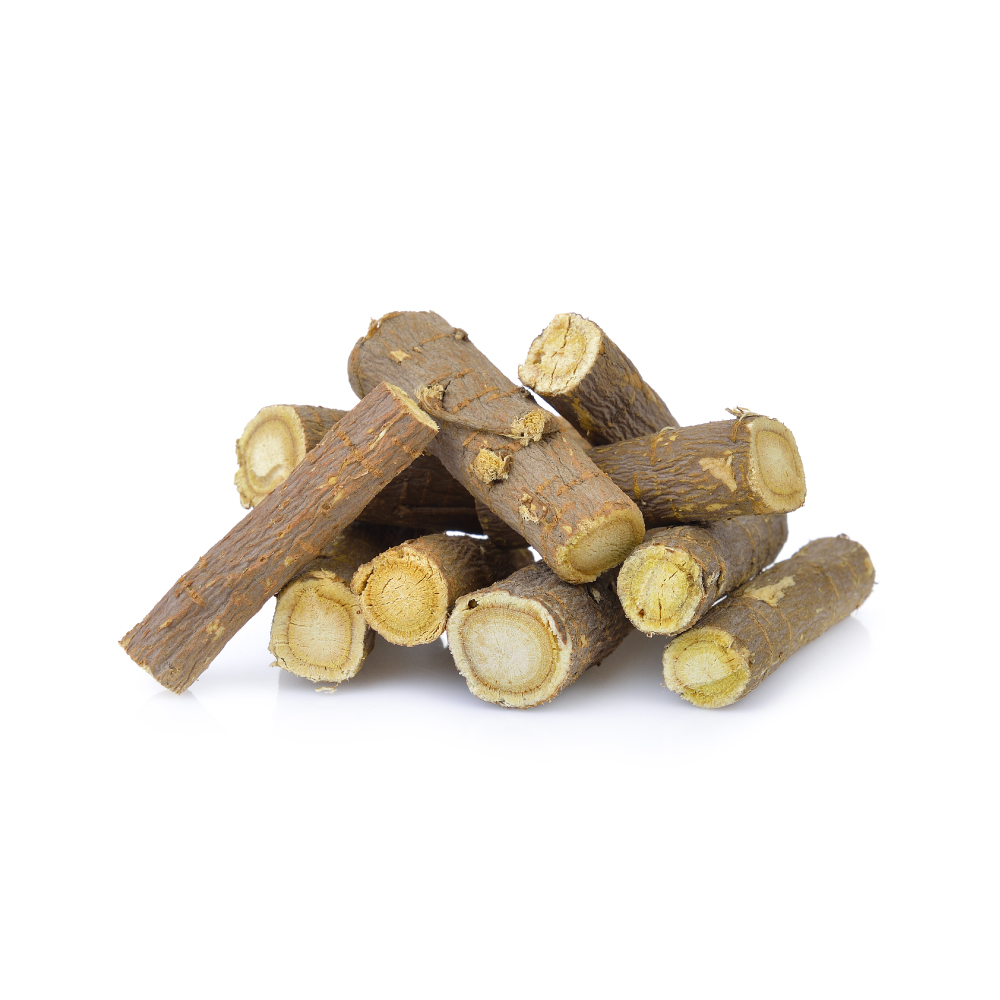
Raw licorice is used to drain heat, reduce swelling, and detoxify. It’s considered to be a muscle relaxant, alleviates pain, and harmonizes the harsh actions of other herbs in the formula. It’s a common addition to a wide range of herbal formulas in traditional Chinese medicine for this reason. 72Reference 72Essentials of Chinese Medicine Materia Medica — traditional medical text.
The saponin glycyrrhizin is intensely sweet. The Greek word Glycyrrhiza actually means sweet root.
Culpepper lists licorice as being useful for dry coughs, hoarseness of the throat, wheezing and shortness of breath.
Botany
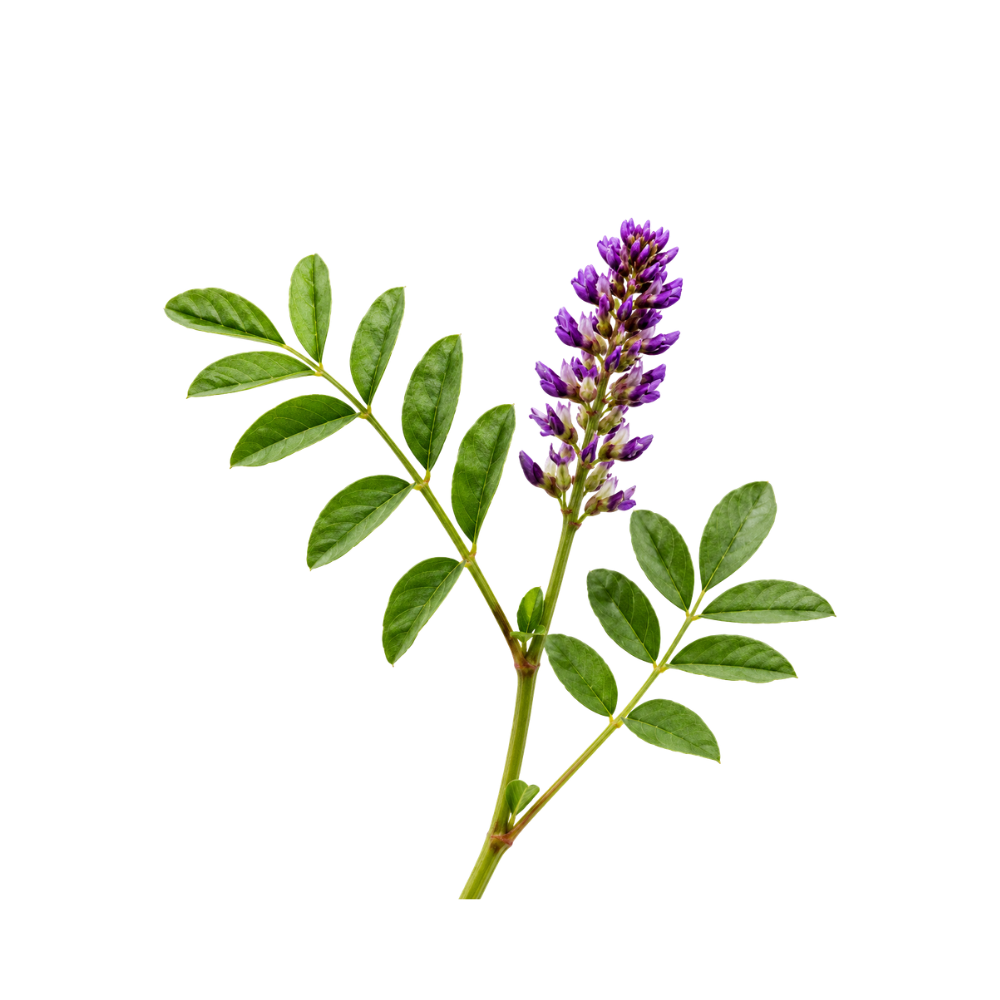
Licorice is a herbaceous perennial legume in the pea family (Fabaceae / Leguminosae) — the third-largest flowering-plant family, whose other members include soy, peas, peanuts and astragalus — growing to about 150 cm tall with pinnate leaves and spikes of small pale blue-violet, zygomorphic pea flowers. The medicinal part is its thick, sweet root system: a deep taproot (red-brown outside, yellow within) and spreading horizontal stolons rich in glycyrrhizin. Close relatives in the genus include Chinese licorice (Glycyrrhiza uralensis) and American wild licorice (G. lepidota).
Three Glycyrrhiza species supply commercial licorice — G. glabra (this one), Chinese G. uralensis and G. inflata — and they aren’t chemically identical: glycyrrhizin content and the flavonoid profile (e.g. glabridin, characteristic of G. glabra) differ between them 43,73Reference 43ReviewReview of pharmacological effects of Glycyrrhiza sp. and its bioactive compounds — reviewView study →Reference 73ReviewPhytochemistry and biological properties of glabridin — reviewView study →. Separately, deglycyrrhizinated licorice (DGL) has the glycyrrhizin removed to avoid its blood-pressure and potassium effects, and so behaves quite differently from whole root.
Distribution
Licorice is native across a broad band from the central Mediterranean eastward through western and central Asia to Mongolia and Pakistan. Long cultivated for its root, it escapes and naturalizes locally around plantings in warm-temperate regions, favouring deep, moist, well-drained soils in full sun. It is not a listed noxious or invasive weed and has no conservation concern.
Growing Conditions
- Life cycle: herbaceous perennial, hardy roughly USDA zones 7–10.
- Light: full sun.
- Water: steady moisture with deep, rich, well-drained soil for good root development.
- Habit: roots harvested after 2–3+ years; spreads by stolons.
- Full cultivation detail lives on the companion farm-wiki grow guide for Glycyrrhiza glabra (link to be added once that project’s public URL is confirmed).
Pharmacology & Research
Licorice is one of the most heavily studied herbs in the materia medica, but its evidence base is lopsided: the strongest human data cluster around the liver (intravenous glycyrrhizin for viral hepatitis and oral extracts for fatty liver) and around topical/local uses of the whole root or its extracts (gargles for sore throat, mucoadhesive films for aphthous and radiation ulcers, lollipops and rinses for dental caries), while the herb’s most famous systemic claims — “adrenal tonic,” antidepressant — rest on mechanism and tradition rather than trials. Dozens of randomised controlled trials and several meta-analyses exist, so the top tier is genuinely human-backed 3,4,12,57Reference 3Meta-analysisComparative effectiveness of glycyrrhizic acid preparations for chronic hepatitis B liver function: a network meta-analysis of 53 RCTsView study →Reference 4Meta-analysisSystematic review and meta-analysis of Compound Glycyrrhizin Injection in chronic hepatitis B liver damageView study →Reference 12Meta-analysisEfficacy of topical agents for prevention of postoperative sore throat after single-lumen intubation: a Bayesian network meta-analysisView study →Reference 57Meta-analysisThe association between consistent licorice ingestion, hypertension and hypokalaemia: a systematic review and meta-analysisView study →. The dominant caveat runs through everything: the active saponin glycyrrhizin inhibits 11β-hydroxysteroid dehydrogenase, and the same molecule that drives much of the pharmacology also causes the herb’s dose-limiting hypertension and potassium loss — so deglycyrrhizinated (DGL) and standardised low-glycyrrhizin extracts behave quite differently from whole root, and results rarely transfer between preparations. The three commercial species (G. glabra, G. uralensis, G. inflata) also differ chemically, so glycyrrhizin and glabridin content vary widely by source 43,68Reference 43ReviewReview of pharmacological effects of Glycyrrhiza sp. and its bioactive compounds — reviewView study →Reference 68ReviewGlycyrrhiza glabra (Licorice): a comprehensive review on its phytochemistry, biological activities, clinical evidence and toxicology — reviewView study →.
- Best-supported: liver protection in chronic viral hepatitis and NAFLD (RCTs + meta-analyses of glycyrrhizin preparations) 2,3,6Reference 2RCTGlycyrrhizin-induced reduction of ALT in European patients with chronic hepatitis C — randomisedView study →Reference 3Meta-analysisComparative effectiveness of glycyrrhizic acid preparations for chronic hepatitis B liver function: a network meta-analysis of 53 RCTsView study →Reference 6RCTEfficacy of licorice root extract in decreasing transaminase activities in NAFLD: a randomised controlled trialView study →; topical relief of aphthous ulcers, radiation mucositis and post-intubation sore throat (multiple RCTs + network meta-analyses) 9,12,13,17Reference 9RCTA randomised, double-blind comparison of licorice versus sugar-water gargle for prevention of postoperative sore throat and postextubation coughingView study →Reference 12Meta-analysisEfficacy of topical agents for prevention of postoperative sore throat after single-lumen intubation: a Bayesian network meta-analysisView study →Reference 13Systematic reviewTopical Licorice for Aphthous: A Systematic Review of Clinical TrialsView study →Reference 17Meta-analysisEfficacy of Topical Intervention for Recurrent Aphthous Stomatitis: A Network Meta-AnalysisView study →.
- Emerging, worth watching: reduction of salivary Streptococcus mutans and dental caries in children 31,32Reference 31Systematic reviewEffectiveness of licorice in preventing dental caries in children: a systematic reviewView study →Reference 32Systematic reviewEfficacy of Licorice Lollipops in Reducing Dental Caries in a Paediatric Population: a systematic reviewView study →; a reproducible testosterone-lowering effect relevant to PCOS 38,41Reference 38Clinical trialLicorice reduces serum testosterone in healthy women — clinical trialView study →Reference 41RCTEffects of licorice extract with a low-calorie diet on obesity, glycemic and lipid indices in overweight/obese women with PCOS: a randomised, double-blind, placebo-controlled trialView study →; licorice-flavonoid-oil effects on body fat and muscle mass 45,46Reference 45RCTEnhancement of Fat Oxidation by Licorice Flavonoid Oil in Healthy Humans during Light Exercise — randomisedView study →Reference 46RCTEffects of licorice flavonoid oil on increasing muscle mass: a randomised, double-blind, placebo-controlled trialView study →.
- Mechanistically thin: antidepressant (serotonin-reuptake and MAO-B inhibition are in-vitro only) 54,55Reference 54In vitroInhibition of serotonin re-uptake by licorice constituents — in vitroView study →Reference 55In vitroHigh throughput screening to identify natural human monoamine oxidase B inhibitors — in vitroView study →; anticancer (cell-line only) 66,67Reference 66ReviewAnticancer effects of licochalcones: a review of the mechanisms — reviewView study →Reference 67In vitroNovel polyphenol molecule from licorice root induces apoptosis, G2/M arrest and Bcl-2 phosphorylation in tumor cell lines — in vitroView study →; skin depigmenting (glabridin tyrosinase inhibition, preclinical) 63Reference 63In vitroGlycyrrhiza glabra extract as a skin-whitening agent: active components and CRTC1/MITF pathway inhibition — in vitroView study →.
- The caveat: glycyrrhizin causes pseudo-aldosteronism (hypertension, hypokalaemia) with sustained or high-dose use 57,58Reference 57Meta-analysisThe association between consistent licorice ingestion, hypertension and hypokalaemia: a systematic review and meta-analysisView study →Reference 58ReviewLiquorice Toxicity: A Comprehensive Narrative ReviewView study →; benefit and harm are hard to separate, and DGL/low-glycyrrhizin forms lose part of the activity along with the risk.
1. Hepatoprotective
Licorice’s best human evidence is hepatic, and it is largely about glycyrrhizin given intravenously. In Japan the product Stronger Neo-Minophagen C (SNMC) has been used for chronic hepatitis C for decades; a long-term cohort reported that sustained ALT normalisation was associated with slower progression to cirrhosis and hepatocellular carcinoma 1Reference 1ObservationalLong-term treatment of chronic hepatitis C with glycyrrhizin (SNMC) for preventing liver cirrhosis and hepatocellular carcinoma — cohortView study →, and a European RCT confirmed that 4 weeks of IV glycyrrhizin lowers serum ALT in interferon non-responders 2Reference 2RCTGlycyrrhizin-induced reduction of ALT in European patients with chronic hepatitis C — randomisedView study →. For chronic hepatitis B, a network meta-analysis of 53 RCTs and a separate systematic review/meta-analysis found glycyrrhizic-acid preparations improve liver-enzyme recovery when added to standard antivirals 3,4Reference 3Meta-analysisComparative effectiveness of glycyrrhizic acid preparations for chronic hepatitis B liver function: a network meta-analysis of 53 RCTsView study →Reference 4Meta-analysisSystematic review and meta-analysis of Compound Glycyrrhizin Injection in chronic hepatitis B liver damageView study →, and an open-label RCT showed corticosteroid plus glycyrrhizin produced biochemical and histological improvement in chronic drug- and herb-induced liver injury 5Reference 5RCTCorticosteroid plus glycyrrhizin therapy for chronic drug- or herb-induced liver injury: a randomised open-label trialView study →. Oral whole-root data are thinner but real: two randomised trials in non-alcoholic fatty liver disease found licorice root extract lowered transaminases (ALT/AST) versus placebo alongside diet 6,7Reference 6RCTEfficacy of licorice root extract in decreasing transaminase activities in NAFLD: a randomised controlled trialView study →Reference 7RCTEffects of licorice root supplementation on liver enzymes, steatosis and oxidative stress in women with NAFLD: a randomised double-blind trialView study →. The aglycone glycyrrhizic acid and 18β-glycyrrhetinic acid drive the anti-inflammatory hepatic effect.
Gap: the headline hepatitis evidence is for an injectable, purified glycyrrhizin product, not the root you drink or tincture — and that same route causes pseudo-aldosteronism 8Reference 8Observationalvan Rossum TG, et al. (2001). ‘Pseudo-aldosteronism’ induced by intravenous glycyrrhizin treatment of chronic hepatitis C patients — observational. Journal of Gastroenterology and Hepatology. https://pubmed.ncbi.nlm.nih.gov/11446888/View study →; oral NAFLD trials are small and short.
2. Aphthous & oral ulcers (topical)
Topical licorice is one of the better-evidenced herbal treatments for recurrent aphthous stomatitis (canker sores). A systematic review of clinical trials concluded that licorice films and rinses reduce ulcer size, pain and healing time 13Reference 13Systematic reviewTopical Licorice for Aphthous: A Systematic Review of Clinical TrialsView study →, and a network meta-analysis of topical agents for RAS ranked licorice-containing preparations among the effective options 17Reference 17Meta-analysisEfficacy of Topical Intervention for Recurrent Aphthous Stomatitis: A Network Meta-AnalysisView study →. Supporting RCTs include a licorice gargle juice that cut aphthous pain on a visual-analogue scale 14Reference 14RCTEffective licorice gargle juice for aphthous ulcer pain relief: a randomised double-blind placebo-controlled trialView study →, a diphenhydramine-plus-licorice solution that outperformed diphenhydramine alone 15Reference 15RCTEffects of licorice-containing diphenhydramine solution on recurrent aphthous stomatitis: a double-blind randomised clinical trialView study →, and a dissolving bioadhesive patch containing glycyrrhiza extract that shrank ulcers faster than placebo by day 8 16Reference 16A controlled trial of a dissolving oral patch of glycyrrhiza (licorice) extract for aphthous ulcersView study →. The proposed mechanism is local anti-inflammatory and mucosal-coating (demulcent) action.
Gap: trials are small and use varied vehicles (patch, film, gargle, elixir); there is no standardised product or dose, and most report short follow-up.
3. Postoperative sore throat & demulcent
Gargling a licorice solution before anaesthesia reduces post-operative sore throat and post-extubation cough — a genuinely replicated human finding. A double-blind RCT in 236 thoracic-surgery patients intubated with large double-lumen tubes found pre-operative licorice gargle roughly halved sore-throat incidence versus sugar-water 9Reference 9RCTA randomised, double-blind comparison of licorice versus sugar-water gargle for prevention of postoperative sore throat and postextubation coughingView study →; an earlier randomised study in laminectomy patients reported the same direction of effect 10Reference 10RCTEfficacy of licorice gargle for attenuating postoperative sore throat — randomised single-blindView study →, and a dose-finding RCT identified an effective gargle concentration 11Reference 11RCTEfficacy of different doses of liquorice gargling for attenuating postoperative sore throat and cough after tracheal intubation — randomisedView study →. A Bayesian network meta-analysis of topical agents for preventing sore throat after single-lumen intubation included licorice among the ranked effective options 12Reference 12Meta-analysisEfficacy of topical agents for prevention of postoperative sore throat after single-lumen intubation: a Bayesian network meta-analysisView study →. This is the modern, controlled expression of the herb’s traditional demulcent/expectorant use for the throat.
Gap: the benefit is shown for a pre-procedure gargle, a specific setting; it does not establish that swallowed licorice tea helps ordinary sore throats, and effect sizes are modest.
4. Antiulcer & gastroprotective
This is licorice’s classic clinical indication, and the evidence is real but old and preparation-dependent. Deglycyrrhizinated licorice (DGL) — the root with the blood-pressure-raising glycyrrhizin removed — was tested in several controlled trials for gastric and duodenal ulcer from the late 1960s onward, with endoscopic healing reported and efficacy comparable to early acid-suppressing drugs in some studies 18,20Reference 18Clinical trialClinical trial of deglycyrrhizinized liquorice in gastric ulcerView study →Reference 20RCTDouble-blind trial in duodenal and gastric ulcers: cimetidine and deglycyrrhizinized liquorice — randomisedView study →; DGL also reduced aspirin-induced gastric mucosal bleeding 19Reference 19AnimalEffect of deglycyrrhizinated liquorice on gastric mucosal damage by aspirin — animal modelView study →. The mechanism attributed to glycyrrhetinic acid is prostaglandin-mediated: inhibition of 15-hydroxyprostaglandin dehydrogenase raises mucosal prostaglandins, increasing mucus secretion and cell proliferation — the same logic that produced the semi-synthetic drug carbenoxolone. More recently, adding licorice to standard Helicobacter pylori triple therapy improved eradication rates in two RCTs 21,22Reference 21RCTEffect of adding licorice to the standard treatment regimen of Helicobacter pylori — randomisedView study →Reference 22RCTEffect of licorice versus bismuth on eradication of Helicobacter pylori in peptic ulcer disease — randomisedView study →, consistent with in-vitro data that licorice polysaccharides block H. pylori adhesion to gastric tissue 23Reference 23In vitroAqueous extracts and polysaccharides from liquorice roots inhibit adhesion of Helicobacter pylori to human gastric mucosa — in vitroView study →.
Gap: the whole-root-vs-DGL question is unresolved — one RCT found DGL ineffective, suggesting the glycyrrhizin fraction matters — and the strongest trials predate modern methodology and proton-pump inhibitors.
5. Oral mucositis (topical)
Three randomised trials support topical licorice for radiotherapy-induced oral mucositis in head-and-neck cancer patients. A licorice mucoadhesive film reduced mucositis severity versus placebo 28Reference 28RCTEffect of Licorice Muco-adhesive Film on Radiotherapy-Induced Oral Mucositis — randomised controlled trialView study →; a double-blind RCT found a licorice film comparable to a triamcinolone (corticosteroid) film for pain and ulceration 29Reference 29RCTTriamcinolone acetonide vs licorice mucoadhesive film on radiotherapy-induced oral mucositis: a randomised double-blinded clinical trialView study →; and an aqueous Glycyrrhiza extract lowered the incidence/severity of mucositis when used preventively during radiotherapy 30Reference 30RCTPreventive Effect of Glycyrrhiza glabra Extract on Oral Mucositis in Head-and-Neck Radiotherapy: a randomised clinical trialView study →. The effect is attributed to local anti-inflammatory and demulcent activity — the same tissue-soothing property behind the aphthous and sore-throat data.
Gap: small single-centre trials with different formulations; no large multi-centre confirmation and no effect on cancer outcomes (this is supportive care only).
6. Anti-inflammatory
Anti-inflammatory activity is the mechanistic thread that ties licorice’s local successes together, and it is well mapped at the molecular level. Licochalcone B is a specific inhibitor of the NLRP3 inflammasome, disrupting the NEK7–NLRP3 interaction 24Reference 24In vitroLicochalcone B specifically inhibits the NLRP3 inflammasome by disrupting NEK7-NLRP3 interaction — in vitroView study →; licorice triterpenoids and flavonoids downregulate NF-κB and COX-2 signalling and protect the intestinal barrier in models of colitis 25Reference 25ReviewAnti-Inflammatory Properties of Licorice-Derived Compounds in Intestinal Disorders — reviewView study →. Reviews of the licochalcones catalogue broad anti-inflammatory effects across cell and animal systems 26Reference 26ReviewBiological Effects of Licochalcones — reviewView study →. In humans, the anti-inflammatory action shows up indirectly — through the ulcer, mucositis and sore-throat trials above — rather than through dedicated systemic-inflammation endpoints.
Gap: most direct anti-inflammatory data are in vitro or in animals; there is no RCT using a validated systemic inflammatory marker (e.g. CRP) as a primary outcome.
7. Antimicrobial & dental caries
Licorice reduces cariogenic bacteria, and this has moved into small human trials. Two systematic reviews concluded that licorice preparations (lollipops, rinses, dentifrices) reduce salivary Streptococcus mutans counts and may help prevent caries, mainly in children 31,32Reference 31Systematic reviewEffectiveness of licorice in preventing dental caries in children: a systematic reviewView study →Reference 32Systematic reviewEfficacy of Licorice Lollipops in Reducing Dental Caries in a Paediatric Population: a systematic reviewView study →. A randomised clinical trial found a licorice mouthwash comparable to chlorhexidine for lowering salivary S. mutans in high-caries-risk patients 33Reference 33RCTEfficacy of Licorice on Salivary Streptococcus mutans vs Chlorhexidine Mouthwash in High Caries Risk Patients: a randomised clinical trialView study →, and a clinical study of a G. uralensis lollipop containing glycyrrhizol A reduced S. mutans colonisation while preserving overall oral microbial diversity 34Reference 34Clinical trialLollipop containing Glycyrrhiza uralensis extract reduces Streptococcus mutans colonization and maintains oral microbial diversity in Chinese preschool children — clinical trialView study →. A review of oro-dental applications catalogues activity against periodontal and Candida organisms as well 35Reference 35ReviewLicorice and its potential beneficial effects in common oro-dental diseases — reviewView study →.
Gap: endpoints are usually the bacterial surrogate (S. mutans count), not actual caries reduction over time; trials are short and small.
8. Antiandrogenic (testosterone & PCOS)
Licorice reproducibly lowers serum testosterone in humans — a finding that began as a safety signal and became a therapeutic lead. Armanini’s group reported a testosterone drop in healthy men 36Reference 36Clinical trialReduction of serum testosterone in men by licorice — clinical trialView study →, reproduced it in a second cohort (≈26% fall after one week) 37Reference 37Clinical trialLicorice consumption and serum testosterone in healthy man — clinical trialView study →, and showed the same in healthy women 38Reference 38Clinical trialLicorice reduces serum testosterone in healthy women — clinical trialView study →; the effect is attributed to mild inhibition of androgen-synthesis enzymes plus the 11β-HSD/cortisol axis. In polycystic ovary syndrome, adding licorice to spironolactone offset spironolactone’s tendency to raise renin/aldosterone while contributing anti-androgen action 40Reference 40Clinical trialTreatment of polycystic ovary syndrome with spironolactone plus licorice — clinical trialView study →, and a 2024 double-blind RCT found licorice extract with a low-calorie diet improved obesity, glycaemic and lipid indices in overweight women with PCOS 41Reference 41RCTEffects of licorice extract with a low-calorie diet on obesity, glycemic and lipid indices in overweight/obese women with PCOS: a randomised, double-blind, placebo-controlled trialView study →. Note a counter-result: a controlled study found no significant sex-steroid change at moderate liquorice doses 39Reference 39Clinical trialLiquorice in moderate doses does not affect sex steroid hormones of biological importance — clinical trialView study →, so the effect is dose-dependent.
Gap: the testosterone-lowering studies are small and short; PCOS trials are few, and the moderate-dose null result means the effect needs a meaningful glycyrrhizin dose — which reintroduces the blood-pressure risk.
9. Functional dyspepsia
A standardised low-glycyrrhizin extract has one good trial here. In a randomised, double-blind, placebo-controlled study, GutGard (G. glabra extract, 75 mg twice daily for 30 days) significantly reduced functional-dyspepsia symptom severity and improved quality of life versus placebo 27Reference 27RCTAn Extract of Glycyrrhiza glabra (GutGard) Alleviates Symptoms of Functional Dyspepsia: a randomised, double-blind, placebo-controlled studyView study →. The advantage of a standardised, glycyrrhizin-reduced extract is that it aims to keep the mucosal benefit while limiting the mineralocorticoid risk.
Gap: a single manufacturer-linked RCT; needs independent replication before the effect can be considered established.
10. Metabolic & body fat
The metabolic signal is real but tied to a specific preparation — licorice flavonoid oil (LFO), a hydrophobic flavonoid fraction (rich in glabridin) in medium-chain triglycerides, not ordinary root. Human RCTs found LFO enhanced fat oxidation during light exercise 45Reference 45RCTEnhancement of Fat Oxidation by Licorice Flavonoid Oil in Healthy Humans during Light Exercise — randomisedView study →, reduced body weight/fat in overweight subjects 44Reference 44Clinical trialEffect of dietary supplementation with licorice flavonoid oil on anthropometric and biochemical markers of health and adiposity — clinical trialView study →, and — at 300 mg/day — increased muscle mass in older adults undergoing knee-osteoarthritis rehabilitation 46Reference 46RCTEffects of licorice flavonoid oil on increasing muscle mass: a randomised, double-blind, placebo-controlled trialView study →. Topically, a glycyrrhetinic acid cream reduced subcutaneous thigh-fat thickness by inhibiting local 11β-HSD1 47Reference 47Clinical trialGlycyrrhetinic acid can reduce the thickness of subcutaneous thigh fat through topical application — clinical trialView study →. Animal work supports improved lipoprotein-lipase expression and insulin sensitivity with glycyrrhizic acid in high-fat-fed rats 48Reference 48AnimalGlycyrrhizic acid improved lipoprotein lipase expression, insulin sensitivity and lipid deposition in high-fat-diet obese rats — animal modelView study →.
Gap: the human benefits are for LFO, a proprietary oil — they don’t transfer to licorice tea, powder or standard tincture, and trials are small.
12. Adrenal & cortisol-sparing
This is the herb’s signature mechanism, well proven in humans but poorly validated as a treatment. Glycyrrhetinic acid inhibits 11β-hydroxysteroid dehydrogenase, the enzyme that inactivates cortisol to cortisone; inhibition raises local and circulating active cortisol, an effect shown to persist for weeks after dosing stops, with renin–aldosterone suppression lasting months 56Reference 56AnimalLicorice inhibits 11β-hydroxysteroid dehydrogenase mRNA levels and potentiates glucocorticoid hormone action — animal modelView study →. Herbalists use this “cortisol-sparing” action as an adrenal tonic and to help taper corticosteroid drugs. The pharmacology is genuine; what is missing is any trial showing that this improves a defined clinical state such as fatigue.
Gap: “adrenal fatigue” is not a validated diagnosis and has never been an RCT endpoint for licorice; the very mechanism invoked here is also the one that causes hypertension and hypokalaemia, so the therapeutic window is narrow.
13. Antioxidant
Antioxidant activity is a consistent property of licorice flavonoids — glabridin in particular is a documented free-radical scavenger — but dedicated human evidence is scarce. The clearest human read-out is indirect: the NAFLD RCT in women reported improvement in oxidative-stress markers alongside liver enzymes 7Reference 7RCTEffects of licorice root supplementation on liver enzymes, steatosis and oxidative stress in women with NAFLD: a randomised double-blind trialView study →, and reviews summarise radical-scavenging and lipid-peroxidation-lowering effects across preclinical systems 43,68Reference 43ReviewReview of pharmacological effects of Glycyrrhiza sp. and its bioactive compounds — reviewView study →Reference 68ReviewGlycyrrhiza glabra (Licorice): a comprehensive review on its phytochemistry, biological activities, clinical evidence and toxicology — reviewView study →.
Gap: almost entirely constituent-level and in vitro; no trial uses a validated systemic oxidative-stress panel as a primary outcome for whole licorice.
14. Menopausal hot flashes
One randomised trial addresses this. In 60 postmenopausal women, licorice reduced the frequency and severity of hot flashes over the treatment period, compared against hormone-replacement therapy 53Reference 53RCTEvaluation of licorice effects on reducing hot flashes in postmenopausal women — randomisedView study →. The rationale is the phytoestrogenic isoflavonoid content (glabridin, formononetin) of the root.
Gap: a single small trial that compared licorice to HRT rather than placebo, limiting causal strength; no confirmation and unclear durability.
15. Skin (topical depigmenting)
Glabridin is a tyrosinase inhibitor, the enzymatic basis of skin-lightening/anti-hyperpigmentation activity, and licorice extract is widely used cosmetically for this. Recent work identified the active depigmenting components of G. glabra extract and mapped the CRTC1/MITF pathway they inhibit 63Reference 63In vitroGlycyrrhiza glabra extract as a skin-whitening agent: active components and CRTC1/MITF pathway inhibition — in vitroView study →, and a transdermal delivery system was engineered specifically to get poorly-soluble glabridin across the skin barrier for anti-hyperpigmentation use 64Reference 64In vitroTetrahedral framework nucleic acid loaded with glabridin: a transdermal delivery system for anti-hyperpigmentation — in vitroView study →. Related preclinical work shows glabridin and licochalcones calm inflammatory skin conditions such as atopic dermatitis via TLR4/NF-κB downregulation 65Reference 65AnimalGlabridin attenuates atopic dermatitis progression via TLR4/MyD88/NF-κB downregulation — animal modelView study →.
Gap: evidence is in-vitro and delivery-focused; glabridin’s poor skin penetration is a real limit, and there are no controlled clinical depigmentation trials of a defined licorice product here.
16. Antidepressant (serotonergic & MAO-B)
The traditional use of licorice in mood formulas has a plausible but purely preclinical mechanism. Licorice isoflavans and isoflavenes — chiefly glabridin — inhibited serotonin reuptake in vitro in a dose-dependent way resembling oestradiol, while the isoflavones genistein and daidzein were largely inactive 54Reference 54In vitroInhibition of serotonin re-uptake by licorice constituents — in vitroView study →; separately, licorice constituents (glycyrrhisoflavone and the coumarin licocoumarone) were flagged as human MAO-B inhibitors in a high-throughput screen 55Reference 55In vitroHigh throughput screening to identify natural human monoamine oxidase B inhibitors — in vitroView study →.
Gap: in-vitro constituent findings only — no animal behavioural model and no human trial; unknown whether these compounds reach relevant brain concentrations after oral dosing.
17. Anticancer
Licorice compounds show antiproliferative activity in cell lines, but this remains far from clinical. A novel licorice-root polyphenol induced apoptosis, G2/M cell-cycle arrest and Bcl-2 phosphorylation in tumour cell lines 67Reference 67In vitroNovel polyphenol molecule from licorice root induces apoptosis, G2/M arrest and Bcl-2 phosphorylation in tumor cell lines — in vitroView study →, and reviews of the licochalcones document mechanisms — EGFR/ERK, PI3K/Akt/mTOR, pro-apoptotic and anti-angiogenic — across many cancer models 66Reference 66ReviewAnticancer effects of licochalcones: a review of the mechanisms — reviewView study →.
Gap: entirely in vitro/mechanistic; no human anticancer data. This is a research direction, not a use.
Mechanisms
| Mechanism | Drives | Key compounds |
|---|---|---|
| 11β-HSD inhibition (↑ active cortisol) | adrenal/cortisol-sparingantiandrogenictopical fat reductionpseudo-aldosteronism (adverse) | glycyrrhizin, glycyrrhetinic acid |
| Prostaglandin sparing (15-PGDH ↓), mucus & mucosal proliferation ↑ | antiulcergastroprotection | glycyrrhetinic acid |
| NF-κB ↓, COX-2 ↓, NLRP3 inflammasome ↓ | anti-inflammatoryoral mucositisaphthous ulcershepatoprotection | licochalcone B, glabridin, licochalcone A |
| Viral main-protease inhibition, ↓ HBsAg sialylation | antiviralhepatoprotection | glycyrrhizin |
| Bacterial anti-adhesion & antimicrobial | antimicrobialdental cariesH. pylori | glabridin, glycyrrhizol A, licorice polysaccharides |
| Tyrosinase inhibition (CRTC1/MITF ↓) | skin depigmenting | glabridin |
| Serotonin-reuptake & MAO-B inhibition | antidepressant (mechanistic) | glabridin, glycyrrhisoflavone, licocoumarone |
| Androgen-synthesis inhibition | antiandrogenicPCOS | glycyrrhizin, glycyrrhetinic acid |
Clinical trials
Licorice and its isolated constituents have a substantial registered-trial footprint on ClinicalTrials.gov (~139 records mentioning licorice/glycyrrhiza), the majority in liver, gastrointestinal, oral-health and metabolic conditions; a small number are terminated or withdrawn, and many older entries have an unknown/unverified status.
| Completed | Planned | Terminated | Preclinical |
|---|---|---|---|
| ~63 | ~24 | ~6 | large(hundreds of in vitro/animal reports) |
Last checked: July 2026.
Phytochemistry
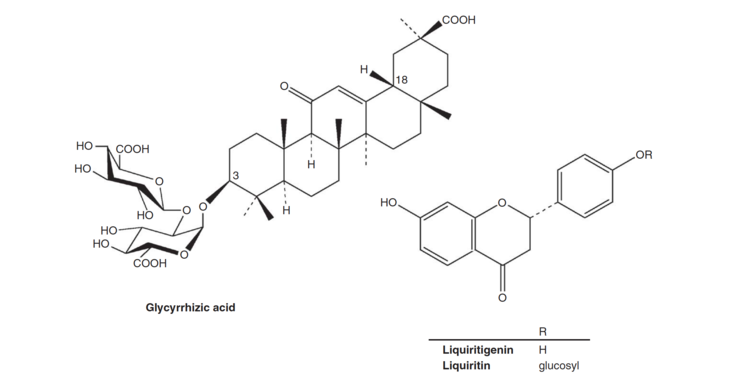
The defining constituent of licorice is the triterpenoid saponin glycyrrhizin (its acid form glycyrrhizic acid) — both the source of the root’s intense sweetness and of its most dangerous side effect. Its aglycone, glycyrrhetinic acid, drives the anti-ulcer activity. The flavonoid fraction is led by liquiritin and the chalcone isoliquiritin, while the prenylated isoflavane glabridin accounts for much of the antioxidant and serotonergic activity, and the chalcones licochalcone A and licochalcone B carry much of the anti-inflammatory activity 43,68Reference 43ReviewReview of pharmacological effects of Glycyrrhiza sp. and its bioactive compounds — reviewView study →Reference 68ReviewGlycyrrhiza glabra (Licorice): a comprehensive review on its phytochemistry, biological activities, clinical evidence and toxicology — reviewView study →.
MAO-B inhibitory components are reported to be due to the licopyranocoumarin licocoumarone and glycyrrhisoflavone content of Glycyrrhiza glabra 55Reference 55In vitroHigh throughput screening to identify natural human monoamine oxidase B inhibitors — in vitroView study →.
The triterpenoid saponin glycyrrhizin (2-6% 69Reference 69Glycyrrhizinsäurebestimmung in Radix liquiritiae mit HPLC — analytical) and its glycoside glycyrrhizic acid is both the cause of licorice’s most dangerous side effects and the active constituent for its biological activity. The main action of glycyrrhizin past its intense sweetness involves the inhibition of the enzyme 11-beta-hydroxysteroid dehydrogenase, which is responsible for metabolizing the stress hormone cortisol into the inactive form cortisone 56Reference 56AnimalLicorice inhibits 11β-hydroxysteroid dehydrogenase mRNA levels and potentiates glucocorticoid hormone action — animal modelView study →. This is beneficial for conditions involving adrenal insufficiency, glaucoma, osteopenia, and metabolic syndrome, but can also cause undesired side effects including hypertension, and fluid retention. Because of this, de-glycyrrhizinate versions of licorice extracts are commercially available.
Glycyrrhetinic acid is the aglycone of glycyrrhizic acid, which is considered the active constituent for licorice’s anti-ulcer activity through the mediation of prostaglandins in the mucous membrane.
The root also contains a wide range of flavonoids (1%-1.5%) which are responsible for the yellow color of the root. Flavones (including liquiritin, rhamnoliquiritin), chalcones (including isoliquiritin), isoflavonoids (including glabridin, glabrone, and formononetin). Also included are coumarins, fatty acids (C2 to C16), phenolic compounds, and arabinogalactans 43,70Reference 43ReviewReview of pharmacological effects of Glycyrrhiza sp. and its bioactive compounds — reviewView study →Reference 70Plant Drug Analysis: A Thin Layer Chromatography Atlas.
Constituent Summary
Figures are % of dried root; glycyrrhizin and glabridin levels vary widely with species (G. glabra vs. G. uralensis/G. inflata), origin, and extraction 43,69,73Reference 43ReviewReview of pharmacological effects of Glycyrrhiza sp. and its bioactive compounds — reviewView study →Reference 69Glycyrrhizinsäurebestimmung in Radix liquiritiae mit HPLC — analyticalReference 73ReviewPhytochemistry and biological properties of glabridin — reviewView study →.
Saponin1 compound1 with data
Triterpene1 compoundno data
Chalcone3 compoundsno data
Isoflavonoid3 compounds2 with data
Clinical Applications
Licorice’s best-evidenced clinical uses are hepatic and local. The strongest human data are for liver protection — intravenous glycyrrhizin in chronic viral hepatitis 1,2,3,4Reference 1ObservationalLong-term treatment of chronic hepatitis C with glycyrrhizin (SNMC) for preventing liver cirrhosis and hepatocellular carcinoma — cohortView study →Reference 2RCTGlycyrrhizin-induced reduction of ALT in European patients with chronic hepatitis C — randomisedView study →Reference 3Meta-analysisComparative effectiveness of glycyrrhizic acid preparations for chronic hepatitis B liver function: a network meta-analysis of 53 RCTsView study →Reference 4Meta-analysisSystematic review and meta-analysis of Compound Glycyrrhizin Injection in chronic hepatitis B liver damageView study → and oral extract in non-alcoholic fatty liver disease 6,7Reference 6RCTEfficacy of licorice root extract in decreasing transaminase activities in NAFLD: a randomised controlled trialView study →Reference 7RCTEffects of licorice root supplementation on liver enzymes, steatosis and oxidative stress in women with NAFLD: a randomised double-blind trialView study → — and for topical/local uses of the root or its extracts: pre-operative gargles for sore throat 9,12Reference 9RCTA randomised, double-blind comparison of licorice versus sugar-water gargle for prevention of postoperative sore throat and postextubation coughingView study →Reference 12Meta-analysisEfficacy of topical agents for prevention of postoperative sore throat after single-lumen intubation: a Bayesian network meta-analysisView study →, mucoadhesive films for aphthous and radiation-induced mouth ulcers 13,28,29Reference 13Systematic reviewTopical Licorice for Aphthous: A Systematic Review of Clinical TrialsView study →Reference 28RCTEffect of Licorice Muco-adhesive Film on Radiotherapy-Induced Oral Mucositis — randomised controlled trialView study →Reference 29RCTTriamcinolone acetonide vs licorice mucoadhesive film on radiotherapy-induced oral mucositis: a randomised double-blinded clinical trialView study →, and lollipops/rinses that lower cariogenic bacteria 31,32,33,34Reference 31Systematic reviewEffectiveness of licorice in preventing dental caries in children: a systematic reviewView study →Reference 32Systematic reviewEfficacy of Licorice Lollipops in Reducing Dental Caries in a Paediatric Population: a systematic reviewView study →Reference 33RCTEfficacy of Licorice on Salivary Streptococcus mutans vs Chlorhexidine Mouthwash in High Caries Risk Patients: a randomised clinical trialView study →Reference 34Clinical trialLollipop containing Glycyrrhiza uralensis extract reduces Streptococcus mutans colonization and maintains oral microbial diversity in Chinese preschool children — clinical trialView study →. The classic antiulcer use is real but preparation-dependent (deglycyrrhizinated licorice, DGL) and mostly predates modern acid-suppressing drugs 18,20Reference 18Clinical trialClinical trial of deglycyrrhizinized liquorice in gastric ulcerView study →Reference 20RCTDouble-blind trial in duodenal and gastric ulcers: cimetidine and deglycyrrhizinized liquorice — randomisedView study →.
The herb’s signature cortisol-sparing action (11β-HSD inhibition) is well proven as a mechanism 56Reference 56AnimalLicorice inhibits 11β-hydroxysteroid dehydrogenase mRNA levels and potentiates glucocorticoid hormone action — animal modelView study → but has never been shown in a trial to treat “adrenal fatigue,” which is not a validated diagnosis — and it is the same mechanism that causes the herb’s hypertension and potassium loss. The traditional antidepressant use rests only on in-vitro serotonin-reuptake and MAO-B inhibition 54,55Reference 54In vitroInhibition of serotonin re-uptake by licorice constituents — in vitroView study →Reference 55In vitroHigh throughput screening to identify natural human monoamine oxidase B inhibitors — in vitroView study →; it is a mechanistic rationale, not clinical evidence.
Dosage
Licorice preparations are not interchangeable — whole root, deglycyrrhizinated licorice (DGL), standardised low-glycyrrhizin extract (GutGard), and licorice flavonoid oil (LFO) each behave differently, and much of the human evidence is for a specific one. Research and traditional doses are given separately below; where a concentrated or proprietary extract has no meaningful root equivalent, it is left blank.
Research doses
| Indication | Preparation | Dose | Est. dried-herb equivalent | Source |
|---|---|---|---|---|
| Functional dyspepsia | Standardised extract (GutGard, low-glycyrrhizin) | 75 mg twice daily × 30 days | ~1.5–3 g root (assuming ~2.5–5% extract yield) — rough | 27Reference 27RCTAn Extract of Glycyrrhiza glabra (GutGard) Alleviates Symptoms of Functional Dyspepsia: a randomised, double-blind, placebo-controlled studyView study → |
| NAFLD | Aqueous root extract | 2 g/day × 2 months | ~2 g root | 6Reference 6RCTEfficacy of licorice root extract in decreasing transaminase activities in NAFLD: a randomised controlled trialView study → |
| NAFLD (women) | Root extract powder | 1,000 mg/day × 12 weeks | ~1 g root | 7Reference 7RCTEffects of licorice root supplementation on liver enzymes, steatosis and oxidative stress in women with NAFLD: a randomised double-blind trialView study → |
| Chronic hepatitis C | IV glycyrrhizin (SNMC) | 240 mg glycyrrhizin IV, 3–6×/week | — (parenteral; no oral equivalent) | 2Reference 2RCTGlycyrrhizin-induced reduction of ALT in European patients with chronic hepatitis C — randomisedView study → |
| PCOS (with diet) | Licorice extract | 1.5 g/day × 8 weeks | ~1.5 g root | 41Reference 41RCTEffects of licorice extract with a low-calorie diet on obesity, glycemic and lipid indices in overweight/obese women with PCOS: a randomised, double-blind, placebo-controlled trialView study → |
| Menopausal hot flashes | Licorice (capsule) | 330 mg × 3/day (~1 g/day) | ~1 g root | 53Reference 53RCTEvaluation of licorice effects on reducing hot flashes in postmenopausal women — randomisedView study → |
| Testosterone reduction (men) | Licorice preparation | ~7 g providing ~500 mg glycyrrhizic acid/day × 1 week | ~7 g root | 36Reference 36Clinical trialReduction of serum testosterone in men by licorice — clinical trialView study → |
| Body fat / fat oxidation | Licorice flavonoid oil (LFO) | 300 mg/day (proprietary oil) | — (concentrated fraction, not root) | 44,45Reference 44Clinical trialEffect of dietary supplementation with licorice flavonoid oil on anthropometric and biochemical markers of health and adiposity — clinical trialView study →Reference 45RCTEnhancement of Fat Oxidation by Licorice Flavonoid Oil in Healthy Humans during Light Exercise — randomisedView study → |
| Postoperative sore throat | Aqueous gargle (not swallowed) | 0.5 g licorice in 30 mL water, gargled pre-op | — (topical) | 9,10Reference 9RCTA randomised, double-blind comparison of licorice versus sugar-water gargle for prevention of postoperative sore throat and postextubation coughingView study →Reference 10RCTEfficacy of licorice gargle for attenuating postoperative sore throat — randomised single-blindView study → |
| Oral mucositis / aphthous | Mucoadhesive film / gargle (topical) | applied locally | — (topical) | 14,16,28Reference 14RCTEffective licorice gargle juice for aphthous ulcer pain relief: a randomised double-blind placebo-controlled trialView study →Reference 16A controlled trial of a dissolving oral patch of glycyrrhiza (licorice) extract for aphthous ulcersView study →Reference 28RCTEffect of Licorice Muco-adhesive Film on Radiotherapy-Induced Oral Mucositis — randomised controlled trialView study → |
Assumption: aqueous/powder root extracts are treated ~1:1 with dried root for the estimate; standardised concentrated extracts (GutGard) and flavonoid oil (LFO) are NOT convertible to a root weight and are marked ”—” or order-of-magnitude only. These are estimates and a guide, not conversion factors or recommendations.
Traditional Dosage
| System | Preparation | Dose |
|---|---|---|
| Western herbal (Bone & Mills) | Liquid extract 1:1 | 15–40 mL/week (≈ 2–6 mL/day; the sidebar figure) |
| Western herbal | Dried root (decoction) | 1–4 g three times daily |
| Western herbal | Tincture 1:5 (~40%) | 5–15 mL/day |
| TCM (Gan Cao) | Dried/honey-fried root in decoction | 3–12 g/day within a formula (harmoniser) |
| Ayurveda (Yashtimadhu) | Root powder | 1–3 g/day |
Safety & Pregnancy
Licorice is fine as an occasional food, but its saponin glycyrrhizin causes dose- and duration-dependent pseudo-aldosteronism — raised blood pressure, potassium loss and fluid retention — so therapeutic use should be kept short and is contraindicated in several conditions. Deglycyrrhizinated licorice (DGL) removes most of this risk.
- Pseudo-aldosteronism. Glycyrrhizin raises blood pressure and drives potassium loss and fluid retention with sustained or high-dose use.
- Contraindicated conditions. Avoid with hypertension, heart failure, kidney disease, low potassium or cholestatic liver disease.
- Not in pregnancy. Avoid therapeutic doses — plausible fetal harm; culinary flavouring amounts are a different matter.
- Drug interactions. Adds to potassium-depleting diuretics, potentiates digoxin toxicity and corticosteroids, antagonises antihypertensives.
- Lowers testosterone. A reproducible fall in serum testosterone — relevant for men and anyone monitoring androgens.
- Use DGL / keep it short. DGL avoids most of the risk; otherwise cap glycyrrhizin at roughly ≤100 mg/day and use short courses.
Full safety & interactions detail
Licorice is safe as an occasional food and flavouring, but its main saponin, glycyrrhizin, inhibits the enzyme 11β-hydroxysteroid dehydrogenase and so produces a dose- and duration-dependent pseudo-aldosteronism: sodium and water retention, raised blood pressure, potassium loss (hypokalaemia) and suppression of the renin–aldosterone system. A systematic review and meta-analysis confirmed that consistent ingestion of glycyrrhizin-containing licorice raises blood pressure and lowers plasma potassium 57Reference 57Meta-analysisThe association between consistent licorice ingestion, hypertension and hypokalaemia: a systematic review and meta-analysisView study →, and case reports document severe hypertension, hypokalaemia, oedema, muscle weakness and cardiac arrhythmia with chronic or high-dose use 58,60Reference 58ReviewLiquorice Toxicity: A Comprehensive Narrative ReviewView study →Reference 60Case reportLicorice-induced apparent mineralocorticoid excess causing persistent hypertension and hypokalemia — case reportView study →.
Licorice should be avoided by people with hypertension, heart failure, kidney disease, low potassium, or cholestatic liver disease. Clinically important drug interactions are pharmacodynamic: potassium-depleting diuretics (thiazides, loop) add to the hypokalaemia; digoxin toxicity is potentiated by low potassium; corticosteroids are potentiated (licorice prolongs cortisol’s half-life); and antihypertensive drugs are antagonised. It also reproducibly lowers serum testosterone, a consideration for men and for anyone monitoring androgen levels 36,38Reference 36Clinical trialReduction of serum testosterone in men by licorice — clinical trialView study →Reference 38Clinical trialLicorice reduces serum testosterone in healthy women — clinical trialView study →. As a practical mitigation, deglycyrrhizinated licorice (DGL) removes most of this risk — but also loses part of the systemic activity. Regulatory guidance limits sustained glycyrrhizin intake to roughly ≤100 mg/day and therapeutic use to short courses (~4–6 weeks) unless supervised.
Scope note: pharmacodynamic (mineralocorticoid/potassium) interactions are well documented; formal pharmacokinetic (CYP-level) interaction studies of whole licorice are limited, so a specific CYP interaction is not asserted here. Lactation has not been specifically studied — treat as not established.
Avoid therapeutic doses in pregnancy. Glycyrrhizin’s mineralocorticoid effect and its inhibition of placental 11β-HSD2 are biologically plausible routes to harm, and observational data associate heavy maternal licorice intake with adverse pregnancy and offspring outcomes; regulatory and toxicological reviews class high or sustained intake as unsafe in pregnancy 58,62Reference 58ReviewLiquorice Toxicity: A Comprehensive Narrative ReviewView study →Reference 62ReviewAdverse effects of licorice consumed as food: an update — reviewView study →. Culinary amounts of licorice flavouring are a different matter, but therapeutic doses of the root should be avoided. Lactation has not been specifically studied — treat as not established and avoid therapeutic doses.
References
- Kumada H (2002). Long-term treatment of chronic hepatitis C with glycyrrhizin (SNMC) for preventing liver cirrhosis and hepatocellular carcinoma — cohort. Oncology. https://pubmed.ncbi.nlm.nih.gov/11868794/
- van Rossum TG, et al. (2001). Glycyrrhizin-induced reduction of ALT in European patients with chronic hepatitis C — randomised. American Journal of Gastroenterology. https://pubmed.ncbi.nlm.nih.gov/11513186/
- Gao W, et al. (2023). Comparative effectiveness of glycyrrhizic acid preparations for chronic hepatitis B liver function: a network meta-analysis of 53 RCTs. Phytomedicine. https://pubmed.ncbi.nlm.nih.gov/37224775/
- Wang HN, et al. (2021). Systematic review and meta-analysis of Compound Glycyrrhizin Injection in chronic hepatitis B liver damage. Zhongguo Zhong Yao Za Zhi. https://pubmed.ncbi.nlm.nih.gov/33645037/
- Wang JB, et al. (2022). Corticosteroid plus glycyrrhizin therapy for chronic drug- or herb-induced liver injury: a randomised open-label trial. Alimentary Pharmacology & Therapeutics. https://pubmed.ncbi.nlm.nih.gov/35362188/
- Hajiaghamohammadi AA, et al. (2012). Efficacy of licorice root extract in decreasing transaminase activities in NAFLD: a randomised controlled trial. Phytotherapy Research. https://pubmed.ncbi.nlm.nih.gov/22308054/
- Rostamizadeh P, et al. (2022). Effects of licorice root supplementation on liver enzymes, steatosis and oxidative stress in women with NAFLD: a randomised double-blind trial. Phytotherapy Research. https://pubmed.ncbi.nlm.nih.gov/35785498/
- van Rossum TG, et al. (2001). ‘Pseudo-aldosteronism’ induced by intravenous glycyrrhizin treatment of chronic hepatitis C patients — observational. Journal of Gastroenterology and Hepatology. https://pubmed.ncbi.nlm.nih.gov/11446888/
- Ruetzler K, et al. (2013). A randomised, double-blind comparison of licorice versus sugar-water gargle for prevention of postoperative sore throat and postextubation coughing. Anesthesia and Analgesia. https://pubmed.ncbi.nlm.nih.gov/23921656/
- Agarwal A, et al. (2009). Efficacy of licorice gargle for attenuating postoperative sore throat — randomised single-blind. Anesthesia and Analgesia. https://pubmed.ncbi.nlm.nih.gov/19535697/
- Honarmand A, et al. (2016). Efficacy of different doses of liquorice gargling for attenuating postoperative sore throat and cough after tracheal intubation — randomised. European Journal of Anaesthesiology. https://pubmed.ncbi.nlm.nih.gov/26716864/
- Singh NP, et al. (2020). Efficacy of topical agents for prevention of postoperative sore throat after single-lumen intubation: a Bayesian network meta-analysis. Canadian Journal of Anaesthesia. https://pubmed.ncbi.nlm.nih.gov/32820466/
- Dorsareh F, et al. (2023). Topical Licorice for Aphthous: A Systematic Review of Clinical Trials. Iranian Journal of Medical Sciences. https://pubmed.ncbi.nlm.nih.gov/37786470/
- Liu HL, et al. (2022). Effective licorice gargle juice for aphthous ulcer pain relief: a randomised double-blind placebo-controlled trial. Pakistan Journal of Pharmaceutical Sciences. https://pubmed.ncbi.nlm.nih.gov/36451559/
- Akbari N, et al. (2020). Effects of licorice-containing diphenhydramine solution on recurrent aphthous stomatitis: a double-blind randomised clinical trial. Complementary Therapies in Medicine. https://pubmed.ncbi.nlm.nih.gov/32444056/
- Martin MD, et al. (2008). A controlled trial of a dissolving oral patch of glycyrrhiza (licorice) extract for aphthous ulcers. General Dentistry. https://pubmed.ncbi.nlm.nih.gov/18348383/
- Liu H, et al. (2022). Efficacy of Topical Intervention for Recurrent Aphthous Stomatitis: A Network Meta-Analysis. Medicina. https://pubmed.ncbi.nlm.nih.gov/35744034/
- Turpie AG, et al. (1969). Clinical trial of deglycyrrhizinized liquorice in gastric ulcer. Gut. https://pubmed.ncbi.nlm.nih.gov/4889526/
- Rees WD, et al. (1979). Effect of deglycyrrhizinated liquorice on gastric mucosal damage by aspirin — animal model. Scandinavian Journal of Gastroenterology. https://pubmed.ncbi.nlm.nih.gov/493863/
- D’Imperio N, et al. (1978). Double-blind trial in duodenal and gastric ulcers: cimetidine and deglycyrrhizinized liquorice — randomised. Acta Gastro-enterologica Belgica. https://pubmed.ncbi.nlm.nih.gov/373361/
- Hajiaghamohammadi AA, et al. (2016). Effect of adding licorice to the standard treatment regimen of Helicobacter pylori — randomised. Brazilian Journal of Infectious Diseases. https://pubmed.ncbi.nlm.nih.gov/27614124/
- Momeni A, et al. (2014). Effect of licorice versus bismuth on eradication of Helicobacter pylori in peptic ulcer disease — randomised. Pharmacognosy Research. https://pubmed.ncbi.nlm.nih.gov/25276073/
- Wittschier N, et al. (2009). Aqueous extracts and polysaccharides from liquorice roots inhibit adhesion of Helicobacter pylori to human gastric mucosa — in vitro. Journal of Ethnopharmacology. https://pubmed.ncbi.nlm.nih.gov/19607905/
- Li Q, et al. (2022). Licochalcone B specifically inhibits the NLRP3 inflammasome by disrupting NEK7-NLRP3 interaction — in vitro. EMBO Reports. https://pubmed.ncbi.nlm.nih.gov/34882936/
- Leite CDS, et al. (2022). Anti-Inflammatory Properties of Licorice-Derived Compounds in Intestinal Disorders — review. International Journal of Molecular Sciences. https://pubmed.ncbi.nlm.nih.gov/35456938/
- Maria Pia GD, et al. (2019). Biological Effects of Licochalcones — review. Mini Reviews in Medicinal Chemistry. https://pubmed.ncbi.nlm.nih.gov/30049263/
- Raveendra KR, et al. (2012). An Extract of Glycyrrhiza glabra (GutGard) Alleviates Symptoms of Functional Dyspepsia: a randomised, double-blind, placebo-controlled study. Evidence-Based Complementary and Alternative Medicine. https://pubmed.ncbi.nlm.nih.gov/21747893/
- Pakravan F, et al. (2021). Effect of Licorice Muco-adhesive Film on Radiotherapy-Induced Oral Mucositis — randomised controlled trial. Gulf Journal of Oncology. https://pubmed.ncbi.nlm.nih.gov/35152194/
- Ghalayani P, et al. (2017). Triamcinolone acetonide vs licorice mucoadhesive film on radiotherapy-induced oral mucositis: a randomised double-blinded clinical trial. Asia-Pacific Journal of Clinical Oncology. https://pubmed.ncbi.nlm.nih.gov/25347930/
- Najafi S, et al. (2017). Preventive Effect of Glycyrrhiza glabra Extract on Oral Mucositis in Head-and-Neck Radiotherapy: a randomised clinical trial. Journal of Dentistry (Tehran). https://pubmed.ncbi.nlm.nih.gov/29296112/
- Tharakan AP, et al. (2020). Effectiveness of licorice in preventing dental caries in children: a systematic review. Journal of the Indian Society of Pedodontics and Preventive Dentistry. https://pubmed.ncbi.nlm.nih.gov/33402612/
- Nuvvula S, et al. (2020). Efficacy of Licorice Lollipops in Reducing Dental Caries in a Paediatric Population: a systematic review. Oral Health & Preventive Dentistry. https://pubmed.ncbi.nlm.nih.gov/32238980/
- Helmy N, et al. (2021). Efficacy of Licorice on Salivary Streptococcus mutans vs Chlorhexidine Mouthwash in High Caries Risk Patients: a randomised clinical trial. Journal of Contemporary Dental Practice. https://pubmed.ncbi.nlm.nih.gov/34753844/
- Chen Y, et al. (2019). Lollipop containing Glycyrrhiza uralensis extract reduces Streptococcus mutans colonization and maintains oral microbial diversity in Chinese preschool children — clinical trial. PLoS One. https://pubmed.ncbi.nlm.nih.gov/31442287/
- Messier C, et al. (2012). Licorice and its potential beneficial effects in common oro-dental diseases — review. Oral Diseases. https://pubmed.ncbi.nlm.nih.gov/21851508/
- Armanini D, et al. (1999). Reduction of serum testosterone in men by licorice — clinical trial. New England Journal of Medicine. https://pubmed.ncbi.nlm.nih.gov/10515764/
- Armanini D, et al. (2003). Licorice consumption and serum testosterone in healthy man — clinical trial. Experimental and Clinical Endocrinology & Diabetes. https://pubmed.ncbi.nlm.nih.gov/14520600/
- Armanini D, et al. (2004). Licorice reduces serum testosterone in healthy women — clinical trial. Steroids. https://pubmed.ncbi.nlm.nih.gov/15579328/
- Sigurjonsdottir HA, et al. (2006). Liquorice in moderate doses does not affect sex steroid hormones of biological importance — clinical trial. Hormone Research. https://pubmed.ncbi.nlm.nih.gov/16462145/
- Armanini D, et al. (2007). Treatment of polycystic ovary syndrome with spironolactone plus licorice — clinical trial. European Journal of Obstetrics, Gynecology, and Reproductive Biology. https://pubmed.ncbi.nlm.nih.gov/17113210/
- Hooshmandi H, et al. (2024). Effects of licorice extract with a low-calorie diet on obesity, glycemic and lipid indices in overweight/obese women with PCOS: a randomised, double-blind, placebo-controlled trial. Journal of Ovarian Research. https://pubmed.ncbi.nlm.nih.gov/39080737/
- Zhang J, et al. (2023). Review on the Diverse Biological Effects of Glabridin — review. Drug Design, Development and Therapy. https://pubmed.ncbi.nlm.nih.gov/36647530/
- Asl MN & Hosseinzadeh H (2008). Review of pharmacological effects of Glycyrrhiza sp. and its bioactive compounds — review. Phytotherapy Research. https://pubmed.ncbi.nlm.nih.gov/18446848/
- Bell ZW, et al. (2011). Effect of dietary supplementation with licorice flavonoid oil on anthropometric and biochemical markers of health and adiposity — clinical trial. Lipids in Health and Disease. https://pubmed.ncbi.nlm.nih.gov/21310080/
- Mori N, et al. (2015). Enhancement of Fat Oxidation by Licorice Flavonoid Oil in Healthy Humans during Light Exercise — randomised. Journal of Nutritional Science and Vitaminology. https://pubmed.ncbi.nlm.nih.gov/26639849/
- Kinoshita T, et al. (2017). Effects of licorice flavonoid oil on increasing muscle mass: a randomised, double-blind, placebo-controlled trial. Journal of the Science of Food and Agriculture. https://pubmed.ncbi.nlm.nih.gov/27643690/
- Armanini D, et al. (2005). Glycyrrhetinic acid can reduce the thickness of subcutaneous thigh fat through topical application — clinical trial. Steroids. https://pubmed.ncbi.nlm.nih.gov/15894038/
- Eu CH, et al. (2010). Glycyrrhizic acid improved lipoprotein lipase expression, insulin sensitivity and lipid deposition in high-fat-diet obese rats — animal model. Lipids in Health and Disease. https://pubmed.ncbi.nlm.nih.gov/20670429/
- Cinatl J, et al. (2003). Glycyrrhizin, an active component of liquorice roots, and replication of SARS-associated coronavirus — in vitro. Lancet. https://pubmed.ncbi.nlm.nih.gov/12814717/
- van de Sand L, et al. (2021). Glycyrrhizin Effectively Inhibits SARS-CoV-2 Replication by Inhibiting the Viral Main Protease — in vitro. Viruses. https://pubmed.ncbi.nlm.nih.gov/33918301/
- Hoever G, et al. (2005). Antiviral activity of glycyrrhizic acid derivatives against SARS-coronavirus — in vitro. Journal of Medicinal Chemistry. https://pubmed.ncbi.nlm.nih.gov/15715493/
- Li H, et al. (2020). The Potential of Glycyrrhizinate in the Management of COVID-19: a systematic review of glycyrrhizin preparations in SARS and MERS. American Journal of Chinese Medicine. https://pubmed.ncbi.nlm.nih.gov/33202150/
- Menati L, et al. (2014). Evaluation of licorice effects on reducing hot flashes in postmenopausal women — randomised. Health Care for Women International. https://pubmed.ncbi.nlm.nih.gov/23663094/
- Ofir R, et al. (2003). Inhibition of serotonin re-uptake by licorice constituents — in vitro. Journal of Molecular Neuroscience. https://pubmed.ncbi.nlm.nih.gov/12794307/
- Mazzio E, et al. (2013). High throughput screening to identify natural human monoamine oxidase B inhibitors — in vitro. Phytotherapy Research. https://pubmed.ncbi.nlm.nih.gov/22887993/
- Whorwood CB, et al. (1993). Licorice inhibits 11β-hydroxysteroid dehydrogenase mRNA levels and potentiates glucocorticoid hormone action — animal model. Endocrinology. https://pubmed.ncbi.nlm.nih.gov/8504732/
- Penninkilampi R, et al. (2017). The association between consistent licorice ingestion, hypertension and hypokalaemia: a systematic review and meta-analysis. Journal of Human Hypertension. https://pubmed.ncbi.nlm.nih.gov/28660884/
- Ceccuzzi G, et al. (2023). Liquorice Toxicity: A Comprehensive Narrative Review. Nutrients. https://pubmed.ncbi.nlm.nih.gov/37764649/
- Nazari S, et al. (2017). Toxicological Effects of Glycyrrhiza glabra (Licorice): A Review. Phytotherapy Research. https://pubmed.ncbi.nlm.nih.gov/28833680/
- Awad N, et al. (2020). Licorice-induced apparent mineralocorticoid excess causing persistent hypertension and hypokalemia — case report. Acta Endocrinologica (Bucharest). https://pubmed.ncbi.nlm.nih.gov/34084245/
- Deutch MR, et al. (2019). Bioactive Candy: Effects of Licorice on the Cardiovascular System — review. Foods. https://pubmed.ncbi.nlm.nih.gov/31615045/
- Caré W, et al. (2023). Adverse effects of licorice consumed as food: an update — review. La Revue de Médecine Interne. https://pubmed.ncbi.nlm.nih.gov/37005098/
- Liu J, et al. (2025). Glycyrrhiza glabra extract as a skin-whitening agent: active components and CRTC1/MITF pathway inhibition — in vitro. Journal of Ethnopharmacology. https://pubmed.ncbi.nlm.nih.gov/40350048/
- He J, et al. (2023). Tetrahedral framework nucleic acid loaded with glabridin: a transdermal delivery system for anti-hyperpigmentation — in vitro. Cell Proliferation. https://pubmed.ncbi.nlm.nih.gov/37132449/
- Chang J, et al. (2021). Glabridin attenuates atopic dermatitis progression via TLR4/MyD88/NF-κB downregulation — animal model. Genes & Genomics. https://pubmed.ncbi.nlm.nih.gov/34021857/
- Deng N, et al. (2023). Anticancer effects of licochalcones: a review of the mechanisms — review. Frontiers in Pharmacology. https://pubmed.ncbi.nlm.nih.gov/36755942/
- Rafi MM, et al. (2002). Novel polyphenol molecule from licorice root induces apoptosis, G2/M arrest and Bcl-2 phosphorylation in tumor cell lines — in vitro. Journal of Agricultural and Food Chemistry. https://pubmed.ncbi.nlm.nih.gov/11829627/
- Wahab S, et al. (2021). Glycyrrhiza glabra (Licorice): a comprehensive review on its phytochemistry, biological activities, clinical evidence and toxicology — review. Plants. https://pubmed.ncbi.nlm.nih.gov/34961221/
- Sticher O, & Soldati F (1978). Glycyrrhizinsäurebestimmung in Radix liquiritiae mit HPLC — analytical. Pharmaceutica Acta Helvetiae.
- Wagner H, & Bladt S (1996). Plant Drug Analysis: A Thin Layer Chromatography Atlas. Springer.
- Bisset NG (1994). Herbal Drugs and Phytopharmaceuticals: A Handbook for Practice on a Scientific Basis. Medpharm Scientific Publishers.
- Zeng D (2003). Essentials of Chinese Medicine Materia Medica — traditional medical text. Bridge Pub. Group.
- Simmler C, Pauli GF, & Chen SN (2013). Phytochemistry and biological properties of glabridin — review. Fitoterapia, 90, 160–184. https://pubmed.ncbi.nlm.nih.gov/23850540/