
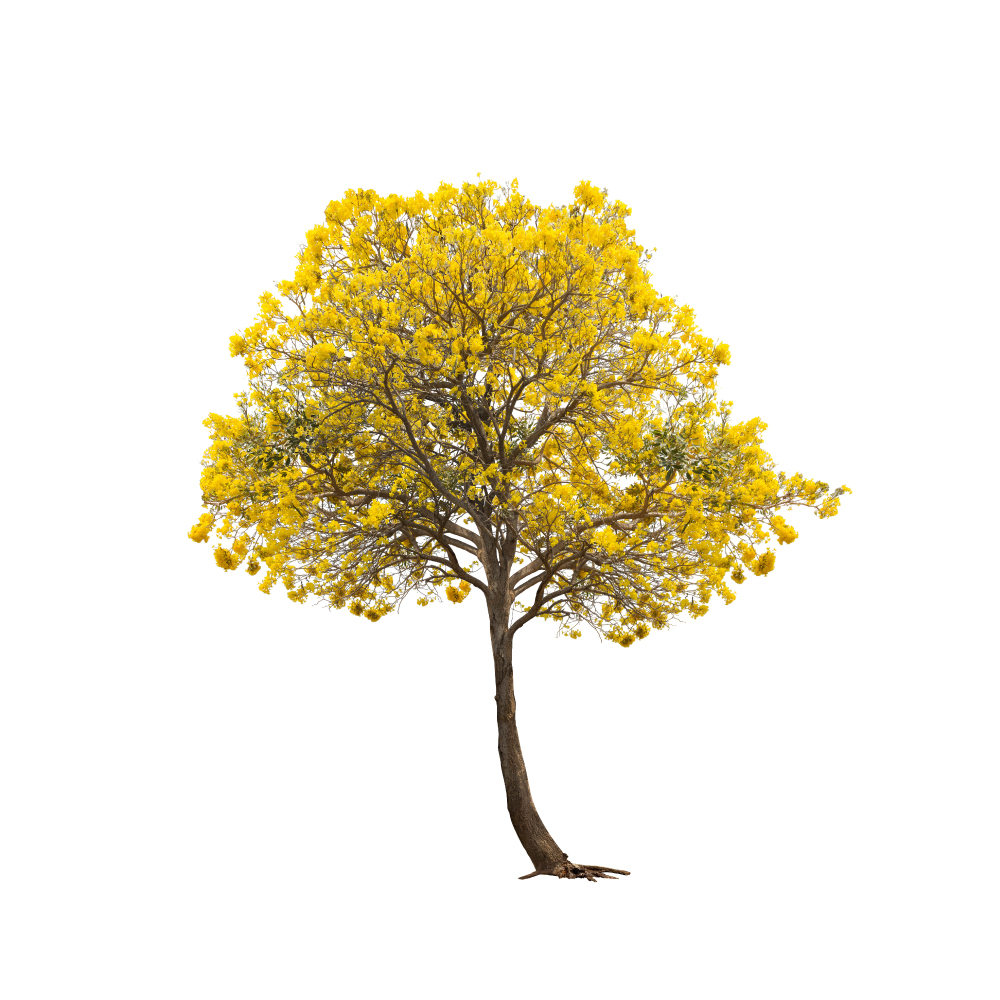
What Is Pau D’Arco?
Pau d’arco is the inner bark of large canopy trees of the genus Tabebuia (now largely reclassified as Handroanthus), native to the Amazon and tropical Central and South America. Indigenous peoples across the rainforest have used the bark for centuries as an antibacterial, antifungal and antiparasitic remedy, most famously as a tea — “taheebo” or “lapacho” 1,40Reference 1ReviewTabebuia impetiginosa: A comprehensive review on traditional uses, phytochemistry, and immunopharmacological properties — reviewView study →Reference 40The Healing Power of Rainforest Herbs.
Its reputation rests on the quinones of the inner bark and heartwood — above all the naphthoquinone lapachol and the ortho-naphthoquinone beta-lapachone — which drive most of its documented antimicrobial and researched anticancer activity. A recurring caveat runs through the whole subject: those quinones are poorly water-soluble and vary enormously with species and sourcing, and a chemical survey of commercial “pau d’arco” found most products contained little or no lapachol — so what is sold is often not what the research studied 9,40Reference 9Development and validation of an analytical method for quality control of Tabebuia impetiginosa (taheebo) ethanolic extract — analytical method (veratric acid marker)View study →Reference 40The Healing Power of Rainforest Herbs.
Modern laboratory work has broadened the picture beyond antimicrobial action to a well-mapped anti-inflammatory and immunomodulatory effect — now shown in human immune cells — but genuine human clinical data on the whole herb remain minimal.
Traditional & Modern Uses
Evidence of Tabebuia use in South America predates the Incas; tribes across the rainforest, with little contact between them, independently adopted the bark for much the same purposes, and the dense wood was prized for hunting bows 40Reference 40The Healing Power of Rainforest Herbs. Pau d’arco has been used throughout the continent for ulcers, syphilis, urinary-tract and gastrointestinal infections, candidiasis, cancer, diabetes, prostatitis, constipation, rheumatism, arthritis, dysentery and boils 40Reference 40The Healing Power of Rainforest Herbs. Colombian and Bahamian traditions employed a bark infusion or decoction as a stimulating, strengthening tonic, and in Brazil T. avellanedae bark tea is taken for malaria, fever, stomach disorders and infections, and to ease anxiety, poor memory and low mood 1Reference 1ReviewTabebuia impetiginosa: A comprehensive review on traditional uses, phytochemistry, and immunopharmacological properties — reviewView study →.
Today the bark is used chiefly as an antimicrobial. Its best-known folk application is as a supportive remedy for Candida overgrowth, traditionally taken as a tea for several weeks — though this popular use rests on in-vitro activity rather than any clinical trial, and typically needs 3–4 weeks of regular use before any effect is reported. It is also taken as a general anti-inflammatory “blood cleanser” and, historically, as a supportive remedy during cancer — a use that traces to mid-20th-century interest in lapachol but is not supported by whole-herb human data (see Pharmacology).
Botany & Varieties
Pau d’arco comes from massive Bignoniaceae trees reaching ~30 m tall with trunks 1.5–3 m across, celebrated across South America for their vibrant, long-lived trumpet flowers and planted widely as ornamentals 40Reference 40The Healing Power of Rainforest Herbs. The genus Tabebuia contains around 100 species; the two used medicinally, T. impetiginosa and T. avellanedae, are now treated as a single accepted species, Handroanthus impetiginosus (with Tabebuia impetiginosa and T. avellanedae as synonyms) 1Reference 1ReviewTabebuia impetiginosa: A comprehensive review on traditional uses, phytochemistry, and immunopharmacological properties — reviewView study →. Other species — T. rosea, T. chrysantha, T. serratifolia — appear in the antimicrobial literature and differ in quinone content, so the exact binomial behind any given result matters.
Much bark on the market is a by-product of the timber industry, which is the root of the herb’s quality problem. Once a log reaches the mill, the features that identify the species are gone and it is sold simply as “pau d’arco” 40Reference 40The Healing Power of Rainforest Herbs. A chemical analysis of 12 commercial products found only one contained lapachol, and only in trace amounts against the ~2–7% documented in genuine bark — mahogany shavings and other look-alike woods are reportedly swept up and sold as pau d’arco 40Reference 40The Healing Power of Rainforest Herbs.
Habitat & Distribution
The Tabebuia/Handroanthus genus is distributed throughout the Amazon rainforest and across tropical South and Central America, forming a conspicuous part of the diverse forest canopy 40Reference 40The Healing Power of Rainforest Herbs.
Harvesting & Preparation
The tree is felled primarily for timber; at the mill the inner bark is stripped and sold on the herbal market while the heartwood is cut for lumber. Laboratory analysis consistently finds the heartwood carries the highest lapachol, which is where most research has focused — good-quality T. impetiginosa runs around 4% lapachol 40Reference 40The Healing Power of Rainforest Herbs. The quinoids are only weakly water-soluble and must be simmered for 10–15 minutes to extract a meaningful amount, so a quick infusion under-extracts them; a decoction or hydroalcoholic extract is preferred 9,40Reference 9Development and validation of an analytical method for quality control of Tabebuia impetiginosa (taheebo) ethanolic extract — analytical method (veratric acid marker)View study →Reference 40The Healing Power of Rainforest Herbs.
Phytochemistry
Pau d’arco’s reputation rests on the quinones of its inner bark. The defining compound is the naphthoquinone lapachol, present in good-quality Tabebuia impetiginosa heartwood and inner bark at roughly 2–7% (about 4% in well-sourced material, ~40 mg/g) — the marker whose near-absence in many commercial products signals adulteration 40Reference 40The Healing Power of Rainforest Herbs. Alongside it sits beta-lapachone, the quinone behind much of the herb’s researched anticancer and anti-inflammatory activity (IDO1 inhibition among its mechanisms) 15Reference 15In vitroThe tumor-selective cytotoxic agent β-lapachone is a potent inhibitor of IDO1 — in vitroView study →.
These two anchor a broad family of naphthoquinones, furanonaphthoquinones, anthraquinones and related quinones that account for the bark’s broad-spectrum antibacterial and antifungal actions 12Reference 12ReviewAnti-infectious activity in plants of the genus Tabebuia — reviewView study →. The bark also carries a phenolic layer — caffeic acid (linked to antidepressant-like effects 36Reference 36AnimalNMDA receptors and the L-arginine-nitric oxide-cyclic GMP pathway are implicated in the antidepressant-like action of the ethanolic extract from Tabebuia avellanedae in mice — animal modelView study →), simple benzoic/veratric acids, quercetin and other flavonoids, lignan and phenylpropanoid glycosides — plus iridoid glycosides such as ajugols.
Recent primary work has named further discrete molecules: the phenylpropanoid glycoside acteoside (verbascoside), the principal COX-2-selective anti-inflammatory constituent of taheebo polyphenols 10Reference 10In vitroTaheebo polyphenols attenuate free fatty acid-induced inflammation in murine and human macrophage cell lines as inhibitor of cyclooxygenase-2 — in vitroView study →; the iridoid glycoside specioside, a Keap1-Nrf2 activator 37Reference 37In vitroActivation of the Keap1-Nrf2 pathway by specioside and the n-butanol extract from the inner bark of Tabebuia rosea — in vitroView study →; anthraquinones including 2-(hydroxymethyl)anthraquinone, reported more active than metronidazole against H. pylori in vitro 13Reference 13In vitroAntibacterial activity of Tabebuia impetiginosa Martius ex DC (Taheebo) against Helicobacter pylori — in vitroView study →; and veratric acid, now used as the validated LC-UV quality-control marker for standardised extract (~15 mg/g) 9Reference 9Development and validation of an analytical method for quality control of Tabebuia impetiginosa (taheebo) ethanolic extract — analytical method (veratric acid marker)View study →.
Constituent Summary
The full catalogue is large, so compounds are grouped by class below. Quantitative data exist almost only for lapachol and the extract marker veratric acid; every other figure is genuinely unreported, shown as No Data. No single unit is shared, so amounts are labelled individually.
Quinones17 compounds1 with data
Anthraquinones3 compoundsno data
Phenolic Acids9 compounds1 with data
Anthocyanins2 compoundsno data
Phenylpropanoids3 compoundsno data
Iridoids3 compoundsno data
Vitamins1 compoundno data
Pharmacology & Research
Pau d’arco has a substantial preclinical literature — hundreds of papers on the bark, its naphthoquinones, and above all the ortho-naphthoquinone β-lapachone — but almost none of it is human, and much of it studies isolated compounds rather than the tea or extract the herb is actually taken as 1,2Reference 1ReviewTabebuia impetiginosa: A comprehensive review on traditional uses, phytochemistry, and immunopharmacological properties — reviewView study →Reference 2Systematic reviewIn vitro antiproliferative activity in plants of the genus Tabebuia: A systematic reviewView study →. The most solid recent signal is anti-inflammatory and immunomodulatory: bark extracts damp pro-inflammatory cytokines in primary human lymphocytes and in human monocyte lines 3,4Reference 3The medicinal plant Tabebuia impetiginosa potently reduces pro-inflammatory cytokine responses in primary human lymphocytes — ex vivo human cell studyView study →Reference 4In vitroEffects of Handroanthus impetiginosus (Mart. ex DC.) Mattos extract on inflammatory, immune, atherogenic profile and differentiation in the THP-1 human cell line — in vitroView study →, and a Tabebuia ethanol extract (Tabetri) has been through a completed, registered, double-blind placebo-controlled osteoarthritis trial — though its human results are not yet published 5,6Reference 5In vitroTabetri (Tabebuia avellanedae ethanol extract) ameliorates osteoarthritis symptoms induced by monoiodoacetate through anti-inflammatory and chondroprotective activities — rat model and in vitroView study →Reference 6RCTEfficacy and safety of Tabetri (Tabebuia avellanedae ethanol extract) on osteoarthritis — 12-week multicenter randomised double-blind placebo-controlled trial (n=100), completed; results not yet publishedView study →. The one true clinical read-out to date is a small open-label dysmenorrhea trial reporting good tolerability and reduced pain 7Reference 7Safety and tolerability of Pau d’Arco (Tabebuia avellanedae) for primary dysmenorrhea: a single-arm, open-label trial (n=12)View study →, while the famous anticancer story rests almost entirely on β-lapachone and its synthetic analogue ARQ 761, tested in early-phase oncology trials as a purified drug, not as pau d’arco 8Reference 8Clinical trialPhase 1 study of ARQ 761, a β-lapachone analogue that promotes NQO1-mediated programmed cancer cell necrosis — clinical trialView study →. Two caveats run through everything below: quinone content varies enormously with species and sourcing (many commercial products are adulterated), and the active quinones are poorly water-soluble, so a quick infusion under-extracts them 9Reference 9Development and validation of an analytical method for quality control of Tabebuia impetiginosa (taheebo) ethanolic extract — analytical method (veratric acid marker)View study →.
- Best-supported: anti-inflammatory/immunomodulatory activity, now shown in human immune cells and mapped to NF-κB/COX-2 suppression 3,10,11Reference 3The medicinal plant Tabebuia impetiginosa potently reduces pro-inflammatory cytokine responses in primary human lymphocytes — ex vivo human cell studyView study →Reference 10In vitroTaheebo polyphenols attenuate free fatty acid-induced inflammation in murine and human macrophage cell lines as inhibitor of cyclooxygenase-2 — in vitroView study →Reference 11ReviewAn evaluation on potential anti-inflammatory effects of β-lapachone — reviewView study →; broad in vitro antibacterial and antifungal action from the bark’s naphthoquinones 12,13,14Reference 12ReviewAnti-infectious activity in plants of the genus Tabebuia — reviewView study →Reference 13In vitroAntibacterial activity of Tabebuia impetiginosa Martius ex DC (Taheebo) against Helicobacter pylori — in vitroView study →Reference 14In vitroAntifungal activity of Paraguayan plants used in traditional medicine — in vitroView study →.
- Emerging, worth watching: the β-lapachone anticancer programme (NQO1-selective cell killing, into human phase 1/2 trials as the isolated analogue) 8,15Reference 8Clinical trialPhase 1 study of ARQ 761, a β-lapachone analogue that promotes NQO1-mediated programmed cancer cell necrosis — clinical trialView study →Reference 15In vitroThe tumor-selective cytotoxic agent β-lapachone is a potent inhibitor of IDO1 — in vitroView study →; replicated rodent gastroprotective and antidepressant signals 16,17Reference 16AnimalAntiulcerogenic activity of bark extract of Tabebuia avellanedae — rat modelView study →Reference 17AnimalAntidepressant-like action of the ethanolic extract from Tabebuia avellanedae in mice: evidence for involvement of the monoaminergic system — animal modelView study →.
- Mechanistically thin: antioxidant, metabolic/anti-obesity, and neuroprotective claims rest on constituent-level or single-model preclinical work 18,19,20Reference 18In vitroBioactive phenylpropanoid glycosides from Tabebuia avellanedae — in vitro antioxidant and CYP3A4 inhibitionView study →Reference 19In vitroKwak, H. J., Jeong, M. Y., Um, J. Y., & Park, J. (2019). β-Lapachone regulates obesity through modulating thermogenesis in brown adipose tissue and adipocytes via AMPK signaling — mouse model and in vitro. American Journal of Chinese Medicine, 47(4), 803-822. https://pubmed.ncbi.nlm.nih.gov/31094212/View study →Reference 20AnimalLC-qTOF-MS/MS phytochemical profiling of Tabebuia impetiginosa leaf and assessment of its neuroprotective potential in rats — animal modelView study →. Traditional antiviral and antipsoriatic uses have no credible primary whole-herb data.
- The caveat: essentially no whole-herb human efficacy data; the strongest anticancer evidence is for a purified synthetic quinone, not the herb; and marker-compound content (lapachol) is absent or trace in many products sold as pau d’arco 9Reference 9Development and validation of an analytical method for quality control of Tabebuia impetiginosa (taheebo) ethanolic extract — analytical method (veratric acid marker)View study →.
1. Anti-inflammatory
This is now the herb’s best-supported activity, and unusually it reaches human cells. A bark extract of T. impetiginosa reduced pro-inflammatory cytokine output in primary human lymphocytes ex vivo, with some fractions outperforming a clinical positive control and no measured toxicity 3Reference 3The medicinal plant Tabebuia impetiginosa potently reduces pro-inflammatory cytokine responses in primary human lymphocytes — ex vivo human cell studyView study →; a separate Handroanthus impetiginosus extract cut pro-inflammatory cytokines and NF-κB nuclear translocation in the human THP-1 monocyte line 4Reference 4In vitroEffects of Handroanthus impetiginosus (Mart. ex DC.) Mattos extract on inflammatory, immune, atherogenic profile and differentiation in the THP-1 human cell line — in vitroView study →. Taheebo polyphenols selectively inhibit COX-2 (sparing COX-1) in murine and human macrophages, an effect traced to acteoside 10Reference 10In vitroTaheebo polyphenols attenuate free fatty acid-induced inflammation in murine and human macrophage cell lines as inhibitor of cyclooxygenase-2 — in vitroView study →, and the isolated quinone beta-lapachone suppresses inducible nitric oxide synthase (iNOS), cytokines and matrix metalloproteinases in activated microglia 11,21Reference 11ReviewAn evaluation on potential anti-inflammatory effects of β-lapachone — reviewView study →Reference 21In vitroLee, E. J., Ko, H. M., Jeong, Y. H., Park, E. M., & Kim, H. S. (2015). β-Lapachone suppresses neuroinflammation by modulating the expression of cytokines and matrix metalloproteinases in activated microglia — in vitro. Journal of Neuroinflammation, 12, 133. https://pubmed.ncbi.nlm.nih.gov/26173397/View study →. In animals, a Tabebuia ethanol extract eased monoiodoacetate-induced osteoarthritis in rats via NF-κB/AP-1 suppression and chondroprotection 5Reference 5In vitroTabetri (Tabebuia avellanedae ethanol extract) ameliorates osteoarthritis symptoms induced by monoiodoacetate through anti-inflammatory and chondroprotective activities — rat model and in vitroView study →, and oral taheebo water extract prevented DSS colitis in mice by shifting T-helper responses 22Reference 22AnimalOral administration of taheebo (Tabebuia avellanedae) water extract prevents DSS-induced colitis in mice — animal modelView study →. A 12-week randomised double-blind placebo-controlled osteoarthritis trial of the same extract (n=100) has completed but its results are not yet published 6Reference 6RCTEfficacy and safety of Tabetri (Tabebuia avellanedae ethanol extract) on osteoarthritis — 12-week multicenter randomised double-blind placebo-controlled trial (n=100), completed; results not yet publishedView study →.
Gap: the human evidence is ex vivo cell work plus one registered-but-unpublished RCT — no peer-reviewed human clinical outcome for the whole herb yet.
2. Anticancer
The anticancer reputation is real in the lab but concentrated in one molecule. A 2025 systematic review found the genus’s antiproliferative activity dominated by beta-lapachone, which kills tumour cells selectively through the two-electron reductase NQO1 (highly expressed in many solid tumours) and inhibits IDO1 and topoisomerase 2,15Reference 2Systematic reviewIn vitro antiproliferative activity in plants of the genus Tabebuia: A systematic reviewView study →Reference 15In vitroThe tumor-selective cytotoxic agent β-lapachone is a potent inhibitor of IDO1 — in vitroView study →. β-Lapachone shows apoptosis and anti-metastatic effects in colorectal cancer cells and mice 23Reference 23In vitroKee, J. Y., Han, Y. H., Park, J., et al. (2017). β-Lapachone inhibits lung metastasis of colorectal cancer by inducing apoptosis of CT26 cells — in vitro and mouse model. Integrative Cancer Therapies, 16(4), 585-596. https://pubmed.ncbi.nlm.nih.gov/27923905/View study →, anti-aromatase activity in a post-menopausal breast-cancer cell model 24Reference 24In vitroGrowth inhibitory efficacy and anti-aromatase activity of Tabebuia avellanedae in a post-menopausal Luminal A breast cancer model — in vitroView study →, and broad cytotoxicity in vitro — but the same in vitro work flags genotoxicity (DNA damage, micronuclei), a reminder these are cytotoxic quinones 25Reference 25In vitroAnticancer potential and safety profile of β-lapachone in vitro — genotoxicity assessedView study →. Crucially, human trials have used the synthetic analogue ARQ 761, not pau d’arco: a phase 1 study in refractory solid tumours found only modest single-agent activity (best response stable disease) with dose-limiting anaemia and methaemoglobinaemia 8Reference 8Clinical trialPhase 1 study of ARQ 761, a β-lapachone analogue that promotes NQO1-mediated programmed cancer cell necrosis — clinical trialView study →. Whole-herb evidence is thinner and mixed — a mouse azoxymethane colon-carcinogenesis study found no protective effect from Tabebuia-derived β-lapachone 26Reference 26AnimalStudy of the antineoplastic action of Tabebuia avellanedae in azoxymethane-induced carcinogenesis in mice — animal model (null result)View study → — and lapachol itself is a vitamin-K antagonist that can promote metastasis at high doses 27Reference 27AnimalPromotion or suppression of experimental metastasis of B16 melanoma cells after oral administration of lapachol — mouse model; vitamin K antagonismView study →.
Gap: the compelling data are for a purified synthetic quinone at controlled intravenous doses; there is no evidence the tea or bark extract delivers a meaningful anticancer dose safely.
3. Gastroprotective
Two independent rat studies give this a consistent preclinical footing. An ethanolic bark extract of T. avellanedae protected against ethanol- and ibuprofen-induced gastric lesions, boosted gastric mucus, and reduced acid secretion and H+/K+-ATPase activity 16Reference 16AnimalAntiulcerogenic activity of bark extract of Tabebuia avellanedae — rat modelView study →; a follow-up showed the same extract accelerated healing of established acetic-acid ulcers by increasing mucus and gastric-mucosa cell proliferation 28Reference 28AnimalAntiulcer effect of bark extract of Tabebuia avellanedae: activation of cell proliferation in gastric mucosa during healing — rat modelView study →. Polysaccharide fractions from related Handroanthus leaves add a separate gastroprotective mechanism (mucus and glutathione preservation) 29Reference 29In vitroEvaluation of the antifungal potential of Brazilian Cerrado medicinal plants — in vitroView study →.
Gap: entirely rodent; no human dosing, and the effective preparations were concentrated ethanol extracts rather than a traditional decoction.
4. Antibacterial
Broad-spectrum antibacterial action is well replicated in vitro and attributed to the bark’s naphthoquinones and anthraquinones. Genus extracts inhibit Staphylococcus aureus (including MRSA), Helicobacter pylori, Brucella and Bacillus subtilis, but not E. coli 12,30Reference 12ReviewAnti-infectious activity in plants of the genus Tabebuia — reviewView study →Reference 30In vitroIn vitro activity of Brazilian medicinal plants, naturally occurring naphthoquinones and their analogues, against methicillin-resistant Staphylococcus aureus — in vitroView study →. Against H. pylori, taheebo-derived 2-(hydroxymethyl)anthraquinone was more active than metronidazole in MIC assays 13Reference 13In vitroAntibacterial activity of Tabebuia impetiginosa Martius ex DC (Taheebo) against Helicobacter pylori — in vitroView study →, and structure-activity work on furanonaphthoquinone derivatives confirms the quinone scaffold drives the activity 31Reference 31In vitroStructure-activity relationship studies of antimicrobial naphthoquinones derived from constituents of Tabebuia avellanedae — in vitroView study →.
Gap: all in vitro; no clinical or even in vivo infection-model data, and activity depends on quinone content that is frequently low in commercial bark.
5. Antifungal
Antifungal activity underpins the herb’s most popular folk use (candidiasis), and the in vitro evidence is consistent. Tabebuia extracts inhibit Candida albicans and multiple non-albicans Candida species, plus Cryptococcus, Aspergillus and dermatophytes such as Trichophyton and Microsporum 14,29,32Reference 14In vitroAntifungal activity of Paraguayan plants used in traditional medicine — in vitroView study →Reference 29In vitroEvaluation of the antifungal potential of Brazilian Cerrado medicinal plants — in vitroView study →Reference 32In vitroAntimicrobial potential of some plant extracts against Candida species — in vitroView study →. The activity tracks with lapachol and beta-lapachone, thought to act by uncoupling oxidative phosphorylation and disrupting fungal respiration 12Reference 12ReviewAnti-infectious activity in plants of the genus Tabebuia — reviewView study →.
Gap: no human trials for candidiasis despite widespread use; effect requires adequate quinone extraction, which a simple tea may not achieve.
6. Analgesic
Rodent antinociception is replicated across models. An aqueous inner-bark extract of T. avellanedae reduced acetic-acid writhing and formalin-phase-two pain in mice, an effect linked to the adenosine (not opioid) system 33Reference 33AnimalAntinociceptive and antiedematogenic properties and acute toxicity of Tabebuia avellanedae inner bark aqueous extract — mouse and rat modelView study →, and an ethanolic taheebo extract raised pain thresholds and reduced paw edema in several models 34Reference 34AnimalAnalgesic and anti-inflammatory effects in animal models of an ethanolic extract of taheebo, the inner bark of Tabebuia avellanedae — animal modelView study →. In humans, the open-label dysmenorrhea trial reported a significant fall in pain intensity from baseline, but with no placebo arm this cannot be separated from expectation effects 7Reference 7Safety and tolerability of Pau d’Arco (Tabebuia avellanedae) for primary dysmenorrhea: a single-arm, open-label trial (n=12)View study →.
Gap: the only human analgesic signal is uncontrolled; controlled trials are needed before the effect is credible in people.
7. Antiparasitic
Traditional antimalarial and antiparasitic use has partial preclinical backing. Against Giardia duodenalis in an organoid-derived human intestinal model, T. avellanedae extract and beta-lapachone were active, with β-lapachone showing a lower IC50 than metronidazole and the hydroalcoholic extract sparing host cells 35Reference 35In vitroSelective activity of Tabebuia avellanedae against Giardia duodenalis infecting organoid-derived human gastrointestinal epithelia — in vitroView study →. Lapachol has weak antimalarial activity but stronger action against Trypanosoma cruzi and Leishmania 12Reference 12ReviewAnti-infectious activity in plants of the genus Tabebuia — reviewView study →.
Gap: all in vitro; the whole-herb effect is modest relative to the isolated quinone, and no in vivo or human antiparasitic data exist.
8. Antidepressant
Two mouse studies from one Brazilian group give a coherent but narrow signal. An ethanolic bark extract produced antidepressant-like effects in the forced-swim and tail-suspension tests, dependent on the monoaminergic system 17Reference 17AnimalAntidepressant-like action of the ethanolic extract from Tabebuia avellanedae in mice: evidence for involvement of the monoaminergic system — animal modelView study →, with a follow-up implicating NMDA-receptor blockade and the L-arginine–nitric oxide–cGMP pathway 36Reference 36AnimalNMDA receptors and the L-arginine-nitric oxide-cyclic GMP pathway are implicated in the antidepressant-like action of the ethanolic extract from Tabebuia avellanedae in mice — animal modelView study →; the bark phenolic caffeic acid is proposed as an active constituent.
Gap: single-laboratory rodent behavioural models only; no clinical data, and the doses/extract are not standardised to a marker.
9. Antioxidant
Antioxidant activity is well demonstrated at the constituent level but not in people. Phenylpropanoid glycosides isolated from the water extract show strong DPPH radical scavenging (one with an IC50 near 0.12 µM) 18Reference 18In vitroBioactive phenylpropanoid glycosides from Tabebuia avellanedae — in vitro antioxidant and CYP3A4 inhibitionView study →, and specioside plus an inner-bark n-butanol fraction from a related Tabebuia activate the Keap1-Nrf2 pathway, inducing HMOX-1/NQO1 and protecting liver cells from oxidative stress 37Reference 37In vitroActivation of the Keap1-Nrf2 pathway by specioside and the n-butanol extract from the inner bark of Tabebuia rosea — in vitroView study →.
Gap: in vitro and cell-based only; the antioxidant claim is inferred from isolated fractions, with no whole-herb human biomarker data.
10. Metabolic & anti-obesity
A metabolic signal comes mainly from β-lapachone and taheebo extracts in rodents. Beta-lapachone prevented weight gain in high-fat-diet and genetically obese mice by driving brown-adipose thermogenesis (UCP1) via AMPK 19Reference 19In vitroKwak, H. J., Jeong, M. Y., Um, J. Y., & Park, J. (2019). β-Lapachone regulates obesity through modulating thermogenesis in brown adipose tissue and adipocytes via AMPK signaling — mouse model and in vitro. American Journal of Chinese Medicine, 47(4), 803-822. https://pubmed.ncbi.nlm.nih.gov/31094212/View study →, and an n-butanol taheebo fraction reduced body weight and fat mass in ovariectomised mice 38Reference 38AnimalThe anti-obesity effect of taheebo (Tabebuia avellanedae) extract in ovariectomized mice — animal modelView study →.
Gap: animal and isolated-compound work only; human metabolic trials exist for the synthetic β-lapachone analogue MB12066, not for pau d’arco.
11. Neuroprotective
Exploratory rat models suggest CNS activity consistent with traditional “tonic” use. A leaf ethyl-acetate fraction improved memory and reduced oxidative and inflammatory markers in a cyclophosphamide chemobrain model 20Reference 20AnimalLC-qTOF-MS/MS phytochemical profiling of Tabebuia impetiginosa leaf and assessment of its neuroprotective potential in rats — animal modelView study →, and a bark aqueous extract raised brain dopamine and reduced catalepsy in chemically induced parkinsonism 39Reference 39AnimalAntiparkinsonian activity of Tabebuia impetiginosa bark and biochemical analysis of dopamine in rat brain homogenates — animal modelView study →.
Gap: isolated single-model rodent studies, partly on the leaf rather than the medicinal bark; far from clinical relevance.
Mechanisms
| Mechanism | Drives | Key compounds |
|---|---|---|
| NF-κB ↓, AP-1 ↓, COX-2/iNOS ↓, cytokine & MMP suppression | anti-inflammatorygastroprotectiveanalgesic | beta-lapachone, acteoside |
| NQO1-selective redox cycling, ROS/DNA damage, IDO1 & topoisomerase inhibition | anticancer | beta-lapachone, lapachol |
| Uncoupling of oxidative phosphorylation, electron-transport-chain inhibition | antibacterialantifungalantiparasitic | lapachol, naphthoquinones |
| Radical scavenging + Keap1-Nrf2 activation (HMOX-1/NQO1) | antioxidant | caffeic acid, phenylpropanoid glycosides |
| Monoamine modulation, NMDA–NO–cGMP pathway | antidepressant | caffeic acid |
| AMPK-driven brown-fat thermogenesis (UCP1) | metabolic / anti-obesity | beta-lapachone |
| Vitamin-K antagonism (adverse) | anticoagulant/metastasis risk at high dose | lapachol |
Clinical trials
Human data are minimal: one completed registered placebo-controlled osteoarthritis RCT of a Tabebuia ethanol extract (results not yet published) and one small open-label dysmenorrhea tolerability trial; the substantial oncology trial programme (ARQ 501/ARQ 761) tested the isolated synthetic β-lapachone analogue rather than the herb, several arms of which were terminated or withdrawn.
| Completed | Planned | Terminated | Preclinical |
|---|---|---|---|
| 2(herb) + ~6 (β-lap analogue) | 0 | 3(β-lap analogue) | ~hundreds |
Last checked: July 2026.
Dosage
Whole-herb human dosing is barely characterised — the single tolerability trial used an encapsulated bark powder, while the anticancer and osteoarthritis trials used a proprietary or synthetic preparation that cannot be converted to a whole-herb weight. These are research doses, not recommendations.
| Indication | Preparation | Dose | Est. dried-herb equivalent | Source |
|---|---|---|---|---|
| Tolerability / dysmenorrhea | Encapsulated bark powder | 1,050 mg/day, 8 wk | ~1 g dried bark/day | 7Reference 7Safety and tolerability of Pau d’Arco (Tabebuia avellanedae) for primary dysmenorrhea: a single-arm, open-label trial (n=12)View study → |
| Anticancer (analogue only) | ARQ 761 (synthetic β-lapachone), IV | up to 390 mg/m² every other week | Not applicable — synthetic drug, not the herb | 8Reference 8Clinical trialPhase 1 study of ARQ 761, a β-lapachone analogue that promotes NQO1-mediated programmed cancer cell necrosis — clinical trialView study → |
| Osteoarthritis | Tabebuia ethanol extract (Tabetri), capsule | per RCT protocol (proprietary) | — (proprietary extract, no marker % given) | 6Reference 6RCTEfficacy and safety of Tabetri (Tabebuia avellanedae ethanol extract) on osteoarthritis — 12-week multicenter randomised double-blind placebo-controlled trial (n=100), completed; results not yet publishedView study → |
Encapsulated bark is assumed roughly equal to whole dried bark by weight, so 1,050 mg/day ≈ ~1 g dried bark/day. The ARQ 761 and Tabetri rows are a synthetic drug and a proprietary extract respectively, and cannot be back-converted to a whole-herb weight — left as “not applicable” / ”—” rather than inventing a ratio.
Traditional Dosage
Traditional use is of the inner-bark decoction (taheebo/lapacho tea) or, in modern Western herbal practice, a liquid extract. Because the active quinones are poorly water-soluble, the bark is simmered rather than infused.
| System | Preparation | Dose |
|---|---|---|
| Western herbal | Liquid extract (1:2) | 20–50 mL / week |
| Western herbal | Decoction of inner bark (simmer 10–15 min) | ~1 L/day traditionally; keep single servings under ~250 mL to avoid GI upset |
| South American folk | Bark infusion/decoction (taheebo tea) | Taken regularly for 3–4 weeks for candidiasis |
Safety & Pregnancy
Pau d’arco bark is well tolerated at customary doses, but its marker quinone lapachol is a vitamin-K antagonist that raises bleeding risk, and the isolated quinones are genotoxic in vitro — so it warrants more caution than a benign food.
- Bleeding risk. Lapachol is a vitamin-K antagonist — use caution with anticoagulants and antiplatelets and around surgery, and avoid in bleeding disorders.
- Avoid in pregnancy. Not established; trials excluded pregnant and breastfeeding women (see below).
- CYP3A4 interaction. Bark phenylpropanoid glycosides moderately inhibit CYP3A4 in vitro — a theoretical basis for drug interactions.
- GI upset at high doses. More than ~250 mL of decoction at once has reportedly caused nausea and diarrhoea.
- Otherwise well tolerated. Low acute toxicity in animals and only mild adverse events in an 8-week human trial.
Full safety & interactions detail
Pau d’arco is generally well tolerated: an aqueous bark extract showed low acute toxicity in rodents 33Reference 33AnimalAntinociceptive and antiedematogenic properties and acute toxicity of Tabebuia avellanedae inner bark aqueous extract — mouse and rat modelView study →, bark extracts were non-toxic to primary human immune cells 3Reference 3The medicinal plant Tabebuia impetiginosa potently reduces pro-inflammatory cytokine responses in primary human lymphocytes — ex vivo human cell studyView study →, and an 8-week open-label human trial of 1,050 mg/day encapsulated bark reported only mild adverse events with laboratory markers largely within normal limits 7Reference 7Safety and tolerability of Pau d’Arco (Tabebuia avellanedae) for primary dysmenorrhea: a single-arm, open-label trial (n=12)View study →. The main pharmacological concern is the marker naphthoquinone lapachol, a vitamin-K antagonist: at high doses in animals it prolongs a hypercoagulable, warfarin-like state, so pau d’arco should be used cautiously with anticoagulants, antiplatelet drugs, and around surgery, and avoided in bleeding disorders 27Reference 27AnimalPromotion or suppression of experimental metastasis of B16 melanoma cells after oral administration of lapachol — mouse model; vitamin K antagonismView study →. Phenylpropanoid glycosides from the bark moderately inhibit CYP3A4 in vitro, a theoretical basis for interactions with CYP3A4-metabolised drugs 18Reference 18In vitroBioactive phenylpropanoid glycosides from Tabebuia avellanedae — in vitro antioxidant and CYP3A4 inhibitionView study →. High doses of decoction (more than ~250 mL at once) have reportedly caused nausea and diarrhoea; note that the intravenous β-lapachone drug analogue causes anaemia and methaemoglobinaemia at pharmacological doses, but these have not been reported from the herb itself 8Reference 8Clinical trialPhase 1 study of ARQ 761, a β-lapachone analogue that promotes NQO1-mediated programmed cancer cell necrosis — clinical trialView study →.
The “moderate” toxicity flag reflects this split: whole-herb bark extracts show low acute and ex-vivo toxicity, whereas the isolated quinones are genotoxic in vitro and lapachol carries a real vitamin-K-antagonist / bleeding concern — so the herb warrants more caution than a benign food, even though the bark itself is well tolerated at customary doses.
Avoid. Safety in pregnancy and lactation has not been established; human pregnancy trials are absent and clinical studies specifically excluded pregnant and breastfeeding women 7Reference 7Safety and tolerability of Pau d’Arco (Tabebuia avellanedae) for primary dysmenorrhea: a single-arm, open-label trial (n=12)View study →. Given lapachol’s vitamin-K antagonism and documented reproductive/developmental concerns for naphthoquinones, pau d’arco should be avoided during pregnancy and lactation until safety data exist — not assumed safe from the absence of reports 27Reference 27AnimalPromotion or suppression of experimental metastasis of B16 melanoma cells after oral administration of lapachol — mouse model; vitamin K antagonismView study →.
Synergy
The researched anticancer activity of β-lapachone runs partly through non-competitive inhibition of IDO1 15Reference 15In vitroThe tumor-selective cytotoxic agent β-lapachone is a potent inhibitor of IDO1 — in vitroView study →, among other mechanisms, which is a plausible point of synergy with other botanicals — but this is a hypothesis from in-vitro work on the isolated quinone, not a demonstrated whole-herb interaction. Similarly, the idea that other bark constituents might offset lapachol’s vitamin-K antagonism is speculative and unverified. For candida, pau d’arco is traditionally combined with other antifungal herbs such as oregano, black walnut, myrrh, goldenseal or other berberine-containing herbs; these combinations are folk practice rather than trial-tested.
References
- Zhang, J., Hunto, S. T., Yang, Y., Lee, J., & Cho, J. Y. (2020). Tabebuia impetiginosa: A comprehensive review on traditional uses, phytochemistry, and immunopharmacological properties — review. Molecules, 25(18), 4294. https://pubmed.ncbi.nlm.nih.gov/32962180/
- Mosquera-Morales, L., Orozco, L. M., Veloza, L. A., & Sepúlveda-Arias, J. C. (2025). In vitro antiproliferative activity in plants of the genus Tabebuia: A systematic review. Molecules, 30(11), 2315. https://pubmed.ncbi.nlm.nih.gov/40509203/
- Ryan, R. Y. M., Fernandez, A., Wong, Y., Miles, J. J., & Cock, I. E. (2021). The medicinal plant Tabebuia impetiginosa potently reduces pro-inflammatory cytokine responses in primary human lymphocytes — ex vivo human cell study. Scientific Reports, 11, 5519. https://pubmed.ncbi.nlm.nih.gov/33750911/
- Rossi, I., Barollo, S., Bertazza, L., et al. (2024). Effects of Handroanthus impetiginosus (Mart. ex DC.) Mattos extract on inflammatory, immune, atherogenic profile and differentiation in the THP-1 human cell line — in vitro. Natural Product Research, 38(19), 3411-3416. https://pubmed.ncbi.nlm.nih.gov/37548308/
- Park, J. G., Yi, Y. S., Hong, Y. H., et al. (2017). Tabetri (Tabebuia avellanedae ethanol extract) ameliorates osteoarthritis symptoms induced by monoiodoacetate through anti-inflammatory and chondroprotective activities — rat model and in vitro. Mediators of Inflammation, 2017, 3619879. https://pubmed.ncbi.nlm.nih.gov/29317792/
- Nutribiotech Co. Ltd. (2017). Efficacy and safety of Tabetri (Tabebuia avellanedae ethanol extract) on osteoarthritis — 12-week multicenter randomised double-blind placebo-controlled trial (n=100), completed; results not yet published. ClinicalTrials.gov. https://clinicaltrials.gov/study/NCT03757611
- McClure, C., Bollen, M., Buttolph, L., et al. (2022). Safety and tolerability of Pau d’Arco (Tabebuia avellanedae) for primary dysmenorrhea: a single-arm, open-label trial (n=12). Advances in Integrative Medicine, 9(3), 159-166. https://pubmed.ncbi.nlm.nih.gov/36960315/
- Gerber, D. E., Beg, M. S., Fattah, F., et al. (2018). Phase 1 study of ARQ 761, a β-lapachone analogue that promotes NQO1-mediated programmed cancer cell necrosis — clinical trial. British Journal of Cancer, 119(8), 928-936. https://pubmed.ncbi.nlm.nih.gov/30318513/
- Jin, Y., Jeong, K. M., Lee, J., et al. (2018). Development and validation of an analytical method for quality control of Tabebuia impetiginosa (taheebo) ethanolic extract — analytical method (veratric acid marker). Journal of AOAC International, 101(3), 695-700. https://pubmed.ncbi.nlm.nih.gov/28927490/
- Ma, S., Yada, K., Lee, H., Fukuda, Y., Iida, A., & Suzuki, K. (2017). Taheebo polyphenols attenuate free fatty acid-induced inflammation in murine and human macrophage cell lines as inhibitor of cyclooxygenase-2 — in vitro. Frontiers in Nutrition, 4, 63. https://pubmed.ncbi.nlm.nih.gov/29312947/
- Mokarizadeh, N., Karimi, P., Kazemzadeh, H., et al. (2020). An evaluation on potential anti-inflammatory effects of β-lapachone — review. International Immunopharmacology, 87, 106810. https://pubmed.ncbi.nlm.nih.gov/32707497/
- Jiménez-González, F. J., Veloza, L. A., & Sepúlveda-Arias, J. C. (2013). Anti-infectious activity in plants of the genus Tabebuia — review. Universitas Scientiarum, 18(3), 257-267. https://doi.org/10.11144/javeriana.sc18-3.aapg
- Park, B. S., Lee, H. K., Lee, S. E., et al. (2006). Antibacterial activity of Tabebuia impetiginosa Martius ex DC (Taheebo) against Helicobacter pylori — in vitro. Journal of Ethnopharmacology, 105(1-2), 255-262. https://pubmed.ncbi.nlm.nih.gov/16359837/
- Portillo, A., Vila, R., Freixa, B., Adzet, T., & Cañigueral, S. (2001). Antifungal activity of Paraguayan plants used in traditional medicine — in vitro. Journal of Ethnopharmacology, 76(1), 93-98. https://pubmed.ncbi.nlm.nih.gov/11378288/
- Flick, H. E., LaLonde, J. M., Malachowski, W. P., & Muller, A. J. (2013). The tumor-selective cytotoxic agent β-lapachone is a potent inhibitor of IDO1 — in vitro. International Journal of Tryptophan Research, 6, 35-45. https://pubmed.ncbi.nlm.nih.gov/24023520/
- Twardowschy, A., Freitas, C. S., Baggio, C. H., et al. (2008). Antiulcerogenic activity of bark extract of Tabebuia avellanedae — rat model. Journal of Ethnopharmacology, 118(3), 455-459. https://pubmed.ncbi.nlm.nih.gov/18579323/
- Freitas, A. E., Budni, J., Lobato, K. R., et al. (2010). Antidepressant-like action of the ethanolic extract from Tabebuia avellanedae in mice: evidence for involvement of the monoaminergic system — animal model. Progress in Neuro-Psychopharmacology & Biological Psychiatry, 34(2), 335-343. https://pubmed.ncbi.nlm.nih.gov/20026371/
- Suo, M., Ohta, T., Takano, F., & Jin, S. (2013). Bioactive phenylpropanoid glycosides from Tabebuia avellanedae — in vitro antioxidant and CYP3A4 inhibition. Molecules, 18(7), 7336-7345. https://pubmed.ncbi.nlm.nih.gov/23797703/
- Kwak, H. J., Jeong, M. Y., Um, J. Y., & Park, J. (2019). β-Lapachone regulates obesity through modulating thermogenesis in brown adipose tissue and adipocytes via AMPK signaling — mouse model and in vitro. American Journal of Chinese Medicine, 47(4), 803-822. https://pubmed.ncbi.nlm.nih.gov/31094212/
- Khaled, N., Ibrahim, N., Ali, A. E., Youssef, F. S., & El-Ahmady, S. H. (2024). LC-qTOF-MS/MS phytochemical profiling of Tabebuia impetiginosa leaf and assessment of its neuroprotective potential in rats — animal model. Journal of Ethnopharmacology, 331, 118292. https://pubmed.ncbi.nlm.nih.gov/38705428/
- Lee, E. J., Ko, H. M., Jeong, Y. H., Park, E. M., & Kim, H. S. (2015). β-Lapachone suppresses neuroinflammation by modulating the expression of cytokines and matrix metalloproteinases in activated microglia — in vitro. Journal of Neuroinflammation, 12, 133. https://pubmed.ncbi.nlm.nih.gov/26173397/
- Park, H. J., Lee, S. W., Kwon, D. J., et al. (2017). Oral administration of taheebo (Tabebuia avellanedae) water extract prevents DSS-induced colitis in mice — animal model. BMC Complementary and Alternative Medicine, 17, 448. https://pubmed.ncbi.nlm.nih.gov/28877696/
- Kee, J. Y., Han, Y. H., Park, J., et al. (2017). β-Lapachone inhibits lung metastasis of colorectal cancer by inducing apoptosis of CT26 cells — in vitro and mouse model. Integrative Cancer Therapies, 16(4), 585-596. https://pubmed.ncbi.nlm.nih.gov/27923905/
- Telang, N., Nair, H. B., & Wong, G. Y. C. (2019). Growth inhibitory efficacy and anti-aromatase activity of Tabebuia avellanedae in a post-menopausal Luminal A breast cancer model — in vitro. Biomedical Reports, 11(5), 222-229. https://pubmed.ncbi.nlm.nih.gov/31632670/
- Lima, K. M. M., Calandrini de Azevedo, L. F., Rissino, J. D., et al. (2024). Anticancer potential and safety profile of β-lapachone in vitro — genotoxicity assessed. Molecules, 29(6), 1395. https://pubmed.ncbi.nlm.nih.gov/38543031/
- Higa, R. A., Aydos, R. D., Silva, I. S., Ramalho, R. T., & Souza, A. S. (2011). Study of the antineoplastic action of Tabebuia avellanedae in azoxymethane-induced carcinogenesis in mice — animal model (null result). Acta Cirúrgica Brasileira, 26(2), 125-128. https://pubmed.ncbi.nlm.nih.gov/21445475/
- Maeda, M., Murakami, M., Takegami, T., & Ota, T. (2008). Promotion or suppression of experimental metastasis of B16 melanoma cells after oral administration of lapachol — mouse model; vitamin K antagonism. Toxicology and Applied Pharmacology, 229(2), 232-238. https://pubmed.ncbi.nlm.nih.gov/18294668/
- Pereira, I. T., Burci, L. M., da Silva, L. M., et al. (2013). Antiulcer effect of bark extract of Tabebuia avellanedae: activation of cell proliferation in gastric mucosa during healing — rat model. Phytotherapy Research, 27(7), 1067-1073. https://pubmed.ncbi.nlm.nih.gov/22969019/
- Silva, E., Melo, F., De Paula, J. E., & Espindola, L. S. (2009). Evaluation of the antifungal potential of Brazilian Cerrado medicinal plants — in vitro. Mycoses, 52(6), 511-517. https://pubmed.ncbi.nlm.nih.gov/19207849/
- Machado, T. B., Pinto, A. V., Pinto, M. C. F. R., et al. (2003). In vitro activity of Brazilian medicinal plants, naturally occurring naphthoquinones and their analogues, against methicillin-resistant Staphylococcus aureus — in vitro. International Journal of Antimicrobial Agents, 21(3), 279-284. https://pubmed.ncbi.nlm.nih.gov/12636992/
- Yamashita, M., Sawano, J., Umeda, R., Tatsumi, A., Kumeda, Y., & Iida, A. (2021). Structure-activity relationship studies of antimicrobial naphthoquinones derived from constituents of Tabebuia avellanedae — in vitro. Chemical and Pharmaceutical Bulletin, 69(7), 661-673. https://pubmed.ncbi.nlm.nih.gov/34193715/
- Höfling, J. F., Anibal, P. C., Obando-Pereda, G. A., et al. (2010). Antimicrobial potential of some plant extracts against Candida species — in vitro. Brazilian Journal of Biology, 70(4), 1065-1068. https://pubmed.ncbi.nlm.nih.gov/21180915/
- de Miranda, F. G. G., Vilar, J. C., Alves, I. A. N., Cavalcanti, S. C., & Antoniolli, A. R. (2001). Antinociceptive and antiedematogenic properties and acute toxicity of Tabebuia avellanedae inner bark aqueous extract — mouse and rat model. BMC Pharmacology, 1, 6. https://pubmed.ncbi.nlm.nih.gov/11574048/
- Lee, M. H., Choi, H. M., Hahm, D. H., et al. (2012). Analgesic and anti-inflammatory effects in animal models of an ethanolic extract of taheebo, the inner bark of Tabebuia avellanedae — animal model. Molecular Medicine Reports, 6(4), 791-796. https://pubmed.ncbi.nlm.nih.gov/22825254/
- Rigamonti, G., Veronesi, F., Chiaradia, E., et al. (2025). Selective activity of Tabebuia avellanedae against Giardia duodenalis infecting organoid-derived human gastrointestinal epithelia — in vitro. International Journal for Parasitology: Drugs and Drug Resistance, 27, 100583. https://pubmed.ncbi.nlm.nih.gov/39864282/
- Freitas, A. E., Moretti, M., Budni, J., et al. (2013). NMDA receptors and the L-arginine-nitric oxide-cyclic GMP pathway are implicated in the antidepressant-like action of the ethanolic extract from Tabebuia avellanedae in mice — animal model. Journal of Medicinal Food, 16(11), 1030-1038. https://pubmed.ncbi.nlm.nih.gov/24236576/
- Garzón-Castaño, S. C., Jiménez-González, F. J., Veloza, L. A., & Sepúlveda-Arias, J. C. (2020). Activation of the Keap1-Nrf2 pathway by specioside and the n-butanol extract from the inner bark of Tabebuia rosea — in vitro. F1000Research, 9, 1262. https://pubmed.ncbi.nlm.nih.gov/33214880/
- Iwamoto, K., Fukuda, Y., Tokikura, C., et al. (2016). The anti-obesity effect of taheebo (Tabebuia avellanedae) extract in ovariectomized mice — animal model. Biochemical and Biophysical Research Communications, 478(3), 1136-1140. https://pubmed.ncbi.nlm.nih.gov/27539320/
- Pal Roy, S., Kadiri, S. K., Karkar, V. V., & Rao Konijeti, S. (2022). Antiparkinsonian activity of Tabebuia impetiginosa bark and biochemical analysis of dopamine in rat brain homogenates — animal model. Annales Pharmaceutiques Françaises, 80(6), 853-863. https://pubmed.ncbi.nlm.nih.gov/35240121/
- Taylor, L. (2005). The Healing Power of Rainforest Herbs. Square One Publishers (pau d’arco, pp. 122–125).