Materia Medica
Rehmannia
Rehmannia glutinosa
Rehmannia (Rehmannia glutinosa) — a Chinese-medicine kidney and 'blood' tonic whose iridoid catalpol and root polysaccharides drive antidiabetic, hepatoprotective and neuroprotective activity in mostly preclinical research.
What Is Rehmannia?
Rehmannia (Rehmannia glutinosa) is a perennial root herb, one of the fundamental tonics of traditional Chinese medicine, where it is known as Di Huang. Two distinct materials come from the same root: the fresh/uncured root (Sheng Di Huang), used to clear “heat” and cool the blood, and the wine-steamed prepared root (Shu Di Huang), a warming kidney and “blood-building” tonic associated with longevity. The two are treated as different medicines because the traditional curing process changes the root’s chemistry — catalpol, the marker iridoid, falls sharply on steaming 36Reference 36Standardization of Rehmannia glutinosa steam processing and evaluation of chemical, antioxidant and anti-inflammatory propertiesView study →.
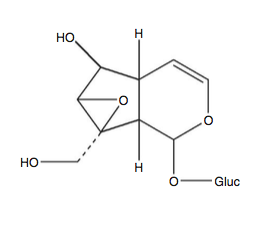
In the modern literature rehmannia is dominated by two players: the iridoid glycoside catalpol and the root polysaccharide fraction. Between them they account for most of the pharmacology — antidiabetic, hepatoprotective, anti-inflammatory, neuroprotective and immunomodulatory activity — though this evidence is overwhelmingly preclinical, and almost every human trial tests rehmannia inside a multi-herb formula rather than the root alone 5Reference 5RCTAdd-on Rehmannia-6-based Chinese medicine in type-2 diabetes and CKD — multicenter randomised controlled trialView study →.
Rehmannia is often described in Western herbalism as an “adrenal tonic” or adaptogen that modulates the HPA axis. That framing is traditional and emerging rather than settled: the direct mechanistic evidence is essentially a single Alzheimer’s-model rat study of catalpol 32Reference 32AnimalCatalpol regulates function of the hypothalamic-pituitary-adrenocortical axis in an Alzheimer’s-disease rat model — animal modelView study →, and the widely repeated claim that rehmannia prevents corticosteroid suppression of the adrenals has no controlled human confirmation. The antidiabetic and neuroprotective effects, by contrast, run through distinct pathways (AMPK/PI3K-AKT and Nrf2/anti-ferroptosis signalling) rather than a single unified HPA-axis mechanism.
Traditional & Modern Uses
Rehmannia is used above all for endocrine- and “kidney”-related conditions — in modern practice for diabetes, adrenal fatigue, fevers, asthma and to buffer the suppressive effects of corticosteroid treatment. In traditional Chinese medicine the fresh and prepared roots are prescribed for different purposes, and the distinction is central to how the herb is used.
Traditional Chinese Medicine
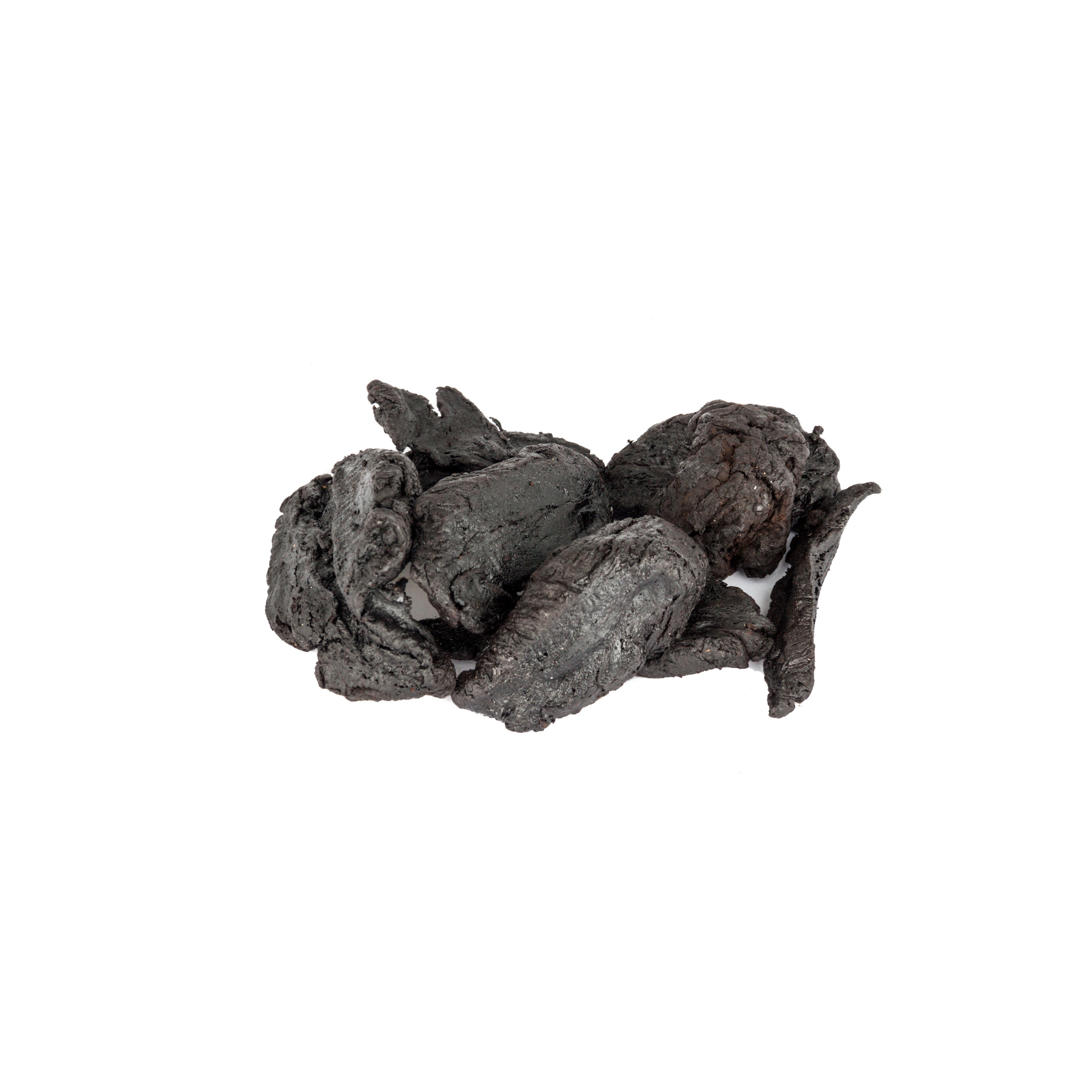
In traditional Chinese medicine, cured (prepared) and uncured (fresh) rehmannia are used differently. Uncured rehmannia is used to reduce fevers and “heat” conditions, as a haemostatic to remove heat from the blood, and for rashes, low-grade fevers, diabetes and bleeding 38Reference 38Principles and Practice of Phytotherapy (2nd ed.). Cured rehmannia, by contrast, is used to regulate menstruation, promote blood production, and correct anaemia, dizziness, weakness, tinnitus, amenorrhoea and metrorrhagia 38Reference 38Principles and Practice of Phytotherapy (2nd ed.).
Fresh Rehmannia
Added to formulas to tonify yin in the liver, kidney and heart, contributing cooling, anti-inflammatory actions 38,39Reference 38Principles and Practice of Phytotherapy (2nd ed.)Reference 39The Ancient Wisdom of the Chinese Tonic Herbs.
Prepared Rehmannia
Prepared rehmannia is a fundamental kidney tonic in Chinese herbalism and is often associated with longevity. It is regarded as a yin jing tonic and is frequently added to formulas intended to strengthen sexual function — a traditional-use attribution rather than a pharmacologically demonstrated effect 39Reference 39The Ancient Wisdom of the Chinese Tonic Herbs.
Botany & Varieties
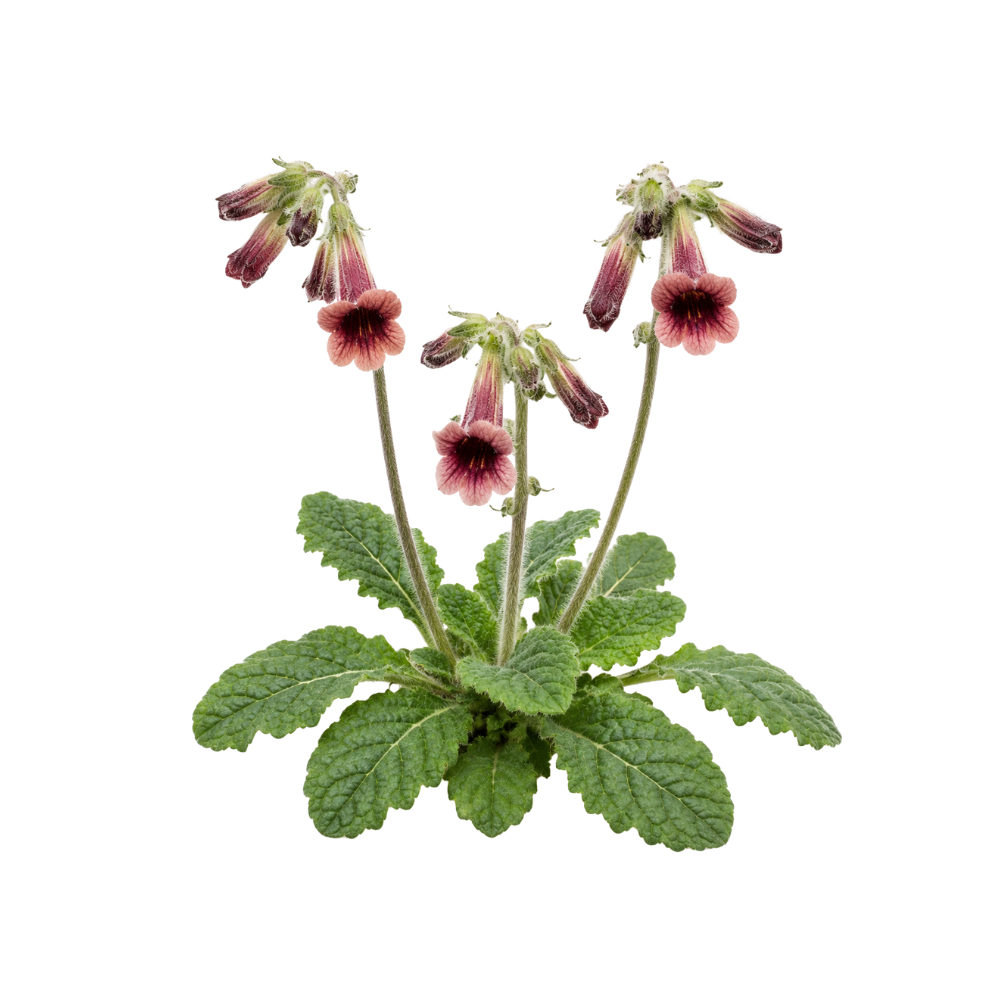
Rehmannia is a perennial herb growing to about 40 cm, with reddish-purple tubular flowers and a thick, orange tuberous root 38Reference 38Principles and Practice of Phytotherapy (2nd ed.). It is currently placed in the family Orobanchaceae, but its taxonomy has been unsettled: it has at various times been assigned to Scrophulariaceae and Gesneriaceae, and much of the older phytochemical literature still refers to it under Scrophulariaceae. When many Scrophulariaceae members were moved to Plantaginaceae, rehmannia was not among them 38Reference 38Principles and Practice of Phytotherapy (2nd ed.).
Harvesting & Preparation
Curing rehmannia (to make prepared rehmannia) involves washing the fresh root, soaking it in millet wine, then repeatedly steaming and drying it 38Reference 38Principles and Practice of Phytotherapy (2nd ed.). In Chinese medicine the prepared form is more highly regarded than the fresh root. Preparation matters chemically as well as energetically: the wine-steaming process sharply lowers catalpol content, so prepared rehmannia is markedly lower in the marker iridoid than the fresh root, while other markers rise 36Reference 36Standardization of Rehmannia glutinosa steam processing and evaluation of chemical, antioxidant and anti-inflammatory propertiesView study →. Findings from fresh-root or isolated-catalpol studies therefore do not transfer cleanly to the prepared root most often used clinically.
Phytochemistry
Rehmannia’s defining chemistry is its iridoid glycosides — roughly 31 have been described, headed by the marker compound catalpol, alongside aucubin, ajugol and the rehmanniosides (A–D, including the neuroactive rehmannioside A) 7,41,44Reference 7In vitroHepatoprotective iridoid glycosides from the roots of Rehmannia glutinosa — in vitroView study →Reference 41Five cyclopentanoid monoterpenes from Rehmannia glutinosaReference 44Chemical and biological studies on Rehmanniae radix. Riding with them is a family of phenylethanoid glycosides, chiefly verbascoside (acteoside), plus ionone and terpenoid glycosides and root polysaccharides 40,42,43Reference 40Ionone glycosides from the roots of Rehmannia glutinosaReference 42Absolute configurations of rehmaionosides A, B and C and rehmapicroside — ionone and monoterpene glucosides from Rehmanniae radixReference 43Hydroxycinnamic acid esters of phenethylalcohol glycosides from Rehmannia glutinosa var. purpurea.
Constituent Summary
Figures are % of dried root and fall during the traditional wine-steaming (“curing”) process, so prepared rehmannia is markedly lower in catalpol than the fresh root 36Reference 36Standardization of Rehmannia glutinosa steam processing and evaluation of chemical, antioxidant and anti-inflammatory propertiesView study →. Only catalpol and verbascoside have quantified ranges; treat them as processing-dependent.
Iridoid5 compounds1 with data
Phenylpropanoid1 compound1 with data
Polysaccharide1 compoundno data
Pharmacology & Research
Rehmannia (Rehmannia glutinosa) has a substantial and fast-growing preclinical literature — several hundred pharmacology papers, dominated by studies of the iridoid glycoside marker compound catalpol and of the root polysaccharide fraction. The overall evidence tier is low-to-moderate: the great majority of findings are cell-line and rodent work, and almost every human trial tests Rehmannia inside a multi-herb Chinese-medicine formula rather than the root alone. Genuine human anchors are a 48-week randomised trial of a Rehmannia-6-based formula in type-2 diabetes with kidney disease 5Reference 5RCTAdd-on Rehmannia-6-based Chinese medicine in type-2 diabetes and CKD — multicenter randomised controlled trialView study →, a systematic review/meta-analysis in breast-cancer perimenopausal syndrome 34Reference 34Meta-analysisRehmannia glutinosa for perimenopausal syndrome in breast-cancer patients — systematic review and meta-analysisView study →, and one completed placebo-controlled monotherapy trial of a Rehmannia glutinosa leaf (not root) extract for acne 37Reference 37RCTClinicalTrials.gov: https://clinicaltrials.gov/study/NCT04937374View study →. The most interesting emerging signals are catalpol’s neuroprotective and antidepressant activity and the polysaccharide’s immunomodulatory and haematopoietic effects. A critical caveat runs through the whole file: the traditional wine-steaming (“curing”) process sharply lowers catalpol and raises other markers 36Reference 36Standardization of Rehmannia glutinosa steam processing and evaluation of chemical, antioxidant and anti-inflammatory propertiesView study →, so results from fresh-root or isolated-catalpol studies do not transfer cleanly to the prepared root that is most used clinically.
- Best-supported: antidiabetic/antihyperglycemic action, replicated across many rodent models for catalpol and the polysaccharide with a human formula signal 1,2,5Reference 1ReviewMolecular and biochemical pathways of catalpol in alleviating diabetes mellitus and its complications — reviewView study →Reference 2AnimalAntihyperglycemic effect of catalpol in streptozotocin-induced diabetic rats — animal modelView study →Reference 5RCTAdd-on Rehmannia-6-based Chinese medicine in type-2 diabetes and CKD — multicenter randomised controlled trialView study →; hepatoprotective activity against several liver-injury models 7,8,9Reference 7In vitroHepatoprotective iridoid glycosides from the roots of Rehmannia glutinosa — in vitroView study →Reference 8In vitroCatalpol ameliorates liver fibrosis via inhibiting aerobic glycolysis (EphA2/FAK/Src) — mouse model, in vitroView study →Reference 9AnimalRehmanniae Radix Praeparata aqueous extract improves hepatic ischemia/reperfusion injury by restoring iron homeostasis — animal modelView study →; broad anti-inflammatory activity, largely polysaccharide-driven 10,11Reference 10AnimalAnti-inflammatory effects of Rehmannia glutinosa polysaccharide on LPS-induced acute liver injury — mouse modelView study →Reference 11In vitroStructural characterization and anti-inflammatory effects of an arabinan from Rehmannia glutinosa — in vivo, in vitroView study →.
- Emerging, worth watching: catalpol’s neuroprotection in stroke and Alzheimer/Parkinson models 15,16,17Reference 15AnimalMemory defect from β-amyloid plus glutamate agonist alleviated by catalpol and donepezil through different mechanisms — animal modelView study →Reference 16In vitroRehmannioside A improves cognitive impairment and alleviates ferroptosis (PI3K/AKT/Nrf2, SLC7A11/GPX4) after ischemia — rat model, in vitroView study →Reference 17AnimalCatalpol improves the neurovascular unit in ischemic-stroke rats via VEGF-PI3K/AKT and VEGF-ERK signalling — animal modelView study → and antidepressant-like effects 20,21Reference 20AnimalCatalpol ameliorates depressive-like behaviour in CUMS mice via oxidative-stress-mediated NLRP3 inflammasome and neuroinflammation — animal modelView study →Reference 21AnimalCatalpol exerts antidepressant-like effects via HO-1 activation — animal modelView study →; polysaccharide immunomodulation and haematopoietic support 24,31Reference 24In vitroRehmannia glutinosa polysaccharide promotes activation of human dendritic cells — in vitroView study →Reference 31AnimalRehmannia glutinosa polysaccharide regulates the bone-marrow microenvironment via HIF-1α/NF-κB in aplastic-anemia mice — animal modelView study →.
- Mechanistically thin: the classic “adrenal tonic” / HPA-axis claim rests on a single Alzheimer-model rat study of catalpol 32Reference 32AnimalCatalpol regulates function of the hypothalamic-pituitary-adrenocortical axis in an Alzheimer’s-disease rat model — animal modelView study →; antioxidant activity is mostly chemical-assay and constituent-level 30Reference 30In vitroAcetylation of Rehmannia glutinosa polysaccharides and antioxidant activity of derivatives — in vitroView study →.
- The caveat: almost entirely preclinical; human data are nearly all multi-herb formulas; no standardised monotherapy dose; and curing changes the chemistry, so fresh-root and catalpol results do not map onto prepared root.
1. Antidiabetic
This is the deepest part of the file. Catalpol lowers blood glucose across many rodent models — for example in streptozotocin-induced diabetic rats, where oral catalpol improved glucose handling and insulin sensitivity 2Reference 2AnimalAntihyperglycemic effect of catalpol in streptozotocin-induced diabetic rats — animal modelView study →, with the anti-diabetic effect replicated at 2.5–200 mg/kg across rat and mouse studies and mapped to AMPK/PI3K-Akt, PPAR and AGE/RAGE signalling in two detailed reviews 1,4Reference 1ReviewMolecular and biochemical pathways of catalpol in alleviating diabetes mellitus and its complications — reviewView study →Reference 4ReviewCatalpol in diabetes and its complications: pharmacology, pharmacokinetics and safety — reviewView study →. The root polysaccharide fraction is independently active: oral administration reduced hyperglycemia, hyperlipidemia and vascular inflammation in STZ-diabetic mice 3Reference 3AnimalRehmannia glutinosa polysaccharide ameliorates hyperglycemia, hyperlipemia and vascular inflammation in streptozotocin-induced diabetic mice — animal modelView study →. On the human side, evidence exists only for multi-herb formulas — a 48-week Rehmannia-6-based formula slowed eGFR decline in type-2 diabetes with kidney disease 5Reference 5RCTAdd-on Rehmannia-6-based Chinese medicine in type-2 diabetes and CKD — multicenter randomised controlled trialView study →, and a Liuwei Dihuang (six-ingredient Rehmannia pill) plus metformin retrospective study reported better glycemic and inflammatory indices than metformin alone 6Reference 6Clinical trialLiuwei Dihuang (six-drug Rehmannia bolus) as adjunct to metformin in senile type-2 diabetes — clinical studyView study →.
Gap: no randomised trial has tested Rehmannia root, catalpol, or the polysaccharide as a single agent for glycemic control in humans; all human data are confounded by co-formulated herbs.
2. Hepatoprotective
A coherent body of animal work supports liver protection. Hepatoprotective iridoid glycosides were isolated directly from the roots and shown to reduce hepatocyte injury in vitro 7Reference 7In vitroHepatoprotective iridoid glycosides from the roots of Rehmannia glutinosa — in vitroView study →. Catalpol reduced liver fibrosis in mice by inhibiting hepatic-stellate-cell aerobic glycolysis via EphA2/FAK/Src signalling 8Reference 8In vitroCatalpol ameliorates liver fibrosis via inhibiting aerobic glycolysis (EphA2/FAK/Src) — mouse model, in vitroView study →, and a prepared-root aqueous extract protected against hepatic ischemia/reperfusion injury by restoring iron homeostasis and limiting ferroptosis 9Reference 9AnimalRehmanniae Radix Praeparata aqueous extract improves hepatic ischemia/reperfusion injury by restoring iron homeostasis — animal modelView study →. The root polysaccharide also blunted LPS-induced acute liver injury in mice 10Reference 10AnimalAnti-inflammatory effects of Rehmannia glutinosa polysaccharide on LPS-induced acute liver injury — mouse modelView study →.
Gap: entirely rodent and cell-based; no human liver-endpoint data, and the effective doses and extract types differ across studies, so no consistent preparation can be recommended.
3. Anti-inflammatory
Anti-inflammatory activity is broad but mostly attributable to the polysaccharide and to iridoids rather than the whole crude root. A purified arabinan suppressed ROS and downregulated TNF-α, IL-1β and IL-6 in vivo and in vitro 11Reference 11In vitroStructural characterization and anti-inflammatory effects of an arabinan from Rehmannia glutinosa — in vivo, in vitroView study →, and the polysaccharide reduced inflammatory signalling in LPS-induced acute liver injury 10Reference 10AnimalAnti-inflammatory effects of Rehmannia glutinosa polysaccharide on LPS-induced acute liver injury — mouse modelView study →. A comprehensive review of iridoid glycosides places catalpol and aucubin among iridoids that lower COX-2 and inflammatory cytokines 12Reference 12ReviewDeciphering the iridoids’ boundaries: adaptogenic and anti-inflammatory properties — reviewView study →.
Gap: the active fraction (polysaccharide vs iridoid) and dose are not standardised, and there is no human anti-inflammatory endpoint; much of the whole-herb activity is inferred from isolated fractions.
4. Neuroprotective
Catalpol is one of the more compelling natural neuroprotectants in preclinical work. In a β-amyloid-plus-glutamate memory-defect model, catalpol was comparable to donepezil at reducing Alzheimer markers through a non-cholinergic mechanism 15Reference 15AnimalMemory defect from β-amyloid plus glutamate agonist alleviated by catalpol and donepezil through different mechanisms — animal modelView study →; rehmannioside A improved post-ischemic cognitive impairment and limited ferroptosis via PI3K/AKT/Nrf2 and SLC7A11/GPX4 signalling in rats 16Reference 16In vitroRehmannioside A improves cognitive impairment and alleviates ferroptosis (PI3K/AKT/Nrf2, SLC7A11/GPX4) after ischemia — rat model, in vitroView study →; and catalpol protected the neurovascular unit in ischemic-stroke rats through VEGF-PI3K/AKT and VEGF-ERK signalling 17Reference 17AnimalCatalpol improves the neurovascular unit in ischemic-stroke rats via VEGF-PI3K/AKT and VEGF-ERK signalling — animal modelView study →. Two reviews summarise catalpol’s activity across Alzheimer’s and Parkinson’s models 18,19Reference 18ReviewTherapeutic potential of catalpol and geniposide in Alzheimer’s and Parkinson’s diseases — reviewView study →Reference 19ReviewTherapeutic potentials of plant iridoids in Alzheimer’s and Parkinson’s diseases — reviewView study →.
Gap: exclusively animal and in vitro; no clinical neurological endpoints, and most effects use isolated catalpol or rehmannioside A, often by injection, not oral whole root.
5. Nephroprotective
Rehmannia is traditionally a kidney herb, and preclinical work is consistent with renal protection. Oleic acid isolated from the root alleviated LPS-induced acute kidney injury via Ras/MAPK/PPAR-γ signalling in mice 13Reference 13AnimalOleic acid (from Rehmannia glutinosa) alleviates LPS-induced acute kidney injury via Ras/MAPK/PPAR-γ — animal modelView study →, and the crude root inhibited renal fibrosis through a miR-122-5p/PKM axis in a rodent model 14Reference 14AnimalRadix Rehmannia glutinosa inhibits renal fibrosis via miR-122-5p/PKM axis — animal modelView study →. The strongest human signal is indirect: the Rehmannia-6-based formula RCT slowed eGFR decline and reduced albuminuria in diabetic chronic kidney disease over 48 weeks 5Reference 5RCTAdd-on Rehmannia-6-based Chinese medicine in type-2 diabetes and CKD — multicenter randomised controlled trialView study →.
Gap: the one supportive human trial tests a formula, not the root; monotherapy renal endpoints are untested, and the crude-root fibrosis data are single-model.
6. Immunomodulatory
The root polysaccharide is the main immune-active fraction. It promoted maturation and activation of human dendritic cells in vitro 24Reference 24In vitroRehmannia glutinosa polysaccharide promotes activation of human dendritic cells — in vitroView study →, and a hot-compressed-steamed polysaccharide activated TLR4/NF-κB signalling and reversed cyclophosphamide-induced immunosuppression and gut-microbiota disruption in mice 25Reference 25In vitroPolysaccharide from hot-compressed steamed Rehmannia glutinosa on the immune system and gut microbiota in immunosuppressed mice — animal model, in vitroView study →. An older study also reported inhibition of immediate-type (IgE-mediated) allergic reactions by the root 26Reference 26AnimalEffect of Rehmannia glutinosa on immediate-type allergic reaction — animal modelView study →, consistent with the herb’s traditional antiallergic use.
Gap: the human data are limited to isolated cells in culture; whole-animal and human immune-outcome data for defined preparations are lacking.
7. Antidepressant
A consistent set of rodent studies supports an antidepressant-like effect for catalpol. It ameliorated depressive-like behaviour in chronic-unpredictable-mild-stress mice by suppressing oxidative-stress-driven NLRP3 inflammasome activation and neuroinflammation 20Reference 20AnimalCatalpol ameliorates depressive-like behaviour in CUMS mice via oxidative-stress-mediated NLRP3 inflammasome and neuroinflammation — animal modelView study →, and acted through heme-oxygenase-1-linked antioxidant and neurotrophic pathways 21Reference 21AnimalCatalpol exerts antidepressant-like effects via HO-1 activation — animal modelView study →, with a later study reporting sex-differences (stronger response in females) mediated by SIRT1-linked synaptic plasticity 22Reference 22AnimalSIRT1-mediated synaptic plasticity and sex-differences in antidepressant efficacy of catalpol — animal modelView study →. Separately, a Lily-bulb/fresh-Rehmannia co-decoction and its key phenylethanoid verbascoside reduced chronic-stress depression via the gut-microbiota-brain axis 23Reference 23AnimalLilii bulbus–Radix Rehmannia co-decoction and verbascoside inhibit neuroinflammation via the gut-microbiota-brain axis — animal modelView study →.
Gap: no human antidepressant trials of Rehmannia or catalpol as a defined agent; the co-decoction result is confounded by a second herb.
8. Osteoprotective
Preclinical work links Rehmannia to bone preservation, mostly via the polysaccharide. It alleviated diabetic osteoporosis and peripheral neuropathic pain in streptozotocin-diabetic mice by expanding regulatory T cells 27Reference 27AnimalRehmannia glutinosa polysaccharide alleviates diabetic osteoporosis and peripheral neuropathic pain via regulatory T cells — mouse modelView study →, and reduced bone loss and skeletal-muscle atrophy in a disuse/ovariectomy rat model 28Reference 28AnimalEffects of Rehmannia glutinosa polysaccharides on bone structure and skeletal-muscle atrophy in disuse rats — animal modelView study →. A Rehmannia-Cornus herb pair prevented diabetic osteoporosis via PI3K/AKT signalling in diabetic rats 29Reference 29AnimalShudihuang-Shanzhuyu (Rehmannia-Cornus) herb pair prevents diabetic osteoporosis via PI3K/AKT — animal modelView study →.
Gap: all rodent; no human bone-density or fracture data, and the herb-pair study cannot isolate Rehmannia’s contribution.
9. Hematopoietic
This aligns with the traditional “blood-building” use of prepared Rehmannia. The root polysaccharide reversed busulfan-induced marrow failure in aplastic-anemia mice by remodelling the bone-marrow microenvironment through HIF-1α/NF-κB signalling 31Reference 31AnimalRehmannia glutinosa polysaccharide regulates the bone-marrow microenvironment via HIF-1α/NF-κB in aplastic-anemia mice — animal modelView study →, and the steamed polysaccharide relieved cyclophosphamide-induced haematopoietic insufficiency alongside its immune effects 25Reference 25In vitroPolysaccharide from hot-compressed steamed Rehmannia glutinosa on the immune system and gut microbiota in immunosuppressed mice — animal model, in vitroView study →.
Gap: confined to mouse marrow-failure models; no human haematological endpoints, and activity is specific to the polysaccharide fraction, not the whole root at dietary intake.
10. Antioxidant
Antioxidant activity is real but mostly demonstrated at the constituent and chemical-assay level rather than as a whole-herb clinical effect. Acetylated derivatives of the root polysaccharide showed enhanced radical-scavenging activity in vitro 30Reference 30In vitroAcetylation of Rehmannia glutinosa polysaccharides and antioxidant activity of derivatives — in vitroView study →, and rehmannioside A reduced oxidative damage and ferroptosis after cerebral ischemia 16Reference 16In vitroRehmannioside A improves cognitive impairment and alleviates ferroptosis (PI3K/AKT/Nrf2, SLC7A11/GPX4) after ischemia — rat model, in vitroView study →. In practice antioxidant capacity underpins the hepato-, neuro- and nephroprotective findings rather than standing as an independent indication.
Gap: dominated by in-vitro assays and chemically modified fractions; no human oxidative-stress biomarker data for a standard preparation.
11. Adrenal / HPA-axis
This is the herb’s signature Western claim (“adrenal tonic”), but the mechanistic evidence is thin. The main direct study reports that catalpol reduced elevated cortisol and lowered CRH and ACTH — modulating the hypothalamic-pituitary-adrenal axis — in an Alzheimer’s-disease rat model 32Reference 32AnimalCatalpol regulates function of the hypothalamic-pituitary-adrenocortical axis in an Alzheimer’s-disease rat model — animal modelView study →. Broader reviews of iridoids describe adaptogen-like stress and corticosterone effects for this compound class 12Reference 12ReviewDeciphering the iridoids’ boundaries: adaptogenic and anti-inflammatory properties — reviewView study →.
Gap: rests essentially on one disease-model rat study; the “prevents corticosteroid suppression of the HPA axis” claim widely repeated for Rehmannia has no controlled human confirmation.
Mechanisms
| Mechanism | Drives | Key compounds |
|---|---|---|
| PI3K/AKT ↑, AMPK, AGE/RAGE ↓ | antidiabeticnephroprotectiveosteoprotective | catalpol |
| NF-κB ↓, TLR4 modulation, cytokine ↓ | anti-inflammatoryimmunomodulatoryhepatoprotective | aucubin, root polysaccharides |
| Nrf2 ↑, GPX4/SLC7A11 (anti-ferroptosis), ROS ↓ | neuroprotectiveantioxidanthepatoprotective | rehmannioside A, catalpol |
| HO-1 ↑, NLRP3 ↓, BDNF/SIRT1 ↑ | antidepressantneuroprotective | catalpol |
| Gut-microbiota-brain axis, intestinal barrier ↑ | antidepressantimmunomodulatory | verbascoside |
| HPA-axis modulation (cortisol/CRH/ACTH ↓) | adrenal / stress | catalpol |
Clinical trials
ClinicalTrials.gov lists dozens of registered studies that include Rehmannia, but the great majority are multi-herb Chinese-medicine formulas registered for unrelated conditions (e.g. UTI prevention, diabetic foot ulcer, PCOS, constipation) with Rehmannia as one of many ingredients; the counts below are scoped to trials directly relevant to this monograph. The only completed single-herb randomised trial identified tested a Rehmannia glutinosa leaf extract for acne, not the medicinal root 37Reference 37RCTClinicalTrials.gov: https://clinicaltrials.gov/study/NCT04937374View study →, while a published multicenter RCT of a Rehmannia-6 formula 5Reference 5RCTAdd-on Rehmannia-6-based Chinese medicine in type-2 diabetes and CKD — multicenter randomised controlled trialView study → and two systematic reviews/meta-analyses 34,35Reference 34Meta-analysisRehmannia glutinosa for perimenopausal syndrome in breast-cancer patients — systematic review and meta-analysisView study →Reference 35Meta-analysisCombined herbal adjuvant therapy for proliferative diabetic retinopathy — systematic review/meta-analysisView study → anchor the formula-level evidence.
| Completed (relevant) | Planned | Withdrawn | Preclinical |
|---|---|---|---|
| 2 (1 monotherapy 37Reference 37RCTClinicalTrials.gov: https://clinicaltrials.gov/study/NCT04937374View study →, 1 formula RCT 5Reference 5RCTAdd-on Rehmannia-6-based Chinese medicine in type-2 diabetes and CKD — multicenter randomised controlled trialView study →) | ~3 recruiting/not-yet | 2 withdrawn | ~200+ |
Last checked: July 2026.
Dosage
In research, rehmannia is almost never given as a single, dose-defined agent: the antidiabetic and organ-protective data are from isolated catalpol or the polysaccharide in rodents, and the human data are multi-herb formulas or a leaf extract. The rows below are the doses actually reported in the cited studies — they are research figures, not recommendations, and most cannot be translated into a whole-root human dose.
| Indication | Preparation | Dose | Est. dried-herb equivalent | Source |
|---|---|---|---|---|
| Antidiabetic | Isolated catalpol (rodent) | 2.5–200 mg/kg (rat/mouse) | — (animal dose; no human equivalent) | 2,4Reference 2AnimalAntihyperglycemic effect of catalpol in streptozotocin-induced diabetic rats — animal modelView study →Reference 4ReviewCatalpol in diabetes and its complications: pharmacology, pharmacokinetics and safety — reviewView study → |
| Antidiabetic (renal) | Rehmannia-6 formula granules (human) | protocolised formula, 48 weeks | — (multi-herb; not attributable to root alone) | 5Reference 5RCTAdd-on Rehmannia-6-based Chinese medicine in type-2 diabetes and CKD — multicenter randomised controlled trialView study → |
| Anti-inflammatory / hepatoprotective | Root polysaccharide (mouse) | 50–200 mg/kg × 14 days | — (animal dose) | 10Reference 10AnimalAnti-inflammatory effects of Rehmannia glutinosa polysaccharide on LPS-induced acute liver injury — mouse modelView study → |
| Acne (leaf, not root) | Rehmannia leaf extract (human) | proprietary, 56 days | — (leaf, not medicinal root) | 37Reference 37RCTClinicalTrials.gov: https://clinicaltrials.gov/study/NCT04937374View study → |
Dried-herb equivalents are left as ”—” throughout: a rodent catalpol dose has no defensible whole-root human translation (dried root is only ~3% catalpol 36Reference 36Standardization of Rehmannia glutinosa steam processing and evaluation of chemical, antioxidant and anti-inflammatory propertiesView study →), and the human data are all multi-herb formulas or a leaf extract, so no conversion ratio is invented.
Traditional Dosage
Traditional use is of the whole dried root as a decoction, dosed by weight, with fresh (Sheng Di Huang) and prepared (Shu Di Huang) roots given at similar amounts.
| System | Preparation | Dose |
|---|---|---|
| Western herbal | 1:2 liquid extract | 30–60 mL/week |
| TCM — fresh/uncured (Sheng Di Huang) | Decoction of dried root | ~9–15 g/day (up to 30 g) |
| TCM — prepared/cured (Shu Di Huang) | Decoction of dried root | ~9–15 g/day |
Safety & Pregnancy
Rehmannia is a low-toxicity root with a long food-and-medicine history; the main caution is in-vitro CYP450 inhibition by catalpol, so care is reasonable alongside drugs cleared by those enzymes.
- Drug metabolism. Catalpol inhibits CYP3A4, CYP2E1 and CYP2C9 in vitro — caution with drugs cleared by those enzymes (unconfirmed in humans).
- Digestion. The fresh/uncured root is cooling and can loosen the stool; use cautiously in poor digestion or diarrhoea.
- Corticosteroids. A classical caution based on presumed HPA-axis activity, not established by controlled human data.
- Low toxicity. Long food-and-medicine history; no serious adverse effects reported at normal medicinal doses.
Full safety & interactions detail
Rehmannia is regarded as a low-toxicity herb with a long food-and-medicine history, and no serious adverse effects are reported in the pharmacological literature for normal medicinal use 4,33Reference 4ReviewCatalpol in diabetes and its complications: pharmacology, pharmacokinetics and safety — reviewView study →Reference 33In vitroEffects of catalpol on the activity of human liver cytochrome P450 enzymes — in vitroView study →. The most concrete interaction signal is metabolic: the marker iridoid catalpol inhibits human liver cytochrome-P450 enzymes CYP3A4, CYP2E1 and CYP2C9 in vitro, so caution is reasonable when Rehmannia-containing products are combined with drugs cleared by those enzymes, though this has not been confirmed in humans 33Reference 33In vitroEffects of catalpol on the activity of human liver cytochrome P450 enzymes — in vitroView study →. In traditional practice the fresh/uncured root is considered cooling and can loosen the stool, so it is used cautiously in people with poor digestion or diarrhoea; the classical caution about combining Rehmannia with corticosteroids is based on presumed HPA-axis activity and is not established by controlled human data 32Reference 32AnimalCatalpol regulates function of the hypothalamic-pituitary-adrenocortical axis in an Alzheimer’s-disease rat model — animal modelView study →.
Rehmannia’s safety in pregnancy and lactation is not established or specifically researched. No controlled human studies have assessed Rehmannia glutinosa in pregnancy or lactation, and safety cannot be inferred from its food or traditional use; the root alone has not been evaluated for reproductive safety. The page’s existing “Category B3” designation reflects an Australian TGA-style prescribing convention, not evidence of safety.
References
- Bhattamisra SK, et al. (2021). Molecular and biochemical pathways of catalpol in alleviating diabetes mellitus and its complications — review. Biomolecules. https://pubmed.ncbi.nlm.nih.gov/33672590/
- Huang WJ, et al. (2010). Antihyperglycemic effect of catalpol in streptozotocin-induced diabetic rats — animal model. J Nat Prod. https://pubmed.ncbi.nlm.nih.gov/20518543/
- Zhou J, et al. (2015). Rehmannia glutinosa polysaccharide ameliorates hyperglycemia, hyperlipemia and vascular inflammation in streptozotocin-induced diabetic mice — animal model. J Ethnopharmacol. https://pubmed.ncbi.nlm.nih.gov/25698243/
- Bai Y, et al. (2019). Catalpol in diabetes and its complications: pharmacology, pharmacokinetics and safety — review. Med Sci Monit. https://pubmed.ncbi.nlm.nih.gov/31514313/
- Chan KW, et al. (2023). Add-on Rehmannia-6-based Chinese medicine in type-2 diabetes and CKD — multicenter randomised controlled trial. Clin J Am Soc Nephrol. https://pubmed.ncbi.nlm.nih.gov/37307005/
- Li N, Yao Y, An E. (2023). Liuwei Dihuang (six-drug Rehmannia bolus) as adjunct to metformin in senile type-2 diabetes — clinical study. Pak J Med Sci. https://pubmed.ncbi.nlm.nih.gov/37680806/
- Liu YF, et al. (2012). Hepatoprotective iridoid glycosides from the roots of Rehmannia glutinosa — in vitro. J Nat Prod. https://pubmed.ncbi.nlm.nih.gov/22916954/
- Zhang Q, et al. (2024). Catalpol ameliorates liver fibrosis via inhibiting aerobic glycolysis (EphA2/FAK/Src) — mouse model, in vitro. Phytomedicine. https://pubmed.ncbi.nlm.nih.gov/39321687/
- Zhang Y, et al. (2024). Rehmanniae Radix Praeparata aqueous extract improves hepatic ischemia/reperfusion injury by restoring iron homeostasis — animal model. Chin J Nat Med. https://pubmed.ncbi.nlm.nih.gov/39326972/
- Qiao H, et al. (2025). Anti-inflammatory effects of Rehmannia glutinosa polysaccharide on LPS-induced acute liver injury — mouse model. J Ethnopharmacol. https://pubmed.ncbi.nlm.nih.gov/40484254/
- Zhang H, et al. (2023). Structural characterization and anti-inflammatory effects of an arabinan from Rehmannia glutinosa — in vivo, in vitro. Carbohydr Polym. https://pubmed.ncbi.nlm.nih.gov/36657836/
- Chaitanya MVNL, et al. (2025). Deciphering the iridoids’ boundaries: adaptogenic and anti-inflammatory properties — review. Inflammopharmacology. https://pubmed.ncbi.nlm.nih.gov/40794373/
- Zhang B, et al. (2022). Oleic acid (from Rehmannia glutinosa) alleviates LPS-induced acute kidney injury via Ras/MAPK/PPAR-γ — animal model. Phytomedicine. https://pubmed.ncbi.nlm.nih.gov/34798521/
- Liu X, et al. (2022). Radix Rehmannia glutinosa inhibits renal fibrosis via miR-122-5p/PKM axis — animal model. Am J Transl Res. https://pubmed.ncbi.nlm.nih.gov/35173832/
- Xia Z, et al. (2012). Memory defect from β-amyloid plus glutamate agonist alleviated by catalpol and donepezil through different mechanisms — animal model. Brain Res. https://pubmed.ncbi.nlm.nih.gov/22305339/
- Fu C, et al. (2022). Rehmannioside A improves cognitive impairment and alleviates ferroptosis (PI3K/AKT/Nrf2, SLC7A11/GPX4) after ischemia — rat model, in vitro. J Ethnopharmacol. https://pubmed.ncbi.nlm.nih.gov/35091012/
- Wang HJ, et al. (2022). Catalpol improves the neurovascular unit in ischemic-stroke rats via VEGF-PI3K/AKT and VEGF-ERK signalling — animal model. Acta Pharmacol Sin. https://pubmed.ncbi.nlm.nih.gov/34795412/
- Zhang X, et al. (2021). Therapeutic potential of catalpol and geniposide in Alzheimer’s and Parkinson’s diseases — review. Brain Res Bull. https://pubmed.ncbi.nlm.nih.gov/34216649/
- Dinda B, et al. (2019). Therapeutic potentials of plant iridoids in Alzheimer’s and Parkinson’s diseases — review. Eur J Med Chem. https://pubmed.ncbi.nlm.nih.gov/30877973/
- Wang YL, et al. (2021). Catalpol ameliorates depressive-like behaviour in CUMS mice via oxidative-stress-mediated NLRP3 inflammasome and neuroinflammation — animal model. Transl Psychiatry. https://pubmed.ncbi.nlm.nih.gov/34103482/
- Wu X, et al. (2022). Catalpol exerts antidepressant-like effects via HO-1 activation — animal model. Neurochem Res. https://pubmed.ncbi.nlm.nih.gov/35668334/
- Wu X, et al. (2024). SIRT1-mediated synaptic plasticity and sex-differences in antidepressant efficacy of catalpol — animal model. Phytomedicine. https://pubmed.ncbi.nlm.nih.gov/39395323/
- Mao Q, et al. (2024). Lilii bulbus–Radix Rehmannia co-decoction and verbascoside inhibit neuroinflammation via the gut-microbiota-brain axis — animal model. Phytomedicine. https://pubmed.ncbi.nlm.nih.gov/38696921/
- Wang Y, et al. (2018). Rehmannia glutinosa polysaccharide promotes activation of human dendritic cells — in vitro. Int J Biol Macromol. https://pubmed.ncbi.nlm.nih.gov/29715554/
- Jia Y, et al. (2024). Polysaccharide from hot-compressed steamed Rehmannia glutinosa on the immune system and gut microbiota in immunosuppressed mice — animal model, in vitro. Int Immunopharmacol. https://pubmed.ncbi.nlm.nih.gov/39303540/
- Kim H, et al. (1998). Effect of Rehmannia glutinosa on immediate-type allergic reaction — animal model. Int J Immunopharmacol. https://pubmed.ncbi.nlm.nih.gov/9730258/
- Yue W, et al. (2024). Rehmannia glutinosa polysaccharide alleviates diabetic osteoporosis and peripheral neuropathic pain via regulatory T cells — mouse model. Int J Biol Macromol. https://pubmed.ncbi.nlm.nih.gov/39084449/
- Ou L, et al. (2021). Effects of Rehmannia glutinosa polysaccharides on bone structure and skeletal-muscle atrophy in disuse rats — animal model. Acta Cir Bras. https://pubmed.ncbi.nlm.nih.gov/34008744/
- Hu SJ, et al. (2025). Shudihuang-Shanzhuyu (Rehmannia-Cornus) herb pair prevents diabetic osteoporosis via PI3K/AKT — animal model. J Ethnopharmacol. https://pubmed.ncbi.nlm.nih.gov/40054640/
- Li J, et al. (2022). Acetylation of Rehmannia glutinosa polysaccharides and antioxidant activity of derivatives — in vitro. Zhongguo Zhong Yao Za Zhi. https://pubmed.ncbi.nlm.nih.gov/35347951/
- Liu NA, et al. (2023). Rehmannia glutinosa polysaccharide regulates the bone-marrow microenvironment via HIF-1α/NF-κB in aplastic-anemia mice — animal model. An Acad Bras Cienc. https://pubmed.ncbi.nlm.nih.gov/37556607/
- Wang JH, et al. (2014). Catalpol regulates function of the hypothalamic-pituitary-adrenocortical axis in an Alzheimer’s-disease rat model — animal model. Pharmazie. https://pubmed.ncbi.nlm.nih.gov/25272941/
- Liu L, et al. (2019). Effects of catalpol on the activity of human liver cytochrome P450 enzymes — in vitro. Xenobiotica. https://pubmed.ncbi.nlm.nih.gov/30557096/
- Kong D, et al. (2025). Rehmannia glutinosa for perimenopausal syndrome in breast-cancer patients — systematic review and meta-analysis. Saudi Med J. https://pubmed.ncbi.nlm.nih.gov/40628433/
- Huai B, et al. (2023). Combined herbal adjuvant therapy for proliferative diabetic retinopathy — systematic review/meta-analysis. Front Endocrinol. https://pubmed.ncbi.nlm.nih.gov/37274344/
- Lee SJ, et al. (2023). Standardization of Rehmannia glutinosa steam processing and evaluation of chemical, antioxidant and anti-inflammatory properties. Appl Biol Chem. https://doi.org/10.1186/s13765-023-00773-7
- Efficacy and tolerability of Rehmannia glutinosa leaf extract in acne vulgaris — completed randomised, double-blind, placebo-controlled trial. ClinicalTrials.gov: https://clinicaltrials.gov/study/NCT04937374
- Bone K, Mills S. (2013). Principles and Practice of Phytotherapy (2nd ed.). Churchill Livingstone/Elsevier (Rehmannia, pp. 799–803).
- Teeguarden, R. (2000). The Ancient Wisdom of the Chinese Tonic Herbs. Warner Books (pp. 179–180).
- Liu YF, et al. (2014). Ionone glycosides from the roots of Rehmannia glutinosa. Journal of Asian Natural Products Research, 16(1), 11–19.
- Morota T, et al. (1989). Five cyclopentanoid monoterpenes from Rehmannia glutinosa. Phytochemistry, 28(9), 2385–2391.
- Yoshikawa M, et al. (1986). Absolute configurations of rehmaionosides A, B and C and rehmapicroside — ionone and monoterpene glucosides from Rehmanniae radix. Chemical and Pharmaceutical Bulletin, 34(5), 2294–2297.
- Sasaki H, et al. (1989). Hydroxycinnamic acid esters of phenethylalcohol glycosides from Rehmannia glutinosa var. purpurea. Phytochemistry, 28(3), 875–879.
- Morota T, et al. (1989). Chemical and biological studies on Rehmanniae radix. Part 4. Two iridoid glycosides from Rehmannia glutinosa. Phytochemistry, 28, 2149–2153.