
Materia Medica
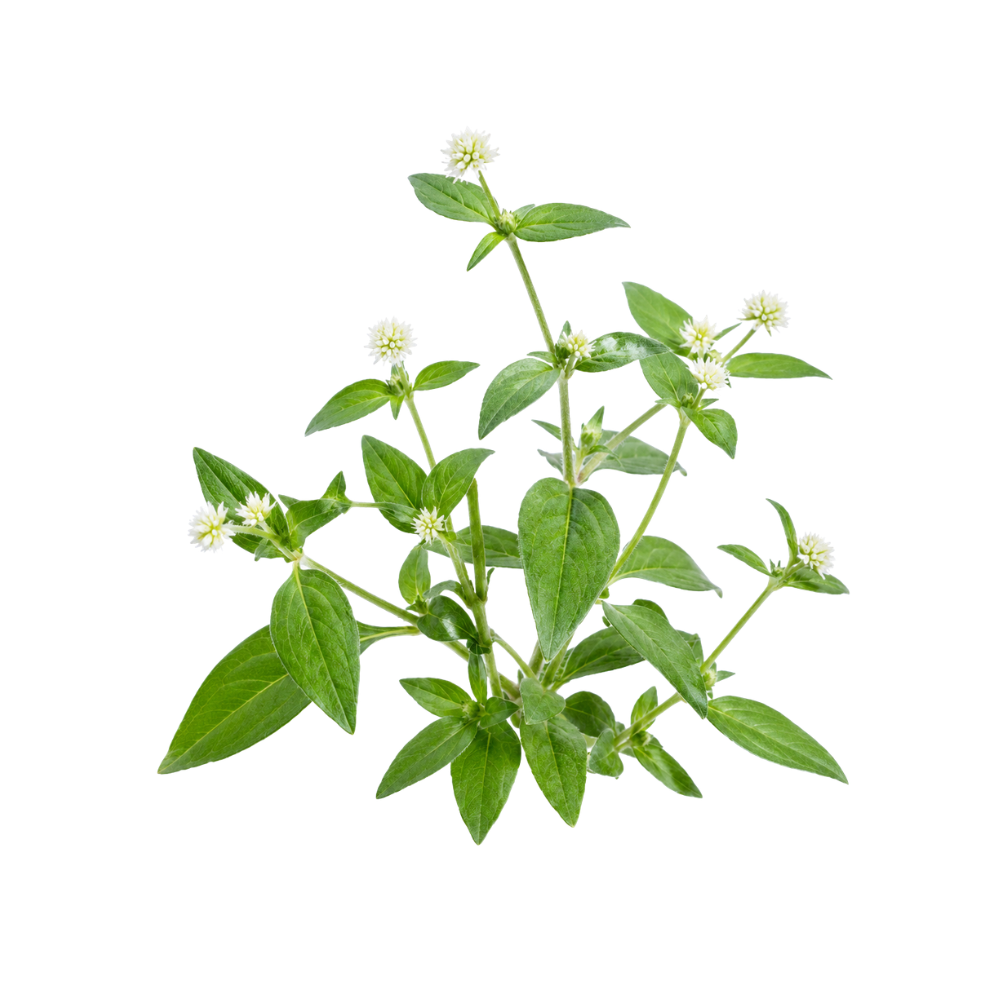
Suma
Pfaffia paniculata
Suma (Pfaffia paniculata), Brazilian ginseng — an Amazonian adaptogen used as a 'cure-all' tonic for stress, energy and hormones.
What Is Suma?
Suma is an adaptogenic root herb from the Amazon basin.
In fact, suma is considered one of the best all-rounders you’ll find in South America.
In traditional systems, this herb was used as a sort of “cure all.” Its common name in the region is “para toda” which translates to “for all things.”
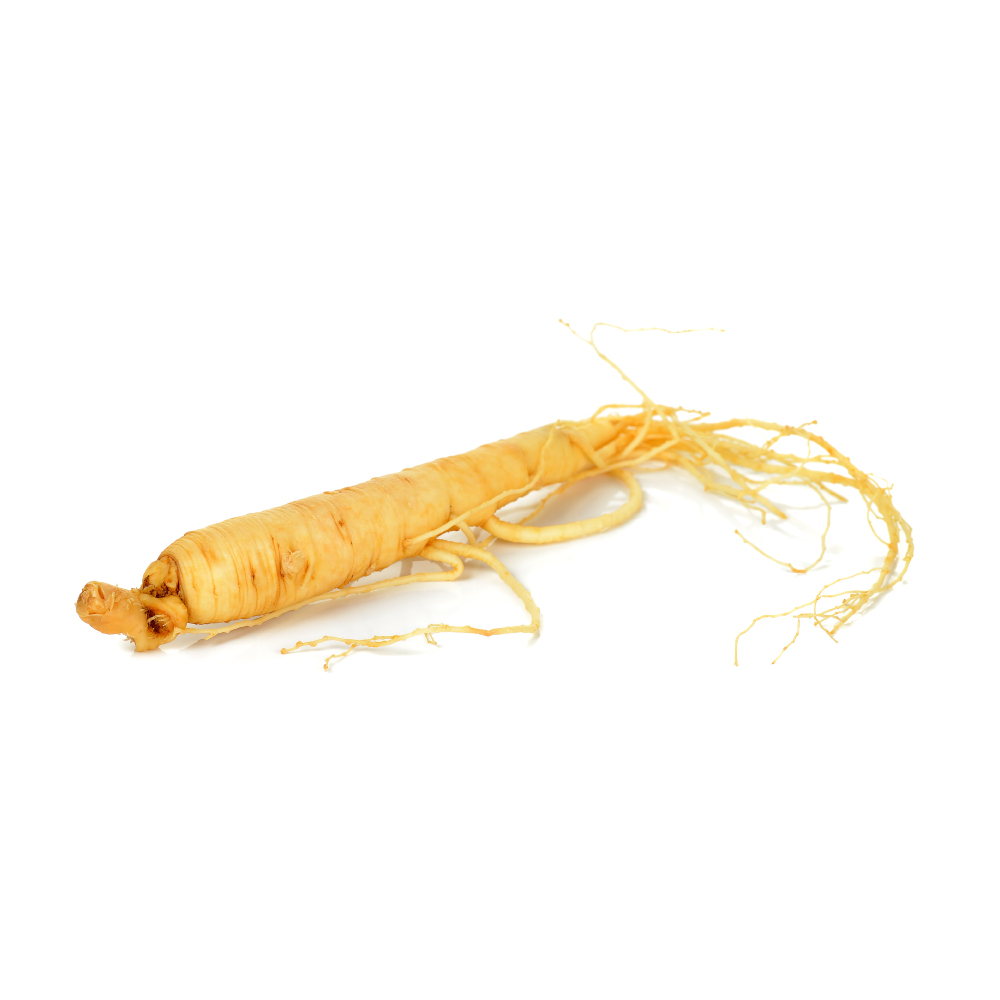
Suma is often referred to as Brazilian Ginseng due to the fact that it has many of the same uses as ginseng (general adaptogenic). Additionally, both plants use the same part of the plant — a large taproot.
Suma has no close family relations to ginseng — they are entirely different plants.
The high saponin content of suma has been shown to have a wide range of activities on the immune system, metabolism, the production of new blood cells, and hormonal regulation.
We’re likely to see more of suma in the near future as a health supplement and superfood due to its powerful adaptogenic benefits.
Most of its constituents are water-soluble — which means the best way to use the herb is as a tea or in capsules.
What Is Suma Used For?
Suma has many uses, the most common include; immune dysfunction (asthma, rheumatism, allergies, and inflammation), metabolic dysfunction, adjunct cancer therapy, low testosterone, anemia (especially sickle cell), general pain and inflammation.
This herb is especially useful during recovery after injuries involving blood loss, and various forms of anemia — including sickle cell anemia.
Traditional Use of Suma
Pfaffia paniculata is also referred to as “para toda” (means “for all things”), and “Brazilian Ginseng.”
The common names for Pfaffia paniculata reflect its broad spectrum of medicinal benefits and applications in traditional Peruvian medicine — such as a sexual tonic, general health tonic, vulnerary, antibacterial, and ulcers of the skin and digestive system 38Reference 38The Healing Power of Rainforest Herbs: A Guide to Understanding and Using Herbal Medicinals — reference text.
In Brazil, Pfaffia paniculata is used for anemia, arthritis, asthma, cancer, chronic fatigue syndrome, circulation problems, diabetes, Epstein-Barr, hypertension, hyperglycemia, immune disorders, impotence, inflammation, leukemia, lymphatic diseases, mononucleosis, pain, rejuvenator, rheumatism, skin problems, stress, tranquilizer, tremors, tumors, ulcers, and as an aphrodisiac, appetite stimulant, and antioxidant 38Reference 38The Healing Power of Rainforest Herbs: A Guide to Understanding and Using Herbal Medicinals — reference text.
Botany
Suma is an Amazonian vine of the amaranth family (Amaranthaceae) — a botanical cousin of amaranth, quinoa, beet and spinach, and emphatically not a true ginseng despite the common name “Brazilian ginseng.” There is no relationship to Panax; the “ginseng” label reflects its tonic, adaptogen-like reputation, not its taxonomy. It is also catalogued under the synonym Hebanthe eriantha, which some authorities treat as the accepted name for the same plant.
The plant grows as a large, sprawling, shrubby ground vine, but the part that matters medicinally is out of sight: a deep, heavy, extensive root. This root is what is dried and powdered as “suma,” and its Portuguese folk name para toda — “for everything” — captures the sweeping traditional reputation attached to it.
Distribution
Suma is native to tropical South America, at home in the Amazon basin and the surrounding lowland forests of Brazil and neighbouring countries such as Peru, Ecuador, Venezuela and Paraguay. The root is largely wild-harvested from these humid tropical regions rather than widely cultivated.
Growing Conditions
- Strictly tropical: needs frost-free, humid, warm conditions year-round (roughly USDA zones 10–12) and will not survive a temperate winter outdoors.
- Give it full sun to light/part shade, as it grows in and at the edges of lowland forest.
- It is a vigorous rambling ground vine — allow room to sprawl or a support to scramble over.
- The prize is the large, deep root, so it wants loose, deep, well-drained soil and a long season to bulk up underground.
- Full cultivation detail lives on the companion farm-wiki grow guide for Pfaffia paniculata (link to be added once that project’s public URL is confirmed).
Pharmacology & Research
The evidence base for suma (Pfaffia paniculata, synonym Hebanthe eriantha) is almost entirely preclinical — a few dozen cell-line and rodent studies, no completed clinical trial of the whole herb, and one small cosmetic-formulation trial of a topical blend that contained it 33Reference 33Clinical trialEffects of a Brazilian herbal compound (Pfaffia paniculata/Ptychopetalum olacoides/Lilium candidum) as a cosmetic eyecare for periorbital hyperchromia (“dark circles”) — clinical trialView study →. The most developed line of work is anticancer/antineoplastic activity, where the same Brazilian group has replicated tumour-inhibiting effects across several mouse models and cell lines 1,2,3,4,5,6,7,8,9Reference 1Effect of Pfaffia paniculata (Brazilian ginseng) on the Ehrlich tumor in its ascitic form — animal studyView study →Reference 2AnimalInhibitory effects of Pfaffia paniculata on preneoplastic and neoplastic lesions in a mouse hepatocarcinogenesis model — animal studyView study →Reference 3Antineoplastic effects of butanolic residue of Pfaffia paniculata — animal studyView study →Reference 4AnimalPfaffia paniculata methanolic extract reduces angiogenesis in mice — animal studyView study →Reference 5AnimalPfaffia paniculata roots decrease proliferation and increase apoptosis but do not affect cell communication in murine hepatocarcinogenesis — animal studyView study →Reference 6In vitroCytotoxic effects of butanolic extract from Pfaffia paniculata on the human breast cancer cell line MCF-7 — in vitro studyView study →Reference 7In vitroPfaffosidic fraction from Hebanthe paniculata induces cell cycle arrest and caspase-3-induced apoptosis in HepG2 cells — in vitro studyView study →Reference 8AnimalEffects of oral administration of Pfaffia paniculata on incidence of spontaneous leukemia in AKR/J mice — animal studyView study →Reference 9In vitroAntiproliferative assay of suma (Hebanthe eriantha) methanolic extract on HCT116 and 4T1 cancer cell lines, in vitro toxicity, and antibacterial activity — in vitro studyView study →. The most human-relevant signal is in sickle-cell disease, where suma extract improves the deformability of sickled red cells drawn from actual patients — but only in the test tube 13,14Reference 13In vitroHydration of sickle erythrocytes using a herbal extract (Pfaffia paniculata) in vitro — in vitro studyView study →Reference 14In vitroPfaffia paniculata extract improves red blood cell deformability in sickle cell patients — in vitro studyView study →. A recurring caveat runs through the whole literature: three different species (P. paniculata/H. eriantha, P. glomerata, and P. townsendii) are all sold as “Brazilian ginseng,” and much of the adaptogen, anti-stress and antioxidant data belongs to P. glomerata, not to the species this monograph describes 24,26,32Reference 24ReviewPractical uses for ecdysteroids in mammals including humans: an update — reviewView study →Reference 26AnimalA 20-hydroxyecdysone-enriched fraction from Pfaffia glomerata roots alleviates stress, anxiety and depression in mice — animal studyView study →Reference 32ReviewA comprehensive review of Pfaffia glomerata botany, ethnopharmacology, phytochemistry, biological activities and biotechnology — reviewView study →. Preparations also vary widely — powdered whole root, methanolic and butanolic extracts, and isolated saponin fractions are not interchangeable, and the marker compound pfaffic acid ranges roughly 1–4% across genotypes 30Reference 30Development of an analytical method for the quantification of pfaffic acid in Brazilian ginseng (Hebanthe eriantha) — analytical studyView study →.
- Best-supported: antineoplastic activity across multiple in vivo mouse tumour models and cell lines 1,2,3,4,5,6,7,8,9Reference 1Effect of Pfaffia paniculata (Brazilian ginseng) on the Ehrlich tumor in its ascitic form — animal studyView study →Reference 2AnimalInhibitory effects of Pfaffia paniculata on preneoplastic and neoplastic lesions in a mouse hepatocarcinogenesis model — animal studyView study →Reference 3Antineoplastic effects of butanolic residue of Pfaffia paniculata — animal studyView study →Reference 4AnimalPfaffia paniculata methanolic extract reduces angiogenesis in mice — animal studyView study →Reference 5AnimalPfaffia paniculata roots decrease proliferation and increase apoptosis but do not affect cell communication in murine hepatocarcinogenesis — animal studyView study →Reference 6In vitroCytotoxic effects of butanolic extract from Pfaffia paniculata on the human breast cancer cell line MCF-7 — in vitro studyView study →Reference 7In vitroPfaffosidic fraction from Hebanthe paniculata induces cell cycle arrest and caspase-3-induced apoptosis in HepG2 cells — in vitro studyView study →Reference 8AnimalEffects of oral administration of Pfaffia paniculata on incidence of spontaneous leukemia in AKR/J mice — animal studyView study →Reference 9In vitroAntiproliferative assay of suma (Hebanthe eriantha) methanolic extract on HCT116 and 4T1 cancer cell lines, in vitro toxicity, and antibacterial activity — in vitro studyView study →; intestinal anti-inflammatory activity in rat colitis 10,11Reference 10Anti-inflammatory effects of Brazilian ginseng (Pfaffia paniculata) on TNBS-induced intestinal inflammation — animal studyView study →Reference 11Pfaffia paniculata extract modulates Mapk and mucin pathways in intestinal inflammation — animal studyView study →; improved sickle-erythrocyte rheology in patient blood in vitro 13,14Reference 13In vitroHydration of sickle erythrocytes using a herbal extract (Pfaffia paniculata) in vitro — in vitro studyView study →Reference 14In vitroPfaffia paniculata extract improves red blood cell deformability in sickle cell patients — in vitro studyView study →.
- Emerging, worth watching: broad in vitro antimicrobial/antibiofilm activity against oral and Candida biofilms 16,17,18,19,20Reference 16In vitroPfaffia paniculata extract, a potential antimicrobial agent against Candida spp., Pseudomonas aeruginosa and Streptococcus mutans biofilms — in vitro studyView study →Reference 17In vitroAntimicrobial action of four herbal plants over mixed-species biofilms of Candida albicans — in vitro studyView study →Reference 18In vitroKlebsiella pneumoniae planktonic and biofilm reduction by different plant extracts — in vitro studyView study →Reference 19In vitroJuglans regia and Pfaffia paniculata extracts: implications for periodontal disease treatment and correlation with Alzheimer’s risk — in vitro studyView study →Reference 20In vitroAntioxidant, antimicrobial and anti-inflammatory effects of Juglans regia and Pfaffia paniculata extracts for colorectal cancer risk associated with oral pathogens — in vitro studyView study →; hormone-modulating and pro-sexual effects tied to the ecdysteroids 21,22,24Reference 21AnimalPfaffia paniculata-induced changes in plasma estradiol-17β, progesterone and testosterone levels in mice — animal studyView study →Reference 22AnimalStimulating property of Turnera diffusa and Pfaffia paniculata extracts on the sexual behavior of male rats — animal studyView study →Reference 24ReviewPractical uses for ecdysteroids in mammals including humans: an update — reviewView study →.
- Mechanistically thin: antioxidant, adaptogen/anti-stress and antidiabetic claims rest largely on constituent-level inference or on studies of the sibling species P. glomerata 24,26,28Reference 24ReviewPractical uses for ecdysteroids in mammals including humans: an update — reviewView study →Reference 26AnimalA 20-hydroxyecdysone-enriched fraction from Pfaffia glomerata roots alleviates stress, anxiety and depression in mice — animal studyView study →Reference 28In vitroCharacterization of hypoglycemiant plants by total reflection X-ray fluorescence spectrometry — in vitro/analytical studyView study →.
- The caveat: no completed human trial of the herb itself; effects are species- and preparation-specific, and the “Brazilian ginseng” label is not a reliable guide to which plant was tested.
1. Anticancer
This is the deepest part of suma’s literature, developed largely by one São Paulo group. Powdered root reduced ascitic-fluid accumulation and tumour-cell counts in Ehrlich-tumour mice at 200 mg/kg 1Reference 1Effect of Pfaffia paniculata (Brazilian ginseng) on the Ehrlich tumor in its ascitic form — animal studyView study →, and in a two-stage mouse hepatocarcinogenesis model dietary root (0.5–10%) cut the number and size of preneoplastic liver lesions 2Reference 2AnimalInhibitory effects of Pfaffia paniculata on preneoplastic and neoplastic lesions in a mouse hepatocarcinogenesis model — animal studyView study →. Follow-up work showed the herb reduces cell proliferation and raises apoptosis in that liver model, and separately reduces corneal angiogenesis (new-vessel growth) in mice at 250–1000 mg/kg — a plausible route to slowing tumour vascularisation 4,5Reference 4AnimalPfaffia paniculata methanolic extract reduces angiogenesis in mice — animal studyView study →Reference 5AnimalPfaffia paniculata roots decrease proliferation and increase apoptosis but do not affect cell communication in murine hepatocarcinogenesis — animal studyView study →. The active material tracks to the saponins: the butanolic residue extends survival in tumour-bearing mice 3Reference 3Antineoplastic effects of butanolic residue of Pfaffia paniculata — animal studyView study →, and in vitro the purified pfaffosidic fraction arrests the cell cycle and triggers caspase-3 apoptosis in HepG2 liver-cancer cells 7Reference 7In vitroPfaffosidic fraction from Hebanthe paniculata induces cell cycle arrest and caspase-3-induced apoptosis in HepG2 cells — in vitro studyView study →, while butanolic and methanolic extracts are cytotoxic to MCF-7 breast and HCT116 colon / 4T1 breast lines 6,9Reference 6In vitroCytotoxic effects of butanolic extract from Pfaffia paniculata on the human breast cancer cell line MCF-7 — in vitro studyView study →Reference 9In vitroAntiproliferative assay of suma (Hebanthe eriantha) methanolic extract on HCT116 and 4T1 cancer cell lines, in vitro toxicity, and antibacterial activity — in vitro studyView study →. Oral root also suppressed spontaneous thymic lymphoma in AKR/J mice, an effect the authors attributed to non-specific immune enhancement rather than direct cytotoxicity 8Reference 8AnimalEffects of oral administration of Pfaffia paniculata on incidence of spontaneous leukemia in AKR/J mice — animal studyView study →.
Gap: every result is in a cell line or mouse; there is no human oncology data, and the isolated-saponin doses that work in vitro correspond to impractically large amounts of raw root.
2. Anti-inflammatory
The strongest non-cancer signal. In rats with TNBS-induced colitis (a model of inflammatory bowel disease), a P. paniculata extract at 200 mg/kg reduced macroscopic damage and lesion extent, lowered myeloperoxidase (a neutrophil marker), and preserved glutathione 10Reference 10Anti-inflammatory effects of Brazilian ginseng (Pfaffia paniculata) on TNBS-induced intestinal inflammation — animal studyView study →. A follow-up traced the effect to signalling: 200 mg/kg suppressed colonic MPO and modulated MAPK and mucin (Muc) gene expression, consistent with a repair-and-dampen action on the gut mucosa 11Reference 11Pfaffia paniculata extract modulates Mapk and mucin pathways in intestinal inflammation — animal studyView study →. Mechanistically this fits an earlier finding that the methanolic extract raises macrophage spreading and activity 12Reference 12Effects of Pfaffia paniculata extract on macrophage activity — animal studyView study →, and the anti-inflammatory reputation is echoed in the sibling species P. glomerata and P. townsendii 25Reference 25In vitroAnti-inflammatory and antioxidant properties of the extract, tiliroside and patuletin 3-O-β-D-glucopyranoside from Pfaffia townsendii — animal/in vitro studyView study →.
Gap: the colitis work is rat-only and single-lab; no human inflammatory-disease trial exists, and the effective dose was reported per body-weight in rodents, not as a human whole-herb equivalent.
3. Sickle-cell rheology
Suma’s most distinctive and most human-adjacent use. Working with red cells in the test tube, Ballas showed the extract acts as a sodium ionophore on sickle erythrocytes, raising their sodium and volume and improving hydration and deformability 13Reference 13In vitroHydration of sickle erythrocytes using a herbal extract (Pfaffia paniculata) in vitro — in vitro studyView study →. Fifteen years later a second group confirmed the core finding on blood drawn from sickle-cell patients: extract at 0.5 mg/mL improved red-cell deformability at high shear stress (the condition found in capillaries), though it did not reduce cell fragility 14Reference 14In vitroPfaffia paniculata extract improves red blood cell deformability in sickle cell patients — in vitro studyView study →. Both are in vitro. The 2020 Cochrane review of phytomedicines for sickle-cell disease catalogued suma among candidate plants but concluded the controlled-trial evidence for any phytomedicine remains insufficient to judge benefit or harm 15Reference 15Meta-analysisPhytomedicines for sickle cell disease — systematic review and meta-analysisView study →.
Gap: the effect has never been tested in a living patient — no oral bioavailability, dosing, or clinical-endpoint data — and the historical “1000 mg three times daily” figure comes from a patent, not a peer-reviewed trial.
4. Antimicrobial
A consistent but entirely in vitro body of work, mostly from dental/endodontic groups. P. paniculata extracts reduced mixed-species biofilms of Candida albicans with Streptococcus mutans, Staphylococcus aureus, Enterococcus faecalis or Pseudomonas aeruginosa 17Reference 17In vitroAntimicrobial action of four herbal plants over mixed-species biofilms of Candida albicans — in vitro studyView study →, cut Klebsiella pneumoniae planktonic growth and biofilm 18Reference 18In vitroKlebsiella pneumoniae planktonic and biofilm reduction by different plant extracts — in vitro studyView study →, and inhibited Candida, P. aeruginosa and S. mutans biofilms with defined MICs while remaining tolerable to gingival fibroblasts 16Reference 16In vitroPfaffia paniculata extract, a potential antimicrobial agent against Candida spp., Pseudomonas aeruginosa and Streptococcus mutans biofilms — in vitro studyView study →. More recent work reports activity against the periodontal/Alzheimer-linked pathogens Porphyromonas gingivalis and P. endodontalis 19Reference 19In vitroJuglans regia and Pfaffia paniculata extracts: implications for periodontal disease treatment and correlation with Alzheimer’s risk — in vitro studyView study → and against the colorectal-cancer-associated oral anaerobes Fusobacterium nucleatum and Parvimonas micra 20Reference 20In vitroAntioxidant, antimicrobial and anti-inflammatory effects of Juglans regia and Pfaffia paniculata extracts for colorectal cancer risk associated with oral pathogens — in vitro studyView study →. Methanolic root extract also inhibited S. aureus and Proteus vulgaris in a whole-herb cytotoxicity screen 9Reference 9In vitroAntiproliferative assay of suma (Hebanthe eriantha) methanolic extract on HCT116 and 4T1 cancer cell lines, in vitro toxicity, and antibacterial activity — in vitro studyView study →.
Gap: all data are in vitro, frequently using glycolic or high-concentration dental-irrigant preparations that don’t map onto oral dosing; no in vivo infection model or clinical use is established.
5. Aphrodisiac & hormonal
Suma’s traditional use as a sexual and hormonal tonic has modest animal backing. Fluid extract improved copulatory performance in sexually sluggish/impotent male rats without affecting already-potent animals or locomotion 22Reference 22AnimalStimulating property of Turnera diffusa and Pfaffia paniculata extracts on the sexual behavior of male rats — animal studyView study →. Feeding powdered root to mice for 30 days raised plasma estradiol and progesterone in females and testosterone in males, with no adverse effects over the period 21Reference 21AnimalPfaffia paniculata-induced changes in plasma estradiol-17β, progesterone and testosterone levels in mice — animal studyView study →; a review of virility plants places suma in this group and ties the effect to its phytosteroids 23Reference 23ReviewA review on plants used for improvement of sexual performance and virility — reviewView study →. The proposed driver is the phytoecdysteroids (chiefly 20-hydroxyecdysone/β-ecdysterone), which behave like weak anabolic/hormone-modulating agents but are not thought to bind mammalian steroid receptors directly and are rapidly metabolised 24Reference 24ReviewPractical uses for ecdysteroids in mammals including humans: an update — reviewView study →.
Gap: no human data; the hormone changes are animal-only, the mechanism is unresolved, and ecdysteroid pharmacokinetics in humans are poorly characterised.
6. Antioxidant
Antioxidant activity is real in assay terms but weakly tied to P. paniculata specifically. Most of the quantified radical-scavenging data comes from the sibling species: P. townsendii ethanolic extract and its flavonoids tiliroside and patuletin glucoside showed DPPH/ORAC activity and reduced paw oedema 25Reference 25In vitroAnti-inflammatory and antioxidant properties of the extract, tiliroside and patuletin 3-O-β-D-glucopyranoside from Pfaffia townsendii — animal/in vitro studyView study →, and P. glomerata extracts show anticholinesterase and antioxidant activity 26Reference 26AnimalA 20-hydroxyecdysone-enriched fraction from Pfaffia glomerata roots alleviates stress, anxiety and depression in mice — animal studyView study →. For P. paniculata itself, antioxidant capacity is reported mainly as a supporting readout inside the colitis and antimicrobial studies (e.g. preserved glutathione) rather than as a primary result 10Reference 10Anti-inflammatory effects of Brazilian ginseng (Pfaffia paniculata) on TNBS-induced intestinal inflammation — animal studyView study →.
Gap: the cleanest antioxidant data are on other Pfaffia species; for this herb the effect is inferred from its phenolic/ecdysteroid content and from secondary endpoints, not measured as a standalone outcome.
7. Adaptogen / anti-stress
“Adaptogen” is suma’s headline traditional identity, but the experimental anti-stress evidence is thin for P. paniculata and stronger for its sibling. An ethnopharmacological survey of Brazilian herbals classed suma among the country’s tonic plants and argued for adaptogen status largely on traditional-use grounds 27Reference 27ReviewBrazilian plants as possible adaptogens: an ethnopharmacological survey of books edited in Brazil — reviewView study →. The concrete behavioural data belong to P. glomerata: a 20-hydroxyecdysone-enriched fraction reduced stress, anxiety and depression-like behaviour in mice and boosted brain antioxidant enzymes at 30 mg/kg 26Reference 26AnimalA 20-hydroxyecdysone-enriched fraction from Pfaffia glomerata roots alleviates stress, anxiety and depression in mice — animal studyView study →. Because both plants are sold as “Brazilian ginseng” and share the ecdysteroid chemistry, the finding is suggestive for suma — but it was not obtained with this species 32Reference 32ReviewA comprehensive review of Pfaffia glomerata botany, ethnopharmacology, phytochemistry, biological activities and biotechnology — reviewView study →.
Gap: no controlled stress/fatigue study used P. paniculata itself; the adaptogen label rests on tradition, ecdysteroid content, and read-across from P. glomerata.
8. Antidiabetic
The weakest of the scored indications. Suma appears on lists of Brazilian “hypoglycemiant” plants, and one analytical study characterised its trace-element profile alongside other antidiabetic herbs — but measured elements, not glucose-lowering activity 28Reference 28In vitroCharacterization of hypoglycemiant plants by total reflection X-ray fluorescence spectrometry — in vitro/analytical studyView study →. Any blood-sugar rationale is constituent-level: the phytosterols and ecdysteroids have antidiabetic effects in other contexts, and pfaffic-acid/saponin chemistry is shared with hypoglycaemic plants. No efficacy study — animal or human — tests suma against a diabetes endpoint.
Gap: there is no direct evidence the herb lowers blood glucose; the claim is inherited from traditional lists and inferred from its sterol content.
Mechanisms
| Mechanism | Drives | Key compounds |
|---|---|---|
| Cell-cycle arrest (cyclin E/CDK2 ↓, p27 ↑), caspase-3 apoptosis | anticancer | pfaffosides, pfaffic acid |
| Anti-angiogenesis (↓ corneal neovascularisation) | anticancer | saponin fraction |
| MAPK modulation, mucin (Muc) regulation, MPO ↓ | anti-inflammatory | saponin/sterol fraction |
| Macrophage activation (↑ spreading, NO/peroxide) | anticancerimmune | methanolic-extract saponins |
| Na⁺ ionophore on erythrocytes (↑ hydration, deformability) | sickle-cell rheology | whole-extract fraction |
| Weak steroid-hormone modulation (no direct receptor binding) | aphrodisiac & hormonal | 20-hydroxyecdysone, beta-sitosterol |
| Radical scavenging (DPPH/ORAC), glutathione preservation | antioxidantanti-inflammatory | tiliroside, phytosterols |
Clinical trials
No completed clinical trial of suma as a single herb has been published or registered on ClinicalTrials.gov (0 records for Pfaffia paniculata, Hebanthe eriantha or “Brazilian ginseng”); the only human data is a 28-day cosmetic study of a topical eye serum in which suma was one of three botanicals 33Reference 33Clinical trialEffects of a Brazilian herbal compound (Pfaffia paniculata/Ptychopetalum olacoides/Lilium candidum) as a cosmetic eyecare for periorbital hyperchromia (“dark circles”) — clinical trialView study →, and the historical sickle-cell “trial” is a patent, not peer-reviewed.
| Completed | Planned | Terminated | Preclinical |
|---|---|---|---|
| 0(1 topical multi-herb blend) | 0 | 0 | ~40 |
Last checked: July 2026.
Phytochemistry
Suma’s adaptogenic reputation rests on two novel families of triterpenoids unique to Pfaffia. The first is the pfaffosides (A–F), nortriterpenoid saponins built around pfaffic acid; the saponin fraction is reported to be unusually high — up to about 11% of the root — and accounts for much of the anti-cholesterol, anticancer and antimicrobial activity 23,38Reference 23ReviewA review on plants used for improvement of sexual performance and virility — reviewView study →Reference 38The Healing Power of Rainforest Herbs: A Guide to Understanding and Using Herbal Medicinals — reference text. The second is the phytoecdysteroid β-ecdysterone (20-hydroxyecdysone, ~0.63% of root) and its ecdysteroid glycosides, the steroid-like compounds tied to suma’s hormone-modulating and athletic-performance effects 24,38Reference 24ReviewPractical uses for ecdysteroids in mammals including humans: an update — reviewView study →Reference 38The Healing Power of Rainforest Herbs: A Guide to Understanding and Using Herbal Medicinals — reference text. Around these sit common phytosterols — β-sitosterol, stigmasterol and their glucosides — plus allantoin 23,21Reference 23ReviewA review on plants used for improvement of sexual performance and virility — reviewView study →Reference 21AnimalPfaffia paniculata-induced changes in plasma estradiol-17β, progesterone and testosterone levels in mice — animal studyView study →. A triterpenoid-isolation study of the root additionally characterised the ecdysteroids ecdysone, pterosterone and rapisterone, the new nortriterpenoids pfaffine A and B, and the triterpenoids pfameric acid, mesembryanthemoidigenic acid, calenduloside E 6’-methyl ester and oleanolic acid 28-O-β-D-glucopyranoside 29Reference 29In vitroTriterpenoids from Brazilian ginseng, Pfaffia paniculata — in vitro/phytochemical studyView study →.
Taylor (2005) notes that nutritionally the root supplies 19 amino acids, electrolytes and trace minerals (iron, magnesium, zinc), vitamins A, B1, B2, E and K, and pantothenic acid; its notably high germanium content is suggested to underlie the herb’s effects on tissue oxygenation, and the iron content its traditional use in anemia 38Reference 38The Healing Power of Rainforest Herbs: A Guide to Understanding and Using Herbal Medicinals — reference text.
The main plant chemicals of suma are allantoin, β-ecdysterone, β-sitosterol, daucosterol, germanium, iron, magnesium, nortriterpenoids, pantothenic acid, pfaffic acids, pfaffosides A–F, polypodine B, saponins, silica, stigmasterol, stigmasterol-3-O-β-D-glucoside, and zinc 38Reference 38The Healing Power of Rainforest Herbs: A Guide to Understanding and Using Herbal Medicinals — reference text.
Constituent Summary
Figures are share of the dried root and vary with source and assay; the saponin total and β-ecdysterone are the two best-quantified markers, while the individual sterols, triterpenoids and glucosides are reported qualitatively 23,24,29,38Reference 23ReviewA review on plants used for improvement of sexual performance and virility — reviewView study →Reference 24ReviewPractical uses for ecdysteroids in mammals including humans: an update — reviewView study →Reference 29In vitroTriterpenoids from Brazilian ginseng, Pfaffia paniculata — in vitro/phytochemical studyView study →Reference 38The Healing Power of Rainforest Herbs: A Guide to Understanding and Using Herbal Medicinals — reference text.
Saponin4 compounds1 with data
Triterpene6 compoundsno data
Sterol11 compounds1 with data
Other1 compoundno data
Clinical Applications
Suma is a long term, chronic condition herb. It’s best used alongside other therapies and herbs to build the system.
Suma is adaptogenic and directly improves both the immune system and metabolism. This makes suma useful for adjunct therapy alongside other treatments for cancer, autoimmune disease, and diabetes.
One of the most specific uses suma has is for sickle cell anemia. Suma is likely the best treatment available when it comes to this specific condition.
Dosage
In research, suma is almost always given as powdered whole root or as a methanolic/butanolic extract dosed by animal body weight — not as a standardised human preparation — so the doses below are the experimental amounts each study used, not recommendations.
| Indication | Preparation | Dose | Est. dried-herb equivalent | Source |
|---|---|---|---|---|
| Anticancer (hepatocarcinogenesis) | powdered root in diet | 0.5–10% of diet | — (dietary %, not a fixed mg dose) | 2Reference 2AnimalInhibitory effects of Pfaffia paniculata on preneoplastic and neoplastic lesions in a mouse hepatocarcinogenesis model — animal studyView study → |
| Anticancer (Ehrlich tumour) | powdered root, gavage | 200 mg/kg/day (mouse) | ~1 g/day whole root for 70 kg (allometric ÷12) | 1Reference 1Effect of Pfaffia paniculata (Brazilian ginseng) on the Ehrlich tumor in its ascitic form — animal studyView study → |
| Anti-angiogenesis | methanolic extract, gavage | 250–1000 mg/kg/day (mouse) | extract, not whole herb — no ratio given | 4Reference 4AnimalPfaffia paniculata methanolic extract reduces angiogenesis in mice — animal studyView study → |
| Anti-inflammatory (colitis) | hydroalcoholic extract, oral | 200 mg/kg (rat) | extract; ~2 g/day whole-herb order-of-magnitude | 10,11Reference 10Anti-inflammatory effects of Brazilian ginseng (Pfaffia paniculata) on TNBS-induced intestinal inflammation — animal studyView study →Reference 11Pfaffia paniculata extract modulates Mapk and mucin pathways in intestinal inflammation — animal studyView study → |
| Sickle-cell rheology | aqueous extract, in vitro | 0.2–0.5 mg/mL (cell incubation) | not applicable (in vitro) | 13,14Reference 13In vitroHydration of sickle erythrocytes using a herbal extract (Pfaffia paniculata) in vitro — in vitro studyView study →Reference 14In vitroPfaffia paniculata extract improves red blood cell deformability in sickle cell patients — in vitro studyView study → |
| Aphrodisiac | fluid extract, oral | 0.5–1.0 mL/kg (rat) | tincture-equivalent; no marker % given | 22Reference 22AnimalStimulating property of Turnera diffusa and Pfaffia paniculata extracts on the sexual behavior of male rats — animal studyView study → |
| Hormonal | powdered root in water | ad libitum, 30 days (mouse) | not quantified | 21Reference 21AnimalPfaffia paniculata-induced changes in plasma estradiol-17β, progesterone and testosterone levels in mice — animal studyView study → |
Est. dried-herb equivalent back-converts mouse/rat mg/kg doses by allometric scaling (÷~12 for mouse mg/kg → human mg/kg) for a 70 kg adult; it is an order-of-magnitude guide, not a recommendation or a fixed conversion factor. Extract doses are left un-converted where no marker % was reported.
Traditional Dosage
| System | Preparation | Dose |
|---|---|---|
| Western herbal | Liquid extract 1:2 | 10–45 mL/week (existing sidebar value; not traceable to a primary pharmacopoeial source) |
| Brazilian/Amazonian folk | Powdered root (capsule/tea) | historically ~1000 mg × 3/day (from a sickle-cell patent, not a peer-reviewed trial) |
| Brazilian/Amazonian folk | Decoction of root | traditional tonic use; no standardised dose documented in primary sources |
Safety & Pregnancy
Suma has low acute oral toxicity, but its clearest documented human risk is respiratory — inhaling the raw root powder causes occupational asthma — and its high saponin content can upset the stomach at large doses; drug interactions are untested.
- Avoid in pregnancy & lactation. Hormone-modulating, steroid-like ecdysteroids; safety not established.
- Occupational asthma. Inhaled raw root powder causes IgE-mediated asthma in exposed workers.
- Genotoxicity signal. Isolated β-ecdysone was genotoxic in rodent assays at therapeutic-equivalent levels.
- GI upset. High saponin content (~11%) can upset the stomach at large oral doses.
- Interactions untested. No human or animal drug-interaction data — don’t assume safe.
- Low acute toxicity. Repeat-dose gavage to 1000 mg/kg caused no organ damage in mice.
Full safety & interactions detail
Suma has low acute toxicity: repeat-dose gavage of powdered root or methanolic extract up to 1000 mg/kg produced no weight loss, liver/kidney histopathology or serum-enzyme changes in mice 4,12Reference 4AnimalPfaffia paniculata methanolic extract reduces angiogenesis in mice — animal studyView study →Reference 12Effects of Pfaffia paniculata extract on macrophage activity — animal studyView study →, and 30-day oral intake caused no adverse effects 21Reference 21AnimalPfaffia paniculata-induced changes in plasma estradiol-17β, progesterone and testosterone levels in mice — animal studyView study →. The clearest documented human risk is respiratory — inhaled root powder causes IgE-mediated occupational asthma and skin-test reactivity in exposed workers, so people handling the raw powder or with plant-dust allergy should take care 31Reference 31Case reportOccupational asthma caused by Brazil ginseng dust — case reportView study →. Because the root is rich in saponins (reported up to ~11%), large oral doses can cause gastrointestinal upset. Two signals warrant caution flags rather than firm conclusions: the isolated ecdysteroid β-ecdysone was genotoxic in rodent bone-marrow micronucleus and Allium cepa assays at human-therapeutic-equivalent concentrations 35Reference 35In vitroThe phytoecdysteroid β-ecdysone is genotoxic in rodent bone marrow micronuclei and Allium cepa L. assays — in vivo/in vitro studyView study →, and one ginseng-interference study found that, unlike Asian/Indian/Siberian ginsengs, Brazilian ginseng did not interfere with serum digoxin immunoassays — a point in its favour rather than a hazard 34Reference 34Effect of Brazilian, Indian, Siberian, Asian and North American ginseng on serum digoxin measurement by immunoassays — comparative studyView study →. No human drug-interaction or long-term-safety studies of the whole herb exist.
Interactions have not been assessed — no human or animal drug-interaction study of suma exists, and the only interaction-adjacent datapoint is the digoxin-immunoassay panel above 34Reference 34Effect of Brazilian, Indian, Siberian, Asian and North American ginseng on serum digoxin measurement by immunoassays — comparative studyView study →. Treat the absence of interaction reports as untested, not as evidence of safety.
Not established — avoid in pregnancy and lactation. Suma has hormone-modulating activity (raising estradiol, progesterone and testosterone in mice) 21Reference 21AnimalPfaffia paniculata-induced changes in plasma estradiol-17β, progesterone and testosterone levels in mice — animal studyView study →, and its ecdysteroids are steroid-like, so use during pregnancy is not advisable without evidence of safety. Reproductive-toxicity studies exist only for the sibling species P. glomerata (altered seminiferous-tubule architecture in one study 36Reference 36AnimalHydroalcoholic extract of Pfaffia glomerata alters the organization of the seminiferous tubules by modulating the oxidative state and the microstructural reorganization of the mice testes — animal studyView study →, no endocrine-disrupting effect in another 37Reference 37AnimalEvaluation of the testis function of mice exposed in utero and during lactation to Pfaffia glomerata (Brazilian ginseng) — animal studyView study →); these do not directly assess P. paniculata, and no human data exist — treat as not researched, not as safe.
Synergy
Panax spp. (similar actions, Panax offers an extra mechanism of action on chemoprevention through its effects on the gap junctions, and thus intracellular communication).
Possible synergy with other immunomodulators (cat’s claw, reishi, chaga, etc.), and with herbs supporting the gap junctions of cells for chemoprevention.
References
- Matsuzaki, P., et al. (2003). Effect of Pfaffia paniculata (Brazilian ginseng) on the Ehrlich tumor in its ascitic form — animal study. Life Sciences. https://pubmed.ncbi.nlm.nih.gov/14623028/
- da Silva, T. C., et al. (2005). Inhibitory effects of Pfaffia paniculata on preneoplastic and neoplastic lesions in a mouse hepatocarcinogenesis model — animal study. Cancer Letters. https://pubmed.ncbi.nlm.nih.gov/16039950/
- Matsuzaki, P., et al. (2006). Antineoplastic effects of butanolic residue of Pfaffia paniculata — animal study. Cancer Letters. https://pubmed.ncbi.nlm.nih.gov/16051424/
- Carneiro, C. S., et al. (2007). Pfaffia paniculata methanolic extract reduces angiogenesis in mice — animal study. Experimental and Toxicologic Pathology. https://pubmed.ncbi.nlm.nih.gov/17481871/
- da Silva, T. C., et al. (2010). Pfaffia paniculata roots decrease proliferation and increase apoptosis but do not affect cell communication in murine hepatocarcinogenesis — animal study. Experimental and Toxicologic Pathology. https://pubmed.ncbi.nlm.nih.gov/19427770/
- Nagamine, M. K., et al. (2009). Cytotoxic effects of butanolic extract from Pfaffia paniculata on the human breast cancer cell line MCF-7 — in vitro study. Experimental and Toxicologic Pathology. https://pubmed.ncbi.nlm.nih.gov/18485683/
- da Silva, T. C., et al. (2015). Pfaffosidic fraction from Hebanthe paniculata induces cell cycle arrest and caspase-3-induced apoptosis in HepG2 cells — in vitro study. Evidence-Based Complementary and Alternative Medicine. https://pubmed.ncbi.nlm.nih.gov/26075002/
- Watanabe, T., et al. (2000). Effects of oral administration of Pfaffia paniculata on incidence of spontaneous leukemia in AKR/J mice — animal study. Cancer Detection and Prevention. https://pubmed.ncbi.nlm.nih.gov/10917139/
- Rahamouz-Haghighi, S., & Sharafi, A. (2024). Antiproliferative assay of suma (Hebanthe eriantha) methanolic extract on HCT116 and 4T1 cancer cell lines, in vitro toxicity, and antibacterial activity — in vitro study. Natural Product Research. https://pubmed.ncbi.nlm.nih.gov/37337697/
- Costa, C. A., et al. (2015). Anti-inflammatory effects of Brazilian ginseng (Pfaffia paniculata) on TNBS-induced intestinal inflammation — animal study. International Immunopharmacology. https://pubmed.ncbi.nlm.nih.gov/26202807/
- Costa, C. A. R. A., et al. (2018). Pfaffia paniculata extract modulates Mapk and mucin pathways in intestinal inflammation — animal study. Journal of Ethnopharmacology. https://pubmed.ncbi.nlm.nih.gov/29037916/
- Pinello, K. C., et al. (2006). Effects of Pfaffia paniculata extract on macrophage activity — animal study. Life Sciences. https://pubmed.ncbi.nlm.nih.gov/16214177/
- Ballas, S. K. (2000). Hydration of sickle erythrocytes using a herbal extract (Pfaffia paniculata) in vitro — in vitro study. British Journal of Haematology. https://pubmed.ncbi.nlm.nih.gov/11091225/
- Mozar, A., et al. (2015). Pfaffia paniculata extract improves red blood cell deformability in sickle cell patients — in vitro study. Clinical Hemorheology and Microcirculation. https://pubmed.ncbi.nlm.nih.gov/26444603/
- Oniyangi, O., & Cohall, D. H. (2020). Phytomedicines for sickle cell disease — systematic review and meta-analysis. Cochrane Database of Systematic Reviews. https://pubmed.ncbi.nlm.nih.gov/32977351/
- Miranda, D. G., et al. (2024). Pfaffia paniculata extract, a potential antimicrobial agent against Candida spp., Pseudomonas aeruginosa and Streptococcus mutans biofilms — in vitro study. Microorganisms. https://pubmed.ncbi.nlm.nih.gov/38930547/
- Domingues, N., et al. (2023). Antimicrobial action of four herbal plants over mixed-species biofilms of Candida albicans — in vitro study. Australian Endodontic Journal. https://pubmed.ncbi.nlm.nih.gov/36057926/
- Paula-Ramos, L., et al. (2016). Klebsiella pneumoniae planktonic and biofilm reduction by different plant extracts — in vitro study. TheScientificWorldJournal. https://pubmed.ncbi.nlm.nih.gov/28004034/
- Miranda, D. G., et al. (2025). Juglans regia and Pfaffia paniculata extracts: implications for periodontal disease treatment and correlation with Alzheimer’s risk — in vitro study. Frontiers in Cellular and Infection Microbiology. https://pubmed.ncbi.nlm.nih.gov/40453709/
- Miranda, D. G., et al. (2025). Antioxidant, antimicrobial and anti-inflammatory effects of Juglans regia and Pfaffia paniculata extracts for colorectal cancer risk associated with oral pathogens — in vitro study. Pharmaceutics. https://pubmed.ncbi.nlm.nih.gov/40574006/
- Oshima, M., & Gu, Y. (2003). Pfaffia paniculata-induced changes in plasma estradiol-17β, progesterone and testosterone levels in mice — animal study. Journal of Reproduction and Development. https://pubmed.ncbi.nlm.nih.gov/14967943/
- Arletti, R., et al. (1999). Stimulating property of Turnera diffusa and Pfaffia paniculata extracts on the sexual behavior of male rats — animal study. Psychopharmacology. https://pubmed.ncbi.nlm.nih.gov/10227074/
- Chauhan, N. S., et al. (2014). A review on plants used for improvement of sexual performance and virility — review. BioMed Research International. https://pubmed.ncbi.nlm.nih.gov/25215296/
- Lafont, R., & Dinan, L. (2003). Practical uses for ecdysteroids in mammals including humans: an update — review. Journal of Insect Science. https://pubmed.ncbi.nlm.nih.gov/15844229/
- Corrêa, W. R., et al. (2018). Anti-inflammatory and antioxidant properties of the extract, tiliroside and patuletin 3-O-β-D-glucopyranoside from Pfaffia townsendii — animal/in vitro study. Evidence-Based Complementary and Alternative Medicine. https://pubmed.ncbi.nlm.nih.gov/30364020/
- Franco, R. R., et al. (2021). A 20-hydroxyecdysone-enriched fraction from Pfaffia glomerata roots alleviates stress, anxiety and depression in mice — animal study. Journal of Ethnopharmacology. https://pubmed.ncbi.nlm.nih.gov/33220360/
- Mendes, F. R., & Carlini, E. A. (2007). Brazilian plants as possible adaptogens: an ethnopharmacological survey of books edited in Brazil — review. Journal of Ethnopharmacology. https://pubmed.ncbi.nlm.nih.gov/17030478/
- Zucchi, O. L., et al. (2005). Characterization of hypoglycemiant plants by total reflection X-ray fluorescence spectrometry — in vitro/analytical study. Biological Trace Element Research. https://pubmed.ncbi.nlm.nih.gov/15784959/
- Li, J., et al. (2010). Triterpenoids from Brazilian ginseng, Pfaffia paniculata — in vitro/phytochemical study. Planta Medica. https://pubmed.ncbi.nlm.nih.gov/19941264/
- Rodrigues, M. V., et al. (2013). Development of an analytical method for the quantification of pfaffic acid in Brazilian ginseng (Hebanthe eriantha) — analytical study. Journal of Pharmaceutical and Biomedical Analysis. https://pubmed.ncbi.nlm.nih.gov/23384553/
- Subiza, J., et al. (1991). Occupational asthma caused by Brazil ginseng dust — case report. Journal of Allergy and Clinical Immunology. https://pubmed.ncbi.nlm.nih.gov/1955631/
- Cotrim Ribeiro, S. T., et al. (2024). A comprehensive review of Pfaffia glomerata botany, ethnopharmacology, phytochemistry, biological activities and biotechnology — review. Journal of Ethnopharmacology. https://pubmed.ncbi.nlm.nih.gov/38484957/
- Eberlin, S., et al. (2009). Effects of a Brazilian herbal compound (Pfaffia paniculata/Ptychopetalum olacoides/Lilium candidum) as a cosmetic eyecare for periorbital hyperchromia (“dark circles”) — clinical trial. Journal of Cosmetic Dermatology. https://pubmed.ncbi.nlm.nih.gov/19527337/
- Dasgupta, A., & Reyes, M. A. (2005). Effect of Brazilian, Indian, Siberian, Asian and North American ginseng on serum digoxin measurement by immunoassays — comparative study. American Journal of Clinical Pathology. https://pubmed.ncbi.nlm.nih.gov/16040294/
- Neves, R. B., et al. (2016). The phytoecdysteroid β-ecdysone is genotoxic in rodent bone marrow micronuclei and Allium cepa L. assays — in vivo/in vitro study. Journal of Ethnopharmacology. https://pubmed.ncbi.nlm.nih.gov/26626488/
- Dias, F. C. R., et al. (2019). Hydroalcoholic extract of Pfaffia glomerata alters the organization of the seminiferous tubules by modulating the oxidative state and the microstructural reorganization of the mice testes — animal study. Journal of Ethnopharmacology. https://pubmed.ncbi.nlm.nih.gov/30605740/
- Auharek, S. A., et al. (2019). Evaluation of the testis function of mice exposed in utero and during lactation to Pfaffia glomerata (Brazilian ginseng) — animal study. Andrologia. https://pubmed.ncbi.nlm.nih.gov/31145510/
- Taylor, L. (2005). The Healing Power of Rainforest Herbs: A Guide to Understanding and Using Herbal Medicinals — reference text. Garden City Park, NY: Square One Publishers.