Materia Medica
Turmeric
Curcuma longa
Turmeric (Curcuma longa) — the curcumin-rich golden spice studied for inflammation, heart health, diabetes and cancer.
What Is Turmeric?
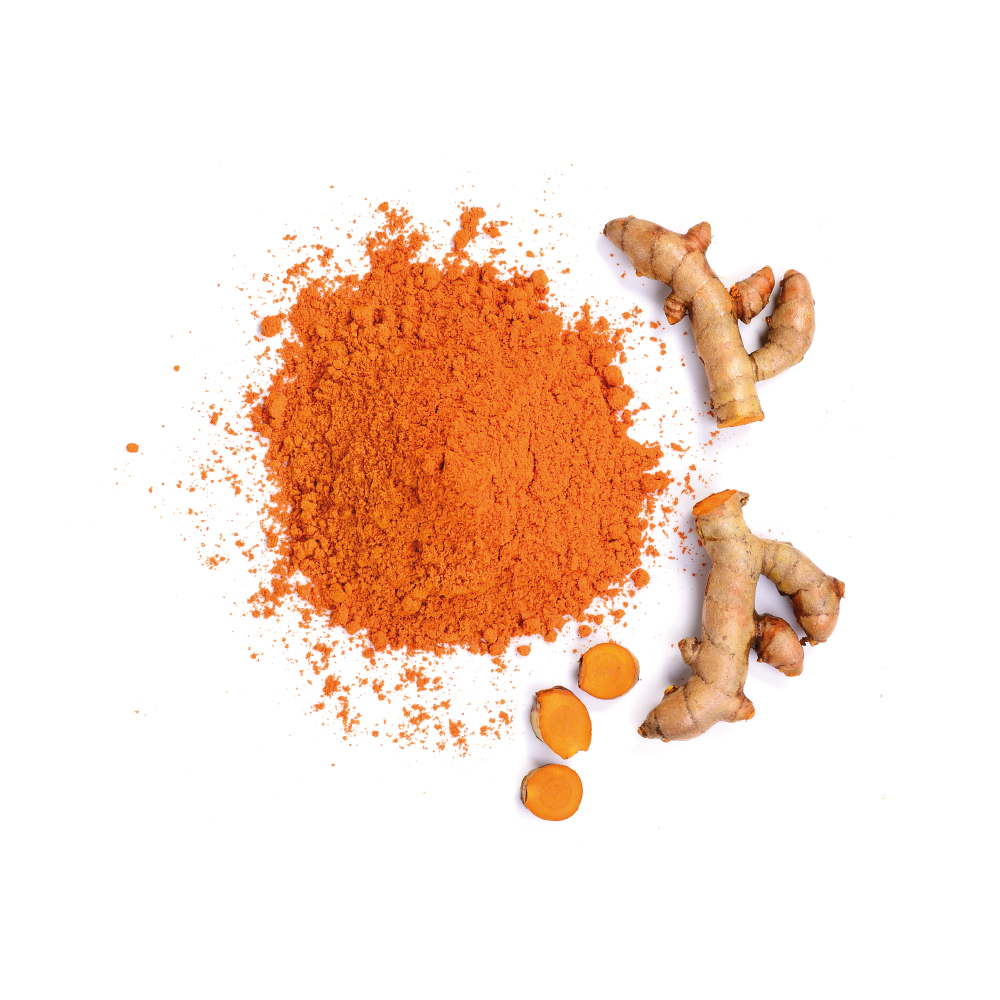
Turmeric has been used as both a food and medicine for thousands of years. Its orange pigment is due to the curcumin content, which is also one of the primary active phytochemicals in the plant.
Turmeric is a staple in Indian and other Southeast Asian cooking, and is thought to provide adaptogenic and general health-promoting effects in these regions.
There has been a lot of study on turmeric in recent decades investigating its effects on cancer, cardiovascular disease, diabetes, inflammatory conditions, and as an antibacterial and antiviral. Turmeric has shown promise in all of these areas.
The major problem with turmeric is its low bioavailability. Cooking the root for long periods of time such as with curry, or soups can improve this bioavailability in the gut but is still far less than 50% bioavailable. This is an issue when trying to use turmeric for systemic conditions, and requires a large amount of the herb to have any effect whatsoever. Combining turmeric with other herbs like black pepper (the piperine content) has shown dramatic improvements in bioavailability.
What Is Turmeric Used For?
Turmeric is mainly used in cooking, and as an anti-inflammatory agent. The potency of turmeric is believed to be increased after cooking, which has been shown to have some merit due to the increased bioavailability after cooking for long periods of time.
Turmeric is a potent anti-inflammatory, especially in the digestive tract and is commonly used to treat inflammations throughout. It’s especially useful for chronic inflammatory conditions like IBS, endometriosis, interstitial cystitis, and other inflammatory (and often idiopathic) conditions. It’s also used as an adjunctive cancer therapy for its potent antioxidant and anti-inflammatory activities.
Traditional Uses
Western Herbal Medicine
Turmeric has been used as a spice and medicine for thousands of years. It was listed in an ancient Assyrian herbal from around 600 BCE as well as by Dioscorides 31Reference 31Principles and Practice of Phytotherapy.
Ayurvedic Medicine
In India, turmeric is used as a stomachic, tonic, to purify the blood, improve digestion, treat fevers, skin conditions, and vomiting during pregnancy. Here, it’s also applied topically to treat conjunctivitis, skin infections, cancer, sprains, arthritis, hemorrhoids, reduce hair growth, promote wound healing, and treat eczema. 31Reference 31Principles and Practice of Phytotherapy. Its main, longstanding use, especially in Ayurveda is for its potent anti-inflammatory actions 33Reference 33Pharmacology of Curcuma longa.
Traditional Chinese Medicine
(Turmeric rhizome; Jiang Huang)
Taste: Pungent and Bitter 32Reference 32A Materia Medica for Chinese Medicine: Plants, Minerals, and Animal Products. (pp
Energy
Warm 32Reference 32A Materia Medica for Chinese Medicine: Plants, Minerals, and Animal Products. (pp
Channels
Spleen, stomach, liver 32Reference 32A Materia Medica for Chinese Medicine: Plants, Minerals, and Animal Products. (pp
Actions
Regulates and moves blood, regulates and moves Qi, Descends Qi, dispels wind-damp, removes blood stasis, relieves pain 32Reference 32A Materia Medica for Chinese Medicine: Plants, Minerals, and Animal Products. (pp.
Indications
Do NOT use during pregnancy. 32Reference 32A Materia Medica for Chinese Medicine: Plants, Minerals, and Animal Products. (pp.
Dose
3-10 g decocted 20 min 32Reference 32A Materia Medica for Chinese Medicine: Plants, Minerals, and Animal Products. (pp
Contraindications
All forms of deficiency, especially if signs of blood or Qi stagnation are not present 32Reference 32A Materia Medica for Chinese Medicine: Plants, Minerals, and Animal Products. (pp.
(Turmeric tuber; Yu Jin)
Taste
Pungent, bitter, aromatic 32Reference 32A Materia Medica for Chinese Medicine: Plants, Minerals, and Animal Products. (pp
Energy
Cold 32Reference 32A Materia Medica for Chinese Medicine: Plants, Minerals, and Animal Products. (pp
Channels
Heart, lung, liver 32Reference 32A Materia Medica for Chinese Medicine: Plants, Minerals, and Animal Products. (pp
Actions
Moves and regulates blood and Qi, removes blood and Qi stasis, cools heat, cools blood, drains damp-heat 32Reference 32A Materia Medica for Chinese Medicine: Plants, Minerals, and Animal Products. (pp.
Indications
Do NOT use during pregnancy 32Reference 32A Materia Medica for Chinese Medicine: Plants, Minerals, and Animal Products. (pp.
Dose
3-10 g decocted 20 min 32Reference 32A Materia Medica for Chinese Medicine: Plants, Minerals, and Animal Products. (pp
Contraindications
Yin deficiency after blood loss, lack of indication of blood or Qi stagnation 32Reference 32A Materia Medica for Chinese Medicine: Plants, Minerals, and Animal Products. (pp.
In traditional Chinese medicine, turmeric is used to stimulate the blood and Qi, offer analgesic properties, treat chest and abdominal pain and distention, jaundice, frozen shoulder, amenorrhoea due to blood stasis. The tuber is used similarly to the root but is used more in hot conditions. 31Reference 31Principles and Practice of Phytotherapy.
Botany
Turmeric is a tender rhizomatous perennial in the ginger family (Zingiberaceae), closely related to ginger (Zingiber officinale), growing to about 1 m with large upright oblong leaves and a cone-like spike of pale green-to-pink bracts sheltering small pale-yellow flowers. Its prize is the underground rhizome — a rounded primary “tuber” bearing branched cylindrical secondary rhizomes, bright orange within, the source of curcumin. Turmeric is sterile (setting no seed) and is thought to have arisen as a selected, vegetatively-propagated hybrid derived from wild turmeric (Curcuma aromatica).
The medicinal species is Curcuma longa, but its relatives — wild turmeric (C. aromatica), Javanese C. xanthorrhiza and zedoary (C. zedoaria) — differ in constituents and are sometimes substituted for it. Even within C. longa, the rhizome’s curcuminoid content varies widely with cultivar and growing region, so raw turmeric is an inconsistent source of curcumin without standardisation 24,25Reference 24Chemical Composition and Product Quality Control of Turmeric (Curcuma longa L.)View study →Reference 25Variation in the Chemical Composition of Five Varieties of Curcuma longa Rhizome Essential Oils Cultivated in North AlabamaView study →.
Distribution
Turmeric is a cultigen: Plants of the World Online records it as of southwestern Indian origin and not known in the wild, existing only as a cultivated plant. It has been grown across tropical Asia for millennia — India (especially the south-central states), China, Taiwan, the Philippines, Java and the Caribbean among the main growing areas. Being sterile and vegetatively propagated, it does not escape or spread as a weed. No conservation concern.
Growing Conditions
- Life cycle: tender rhizomatous perennial, hardy roughly USDA zones 8–11.
- Light: full sun to part shade.
- Water: steady moisture with rich, well-draining soil; warm and humid.
- Habit: an 8–10 month crop harvested for its rhizome; propagated only by division.
- Full cultivation detail lives on the companion farm-wiki grow guide for Curcuma longa (link to be added once that project’s public URL is confirmed).
Harvesting, Collection & Preparation
Turmeric essential oil is produced via steam distillation from the dried rhizome. It’s yellow in color due to the curcuminoids (0.3%-5.4%). 34Reference 34The Complete Guide to Aromatherapy (2nd ed.).
Pharmacology & Research
Turmeric is among the most intensively studied botanicals in modern clinical research: the pooled evidence now runs to more than 100 randomised controlled trials and dozens of meta-analyses, a striking contrast to the preclinical-heavy literature this page has cited until now. A 2024 systematic review meta-analysed 103 RCTs across 42 outcomes and rated the certainty of evidence as high for fasting blood sugar, C-reactive protein, HDL cholesterol and body weight — the first time turmeric’s human signal has been graded that strongly 1Reference 1Meta-analysisCurcumin on Human Health: A Comprehensive Systematic Review and Meta-Analysis of 103 Randomized Controlled TrialsView study →. The best-anchored clinical uses are symptomatic osteoarthritis, systemic anti-inflammatory and antioxidant effects, and glycaemic control; several other indications (dyslipidaemia, ulcerative colitis, depression, fatty liver) rest on smaller or lower-certainty trial sets. Almost every positive trial used a standardised extract (typically ~95% curcuminoids) or a bioavailability-enhanced formulation (piperine co-administration, phytosome, Theracurmin) — not the raw dried rhizome or culinary spice, whose curcumin absorption is very low 18Reference 18Clinical trialInfluence of piperine on the pharmacokinetics of curcumin in animals and human volunteersView study →. That preparation gap is the single most important caveat when reading the numbers below.
- Best-supported: symptomatic relief in knee osteoarthritis, non-inferior to ibuprofen in a head-to-head trial 2,3,4Reference 2Meta-analysisThe efficacy and safety of Curcuma longa extract and curcumin supplements on osteoarthritis — systematic review and meta-analysis of randomized controlled trialsView study →Reference 3Meta-analysisThe efficacy of curcumin in relieving osteoarthritis: a meta-analysis of meta-analysesView study →Reference 4RCTEfficacy and safety of Curcuma domestica extracts compared with ibuprofen in patients with knee osteoarthritis: a multicenter randomized controlled studyView study →; reductions in CRP, IL-6, TNF-α and oxidative-stress markers across GRADE-assessed meta-analyses 5,6Reference 5Meta-analysisAntioxidant and anti-inflammatory effects of curcumin/turmeric supplementation in adults: a GRADE-assessed systematic review and dose-response meta-analysis of randomized controlled trialsView study →Reference 6Meta-analysisEffect of curcumin on C-reactive protein as a biomarker of systemic inflammation: an updated meta-analysis of randomized controlled trialsView study →; improved fasting glucose and HbA1c, and prevention of progression from prediabetes to diabetes 1,7,8Reference 1Meta-analysisCurcumin on Human Health: A Comprehensive Systematic Review and Meta-Analysis of 103 Randomized Controlled TrialsView study →Reference 7RCTCurcumin extract for prevention of type 2 diabetes — randomized, double-blind, placebo-controlled trialView study →Reference 8RCTCurcumin Attenuates Hyperglycemia and Inflammation in Type 2 Diabetes Mellitus: Quantitative Analysis of Randomized Controlled TrialsView study →.
- Emerging, worth watching: adjunctive remission in ulcerative colitis 11,12Reference 11Meta-analysisUse of Curcumin in Achieving Clinical and Endoscopic Remission in Ulcerative Colitis: a systematic review and meta-analysis of randomized controlled trialsView study →Reference 12RCTCurcumin-QingDai Combination for Patients With Active Ulcerative Colitis: a randomized, double-blinded, placebo-controlled trialView study →, antidepressant signal 10Reference 10Meta-analysisClinical Use of Curcumin in Depression: a meta-analysis of clinical trialsView study →, and improved memory/attention with a bioavailable formulation over 18 months 16Reference 16RCTMemory and Brain Amyloid and Tau Effects of a Bioavailable Form of Curcumin in Non-Demented Adults: a double-blind, placebo-controlled 18-month randomized controlled trialView study →.
- Mechanistically thin: stand-alone anticancer claims — human data are early-phase safety/chemoprevention work, with no efficacy RCT 17,23Reference 17In vitroColorectal cancer: chemopreventive role of curcumin and resveratrol — review of mechanisms (in vitro and animal model evidence)View study →Reference 23A phase I study investigating the safety and pharmacokinetics of highly bioavailable curcumin (Theracurmin) in cancer patients on gemcitabine-based chemotherapyView study →.
- The caveat: effects hinge on standardised, bioavailability-enhanced extracts; raw turmeric powder and tea deliver far less curcumin, and there is no single agreed dose or formulation across trials.
1. Osteoarthritis
This is turmeric’s strongest clinical indication. A 2024 meta-analysis of meta-analyses pooled 11 prior meta-analyses and found curcumin significantly reduced pain (visual analogue scale) and improved WOMAC pain, function and stiffness scores in knee osteoarthritis 3Reference 3Meta-analysisThe efficacy of curcumin in relieving osteoarthritis: a meta-analysis of meta-analysesView study →. An underlying systematic review of 15 RCTs (1,621 participants) reported that curcumin and Curcuma longa extract lowered pain and improved function versus placebo, with adverse-event rates comparable to placebo and lower than NSAIDs; it recommended a minimum ~12-week course 2Reference 2Meta-analysisThe efficacy and safety of Curcuma longa extract and curcumin supplements on osteoarthritis — systematic review and meta-analysis of randomized controlled trialsView study →. Most persuasively, a multicentre non-inferiority RCT (n=367) found a standardised Curcuma domestica extract as effective as ibuprofen for knee osteoarthritis over 4 weeks, with significantly fewer gastrointestinal complaints 4Reference 4RCTEfficacy and safety of Curcuma domestica extracts compared with ibuprofen in patients with knee osteoarthritis: a multicenter randomized controlled studyView study →. A 2025 Bayesian network meta-analysis ranked Boswellia highest for pain but placed curcumin among the effective, well-tolerated options for function 26Reference 26Meta-analysisComparative Effectiveness of Nutritional Supplements in the Treatment of Knee Osteoarthritis — a systematic review and Bayesian network meta-analysis of randomized controlled trialsView study →.
Gap: trials use varied standardised extracts and doses, follow-up is mostly ≤12 weeks, and heterogeneity between studies is high — long-term structural (not just symptomatic) benefit is unproven.
2. Anti-inflammatory
The anti-inflammatory effect is now measured directly in humans, not just inferred from cell work. A GRADE-assessed dose-response meta-analysis of 66 RCTs found turmeric/curcumin significantly reduced C-reactive protein (−0.58 mg/L), TNF-α (−3.48 pg/mL) and IL-6 (−1.31 pg/mL), with no significant change in IL-1β 5Reference 5Meta-analysisAntioxidant and anti-inflammatory effects of curcumin/turmeric supplementation in adults: a GRADE-assessed systematic review and dose-response meta-analysis of randomized controlled trialsView study →. A dedicated CRP meta-analysis (updated, RCTs) confirmed significant reductions in both CRP and high-sensitivity CRP, with effects concentrated at doses ≤1,000 mg/day and durations beyond 10 weeks 6Reference 6Meta-analysisEffect of curcumin on C-reactive protein as a biomarker of systemic inflammation: an updated meta-analysis of randomized controlled trialsView study →. In the 103-RCT overview, CRP was one of only four outcomes rated high certainty 1Reference 1Meta-analysisCurcumin on Human Health: A Comprehensive Systematic Review and Meta-Analysis of 103 Randomized Controlled TrialsView study →. Mechanistically this traces to curcumin acting as a dual inhibitor of arachidonic-acid metabolism and a suppressor of TNF-induced NF-κB signalling — the observation the original monograph rested on, now backed by human biomarker data 1,5,6Reference 1Meta-analysisCurcumin on Human Health: A Comprehensive Systematic Review and Meta-Analysis of 103 Randomized Controlled TrialsView study →Reference 5Meta-analysisAntioxidant and anti-inflammatory effects of curcumin/turmeric supplementation in adults: a GRADE-assessed systematic review and dose-response meta-analysis of randomized controlled trialsView study →Reference 6Meta-analysisEffect of curcumin on C-reactive protein as a biomarker of systemic inflammation: an updated meta-analysis of randomized controlled trialsView study →.
Gap: these are circulating-biomarker changes; whether the magnitude translates into meaningful symptom or hard-outcome benefit outside arthritis is largely untested, and between-study heterogeneity is substantial.
3. Glycemic control
Curcumin shows a consistent, clinically plausible glucose-lowering signal. In a landmark 9-month double-blind RCT, 240 prediabetic adults received curcumin or placebo: 16.4% of the placebo group progressed to type 2 diabetes versus none in the curcumin group, alongside improved β-cell function (HOMA-β) and insulin resistance (HOMA-IR) 7Reference 7RCTCurcumin extract for prevention of type 2 diabetes — randomized, double-blind, placebo-controlled trialView study →. A 2024 meta-analysis of 18 RCTs (1,382 patients with T2DM) found curcumin lowered fasting blood glucose by ~11.5 mg/dL and HbA1c by ~0.54%, and also reduced CRP 8Reference 8RCTCurcumin Attenuates Hyperglycemia and Inflammation in Type 2 Diabetes Mellitus: Quantitative Analysis of Randomized Controlled TrialsView study →. Fasting blood sugar was rated high certainty in the 103-RCT overview 1Reference 1Meta-analysisCurcumin on Human Health: A Comprehensive Systematic Review and Meta-Analysis of 103 Randomized Controlled TrialsView study →. (An earlier widely cited glycaemic meta-analysis, Poolsup 2019, was subsequently retracted and is deliberately excluded here.)
Gap: effect sizes are modest and formulation-dependent; curcumin is an adjunct, not a replacement for glucose-lowering therapy, and the prevention finding rests on a single (if large) trial.
4. Antioxidant
Human trials confirm the antioxidant activity long claimed from in vitro work. The 66-RCT GRADE meta-analysis found turmeric/curcumin significantly raised total antioxidant capacity, reduced malondialdehyde (a lipid-peroxidation marker) and increased superoxide dismutase activity 5Reference 5Meta-analysisAntioxidant and anti-inflammatory effects of curcumin/turmeric supplementation in adults: a GRADE-assessed systematic review and dose-response meta-analysis of randomized controlled trialsView study →. A separate 15-RCT meta-analysis similarly reported reduced MDA and hs-CRP, though effects on TNF-α and SOD were not significant there 27Reference 27Meta-analysisThe effects of curcumin-containing supplements on biomarkers of inflammation and oxidative stress: a systematic review and meta-analysis of randomized controlled trialsView study →. Mechanistically the curcuminoids reduce lipid peroxidation and activate the Nrf2/ARE cytoprotective pathway — consistent with the monograph’s existing account, now with human biomarker support 5Reference 5Meta-analysisAntioxidant and anti-inflammatory effects of curcumin/turmeric supplementation in adults: a GRADE-assessed systematic review and dose-response meta-analysis of randomized controlled trialsView study →.
Gap: endpoints are surrogate oxidative-stress markers with high heterogeneity; a durable clinical benefit from the antioxidant effect specifically has not been isolated.
5. Dyslipidemia
A GRADE-assessed dose-response meta-analysis of 64 RCTs found turmeric/curcumin produced statistically significant but small improvements in total cholesterol (−3.99 mg/dL), triglycerides (−6.69 mg/dL), LDL-C (−4.89 mg/dL) and HDL-C (+1.80 mg/dL), with no effect on apolipoproteins A or B 9Reference 9Meta-analysisEffects of curcumin/turmeric supplementation on lipid profile: a GRADE-assessed systematic review and dose-response meta-analysis of randomized controlled trialsView study →. Co-administration with piperine improved total cholesterol and LDL-C in metabolic syndrome, plausibly by raising curcumin bioavailability 28Reference 28Meta-analysisA systematic review and meta-analysis of randomized controlled trials investigating the effect of the curcumin and piperine combination on lipid profile in patients with metabolic syndromeView study →.
Gap: the authors graded the certainty low to very low; the absolute changes are small, heterogeneity is high, and trials did not standardise potency, purity or co-ingestion with food.
6. Ulcerative colitis
As an adjunct to standard 5-ASA therapy, curcumin has a real signal in mild-to-moderate ulcerative colitis. A meta-analysis of 3 RCTs (142 patients) found curcumin plus mesalamine markedly increased the odds of clinical remission versus mesalamine alone (pooled OR 6.78) 11Reference 11Meta-analysisUse of Curcumin in Achieving Clinical and Endoscopic Remission in Ulcerative Colitis: a systematic review and meta-analysis of randomized controlled trialsView study →. A 2024 double-blind RCT of a curcumin–QingDai (indigo) combination in active UC reported significant clinical and endoscopic response over placebo, extending the adjunct evidence to a defined combination product 12Reference 12RCTCurcumin-QingDai Combination for Patients With Active Ulcerative Colitis: a randomized, double-blinded, placebo-controlled trialView study →.
Gap: trials are few and small, formulations differ, and the QingDai combination raises its own safety questions (indigo has been linked to pulmonary hypertension) — curcumin is adjunctive, not a mesalamine substitute.
7. Depression
A meta-analysis of 6 RCTs (377 patients) found curcumin significantly reduced depressive symptoms versus placebo (Hamilton Rating Scale SMD −0.34), with anti-anxiety benefit in 3 trials and no reported adverse events 10Reference 10Meta-analysisClinical Use of Curcumin in Depression: a meta-analysis of clinical trialsView study →. Later meta-reviews of psychiatric phytoceuticals echo a modest antidepressant effect, generally as an adjunct to standard antidepressants 29Reference 29Meta-analysisPlant-based Medicines (Phytoceuticals) in the Treatment of Psychiatric Disorders: a meta-review of meta-analyses of randomized controlled trialsView study →.
Gap: trials are short (4–8 weeks) and small, several used adjunctive designs, and the pooled effect is modest — long-term and monotherapy efficacy are unestablished.
8. Fatty liver (NAFLD/NASH)
A meta-analysis of 4 RCTs (229 patients) found curcumin lowered LDL-C, triglycerides, fasting glucose, HOMA-IR, weight and AST versus placebo in non-alcoholic fatty liver disease 13Reference 13Meta-analysisThe effects of curcumin on the metabolic parameters of non-alcoholic fatty liver disease: a meta-analysis of randomized controlled trialsView study →. A 24-week double-blind RCT reported reduced hepatic fat content alongside changes in gut-microbiota-dependent bile-acid metabolism and TGR5/GLP-1 signalling, giving a mechanistic anchor for the metabolic effect 14Reference 14RCTCurcumin supplementation alleviates hepatic fat content associated with modulation of gut microbiota-dependent bile acid metabolism in NAFL — randomized controlled trialView study →. Broader polyphenol systematic reviews consistently place turmeric/curcumin among the agents that lower liver enzymes and improve the metabolic profile in NAFLD 30Reference 30Systematic reviewPolyphenol Intervention Ameliorates Non-Alcoholic Fatty Liver Disease: an updated comprehensive systematic reviewView study →.
Gap: RCTs are small and short, imaging-confirmed steatosis reduction comes from limited trials, and histological (fibrosis) benefit is untested.
9. Rheumatoid arthritis
A systematic review and meta-analysis found curcumin supplementation significantly improved disease-activity and inflammatory measures in rheumatoid arthritis — DAS28, ESR, and tender and swollen joint counts all fell versus controls 15Reference 15Meta-analysisEffect of curcumin on rheumatoid arthritis: a systematic review and meta-analysisView study →. The direction of effect is consistent with turmeric’s broader anti-inflammatory data.
Gap: the trials are few and small with wide confidence intervals; the authors explicitly call for large RCTs before curcumin can be positioned as a reliable adjunct in RA.
10. Cognition
One rigorous trial anchors this indication: an 18-month double-blind, placebo-controlled RCT (n=40 non-demented adults) of a bioavailable curcumin (Theracurmin, 90 mg twice daily) found significant improvements in memory and attention versus placebo, with FDDNP-PET imaging suggesting reduced amyloid and tau accumulation in the amygdala and hypothalamus 16Reference 16RCTMemory and Brain Amyloid and Tau Effects of a Bioavailable Form of Curcumin in Non-Demented Adults: a double-blind, placebo-controlled 18-month randomized controlled trialView study →.
Gap: a single small trial of one proprietary formulation; the imaging findings are exploratory, and no larger replication or clinical-endpoint (dementia incidence) trial exists.
11. Cancer (adjunct)
This is where enthusiasm most outruns the human evidence. Preclinical work is extensive: curcumin shows antiproliferative and pro-apoptotic activity against leukaemia and prostate cancer cell lines in vitro and modulates numerous carcinogenic pathways, and it is discussed as a candidate chemopreventive agent for colorectal cancer 17Reference 17In vitroColorectal cancer: chemopreventive role of curcumin and resveratrol — review of mechanisms (in vitro and animal model evidence)View study →. Human work to date is early-phase: a dose-escalation study of Theracurmin with gemcitabine in pancreatic cancer established tolerability and measurable plasma curcumin but was not designed to show efficacy 23Reference 23A phase I study investigating the safety and pharmacokinetics of highly bioavailable curcumin (Theracurmin) in cancer patients on gemcitabine-based chemotherapyView study →.
Gap: there is no phase III (or even robust phase II efficacy) trial showing curcumin changes cancer outcomes; low systemic bioavailability is a fundamental obstacle, and all current human data are safety/pharmacokinetic rather than outcome trials.
Mechanisms
| Mechanism | Drives | Key compounds |
|---|---|---|
| NF-κB ↓, TNF-α ↓, IL-6 ↓ | anti-inflammatoryulcerative colitisrheumatoid arthritis | curcumin, demethoxycurcumin |
| Dual inhibition of arachidonic-acid metabolism (COX/LOX) | anti-inflammatoryosteoarthritis | curcumin |
| Nrf2/ARE activation, lipid-peroxidation ↓ (MDA ↓, TAC ↑) | antioxidanthepatoprotective | curcumin, bisdemethoxycurcumin |
| β-cell function ↑, insulin resistance (HOMA-IR) ↓ | glycemic control | curcumin |
| Gut-microbiota bile-acid metabolism, TGR5/GLP-1 ↑ | fatty livermetabolic | curcumin |
Clinical trials
Turmeric/curcumin is heavily trialled: ClinicalTrials.gov lists over 500 registered studies, of which more than 200 are completed and around 20 terminated — though many completed trials remain small, short, and focused on biomarkers rather than hard clinical endpoints.
| Completed | Planned | Terminated | Preclinical |
|---|---|---|---|
| 230 | 28 | 21 | thousands |
Last checked: July 2026.
Phytochemistry
Turmeric’s activity centres on the yellow curcuminoids — curcumin (diferuloylmethane, the principal marker), demethoxycurcumin, and bisdemethoxycurcumin — which influence transcription factors, cytokines, growth factors and kinases and underpin most of the cancer and anti-inflammatory research 31Reference 31Principles and Practice of Phytotherapy. The steam-distilled rhizome also yields an aromatic essential oil rich in the sesquiterpenes ar-turmerone, α-turmerone and α-zingiberene, used as the markers for oil and oleoresin quality. The essential oil further contains zingiberene, β-sesquiphellandrene, 1,8-cineole, α-phellandrene, sabinene and borneol 31,34Reference 31Principles and Practice of PhytotherapyReference 34The Complete Guide to Aromatherapy (2nd ed.).
Synthetic glycosyl-curcuminoids have been created and are currently being explored for medicinal applications and efficacy 36,37Reference 36New synthetic glucosyl-curcuminoids, and their 1H and 13C NMR characterization, from Curcuma longa LView study →Reference 37Antitumor agents 250: design and synthesis of new curcumin analogues as potential anti-prostate cancer agents.
Constituent Summary
Mixed units (see “Amount”): curcuminoids are given as a share of the dried rhizome, essential-oil sesquiterpenes as a share of the distilled oil. Both vary widely by cultivar and origin; standardised extracts are typically ~95% curcuminoids 24,25Reference 24Chemical Composition and Product Quality Control of Turmeric (Curcuma longa L.)View study →Reference 25Variation in the Chemical Composition of Five Varieties of Curcuma longa Rhizome Essential Oils Cultivated in North AlabamaView study →.
Phenolic1 compound1 with data
Curcuminoid3 compounds3 with data
Sesquiterpene5 compounds5 with data
Monoterpene2 compounds2 with data
Pharmacokinetics
Curcumin is poorly absorbed and rapidly metabolised — conjugated in the liver and excreted largely in the faeces — so systemic exposure from oral dosing is limited 21Reference 21AnimalCharacterization of metabolites of the chemopreventive agent curcumin in human and rat hepatocytes and in the rat in vivoView study →. This is why almost every clinical trial uses a bioavailability-enhanced preparation: co-administering piperine (a black-pepper alkaloid) raises curcumin absorption by roughly twenty-fold 18Reference 18Clinical trialInfluence of piperine on the pharmacokinetics of curcumin in animals and human volunteersView study →, while phytosome (Meriva), Theracurmin and liposomal/intravenous formulations reach far higher plasma levels than raw powder 22Reference 22RCTIntravenous liposomal curcumin: safety and pharmacokinetics in healthy subjects — phase I dose-escalation randomized trialView study →.
Clinical Applications
The potent antioxidant and anti-inflammatory activities of turmeric make it useful for treating inflammation, especially in the digestive tract, as well as throughout the body. It has shown strong potential as an adjunctive treatment for cancer and cardiovascular disease, and can be used to lower cholesterol and triglyceride levels.
Dosage
In research, turmeric is almost always given as a standardised extract (typically ~95% curcuminoids) or a bioavailability-enhanced formulation titrated to a set curcuminoid dose — not as the raw dried rhizome or culinary spice, whose curcumin absorption is very low.
| Indication | Preparation | Dose | Est. dried-herb equivalent | Source |
|---|---|---|---|---|
| Osteoarthritis | Standardised C. domestica extract | ~1,000–1,500 mg extract/day (≥12 wk) | ~15–50 g dried rhizome (assuming ~3% curcuminoids in rhizome, ~95% in extract) — rough | 2,4Reference 2Meta-analysisThe efficacy and safety of Curcuma longa extract and curcumin supplements on osteoarthritis — systematic review and meta-analysis of randomized controlled trialsView study →Reference 4RCTEfficacy and safety of Curcuma domestica extracts compared with ibuprofen in patients with knee osteoarthritis: a multicenter randomized controlled studyView study → |
| Prediabetes (prevention) | Curcumin extract capsules | 1,500 mg curcuminoids/day, 9 mo | ~50 g dried rhizome/day — order-of-magnitude only | 7Reference 7RCTCurcumin extract for prevention of type 2 diabetes — randomized, double-blind, placebo-controlled trialView study → |
| Type 2 diabetes | Curcumin (mixed formulations) | ~1,000–1,500 mg/day | — (formulations/marker % not uniform) | 8Reference 8RCTCurcumin Attenuates Hyperglycemia and Inflammation in Type 2 Diabetes Mellitus: Quantitative Analysis of Randomized Controlled TrialsView study → |
| Anti-inflammatory (CRP) | Curcumin supplements | ≤1,000 mg/day, >10 wk | — (proprietary extracts) | 6Reference 6Meta-analysisEffect of curcumin on C-reactive protein as a biomarker of systemic inflammation: an updated meta-analysis of randomized controlled trialsView study → |
| Dyslipidemia | Curcumin/turmeric ± piperine | ~500–1,500 mg/day | — | 9Reference 9Meta-analysisEffects of curcumin/turmeric supplementation on lipid profile: a GRADE-assessed systematic review and dose-response meta-analysis of randomized controlled trialsView study → |
| Ulcerative colitis (adjunct) | Curcumin + mesalamine | ~1,000–3,000 mg/day | — | 11Reference 11Meta-analysisUse of Curcumin in Achieving Clinical and Endoscopic Remission in Ulcerative Colitis: a systematic review and meta-analysis of randomized controlled trialsView study → |
| Depression | Curcumin (bioavailable forms) | ~500–1,000 mg/day, 4–8 wk | — | 10Reference 10Meta-analysisClinical Use of Curcumin in Depression: a meta-analysis of clinical trialsView study → |
| Cognition | Theracurmin (bioavailable curcumin) | 90 mg curcumin twice daily, 18 mo | — (bioavailability-enhanced; not comparable to raw herb) | 16Reference 16RCTMemory and Brain Amyloid and Tau Effects of a Bioavailable Form of Curcumin in Non-Demented Adults: a double-blind, placebo-controlled 18-month randomized controlled trialView study → |
Assumption for equivalents: dried rhizome ≈ 2–5% curcuminoids and standardised extracts ≈ 95% curcuminoids; back-conversions are rough guides, not conversion factors or recommendations. Where only a proprietary-extract mg is reported without a marker %, the equivalent is left ”—”.
Traditional Dosage
Traditional practice uses the whole rhizome as a spice, decoction or tincture — far lower curcumin exposure than the standardised extracts in the trials above.
| System | Preparation | Dose |
|---|---|---|
| Western herbal | 1:2 liquid extract | 35–100 mL/week |
| Traditional Chinese Medicine (Jiang Huang / Yu Jin) | Decoction (decocted ~20 min) | 3–10 g/day |
| Ayurveda | Dried rhizome powder | ~1–3 g/day (culinary–medicinal range) |
Safety & Pregnancy
Turmeric is well tolerated, with adverse events mostly mild and gastrointestinal; the one real-world signal worth knowing is rare idiosyncratic liver injury from high-dose, high-bioavailability curcumin supplements — not from culinary turmeric.
- Hepatotoxicity signal. High-dose, high-bioavailability curcumin supplements (not culinary turmeric) have been linked to rare idiosyncratic acute liver injury, usually recovering on withdrawal.
- Bile flow. Curcumin stimulates bile flow — use concentrated products cautiously with bile-duct obstruction or active gallstones.
- Anticoagulants & surgery. A clinical study found no interaction for a phytosome product, but caution remains warranted around surgery and with anticoagulants.
- Well tolerated. Across dozens of RCTs, adverse events are mostly mild and gastrointestinal — comparable to placebo, generally lower than NSAIDs.
Full safety & interactions detail
Turmeric is well tolerated: across dozens of RCTs and dedicated tolerability studies, adverse events are mostly mild and gastrointestinal, and rates are comparable to placebo and generally lower than NSAIDs 2,4Reference 2Meta-analysisThe efficacy and safety of Curcuma longa extract and curcumin supplements on osteoarthritis — systematic review and meta-analysis of randomized controlled trialsView study →Reference 4RCTEfficacy and safety of Curcuma domestica extracts compared with ibuprofen in patients with knee osteoarthritis: a multicenter randomized controlled studyView study →. The main real-world safety signal is idiosyncratic hepatotoxicity: case series and a systematic review have linked high-dose, high-bioavailability curcumin supplements (not culinary turmeric) to acute liver injury, often in people taking other medications, with liver enzymes usually recovering on withdrawal 20Reference 20Systematic reviewAcute liver injury following turmeric use in Tuscany: case series and systematic reviewView study →. Because curcumin can stimulate bile flow, concentrated products should be used cautiously by people with bile-duct obstruction or active gallstones. A clinical non-interaction study of a curcumin phytosome found no change in INR or antiplatelet activity in patients on warfarin, dabigatran, aspirin or clopidogrel, so the theoretical bleeding interaction appears low-risk at typical doses — but caution remains warranted around surgery and with anticoagulants 19Reference 19Curcumin phytosome (Meriva) does not alter the antiplatelet or anticoagulant effect of common agents — clinical non-interaction studyView study →.
Historical toxicology supports the low-toxicity picture: the LD50 of an orally administered petroleum-ether extract is about 12.2 g/kg in rats, and repeated high-dose and long-term animal studies have consistently found low toxicity 31Reference 31Principles and Practice of Phytotherapy — but an animal LD50 is a poor stand-in for the idiosyncratic human liver signal above, which is the caveat that matters for concentrated supplements.
Scope of this safety review: interactions were only partially assessed — a dedicated clinical study found no interaction with warfarin, dabigatran or antiplatelet agents for a phytosome product 19Reference 19Curcumin phytosome (Meriva) does not alter the antiplatelet or anticoagulant effect of common agents — clinical non-interaction studyView study →; in-vitro CYP3A4/P-glycoprotein inhibition is documented but its clinical relevance for most drugs is not established. Pregnancy and lactation have not been assessed in modern human trials (see below).
Avoid medicinal doses in pregnancy. Culinary amounts of turmeric as a food are considered safe, but concentrated extracts and supplements are not recommended: traditional Chinese and Ayurvedic sources explicitly caution against turmeric in pregnancy for its blood-moving/emmenagogue action, and modern supplement doses have not been assessed for safety in pregnant or breastfeeding women. There is no reliable human safety data on standardised curcumin extracts during pregnancy or lactation — treat the absence of studies as unknown risk, not as reassurance.
References
- Jafari A, Abbastabar M, Alaghi A, et al. (2024). Curcumin on Human Health: A Comprehensive Systematic Review and Meta-Analysis of 103 Randomized Controlled Trials. Phytother Res. https://pubmed.ncbi.nlm.nih.gov/39478418/
- Zeng L, Yu G, Hao W, et al. (2021). The efficacy and safety of Curcuma longa extract and curcumin supplements on osteoarthritis — systematic review and meta-analysis of randomized controlled trials. Biosci Rep. https://pubmed.ncbi.nlm.nih.gov/34017975/
- Bideshki MV, Jourabchi-Ghadim N, Radkhah N, et al. (2024). The efficacy of curcumin in relieving osteoarthritis: a meta-analysis of meta-analyses. Phytother Res. https://pubmed.ncbi.nlm.nih.gov/38576215/
- Kuptniratsaikul V, Dajpratham P, Taechaarpornkul W, et al. (2014). Efficacy and safety of Curcuma domestica extracts compared with ibuprofen in patients with knee osteoarthritis: a multicenter randomized controlled study. Clin Interv Aging. https://pubmed.ncbi.nlm.nih.gov/24672232/
- Dehzad MJ, Ghalandari H, Nouri M, Askarpour M. (2023). Antioxidant and anti-inflammatory effects of curcumin/turmeric supplementation in adults: a GRADE-assessed systematic review and dose-response meta-analysis of randomized controlled trials. Cytokine. https://pubmed.ncbi.nlm.nih.gov/36804260/
- Gorabi AM, Abbasifard M, Imani D, et al. (2022). Effect of curcumin on C-reactive protein as a biomarker of systemic inflammation: an updated meta-analysis of randomized controlled trials. Phytother Res. https://pubmed.ncbi.nlm.nih.gov/34586711/
- Chuengsamarn S, Rattanamongkolgul S, Luechapudiporn R, et al. (2012). Curcumin extract for prevention of type 2 diabetes — randomized, double-blind, placebo-controlled trial. Diabetes Care. https://pubmed.ncbi.nlm.nih.gov/22773702/
- Mokgalaboni K, et al. (2024). Curcumin Attenuates Hyperglycemia and Inflammation in Type 2 Diabetes Mellitus: Quantitative Analysis of Randomized Controlled Trials. Nutrients. https://pubmed.ncbi.nlm.nih.gov/39683570/
- Dehzad MJ, Ghalandari H, Amini MR, Askarpour M. (2023). Effects of curcumin/turmeric supplementation on lipid profile: a GRADE-assessed systematic review and dose-response meta-analysis of randomized controlled trials. Complement Ther Med. https://pubmed.ncbi.nlm.nih.gov/37230418/
- Ng QX, Koh SSH, Chan HW, Ho CYX. (2017). Clinical Use of Curcumin in Depression: a meta-analysis of clinical trials. J Am Med Dir Assoc. https://pubmed.ncbi.nlm.nih.gov/28236605/
- Iqbal U, Anwar H, Quadri AA. (2018). Use of Curcumin in Achieving Clinical and Endoscopic Remission in Ulcerative Colitis: a systematic review and meta-analysis of randomized controlled trials. Am J Med Sci. https://pubmed.ncbi.nlm.nih.gov/30360803/
- Ben-Horin S, Salomon N, Karampekos G, et al. (2024). Curcumin-QingDai Combination for Patients With Active Ulcerative Colitis: a randomized, double-blinded, placebo-controlled trial. Clin Gastroenterol Hepatol. https://pubmed.ncbi.nlm.nih.gov/37302449/
- Wei Z, Liu N, Tantai X, et al. (2019). The effects of curcumin on the metabolic parameters of non-alcoholic fatty liver disease: a meta-analysis of randomized controlled trials. Hepatol Int. https://pubmed.ncbi.nlm.nih.gov/30446932/
- Chen Y et al. (2024). Curcumin supplementation alleviates hepatic fat content associated with modulation of gut microbiota-dependent bile acid metabolism in NAFL — randomized controlled trial. Am J Clin Nutr. https://pubmed.ncbi.nlm.nih.gov/38795741/
- Kou H, Huang L, Jin M, et al. (2023). Effect of curcumin on rheumatoid arthritis: a systematic review and meta-analysis. Front Immunol. https://pubmed.ncbi.nlm.nih.gov/37325651/
- Small GW, Siddarth P, Li Z, et al. (2018). Memory and Brain Amyloid and Tau Effects of a Bioavailable Form of Curcumin in Non-Demented Adults: a double-blind, placebo-controlled 18-month randomized controlled trial. Am J Geriatr Psychiatry. https://pubmed.ncbi.nlm.nih.gov/29246725/
- Patel VB, Misra S, Patel BB, Majumdar APN. (2010). Colorectal cancer: chemopreventive role of curcumin and resveratrol — review of mechanisms (in vitro and animal model evidence). Nutr Cancer. https://pubmed.ncbi.nlm.nih.gov/20924971/
- Shoba G, Joy D, Joseph T, et al. (1998). Influence of piperine on the pharmacokinetics of curcumin in animals and human volunteers. Planta Med. https://pubmed.ncbi.nlm.nih.gov/9619120/
- Di Pierro F, Bertuccioli A, Giuberti R, et al. (2018). Curcumin phytosome (Meriva) does not alter the antiplatelet or anticoagulant effect of common agents — clinical non-interaction study. Eur Rev Med Pharmacol Sci. https://pubmed.ncbi.nlm.nih.gov/30070343/
- Lombardi N, Crescioli G, Maggini V, et al. (2021). Acute liver injury following turmeric use in Tuscany: case series and systematic review. Br J Clin Pharmacol. https://pubmed.ncbi.nlm.nih.gov/32656820/
- Ireson C, Orr S, Jones DJ, et al. (2001). Characterization of metabolites of the chemopreventive agent curcumin in human and rat hepatocytes and in the rat in vivo. Cancer Res. https://pubmed.ncbi.nlm.nih.gov/11221833/
- Storka A, Vcelar B, Klickovic U, et al. (2015). Intravenous liposomal curcumin: safety and pharmacokinetics in healthy subjects — phase I dose-escalation randomized trial. Int J Clin Pharmacol Ther. https://pubmed.ncbi.nlm.nih.gov/25500488/
- Kanai M, Otsuka Y, Otsuka K, et al. (2013). A phase I study investigating the safety and pharmacokinetics of highly bioavailable curcumin (Theracurmin) in cancer patients on gemcitabine-based chemotherapy. Cancer Chemother Pharmacol. https://pubmed.ncbi.nlm.nih.gov/23543271/
- Li S, Yuan W, Deng G, et al. (2011). Chemical Composition and Product Quality Control of Turmeric (Curcuma longa L.). Pharmaceutical Crops. https://doi.org/10.2174/2210290601102010028
- Setzer WN, Duong L, Poudel A, Mentreddy SR. (2021). Variation in the Chemical Composition of Five Varieties of Curcuma longa Rhizome Essential Oils Cultivated in North Alabama. Foods. https://doi.org/10.3390/foods10020212
- Zhang Y, et al. (2025). Comparative Effectiveness of Nutritional Supplements in the Treatment of Knee Osteoarthritis — a systematic review and Bayesian network meta-analysis of randomized controlled trials. Nutrients. https://pubmed.ncbi.nlm.nih.gov/40806131/
- Tabrizi R, Vakili S, Akbari M, et al. (2019). The effects of curcumin-containing supplements on biomarkers of inflammation and oxidative stress: a systematic review and meta-analysis of randomized controlled trials. Phytother Res. https://pubmed.ncbi.nlm.nih.gov/30402990/
- Hosseini H, et al. (2023). A systematic review and meta-analysis of randomized controlled trials investigating the effect of the curcumin and piperine combination on lipid profile in patients with metabolic syndrome. Phytother Res. https://pubmed.ncbi.nlm.nih.gov/36649934/
- Sarris J, et al. (2021). Plant-based Medicines (Phytoceuticals) in the Treatment of Psychiatric Disorders: a meta-review of meta-analyses of randomized controlled trials. Can J Psychiatry. https://pubmed.ncbi.nlm.nih.gov/33596697/
- Ranneh Y, et al. (2024). Polyphenol Intervention Ameliorates Non-Alcoholic Fatty Liver Disease: an updated comprehensive systematic review. Nutrients. https://pubmed.ncbi.nlm.nih.gov/39683546/
- Bone K, Mills S. (2013). Principles and Practice of Phytotherapy. Elsevier Health, China. (pp. 900–922).
- Hempen CH, Fischer T. (2009). A Materia Medica for Chinese Medicine: Plants, Minerals, and Animal Products. (pp. 536–539).
- Ammon HP, Wahl MA. (1991). Pharmacology of Curcuma longa. Planta Med 57:1–7.
- Battaglia S. (2003). The Complete Guide to Aromatherapy (2nd ed.). Brisbane, Australia: International Centre of Holistic Aromatherapy.
- Swahn JO. (1991). The Lore of Spices: Their History and Uses Around the World. New York: Crescent Books.
- Saladini M, Lazzari S, Pignedoli F, Rosa R, Spagnolo F, Ferrari E. (2009). New synthetic glucosyl-curcuminoids, and their 1H and 13C NMR characterization, from Curcuma longa L. Plant Foods Hum Nutr 64(3):224–9. doi:10.1007/s11130-009-0122-3
- Lin L, Shi Q, Nyarko AK, Bastow KF, Wu CC, Su CY, Shih CCY, Lee KH. (2006). Antitumor agents 250: design and synthesis of new curcumin analogues as potential anti-prostate cancer agents. J Med Chem 49:3963–3972.