Materia Medica
Chaste Tree
Vitex agnus-castus
Chaste tree / vitex (Vitex agnus-castus) — a leading female tonic used for PMS, menstrual irregularity and hormonal balance.
What Is Chaste Tree?
Chaste tree, also referred to as vitex, is a large shrub native to the Southern parts of Europe. The berries are used to promote fertility, and treat menstrual irregularities and PMS. It’s one of the most well-rounded female tonic herbs available, treating a wide range of female reproductive issues.
Chaste tree has a side effect of reducing libido, which has made it popular in the past by those searching for this action. Monks, and Roman soldiers are well known for using this herb for this reason, which has even lead to one of its common names “Monks Pepper”.
Traditional Uses
Western Herbal Medicine
Chaste tree’s primary usage medicinally was as a treatment for women’s health. This still holds true today in western herbal medicine. 22,23,24,25,26Reference 22Principles and Practice of PhytotherapyReference 23A Clinical Guide to Blending Liquid Herbs: Herbal Formulations for the Individual PatientReference 24The ABC Clinical Guide to HerbsReference 25Herbal MedicineReference 26ReviewThe Complete German Commission E Monographs: Therapeutic Guide to Herbal Medicines.
The Eclectics used a tincture of the fresh berries as a galactagogue, and emmenagogue 22,25,26Reference 22Principles and Practice of PhytotherapyReference 25Herbal MedicineReference 26ReviewThe Complete German Commission E Monographs: Therapeutic Guide to Herbal Medicines. It’s interesting to note that this traditional usage for promoting breast milk production somewhat contradicts the known activity of prolactin inhibition.
The Spartans used chaste berry to treat impotence which also contradicts some of the other traditional uses as a means of decreasing libido.
In France, this herb was used to relieve minor sleep disorders in adults and children 22Reference 22Principles and Practice of Phytotherapy.
The chaste tree was associated as a symbol of chastity and was used as a means of suppressing sexual excitability. 22,24Reference 22Principles and Practice of PhytotherapyReference 24The ABC Clinical Guide to Herbs.
The dried fruits have a peppery taste and were used as a substitute for pepper in monasteries. Partly for their flavor, but also as a means of reducing the sexual excitability of the monks who lived there to help with the abstinence that came with the role.
Chaste tree has been mentioned by Hippocrates, Dioscorides, and Theophrastus as well. 22Reference 22Principles and Practice of Phytotherapy.
What Is Chaste Tree Used For?
Chaste tree is most commonly used for PMS, menopausal complaints, PCOS, female infertility, acne, fibrocystic breast disease, menstrual irregularities, and uterine fibroids.
Botany
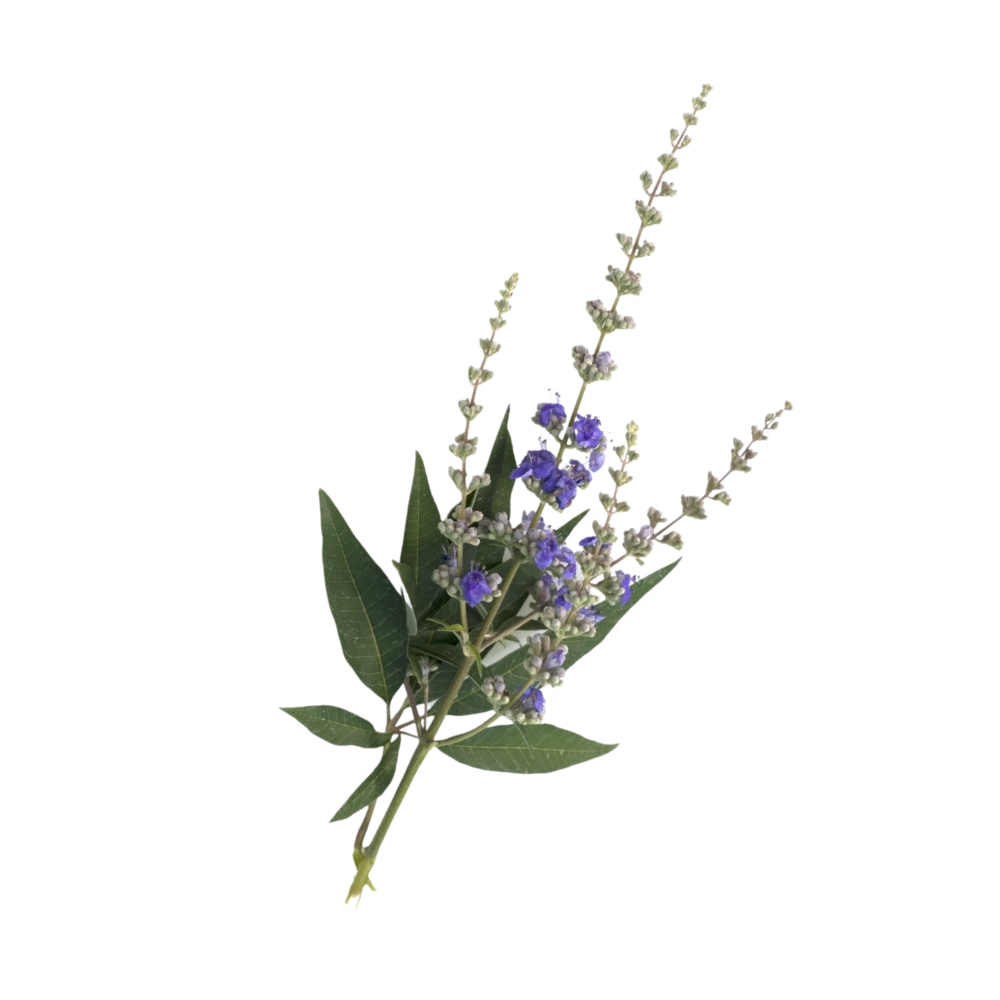
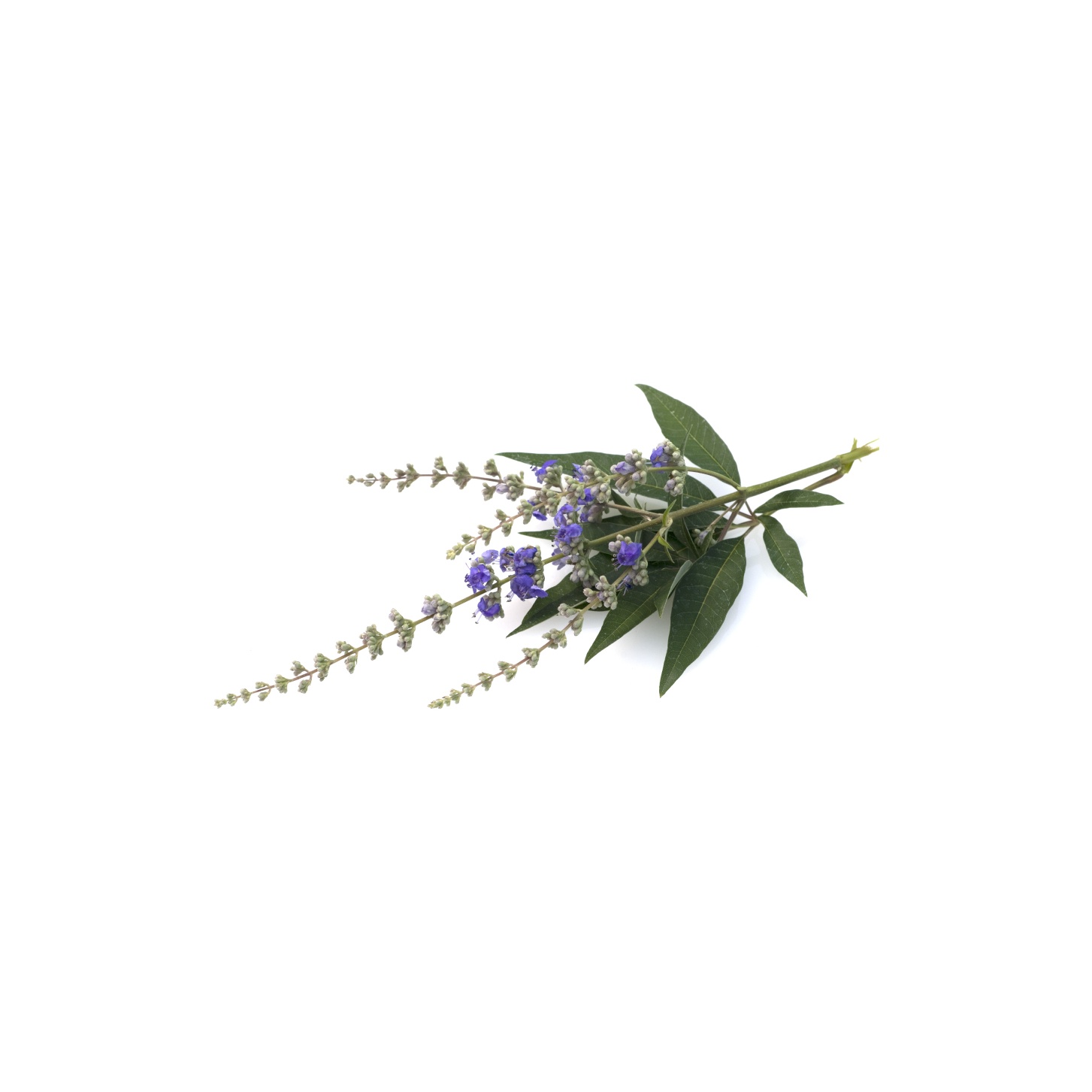
Chaste tree is a deciduous, aromatic shrub or small tree in the mint family (Lamiaceae) — it was formerly placed in the Verbenaceae before DNA studies moved it — typically 10–15 ft tall as a multi-stemmed shrub, or trained to a ~20 ft single-trunk tree; in cold zones it dies back to a 3–5 ft perennial. Its grayish-green leaves are palmately compound with 5–7 slender leaflets, and slender terminal panicles of fragrant lavender-to-violet flowers appear in mid-to-late summer, followed by peppercorn-like “chasteberries”. Well-known relatives across the Lamiaceae include sage, lavender, rosemary and thyme.
Distribution
Chaste tree is native to the Mediterranean region and western-to-central Asia. Long grown as an ornamental, it has naturalized in warm-temperate regions worldwide and, in the United States, has escaped especially across the South from Texas eastward onto roadsides and streambanks — locally weedy as a garden escape rather than a formally listed noxious weed. It has no conservation concern.
Growing Conditions
- Life cycle: deciduous perennial shrub/small tree, hardy USDA zones 6–9.
- Light: full sun.
- Water: drought-tolerant once established; dislikes wet feet.
- Habit: tough, low-care; flowers on new wood, so it can be cut back hard in spring.
- Full cultivation detail lives on the companion farm-wiki grow guide for Vitex agnus-castus (link to be added once that project’s public URL is confirmed).
Phytochemistry
Chaste tree’s activity is attributed to three constituent groups in the berry. The iridoid glycosides — chiefly agnuside and aucubin — and the methoxylated flavones, led by casticin (with eupatorin and penduletin), are the markers used to standardise commercial extracts; agnuside and casticin together serve as the reference compounds for HPLC quality control 22Reference 22Principles and Practice of Phytotherapy. The flavonoids contribute estrogenic effects and the glycosides act indirectly on hormones (in vitro) 10,21Reference 10Chaste tree (Vitex agnus-castus) — pharmacology and clinical indicationsView study →Reference 21Medical Herbalism: The Science and Practice of Herbal Medicine. The labdane and clerodane diterpenes — vitexilactone, rotundifuran, the viteagnusins A–I and vitexlactam A — carry the dopaminergic (prolactin-lowering) action that underlies the herb’s hormonal effects 10Reference 10Chaste tree (Vitex agnus-castus) — pharmacology and clinical indicationsView study →. Overlaying these is an essential oil (~0.7% of the berry) of monoterpenes and sesquiterpenes whose pinene, bornyl acetate and limonene are antifungal, antimicrobial and insect-repellent 21,22Reference 21Medical Herbalism: The Science and Practice of Herbal MedicineReference 22Principles and Practice of Phytotherapy.
Constituent Summary
Agnuside and casticin are the standardisation markers; reported commercial contents are very low and dose-based rather than percentage (an HMPC-equivalent daily dose supplies on the order of ~0.09 mg agnuside and ~0.14 mg casticin) and vary widely between products 22Reference 22Principles and Practice of Phytotherapy. Other individual figures are not established in the cited sources, so most amounts read No Data. The essential oil is ~0.7% of the berry 22Reference 22Principles and Practice of Phytotherapy.
Iridoid2 compounds2 with data
Flavonoid3 compounds3 with data
Diterpene15 compounds15 with data
Triterpene1 compound1 with data
Monoterpene5 compounds5 with data
Sesquiterpene2 compounds2 with data
Pharmacology & Research
Chaste tree is one of the more thoroughly clinically studied Western herbs, though the evidence is concentrated almost entirely in the female-reproductive sphere and rests on a handful of proprietary standardised extracts (chiefly Ze 440 and BNO 1095) rather than on the whole berry or a tincture. The best-supported indications — premenstrual syndrome and cyclic mastalgia — are backed by multiple randomised placebo-controlled trials and by meta-analyses, but those same meta-analyses flag high heterogeneity, unclear risk of bias, and probable publication bias, so the headline effect sizes should be read as encouraging rather than settled 5,6,9Reference 5Meta-analysisVitex agnus-castus in premenstrual syndrome: a meta-analysis of double-blind randomised controlled trialsView study →Reference 6Meta-analysisThe treatment of premenstrual syndrome with preparations of Vitex agnus castus: a systematic review and meta-analysisView study →Reference 9Meta-analysisVitex agnus-castus for the treatment of cyclic mastalgia: a systematic review and meta-analysisView study →. A coherent pharmacological mechanism ties most of the reproductive claims together: diterpenes in the berry act as dopamine D2-receptor agonists that lower prolactin, which in turn can normalise a shortened luteal phase 10,11,12Reference 10Chaste tree (Vitex agnus-castus) — pharmacology and clinical indicationsView study →Reference 11Vitex agnus castus extract in the treatment of luteal phase defects due to latent hyperprolactinaemiaView study →Reference 12AnimalAgnus castus extracts inhibit prolactin secretion of rat pituitary cellsView study →. Everything outside the hormonal indications — antioxidant, anti-inflammatory, and metabolic effects in PCOS — is early-stage, resting on single trials, animal models, or cell work. Note throughout that a result obtained with a specific standardised extract does not automatically transfer to the 1:2 liquid extract or dried berry the herb is usually dispensed as.
- Best-supported: premenstrual syndrome (multiple placebo-controlled RCTs, two meta-analyses) 1,2,5,6Reference 1RCTSchellenberg R. Treatment for the premenstrual syndrome with agnus castus fruit extract (Ze 440): prospective, randomised, placebo controlled study. BMJ. 2001;322(7279):134–137. https://pubmed.ncbi.nlm.nih.gov/11159568/View study →Reference 2RCTTreatment for premenstrual syndrome with Vitex agnus castus (BNO 1095): a prospective, randomized, multi-center placebo-controlled study in ChinaView study →Reference 5Meta-analysisVitex agnus-castus in premenstrual syndrome: a meta-analysis of double-blind randomised controlled trialsView study →Reference 6Meta-analysisThe treatment of premenstrual syndrome with preparations of Vitex agnus castus: a systematic review and meta-analysisView study → and cyclic mastalgia (meta-analysis, moderate effect, non-inferior to dopamine agonists) 9Reference 9Meta-analysisVitex agnus-castus for the treatment of cyclic mastalgia: a systematic review and meta-analysisView study →.
- Emerging, worth watching: latent hyperprolactinaemia / luteal-phase defect 11,13Reference 11Vitex agnus castus extract in the treatment of luteal phase defects due to latent hyperprolactinaemiaView study →Reference 13Vitex agnus castus effects on hyperprolactinaemiaView study → and metabolic/oxidative-stress markers in PCOS 14Reference 14RCTThe effect of Vitex agnus-castus on oxidative stress, lipid profile and insulin resistance in women with polycystic ovary syndrome: a randomised, double-blind controlled trialView study →.
- Mechanistically thin: stand-alone antioxidant and anti-inflammatory activity — real in preclinical models but not established clinically for the whole herb 14,17Reference 14RCTThe effect of Vitex agnus-castus on oxidative stress, lipid profile and insulin resistance in women with polycystic ovary syndrome: a randomised, double-blind controlled trialView study →Reference 17AnimalVitex agnus-castus safeguards the lung against lipopolysaccharide-induced toxicity in miceView study →.
- The caveat: almost every positive human result comes from a specific standardised extract (Ze 440, BNO 1095), not the tincture or dried berry; there is no single validated dose across preparations.
1. Premenstrual syndrome (PMS)
This is the strongest indication. The landmark trial is a German randomised, double-blind, placebo-controlled study of the Ze 440 extract (n=170, one tablet daily over three cycles) in which the responder rate — a 50% reduction in symptoms of irritability, mood change, anger, headache and breast fullness — was 52% on active treatment versus 24% on placebo 1Reference 1RCTSchellenberg R. Treatment for the premenstrual syndrome with agnus castus fruit extract (Ze 440): prospective, randomised, placebo controlled study. BMJ. 2001;322(7279):134–137. https://pubmed.ncbi.nlm.nih.gov/11159568/View study →. A multi-centre placebo-controlled RCT in Chinese women using the BNO 1095 extract (n=217) 2Reference 2RCTTreatment for premenstrual syndrome with Vitex agnus castus (BNO 1095): a prospective, randomized, multi-center placebo-controlled study in ChinaView study → and a further placebo-controlled trial (n=128) reported similar benefit 3Reference 3Clinical trialTherapeutic effect of Vitex agnus castus in patients with premenstrual syndromeView study →, while an older controlled trial found the extract comparable to pyridoxine (vitamin B6) 4Reference 4RCTTreatment of premenstrual tension syndrome with Vitex agnus castus: controlled, double-blind study versus pyridoxineView study →. Two meta-analyses confirm a positive pooled signal: a 2017 systematic review found a large effect (Hedges g −1.21) across 14 trials, and a 2019 meta-analysis restricted to properly characterised extracts found women 2.57 times more likely to respond than on placebo 5,6Reference 5Meta-analysisVitex agnus-castus in premenstrual syndrome: a meta-analysis of double-blind randomised controlled trialsView study →Reference 6Meta-analysisThe treatment of premenstrual syndrome with preparations of Vitex agnus castus: a systematic review and meta-analysisView study →. The honest counterweight is that both analyses report high heterogeneity, unclear-to-high risk of bias, and evidence of publication bias, and a separate systematic review reached the same cautious verdict 7Reference 7Systematic reviewVitex agnus castus for premenstrual syndrome and premenstrual dysphoric disorder: a systematic reviewView study →.
Gap: Effect sizes vary enormously between trials and rest on proprietary extracts; there are still no large, low-bias head-to-head trials against SSRIs or oral contraceptives, and the whole-berry/tincture forms sold to consumers were rarely the ones tested.
2. Cyclic mastalgia
Cyclic breast pain is the indication with the cleanest mechanistic fit, because it is linked to latent hyperprolactinaemia and chaste tree lowers prolactin. A 2020 systematic review and meta-analysis pooled six placebo-controlled trials (n=718) and found a moderate effect favouring the extract (standardised mean difference 0.67) for breast-pain intensity, at typical doses of 20–40 mg/day over three months 9Reference 9Meta-analysisVitex agnus-castus for the treatment of cyclic mastalgia: a systematic review and meta-analysisView study →. Across the wider set of 25 studies, seven trials showed chaste tree to be non-inferior to comparators including dopamine agonists, NSAIDs and hormonal contraceptives, with only mild, reversible adverse events 9Reference 9Meta-analysisVitex agnus-castus for the treatment of cyclic mastalgia: a systematic review and meta-analysisView study →. The pharmacological review literature independently identifies mastodynia as the premenstrual symptom most convincingly influenced by the extract in GCP-standard double-blind studies 10Reference 10Chaste tree (Vitex agnus-castus) — pharmacology and clinical indicationsView study →.
Gap: As with PMS, risk of bias was unclear in most included studies and the benefit is tied to specific standardised extracts; no trial isolates the herb’s effect in the whole-berry form.
3. Latent hyperprolactinaemia & luteal-phase defect
This is the endocrine engine behind the reproductive claims. A randomised double-blind placebo-controlled trial in 52 women with luteal-phase defects due to latent hyperprolactinaemia (20 mg extract daily for three months) reported reduced pituitary prolactin release and normalisation of luteal-phase length and progesterone 11Reference 11Vitex agnus castus extract in the treatment of luteal phase defects due to latent hyperprolactinaemiaView study →. The mechanism is well characterised: chaste tree extracts inhibit basal and TRH-stimulated prolactin secretion from rat pituitary cells in vitro, an effect blocked by dopamine-receptor antagonists, confirming dopaminergic action 12Reference 12AnimalAgnus castus extracts inhibit prolactin secretion of rat pituitary cellsView study →. A 2023 review concluded that the herb may be a useful and safe option for mild hyperprolactinaemia in selected patients — including idiopathic hyperprolactinaemia and microprolactinoma — but stressed that supporting data are small and inhomogeneous with no large RCT 13Reference 13Vitex agnus castus effects on hyperprolactinaemiaView study →.
Gap: The clinical evidence is essentially one small RCT plus mechanism; the herb’s traditional galactagogue use directly contradicts its prolactin-lowering action, an inconsistency the older literature never resolved.
4. Premenstrual dysphoric disorder (PMDD)
PMDD is the severe, mood-dominant end of the premenstrual spectrum. The key study is a comparator trial in which chaste tree extract was tested head-to-head against the SSRI fluoxetine (n=41): both were effective, with the extract tending to help the physical and somatic symptoms while fluoxetine favoured the psychological ones 8Reference 8Fluoxetine versus Vitex agnus castus extract in the treatment of premenstrual dysphoric disorderView study →. PMDD is also covered within the broader PMS systematic reviews, which treat it as a subset of the premenstrual indication 7Reference 7Systematic reviewVitex agnus castus for premenstrual syndrome and premenstrual dysphoric disorder: a systematic reviewView study →.
Gap: The pivotal trial had no placebo arm and was small, so it establishes rough parity with an SSRI on selected outcomes but not efficacy against placebo for PMDD specifically.
5. Polycystic ovary syndrome (PCOS)
Interest in PCOS follows from the prolactin/dopamine mechanism, but the human evidence is very new. A randomised double-blind placebo-controlled trial (n=60, standardised extract, 12 weeks) reported improvements in oxidative-stress markers, insulin resistance (HOMA-IR), lipid profile, menstrual frequency and a hirsutism score versus placebo 14Reference 14RCTThe effect of Vitex agnus-castus on oxidative stress, lipid profile and insulin resistance in women with polycystic ovary syndrome: a randomised, double-blind controlled trialView study →. Rat models of PCOS support biological plausibility: chaste tree extract altered anti-Müllerian hormone and ovarian gene expression 15Reference 15AnimalVitex agnus-castus extract improved the endocrine profile and gene expression in rat ovaries with polycystic ovary syndromeView study → and modulated hypothalamic KISS-1 (kisspeptin) expression 16Reference 16AnimalEffect of Vitex agnus-castus ethanolic extract on hypothalamic KISS-1 gene expression in a rat model of polycystic ovary syndromeView study →.
Gap: A single small human trial cannot carry the indication; the metabolic and oxidative-stress findings need independent replication before PCOS can be considered evidence-supported.
6. Antioxidant
The antioxidant signal is largely a by-product of the PCOS trial, where the extract significantly increased total antioxidant capacity, glutathione peroxidase and reduced glutathione while lowering malondialdehyde and oxidative-stress indices 14Reference 14RCTThe effect of Vitex agnus-castus on oxidative stress, lipid profile and insulin resistance in women with polycystic ovary syndrome: a randomised, double-blind controlled trialView study →. This is consistent with the flavonoid and phenolic-acid content of the berry, but the effect has been measured as a set of secondary biomarkers in one clinical population rather than as a stand-alone, replicated outcome.
Gap: No dedicated antioxidant trial and no whole-herb data; the finding rests on secondary endpoints of a single study plus constituent-level inference.
7. Anti-inflammatory
Anti-inflammatory activity is preclinical only. In a mouse model of lipopolysaccharide-induced acute lung injury, chaste tree extract reduced pulmonary oedema, lactate dehydrogenase leakage and inflammatory markers 17Reference 17AnimalVitex agnus-castus safeguards the lung against lipopolysaccharide-induced toxicity in miceView study →. The flavone casticin, one of the standardisation markers, is a recognised inhibitor of NF-κB-driven inflammatory signalling, which provides a plausible molecular basis.
Gap: Evidence is confined to animal and cell models with no human anti-inflammatory data; the doses and route used preclinically do not map onto oral use of the berry.
Mechanisms
| Mechanism | Drives | Key compounds |
|---|---|---|
| Dopamine D2-receptor agonism → prolactin ↓ | Cyclic mastalgialuteal-phase defectPMS | rotundifuran, vitexilactone, diterpenes |
| Weak estrogen-receptor-β binding | PMShormonal balance | penduletin, eupatorin |
| NF-κB / inflammatory cytokine ↓ | Anti-inflammatory | casticin |
| Free-radical scavenging (↑ TAC, GPx) | AntioxidantPCOS oxidative stress | flavonoids, phenolic acids |
| Opioidergic / dopaminergic CNS modulation | PMS mood & irritability | diterpenes |
Clinical trials
Registered human trials exist and cluster on premenstrual and breast-pain indications, but the programme is small and includes a terminated PMS/mastodynia study and a withdrawn PMS trial; most mechanistic and non-reproductive claims remain preclinical.
| Completed | Planned | Terminated | Preclinical |
|---|---|---|---|
| 4 | 0 | 1(+1 withdrawn) | ~several |
Last checked: July 2026.
Dosage
Almost every positive human result for chaste tree comes from a proprietary standardised extract (Ze 440, BNO 1095, Strotan), reported as milligrams of extract or normalised to a marker — not the whole berry or the tincture the herb is usually dispensed as. The doses below are what the trials used; they are research doses, not recommendations, and they do not convert cleanly to a dried-berry weight.
| Indication | Preparation | Dose | Est. dried-herb equivalent | Source |
|---|---|---|---|---|
| Premenstrual syndrome | Ze 440 standardised dry extract, tablet | 20 mg once daily × 3 cycles | — (proprietary extract, no ratio to back-convert) | 1Reference 1RCTSchellenberg R. Treatment for the premenstrual syndrome with agnus castus fruit extract (Ze 440): prospective, randomised, placebo controlled study. BMJ. 2001;322(7279):134–137. https://pubmed.ncbi.nlm.nih.gov/11159568/View study → |
| Premenstrual syndrome | BNO 1095 standardised extract | daily × 3 cycles | — | 2Reference 2RCTTreatment for premenstrual syndrome with Vitex agnus castus (BNO 1095): a prospective, randomized, multi-center placebo-controlled study in ChinaView study → |
| Cyclic mastalgia | Standardised extract | 20–40 mg/day × 3 months | — | 9Reference 9Meta-analysisVitex agnus-castus for the treatment of cyclic mastalgia: a systematic review and meta-analysisView study → |
| Luteal-phase defect / latent hyperprolactinaemia | Strotan standardised extract, capsule | 20 mg/day × 3 months | — | 11Reference 11Vitex agnus castus extract in the treatment of luteal phase defects due to latent hyperprolactinaemiaView study → |
| PCOS | Standardised extract (normalised to 0.42–0.82 mg aucubin) | 5.8 mg/day × 12 weeks | — | 14Reference 14RCTThe effect of Vitex agnus-castus on oxidative stress, lipid profile and insulin resistance in women with polycystic ovary syndrome: a randomised, double-blind controlled trialView study → |
Est. dried-herb equivalent is left blank throughout: every trial used a proprietary standardised extract with no stated extract ratio, so a berry-to-extract back-conversion cannot be given honestly.
Traditional Dosage
Western herbal practice uses the whole ripe berry as a tincture, liquid extract or dried fruit — a different preparation from the standardised extracts in the trials above, and not interchangeable with them.
| System | Preparation | Dose |
|---|---|---|
| Western herbal | 1:2 liquid extract | 5–20 mL/week (~1–4 mL/day), often a single morning dose |
| Western herbal | Dried ripe fruit | ~0.5–1.0 g/day |
| German Commission E | Aqueous-alcoholic extract | corresponding to 30–40 mg dried fruit/day |
Safety & Pregnancy
Chaste tree is well tolerated, with only mild, reversible adverse events reported. Because it acts on the dopamine/prolactin system, its main cautions are interactions with dopamine-antagonist and hormonally active drugs, and it should be avoided in pregnancy and breastfeeding.
- Avoid in pregnancy & breastfeeding. Safety reviews recommend against it, and its prolactin-lowering action may reduce milk supply.
- Hormonal drug interactions. Best avoided alongside combined oral contraceptives, progesterone preparations and hormone-replacement therapy.
- Dopamine-antagonist drugs. May oppose antipsychotics and metoclopramide through its dopaminergic action.
- Adulteration. Frequently adulterated with other Vitex species; may aggravate spasmodic dysmenorrhoea.
- Well tolerated. Adverse events are mild and reversible — nausea, headache, GI upset, menstrual changes, acne, rash.
Full safety & interactions detail
Chaste tree is well tolerated: across clinical trials, post-marketing surveillance and spontaneous reporting, adverse events are mild and reversible — most commonly nausea, headache, gastrointestinal upset, menstrual changes, acne, pruritus and rash 18Reference 18Systematic reviewVitex agnus castus: a systematic review of adverse eventsView study →. Because the herb acts through the dopamine system to lower prolactin, it should be used cautiously with — and may theoretically oppose — dopamine-antagonist medications (e.g. antipsychotics, metoclopramide), and it is best avoided alongside prolactin-raising or hormonally active drugs such as combined oral contraceptives, progesterone preparations and hormone-replacement therapy 18Reference 18Systematic reviewVitex agnus castus: a systematic review of adverse eventsView study →. No pharmacokinetic drug interactions have been documented, but formal interaction studies are lacking 18Reference 18Systematic reviewVitex agnus castus: a systematic review of adverse eventsView study →. It may also aggravate pure spasmodic dysmenorrhoea unrelated to PMS, and it is frequently adulterated with other Vitex species used in Chinese and Ayurvedic medicine 22Reference 22Principles and Practice of Phytotherapy.
Scope: one systematic review searched specifically for interactions and found none documented, but flagged the theoretical dopaminergic interaction; there are no formal pharmacokinetic interaction trials 18Reference 18Systematic reviewVitex agnus castus: a systematic review of adverse eventsView study →. Absence of reports is not evidence of safety.
Two systematic reviews of safety data recommend against use during pregnancy and breastfeeding in the absence of adequate human safety data 18,19Reference 18Systematic reviewVitex agnus castus: a systematic review of adverse eventsView study →Reference 19Safety and efficacy of chastetree (Vitex agnus-castus) during pregnancy and lactationView study →. The herb’s traditional reputation as a galactagogue is inconsistent with its demonstrated prolactin-lowering (dopaminergic) action, which could theoretically reduce milk supply, so lactation use is not supported by the mechanism 12,13Reference 12AnimalAgnus castus extracts inhibit prolactin secretion of rat pituitary cellsView study →Reference 13Vitex agnus castus effects on hyperprolactinaemiaView study →. This is a precautionary avoidance, not evidence of demonstrated harm.
References
- Schellenberg R. Treatment for the premenstrual syndrome with agnus castus fruit extract (Ze 440): prospective, randomised, placebo controlled study. BMJ. 2001;322(7279):134–137. https://pubmed.ncbi.nlm.nih.gov/11159568/
- He Z, et al. Treatment for premenstrual syndrome with Vitex agnus castus (BNO 1095): a prospective, randomized, multi-center placebo-controlled study in China. Maturitas. 2009. https://pubmed.ncbi.nlm.nih.gov/19269753/
- Zamani M, et al. Therapeutic effect of Vitex agnus castus in patients with premenstrual syndrome. Acta Medica Iranica. 2012;50(2):101–106. https://pubmed.ncbi.nlm.nih.gov/22359078/
- Lauritzen C, et al. Treatment of premenstrual tension syndrome with Vitex agnus castus: controlled, double-blind study versus pyridoxine. Phytomedicine. 1997. https://pubmed.ncbi.nlm.nih.gov/23195474/
- Csupor D, et al. Vitex agnus-castus in premenstrual syndrome: a meta-analysis of double-blind randomised controlled trials. Complementary Therapies in Medicine. 2019. https://pubmed.ncbi.nlm.nih.gov/31780016/
- Verkaik S, et al. The treatment of premenstrual syndrome with preparations of Vitex agnus castus: a systematic review and meta-analysis. American Journal of Obstetrics and Gynecology. 2017. https://pubmed.ncbi.nlm.nih.gov/28237870/
- Cerqueira RO, et al. Vitex agnus castus for premenstrual syndrome and premenstrual dysphoric disorder: a systematic review. Archives of Women’s Mental Health. 2017. https://pubmed.ncbi.nlm.nih.gov/29063202/
- Atmaca M, et al. Fluoxetine versus Vitex agnus castus extract in the treatment of premenstrual dysphoric disorder. Human Psychopharmacology. 2003;18(3):191–195. https://pubmed.ncbi.nlm.nih.gov/12672170/
- Ooi SL, et al. Vitex agnus-castus for the treatment of cyclic mastalgia: a systematic review and meta-analysis. Journal of Women’s Health. 2020;29(2):262–278. https://pubmed.ncbi.nlm.nih.gov/31464546/
- Wuttke W, Jarry H, Christoffel V, Spengler B, Seidlová-Wuttke D. Chaste tree (Vitex agnus-castus) — pharmacology and clinical indications. Phytomedicine. 2003;10(4):348–357. https://pubmed.ncbi.nlm.nih.gov/12809367/
- Milewicz A, et al. Vitex agnus castus extract in the treatment of luteal phase defects due to latent hyperprolactinaemia. Arzneimittel-Forschung. 1993;43(7):752–756. https://pubmed.ncbi.nlm.nih.gov/8369008/
- Sliutz G, et al. Agnus castus extracts inhibit prolactin secretion of rat pituitary cells. Hormone and Metabolic Research. 1993;25(5):253–255. https://pubmed.ncbi.nlm.nih.gov/8330858/
- Puglia LT, et al. Vitex agnus castus effects on hyperprolactinaemia. Frontiers in Endocrinology. 2023. https://pubmed.ncbi.nlm.nih.gov/38075075/
- Hatami A, et al. The effect of Vitex agnus-castus on oxidative stress, lipid profile and insulin resistance in women with polycystic ovary syndrome: a randomised, double-blind controlled trial. JBRA Assisted Reproduction. 2026. https://pubmed.ncbi.nlm.nih.gov/41428718/
- Abbaszadeh M, et al. Vitex agnus-castus extract improved the endocrine profile and gene expression in rat ovaries with polycystic ovary syndrome. Avicenna Journal of Phytomedicine. 2026. https://pubmed.ncbi.nlm.nih.gov/42011344/
- Feyzollahi Z, et al. Effect of Vitex agnus-castus ethanolic extract on hypothalamic KISS-1 gene expression in a rat model of polycystic ovary syndrome. Avicenna Journal of Phytomedicine. 2021;11(3):292–301. https://pubmed.ncbi.nlm.nih.gov/34046325/
- Ibrahim SRM, et al. Vitex agnus-castus safeguards the lung against lipopolysaccharide-induced toxicity in mice. Journal of Food Biochemistry. 2019;43(3). https://pubmed.ncbi.nlm.nih.gov/31353538/
- Daniele C, et al. Vitex agnus castus: a systematic review of adverse events. Drug Safety. 2005;28(4):319–332. https://pubmed.ncbi.nlm.nih.gov/15783241/
- Dugoua JJ, et al. Safety and efficacy of chastetree (Vitex agnus-castus) during pregnancy and lactation. Canadian Journal of Clinical Pharmacology. 2008;15(1):e74–e79. https://pubmed.ncbi.nlm.nih.gov/18204102/
- Höller M, et al. Use of Vitex agnus-castus in patients with menstrual cycle disorders: a single-center retrospective longitudinal cohort study. Archives of Gynecology and Obstetrics. 2024;309(5):2089–2098. https://pubmed.ncbi.nlm.nih.gov/38393671/
- Hoffman D. Medical Herbalism: The Science and Practice of Herbal Medicine. Rochester, VT: Healing Arts Press; 2003:62–120. (Secondary source.)
- Bone K, Mills S. Principles and Practice of Phytotherapy. 2nd ed. Elsevier; 2013. (Secondary source — phytochemistry, traditional use, safety context.)
- Bone K. A Clinical Guide to Blending Liquid Herbs: Herbal Formulations for the Individual Patient. Edinburgh: Churchill Livingstone; 2003. (Secondary source.)
- Blumenthal M, Brinckmann J, Wollschlaeger B. The ABC Clinical Guide to Herbs. Austin, TX: American Botanical Council; 2003. (Secondary source.)
- Weiss R. Herbal Medicine. Gothenburg: Beaconsfield Publishers; 1988:317–318. (Secondary source.)
- Blumenthal M. The Complete German Commission E Monographs: Therapeutic Guide to Herbal Medicines. Austin, TX: American Botanical Council; 1998. (Secondary source.)