
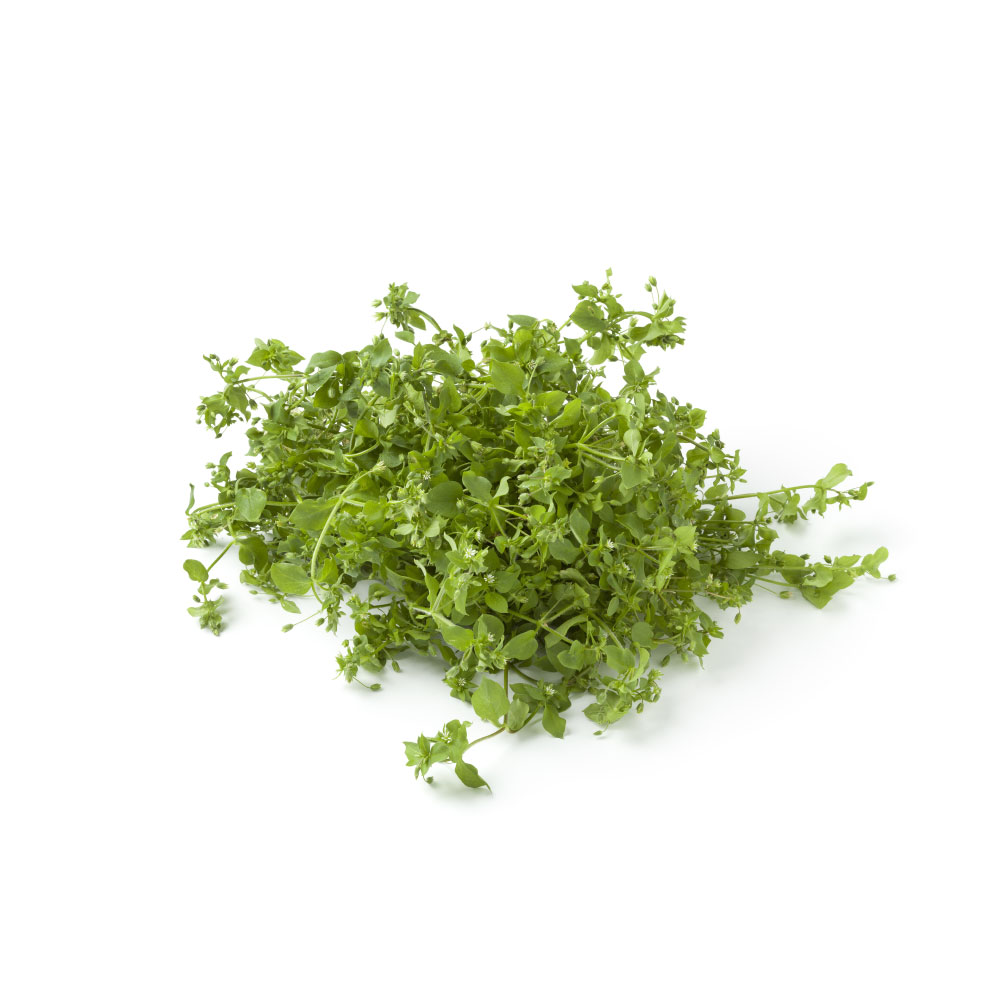
Materia Medica
Chickweed
Stellaria media
Chickweed (Stellaria media) — a cooling, soothing herb used topically for eczema and itching, and internally for lung irritation.
What Is Chickweed?
Chickweed is a small herbaceous plant found growing throughout North America and Europe. It has naturalized on nearly every continent and thrives in colder climates.
Although there is not much modern research involving chickweed, it has a rich history in traditional medicine.
Chickweed was used internally for lung infections and irritations, and topically for skin conditions like eczema and psoriasis.
The herb was mainly used as a succas, or consumed whole in fresh form.
How Is Chickweed Used?
Chickweed is used internally for lung conditions, including asthma or chronic bronchitis. Topically, it’s made into creams and salves for skin irritations. This can include psoriasis, eczema, skin ulcers, or rashes. It’s also consumed as a food in many Northern climates where it grows naturally.
Botany
Common chickweed (Stellaria media) is a low, sprawling, cool-season annual in the pink family (Caryophyllaceae). It forms dense mats of prostrate stems that root at the nodes, growing most vigorously in cool weather — it has even been found growing under snow in mountainous North America — and dying back in summer heat. The white, star-like flowers are tiny, with five petals so deeply cleft that each bloom appears to have ten.
Its most reliable field mark is a single line of fine hairs running along just one side of the round stem, switching sides at each pair of leaves. That detail matters for foragers: the main dangerous look-alike is scarlet pimpernel (Lysimachia/Anagallis arvensis), considered toxic, which grows in a similar low habit but has square stems, no single hair-line, and reddish-orange rather than white flowers. Confirming the round stem with its hair-line and the white, deeply-lobed flowers rules pimpernel out. (Mouse-ear chickweed, Cerastium, is a closer but harmless, edible relative.)
Distribution
Stellaria media is native across temperate Eurasia and North Africa, with its type from Europe. From there it has become one of the most cosmopolitan weeds on Earth, naturalized throughout the Americas, Australia, New Zealand, temperate Asia and much of Africa.
It is a highly successful weed of cereals, vegetables, orchards, gardens and pastures — potentially a weed of almost any crop within its range — thriving where cool temperatures, rich soil and reliable moisture coincide, and spreading via footwear, grazing animals, ants and contaminated crop seed. A single plant can set anywhere from hundreds to tens of thousands of seeds.
Growing Conditions
- Cool-season annual mat-former; full sun to part shade; very cold-hardy (roughly USDA zones 4–11); thrives in moist, rich, disturbed ground.
- Full cultivation detail lives on the companion farm-wiki grow guide for Stellaria media (link to be added once that project’s public URL is confirmed).
Phytochemistry
Chickweed is lightly studied, but its soothing, demulcent reputation is generally attributed to its triterpenoid saponins — of the hydroxylated oleanolic-acid type, with oleanolic acid and gypsogenin identified as aglycones 1Reference 1ReviewStellaria media (L.) Vill.— A plant with immense therapeutic potentials: phytochemistry and pharmacology — reviewView study →. These surface-active compounds are thought to underlie both the herb’s traditional topical use on irritated skin and its mild expectorant action on the airways.
Alongside the saponins the plant carries a characteristic set of flavonoid C-glycosides — notably the apigenin C-glycosides vitexin and isovitexin, the luteolin C-glycosides orientin and isoorientin, and the quercetin glycoside rutin — together with the flavones apigenin, kaempferol and chrysin, the phenolic acids sinapinic acid and syringic acid, beta-sitosterol, carotenoids and a useful amount of vitamin C, consistent with its role as a nutritious wild green 1,3Reference 1ReviewStellaria media (L.) Vill.— A plant with immense therapeutic potentials: phytochemistry and pharmacology — reviewView study →Reference 3In vitroHealth-promoting applications of chickweed (Stellaria media): in vitro, in silico and network approaches — in vitro/in silicoView study →. Chickweed also produces a family of antimicrobial defence peptides and the antiviral protein Stellarmedin A 11Reference 11In vitroPurification and characterization of a novel anti-HSV-2 protein (Stellarmedin A) with antiproliferative and peroxidase activities from Stellaria media — in vitroView study →. Older sources also list aromatic volatiles such as linalool, borneol, menthol and caryophyllene; these are weakly documented and unquantified, so they are flagged No Data below. Quantitative phytochemistry for chickweed is sparse throughout — no reliable in-planta concentrations are available for most constituents.
Constituent Summary
Amounts are largely unavailable — chickweed has little quantitative phytochemistry — so most entries are No Data; the volatiles listed under monoterpenes/sesquiterpenes are from older, weakly-sourced reports and should be treated as tentative 1Reference 1ReviewStellaria media (L.) Vill.— A plant with immense therapeutic potentials: phytochemistry and pharmacology — reviewView study →.
Saponin1 compoundno data
Flavonoid8 compoundsno data
Sterol1 compoundno data
Carotenoid1 compound1 with data
Vitamin1 compoundno data
Antiviral protein1 compoundno data
Monoterpene3 compoundsno data
Sesquiterpene1 compoundno data
Pharmacology & Research
Chickweed is a lightly studied herb: a focused PubMed search returns only a few dozen primary papers, and almost none test the whole plant in the ways it is traditionally used — as a fresh succus, tea, or topical salve. The evidence base is entirely preclinical (no registered clinical trials exist), and it splits cleanly into two bodies of work. One is a small set of whole-herb animal and in-vitro studies covering anti-obesity, antioxidant, hepatoprotective, gastroprotective and neuroprotective effects; the other is a much larger molecular-biology literature on chickweed’s antimicrobial defence peptides (the SmAMP and SmD1 families), most of which was generated to engineer disease resistance into crop plants rather than to treat human infection 1Reference 1ReviewStellaria media (L.) Vill.— A plant with immense therapeutic potentials: phytochemistry and pharmacology — reviewView study →. The most consistent signal is antioxidant activity, seen across several independent extracts and supported by the plant’s flavonoid C-glycosides; the most interesting whole-herb finding is a reproducible anti-obesity/lipid effect in rodents, though one study found no lipid change at a lower dose. Throughout, extract type matters enormously — a defence-peptide result or a hexane-fraction enzyme assay says little about the aqueous preparations people actually drink or apply.
- Best-supported: antioxidant activity, replicated across DPPH, xanthine-oxidase and lipid-peroxidation assays and mirrored by reduced oxidative markers in two animal models 2,3,4Reference 2In vitroIn vitro antioxidant activity of non-cultivated vegetables of ethnic Albanians in southern Italy — in vitroView study →Reference 3In vitroHealth-promoting applications of chickweed (Stellaria media): in vitro, in silico and network approaches — in vitro/in silicoView study →Reference 4AnimalPhytochemical analysis and gastroprotective effect of Stellaria media methanolic extract on piroxicam-induced gastric ulcer — rat/in vivoView study →; anti-obesity/lipid effects in rodents fed high-fat or progesterone-obesity diets 6,7Reference 6AnimalAntiobesity effect of Stellaria media against drug-induced obesity in Swiss albino mice — animal modelView study →Reference 7In vitroQuality assessment and anti-obesity activity of Stellaria media (Linn.) Vill. — in vitro & animal modelView study →.
- Emerging, worth watching: in-vitro COX-2 inhibition 9Reference 9In vitroIn vitro COX inhibitory activity, LC-MS analysis and molecular docking study of Silene vulgaris and Stellaria media — in vitro/in silicoView study →, a single hepatoprotective rat study using a polysaccharide fraction 10Reference 10AnimalEvaluation of hepatoprotective activity of water-soluble polysaccharide fraction of Stellaria media L. — rat/in vivoView study →, and in-vitro antiviral proteins active against HSV-2 and hepatitis B 11,12Reference 11In vitroPurification and characterization of a novel anti-HSV-2 protein (Stellarmedin A) with antiproliferative and peroxidase activities from Stellaria media — in vitroView study →Reference 12In vitroAnti-hepatitis B virus activity of chickweed [Stellaria media (L.) Vill.] extracts in HepG2.2.15 cells — in vitroView study →.
- Mechanistically thin: the traditional expectorant and lung-soothing uses rest on saponin mucous-membrane irritation alone, with no experimental study; the antifungal/antibacterial reputation rests on isolated peptides tested against plant pathogens, not human infection 16,17,18,19Reference 16In vitroA novel antifungal peptide (SmAMP3) from leaves of the weed Stellaria media L. — in vitroView study →Reference 17In vitroNovel antifungal α-hairpinin peptide (Sm-AMP-X) from Stellaria media seeds: structure, biosynthesis, gene structure and evolution — in vitroView study →Reference 18In vitroDefense peptide repertoire of Stellaria media predicted by high-throughput next-generation sequencing — in vitro/genomicView study →Reference 19In vitroHeterologous expression of the Stellaria media plant defensin SmD1 in Escherichia coli — in vitroView study →.
- The caveat: everything is preclinical, doses and extracts vary wildly, quantitative phytochemistry is sparse 1Reference 1ReviewStellaria media (L.) Vill.— A plant with immense therapeutic potentials: phytochemistry and pharmacology — reviewView study →, and one anti-diabetic test was frankly null on glucose control 14Reference 14AnimalStellaria media tea protects against diabetes-induced cardiac dysfunction in rats without affecting glucose tolerance — animal modelView study →.
1. Antioxidant
Antioxidant activity is chickweed’s most reproducible pharmacology, though all of it is preclinical. In a screen of wild edible greens, chickweed extract showed strong in-vitro inhibition of xanthine oxidase and free-radical scavenging in the DPPH assay 2Reference 2In vitroIn vitro antioxidant activity of non-cultivated vegetables of ethnic Albanians in southern Italy — in vitroView study →. Later work confirmed radical scavenging and reducing power across ethanol and water extracts and identified a dozen phenolics, most of them flavonoids such as apigenin and kaempferol derivatives 3Reference 3In vitroHealth-promoting applications of chickweed (Stellaria media): in vitro, in silico and network approaches — in vitro/in silicoView study →; a methanolic extract gave a DPPH IC₅₀ of ~28 µg/mL 4Reference 4AnimalPhytochemical analysis and gastroprotective effect of Stellaria media methanolic extract on piroxicam-induced gastric ulcer — rat/in vivoView study →. Mechanistically the activity tracks the flavonoid C-glycosides, but an early study of chickweed’s own C-glycosylflavones is a useful caution — of the isolated compounds only orientin and isoorientin were antioxidant, while the more abundant vitexin and isovitexin were essentially inactive 5Reference 5In vitroStudies on the antioxidative activity of some C-glycosylflavones — in vitroView study →. In-vivo relevance is indirect but real: two rodent injury models (gastric ulcer and brain ischaemia) both recorded lower malondialdehyde and restored catalase in chickweed-treated animals 4,13Reference 4AnimalPhytochemical analysis and gastroprotective effect of Stellaria media methanolic extract on piroxicam-induced gastric ulcer — rat/in vivoView study →Reference 13In vitroLipid peroxidation reduction and hippocampal and cortical neuron protection against ischemic damage using Stellaria media — in vitro/animalView study →. The nutritional literature frames the same chemistry as a dietary one — chickweed is catalogued among edible autumn-winter greens for its phenolic and vitamin-C content 25Reference 25Five undervalued edible species: nutritional composition, bioactive constituents and volatiles profile — analyticalView study → — and formulation work has begun packaging the antioxidant phytocomplex into ultradeformable liposomes for topical skin delivery 24Reference 24In vitroMicrofluidic design of ultradeformable liposomes for advanced skin delivery of Stellaria media phytocomplex — in vitroView study →.
Gap: No study measures an antioxidant clinical endpoint in humans, and the constituent data show the effect is carried by minor flavones, not the abundant ones.
2. Anti-obesity & lipid-lowering
This is the most-developed whole-herb pharmacology, and it uses preparations close to traditional ones. In a progesterone-induced obesity model in mice, a methanolic extract prevented gains in body weight and adipose mass; the authors attributed the effect to an anorexic action of saponins and flavonoids plus beta-sitosterol, a plant sterol that competes with dietary fat for absorption 6Reference 6AnimalAntiobesity effect of Stellaria media against drug-induced obesity in Swiss albino mice — animal modelView study →. A separate study showed lyophilised chickweed juice inhibited pancreatic lipase and amylase in vitro and, at 900 mg/kg in high-fat-diet mice, lowered body weight, total cholesterol, triglycerides and LDL 7Reference 7In vitroQuality assessment and anti-obesity activity of Stellaria media (Linn.) Vill. — in vitro & animal modelView study →. A complementary satiety route has also been proposed: an aqueous-ethanolic chickweed extract stimulated glucagon-like peptide-1 (GLP-1) release from enteroendocrine cells in vitro, a signal linked to appetite suppression 20Reference 20In vitroEffect of six Korean plants on glucagon-like peptide-1 release — in vitroView study →. The signal is not uniform, however: a lipid-profile study in hypercholesterolaemic rats found that chickweed at 100 mg/kg produced no significant change in serum lipids or body weight 8Reference 8AnimalEffect of Stellaria media tea on lipid profile in rats — animal modelView study → — a lower dose and a different model, but a genuine null that keeps this indication out of the higher bands.
Gap: Effects appear only at high doses in specific rodent obesity models, one study was null, and no human weight or lipid data exist.
3. Anti-inflammatory
Chickweed shows clear anti-inflammatory activity in vitro, with an important preparation caveat. A COX inhibition assay found that the hexane fraction of chickweed inhibited COX-2 with an IC₅₀ of ~1.5 µg/mL, and LC-MS plus molecular docking attributed the binding to phenolic acids such as sinapinic acid and syringic acid and the flavone chrysin 9Reference 9In vitroIn vitro COX inhibitory activity, LC-MS analysis and molecular docking study of Silene vulgaris and Stellaria media — in vitro/in silicoView study →. Because the active fraction is lipophilic, this result does not transfer directly to the water-based teas and poultices of traditional use. Supportive in-vivo evidence is indirect: in the piroxicam gastric-ulcer model a methanolic extract reduced oxidant load and inflammatory damage in the stomach wall 4Reference 4AnimalPhytochemical analysis and gastroprotective effect of Stellaria media methanolic extract on piroxicam-induced gastric ulcer — rat/in vivoView study →, consistent with an anti-inflammatory contribution.
Gap: The strongest anti-inflammatory data come from a non-aqueous fraction and a docking study; there is no in-vivo inflammation model using the herb as it is actually prepared.
5. Hepatoprotective
Hepatoprotection rests on a single but clean animal study: in carbon-tetrachloride-induced hepatitis in rats, a water-soluble polysaccharide fraction of chickweed at 100 mg/kg lowered serum ALT, AST, alkaline phosphatase and bilirubin and reduced necrosis and fatty degeneration in liver tissue 10Reference 10AnimalEvaluation of hepatoprotective activity of water-soluble polysaccharide fraction of Stellaria media L. — rat/in vivoView study →. Because the active material is a polysaccharide, an aqueous decoction is a plausible route to it. Complementary in-vitro work shows chickweed juice fractions suppress hepatitis B virus markers in a liver cell line 12Reference 12In vitroAnti-hepatitis B virus activity of chickweed [Stellaria media (L.) Vill.] extracts in HepG2.2.15 cells — in vitroView study →. Set against this, a survey of Canadian folk medicines found chickweed was not among the extracts with meaningful anti-hepatoma activity across five liver-cancer cell lines 26Reference 26In vitroIn vitro anti-hepatoma activity of fifteen natural medicines from Canada — in vitroView study →, so the liver-related activity looks protective/antiviral rather than anti-tumour.
Gap: One in-vivo study, one fraction, one model — replication and dose-finding are entirely absent.
6. Gastroprotective
A single dose-ranging study supports a gastroprotective action. In rats given piroxicam to induce gastric ulceration, a methanolic chickweed extract at 150, 300 and 450 mg/kg produced dose-dependent rises in gastric pH and falls in acid volume, acidity and ulcer index, approaching the effect of omeprazole, while restoring haematological and antioxidant parameters 4Reference 4AnimalPhytochemical analysis and gastroprotective effect of Stellaria media methanolic extract on piroxicam-induced gastric ulcer — rat/in vivoView study →. The effect is coherent with the herb’s demulcent reputation and its antioxidant chemistry.
Gap: One animal study only; the extract was methanolic rather than the aqueous or fresh forms used traditionally, and there is no human confirmation.
7. Neuroprotective
The neuroprotective signal comes from one ex-vivo/in-vitro study. In rat hippocampal and cortical brain slices subjected to oxygen-glucose deprivation, chickweed extract at 40 µg/mL preserved mitochondrial function and membrane integrity (MTT and LDH assays) and reduced intracellular oxidative stress, with a parallel drop in tissue malondialdehyde 13Reference 13In vitroLipid peroxidation reduction and hippocampal and cortical neuron protection against ischemic damage using Stellaria media — in vitro/animalView study →. The effect is plausibly an extension of the antioxidant activity rather than a distinct mechanism.
Gap: A single study in isolated tissue, no whole-animal behavioural or infarct outcome, and no human data.
Mechanisms
| Mechanism | Drives | Key compounds |
|---|---|---|
| Xanthine-oxidase inhibition, radical scavenging, ↓ lipid peroxidation | antioxidantneuroprotectivegastroprotective | orientin, isoorientin, rutin |
| COX-2 inhibition | anti-inflammatory | chrysin, sinapinic acid, syringic acid |
| Pancreatic lipase & amylase inhibition; sterol competition for fat absorption | anti-obesitylipid-lowering | beta-sitosterol; saponins |
| Chitin-binding / membrane-disrupting antifungal peptides | antimicrobial (crop pathogens) | SmAMP peptides, SmD1 defensin |
| Peroxidase activity, blockade of early viral entry | antiviral (HSV-2HBV) | Stellarmedin A protein; flavonoid C-glycosides |
| Saponin mucous-membrane irritation → reflex secretion | expectorant (traditional) | triterpenoid saponins |
Clinical trials
No registered clinical trials in humans were identified on ClinicalTrials.gov for Stellaria media — the entire evidence base is preclinical (animal, in-vitro and in-silico).
| Completed | Planned | Terminated | Preclinical |
|---|---|---|---|
| 0 | 0 | 0 | ~25 |
Last checked: July 2026.
Clinical Applications
There is little clinical research on chickweed, and no human trials — its uses are traditional, supported so far only by preclinical work. The plant carries useful phenolic and vitamin-C content, though its carotenoid levels are modest: one quantitative survey put chickweed at the low end of the wild greens tested 25Reference 25Five undervalued edible species: nutritional composition, bioactive constituents and volatiles profile — analyticalView study →.
Chickweed also contains saponins — surface-active triterpenoids thought to have a soothing effect on the skin. This is likely the mechanism behind chickweed’s popularity as an ointment for skin inflammation and irritation, and the antioxidant flavonoid content plausibly contributes as well.
For this application, chickweed is generally used as a fresh succas or made into salves, oils, and creams.
The traditional use for lung conditions is thought to be due to the saponin content, which is well known to have mucous-membrane irritant effects, promoting the excretion of mucus. This expectorant rationale is mechanistic rather than tested — no experimental respiratory study exists. The plant’s documented antimicrobial activity is carried mainly by defence peptides tested against plant pathogens rather than by its weakly-sourced volatiles.
Contraindications
- Skin irritation and contact allergy may occur from topical application; documented reactions include eczematous patch-test responses and, in a sensitised individual, recurrent erythema multiforme 22,23Reference 22Case reportErythema multiforme due to contact with weeds: a recurrence after patch testing — case reportView study →Reference 23ObservationalIs Vojvodina a risk area for contact weed allergies? — observationalView study →.
Safety & Pregnancy
Chickweed is widely eaten as a wild green and carries a low toxicity profile; the two things worth knowing are that it can accumulate oxalate and nitrate as a leafy weed, and that contact with the fresh plant occasionally triggers skin allergy.
- Low toxicity. Widely eaten as a wild green and generally safe for long-term use.
- Oxalate & nitrate. As a fast-growing leafy weed it can concentrate these — large raw quantities are inadvisable for people prone to kidney stones.
- Contact allergy. The fresh plant can provoke eczematous skin reactions; contact allergy was found in ~2.3% of one farming survey.
- Interactions unstudied. No human drug-interaction reports exist — because it hasn’t been studied, not because it is proven free of them.
Full safety & interactions detail
Chickweed is widely eaten as a wild green and has a low toxicity profile, but two caveats belong on the page. First, as a fast-growing leafy weed it can accumulate oxalic acid and nitrate; oxalate in wild greens can reach up to ~1100 mg/100 g in the Chenopodium/Amaranthus group tested alongside chickweed, so large raw quantities are inadvisable for people prone to kidney stones 21Reference 21Nutritional and toxic factors in selected wild edible plants — analyticalView study →. Second, contact with the fresh plant can provoke skin reactions: patch testing has documented eczematous reactions and even recurrent erythema multiforme in a sensitised gardener 22Reference 22Case reportErythema multiforme due to contact with weeds: a recurrence after patch testing — case reportView study →, and a screening survey of a farming region found contact allergy to chickweed extract in about 2.3% of tested individuals 23Reference 23ObservationalIs Vojvodina a risk area for contact weed allergies? — observationalView study →. Chickweed is in the Caryophyllaceae; cross-reactivity within weed contact allergies is worth noting. Reports of drug interactions in humans are absent — not because the herb is proven free of them, but because it has not been studied for them.
Chickweed has not been specifically researched in pregnancy — no human or animal reproductive-safety studies of Stellaria media were identified. It is eaten as a food green in many regions, which is reassuring for culinary amounts, but the concentrated tinctures and extracts used medicinally have not been assessed in pregnancy or lactation. Read the sidebar’s “No adverse effects expected” as “not studied,” not as a safety clearance.
Dosage
In research, chickweed has only ever been given as rodent or in-vitro doses of crude extracts, juice or isolated fractions — none of which establishes a human dose. The doses below are recorded for completeness; the traditional whole-herb preparations, in a separate table, are what actual practice draws on.
| Indication | Preparation | Dose | Est. dried-herb equivalent | Source |
|---|---|---|---|---|
| Anti-obesity | Methanolic extract (mice) | not stated per kg in abstract | — | 6Reference 6AnimalAntiobesity effect of Stellaria media against drug-induced obesity in Swiss albino mice — animal modelView study → |
| Anti-obesity / lipid | Lyophilised juice (mice, high-fat diet) | 400 & 900 mg/kg (effect at 900) | — (juice concentrate; no marker %) | 7Reference 7In vitroQuality assessment and anti-obesity activity of Stellaria media (Linn.) Vill. — in vitro & animal modelView study → |
| Lipid profile (null) | Aqueous tea (rats) | 100 mg/kg | — | 8Reference 8AnimalEffect of Stellaria media tea on lipid profile in rats — animal modelView study → |
| Diabetic cardioprotection | Hot-water extract/tea (rats) | 100 mg/kg | — | 14Reference 14AnimalStellaria media tea protects against diabetes-induced cardiac dysfunction in rats without affecting glucose tolerance — animal modelView study → |
| Hepatoprotective | Water-soluble polysaccharide fraction (rats) | 100 mg/kg | — (isolated fraction, not whole herb) | 10Reference 10AnimalEvaluation of hepatoprotective activity of water-soluble polysaccharide fraction of Stellaria media L. — rat/in vivoView study → |
| Gastroprotective | Methanolic extract (rats) | 150 / 300 / 450 mg/kg | — | 4Reference 4AnimalPhytochemical analysis and gastroprotective effect of Stellaria media methanolic extract on piroxicam-induced gastric ulcer — rat/in vivoView study → |
| Neuroprotective | Extract (rat brain slices) | 40 µg/mL in vitro | n/a (in vitro) | 13Reference 13In vitroLipid peroxidation reduction and hippocampal and cortical neuron protection against ischemic damage using Stellaria media — in vitro/animalView study → |
All doses are rodent or in-vitro; none establishes a human dose. Est. dried-herb equivalents are left ”—” because the studies use undefined extract ratios or isolated fractions with no marker percentage — inventing a conversion factor would be misleading.
Traditional Dosage
Traditional use is built on the whole fresh herb — eaten, juiced, or applied — rather than a standardised dose.
| System | Preparation | Dose |
|---|---|---|
| Western herbal | Liquid extract 1:2 | 20–40 mL / week |
| Western herbal | Fresh succus / juice | traditionally taken by the tablespoon, or applied topically |
| Western herbal | Dried herb infusion | ~1–5 g as a tea (typical demulcent range) |
| Western herbal | Topical | fresh poultice, salve, cream or infused oil for skin irritation |
References
- Oladeji, O. S., & Oyebamiji, A. K. (2020). Stellaria media (L.) Vill.— A plant with immense therapeutic potentials: phytochemistry and pharmacology — review. Heliyon, 6(6), e04150. https://pubmed.ncbi.nlm.nih.gov/32548330/
- Pieroni, A., Janiak, V., Dürr, C. M., et al. (2002). In vitro antioxidant activity of non-cultivated vegetables of ethnic Albanians in southern Italy — in vitro. Phytotherapy Research. https://pubmed.ncbi.nlm.nih.gov/12203269/
- Cusumano, G., Flores, G. A., Venanzoni, R., et al. (2024). Health-promoting applications of chickweed (Stellaria media): in vitro, in silico and network approaches — in vitro/in silico. Food Science & Nutrition. https://pubmed.ncbi.nlm.nih.gov/39620022/
- Aleem, A., Janbaz, K. H., et al. (2023). Phytochemical analysis and gastroprotective effect of Stellaria media methanolic extract on piroxicam-induced gastric ulcer — rat/in vivo. Pakistan Journal of Pharmaceutical Sciences. https://pubmed.ncbi.nlm.nih.gov/37869918/
- Budzianowski, J., Skrzypczak, L., & Walkowiak, D. (1991). Studies on the antioxidative activity of some C-glycosylflavones — in vitro. Polish Journal of Pharmacology and Pharmacy. https://pubmed.ncbi.nlm.nih.gov/1824129/
- Chidrawar, V. R., Patel, K. N., et al. (2011). Antiobesity effect of Stellaria media against drug-induced obesity in Swiss albino mice — animal model. Ayu. https://pubmed.ncbi.nlm.nih.gov/22661858/
- Rani, N., Vasudeva, N., & Sharma, S. K. (2012). Quality assessment and anti-obesity activity of Stellaria media (Linn.) Vill. — in vitro & animal model. BMC Complementary and Alternative Medicine. https://pubmed.ncbi.nlm.nih.gov/22943464/
- Demján, V., Kiss, T., et al. (2020). Effect of Stellaria media tea on lipid profile in rats — animal model. Evidence-Based Complementary and Alternative Medicine. https://pubmed.ncbi.nlm.nih.gov/32047525/
- Chak, P., Yadav, S., et al. (2025). In vitro COX inhibitory activity, LC-MS analysis and molecular docking study of Silene vulgaris and Stellaria media — in vitro/in silico. Cell Biochemistry and Biophysics. https://pubmed.ncbi.nlm.nih.gov/39313643/
- Gorina, Y. V., et al. (2013). Evaluation of hepatoprotective activity of water-soluble polysaccharide fraction of Stellaria media L. — rat/in vivo. Bulletin of Experimental Biology and Medicine. https://pubmed.ncbi.nlm.nih.gov/23658890/
- Shan, Y., et al. (2013). Purification and characterization of a novel anti-HSV-2 protein (Stellarmedin A) with antiproliferative and peroxidase activities from Stellaria media — in vitro. Acta Biochimica et Biophysica Sinica. https://pubmed.ncbi.nlm.nih.gov/23761431/
- Ma, L., Song, J., et al. (2012). Anti-hepatitis B virus activity of chickweed [Stellaria media (L.) Vill.] extracts in HepG2.2.15 cells — in vitro. Molecules. https://pubmed.ncbi.nlm.nih.gov/22810196/
- Ahmad, W., et al. (2022). Lipid peroxidation reduction and hippocampal and cortical neuron protection against ischemic damage using Stellaria media — in vitro/animal. Saudi Journal of Biological Sciences. https://pubmed.ncbi.nlm.nih.gov/35280571/
- Demján, V., Sárközy, M., et al. (2022). Stellaria media tea protects against diabetes-induced cardiac dysfunction in rats without affecting glucose tolerance — animal model. Journal of Traditional and Complementary Medicine. https://pubmed.ncbi.nlm.nih.gov/35493309/
- Yildirim, A. B., et al. (2013). In vitro antibacterial and antitumor activities of some medicinal plant extracts growing in Turkey — in vitro. Asian Pacific Journal of Tropical Medicine. https://pubmed.ncbi.nlm.nih.gov/23790332/
- Rogozhin, E. A., et al. (2015). A novel antifungal peptide (SmAMP3) from leaves of the weed Stellaria media L. — in vitro. Biochimie. https://pubmed.ncbi.nlm.nih.gov/26196691/
- Slavokhotova, A. A., et al. (2014). Novel antifungal α-hairpinin peptide (Sm-AMP-X) from Stellaria media seeds: structure, biosynthesis, gene structure and evolution — in vitro. Plant Molecular Biology. https://pubmed.ncbi.nlm.nih.gov/24081691/
- Slavokhotova, A. A., et al. (2017). Defense peptide repertoire of Stellaria media predicted by high-throughput next-generation sequencing — in vitro/genomic. Biochimie. https://pubmed.ncbi.nlm.nih.gov/28038935/
- Qiu, Y., & Song, Q. (2025). Heterologous expression of the Stellaria media plant defensin SmD1 in Escherichia coli — in vitro. PeerJ. https://pubmed.ncbi.nlm.nih.gov/40585329/
- Cho, H., et al. (2019). Effect of six Korean plants on glucagon-like peptide-1 release — in vitro. Food Science and Biotechnology. https://pubmed.ncbi.nlm.nih.gov/31695957/
- Guil, J. L., Rodríguez-García, I., & Torija, E. (1997). Nutritional and toxic factors in selected wild edible plants — analytical. Plant Foods for Human Nutrition. https://pubmed.ncbi.nlm.nih.gov/9527345/
- Jovanović, M., Poljacki, M., et al. (2003). Erythema multiforme due to contact with weeds: a recurrence after patch testing — case report. Contact Dermatitis. https://pubmed.ncbi.nlm.nih.gov/12641574/
- Poljacki, M., Jovanović, M., et al. (2005). Is Vojvodina a risk area for contact weed allergies? — observational. Medicinski Pregled. https://pubmed.ncbi.nlm.nih.gov/16526208/
- Ciriolo, L., et al. (2025). Microfluidic design of ultradeformable liposomes for advanced skin delivery of Stellaria media phytocomplex — in vitro. Pharmaceutics. https://pubmed.ncbi.nlm.nih.gov/41304728/
- Fukalova Fukalova, T., et al. (2021). Five undervalued edible species: nutritional composition, bioactive constituents and volatiles profile — analytical. PeerJ. https://pubmed.ncbi.nlm.nih.gov/34900422/
- Lin, L. T., et al. (2002). In vitro anti-hepatoma activity of fifteen natural medicines from Canada — in vitro. Phytotherapy Research. https://pubmed.ncbi.nlm.nih.gov/12203264/