Materia Medica
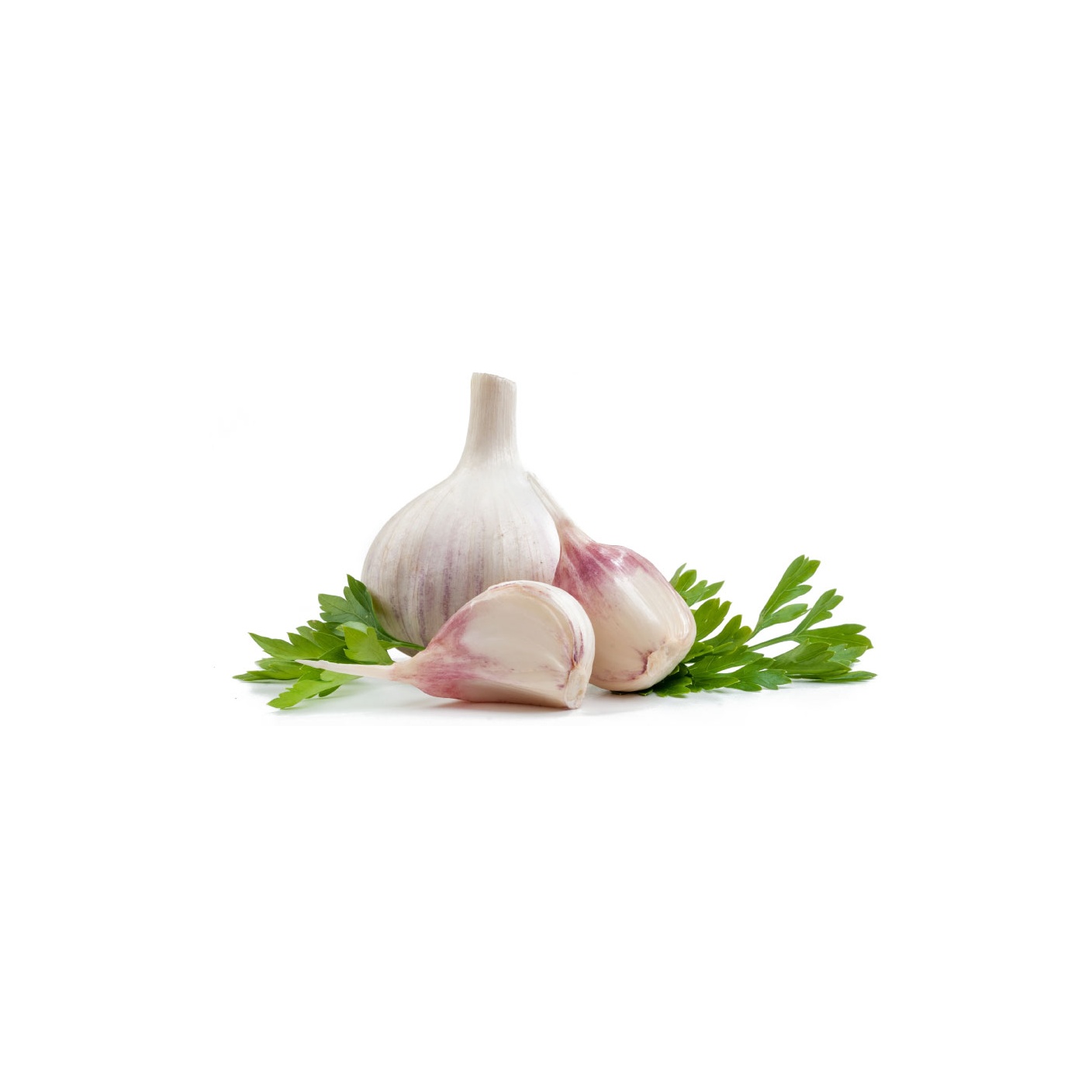
Garlic
Allium sativum
Garlic (Allium sativum) — a pungent culinary herb and powerful medicine used for the heart, circulation, cholesterol and as a natural antimicrobial.
What Is Garlic?
Garlic is one of the oldest medicinal plants in continuous human use. Though primarily known as a culinary ingredient, it has a long history as a cardiovascular remedy, antimicrobial medicine, and general tonic across Western, Asian, and Middle Eastern traditions.
Much of garlic’s medicinal activity comes from its reactive sulfur compounds. When a clove is crushed or chopped, enzymatic reactions rapidly generate allicin and related sulfur metabolites responsible for garlic’s characteristic odor and many of its biological effects.
Modern research focuses primarily on garlic’s effects on cardiovascular health, lipid metabolism, blood pressure, microbial infections, and platelet aggregation.
How Is Garlic Used?
Garlic is used both as a food and as a medicine. Fresh crushed garlic is most commonly taken for cardiovascular support, elevated cholesterol, poor circulation, recurrent infections, and as a broad antimicrobial remedy.
Different preparations produce very different chemistry. Fresh garlic generates allicin when the clove is crushed or chopped, giving it stronger antimicrobial effects. Aged garlic extracts contain little allicin but higher concentrations of stable compounds like S-allylcysteine, which are more commonly used for long-term cardiovascular support.
Traditional herbal preparations include fresh cloves, syrups, infused oils, tinctures, vinegars, oxymels, and encapsulated powders. Garlic oil is also used topically for fungal infections and occasionally for ear infections in traditional practice.
Traditional Uses
Western Herbal Medicine
Garlic has long been used in Western herbal medicine as a warming circulatory stimulant, antimicrobial, and cardiovascular tonic. Traditional uses include respiratory infections, sluggish circulation, intestinal parasites, elevated blood lipids, and digestive weakness. It was also commonly used during outbreaks of infectious disease as a protective or preventative remedy.
Traditional Chinese Medicine
In Traditional Chinese Medicine, garlic (大蒜, Da Suan) is considered warm, pungent, and dispersing. It is used to resolve toxicity, warm the digestive system, kill parasites, and move stagnation. Garlic is traditionally associated with the Lung, Spleen, and Stomach meridians.
Ayurvedic Medicine
Ayurvedic medicine regards garlic (Lasuna) as a heating and penetrating herb used to stimulate digestion, circulation, and vitality. It is traditionally used for respiratory congestion, weakness, parasites, and disorders associated with excess Kapha. Classical texts also describe garlic as rejuvenating in small amounts but overly stimulating in excess.
Indications
Garlic is primarily indicated for cardiovascular and infectious conditions. Modern clinical use focuses on elevated cholesterol, hypertension, peripheral circulation, atherosclerotic risk, and recurrent infections.
Common indications include:
- Elevated cholesterol and triglycerides
- Mild hypertension
- Peripheral circulatory insufficiency
- Recurrent respiratory infections
- Fungal infections
- Digestive dysbiosis
- Intestinal parasites
- General cardiovascular support
- Immune support during acute infections
Topically, garlic preparations are sometimes used for fungal skin infections and localized microbial infections, though fresh garlic may irritate or burn the skin if applied directly.
Botany
Garlic belongs to the onion family, Amaryllidaceae, and sits in the large genus Allium alongside familiar culinary and medicinal kin — onion (Allium cepa), leek and elephant garlic (A. ampeloprasum), chives (A. schoenoprasum) and shallot. All share the pungent, sulfur-based chemistry that herbalists prize, but garlic is the most concentrated source of the allicin-forming compounds. It grows as a clump of flat, grass-like leaves rising from an underground bulb of individual cloves, typically knee-high, with hardneck strains sending up a curling flower scape.
A practical identity note: the medicinally important species is Allium sativum proper. So-called “elephant garlic,” despite the name and appearance, is actually A. ampeloprasum — a leek relative, much milder and not chemically equivalent — so it should not be substituted where true garlic’s activity is intended.
Distribution
Garlic is a cultivated plant rather than a wild one — it is essentially unknown in the wild and is believed to have originated from wild onion relatives in Central Asia, with a long history of cultivation around the Mediterranean. It is grown worldwide as a crop and is not considered weedy, invasive, or rare.
Growing Conditions
- Bulbous perennial usually grown as an annual, forming a low clump of grass-like leaves about 1–1.5 ft tall.
- Prefers full sun and rich, well-drained soil with steady but moderate moisture.
- Reliably hardy in USDA zones 4–9; cloves are planted in autumn for a summer harvest.
- Propagated vegetatively by planting individual cloves (or bulbils), not from seed.
- Full cultivation detail lives on the companion farm-wiki grow guide for Allium sativum (link to be added once that project’s public URL is confirmed).
Pharmacology & Research
Garlic is among the most heavily investigated of all medicinal plants, and — unusually for a herb — its cardiovascular indications rest on genuine human randomised controlled trial (RCT) data pooled across multiple independent meta-analyses, not preclinical inference alone. The strongest and most consistent signal is a modest lowering of blood pressure in hypertensive patients; effects on serum lipids and glycaemic control are real but markedly more heterogeneous, with well-conducted null trials sitting alongside positive ones. The antimicrobial reputation that dominates garlic’s traditional use is, by contrast, almost entirely preclinical: allicin’s mechanism against bacteria is well mapped in vitro but essentially untested in human infection trials. Throughout, preparation is decisive — fresh-crushed garlic, dried powder, aged garlic extract and steam-distilled oil differ chemically and do not share evidence, so a result in one form rarely transfers to another.
- Best-supported: modest but replicated reductions in systolic and diastolic blood pressure, strongest in hypertensive patients 1,2,3,4Reference 1Meta-analysisGarlic for hypertension: a systematic review and meta-analysis of randomized controlled trials — systematic reviewView study →Reference 2Meta-analysisEffect of garlic on blood pressure: a systematic review and meta-analysisView study →Reference 3Meta-analysisEffect of garlic on blood pressure: a meta-analysis — randomised trialsView study →Reference 4Meta-analysisGarlic lowers blood pressure in hypertensive individuals, regulates serum cholesterol, and stimulates immunity: an updated meta-analysis and reviewView study →; slowed progression of arterial plaque in adjunctive cardiovascular use 10,11Reference 10RCTThe antiatherosclerotic effect of Allium sativum — randomized, double-blind, placebo-controlled trialView study →Reference 11RCTEffect of garlic powder tablet on carotid intima-media thickness in patients with coronary artery disease: a preliminary randomized controlled trialView study →.
- Emerging, worth watching: improved fasting glucose and HbA1c in type 2 diabetes 17Reference 17Meta-analysisEffect of garlic supplement in the management of type 2 diabetes mellitus: a meta-analysis of randomized controlled trialsView study →, and reduced gastric cancer risk in dietary-intake epidemiology 20,22Reference 20Meta-analysisMeta-analysis: does garlic intake reduce risk of gastric cancer? Nutrition and Cancer. https://pubmed.ncbi.nlm.nih.gov/25411831/View study →Reference 22Meta-analysisConsumption of large amounts of Allium vegetables reduces risk for gastric cancer in a meta-analysis — cohort and case-controlView study →.
- Mechanistically thin: the broad antimicrobial claim — extensively demonstrated in vitro via allicin but without human infection trials 15,16Reference 15ReviewAntimicrobial properties of allicin used alone or in combination with other medications — reviewView study →Reference 16In vitroIn vitro antibacterial mechanism of action of crude garlic (Allium sativum) clove extract on selected Bifidobacterium species — in vitroView study →; common-cold prevention rests on a single RCT 18,19Reference 18Systematic reviewGarlic for the common cold — systematic reviewView study →Reference 19RCTPreventing the common cold with a garlic supplement: a double-blind, placebo-controlled survey — randomized controlled trialView study →.
- The caveat: effect sizes are small and preparation-dependent; lipid and glucose results are genuinely mixed, and there is no single standardised dose across preparations.
1. Hypertension
This is garlic’s best-supported indication. Multiple independent meta-analyses of placebo-controlled RCTs converge on a modest antihypertensive effect: a 2015 systematic review of seven RCTs found systolic blood pressure fell by about 6.7 mmHg and diastolic by about 4.8 mmHg versus placebo 1Reference 1Meta-analysisGarlic for hypertension: a systematic review and meta-analysis of randomized controlled trials — systematic reviewView study →, and a 17-trial meta-analysis reported roughly 3.75/3.4 mmHg reductions, significant chiefly in hypertensive rather than normotensive participants 3Reference 3Meta-analysisEffect of garlic on blood pressure: a meta-analysis — randomised trialsView study →. Earlier and updated pooled analyses agree on direction and on the pattern that the effect concentrates in those with elevated baseline pressure 2,4Reference 2Meta-analysisEffect of garlic on blood pressure: a systematic review and meta-analysisView study →Reference 4Meta-analysisGarlic lowers blood pressure in hypertensive individuals, regulates serum cholesterol, and stimulates immunity: an updated meta-analysis and reviewView study →. Aged garlic extract shows a similar signal, but a 2024 meta-analysis found significant benefit only at doses above 1200 mg/day 5Reference 5Meta-analysisEffects of aged garlic extract on blood pressure in hypertensive patients: a systematic review and meta-analysis of randomized controlled trialsView study →. The magnitude is real but clinically modest — comparable to a single low-dose antihypertensive rather than a replacement for one.
Gap: trials are short (mostly 8–24 weeks), preparations and doses vary widely, and heterogeneity between studies remains high; no trial tests hard cardiovascular endpoints.
2. Hyperlipidemia
The lipid evidence is large but genuinely mixed, and honest reporting has to hold the positive and null results side by side. Positive meta-analyses include a 26-study analysis showing total cholesterol fell by about 0.28 mmol/L and triglycerides by 0.13 mmol/L 7Reference 7Meta-analysisA meta-analysis of randomized, double-blind, placebo-controlled trials for the effects of garlic on serum lipid profilesView study →, and a 21-RCT 2024 analysis reporting larger reductions in total cholesterol, LDL and triglycerides with a slight HDL rise 8Reference 8Meta-analysisGarlic consumption can reduce the risk of dyslipidemia: a meta-analysis of randomized controlled trialsView study →. Against these, a 13-trial meta-analysis found no significant effect on any lipid measure 6Reference 6Meta-analysisGarlic supplementation and serum cholesterol: a meta-analysisView study →, and an earlier high-quality analysis found that the six most rigorously diet-controlled trials showed no significant difference from placebo 9Reference 9Meta-analysisGarlic for treating hypercholesterolemiaView study →. Preparation matters: powder and aged extract appear better for total cholesterol, garlic oil for triglycerides 7Reference 7Meta-analysisA meta-analysis of randomized, double-blind, placebo-controlled trials for the effects of garlic on serum lipid profilesView study →, and effects are larger with higher baseline cholesterol and longer intervention.
Gap: the best-designed, diet-controlled trials tend to shrink the effect toward null, so the pooled benefit is sensitive to trial quality and likely small in real-world use.
3. Atherosclerosis
Two human RCTs suggest garlic slows arterial disease progression rather than treating it acutely. A four-year randomised, double-blind trial of high-dose garlic powder in 152 participants reported a 5–18% reduction in the increase of arteriosclerotic plaque volume, with slight regression in some arteries 10Reference 10RCTThe antiatherosclerotic effect of Allium sativum — randomized, double-blind, placebo-controlled trialView study →. A smaller 3-month RCT in 56 coronary-artery-disease patients found garlic powder tablets (1200 µg allicin twice daily) prevented progression of carotid intima-media thickness relative to placebo, though plasma lipids did not differ between groups — implying a lipid-independent vascular effect 11Reference 11RCTEffect of garlic powder tablet on carotid intima-media thickness in patients with coronary artery disease: a preliminary randomized controlled trialView study →. Both used dried garlic powder as an adjunct to standard care.
Gap: only two modest trials, one preliminary; surrogate imaging endpoints (plaque volume, intima-media thickness) rather than clinical events, and results are specific to standardised powder.
4. Antiplatelet
Garlic inhibits platelet aggregation, a plausible contributor to its cardiovascular effects and a genuine safety consideration. A 2022 systematic review of 12 RCTs (595 participants) found garlic supplementation reduced ex-vivo platelet aggregation, though results varied with dose and preparation 12Reference 12Systematic reviewA systematic review of randomized controlled trials related to the effects of garlic supplementation on platelet aggregationView study →. Mechanistically, garlic extracts suppress thromboxane synthesis: in rabbits, aqueous garlic pretreatment cut thromboxane-B2 production and protected against collagen- and arachidonate-induced platelet aggregation 13Reference 13AnimalAntithrombotic activity of garlic: inhibition of thromboxane-B2 synthesis during infusion of arachidonic acid and collagen in rabbits — animal modelView study →. The active thiosulfinates are heat-sensitive — ajoene and allicin drive the effect, and prolonged cooking of uncrushed cloves can abolish it, while crushing before heating preserves partial activity 14Reference 14In vitroEffect of cooking on garlic (Allium sativum L.) antiplatelet activity and thiosulfinates content — in vitroView study →.
Gap: the antiplatelet signal is real but inconsistent across studies and preparations, and it doubles as a bleeding risk rather than a purely therapeutic benefit.
5. Antimicrobial
Garlic’s antimicrobial reputation is ancient and mechanistically well characterised — but almost entirely preclinical. The active agent is allicin, the thiosulfinate generated when a clove is crushed; it inactivates microbial thiol-containing enzymes and proteins and can downregulate virulence genes across a broad range of bacteria and fungi 15Reference 15ReviewAntimicrobial properties of allicin used alone or in combination with other medications — reviewView study →. In vitro work on the mechanism shows allicin-containing extracts causing membrane disintegration and loss of structural integrity in target bacteria 16Reference 16In vitroIn vitro antibacterial mechanism of action of crude garlic (Allium sativum) clove extract on selected Bifidobacterium species — in vitroView study →. Critically, this activity depends on fresh, crushed garlic — aged extracts and cooked garlic contain little allicin — and there are no human RCTs demonstrating that garlic clears clinical infection.
Gap: the entire case is in vitro or animal; no controlled human trials show systemic antimicrobial efficacy, and allicin is chemically unstable and poorly bioavailable when swallowed.
6. Glycemic control
Garlic shows a plausible glucose-lowering signal in type 2 diabetes. A 2017 meta-analysis of nine RCTs (768 patients) found garlic supplementation significantly reduced fasting blood glucose and lowered fructosamine and HbA1c at 12 and 24 weeks versus control, alongside improvements in total cholesterol 17Reference 17Meta-analysisEffect of garlic supplement in the management of type 2 diabetes mellitus: a meta-analysis of randomized controlled trialsView study →. The effect appeared to strengthen with longer supplementation. However, the pooled trials were heterogeneous in dose (garlic/allicin from 0.05 to 1.5 g daily), design and quality.
Gap: trials are small and methodologically uneven, and no long-term study tests whether the glucose effect translates into reduced diabetic complications.
7. Common cold prevention
The evidence that garlic prevents colds rests essentially on one trial. A 2001 double-blind RCT randomised 146 people to an allicin-containing supplement or placebo for 12 weeks; the garlic group recorded significantly fewer colds (24 vs 65) and faster recovery 19Reference 19RCTPreventing the common cold with a garlic supplement: a double-blind, placebo-controlled survey — randomized controlled trialView study →. The 2014 Cochrane review identified this as the only trial meeting its inclusion criteria and concluded there is insufficient evidence to judge garlic’s effect on the common cold, calling for more research 18Reference 18Systematic reviewGarlic for the common cold — systematic reviewView study →.
Gap: a single small RCT with subjective self-reported endpoints; no independent replication, so the finding is suggestive rather than established.
8. Gastric cancer chemoprevention
Dietary garlic intake is associated with lower gastric cancer risk in observational epidemiology, but the signal weakens sharply under the strongest study designs. Meta-analyses of mostly case-control data report roughly halved risk with high Allium-vegetable or garlic intake (odds ratios around 0.5) 20,22Reference 20Meta-analysisMeta-analysis: does garlic intake reduce risk of gastric cancer? Nutrition and Cancer. https://pubmed.ncbi.nlm.nih.gov/25411831/View study →Reference 22Meta-analysisConsumption of large amounts of Allium vegetables reduces risk for gastric cancer in a meta-analysis — cohort and case-controlView study →. A 2018 systematic review reproduced this in pooled case-control data (OR ~0.51) but found the association became non-significant when restricted to prospective cohort studies (OR 0.95), and most studies of garlic and Helicobacter pylori infection showed no effect 21Reference 21Meta-analysisThe association of garlic with Helicobacter pylori infection and gastric cancer risk: a systematic review and meta-analysisView study →.
Gap: case-control designs are prone to recall and selection bias; the prospective-only evidence is null, and this concerns garlic as a dietary constituent, not a therapeutic dose.
Mechanisms
| Mechanism | Drives | Key compounds |
|---|---|---|
| Inactivation of microbial thiol enzymes; virulence-gene downregulation | antimicrobial | allicin |
| Thromboxane synthesis ↓, platelet aggregation ↓ | antiplateletcardiovascular | ajoene, diallyl trisulfide |
| H₂S signalling, NO modulation, antioxidant activity | hypertensionatherosclerosis | S-allylcysteine |
| Phase II carcinogen-detoxification enzyme induction | gastric cancer chemoprevention | diallyl disulfide, diallyl trisulfide |
Clinical trials
Garlic has an extensive completed-trial record: the cardiovascular meta-analyses cited here pool dozens of placebo-controlled RCTs across blood pressure, lipids and glucose, so the completed count is high and the preclinical base (in vitro plus animal) runs to the hundreds.
| Completed | Planned | Terminated | Preclinical |
|---|---|---|---|
| ~40+ | Not enumerated | Not enumerated | Hundreds |
Last checked: July 2026.
Phytochemistry
Garlic’s chemistry is defined by sulfur. An intact clove stores the odourless precursor alliin (S-allylcysteine sulfoxide) alongside the related cysteine sulfoxides methiin and isoalliin. Crushing or chewing the clove ruptures its cells and lets the enzyme alliinase convert alliin into allicin — the unstable thiosulfinate behind fresh garlic’s sharp smell and much of its antibacterial activity 25,26Reference 25ReviewAntibacterial properties of organosulfur compounds of garlic (Allium sativum) — reviewView study →Reference 26Bioactive compounds and biological functions of garlic (Allium sativum L.)View study →. This is why a whole clove is nearly odourless until it is cut.
Allicin is short-lived. It breaks down into the lipid-soluble sulfides diallyl disulfide and diallyl trisulfide, the rearrangement product ajoene, and vinyldithiins — the compounds that dominate steam-distilled garlic oil and oil-macerated products 25,26Reference 25ReviewAntibacterial properties of organosulfur compounds of garlic (Allium sativum) — reviewView study →Reference 26Bioactive compounds and biological functions of garlic (Allium sativum L.)View study →. Aged-garlic preparations take a different route, favouring the stable, water-soluble S-allylcysteine instead 26Reference 26Bioactive compounds and biological functions of garlic (Allium sativum L.)View study →. Beyond sulfur, the bulb is mostly storage fructans (more than half its dry weight), with smaller amounts of steroidal saponins, flavonoids, and an unusually high selenium content 26,27Reference 26Bioactive compounds and biological functions of garlic (Allium sativum L.)View study →Reference 27GarlicView study →.
Constituent Summary
Quantities are approximate and vary widely with cultivar, freshness and preparation; allicin is not present in intact garlic but generated enzymatically the moment a clove is crushed 25,26Reference 25ReviewAntibacterial properties of organosulfur compounds of garlic (Allium sativum) — reviewView study →Reference 26Bioactive compounds and biological functions of garlic (Allium sativum L.)View study →.
Organosulfur10 compounds6 with data
Carbohydrate1 compound1 with data
Saponin1 compoundno data
Flavonoid1 compoundno data
Mineral1 compoundno data
Dosage
Dosage varies significantly with preparation, because fresh garlic, dried powder and aged extract are chemically different and are not interchangeable. In the trial literature garlic is given either as a fixed fresh-clove or powder amount or, increasingly, as a standardised extract titrated to a set allicin or aged-extract dose — so the research doses below are best read per preparation rather than as a single figure.
| Indication | Preparation | Dose | Est. dried-herb equivalent | Source |
|---|---|---|---|---|
| Hypertension | Aged garlic extract | >1200 mg/day (significant BP benefit only above this threshold) | Not back-convertible (proprietary aged extract; no fixed clove ratio) | 5Reference 5Meta-analysisEffects of aged garlic extract on blood pressure in hypertensive patients: a systematic review and meta-analysis of randomized controlled trialsView study → |
| Atherosclerosis | Standardised garlic powder | High-dose powder over 4 years; ~900 mg/day in the plaque-volume trial | ~2–3 g fresh clove/day (assuming powder ≈ 3× concentration of fresh) | 10Reference 10RCTThe antiatherosclerotic effect of Allium sativum — randomized, double-blind, placebo-controlled trialView study → |
| Atherosclerosis (carotid IMT) | Garlic powder tablet | 1200 µg allicin twice daily | ~1 clove/day equivalent, order-of-magnitude only | 11Reference 11RCTEffect of garlic powder tablet on carotid intima-media thickness in patients with coronary artery disease: a preliminary randomized controlled trialView study → |
| Glycemic control | Garlic / allicin (mixed forms) | 0.05–1.5 g/day (highly heterogeneous across trials) | Overlaps ordinary dietary intake (~1–2 cloves) at the upper end | 17Reference 17Meta-analysisEffect of garlic supplement in the management of type 2 diabetes mellitus: a meta-analysis of randomized controlled trialsView study → |
| Common cold prevention | Allicin-containing supplement | One capsule/day (~180 mg allicin powder) for 12 weeks | ~1 clove/day equivalent, order-of-magnitude only | 19Reference 19RCTPreventing the common cold with a garlic supplement: a double-blind, placebo-controlled survey — randomized controlled trialView study → |
The dried-herb equivalents are rough estimates on a stated assumption (fresh clove ≈ 4 g; dried powder ≈ 3× the concentration of fresh; aged and proprietary extracts have no reliable clove ratio). They are a guide for interpreting the trial doses, not a conversion factor and not a dosing recommendation.
Traditional Dosage
Traditional Western, Chinese and Ayurvedic practice uses whole fresh cloves or simple preparations rather than standardised doses, and generally at or a little above culinary amounts.
| System | Preparation | Dose |
|---|---|---|
| Western herbal | Fresh crushed clove | 1–2 cloves (~4 g) daily |
| Western herbal | Standardised garlic powder | 300–1000 mg/day |
| Western herbal | Aged garlic extract | 600–1200 mg/day (higher for cardiovascular use) |
| Traditional Chinese (Da Suan) | Fresh clove, warming/dispersing | 1–3 cloves with food |
| Ayurvedic (Lasuna) | Fresh clove or milk decoction | Small amounts as a stimulant/rejuvenative |
Fresh crushed garlic generally produces the highest allicin content, while aged garlic extracts are preferred for long-term cardiovascular support due to improved stability and tolerability.
Safety & Pregnancy
Garlic is safe as a food and well tolerated as a supplement; its one clinically meaningful signal is antiplatelet activity — a real bleeding concern around anticoagulant drugs and surgery.
- Well tolerated. Usual complaints are breath and body odour and mild reflux or bloating.
- Bleeding risk. Garlic inhibits platelet aggregation — use caution with anticoagulant / antiplatelet drugs and stop roughly 7–10 days before surgery.
- Drug interactions. Documented with saquinavir (lowers its levels), warfarin and chlorpropamide (potentiates both).
- Topical & allergy. Fresh garlic on skin can cause burns or dermatitis; allergic reactions occur rarely.
Full safety & interactions detail
Garlic is safe as a food and well tolerated at medicinal doses, with breath and body odour and mild gastrointestinal upset (reflux, bloating) the most common complaints 23Reference 23ReviewGarlic (Allium sativum L.): adverse effects and drug interactions in humans — reviewView study →. Its clinically relevant risk is antiplatelet activity: garlic inhibits platelet aggregation 12Reference 12Systematic reviewA systematic review of randomized controlled trials related to the effects of garlic supplementation on platelet aggregationView study →, and case reports link high-dose use to bleeding, so it should be used cautiously with anticoagulant or antiplatelet drugs and discontinued roughly 7–10 days before surgery 23Reference 23ReviewGarlic (Allium sativum L.): adverse effects and drug interactions in humans — reviewView study →. Documented human drug interactions include reduced plasma levels of the antiretroviral saquinavir and potentiation of warfarin and of the hypoglycaemic agent chlorpropamide 24Reference 24ReviewHerb-drug interactions: a literature reviewView study →. Fresh garlic applied directly to the skin can cause dermatitis or chemical burns 23Reference 23ReviewGarlic (Allium sativum L.): adverse effects and drug interactions in humans — reviewView study →, and allergic reactions — contact dermatitis, urticaria, and rarely anaphylaxis — occur 23Reference 23ReviewGarlic (Allium sativum L.): adverse effects and drug interactions in humans — reviewView study →. Use cautiously in individuals with gastric irritation or active digestive inflammation.
Interaction data are relatively well characterised for a herb: the named saquinavir, warfarin and chlorpropamide interactions and the antiplatelet/bleeding risk above are documented in the reviewed literature 23,24Reference 23ReviewGarlic (Allium sativum L.): adverse effects and drug interactions in humans — reviewView study →Reference 24ReviewHerb-drug interactions: a literature reviewView study →. What has not been formally established is safety at medicinal doses in pregnancy and long-term high-dose use; do not read the absence of a specific report as evidence of safety.
Garlic eaten in ordinary culinary amounts is regarded as safe in pregnancy and lactation, and maternal dietary garlic is known to alter infant behaviour at the breast — a flavour effect, not a documented harm 23Reference 23ReviewGarlic (Allium sativum L.): adverse effects and drug interactions in humans — reviewView study →. Therapeutic-dose and standardised-extract safety was not formally evaluated in the reviewed literature, and because concentrated garlic has measurable antiplatelet activity 12Reference 12Systematic reviewA systematic review of randomized controlled trials related to the effects of garlic supplementation on platelet aggregationView study →, treat medicinal doses as unstudied rather than cleared — keep to food amounts unless advised otherwise.
References
- Xiong XJ, et al. (2015). Garlic for hypertension: a systematic review and meta-analysis of randomized controlled trials — systematic review. Phytomedicine. https://pubmed.ncbi.nlm.nih.gov/25837272/
- Ried K, et al. (2008). Effect of garlic on blood pressure: a systematic review and meta-analysis. BMC Cardiovascular Disorders. https://pubmed.ncbi.nlm.nih.gov/18554422/
- Wang HP, et al. (2015). Effect of garlic on blood pressure: a meta-analysis — randomised trials. Journal of Clinical Hypertension. https://pubmed.ncbi.nlm.nih.gov/25557383/
- Ried K. (2016). Garlic lowers blood pressure in hypertensive individuals, regulates serum cholesterol, and stimulates immunity: an updated meta-analysis and review. Journal of Nutrition. https://pubmed.ncbi.nlm.nih.gov/26764326/
- Saadh MJ, et al. (2024). Effects of aged garlic extract on blood pressure in hypertensive patients: a systematic review and meta-analysis of randomized controlled trials. Prostaglandins & Other Lipid Mediators. https://pubmed.ncbi.nlm.nih.gov/39437887/
- Khoo YSK, et al. (2009). Garlic supplementation and serum cholesterol: a meta-analysis. Journal of Clinical Pharmacy and Therapeutics. https://pubmed.ncbi.nlm.nih.gov/19250134/
- Zeng T, et al. (2012). A meta-analysis of randomized, double-blind, placebo-controlled trials for the effects of garlic on serum lipid profiles. Journal of the Science of Food and Agriculture. https://pubmed.ncbi.nlm.nih.gov/22234974/
- Du Y, et al. (2024). Garlic consumption can reduce the risk of dyslipidemia: a meta-analysis of randomized controlled trials. Journal of Health, Population and Nutrition. https://pubmed.ncbi.nlm.nih.gov/39113105/
- Stevinson C, et al. (2000). Garlic for treating hypercholesterolemia. A meta-analysis of randomized clinical trials. Annals of Internal Medicine. https://pubmed.ncbi.nlm.nih.gov/10975959/
- Koscielny J, et al. (1999). The antiatherosclerotic effect of Allium sativum — randomized, double-blind, placebo-controlled trial. Atherosclerosis. https://pubmed.ncbi.nlm.nih.gov/10381297/
- Mahdavi-Roshan M, et al. (2013). Effect of garlic powder tablet on carotid intima-media thickness in patients with coronary artery disease: a preliminary randomized controlled trial. Nutrition and Health. https://pubmed.ncbi.nlm.nih.gov/25573347/
- Mollahosseini M, et al. (2022). A systematic review of randomized controlled trials related to the effects of garlic supplementation on platelet aggregation. Phytotherapy Research. https://pubmed.ncbi.nlm.nih.gov/36222178/
- Ali M, et al. (1990). Antithrombotic activity of garlic: inhibition of thromboxane-B2 synthesis during infusion of arachidonic acid and collagen in rabbits — animal model. Prostaglandins, Leukotrienes and Essential Fatty Acids. https://pubmed.ncbi.nlm.nih.gov/2274570/
- Cavagnaro PF, et al. (2007). Effect of cooking on garlic (Allium sativum L.) antiplatelet activity and thiosulfinates content — in vitro. Journal of Agricultural and Food Chemistry. https://pubmed.ncbi.nlm.nih.gov/17256959/
- Choo S, et al. (2020). Antimicrobial properties of allicin used alone or in combination with other medications — review. Folia Microbiologica. https://pubmed.ncbi.nlm.nih.gov/32207097/
- Booyens J, et al. (2014). In vitro antibacterial mechanism of action of crude garlic (Allium sativum) clove extract on selected Bifidobacterium species — in vitro. Probiotics and Antimicrobial Proteins. https://pubmed.ncbi.nlm.nih.gov/24676721/
- Wang J, et al. (2017). Effect of garlic supplement in the management of type 2 diabetes mellitus: a meta-analysis of randomized controlled trials. Food & Nutrition Research. https://pubmed.ncbi.nlm.nih.gov/29056888/
- Lissiman E, et al. (2014). Garlic for the common cold — systematic review. Cochrane Database of Systematic Reviews. https://pubmed.ncbi.nlm.nih.gov/25386977/
- Josling P. (2001). Preventing the common cold with a garlic supplement: a double-blind, placebo-controlled survey — randomized controlled trial. Advances in Therapy. https://pubmed.ncbi.nlm.nih.gov/11697022/
- Kodali RT, et al. (2015). Meta-analysis: does garlic intake reduce risk of gastric cancer? Nutrition and Cancer. https://pubmed.ncbi.nlm.nih.gov/25411831/
- Li Z, et al. (2018). The association of garlic with Helicobacter pylori infection and gastric cancer risk: a systematic review and meta-analysis. Helicobacter. https://pubmed.ncbi.nlm.nih.gov/30155945/
- Zhou Y, et al. (2011). Consumption of large amounts of Allium vegetables reduces risk for gastric cancer in a meta-analysis — cohort and case-control. Gastroenterology. https://pubmed.ncbi.nlm.nih.gov/21473867/
- Borrelli F, et al. (2007). Garlic (Allium sativum L.): adverse effects and drug interactions in humans — review. Molecular Nutrition & Food Research. https://pubmed.ncbi.nlm.nih.gov/17918162/
- Hu Z, et al. (2005). Herb-drug interactions: a literature review. Drugs. https://pubmed.ncbi.nlm.nih.gov/15916450/
- Bhatwalkar SB, et al. (2021). Antibacterial properties of organosulfur compounds of garlic (Allium sativum) — review. Frontiers in Microbiology, 12, 613077. https://pubmed.ncbi.nlm.nih.gov/34394014/
- Shang A, et al. (2019). Bioactive compounds and biological functions of garlic (Allium sativum L.). Foods, 8(7), 246. https://pubmed.ncbi.nlm.nih.gov/31284512/
- Linus Pauling Institute, Oregon State University. Garlic. Micronutrient Information Center. https://lpi.oregonstate.edu/mic/food-beverages/garlic