
Materia Medica
Gynostemma
Gynostemma pentaphyllum
Gynostemma (Gynostemma pentaphyllum), the 'immortality herb' — an adaptogen for blood sugar, metabolism and longevity.
What Is Gynostemma?
Gynostemma is an ancient herb that’s remained out of the public eye for most of human history.
This is because it mainly grew in the high mountains of China. The locals that lived in its growth range, and it was a highly revered herb for its spectrum of health-promoting benefits. However, it wasn’t until the 1400’s that it started to attain its celebrity status amongst herbalists.
Its Chinese name, Xiancao, translates to “immortality herb.”
There are many benefits of the mighty gynostemma, but perhaps its strongest asset is its ability to interact with insulin and blood sugar levels.
Recent studies have shown that gynostemma exerts a lot of its benefits by increasing the body’s sensitivity to insulin, making it more effective at keeping blood sugar levels at optimal levels.
This is important because the source of a lot of our cardiovascular problems is rooted in dysfunctional blood sugar metabolism.
By allowing insulin to do its job more effectively, gynostemma can prevent or slow the resulting inflammation, and high cholesterol that eventually follows.
It has a high saponin content, several of which are shared with other tonic herbs like Panax ginseng, Panax quinquefolius, and Panax notoginseng.
What Is Gynostemma Used For?
Gynostemma is mainly used as an adaptogen, and for regulating blood glucose levels. It’s most often consumed in the form of tea.
Botany
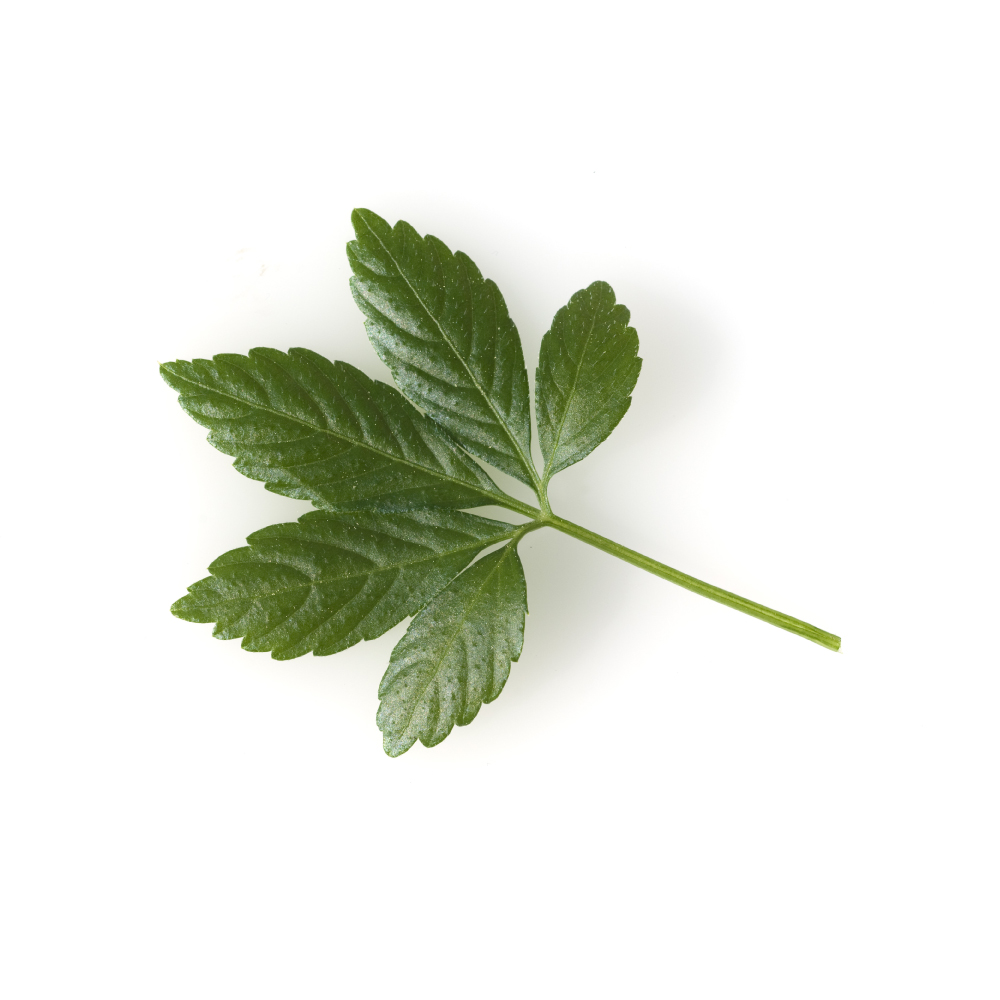
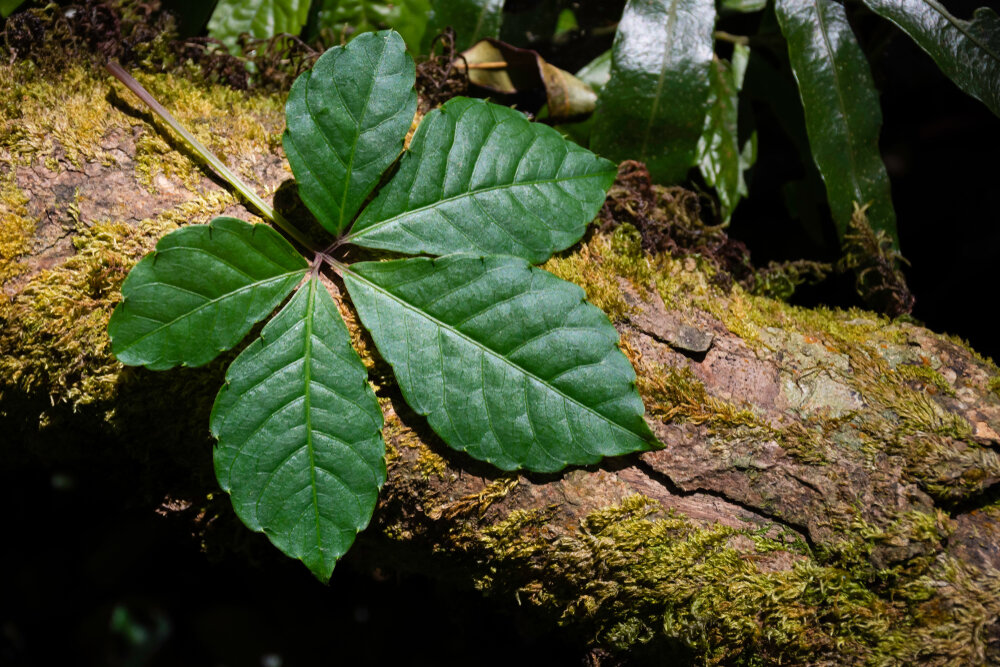
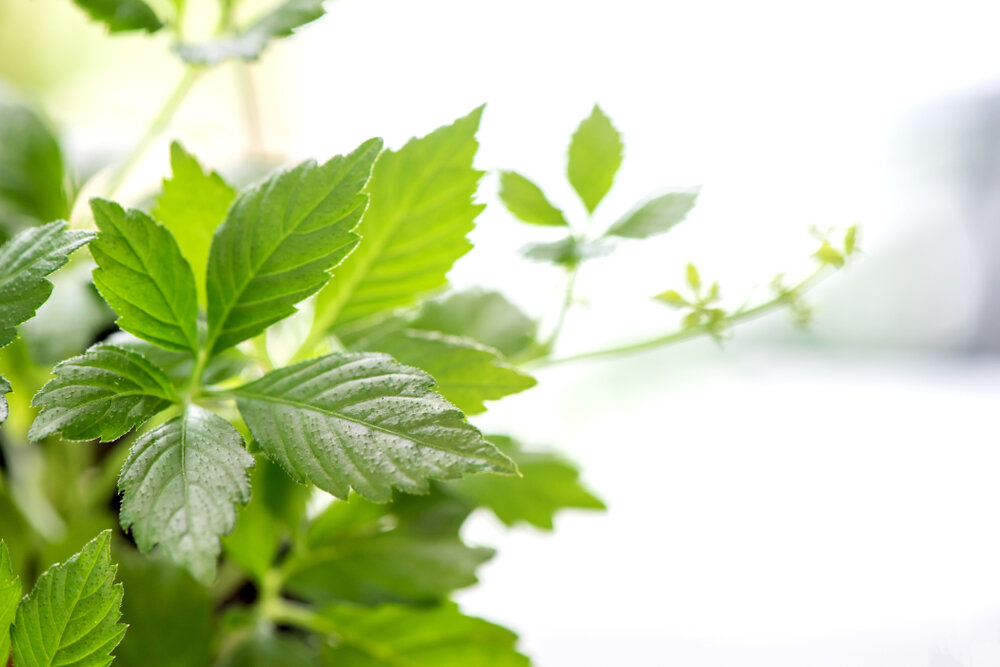
Jiaogulan is Gynostemma pentaphyllum, a slender climbing vine in the gourd family (Cucurbitaceae) — a botanical cousin of the cucumber, melon and other gourds rather than a true ginseng. It climbs by curling tendrils and carries distinctive palmate leaves, most often split into five toothed leaflets, which is where the name “five-leaf” comes from. The plant is dioecious, with male and female flowers on separate individuals; the females ripen small dark berries.
For the herbalist the key point is the part used: it is the leaf and aerial parts — the vine’s foliage, not any root — that are harvested and dried, traditionally steeped as a sweet, slightly grassy tea. Long grown across the mountains of southern China, jiaogulan earned the name “herb of immortality” from villages where it was drunk daily as a longevity tonic. Its “southern ginseng” nickname comes from its chemistry rather than its lineage — the leaves are rich in ginseng-like saponins — yet the two plants are unrelated, and jiaogulan is not a ginseng.
Distribution
Jiaogulan is native across a wide arc of Asia — from China, Korea and Japan west through the Himalaya and south into Southeast Asia and the Malay islands. It grows wild in thickets, forest edges and roadsides, from the lowlands well up into the mountains.
Growing Conditions
- Grows as a perennial climbing vine in mild climates (roughly USDA zones 7–11) and as a short-lived perennial or annual where winters are cold; it tolerates only light frost.
- Prefers rich, moist, well-drained soil and does well in full sun to partial shade, especially with afternoon shade in hot regions.
- Give it a trellis, fence or netting to climb — the tendrils will scramble upward several metres in a season.
- Because plants are male or female, grow more than one if you want seed; otherwise propagate easily from cuttings or division for leaf harvest.
- Full cultivation detail lives on the companion farm-wiki grow guide for Gynostemma pentaphyllum (link to be added once that project’s public URL is confirmed).
Phytochemistry
Gynostemma’s defining constituents are the gypenosides — a very large family of dammarane-type triterpenoid saponins, with more than 160 individual structures described. These are the source of the herb’s adaptogenic, blood-sugar and lipid effects. Notably, several gypenosides are structurally identical to the ginsenosides of Panax ginseng (e.g. matching Rb1, Rb3, Rd and F2), and these shared ginsenosides make up roughly a quarter of the total saponin pool — the chemical basis for gynostemma’s nickname “southern ginseng” 1Reference 1ReviewChemistry and pharmacology of Gynostemma pentaphyllum — reviewView study →. Total saponins have been estimated at around 2.4% of the dried plant 1Reference 1ReviewChemistry and pharmacology of Gynostemma pentaphyllum — reviewView study →.
Alongside the saponins (and their aglycones, the gypensapogenins, plus characteristic glycosides such as gylongiposide I), the leaf carries a flavonoid fraction dominated by quercetin- and kaempferol-glycosides, including rutin and free quercetin 1Reference 1ReviewChemistry and pharmacology of Gynostemma pentaphyllum — reviewView study →.
Constituent Summary
Total-saponin figure is percent of dried plant; gypenoside profiles vary widely with source and ploidy, and no single gypenoside is reliably standardised. Individual compound levels not separately quantified here are marked No Data.
Saponin4 compounds2 with data
Pharmacology & Research
Gynostemma has a deeper clinical literature than most tonic adaptogens — and considerably deeper than the current page reflects. The metabolic indications are backed by genuine human trials: multiple randomised controlled trials and two meta-analyses converge on a glucose-lowering effect, a systematic review of 22 RCTs covers dyslipidaemia, and further RCTs address non-alcoholic fatty liver, body composition, exercise fatigue and anxiety 3,4,5,6,7,8,9,12,13,14,20Reference 3Meta-analysisEfficacy and mechanisms of Gynostemma pentaphyllum in glycemic control — meta-analysis with reviewView study →Reference 4RCTAntidiabetic effect of Gynostemma pentaphyllum tea in randomly assigned type 2 diabetic patients — randomised controlled trialView study →Reference 5Meta-analysisEffectiveness and safety of Ayurvedic medicines in type 2 diabetes mellitus — systematic review and meta-analysisView study →Reference 6Systematic reviewGynostemma pentaphyllum for dyslipidemia: a systematic review of randomized controlled trialsView study →Reference 7Meta-analysisThe role of Gynostemma pentaphyllum in regulating hyperlipidemia — meta-analysisView study →Reference 8RCTThe add-on effects of Gynostemma pentaphyllum on nonalcoholic fatty liver disease — randomised controlled trialView study →Reference 9Systematic reviewHerbal medicines for fatty liver diseases — systematic reviewView study →Reference 12RCTThe effect of an orally-dosed Gynostemma pentaphyllum extract (ActivAMP) on body composition — double-blind randomised placebo-controlled trialView study →Reference 13RCTGynostemma pentaphyllum increases exercise performance and alters mitochondrial respiration and AMPK in healthy males — randomised controlled trialView study →Reference 14RCTEffects of gypenoside-L-containing Gynostemma pentaphyllum extract on fatigue and physical performance — double-blind placebo-controlled randomised trialView study →Reference 20RCTSupplementation with Gynostemma pentaphyllum leaf extract reduces anxiety in healthy subjects with chronic psychological stress — randomised double-blind placebo-controlled trialView study →. Everything past the metabolic cluster — antioxidant, anti-inflammatory, cardioprotective, neuroprotective, immunomodulatory and anticancer signals — rests on animal and cell studies of the isolated gypenoside saponins or leaf polysaccharides, not on the whole herb as it is actually consumed 2,15,16,17,18,19,20,21,22,23,24,25,26,27,28Reference 2ReviewTriterpenoids from the genus Gynostemma: chemistry and pharmacological activities — reviewView study →Reference 15AnimalAntioxidant and anti-inflammatory activities of an anti-diabetic polysaccharide from Gynostemma pentaphyllum — mouseView study →Reference 16AnimalImmunomodulatory and antioxidant effects of polysaccharides from Gynostemma pentaphyllum Makino in immunosuppressed mice — mouseView study →Reference 17In vitroBioassay-guided isolation of anticancer and antioxidant compounds from Gynostemma pentaphyllum — in vitroView study →Reference 18AnimalGynostemma pentaphyllum saponins attenuate inflammation by inhibition of NF-κB and STAT3 signaling — mouseView study →Reference 19AnimalGypenoside A from Gynostemma pentaphyllum attenuates airway inflammation and Th2 cell activities in a murine asthma model — mouseView study →Reference 20RCTSupplementation with Gynostemma pentaphyllum leaf extract reduces anxiety in healthy subjects with chronic psychological stress — randomised double-blind placebo-controlled trialView study →Reference 21AnimalNeuroprotective effects of gypenosides on LPS-induced anxiety and depression-like behaviours — mouseView study →Reference 22AnimalCardioprotective effect of gypenoside against isoproterenol-induced cardiac remodeling in rats via inflammation and gut microbiota — ratView study →Reference 23In vitroGypenosides exert cardioprotective effects by promoting mitophagy and activating PI3K/Akt/GSK-3β/Mcl-1 signaling — in vitroView study →Reference 24ReviewNeuroprotective effects of gypenosides: a review on preclinical studies in neuropsychiatric disorders — reviewView study →Reference 25AnimalGypenoside IX restores Akt/GSK-3β and alleviates Alzheimer’s disease-like neuropathology and cognitive deficits — ratView study →Reference 26ReviewAnti-cancer effects of Gynostemma pentaphyllum (Thunb.) Makino (Jiaogulan) — reviewView study →Reference 27In vitroGypenosides induced apoptosis in human colon cancer cells through the mitochondria-dependent pathways and activation of caspase-3 — in vitroView study →Reference 28AnimalImmunoenhancing effects of Gynostemma pentaphyllum extract on mucosal immunity against porcine epidemic diarrhea virus — mouseView study →. The single most important caveat runs through the whole file: “gypenoside” is not one molecule but a family of 200-plus dammarane saponins whose profile shifts with cultivar, ploidy and processing, so a result from one standardised extract does not automatically transfer to a cup of jiaogulan tea 2,7Reference 2ReviewTriterpenoids from the genus Gynostemma: chemistry and pharmacological activities — reviewView study →Reference 7Meta-analysisThe role of Gynostemma pentaphyllum in regulating hyperlipidemia — meta-analysisView study →.
- Best-supported: blood-glucose lowering (RCTs + two meta-analyses, HbA1c down ~1% vs control) and adjunctive lipid-lowering (systematic review of 22 RCTs) 3,4,5,6,7Reference 3Meta-analysisEfficacy and mechanisms of Gynostemma pentaphyllum in glycemic control — meta-analysis with reviewView study →Reference 4RCTAntidiabetic effect of Gynostemma pentaphyllum tea in randomly assigned type 2 diabetic patients — randomised controlled trialView study →Reference 5Meta-analysisEffectiveness and safety of Ayurvedic medicines in type 2 diabetes mellitus — systematic review and meta-analysisView study →Reference 6Systematic reviewGynostemma pentaphyllum for dyslipidemia: a systematic review of randomized controlled trialsView study →Reference 7Meta-analysisThe role of Gynostemma pentaphyllum in regulating hyperlipidemia — meta-analysisView study →.
- Emerging, worth watching: non-alcoholic fatty liver as a diet add-on, body-fat reduction, exercise-fatigue resistance, and anxiety under chronic stress — each with at least one placebo-controlled human trial 8,12,13,14,20Reference 8RCTThe add-on effects of Gynostemma pentaphyllum on nonalcoholic fatty liver disease — randomised controlled trialView study →Reference 12RCTThe effect of an orally-dosed Gynostemma pentaphyllum extract (ActivAMP) on body composition — double-blind randomised placebo-controlled trialView study →Reference 13RCTGynostemma pentaphyllum increases exercise performance and alters mitochondrial respiration and AMPK in healthy males — randomised controlled trialView study →Reference 14RCTEffects of gypenoside-L-containing Gynostemma pentaphyllum extract on fatigue and physical performance — double-blind placebo-controlled randomised trialView study →Reference 20RCTSupplementation with Gynostemma pentaphyllum leaf extract reduces anxiety in healthy subjects with chronic psychological stress — randomised double-blind placebo-controlled trialView study →.
- Mechanistically thin: cardioprotective, neuroprotective, immunomodulatory and anticancer claims — real signals, but animal/in-vitro only, mostly using isolated gypenosides or polysaccharides rather than the leaf 21,22,23,24,25,26,27,28Reference 21AnimalNeuroprotective effects of gypenosides on LPS-induced anxiety and depression-like behaviours — mouseView study →Reference 22AnimalCardioprotective effect of gypenoside against isoproterenol-induced cardiac remodeling in rats via inflammation and gut microbiota — ratView study →Reference 23In vitroGypenosides exert cardioprotective effects by promoting mitophagy and activating PI3K/Akt/GSK-3β/Mcl-1 signaling — in vitroView study →Reference 24ReviewNeuroprotective effects of gypenosides: a review on preclinical studies in neuropsychiatric disorders — reviewView study →Reference 25AnimalGypenoside IX restores Akt/GSK-3β and alleviates Alzheimer’s disease-like neuropathology and cognitive deficits — ratView study →Reference 26ReviewAnti-cancer effects of Gynostemma pentaphyllum (Thunb.) Makino (Jiaogulan) — reviewView study →Reference 27In vitroGypenosides induced apoptosis in human colon cancer cells through the mitochondria-dependent pathways and activation of caspase-3 — in vitroView study →Reference 28AnimalImmunoenhancing effects of Gynostemma pentaphyllum extract on mucosal immunity against porcine epidemic diarrhea virus — mouseView study →.
- The caveat: no standardised gypenoside dose exists; extract type and cultivar drive the effect, and tea/whole-powder results cannot be assumed from concentrated-extract trials 2,7Reference 2ReviewTriterpenoids from the genus Gynostemma: chemistry and pharmacological activities — reviewView study →Reference 7Meta-analysisThe role of Gynostemma pentaphyllum in regulating hyperlipidemia — meta-analysisView study →.
1. Antidiabetic
This is the strongest indication and the one the current page most understates. In a 12-week RCT, drug-naïve type-2 diabetics drinking 6 g/day of authenticated Gynostemma pentaphyllum tea dropped fasting plasma glucose by ~3.0 mmol/L and HbA1c by ~2 percentage points versus placebo, with a significant fall in HOMA-IR (insulin resistance) and no hypoglycaemia 4Reference 4RCTAntidiabetic effect of Gynostemma pentaphyllum tea in randomly assigned type 2 diabetic patients — randomised controlled trialView study →. A 2026 meta-analysis of eight clinical studies (584 patients) pooled a fasting-glucose reduction of −0.79 mmol/L and an HbA1c reduction of −1.01%, with monotherapy and longer courses performing best 3Reference 3Meta-analysisEfficacy and mechanisms of Gynostemma pentaphyllum in glycemic control — meta-analysis with reviewView study →; an independent systematic review of Ayurvedic/botanical antidiabetics reported a matching HbA1c effect of about −1% for the herb 5Reference 5Meta-analysisEffectiveness and safety of Ayurvedic medicines in type 2 diabetes mellitus — systematic review and meta-analysisView study →. Mechanistically the effect is multi-target — enhanced peripheral gypenoside-driven glucose uptake, suppressed hepatic glucose output, improved insulin secretion and sensitivity — and human exercise data show muscle AMPK Thr172 phosphorylation rising after supplementation 3,13Reference 3Meta-analysisEfficacy and mechanisms of Gynostemma pentaphyllum in glycemic control — meta-analysis with reviewView study →Reference 13RCTGynostemma pentaphyllum increases exercise performance and alters mitochondrial respiration and AMPK in healthy males — randomised controlled trialView study →.
Gap: trials are small, short and mostly East-Asian; standardised dosing is unsettled and the tea-versus-concentrated-extract question is unresolved.
2. Hypolipidemic
A 2022 systematic review pooled 22 RCTs (2,407 dyslipidaemia patients) and found Gynostemma broadly comparable to statins, fibrates and n-3 fatty acids for triglycerides, total cholesterol and HDL-C — and superior to those agents when added on top of them (extra LDL-C reduction of ~0.57 mmol/L), though red yeast rice outperformed it head-to-head 6Reference 6Systematic reviewGynostemma pentaphyllum for dyslipidemia: a systematic review of randomized controlled trialsView study →. A separate meta-analysis confirmed reduced triglycerides and raised HDL-C, and its companion mouse work tied the lipid effect to remodelling of the gut microbiota and tryptophan metabolism 7Reference 7Meta-analysisThe role of Gynostemma pentaphyllum in regulating hyperlipidemia — meta-analysisView study →. Effects on the leaf’s flavonoids (rutin, quercetin) and the saponins are both implicated.
Gap: review authors graded the evidence “very low to low certainty” — most trials carry risk-of-bias concerns, and the herb was weaker than red yeast rice, so it reads as a reasonable adjunct rather than a standalone lipid drug.
3. Hepatoprotective
In a randomised controlled trial, adding 80 mL/day of Gynostemma extract to a diet programme for four months significantly improved BMI, AST, insulin and HOMA-IR in non-alcoholic fatty liver patients beyond diet alone 8Reference 8RCTThe add-on effects of Gynostemma pentaphyllum on nonalcoholic fatty liver disease — randomised controlled trialView study →. The 2013 Cochrane review of herbal medicines for fatty liver identified Gynostemma pentaphyllum among the single-herb products showing beneficial effects on liver enzymes and imaging — while cautioning that the underlying trials were at high risk of bias and used surrogate endpoints, never hard clinical outcomes 9Reference 9Systematic reviewHerbal medicines for fatty liver diseases — systematic reviewView study →. Animal work is more mechanistic: in methionine/choline-deficient NASH mice, the extract cut hepatic inflammation and lipid peroxidation, enriched beneficial gut flora (Akkermansia) and repressed hepatic NF-κB and TLR4/MyD88 signalling 10Reference 10AnimalGynostemma pentaphyllum extract alleviates NASH in mice: inflammation and gut microbiota — mouseView study →, and older rat models show protection against acetaminophen- and CCl4-induced liver injury 11Reference 11AnimalAntioxidant and hepatoprotective effects of Anoectochilus formosanus and Gynostemma pentaphyllum — ratView study →.
Gap: every human result rests on enzymes, insulin markers and ultrasound — no biopsy-confirmed or long-term outcome data — and the protective rat study noted a biphasic, dose-sensitive response.
4. Anti-obesity
A 16-week double-blind RCT in 117 overweight adults found the ActivAMP Gynostemma extract significantly reduced total body weight, BMI, total fat mass and gynoid fat versus placebo, with men losing visceral fat specifically and plasma triglycerides, ALT and TNF-α all falling 12Reference 12RCTThe effect of an orally-dosed Gynostemma pentaphyllum extract (ActivAMP) on body composition — double-blind randomised placebo-controlled trialView study →. This is consistent with high-fat-diet mouse studies where the extract limited weight gain, lipid deposition and insulin resistance 7Reference 7Meta-analysisThe role of Gynostemma pentaphyllum in regulating hyperlipidemia — meta-analysisView study →. The proposed engine is AMPK activation — the same pathway confirmed in human muscle in the exercise trial 13Reference 13RCTGynostemma pentaphyllum increases exercise performance and alters mitochondrial respiration and AMPK in healthy males — randomised controlled trialView study →.
Gap: a single human body-composition trial, using one proprietary standardised extract; whether jiaogulan tea produces comparable fat-mass changes is untested.
5. Anti-fatigue
Two human RCTs address physical performance. A double-blind placebo-controlled crossover in 16 healthy men gave 450 mg/day of leaf extract for four weeks and recorded improved 20-km time-trial performance, higher muscle oxygen flux, lower blood glucose and leptin, and earlier exercise-induced AMPK activation 13Reference 13RCTGynostemma pentaphyllum increases exercise performance and alters mitochondrial respiration and AMPK in healthy males — randomised controlled trialView study →. A separate 12-week RCT in 100 adults using a gypenoside-L-standardised extract raised VO2 max and O2 pulse, lowered perceived exertion and temporal fatigue, and increased blood eNOS 14Reference 14RCTEffects of gypenoside-L-containing Gynostemma pentaphyllum extract on fatigue and physical performance — double-blind placebo-controlled randomised trialView study →.
Gap: small samples, two different standardised extracts, short durations; the effect is on performance and perceived fatigue rather than a clinical fatigue disorder.
6. Antioxidant
Antioxidant activity is one of the most consistently reported effects but sits almost entirely in vitro and in animals. Leaf polysaccharides scavenge DPPH, hydroxyl, superoxide and ABTS radicals dose-dependently and, in diabetic and immunosuppressed mice, raise SOD, catalase, glutathione and GSH-Px while lowering malondialdehyde 15,16Reference 15AnimalAntioxidant and anti-inflammatory activities of an anti-diabetic polysaccharide from Gynostemma pentaphyllum — mouseView study →Reference 16AnimalImmunomodulatory and antioxidant effects of polysaccharides from Gynostemma pentaphyllum Makino in immunosuppressed mice — mouseView study →. Bioassay-guided fractionation points to phenolics such as a 3,4-dihydroxyphenyl glucoside and saponins including gypenoside L as the active radical-scavengers 17Reference 17In vitroBioassay-guided isolation of anticancer and antioxidant compounds from Gynostemma pentaphyllum — in vitroView study →, and early rat work links this to the herb’s hepatoprotection 11Reference 11AnimalAntioxidant and hepatoprotective effects of Anoectochilus formosanus and Gynostemma pentaphyllum — ratView study →.
Gap: no human study measures an antioxidant endpoint directly; “antioxidant” here is a mechanism inferred from assays, and the classification maps onto the anti-aging and longevity marketing rather than a proven clinical outcome.
7. Anti-inflammatory
The saponin fraction is anti-inflammatory across several animal models. In dextran-sulfate colitis mice, Gynostemma saponins reduced disease activity and colon damage by suppressing macrophage activation and NF-κB and STAT3 signalling 18Reference 18AnimalGynostemma pentaphyllum saponins attenuate inflammation by inhibition of NF-κB and STAT3 signaling — mouseView study →; gypenoside A blunted Th2-driven airway inflammation in an asthma model 19Reference 19AnimalGypenoside A from Gynostemma pentaphyllum attenuates airway inflammation and Th2 cell activities in a murine asthma model — mouseView study →; and in NASH mice the extract downregulated the TLR4/MyD88/NF-κB axis and TNF-α 10Reference 10AnimalGynostemma pentaphyllum extract alleviates NASH in mice: inflammation and gut microbiota — mouseView study →. A diabetic-mouse polysaccharide study similarly raised IL-4/IL-10 and lowered TNF-α and IL-6 15Reference 15AnimalAntioxidant and anti-inflammatory activities of an anti-diabetic polysaccharide from Gynostemma pentaphyllum — mouseView study →.
Gap: all disease-model or cell-based; the effect tracks isolated saponin or polysaccharide fractions, and NF-κB suppression has not been demonstrated in humans.
8. Anxiolytic
One placebo-controlled human trial supports a stress/anxiety effect: in 72 healthy adults under chronic psychological stress, an ethanol leaf extract (200 mg twice daily, 8 weeks) lowered trait-anxiety scores by ~17% versus placebo, though secondary anxiety scales and stress-hormone measures did not separate significantly 20Reference 20RCTSupplementation with Gynostemma pentaphyllum leaf extract reduces anxiety in healthy subjects with chronic psychological stress — randomised double-blind placebo-controlled trialView study →. Rodent work provides the mechanism — gypenosides reduced LPS-induced anxiety- and depression-like behaviour in mice by dampening hippocampal and prefrontal neuroinflammation and suppressing the NLRP3 inflammasome 21Reference 21AnimalNeuroprotective effects of gypenosides on LPS-induced anxiety and depression-like behaviours — mouseView study →.
Gap: a single small human trial with a modest, partly non-significant signal; this is where the traditional “adaptogen” framing has the most, but still thin, human support.
9. Cardioprotective
Preclinical only. In rats, gypenosides dose-dependently reduced isoproterenol-induced myocardial infarct size and cardiac remodelling, lowering inflammatory cytokines and apoptotic caspases (−3, −6, −9) while shifting gut-microbiota composition 22Reference 22AnimalCardioprotective effect of gypenoside against isoproterenol-induced cardiac remodeling in rats via inflammation and gut microbiota — ratView study →. In doxorubicin-stressed cardiomyocytes, gypenosides preserved mitochondrial function and rescued PINK1/parkin mitophagy via PI3K/Akt/GSK-3β/Mcl-1 signalling 23Reference 23In vitroGypenosides exert cardioprotective effects by promoting mitophagy and activating PI3K/Akt/GSK-3β/Mcl-1 signaling — in vitroView study →. This aligns with the herb’s traditional cardiovascular use and its shared ginsenosides.
Gap: no human cardiac endpoint of any kind; the vasodilator/antihypertensive actions on the current page rest on animal and mechanistic data, not clinical trials.
10. Neuroprotective
A growing rodent literature, reviewed in 2024, reports gypenosides active against depression, Parkinson’s, Alzheimer’s, stroke and optic-neuritis models, working through NF-κB, Nrf2, AKT and ERK1/2 pathways 24Reference 24ReviewNeuroprotective effects of gypenosides: a review on preclinical studies in neuropsychiatric disorders — reviewView study →. Concretely, gypenoside IX restored the Akt/GSK-3β axis and reduced tau hyperphosphorylation, amyloid-β production and cognitive deficits in an Alzheimer’s model 25Reference 25AnimalGypenoside IX restores Akt/GSK-3β and alleviates Alzheimer’s disease-like neuropathology and cognitive deficits — ratView study →, and gypenosides eased neuroinflammatory depression-like behaviour via NLRP3 suppression 21Reference 21AnimalNeuroprotective effects of gypenosides on LPS-induced anxiety and depression-like behaviours — mouseView study →.
Gap: the review authors are explicit that clinical research is essentially absent — findings are in-vitro and animal, using purified single gypenosides that may not reflect the whole leaf.
11. Immunomodulatory
Leaf polysaccharides, not the saponins, drive the immune signal. In cyclophosphamide-immunosuppressed mice, Gynostemma polysaccharides restored spleen and thymus indices, activated macrophage phagocytosis and NK cells, raised CD4+/CD8+ ratio and IL-2, and boosted antioxidant enzymes 16Reference 16AnimalImmunomodulatory and antioxidant effects of polysaccharides from Gynostemma pentaphyllum Makino in immunosuppressed mice — mouseView study →. A 2025 veterinary study found the extract acted as a mucosal vaccine adjuvant, raising antigen-specific IgG and secretory IgA against a diarrhoea virus in mice 28Reference 28AnimalImmunoenhancing effects of Gynostemma pentaphyllum extract on mucosal immunity against porcine epidemic diarrhea virus — mouseView study →.
Gap: entirely preclinical and largely polysaccharide-fraction based; no human immune endpoint, and the adjuvant work is in a veterinary vaccine context.
12. Anticancer
The most preliminary indication. Gypenosides induce apoptosis in human colon-cancer cells through the mitochondrial pathway — raising ROS, Bax and p53, releasing cytochrome c and activating caspase-3 27Reference 27In vitroGypenosides induced apoptosis in human colon cancer cells through the mitochondria-dependent pathways and activation of caspase-3 — in vitroView study → — and a 2016 review catalogues cell-cycle arrest, apoptosis, anti-invasion and anti-glycolysis effects across many cell lines, with a handful of xenograft and small clinical-formula reports 26Reference 26ReviewAnti-cancer effects of Gynostemma pentaphyllum (Thunb.) Makino (Jiaogulan) — reviewView study →. Bioassay-guided work flags gypenoside L and ginsenoside Rd as the more cytotoxic constituents against A549 and MCF-7 lines 17Reference 17In vitroBioassay-guided isolation of anticancer and antioxidant compounds from Gynostemma pentaphyllum — in vitroView study →.
Gap: in-vitro and xenograft evidence at supraphysiological concentrations; this is a research signal at the constituent level, not a basis for any anticancer claim about the herb.
Mechanisms
| Mechanism | Drives | Key compounds |
|---|---|---|
| AMPK ↑, insulin sensitivity ↑, hepatic gluconeogenesis ↓ | antidiabeticanti-obesityanti-fatigue | gypenosides, gypenoside L |
| NF-κB & STAT3 ↓; TLR4/MyD88 ↓ | anti-inflammatoryhepatoprotective | gypenosides, gypenoside A |
| PI3K/Akt/GSK-3β ↑; mitophagy ↑; caspase-3/Bax modulation | cardioprotectiveneuroprotectiveanticancer | gypenosides, gypenoside IX, ginsenoside Rd |
| radical scavenging; lipid modulation | antioxidanthypolipidemic | rutin, quercetin, kaempferol glycosides |
| SOD/CAT/GSH-Px induction; macrophage/NK activation, CD4+/CD8+ ↑ | antioxidantimmunomodulatory | leaf polysaccharides |
Clinical trials
Human trials exist for the metabolic and stress/fatigue indications (glycemic, lipid, NAFLD, body-composition, exercise and anxiety RCTs, plus meta-analyses); everything past the metabolic cluster is preclinical.
| Completed | Planned | Terminated | Preclinical |
|---|---|---|---|
| 7RCTs + 4 syntheses | 0 | 0 | ~200+ |
Last checked: July 2026.
Clinical Applications
Gynostemma’s best-evidenced use is metabolic: regulating blood glucose (its strongest indication) and, as an adjunct, blood lipids and non-alcoholic fatty liver 3,4,5,6,7,8,9Reference 3Meta-analysisEfficacy and mechanisms of Gynostemma pentaphyllum in glycemic control — meta-analysis with reviewView study →Reference 4RCTAntidiabetic effect of Gynostemma pentaphyllum tea in randomly assigned type 2 diabetic patients — randomised controlled trialView study →Reference 5Meta-analysisEffectiveness and safety of Ayurvedic medicines in type 2 diabetes mellitus — systematic review and meta-analysisView study →Reference 6Systematic reviewGynostemma pentaphyllum for dyslipidemia: a systematic review of randomized controlled trialsView study →Reference 7Meta-analysisThe role of Gynostemma pentaphyllum in regulating hyperlipidemia — meta-analysisView study →Reference 8RCTThe add-on effects of Gynostemma pentaphyllum on nonalcoholic fatty liver disease — randomised controlled trialView study →Reference 9Systematic reviewHerbal medicines for fatty liver diseases — systematic reviewView study →. Human trials also support body-fat reduction, exercise-fatigue resistance and reduced anxiety under chronic stress 12,13,14,20Reference 12RCTThe effect of an orally-dosed Gynostemma pentaphyllum extract (ActivAMP) on body composition — double-blind randomised placebo-controlled trialView study →Reference 13RCTGynostemma pentaphyllum increases exercise performance and alters mitochondrial respiration and AMPK in healthy males — randomised controlled trialView study →Reference 14RCTEffects of gypenoside-L-containing Gynostemma pentaphyllum extract on fatigue and physical performance — double-blind placebo-controlled randomised trialView study →Reference 20RCTSupplementation with Gynostemma pentaphyllum leaf extract reduces anxiety in healthy subjects with chronic psychological stress — randomised double-blind placebo-controlled trialView study →. Traditionally it is taken as a tonic adaptogen, most often as a tea.
Safety & Pregnancy
Gynostemma is generally well tolerated in human trials, with only mild, mostly gastrointestinal effects reported. Its most relevant action is glucose-lowering, so an additive hypoglycaemic effect with antidiabetic drugs is plausible and blood sugar should be monitored if the two are combined.
- Additive hypoglycemia. may add to antidiabetic drugs — monitor blood sugar when combined
- Interactions unstudied. no human CYP450 or drug-interaction data — the caution is theoretical, not ruled out
- Long-term safety unknown. current data support use up to ~8 weeks; multi-year therapeutic use is not established
- Well tolerated. only mild, mostly gastrointestinal effects in trials to date
Full safety & interactions detail
Gynostemma is generally well tolerated in the human trials to date, with adverse events limited to mild, mostly gastrointestinal effects and no significant liver, kidney or hypoglycaemic events reported over 8–24 weeks 4,6,8Reference 4RCTAntidiabetic effect of Gynostemma pentaphyllum tea in randomly assigned type 2 diabetic patients — randomised controlled trialView study →Reference 6Systematic reviewGynostemma pentaphyllum for dyslipidemia: a systematic review of randomized controlled trialsView study →Reference 8RCTThe add-on effects of Gynostemma pentaphyllum on nonalcoholic fatty liver disease — randomised controlled trialView study →. Its most clinically relevant action is glucose-lowering: an additive hypoglycaemic effect with antidiabetic drugs is plausible, so blood sugar should be monitored when the two are combined 3,4Reference 3Meta-analysisEfficacy and mechanisms of Gynostemma pentaphyllum in glycemic control — meta-analysis with reviewView study →Reference 4RCTAntidiabetic effect of Gynostemma pentaphyllum tea in randomly assigned type 2 diabetic patients — randomised controlled trialView study →. Formal drug-interaction and CYP450 studies in humans have not been conducted, so the caution around drugs metabolised by CYP liver enzymes remains theoretical rather than demonstrated. A systematic review judged use for longer than eight weeks to be safe on current data, but long-term (multi-year) safety at therapeutic doses has not been established 6Reference 6Systematic reviewGynostemma pentaphyllum for dyslipidemia: a systematic review of randomized controlled trialsView study →. Effects and safety are also extract-dependent — the traditional tincture dose has not itself been trialled.
There are no human pregnancy or lactation safety studies for Gynostemma. The absence of reported problems is not evidence of safety; treat medicinal or concentrated use as unstudied and avoid therapeutic doses in pregnancy and breastfeeding.
Dosage
Human trials have used divergent preparations, and their doses are not interchangeable with the traditional tincture figure in the sidebar. The table below lists the doses that were actually trialled.
| Preparation | Dose | Indication | Source |
|---|---|---|---|
| Dried-leaf tea (authenticated) | 6 g/day | Type-2 diabetes (glycemic) | 4Reference 4RCTAntidiabetic effect of Gynostemma pentaphyllum tea in randomly assigned type 2 diabetic patients — randomised controlled trialView study → |
| Ethanol leaf extract | 200 mg twice daily, 8 weeks | Anxiety under stress | 20Reference 20RCTSupplementation with Gynostemma pentaphyllum leaf extract reduces anxiety in healthy subjects with chronic psychological stress — randomised double-blind placebo-controlled trialView study → |
| Leaf extract | 450 mg/day, 4 weeks | Exercise performance | 13Reference 13RCTGynostemma pentaphyllum increases exercise performance and alters mitochondrial respiration and AMPK in healthy males — randomised controlled trialView study → |
| Gypenoside-L-standardised extract | 12 weeks | Fatigue / VO2max | 14Reference 14RCTEffects of gypenoside-L-containing Gynostemma pentaphyllum extract on fatigue and physical performance — double-blind placebo-controlled randomised trialView study → |
| ActivAMP standardised extract | 16 weeks | Body composition | 12Reference 12RCTThe effect of an orally-dosed Gynostemma pentaphyllum extract (ActivAMP) on body composition — double-blind randomised placebo-controlled trialView study → |
Caveat: no standardised gypenoside dose exists, and results from one concentrated extract do not transfer to a cup of jiaogulan tea. Extract type and cultivar drive the effect 2,7Reference 2ReviewTriterpenoids from the genus Gynostemma: chemistry and pharmacological activities — reviewView study →Reference 7Meta-analysisThe role of Gynostemma pentaphyllum in regulating hyperlipidemia — meta-analysisView study →.
Traditional Dosage
Traditionally, gynostemma is taken as a tea from the dried leaves, or as a 1:2 liquid extract at roughly 20–40 mL per week. It is a tonic adaptogen in traditional use rather than a dosed medicine, and the tincture figure predates the modern trial literature.
Synergy
- Ashwagandha, Siberian ginseng, or rhodiola for fatigue and low energy.
- Gymnema for blood glucose dysregulation.
- Licorice and rehmannia for stress management.
- Echinacea, astragalus, and Siberian ginseng for poor immune function.
Traditional / practitioner pairings; not established by controlled trials.
References
- Razmovski-Naumovski, V., Huang, T. H. W., Tran, V. H., Li, G. Q., Duke, C. C., & Roufogalis, B. D. (2005). Chemistry and pharmacology of Gynostemma pentaphyllum — review. Phytochemistry Reviews, 4(2-3), 197–219. https://doi.org/10.1007/s11101-005-3754-4
- Nguyen, N. H., et al. (2021). Triterpenoids from the genus Gynostemma: chemistry and pharmacological activities — review. Journal of Ethnopharmacology. https://pubmed.ncbi.nlm.nih.gov/33186700/
- Wang, R., et al. (2026). Efficacy and mechanisms of Gynostemma pentaphyllum in glycemic control — meta-analysis with review. Frontiers in Pharmacology. https://pubmed.ncbi.nlm.nih.gov/42064816/
- Huyen, V. T., et al. (2010). Antidiabetic effect of Gynostemma pentaphyllum tea in randomly assigned type 2 diabetic patients — randomised controlled trial. Hormone and Metabolic Research. https://pubmed.ncbi.nlm.nih.gov/20213586/
- Chattopadhyay, K., et al. (2022). Effectiveness and safety of Ayurvedic medicines in type 2 diabetes mellitus — systematic review and meta-analysis. Frontiers in Pharmacology. https://pubmed.ncbi.nlm.nih.gov/35754481/
- Dai, N., et al. (2022). Gynostemma pentaphyllum for dyslipidemia: a systematic review of randomized controlled trials. Frontiers in Pharmacology. https://pubmed.ncbi.nlm.nih.gov/36091752/
- Li, Y., et al. (2023). The role of Gynostemma pentaphyllum in regulating hyperlipidemia — meta-analysis. The American Journal of Chinese Medicine. https://pubmed.ncbi.nlm.nih.gov/37129524/
- Chou, S. C., et al. (2006). The add-on effects of Gynostemma pentaphyllum on nonalcoholic fatty liver disease — randomised controlled trial. Alternative Therapies in Health and Medicine. https://pubmed.ncbi.nlm.nih.gov/16708768/
- Liu, Z. L., et al. (2013). Herbal medicines for fatty liver diseases — systematic review. The Cochrane Database of Systematic Reviews. https://pubmed.ncbi.nlm.nih.gov/23975682/
- Jiang, F. Y., et al. (2024). Gynostemma pentaphyllum extract alleviates NASH in mice: inflammation and gut microbiota — mouse. Nutrients. https://pubmed.ncbi.nlm.nih.gov/38892715/
- Lin, C. C., Huang, P. C., & Lin, J. M. (2000). Antioxidant and hepatoprotective effects of Anoectochilus formosanus and Gynostemma pentaphyllum — rat. The American Journal of Chinese Medicine. https://pubmed.ncbi.nlm.nih.gov/10794120/
- Rao, A., Clayton, P., & Briskey, D. (2022). The effect of an orally-dosed Gynostemma pentaphyllum extract (ActivAMP) on body composition — double-blind randomised placebo-controlled trial. Journal of Human Nutrition and Dietetics. https://pubmed.ncbi.nlm.nih.gov/34323337/
- Nayyar, D., et al. (2023). Gynostemma pentaphyllum increases exercise performance and alters mitochondrial respiration and AMPK in healthy males — randomised controlled trial. Nutrients. https://pubmed.ncbi.nlm.nih.gov/38004115/
- Ahn, Y., et al. (2023). Effects of gypenoside-L-containing Gynostemma pentaphyllum extract on fatigue and physical performance — double-blind placebo-controlled randomised trial. Phytotherapy Research. https://pubmed.ncbi.nlm.nih.gov/36877124/
- Wang, Z., et al. (2020). Antioxidant and anti-inflammatory activities of an anti-diabetic polysaccharide from Gynostemma pentaphyllum — mouse. International Journal of Biological Macromolecules. https://pubmed.ncbi.nlm.nih.gov/31883891/
- Shang, X., et al. (2016). Immunomodulatory and antioxidant effects of polysaccharides from Gynostemma pentaphyllum Makino in immunosuppressed mice — mouse. Molecules. https://pubmed.ncbi.nlm.nih.gov/27548135/
- Wang, T. X., Shi, M. M., & Jiang, J. G. (2018). Bioassay-guided isolation of anticancer and antioxidant compounds from Gynostemma pentaphyllum — in vitro. RSC Advances. https://pubmed.ncbi.nlm.nih.gov/35540147/
- Wong, W. Y., et al. (2017). Gynostemma pentaphyllum saponins attenuate inflammation by inhibition of NF-κB and STAT3 signaling — mouse. Oncotarget. https://pubmed.ncbi.nlm.nih.gov/29152090/
- Huang, W. C., et al. (2022). Gypenoside A from Gynostemma pentaphyllum attenuates airway inflammation and Th2 cell activities in a murine asthma model — mouse. International Journal of Molecular Sciences. https://pubmed.ncbi.nlm.nih.gov/35887041/
- Choi, E. K., et al. (2019). Supplementation with Gynostemma pentaphyllum leaf extract reduces anxiety in healthy subjects with chronic psychological stress — randomised double-blind placebo-controlled trial. Phytomedicine. https://pubmed.ncbi.nlm.nih.gov/30599899/
- Guo, M., et al. (2024). Neuroprotective effects of gypenosides on LPS-induced anxiety and depression-like behaviours — mouse. International Immunopharmacology. https://pubmed.ncbi.nlm.nih.gov/39413644/
- Zhang, X., et al. (2023). Cardioprotective effect of gypenoside against isoproterenol-induced cardiac remodeling in rats via inflammation and gut microbiota — rat. Inflammopharmacology. https://pubmed.ncbi.nlm.nih.gov/37603159/
- Zheng, Y., et al. (2024). Gypenosides exert cardioprotective effects by promoting mitophagy and activating PI3K/Akt/GSK-3β/Mcl-1 signaling — in vitro. PeerJ. https://pubmed.ncbi.nlm.nih.gov/38912051/
- Liang, G., et al. (2024). Neuroprotective effects of gypenosides: a review on preclinical studies in neuropsychiatric disorders — review. European Journal of Pharmacology. https://pubmed.ncbi.nlm.nih.gov/38908668/
- Lei, L., et al. (2023). Gypenoside IX restores Akt/GSK-3β and alleviates Alzheimer’s disease-like neuropathology and cognitive deficits — rat. Aging (Albany NY). https://pubmed.ncbi.nlm.nih.gov/38095632/
- Li, Y., et al. (2016). Anti-cancer effects of Gynostemma pentaphyllum (Thunb.) Makino (Jiaogulan) — review. Chinese Medicine. https://pubmed.ncbi.nlm.nih.gov/27708693/
- Chen, J. C., et al. (2006). Gypenosides induced apoptosis in human colon cancer cells through the mitochondria-dependent pathways and activation of caspase-3 — in vitro. Anticancer Research. https://pubmed.ncbi.nlm.nih.gov/17201150/
- Zhang, Y., et al. (2025). Immunoenhancing effects of Gynostemma pentaphyllum extract on mucosal immunity against porcine epidemic diarrhea virus — mouse. Frontiers in Veterinary Science. https://pubmed.ncbi.nlm.nih.gov/40919038/