Materia Medica
Stinging Nettle
Urtica dioica
Stinging nettle (Urtica dioica) — a mineral-rich herb; the leaf for allergies and inflammation, the root for prostate and hormones.
What Is Stinging Nettle?
Stinging nettle is considered a weed in most places it grows.
This is a shame because it makes for excellent medicine.
It’s very adaptable and can be grown in very harsh growing conditions. The stinging leaves make it undesirable by most people.
Despite its undesirable traits, the leaves are a high source of trace minerals and have potent anti-inflammatory, antiallergenic, and hypotensive effects. The roots are mainly used to treat hormone-related dysfunctions for its ability to inhibit SHBG competitively.
What Is Stinging Nettle Used For?
The leaves and root of nettle are used very differently. The leaves are high in minerals and are often used to treat convalescence, allergies, arthritis, and as a diuretic. The roots are commonly used for benign prostatic hyperplasia, alopecia, and hormone-related male pattern baldness.
Traditional Uses
Western Herbal Medicine
In the past, nettle has been used as a diuretic, to build the blood, for arthritis, rheumatism, improve hair appearance and health (topical) 36Reference 36The healing power of rainforest herbs: A guide to understanding and using herbal medicinals.
Both Galen and Dioscorides have mentioned the leaf for use with asthma, pleurisy, and spleen conditions, and noted its diuretic and laxative effects 36Reference 36The healing power of rainforest herbs: A guide to understanding and using herbal medicinals.
In Europe, especially Germany, stinging nettle is used for rheumatic and other inflammatory conditions, prostate diseases, and as a diuretic. 36Reference 36The healing power of rainforest herbs: A guide to understanding and using herbal medicinals.
In current Western herbal medicine, the root and leaves are used for different conditions. The leaves are used as a diuretic and for arthritis, prostatitis, and allergies. The root, on the other hand, is used mainly for benign prostatic hyperplasia, and to treat or prevent baldness or alopecia. 36Reference 36The healing power of rainforest herbs: A guide to understanding and using herbal medicinals.
South America
In Brazil, the entire plant was traditionally used for excessive menstrual bleeding, diarrhea, diabetes, urinary disorders, and respiratory conditions. It was also used topically here for a range of skin conditions. 36Reference 36The healing power of rainforest herbs: A guide to understanding and using herbal medicinals.
In Peru stinging nettle is used for muscular pain, arthritis, ulcers, diabetes, digestive conditions, nosebleeds, and rheumatism. It was also used externally here for a range of inflammatory and pain conditions, as well as head lice. 36Reference 36The healing power of rainforest herbs: A guide to understanding and using herbal medicinals.
North American Aboriginals
In early North American medicine, the leaves and stems were infused and then soaked into bandages to be used as a type of vulnerary to heal wounds. Early North American herbalist also recommended nettle leaves as a nutritious food for weight loss programs and support 36Reference 36The healing power of rainforest herbs: A guide to understanding and using herbal medicinals.
Other Non-Medicinal Uses
In the past, nettle was used as a source for textile fibers in the place of flax or hemp. The oil was also used as a burning oil in Egypt 38Reference 38Principles and Practice of Phytotherapy.
Botany
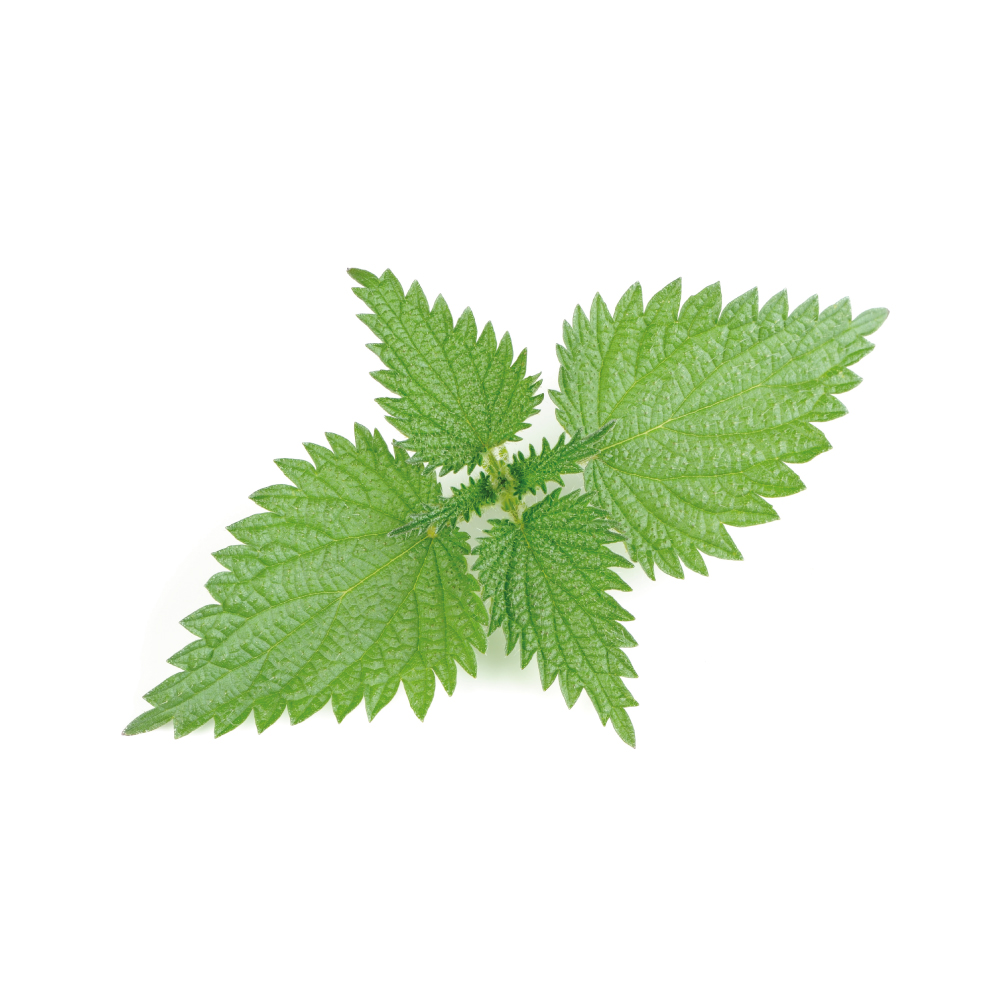
Stinging nettle is a rhizomatous herbaceous perennial in the nettle family (Urticaceae), forming colonies of erect, unbranched stems 3–7 ft (0.9–2 m) tall that die back each winter. Its opposite, coarsely-toothed, heart-based leaves and stems bear brittle silica hairs that inject a stinging mix of histamine and other irritants on contact; tiny greenish flowers hang in branched clusters from the leaf axils, usually on separate male and female plants (dioecious). Several subspecies exist, some native to North America and one introduced from Europe.
Distribution
Stinging nettle is native to Europe, temperate Asia and North Africa, with additional subspecies native to North America; the European subspecies was introduced to North America in the mid-1800s and naturalized widely. It now grows nearly worldwide on rich, moist, nitrogen-rich and disturbed soils — streambanks, waste ground and field edges — where it forms dense, locally weedy stands. It is not federally listed as a noxious weed and has no conservation concern.
Growing Conditions
- Life cycle: hardy herbaceous perennial, USDA zones 3–10.
- Light: full sun to part shade.
- Water: likes steady moisture and rich, nitrogen-heavy soil.
- Habit: spreads aggressively by rhizomes — often contained or grown as a cut crop.
- Full cultivation detail lives on the companion farm-wiki grow guide for Urtica dioica (link to be added once that project’s public URL is confirmed).
Harvesting, Collection & Preparation
This herb can easily be grown at home in the garden or in a window sill. Just be cautious of the stinging hairs on the leaves and wear gloves whenever handling this plant.
Pharmacology & Research
Stinging nettle has one of the larger clinical literatures among Western herbs, but the evidence is split sharply by plant part and by what the herb is actually taken as. The root anchors the human data on benign prostatic hyperplasia — several placebo-controlled randomised trials of root extract exist, though the largest meta-analysis judged the herb alone less convincing than its widely studied saw-palmetto/nettle combinations 1,2,3,4,5Reference 1RCTUrtica dioica for treatment of benign prostatic hyperplasia: a prospective, randomised, double-blind, placebo-controlled crossover study — randomised controlled trialView study →Reference 2RCTUrtica dioica root extract on clinical and biochemical parameters in patients with benign prostatic hyperplasia — randomised controlled trialView study →Reference 3RCTStinging nettle root extract (Bazoton-uno) in long-term treatment of benign prostatic syndrome — randomised, double-blind, placebo-controlled multicentre studyView study →Reference 4Meta-analysisPhytotherapy for benign prostatic hyperplasia — systematic review/meta-analysisView study →Reference 5RCTCombined sabal and urtica extract compared with finasteride in men with benign prostatic hyperplasia — randomised trialView study →. The leaf carries the metabolic signal: two meta-analyses of type 2 diabetes trials show a consistent fasting-glucose reduction, with mixed HbA1c results 11,12Reference 11Meta-analysisEffects of Urtica dioica on metabolic profiles in type 2 diabetes — systematic review and meta-analysis of clinical trialsView study →Reference 12Meta-analysisThe effect of nettle (Urtica dioica) supplementation on glycemic control in type 2 diabetes — systematic review and meta-analysisView study →. Almost everything else — antioxidant, anti-inflammatory, antihypertensive, hepatoprotective and wound-healing activity — is mapped in cell and animal models, driven by the leaf’s flavonoids and phenolic acids, with little or no direct human confirmation 15,17,22,31,35Reference 15ReviewAntioxidant activity of Urtica dioica: an important property contributing to multiple biological activities — reviewView study →Reference 17In vitroEffects of the antirheumatic remedy Hox alpha, a stinging nettle leaf extract, on matrix metalloproteinases in human chondrocytes — in vitroView study →Reference 22AnimalUrtica dioica leaf extract modulates blood pressure and oxidative stress in spontaneously hypertensive rats — animal modelView study →Reference 31In vitroHepatoprotective potential of antioxidant-potent fraction from Urtica dioica (whole plant) in CCl4-challenged rats — in vitro and animal modelView study →Reference 35ReviewNutritional and pharmacological importance of stinging nettle (Urtica dioica L.): a reviewView study →. Extract type matters throughout: a root-extract prostate result does not transfer to a leaf tea, and a topical result (the sting applied to a joint) says nothing about a drunk infusion.
- Best-supported: symptomatic relief of lower-urinary-tract symptoms from nettle root in BPH 1,2,3Reference 1RCTUrtica dioica for treatment of benign prostatic hyperplasia: a prospective, randomised, double-blind, placebo-controlled crossover study — randomised controlled trialView study →Reference 2RCTUrtica dioica root extract on clinical and biochemical parameters in patients with benign prostatic hyperplasia — randomised controlled trialView study →Reference 3RCTStinging nettle root extract (Bazoton-uno) in long-term treatment of benign prostatic syndrome — randomised, double-blind, placebo-controlled multicentre studyView study →, and a fasting-glucose reduction in type 2 diabetes from leaf extract 11,12,13Reference 11Meta-analysisEffects of Urtica dioica on metabolic profiles in type 2 diabetes — systematic review and meta-analysis of clinical trialsView study →Reference 12Meta-analysisThe effect of nettle (Urtica dioica) supplementation on glycemic control in type 2 diabetes — systematic review and meta-analysisView study →Reference 13RCTImproved glycemic control in patients with advanced type 2 diabetes taking Urtica dioica leaf extract — randomised double-blind placebo-controlled trialView study →.
- Emerging, worth watching: antihypertensive and renoprotective effects via endothelial nitric oxide and calcium-channel blockade — consistent in rats, no dedicated human trial yet 22,23,24Reference 22AnimalUrtica dioica leaf extract modulates blood pressure and oxidative stress in spontaneously hypertensive rats — animal modelView study →Reference 23In vitroMechanisms underlying the antihypertensive properties of Urtica dioica — in vitro/in vivo animal studyView study →Reference 24AnimalUrtica dioica leaf extract dose-dependently modulates oxidative stress in the kidney and exerts anti-fibrotic and anti-inflammatory properties in SHR — animal modelView study →; broad antioxidant and cytokine-suppressing activity of the leaf 15,17,18,19Reference 15ReviewAntioxidant activity of Urtica dioica: an important property contributing to multiple biological activities — reviewView study →Reference 17In vitroEffects of the antirheumatic remedy Hox alpha, a stinging nettle leaf extract, on matrix metalloproteinases in human chondrocytes — in vitroView study →Reference 18In vitroChemical composition and immuno-modulatory effects of Urtica dioica extracts — in vitroView study →Reference 19In vitroComparative study of different stinging nettle preparations regarding their immunomodulating effect on primary human T-lymphocytes — in vitroView study →.
- Mechanistically thin: hair loss / androgenic use rests on in-vitro 5α-reductase and SHBG binding only 34Reference 34In vitroEvaluation of 5α-reductase inhibitory activity of certain herbs useful as antiandrogens — in vitroView study →; hepatoprotection and wound healing are animal-only 31,32,33Reference 31In vitroHepatoprotective potential of antioxidant-potent fraction from Urtica dioica (whole plant) in CCl4-challenged rats — in vitro and animal modelView study →Reference 32In vitroThe unexplored wound-healing activity of Urtica dioica extract — in vitro and in vivo (rat) studyView study →Reference 33AnimalExploring the Urtica dioica leaves hemostatic and wound-healing potential — animal modelView study →.
- The caveat: most positive human trials are small, single-centre, and heavily concentrated in Iran; prostate benefit is confounded by combination products, and there is no standardised leaf dose across the diabetes trials.
1. Benign prostatic hyperplasia
Nettle root is the part used here, and it carries the herb’s strongest human evidence. A large 6-month crossover RCT (n=620) reported that 81% of root-extract patients improved their lower-urinary-tract symptoms versus 16% on placebo, with the International Prostate Symptom Score falling from 19.8 to 11.8 and peak urinary flow improving, while PSA and testosterone stayed unchanged 1Reference 1RCTUrtica dioica for treatment of benign prostatic hyperplasia: a prospective, randomised, double-blind, placebo-controlled crossover study — randomised controlled trialView study →. A German 12-month multicentre RCT of Bazoton-uno (459 mg root dry extract, n=246) found a smaller but statistically significant IPSS advantage over placebo, though without a strong gain in flow rate or residual-urine volume 3Reference 3RCTStinging nettle root extract (Bazoton-uno) in long-term treatment of benign prostatic syndrome — randomised, double-blind, placebo-controlled multicentre studyView study →, and a 60-patient root-extract trial saw improvements in IPSS alongside falls in the inflammatory and oxidative markers hs-CRP and malondialdehyde 2Reference 2RCTUrtica dioica root extract on clinical and biochemical parameters in patients with benign prostatic hyperplasia — randomised controlled trialView study →. The mechanism long proposed is that root lignans such as secoisolariciresinol and the sterol beta-sitosterol compete for sex-hormone-binding globulin, though that rests on older in-vitro binding work rather than a modern trial; more direct experimental evidence shows the root (in a saw-palmetto combination) blunts prostate-cell proliferation and inflammation rather than shrinking the gland — a mouse BPH model found reduced prostate weight, lower Ki-67 proliferation and reduced CD45+ inflammatory infiltrate 10Reference 10AnimalCombined Sabal and Urtica extracts (WS 1541) exert anti-proliferative and anti-inflammatory effects in a mouse model of benign prostate hyperplasia — animal modelView study →. Much of the trial literature, however, tests nettle root combined with saw palmetto (PRO 160/120, WS 1541) or Pygeum, where symptom and nocturia benefits are consistent and comparable to finasteride or tamsulosin — but the combination confounds nettle’s own contribution 5,6,7,8Reference 5RCTCombined sabal and urtica extract compared with finasteride in men with benign prostatic hyperplasia — randomised trialView study →Reference 6RCTEfficacy and safety of a combination of Sabal and Urtica extract in lower urinary tract symptoms — placebo-controlled, double-blind, multicentre trialView study →Reference 7RCTFixed-dose combination PRO 160/120 of sabal and urtica extracts improves nocturia in men with LUTS suggestive of BPH — re-evaluation of four randomised controlled trialsView study →Reference 8RCTCombined extracts of Urtica dioica and Pygeum africanum in the treatment of benign prostatic hyperplasia — double-blind randomised comparison of two dosesView study →, and the most-cited meta-analysis concluded there was then no convincing evidence for Urtica alone 4Reference 4Meta-analysisPhytotherapy for benign prostatic hyperplasia — systematic review/meta-analysisView study →. A related saw-palmetto/nettle combination (ProstaMEV) also improved outcomes in chronic bacterial prostatitis when added to antibiotics, though again nettle’s solo role cannot be isolated 9Reference 9RCTSerenoa repens with Urtica dioica (ProstaMEV) plus curcumin and quercetin improve the efficacy of prulifloxacin in bacterial prostatitis — prospective randomised studyView study →.
Gap: The largest solo-root RCTs are single-centre and the pivotal meta-analysis predates them; a well-powered, standardised, independent trial of root extract by itself against a modern comparator is still missing.
2. Antihyperglycemic (type 2 diabetes)
Nettle leaf extract lowers blood glucose in type 2 diabetes, and this is the herb’s best-replicated metabolic effect. A 2022 meta-analysis of 13 clinical trials found significant reductions in fasting blood glucose (−17.2 mg/dL), HbA1c (−0.93%), C-reactive protein, triglycerides and systolic blood pressure, while insulin and LDL/HDL cholesterol were unchanged 11Reference 11Meta-analysisEffects of Urtica dioica on metabolic profiles in type 2 diabetes — systematic review and meta-analysis of clinical trialsView study →; an independent 2020 meta-analysis of 8 RCTs (401 participants) confirmed the fasting-glucose drop (−18.0 mg/dL) but found no significant change in HbA1c, insulin or insulin resistance, and flagged very high between-study heterogeneity 12Reference 12Meta-analysisThe effect of nettle (Urtica dioica) supplementation on glycemic control in type 2 diabetes — systematic review and meta-analysisView study →. The best single trial gave 500 mg leaf extract three times daily for three months to insulin-requiring patients and saw significant falls in fasting glucose, post-prandial glucose and HbA1c versus placebo 13Reference 13RCTImproved glycemic control in patients with advanced type 2 diabetes taking Urtica dioica leaf extract — randomised double-blind placebo-controlled trialView study →; proposed mechanisms include insulin-secretagogue, PPAR-γ agonist and α-glucosidase-inhibitory activity. Some positive results come from multi-herb formulations, which dilute attribution to nettle 14Reference 14RCTSilymarin, olibanum and nettle, a mixed herbal formulation in type II diabetes — randomised, double-blind, placebo-controlled trialView study →.
Gap: Trials are small, short, mostly Iranian and use non-standardised leaf preparations at varying doses; the fasting-glucose signal is consistent but the HbA1c effect is inconsistent, so durable glycaemic benefit is unproven.
3. Antioxidant
Antioxidant capacity is nettle’s most thoroughly documented biochemical property and is thought to underlie several of its other activities. Across DPPH, ABTS, FRAP and CUPRAC assays, leaf extracts show substantial radical-scavenging and ferric-reducing power, attributed to flavonoids (rutin, quercetin, kaempferol) and phenolic acids (chlorogenic acid, caffeic acid) 15,16Reference 15ReviewAntioxidant activity of Urtica dioica: an important property contributing to multiple biological activities — reviewView study →Reference 16In vitroDetermination of phytochemical content by LC-MS/MS, antioxidant capacity and enzyme inhibition effects of nettle (Urtica dioica) — in vitroView study →. In spontaneously hypertensive rats, leaf extract raised plasma antioxidant capacity and superoxide dismutase and catalase activity while lowering systemic oxidative stress 22Reference 22AnimalUrtica dioica leaf extract modulates blood pressure and oxidative stress in spontaneously hypertensive rats — animal modelView study →. A 2022 review catalogues organ-protective antioxidant effects in brain, liver, lung, kidney and reproductive tissue, but notes that human confirmation remains limited to a handful of small studies 15Reference 15ReviewAntioxidant activity of Urtica dioica: an important property contributing to multiple biological activities — reviewView study →.
Gap: Nearly all data are in vitro or in animals; antioxidant assays measure chemistry in a tube, not a clinical outcome, and the few human signals are secondary endpoints inside diabetes or BPH trials.
4. Anti-inflammatory
Nettle leaf suppresses several inflammatory pathways, which plausibly ties together its use in arthritis, prostatitis and bowel inflammation. In human chondrocytes, the leaf extract Hox alpha and its constituent 13-HOTrE significantly reduced IL-1β-induced matrix metalloproteinase-1, -3 and -9 — enzymes that drive joint-cartilage breakdown 17Reference 17In vitroEffects of the antirheumatic remedy Hox alpha, a stinging nettle leaf extract, on matrix metalloproteinases in human chondrocytes — in vitroView study →. Leaf and root extracts selectively inhibit cyclooxygenase and lipoxygenase branches in human platelets, and root extract lowers LPS-induced chemokine secretion and COX-2 expression in intestinal cells 18Reference 18In vitroChemical composition and immuno-modulatory effects of Urtica dioica extracts — in vitroView study →; a 2026 study of nine preparations on primary human T-cells found nettle downregulates the activation markers CD25/CD69, cuts interleukin-2 and suppresses NFAT-dependent transcription, with effect size differing markedly by extract type 19Reference 19In vitroComparative study of different stinging nettle preparations regarding their immunomodulating effect on primary human T-lymphocytes — in vitroView study →. In mouse and rat colitis models, leaf extract (IDS 30) and seed oil reduced TNF-α, IL-1β and IL-6 and clinical disease severity 20,21Reference 20AnimalAmeliorative effect of IDS 30, a stinging nettle leaf extract, on chronic colitis — mouse modelView study →Reference 21AnimalThe effect of stinging nettle (Urtica dioica) seed oil on experimental colitis in rats — animal modelView study →.
Gap: The strongest data are in vitro or in rodent colitis; there is no controlled human trial of nettle for a defined inflammatory disease, and effects vary widely between preparations.
5. Antihypertensive
Nettle lowers blood pressure in animal models through a vascular mechanism, but human evidence is only indirect. In spontaneously hypertensive rats, four weeks of leaf extract reduced systolic and diastolic pressure and cardiac index dose-dependently, mirroring losartan 22Reference 22AnimalUrtica dioica leaf extract modulates blood pressure and oxidative stress in spontaneously hypertensive rats — animal modelView study →, and a later study in the same model showed anti-fibrotic and anti-inflammatory renal protection with increased eNOS expression 24Reference 24AnimalUrtica dioica leaf extract dose-dependently modulates oxidative stress in the kidney and exerts anti-fibrotic and anti-inflammatory properties in SHR — animal modelView study →. Mechanistic work on isolated vessels attributes the effect to endothelium-dependent, nitric-oxide-mediated vasorelaxation plus calcium-channel blockade comparable to verapamil 23Reference 23In vitroMechanisms underlying the antihypertensive properties of Urtica dioica — in vitro/in vivo animal studyView study →. The only human hint is the −5 mmHg systolic reduction seen as a secondary outcome in the diabetes meta-analysis 11Reference 11Meta-analysisEffects of Urtica dioica on metabolic profiles in type 2 diabetes — systematic review and meta-analysis of clinical trialsView study →.
Gap: No dedicated human hypertension trial exists; all direct blood-pressure data are from rats, so the traditional hypotensive/diuretic use remains preclinically supported but clinically untested.
6. Osteoarthritis & joint pain
The evidence here is specifically for topical application — the sting itself, not an oral preparation. A double-blind randomised crossover trial (n=27) applied fresh stinging nettle leaf daily for one week to osteoarthritic pain at the base of the thumb, using white deadnettle as placebo, and found significantly greater reductions in both pain and disability scores 25Reference 25RCTRandomised controlled trial of nettle sting for treatment of base-of-thumb pain — randomised controlled crossover trialView study →. A small nettle-cream clinical study 26Reference 26Clinical trialStinging nettle cream for osteoarthritis — clinical trialView study → and a 13-patient pilot of a five-herb-plus-thiamine oral blend 27Reference 27Clinical trialFive herbs plus thiamine reduce pain and improve functional mobility in patients with pain — pilot studyView study → also reported pain relief, though the latter cannot isolate nettle. The proposed mechanism connects to the anti-inflammatory MMP- and cytokine-suppression data from the leaf 17Reference 17In vitroEffects of the antirheumatic remedy Hox alpha, a stinging nettle leaf extract, on matrix metalloproteinases in human chondrocytes — in vitroView study →.
Gap: The key positive trial is tiny (n=27) and tests a counter-irritant sting, a delivery route unrelated to how nettle is usually consumed; the oral pilot is uncontrolled and combines five herbs.
7. Allergic rhinitis
Nettle’s traditional hay-fever use has a clear in-vitro rationale but weak clinical backing. A nettle extract inhibits histamine-1 receptor activity, mast-cell tryptase, and the prostaglandin-forming enzymes COX-1, COX-2 and hematopoietic prostaglandin-D2 synthase — the machinery of allergic inflammation 28Reference 28In vitroNettle extract (Urtica dioica) affects key receptors and enzymes associated with allergic rhinitis — in vitroView study →. Clinically, a 1990 double-blind RCT of freeze-dried nettle (n=98) rated it higher than placebo on global assessment but only slightly better on daily symptom diaries 29Reference 29RCTRandomised, double-blind study of freeze-dried Urtica dioica in the treatment of allergic rhinitis — randomised controlled trialView study →, and a 2017 root-extract RCT found symptom improvement on the SNOT-22 score that was matched by an equally large placebo response, with no change in IgE or IL-4/IL-5 30Reference 30RCTEfficacy of supportive therapy of allergic rhinitis by stinging nettle (Urtica dioica) root extract — randomised, double-blind, placebo-controlled trialView study →.
Gap: Both human trials are small and neither shows convincing separation from placebo; the mechanistic case is strong but the clinical effect, if real, appears modest.
8. Hepatoprotective
Nettle protects the liver in chemical-injury animal models. In CCl4-challenged rats, the ethyl-acetate fraction of a whole-plant extract attenuated the rise in serum liver enzymes and tissue oxidative markers and protected HepG2 cells in vitro; the active constituent was isolated as ferulic acid 31Reference 31In vitroHepatoprotective potential of antioxidant-potent fraction from Urtica dioica (whole plant) in CCl4-challenged rats — in vitro and animal modelView study →. Related work reports protection against aflatoxin- and cisplatin-induced liver damage, consistent with the herb’s general antioxidant activity 15Reference 15ReviewAntioxidant activity of Urtica dioica: an important property contributing to multiple biological activities — reviewView study →.
Gap: Every hepatoprotective result is in cells or rodents against an artificial toxin; there is no human evidence, and the effect is essentially a downstream reading of the antioxidant data.
9. Wound healing
Topical nettle accelerates wound closure in animals, supporting its long traditional use as a vulnerary. A full-thickness wound study in rats found an extract ointment healed wounds in 9 days versus 13 for controls, with faster re-epithelialisation and reduced inflammation, alongside in-vitro increases in keratinocyte proliferation and migration 32Reference 32In vitroThe unexplored wound-healing activity of Urtica dioica extract — in vitro and in vivo (rat) studyView study →. A separate rat study reported 92% wound closure by day 11 versus 61% for controls and linked the effect to the triterpene lupeol and to the leaf’s flavonoid and polyphenol content 33Reference 33AnimalExploring the Urtica dioica leaves hemostatic and wound-healing potential — animal modelView study →.
Gap: Data are limited to topical use in rodents and in vitro; no human wound-healing trial exists.
10. Androgenic hair loss
The use of nettle root for male-pattern hair loss shares the antiandrogen rationale of its prostate use but has no clinical evidence at all. In a comparative in-vitro screen against finasteride, Urtica dioica emerged as a promising 5α-reductase inhibitor — the enzyme converting testosterone to dihydrotestosterone that drives androgenic alopecia 34Reference 34In vitroEvaluation of 5α-reductase inhibitory activity of certain herbs useful as antiandrogens — in vitroView study →. This is consistent with the antiandrogen mechanisms invoked for BPH 34Reference 34In vitroEvaluation of 5α-reductase inhibitory activity of certain herbs useful as antiandrogens — in vitroView study →, but no human hair-loss trial has tested it.
Gap: Support rests entirely on a single in-vitro enzyme assay plus traditional use; there are no clinical or even animal hair-growth data.
Mechanisms
| Mechanism | Drives | Key compounds |
|---|---|---|
| SHBG competitive binding, 5α-reductase inhibition | benign prostatic hyperplasiaandrogenic hair loss | secoisolariciresinol, beta-sitosterol |
| NF-κB / NFAT ↓, COX & LOX ↓, MMP-1/-3/-9 ↓, cytokine (TNF-α, IL-1β, IL-2) ↓ | anti-inflammatoryosteoarthritisBPH | flavonol glycosides, caffeic acid, sterols |
| Free-radical scavenging, SOD & catalase ↑ | antioxidanthepatoprotectiverenoprotective | rutin, quercetin, chlorogenic acid, ferulic acid |
| Endothelial NO release, Ca²⁺-channel blockade | antihypertensivevasodilator | polyphenol fraction |
| Insulin secretagogue, PPAR-γ agonism, α-glucosidase inhibition | antihyperglycemic | leaf flavonoids |
| H1-receptor antagonism, mast-cell tryptase inhibition | allergic rhinitis | leaf extract fraction |
Clinical trials
Nettle is unusually well trialled for a herb: multiple published human RCTs exist for BPH/LUTS (root, alone and in saw-palmetto combinations) and for type 2 diabetes (leaf), plus small trials in allergic rhinitis and topical osteoarthritis; no terminated development programme was identified, and the counts below reflect published trials rather than a registry pull.
| Completed | Planned | Terminated | Preclinical |
|---|---|---|---|
| 15+ | — | 0 | 100+ |
Last checked: July 2026.
Phytochemistry
Stinging nettle is best understood by plant part, because the leaf, the root and the stinging hairs each carry a distinct chemistry. The famous sting comes from a slurry injected by the hollow leaf hairs: formic acid together with the biogenic amines histamine, serotonin and acetylcholine, the hairs themselves stiffened with silica 35,36,37Reference 35ReviewNutritional and pharmacological importance of stinging nettle (Urtica dioica L.): a reviewView study →Reference 36The healing power of rainforest herbs: A guide to understanding and using herbal medicinalsReference 37Medical herbalism: The science and practice of herbal medicine. The leaf is a mineral- and flavonoid-rich tissue whose signature antioxidants are rutin, quercetin and other flavonol glycosides (isorhamnetin, kaempferol, astragalin) alongside chlorogenic acid, the coumarin scopoletin and the sterol β-sitosterol 35Reference 35ReviewNutritional and pharmacological importance of stinging nettle (Urtica dioica L.): a reviewView study →. The root — the part used for benign prostatic hyperplasia — is defined instead by sterols, the lignan secoisolariciresinol, and the lectin Urtica dioica agglutinin (UDA), a small 89-amino-acid protein, plus polysaccharides 35,38Reference 35ReviewNutritional and pharmacological importance of stinging nettle (Urtica dioica L.): a reviewView study →Reference 38Principles and Practice of Phytotherapy.
By dry mass the whole plant is unusually nutritious — protein accounts for roughly 30% and minerals roughly 20% 35Reference 35ReviewNutritional and pharmacological importance of stinging nettle (Urtica dioica L.): a reviewView study → — which underlies its traditional use as a restorative food and mineral tonic.
Reported leaf constituents also include acetophenone, agglutinins, butyric acid, caffeic acid, carbonic acid, chlorophyll, choline, coumaric acid, folacin, friedelins, koproporphyrin, lecithin, linoleic acid, linolenic acid, neoolivil, palmitic acid, pantothenic acid, quinic acid, stigmasterol, succinic acid, terpenes, violaxanthin, and xanthophylls 36,37,38Reference 36The healing power of rainforest herbs: A guide to understanding and using herbal medicinalsReference 37Medical herbalism: The science and practice of herbal medicineReference 38Principles and Practice of Phytotherapy.
Constituent Summary
Reliable whole-plant percentages are scarce and vary with part, season and soil; protein and mineral figures are share of dry mass, while the bioactives below are largely qualitative 35,36,37,38Reference 35ReviewNutritional and pharmacological importance of stinging nettle (Urtica dioica L.): a reviewView study →Reference 36The healing power of rainforest herbs: A guide to understanding and using herbal medicinalsReference 37Medical herbalism: The science and practice of herbal medicineReference 38Principles and Practice of Phytotherapy.
Flavonoid5 compoundsno data
Phenolic acid3 compoundsno data
Coumarin1 compoundno data
Triterpene1 compoundno data
Fatty acid1 compoundno data
Lignan1 compoundno data
Protein/Peptide2 compounds1 with data
Polysaccharide1 compoundno data
Organic acid1 compoundno data
Mineral1 compoundno data
Clinical Applications
The vasodilating actions of the root make it useful for hypertension, and the SHBG inhibiting activity makes it useful for male hormone-related conditions like male pattern baldness and benign prostatic hyperplasia.
The leaves are a reliable diuretic, anti-inflammatory, hypotensive, and antiallergenic through a variety of different mechanisms affecting cytokine production.
Dosage
In research, stinging nettle is given by plant part and indication — root extracts (standardised as dry extract) for prostate symptoms, leaf extracts for glycaemic control — so a dose from one trial does not transfer to another preparation.
| Indication | Preparation | Dose | Est. dried-herb equivalent | Source |
|---|---|---|---|---|
| Benign prostatic hyperplasia | Root dry extract (Bazoton-uno) | 459 mg/day, 12 months | ~4–5 g dried root/day (assuming ~10:1 extract) | 3Reference 3RCTStinging nettle root extract (Bazoton-uno) in long-term treatment of benign prostatic syndrome — randomised, double-blind, placebo-controlled multicentre studyView study → |
| Benign prostatic hyperplasia | Root extract tablet | 450 mg/day, 12 weeks | ~4–5 g dried root/day (assuming ~10:1) | 2Reference 2RCTUrtica dioica root extract on clinical and biochemical parameters in patients with benign prostatic hyperplasia — randomised controlled trialView study → |
| Type 2 diabetes | Leaf extract capsule | 500 mg three times daily (1.5 g/day), 3 months | ~15 g dried leaf/day if extract ≈10:1; lower if less concentrated — ratio not stated | 13Reference 13RCTImproved glycemic control in patients with advanced type 2 diabetes taking Urtica dioica leaf extract — randomised double-blind placebo-controlled trialView study → |
| Allergic rhinitis | Freeze-dried leaf | 300 mg at symptom onset | ~0.3–1 g dried leaf per dose | 29Reference 29RCTRandomised, double-blind study of freeze-dried Urtica dioica in the treatment of allergic rhinitis — randomised controlled trialView study → |
| Allergic rhinitis | Root extract tablet (Urtidin) | 150 mg/day, 1 month | not derivable — proprietary, no marker % | 30Reference 30RCTEfficacy of supportive therapy of allergic rhinitis by stinging nettle (Urtica dioica) root extract — randomised, double-blind, placebo-controlled trialView study → |
| Osteoarthritis (base of thumb) | Fresh leaf, applied topically (sting) | daily topical, 1 week | n/a — topical, not ingested | 25Reference 25RCTRandomised controlled trial of nettle sting for treatment of base-of-thumb pain — randomised controlled crossover trialView study → |
The estimated dried-herb equivalent is a rough guide only, back-converted on a stated assumption (extract ratios were generally not reported, so most are flagged as assumptions). It is not a recommended dose or a validated conversion factor.
Traditional Dosage
Traditional Western herbal practice uses whole-herb preparations of leaf or root, rather than the standardised extracts of the trials.
| System | Preparation | Dose |
|---|---|---|
| Western herbal medicine | Liquid extract 1:2 (leaf) | 15–40 mL/week (≈2–6 mL/day) |
| Western herbal medicine | Dried leaf infusion | 2–4 g, three times daily |
| Western herbal medicine | Root tincture / decoction (for BPH) | equivalent to ~4–6 g dried root/day |
Safety & Pregnancy
Stinging nettle is generally well tolerated, with mild, placebo-level adverse events across long trials; the main practical issue is the fresh leaf’s topical sting, plus additive caution alongside antidiabetic and antihypertensive drugs.
- Well tolerated. Adverse events in 6–18-month trials were mild, infrequent and comparable to placebo.
- Avoid medicinal doses in pregnancy. Traditional emmenagogue / uterine-stimulant reputation; safety not established.
- Additive drug effects. May add to antidiabetic and antihypertensive drugs — monitor when combined.
- Topical sting & allergy. Fresh leaf hairs cause transient contact dermatitis; nettle-pollen allergy occurs rarely.
- Warfarin (theoretical). A significant dietary source of vitamin K; not formally studied.
Full safety & interactions detail
Stinging nettle is generally well tolerated: across multiple BPH and diabetes trials of up to 6–18 months, adverse events were mild, infrequent, and comparable to placebo 1,3Reference 1RCTUrtica dioica for treatment of benign prostatic hyperplasia: a prospective, randomised, double-blind, placebo-controlled crossover study — randomised controlled trialView study →Reference 3RCTStinging nettle root extract (Bazoton-uno) in long-term treatment of benign prostatic syndrome — randomised, double-blind, placebo-controlled multicentre studyView study →. The most common problem is topical — the fresh leaf’s stinging hairs (a mix of formic acid, histamine, serotonin and acetylcholine) cause a transient urticarial contact dermatitis, and rare allergic reactions to nettle pollen are documented. Because nettle leaf can lower blood glucose and, in animal models, blood pressure, it may add to the effect of antidiabetic and antihypertensive drugs, warranting monitoring when combined 11,12,22Reference 11Meta-analysisEffects of Urtica dioica on metabolic profiles in type 2 diabetes — systematic review and meta-analysis of clinical trialsView study →Reference 12Meta-analysisThe effect of nettle (Urtica dioica) supplementation on glycemic control in type 2 diabetes — systematic review and meta-analysisView study →Reference 22AnimalUrtica dioica leaf extract modulates blood pressure and oxidative stress in spontaneously hypertensive rats — animal modelView study →; its diuretic action is a further theoretical consideration with other diuretics. Nettle is also a significant dietary source of vitamin K, which is a theoretical concern for patients on warfarin, though this has not been formally studied.
Interactions have been only partially assessed: the additive antidiabetic and antihypertensive effects above are inferred from efficacy trials and animal data, not from dedicated interaction studies, and no formal CYP450 or warfarin interaction study was identified.
Not established — traditional caution advises avoidance of medicinal doses in pregnancy. Nettle has a traditional reputation as an emmenagogue and uterine stimulant, and controlled human safety data in pregnancy and lactation are lacking. No teratogenicity or reproductive-toxicity trials in humans were identified; the leaf is consumed as a food in some cultures, but medicinal-dose safety during pregnancy has not been assessed, so it should not be assumed safe from absence of reports.
References
- Safarinejad MR (2005). Urtica dioica for treatment of benign prostatic hyperplasia: a prospective, randomised, double-blind, placebo-controlled crossover study — randomised controlled trial. J Herb Pharmacother. https://pubmed.ncbi.nlm.nih.gov/16635963/
- Karami AA, Sheikhsoleimani M, Memarzadeh MR, et al. (2020). Urtica dioica root extract on clinical and biochemical parameters in patients with benign prostatic hyperplasia — randomised controlled trial. Pak J Biol Sci. https://pubmed.ncbi.nlm.nih.gov/32981268/
- Schneider T, Rübben H (2004). Stinging nettle root extract (Bazoton-uno) in long-term treatment of benign prostatic syndrome — randomised, double-blind, placebo-controlled multicentre study. Urologe A. https://pubmed.ncbi.nlm.nih.gov/15045190/
- Wilt TJ, Ishani A, Rutks I, MacDonald R (2000). Phytotherapy for benign prostatic hyperplasia — systematic review/meta-analysis. Public Health Nutr. https://pubmed.ncbi.nlm.nih.gov/11276294/
- Sökeland J (2000). Combined sabal and urtica extract compared with finasteride in men with benign prostatic hyperplasia — randomised trial. BJU Int. https://pubmed.ncbi.nlm.nih.gov/10971268/
- Lopatkin N, Sivkov A, Schläfke S, et al. (2007). Efficacy and safety of a combination of Sabal and Urtica extract in lower urinary tract symptoms — placebo-controlled, double-blind, multicentre trial. Int Urol Nephrol. https://pubmed.ncbi.nlm.nih.gov/18038253/
- Oelke M, Berges R, Schläfke S, Burkart M (2014). Fixed-dose combination PRO 160/120 of sabal and urtica extracts improves nocturia in men with LUTS suggestive of BPH — re-evaluation of four randomised controlled trials. World J Urol. https://pubmed.ncbi.nlm.nih.gov/24938176/
- Krzeski T, Kazón M, Borkowski A, et al. (1993). Combined extracts of Urtica dioica and Pygeum africanum in the treatment of benign prostatic hyperplasia — double-blind randomised comparison of two doses. Clin Ther. https://pubmed.ncbi.nlm.nih.gov/7509261/
- Cai T, Mazzoli S, Bechi A, et al. (2009). Serenoa repens with Urtica dioica (ProstaMEV) plus curcumin and quercetin improve the efficacy of prulifloxacin in bacterial prostatitis — prospective randomised study. Int J Antimicrob Agents. https://pubmed.ncbi.nlm.nih.gov/19181486/
- Pigat N, Reyes-Gomez E, Boutillon F, et al. (2019). Combined Sabal and Urtica extracts (WS 1541) exert anti-proliferative and anti-inflammatory effects in a mouse model of benign prostate hyperplasia — animal model. Front Pharmacol. https://pubmed.ncbi.nlm.nih.gov/30984003/
- Tabrizi R, Sekhavati E, Nowrouzi-Sohrabi P, et al. (2022). Effects of Urtica dioica on metabolic profiles in type 2 diabetes — systematic review and meta-analysis of clinical trials. Mini Rev Med Chem. https://pubmed.ncbi.nlm.nih.gov/34587883/
- Ziaei R, Foshati S, Hadi A, et al. (2020). The effect of nettle (Urtica dioica) supplementation on glycemic control in type 2 diabetes — systematic review and meta-analysis. Phytother Res. https://pubmed.ncbi.nlm.nih.gov/31802554/
- Kianbakht S, Khalighi-Sigaroodi F, Dabaghian FH (2013). Improved glycemic control in patients with advanced type 2 diabetes taking Urtica dioica leaf extract — randomised double-blind placebo-controlled trial. Clin Lab. https://pubmed.ncbi.nlm.nih.gov/24273930/
- Khalili N, Fereydoonzadeh R, Mohtashami R, et al. (2017). Silymarin, olibanum and nettle, a mixed herbal formulation in type II diabetes — randomised, double-blind, placebo-controlled trial. J Evid Based Complementary Altern Med. https://pubmed.ncbi.nlm.nih.gov/29228792/
- Jaiswal V, Lee HJ (2022). Antioxidant activity of Urtica dioica: an important property contributing to multiple biological activities — review. Antioxidants (Basel). https://pubmed.ncbi.nlm.nih.gov/36552702/
- Uğur Y, Güzel A (2023). Determination of phytochemical content by LC-MS/MS, antioxidant capacity and enzyme inhibition effects of nettle (Urtica dioica) — in vitro. Eur Rev Med Pharmacol Sci. https://pubmed.ncbi.nlm.nih.gov/36930493/
- Schulze-Tanzil G, de Souza P, Behnke B, et al. (2002). Effects of the antirheumatic remedy Hox alpha, a stinging nettle leaf extract, on matrix metalloproteinases in human chondrocytes — in vitro. Histol Histopathol. https://pubmed.ncbi.nlm.nih.gov/11962753/
- Francišković M, Gonzalez-Pérez R, Orčić D, et al. (2017). Chemical composition and immuno-modulatory effects of Urtica dioica extracts — in vitro. Phytother Res. https://pubmed.ncbi.nlm.nih.gov/28544187/
- Wilmers A, Potterat O, Huber R, Kowarschik S (2026). Comparative study of different stinging nettle preparations regarding their immunomodulating effect on primary human T-lymphocytes — in vitro. Fitoterapia. https://pubmed.ncbi.nlm.nih.gov/41539546/
- Konrad A, Mähler M, Arni S, et al. (2005). Ameliorative effect of IDS 30, a stinging nettle leaf extract, on chronic colitis — mouse model. Int J Colorectal Dis. https://pubmed.ncbi.nlm.nih.gov/15338166/
- Genc Z, Yarat A, Tunali-Akbay T, et al. (2011). The effect of stinging nettle (Urtica dioica) seed oil on experimental colitis in rats — animal model. J Med Food. https://pubmed.ncbi.nlm.nih.gov/21861725/
- Vajic UJ, Grujic-Milanovic J, Miloradovic Z, et al. (2018). Urtica dioica leaf extract modulates blood pressure and oxidative stress in spontaneously hypertensive rats — animal model. Phytomedicine. https://pubmed.ncbi.nlm.nih.gov/30097121/
- Qayyum R, Qamar HM, Khan S, et al. (2016). Mechanisms underlying the antihypertensive properties of Urtica dioica — in vitro/in vivo animal study. J Transl Med. https://pubmed.ncbi.nlm.nih.gov/27585814/
- Vajic UJ, Mihailovic-Stanojevic N, Karanovic D, et al. (2024). Urtica dioica leaf extract dose-dependently modulates oxidative stress in the kidney and exerts anti-fibrotic and anti-inflammatory properties in SHR — animal model. Int J Mol Sci. https://pubmed.ncbi.nlm.nih.gov/39769037/
- Randall C, Randall H, Dobbs F, et al. (2000). Randomised controlled trial of nettle sting for treatment of base-of-thumb pain — randomised controlled crossover trial. J R Soc Med. https://pubmed.ncbi.nlm.nih.gov/10911825/
- Rayburn K, Fleischbein E, Song J, et al. (2009). Stinging nettle cream for osteoarthritis — clinical trial. Altern Ther Health Med. https://pubmed.ncbi.nlm.nih.gov/19623834/
- Hedaya R (2017). Five herbs plus thiamine reduce pain and improve functional mobility in patients with pain — pilot study. Altern Ther Health Med. https://pubmed.ncbi.nlm.nih.gov/28160759/
- Roschek B Jr, Fink RC, McMichael M, Alberte RS (2009). Nettle extract (Urtica dioica) affects key receptors and enzymes associated with allergic rhinitis — in vitro. Phytother Res. https://pubmed.ncbi.nlm.nih.gov/19140159/
- Mittman P (1990). Randomised, double-blind study of freeze-dried Urtica dioica in the treatment of allergic rhinitis — randomised controlled trial. Planta Med. https://pubmed.ncbi.nlm.nih.gov/2192379/
- Bakhshaee M, Mohammad Pour AH, Esmaeili M, et al. (2017). Efficacy of supportive therapy of allergic rhinitis by stinging nettle (Urtica dioica) root extract — randomised, double-blind, placebo-controlled trial. Iran J Pharm Res. https://pubmed.ncbi.nlm.nih.gov/29844782/
- Joshi BC, Prakash A, Kalia AN (2015). Hepatoprotective potential of antioxidant-potent fraction from Urtica dioica (whole plant) in CCl4-challenged rats — in vitro and animal model. Toxicol Rep. https://pubmed.ncbi.nlm.nih.gov/28962451/
- Kasouni AI, Chatzimitakos TG, Stalikas CD, et al. (2021). The unexplored wound-healing activity of Urtica dioica extract — in vitro and in vivo (rat) study. Molecules. https://pubmed.ncbi.nlm.nih.gov/34684829/
- Zouari Bouassida K, Bardaa S, Khimiri M, et al. (2017). Exploring the Urtica dioica leaves hemostatic and wound-healing potential — animal model. Biomed Res Int. https://pubmed.ncbi.nlm.nih.gov/29201895/
- Nahata A, Dixit VK (2014). Evaluation of 5α-reductase inhibitory activity of certain herbs useful as antiandrogens — in vitro. Andrologia. https://pubmed.ncbi.nlm.nih.gov/23710567/
- Bhusal KK, Magar SK, Thapa R, et al. (2022). Nutritional and pharmacological importance of stinging nettle (Urtica dioica L.): a review. Heliyon. https://pubmed.ncbi.nlm.nih.gov/35800714/
- Taylor, L. (2005). The healing power of rainforest herbs: A guide to understanding and using herbal medicinals. Garden City Park, NY: Square One Publishers.
- Hoffmann, D. (2003). Medical herbalism: The science and practice of herbal medicine. Rochester, VT: Healing Arts Press. (Pg. 591).
- Bone K, Mills S. (2013). Principles and Practice of Phytotherapy. Elsevier health. China. (Pg. 760-771).