
Materia Medica
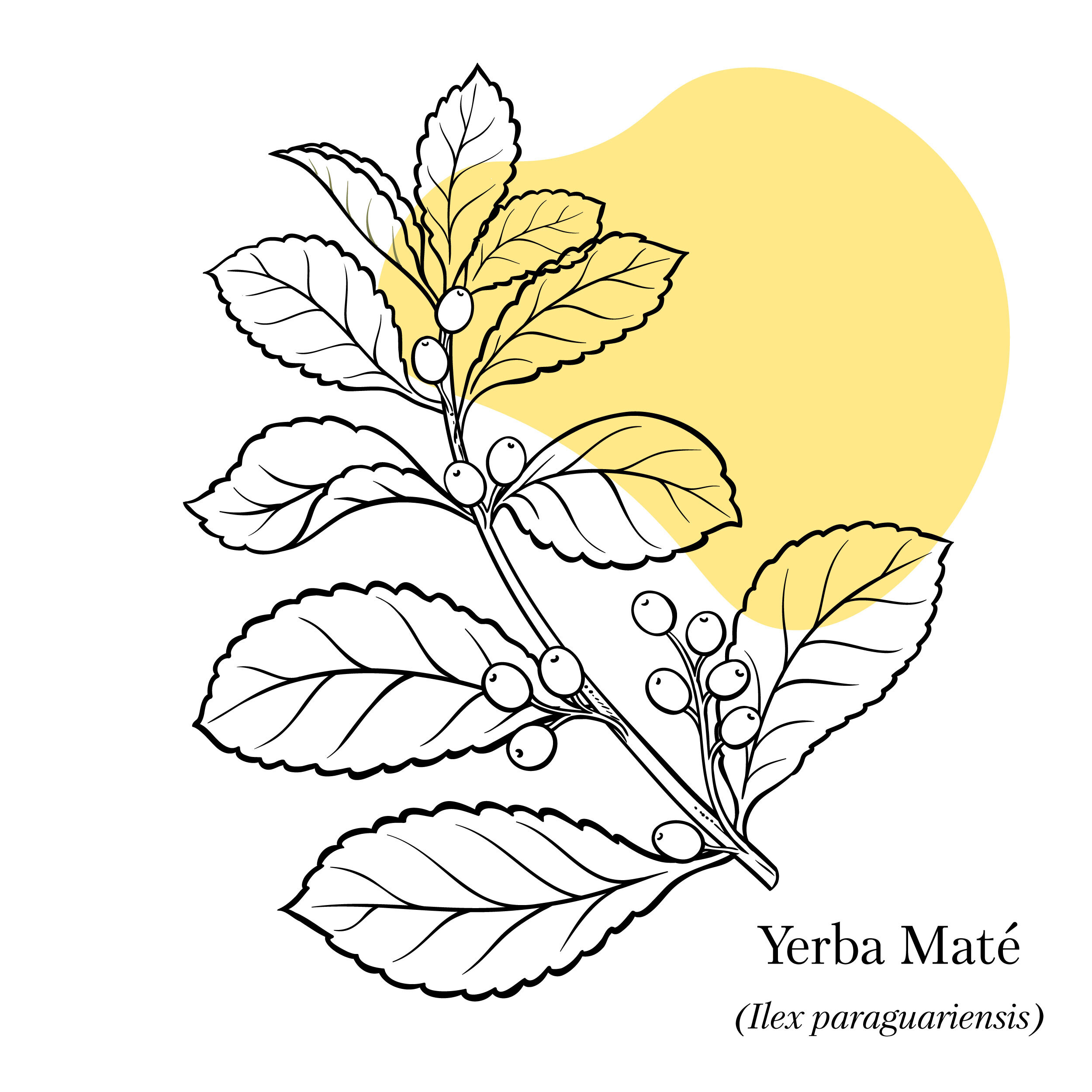
Yerba Maté
Ilex paraguariensis
Yerba maté (Ilex paraguariensis) — a caffeine-rich South American tea used for energy, focus and as a smoother coffee alternative.
What Is Yerba Maté?
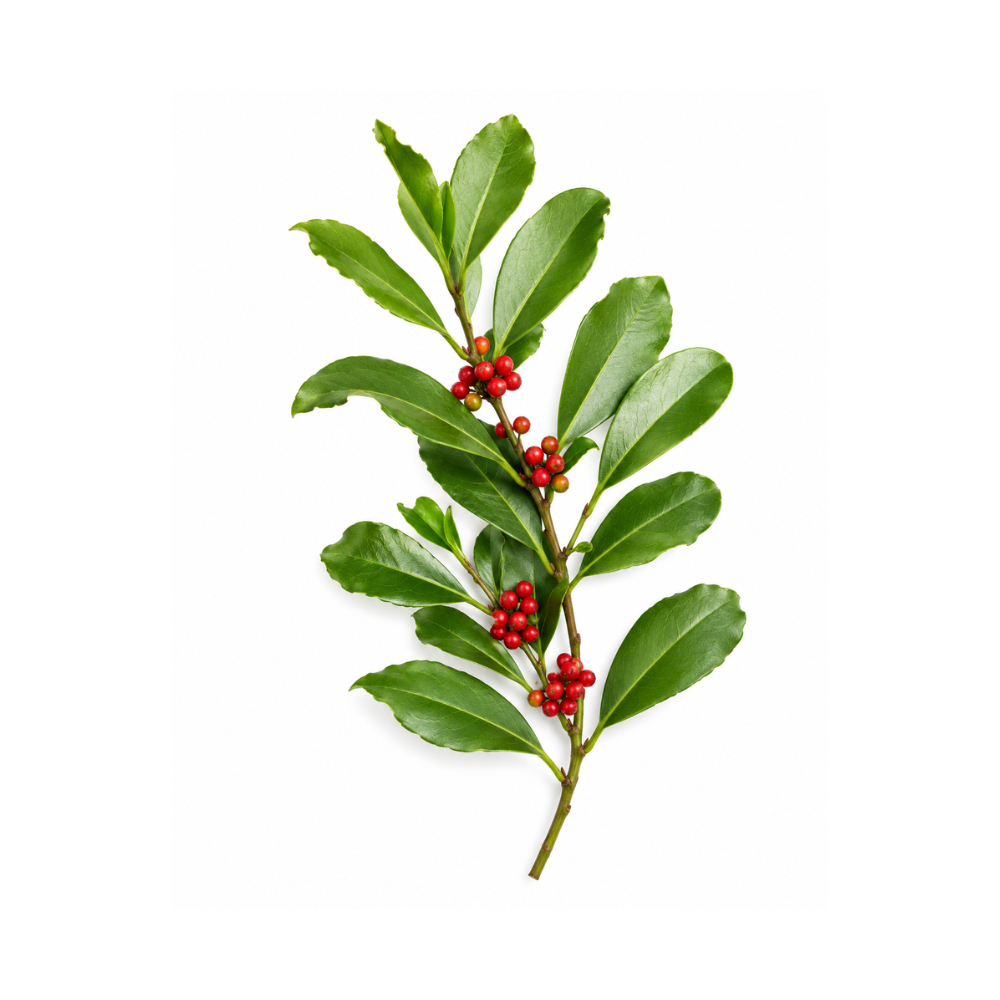
Yerba maté is a tall tree native to the Amazon rainforest. The leaves are used as a tea for promoting energy, concentration, and as a general health tonic.
The thick, leathery leaves of the yerba mate tree contain a combination of stimulating alkaloids like caffeine, theobromine, and a small amount of theophylline.
The caffeine and theobromine in the leaves provide a stimulating effect and make the tea useful for promoting wakefulness and concentration. A lot of people use it as an alternative to coffee.
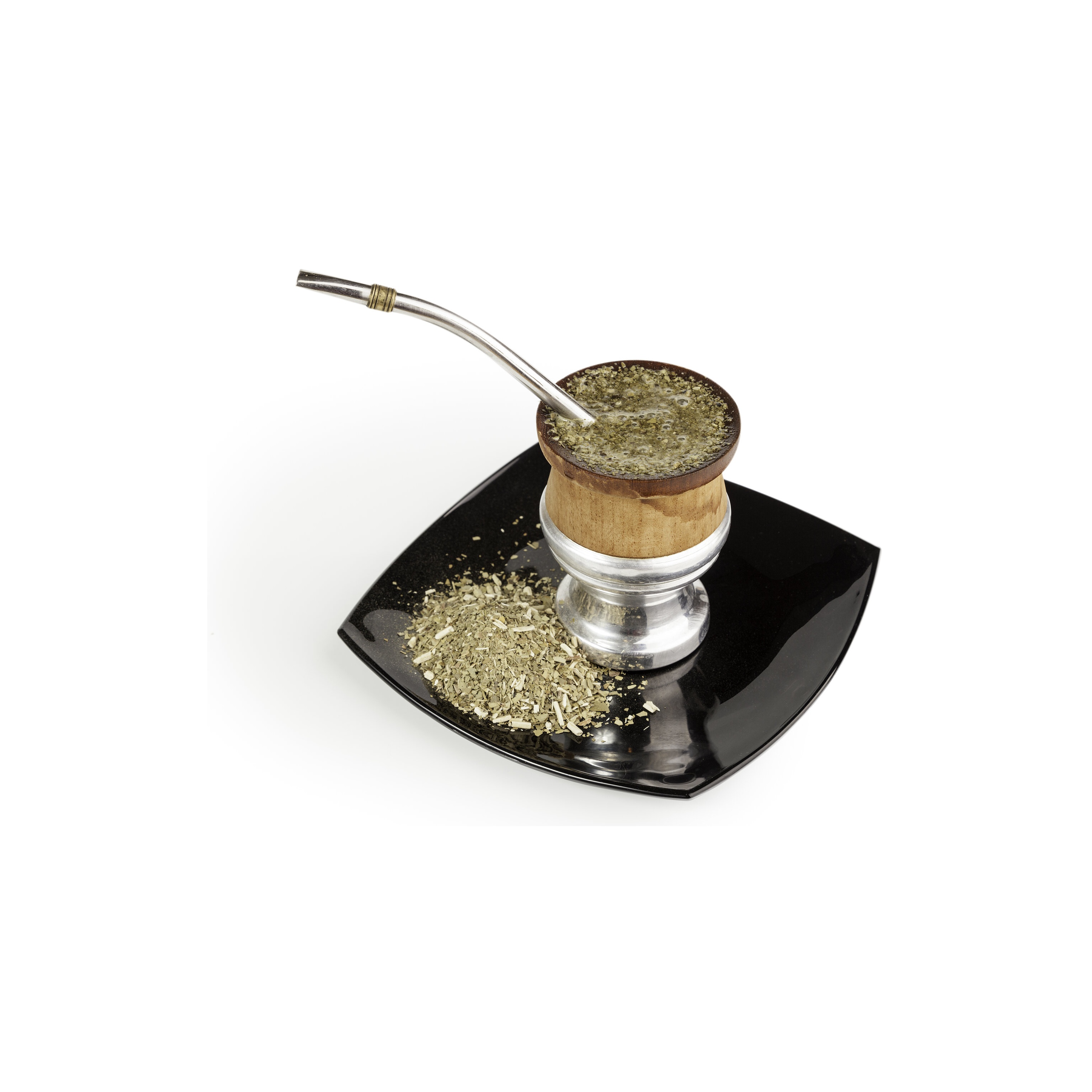
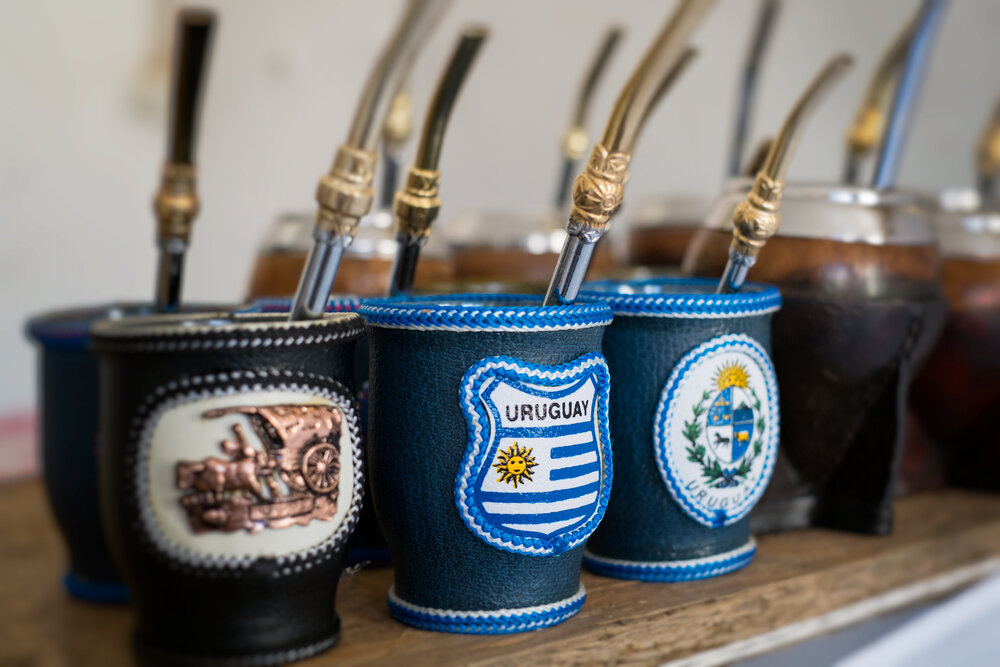
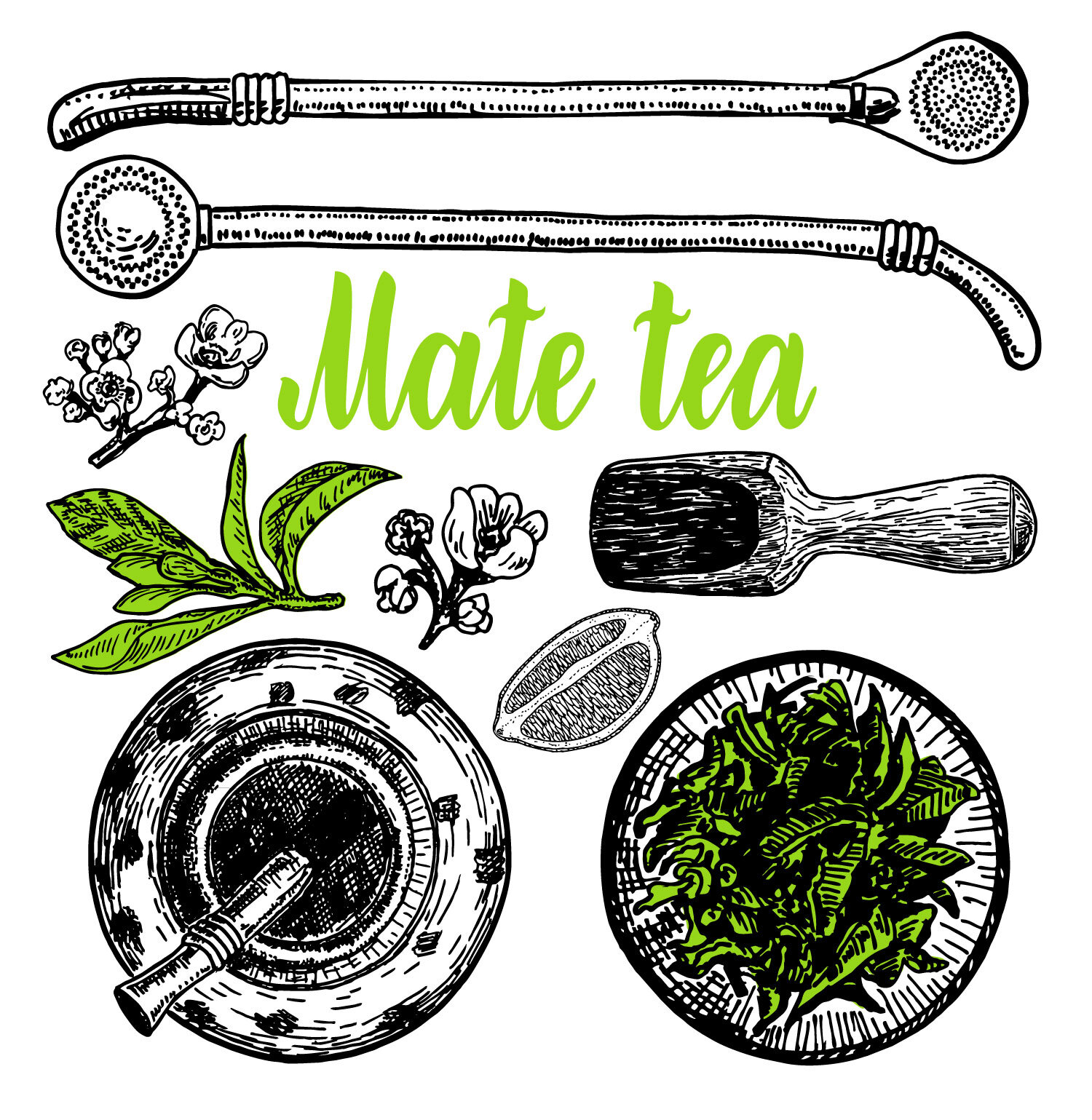
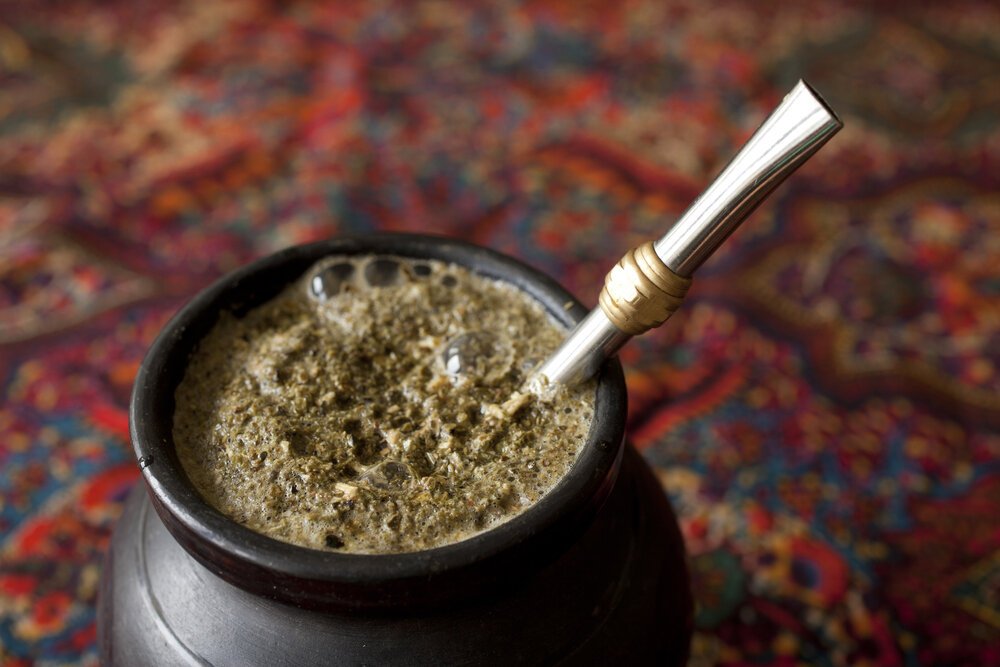
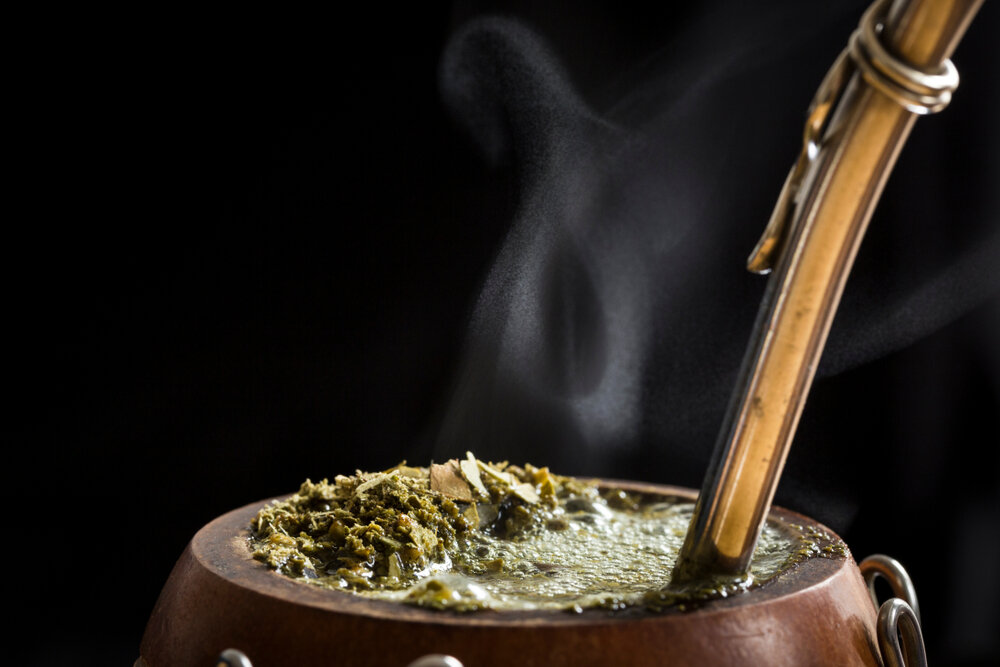
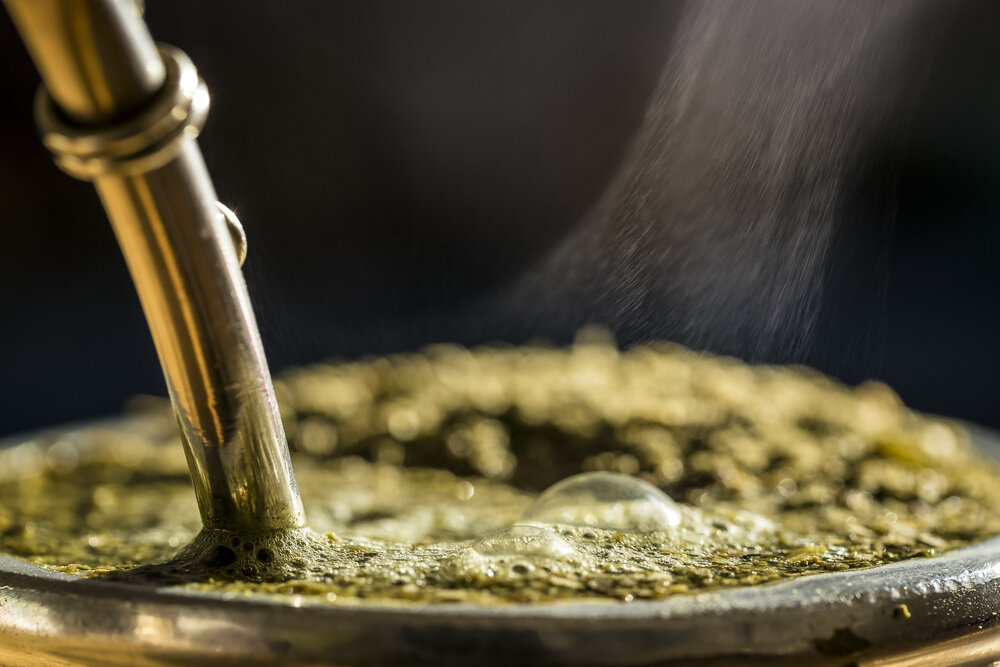
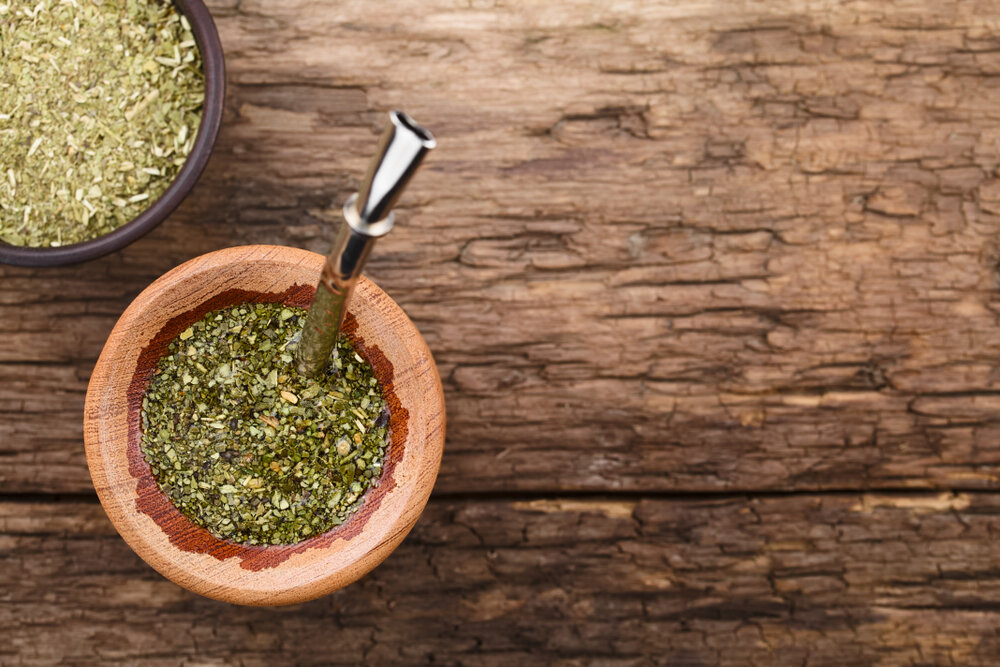
Traditional preparations of yerba mate requires a special cup traditionally made from a calabash gourd, and a straw with a filter on one end referred to as a bombilla.
In parts of South America yerba maté tea is more popular than coffee, and is a staple at social gatherings.
What Is Yerba Maté Used For?
Yerba Maté is useful as a daily tea to promote productivity and wakefulness. It’s also a potent source of antioxidants and is useful as a daily tonic for the cardiovascular, respiratory, and neurological systems.
Yerba maté is also commonly used alongside weight loss regimens and those trying to reach a state of ketosis thanks to some thermogenic benefits of the active ingredients.




Common Uses of Yerba Maté Tea
- Working or studying late
- Athletic support
- Promoting ketosis
- To wake-up faster in the morning
- In groups as a social practice
- As a replacement for coffee
What Are the Benefits of Yerba Maté?
The benefits of this herb are very similar to that of coffee or tea. It’s popular in the morning to help users feel more alert and energized or to assist work or study effort.
Yerba maté is also commonly consumed in social circles with friends and family.
There are also many people who simply drink yerba maté for the ritual and unique herbal flavor.
The herb is also a rich source of health-promoting antioxidants, minerals, vitamins, alkaloids, saponins, and more.
The Benefits of Yerba Maté Include
- Increases mental and physical energy levels
- May support fat burning and weight loss
- Protects and tones the cardiovascular system
- Supports cognitive function during work or study
- Protects and tones the kidneys
- Reduces appetite to support weight loss
- May reduce symptoms of diabetes
Traditional Uses
Traditionally, yerba mate leaves were either chewed or steeped in hot water to make a strong tea. The most common use of the herb is in the traditional tea prepared with a calabash gourd and bamboo straw (bombilla).
In Brazil, this herb is used to boost energy, for digestive complaints, nerve pain, depression, fatigue, and to support weight loss. It’s also a common alternative to coffee all around South America.
A poultice of yerba maté has also been used to treat for anthrax skin ulcers [26].
Some remnants of yerba mate powder that has been found inside Incan tombs suggest the plant was linked to prestige — however, there’s a lot of disagreement on whether yerba mate was much used by indigenous cultures in pre-colonial times or not [27].
Most of the history of yerba maté owes itself to the role of the Jesuit missionaries who funded a lot of their mission communities by setting up yerba maté plantations around Paraguay and other regions of South America before the Spanish government kicked them out of South America for good.
How to Prepare Yerba Maté Tea
You can find yerba mate in just about any format — loose-leaf tea, teabags, capsules, and tinctures. You can even find pre-made yerba mate drinks in cans.
While any of these formats work just fine for providing a boost in energy and delivering a high dose of antioxidant compounds — the traditional method of preparation is the most popular by far.
→ How To Prepare Yerba Maté Like A Pro: 4 Methods
Here’s a brief summary on how to prepare yerba maté the traditional way:
Step 1: Fill the Yerba Maté Gourd About 50% Full of Dried Leaves
Using a traditional calabash gourd, or an equivalent-sized cup, pour the dried yerba mate leaves directly inside. You’ll want to fill the gourd up about 50% of the way.
If you like your yerba a little stronger you can fill it up to about the 70% mark.
Step 2: Tilt the Gourd to 45 Degrees
You want to settle the leaves in a 45 degree angle inside the gourd. To do this you can simply tilt the cup to 45 degrees and give it a little shake until the leaves settle.
Taking this a step further, you can place your hand on the top of the gourd to cover the leaves, and tilt it upside down first, before moving it to a 45 degree angle. This step helps remove some of the yerba mate dust and improves the flavor of the tea.
The reason you want to do this is to create two sections in the gourd — half contains the yerba mate itself, the other half is the reservoir where you can add the bombilla and water during later steps.
Step 3: Fill the Gourd with “Dummy Water” (Cold Water)
The first wash of the maté brew should be done with cold water. This helps to hydrate the leaves and avoid damaging the beneficial antioxidants with boiling hot water for the first wash.
Add some cold or lukewarm water to the gourd and let it sit for a minute or two so the leaves can absorb the water.
The water level will begin to go down as the leaves absorb the water. You don’t need to add any more water so just leave the gourd until the leaves soak all the water up.
Step 4: Add the Bombilla
Once your yerba has been rehydrated it’s time to add the bombilla.
You can add the bombilla by placing it in the reservoir of water in the gourd, and tucking it into the bottom of your yerba mate pile.
Step 5: Add Hot Water & Drink!
The next step is to add the hot water. Always add the water to the reservoir section of the gourd.
After you’ve added the water you can start to drink!
To drink your yerba, simply suck on the end of the bombilla like a straw. Once the tea is done you just need to fill it back up with water from your tea kettle or a thermos filled with hot water.
You can get about 20 washes from a single cup of yerba mate.
Most mate drinkers will keep a thermos nearby full of hot water to continue filling up their mate throughout the day.
Yerba Maté Supplies: Traditional South American Style
The traditional method of consumption is very simple once you have an idea about how it works and the process can be quite enjoyable.
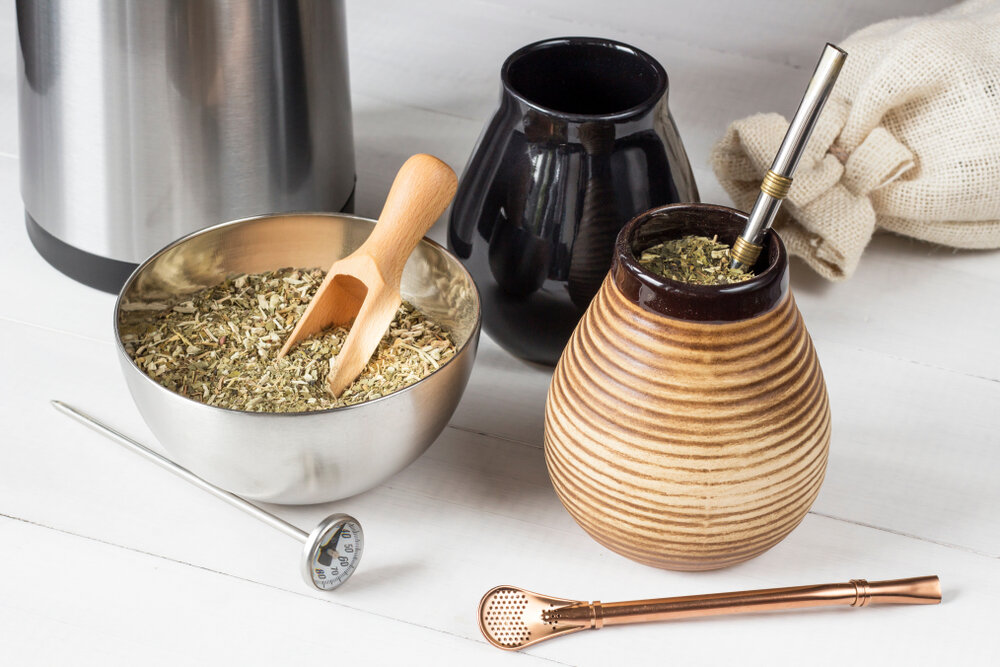
In order to get started drinking yerba maté this way, you’ll need a few things.
1. The Bombilla (Yerba Maté Filter Straw)
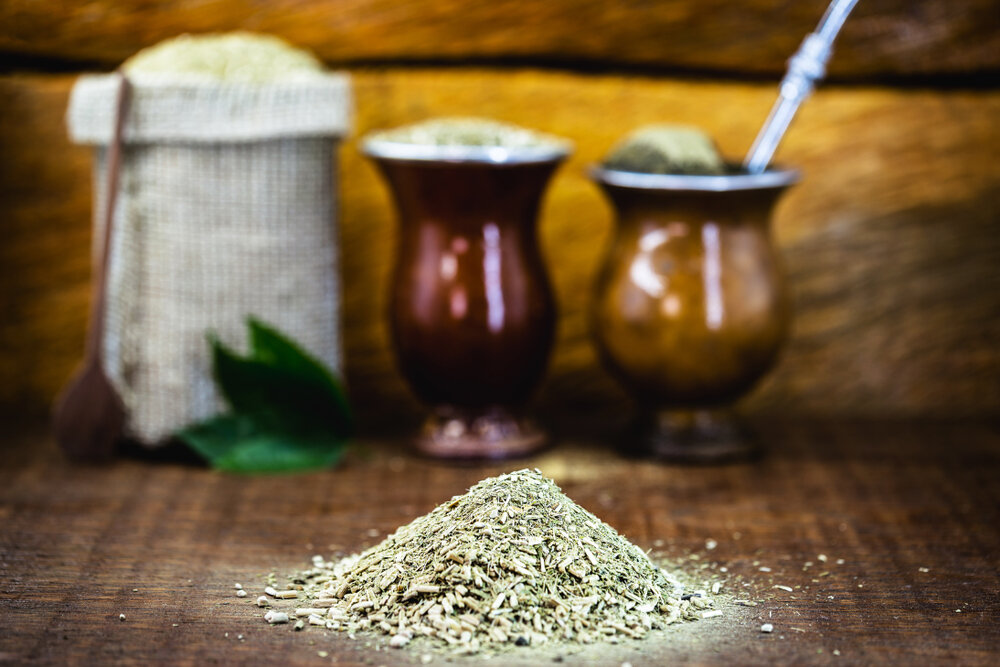
The bombilla is the special straw with a filter in the bottom to prevent any of the leaves from going into the mouth while you drink your yerba maté. This device is unique to yerba mate tea.
The traditional straw is made from bamboo with some slits in the bottom, but this is rarely used these days because it has a tendency to clog up. Instead, most of the bombillas you’ll find today are made from metal.
There are many different shapes and sizes of bombillas available. Each option has its own benefits and uses. Aside from a few styles designed for a particular type of yerba mate, the choice is up to you.
2. The Gourd (Yerba Maté Cup)
Maté in the name yerba maté refers to the gourd the herb is drank from.
Traditionally, this was made from a calabash gourd that’s been hollowed out and cured. You can still buy this type of gourd today, but they tend to add an undesirable bitter flavor to the brew. Calabash gourds also mould easily and don’t last as long as other materials.
Better options are wooden, metal, glass, and plastic gourds.
3. Thermos
Drinking yerba mate the traditional way involves refilling your cup many times (called a wash). Fill it up with water, drink it in a few gulps, and refill it again.
You’ll need a thermos to keep your water hot in between these washes.
It doesn’t matter what kind of thermos you use to drink yerba maté as long as it keeps your water hot. I recommend going for a larger thermos to avoid having to refill it before the leaves are fully spent.
The Botany of the Yerba Maté Tree
Yerba maté is contained within the Aquifoliaceae family of plants, otherwise known as the holly family. There are about 300 different species in this family, spread between only four genera with the majority being contained within the Ilex genus. Out of all these species of Ilex, Ilex paraguariensis is preferred by far as medicine. Another species, Ilex guayusa is also popular in some parts of South America, including Ecuador — however, there is far less research on this species than the former.
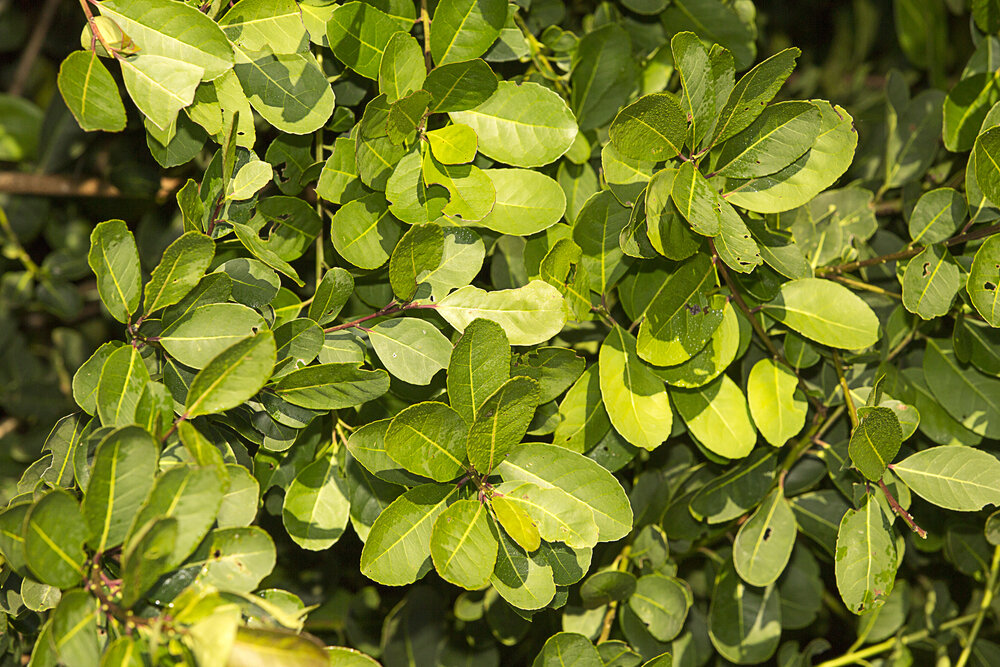
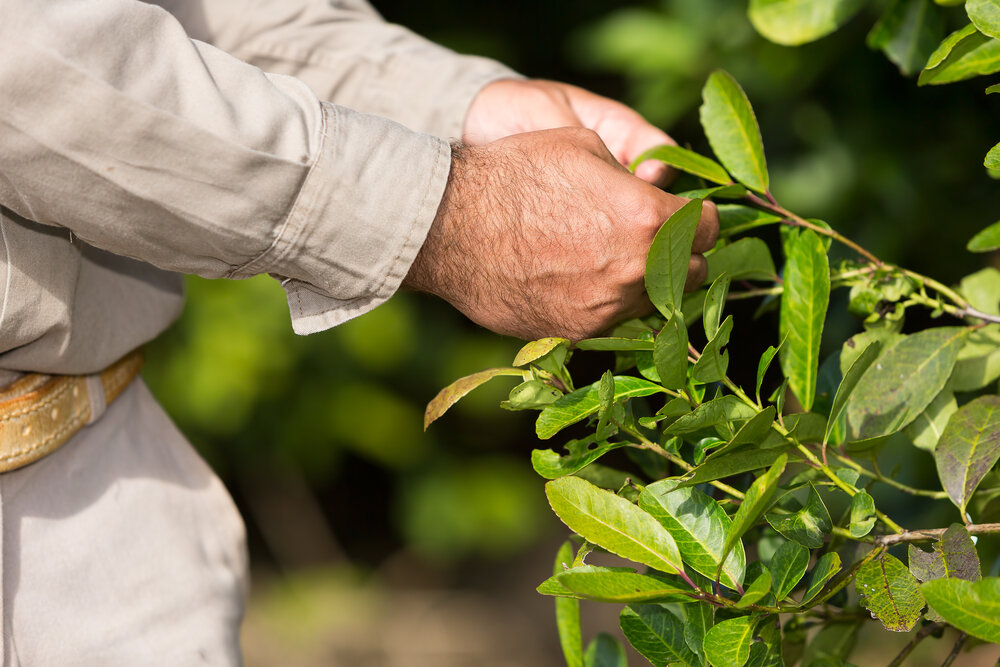
Yerba mate is a medium sized, slow growing, evergreen tree, growing to a height of 15-20 meters in the wild. When cultivated it’s not uncommon for this to be trained into a 4-8 meter shrub instead [26].
As part of the holly family (Aquifoliaceae), it bears the leathery, stiff, leaves that are common in this family. Leaves are oblong, toothed, and dull-mid color green. Has white flowers, and red fruit [28].
The species most commonly used medicinally, as well as recreationally, is Ilex paraguariensis, and this is the species sold commercially as well. Another species, Ilex guayusa is more commonly referred to as Guayusa (pronounced why-yoo-sah), is used traditionally in Ecuador for much the same purposes, however there is much less scientific literature studying this species, and can be difficult to find commercially.
The wild plant is reported to be unmatched in flavour to cultivated samples.
More Common Names of Yerba Maté
Yerba maté goes by many names depending on which region of the world you’re in.
Here are some of the common names for the herb:
Yerba Maté, Maté, Erva Maté, Congonha, Erveria, Paraguay Cayi, Terere, Kkiro, Kali Chaye, Paraguay Tea, South American Holly, Mateteestrauch, Erva Verdadeira, St. Bartholomew’s Tea, Jesuit’s Tea, Chimarrão.
Yerba Maté vs. Coffee
Yerba maté is a natural stimulant but tends to have less side effects than coffee.
The jitteriness, anxiety, and general overstimulated symptoms easily brought on with coffee are much harder to reach with yerba maté for several reasons.
There is a myth going around that the reason is because yerba maté contains a different alkaloid known as “mateine” rather than caffeine.
Promoters suggest that this chemical is special because it provides the same stimulating, cognitive improving, and energy enhancing effects as the caffeine from coffee, but miraculously has absolutely NO known side effects.
Like anything else, if it’s too good to be true, it most likely isn’t true…
Yerba mate has a high concentration of caffeine — up to 2% of the dried leaf by weight. This compares to coffee with 2.2% by dried and roasted seed weight.
The effects of the caffeine are exactly the same as they were in coffee or tea. It stimulates the central nervous system (CNS), promotes vasoconstriction (tightening of the arteries to increase pressure), adenosine antagonism (to promote wakefulness), and improve the force of contraction in the heart.
These actions all work together to help keep you awake and energized.
Yerba mate offers the additional benefits of a related alkaloid known as “theobromine”.
This alkaloid is also stimulating to the CNS, though much gentler, and has a few opposite effects on the arteries and peripheral blood vessels of the body.
In effect, theobromine works to combat many of the side effects like jitteriness, anxiety, and dizziness and helps to open up the airways to the lungs, adding further benefit to cognition and physical performance.
This alkaloid is most commonly found in the chocolate plant (Theobroma cacao).
Yerba mate contains theobromine in concentrations of about 0.5% of the dried leaf weight.
Compare this to coffee, which has about <0.1% theobromine.
How Yerba Maté Is Made
Ever wonder how yerba mate is made? This process is actually very similar to green and black tea — with some key differences.
Learn how yerba maté is harvested, roasted, cured, and ground.
Wild-Harvesting Yerba Maté
Terrafeiros or Yebateros (otherwise called mate gatherers) travel through the jungle in search for a stand of yerba maté trees (called mancha) to harvest its leaves. This typically takes place between May and October when the leaves are at their fullest. The leaves of a yerba maté tree are usually only picked once every three years to preserve them for subsequent harvests.
Cultivating Yerba Maté
Most yerba maté on the market today is farmed. The largest suppliers of the herb are Paraguay, Uruguay, and Brazil.
It takes roughly 4 years before Ilex paraguariensis is ready to harvest for the first time — after which it’s harvested every two to four years, depending on the farmer.
The first harvest can yield around 1–2 kg of leaves, but after a few decades, the trees will produce closer to 100 kgs each harvest [27, 26].
[caption id="" align=“alignnone” width=“1000”]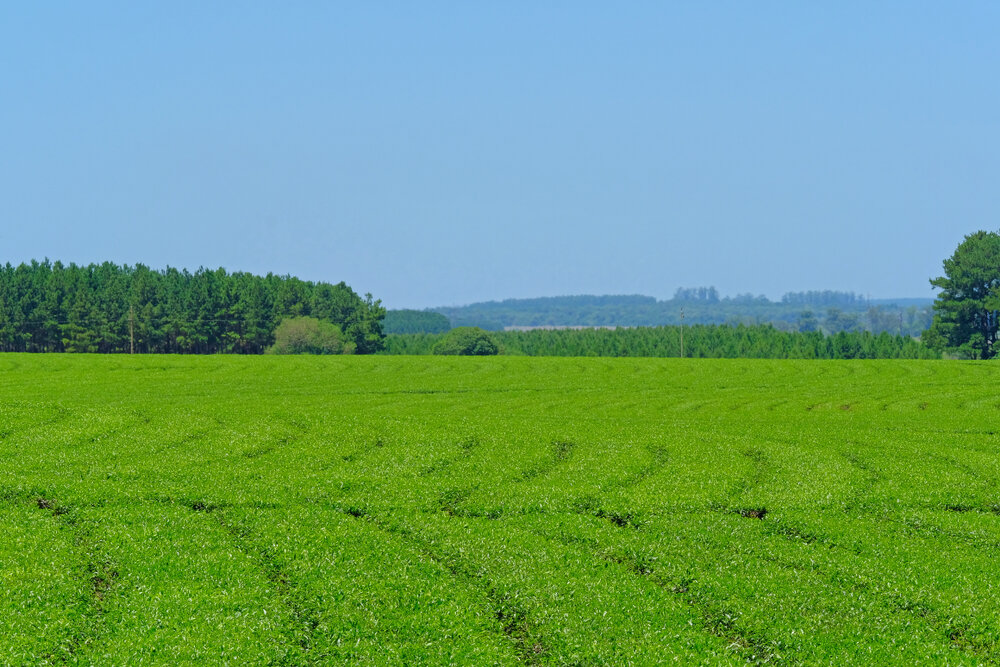 Yerba Maté Farm in Paraguay [/caption]
Processing Fresh Yerba Maté Leaves
There are many different ways to prepare yerba mate into tea. Each farmer will use their own method to get the leaves ready to be sold as a tea.
Each method will affect the flavor of the final product — so there’s a lot of diversity in flavor profiles of yerba maté tea depending on the company you buy from. This is very similar to tea (Camellia sinensis) and coffee (Coffea arabica) — which can have very different flavors depending on how it was processed after harvest.
Large scale farms have mechanized the process and increased efficiency, but it’s the small farms that take special care in the preparation of this herb that produces the highest quality and best flavor.
There are many brands that sell yerba maté — each delivering a unique quality and flavor palate in their product.
One of the most common methods of preparing yerba maté tea is to cut the branches of the tree and hold it over an open fire (called sapecado). This process is meant to deactivate the enzymes in the leaves that cause the active compounds to break down (very similar process to tea). This process makes the leaves brittle and helps maintain the green color during the rest of the processing stages.
The next step is to finish drying the leaves over indirect heat (called secado).
Once dried, the leaves are coarsely ground (called canchada or mborobire).
At this point, the herb can be packaged up and consumed as is or aged an additional six months before being ground into an even finer powder (called molida). [27, 26].
Other methods involve par-blanching the leaves in boiling water (also to deactivate the enzymes), then toasted dry in a pan over a fire or in a brick oven, which will produce a brown colored tea as a finished product.
Pharmacology & Research
The research base on yerba maté (Ilex paraguariensis) is moderate in size and unusually skewed toward metabolic outcomes: several dozen human studies exist, including a handful of randomised controlled trials (RCTs), a 2025 systematic review with meta-analysis of 13 RCTs, and two prospective/pooled cancer-epidemiology datasets — but most of the mechanistic detail still comes from cell and rodent work. The strongest and most reproducible human signal is glycaemic: pre-diabetic and type-2-diabetic drinkers show lower postprandial glucose, HbA1c and insulin-resistance indices, while effects on blood lipids, body weight and blood pressure are real in some trials and absent in others. Antioxidant and anti-inflammatory activity is well mapped biochemically and is the presumed common mechanism behind the metabolic effects, but human confirmation is thin. A recurring caveat runs through the whole literature: outcomes depend heavily on preparation — green vs. roasted leaf, infusion vs. capsule extract, and dose — so a result in one form does not transfer to another, and habitual very-hot drinking carries a documented cancer risk that sits alongside the benefits.
- Best-supported: improved glycaemic control in pre-diabetes/type-2 diabetes (meta-analysis + RCTs) 4,5Reference 4Meta-analysisYerba Maté and its impact on glycemic control and metabolic health: a systematic review and meta-analysis of RCTsView study →Reference 5RCTMate tea (Ilex paraguariensis) improves glycemic and lipid profiles of type 2 diabetes and pre-diabetes individuals — randomized controlled trialView study →; a broad antioxidant profile confirmed in humans and animals 9,10Reference 9RCTMultigenomic modifications in human circulating immune cells in response to consumption of polyphenol-rich extract of yerba mate — randomized controlled trialView study →Reference 10AnimalIlex paraguariensis extract increases lifespan and protects against paraquat toxicity in Caenorhabditis elegans — in vivo modelView study →; modest LDL-lowering, strongest in statin-treated and dyslipidaemic drinkers 6,5Reference 6Clinical trialConsumption of yerba mate (Ilex paraguariensis) improves serum lipid parameters in healthy dyslipidemic subjects — controlled clinical trialView study →Reference 5RCTMate tea (Ilex paraguariensis) improves glycemic and lipid profiles of type 2 diabetes and pre-diabetes individuals — randomized controlled trialView study →.
- Emerging, worth watching: anti-obesity/thermogenic effects on body-fat and fat oxidation 1,2Reference 1RCTAnti-obesity effects of Yerba Maté (Ilex paraguariensis): a randomized, double-blind, placebo-controlled clinical trialView study →Reference 2RCTYerba Maté (Ilex paraguariensis) ingestion augments fat oxidation and energy expenditure during exercise — randomised crossover trialView study →; higher bone mineral density in postmenopausal maté drinkers 15Reference 15ObservationalPositive effect of yerba mate (Ilex paraguariensis) consumption on bone mineral density in postmenopausal women — observational studyView study →; NF-κB–mediated anti-inflammatory action 11,9Reference 11AnimalYerba mate tea and mate saponins prevented azoxymethane-induced inflammation of rat colon through suppression of NF-κB signaling — rat in vivo studyView study →Reference 9RCTMultigenomic modifications in human circulating immune cells in response to consumption of polyphenol-rich extract of yerba mate — randomized controlled trialView study →.
- Mechanistically thin: antibacterial activity (in vitro only) 18,19Reference 18In vitroComputational ranking of yerba mate small molecules based on predicted contribution to antibacterial activity against MRSA — in vitro / in silicoView study →Reference 19In vitroAntimicrobial activity of yerba mate (Ilex paraguariensis StView study →; several cardiometabolic claims rest on acute or single trials with null components 7,8Reference 7RCTYerba Mate (Ilex paraguariensis) tea may have cardiometabolic beneficial effects — a randomized, controlled, blind, crossover trial in nonhabitual consumersView study →Reference 8RCTAcute ingestion of yerba mate (Ilex paraguariensis) infusion does not modify endothelial function, hemodynamics, or heart rate variability — a randomized crossover clinical trialView study →.
- The caveat: most trials are small, short and use different preparations; the meta-analysis found no effect on lipids, weight or fasting glucose overall, and habitual scalding-hot consumption is an established oesophageal-cancer risk factor (a safety signal, not a benefit).
1. Antidiabetic / glycemic control
This is the most credible human indication. A 2025 systematic review and meta-analysis of 13 RCTs found that in pre-diabetic subjects maté significantly lowered postprandial glucose (mean difference −12.76 mg/dL), HbA1c (−0.37%) and the HOMA insulin-resistance index (−0.24), while finding no significant effect on fasting glucose, fasting insulin or lipids 4Reference 4Meta-analysisYerba Maté and its impact on glycemic control and metabolic health: a systematic review and meta-analysis of RCTsView study →. A 60-day randomised controlled trial in type-2-diabetic and pre-diabetic subjects reported that roasted mate tea — three 330 mL servings daily — improved glycaemic control, with the largest lipid benefit when combined with dietary counselling 5Reference 5RCTMate tea (Ilex paraguariensis) improves glycemic and lipid profiles of type 2 diabetes and pre-diabetes individuals — randomized controlled trialView study →. Mechanistically the effect is attributed to chlorogenic acid, which is thought to modulate intestinal glucose absorption and hepatic glucose-6-phosphatase activity; the roasted-leaf preparation appears more active than green in the diabetic setting.
Gap: benefits concentrate in pre-diabetes/T2DM subgroups and postprandial (not fasting) measures; no large, long-duration RCT confirms durable HbA1c reduction, and preparation (roasted vs. green) materially changes the result.
2. Antioxidant
Yerba maté is a concentrated source of caffeoylquinic acids and flavonols, and antioxidant activity is the mechanism most consistently demonstrated across study types. In healthy middle-aged men at cardiovascular risk, four weeks of a standardised polyphenol-rich maté extract shifted expression of thousands of genes in circulating immune cells, including antioxidant and inflammatory regulatory networks 9Reference 9RCTMultigenomic modifications in human circulating immune cells in response to consumption of polyphenol-rich extract of yerba mate — randomized controlled trialView study →. In animals, an aqueous extract extended lifespan and protected against paraquat-induced oxidative toxicity in the nematode Caenorhabditis elegans 10Reference 10AnimalIlex paraguariensis extract increases lifespan and protects against paraquat toxicity in Caenorhabditis elegans — in vivo modelView study →, and maté reduced oxidative-stress markers in bone tissue of rats 17Reference 17AnimalIlex paraguariensis decreases oxidative stress in bone and mitigates damage in rats — in vivo studyView study →. The activity is generally attributed to chlorogenic acid, caffeic acid, quercetin and rutin.
Gap: most antioxidant data are biochemical or preclinical; the one substantial human study measured gene expression, not a clinical antioxidant endpoint, so translation to disease outcomes is inferred rather than shown.
3. Hypolipidemic
Lipid-lowering is well documented in individual trials but does not survive pooling. A single-blind controlled trial in 102 subjects found that green or roasted maté infusion (330 mL three times daily, 40 days) lowered LDL-cholesterol by ~8.7% in normolipidaemic individuals and produced an additional 10–13% LDL reduction in hypercholesterolaemic subjects already on statins, with a modest HDL rise 6Reference 6Clinical trialConsumption of yerba mate (Ilex paraguariensis) improves serum lipid parameters in healthy dyslipidemic subjects — controlled clinical trialView study →. The roasted-mate diabetes trial similarly improved the lipid profile 5Reference 5RCTMate tea (Ilex paraguariensis) improves glycemic and lipid profiles of type 2 diabetes and pre-diabetes individuals — randomized controlled trialView study →. However, the 2025 meta-analysis of RCTs found no statistically significant effect on total cholesterol, LDL-C, HDL-C or triglycerides across studies 4Reference 4Meta-analysisYerba Maté and its impact on glycemic control and metabolic health: a systematic review and meta-analysis of RCTsView study →, indicating the effect is real in some populations and preparations but inconsistent overall. Proposed mechanisms include saponin-mediated interference with cholesterol absorption and enhanced paraoxonase-2 activity shown in vitro and in animals 13Reference 13In vitroYerba mate (Ilex paraguariensis) enhances the gene modulation and activity of paraoxonase-2: in vitro and in vivo studiesView study →.
Gap: benefit appears concentrated in dyslipidaemic or statin-treated drinkers and specific infusion protocols; the pooled RCT evidence is null, so a general cholesterol-lowering claim is not supported.
4. Cardiometabolic / cardioprotective
Beyond lipids, maté has been tested on blood pressure, inflammation and vascular function. In a 2025 randomised, controlled, blinded crossover trial in non-habitual consumers (healthy and hypercholesterolaemic), eight weeks of three daily servings lowered blood pressure and several inflammatory cytokines, chemokines and colony-stimulating factors across all participants, and reduced body-fat percentage in healthy subjects 7Reference 7RCTYerba Mate (Ilex paraguariensis) tea may have cardiometabolic beneficial effects — a randomized, controlled, blind, crossover trial in nonhabitual consumersView study →. An acute randomised crossover trial found that a single maté infusion (hot or cold) improved flow-mediated dilation but did not change blood pressure, hemodynamics or heart-rate variability 8Reference 8RCTAcute ingestion of yerba mate (Ilex paraguariensis) infusion does not modify endothelial function, hemodynamics, or heart rate variability — a randomized crossover clinical trialView study →, and the human nutrigenomic study reported gene-expression changes consistent with cardiometabolic benefit 9Reference 9RCTMultigenomic modifications in human circulating immune cells in response to consumption of polyphenol-rich extract of yerba mate — randomized controlled trialView study →. The presumed drivers are the anti-inflammatory and antioxidant polyphenols rather than caffeine.
Gap: the supportive RCT is small and short; the acute trial was null for most hemodynamic endpoints, so the cardiovascular case rests on surrogate markers, not hard outcomes.
5. Anti-obesity / thermogenic
Weight-related effects are plausible but inconsistent. A 12-week randomised, double-blind, placebo-controlled trial in obese Korean adults found that maté capsules significantly reduced body-fat mass, percent body fat and waist-hip ratio without significant adverse effects 1Reference 1RCTAnti-obesity effects of Yerba Maté (Ilex paraguariensis): a randomized, double-blind, placebo-controlled clinical trialView study →. Acute crossover RCTs using indirect calorimetry showed that 1–2 g of maté raised fat oxidation and energy expenditure during submaximal exercise 2,3Reference 2RCTYerba Maté (Ilex paraguariensis) ingestion augments fat oxidation and energy expenditure during exercise — randomised crossover trialView study →Reference 3RCTYerba Maté (Ilex paraguariensis) metabolic, satiety, and mood state effects at rest and during prolonged exercise — randomized trialView study →. Against this, a 2026 randomised crossover trial found that brewed maté did not significantly change energy expenditure or substrate oxidation during cycling versus caffeine-matched control 25Reference 25RCTAcute effects of commercial yerba mate products on cardiometabolic responses during submaximal cycling — randomized crossover trialView study →, and the 2025 meta-analysis found no significant effect on BMI or waist circumference 4Reference 4Meta-analysisYerba Maté and its impact on glycemic control and metabolic health: a systematic review and meta-analysis of RCTsView study →. Rodent work shows maté modulates obesity-related gene expression and reduces adiposity on a high-fat diet 14Reference 14AnimalAntiobesity effects of yerba maté extract (Ilex paraguariensis) in high-fat diet–induced obese mice — animal modelView study →, and normalises endocrine-metabolic disturbances in obese rats primed by early weaning 24Reference 24AnimalIlex paraguariensis (yerba mate) improves endocrine and metabolic disorders in obese rats primed by early weaning — animal modelView study →.
Gap: the one positive body-composition RCT used a concentrated capsule extract, not tea; acute fat-oxidation gains do not clearly translate to sustained weight loss, and the pooled human data are null on anthropometric endpoints.
6. Anti-inflammatory
Anti-inflammatory activity is mechanistically well described but not yet demonstrated on a clinical endpoint. In rats, maté tea and isolated mate saponins suppressed azoxymethane-induced colonic inflammation via reduced NF-κB p65 signalling 11Reference 11AnimalYerba mate tea and mate saponins prevented azoxymethane-induced inflammation of rat colon through suppression of NF-κB signaling — rat in vivo studyView study →. The human polyphenol-extract study showed downregulation of inflammatory gene networks 9Reference 9RCTMultigenomic modifications in human circulating immune cells in response to consumption of polyphenol-rich extract of yerba mate — randomized controlled trialView study →, and the 8-week cardiometabolic RCT reported lower circulating inflammatory cytokines 7Reference 7RCTYerba Mate (Ilex paraguariensis) tea may have cardiometabolic beneficial effects — a randomized, controlled, blind, crossover trial in nonhabitual consumersView study →. A 2025 systematic review examined maté in rheumatoid arthritis and found preclinical and preliminary support but insufficient clinical evidence 12Reference 12Systematic reviewYerba Mate (Ilex paraguariensis) and rheumatoid arthritis: a systematic reviewView study →. Candidate mediators include matesaponins, ursolic acid and phenolic acids.
Gap: no controlled trial has used a clinical inflammatory disease outcome; the strongest anti-inflammatory data remain in rodents and ex vivo human cells.
7. Osteoprotective
An emerging observational signal links maté drinking to better bone health. In postmenopausal women, habitual maté drinkers had higher lumbar-spine, femoral-neck and total-hip bone mineral density than non-drinkers, with both cortical and trabecular compartments contributing 15Reference 15ObservationalPositive effect of yerba mate (Ilex paraguariensis) consumption on bone mineral density in postmenopausal women — observational studyView study →. Mechanistic support comes from rats, where maté reduced bone oxidative stress and mitigated deterioration during an oestrogen-deficient state 17Reference 17AnimalIlex paraguariensis decreases oxidative stress in bone and mitigates damage in rats — in vivo studyView study →, and from in vitro work showing maté components increase osteoblast and osteocyte viability. A separate case-control study found maté intake had a neutral effect on fracture risk and bone turnover markers 16Reference 16ObservationalYerba mate intake has a neutral effect on bone: a case-control study in postmenopausal women — observationalView study →, tempering the BMD findings.
Gap: the positive bone data are cross-sectional/observational and cannot establish causation; the one fracture-endpoint study was neutral, and no interventional trial exists.
8. Antibacterial
Antibacterial activity is real in the dish but untested in the body. Aqueous maté extract has shown bactericidal and inhibitory activity against methicillin-resistant Staphylococcus aureus (MRSA), attributed by computational and GC-MS analysis to caffeic acid, chlorogenic acid, quercetin, kaempferol and quinic acid among others 18Reference 18In vitroComputational ranking of yerba mate small molecules based on predicted contribution to antibacterial activity against MRSA — in vitro / in silicoView study →. Alcohol extracts were active against S. aureus, Listeria monocytogenes and Salmonella Enteritidis, an effect linked mainly to gallic acid, syringic acid, caffeic, ferulic acid and p-coumaric acid 19Reference 19In vitroAntimicrobial activity of yerba mate (Ilex paraguariensis StView study →.
Gap: all evidence is in vitro; there are no animal-infection or clinical data, and the concentrations used may not be achievable through drinking the tea.
Mechanisms
| Mechanism | Drives | Key compounds |
|---|---|---|
| Chlorogenic-acid modulation of glucose absorption & G6Pase | antidiabetichypolipidemic | chlorogenic acid, caffeic acid |
| Free-radical scavenging, ↑antioxidant gene networks | antioxidantosteoprotectivecardiometabolic | quercetin, rutin, chlorogenic acid |
| NF-κB ↓, inflammatory cytokine ↓ | anti-inflammatorycardiometabolic | matesaponins, ursolic acid |
| Saponin interference with cholesterol absorption; ↑paraoxonase-2 | hypolipidemicantiatherosclerotic | matesaponins, ursolic acid |
| Adenosine-receptor antagonism, adrenergic stimulation | energy/wakefulnessthermogenesis | caffeine, theobromine, theophylline |
| Modulation of obesity-related gene expression, ↑fat oxidation | anti-obesitythermogenic | caffeine, matesaponins |
Clinical trials
Registered human trials do exist — a cluster of completed cardiometabolic and anti-obesity RCTs plus recruiting/enrolling metabolic-syndrome studies — but they are small, short and preparation-heterogeneous, and one recently completed exercise-energetics RCT was null.
| Completed | Planned | Terminated | Preclinical |
|---|---|---|---|
| 4 | 2 | 0 | ~40+ |
Last checked: July 2026.
The “Mateine” Myth
Yerba mate has had some claims passed around that it does not contain caffeine, but a different chemical called mateine, which has the same effects but no caffeine side effects.
This is simply not the case.
Caffeine is a known constituent of yerba mate — confirmed dozens of times in the scientific literature.
The caffeine content in Yerba mate is between 0.7 and 2% — with the average being around 1%.
The active alkaloids such as caffeine and theobromine are bound to tannins, sugars, or phenols. These compounds are released during the heating process.
The “mateine” alluded to in some of the older research, is likely to be caffeine still bound to the sugar, tannin, or phenol before it’s been exposed to heat.
Yerba Maté Caffeine Content
Yerba mate contains between 0.7 and 2% caffeine — which is slightly less caffeine on average than coffee (Coffea spp.) (1% – 2.5%), but more than dark chocolate (Theobroma cacao) (0.25%).
Guarana (Paullinia cupana) is the highest natural source of caffeine (4 – 8%), followed by black tea (Camellia sinensis) (black tea) (2.5% – 4.5%).
Dosage
In research, yerba maté is given either as a leaf infusion — most trials use three 330 mL servings a day — or, in the weight-management studies, as a concentrated capsule extract, so trial protocols and the traditional gourd method are not interchangeable.
| Indication | Preparation | Dose | Est. dried-herb equivalent | Source |
|---|---|---|---|---|
| Antidiabetic / glycemic (T2DM & pre-diabetes) | Roasted leaf infusion | 330 mL × 3/day (~990 mL/day), 60 days | ~6–9 g dried leaf/day (assuming ~2–3 g leaf per 330 mL serving) | 5Reference 5RCTMate tea (Ilex paraguariensis) improves glycemic and lipid profiles of type 2 diabetes and pre-diabetes individuals — randomized controlled trialView study → |
| Hypolipidemic | Green or roasted infusion | 330 mL × 3/day, 40 days | ~6–9 g dried leaf/day (same assumption) | 6Reference 6Clinical trialConsumption of yerba mate (Ilex paraguariensis) improves serum lipid parameters in healthy dyslipidemic subjects — controlled clinical trialView study → |
| Cardiometabolic (BP, inflammation) | Mate tea | 3 servings/day, 8 weeks | ~6–9 g dried leaf/day | 7Reference 7RCTYerba Mate (Ilex paraguariensis) tea may have cardiometabolic beneficial effects — a randomized, controlled, blind, crossover trial in nonhabitual consumersView study → |
| Anti-obesity / body fat | Capsule extract | oral capsules, 12 weeks (dose as proprietary mg) | — (proprietary extract; no marker % to back-convert) | 1Reference 1RCTAnti-obesity effects of Yerba Maté (Ilex paraguariensis): a randomized, double-blind, placebo-controlled clinical trialView study → |
| Thermogenic / fat oxidation (acute) | Capsule/powder extract | 1–2 g extract, single dose 60 min pre-exercise | — (concentrated extract, not tea) | 2,3Reference 2RCTYerba Maté (Ilex paraguariensis) ingestion augments fat oxidation and energy expenditure during exercise — randomised crossover trialView study →Reference 3RCTYerba Maté (Ilex paraguariensis) metabolic, satiety, and mood state effects at rest and during prolonged exercise — randomized trialView study → |
The estimated dried-herb equivalent is a rough guide on a stated assumption (≈2–3 g dried leaf per 330 mL serving, consistent with the traditional 2–4 g-per-serving figure) — it is not a conversion factor and not a dosing recommendation. Capsule-extract trials report only a proprietary mg dose with no marker %, so those rows are left ”—”.
Traditional Dosage
| System | Preparation | Dose |
|---|---|---|
| Western herbal | Dried leaf as tea/infusion | 2–4 g per serving, 1–3 cups daily |
| South American traditional (chimarrão / mate) | Loose dried leaf steeped in a gourd with a bombilla | Gourd filled ~50–70% with leaf, refilled with hot (not scalding) water through the session |
| South American traditional (tereré) | Loose dried leaf with cold water | As above, cold-brewed |
Safety & Pregnancy
Yerba maté’s caffeine brings the usual stimulant cautions, but its herb-specific risk is temperature: habitually drinking it scalding-hot is an established risk factor for oesophageal cancer, so it is best drunk warm rather than very hot.
- Very hot serving = cancer risk. Habitual scalding-hot maté is an established oesophageal-cancer risk factor — drink it warm, not scalding.
- Caffeine effects. High or late doses can cause insomnia, anxiety, palpitations and raised blood pressure — caution with hypertension, cardiac disease and anxiety.
- Drug interactions. None studied for the whole herb; expect caffeine’s interactions (additive stimulation, certain CYP1A2 substrates/inhibitors).
- Pregnancy & lactation. Not specifically studied; caffeine crosses the placenta and enters milk, so moderate.
Full safety & interactions detail
Yerba maté is a caffeine-bearing beverage (0.7–2% caffeine, averaging ~1% of dried leaf) and shares the cautions of any caffeine source: doses that are too high or too late in the day can cause insomnia, anxiety, jitteriness, palpitations and raised blood pressure, so people with hypertension, cardiac disease, anxiety disorders or caffeine sensitivity should use it cautiously 4,23Reference 4Meta-analysisYerba Maté and its impact on glycemic control and metabolic health: a systematic review and meta-analysis of RCTsView study →Reference 23Systematic reviewAdverse events of herbal food supplements for body weight reduction — systematic reviewView study →. Adverse events reported in controlled trials have generally been mild and included mucosal irritation, insomnia, tachycardia, headache and gastrointestinal discomfort 4Reference 4Meta-analysisYerba Maté and its impact on glycemic control and metabolic health: a systematic review and meta-analysis of RCTsView study →. The most important herb-specific risk is not the caffeine but the temperature: habitual drinking of maté very hot is an established risk factor for oesophageal squamous cell carcinoma, with risk rising with cumulative intake and with hotter serving temperatures — an effect attributed to repeated thermal injury and possibly polycyclic aromatic hydrocarbons from traditional smoke-drying, so maté is best drunk warm rather than scalding 20,21Reference 20ObservationalMaté drinking and esophageal squamous cell carcinoma in South America: pooled results from two case-control studies — observationalView study →Reference 21ObservationalHot beverage intake and oesophageal cancer in the UK Biobank — prospective cohort studyView study →. No specific drug-interaction studies for the whole herb were identified; interactions are expected to follow those of caffeine (e.g. additive stimulation with other stimulants, and caffeine’s known interaction with certain CYP1A2 substrates and inhibitors).
Scope of this safety review: no dedicated whole-herb drug-interaction studies were found — the caffeine-based interactions above are inferred, not demonstrated for maté specifically. Pregnancy and lactation have not been specifically studied (see below). Absence of reports is not evidence of safety.
No controlled studies of yerba maté in pregnancy or lactation were identified, so safety cannot be established from the herb’s own literature. Because maté delivers caffeine that crosses the placenta and enters breast milk, standard caffeine-in-pregnancy limits apply, and the association between very hot maté drinking and oesophageal cancer is an additional reason for moderation. This is a precaution based on the caffeine content and absence of data, not a finding of harm from maté itself.
Synergy: Herbs to Take with Yerba Maté
There are a few herbs people often combine with yerba mate to improve its effect profile. Here are some of the most popular combinations:
Damiana
Damiana is another herb found growing in the same region as yerba mate. It’s used as a euphoric and mild sedative. It’s often combined with yerba mate to improve its flavor and balance out the stimulating effects of the herb.
Guarana
Guarana is often mixed with yerba mate to prolong gastric emptying. This effect helps you feel full longer after a meal for promoting weight-loss.
Passionflower — Passionflower also comes from South America and is commonly found growing on yerba mate trees. This herb is a mild sedative, MAO inhibitor, and relaxant. It combines well with yerba mate tea for reducing some of the common side effects of the herb like anxiety or insomnia.
Schisandra
Schisandra berry comes from a completely different part of the world (Asia). It has a unique flavor that compliments yerba mate nicely, adding a mild salty and tart flavor to the blend. This berry also works to simulate parts of the liver that metabolize caffeine and other xanthine alkaloids — making it a perfect addition for people who are especially sensitive to the stimulating effects of caffeine.
Yerba Maté Terms & Definitions
Amargo
“Mate Amargo” means yerba mate that has no additives, such as sugar, agave, honey, lemon, milk, etc.
Algarrobo
A common type of wood, aka carob, used to make yerba mate gourds in Argentina.
Bombilla
The filtered straw used to sip yerba mate.
Canchada
Coarsely ground yerba mate.
Cebador
The person who prepares the mate in a mate circle.
Chimarrão
Brazilian term meaning yerba mate prepared in hot water without sugar.
Despalada
Mate without any stems. A synonym is “sin palos.”
Dulce
Mate dulce means sugar has been added to the yerba mate. Sugar is usually added before the hot water is added.
Gaucho
Gaucho mate is yerba mate that is common in Brazil and Uruguay and uses very strong, often powdery, yerba mate cuts.
Guayusa
Refers to the plant Ilex guayusa.
Lavado
Spanish for “wash,” used in reference to yerba mate meaning the brew has become watery and needs to be replaced with new leaves. “The mate is lavado.”
Maté (also called guampa)
The gourd or vessel used to prepare and drink yerba mate
Mate cocido
Hot coals atop a pile of yerba mate, and sprinkling sugar over the leaves caramelizing the sugar before the whole mixture is poured into boiling water.
Matero
Yerba mate enthusiast
Mborobire
Coarsely ground yerba mate.
Mineros
Meaning “mine workers.” This referred to early yerba mate harvesters in Paraguay, due to yerba mate being classified as a mineral during that time for economic reasons.
Molida
Finely ground mate, usually the finished product that is then packaged and shipped around the world for consumption.
Palos
Small white twigs included in some yerba mate to enhance its flavor, providing added sweetness and adds smooth flavor to the mate.
Palo santo
Bulnesia sarmientoi. This Amazonian wood is often used to make mate gourds, offering its strong, dense, and aromatic qualities. A gourd made of this wood imparts a smoky, pine-like taste to the beverage. Often found in Argentina, Paraguay, and Bolivia. The resin of this wood has healing properties of its own.
Polvo
Meaning powder. This refers to the dust contained in Yerba mate preparations. Many companies will remove this dust, however, in a small amount, this polvo will help the mate stick together, and impart added flavor, making the cycle last longer.
Sin Palo
Yerba mate without twigs, some consider the mate is harsher without these twigs.
Tapado
Meaning clogged. This term refers to the bombilla used to drink yerba mate when it becomes plugged. “El mate este tapado.”
Terrafeiros
Wild yerba mate harvesters.
Terere (Portuguese)
Yerba mate that is brewed cold comes from traditions in Paraguay due to the hot summer months.
Secado
The process where yerba mate is dried over a gentle heat usually takes place after sepecado.
Sapecado
The process of cutting yerba mate branches, and holding them over a fire to halt the oxidation process from occurring, and discoloring the leaves during drying.
Yerba canchada
Refers to the roasted, dried, and coarsely ground Ilex paraguariensis “tea” that has not been aged further, or ground finely the way most yerba mate is sold.
Yerbales
Yerba mate orchards
Yebateros
Wild yerba mate harvesters
Yuyos
Herbs and roots used in traditional remedies in Paraguay that are then added to yerba mate. Some examples include peppermint, cilantro, chamomile, etc.
Botany
Yerba mate is, botanically, a holly — an evergreen tree of the same genus, Ilex, as the spiny Christmas hollies, though its leaves are toothed rather than prickly. Left to grow it becomes a tree of some fifteen metres, clothed in glossy, leathery, dark-green leaves, with small greenish-white flowers and little red holly-berries. In cultivation it is kept lower and bushier for easy picking.
The leaf is everything here. Dried and cured, the leaves (with a little young stem) become the yerba steeped as mate, the traditional stimulant brew of southern South America — one of the world’s great caffeine plants alongside tea, coffee and cacao.
Distribution
Yerba mate is native to the humid subtropical forests of southern South America — Paraguay, southern Brazil, northeastern Argentina and Uruguay — where it grows wild in the Atlantic Forest and along the rivers of the Paraná basin. It is now farmed on a large scale across that same region, which supplies the world’s mate.
Growing Conditions
- A subtropical tree of warm, humid climates with generous rainfall; it does not tolerate prolonged frost (roughly USDA zones 9–11).
- Grows in full sun to part shade — young seedlings do best with some shade before they take the open sun.
- Wants deep, moist, well-drained, organically rich acidic soil.
- Propagated mainly from seed, though germination is slow and erratic (in nature the seed passes through a bird’s gut to break dormancy); grown as a leaf crop, harvested by stripping the foliage.
- Full cultivation detail lives on the companion farm-wiki grow guide for Ilex paraguariensis (link to be added once that project’s public URL is confirmed).
Phytochemistry
Yerba maté’s stimulant character comes from its purine (xanthine) alkaloids: caffeine, present at roughly 0.7–2% of the dried leaf (averaging ~1%), and theobromine at about 0.3–0.9%, with a small amount of theophylline. Together these antagonise adenosine and stimulate the central nervous system — the basis of the herb’s energising effect, with theobromine softening the harsher edges of pure caffeine 26Reference 26The Healing Power of Rainforest Herbs: A Guide to Understanding and Using Herbal Medicinals.
Layered over the alkaloids is an exceptionally high load of phenolics — about 10% of the dry leaf — dominated by chlorogenic acid and related caffeoylquinic acids (commonly ~10–16%), accompanied by flavonols such as rutin and quercetin 14,22,26Reference 14AnimalAntiobesity effects of yerba maté extract (Ilex paraguariensis) in high-fat diet–induced obese mice — animal modelView study →Reference 22ReviewYerba Mate — a long but current history — reviewView study →Reference 26The Healing Power of Rainforest Herbs: A Guide to Understanding and Using Herbal Medicinals. These polyphenols carry much of the plant’s antioxidant, hypolipidaemic, and anti-glycation activity. A third signature group is the triterpenoid matesaponins — saponins built on an ursolic acid backbone (~6–7 mg/g) — which appear to interfere with cholesterol metabolism and contribute to the bitter taste 11,22Reference 11AnimalYerba mate tea and mate saponins prevented azoxymethane-induced inflammation of rat colon through suppression of NF-κB signaling — rat in vivo studyView study →Reference 22ReviewYerba Mate — a long but current history — reviewView study →.
Constituent Summary
Figures are share of dried leaf unless noted (mg/g where given); content varies widely with cultivar, leaf maturity, processing (green vs roasted), and brewing. Browse a class to see related compounds, or any compound for its full profile.
Purine alkaloid4 compounds3 with data
Phenolic acid6 compounds1 with data
Phenolic1 compound1 with data
Flavonoid3 compounds1 with data
Saponin2 compounds1 with data
Triterpene1 compoundno data
Sterol1 compoundno data
References
- Kim, S. Y., et al. (2015). Anti-obesity effects of Yerba Maté (Ilex paraguariensis): a randomized, double-blind, placebo-controlled clinical trial. BMC Complementary and Alternative Medicine. https://pubmed.ncbi.nlm.nih.gov/26408319/
- Alkhatib, A. (2014). Yerba Maté (Ilex paraguariensis) ingestion augments fat oxidation and energy expenditure during exercise — randomised crossover trial. Nutrition & Metabolism. https://pubmed.ncbi.nlm.nih.gov/25342955/
- Alkhatib, A., & Atcheson, R. (2017). Yerba Maté (Ilex paraguariensis) metabolic, satiety, and mood state effects at rest and during prolonged exercise — randomized trial. Nutrients. https://pubmed.ncbi.nlm.nih.gov/28809814/
- Li, D., et al. (2025). Yerba Maté and its impact on glycemic control and metabolic health: a systematic review and meta-analysis of RCTs. Frontiers in Endocrinology. https://pubmed.ncbi.nlm.nih.gov/41244043/
- Klein, G. A., et al. (2011). Mate tea (Ilex paraguariensis) improves glycemic and lipid profiles of type 2 diabetes and pre-diabetes individuals — randomized controlled trial. Journal of the American College of Nutrition. https://pubmed.ncbi.nlm.nih.gov/22081618/
- de Morais, E. C., et al. (2009). Consumption of yerba mate (Ilex paraguariensis) improves serum lipid parameters in healthy dyslipidemic subjects — controlled clinical trial. Journal of Agricultural and Food Chemistry. https://pubmed.ncbi.nlm.nih.gov/19694438/
- Bravo, L., et al. (2025). Yerba Mate (Ilex paraguariensis) tea may have cardiometabolic beneficial effects — a randomized, controlled, blind, crossover trial in nonhabitual consumers. Molecular Nutrition & Food Research. https://pubmed.ncbi.nlm.nih.gov/40263915/
- Filipini, R. E., et al. (2024). Acute ingestion of yerba mate (Ilex paraguariensis) infusion does not modify endothelial function, hemodynamics, or heart rate variability — a randomized crossover clinical trial. Plant Foods for Human Nutrition. https://pubmed.ncbi.nlm.nih.gov/39708247/
- Ruskovska, T., et al. (2023). Multigenomic modifications in human circulating immune cells in response to consumption of polyphenol-rich extract of yerba mate — randomized controlled trial. British Journal of Nutrition. https://pubmed.ncbi.nlm.nih.gov/35373729/
- Lima, M. E., et al. (2014). Ilex paraguariensis extract increases lifespan and protects against paraquat toxicity in Caenorhabditis elegans — in vivo model. International Journal of Environmental Research and Public Health. https://pubmed.ncbi.nlm.nih.gov/25264684/
- Puangpraphant, S., et al. (2013). Yerba mate tea and mate saponins prevented azoxymethane-induced inflammation of rat colon through suppression of NF-κB signaling — rat in vivo study. BioFactors. https://pubmed.ncbi.nlm.nih.gov/23554136/
- Cassotta, M., et al. (2025). Yerba Mate (Ilex paraguariensis) and rheumatoid arthritis: a systematic review. Nutrients. https://pubmed.ncbi.nlm.nih.gov/41470797/
- Fernandes, E. S., et al. (2012). Yerba mate (Ilex paraguariensis) enhances the gene modulation and activity of paraoxonase-2: in vitro and in vivo studies. Nutrition. https://pubmed.ncbi.nlm.nih.gov/22964087/
- Arçari, D. P., et al. (2009). Antiobesity effects of yerba maté extract (Ilex paraguariensis) in high-fat diet–induced obese mice — animal model. Obesity. https://pubmed.ncbi.nlm.nih.gov/19444227/
- Brun, L. R., et al. (2025). Positive effect of yerba mate (Ilex paraguariensis) consumption on bone mineral density in postmenopausal women — observational study. Journal of Bone Metabolism. https://pubmed.ncbi.nlm.nih.gov/40537107/
- da Veiga, D. T. A., et al. (2018). Yerba mate intake has a neutral effect on bone: a case-control study in postmenopausal women — observational. Phytotherapy Research. https://pubmed.ncbi.nlm.nih.gov/29027270/
- Pereira, C. S., et al. (2017). Ilex paraguariensis decreases oxidative stress in bone and mitigates damage in rats — in vivo study. Experimental Gerontology. https://pubmed.ncbi.nlm.nih.gov/28739429/
- Rempe, C. S., et al. (2015). Computational ranking of yerba mate small molecules based on predicted contribution to antibacterial activity against MRSA — in vitro / in silico. PLoS One. https://pubmed.ncbi.nlm.nih.gov/25955847/
- Prado Martin, J. G., et al. (2013). Antimicrobial activity of yerba mate (Ilex paraguariensis St. Hil.) against food pathogens — in vitro study. Revista Argentina de Microbiología. https://pubmed.ncbi.nlm.nih.gov/23876271/
- Lubin, J. H., et al. (2014). Maté drinking and esophageal squamous cell carcinoma in South America: pooled results from two case-control studies — observational. Cancer Epidemiology, Biomarkers & Prevention. https://pubmed.ncbi.nlm.nih.gov/24130226/
- Inoue-Choi, M., et al. (2025). Hot beverage intake and oesophageal cancer in the UK Biobank — prospective cohort study. British Journal of Cancer. https://pubmed.ncbi.nlm.nih.gov/39972189/
- Gawron-Gzella, A., et al. (2021). Yerba Mate — a long but current history — review. Nutrients. https://pubmed.ncbi.nlm.nih.gov/34835962/
- Pittler, M. H., et al. (2005). Adverse events of herbal food supplements for body weight reduction — systematic review. Obesity Reviews. https://pubmed.ncbi.nlm.nih.gov/15836459/
- Lima, N. da S., et al. (2014). Ilex paraguariensis (yerba mate) improves endocrine and metabolic disorders in obese rats primed by early weaning — animal model. European Journal of Nutrition. https://pubmed.ncbi.nlm.nih.gov/23397595/
- (2026). Acute effects of commercial yerba mate products on cardiometabolic responses during submaximal cycling — randomized crossover trial. Current Developments in Nutrition. https://pubmed.ncbi.nlm.nih.gov/41695084/
- Taylor, L. (2005). The Healing Power of Rainforest Herbs: A Guide to Understanding and Using Herbal Medicinals. SquareOne Publishers.
- Folch, C. (2010). Stimulating consumption: yerba mate myths, markets, and meanings from conquest to present. Comparative Studies in Society and History, 52(1), 6–36.
- Rodd, T. (2005). Flora’s Trees & Shrubs. Ultimo, NSW: ABC Books.