Materia Medica
Damiana
Turnera diffusa
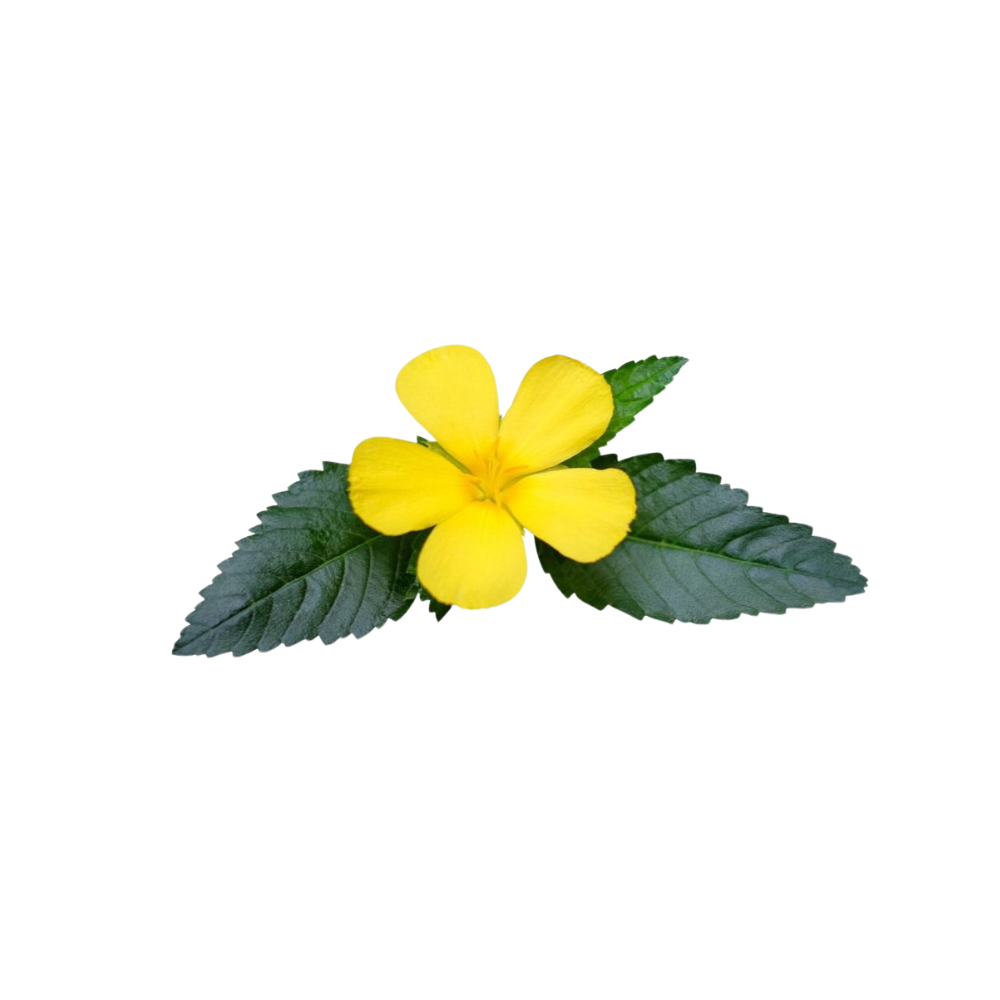
Damiana (Turnera diffusa) — an aromatic Central American herb used as an anxiolytic and aphrodisiac for stress, fatigue and low libido.
What Is Damiana?
Damiana is an aromatic herb from Mexico, and Central America. It’s been used as a flavouring agent in liqueurs for hundreds of years, and folklore — often repeated in marketing — holds that it was the original flavour for the margarita.
Damiana is a traditional anxiolytic — a reputation supported so far by animal data rather than human trials — often used for conditions involving pain, fatigue, anxiety, and stress. It’s also been used for a very long time for conditions involving sexual debility.
What Is Damiana Used For?
Damiana is mainly used for conditions involving anxiety, as well as sexual debility. Newer uses involve its ability to improve the effectiveness of antibiotics.
Indications
- Adjunctive with antibiotics
- Anxiety
- Bacterial infection
- Cancer
- Constipation
- Depression
- Diabetes
- Fungal infection
- Impotency
- Insomnia (Sleep onset and maintenance)
- Low libido
- Male infertility
- Nervous dyspepsia
- Pain
- Trigeminal neuralgia
Contraindications
- Hypoglycemic medications (agonistic interaction)
- Pregnancy
- Breastfeeding
Mechanisms
- Antiaromatase
- Efflux pump inhibitor
- GABAergic
Traditional Uses
Western Herbal Medicine
In Germany, damiana is used to relieve excess mental activity, as well as nervous debility, and as a tonic for the hormonal and central nervous systems 34Reference 34The healing power of rainforest herbs: A guide to understanding and using herbal medicinals.
The British Herbal Pharmacopoeia cites indications for damiana’s use for “anxiety Neurosis, with a predominant sexual factor, depression, nervous dyspepsia, atonic constipation, and coital inadequacy” 34Reference 34The healing power of rainforest herbs: A guide to understanding and using herbal medicinals.
Traditional uses of this plant from around the world include its use as an antidepressant, cough suppressant, mild laxative, aphrodisiac, tonic, diuretic. It has been used for conditions such as bedwetting, depression, anxiety, sexual dysfunctions, bronchitis, gastric ulcers, menstrual irregularities, constipation, asthma, neurosis, diabetes, dysentery, dyspepsia, headaches, paralysis, nephrosis, spermatorrhea, stomachaches, and syphilis. 34,35Reference 34The healing power of rainforest herbs: A guide to understanding and using herbal medicinalsReference 35A clinical guide to blending liquid herbs: Herbal formulations for the individual patient.
South America
Damiana was used by the Mayans for “giddiness, and loss of balance,” as well as its more well-known use as an aphrodisiac 34Reference 34The healing power of rainforest herbs: A guide to understanding and using herbal medicinals.
Botany

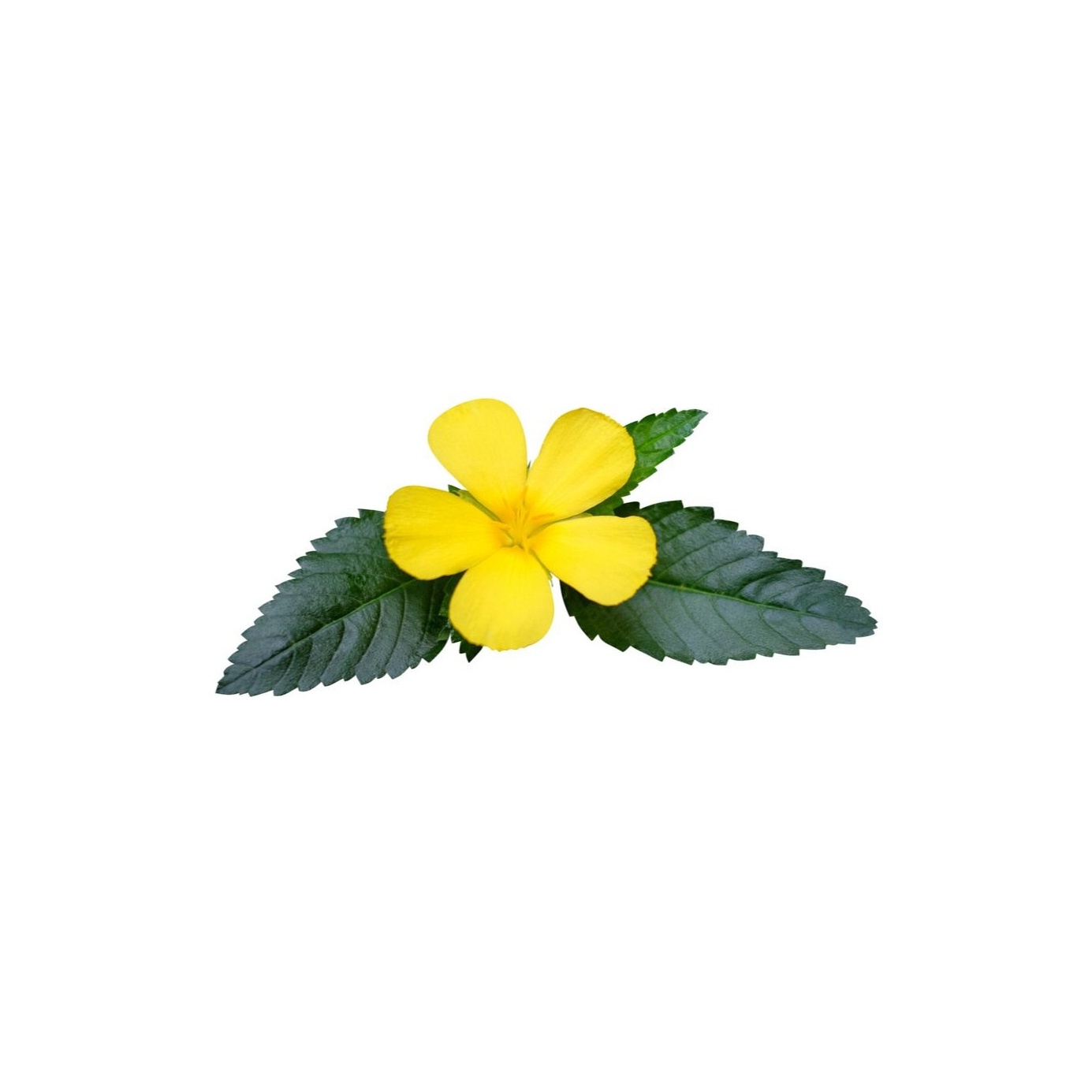
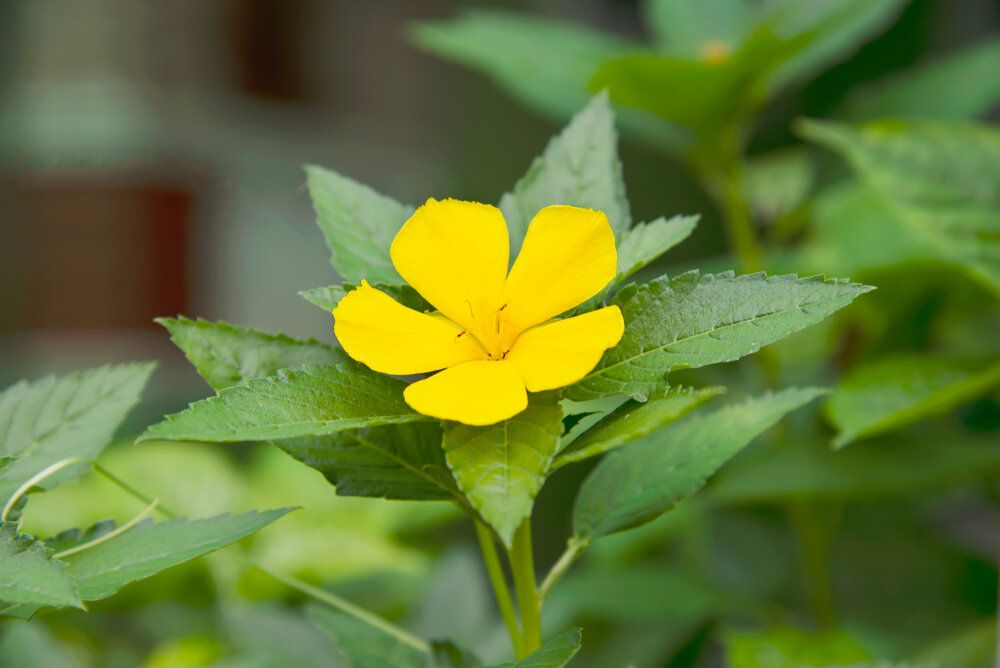
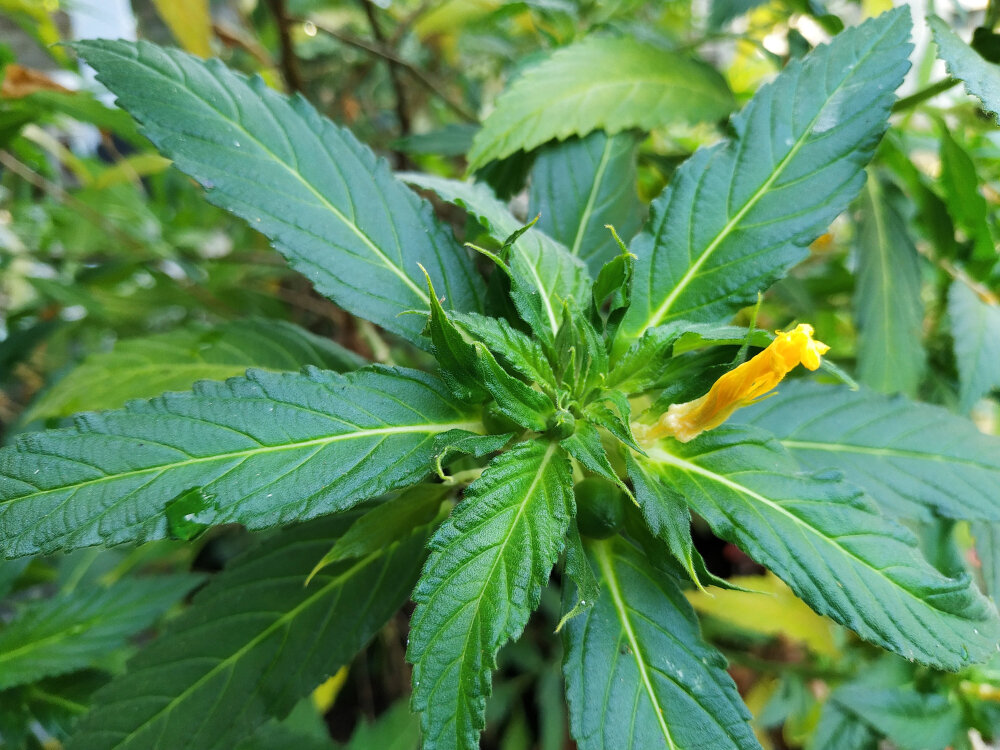
Damiana is Turnera diffusa, a small aromatic shrub in the passionflower family (Passifloraceae, long treated under the older name Turneraceae). It is a low, woody subshrub — roughly 1–2 m tall — with small, serrate, aromatic grey-green leaves and solitary yellow flowers, and the whole plant carries a distinctive spicy, faintly chamomile-like scent. The medicinal part is the leaf, harvested and dried.
The widely used medicinal form is Turnera diffusa var. aphrodisiaca (often written as the species Turnera aphrodisiaca), and the two names are used interchangeably in herbal commerce. A look-alike relative, Turnera ulmifolia (“false damiana”), is very similar in appearance but has a coarser, more herbaceous habit, a much weaker aroma and different traditional uses — though some of its more recently studied activities (such as against drug-resistant bacteria) do appear to overlap.
Distribution
Damiana grows wild across a warm, dry belt reaching from southern Texas through Mexico, Central America and the Caribbean into South America. It favours arid and semi-arid scrub, and Mexico remains the traditional heartland of its use and commercial supply.
Growing Conditions
- Thrives in full sun to light shade in hot, dry conditions — it is a subtropical scrubland shrub at heart.
- Frost-tender: reliably hardy only in roughly zones 9–11, so grow it under cover or as a container plant in cooler regions.
- Wants sharply drained, lean soil; it tolerates drought far better than wet feet.
- Harvest the aromatic leaves for the medicinal material, ideally around flowering when the scent is strongest.
- Full cultivation detail lives on the companion farm-wiki grow guide for Turnera diffusa (link to be added once that project’s public URL is confirmed).
Harvesting, Collection & Preparation
The leaves are harvested during the flowering season.
Most of the Damiana on the market today comes from Mexican, and Latin American cultivation projects 34Reference 34The healing power of rainforest herbs: A guide to understanding and using herbal medicinals.
There has been some evidence that the hypoglycaemic effects aren’t offered in the alcoholic extraction of this herb — suggesting that the components responsible for this action are water soluble only 34Reference 34The healing power of rainforest herbs: A guide to understanding and using herbal medicinals.
However, other studies have eluded to some of the effects only being methanol soluble.
Therefore, it may be better to utilize both methods, and combining these extracts together and reducing or concentrating this liquid to achieve maximum effectiveness.
Pharmacology & Research
The evidence base for damiana (Turnera diffusa) is almost entirely preclinical: a few dozen in vitro and rodent studies, one narrative genus review, and a scattering of constituent-level work, with no placebo-controlled trial of damiana as a single herb. The most consistent signals are antioxidant capacity (replicated across cell, tissue and diabetic-rodent models) and a pro-sexual/aphrodisiac effect (several independent rat studies converging on nitric-oxide and dopaminergic mechanisms) — the two uses that also carry the deepest traditional documentation. Anxiolytic activity is real but rests on rodent behavioural models and the flavonoid marker apigenin, and most “clinical” evidence in circulation comes from a multi-herb weight-loss preparation (YGD) rather than damiana alone 1,2,3Reference 1AnimalStimulating property of Turnera diffusa and Pfaffia paniculata extracts on the sexual behavior of male rats — animal studyView study →Reference 2RCTWeight loss and delayed gastric emptying following a South American herbal preparation in overweight patients — randomised controlled trialView study →Reference 3ReviewEthnobotany, phytochemistry, and bioactivity of the genus Turnera with a focus on damiana — reviewView study →. A recurring caveat runs through the whole literature: essential-oil composition, arbutin and flavonoid content vary substantially with chemotype, provenance and extraction solvent, so a result from a methanol extract or isolated compound does not transfer cleanly to the tea or 1:2 tincture the herb is actually used as. A 2026 analysis also formally debunked the widely repeated claim that damiana contains caffeine 4Reference 4ReviewThere is no caffeine in damiana — dismantling filter bubbles and echo chambers in scientific referencing — reviewView study →.
- Best-supported: antioxidant/radical-scavenging activity across multiple preclinical models 5,6,7Reference 5In vitroCorrelation between chromatographic fingerprint and antioxidant activity of Turnera diffusa (Damiana) — in vitroView study →Reference 6In vitroNatural variability of essential oil and antioxidants in the medicinal plant Turnera diffusa — in vitroView study →Reference 7AnimalAntioxidant effects of damiana (Turnera diffusa) in kidney mitochondria from streptozotocin-diabetic rats — animal modelView study →; a pro-sexual effect in sexually sluggish or exhausted male rats via the NO pathway 1,8,9Reference 1AnimalStimulating property of Turnera diffusa and Pfaffia paniculata extracts on the sexual behavior of male rats — animal studyView study →Reference 8Turnera diffusa recovers sexual behavior in sexually exhausted males — animal studyView study →Reference 9AnimalPro-sexual effects of Turnera diffusa in male rats involves the nitric oxide pathway — animal studyView study →.
- Emerging, worth watching: hepatoprotection (the C-glycoside hepatodamianol out-performed silibinin in HepG2 cells) 10,11Reference 10In vitroHepatodamianol as hepatoprotective constituent of Turnera diffusa — in vitroView study →Reference 11In vitroTurnera diffusa extract attenuates profibrotic, extracellular matrix and mitochondrial markers in activated human hepatic stellate cells — in vitroView study →; anxiolytic/antidepressant-like activity of aqueous extracts 12,13Reference 12AnimalNeurobehavioral and toxicological effects of an aqueous extract of Turnera diffusa in mice — animal studyView study →Reference 13Pharmacological evaluation of bioactive principle of Turnera aphrodisiaca — animal studyView study →.
- Mechanistically thin: anticancer (single cytotoxicity screen) 14Reference 14In vitroCytotoxic activity of the methanolic extract of Turnera diffusa on breast cancer cells — in vitroView study →; aromatase inhibition and estrogenicity (isolated-compound and in-silico only) 15,16Reference 15In vitroAnti-aromatase activity of the constituents from damiana (Turnera diffusa) — in vitroView study →Reference 16A molecular docking study of phytochemical estrogen mimics from dietary herbal supplements — in silicoView study →.
- The caveat: no single-herb human trial exists; effects are dose-, solvent- and chemotype-dependent, and several signals come from the related species T. ulmifolia, not T. diffusa itself.
1. Antioxidant
Antioxidant activity is the most reproducible pharmacology damiana has. A chromatographic-fingerprint study modelled DPPH radical-scavenging across 40 extracts and predicted the activity of commercial products with reasonable accuracy, tying the effect to the herb’s phenolic profile 5Reference 5In vitroCorrelation between chromatographic fingerprint and antioxidant activity of Turnera diffusa (Damiana) — in vitroView study →. Field-collected T. diffusa from Mexican arid zones showed phenolic contents up to ~34 mg GAE/g with strong ABTS and FRAP activity that varied by locality 6Reference 6In vitroNatural variability of essential oil and antioxidants in the medicinal plant Turnera diffusa — in vitroView study →. The signal carries into tissue: a water–ethanol extract lowered malondialdehyde and nitric-oxide levels in kidney mitochondria of streptozotocin-diabetic rats (though it did not correct the hyperglycaemia itself) 7Reference 7AnimalAntioxidant effects of damiana (Turnera diffusa) in kidney mitochondria from streptozotocin-diabetic rats — animal modelView study →, and damiana pre-treatment reduced lipid peroxidation and restored antioxidant enzymes in rat testes challenged with pesticide/heavy-metal toxicants 17Reference 17AnimalModulatory effect of Turnera diffusa against testicular toxicity induced by fenitrothion and/or hexavalent chromium in rats — animal studyView study →. An infusion (the traditional tea form) showed higher total phenolics and hydroxyl-radical scavenging than a methanol extract in one comparative assay 18Reference 18In vitroChemical, biological and immunological properties of “Damiana de California” Turnera diffusa extracts in Longfin yellowtail leukocytes — in vitroView study →, which is reassuring for real-world use.
Gap: every result is preclinical or in vitro; no human biomarker study, and the antioxidant “dose” is undefined for a tea drinker.
2. Aphrodisiac / pro-sexual
This is the herb’s headline traditional use and the best-developed animal pharmacology. Early work showed a T. diffusa fluid extract improved copulatory performance in sexually sluggish/impotent — but not already-potent — male rats without affecting locomotion 1Reference 1AnimalStimulating property of Turnera diffusa and Pfaffia paniculata extracts on the sexual behavior of male rats — animal studyView study →. A chemically characterised aqueous extract (20–80 mg/kg) restored copulation in sexually exhausted rats comparably to yohimbine, and identified arbutin and flavonoids as active components 8Reference 8Turnera diffusa recovers sexual behavior in sexually exhausted males — animal studyView study →. A follow-up dissected the mechanism: the pro-sexual effect in sluggish rats was blocked by an NO-synthase inhibitor and mirrored sildenafil, implicating the nitric-oxide/cGMP pathway, with contributions from central noradrenergic, dopaminergic and possibly oxytocinergic tone 9Reference 9AnimalPro-sexual effects of Turnera diffusa in male rats involves the nitric oxide pathway — animal studyView study →. Independent guinea-pig work found Turnera relaxes corpus cavernosum smooth muscle, consistent with the erectile mechanism.
Gap: all efficacy is in rats; there is no controlled human trial of damiana alone for libido or erectile function, and marketed “damiana” sexual-enhancement products are a documented adulteration target for PDE5 inhibitors 19Reference 19Analytical strategies for identifying PDE5 inhibitors in damiana (Turnera diffusa) productsView study →.
3. Anxiolytic
Damiana’s nervine reputation is supported by rodent behaviour. Methanol and butanol fractions of T. aphrodisiaca showed significant anti-anxiety activity in the mouse elevated-plus-maze, comparable to diazepam at low doses 20Reference 20Anti-anxiety activity studies of various extracts of Turnera aphrodisiaca Ward — animal studyView study →. The flavonoid apigenin was isolated as the putative anxiolytic marker and, at 2 mg/kg, increased exploratory behaviour across hole-board, light/dark and mirrored-chamber models — while being devoid of antidepressant or anticonvulsant activity, and showing dose-dependent analgesia at higher doses 13,21Reference 13Pharmacological evaluation of bioactive principle of Turnera aphrodisiaca — animal studyView study →Reference 21Estimation of apigenin, an anxiolytic constituent, in Turnera aphrodisiacaView study →. More recently, an aqueous extract produced clear anxiolytic- and antidepressant-like effects in mice without impairing locomotor activity, and a 28-day toxicology arm found no target-organ damage 12Reference 12AnimalNeurobehavioral and toxicological effects of an aqueous extract of Turnera diffusa in mice — animal studyView study →. Mechanistically the activity is linked to GABAergic modulation, consistent with apigenin’s known affinity at the benzodiazepine site and with eugenol’s demonstrated action on GABAₐ currents in neurons 22Reference 22In vitroEugenol inhibits the GABAA current in trigeminal ganglion neurons — in vitroView study →.
Gap: entirely rodent-based; apigenin content is low and mostly glycoside-bound, and no human anxiety trial of damiana exists.
4. Gastroprotective
The gastroprotective claim now has a named mechanism. Arbutin, a major T. diffusa hydroquinone glycoside, protected the gastric mucosa in aspirin- and ethanol-induced rat ulcer models — reducing ulcer index and lipid peroxidation (TBARS) and modulating IL-6, IL-10 and TNF-α — with no observed toxicity to normal liver cells 23Reference 23Gastroprotective activities of Turnera diffusa revisited: role of arbutin — animal studyView study →. This “revisits” older Turneraceae work: tea from the related T. ulmifolia supported gastric mucosa in mice, positioning the family as a source of antiulcer agents.
Gap: the strongest data are for isolated arbutin, not whole damiana, and part of the supporting evidence comes from T. ulmifolia rather than T. diffusa.
5. Antidiabetic / hypoglycemic
Hypoglycaemic activity appears repeatedly but inconsistently. Damiana featured in early Mexican-plant screens for anti-hyperglycaemic effect in normal and alloxan-diabetic models, with the older literature suggesting the active components are water-soluble (so an alcoholic tincture may under-deliver). The clearest recent result isolated teuhetenone A from T. diffusa and showed an acute hypoglycaemic and antidiabetic effect in a rodent model 24Reference 24Acute hypoglycemic and antidiabetic effect of teuhetenone A isolated from Turnera diffusa — animal studyView study →. In a type-2-diabetes rat model, oral T. diffusa leaf extract (100–200 mg/kg, 28 days) improved testicular steroidogenesis and spermatogenesis, mainly through antioxidant and anti-inflammatory (NF-κB↓) action rather than direct glucose lowering 25Reference 25AnimalOral Turnera diffusa extract ameliorates steroidogenesis and spermatogenesis impairment in the testes of type-2 diabetic rats — animal studyView study →.
Gap: results are dose- and fraction-dependent and sometimes null on blood glucose itself; no human glycaemic data.
6. Hepatoprotective
A bioassay-guided fractionation isolated the C-glycoside hepatodamianol from T. diffusa, which showed roughly four-fold greater protection than silibinin against carbon-tetrachloride damage in HepG2 cells, with high antioxidant capacity and no cytotoxicity 10Reference 10In vitroHepatodamianol as hepatoprotective constituent of Turnera diffusa — in vitroView study →. Separately, a methanolic extract attenuated profibrotic and extracellular-matrix markers (α-SMA, COL1α1, TIMP1) in TGF-β-activated human hepatic stellate cells, suggesting an anti-fibrotic mechanism 11Reference 11In vitroTurnera diffusa extract attenuates profibrotic, extracellular matrix and mitochondrial markers in activated human hepatic stellate cells — in vitroView study →.
Gap: both studies are in vitro cell models; the compound is a preclinical candidate, and no in-vivo or human hepatoprotection has been shown.
7. Aromatase inhibition / estrogenic
Screening of 24 compounds from damiana leaves found the flavonoids pinocembrin and acacetin were the most potent aromatase inhibitors (IC₅₀ 10.8 and 18.7 µM), while apigenin-7-glucoside, Z-echinacin and pinocembrin showed estrogenic activity in a yeast estrogen screen 15Reference 15In vitroAnti-aromatase activity of the constituents from damiana (Turnera diffusa) — in vitroView study →. A molecular-docking study likewise flagged damiana phytochemicals among dietary-supplement compounds binding estrogen receptors 16Reference 16A molecular docking study of phytochemical estrogen mimics from dietary herbal supplements — in silicoView study →, and damiana is grouped with other “estrogenic plants” in menopause-symptom reviews 26Reference 26ReviewEstrogenic plants to prevent neurodegeneration and memory loss after menopause — reviewView study →. A small pilot combined T. diffusa with Dioscorea and Vitex as “phyto-progestins” for abnormal uterine bleeding 27Reference 27Phyto-progestins for abnormal uterine bleeding in women at high risk for breast cancer — pilot studyView study → — but that is a multi-herb formula, not damiana alone.
Gap: entirely constituent-level (isolated flavonoids, enzyme and docking assays); whole-herb estrogenic effect in vivo is unproven, and clinical relevance to breast/hormonal risk is undefined.
8. Antibacterial (antibiotic-potentiating)
The “resistance-modifying” story is real but largely belongs to a sister species. Ethanol extracts of T. ulmifolia potentiated aminoglycosides (gentamicin, kanamycin) against MRSA and enhanced amikacin/neomycin/tobramycin against multidrug-resistant E. coli, consistent with efflux-pump inhibition 28,29Reference 28In vitroHerbal therapy associated with antibiotic therapy: potentiation against MRSA by Turnera ulmifolia — in vitroView study →Reference 29In vitroIncreasing aminoglycoside activity against multidrug-resistant E. coli by Turnera ulmifolia and chlorpromazine — in vitroView study →. Whole-genus reviews list antibacterial and antimycobacterial activity across Turnera 3Reference 3ReviewEthnobotany, phytochemistry, and bioactivity of the genus Turnera with a focus on damiana — reviewView study →, and direct T. diffusa extracts show antimicrobial activity against Vibrio and Staphylococcus in immunology assays 18Reference 18In vitroChemical, biological and immunological properties of “Damiana de California” Turnera diffusa extracts in Longfin yellowtail leukocytes — in vitroView study →.
Gap: the potentiation data are for T. ulmifolia, not T. diffusa; effects are in vitro and the “efflux-pump” mechanism is inferred from synergy patterns rather than directly demonstrated for damiana.
9. Anti-inflammatory / antinociceptive
A hydroalcoholic extract of T. ulmifolia aerial parts inhibited carrageenan-induced paw edema and cotton-pellet granuloma in rodents, and blunted histamine/5-HT/PGE2-driven vascular permeability 30Reference 30Oral anti-inflammatory and anti-ulcerogenic activities of a hydroalcoholic extract and fractions of Turnera ulmifolia — animal studyView study →. For T. diffusa specifically, an ethanolic extract showed combined antinociceptive, anti-inflammatory and hypoglycaemic activity in rodent models 31Reference 31Antinociceptive, anti-inflammatory and hypoglycemic activities of the ethanolic extract of Turnera — animal studyView study →, and the diabetic-testis study attributed part of its benefit to downregulation of NF-κB, p-IKKβ and TNF-α with upregulation of IκBα 25Reference 25AnimalOral Turnera diffusa extract ameliorates steroidogenesis and spermatogenesis impairment in the testes of type-2 diabetic rats — animal studyView study →.
Gap: mixed species again (much rests on T. ulmifolia), and the T. diffusa anti-inflammatory work is single-study and extract-specific.
10. Neuroprotective (CNS-enzyme)
Beyond anxiety, damiana shows “multi-target directed ligand” activity relevant to neurodegeneration. An aqueous extract was the strongest of five screened species at inhibiting monoamine oxidase-A and delayed glutamate excitotoxicity in SH-SY5Y neuronal cells 32Reference 32In vitroTurnera diffusa inhibits CNS enzymes and delays glutamate excitotoxicity in SH-SY5Y cells — in vitroView study →. A separate study found T. diffusa (with Trichilia catigua) inhibited tyrosinase and 5-lipoxygenase, showed antiglycation activity, and mitigated a neuroinflammatory stimulus in BV-2 microglia 33Reference 33In vitroTrichilia catigua and Turnera diffusa extracts: in vitro inhibition of tyrosinase, antiglycation and neuroinflammation — in vitroView study →.
Gap: in vitro cell and enzyme assays only; no animal cognition or neuroprotection model, let alone human data.
11. Anticancer (cytotoxic)
A methanolic extract of T. diffusa was cytotoxic to several tumour cell lines, most strongly MDA-MB-231 breast-cancer cells (IC₅₀ ~30.7 µg/mL), with arbutin and apigenin isolated from the most active fraction — the first report of a cytotoxic effect for the herb 14Reference 14In vitroCytotoxic activity of the methanolic extract of Turnera diffusa on breast cancer cells — in vitroView study →.
Gap: a single in vitro screen on cell lines; no animal tumour model, no selectivity or in-vivo confirmation. This is a preliminary signal, not evidence of anticancer use.
Mechanisms
| Mechanism | Drives | Key compounds |
|---|---|---|
| Radical scavenging, ↑SOD/CAT/GPx, ↓MDA | antioxidanthepatoprotectiveantidiabetic | arbutin, apigenin, phenolics |
| NO/cGMP pathway, ↑dopaminergic/noradrenergic tone | aphrodisiac / pro-sexual | flavonoids, arbutin |
| GABAₐ modulation (benzodiazepine site) | anxiolyticanalgesic | apigenin |
| Aromatase (CYP19) inhibition, ERα/β binding | aromatase inhibitionestrogenic | pinocembrin, acacetin |
| NF-κB ↓, TNF-α ↓, IL-modulation | anti-inflammatorygastroprotective | arbutin |
| Efflux-pump inhibition | antibiotic-potentiation | essential-oil terpenoids |
| MAO-A / acetylcholinesterase inhibition | neuroprotective | aqueous-extract flavonoids |
Clinical trials
No registered clinical trial tests damiana as a single herb; the only human data come from multi-ingredient formulas — a randomised trial of the YGD (yerba maté/guaraná/damiana) weight-loss preparation 2Reference 2RCTWeight loss and delayed gastric emptying following a South American herbal preparation in overweight patients — randomised controlled trialView study → and observational/withdrawn studies of the sexual-wellbeing product Libicare (NCT04124640, NCT04188600), from which damiana’s individual contribution cannot be isolated.
| Completed | Planned | Terminated | Preclinical |
|---|---|---|---|
| 2(multi-herb) | 0 | 1(withdrawn) | ~40 |
Last checked: July 2026.
Phytochemistry
Damiana’s activity is carried by three groups of constituents. The leaves yield a volatile oil (up to ~1%) of at least 20 components, dominated by monoterpenes such as 1,8-cineole, alpha-pinene, and beta-pinene, alongside thymol and the sesquiterpenes alpha-copaene and gamma-cadinene 34,36Reference 34The healing power of rainforest herbs: A guide to understanding and using herbal medicinalsReference 36Application of low-pressure gas chromatography–ion-trap mass spectrometry to the analysis of the essential oil of Turnera diffusa (Ward.) Urb.
The leaves also carry flavonoids — the anxiolytic marker apigenin plus the weak aromatase inhibitors acacetin and pinocembrin, and luteolin — together with the hydroquinone glycoside arbutin, the species-characteristic amorphous bitter principle damianin, beta-sitosterol, tannins, and the cyanogenic glycoside tetraphyllin B 14,34Reference 14In vitroCytotoxic activity of the methanolic extract of Turnera diffusa on breast cancer cells — in vitroView study →Reference 34The healing power of rainforest herbs: A guide to understanding and using herbal medicinals.
Constituent Summary
Figures are percent of dried leaf or share of the essential oil; oil composition and arbutin levels vary substantially with provenance and chemotype. Entries marked No Data are documented qualitatively only 14,34,36Reference 14In vitroCytotoxic activity of the methanolic extract of Turnera diffusa on breast cancer cells — in vitroView study →Reference 34The healing power of rainforest herbs: A guide to understanding and using herbal medicinalsReference 36Application of low-pressure gas chromatography–ion-trap mass spectrometry to the analysis of the essential oil of Turnera diffusa (Ward.) Urb.
Terpenoid1 compound1 with data
Monoterpene3 compounds2 with data
Flavonoid3 compoundsno data
Quinone1 compoundno data
Other1 compoundno data
Sterol1 compoundno data
Tannin1 compoundno data
Clinical Applications
Damiana is useful as an anxiolytic for conditions involving stress, performance anxiety, overstimulation, SNS/PNS imbalance, pain, etc. It works mainly through GABA. It’s also useful for conditions involving sexual debility.
Other uses of damiana are for its ability to improve the efficacy of antibiotics, especially in the presence of hard to kill organisms like MRSA.
Synergy With Other Herbs & Nutrients
Eugenol has been found to be synergistic with antibiotics due to its effect on disrupting the cell walls of bacteria (especially gram-negative bacteria), and the efflux pumps located there 28Reference 28In vitroHerbal therapy associated with antibiotic therapy: potentiation against MRSA by Turnera ulmifolia — in vitroView study →.
Shows indications of being synergistic with other GABA inhibitors, or other anxiolytics such as passionflower or muira puama. These are traditional formulation pairings, not combinations backed by interaction studies.
Damiana is also combined with herbs like kava for enhancing the euphoric effects, and with catuaba as a herbal anti-depressant combination.
Dosage
Doses below are drawn from the cited research. Almost all are animal (mg/kg body-weight) figures or a proprietary multi-herb capsule, so a human whole-herb equivalent cannot be responsibly back-calculated and is left blank.
| Indication | Preparation | Dose | Est. dried-herb equivalent | Source |
|---|---|---|---|---|
| Aphrodisiac (rat) | Aqueous extract | 20–80 mg/kg (effect at 80) | — | 8Reference 8Turnera diffusa recovers sexual behavior in sexually exhausted males — animal studyView study → |
| Aphrodisiac (rat) | Fluid extract | 0.25–1.0 mL/kg (effect at 1.0) | — | 1Reference 1AnimalStimulating property of Turnera diffusa and Pfaffia paniculata extracts on the sexual behavior of male rats — animal studyView study → |
| Pro-sexual (rat) | Aqueous extract | 10 mg/kg (vs sildenafil comparison) | — | 9Reference 9AnimalPro-sexual effects of Turnera diffusa in male rats involves the nitric oxide pathway — animal studyView study → |
| Anxiolytic (mouse) | Methanol/butanol fraction | 10–75 mg/kg | — | 20Reference 20Anti-anxiety activity studies of various extracts of Turnera aphrodisiaca Ward — animal studyView study → |
| Antidiabetic (rat) | Leaf extract | 100–200 mg/kg/day, 28 d | — | 25Reference 25AnimalOral Turnera diffusa extract ameliorates steroidogenesis and spermatogenesis impairment in the testes of type-2 diabetic rats — animal studyView study → |
| Weight loss (human) | YGD multi-herb capsule | 3 capsules before meals (damiana dose not isolable) | not applicable — multi-herb | 2Reference 2RCTWeight loss and delayed gastric emptying following a South American herbal preparation in overweight patients — randomised controlled trialView study → |
Every efficacy dose above is an animal mg/kg body-weight figure or a proprietary multi-herb capsule; back-converting to a human whole-herb weight would require an interspecies scaling assumption the studies do not support, so the dried-herb equivalent is left blank throughout.
Traditional Dosage
| System | Preparation | Dose |
|---|---|---|
| Western herbal | Liquid extract 1:2 | 20–40 mL per week |
| Western herbal | Dried leaf (infusion/tea) | ~2–4 g as an infusion, up to 3× daily |
| Western herbal | Tincture 1:5 (45% ethanol) | ~2–4 mL, up to 3× daily |
Safety & Pregnancy
Damiana is generally well tolerated and its preclinical toxicology is reassuring, but human safety is uncharacterised; the practical cautions are an additive hypoglycaemic effect, an in-vitro estrogenic/aromatase signal, and product adulteration with PDE5 inhibitors.
- Avoid in pregnancy. Traditionally noted as an abortive/emmenagogue, with in-vitro estrogenic and aromatase-modulating activity.
- Hormone-sensitive conditions. Isolated leaf flavonoids inhibit aromatase and bind estrogen receptors in vitro — a theoretical concern.
- Antidiabetic drugs. A water-soluble hypoglycaemic action may add to their effect.
- Product adulteration. Sexual-enhancement products are a documented target for undeclared PDE5 inhibitors — buy from reputable suppliers.
- Generally well tolerated. A traditional food/beverage flavouring; 28-day rodent studies showed no organ damage.
Full safety & interactions detail
Damiana is generally well tolerated as a traditional food and beverage flavouring, but its safety has never been formally characterised in humans. Preclinical toxicology is reassuring within tested ranges: a 28-day aqueous-extract study in mice produced no target-organ damage and no adverse effect on sperm quality, causing only a dose-related reduction in body-weight gain 12Reference 12AnimalNeurobehavioral and toxicological effects of an aqueous extract of Turnera diffusa in mice — animal studyView study →, and isolated arbutin showed no acute in-vivo or in-vitro toxicity 23Reference 23Gastroprotective activities of Turnera diffusa revisited: role of arbutin — animal studyView study →. The two clinically relevant cautions are pharmacological, not toxicological: older reports describe a water-soluble hypoglycaemic action, so damiana may add to the effect of antidiabetic drugs, and isolated leaf flavonoids inhibit aromatase and bind estrogen receptors in vitro 15,16Reference 15In vitroAnti-aromatase activity of the constituents from damiana (Turnera diffusa) — in vitroView study →Reference 16A molecular docking study of phytochemical estrogen mimics from dietary herbal supplements — in silicoView study →, a theoretical concern for hormone-sensitive conditions that has not been shown to occur with the whole herb in people. Because damiana is a common ingredient in sexual-enhancement supplements, commercial products are a documented target for undeclared PDE5-inhibitor adulteration — buy from reputable suppliers 19Reference 19Analytical strategies for identifying PDE5 inhibitors in damiana (Turnera diffusa) productsView study →.
The genus also contains cyanogenic glycosides (tetraphyllin B), but at the levels present in leaf material the traditional tea and tincture are not a realistic cyanide concern. “Long-term use not recommended” is a traditional caution rather than a finding from toxicity data — the available 28-day rodent studies were reassuring 12Reference 12AnimalNeurobehavioral and toxicological effects of an aqueous extract of Turnera diffusa in mice — animal studyView study →.
Scope of what has been assessed: interactions have only been partially evaluated. A theoretical additive hypoglycaemic effect (from preclinical water-soluble hypoglycaemic activity) and an in-vitro estrogenic/aromatase signal are the only documented pharmacological interactions; there is no clinical drug-interaction study and no CYP450 phenotyping. The PDE5-inhibitor issue is a product-adulteration risk, not an herb–drug interaction. Absence of reports is not evidence of safety.
Avoid during pregnancy. Damiana is traditionally noted as an abortive/emmenagogue and its leaf flavonoids show estrogenic and aromatase-modulating activity in vitro 3,15Reference 3ReviewEthnobotany, phytochemistry, and bioactivity of the genus Turnera with a focus on damiana — reviewView study →Reference 15In vitroAnti-aromatase activity of the constituents from damiana (Turnera diffusa) — in vitroView study →, so use in pregnancy should be avoided as a precaution. Lactation safety has not been studied — treat as not established and avoid. No human reproductive-safety data exist for either.
References
- Arletti, R., Benelli, A., Cavazzuti, E., et al. (1999). Stimulating property of Turnera diffusa and Pfaffia paniculata extracts on the sexual behavior of male rats — animal study. Psychopharmacology (Berl). https://pubmed.ncbi.nlm.nih.gov/10227074/
- Andersen, T., & Fogh, J. (2001). Weight loss and delayed gastric emptying following a South American herbal preparation in overweight patients — randomised controlled trial. J Hum Nutr Diet. https://pubmed.ncbi.nlm.nih.gov/11424516/
- Szewczyk, K., & Zidorn, C. (2014). Ethnobotany, phytochemistry, and bioactivity of the genus Turnera with a focus on damiana — review. J Ethnopharmacol. https://pubmed.ncbi.nlm.nih.gov/24468305/
- Pauli, G. F., et al. (2026). There is no caffeine in damiana — dismantling filter bubbles and echo chambers in scientific referencing — review. Planta Med. https://pubmed.ncbi.nlm.nih.gov/42049173/
- Garza-Juárez, A., et al. (2011). Correlation between chromatographic fingerprint and antioxidant activity of Turnera diffusa (Damiana) — in vitro. Planta Med. https://pubmed.ncbi.nlm.nih.gov/21259186/
- Urbizu-González, A. L., et al. (2017). Natural variability of essential oil and antioxidants in the medicinal plant Turnera diffusa — in vitro. Asian Pac J Trop Med. https://pubmed.ncbi.nlm.nih.gov/28237475/
- Edgar Romualdo, E. G., et al. (2018). Antioxidant effects of damiana (Turnera diffusa) in kidney mitochondria from streptozotocin-diabetic rats — animal model. Nat Prod Res. https://pubmed.ncbi.nlm.nih.gov/28948849/
- Estrada-Reyes, R., et al. (2009). Turnera diffusa recovers sexual behavior in sexually exhausted males — animal study. J Ethnopharmacol. https://pubmed.ncbi.nlm.nih.gov/19501274/
- Estrada-Reyes, R., et al. (2013). Pro-sexual effects of Turnera diffusa in male rats involves the nitric oxide pathway — animal study. J Ethnopharmacol. https://pubmed.ncbi.nlm.nih.gov/23298455/
- Delgado-Montemayor, C., et al. (2023). Hepatodamianol as hepatoprotective constituent of Turnera diffusa — in vitro. Pak J Pharm Sci. https://pubmed.ncbi.nlm.nih.gov/37869931/
- Rodríguez-Rodríguez, D. R., et al. (2021). Turnera diffusa extract attenuates profibrotic, extracellular matrix and mitochondrial markers in activated human hepatic stellate cells — in vitro. Ann Hepatol. https://pubmed.ncbi.nlm.nih.gov/33220464/
- Ana María, D. B., et al. (2019). Neurobehavioral and toxicological effects of an aqueous extract of Turnera diffusa in mice — animal study. J Ethnopharmacol. https://pubmed.ncbi.nlm.nih.gov/30818006/
- Kumar, S., Madaan, R., & Sharma, A. (2008). Pharmacological evaluation of bioactive principle of Turnera aphrodisiaca — animal study. Indian J Pharm Sci. https://pubmed.ncbi.nlm.nih.gov/21369434/
- Avelino-Flores, M. C., et al. (2015). Cytotoxic activity of the methanolic extract of Turnera diffusa on breast cancer cells — in vitro. J Med Food. https://pubmed.ncbi.nlm.nih.gov/25299247/
- Zhao, J., et al. (2008). Anti-aromatase activity of the constituents from damiana (Turnera diffusa) — in vitro. J Ethnopharmacol. https://pubmed.ncbi.nlm.nih.gov/18948180/
- Powers, C. N., & Setzer, W. N. (2015). A molecular docking study of phytochemical estrogen mimics from dietary herbal supplements — in silico. In Silico Pharmacol. https://pubmed.ncbi.nlm.nih.gov/25878948/
- El-Demerdash, F. M., et al. (2019). Modulatory effect of Turnera diffusa against testicular toxicity induced by fenitrothion and/or hexavalent chromium in rats — animal study. Environ Toxicol. https://pubmed.ncbi.nlm.nih.gov/30578656/
- Reyes-Becerril, M., et al. (2020). Chemical, biological and immunological properties of “Damiana de California” Turnera diffusa extracts in Longfin yellowtail leukocytes — in vitro. Fish Shellfish Immunol. https://pubmed.ncbi.nlm.nih.gov/32209397/
- Jiménez-Amezcua, I., et al. (2026). Analytical strategies for identifying PDE5 inhibitors in damiana (Turnera diffusa) products. J Chromatogr A. https://pubmed.ncbi.nlm.nih.gov/42361690/
- Kumar, S., & Sharma, A. (2005). Anti-anxiety activity studies of various extracts of Turnera aphrodisiaca Ward — animal study. J Herb Pharmacother. https://pubmed.ncbi.nlm.nih.gov/16635964/
- Kumar, S., Madaan, R., & Sharma, A. (2008). Estimation of apigenin, an anxiolytic constituent, in Turnera aphrodisiaca. Indian J Pharm Sci. https://pubmed.ncbi.nlm.nih.gov/21369462/
- Lee, S. H., et al. (2015). Eugenol inhibits the GABAA current in trigeminal ganglion neurons — in vitro. Korean J Physiol Pharmacol. https://pubmed.ncbi.nlm.nih.gov/25635877/
- Taha, M. M. E., et al. (2012). Gastroprotective activities of Turnera diffusa revisited: role of arbutin — animal study. J Ethnopharmacol. https://pubmed.ncbi.nlm.nih.gov/22374081/
- Parra-Naranjo, A., et al. (2017). Acute hypoglycemic and antidiabetic effect of teuhetenone A isolated from Turnera diffusa — animal study. Molecules. https://pubmed.ncbi.nlm.nih.gov/28397755/
- Kumar, G. G., et al. (2023). Oral Turnera diffusa extract ameliorates steroidogenesis and spermatogenesis impairment in the testes of type-2 diabetic rats — animal study. J Ethnopharmacol. https://pubmed.ncbi.nlm.nih.gov/37187362/
- Echeverria, V., et al. (2021). Estrogenic plants to prevent neurodegeneration and memory loss after menopause — review. Front Pharmacol. https://pubmed.ncbi.nlm.nih.gov/34093183/
- Grandi, G., et al. (2023). Phyto-progestins for abnormal uterine bleeding in women at high risk for breast cancer — pilot study. Gynecol Endocrinol. https://pubmed.ncbi.nlm.nih.gov/37494965/
- Coutinho, H. D., et al. (2009). Herbal therapy associated with antibiotic therapy: potentiation against MRSA by Turnera ulmifolia — in vitro. BMC Complement Altern Med. https://pubmed.ncbi.nlm.nih.gov/19426487/
- Coutinho, H. D., et al. (2010). Increasing aminoglycoside activity against multidrug-resistant E. coli by Turnera ulmifolia and chlorpromazine — in vitro. Biol Res Nurs. https://pubmed.ncbi.nlm.nih.gov/19633019/
- Antônio, M. A., & Souza Brito, A. R. (1998). Oral anti-inflammatory and anti-ulcerogenic activities of a hydroalcoholic extract and fractions of Turnera ulmifolia — animal study. J Ethnopharmacol. https://pubmed.ncbi.nlm.nih.gov/9705013/
- Rebouças, E. L., et al. (2022). Antinociceptive, anti-inflammatory and hypoglycemic activities of the ethanolic extract of Turnera — animal study. J Biomol Struct Dyn. https://pubmed.ncbi.nlm.nih.gov/34629028/
- Bernardo, J., et al. (2017). Turnera diffusa inhibits CNS enzymes and delays glutamate excitotoxicity in SH-SY5Y cells — in vitro. Food Chem Toxicol. https://pubmed.ncbi.nlm.nih.gov/28606766/
- Bernardo, J., et al. (2021). Trichilia catigua and Turnera diffusa extracts: in vitro inhibition of tyrosinase, antiglycation and neuroinflammation — in vitro. J Ethnopharmacol. https://pubmed.ncbi.nlm.nih.gov/33485975/
- Taylor, L. (2005). The healing power of rainforest herbs: A guide to understanding and using herbal medicinals. Garden City Park, NY: Square One Publishers.
- Bone, K. (2003). A clinical guide to blending liquid herbs: Herbal formulations for the individual patient. Edinburgh: Churchill Livingstone.
- Godoi, A. F., Vilegas, W., Godoi, R. H., Van Vaeck, L., & Van Grieken, R. (2004). Application of low-pressure gas chromatography–ion-trap mass spectrometry to the analysis of the essential oil of Turnera diffusa (Ward.) Urb. Journal of Chromatography A, 1027(1-2), 127-130.