Materia Medica
Bearberry
Arctostaphylos uva-ursi
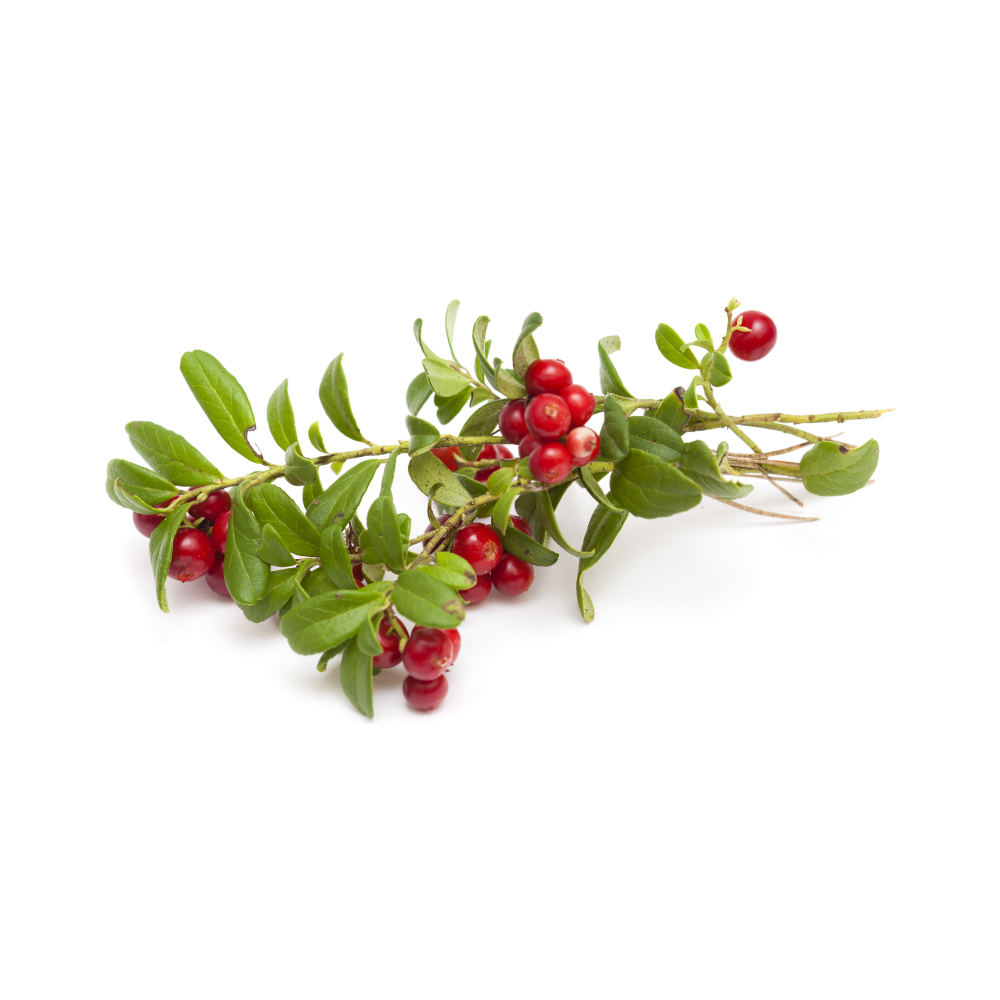
Bearberry (Arctostaphylos uva-ursi) — a urinary antiseptic used short-term for bladder and urinary tract infections and prostatitis.
What Is Bearberry?
Bearberry is a small shrub native to the temperate climates of North America and Europe. The leaves are almost exclusive for treating bladder and urinary tract infections but are also used to reduce inflammation topically and internally.
Bearberry is mainly used as a treatment for urinary tract infections, venereal disease, and prostatitis. Some of the glycosides contained in the leaves become active on passing into the urine, where the antimicrobial components can then take effect without being subjected to metabolism by the liver.
Bearberry must be used cautiously, and never more than five days in a row or more than three times a year.
What Is Bearberry Used For?
The main traditional uses of bearberry are for urinary tract infections and inflammation of the urinary tract. This can involve cystitis, vaginal infection, kidney calculi, and prostatitis. The leaf’s hydroquinone esters are the basis of this urinary-antiseptic use — the best-known and most popular application of bearberry medicinally.
It is important to be honest about how well this traditional reputation holds up against modern testing. Bearberry is one of the few single herbs put through placebo-controlled trials for uncomplicated UTI, and the results are humbling: the leaf produced no clear symptom benefit over placebo, and against an antibiotic it left more women with persistent symptoms and more cases of pyelonephritis (see Pharmacology & Research below) 1,2Reference 1RCTHerbal treatment with uva ursi extract versus fosfomycin in women with uncomplicated urinary tract infection in primary care — a double-blind randomised controlled trial (RCT)View study →Reference 2RCTUva-ursi extract and ibuprofen as alternative treatments for uncomplicated urinary tract infection in women (ATAFUTI) — a factorial randomised trial (RCT)View study →. Bearberry should therefore be regarded as a traditional urinary antiseptic rather than a proven cure, and it should not replace antibiotics where an infection is established.
Traditional Uses
Bearberry leaves have been used as an antiseptic since the 1200’s in Europe. 33Reference 33Principles and Practice of Phytotherapy.
In North America, uva-ursi has been used as an addition to ceremonial smoking rituals, as well as for venereal disease and inflammation and infection of the urinary tract. 33Reference 33Principles and Practice of Phytotherapy.
The Eclectics used uva-ursi to treat chronic bladder irritations, enuresis, excessive mucous, blood in the urine, chronic diarrhea, dysentery, menorrhagia, leucorrhea, diabetes, chronic gonorrhea, and strangury 33Reference 33Principles and Practice of Phytotherapy.
The berries of uva-ursi can be eaten as food, as well.
Uva-ursi has also been used to whiten skin and may be used to treat hyperpigmentation disorders 33Reference 33Principles and Practice of Phytotherapy. This tracks with the modern finding that its arbutin is a validated tyrosinase inhibitor — though that activity belongs to purified arbutin applied topically as a cosmetic, not to the leaf taken internally.
Bearberry has been used in the past to treat bed wetting 30Reference 30Medical herbalism: The science and practice of herbal medicine, which is likely due to its well known astringing and tonifying actions to the urinary system.
The British herbal pharmacopoeia lists bearberry as a diuretic, urinary antiseptic, and astringent useful for cystitis, urethritis, dysuria, pyelitis, and lithuria 29Reference 29British Herbal Pharmacopoeia.
Botany
Bearberry is an extremely winter-hardy, creeping, slow-growing, prostrate woody evergreen shrub in the heath family (Ericaceae) — the Arctostaphylos genus holds about 60 species, and the name uva-ursi is Latin for “bear’s grape” (uva = grape, ursi = of the bear). Small, drooping, bell-shaped pink flowers appear in clusters, and the leaves are characteristically obovate, dark green above and silvery-grey beneath 33Reference 33Principles and Practice of Phytotherapy.
Distribution
Bearberry is a circumpolar ground-hugger native throughout the temperate and boreal Northern Hemisphere — across Europe, Asia, and the northern United States and Canada 29,33Reference 29British Herbal PharmacopoeiaReference 33Principles and Practice of Phytotherapy. It grows on rocky mountain slopes but also in fields and near rivers or sandy beaches and dunes.
The species proliferates well after fire — its seeds are fire-resistant and require cold treatment to germinate — and in the absence of fire spreads mainly through vegetative growth 32Reference 32Canadian medicinal cropsView study →.
Growing Conditions
- Hardy, drought-tolerant groundcover, full sun to part shade; prefers acidic, well-drained sandy or gritty soil. Roughly USDA zone 2–7.
- Grows poorly in hot, humid summers; established plants dislike root disturbance.
- Full cultivation detail lives on the companion farm-wiki grow guide for Arctostaphylos uva-ursi (link to be added once that project’s public URL is confirmed).
Harvesting, Collection & Preparation
Bearberry is usually prepared as an infusion or as a liquid extract. Cold water extraction is the preferred extraction technique in order to better preserve the arbutin, and helps to eliminate a lot of the tannins. This would not be preferred in cases where it’s primarily the astringent benefits that are desired of the plant.
Phytochemistry
The defining constituent of bearberry leaf is arbutin, a hydroquinone glycoside that is hydrolysed to free hydroquinone — the urinary antiseptic principle — after ingestion. It is accompanied by smaller amounts of methylarbutin and by a high load of hydrolysable tannins (mainly gallotannins such as pentagalloylglucose, plus the ellagitannins corilagin and tellimagrandin I), which give the leaf its strong astringency. A spread of flavonoids (quercetin and myricetin glycosides, including hyperoside), the iridoid monotropein, the acetophenone glycoside piceoside, phenolic acids and triterpenes such as ursolic acid and β-amyrin round out the profile. Modern LC–ion-mobility profiling identifies some 88 phenolics in the leaf, with arbutin at 47–107 mg/g and its content varying severalfold with population, season and provenance. 30,31,33Reference 30Medical herbalism: The science and practice of herbal medicineReference 31Potter’s new cyclopaedia of botanical drugs and preparationsReference 33Principles and Practice of Phytotherapy.
The arbutin contained in the leaves, bark, and roots of uva-ursi forms a chemical called hydroquinone, which inhibits the growth of surrounding plants. Arbutin has also been noted to exist in many plants that have developed the ability to survive extreme and prolonged dehydration. 33Reference 33Principles and Practice of Phytotherapy. Arbutin has also been reported to convert to hydroquinone in the bladder less efficiently with acidic urine. This is why many texts suggest alkalizing the urine along with the use of bearberry for best results as an antimicrobial 29Reference 29British Herbal Pharmacopoeia.
Constituent Summary
Figures are percent of dried leaf; arbutin and tannin levels vary substantially with season and provenance (arbutin reported 5–17%). Entries marked No Data are documented qualitatively only.
Quinone4 compounds3 with data
Tannin4 compounds2 with data
Flavonoid4 compounds1 with data
Iridoid1 compoundno data
Pharmacology & Research
The research literature on bearberry (Arctostaphylos uva-ursi) is moderate in size and unusually top-heavy for a traditional herb: its defining constituent, arbutin, has been studied in humans for pharmacokinetics, and the leaf has now been through two placebo-controlled clinical trials for urinary tract infection (UTI) — a rarity in phytotherapy. The honest headline is that the mechanism is well mapped while the clinical payoff is not: arbutin is reliably converted to hydroquinone and delivered to the urine 3,4Reference 3RCTUrinary excretion and metabolism of arbutin after oral administration of Arctostaphylos uvae ursi extract in healthy humans — a randomised crossover pharmacokinetic studyView study →Reference 4Urinary excretion of arbutin metabolites after oral administration of bearberry leaf extracts — pharmacokinetic studyView study →, hydroquinone and the leaf’s phenolics are antibacterial in vitro 5,6,7Reference 5In vitroExtracts of Canadian First Nations medicinal plants inhibit Neisseria gonorrhoeae isolates with different antibiotic-resistance profiles — in vitro studyView study →Reference 6In vitroLimited effectiveness of over-the-counter plant preparations against the urease of Staphylococcus saprophyticus — in vitro studyView study →Reference 7In vitroIn vitro antibacterial and anti-inflammatory activity of Arctostaphylos uva-ursi leaf extract against Cutibacterium acnes — in vitro studyView study →, yet the two randomised trials that tested actual symptom relief were null-to-mixed and raised safety questions 1,2Reference 1RCTHerbal treatment with uva ursi extract versus fosfomycin in women with uncomplicated urinary tract infection in primary care — a double-blind randomised controlled trial (RCT)View study →Reference 2RCTUva-ursi extract and ibuprofen as alternative treatments for uncomplicated urinary tract infection in women (ATAFUTI) — a factorial randomised trial (RCT)View study →. Most other claimed activities — antioxidant, anti-inflammatory, skin-lightening, diuretic — rest on in vitro work or on isolated arbutin in animal models rather than on the whole leaf as it is taken. A recurring caveat runs through all of it: arbutin content varies severalfold with provenance, season and species (adulteration with lower-arbutin A. pungens is documented), so results tied to one extract do not transfer cleanly to another 26Reference 26UHPLC-PDA-ESI-TOF/MS metabolic profiling of Arctostaphylos pungens and A. uva-ursi — a comparative study of leaf phenolics (species-adulteration relevance)View study →.
- Best-supported: delivery of the active principle is proven — >60% of an oral arbutin dose is recovered in urine as hydroquinone conjugates in humans 3,4Reference 3RCTUrinary excretion and metabolism of arbutin after oral administration of Arctostaphylos uvae ursi extract in healthy humans — a randomised crossover pharmacokinetic studyView study →Reference 4Urinary excretion of arbutin metabolites after oral administration of bearberry leaf extracts — pharmacokinetic studyView study → — and the leaf is broadly antibacterial in the dish, including against drug-resistant Neisseria gonorrhoeae 5,6,7Reference 5In vitroExtracts of Canadian First Nations medicinal plants inhibit Neisseria gonorrhoeae isolates with different antibiotic-resistance profiles — in vitro studyView study →Reference 6In vitroLimited effectiveness of over-the-counter plant preparations against the urease of Staphylococcus saprophyticus — in vitro studyView study →Reference 7In vitroIn vitro antibacterial and anti-inflammatory activity of Arctostaphylos uva-ursi leaf extract against Cutibacterium acnes — in vitro studyView study →.
- Emerging, worth watching: isolated arbutin shows anti-inflammatory and renal-protective signals in rodents 11,20,21Reference 11In vitroAnti-inflammatory effects of arbutin in lipopolysaccharide-stimulated BV2 microglial cells — in vitro studyView study →Reference 20AnimalArbutin attenuates LPS-induced acute kidney injury by inhibiting inflammation and apoptosis via the PI3K/Akt/Nrf2 pathway — rat studyView study →Reference 21AnimalArbutin as a potential nephroprotective agent — dose-related effects in renal ischaemia-reperfusion (rat model)View study →, and a non-inferiority trial against fosfomycin (BRUMI) is underway 25Reference 25RCTBearberry in the treatment of acute uncomplicated cystitis (BRUMI) — protocol of a multicentre randomised double-blind clinical trialView study →.
- Mechanistically thin: the “diuretic” and “skin-whitening” uses rest on a single rat study and on cosmetic-grade topical arbutin respectively — neither reflects the leaf drunk as a urinary remedy 14,15,16,18,19Reference 14ReviewArbutin as a skin-depigmenting agent with antimelanogenic and antioxidant properties — reviewView study →Reference 15In vitroInhibitory effects of α-arbutin on melanin synthesis in cultured human melanoma cells and a three-dimensional human skin model — in vitro studyView study →Reference 16In vitroAnti-tyrosinase activity constituents of Arctostaphylos uva-ursi — in vitro studyView study →Reference 18AnimalEffect of extracts of Orthosiphon stamineus, Hieracium pilosella, Sambucus nigra and Arctostaphylos uva-ursi in rats — animal diuresis studyView study →Reference 19AnimalToxicological profiling and diuretic potential of arbutin via aldosterone synthase gene inhibition — rat studyView study →.
- The caveat: the two RCTs of the whole leaf for UTI found no symptom benefit over placebo 2Reference 2RCTUva-ursi extract and ibuprofen as alternative treatments for uncomplicated urinary tract infection in women (ATAFUTI) — a factorial randomised trial (RCT)View study → and, versus antibiotic, more persistent symptoms and more pyelonephritis 1Reference 1RCTHerbal treatment with uva ursi extract versus fosfomycin in women with uncomplicated urinary tract infection in primary care — a double-blind randomised controlled trial (RCT)View study → — the clinical case is weaker than the traditional reputation.
1. Antibacterial & urinary antiseptic
This is bearberry’s defining use, and the mechanism is well established. The leaf’s arbutin is hydrolysed — by gut microbiota and tissue β-glucosidases — to free hydroquinone, which is conjugated in the liver and excreted renally; human pharmacokinetic studies confirm that more than 60% of an oral arbutin dose is recovered in urine as hydroquinone glucuronide and sulphate within 24 hours, with free hydroquinone the presumed antiseptic principle in the bladder 3,4Reference 3RCTUrinary excretion and metabolism of arbutin after oral administration of Arctostaphylos uvae ursi extract in healthy humans — a randomised crossover pharmacokinetic studyView study →Reference 4Urinary excretion of arbutin metabolites after oral administration of bearberry leaf extracts — pharmacokinetic studyView study →. In vitro, ethanolic leaf extract inhibited all tested Neisseria gonorrhoeae isolates (MIC ≈ 32 µg/mL) regardless of antibiotic-resistance profile 5Reference 5In vitroExtracts of Canadian First Nations medicinal plants inhibit Neisseria gonorrhoeae isolates with different antibiotic-resistance profiles — in vitro studyView study →, the leaf is bacteriostatic against Cutibacterium acnes 7Reference 7In vitroIn vitro antibacterial and anti-inflammatory activity of Arctostaphylos uva-ursi leaf extract against Cutibacterium acnes — in vitro studyView study →, and — while most over-the-counter UTI plant preparations were ineffective — the uva-ursi preparation reduced the urease activity of Staphylococcus saprophyticus, a lower-UTI pathogen, by more than 75% 6Reference 6In vitroLimited effectiveness of over-the-counter plant preparations against the urease of Staphylococcus saprophyticus — in vitro studyView study →. Two of the leaf’s hydrolysable tannins, corilagin and tellimagrandin I, also markedly potentiate β-lactams against methicillin-resistant Staphylococcus aureus by inactivating PBP2a in vitro 28Reference 28In vitroMechanisms of action of corilagin and tellimagrandin I that potentiate β-lactams against methicillin-resistant Staphylococcus aureus — in vitro studyView study →. Antibacterial potency is reported to rise in alkaline urine, the rationale behind the traditional advice to alkalinise. Whether enough free hydroquinone reaches the urine to be bactericidal at achievable doses is itself contested: a regulatory risk assessment estimated maximum urinary free-hydroquinone exposure at only ~11 µg/kg/day at recommended doses — safe, but modest 8Reference 8ReviewRisk assessment of free hydroquinone derived from Arctostaphylos uva-ursi folium herbal preparations — reviewView study →. The clinical translation, however, is where the evidence turns: in the ATAFUTI factorial RCT (n=382) uva-ursi produced no reduction in urinary-frequency symptoms versus placebo and no significant fall in antibiotic use 2Reference 2RCTUva-ursi extract and ibuprofen as alternative treatments for uncomplicated urinary tract infection in women (ATAFUTI) — a factorial randomised trial (RCT)View study →, and in the German REGATTA/Gágyor trial (n=398) initial uva-ursi cut antibiotic courses by ~64% versus fosfomycin but failed non-inferiority for symptom burden and produced more cases of pyelonephritis (8 vs 2) 1Reference 1RCTHerbal treatment with uva ursi extract versus fosfomycin in women with uncomplicated urinary tract infection in primary care — a double-blind randomised controlled trial (RCT)View study →.
Gap: the two RCTs of the actual leaf preparation show the antiseptic effect measurable in a test tube does not reliably relieve symptoms in patients, and may let some infections ascend — clinical efficacy is unproven and possibly outweighed by risk.
2. Antioxidant
Bearberry leaf is phenolic-rich — arbutin, hydrolysable tannins, and flavonols such as quercetin and myricetin glycosides — and shows consistent free-radical scavenging and ferric-reducing activity across many in vitro extract studies, with potency tracking total phenolic content 9,10Reference 9In vitroChemical characteristics and antioxidant activity of Arctostaphylos uva-ursi leaf at the southern border of its European range — in vitro studyView study →Reference 10In vitroVariation in population and solvents determining chemical composition and antioxidant potential of Arctostaphylos uva-ursi leaf extracts — in vitro studyView study →. Modern LC-ion-mobility-HRMS profiling identifies 88 phenolics in the leaf — arbutin (47–107 mg/g), pentagalloylglucose and quercetin glycosides dominating — underlining how concentrated and variable the phenolic load is 24Reference 24Discovery and characterisation of phenolic compounds in bearberry leaves using LC-ion-mobility-HRMS — analytical studyView study →. Content and activity vary widely by population, habitat and solvent, so a single “antioxidant capacity” figure is misleading 10Reference 10In vitroVariation in population and solvents determining chemical composition and antioxidant potential of Arctostaphylos uva-ursi leaf extracts — in vitro studyView study →. A notable wrinkle: in bacterial systems the same polyphenols behave as prooxidants, generating hydrogen peroxide and inducing catalase — a reminder that “antioxidant” is assay-dependent, not an intrinsic whole-organism property 27Reference 27In vitroMedicinal plant extracts can variously modify biofilm formation in Escherichia coli — in vitro studyView study →.
Gap: every antioxidant result is in vitro or in food-model systems; there is no human biomarker or clinical-outcome evidence, and the prooxidant behaviour in some conditions complicates the simple narrative.
3. Anti-inflammatory
Isolated arbutin suppresses lipopolysaccharide-induced nitric oxide, iNOS, COX-2, TNF-α, IL-1β and IL-6 in murine BV2 microglial cells via inhibition of NF-κB signalling 11Reference 11In vitroAnti-inflammatory effects of arbutin in lipopolysaccharide-stimulated BV2 microglial cells — in vitro studyView study →, and leaf extract lowers pro-inflammatory cytokines (IL-1β, IL-6, IL-8, TNF-α) in C. acnes-stimulated keratinocytes 7Reference 7In vitroIn vitro antibacterial and anti-inflammatory activity of Arctostaphylos uva-ursi leaf extract against Cutibacterium acnes — in vitro studyView study →. Older murine work found that the 50% methanolic leaf extract and arbutin both had a therapeutic effect on contact-dermatitis-type immuno-inflammation and potentiated prednisolone and dexamethasone without the corticosteroids’ thymus/spleen atrophy 12,13Reference 12AnimalPharmacological studies on leaf of Arctostaphylos uva-ursi I — combined effect of methanolic extract and prednisolone on immuno-inflammation in mice (animal model)View study →Reference 13AnimalPharmacological study on Arctostaphylos uva-ursi II — combined effects of arbutin and prednisolone or dexamethasone on immuno-inflammation in mice (animal model)View study →. The triterpene ursolic acid contributes NF-κB-linked anti-inflammatory activity of its own.
Gap: the signal is real but entirely preclinical and largely at the level of the isolated constituent; no whole-leaf human anti-inflammatory data exist, and doses used in cell models exceed what the urinary route delivers to non-renal tissue.
4. Skin depigmenting (anti-tyrosinase)
Arbutin is one of the best-characterised natural tyrosinase inhibitors and a widely used cosmetic skin-lightening agent; it competitively inhibits tyrosinase and reduces melanin synthesis in human melanoma cells and α-MSH-stimulated models 14,15Reference 14ReviewArbutin as a skin-depigmenting agent with antimelanogenic and antioxidant properties — reviewView study →Reference 15In vitroInhibitory effects of α-arbutin on melanin synthesis in cultured human melanoma cells and a three-dimensional human skin model — in vitro studyView study →, and the anti-tyrosinase fraction of uva-ursi leaf itself has been isolated 16Reference 16In vitroAnti-tyrosinase activity constituents of Arctostaphylos uva-ursi — in vitro studyView study →. This underpins the traditional use of the leaf for hyperpigmentation. The crucial limiter is preparation match: this activity is established for arbutin applied topically as a purified cosmetic ingredient, not for the leaf taken internally as a urinary remedy — and the same melanin-inhibiting property is implicated in a harm, a bilateral bull’s-eye maculopathy after three years of oral use 17Reference 17Case reportBull’s-eye maculopathy secondary to herbal toxicity from uva ursi — case reportView study →.
Gap: the depigmenting evidence belongs to isolated topical arbutin, not to bearberry as it is actually used; capped accordingly, and its systemic version is a safety signal, not a benefit.
5. Diuretic
Bearberry is listed as a diuretic in traditional and pharmacopoeial sources, but the experimental support is thin. In rats, an aqueous uva-ursi extract raised urine flow, yet — unlike Orthosiphon or Sambucus in the same study — it did not increase urinary sodium excretion, so it is at best a weak aquaretic 18Reference 18AnimalEffect of extracts of Orthosiphon stamineus, Hieracium pilosella, Sambucus nigra and Arctostaphylos uva-ursi in rats — animal diuresis studyView study →. A 2025 study attributes a diuretic action of isolated arbutin to inhibition of aldosterone synthase, but again in rodents and at injected doses 19Reference 19AnimalToxicological profiling and diuretic potential of arbutin via aldosterone synthase gene inhibition — rat studyView study →.
Gap: a single whole-leaf rat study without natriuresis plus a constituent-level rodent mechanism; no human diuresis data, and the effect is modest where measured.
6. Nephroprotective (arbutin)
A cluster of recent rodent studies reports that isolated arbutin protects the kidney: it attenuated LPS-induced acute kidney injury by dampening inflammation and apoptosis through the PI3K/Akt/Nrf2 axis 20Reference 20AnimalArbutin attenuates LPS-induced acute kidney injury by inhibiting inflammation and apoptosis via the PI3K/Akt/Nrf2 pathway — rat studyView study →, and reduced damage in renal ischaemia-reperfusion in a dose-related manner 21Reference 21AnimalArbutin as a potential nephroprotective agent — dose-related effects in renal ischaemia-reperfusion (rat model)View study →. Mechanistically these fit arbutin’s antioxidant/anti-inflammatory profile.
Gap: this is constituent-level, animal-only work on injury models unrelated to bearberry’s traditional urinary-antiseptic use; it does not establish that drinking the leaf protects human kidneys, and free hydroquinone’s own renal safety must be weighed against it.
7. Bladder anti-proliferative
Arbutin decreased proliferation of TCCSUP human bladder-carcinoma cells in a concentration- and time-dependent way, arresting the cell cycle via ERK inactivation and up-regulation of p21 22Reference 22In vitroArbutin inhibits TCCSUP human bladder-cancer cell proliferation via up-regulation of p21 — in vitro studyView study →. Because arbutin’s hydroquinone metabolite concentrates in the bladder, the tissue context is at least plausible. A separate proteomic study, though, used the same target cell to characterise hydroquinone’s cytotoxicity and prooxidant stress at therapeutic-equivalent doses — the flip side of the same chemistry 23Reference 23In vitroProteome changes in human bladder T24 cells induced by hydroquinone derived from Arctostaphylos uva-ursi — in vitro studyView study →.
Gap: one cell line, one constituent, no in vivo or human data; and the closely related toxicity findings mean any “anticancer” reading is premature.
Mechanisms
| Mechanism | Drives | Key compounds |
|---|---|---|
| Arbutin → β-glucosidase hydrolysis → hydroquinone → hepatic conjugation → renal excretion of free HQ in (alkaline) urine | antibacterial / urinary antiseptic | arbutin, hydroquinone, methylarbutin |
| NF-κB ↓, COX-2 ↓, iNOS ↓, TNF-α/IL-1β/IL-6 ↓ | anti-inflammatory | arbutin, ursolic acid |
| Tyrosinase competitive inhibition → melanin synthesis ↓ | skin depigmenting | arbutin, methylarbutin |
| Radical scavenging, ferric reduction, Nrf2 activation | antioxidantnephroprotective | quercetin, myricetin, gallotannins |
| Hydrolysable-tannin protein precipitation (astringency) | astringent / urinary-tract tonifying | gallotannins, gallic acid, ellagic acid |
| ERK inactivation, p21 up-regulation | bladder anti-proliferative (in vitro) | arbutin |
Clinical trials
Bearberry is one of the few single herbs with placebo-controlled UTI trials: two are complete (ATAFUTI and REGATTA/Gágyor, both null-to-mixed on efficacy), a human pharmacokinetic RCT confirms urinary delivery of hydroquinone, and a fosfomycin non-inferiority trial (BRUMI) is recruiting; no trials have been terminated, and the remainder of the evidence is preclinical 1,2,3,4,25Reference 1RCTHerbal treatment with uva ursi extract versus fosfomycin in women with uncomplicated urinary tract infection in primary care — a double-blind randomised controlled trial (RCT)View study →Reference 2RCTUva-ursi extract and ibuprofen as alternative treatments for uncomplicated urinary tract infection in women (ATAFUTI) — a factorial randomised trial (RCT)View study →Reference 3RCTUrinary excretion and metabolism of arbutin after oral administration of Arctostaphylos uvae ursi extract in healthy humans — a randomised crossover pharmacokinetic studyView study →Reference 4Urinary excretion of arbutin metabolites after oral administration of bearberry leaf extracts — pharmacokinetic studyView study →Reference 25RCTBearberry in the treatment of acute uncomplicated cystitis (BRUMI) — protocol of a multicentre randomised double-blind clinical trialView study →.
| Completed | Planned | Terminated | Preclinical |
|---|---|---|---|
| 3 | 1 | 0 | ~40 |
Last checked: July 2026.
Pharmacodynamics
Arbutin, one of the main components of bearberry (a phenolic glycoside), is hydrolyzed in the intestines to hydroquinone, absorbed, and metabolized where it’s excreted in the urine. 34,35Reference 34Berlin: Springer-VerlagReference 35Bacterial deconjugation of arbutin by Escherichia coli.
Dosage
In research, bearberry is almost always given as a standardised dry extract titrated to a set arbutin dose, not as a measured amount of whole leaf. The doses below are the amounts used in the clinical and pharmacokinetic studies — they are research doses, not recommendations.
| Indication | Preparation | Dose | Est. dried-herb equivalent | Source |
|---|---|---|---|---|
| Uncomplicated UTI / cystitis | Standardised dry-extract tablet (arbutin) | 105 mg arbutin × 3 daily, 2 tablets each (≈ 630 mg arbutin/day) for 5 days | ~3.5–9 g dried leaf/day | 1 |
| Uncomplicated UTI (symptom trial) | Uva-ursi dry extract (ATAFUTI) | Per product label, 5 days | Proprietary — no marker % stated | 2 |
| Urinary antiseptic (pharmacokinetics) | Dry extract, arbutin-standardised | Commission E equivalent: 400–840 mg hydroquinone derivatives (as anhydrous arbutin)/day | ≈ 3–12 g dried leaf/day | 3, 4 |
Est. dried-herb equivalent is a rough back-conversion on the stated assumption “dried bearberry leaf ≈ 7–17% arbutin” (European Pharmacopoeia min. 7%). It is a guide only, not a dosing recommendation or a fixed conversion factor; the proprietary ATAFUTI extract gives no marker %, so its equivalent is left unquantified.
Traditional Dosage
Western herbal practice uses the whole leaf as a cold infusion (cold maceration is preferred to preserve arbutin and lower the tannin load), a tincture, or a liquid extract. These traditional whole-herb doses are not interchangeable with the standardised-extract research doses above.
| System | Preparation | Dose |
|---|---|---|
| Western herbal | Dried-leaf infusion (cold macerate preferred) | 1.5–4 g leaf, up to 3× daily |
| Western herbal | Liquid extract (1:1) | 1.5–4 mL, up to 3× daily |
| Western herbal | Tincture (1:5) | 5–10 mL, up to 3× daily |
Safety & Pregnancy
Bearberry is a short-course urinary antiseptic only — capped at 5 consecutive days and 3 courses a year because its hydroquinone is cytotoxic to bladder cells and prolonged use has caused retinal damage. It is contraindicated in pregnancy, lactation, children under 12 and kidney disease.
- Short-term use only. ≤5 consecutive days and ≤3 courses/year — free hydroquinone is cytotoxic and a theoretical carcinogen.
- Prolonged use harms. Three years of daily use caused bilateral bull’s-eye maculopathy (retinal damage).
- Contraindicated groups. Avoid in pregnancy, lactation, children under 12 and kidney disorders.
- Not a cure — don’t replace antibiotics. Trials found it inferior to antibiotics, with more persistent symptoms and more pyelonephritis.
- Tannin irritation & acidic urine. High tannins can cause nausea; urine-acidifying agents blunt its antibacterial effect.
Full safety & interactions detail
Bearberry is for short-term use only — the standard limit is up to 5 consecutive days and no more than 3 courses per year — because its active principle, arbutin, delivers free hydroquinone to the urine, and hydroquinone is cytotoxic and prooxidant to bladder cells at high concentrations and is a theoretical carcinogen 8,23Reference 8ReviewRisk assessment of free hydroquinone derived from Arctostaphylos uva-ursi folium herbal preparations — reviewView study →Reference 23In vitroProteome changes in human bladder T24 cells induced by hydroquinone derived from Arctostaphylos uva-ursi — in vitro studyView study →. At recommended doses a regulatory risk assessment estimated maximum urinary free-hydroquinone exposure at ~11 µg/kg/day, well below the level of concern, so acute therapeutic use is considered low-risk 8Reference 8ReviewRisk assessment of free hydroquinone derived from Arctostaphylos uva-ursi folium herbal preparations — reviewView study →. Prolonged oral use is a documented harm: three years of daily uva-ursi caused bilateral bull’s-eye maculopathy (retinal damage), attributed to arbutin’s inhibition of melanin synthesis 17Reference 17Case reportBull’s-eye maculopathy secondary to herbal toxicity from uva ursi — case reportView study →. The leaf’s high tannin content can cause nausea and gastric irritation, and cold-water infusion is preferred to reduce tannin extraction. Bearberry should not be combined with agents or foods that acidify the urine, since hydroquinone liberation and antibacterial activity fall in acidic urine. Because it is a urinary antiseptic and not a proven cure, clinical trials found it inferior to antibiotics for cystitis, with more persistent symptoms and more progression to pyelonephritis — it should not replace antibiotics where an infection is established 1,2Reference 1RCTHerbal treatment with uva ursi extract versus fosfomycin in women with uncomplicated urinary tract infection in primary care — a double-blind randomised controlled trial (RCT)View study →Reference 2RCTUva-ursi extract and ibuprofen as alternative treatments for uncomplicated urinary tract infection in women (ATAFUTI) — a factorial randomised trial (RCT)View study →.
Bearberry is also contraindicated in children under 12, and in people with kidney disorders.
Scope of the evidence. No formal drug-interaction (CYP450 or transporter) trials have been done; the one interaction with mechanistic support is pharmacodynamic, not pharmacokinetic — urine-acidifying substances (and possibly high vitamin-C intake) reduce hydroquinone liberation and the antibacterial effect. The reported antibacterial synergy with β-lactams (corilagin/tellimagrandin I) is in vitro only. Pregnancy, lactation and paediatric safety were not studied; the contraindications are precautionary, not evidence of demonstrated harm.
Avoid. Bearberry is contraindicated in pregnancy and lactation. It has not been assessed in controlled human pregnancy studies; the concern is mechanistic — hydroquinone is genotoxic/cytotoxic in vitro and crosses biological membranes, and an early screen reported uterotonic (oxytocic) activity for uva-ursi extract — so it should not be used during pregnancy or breastfeeding, and is also contraindicated in children under 12. Safety here rests on absence of evidence plus a plausible hazard, not on demonstrated harm to a fetus.
Synergy
Traditionally paired with dandelion root or leaf as a diuretic combination. A more evidence-based synergy note is the in vitro finding that bearberry’s ellagitannins corilagin and tellimagrandin I potentiate β-lactam antibiotics against MRSA 28Reference 28In vitroMechanisms of action of corilagin and tellimagrandin I that potentiate β-lactams against methicillin-resistant Staphylococcus aureus — in vitro studyView study → — though this remains a laboratory result, not a clinical protocol.
References
- Gágyor, I., et al. (2021). Herbal treatment with uva ursi extract versus fosfomycin in women with uncomplicated urinary tract infection in primary care — a double-blind randomised controlled trial (RCT). Clinical Microbiology and Infection. https://pubmed.ncbi.nlm.nih.gov/34111592/
- Moore, M., et al. (2019). Uva-ursi extract and ibuprofen as alternative treatments for uncomplicated urinary tract infection in women (ATAFUTI) — a factorial randomised trial (RCT). Clinical Microbiology and Infection. https://pubmed.ncbi.nlm.nih.gov/30685500/
- Schindler, G., et al. (2002). Urinary excretion and metabolism of arbutin after oral administration of Arctostaphylos uvae ursi extract in healthy humans — a randomised crossover pharmacokinetic study. Journal of Clinical Pharmacology. https://pubmed.ncbi.nlm.nih.gov/12162475/
- Quintus, J., et al. (2005). Urinary excretion of arbutin metabolites after oral administration of bearberry leaf extracts — pharmacokinetic study. Planta Medica. https://pubmed.ncbi.nlm.nih.gov/15729623/
- Cybulska, P., et al. (2011). Extracts of Canadian First Nations medicinal plants inhibit Neisseria gonorrhoeae isolates with different antibiotic-resistance profiles — in vitro study. Sexually Transmitted Diseases. https://pubmed.ncbi.nlm.nih.gov/21301385/
- Deutch, C. E. (2017). Limited effectiveness of over-the-counter plant preparations against the urease of Staphylococcus saprophyticus — in vitro study. Journal of Applied Microbiology. https://pubmed.ncbi.nlm.nih.gov/28245081/
- Dell’Annunziata, F., et al. (2022). In vitro antibacterial and anti-inflammatory activity of Arctostaphylos uva-ursi leaf extract against Cutibacterium acnes — in vitro study. Pharmaceutics. https://pubmed.ncbi.nlm.nih.gov/36145700/
- de Arriba, S. G., et al. (2013). Risk assessment of free hydroquinone derived from Arctostaphylos uva-ursi folium herbal preparations — review. International Journal of Toxicology. https://pubmed.ncbi.nlm.nih.gov/24296864/
- Sugier, P., et al. (2021). Chemical characteristics and antioxidant activity of Arctostaphylos uva-ursi leaf at the southern border of its European range — in vitro study. Molecules. https://pubmed.ncbi.nlm.nih.gov/34946773/
- Sugier, P., et al. (2022). Variation in population and solvents determining chemical composition and antioxidant potential of Arctostaphylos uva-ursi leaf extracts — in vitro study. Molecules. https://pubmed.ncbi.nlm.nih.gov/35408643/
- Lee, H. J., & Kim, K. W. (2012). Anti-inflammatory effects of arbutin in lipopolysaccharide-stimulated BV2 microglial cells — in vitro study. Inflammation Research. https://pubmed.ncbi.nlm.nih.gov/22487852/
- Kubo, M., et al. (1990). Pharmacological studies on leaf of Arctostaphylos uva-ursi I — combined effect of methanolic extract and prednisolone on immuno-inflammation in mice (animal model). Yakugaku Zasshi. https://pubmed.ncbi.nlm.nih.gov/1693958/
- Matsuda, H., et al. (1990). Pharmacological study on Arctostaphylos uva-ursi II — combined effects of arbutin and prednisolone or dexamethasone on immuno-inflammation in mice (animal model). Yakugaku Zasshi. https://pubmed.ncbi.nlm.nih.gov/2355310/
- Boo, Y. C. (2021). Arbutin as a skin-depigmenting agent with antimelanogenic and antioxidant properties — review. Antioxidants. https://pubmed.ncbi.nlm.nih.gov/34356362/
- Sugimoto, K., et al. (2004). Inhibitory effects of α-arbutin on melanin synthesis in cultured human melanoma cells and a three-dimensional human skin model — in vitro study. Biological & Pharmaceutical Bulletin. https://pubmed.ncbi.nlm.nih.gov/15056856/
- Matsuo, K., et al. (1997). Anti-tyrosinase activity constituents of Arctostaphylos uva-ursi — in vitro study. Yakugaku Zasshi. https://pubmed.ncbi.nlm.nih.gov/9437910/
- Wang, L., & Del Priore, L. V. (2004). Bull’s-eye maculopathy secondary to herbal toxicity from uva ursi — case report. American Journal of Ophthalmology. https://pubmed.ncbi.nlm.nih.gov/15183807/
- Beaux, D., et al. (1999). Effect of extracts of Orthosiphon stamineus, Hieracium pilosella, Sambucus nigra and Arctostaphylos uva-ursi in rats — animal diuresis study. Phytotherapy Research. https://pubmed.ncbi.nlm.nih.gov/10353162/
- Nazeer, M., et al. (2025). Toxicological profiling and diuretic potential of arbutin via aldosterone synthase gene inhibition — rat study. Life Sciences. https://pubmed.ncbi.nlm.nih.gov/40280300/
- Zhang, B., et al. (2021). Arbutin attenuates LPS-induced acute kidney injury by inhibiting inflammation and apoptosis via the PI3K/Akt/Nrf2 pathway — rat study. Phytomedicine. https://pubmed.ncbi.nlm.nih.gov/33494001/
- Sirinyildiz, F., et al. (2025). Arbutin as a potential nephroprotective agent — dose-related effects in renal ischaemia-reperfusion (rat model). Biomolecules and Biomedicine. https://pubmed.ncbi.nlm.nih.gov/40963362/
- Li, H., et al. (2011). Arbutin inhibits TCCSUP human bladder-cancer cell proliferation via up-regulation of p21 — in vitro study. Die Pharmazie. https://pubmed.ncbi.nlm.nih.gov/21612160/
- Huđek Turković, A., et al. (2022). Proteome changes in human bladder T24 cells induced by hydroquinone derived from Arctostaphylos uva-ursi — in vitro study. Journal of Ethnopharmacology. https://pubmed.ncbi.nlm.nih.gov/35143933/
- Song, X. C., et al. (2021). Discovery and characterisation of phenolic compounds in bearberry leaves using LC-ion-mobility-HRMS — analytical study. Journal of Agricultural and Food Chemistry. https://pubmed.ncbi.nlm.nih.gov/34493038/
- Tóth, B., et al. (2022). Bearberry in the treatment of acute uncomplicated cystitis (BRUMI) — protocol of a multicentre randomised double-blind clinical trial. BMJ Open. https://pubmed.ncbi.nlm.nih.gov/35750460/
- Panusa, A., et al. (2015). UHPLC-PDA-ESI-TOF/MS metabolic profiling of Arctostaphylos pungens and A. uva-ursi — a comparative study of leaf phenolics (species-adulteration relevance). Phytochemistry. https://pubmed.ncbi.nlm.nih.gov/25702282/
- Samoilova, Z., et al. (2014). Medicinal plant extracts can variously modify biofilm formation in Escherichia coli — in vitro study. Antonie van Leeuwenhoek. https://pubmed.ncbi.nlm.nih.gov/24500005/
- Shiota, S., et al. (2004). Mechanisms of action of corilagin and tellimagrandin I that potentiate β-lactams against methicillin-resistant Staphylococcus aureus — in vitro study. Microbiology and Immunology. https://pubmed.ncbi.nlm.nih.gov/14734860/
- British Herbal Medicine Association. (1983). British Herbal Pharmacopoeia. Bournemouth, UK: Author.
- Hoffmann, D. (2003). Medical herbalism: The science and practice of herbal medicine. Rochester, VT: Healing Arts Press.
- Wren, R. C. (1968). Potter’s new cyclopaedia of botanical drugs and preparations. Rustington, Sussex: Health Science Press for Potter & Clarke.
- Small, E., & Catling, P. M. (1999). Canadian medicinal crops. Ottawa: NRC Research Press. http://site.ebrary.com/id/10006178
- Bone K, Mills S. (2013). Principles and Practice of Phytotherapy. Elsevier health. China. (Pg. 392-398).
- Hansel R, Sticher O, Steinegger E. Pharmakognosie-Phytopharmazie. (1999). Berlin: Springer-Verlag.
- Siegers C, Bodinet C, Ali SS, Siegers CP. (2003). Bacterial deconjugation of arbutin by Escherichia coli. Phytomedicine 2003;10:58–60.