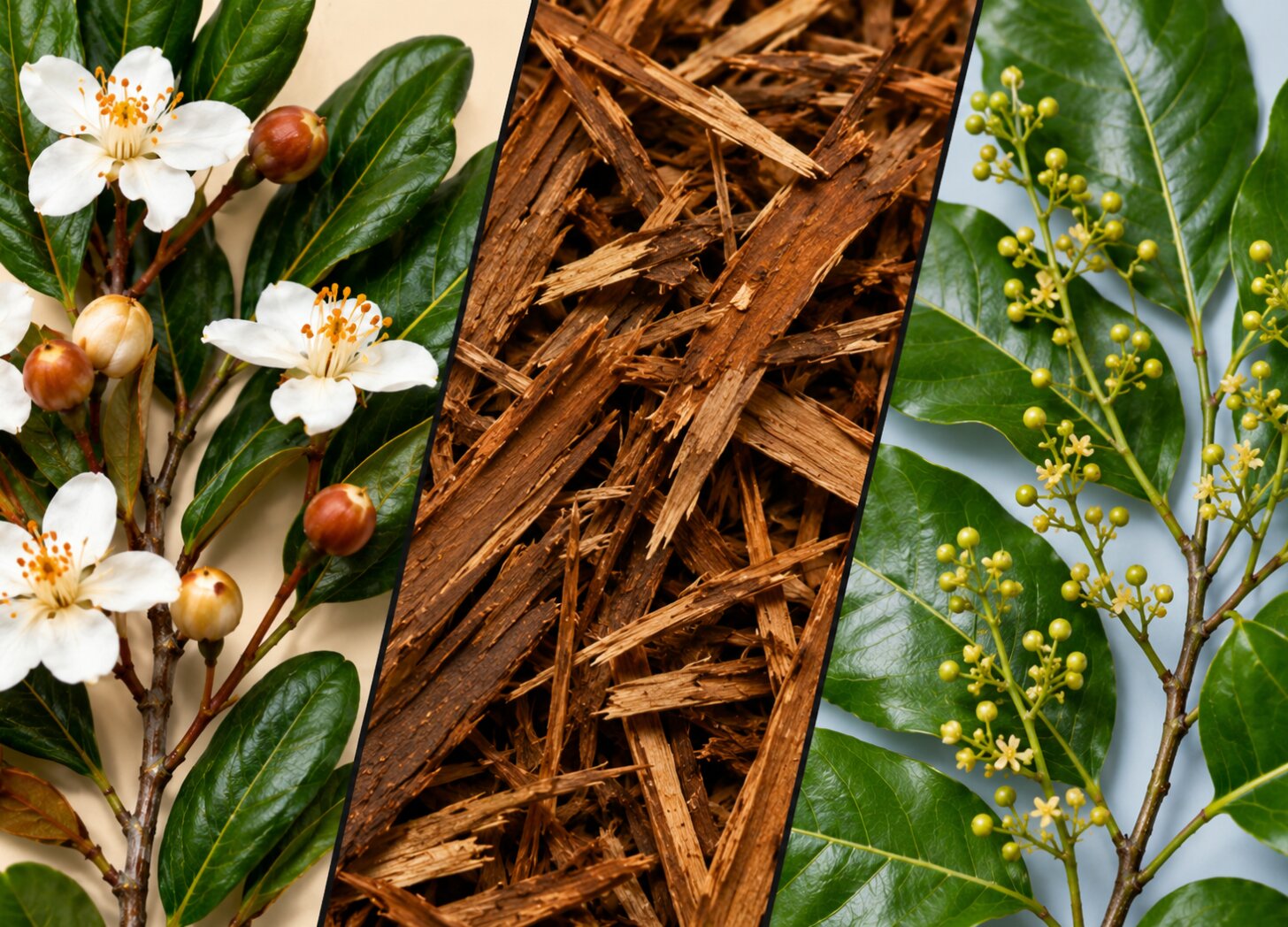
Humans have been using herbs to support sexual function for thousands of years. It’s no surprise we’ve developed a long list of plants reported to improve libido, support fertility, and treat sexual dysfunction.
Some of these herbs have been validated by modern research. Many have not — and a few are propped up by claims that fall apart the moment you check them.
This guide covers 34 (and counting) herbal aphrodisiacs from around the world: how each is said to work, where it comes from, and — crucially — how good the evidence actually is. Where a popular claim is wrong or a herb carries a safety risk, I’ve said so plainly.
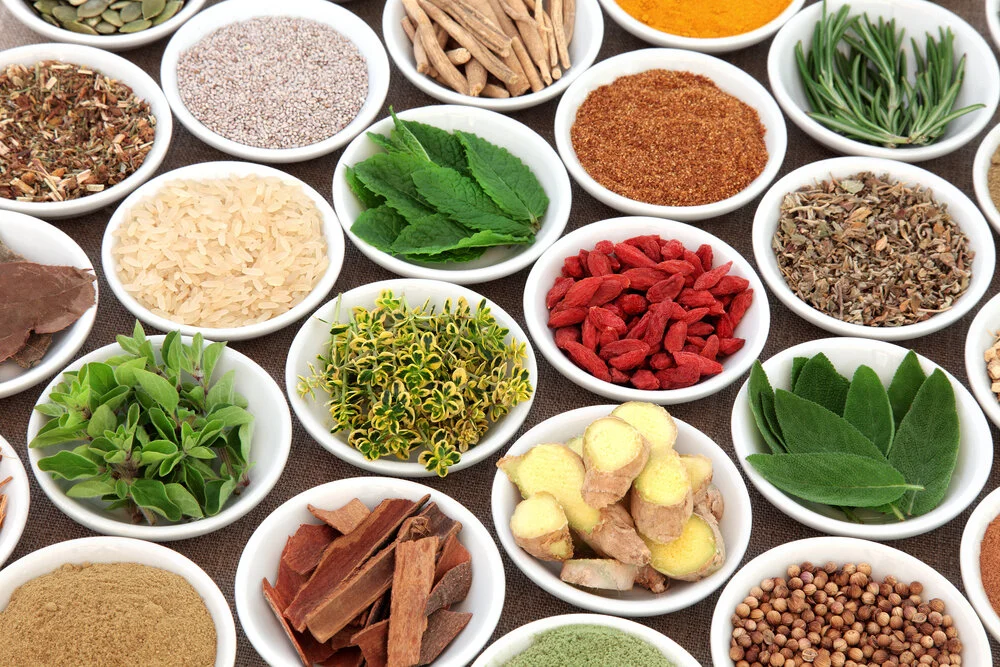
What is an Aphrodisiac?
Aphrodisiacs are substances — natural or synthetic — that increase the desire for, or ability to engage in, sexual activity.
This article highlights over 30 herbal aphrodisiacs, including how they work and where they originate.
Classifying Herbal Aphrodisiacs
There are six broad classes of herbal aphrodisiac, organised by general mechanism of action.
1. Aromatic Aphrodisiacs — work through the volatile oils of plants to activate the limbic system of the brain.
2. Adaptogenic Aphrodisiacs — work by promoting overall health, which restores the body’s natural drive to reproduce.
3. Nutritional Aphrodisiacs — work by supplying raw materials for building sex hormones and other compounds involved in reproduction.
4. Sexual stimulants — work by directly stimulating one or more processes involved in sexual desire or function.
5. Nervine aphrodisiacs — work through the nervous system, often via the vagus nerve, which connects to the reproductive organs.
6. Energetic aphrodisiacs — the traditional aphrodisiacs explained through energetic medical systems.
How Aphrodisiacs Actually Work (And How We Know)
The word aphrodisiac comes loaded with mythology — it stems from Aphrodite, the Greek goddess of love and pleasure — and that baggage is part of why the whole category gets treated with suspicion. Strip the romance away and the working definition is plain. Chauhan et al. (2014) describe an aphrodisiac simply as a substance that stimulates sexual desire 3Reference 3ReviewA Review on Plants Used for Improvement of Sexual Performance and Virility. Less mystical terms like “libido enhancer” or “sexual potency enhancer” mean the same thing.
What that tidy definition hides is that there’s no single mechanism. Herbal aphrodisiacs reach the same destination by very different roads:
- Through the limbic (primal) brain — often via scent, as with the aromatic herbs further down this list.
- By improving general health — particularly neurological and cardiovascular function. A body that’s run-down deprioritises reproduction, so adaptogens that restore overall vitality tend to restore libido as a side effect.
- By lowering stress — chronic stress is one of the most reliable killers of sex drive.
- By correcting nutritional or hormonal deficiencies — supply the raw materials for sex hormones and function often follows.
- By fighting fatigue — sometimes the obstacle is simply having nothing left in the tank.
These look unrelated, but the overlap is consistent across the herbs profiled here, which is why “aphrodisiac” ends up being a blanket term.
Association and placebo
Not every reputation is built on chemistry. The rose is bound up with love and sexuality so tightly that, for many people, its colour or scent alone is enough to nudge the brain toward arousal — the limbic system responding to a learned cue, much like Pavlov’s dogs salivating at a bell. Association doesn’t mean a plant isn’t an aphrodisiac; in cases like rose (and chocolate) the association exists precisely because there’s genuine activity to back it up.
Expectation also has real, measurable effects. Marketing a dubious powder as “herbal viagra” can produce results purely because the buyer believes it will — and placebo is a legitimate, well-documented response, accounted for in any good study. The problem isn’t placebo itself; it’s health claims hung on products with little or no genuine activity. Because aphrodisiacs aren’t regulated as medicines, plenty of inert products reach the market, get analysed, turn up empty, and tar the entire subject as bogus. Real aphrodisiacs tend to work more subtly and over a longer arc than the one-dose miracles the ads promise.
What’s happening in the body
Substances that act directly on sexual desire work on either the central nervous system (the brain) or the peripheral nervous system (everything outside it). Centrally, five neurotransmitters interact to drive arousal — norepinephrine, dopamine, serotonin, acetylcholine, and histamine. The prevailing view is that serotonin is inhibitory while dopamine is excitatory, especially in men 3Reference 3ReviewA Review on Plants Used for Improvement of Sexual Performance and Virility, which is why herbs offering dopaminergic support (the Amazonian tree catuaba is a good example) can have an outsized effect. Peripherally, other herbs work by increasing blood flow to the genitals, raising nitric oxide, or acting through androgens (hormones) 3Reference 3ReviewA Review on Plants Used for Improvement of Sexual Performance and Virility.
How aphrodisiacs get tested
We can’t measure “magic,” but we can measure physiology, and several traditional aphrodisiacs have run the full gauntlet of evidence:
- Lab and animal studies sit at the base — plant extracts tested on cell cultures and animals to identify a mechanism.
- Case reports from traditional practitioners add to the pool, though they’re individual and hard to validate externally.
- Case-control studies come closer to the scientific method but remain small.
- Cohort studies and clinical trials are the gold standard for applying a finding to the general public.
- Meta-analyses pool many trials together to test whether the effect is consistent and reproducible.
The honest summary: some aphrodisiacs genuinely work, and there’s a real body of evidence for how a handful of them act — but it’s buried under a marketplace of bogus products making false promises, and most of the plants below have never been properly tested in humans 1,2Reference 1ReviewNatural Aphrodisiacs — A Review of Selected Sexual EnhancersReference 2Exploring scientifically proven herbal aphrodisiacs. The herbs are organised here as a world map, grouped by where they grow.
How to read this list. Each herb carries a quick, honest evidence label:
- Human trials — actually tested in people (even if the trials are small or the effect modest).
- Mixed / weak human — some human data, but low-quality or conflicting.
- Animal only — promising in rodents, untested in people.
- Traditional — a long history of use, with little or no formal study.
A long pedigree and a proven effect are not the same thing — the label tells you which one you’re looking at.
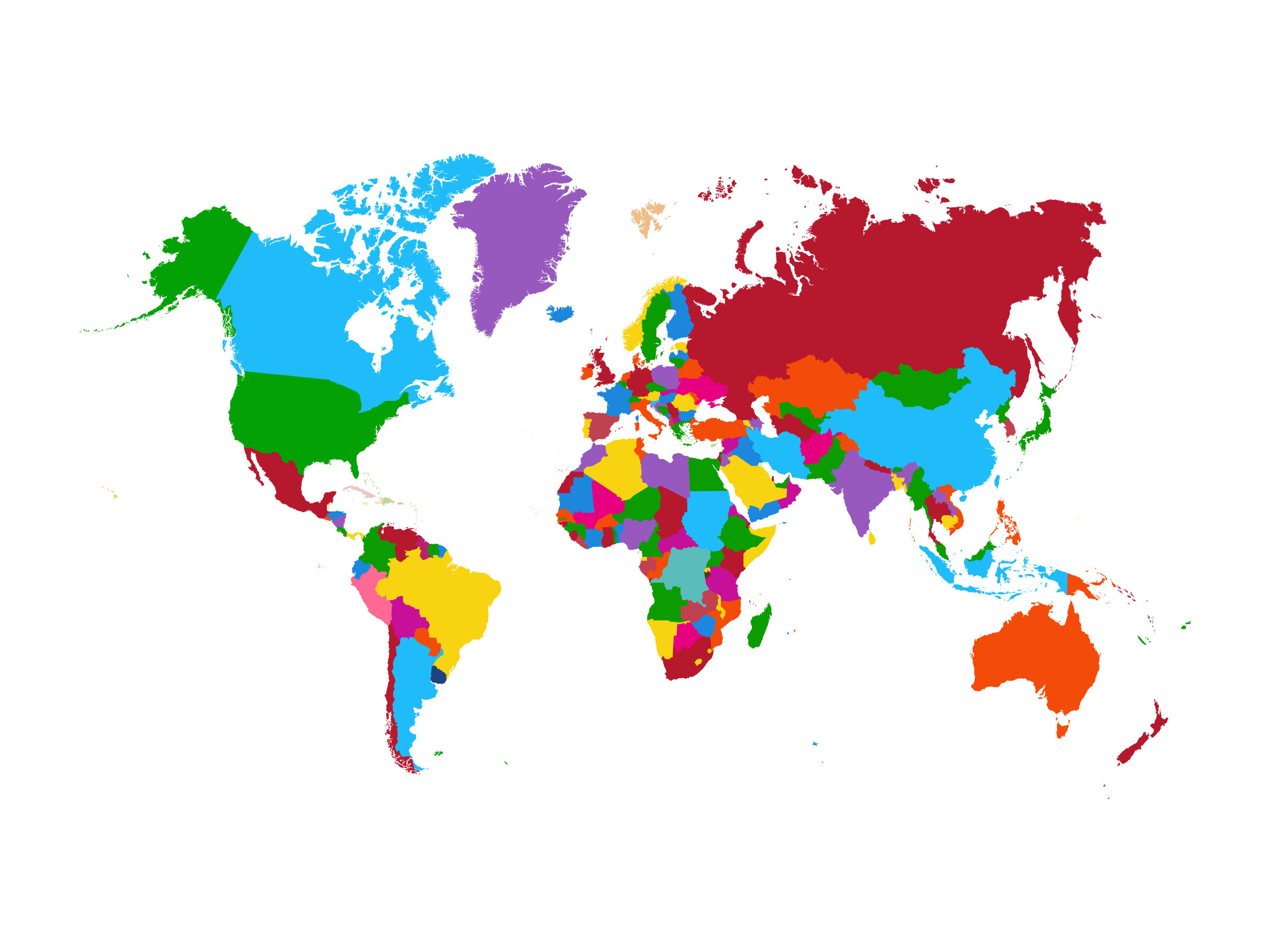
Herbal Aphrodisiacs of the World
1. Zoapatle
(Montanoa tomentosa)
Origin: Mexico & Central America
Class of Aphrodisiac: Nervine Aphrodisiac
Evidence: Animal only
Zoapatle is a member of the Asteraceae (sunflower family). In rodent studies it acts directly on the spinal nerves involved in ejaculation, and its effect has been attributed to oxytocin-like (oxytocic) activity 3Reference 3ReviewA Review on Plants Used for Improvement of Sexual Performance and Virility. Oxytocin is a brain chemical tied to bonding, attraction, and libido. As with most herbs on this list, the work is preclinical — there are no human trials.
2. Tribulus
(Tribulus terrestris)
Origin: Eurasia, Africa, North America, and Australia
Class of Aphrodisiac: Sexual Stimulant
Evidence: Mixed / weak human
This small herb grows in temperate and tropical climates worldwide, and it’s one of the most aggressively marketed “testosterone boosters” in the supplement aisle. The marketing has outrun the evidence. The claim that tribulus raises testosterone comes largely from animal studies and has not held up in controlled human trials — a 2025 systematic review of ten clinical trials found no reliable change in the androgen profile in most of them 5Reference 5Systematic reviewEffects of Tribulus terrestris Supplementation on Erectile Dysfunction and Testosterone Levels in Men — A Systematic Review of Clinical Trials. The human data look a little better for erectile function, with several small trials reporting improvement at 400–750 mg/day, but the quality is low. Treat tribulus as possibly helpful for erections and unproven for testosterone 5Reference 5Systematic reviewEffects of Tribulus terrestris Supplementation on Erectile Dysfunction and Testosterone Levels in Men — A Systematic Review of Clinical Trials.
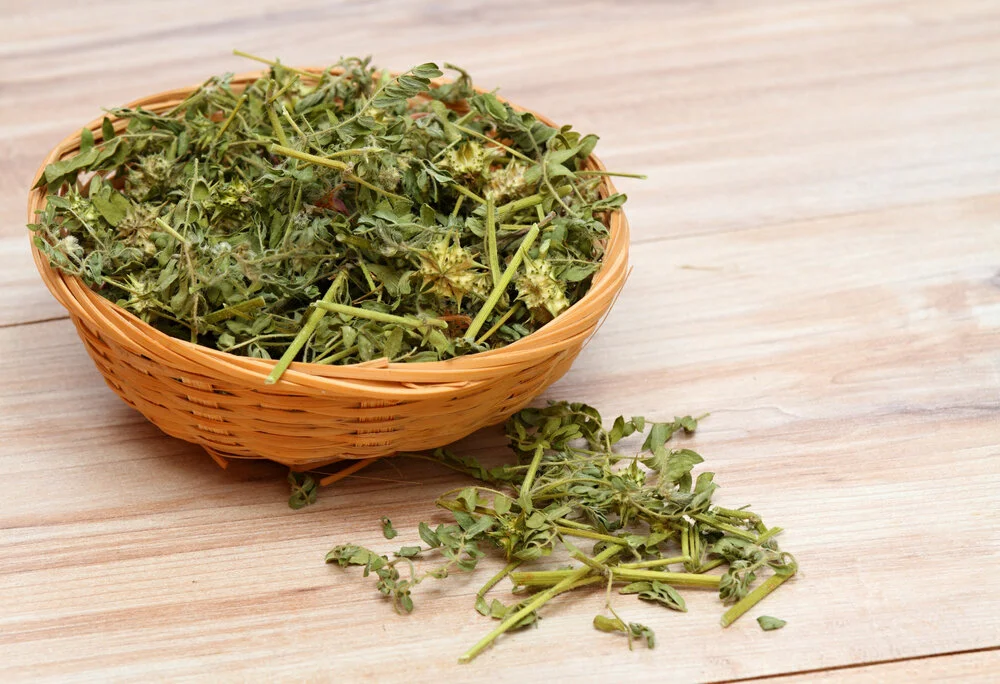
3. Deer or Elk antler velvet
Origin: International
Aphrodisiac Class: Adaptogenic Aphrodisiac
Evidence: Weak / negative human
While not technically a herb, deer antler velvet is used like one and appears in many Chinese herbal pharmacopoeias. In spring, the rapidly growing antlers are sheathed in a soft, blood-rich skin — the “velvet” — which has been used in Chinese medicine for centuries as a warming, strengthening tonic, including for sexual potency in both men and women.
Modern evidence is unconvincing. A systematic review of randomised trials (spanning arthritis, athletic performance, and sexual function) found most showed no effect, and a controlled trial in men reported no significant change in hormones or sexual behaviour versus placebo. One concrete warning, especially for athletes: commercial velvet sprays have been found to contain IGF-1, a substance banned in sport, and anti-doping agencies have cautioned that they may trigger a failed drug test 18Reference 18Detection of human insulin-like growth factor-1 in deer antler velvet supplements. New Zealand farms much of the world’s supply.
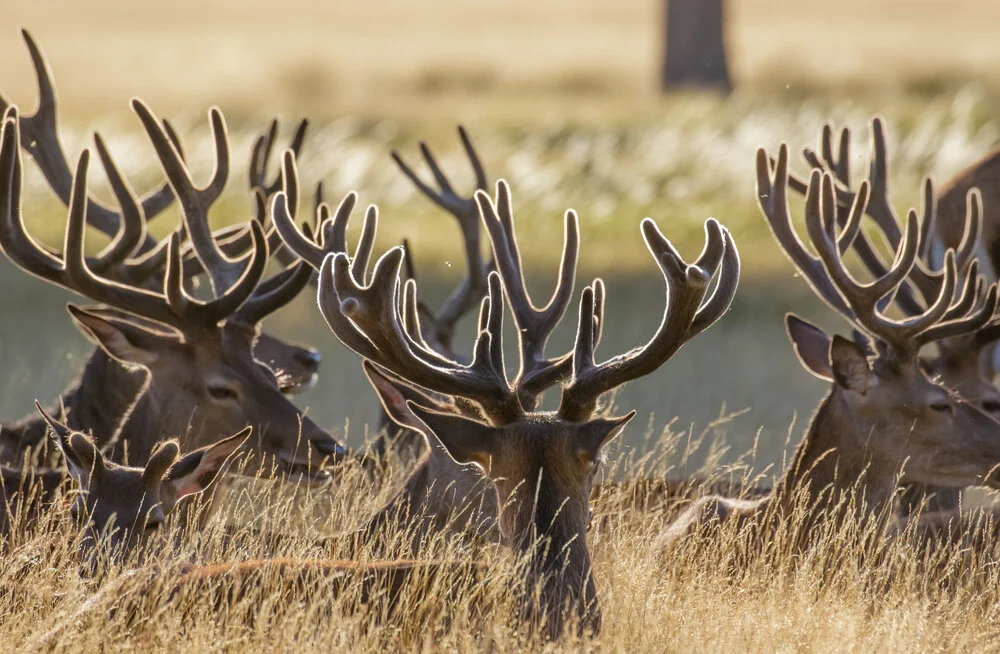
Deer with velvet still attached to the antlers.
4. Maca
(Lepidium meyenii)
Origin: South America (Andes Mountain Range)
Class of Aphrodisiac: Nutritional Aphrodisiac
Evidence: Mixed human
Maca is a root vegetable from the high Andes, and it has the best human evidence on this list for libido specifically. Randomised trials show it can modestly improve subjective sexual desire — but, importantly, without changing testosterone, LH, or FSH, so whatever maca does, it isn’t hormonal 6Reference 6Systematic reviewMaca (L. meyenii) for improving sexual function: a systematic review. The effect builds over weeks of regular use and appears somewhat stronger in men. The systematic-review verdict is “limited but suggestive”: a real signal, from small and low-quality trials 6Reference 6Systematic reviewMaca (L. meyenii) for improving sexual function: a systematic review.
Maca is usually sold as a dried powder for smoothies or oatmeal, or in capsules.
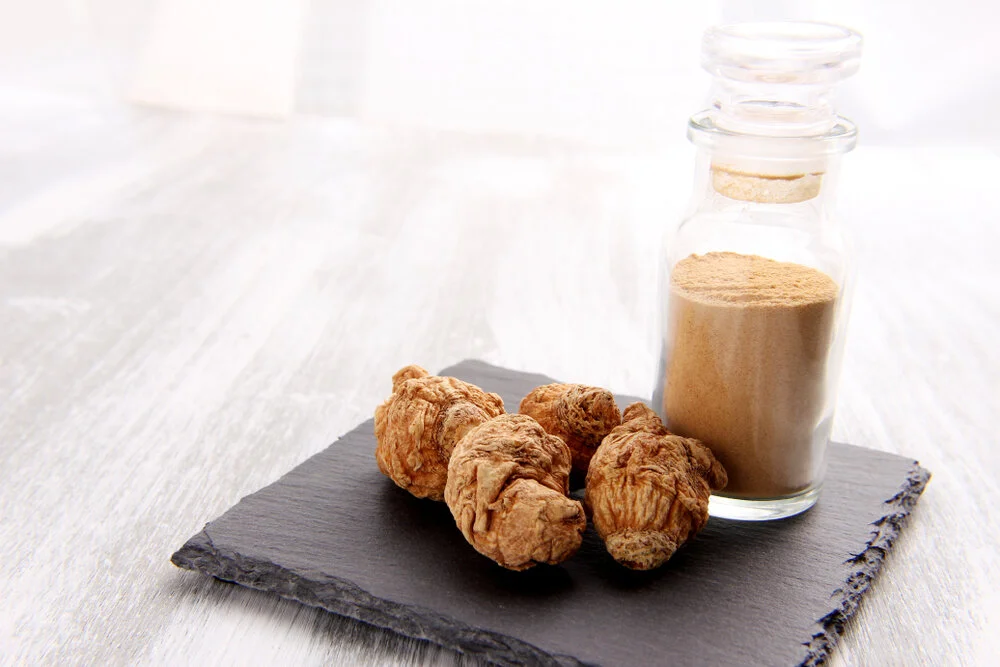
Maca root and powder.
5. Passionflower
(Passiflora spp.)
Origin: South America
Class of Aphrodisiac: Nervine Aphrodisiac
Evidence: Animal / traditional
Passionflower has been used as an aphrodisiac across the Americas for centuries, most notably by the Maya. In rodent studies the leaf extract increased sperm count and litter size and improved measures of sexual function — preclinical findings that haven’t been tested in people.
Its more plausible route to the bedroom is indirect: passionflower is a well-regarded calming herb, and chronic stress is one of the most reliable causes of low sex drive. Passionflower is widely sold as a dried tea or a tincture.
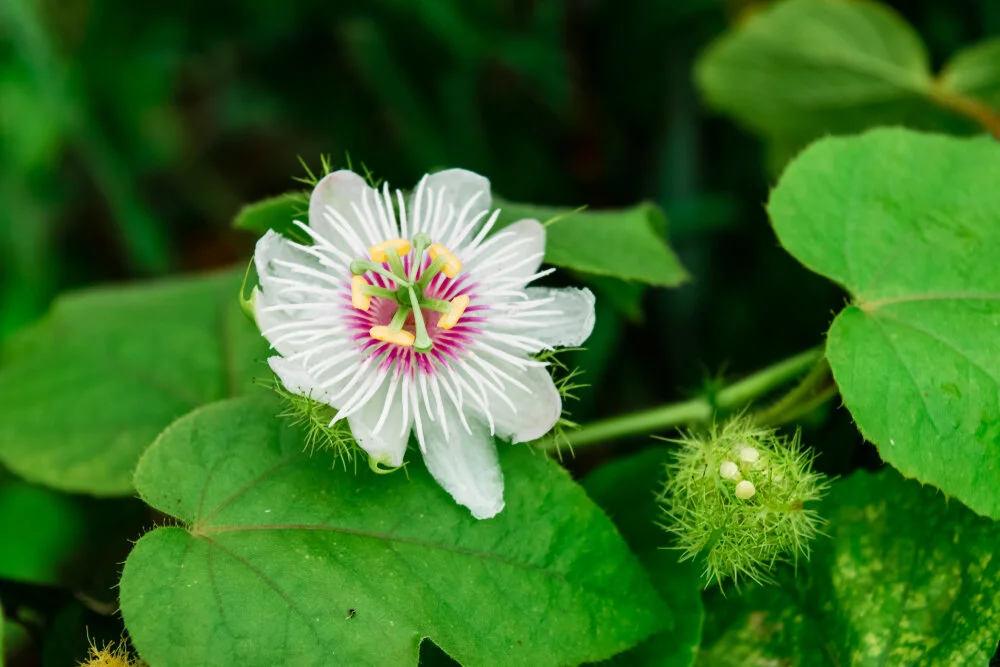
Passionflower.
6. Yohimbe
(Pausinystalia johimbe)
Origin: Africa
Class of Aphrodisiac: Sexual Stimulant
Evidence: Human RCT (purified drug) — risky as a bark supplement
Yohimbe bark contains the alkaloid yohimbine, one of the few plant aphrodisiacs with genuine clinical pedigree: purified yohimbine was a prescription erectile-dysfunction drug for years, and a meta-analysis of randomised trials found it beats placebo for ED 7Reference 7Meta-analysisYohimbine for erectile dysfunction: a systematic review and meta-analysis of randomized clinical trials. It works by blocking alpha-2 adrenergic receptors, which improves blood flow and raises norepinephrine.
The crucial caveat is dose and source. That evidence is for standardised pharmaceutical yohimbine — not over-the-counter yohimbe bark, whose alkaloid content is notoriously erratic and which has been linked to anxiety, racing heart, and dangerous blood-pressure spikes 7Reference 7Meta-analysisYohimbine for erectile dysfunction: a systematic review and meta-analysis of randomized clinical trials. It should be avoided by anyone with heart problems, high blood pressure, anxiety disorders, or who takes MAOI antidepressants.
A note on naming: yohimbine’s true source is Pausinystalia johimbe. Rauvolfia serpentina is sometimes mentioned alongside it, but Rauvolfia’s main alkaloid is reserpine, and its yohimbe-like compound — rauwolscine — is a close chemical cousin (alpha-yohimbine), not the same molecule. Yohimbe is also one of the few aphrodisiacs that acts within an hour.
7. Muira Puama
(Ptychopetalum olacoides)
Origin: South America
Class of Aphrodisiac: Nervine Aphrodisiac
Evidence: Traditional + uncontrolled human reports
Muira puama has a long history in Amazonian medicine for the complaints of aging — low libido, erectile difficulty, poor fertility, and memory loss — sometimes taken as a general male tonic 4Reference 4The Healing Power of Rainforest Herbs: A Guide to Understanding and Using Herbal Medicinals. The often-cited human “evidence” is a set of uncontrolled observational reports from the 1990s in which a majority of men described improved libido or erections; with no placebo group and no randomisation, these are suggestive at best, not proof.
It’s commonly paired with catuaba (next on the list). Muira puama is sold as a dried bark for tea or tincture, often blended with damiana and catuaba.
8. Catuaba
(Trichilia catigua / Erythroxylum catuaba)
Origin: South America
Class of Aphrodisiac: Nervine Aphrodisiac
Evidence: Animal / traditional
Catuaba has been used for centuries in Brazil to lift libido and ease erectile problems — a reputation captured in the saying from Minas Gerais, “until a father reaches 60, the son is his; after that, the son is Catuaba’s.” Preclinical work suggests it acts through the dopamine, adrenaline, and serotonin systems, which would tie together its traditional uses for mood, memory, and sexual function. But the research is animal-level, with no human trials. Catuaba bark is sold loose for tea, or as a tincture.
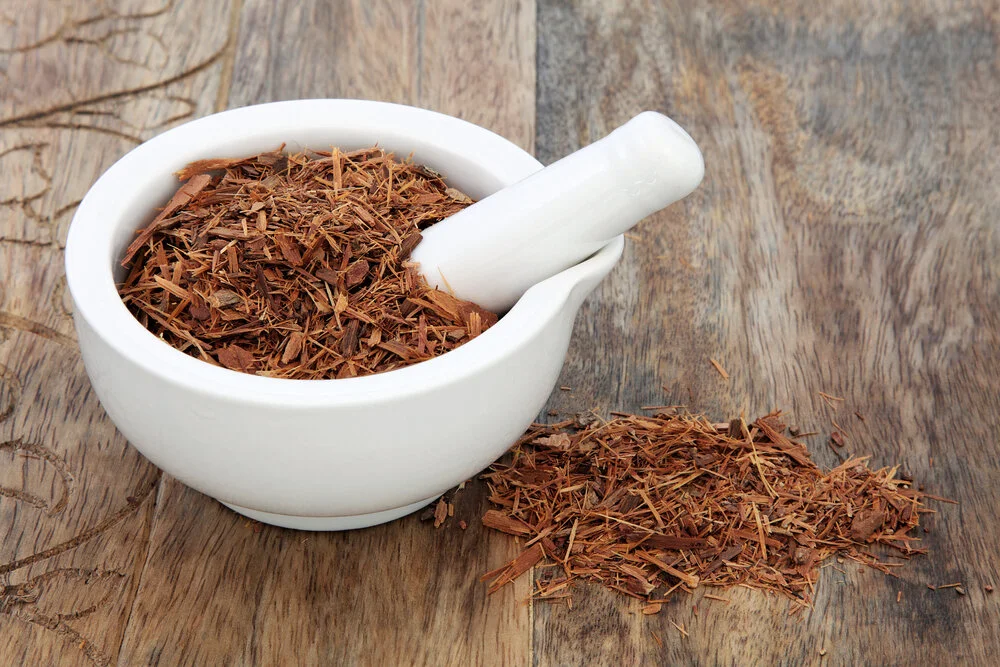
Catuaba bark.
9. Suma
(Pfaffia paniculata)
Origin: South America
Class of Aphrodisiac: Adaptogenic Aphrodisiac
Evidence: Traditional
Suma is treated as a cure-all (panacea) across its native South America, used for debility, colds and flus, snakebite, and low libido or fertility. It’s classed as an adaptogen — a herb said to buffer the body against stress, which when chronic drags down both libido and fertility. These are traditional and theoretical rationales; human aphrodisiac data are lacking. Traditional use calls for at least a week of consistent dosing. Suma is sold as a powder or in capsules.
10. Damiana
(Turnera diffusa)
Origin: Mexico & Central America
Class of Aphrodisiac: Nervine Aphrodisiac
Evidence: Animal / traditional
Damiana has a rich history as a relaxing, mildly euphoric aphrodisiac in Mexico and Central America, sometimes smoked or taken with other herbs such as kava in ceremony. In sexually “exhausted” male rats, damiana extract restores mating behaviour, apparently through the nitric-oxide pathway 17Reference 17AnimalPro-sexual effects of Turnera diffusa Wild (Damiana) in male rats: the nitric oxide pathway — but this is rodent data, with no human trials.
One correction to a widely repeated claim: damiana does not contain yohimbine. Its activity comes from flavonoids and other constituents; it mimics part of yohimbe’s mechanism without sharing its chemistry. Damiana is sold as a dried herb for tea, in capsules, or as a tincture.
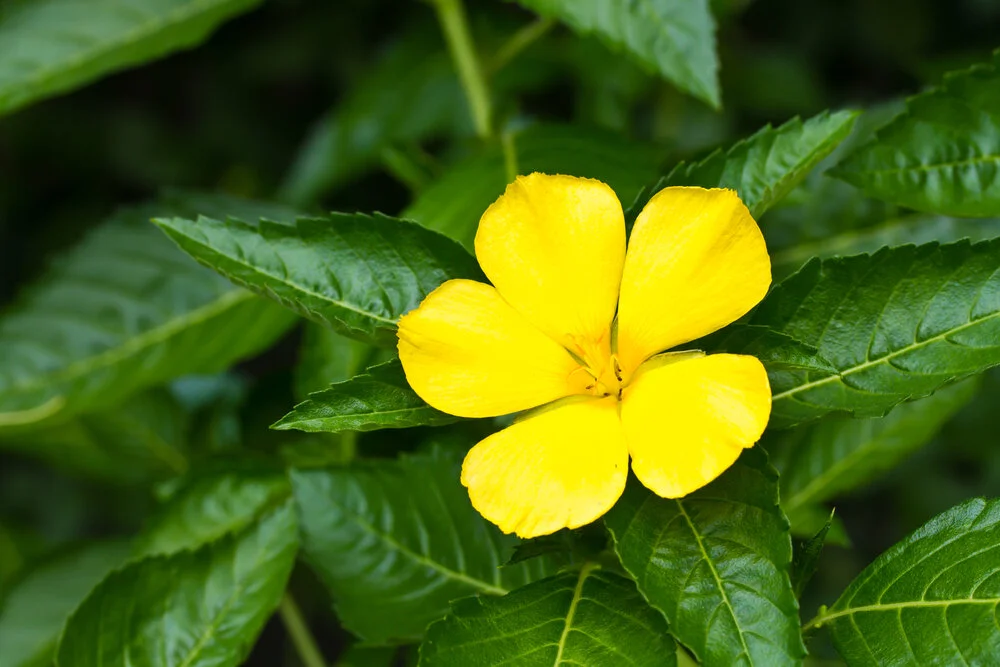
Damiana in flower.
11. Clavo huasca
(Tynanthus panurensis)
Origin: South America
Class of Aphrodisiac: Aromatic Aphrodisiac
Evidence: Traditional
Clavo huasca is an Amazonian vine used traditionally for infections, inflammation, and as an aphrodisiac said to act more strongly in women 4Reference 4The Healing Power of Rainforest Herbs: A Guide to Understanding and Using Herbal Medicinals. It contains eugenol — the same aromatic compound behind nutmeg’s (and clove’s) reputation — proposed to work by stimulating the limbic system and relaxing erectile tissue. The mechanism is plausible; the human evidence is traditional. Clavo huasca is sold as a dried bark or a tincture.
12. Jatropha
(Jatropha macrantha)
Origin: South America
Class of Aphrodisiac: Nervine Aphrodisiac
Evidence: Traditional
Jatropha — also called “Huanarpo macho” or “Peruvian viagra” — is the Andean counterpart to muira puama, used for the same age-related complaints and specifically for the male libido, with little reported effect in women. Its reputation is strong in Peru and Brazil, where it’s used for premature ejaculation and erectile dysfunction. Formal study is minimal.
13. Rosewood
(Aniba roseodora)
Origin: South America
Class of Aphrodisiac: Aromatic Aphrodisiac
Evidence: Traditional
Rosewood is a large Amazonian tree whose essential oil carries its aphrodisiac reputation; the oil is added to perfumes, lotions, and diffusers to lift the mood and libido.
There’s a serious ethical catch. Demand for the oil has driven destructive logging across the Amazon, as harvesters cut roads to reach new stands and damage neighbouring trees in the process. If you use rosewood oil, insist on a sustainable, traceable source — and treat suspiciously cheap oil as a red flag for unethical harvesting.
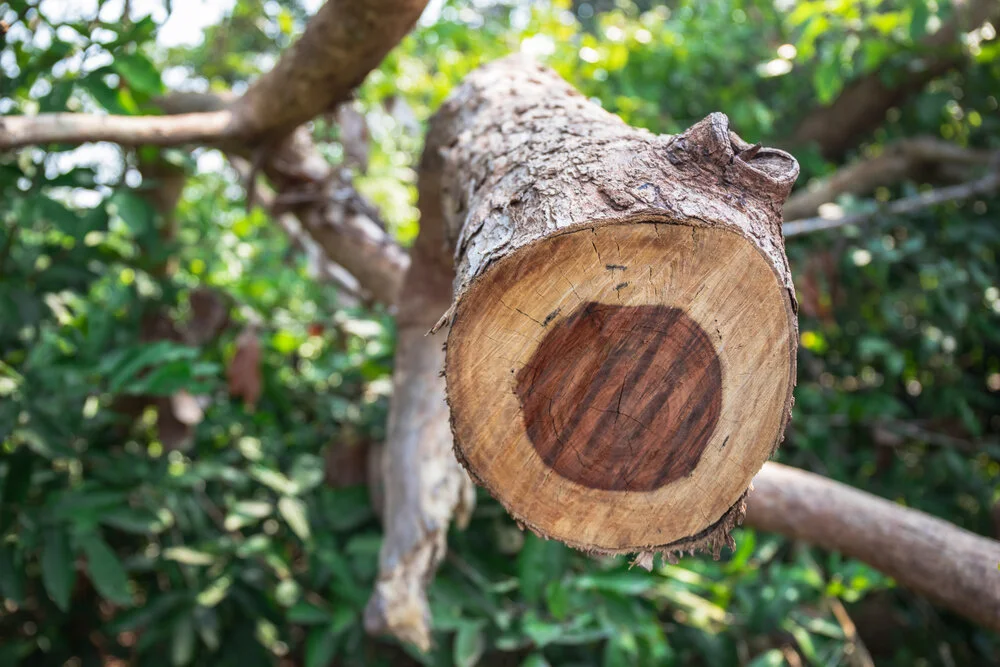
A rosewood tree.
14. Black Aphrodisiac
(Fadogia agrestis)
Origin: Africa
Class of Aphrodisiac: Sexual Stimulant
Evidence: Animal only — ⚠ safety concern
A relative of the coffee plant, Fadogia agrestis has become a popular “natural testosterone” supplement, often stacked with tongkat ali. The enthusiasm rests almost entirely on a single line of rat studies showing raised testosterone and increased sexual behaviour — there are no human trials at all.
More importantly, the same rat research found a real downside: at higher doses and longer durations, the stem extract damaged testicular function, and other rodent work has flagged possible liver and kidney toxicity 8Reference 8AnimalEffects of oral administration of aqueous extract of Fadogia agrestis stem on some testicular function indices of male rats. With no human safety data, no established dose, and a documented organ-toxicity signal in animals, this is a herb to approach with real caution — not the benign booster it’s marketed as.
15. Date Palm
(Phoenix dactylifera)
Origin: Northern Africa
Class of Aphrodisiac: Sexual Stimulant
Evidence: Animal / traditional
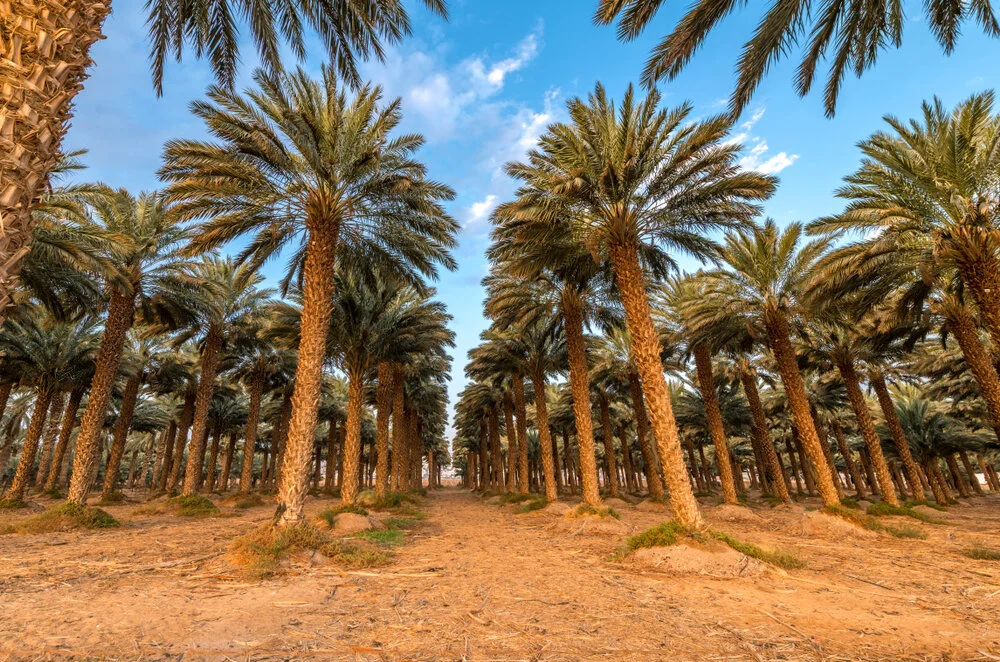
Date palm pollen has been used traditionally for male infertility, and animal studies report improvements in sperm count, motility, morphology, and testicular weight. Human evidence is thin. Date palm pollen is sold as a powder.
16. American Ginseng
(Panax quinquefolius)
Origin: North America
Class of Aphrodisiac: Adaptogenic Aphrodisiac
Evidence: Traditional (see Asian ginseng)
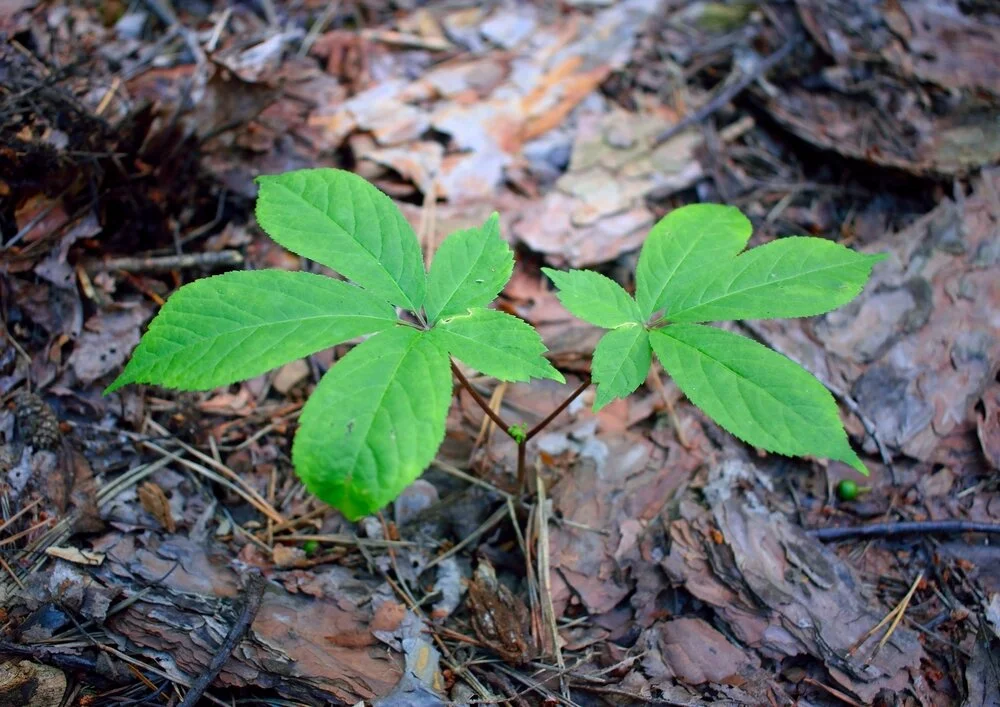
American ginseng is a close cousin of Asian ginseng (Panax ginseng), with a slightly different balance of active ginsenosides. In the warming/cooling language of Chinese medicine it’s the more “cooling, yin” of the two — considered gentler and better suited to people whose low libido comes bundled with weakness, adrenal fatigue, and burnout. Because that calming, stress-reducing quality is stronger here than in the Asian species, American ginseng is often the better pick when stress is the underlying problem. Its direct sexual effects are milder; the human erectile-dysfunction evidence (discussed under Asian ginseng, below) is mostly for the Asian/Korean red form. American ginseng is sold as a dried root, powder, or capsule.
17. Pine Pollen
(Pinus spp.)
Origin: International
Class of Aphrodisiac: Nutritional Aphrodisiac
Evidence: Traditional — mechanism not credible
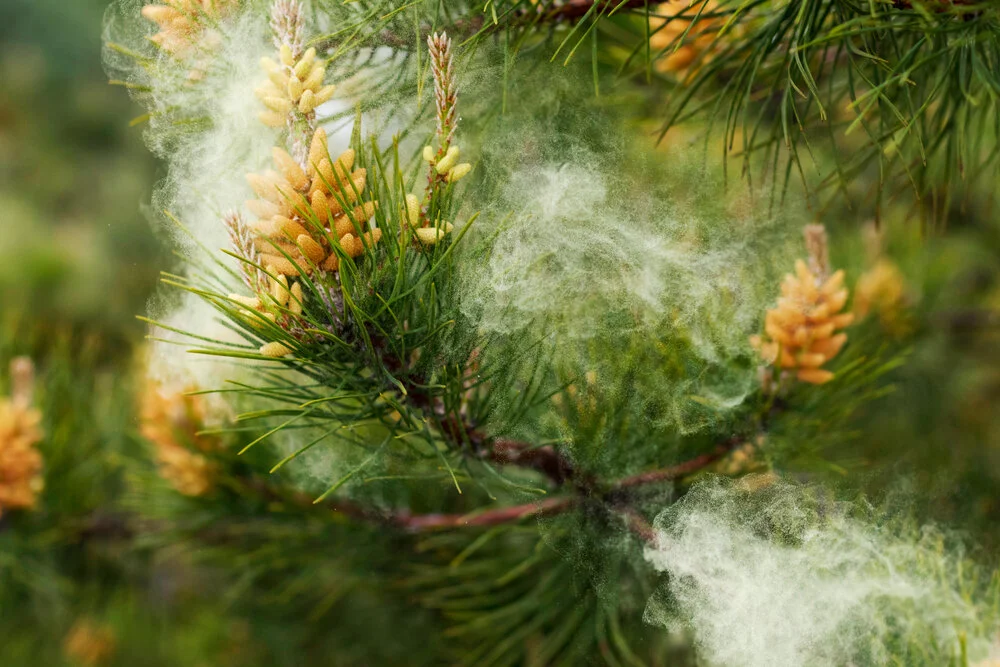
Pine pollen is produced in vast quantities by the male flowers of pine trees, and it’s marketed as a natural testosterone source. This claim needs heavy qualification.
Pine pollen does contain trace amounts of testosterone and related sterols — but in pharmacologically negligible quantities, and swallowed testosterone is poorly absorbed anyway (it’s broken down in the liver before it can do much, which is why medical testosterone isn’t a simple oral pill). There are no human trials showing pine pollen raises testosterone or “rebalances” hormones. Treat it as a traditional tonic, not as hormone therapy. Pine pollen is sold as a powder or a tincture.
18. Ibhucu
(Bulbine natalensis)
Origin: Africa
Class of Aphrodisiac: Sexual Stimulant
Evidence: Animal only
This South African plant has been studied mainly in rats, where the stem extract produced steroid-like, testosterone-raising effects and increased sexual behaviour 20Reference 20AnimalAnabolic and androgenic activities of Bulbine natalensis stem in male Wistar rats. Traditionally it’s used across southern Africa to raise desire and treat sexual dysfunction. As with Fadogia, the testosterone story is rodent-only and untested in people, so the same caution applies.
19. White Ginger
(Mondia whitei)
Origin: West Africa
Class of Aphrodisiac: Sexual Stimulant
Evidence: Animal / traditional
White ginger, native to West Africa, is used to treat erectile dysfunction, raise libido, and increase sperm count. Animal and lab work points to effects on the adrenergic system and on sperm parameters, but human evidence is limited.
20. Crocus (Saffron)
(Crocus sativus)
Origin: Mediterranean
Class of Aphrodisiac: Sexual Stimulant
Evidence: Human RCT
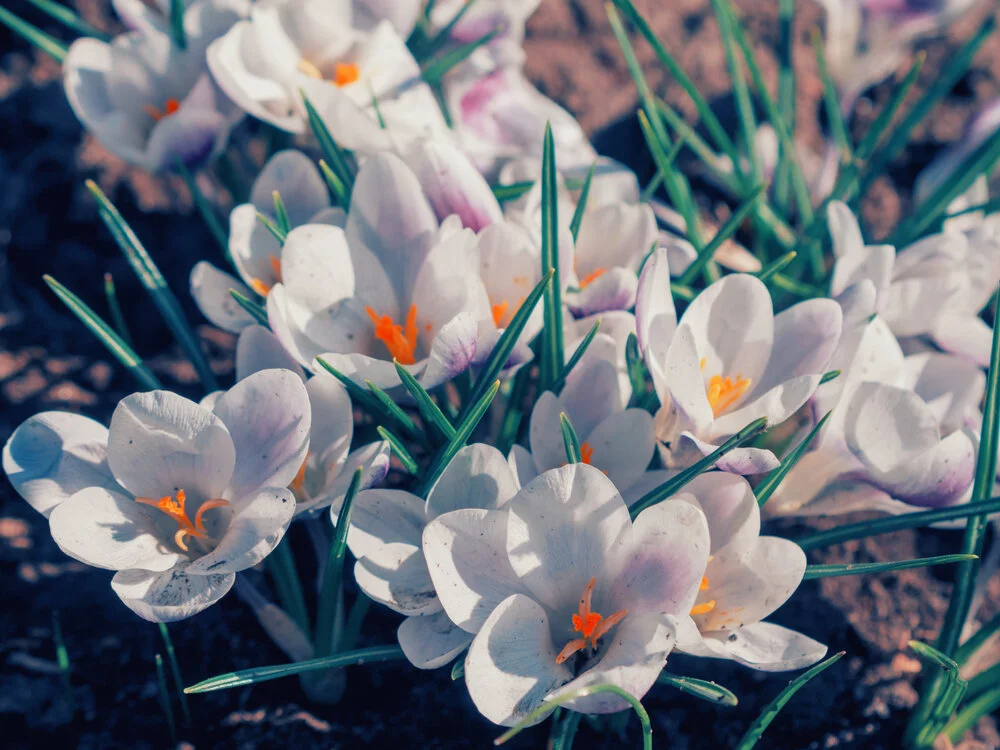
Don’t let the “small, unassuming flower” framing fool you — saffron has some of the strongest clinical evidence on this entire list. Its pigment, crocin, is the active piece. Randomised controlled trials and a meta-analysis show saffron improves sexual function in both men and women, and it’s been especially useful for the sexual side effects of SSRI antidepressants — a common, under-treated problem — outperforming placebo in double-blind trials 9Reference 9Meta-analysisEffects of saffron (Crocus sativus) on sexual dysfunction among men and women: a systematic review and meta-analysis. This is a genuine, evidence-backed option rather than a folkloric one, even if the effect is moderate.
21. Jamzad
(Nepeta binaludensis)
Origin: Middle East
Class of Aphrodisiac: Aromatic Aphrodisiac
Evidence: Animal only
Jamzad is a member of the mint family (Lamiaceae) and, characteristically, rich in essential (volatile) oil — which is where its effects on sexual function are attributed.
In mice exposed to a reproductive toxin, jamzad essential oil protected sperm quality and testosterone through antioxidant and androgenic activity, preventing DNA damage. The same study noted increases in follicle-stimulating hormone (FSH) and testosterone, along with higher counts of the sperm-forming cells. The work is entirely animal-level.
22. Love Vine
(Cassytha spp.)
Origin: Caribbean
Class of Aphrodisiac: Unknown
Evidence: Traditional
The common name says it all. This parasitic vine is used mainly as a diuretic and a folk cancer remedy, with a secondary reputation as an aphrodisiac. It’s a good example of a plant with a long aphrodisiac tradition but essentially no research into whether — or how — it works.
23. Ashwagandha
(Withania somnifera)
Origin: Asia
Class of Aphrodisiac: Adaptogenic Aphrodisiac
Evidence: Human RCT
Ashwagandha is the Ayurvedic adaptogen of the moment, and for sexual health it’s better supported than most. In men, root-extract trials have improved sperm count, motility, and reproductive hormones, with modest testosterone increases 12Reference 12Clinical evaluation of the spermatogenic activity of the root extract of Ashwagandha (Withania somnifera) in oligospermic males; it’s particularly suited to people whose low libido traces back to chronic stress. In women, a double-blind placebo-controlled trial found ashwagandha improved arousal, desire, and satisfaction — notably without changing hormones, which points to a stress-and-wellbeing mechanism rather than a hormonal one 13Reference 13Efficacy and safety of Ashwagandha (Withania somnifera) root extract in improving sexual function in women: a pilot study. Among the herbs here, it has some of the cleaner human data.
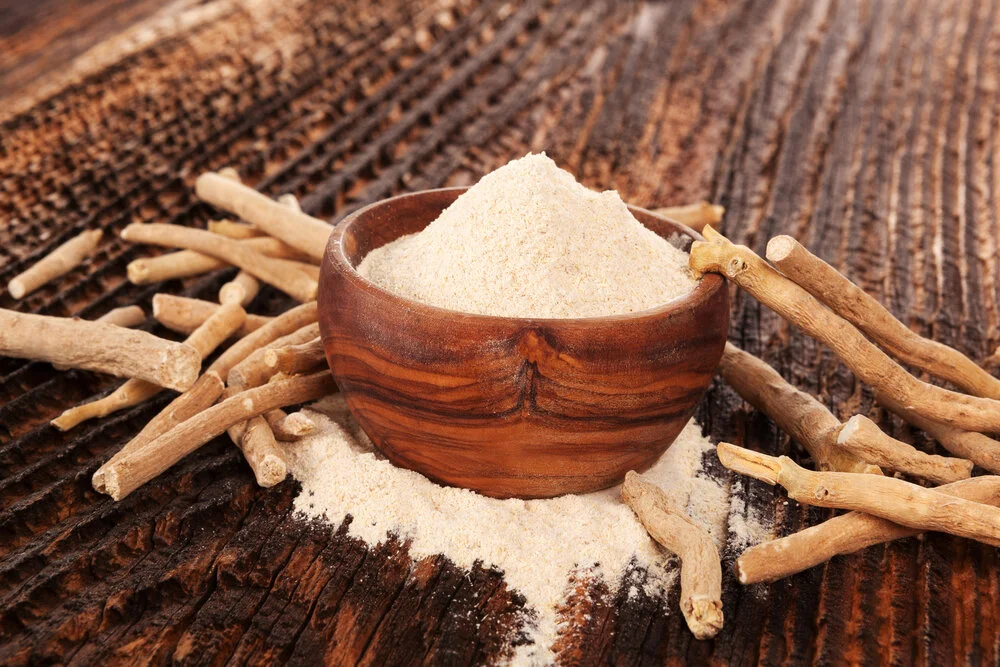
24. Indian Almond
(Terminalia catappa)
Origin: Asia
Class of Aphrodisiac: Sexual Stimulant (mild)
Evidence: Animal only
The seeds of the Indian almond tree are a traditional aphrodisiac 3Reference 3ReviewA Review on Plants Used for Improvement of Sexual Performance and Virility. In rats, the extract prolonged ejaculation latency but did not increase mating rates 19Reference 19AnimalEffects of Terminalia catappa seeds on sexual behaviour and fertility of male rats, which hints it might help premature ejaculation more than desire. Human studies are essentially absent.
25. Nutmeg
(Myristica fragrans)
Origin: Indonesia
Class of Aphrodisiac: Aromatic Aphrodisiac
Evidence: Animal / traditional — ⚠ toxic in large doses
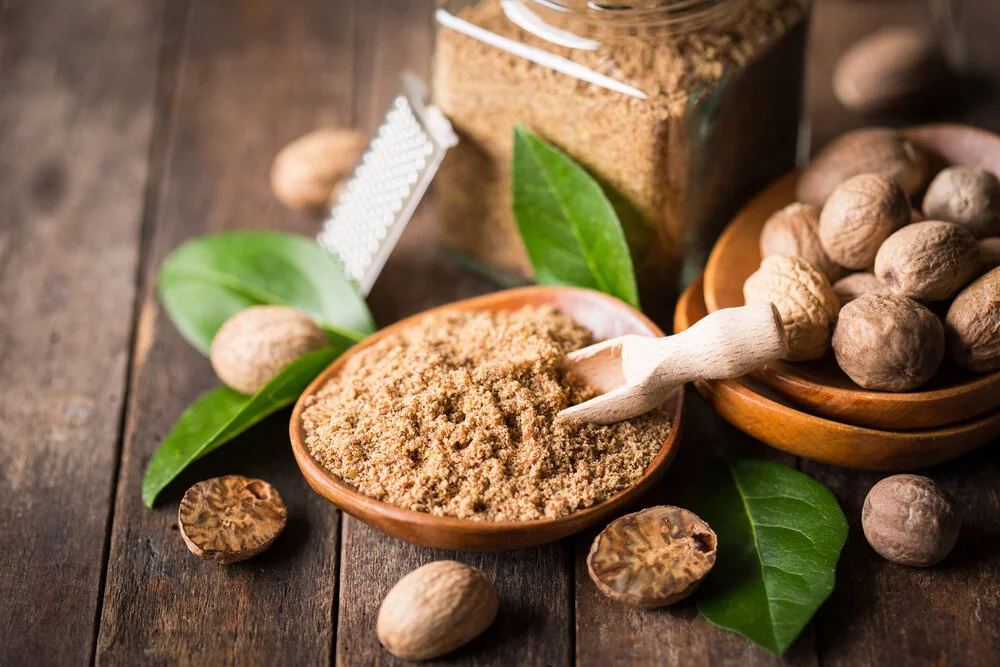
Nutmeg has a long aphrodisiac history in Unani medicine, attributed to eugenol in its essential oil — the same compound behind clavo huasca’s reputation in South America. Animal studies are supportive; human data are sparse.
One safety note worth stating plainly: nutmeg is mildly psychoactive and genuinely toxic in large amounts. A couple of teaspoons can bring on hallucinations, nausea, racing heart, and a miserable multi-day hangover. This is a culinary-dose herb, not a megadose one.
26. Tongkat Ali
(Eurycoma longifolia)
Origin: Southeast Asia
Class of Aphrodisiac: Sexual Stimulant
Evidence: Human RCT
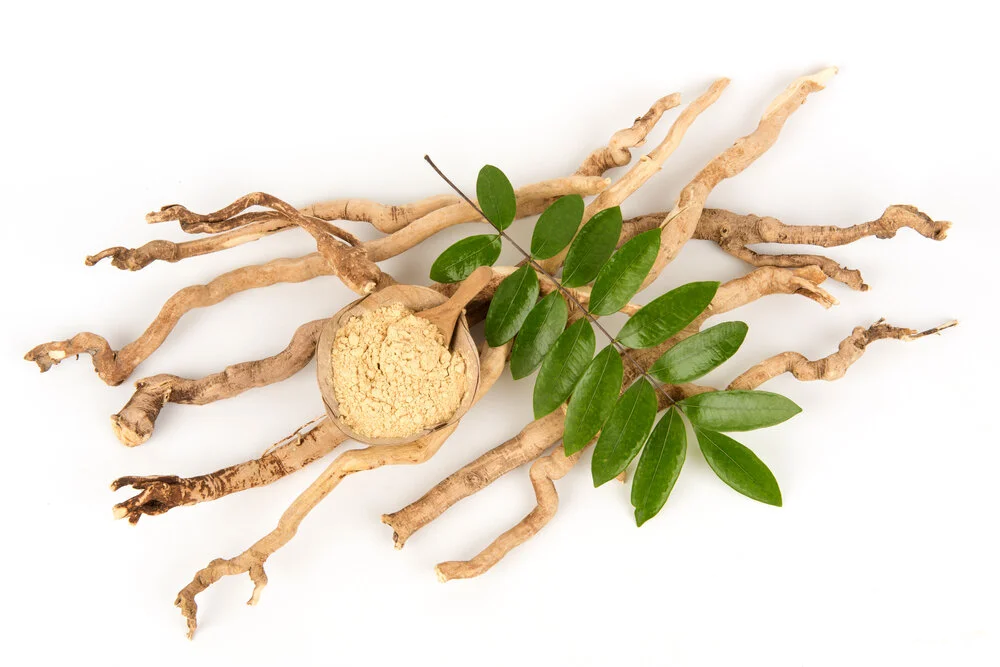
Tongkat ali — a staple across Malaysia, Indonesia, Vietnam, and Laos, and a symbol of male virility — is sold widely as a “herbal viagra,” and it’s one of the better-evidenced entries here. A meta-analysis found it raises serum testosterone in men 10Reference 10Meta-analysisEurycoma longifolia (Jack) improves serum total testosterone in men: a systematic review and meta-analysis of randomized clinical trials, and a randomised trial in stressed adults reported lower cortisol, higher testosterone, and improved mood 11Reference 11Effect of Tongkat Ali on stress hormones and psychological mood state in moderately stressed subjects; other trials show benefits for erectile function and libido in both sexes. The usual caveats apply — modest effect sizes, small studies, and wide variation in product quality and standardisation. Tongkat ali is sold as a powder or a standardised extract.
27. Ginkgo
(Ginkgo biloba)
Origin: Asia
Class of Aphrodisiac: Nervine Aphrodisiac
Evidence: Weak / negative human
Ginkgo has a 2,000-year history in China for circulation and cognition, and the theory that better blood flow should help erections is reasonable. The problem is that, when it’s actually been tested, ginkgo hasn’t delivered for sexual function.
The frequently quoted 1998 open-label report of near-universal success against antidepressant-induced sexual dysfunction failed to replicate, and a 2008 randomised controlled trial found ginkgo no better than placebo for women’s subjective sexual function — a single dose nudged a physiological arousal measure, but the lived experience didn’t change 14Reference 14Short- and long-term effects of Ginkgo biloba extract on sexual dysfunction in women. Treat ginkgo as a plausible idea that the controlled evidence does not support for libido or erectile function. It remains a reasonable general tonic for circulation and cognition.
28. Asian Ginseng
(Panax ginseng)
Origin: Asia
Class of Aphrodisiac: Adaptogenic Aphrodisiac
Evidence: Mixed human
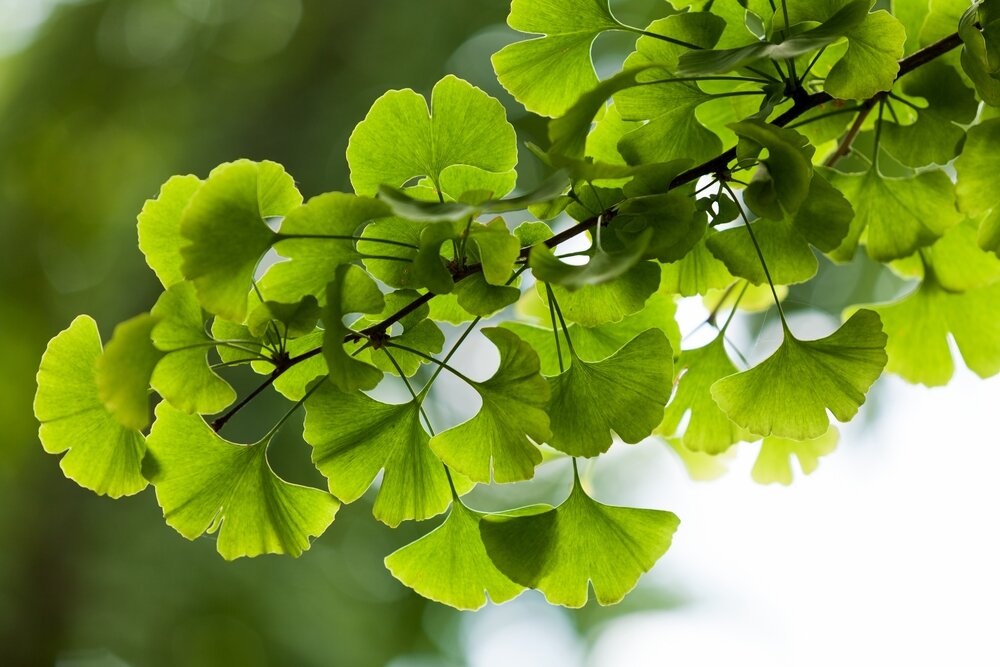
Asian ginseng is the classic “cure-all” male tonic of East Asia, and among the herbs on this list it’s one of the most studied for erectile function. The picture is genuinely mixed: an earlier meta-analysis of red-ginseng trials was positive for ED, but a more rigorous 2021 Cochrane review concluded the effect on erectile function is small and uncertain 15Reference 15Systematic reviewGinseng for erectile dysfunction (Cochrane systematic review). It works slowly, over days to weeks, mainly through adrenal/stress and immune support, with some direct nitric-oxide effects on erectile tissue. The Panax ginseng (Asian) species is the more stimulating of the two ginsengs, which is why it’s favoured for sexual desire over its American cousin. Real, but don’t expect a dramatic result.
29. Schisandra berry
(Schisandra chinensis)
Origin: Asia
Class of Aphrodisiac: Nutritional Aphrodisiac
Evidence: Traditional
Schisandra is the “five-flavour berry” (wu wei zi), named for its complex taste. In traditional Chinese medicine it’s a tonic herb used for the lungs and the immune system, and secondarily for libido — with a reputation for acting slightly more strongly in women.
TCM ties the libido effect to the liver, which processes reproductive hormones: insufficient liver activity is said to skew the oestrogen-to-progesterone balance in ways that dampen libido. In TCM terms the berry is prized as a tonic containing the “quintessence of the five elements.” These are traditional rationales rather than clinical findings. Schisandra is sold as dried berries, a powder, or a tincture.
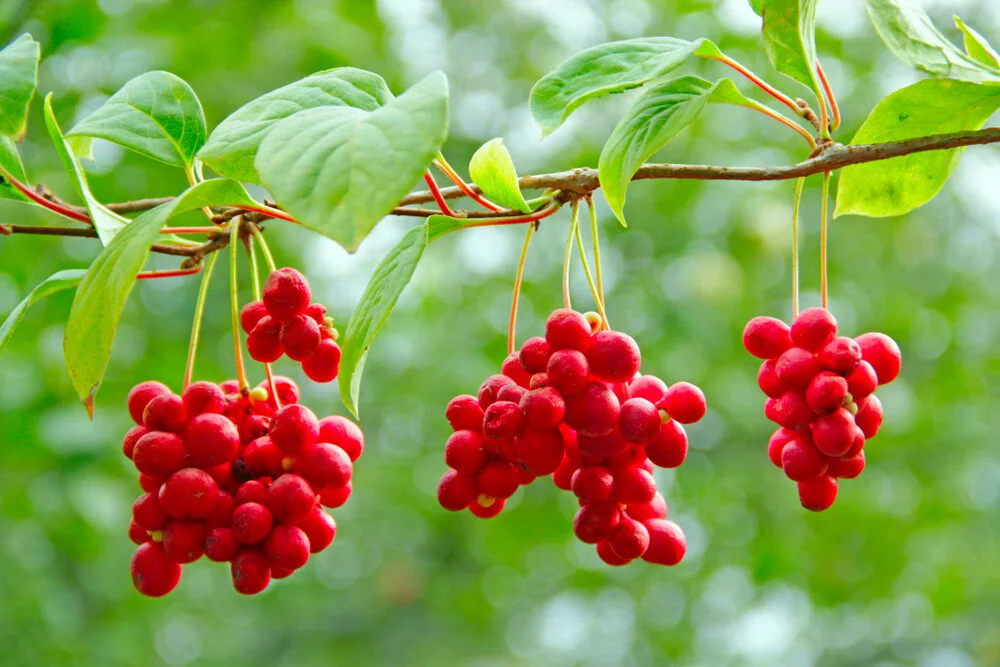
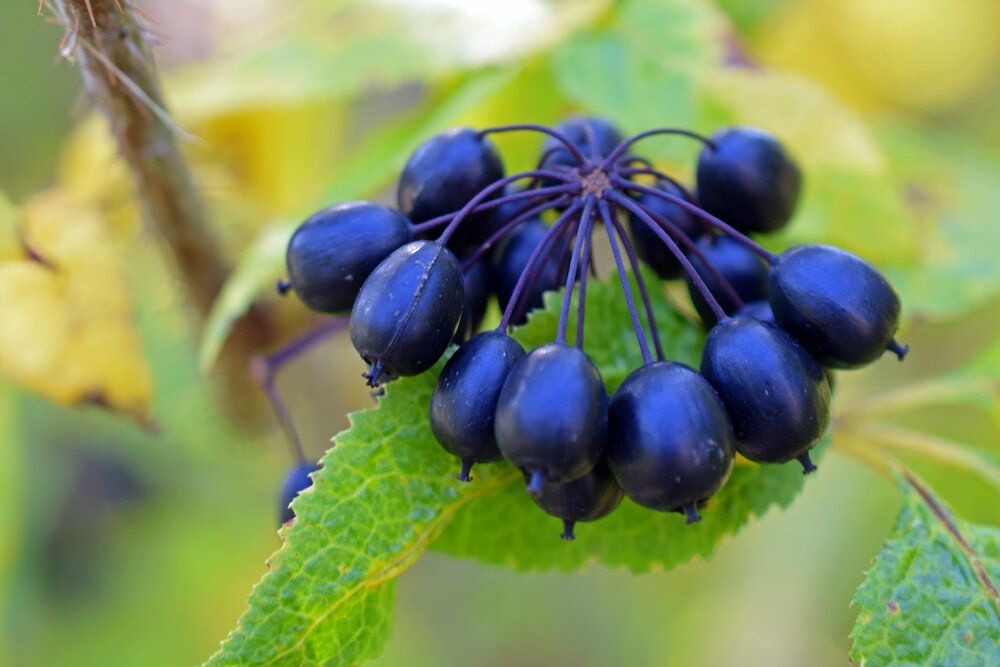
Schisandra berries.
30. Horny Goat Weed
(Epimedium grandiflorum)
Origin: China
Class of Aphrodisiac: Sexual Stimulant
Evidence: Mostly preclinical
Legend credits a Chinese goatherd who noticed his flock grew friskier after grazing on it — hence the name. The active compound, icariin, is a genuine PDE5 inhibitor, the same class of mechanism as Viagra — but it’s roughly 80 times weaker, so a meaningful effect would require an implausibly large dose, and the human evidence is thin and low-quality 16Reference 16In vitroErectogenic and neurotrophic effects of icariin, a purified extract of horny goat weed (Epimedium spp.), in vitro and in vivo. In TCM it’s used to “boost yang” for male sexual complaints. It’s best used within a formula rather than alone, and product icariin content varies widely.
31. Siberian Ginseng
(Eleutherococcus senticosus)
Origin: Northern Asia
Class of Aphrodisiac: Adaptogenic Aphrodisiac
Evidence: Traditional
Eleuthero, or “Siberian ginseng,” isn’t a true ginseng but is used similarly — a warming, stimulating adaptogen for energy and stamina. Athletes use it to support physical performance and recovery, and the USSR famously gave a commercial eleuthero preparation to factory workers to improve endurance and general health.
As an aphrodisiac, its role is indirect: it’s reached for to restore energy in the bedroom rather than to stoke desire directly. Eleuthero is sold as a dried root, powder, or tincture.
32. Vanilla
(Vanilla planifolia)
Origin: Central & South America
Class of Aphrodisiac: Aromatic Aphrodisiac
Evidence: Animal / traditional
Vanilla is an orchid native to Mexico and Central America. Its flowers last only a day, so they have to attract pollinators fast; once pollinated, a pod forms, and the aromatic compounds — led by vanillin — develop as the pod cures.
Cultures from the Aztecs and Maya onward have used vanilla as an aphrodisiac, and it remains a fixture in scents, creams, and candles marketed for romance. Lab studies in rats report increased mating behaviour. The data are animal and traditional. (A fitting footnote: “vanilla” descends, via the Spanish vainilla, from the Latin for “little sheath.”)
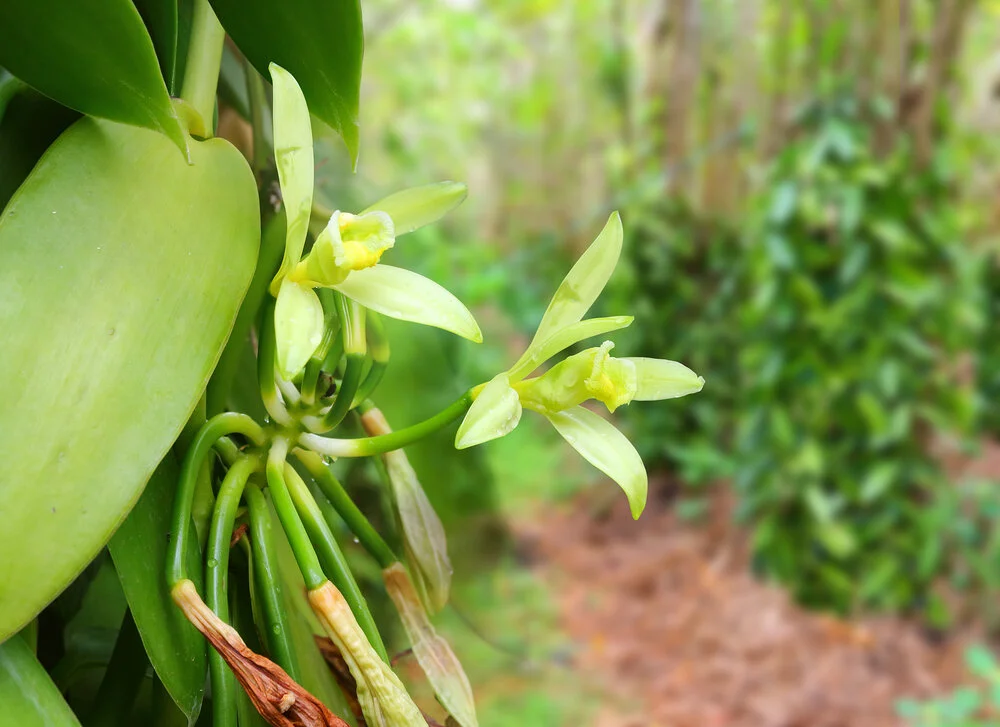
The vanilla orchid.
33. Rose
(Rosa spp.)
Origin: International
Class of Aphrodisiac: Aromatic Aphrodisiac
Evidence: Traditional
Rose has been bound up with love and desire for as long as we have records. Its scent is potent enough that, it’s said, even a trace of the essential oil can prompt a release of oxytocin in the brain — and because it takes roughly 60,000 roses to produce a single ounce (30 mL) of oil, true rose oil is expensive.
Traditionally, rose has been used to regulate the menstrual cycle, ease fatigue, lift the mood, and support erectile function; the effect is generally framed as hormonal and calming. Pure rose oil is lovely but pricey, and frequently adulterated — buy carefully.
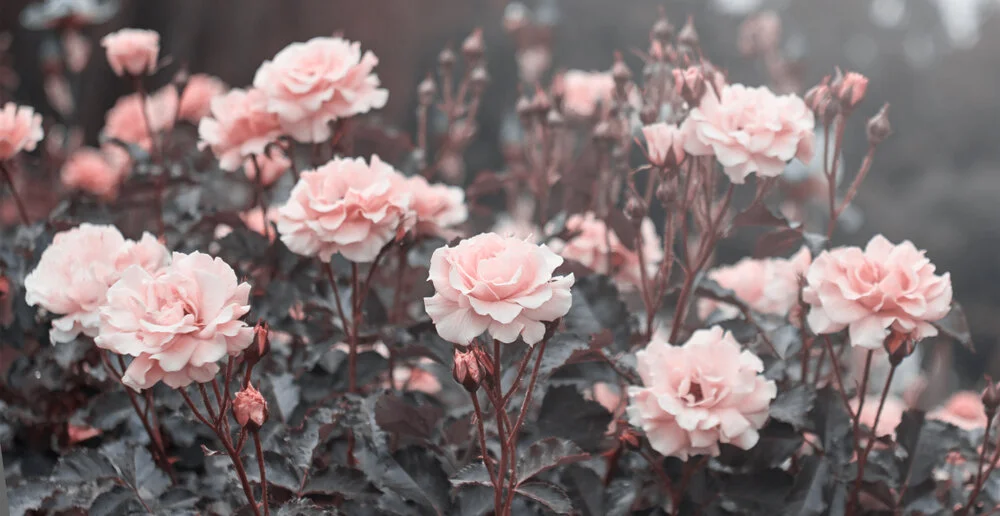
Rose in bloom.
34. Ylang Ylang
(Cananga odorata)
Origin: Southeast Asia
Class of Aphrodisiac: Aromatic Aphrodisiac
Evidence: Traditional
Ylang ylang — “flower of flowers” in Malay — comes from a large tree that can reach 20 metres, and yields a heady essential oil with both calming and arousing reputations. It’s been used for low mood, anxiety, erectile difficulty, and menstrual irregularities, and in some cultures it’s strewn over the beds of newlyweds.
Because it works partly by easing stress and tension, ylang ylang is a popular choice where low libido is driven by anxiety. The essential oil is used in diffusers and DIY topical blends.
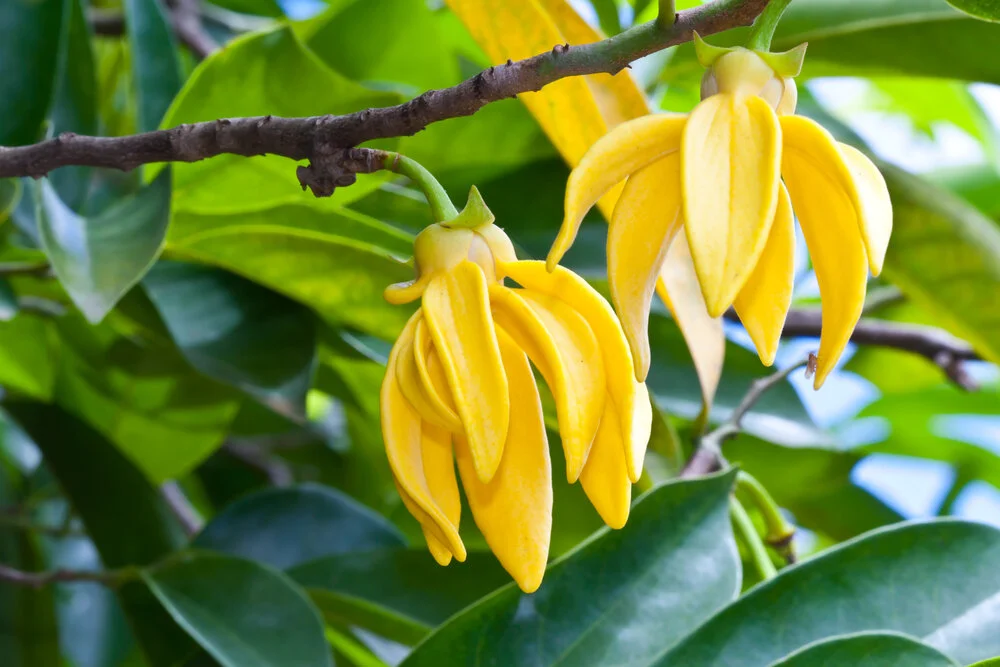
The ylang ylang flower.
+ Comprehensive List Of Aphrodisiac Herbs
- Anacardium occidentale (Cashew)
- Ananas comosus (Pineapple)
- Angelica sinensis (Dong quai)
- Aniba canelilla (Rosewood)
- Basella alba (Malabar Spinach)
- Brosimum acutifolium (Tamamuri)
- Bulbine natalensis (Ibhucu)
- Carica papaya (Papaya)
- Cassytha spp. (Love Vine)
- Citrullus lanatus (Watermelon)
- Cinnamomum verum (Cinnamon)
- Cordyceps sinensis (Cordyceps)
- Crocus sativus (Saffron)
- Cuscuta chinensis (Chinese dodder)
- Deer antler velvet
- Dioscorea opposita (Chinese yam)
- Dendrobium spp. (Dendrobium)
- Eleutherococcus senticosus (Siberian Ginseng)
- Epimedium grandiflorum (Horny Goat Weed)
- Erythroxylum catuaba (Catuaba)
- Eurycoma longifolia (Tongkat ali)
- Fadogia agrestis (Black Aphrodisiac)
- Fallopia multiflora (ho shou wu)
- Ginkgo biloba (Ginkgo)
- Hibiscus macranthus (Hibiscus)
- Jatropha macrantha (Huanarpo macho)
- Lepidium meyenii (Maca)
- Massularia acuminata (Pako Ijebu)
- Mondia whitei (White Ginger)
- Montanoa tomentosa (Zoapatle)
- Myristica fragrans (Nutmeg)
- Panax ginseng (Asian ginseng)
- Panax quinquefolius (American Ginseng)
- Passiflora spp. (Passionflower)
- Paullinia cupana (Guarana)
- Pausinystalia johimbe (Yohimbe)
- Pfaffia paniculata (Suma)
- Phoenix dactylifera (Date Palm)
- Pinus spp. (Pine Pollen)
- Piper guineense (Ashanti Pepper)
- Prunus persica (Peach)
- Ptychopetalum olacoides (Muira Puama)
- Rauvolfia serpentina (Indian snakeroot)
- Rehmannia glutinosa (Chinese foxglove)
- Satureja khuzestanica (Jamzad)
- Schisandra chinensis (Schisandra berry)
- Siparuna guianensis (Picho huayo)
- Smilax spp. (Sarsaparilla)
- Terminalia catappa (Indian Almond)
- Tribulus terrestris (Bindii)
- Trichilia catigua (Catiguá)
- Turnera diffusa (Damiana)
- Tynanthus panurensis (Clavo Huasca)
- Withania somnifera (Ashwagandha)
- Zingiber officinale (Ginger)
Author
The Sunlight Experiment
References
- West, E. L., & Krychman, M. (2015). Natural Aphrodisiacs — A Review of Selected Sexual Enhancers. Sexual Medicine Reviews, 3(4), 279–288. Link
- Kotta, S., Ansari, S. H., & Ali, J. (2013). Exploring scientifically proven herbal aphrodisiacs. Pharmacognosy Reviews, 7(13), 1–10. Link
- Chauhan, N. S., Sharma, V., Dixit, V. K., & Thakur, M. (2014). A Review on Plants Used for Improvement of Sexual Performance and Virility. BioMed Research International, 2014, 868062. Link
- Taylor, L. (2005). The Healing Power of Rainforest Herbs: A Guide to Understanding and Using Herbal Medicinals. Square One Publishers. (Traditional Amazonian use of muira puama, catuaba, and clavo huasca.)
- Salgado, R. M., et al. (2025). Effects of Tribulus terrestris Supplementation on Erectile Dysfunction and Testosterone Levels in Men — A Systematic Review of Clinical Trials. Nutrients, 17(7), 1275. Link
- Shin, B. C., Lee, M. S., Yang, E. J., Lim, H. S., & Ernst, E. (2010). Maca (L. meyenii) for improving sexual function: a systematic review. BMC Complementary and Alternative Medicine, 10, 44. Link
- Ernst, E., & Pittler, M. H. (1998). Yohimbine for erectile dysfunction: a systematic review and meta-analysis of randomized clinical trials. Journal of Urology, 159(2), 433–436. Link
- Yakubu, M. T., et al. (2008). Effects of oral administration of aqueous extract of Fadogia agrestis stem on some testicular function indices of male rats. Journal of Ethnopharmacology, 115(2), 245–249. Link
- Ranjbar, H., & Ashrafizaveh, A. (2019). Effects of saffron (Crocus sativus) on sexual dysfunction among men and women: a systematic review and meta-analysis. Avicenna Journal of Phytomedicine. Link
- Leitão, A. E., et al. (2022). Eurycoma longifolia (Jack) improves serum total testosterone in men: a systematic review and meta-analysis of randomized clinical trials. Medicine / systematic review. Link
- Talbott, S. M., et al. (2013). Effect of Tongkat Ali on stress hormones and psychological mood state in moderately stressed subjects. Journal of the International Society of Sports Nutrition, 10, 28. Link
- Ambiye, V. R., et al. (2013). Clinical evaluation of the spermatogenic activity of the root extract of Ashwagandha (Withania somnifera) in oligospermic males. Evidence-Based Complementary and Alternative Medicine, 2013, 571420. Link
- Dongre, S., Langade, D., & Bhattacharyya, S. (2015). Efficacy and safety of Ashwagandha (Withania somnifera) root extract in improving sexual function in women: a pilot study. BioMed Research International, 2015, 284154. Link
- Meston, C. M., Rellini, A. H., & Telch, M. J. (2008). Short- and long-term effects of Ginkgo biloba extract on sexual dysfunction in women. Archives of Sexual Behavior, 37(4), 530–547. Link
- Lee, H. W., et al. (2021). Ginseng for erectile dysfunction (Cochrane systematic review). Cochrane Database of Systematic Reviews. Link
- Shindel, A. W., et al. (2010). Erectogenic and neurotrophic effects of icariin, a purified extract of horny goat weed (Epimedium spp.), in vitro and in vivo. Journal of Sexual Medicine, 7(4 Pt 1), 1518–1528. Link
- Estrada-Reyes, R., et al. (2009). Pro-sexual effects of Turnera diffusa Wild (Damiana) in male rats: the nitric oxide pathway. Journal of Ethnopharmacology, 123(3), 423–429. Link
- Cox, H. D., & Eichner, D. (2013). Detection of human insulin-like growth factor-1 in deer antler velvet supplements. Rapid Communications in Mass Spectrometry, 27(19), 2170–2178. Link (See also the World Anti-Doping Agency advisory on deer antler velvet spray and IGF-1.)
- Ratnasooriya, W. D., & Dharmasiri, M. G. (2000). Effects of Terminalia catappa seeds on sexual behaviour and fertility of male rats. Asian Journal of Andrology, 2(3), 213–219. Link
- Yakubu, M. T., & Afolayan, A. J. (2010). Anabolic and androgenic activities of Bulbine natalensis stem in male Wistar rats. Pharmaceutical Biology, 48(5), 568–576.
Justin Cooke
Clinical herbalist and the writer behind The Sunlight Experiment — an evidence-based pharmacopoeia of herbs, supplements, and the chemistry behind them.