
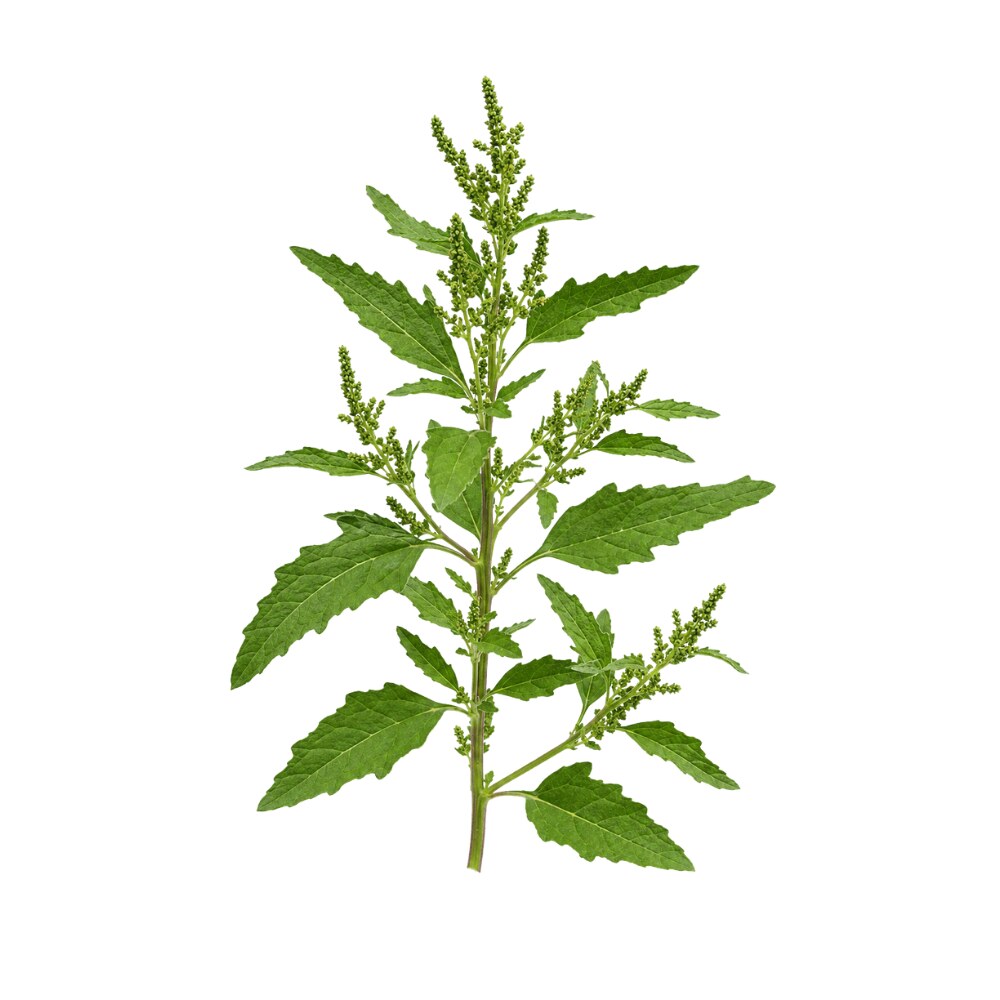
What Is Epazote?
Epazote is the pungent leaf of Dysphania ambrosioides (formerly Chenopodium ambrosioides), a strongly aromatic annual in the amaranth family (Amaranthaceae) native to Mexico and the tropics of Central and South America. It leads a double life: it is at once a staple culinary herb — the unmistakable flavouring in Mexican bean dishes and other Mesoamerican cooking — and one of the region’s oldest traditional deworming remedies, a reputation preserved in its English name “wormseed.” Both the leaf and its steam-distilled essential oil are used, and the gap between the two matters more here than for almost any other herb on this site.
For most people epazote reaches the plate, not the medicine cabinet, and in the small amounts used as a seasoning it is simply safe. Its medicinal identity is narrower: a traditional anthelmintic, taken as a short leaf-decoction course to expel intestinal roundworm. That reputation runs through early-twentieth-century Western pharmacy too, where the concentrated “oil of chenopodium” was a recognised — if hazardous — commercial dewormer before safer synthetics replaced it.
The evidence, though, is thin for a herb this widely used. Only two human anthelmintic studies exist: a small paediatric trial in which leaf juice roughly matched albendazole against Ascaris 1Reference 1RCTLópez De Guimaraes D, Neyra Llanos RS, Romero Acevedo JH (2001). [Ascariasis: comparison of the therapeutic efficacy between paico and albendazole in children from Huaraz]. — [randomised clinical trial]. Rev Gastroenterol Peru. https://pubmed.ncbi.nlm.nih.gov/11818981/View study →, and an older field trial in which dried powder proved essentially inert 2Reference 2Studies on the traditional herbal anthelmintic Chenopodium ambrosioides L.: ethnopharmacological evaluation and clinical field trials. — [clinical field trial]View study → — so ascariasis is the best-supported use, and preparation clearly matters. Everything else — antiprotozoal, antifungal, anti-inflammatory and repellent activity — remains preclinical. The active oil is also its hazard: it is dominated by ascaridole, a genuinely toxic monoterpene peroxide whose effective anthelmintic dose sits close to the poisonous one, and epazote is a uterine stimulant historically used as an abortifacient, so the concentrated oil should never be self-administered and medicinal doses are contraindicated in pregnancy (see Safety).
How Is Epazote Used?
Epazote’s everyday use is culinary: fresh or dried leaf goes into bean dishes and other Mexican and Central American cooking in small amounts, mostly for flavour rather than medicine — and at this scale it’s simply safe. Medicinally, the traditional preparation is a leaf decoction taken as a short vermifuge course rather than an ongoing tonic: roughly half a cup, on an empty stomach, for three to four days, often alongside a mild laxative to help clear dead worms, with the course sometimes repeated after about two weeks to catch newly hatched eggs 1Reference 1RCTLópez De Guimaraes D, Neyra Llanos RS, Romero Acevedo JH (2001). [Ascariasis: comparison of the therapeutic efficacy between paico and albendazole in children from Huaraz]. — [randomised clinical trial]. Rev Gastroenterol Peru. https://pubmed.ncbi.nlm.nih.gov/11818981/View study →.
The concentrated essential oil (“oil of chenopodium”) is a different matter and is not a self-administered remedy. It’s the ascaridole-rich fraction that carries both epazote’s anthelmintic potency and its toxicity, the two are difficult to separate, and the effective anthelmintic dose sits close to the toxic one — see Safety for the specifics. In practice this means: fine as a seasoning, worth knowing about as a traditional remedy, but not something to dose with the essential oil at home.
Traditional Uses
Western Herbal Medicine
Epazote (as “wormseed” or Chenopodium/Dysphania ambrosioides) entered Western and eclectic herbal practice largely through contact with Latin American use, adopted as a vermifuge for roundworm and other intestinal parasites and, to a lesser extent, as a carminative, diaphoretic, and mild laxative. Its oil was manufactured commercially as “oil of chenopodium,” a recognised — if hazardous — anthelmintic in early twentieth-century Western pharmacy before safer synthetic dewormers replaced it.
Traditional Chinese Medicine
Epazote has no meaningful history in Traditional Chinese Medicine. It is a Mesoamerican plant that was not part of the classical Chinese materia medica, and no traditional TCM pattern, meridian, or formula tradition assigns it a role.
Ayurvedic Medicine
Likewise, epazote has no genuine place in Ayurvedic medicine. It is native to Mexico and Central/South America and was unknown to classical Ayurvedic texts; any modern mentions reflect later global cross-referencing rather than an indigenous Ayurvedic tradition.
Indications
- Intestinal roundworm (ascariasis) — epazote’s best-supported use, backed by one small paediatric RCT showing leaf juice roughly matching albendazole 1Reference 1RCTLópez De Guimaraes D, Neyra Llanos RS, Romero Acevedo JH (2001). [Ascariasis: comparison of the therapeutic efficacy between paico and albendazole in children from Huaraz]. — [randomised clinical trial]. Rev Gastroenterol Peru. https://pubmed.ncbi.nlm.nih.gov/11818981/View study →, alongside long-standing traditional use; an older field trial found dried powder ineffective, so preparation matters 2Reference 2Studies on the traditional herbal anthelmintic Chenopodium ambrosioides L.: ethnopharmacological evaluation and clinical field trials. — [clinical field trial]View study →.
- Other intestinal parasites (e.g. Hymenolepis tapeworm) — supported by the same clinical trial as a secondary finding 1Reference 1RCTLópez De Guimaraes D, Neyra Llanos RS, Romero Acevedo JH (2001). [Ascariasis: comparison of the therapeutic efficacy between paico and albendazole in children from Huaraz]. — [randomised clinical trial]. Rev Gastroenterol Peru. https://pubmed.ncbi.nlm.nih.gov/11818981/View study →.
- Protozoal infection (leishmaniasis, Chagas disease, amoebiasis, malaria) — consistent activity across multiple animal models, driven by ascaridole, but entirely preclinical with no human trials 6,7,8,9,10,11Reference 6In vitroEssential oil from Chenopodium ambrosioides and main components: activity against Leishmania, their mitochondria and other microorganisms. — [in vitro]View study →Reference 7AnimalAntileishmanial activity of essential oil from Chenopodium ambrosioides and its main components against experimental cutaneous leishmaniasis in BALB/c mice. — [in vivo mouse model]View study →Reference 8AnimalAmoebicidal Activity of Essential Oil of Dysphania ambrosioides (L.) Mosyakin & Clemants in an Amoebic Liver Abscess Hamster Model. — [in vivo hamster model]View study →Reference 9In vitroTrypanocidal Activity of Dysphania ambrosioides, Lippia alba, and Tetradenia riparia Essential Oils against Trypanosoma cruzi. — [in vitro and in vivo]View study →Reference 10In vitroThe effect of ascaridole on the in vitro development of Plasmodium falciparum. — [in vitro]View study →Reference 11AnimalAntimalarial potential of leaves of Chenopodium ambrosioides L. — [in vivo mouse model]View study →.
- Fungal skin and vaginal infections — supported by animal models of candidiasis and dermatophytosis using the essential oil, not the culinary tea 12,13Reference 12AnimalAntifungal Properties of Chenopodium ambrosioides Essential Oil Against Candida Species. — [in vivo rat model]View study →Reference 13In vitroIn vitro and in vivo antifungal activity of essential oils of Cymbopogon martini and Chenopodium ambrosioides and their synergism against dermatophytes. — [in vivo guinea pig model]View study →.
- Mild inflammatory and pain conditions (e.g. arthritis-type joint pain) — supported by rodent models of oedema, nociception, and osteoarthritis; no human data 16,17,18Reference 16AnimalFrom popular use to pharmacological validation: a study of the anti-inflammatory, anti-nociceptive and healing effects of Chenopodium ambrosioides extract. — [animal model]View study →Reference 17AnimalChenopodium ambrosioides LView study →Reference 18AnimalAnti-arthritic properties of crude extract from Chenopodium ambrosioides L. leaves. — [in vivo mouse model]View study →.
- Insect and pest repellency — well-replicated bench-scale repellency and larvicidal activity of the essential oil 30Reference 30In vitroMosquito repellent activity of essential oils of aromatic plants growing in Argentina. — [in vitro laboratory assay]View study →.
Not indicated as a general-purpose antibacterial, antidiabetic, or cardioprotective agent — the evidence for those uses is thin (single studies, weak MICs, or cell-line/ex-vivo work only).
Botany
Epazote is the aromatic goosefoot Dysphania ambrosioides, long catalogued under the synonym Chenopodium ambrosioides and still often sold that way. It is a rangy, upright herb of the Amaranthaceae, growing waist- to shoulder-high with many untidy side branches and slender, toothed lance-shaped leaves. The whole plant is stippled with tiny glands, so the smallest bruise releases a heavy, resinous, almost turpentine-like scent — the trait that identifies epazote before you ever see its inconspicuous green flower spikes.
For the herbalist and the cook alike, the leaf is the material of interest. Fresh or dried, it is the culinary herb folded into Mexican bean and corn dishes and the traditional anthelmintic (“wormseed”) remedy. That dual identity carries a built-in hazard: the concentrated leaf-and-seed essential oil is dominated by ascaridole, which is both the source of the historic worm-expelling action and genuinely toxic in quantity — which is why culinary use leans on a modest amount of leaf while the distilled oil is treated as dangerous (see Safety).
Distribution
Epazote is a plant of the tropical Americas — Mexico and Central and South America — where it has been used as food and medicine for centuries. It has since escaped cultivation into a cosmopolitan weed, naturalizing across warm regions of North America, Europe, Africa, Asia and Australia and persisting readily on disturbed and waste ground.
Growing Conditions
- Wants full sun — six or more hours of direct light a day.
- Thrives in warm conditions; treat as an annual where winters are cold, though it may overwinter and return as a short-lived perennial in mild climates.
- Tolerant of poor, disturbed soils and reseeds vigorously — give it room and expect volunteers.
- Fast and undemanding from seed; harvest young leaves for the kitchen before heavy flowering.
- Full cultivation detail lives on the companion farm-wiki grow guide for Dysphania ambrosioides (link to be added once that project’s public URL is confirmed).
Pharmacology & Research
Epazote has a substantial preclinical literature — well over a hundred indexed studies — but it sits almost entirely at the animal and in-vitro tier, with two human trials of note and a heavy skew toward its steam-distilled essential oil. The plant’s reputation rests on its anthelmintic use against intestinal worms, and here the human data are real but mixed: a randomised trial in children found leaf juice (“paico”) roughly as effective as albendazole against Ascaris 1Reference 1RCTLópez De Guimaraes D, Neyra Llanos RS, Romero Acevedo JH (2001). [Ascariasis: comparison of the therapeutic efficacy between paico and albendazole in children from Huaraz]. — [randomised clinical trial]. Rev Gastroenterol Peru. https://pubmed.ncbi.nlm.nih.gov/11818981/View study →, while an older field study found dried, powdered plant essentially inert 2Reference 2Studies on the traditional herbal anthelmintic Chenopodium ambrosioides L.: ethnopharmacological evaluation and clinical field trials. — [clinical field trial]View study →. The most active and consistent modern signals are antiprotozoal — against Leishmania, Trypanosoma cruzi, amoebae and Plasmodium, driven largely by the endoperoxide monoterpene ascaridole acting through an artemisinin-like mechanism 6,10Reference 6In vitroEssential oil from Chenopodium ambrosioides and main components: activity against Leishmania, their mitochondria and other microorganisms. — [in vitro]View study →Reference 10In vitroThe effect of ascaridole on the in vitro development of Plasmodium falciparum. — [in vitro]View study →. The dominant caveat throughout is chemotype and preparation: ascaridole content ranges from a few percent to over half the oil depending on population 39Reference 39Combined analysis of the essential oil of Chenopodium ambrosioides by GC, GC-MS and 13C-NMR spectroscopy: quantitative determination of ascaridole, a heat-sensitive compound. — [analytical chemistry]View study →, the oil is heat-sensitive 39Reference 39Combined analysis of the essential oil of Chenopodium ambrosioides by GC, GC-MS and 13C-NMR spectroscopy: quantitative determination of ascaridole, a heat-sensitive compound. — [analytical chemistry]View study →, and effects shown for the concentrated oil do not transfer to the weak culinary tea most people actually consume.
- Best-supported: anthelmintic action against roundworm, backed by a small human RCT and centuries of traditional use 1,3Reference 1RCTLópez De Guimaraes D, Neyra Llanos RS, Romero Acevedo JH (2001). [Ascariasis: comparison of the therapeutic efficacy between paico and albendazole in children from Huaraz]. — [randomised clinical trial]. Rev Gastroenterol Peru. https://pubmed.ncbi.nlm.nih.gov/11818981/View study →Reference 3Ascaridole as a pharmacologically active principle of “Paico,” a medicinal Peruvian plant. — [isolation study]View study →; broad antiprotozoal activity (leishmaniasis, Chagas, amoebiasis, malaria) demonstrated in multiple in-vivo animal models 7,8,9,11Reference 7AnimalAntileishmanial activity of essential oil from Chenopodium ambrosioides and its main components against experimental cutaneous leishmaniasis in BALB/c mice. — [in vivo mouse model]View study →Reference 8AnimalAmoebicidal Activity of Essential Oil of Dysphania ambrosioides (L.) Mosyakin & Clemants in an Amoebic Liver Abscess Hamster Model. — [in vivo hamster model]View study →Reference 9In vitroTrypanocidal Activity of Dysphania ambrosioides, Lippia alba, and Tetradenia riparia Essential Oils against Trypanosoma cruzi. — [in vitro and in vivo]View study →Reference 11AnimalAntimalarial potential of leaves of Chenopodium ambrosioides L. — [in vivo mouse model]View study →.
- Emerging, worth watching: antifungal activity of the essential oil, replicated in animal models of candidiasis and dermatophytosis 12,13Reference 12AnimalAntifungal Properties of Chenopodium ambrosioides Essential Oil Against Candida Species. — [in vivo rat model]View study →Reference 13In vitroIn vitro and in vivo antifungal activity of essential oils of Cymbopogon martini and Chenopodium ambrosioides and their synergism against dermatophytes. — [in vivo guinea pig model]View study →; anti-inflammatory and antinociceptive effects in rodent arthritis and osteoarthritis models 17,18Reference 17AnimalChenopodium ambrosioides LView study →Reference 18AnimalAnti-arthritic properties of crude extract from Chenopodium ambrosioides L. leaves. — [in vivo mouse model]View study →.
- Mechanistically thin: antioxidant, cardioprotective and antidiabetic claims rest on single studies, cell-line assays, or constituent-level inference.
- The caveat: almost no human efficacy data beyond the anthelmintic trials, no standardised dose, and enormous chemotype variance in the active oil — the tea and the essential oil are effectively different medicines.
1. Anthelmintic
This is epazote’s defining use, and it is the one indication with human data. A randomised trial in 60 children in Huaraz, Peru compared leaf juice (“paico”, 1–2 ml/kg once daily for three days) against a single 400 mg dose of albendazole for Ascaris lumbricoides: qualitative cure was identical at 86.7%, and quantitative egg-burden reduction was comparable (59.5% paico vs 58.3% albendazole), with paico additionally clearing Hymenolepis 1Reference 1RCTLópez De Guimaraes D, Neyra Llanos RS, Romero Acevedo JH (2001). [Ascariasis: comparison of the therapeutic efficacy between paico and albendazole in children from Huaraz]. — [randomised clinical trial]. Rev Gastroenterol Peru. https://pubmed.ncbi.nlm.nih.gov/11818981/View study →. Against that, a careful 1985 field study in Mayan farmers found that dried, powdered plant — even at very high doses — had no significant effect on adult Ascaris, Necator or Trichuris, suggesting the belief in efficacy may partly reflect passage of senescent worms 2Reference 2Studies on the traditional herbal anthelmintic Chenopodium ambrosioides L.: ethnopharmacological evaluation and clinical field trials. — [clinical field trial]View study →. The active principle is the endoperoxide ascaridole 3Reference 3Ascaridole as a pharmacologically active principle of “Paico,” a medicinal Peruvian plant. — [isolation study]View study →, but notably a water-soluble, ascaridole-independent nematocide also contributes to infusion activity and is gentler on mammalian smooth muscle than the oil 4Reference 4In vitroAscaridole-less infusions of Chenopodium ambrosioides contain a nematocide(s) that is(are) not toxic to mammalian smooth muscle. — [in vitro / animal]View study →; extracts are also active against Toxocara canis larvae 5Reference 5In vitroToxocara canis: potential activity of natural products against second-stage larvae in vitro and in vivo. — [in vitro and in vivo]View study →. Preparation is decisive — fresh juice and decoctions carry the activity, dried powder much less so.
Gap: the only positive human trial is small, single-site and 25 years old; the effect is preparation-dependent, and the effective anthelmintic dose sits uncomfortably close to the toxic dose of ascaridole.
2. Antiprotozoal
The most consistent modern signal. The essential oil and ascaridole are active against Leishmania promastigotes and amastigotes in vitro, disrupting parasite mitochondrial membrane potential 6Reference 6In vitroEssential oil from Chenopodium ambrosioides and main components: activity against Leishmania, their mitochondria and other microorganisms. — [in vitro]View study →, and — importantly — the whole oil prevented lesion development in L. amazonensis-infected mice by intralesional injection, outperforming the reference drug glucantime, whereas purified components alone were ineffective or lethal 7Reference 7AnimalAntileishmanial activity of essential oil from Chenopodium ambrosioides and its main components against experimental cutaneous leishmaniasis in BALB/c mice. — [in vivo mouse model]View study →. Oral essential oil reversed Entamoeba histolytica liver abscess in a hamster model (IC50 0.7 mg/mL against trophozoites) 8Reference 8AnimalAmoebicidal Activity of Essential Oil of Dysphania ambrosioides (L.) Mosyakin & Clemants in an Amoebic Liver Abscess Hamster Model. — [in vivo hamster model]View study →, the oil was the most active of three tested against Trypanosoma cruzi in vitro and in vivo 9Reference 9In vitroTrypanocidal Activity of Dysphania ambrosioides, Lippia alba, and Tetradenia riparia Essential Oils against Trypanosoma cruzi. — [in vitro and in vivo]View study →, and ascaridole is a potent inhibitor of Plasmodium falciparum whose activity depends on its peroxide bridge — an artemisinin-like endoperoxide mechanism 10Reference 10In vitroThe effect of ascaridole on the in vitro development of Plasmodium falciparum. — [in vitro]View study →; leaf extract also suppressed P. berghei in mice 11Reference 11AnimalAntimalarial potential of leaves of Chenopodium ambrosioides L. — [in vivo mouse model]View study →. Across these the whole oil often beats its isolated constituents, pointing to synergy.
Gap: entirely preclinical, dominated by the concentrated oil at doses far above culinary exposure, and no human antiprotozoal trials exist.
3. Antifungal
The essential oil is a broad, reproducible antifungal. It cleared induced vaginal candidiasis in a rat model 12Reference 12AnimalAntifungal Properties of Chenopodium ambrosioides Essential Oil Against Candida Species. — [in vivo rat model]View study →, and combined with Cymbopogon martini oil resolved dermatophyte ringworm in guinea pigs at concentrations well below standard antifungal drugs 13Reference 13In vitroIn vitro and in vivo antifungal activity of essential oils of Cymbopogon martini and Chenopodium ambrosioides and their synergism against dermatophytes. — [in vivo guinea pig model]View study →. It completely inhibited Aspergillus flavus growth and its aflatoxin B1 production at 100 µg/mL and protected stored wheat for a year 14Reference 14In vitroEvaluation of Chenopodium ambrosioides oil as a potential source of antifungal, antiaflatoxigenic and antioxidant activity. — [in vitro]View study →, and inhibited eight post-harvest fungi at 0.3% 15Reference 15In vitroComposition and antifungal activity of the essential oil of the Brazilian Chenopodium ambrosioides L. — [in vitro]View study →. Activity tracks the monoterpene fraction — α-terpinene and p-cymene dominate these oils.
Gap: all data are for the essential oil in vitro or in agricultural/veterinary models; there is no human antifungal evidence and the tea is not a demonstrated antifungal.
4. Anti-inflammatory
A coherent body of rodent work supports anti-inflammatory and antinociceptive activity of the leaf extract. Ethanol extract (150–500 mg/kg) reduced formalin-, PGE2-, capsaicin- and bradykinin-induced nociception and carrageenan paw oedema, and accelerated wound healing 16Reference 16AnimalFrom popular use to pharmacological validation: a study of the anti-inflammatory, anti-nociceptive and healing effects of Chenopodium ambrosioides extract. — [animal model]View study →. In monoiodoacetate-induced osteoarthritis in rats the hydroalcoholic extract cut synovial inflammation and pain, with molecular docking implicating ascaridole at the NMDA receptor 17Reference 17AnimalChenopodium ambrosioides LView study →, and in collagen-induced arthritis in mice it lowered IL-6 and TNF-α and preserved bone density 18Reference 18AnimalAnti-arthritic properties of crude extract from Chenopodium ambrosioides L. leaves. — [in vivo mouse model]View study →. Two newly isolated oxygenated monoterpenes inhibited nitric-oxide production in LPS-stimulated macrophages 19Reference 19In vitroTwo New Highly Oxygenated Monoterpenes From the Seeds of Dysphania ambrosioides and Their Inflammatory Activity In Vitro and In Silico. — [in vitro and in silico]View study →, and ascaridole was long ago identified as the sedative/analgesic principle of “paico” 3Reference 3Ascaridole as a pharmacologically active principle of “Paico,” a medicinal Peruvian plant. — [isolation study]View study →.
Gap: consistent but exclusively preclinical; effective doses and extract types vary between studies and none has been tested in humans.
5. Insect repellent
Epazote’s use as a bug repellent is supported by a deep bench literature. The essential oil repels Aedes aegypti mosquitoes 30Reference 30In vitroMosquito repellent activity of essential oils of aromatic plants growing in Argentina. — [in vitro laboratory assay]View study → and appears repeatedly among the more potent plant oils in larvicidal and stored-product-pest screens; limonene and other monoterpenes are implicated in the repellent effect 30Reference 30In vitroMosquito repellent activity of essential oils of aromatic plants growing in Argentina. — [in vitro laboratory assay]View study →. Chenopodium-based botanicals are also documented as acaricides and insecticides at bench and greenhouse scale.
Gap: the evidence is laboratory and semi-field repellency/insecticidal testing of the oil, not human field trials against disease vectors; efficacy and duration lag synthetic standards like DEET.
6. Anticancer
Preclinical only, but with one in-vivo signal. Kaempferitrin, the major flavonoid glycoside of the ethanol extract, reduced tumour volume and mass in a human liver-cancer (SMMC-7721) mouse xenograft without hepatotoxicity, acting via apoptosis and immune stimulation 24Reference 24AnimalKaempferitrin, a major compound from ethanol extract of Chenopodium ambrosioides, exerts antitumour and hepatoprotective effects in the mice model of human liver cancer xenografts. — [in vivo mouse xenograft]View study →. The essential oil induced caspase-dependent apoptosis and G0/G1 arrest in the same SMMC-7721 line, sparing normal liver cells 25Reference 25In vitroEssential Oil of Chenopodium ambrosioides Induced Caspase-Dependent Apoptosis in SMMC-7721 Cells. — [in vitro]View study →, and seed extract suppressed migration and invasion of these cells in vitro 26Reference 26In vitroPossible Mechanism of Dysphania ambrosioides (L.) Mosyakin & Clemants Seed Extract Suppresses the Migration and Invasion of Human Hepatocellular Carcinoma Cells SMMC-7721. — [in vitro]View study →. Whole-leaf extract inhibited Ehrlich ascitic and solid tumours in mice 27Reference 27AnimalAscitic and solid Ehrlich tumor inhibition by Chenopodium ambrosioides L. treatment. — [in vivo mouse model]View study →.
Gap: one isolated-compound xenograft plus cell-line and non-clinical tumour models; no human oncology data, and the essential oil’s own toxicity limits therapeutic translation.
7. Antioxidant
Antioxidant activity is well documented in vitro — leaf and oil extracts show concentration-dependent DPPH/radical scavenging and reducing power tied to phenolic and flavonoid content (quercetin, kaempferol, rutin) 29Reference 29In vitroExtraction optimization, total phenolic, flavonoid contents, HPLC-DAD analysis and diverse pharmacological evaluations of Dysphania ambrosioides (L.) Mosyakin & Clemants. — [in vitro]View study →. The one in-vivo study fed C. ambrosioides extract to fish and reported enhanced splenocyte viability and antioxidant-enzyme activity 28Reference 28In vitroAntioxidant, intestinal immune status and anti-inflammatory potential of Chenopodium ambrosioides L. in fish: In vitro and in vivo studies. — [in vitro and in vivo]View study →. Oil composition, and therefore antioxidant capacity, shifts markedly with soil nutrients and chemotype 39,40Reference 39Combined analysis of the essential oil of Chenopodium ambrosioides by GC, GC-MS and 13C-NMR spectroscopy: quantitative determination of ascaridole, a heat-sensitive compound. — [analytical chemistry]View study →Reference 40In vitroImpact of Soil Nutrients on Chemical Composition and Antioxidant Activities of Dysphania ambrosioides Essential Oil in Southern Ecuador. — [analytical / in vitro]View study →.
Gap: mostly cell-free assays plus a single fish model; no mammalian or human antioxidant-outcome data, and results are highly extract- and chemotype-dependent.
8. Antibacterial
Mixed and generally modest. Against Helicobacter pylori the plant showed a real in-vivo signal — 50–60% eradication in infected mice and dose-dependent bactericidal killing in vitro (MIC 16 mg/L) 20Reference 20In vitroAnti-Helicobacter pylori activities of Chenopodium ambrosioides L. in vitro and in vivo. — [in vitro and in vivo]View study →. But against common bacteria the essential oil is weak: MIC ≥1024 µg/mL against Staphylococcus aureus, where its interest is instead as a NorA efflux-pump modulator that can potentiate norfloxacin 21Reference 21In vitroInhibition of the essential oil from Chenopodium ambrosioides L. and α-terpinene on the NorA efflux-pump of Staphylococcus aureus. — [in vitro]View study →, and only weak activity (MIC 1000 µg/mL) against cariogenic streptococci — though the same oil was strongly schistosomicidal, killing adult Schistosoma mansoni worms 22Reference 22In vitroChemical Composition, Antibacterial, Schistosomicidal, and Cytotoxic Activities of the Essential Oil of Dysphania ambrosioides (L.) Mosyakin & Clemants (Chenopodiaceae). — [in vitro]View study →. The oil is also molluscicidal and cercaricidal against schistosome snail vectors 23Reference 23In vitroMolluscicidal and cercaricidal activities of the essential oil of Dysphania ambrosioides (L.) Mosyakin & Clemants: Implications for the control of schistosomiasis. — [in vitro]View study →.
Gap: direct antibacterial potency is low apart from H. pylori; the more promising roles (efflux inhibition, antiparasitic) are not classical antibacterial action, and there is no human data.
9. Cardioprotective
A single 2026 study perfused isolated rat hearts (Langendorff) and reported that an aqueous leaf extract (10–40 µg/mL) reduced ischaemia/reperfusion myocardial injury, with supportive antioxidant and anticoagulant effects 31Reference 31AnimalCardioprotective Effects of Dysphania ambrosioides Leaves Against Ischemia/Reperfusion-Induced Myocardial Injury in Langendorff-Perfused Rat Heart. — [ex vivo animal model]View study →.
Gap: one ex-vivo isolated-organ study with no replication, no whole-animal or human data, and no defined active constituent.
10. Antidiabetic
One study reported that ethyl-acetate and other fractions of C. ambrosioides inhibited the carbohydrate-digesting enzymes α-amylase and α-glucosidase in vitro, alongside analgesic activity in animals 32Reference 32In vitroChemical Composition and Analgesic and Antidiabetic Activity of Chenopodium ambrosioides L. — [in vitro and animal]View study →.
Gap: in-vitro enzyme inhibition in a single study, no glycaemic outcomes in animals or humans, and no dose translation.
Mechanisms
| Mechanism | Drives | Key compounds |
|---|---|---|
| Peroxide-bridge activation → ROS, mitochondrial disruption (artemisinin-like); neuromuscular action on parasites | anthelminticantiprotozoal (leishmaniamalariaamoeba)anti-inflammatory | ascaridole |
| Membrane disruption; NorA efflux-pump modulation; volatility-driven repellency | antifungalantibacterial (efflux)insect repellent | α-terpinene, p-cymene, limonene |
| Radical scavenging; NF-κB / cytokine (IL-6, TNF-α) suppression; pro-apoptotic, immunomodulatory | antioxidantanti-inflammatoryanticancer | kaempferol, quercetin, kaempferitrin |
| NO-production inhibition in macrophages; antimicrobial | anti-inflammatoryantimicrobial | carvacrol, caryophyllene oxide, isoascaridole |
The whole essential oil is frequently more active than its isolated constituents (e.g. antileishmanial and antiprotozoal work), indicating synergy rather than a single active molecule. A 2026 systematic review of ascaridole summarises its ROS-generating, artemisinin-like endoperoxide activity across antiparasitic, anticancer and anti-inflammatory models, and stresses how few studies have tested the purified compound 33Reference 33Systematic reviewChemistry and biological properties of Ascaridole: A systematic review. — [systematic review]View study →.
Clinical trials
Two human studies exist, both for the anthelmintic indication — a randomised comparison against albendazole in children 1Reference 1RCTLópez De Guimaraes D, Neyra Llanos RS, Romero Acevedo JH (2001). [Ascariasis: comparison of the therapeutic efficacy between paico and albendazole in children from Huaraz]. — [randomised clinical trial]. Rev Gastroenterol Peru. https://pubmed.ncbi.nlm.nih.gov/11818981/View study → and an earlier ethnopharmacological field trial 2Reference 2Studies on the traditional herbal anthelmintic Chenopodium ambrosioides L.: ethnopharmacological evaluation and clinical field trials. — [clinical field trial]View study →. No registered modern clinical trials were identified for any other indication; the rest of the evidence base is preclinical.
| Completed | Planned | Terminated | Preclinical |
|---|---|---|---|
| 2(both anthelmintic) | 0 | 0 | ~140indexed |
Last checked: July 2026.
Phytochemistry
The medicinal weight of epazote sits in its essential oil, a volatile fraction dominated by oxygenated and hydrocarbon monoterpenes. The signature active is ascaridole, an unusual monoterpene peroxide that drives the plant’s anthelmintic reputation and its toxicity; its heat-sensitive thermal isomer isoascaridole is consistently co-reported. Ascaridole’s abundance varies enormously between populations, with some chemotypes instead dominated by α-terpinene or p-cymene, and minor oxygenated actives such as carvacrol and the sesquiterpene caryophyllene oxide also appear. Beyond the oil, the leaves carry non-volatile flavonoids — chiefly glycosides of kaempferol and quercetin, including kaempferitrin, the major flavonol glycoside of the ethanol extract.
Constituent Summary
Figures below are share of the steam-distilled essential oil (% of total oil) and are highly variable by geography, chemotype, and the heat-sensitivity of ascaridole; the flavonoids are non-volatile leaf compounds (not oil constituents), so their oil share reads No Data. † marks ascaridole, the chemotype-defining marker whose level separates ascaridole-rich populations from α-terpinene-rich ones.
Monoterpene6 compounds5 with data
Sesquiterpene1 compoundno data
Flavonoid3 compounds3 with data
Dosage
There is no standardised or research-derived medicinal dose for epazote, and — uniquely among culinary herbs — its effective anthelmintic dose sits uncomfortably close to the toxic dose of ascaridole, so the therapeutic margin is narrow and preparation-dependent. The single controlled human study used fresh leaf juice, not the essential oil; the concentrated “oil of chenopodium” is dangerously toxic and should not be self-administered (see Safety).
| Indication | Preparation | Dose | Est. dried-herb equivalent | Source |
|---|---|---|---|---|
| Ascariasis (children) | Fresh leaf juice (“paico”) | 1–2 ml/kg once daily × 3 days | Not back-convertible — fresh juice, no marker % reported | 1Reference 1RCTLópez De Guimaraes D, Neyra Llanos RS, Romero Acevedo JH (2001). [Ascariasis: comparison of the therapeutic efficacy between paico and albendazole in children from Huaraz]. — [randomised clinical trial]. Rev Gastroenterol Peru. https://pubmed.ncbi.nlm.nih.gov/11818981/View study → |
The paico dose is a fresh-leaf-juice volume from one paediatric trial 1Reference 1RCTLópez De Guimaraes D, Neyra Llanos RS, Romero Acevedo JH (2001). [Ascariasis: comparison of the therapeutic efficacy between paico and albendazole in children from Huaraz]. — [randomised clinical trial]. Rev Gastroenterol Peru. https://pubmed.ncbi.nlm.nih.gov/11818981/View study →; it is not a whole-herb weight and does not convert to a dried-herb dose, so no equivalent is given. It is reported here as trial context, never as a recommendation — and the effective anthelmintic dose approaches the toxic range of ascaridole.
Traditional Dosage
Traditional use centres on the whole leaf as a short vermifuge course, deliberately favouring the lower-oil leaf over the oil-rich seed, and taken for only a few days rather than chronically.
| System | Preparation | Dose |
|---|---|---|
| Latin American folk (anthelmintic) | Leaf decoction, on an empty stomach | ~150 ml (½ cup) daily for 3–4 days, often with a mild laxative; repeat course after ~2 weeks |
| Culinary | Fresh or dried leaf as a seasoning | Small culinary amounts (e.g. in bean dishes) |
Safety & Pregnancy
Epazote is safe in the small quantities used as a culinary herb, but its medicinal preparations carry real, dose-dependent risk that scales with essential-oil (ascaridole) content — the concentrated oil of chenopodium is dangerously toxic and has caused fatal poisonings.
- Essential oil is dangerously toxic. Overdose causes convulsions, respiratory depression and coma; fatal paediatric poisonings are on record — never self-administer the oil.
- Contraindicated in pregnancy. A uterine stimulant historically used as an abortifacient.
- Not for infants or young children. Fatal intoxications from repeated high-dose infusions given as antipyretics.
- Hepatotoxicity & genotoxicity. Dose-dependent liver injury in animals; infusion and decoction genotoxic to human lymphocytes in vitro.
- Interactions unstudied. No human interaction data — only an in-vitro efflux-pump signal.
- Culinary amounts are safe. Small seasoning quantities of leaf are simply safe.
Full safety & interactions detail
Epazote is safe in the small quantities used as a culinary herb, but its medicinal preparations carry real, well-documented risk that scales with essential-oil (ascaridole) content. The concentrated oil of chenopodium is dangerously toxic: overdose causes nausea, vomiting, headache, tinnitus, hallucinations, convulsions, respiratory depression and coma, and fatal paediatric poisonings from repeated high-dose infusions given as antipyretics are on record 34,35Reference 34Case reportA Fatal Case Report of Chenopodium ambrosioides L. (M’khinza) Intoxication. — [case report]View study →Reference 35Case reportBadinga LPCL, et al. (2018). [M’khinza-related intoxication: about two observations]. — [case report]. Pan Afr Med J. https://pubmed.ncbi.nlm.nih.gov/30918546/View study →. In animals, aqueous leaf extract produced mild dose-dependent hepatotoxicity (raised ALT/AST, hepatocyte vacuolation) at gram-per-kilogram doses 36Reference 36AnimalAcute and sub-chronic toxicity of aqueous extracts of Chenopodium ambrosioides leaves in rats. — [animal toxicity study]View study →, while a lower-dose subchronic study caused no deaths but altered organ weights and serum chemistry 37Reference 37AnimalEvaluation of the subchronic toxicity of oral treatment with Chenopodium ambrosioides in mice. — [animal toxicity study]View study →, and both infusion and decoction were genotoxic to human lymphocytes in vitro (chromosomal aberrations, increased sister-chromatid exchange) 38Reference 38In vitroIn vitro genotoxic evaluation of the medicinal plant Chenopodium ambrosioides L. — [in vitro genotoxicity]View study →. Medicinal or essential-oil doses should not be given to infants or young children, and the ascaridole-rich oil should not be self-administered as an anthelmintic 34,35Reference 34Case reportA Fatal Case Report of Chenopodium ambrosioides L. (M’khinza) Intoxication. — [case report]View study →Reference 35Case reportBadinga LPCL, et al. (2018). [M’khinza-related intoxication: about two observations]. — [case report]. Pan Afr Med J. https://pubmed.ncbi.nlm.nih.gov/30918546/View study →. Ascaridole content — and therefore toxicity — varies enormously by chemotype, and the compound is heat-sensitive, so the potency of any given sample is unpredictable 39Reference 39Combined analysis of the essential oil of Chenopodium ambrosioides by GC, GC-MS and 13C-NMR spectroscopy: quantitative determination of ascaridole, a heat-sensitive compound. — [analytical chemistry]View study →.
Herb–drug interactions have not been evaluated in humans: no clinical CYP450 or pharmacokinetic interaction study exists for epazote. The one interaction signal is an in-vitro finding that the oil modulates the Staphylococcus aureus NorA efflux pump (potentiating norfloxacin) 21Reference 21In vitroInhibition of the essential oil from Chenopodium ambrosioides L. and α-terpinene on the NorA efflux-pump of Staphylococcus aureus. — [in vitro]View study → — antimicrobial synergy in a dish, not a demonstrated mammalian drug interaction. Absence of interaction data is a gap, not a reassurance.
Epazote is a uterine stimulant historically used as an abortifacient, and its essential oil is toxic — both traditional practice and its pharmacology point away from use in pregnancy 34,35Reference 34Case reportA Fatal Case Report of Chenopodium ambrosioides L. (M’khinza) Intoxication. — [case report]View study →Reference 35Case reportBadinga LPCL, et al. (2018). [M’khinza-related intoxication: about two observations]. — [case report]. Pan Afr Med J. https://pubmed.ncbi.nlm.nih.gov/30918546/View study →. No modern controlled reproductive-toxicology study exists, so this rests on traditional and pharmacological grounds rather than trial data. Lactation has not been assessed: the herb is a traditional galactagogue, but its safety while breastfeeding has not been studied, so treat medicinal or oil doses as unstudied rather than safe.
References
- López De Guimaraes D, Neyra Llanos RS, Romero Acevedo JH (2001). [Ascariasis: comparison of the therapeutic efficacy between paico and albendazole in children from Huaraz]. — [randomised clinical trial]. Rev Gastroenterol Peru. https://pubmed.ncbi.nlm.nih.gov/11818981/
- Kliks MM (1985). Studies on the traditional herbal anthelmintic Chenopodium ambrosioides L.: ethnopharmacological evaluation and clinical field trials. — [clinical field trial]. Soc Sci Med. https://pubmed.ncbi.nlm.nih.gov/3906906/
- Okuyama E, et al. (1993). Ascaridole as a pharmacologically active principle of “Paico,” a medicinal Peruvian plant. — [isolation study]. Chem Pharm Bull (Tokyo). https://pubmed.ncbi.nlm.nih.gov/8374999/
- MacDonald D, et al. (2004). Ascaridole-less infusions of Chenopodium ambrosioides contain a nematocide(s) that is(are) not toxic to mammalian smooth muscle. — [in vitro / animal]. J Ethnopharmacol. https://pubmed.ncbi.nlm.nih.gov/15138003/
- Reis M, et al. (2010). Toxocara canis: potential activity of natural products against second-stage larvae in vitro and in vivo. — [in vitro and in vivo]. Exp Parasitol. https://pubmed.ncbi.nlm.nih.gov/20447397/
- Monzote L, et al. (2014). Essential oil from Chenopodium ambrosioides and main components: activity against Leishmania, their mitochondria and other microorganisms. — [in vitro]. Exp Parasitol. https://pubmed.ncbi.nlm.nih.gov/24184772/
- Monzote L, et al. (2014). Antileishmanial activity of essential oil from Chenopodium ambrosioides and its main components against experimental cutaneous leishmaniasis in BALB/c mice. — [in vivo mouse model]. Phytomedicine. https://pubmed.ncbi.nlm.nih.gov/24768411/
- Avila-Blanco ME, et al. (2014). Amoebicidal Activity of Essential Oil of Dysphania ambrosioides (L.) Mosyakin & Clemants in an Amoebic Liver Abscess Hamster Model. — [in vivo hamster model]. Evid Based Complement Alternat Med. https://pubmed.ncbi.nlm.nih.gov/24757495/
- Pagotti MC, et al. (2021). Trypanocidal Activity of Dysphania ambrosioides, Lippia alba, and Tetradenia riparia Essential Oils against Trypanosoma cruzi. — [in vitro and in vivo]. Chem Biodivers. https://pubmed.ncbi.nlm.nih.gov/34669244/
- Pollack Y, Segal R, Golenser J (1990). The effect of ascaridole on the in vitro development of Plasmodium falciparum. — [in vitro]. Parasitol Res. https://pubmed.ncbi.nlm.nih.gov/2217117/
- Cysne DN, et al. (2016). Antimalarial potential of leaves of Chenopodium ambrosioides L. — [in vivo mouse model]. Parasitol Res. https://pubmed.ncbi.nlm.nih.gov/27492200/
- Chekem MS, et al. (2010). Antifungal Properties of Chenopodium ambrosioides Essential Oil Against Candida Species. — [in vivo rat model]. Pharmaceuticals (Basel). https://pubmed.ncbi.nlm.nih.gov/27713382/
- Prasad CS, et al. (2010). In vitro and in vivo antifungal activity of essential oils of Cymbopogon martini and Chenopodium ambrosioides and their synergism against dermatophytes. — [in vivo guinea pig model]. Mycoses. https://pubmed.ncbi.nlm.nih.gov/19298359/
- Kumar R, et al. (2007). Evaluation of Chenopodium ambrosioides oil as a potential source of antifungal, antiaflatoxigenic and antioxidant activity. — [in vitro]. Int J Food Microbiol. https://pubmed.ncbi.nlm.nih.gov/17174000/
- Jardim CM, et al. (2008). Composition and antifungal activity of the essential oil of the Brazilian Chenopodium ambrosioides L. — [in vitro]. J Chem Ecol. https://pubmed.ncbi.nlm.nih.gov/18679750/
- TrivellatoGrassi L, et al. (2013). From popular use to pharmacological validation: a study of the anti-inflammatory, anti-nociceptive and healing effects of Chenopodium ambrosioides extract. — [animal model]. J Ethnopharmacol. https://pubmed.ncbi.nlm.nih.gov/23123797/
- Calado GP, et al. (2015). Chenopodium ambrosioides L. Reduces Synovial Inflammation and Pain in Experimental Osteoarthritis. — [in vivo rat model]. PLoS One. https://pubmed.ncbi.nlm.nih.gov/26524084/
- Pereira WS, et al. (2018). Anti-arthritic properties of crude extract from Chenopodium ambrosioides L. leaves. — [in vivo mouse model]. J Pharm Pharmacol. https://pubmed.ncbi.nlm.nih.gov/29708588/
- Ai NTV, et al. (2026). Two New Highly Oxygenated Monoterpenes From the Seeds of Dysphania ambrosioides and Their Inflammatory Activity In Vitro and In Silico. — [in vitro and in silico]. Chem Biodivers. https://pubmed.ncbi.nlm.nih.gov/42340131/
- Ye H, et al. (2015). Anti-Helicobacter pylori activities of Chenopodium ambrosioides L. in vitro and in vivo. — [in vitro and in vivo]. World J Gastroenterol. https://pubmed.ncbi.nlm.nih.gov/25892867/
- de Morais Oliveira-Tintino CD, et al. (2018). Inhibition of the essential oil from Chenopodium ambrosioides L. and α-terpinene on the NorA efflux-pump of Staphylococcus aureus. — [in vitro]. Food Chem. https://pubmed.ncbi.nlm.nih.gov/29751924/
- Soares MH, et al. (2017). Chemical Composition, Antibacterial, Schistosomicidal, and Cytotoxic Activities of the Essential Oil of Dysphania ambrosioides (L.) Mosyakin & Clemants (Chenopodiaceae). — [in vitro]. Chem Biodivers. https://pubmed.ncbi.nlm.nih.gov/28504841/
- Pereira LPLA, et al. (2022). Molluscicidal and cercaricidal activities of the essential oil of Dysphania ambrosioides (L.) Mosyakin & Clemants: Implications for the control of schistosomiasis. — [in vitro]. Acta Trop. https://pubmed.ncbi.nlm.nih.gov/35278368/
- Su M, et al. (2023). Kaempferitrin, a major compound from ethanol extract of Chenopodium ambrosioides, exerts antitumour and hepatoprotective effects in the mice model of human liver cancer xenografts. — [in vivo mouse xenograft]. J Pharm Pharmacol. https://pubmed.ncbi.nlm.nih.gov/37203217/
- Wang YN, et al. (2016). Essential Oil of Chenopodium ambrosioides Induced Caspase-Dependent Apoptosis in SMMC-7721 Cells. — [in vitro]. Zhong Yao Cai. https://pubmed.ncbi.nlm.nih.gov/30133197/
- Huang J, et al. (2023). Possible Mechanism of Dysphania ambrosioides (L.) Mosyakin & Clemants Seed Extract Suppresses the Migration and Invasion of Human Hepatocellular Carcinoma Cells SMMC-7721. — [in vitro]. Chem Biodivers. https://pubmed.ncbi.nlm.nih.gov/36694378/
- Nascimento FR, et al. (2006). Ascitic and solid Ehrlich tumor inhibition by Chenopodium ambrosioides L. treatment. — [in vivo mouse model]. Life Sci. https://pubmed.ncbi.nlm.nih.gov/16307762/
- Reyes-Becerril M, et al. (2019). Antioxidant, intestinal immune status and anti-inflammatory potential of Chenopodium ambrosioides L. in fish: In vitro and in vivo studies. — [in vitro and in vivo]. Fish Shellfish Immunol. https://pubmed.ncbi.nlm.nih.gov/30502468/
- Zohra T, et al. (2019). Extraction optimization, total phenolic, flavonoid contents, HPLC-DAD analysis and diverse pharmacological evaluations of Dysphania ambrosioides (L.) Mosyakin & Clemants. — [in vitro]. Nat Prod Res. https://pubmed.ncbi.nlm.nih.gov/29430965/
- Gillij YG, Gleiser RM, Zygadlo JA (2008). Mosquito repellent activity of essential oils of aromatic plants growing in Argentina. — [in vitro laboratory assay]. Bioresour Technol. https://pubmed.ncbi.nlm.nih.gov/17583499/
- Kadi M, et al. (2026). Cardioprotective Effects of Dysphania ambrosioides Leaves Against Ischemia/Reperfusion-Induced Myocardial Injury in Langendorff-Perfused Rat Heart. — [ex vivo animal model]. ScientificWorldJournal. https://pubmed.ncbi.nlm.nih.gov/42046312/
- Drioua S, et al. (2024). Chemical Composition and Analgesic and Antidiabetic Activity of Chenopodium ambrosioides L. — [in vitro and animal]. Cell Biochem Funct. https://pubmed.ncbi.nlm.nih.gov/39569936/
- Abadia ACM, Gnoatto SCB (2026). Chemistry and biological properties of Ascaridole: A systematic review. — [systematic review]. Fitoterapia. https://pubmed.ncbi.nlm.nih.gov/41213362/
- Elhaddadi H, et al. (2024). A Fatal Case Report of Chenopodium ambrosioides L. (M’khinza) Intoxication. — [case report]. Cureus. https://pubmed.ncbi.nlm.nih.gov/38883026/
- Badinga LPCL, et al. (2018). [M’khinza-related intoxication: about two observations]. — [case report]. Pan Afr Med J. https://pubmed.ncbi.nlm.nih.gov/30918546/
- da Silva MG, et al. (2014). Acute and sub-chronic toxicity of aqueous extracts of Chenopodium ambrosioides leaves in rats. — [animal toxicity study]. J Med Food. https://pubmed.ncbi.nlm.nih.gov/24892475/
- Pereira WS, et al. (2010). Evaluation of the subchronic toxicity of oral treatment with Chenopodium ambrosioides in mice. — [animal toxicity study]. J Ethnopharmacol. https://pubmed.ncbi.nlm.nih.gov/20026398/
- Gadano A, et al. (2002). In vitro genotoxic evaluation of the medicinal plant Chenopodium ambrosioides L. — [in vitro genotoxicity]. J Ethnopharmacol. https://pubmed.ncbi.nlm.nih.gov/12020922/
- Cavalli JF, et al. (2004). Combined analysis of the essential oil of Chenopodium ambrosioides by GC, GC-MS and 13C-NMR spectroscopy: quantitative determination of ascaridole, a heat-sensitive compound. — [analytical chemistry]. Phytochem Anal. https://pubmed.ncbi.nlm.nih.gov/15508830/
- Blacio S, Gadvay K, Rivas K, et al. (2026). Impact of Soil Nutrients on Chemical Composition and Antioxidant Activities of Dysphania ambrosioides Essential Oil in Southern Ecuador. — [analytical / in vitro]. Plants (Basel). https://pubmed.ncbi.nlm.nih.gov/41681538/
Original notes (from the old site — sort into the sections above)
Epazote Summary:
Epazote is a herb originating from Mexico and the tropical regions of Central and South America. It is a common culinary herb, especially in these areas. It is also used as medicine throughout this region. The most common traditional and modern use of this herb is to treat parasitic worms, which has led to one of its common names; wormseed. It is a powerful anti parasitic and is useful for a range of other parasites and amoebas as well. It is the leaves and seeds that are used for this purpose and the essential oil contained in these parts is suggested to be the main component responsible. The oil is often referred to as “oil of chenopodium” and is a popular worm remedy worldwide. This essential oil is powerful, and should be used carefully. It is highly effective at treating parasites, however it also has its own set of negative side effects and at an intake of 10mg (a very high dose), symptoms such as cardiac disturbances, vomiting, diarrhea, convulsions, respiratory disturbances, and possibly death may occur. These effects can be avoided by consuming the leaf rather than the seeds, which have a lower essential oil content. To use this herb, 150 ml (½ cup) of standard leaf decoction should be consumed on an empty stomach for 3-4 days in a row. It is usually combined with a mild laxative as well to flush out the dead parasites. In 2 weeks the process should be repeated to kill any eggs that have hatched.
It has a variety of other traditional uses including treatment for asthma, excessive mucous, chorea, traumatic bleeding, arthritis (topically) as a perfume (despite its skunky smell), as a laxative and natural bug repellant.
Herbal Actions:
- Antiamoebic
- Antibacterial
- Anticancer
- Anti-parasite
- Antiulcer
- Diaphoretic
- Diuretic
- Galactagogue
- Laxitive
- Nervine
- Repels insects
- Sedative (mild)
- Stimulates digestion
- Vermifuge
- Vulnerary
Botanical Name:
Chenopodium ambrosioides
Family:
Part used:
Dosage:
(Leaves)
Decoction:
125 ml (½ cup) daily
Indications:
Common Names:
- Epazote