
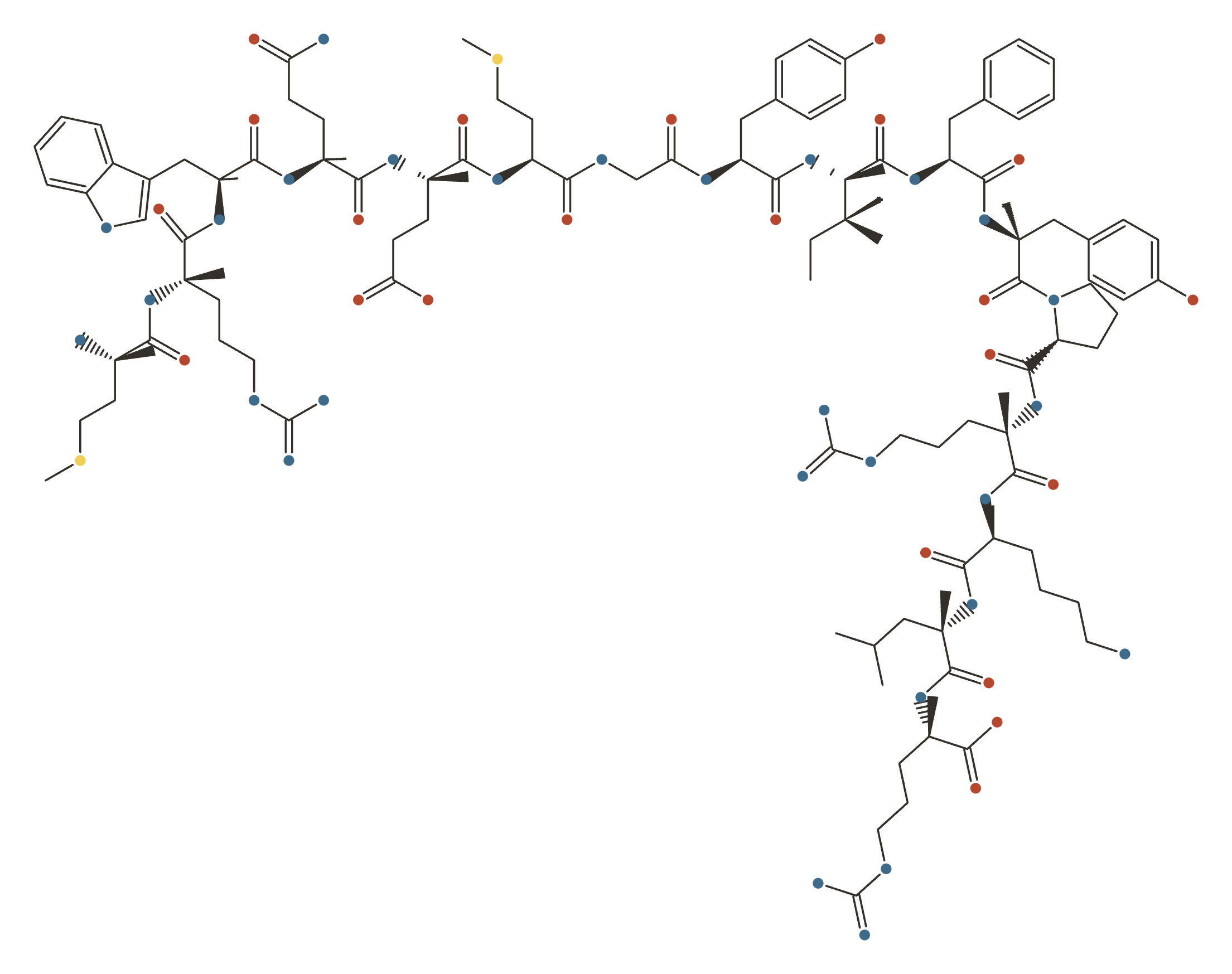

MOTS-c at a Glance
MOTS-c is a 16-amino-acid peptide encoded not by nuclear DNA but by the mitochondrial genome — one of a small group of mitochondrial-derived peptides discovered only in the last two decades. It acts as a signal from the mitochondria to the rest of the cell, activating AMPK and shifting metabolism toward glucose utilisation, which is why it is studied for insulin sensitivity and exercise capacity. It is investigational, injected as a research chemical, and on the WADA prohibited list.
History & Development
MOTS-c is encoded by the mitochondrial genome rather than the nucleus - a peptide written in the DNA of the cell’s power plants, discovered only after the human genome was supposedly complete.
| First described | Not established in the sources consulted for this section |
| Discovered / synthesised by | Not established in the sources consulted for this section |
| Institution | Not established in the sources consulted for this section |
| Origin | Endogenous 16-amino-acid mitochondrial-derived peptide, encoded in the mitochondrial 12S rRNA open reading frame |
| Key patent | Not established in the sources consulted for this section |
| Assignee | Not established in the sources consulted for this section |
| Development status | Research chemical - never approved anywhere; on the WADA Prohibited List |
Discovery
Mitochondria carry their own small genome, and it was long assumed to encode only the components of the respiratory chain. Mitochondrial-derived peptides overturned that: short open reading frames inside mitochondrial rRNA genes produce peptides that act as signalling molecules on the rest of the cell, and on the body.
MOTS-c is one, sixteen residues, encoded in the 12S rRNA region. Its biology is metabolic - insulin sensitivity and metabolic regulation - which made it immediately interesting as a candidate for diabetes and ageing. Humanin is the founding member of the same class.
Development & ownership
There is no corporate development programme. What exists is academic and preclinical.
One safety consideration follows directly from it being endogenous, and it is more subtle than the usual purity concern: because the body makes MOTS-c itself, an immune response to injected material could produce antibodies that neutralise the body’s own MOTS-c, not merely the injected dose. Subcutaneous administration carries higher immunogenicity risk than intravenous, and subcutaneous is the route the grey market uses.
Substance identity is also unresolved. Commercial acetate forms circulate with no UNII or CAS identifier - meaning there is no authoritative reference standard defining what is being sold.
There is zero toxicology in any species, and it is on the WADA Prohibited List under Hormone and Metabolic Modulators.
How it reached the market
MOTS-c moved from academic mitochondrial biology into the longevity peptide market on the strength of its metabolic mechanism, sold as an injectable for fat loss and metabolic health with no human trial, no toxicology and no settled chemical identity.
What It's Used For
MOTS-c (mitochondrial open reading frame of the 12S rRNA-c) is a 16-amino-acid mitochondrial-derived peptide — one of a small family of hormone-like microproteins (with humanin and the SHLPs) encoded not in the nucleus but within the mitochondrial genome, in this case inside the 12S rRNA gene. It behaves as a metabolic stress signal: under exercise or nutrient stress it moves to the nucleus and activates AMPK, the cell’s master energy sensor, shifting cells toward glucose uptake and stress resistance — which is why it is popularly framed as an “exercise mimetic.” The evidence posture is preclinical-first and should be read that way: essentially all therapeutic findings come from mice, rats, or cell culture. The strongest and most-replicated signal is metabolic (insulin sensitivity and diet-induced obesity in rodents); the emerging signal is that, for the first time, a peptide-administration human trial exists — a Phase 2a study in prediabetes began recruiting in 2026, with no results yet. Crucially, every completed human study to date measured the body’s own MOTS-c as a biomarker (it rises with exercise, falls in diabetes) — none tested giving MOTS-c as a drug. Route matters: like most peptides it is given by subcutaneous injection because oral bioavailability is negligible, so oral or topical products cannot be assumed to do anything.
Support is an experimental score I’m building — a composite weighted by study type (human > animal > in vitro > review) and study volume. It’s a beta: a fast way to rank strength of evidence at a glance, not a validated metric. For a peptide like MOTS-c the ceiling is set by the fact that almost all administration data are in animals, so even the best-supported rows sit mid-scale while the human gap is stated in each toggle. Each application links down to its write-up.
The foundational work (Lee et al., 2015) reported that MOTS-c regulates insulin sensitivity and metabolic homeostasis, acting primarily on skeletal muscle by inhibiting the folate–methionine cycle and its tethered purine biosynthesis, which activates the AICAR–AMPK pathway; this was shown in cultured cells and mice 1Reference 1In vitroThe mitochondrial-derived peptide MOTS-c promotes metabolic homeostasis and reduces obesity and insulin resistance — mouse / in vitroView study →.
Later rodent work is consistent: in a high-fat-diet/streptozotocin diabetic rat model, MOTS-c treatment lowered fasting glucose and C-reactive protein and dampened cardiac NLRP3 inflammasome activity 10Reference 10AnimalMitochondrial peptide MOTS-c suppresses systemic and cardiac inflammasome activation in a diabetic rat model — ratView study →, and reviews synthesize a broad rodent literature of improved glucose handling 12Reference 12ReviewMOTS-c functionally prevents metabolic disorders — reviewView study →.
In humans the signal is indirect: circulating MOTS-c is lower in type-2 diabetics 6Reference 6ObservationalIkonomidis I, et al. (2020). β-Amyloid and mitochondrial-derived peptide-c are additive predictors of adverse outcome in type 2 diabetics with revascularized coronary artery disease — human cohort (biomarker). Journal of Thrombosis and Thrombolysis. https://pubmed.ncbi.nlm.nih.gov/32052315/View study →, and a K14Q variant in the peptide’s coding region tracks with metabolic traits 17Reference 17ObservationalThe relationship between MOTS-c K14Q polymorphism and sarcopenia, blood lipids, and mental health in older Korean adults — human cross-sectional (genotype)View study → — associations, not treatment effects. The first study to actually give MOTS-c to people (Phase 2a, prediabetes, subcutaneous, daily × 12 weeks) is recruiting with insulin sensitivity (Matsuda index) as its primary endpoint [NCT07505745].
Gap: the entire therapeutic case is rodent + in-vitro; the one human administration trial has not reported. Human data so far are biomarker/genotype associations, which cannot establish that injected MOTS-c improves glucose control in people.
In the foundational study, MOTS-c administration prevented and reversed diet-induced obesity and insulin resistance in mice, positioning it as a whole-body metabolic regulator rather than a muscle-only signal 1Reference 1In vitroThe mitochondrial-derived peptide MOTS-c promotes metabolic homeostasis and reduces obesity and insulin resistance — mouse / in vitroView study →. Mechanistic reviews frame MOTS-c as functionally preventing metabolic disorders through AMPK-driven shifts in fuel use and reduced fat accumulation 12Reference 12ReviewMOTS-c functionally prevents metabolic disorders — reviewView study →. All of this is animal and cell-based.
Gap: no human weight-loss or metabolic-syndrome trial exists; the closest human study (prediabetes/overweight, Phase 2a) is recruiting and measures insulin sensitivity, not body composition, as its primary outcome [NCT07505745]. “MOTS-c for fat loss” is a rodent finding, not a human one.
MOTS-c is popularly called an “exercise mimetic” because in mice it increased running capacity and metabolic flexibility, including in aged animals 1,
Gap: no human study has administered MOTS-c to improve performance. The human RCTs establish MOTS-c as an exercise-responsive biomarker, which is the opposite of evidence that supplementing it mimics training.
A cluster of recent rat studies reports cardioprotection: MOTS-c preserved mitochondrial bioenergetics and reduced injury in an ex-vivo Langendorff ischemia-reperfusion model 11Reference 11AnimalMOTS-c preserves mitochondrial subpopulation bioenergetics and genome integrity to attenuate cardiac ischemia reperfusion injury — rat (ex-vivo Langendorff)View study →, suppressed systemic and cardiac NLRP3 inflammasome activity in a diabetic-cardiomyopathy rat model 10Reference 10AnimalMitochondrial peptide MOTS-c suppresses systemic and cardiac inflammasome activation in a diabetic rat model — ratView study →, and related models describe protection against atrial fibrillation (by suppressing fibrosis and mitochondrial dysfunction) 18Reference 18In vitroHumanin and MOTS-c attenuate atrial fibrillation by suppressing fibrosis and mitochondrial dysfunction — rodent / in vitroView study → and neonatal hyperoxic cardiac injury (by inhibiting oxeiptosis) 19Reference 19AnimalMOTS-c attenuates hyperoxia-induced neonatal cardiac injury by inhibiting oxeiptosis via maintaining the KEAP1-PGAM5 interaction — mouseView study →. In humans, lower circulating MOTS-c was an additive predictor of adverse cardiovascular outcomes in type-2 diabetics with revascularized coronary disease — an observational cohort/biomarker finding, not a treatment result 6Reference 6ObservationalIkonomidis I, et al. (2020). β-Amyloid and mitochondrial-derived peptide-c are additive predictors of adverse outcome in type 2 diabetics with revascularized coronary artery disease — human cohort (biomarker). Journal of Thrombosis and Thrombolysis. https://pubmed.ncbi.nlm.nih.gov/32052315/View study →.
Gap: all protective effects are in rodent or isolated-heart models; the only human data are associations between low endogenous MOTS-c and worse outcomes. No cardiovascular trial of administered MOTS-c exists.
In a mouse model of cancer-induced bone pain, intraperitoneal MOTS-c reduced pain and bone destruction, an effect blocked by the AMPK inhibitor compound C, implicating AMPK-mediated mitochondrial biogenesis 8Reference 8AnimalMOTS-c is an effective target for treating cancer-induced bone pain through AMPK-mediated mitochondrial biogenesis — mouseView study →. In-vitro and review work reports that MOTS-c promotes osteoblast proliferation, differentiation and mineralization while inhibiting osteoclast formation 7Reference 7ReviewRole of MOTS-c in the regulation of bone metabolism — reviewView study →.
Gap: entirely mouse and in-vitro; no human bone-density, fracture, or bone-pain trial. Exercise is known to raise endogenous MOTS-c, but a therapeutic bone effect of the injected peptide in people is untested.
Two recent mouse studies support a muscle-preserving role: a muscle-targeted nanocomposite delivering MOTS-c (BP-PEG-MOTS-c) restored mitochondrial function and reduced age-related sarcopenia 13Reference 13AnimalMuscle-targeted nanocomposite therapy alleviates age-related sarcopenia via antioxidant and metabolic reprogramming — mouse (BP-PEG-MOTS-c)View study →, and MOTS-c partially protected against skeletal-muscle loss in the C26 cancer-cachexia model by modulating FOXO-driven catabolic signaling 14Reference 14In vitroMOTS-c partially protects against skeletal muscle deterioration in C26 cachexia — mouse / in vitroView study →. The human contribution is a cross-sectional genotype study: the MOTS-c K14Q polymorphism was associated with sarcopenia and lipid measures in older Korean adults 17Reference 17ObservationalThe relationship between MOTS-c K14Q polymorphism and sarcopenia, blood lipids, and mental health in older Korean adults — human cross-sectional (genotype)View study →.
Gap: administration data are mouse-only (one using an engineered nanocarrier, not free peptide); the human evidence is a genetic association, not a trial. No human study has given MOTS-c to treat or prevent muscle loss.
Mouse models report hepatoprotection: MOTS-c reduced acetaminophen-induced liver injury via MAPK signaling and has shown protective effects in NASH and HBV models, with reviews grouping mitochondrial-derived peptides as emerging regulators of hepatic metabolism 15Reference 15ReviewMOTS-c: how a secreted mitochondrial microprotein may become a potential treatment for inflammatory lung diseases — reviewView study →.
Gap: rodent and review-level only; no human liver-disease trial. Effects depend on injected/parenteral dosing in animals, so oral products cannot be assumed active.
In mice, daily MOTS-c injections alleviated radiation pneumonitis through an Nrf2-dependent mechanism, reducing tissue damage, inflammation and oxidative stress 9Reference 9AnimalThe mitochondrial-derived peptide MOTS-c alleviates radiation pneumonitis via an Nrf2-dependent mechanism — mouseView study →. A recent review argues MOTS-c could become a treatment for inflammatory lung disease, noting that circulating MOTS-c is reduced in acute respiratory distress while exogenous administration is protective in models 15Reference 15ReviewMOTS-c: how a secreted mitochondrial microprotein may become a potential treatment for inflammatory lung diseases — reviewView study →.
Gap: the protective data are mouse-only; the human component is observational (low MOTS-c in ARDS). No respiratory trial of administered MOTS-c exists.
The longevity framing rests mainly on human genetic-association work — the MOTS-c K14Q variant (common in some East Asian populations) has been linked to metabolic and aging-related traits 17Reference 17ObservationalThe relationship between MOTS-c K14Q polymorphism and sarcopenia, blood lipids, and mental health in older Korean adults — human cross-sectional (genotype)View study → — plus the mechanistic argument that MOTS-c declines with age and improves metabolic flexibility in aged mice 12Reference 12ReviewMOTS-c functionally prevents metabolic disorders — reviewView study →. This is the thinnest efficacy case: it is largely inferred from mechanism and genotype, not from any study that gave MOTS-c to extend healthspan.
Gap: no controlled administration study in humans or a mammalian lifespan trial. “Anti-aging” claims are mechanistic and associational, not demonstrated outcomes.
Mechanisms
| Target / pathway | Effect | Relevant to |
|---|---|---|
| Folate–methionine cycle → AICAR accumulation → AMPK activation | Master energy-sensor switched on; ↑ glucose uptake, ↑ fatty-acid oxidation, ↑ mitochondrial biogenesis | Insulin sensitivityobesityexercise mimeticbonesarcopenia |
| Nuclear translocation under metabolic stress (Nrf2/ARE gene programs) | ↑ antioxidant / stress-response gene expression | Lungcardiacliver protection |
| NLRP3 inflammasome | ↓ systemic and tissue inflammasome activation | Cardiac (diabetic)inflammatory disease |
| KEAP1–Nrf2 / oxeiptosis, ferroptosis (SLC7A11) | ↓ ROS-driven programmed cell death | Cardiacspermatogenesisferroptosis models |
| Osteoblast/osteoclast signaling (AMPK-linked) | ↑ osteoblast differentiation, ↓ osteoclastogenesis | Bone metabolism |
Pharmacokinetics
MOTS-c is a 16-residue peptide, so like most peptides its oral bioavailability is negligible — it would be digested before absorption. In animal studies it is delivered by injection (intraperitoneal in most rodent work; subcutaneous in the human Phase 2 protocol), and the recruiting human trial uses a fixed once-daily subcutaneous dose [NCT07505745]. Circulating MOTS-c is measurable as an endogenous hormone by ELISA and rises acutely with exercise and heat stress and chronically with training 2,
Clinical & regulatory status
MOTS-c is not an approved drug anywhere — it has no FDA, EMA, TGA, or PMDA approval and is not an approved dietary supplement; it is sold as an unapproved research chemical (“not for human consumption”). It is not a scheduled/controlled substance. For most of its history the only human data were observational: studies measuring endogenous MOTS-c as a biomarker of exercise, diabetes, cardiovascular risk, drug treatment and aging 2,
A second regulatory thread opened in 2026. FDA evaluated MOTS-c free base and MOTS-c acetate for the section 503A Bulks List — the substances compounding pharmacies may legally compound from — and its briefing document, published ahead of the Pharmacy Compounding Advisory Committee meeting of 23–24 July 2026, concludes that a balancing of the criteria weighs against listing either form, proposing that neither be added. The committee has not yet voted, and FDA will not issue a final determination until that process concludes, so this is the agency’s stated pre-meeting position rather than a final rule. The reasoning is an inventory of absences — no clinical studies or human exposure data by any route, no toxicology of any kind in any species, no in-vivo pharmacokinetics, no USP/EP/JP monograph, no Ema-authorized product, and no recorded outsourcing-facility compounding between 2017 and 2025 — and is set out in Sourcing, Route & Legal Status below. MOTS-c is also a prohibited substance under the WADA Prohibited List (Hormone and Metabolic Modulators).
| Completed | Ongoing | Terminated | Preclinical |
|---|---|---|---|
| 0(administration) · several (biomarker only) | 1(Phase 2a, recruiting) | 0 | ~dozens(rodent/in-vitro) |
Last checked: 18 July 2026.
Sourcing, Route & Legal Status
Regulatory status. MOTS-c is not an approved drug or dietary supplement in any jurisdiction — it has no FDA, EMA, TGA, or PMDA approval, and no monograph as a supplement ingredient. It is sold by peptide vendors as a research chemical labeled “not for human consumption,” a designation that lets it be distributed without the manufacturing, purity, or safety oversight that applies to medicines. It is not a scheduled or controlled substance. The only regulated human use is inside a clinical trial: a Phase 2a study now administering MOTS-c under an investigational protocol [NCT07505745]. Being an endogenous human peptide does not make the injected research-grade product a supplement — it is an unapproved investigational agent sold ahead of approval.
FDA’s 2026 evaluation — pending before an advisory committee. In May 2026 FDA published a briefing document evaluating MOTS-c-related bulk drug substances (MOTS-c free base and MOTS-c acetate) for the section 503A Bulks List — the list of substances compounding pharmacies are permitted to work from — ahead of the Pharmacy Compounding Advisory Committee meeting of 23–24 July 2026 (FDA briefing document). FDA’s evaluation, published ahead of that meeting, concludes that “a balancing of the criteria weighs against” adding either substance, and proposes not adding them; the committee has not yet voted, and FDA states it will not issue a final determination until the advisory process is complete and all reviews are finalized. The finding should be read as the agency’s pre-meeting position, not a settled rule. What makes the document unusually valuable is that it is a systematic search by a regulator, and it reports what it failed to find:
- No human data of any kind, by any route. In FDA’s words: “The nomination did not include, and FDA has not identified, any clinical studies or human exposure data for MOTS-c via any route of administration.” It found no clinical pharmacokinetic data either.
- No toxicology whatsoever. FDA identified no acute toxicity, no repeat-dose toxicity, no genotoxicity, no developmental or reproductive toxicity, and no carcinogenicity study of MOTS-c free base or acetate — in any species, by any route — and no in-vivo PK/TK study. The absence is total, not partial.
- Zero adverse-event reports. Searches of the FDA Adverse Event Reporting System (FAERS) through 28 February 2024, and again from 26 February 2024 through 9 March 2025, retrieved no reports. FDA notes this is uninformative rather than reassuring — 503A compounders generally do not report adverse events to FDA.
- Zero recorded compounding. Outsourcing facilities reported preparing no single- or multi-ingredient compounded products containing MOTS-c or MOTS-c acetate from January 2017 to December 2025, and FDA found no published study in which a compounded MOTS-c product was used in a human. Despite this, the withdrawn nomination answered “YES” to whether the substance had previously been used to compound drug products, and supplied no historical-use data.
- No monograph, no foreign authorization. There is no USP or NF drug substance monograph; searches of the European Pharmacopoeia (11.5, 2024) and Japanese Pharmacopoeia (18th ed.) returned nothing; and the European Medicines Agency lists no authorized product containing MOTS-c.
- It is a banned substance in sport. MOTS-c appears as a prohibited substance in the Global Drug Reference Online database, drawn from the 2024 World Anti-Doping Agency Prohibited List under Hormone and Metabolic Modulators. Anyone subject to anti-doping testing should treat it accordingly.
FDA draws the same biomarker-versus-administration line. The nomination — submitted by Wells Pharmacy Network, for insulin resistance, obesity, osteoporosis, vascular calcification, muscle/fat metabolism and longevity, as 5 mg and 10 mg lyophilized vials for subcutaneous injection — was later withdrawn, though FDA continued the evaluation on its own initiative. FDA records that the nomination “cited 12 literature references in support of the nomination; these did not include clinical studies,” and that its own search found no study administering MOTS-c to humans. The substitution is visible in the nomination itself: asked directly whether there were safety and efficacy data on compounded drugs using the nominated substance, the nominator listed rodent and in-vitro papers, a human genotype-association paper asking whether MOTS-c is “a player in exceptional longevity,” and a paper on hepatic mitochondrial dysfunction and diet-induced insulin resistance that is not about MOTS-c at all. None of these is evidence that injecting the peptide does anything in a person. FDA declined to evaluate the six proposed uses at all, on the grounds that the nomination lacked sufficient information and that it identified no clinical studies of those uses. Its reviewers add two limits that constrain even the animal case: the rodent studies never assessed dose–response in vivo, and because the molecular target of MOTS-c remains unknown, “it is difficult to predict which organs might be targeted and affected.”
FDA’s chemistry and immunogenicity findings. Both forms were judged not well-characterized. MOTS-c is a common name, not a USAN, and FDA warns that inconsistent naming across suppliers means a patient “may be dosed with a different BDS than the physician ordered”; the free base (CAS 1627580-64-6, UNII A5CV6JFB78) and the acetate salt are chemically distinct substances, but the acetate has no UNII of its own and is sold commercially under the free base’s CAS number. The nomination’s own paperwork was internally inconsistent — the certificate of analysis named one substance in its title and a different one by CAS number. Vendor certificates typically report purity and little else: FDA found no testing results for impurities, aggregates, microbial bioburden or bacterial endotoxin in either the nominator-supplied CoA or the CoAs it located in the wild, and endotoxin testing is a critical control for an injectable. On that basis FDA states it cannot rule out immunogenicity from peptide-related impurities and aggregates, and notes that the subcutaneous route carries higher immunogenicity risk than intravenous. One consequence is specific to an endogenous peptide like this one: an immune response to injected MOTS-c could produce neutralizing antibodies that neutralize the activity of the body’s own MOTS-c — a risk that has no counterpart for a foreign small molecule. (FDA’s literature searches for this document ran to early 2025, and the document does not mention the Phase 2a trial [NCT07505745], which registered later; the two are consistent — as of the evaluation, no completed or reported human administration data existed.)
How it’s supplied & administered. Research MOTS-c is shipped as a lyophilized (freeze-dried) powder that must be reconstituted before use — typically with bacteriostatic or sterile water — and kept refrigerated once reconstituted. The route is subcutaneous injection (the human trial uses fixed once-daily SC dosing; rodent studies mostly used intraperitoneal injection). This is not optional chemistry: as a 16-amino-acid peptide, MOTS-c has negligible oral bioavailability — it is broken down in the gut — so oral capsules, sublingual drops, nasal sprays, or topical creams marketed as “MOTS-c” cannot be assumed to deliver active peptide, and no data support those formats.
Sourcing reality (a safety issue). Because MOTS-c sits outside the regulated drug and supplement systems, every quality risk falls on the buyer. Unregulated vendors vary widely in purity; independent testing of the gray-market peptide sector routinely finds under-dosing, mislabeling, wrong or degraded peptides, and bacterial endotoxin contamination — a particular hazard for an injectable product, where contaminants bypass the gut and enter the bloodstream directly. There is no manufacturing oversight, no guarantee of sterility, and no batch accountability. Third-party certificates of analysis (identity by mass spec, purity by HPLC, endotoxin testing) are the only partial check available, and even those can be faked. This monograph does not recommend or link vendors; the sourcing environment is itself a reason for caution independent of the peptide’s pharmacology.
Safety
There is no human safety data from administering MOTS-c at all — the first interventional trial is still recruiting — and no toxicology study in any species. Everything known comes from short rodent pharmacology experiments and from the mechanism, which is not the same thing as a safety record.
- No human safety data, and no toxicology in any species. No acute, repeat-dose, genotoxicity, reproductive or carcinogenicity study of MOTS-c exists.
- Avoid in pregnancy and breastfeeding. Not assessed — see the box below.
- An unregulated injectable. Under-dosing, mislabeling, degraded peptide and bacterial endotoxin are routine findings in the gray-market sector, and contaminants enter the bloodstream directly.
- Possible additive glucose-lowering. Inferred from AMPK activation, not demonstrated — a hypoglycemia concern for anyone on insulin or sulfonylureas.
Full Safety & Interactions Detail
What’s actually known. There is no human safety data from administering MOTS-c — the only interventional trial is still recruiting, so its safety readout (treatment-emergent adverse events, a co-primary endpoint) does not yet exist [NCT07505745]. Everything below is therefore drawn from animal studies and from the peptide’s mechanism/class, and is labeled as such.
- Animal tolerability. In rodent studies MOTS-c has generally been well tolerated at the doses used (typically intraperitoneal), with the reported effects being metabolic and anti-inflammatory rather than toxic. No characteristic organ toxicity or dose-limiting toxicity has been described — but these are short-term animal experiments, not safety studies, and absence of reported harm is not evidence of safety. FDA’s 2026 review confirms this positively: it identified no acute, repeat-dose, genotoxicity, developmental/reproductive or carcinogenicity study of MOTS-c in any species. The rodent literature is pharmacology, not toxicology; the toxicology simply does not exist.
- Mechanism-based cautions. MOTS-c activates AMPK and improves insulin sensitivity, so a plausible (untested) concern is additive glucose-lowering if combined with insulin, sulfonylureas, or other glucose-lowering agents — i.e., risk of hypoglycemia in someone already on antidiabetic medication. This is inferred from mechanism, not demonstrated in an interaction study.
- Injection-specific risks. As a reconstituted injectable of unregulated origin, the dominant real-world risks are not the peptide itself but the delivery: injection-site reactions, infection from non-sterile technique or contaminated product, and systemic reaction to endotoxin in impure material. These are sourcing/administration hazards, present regardless of the molecule’s pharmacology.
- Who should avoid it. Anyone pregnant or breastfeeding; anyone on glucose-lowering therapy without medical supervision; and, in general, anyone unwilling to accept that this is an untested investigational peptide from an unregulated supply.
Scope disclosure (not a claim):
- Human data? None from administration — human evidence is biomarker/genotype observation only; the first administration trial (Phase 2a) is ongoing with no results.
- Interactions assessed? No formal interaction studies. The glucose-lowering-drug interaction noted above is inferred from mechanism, not tested.
- Pregnancy/lactation assessed? No. Not studied; avoid.
- Long-term safety established? No. There are no long-term or repeat-dose human safety data. Do not infer safety from the absence of reports — the peptide simply has not been studied in humans over time.
Never imply safety from silence. Where MOTS-c “wasn’t studied,” that is stated rather than treating no-news as good-news.
Not assessed / not established. There are no human or dedicated animal reproductive-safety studies of administered MOTS-c, and no label statement exists. Should be avoided in pregnancy and lactation on the default-caution principle for unapproved peptides.
Dosage
There is no established human dose for MOTS-c, and none is recommended here. It is not an approved supplement or drug, and every figure below is research data reported for context, not a personal recommendation — do not read it as a protocol.
No human dose has ever been validated. The single interventional human study administers a fixed once-daily subcutaneous dose × 12 weeks, but the numeric amount is not public in the trial registration [NCT07505745], so there is no defensible human figure to quote. Preclinical work used injection (mostly intraperitoneal in rodents), and those animal doses do not translate to a human amount. The gray-market “research peptide” circulates as a lyophilized powder with vendor-suggested reconstitution and injection amounts, but these are not derived from any human trial and should not be treated as a dose. Because oral bioavailability is negligible, any oral, sublingual, or topical “MOTS-c” product has no basis for a dose at all (see Sourcing, Route & Legal Status). This entry is informational only.
References
- Lee C, Zeng J, Drew BG, et al. (2015). The mitochondrial-derived peptide MOTS-c promotes metabolic homeostasis and reduces obesity and insulin resistance — mouse / in vitro. Cell Metabolism. https://pubmed.ncbi.nlm.nih.gov/25738459/
- von Walden F, et al. (2021). Acute endurance exercise stimulates circulating levels of mitochondrial-derived peptides in humans — human randomised crossover (biomarker). Journal of Applied Physiology. https://pubmed.ncbi.nlm.nih.gov/34351816/
- Dieli-Conwright CM, et al. (2021). Effect of aerobic and resistance exercise on the mitochondrial peptide MOTS-c in Hispanic and Non-Hispanic White breast cancer survivors — human RCT (biomarker). Scientific Reports. https://pubmed.ncbi.nlm.nih.gov/34413391/
- Cuyàs E, et al. (2022). Circulating levels of MOTS-c in patients with breast cancer treated with metformin — human RCT (biomarker). Aging (Albany NY). https://pubmed.ncbi.nlm.nih.gov/36490309/
- Elhusseiny R, et al. (2025). Repeated heat stress modulates the levels of the mitokines MOTS-c and FGF21 in active men during calf muscle immobilization — human RCT (biomarker). Medicine & Science in Sports & Exercise. https://pubmed.ncbi.nlm.nih.gov/40674654/
- Ikonomidis I, et al. (2020). β-Amyloid and mitochondrial-derived peptide-c are additive predictors of adverse outcome in type 2 diabetics with revascularized coronary artery disease — human cohort (biomarker). Journal of Thrombosis and Thrombolysis. https://pubmed.ncbi.nlm.nih.gov/32052315/
- Yi X, et al. (2023). Role of MOTS-c in the regulation of bone metabolism — review. Frontiers in Physiology. https://pubmed.ncbi.nlm.nih.gov/37200834/
- Yang L, et al. (2024). MOTS-c is an effective target for treating cancer-induced bone pain through AMPK-mediated mitochondrial biogenesis — mouse. Acta Biochimica et Biophysica Sinica. https://pubmed.ncbi.nlm.nih.gov/38716540/
- Zhang Y, et al. (2024). The mitochondrial-derived peptide MOTS-c alleviates radiation pneumonitis via an Nrf2-dependent mechanism — mouse. Antioxidants (Basel). https://pubmed.ncbi.nlm.nih.gov/38790718/
- Mills AR, et al. (2026). Mitochondrial peptide MOTS-c suppresses systemic and cardiac inflammasome activation in a diabetic rat model — rat. Experimental Physiology. https://pubmed.ncbi.nlm.nih.gov/42321010/
- Santhanam SS, et al. (2026). MOTS-c preserves mitochondrial subpopulation bioenergetics and genome integrity to attenuate cardiac ischemia reperfusion injury — rat (ex-vivo Langendorff). Molecular Biology Reports. https://pubmed.ncbi.nlm.nih.gov/42228044/
- Gao Y, et al. (2023). MOTS-c functionally prevents metabolic disorders — review. Metabolites. https://pubmed.ncbi.nlm.nih.gov/36677050/
- Liu Z, et al. (2026). Muscle-targeted nanocomposite therapy alleviates age-related sarcopenia via antioxidant and metabolic reprogramming — mouse (BP-PEG-MOTS-c). ACS Nano. https://pubmed.ncbi.nlm.nih.gov/41468174/
- Jamnick NA, et al. (2026). MOTS-c partially protects against skeletal muscle deterioration in C26 cachexia — mouse / in vitro. Frontiers in Medicine. https://pubmed.ncbi.nlm.nih.gov/42266945/
- Amado CA, et al. (2026). MOTS-c: how a secreted mitochondrial microprotein may become a potential treatment for inflammatory lung diseases — review. Journal of Translational Medicine. https://pubmed.ncbi.nlm.nih.gov/42243958/
- Xing L, et al. (2026). Mitochondrial-derived peptide MOTS-c activates metabolic signaling but blunts reparative function in human mesenchymal stromal cells — human cells, in vitro. Inflammation and Regeneration. https://pubmed.ncbi.nlm.nih.gov/42324588/
- Kim S, et al. (2024). The relationship between MOTS-c K14Q polymorphism and sarcopenia, blood lipids, and mental health in older Korean adults — human cross-sectional (genotype). Biomedicines. https://pubmed.ncbi.nlm.nih.gov/39457696/
- Liao Y, et al. (2026). Humanin and MOTS-c attenuate atrial fibrillation by suppressing fibrosis and mitochondrial dysfunction — rodent / in vitro. Biomedicines. https://pubmed.ncbi.nlm.nih.gov/42193373/
- Li SH, et al. (2026). MOTS-c attenuates hyperoxia-induced neonatal cardiac injury by inhibiting oxeiptosis via maintaining the KEAP1-PGAM5 interaction — mouse. Life Sciences. https://pubmed.ncbi.nlm.nih.gov/42128272/
Registered trials (ClinicalTrials.gov)
- NCT07505745 — A Phase 2a randomised, double-blind, placebo-controlled study of subcutaneous MOTS-c for insulin sensitivity in prediabetes (daily SC × 12 weeks; n≈120; primary endpoint OGTT-derived insulin sensitivity; recruiting, primary completion est. 2027). The first trial to administer MOTS-c; no results posted. https://clinicaltrials.gov/study/NCT07505745



