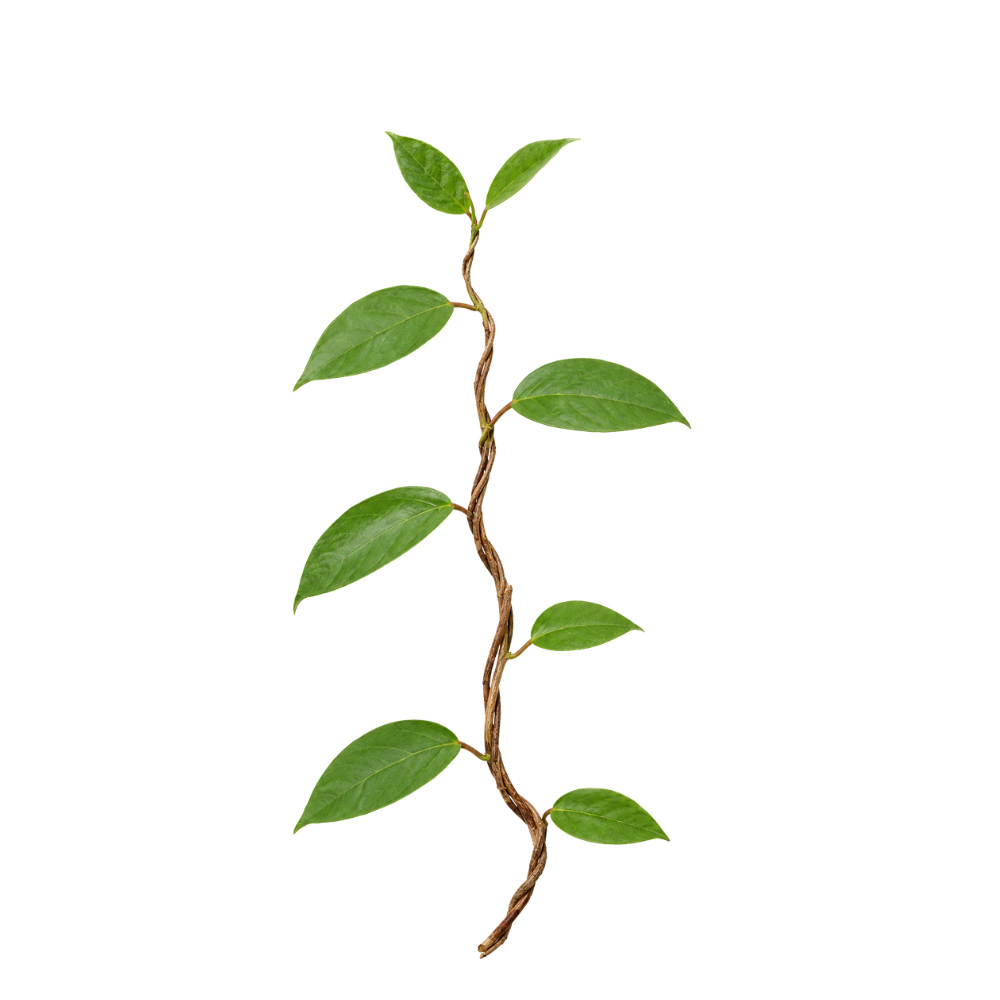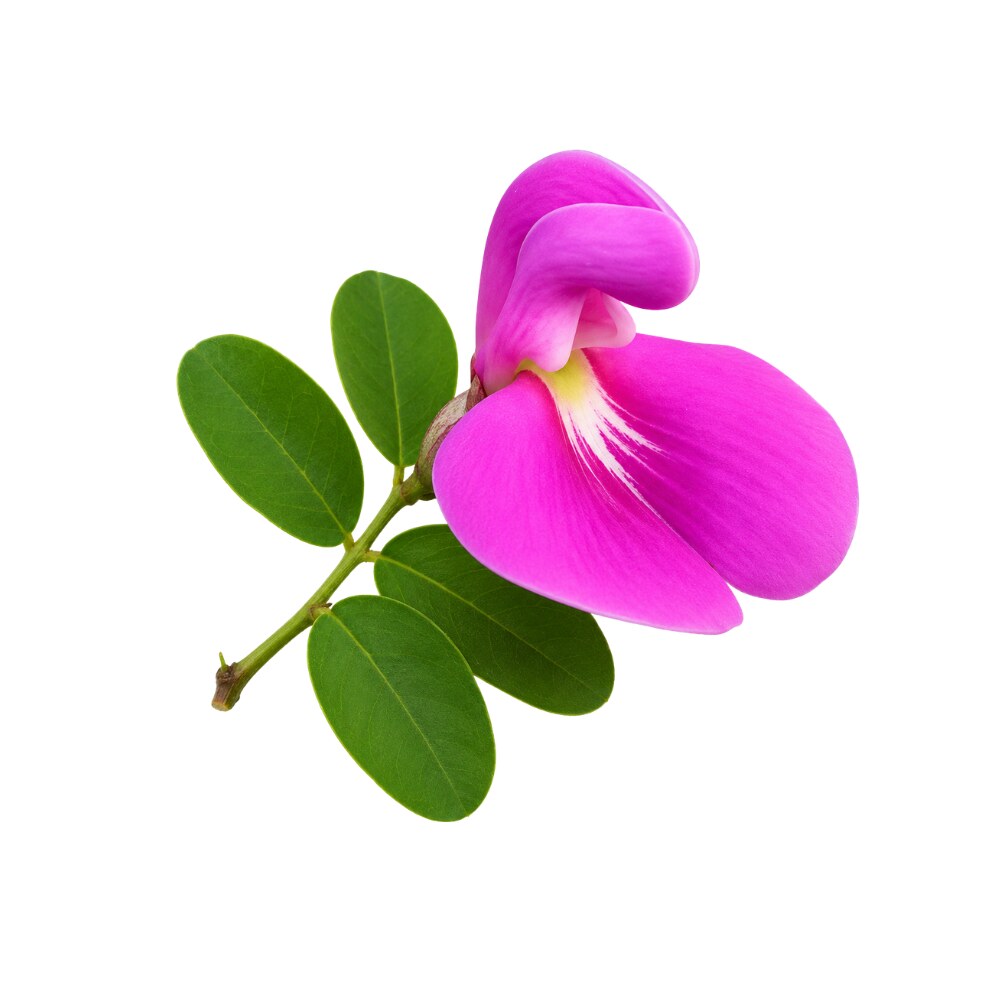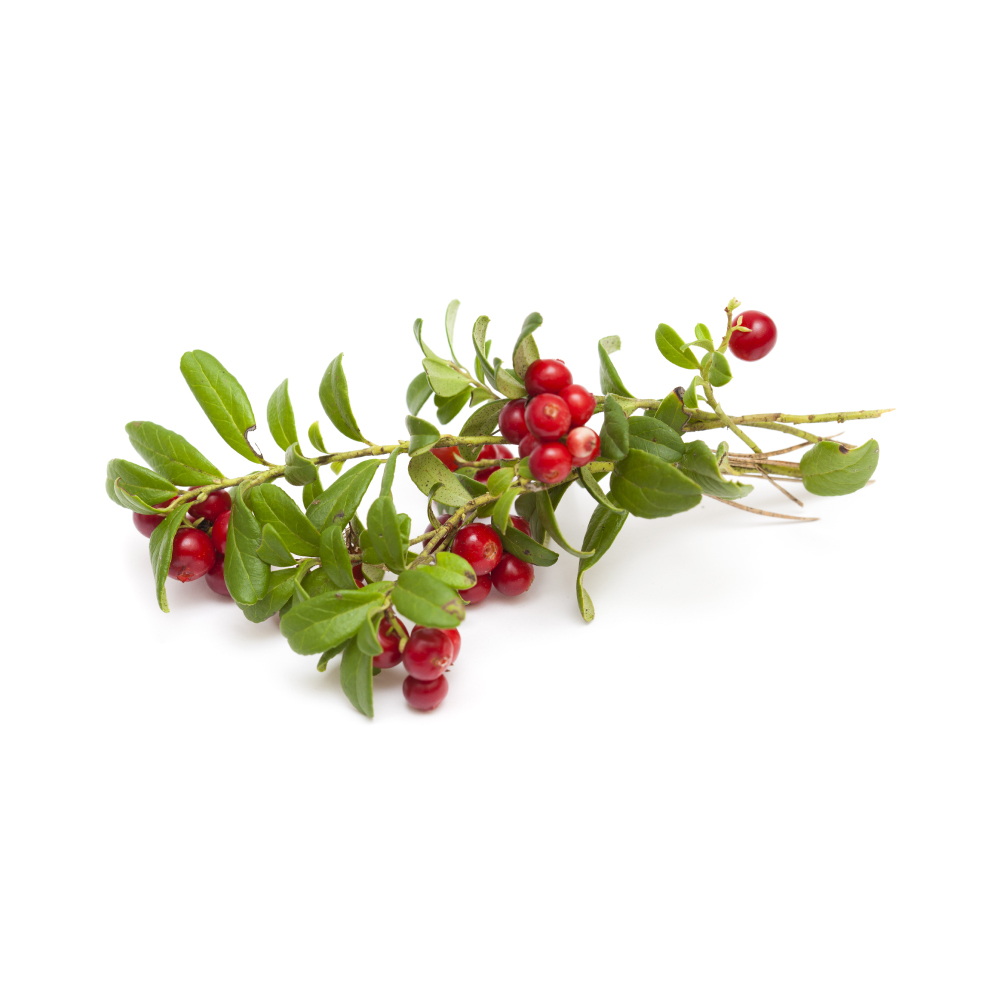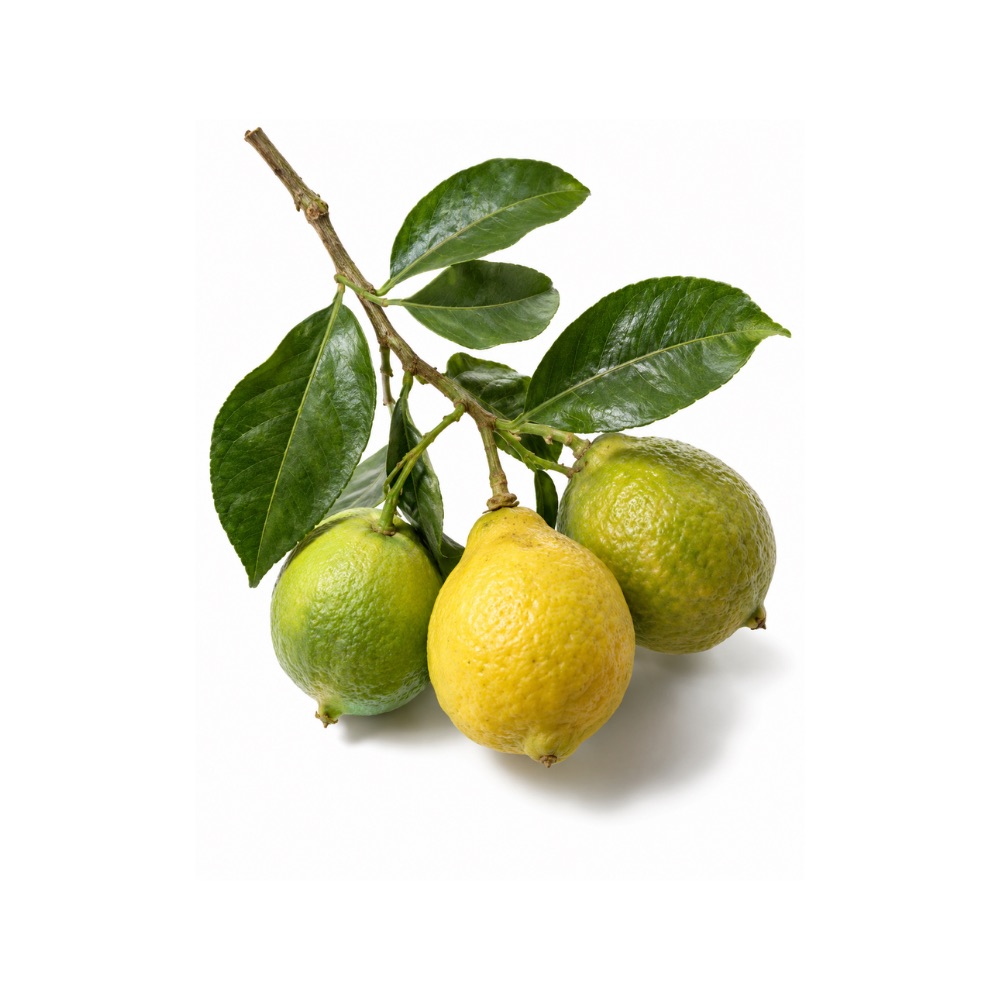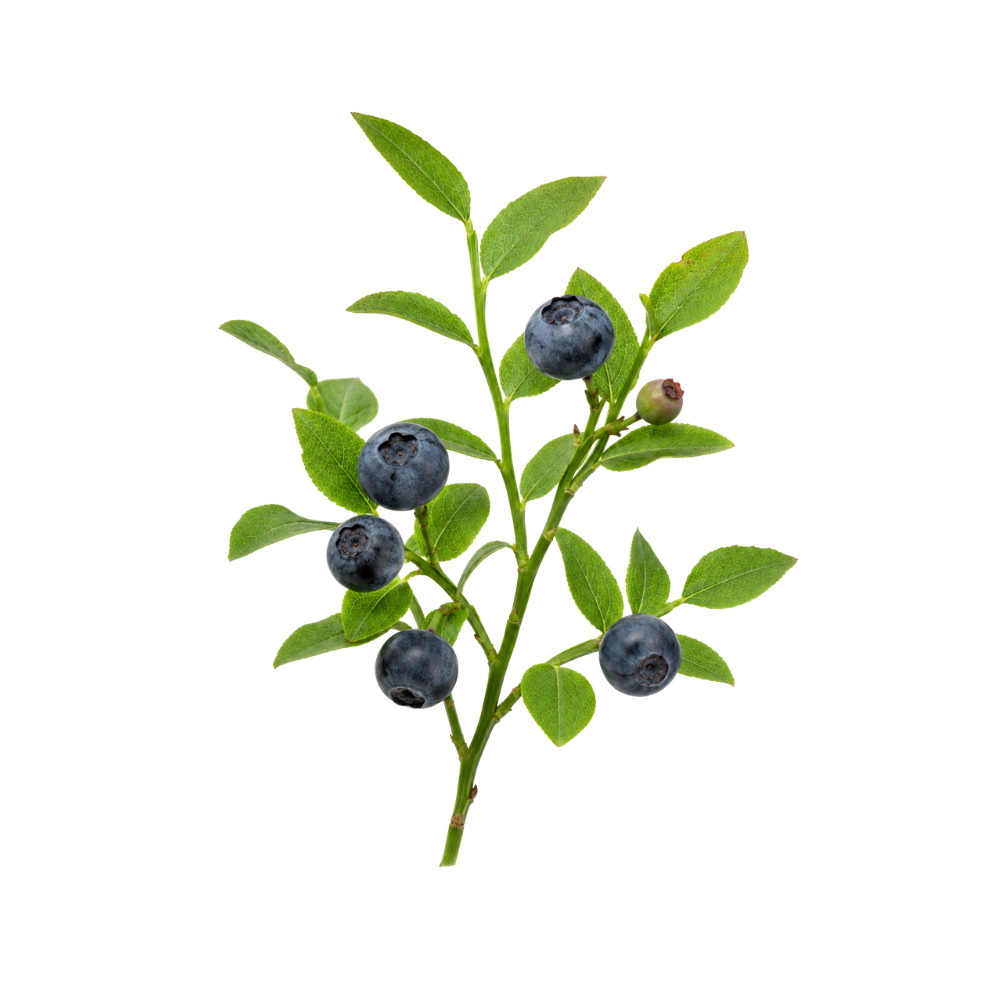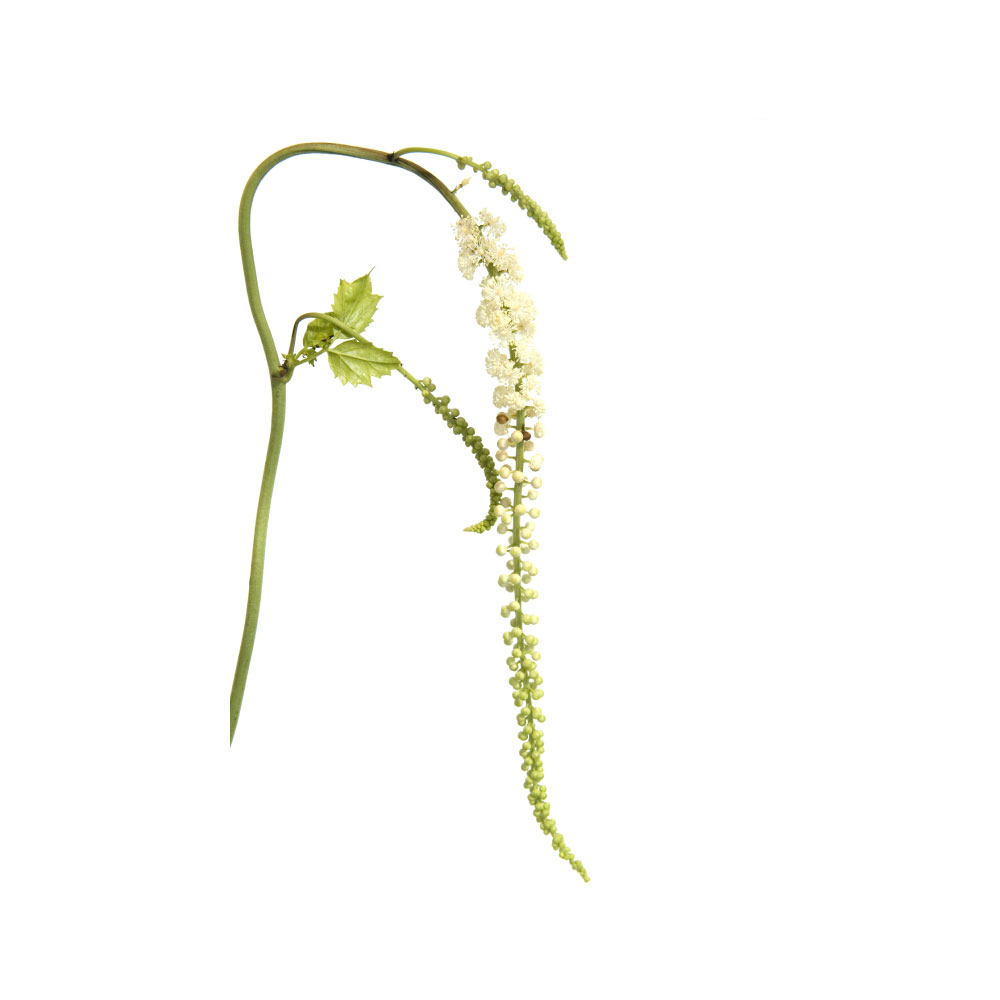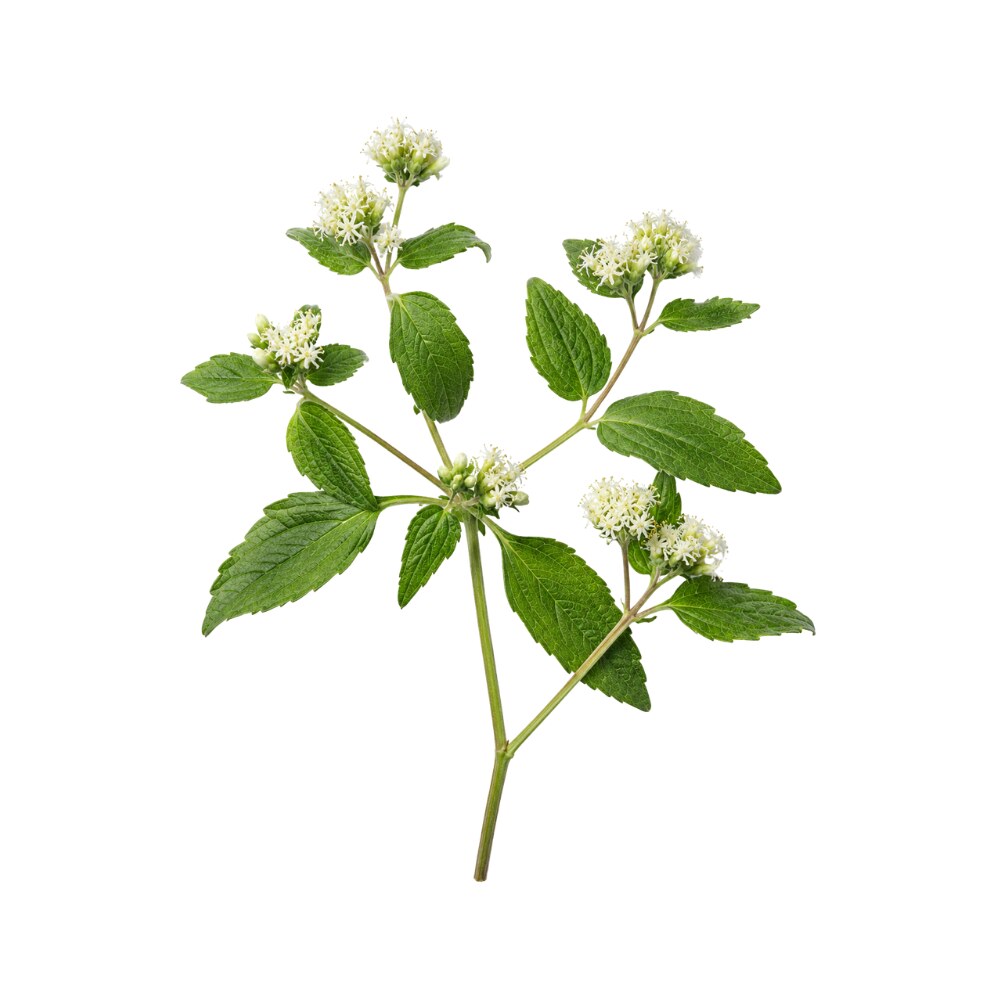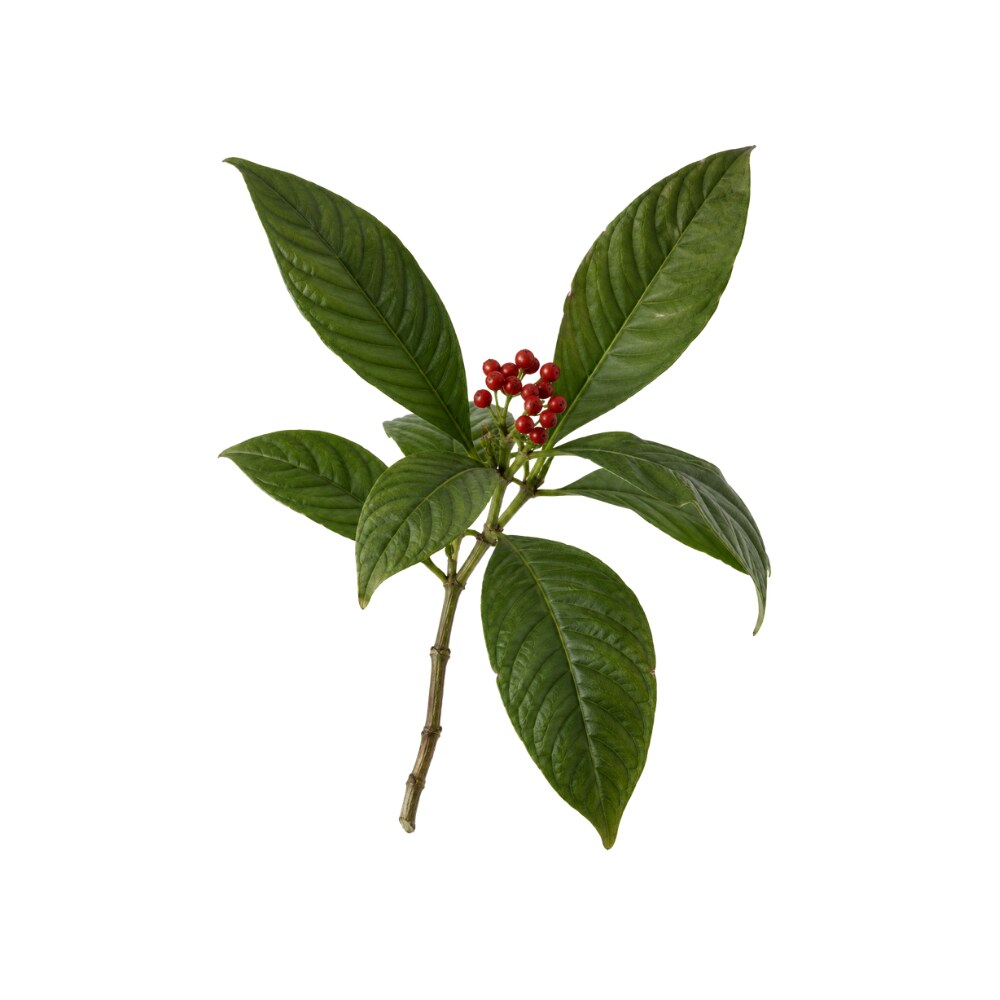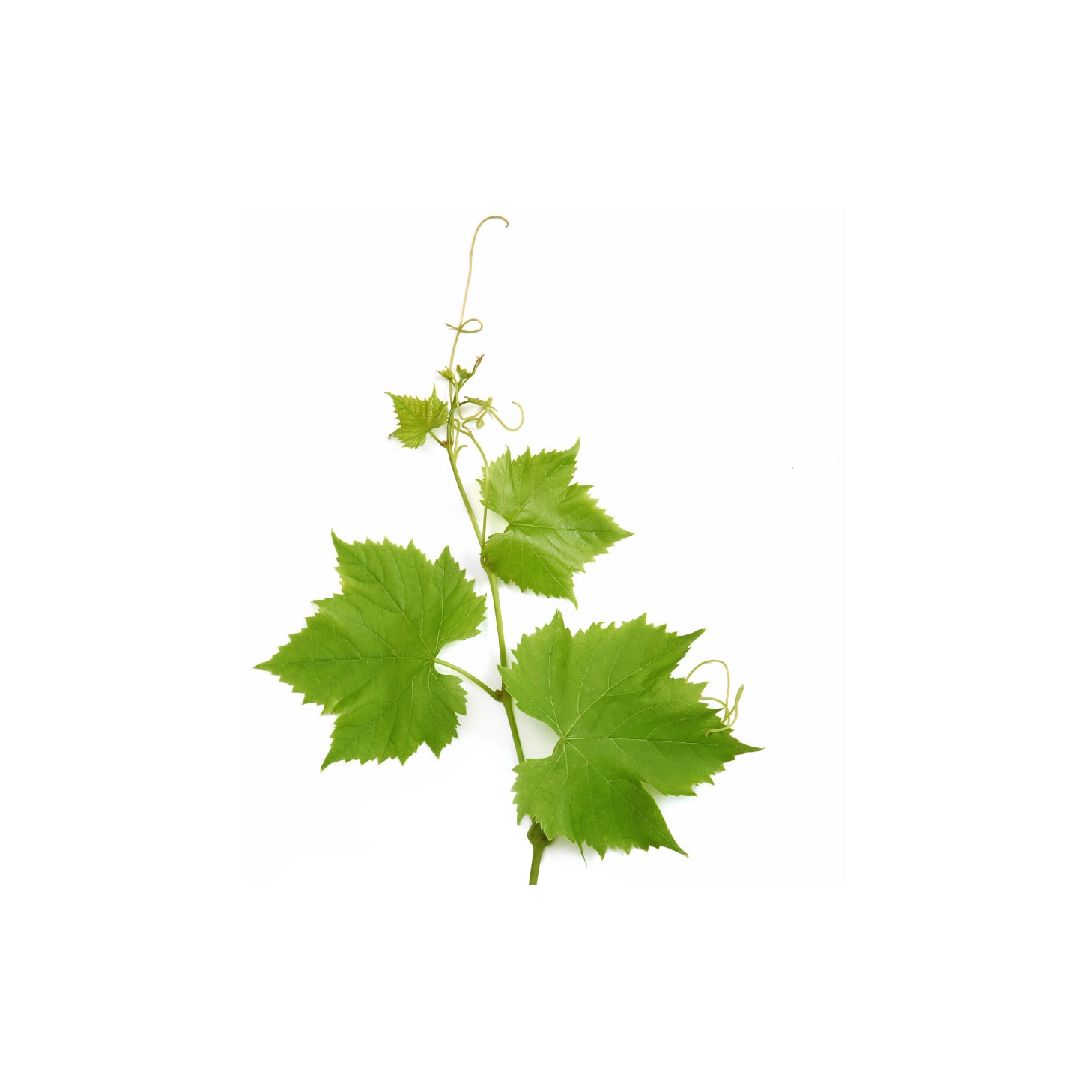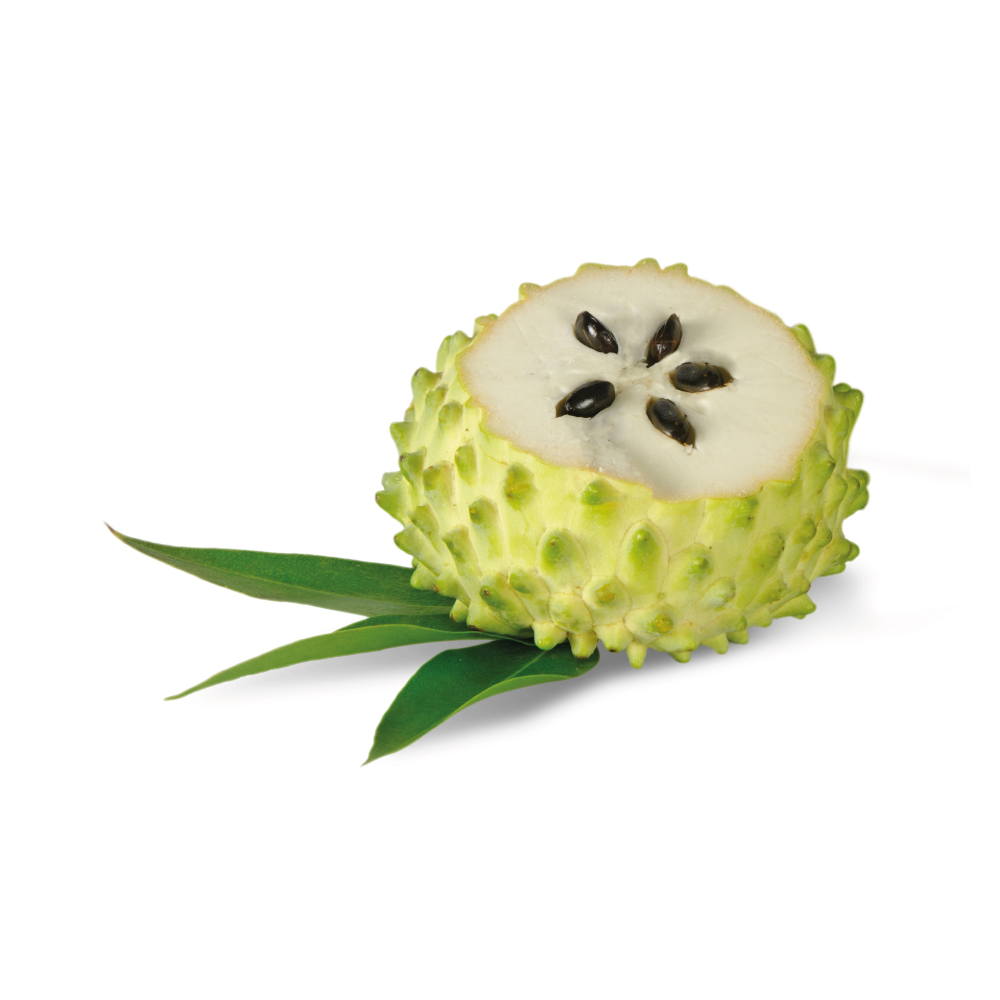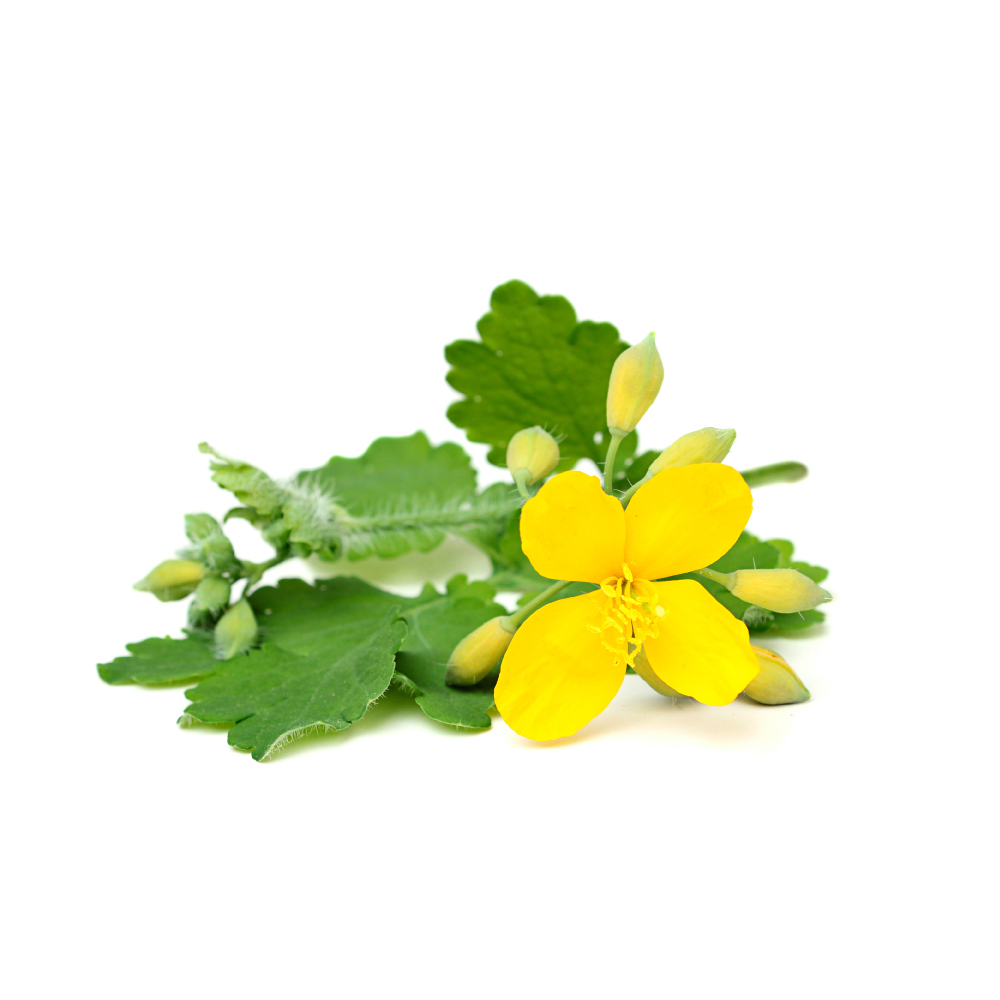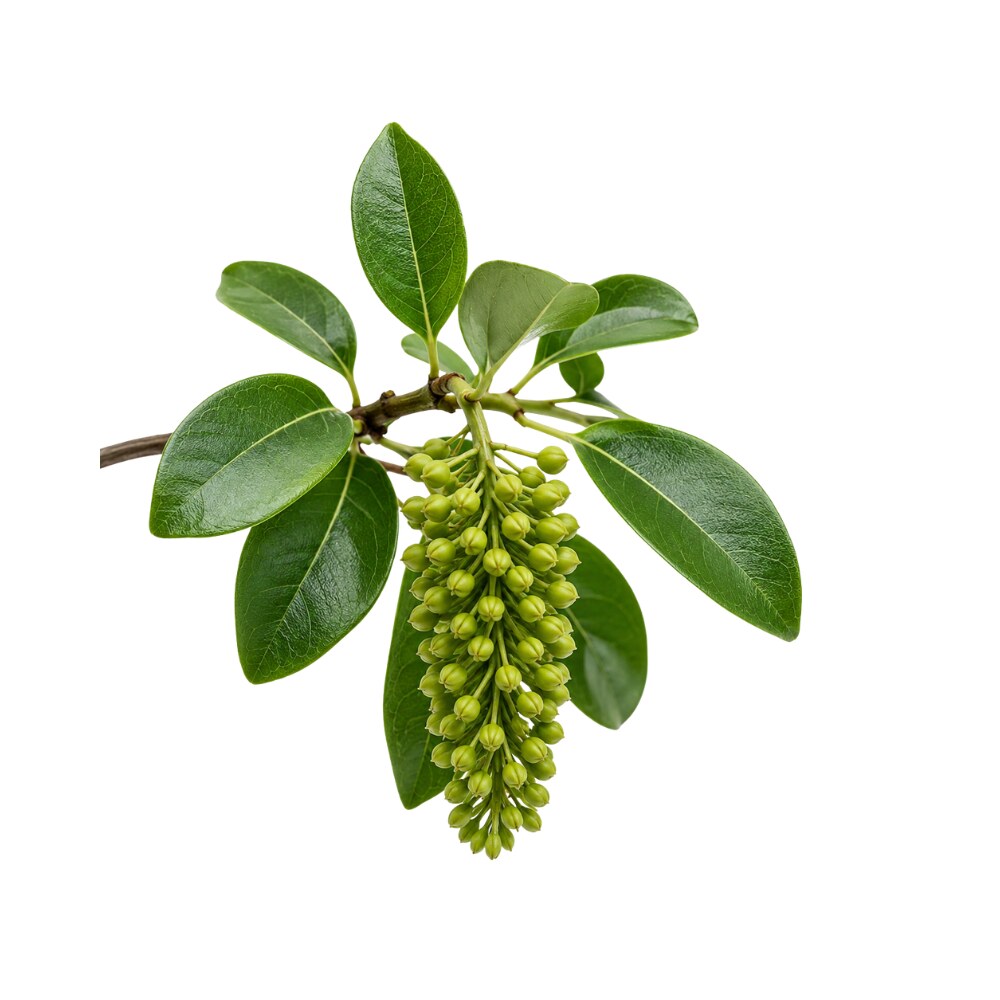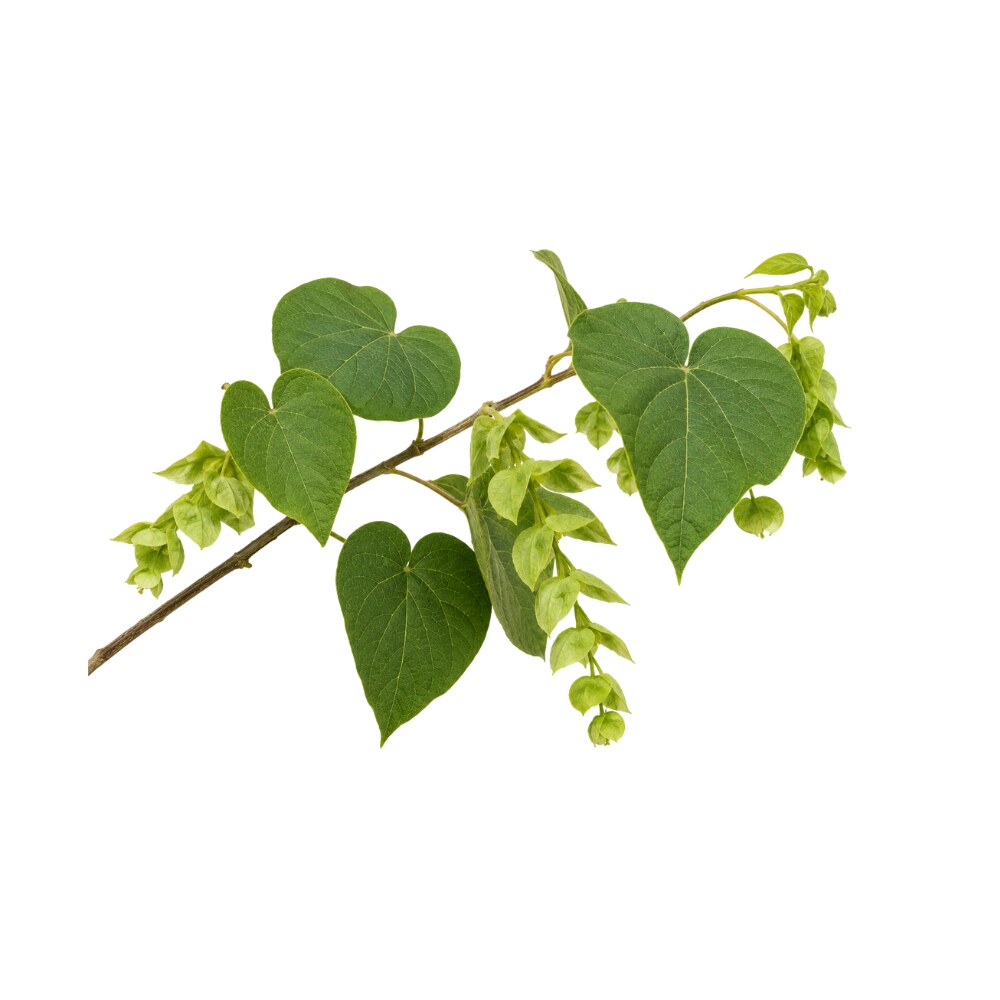
Abuta
Cissampelos pareira
AnalgesicAntifertilityAnti-InflammatoryAntilithicAntioxidantAntipyreticAntiviralAnxiolyticAntidepressantAntidiarrhealCardioprotectiveDiureticHepatoprotectiveHormone ModulatorImmunosuppressantAnti-AbortiveHemostatic +13
Browse
An action is what a plant does — it relaxes a spasm, thins a mucus, bitters a digestion, closes a wound. It is the working vocabulary of herbal medicine, and the most direct way in when you know the effect you want but not yet the herb.
Herbal Action
Every herb here, alphabetically — 259 plants carrying 143 distinct actions between them. Anti-Inflammatory is the broadest at 119 herbs; a good many actions belong to one plant alone.
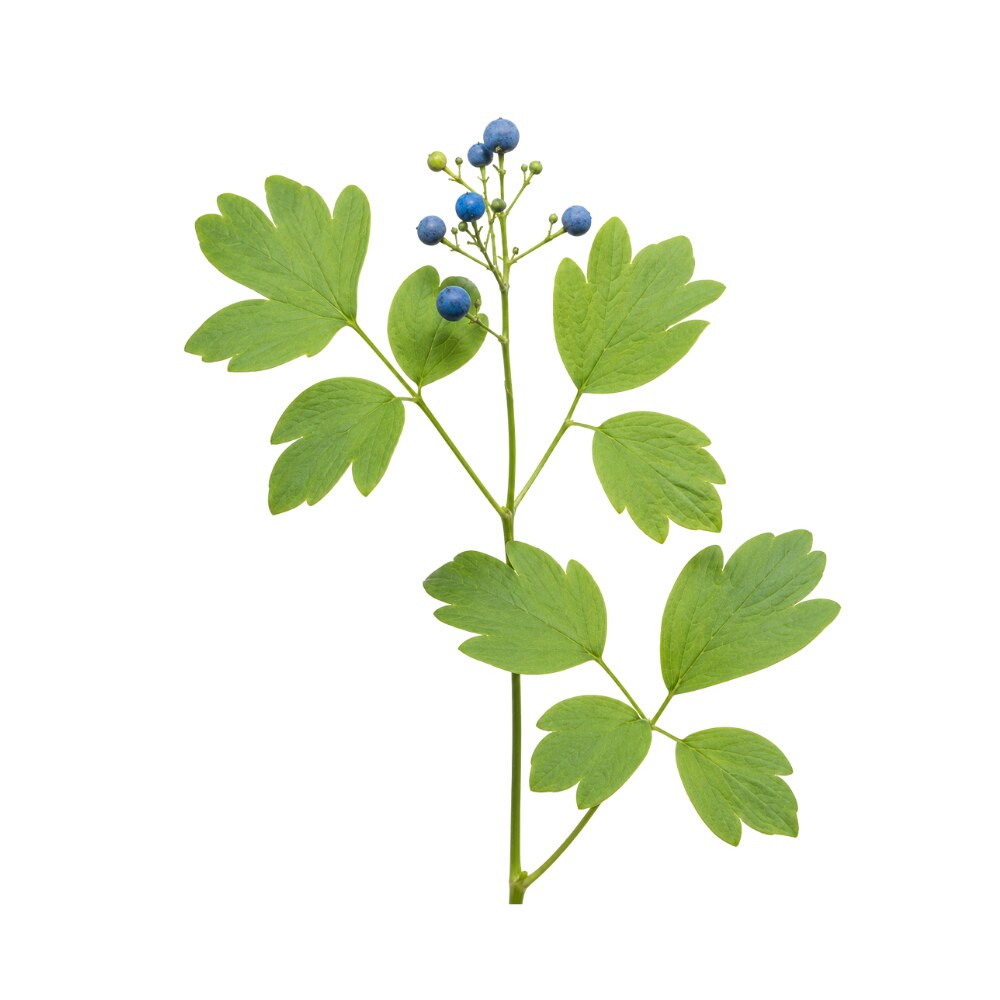
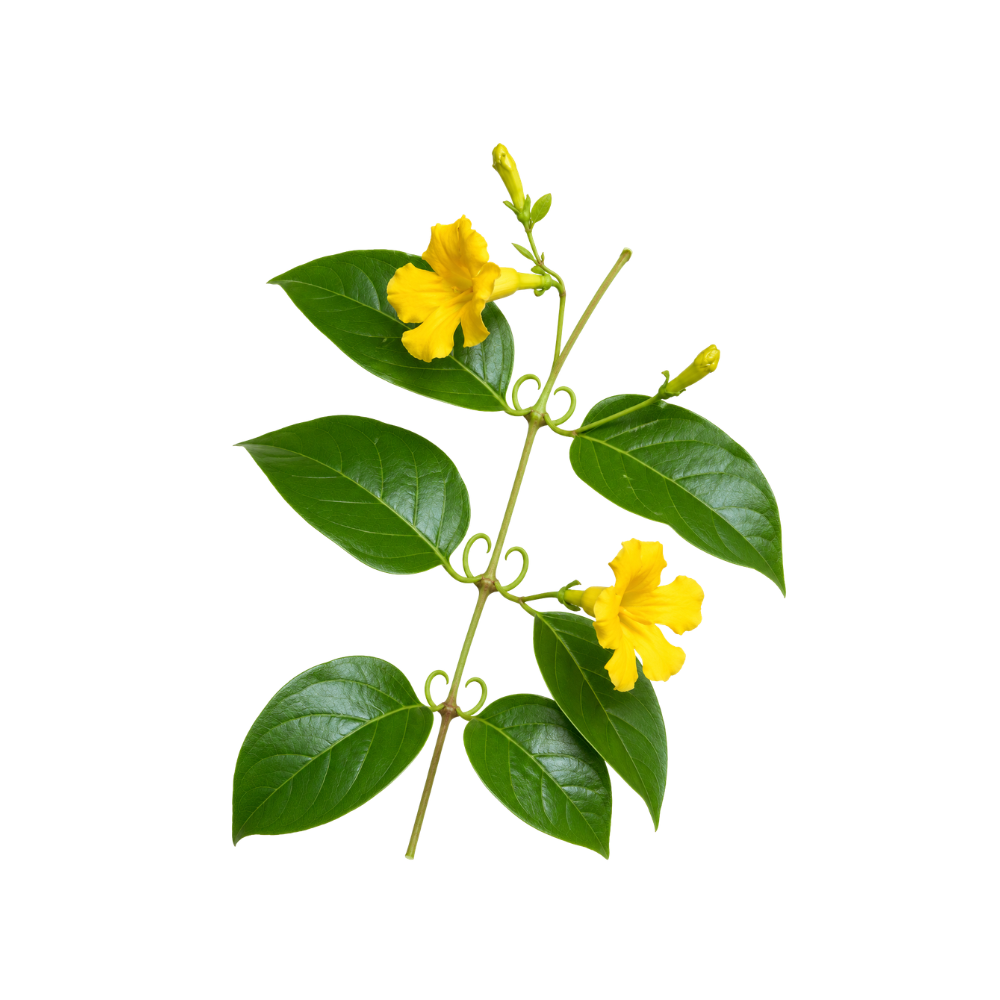
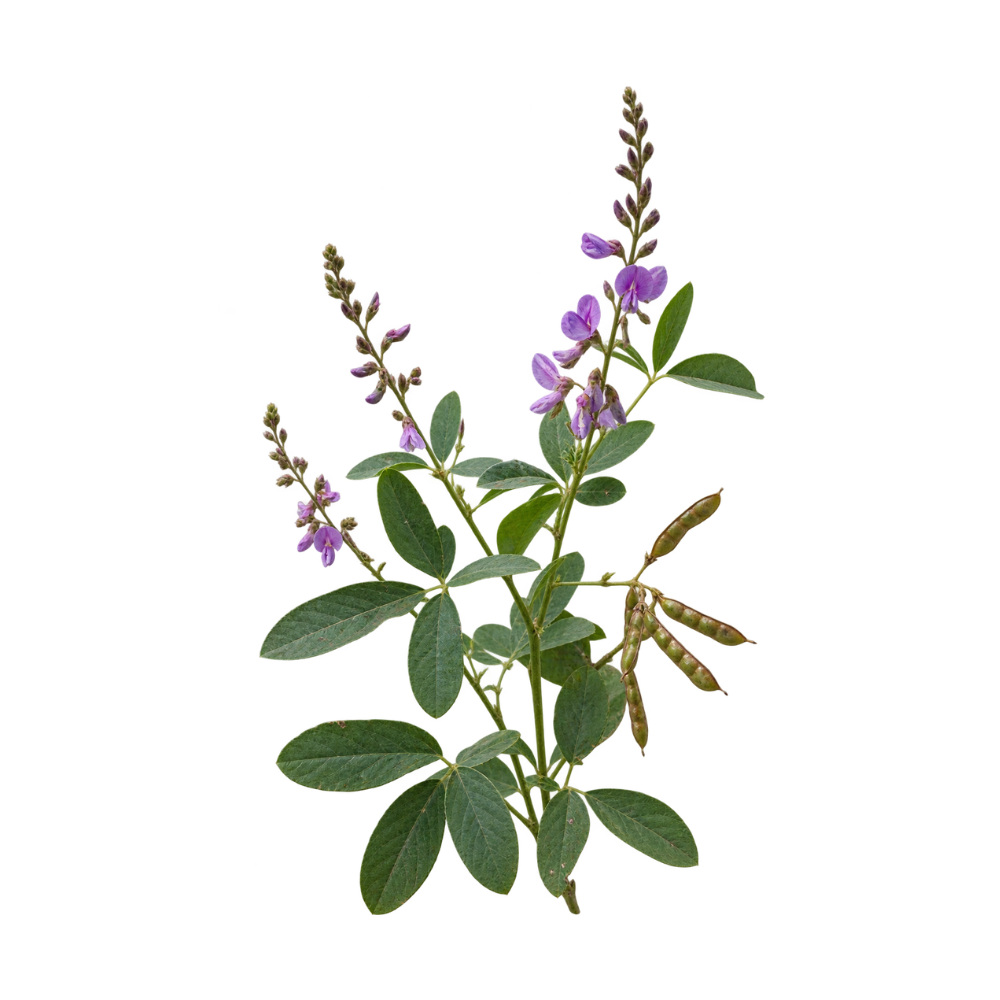
Cissampelos pareira
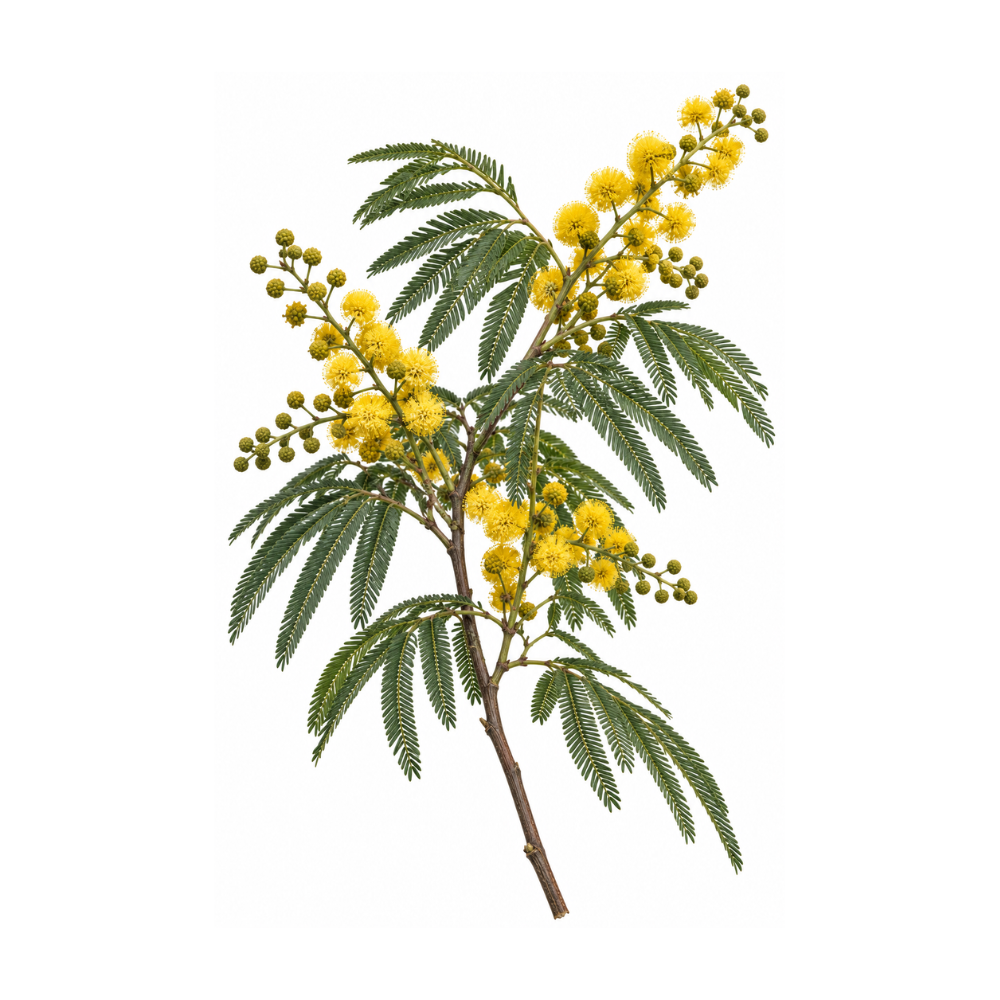
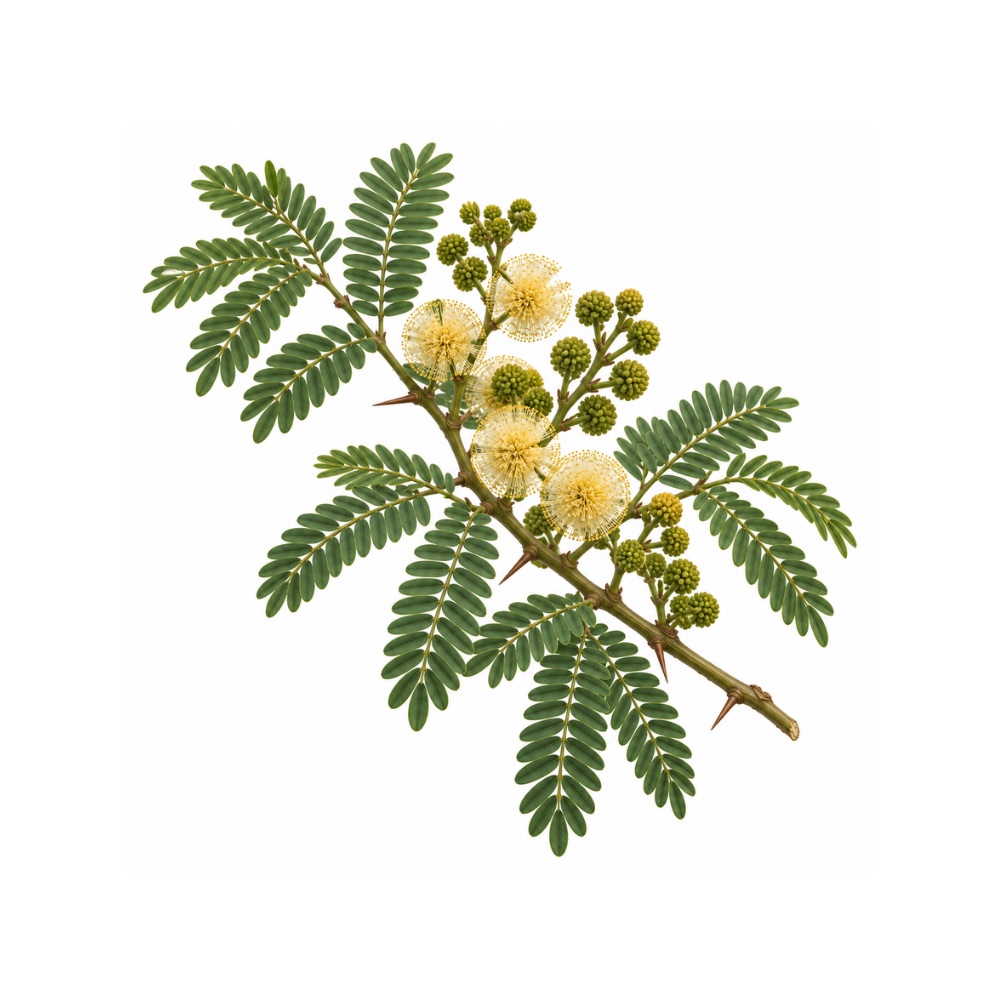
Acacia, Vachellia & Senegalia spp.
Entada rheedii
Albizzia lebbeck
Aloe vera
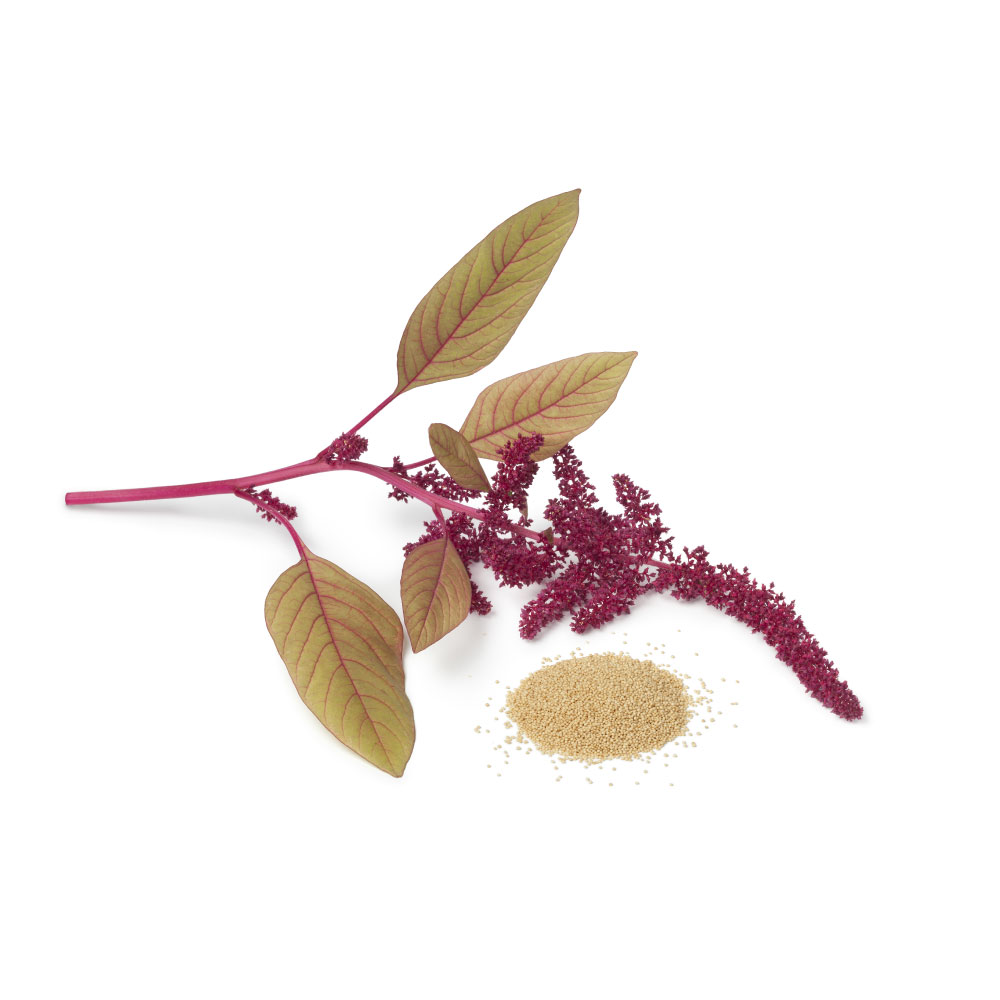
Amaranthus blitum
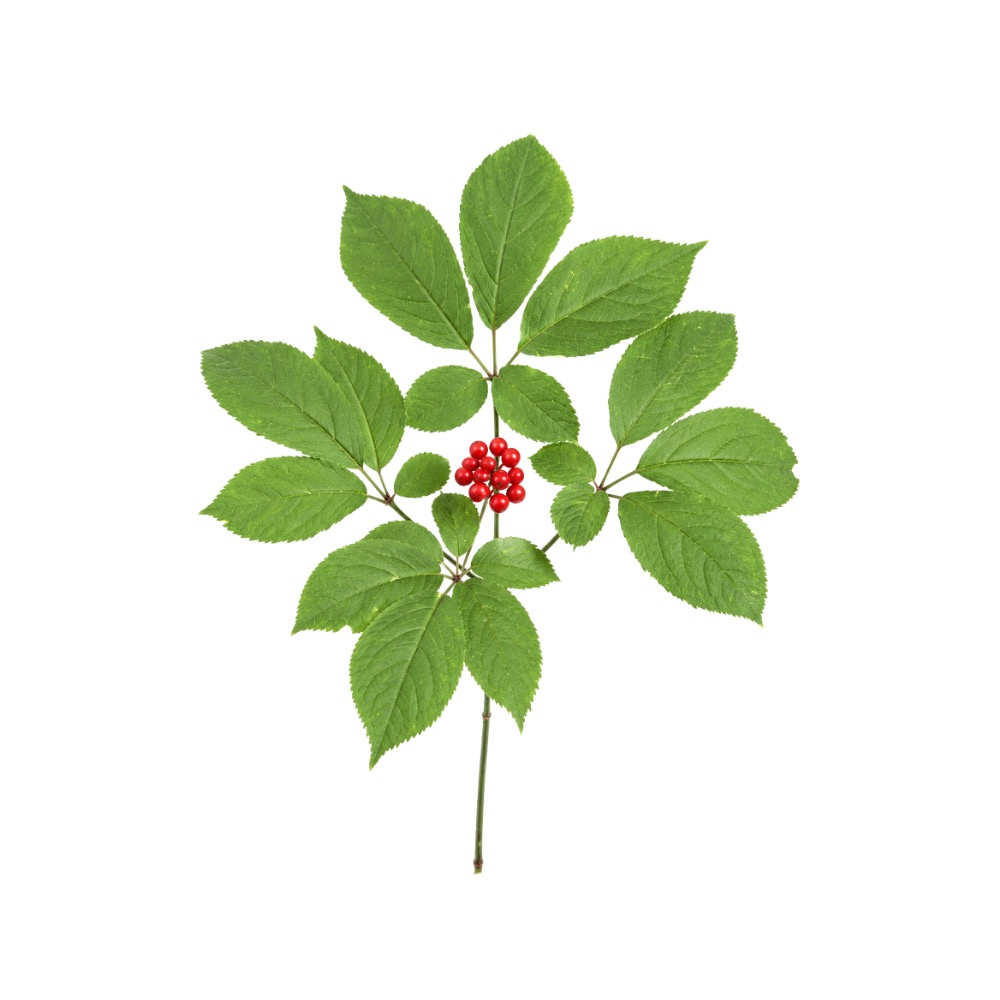
Panax quinquefolius
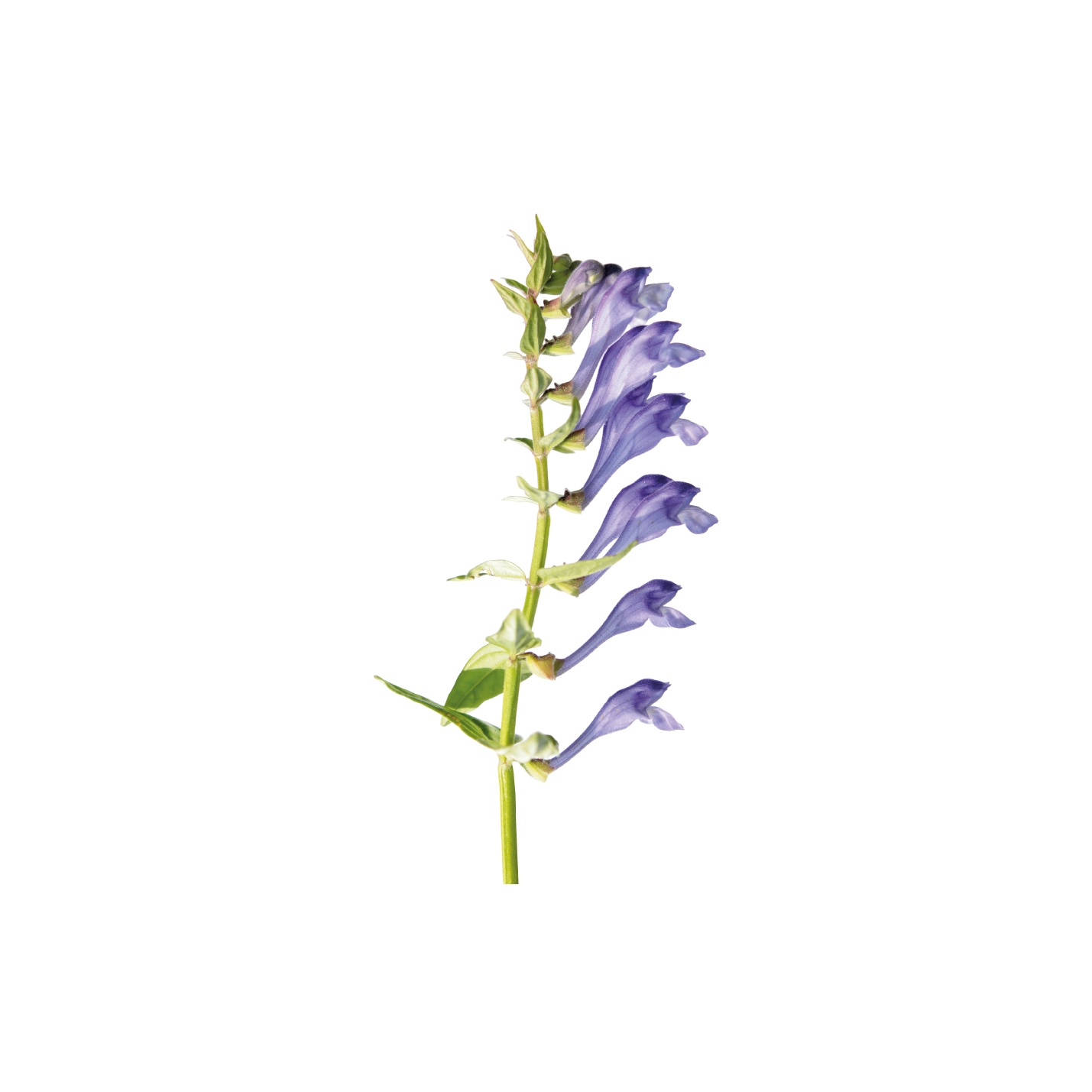
Scutellaria lateriflora
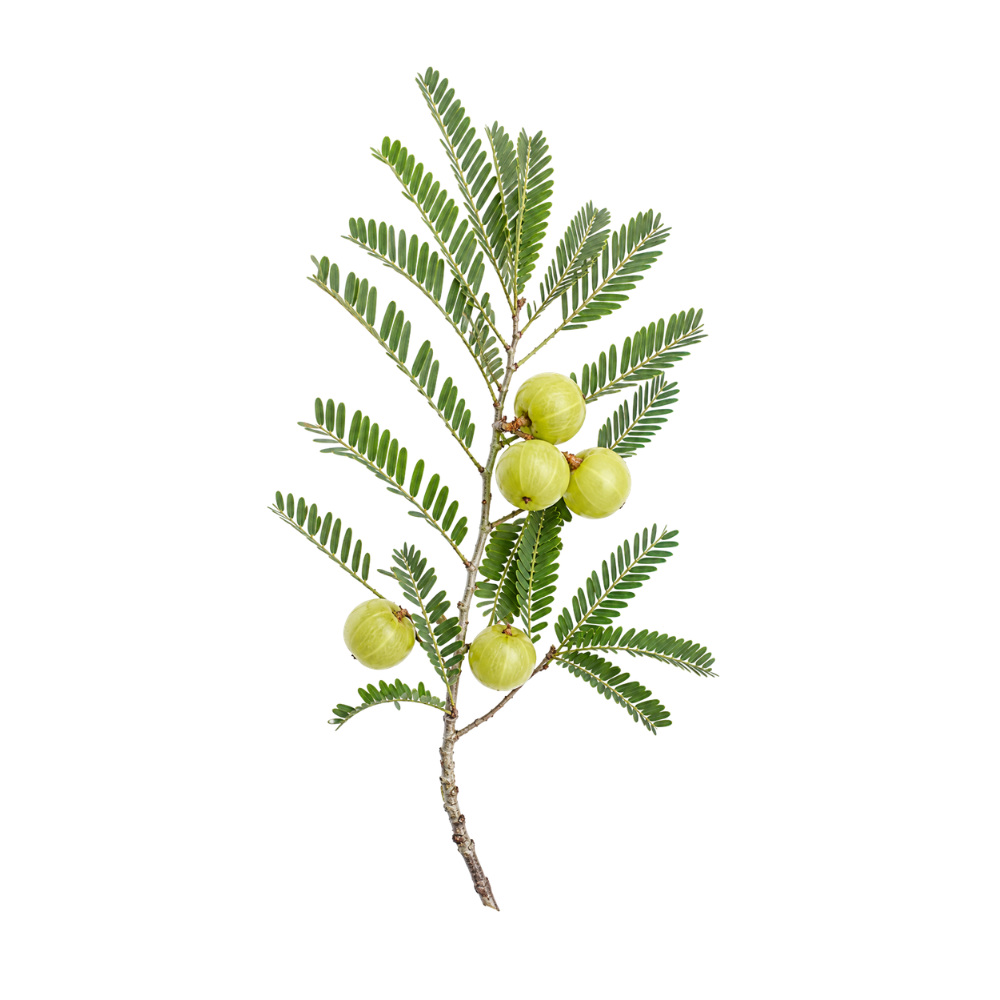
Phyllanthus emblica
Andrographis paniculata
Angelica archangelica
Terminalia arjuna
Arnica montana
Withania somnifera
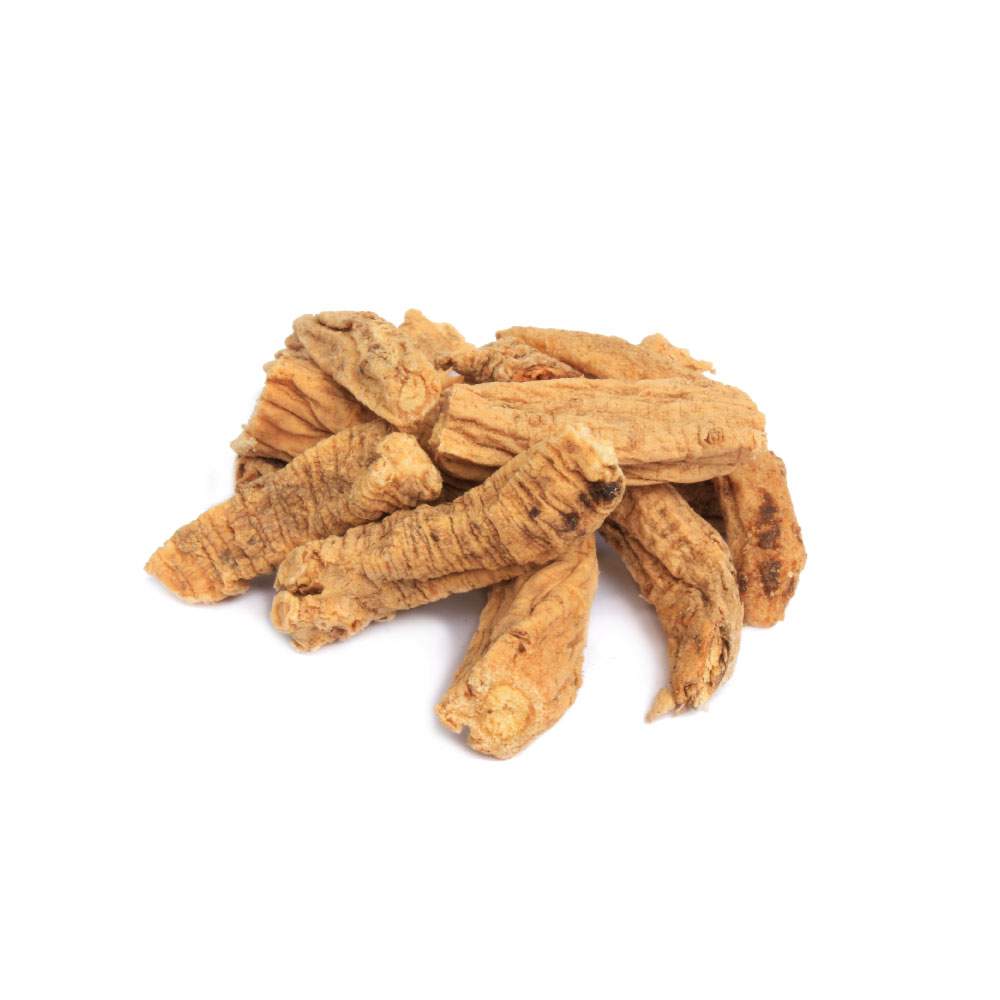
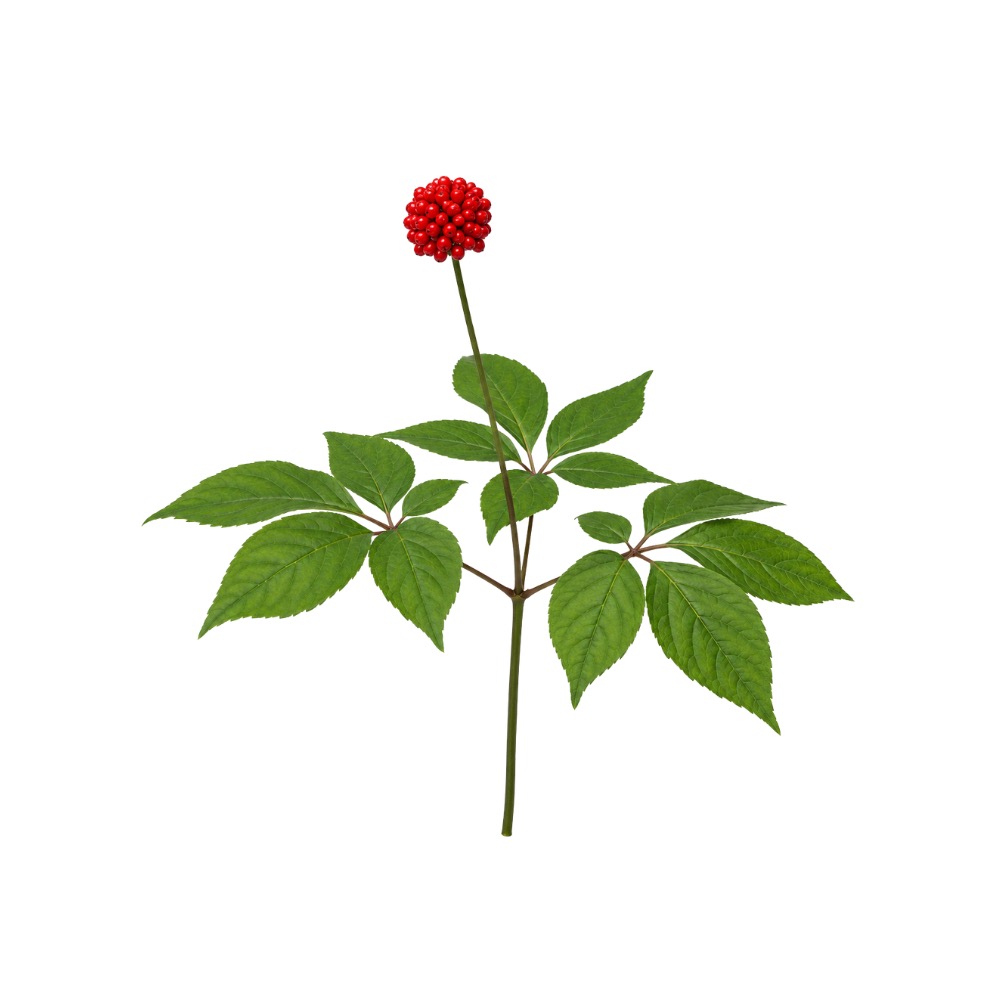
Panax ginseng
Astragalus mongholicus
Banisteriopsis caapi
Vachellia nilotica
Bacopa monnieri
Aegle marmelos
Berberis spp.
Canavalia rosea
Arctostaphylos uva-ursi
Citrus bergamia
Vaccinium myrtillus
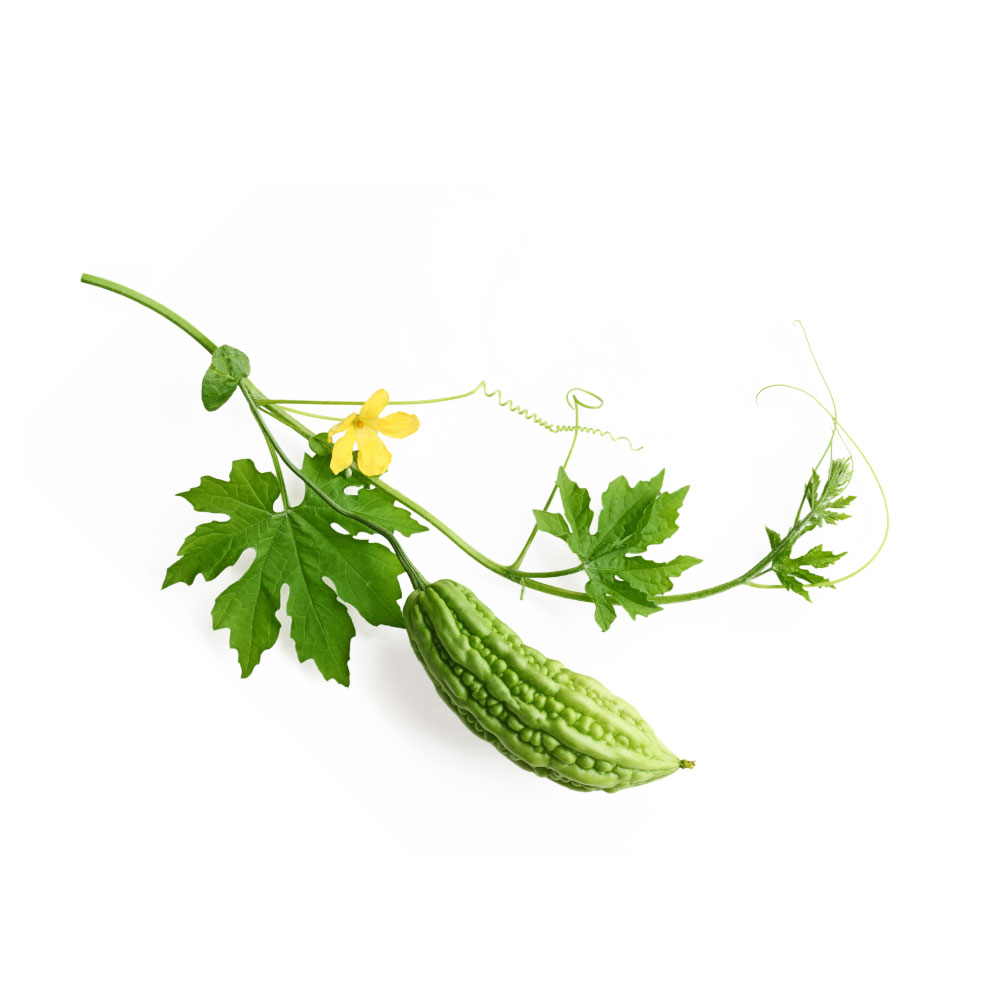
Momordica charantia
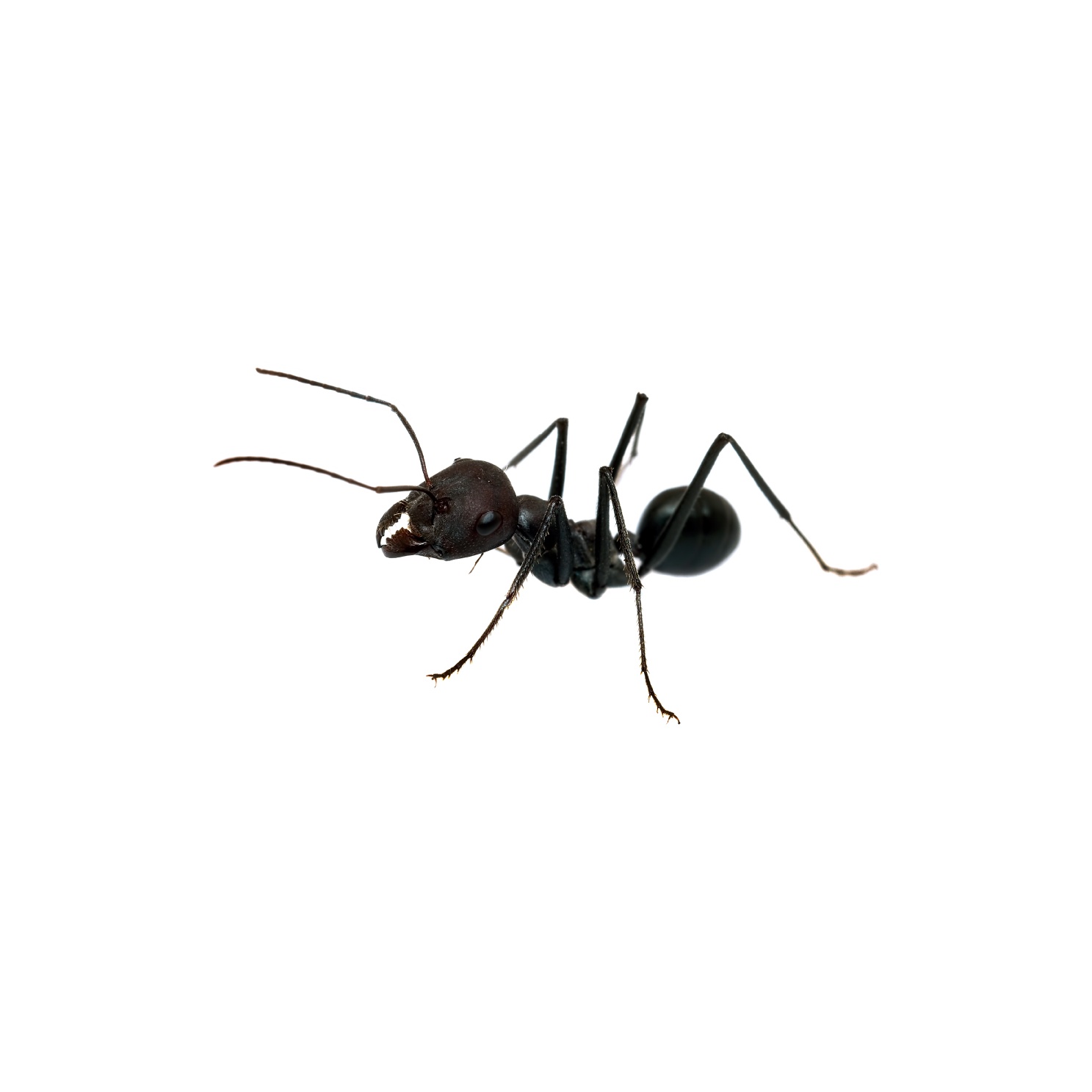
Polyrhachis spp.
Cimicifuga racemosa
Ballota nigra
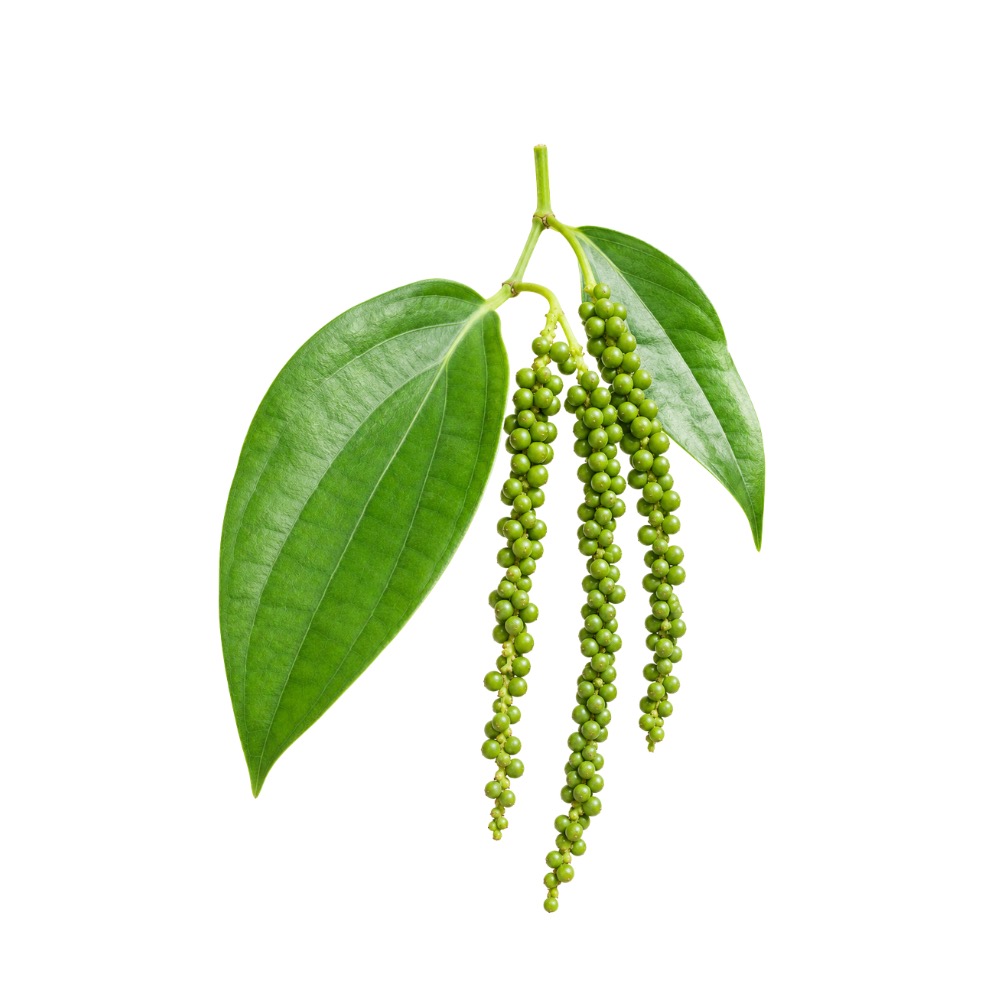
Piper nigrum
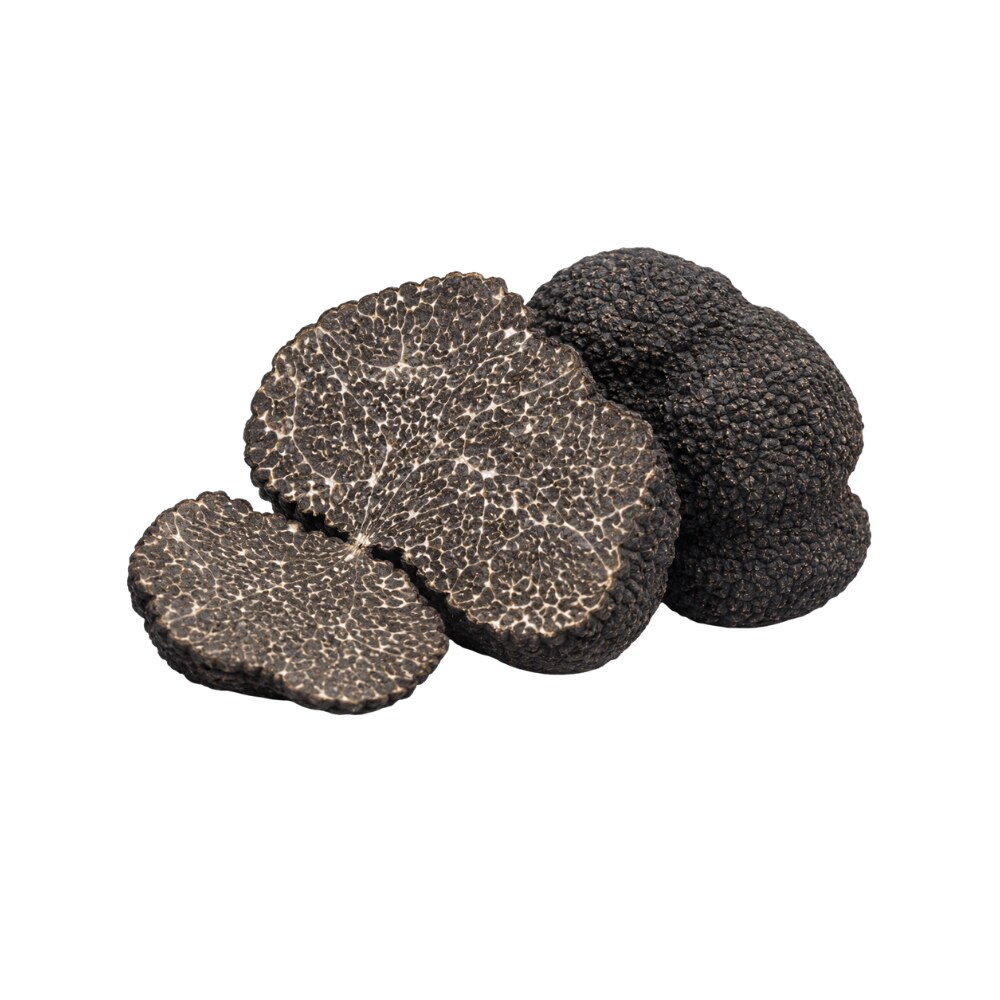
Tuber melanosporum
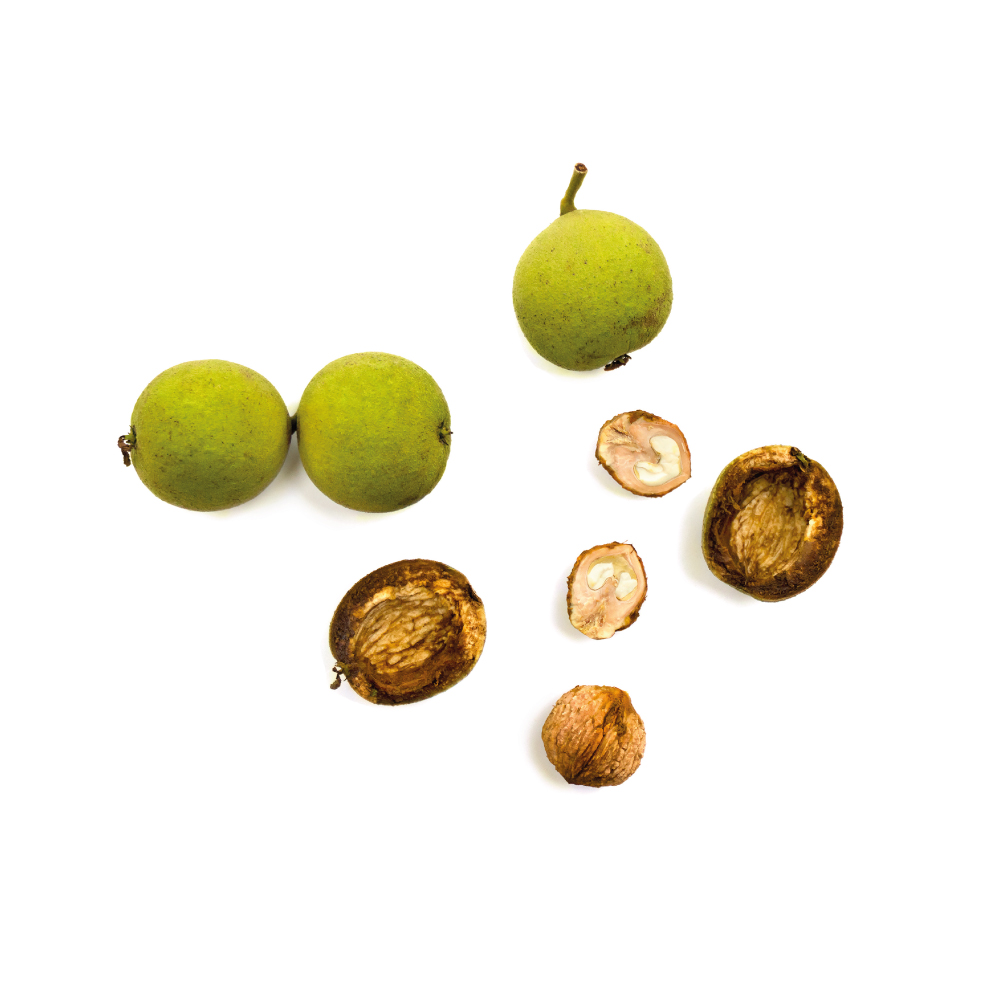
Juglans nigra
Acacia mearnsii
Caulophyllum thalictroides
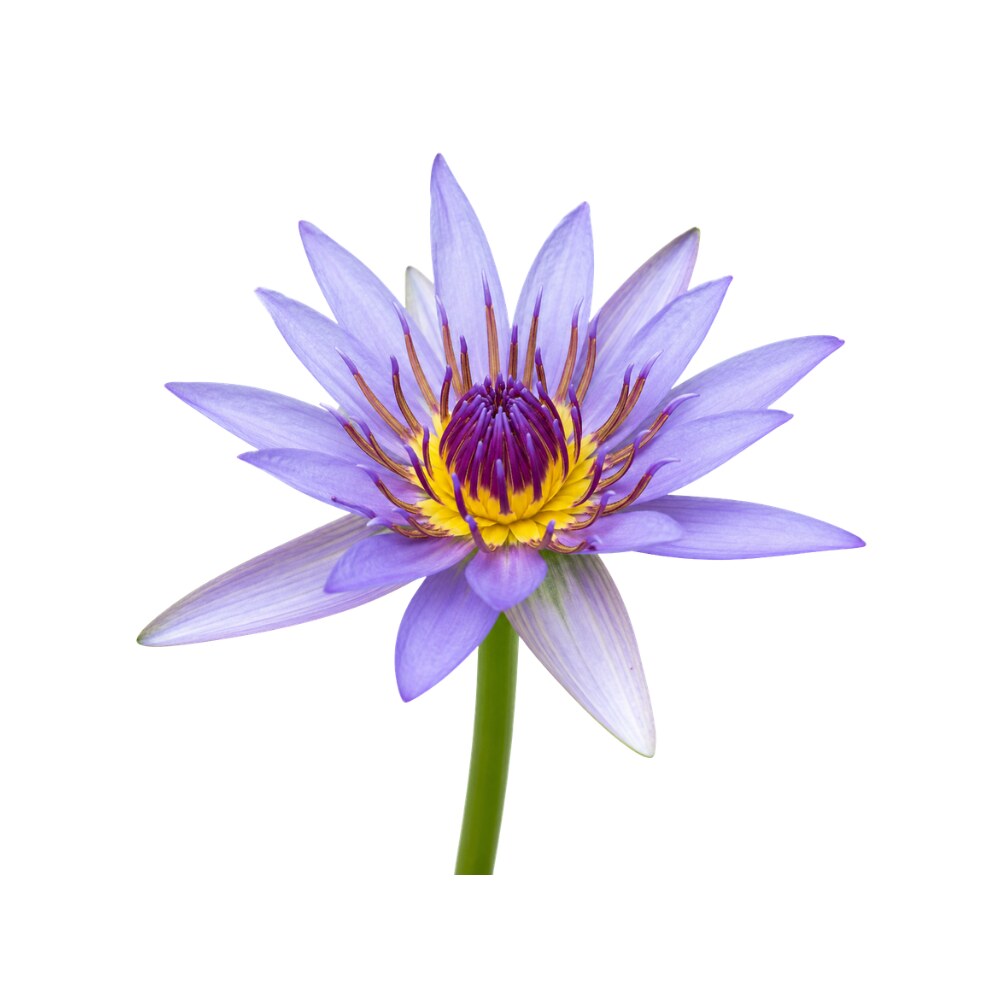
Nymphaea caerulea
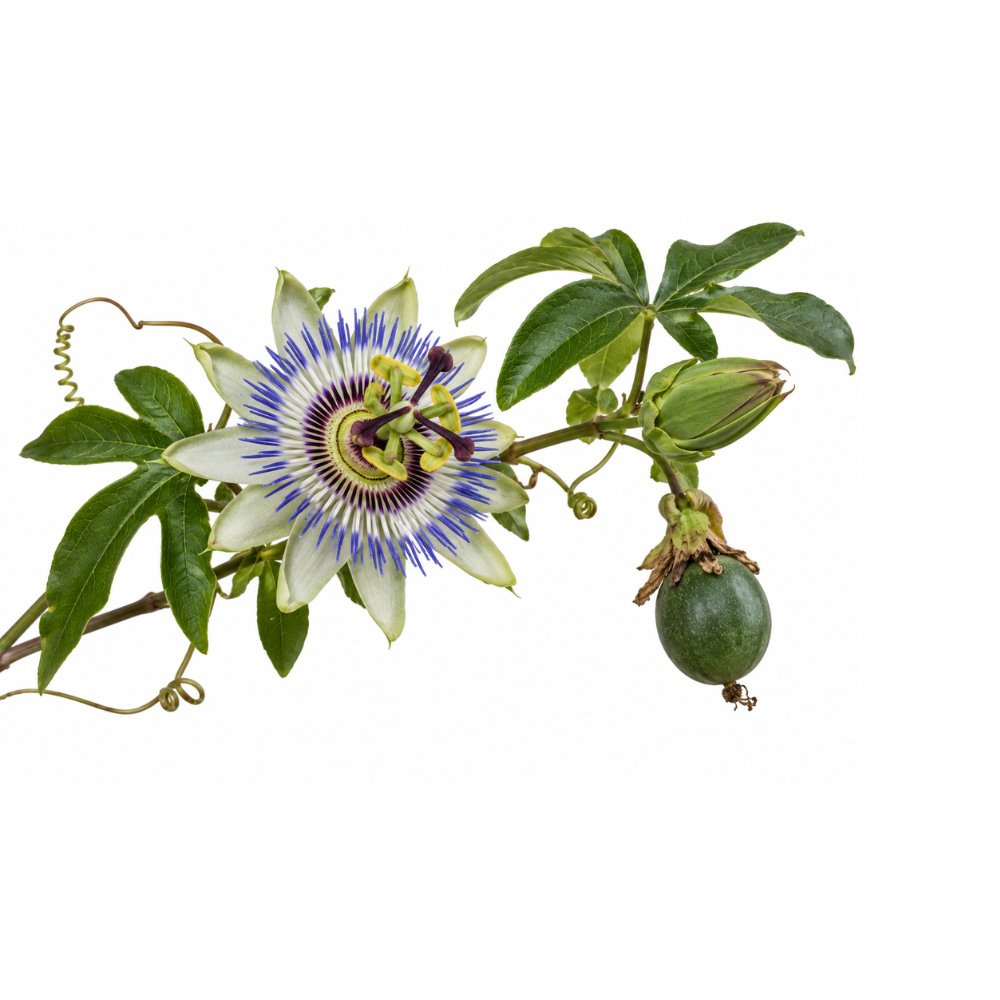
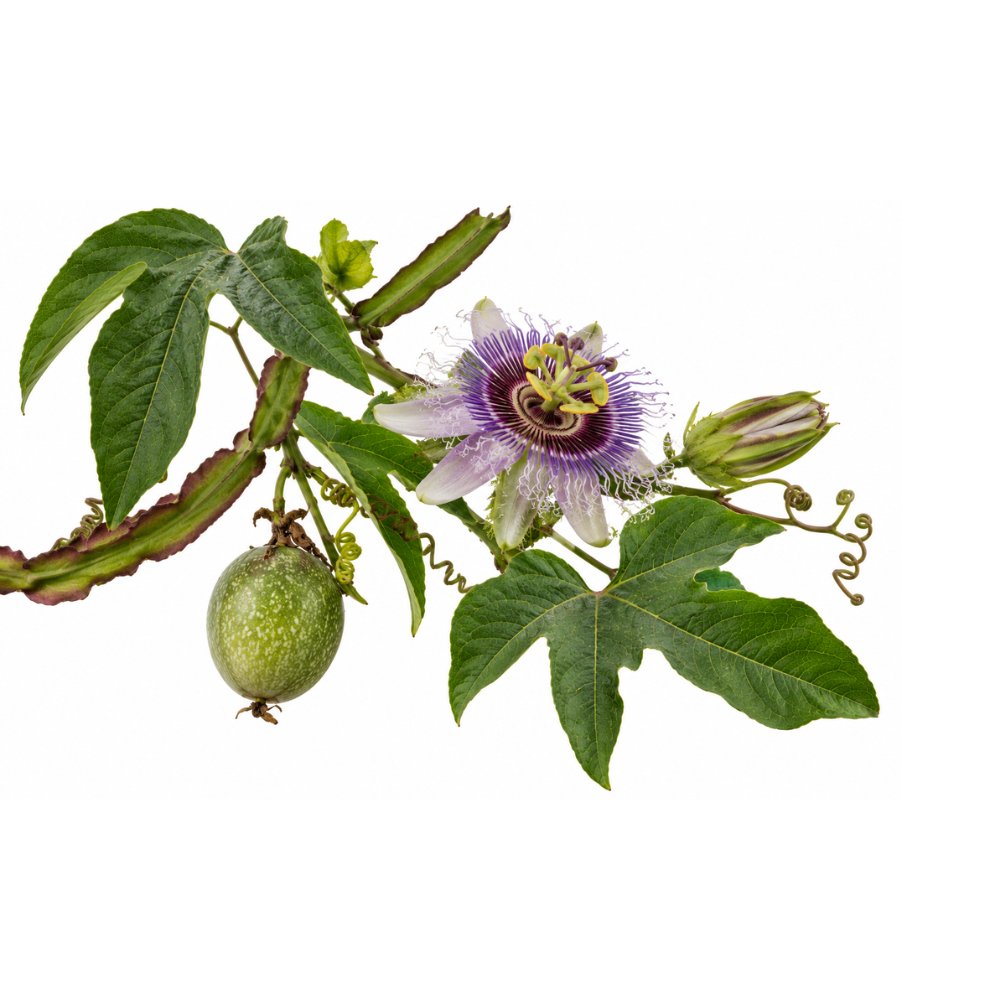
Passiflora caerulea
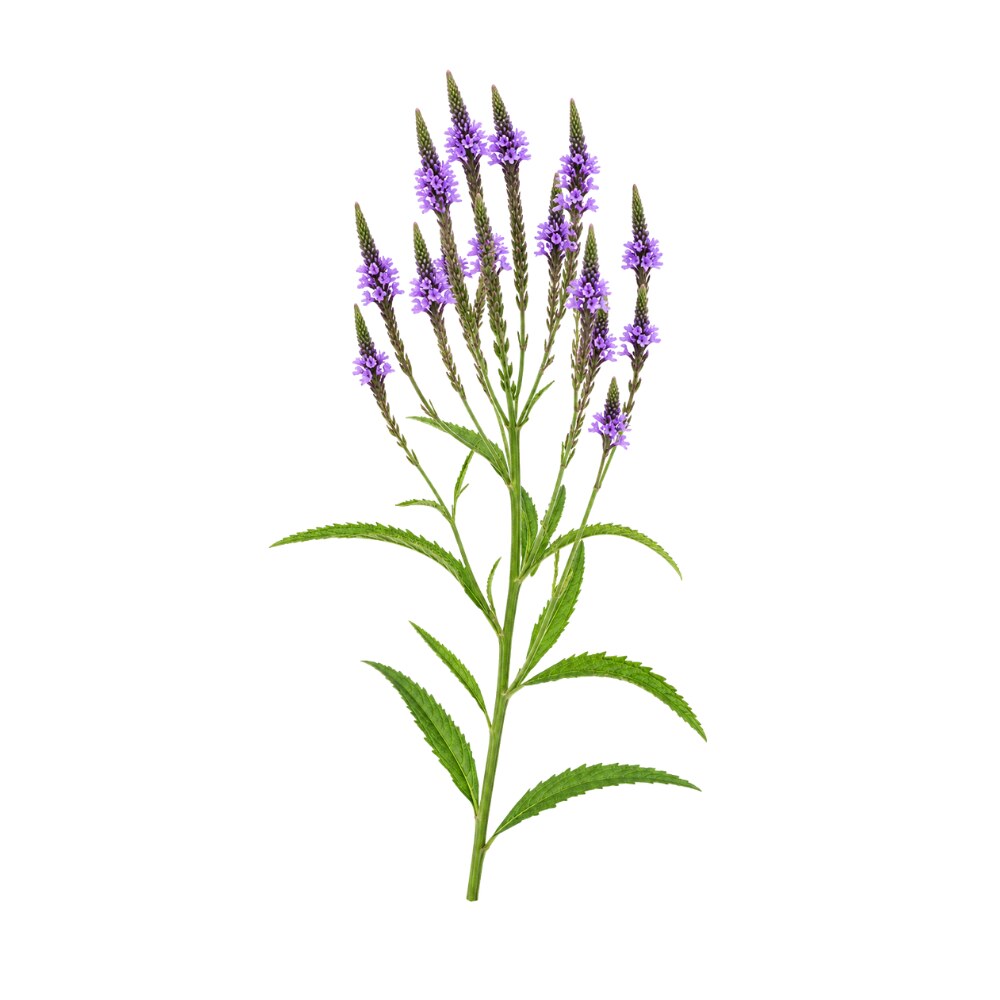
Verbena hastata
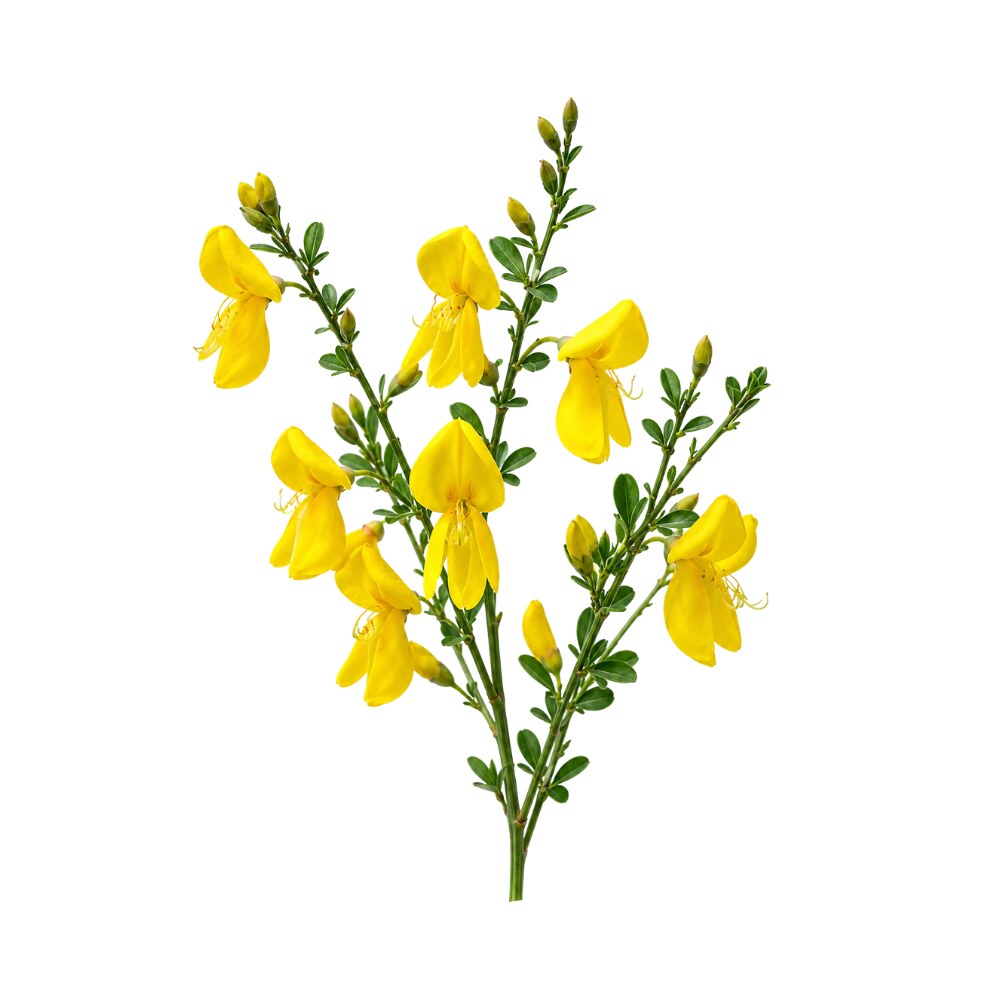
Cytisus scoparius
Agathosma betulina
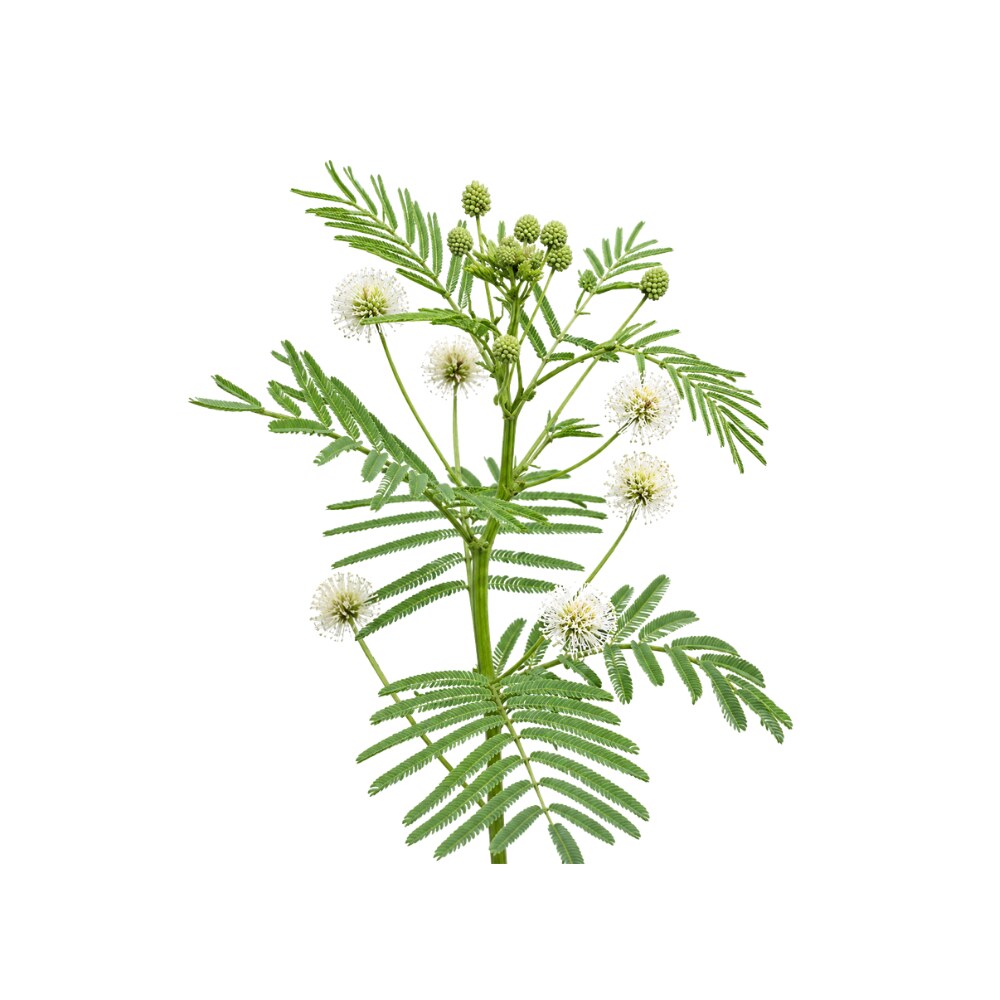
Desmanthus illinoensis
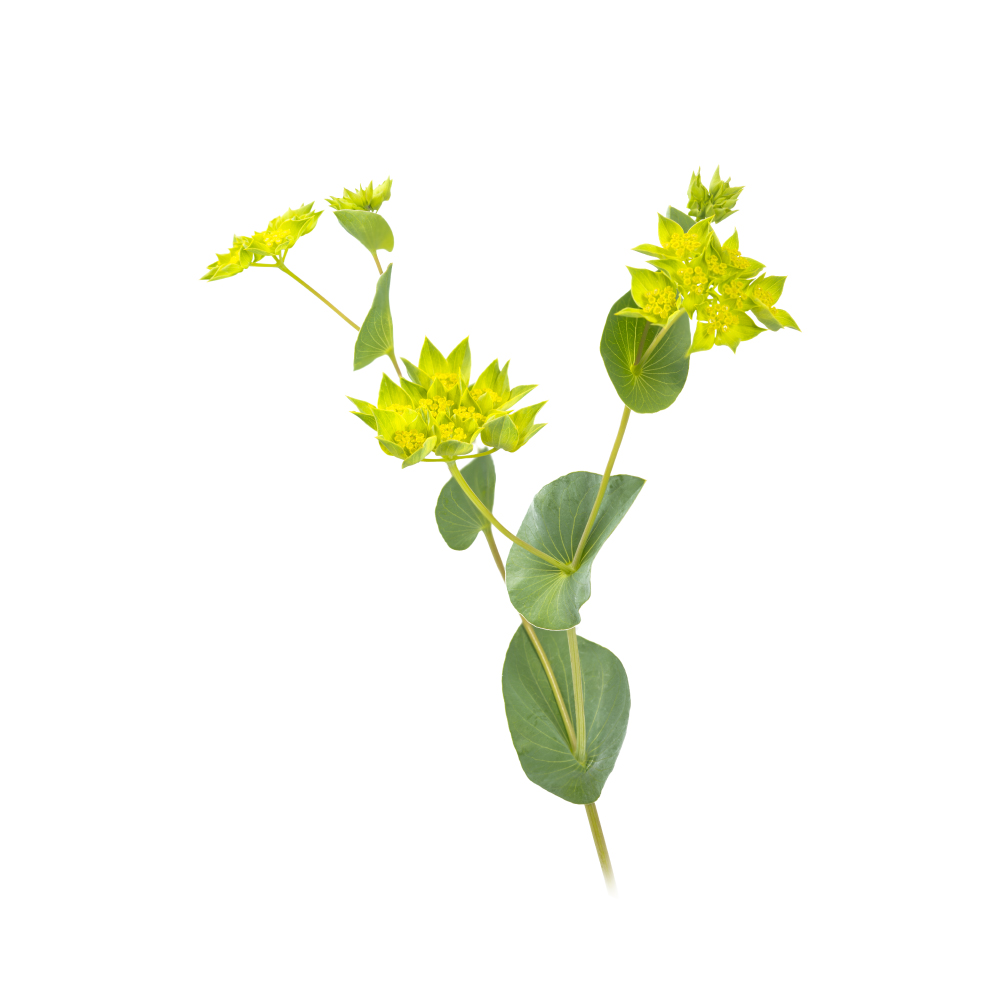
Bupleurum falcatum
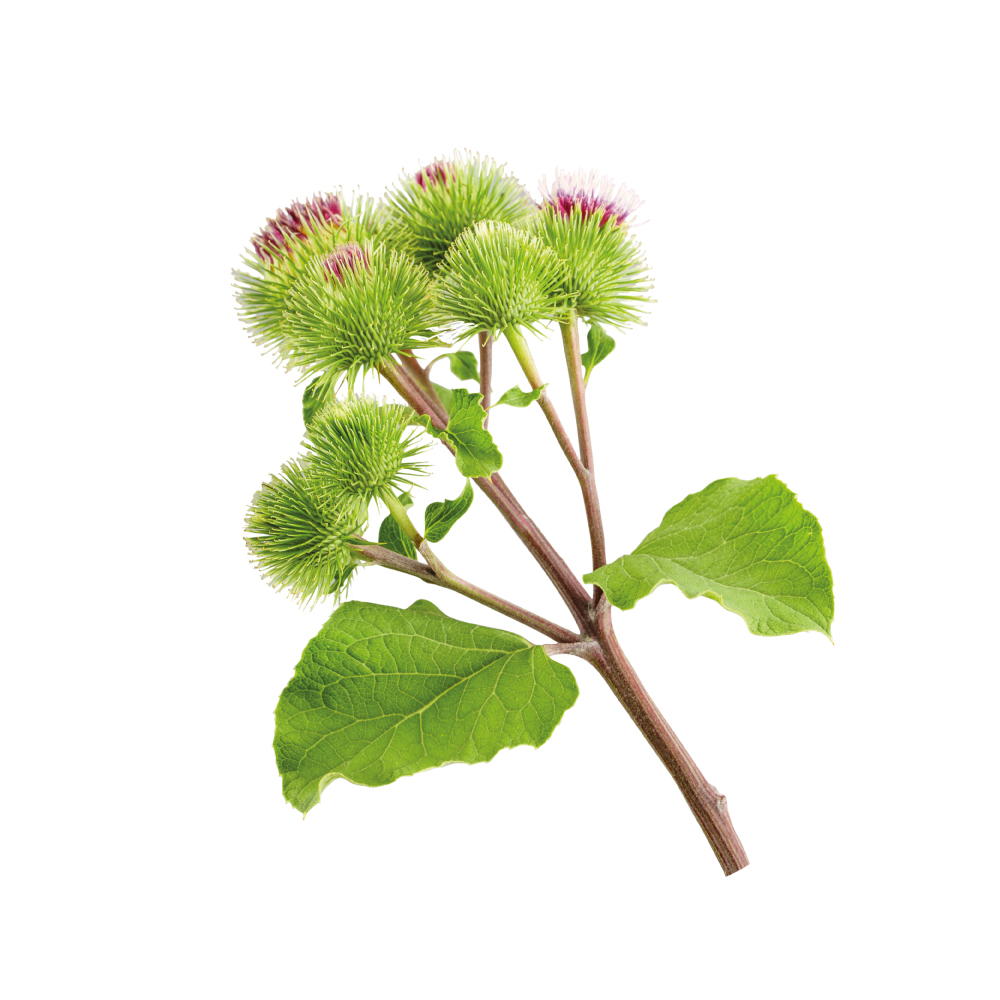
Arctium lappa
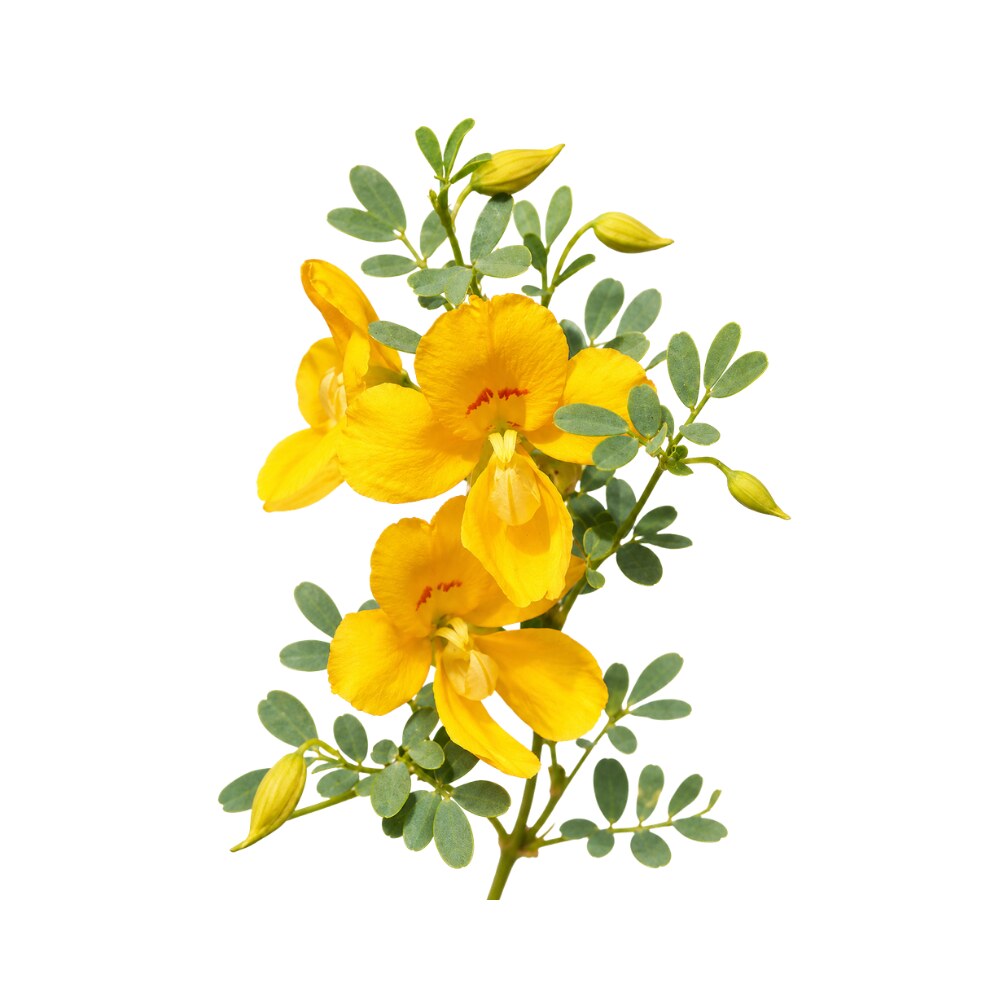
Petalostylis cassioides
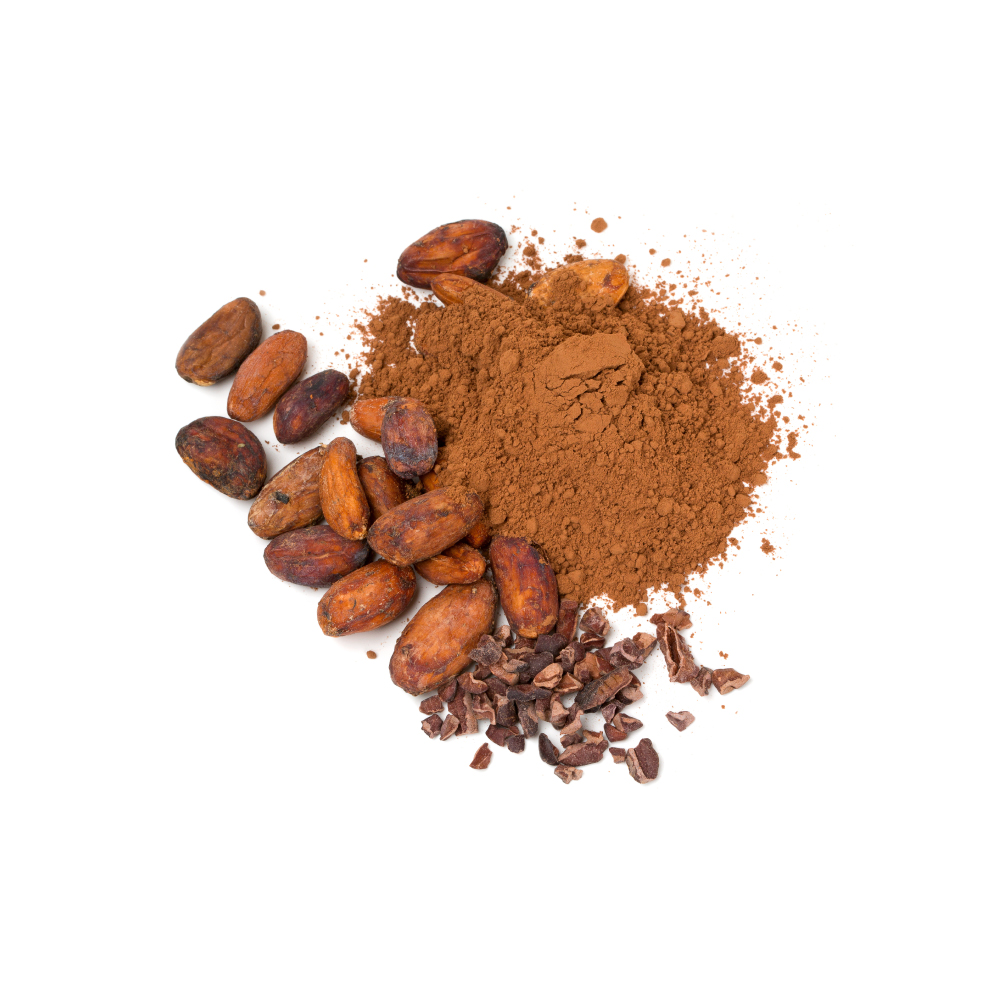
Theobroma cacao
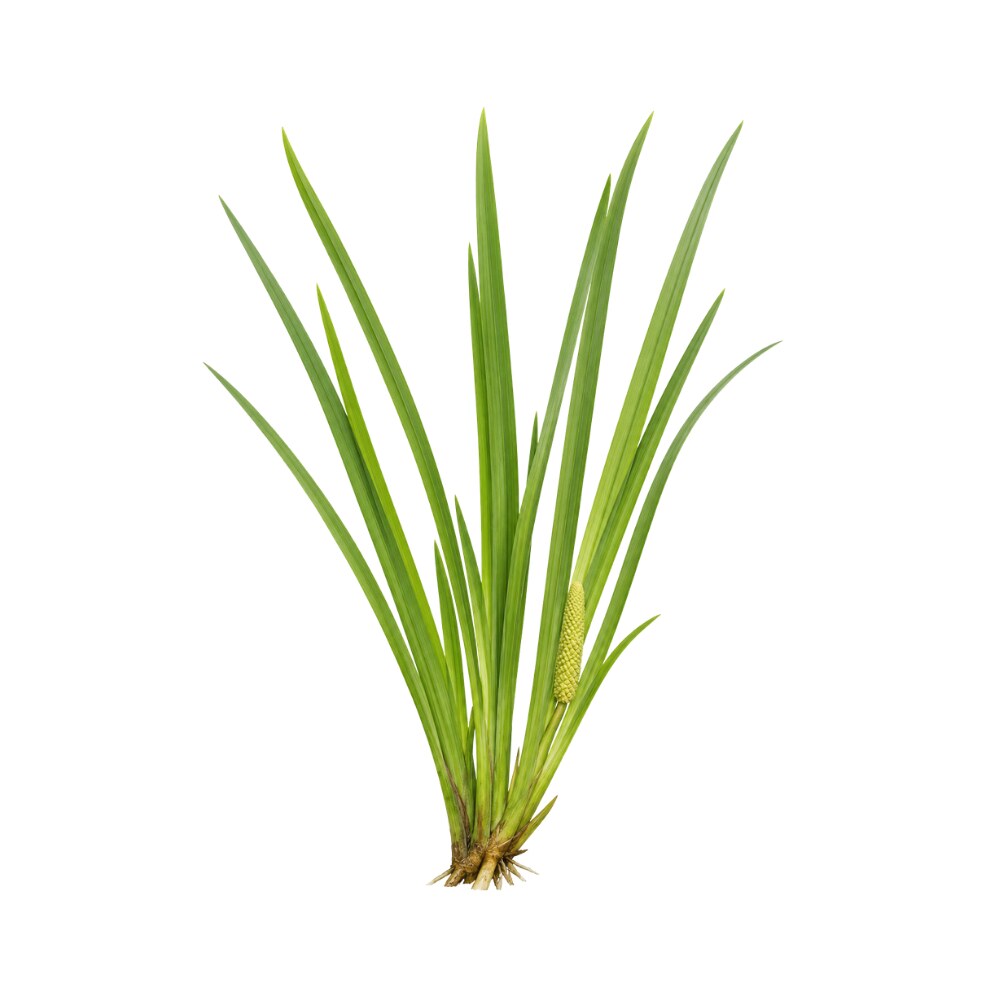
Acorus calamus
Calea ternifolia
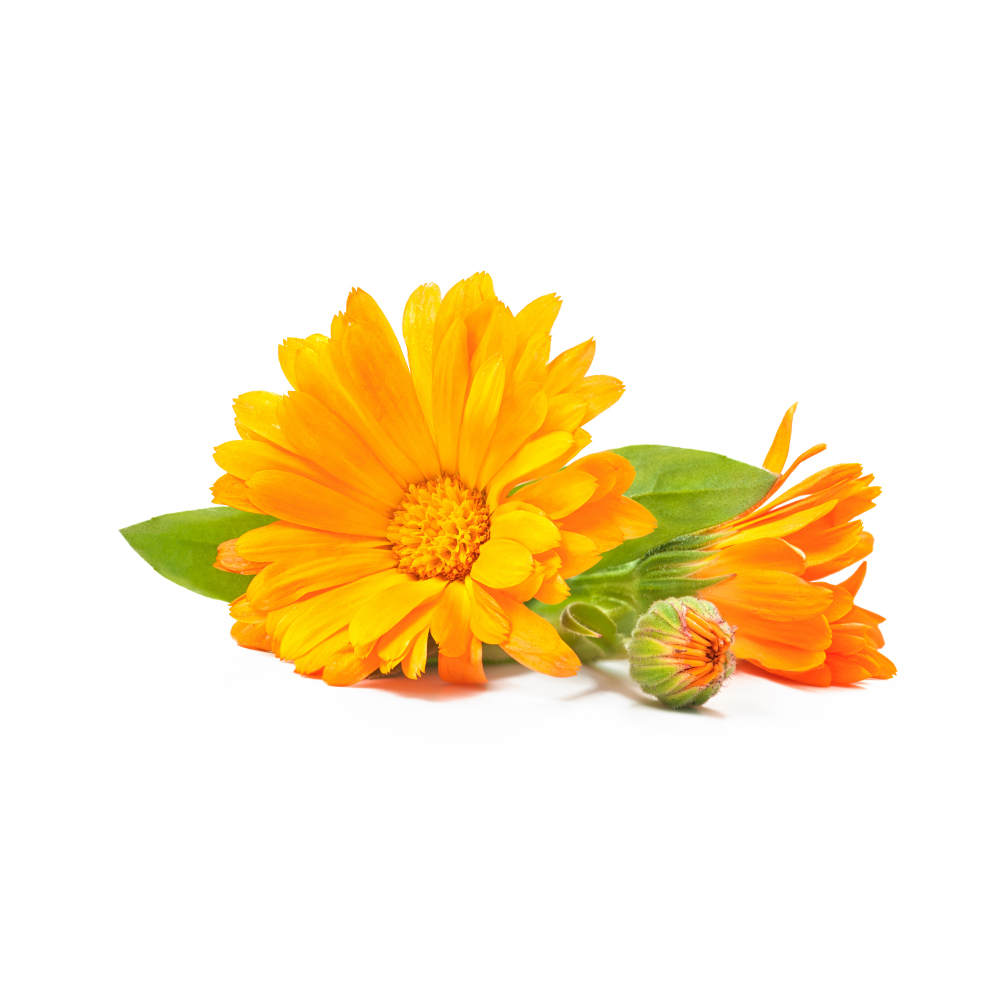
Calendula officinalis
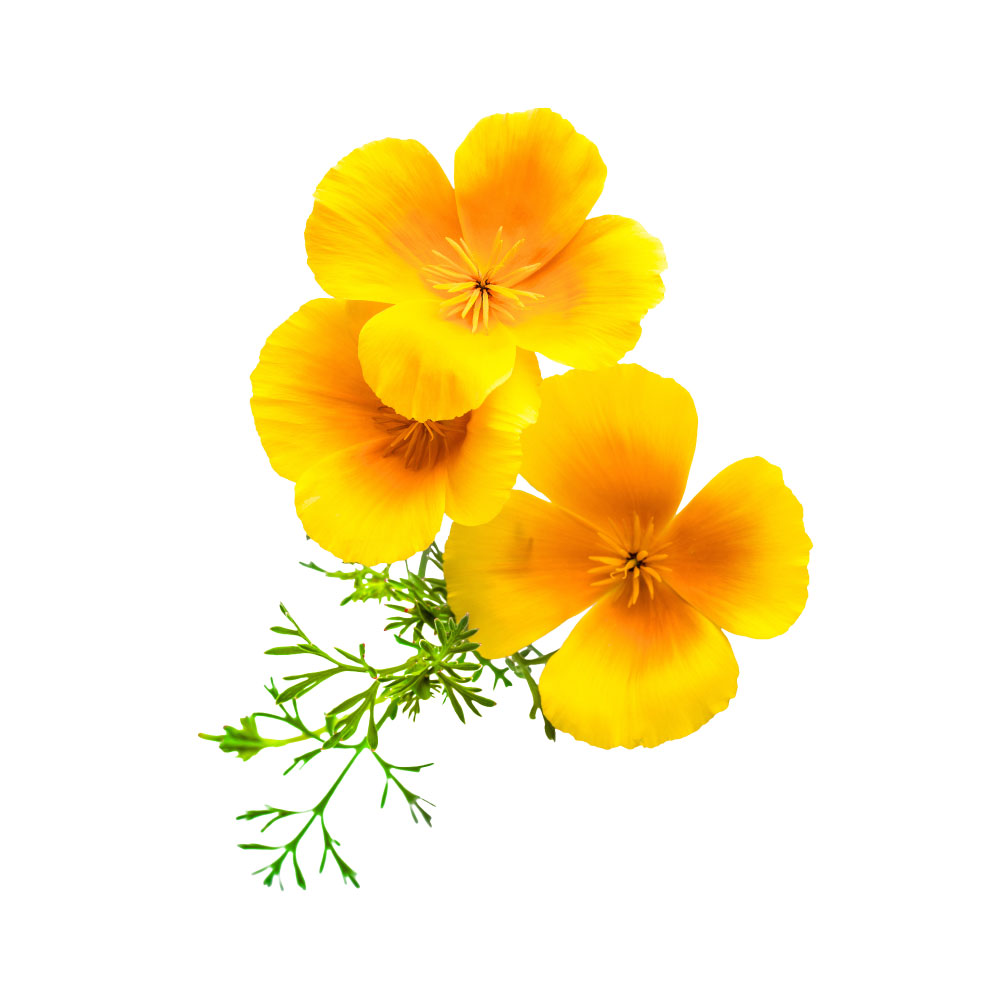
Eschscholzia californica
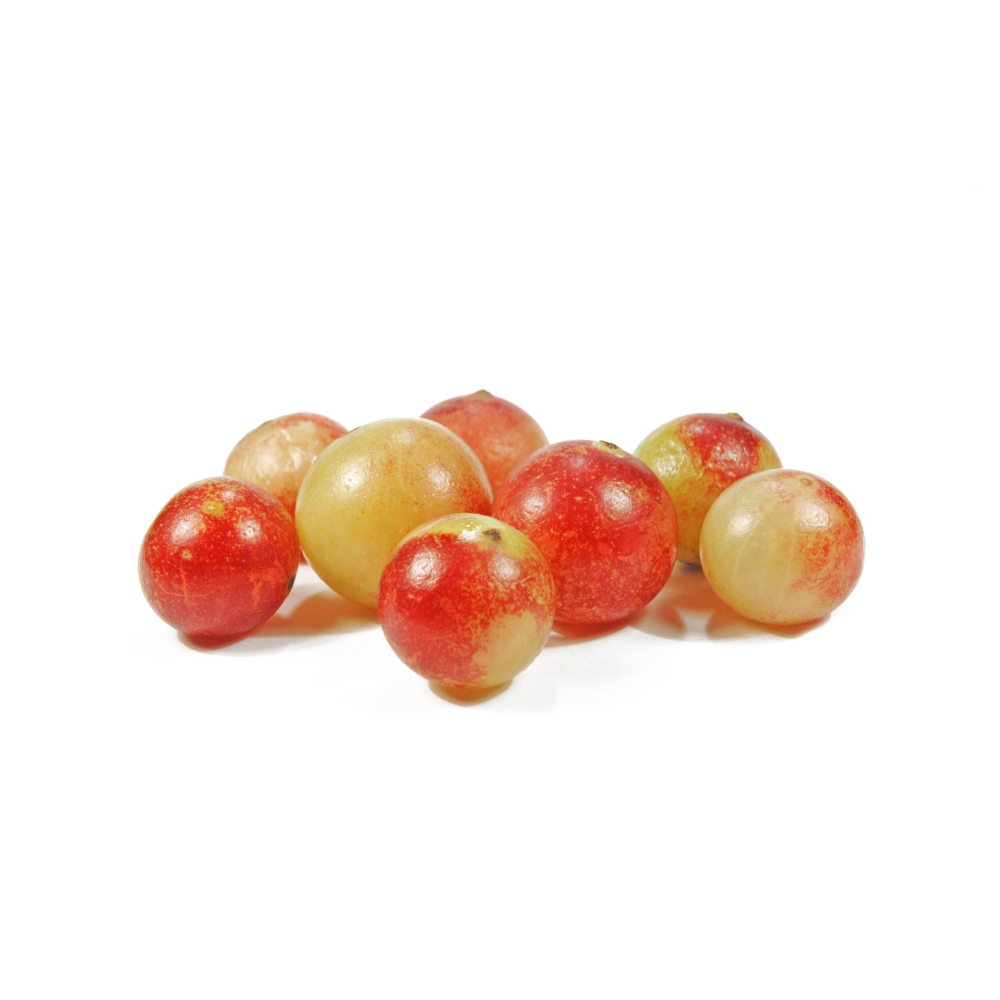
Myrciaria dubia
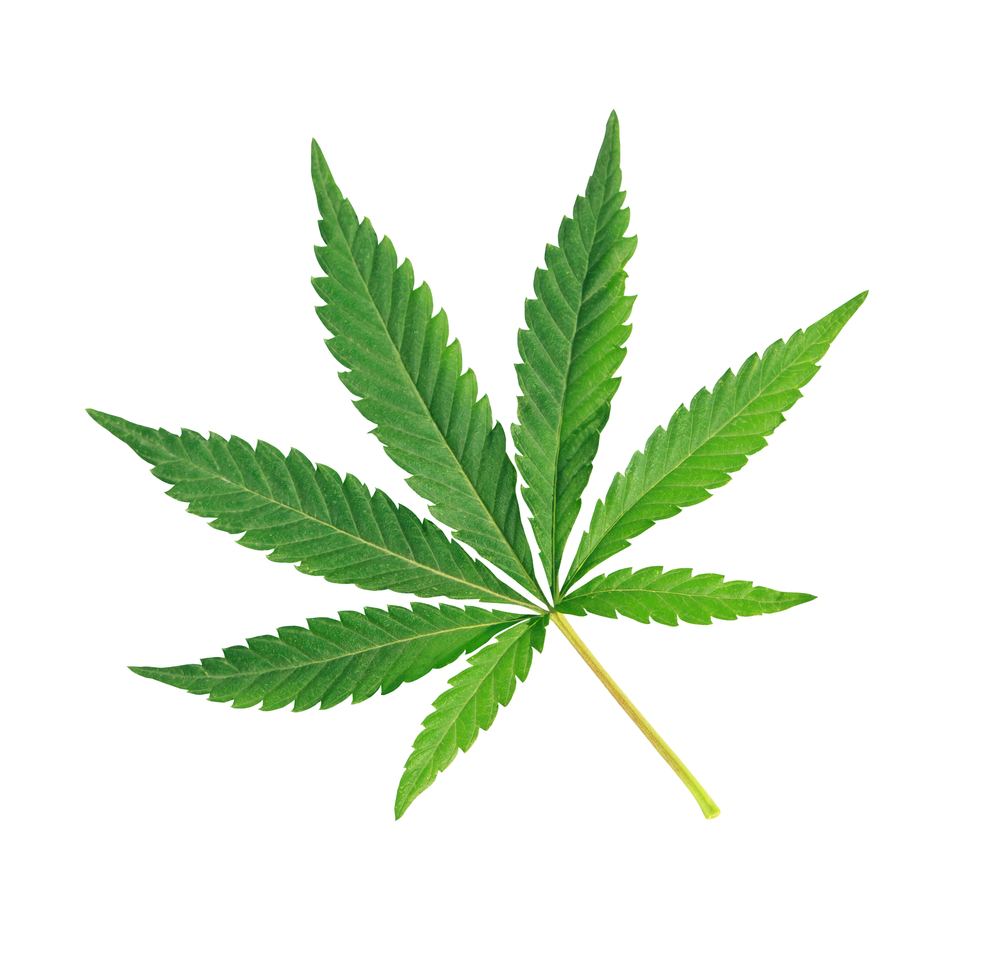
Cannabis sativa
Frangula purshiana
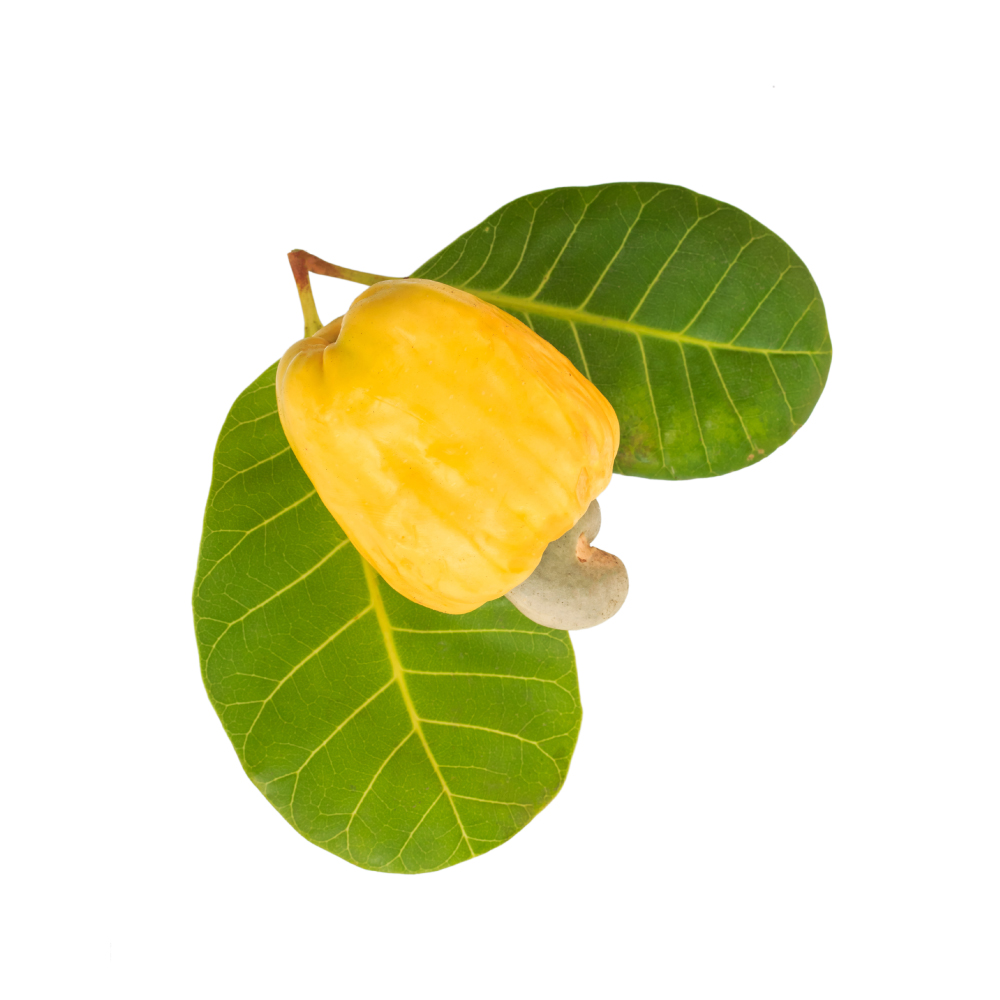
Anacardium occidentale
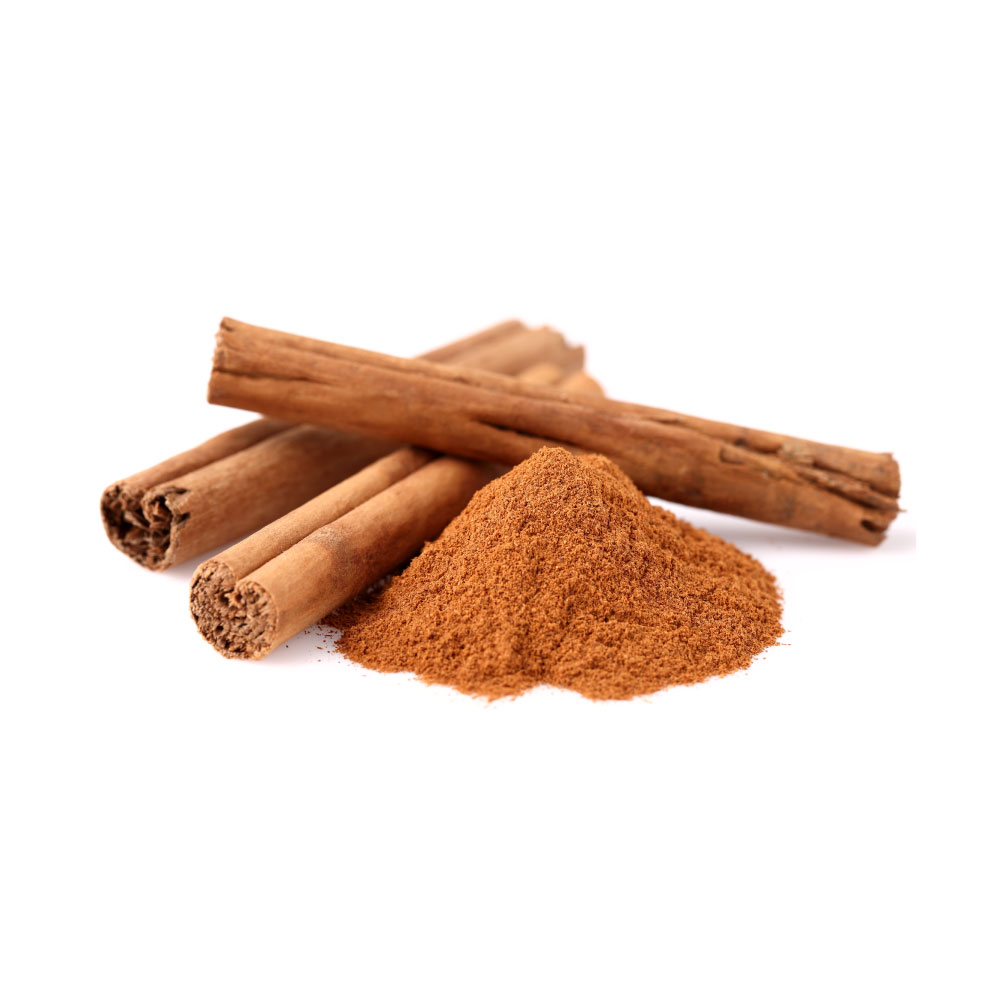
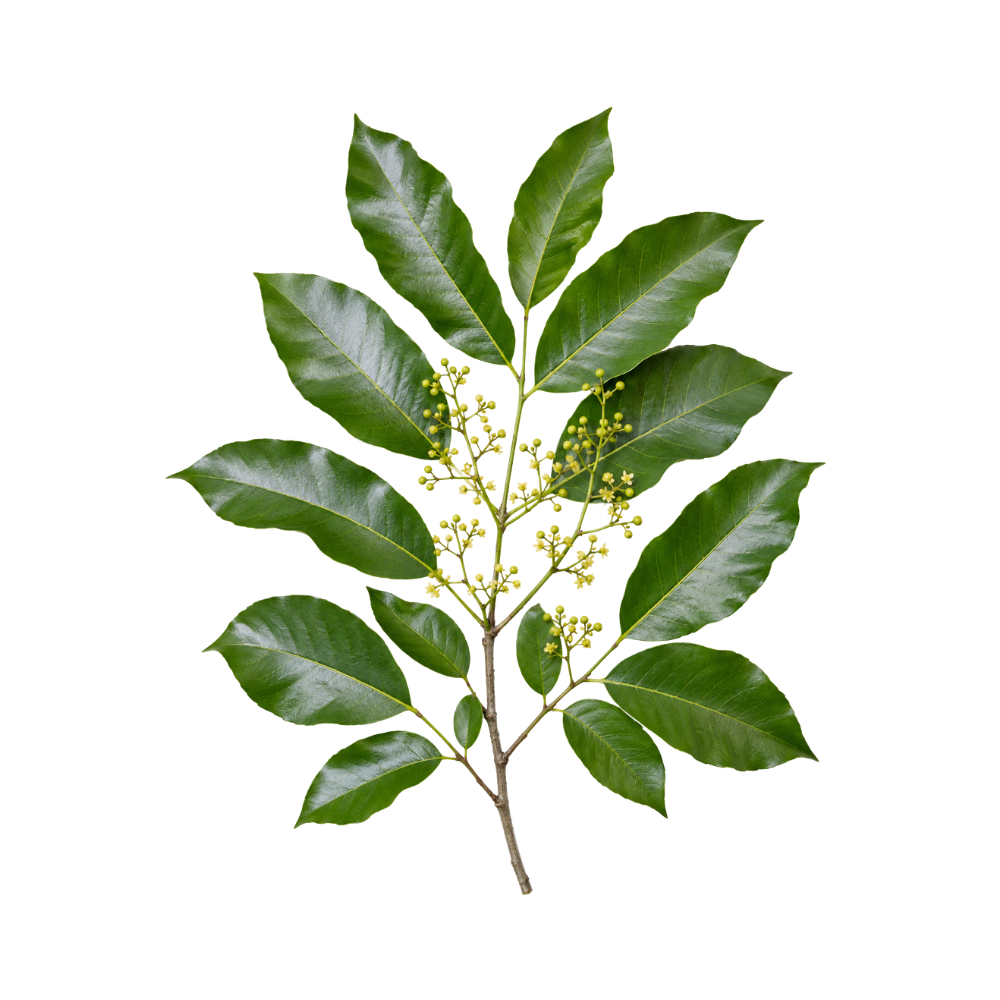
Cinnamomum cassia
Uncaria tomentosa
Senegalia catechu
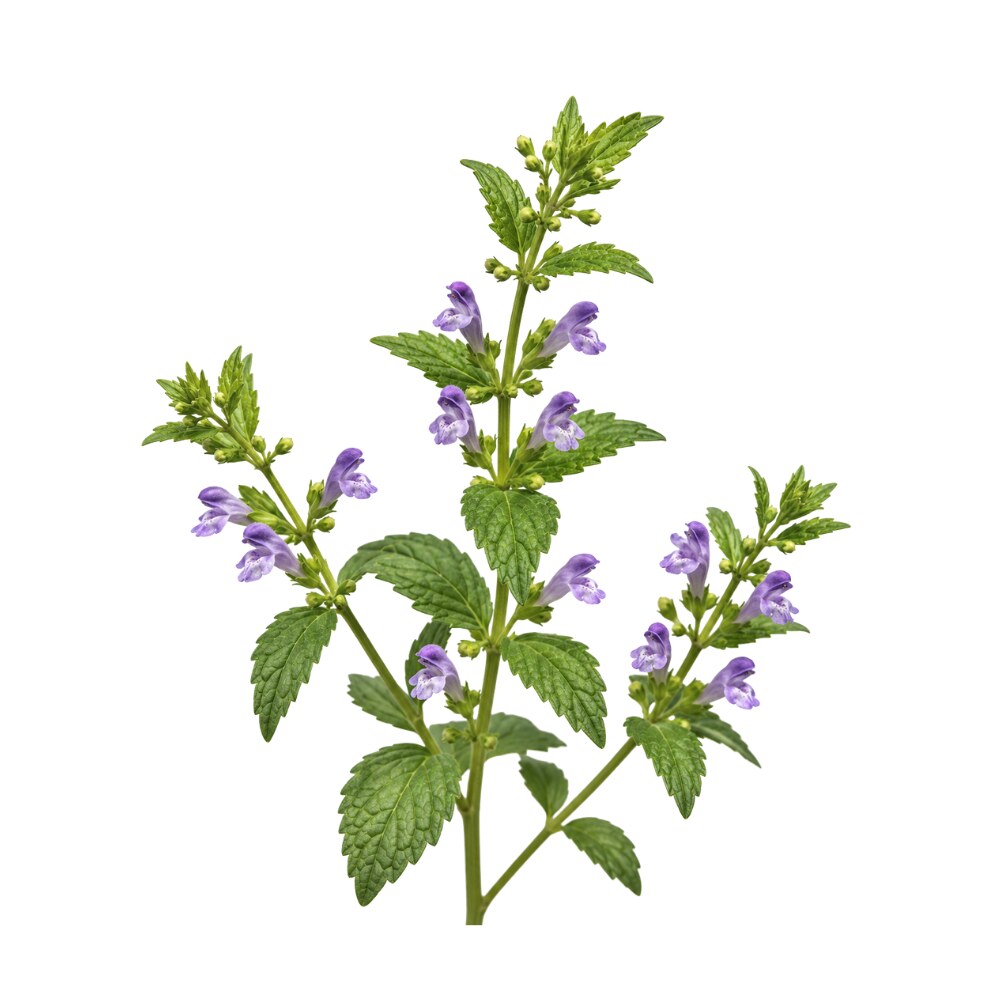
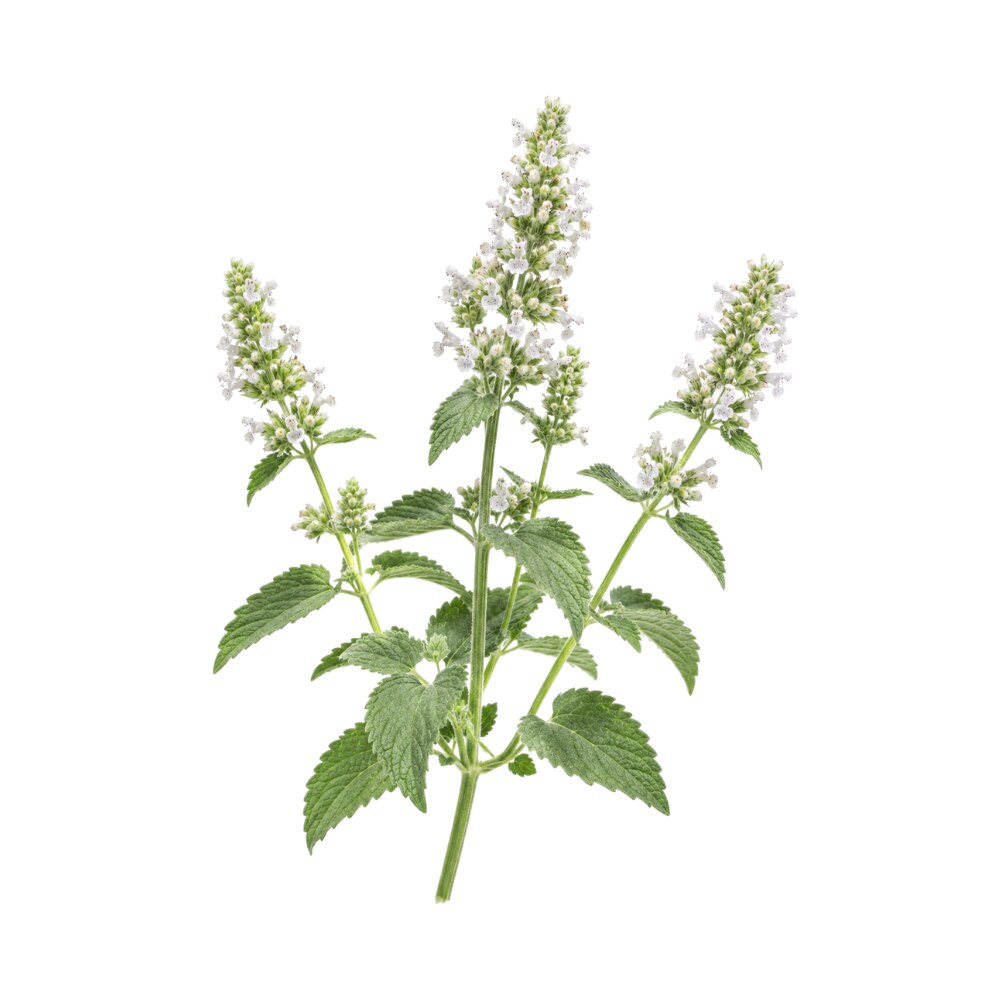
Nepeta cataria
Trichilia catigua
Capsicum annuum
Cinnamomum verum
Cordia salicifolia
Psychotria viridis
Inonotus obliquus
Diplopterys cabrerana
Phyllanthus niruri
Vitex agnus-castus
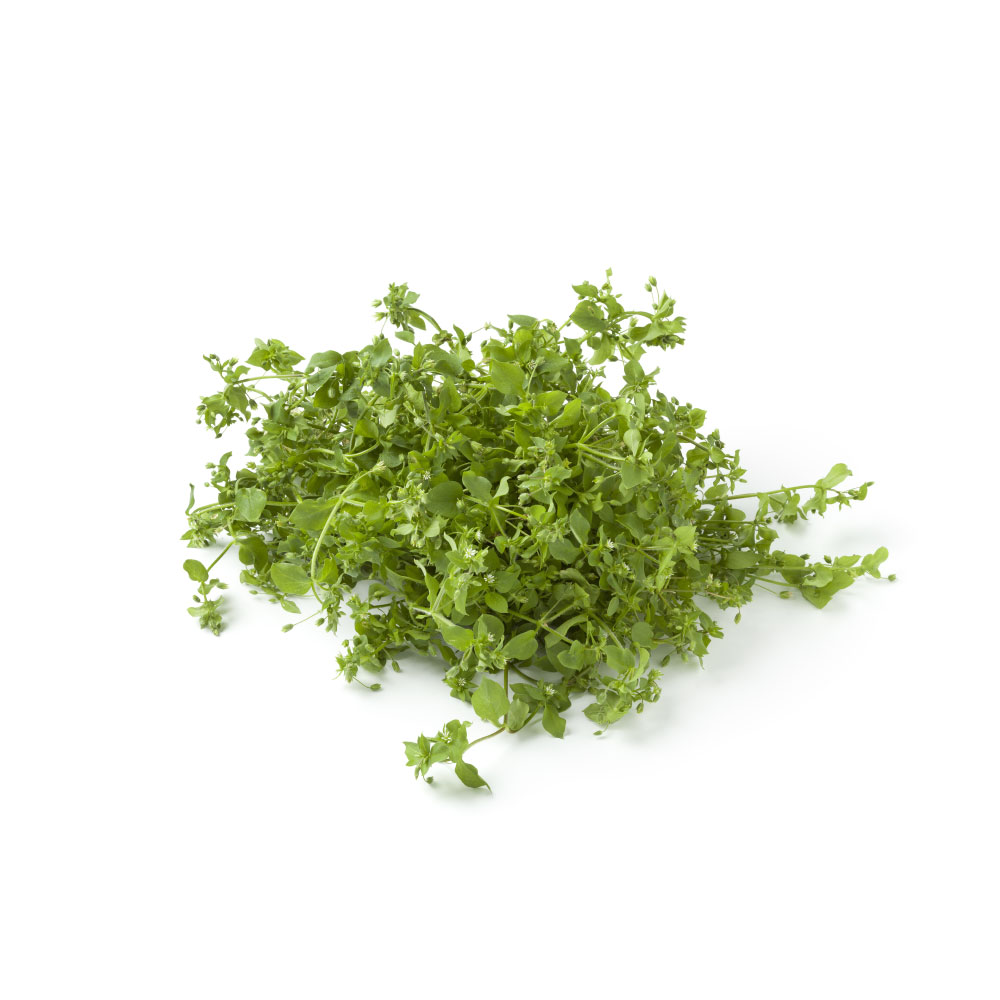
Stellaria media
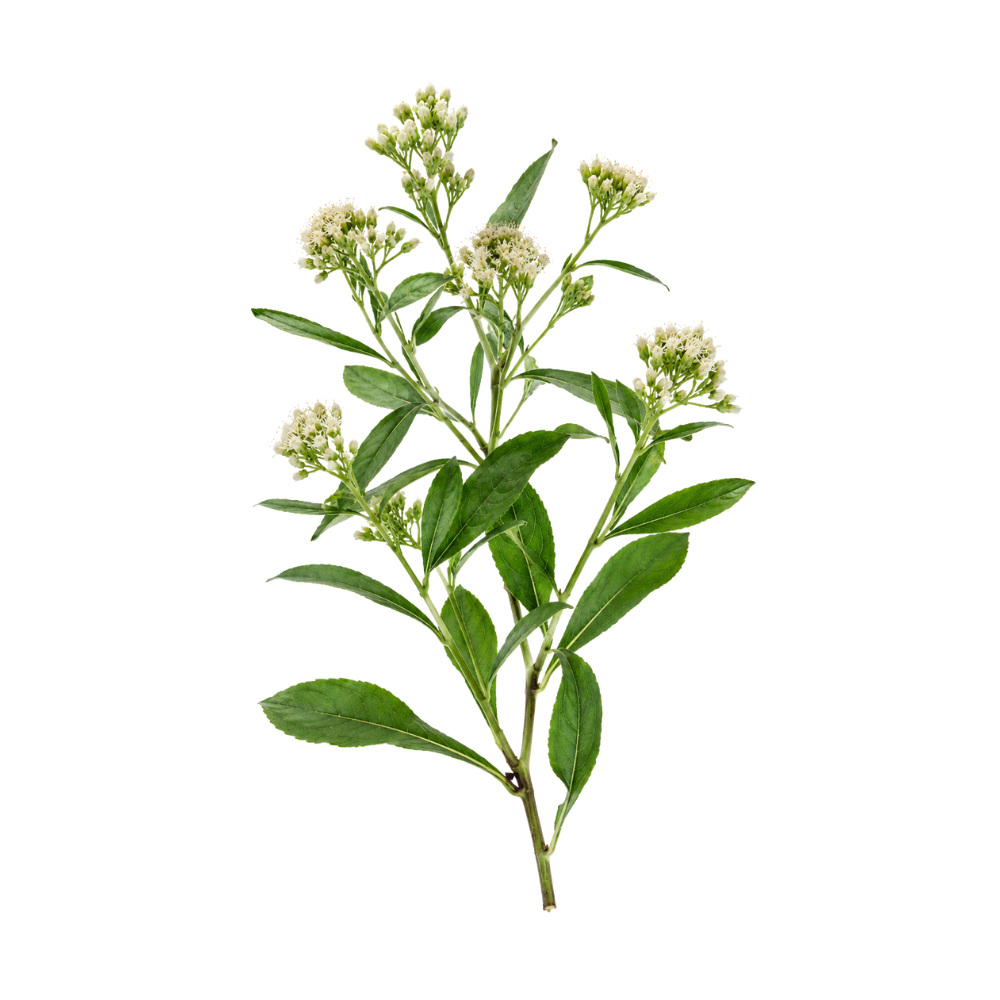
Baccharis latifolia
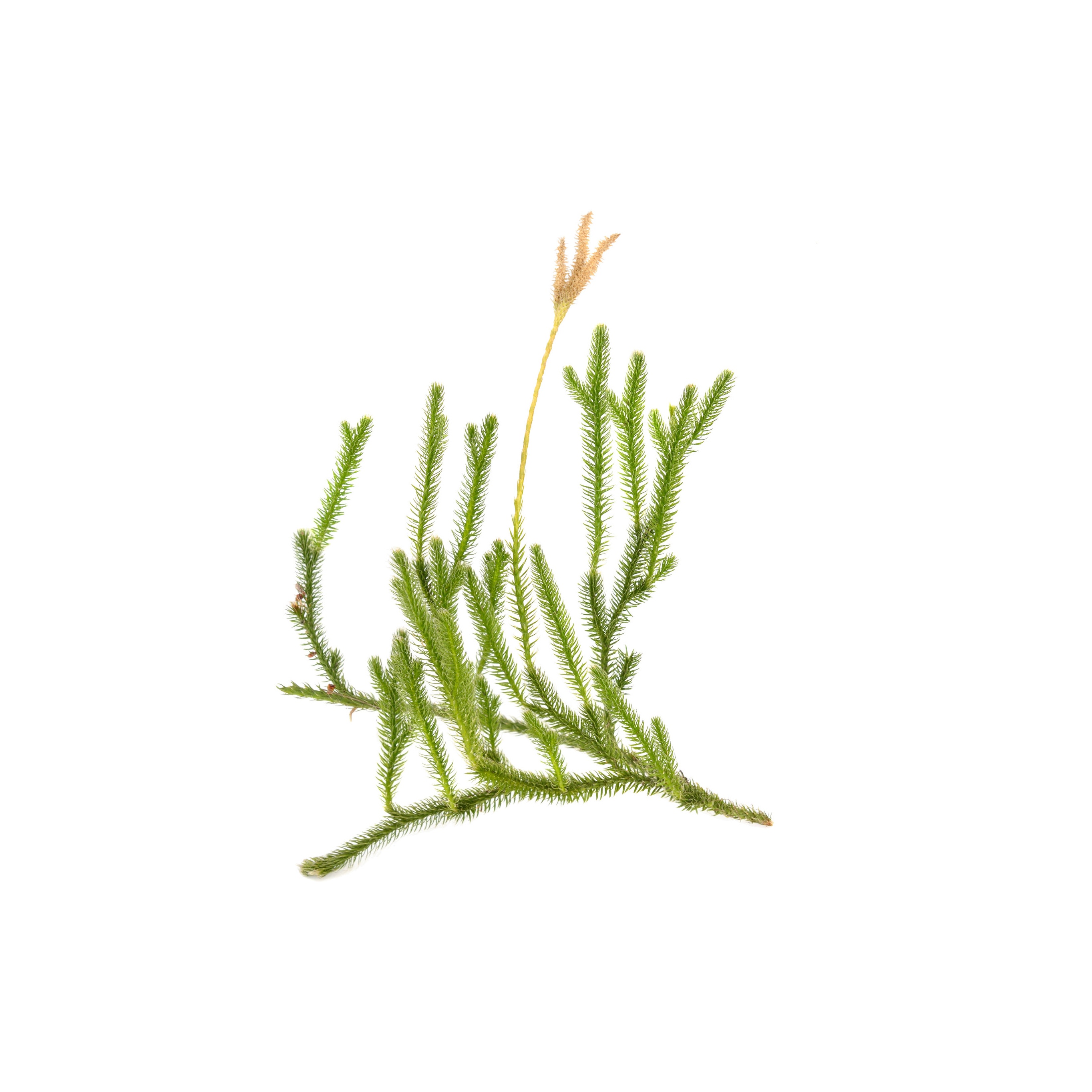
Huperzia serrata
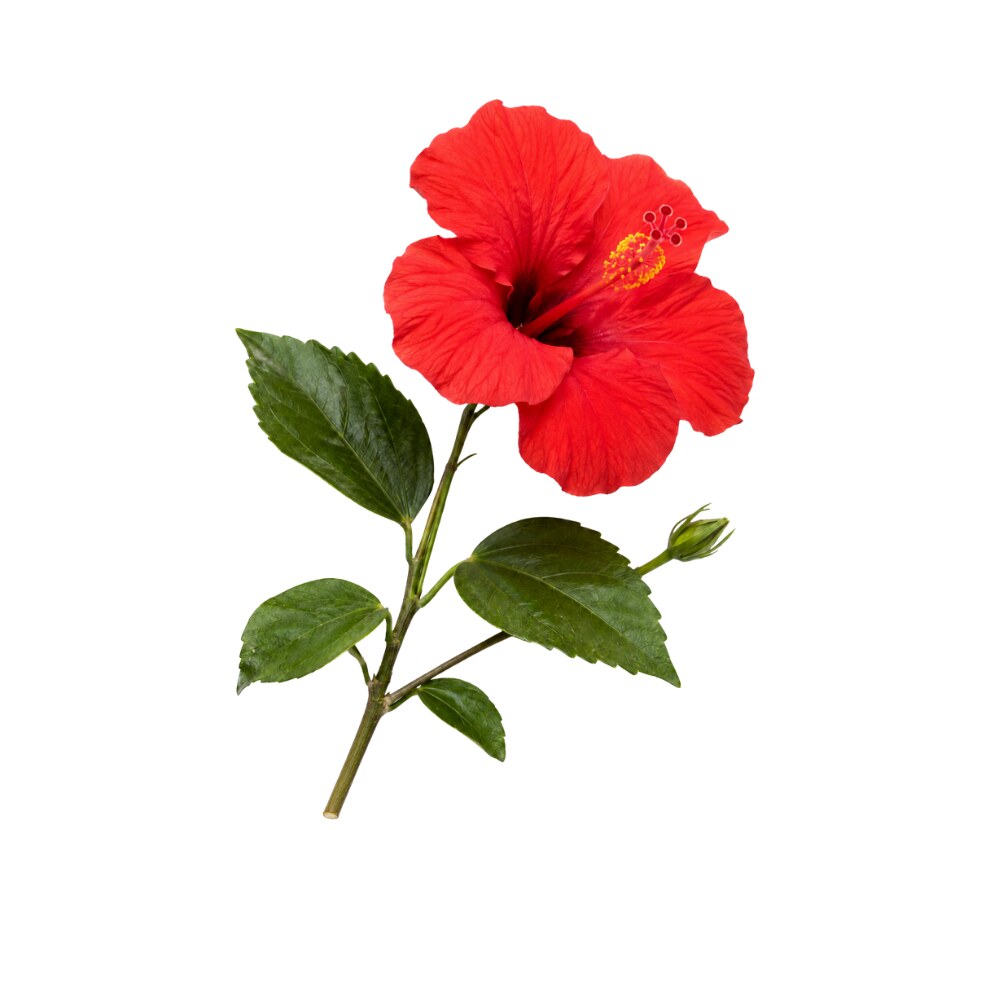
Hibiscus rosa-sinensis
Scutellaria baicalensis
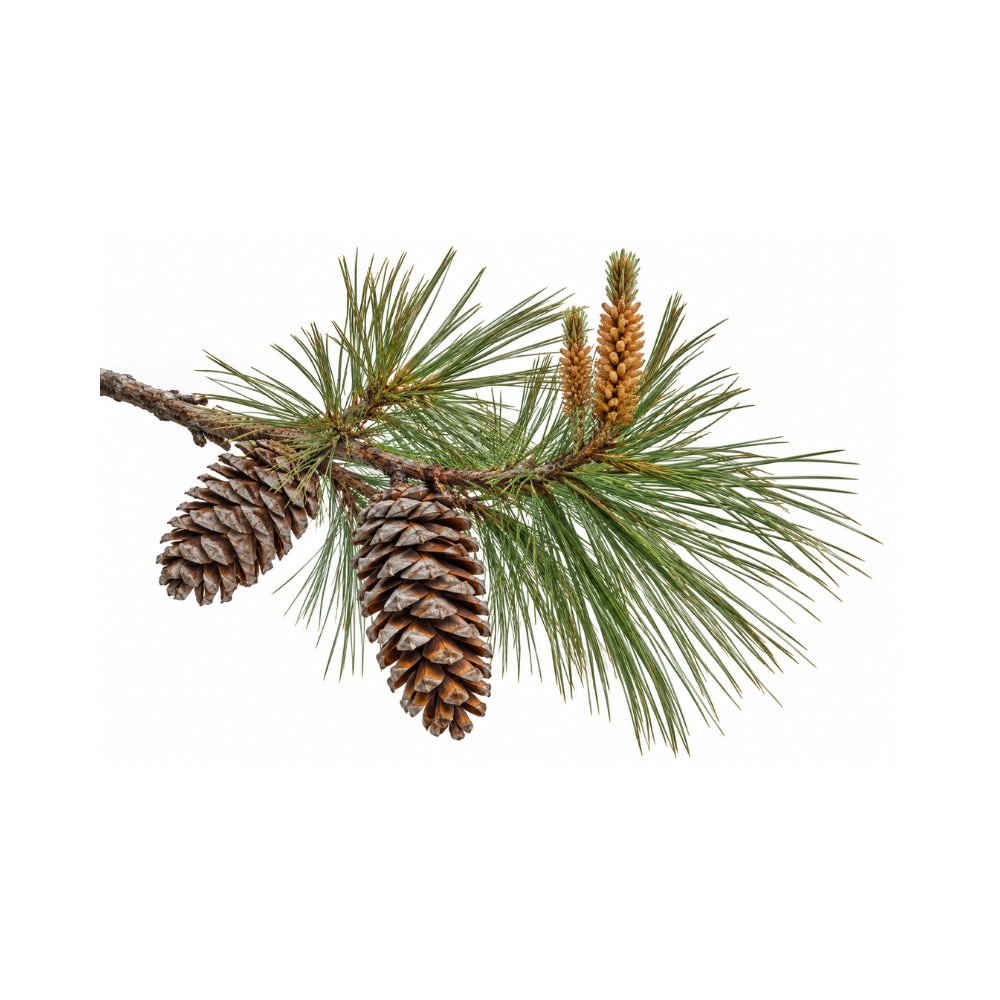
Pinus roxburghii
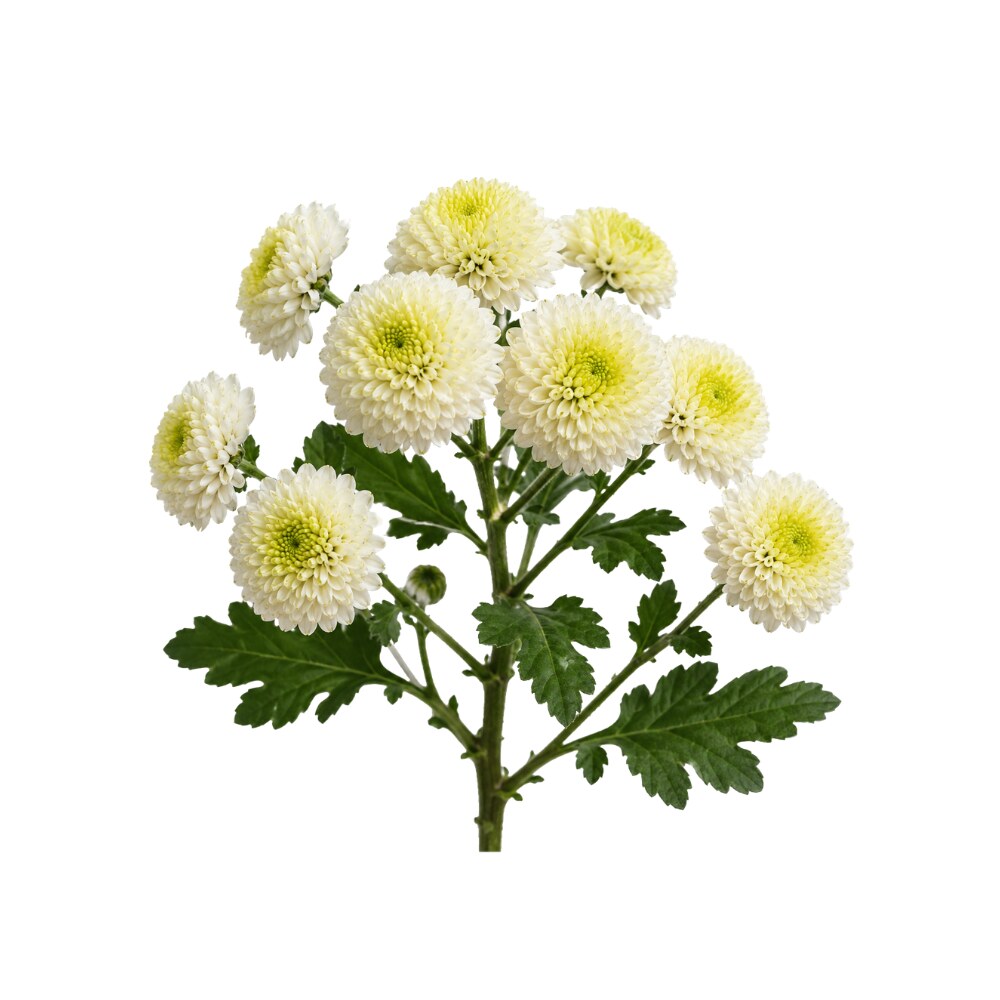
Chrysanthemum morifolium
Tynanthus panurensis
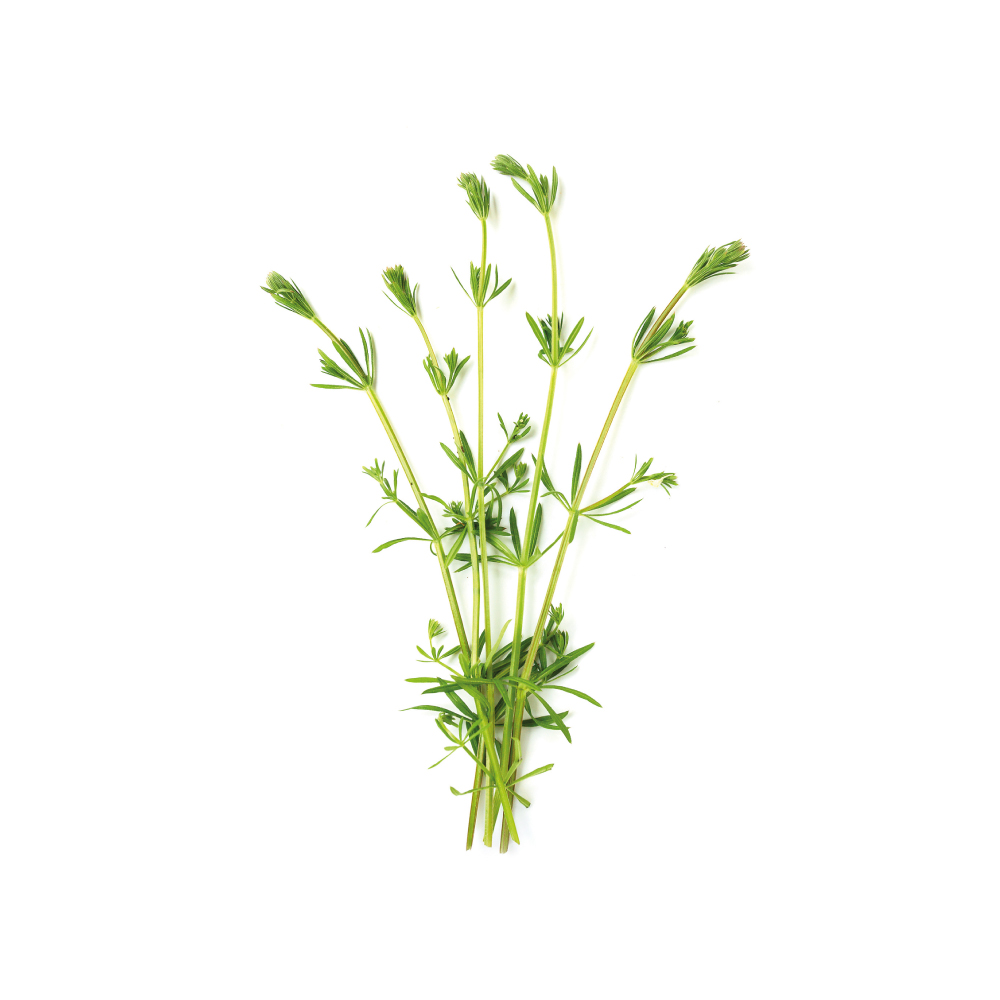
Galium aparine
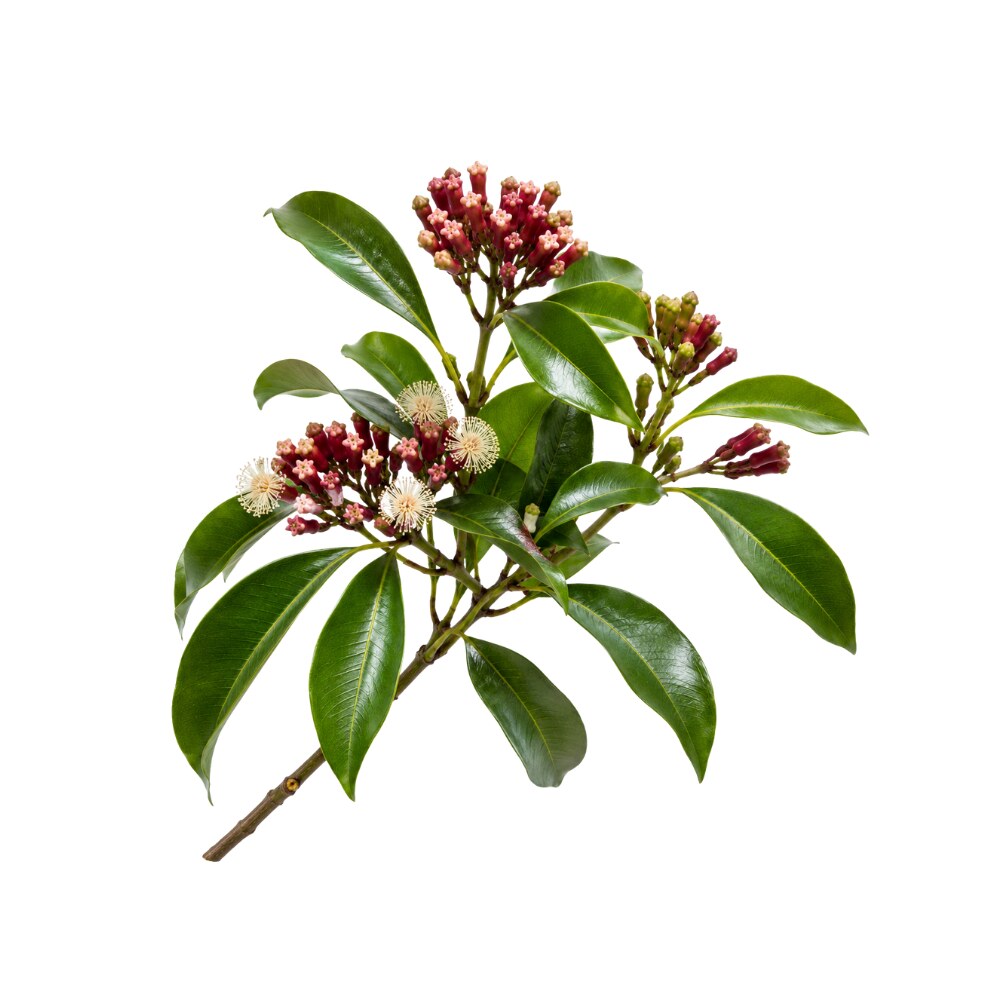
Syzygium aromaticum
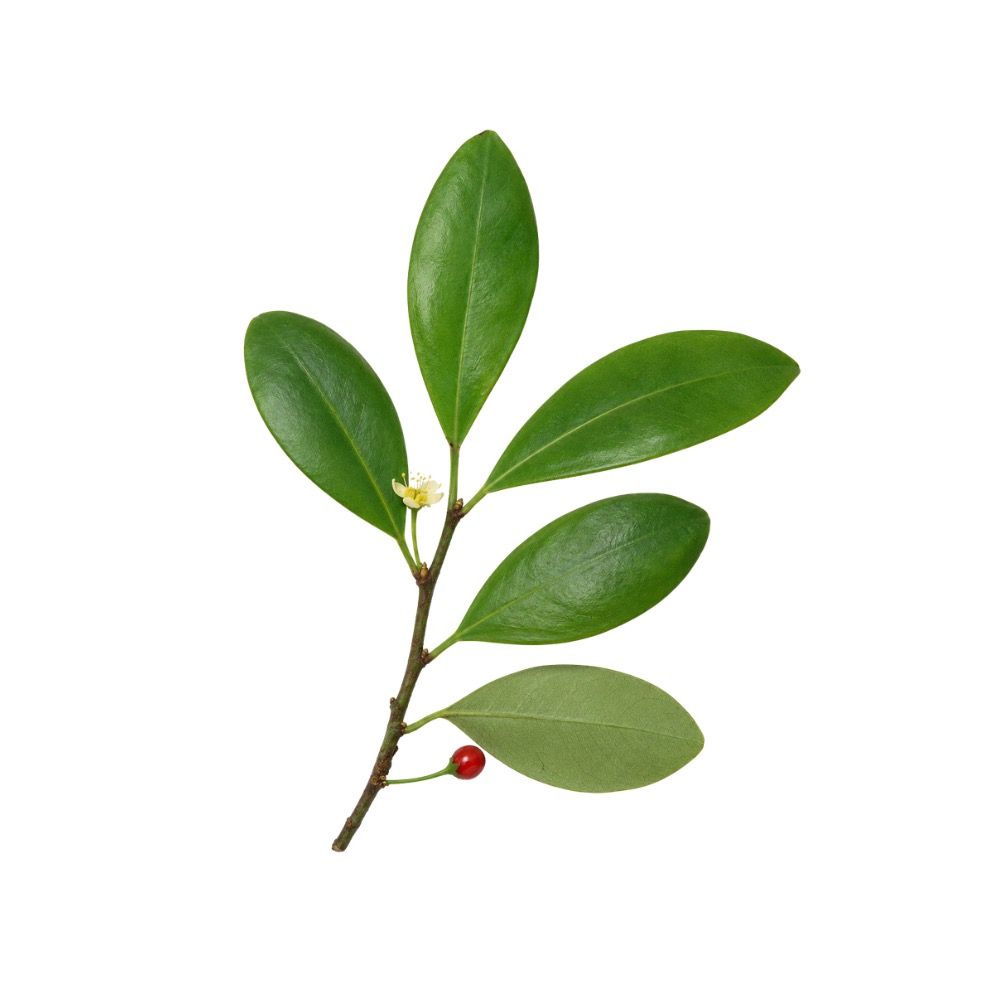
Erythroxylum coca
Codonopsis pilosula
Coffea arabica
Coleus barbatus
Tussilago farfara
Symphytum officinale
Coptis chinensis
Ophiocordyceps sinensis
Centaurea cyanus
Corydalis yanhusuo
Elymus repens
Viburnum opulus
Crataeva nurvala
Cryptolepis sanguinolenta
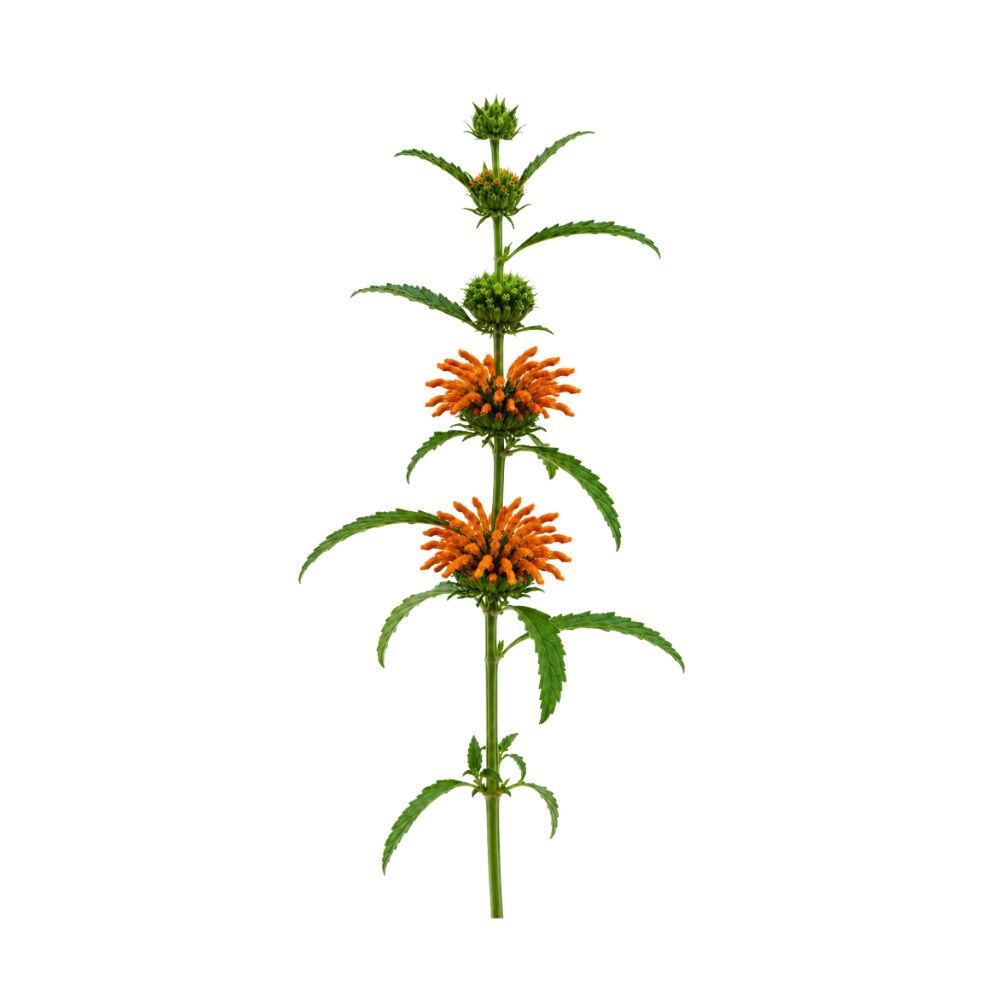
Leonotis nepetifolia
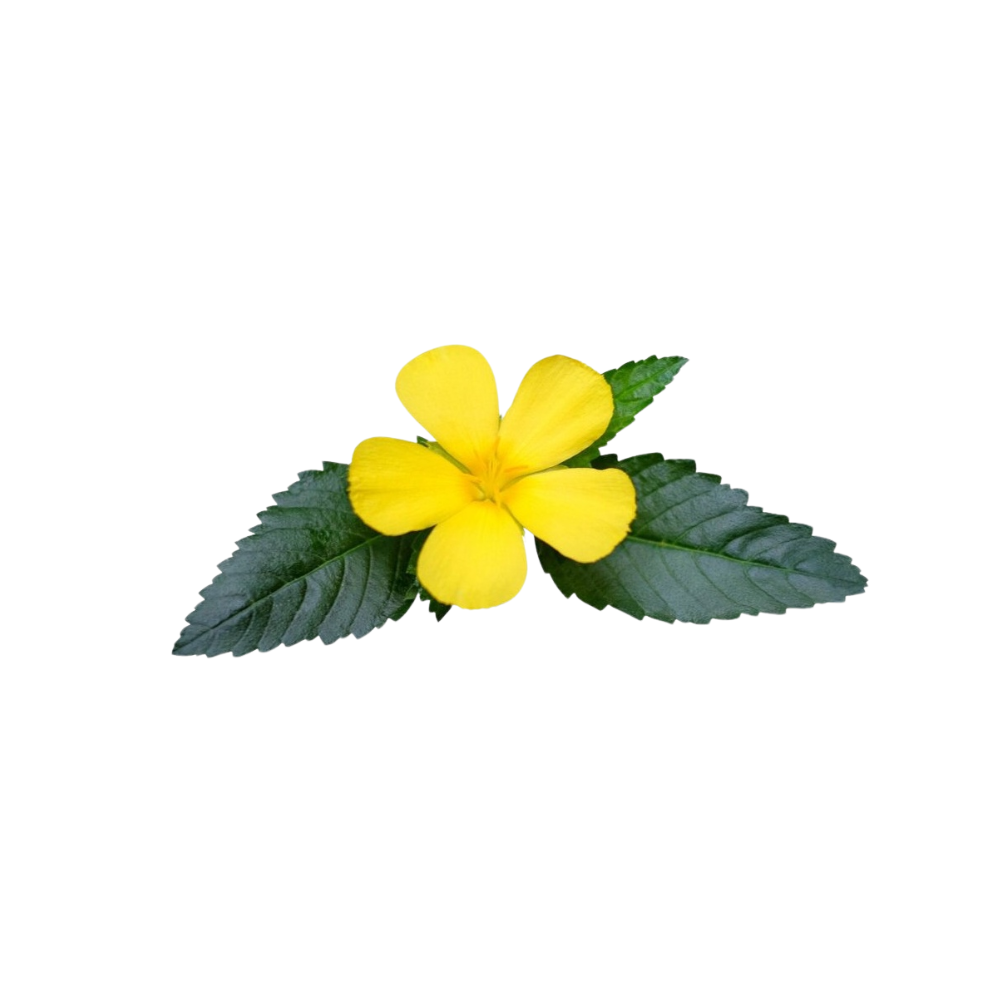
Turnera diffusa
Salvia miltiorrhiza
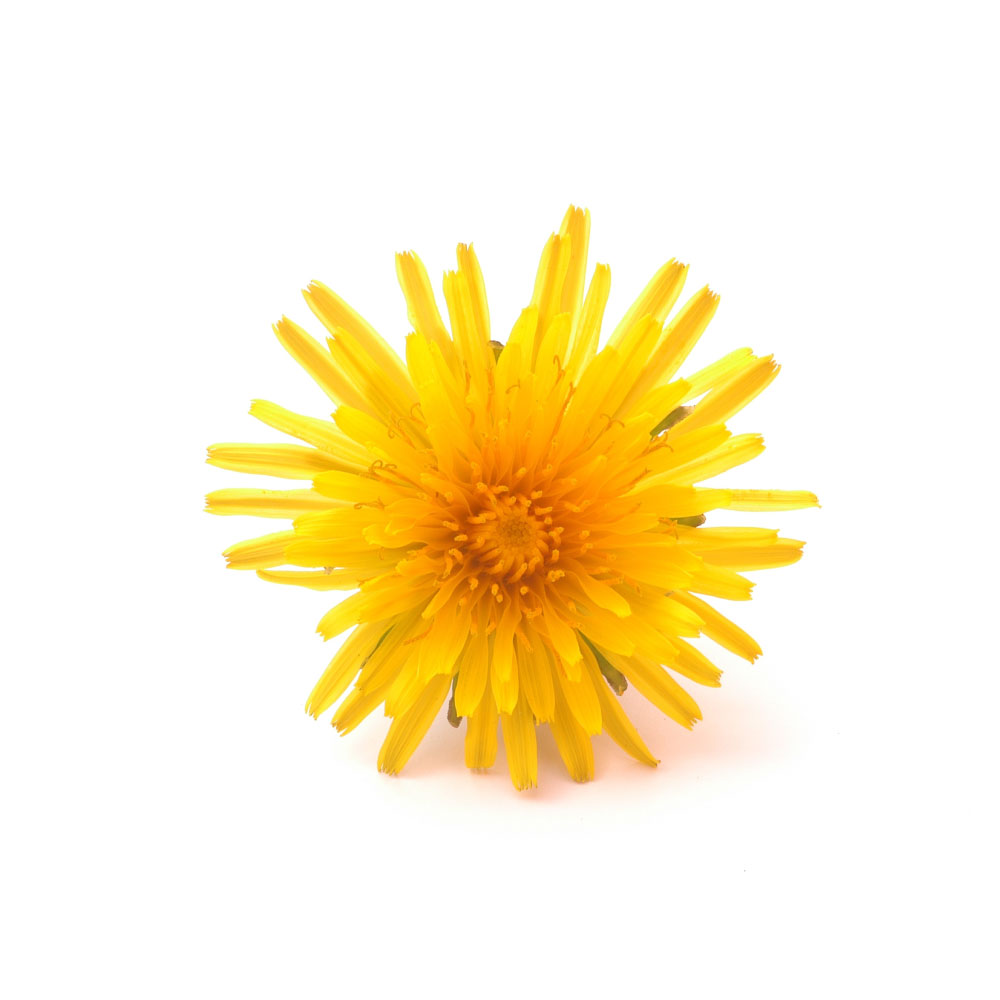
Taraxacum officinale
Harpagophytum procumbens
Oplopanax horridus
Angelica sinensis
Echinacea purpurea
Sambucus nigra
Eleutherococcus senticosus
Dysphania ambrosioides
Virola spp.
Ephedra sinica
Boerhavia diffusa
Eucalyptus globulus
Foeniculum vulgare
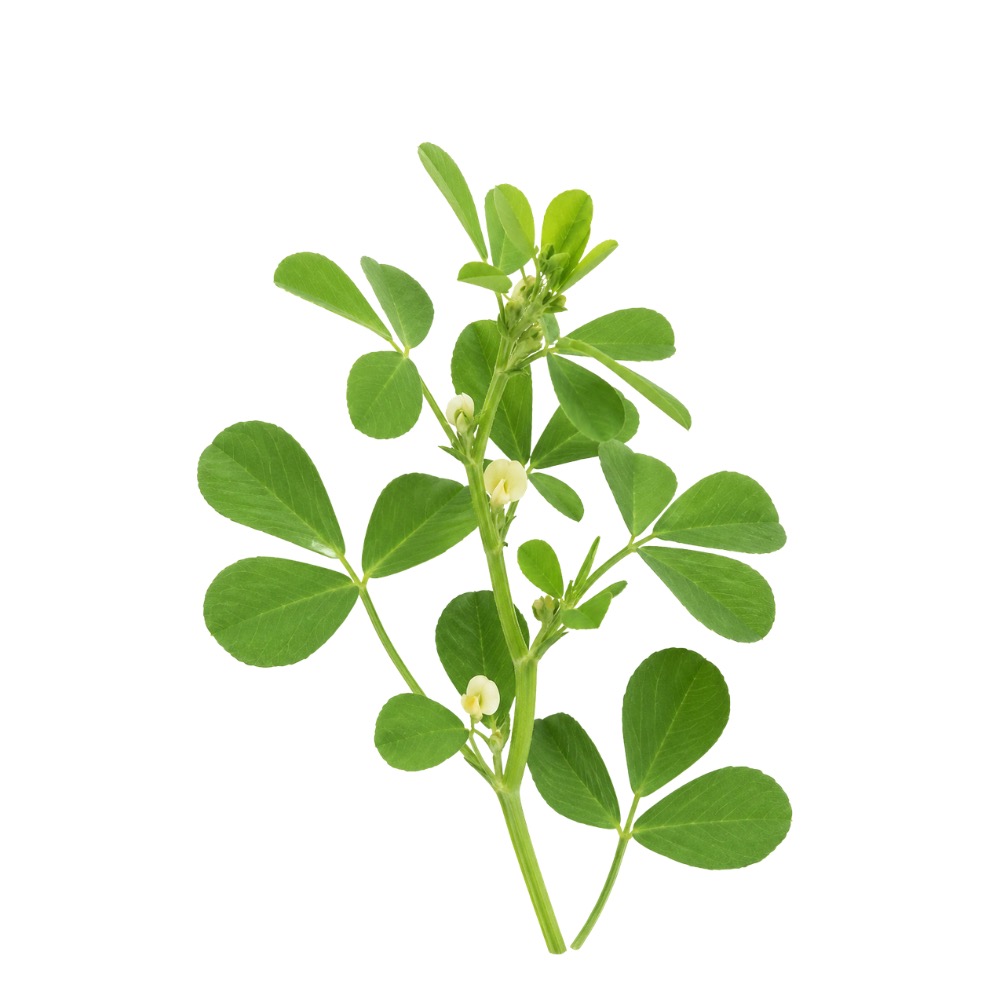
Trigonella foenum-graecum
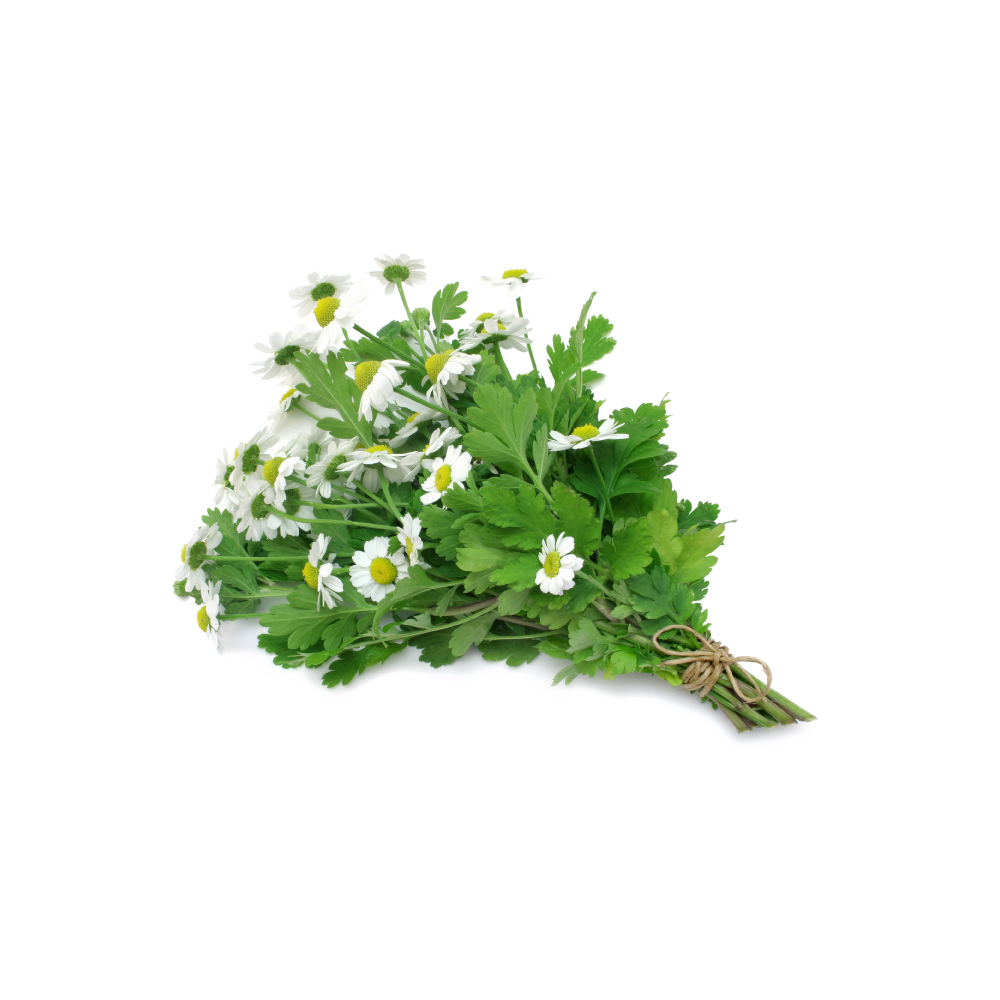
Tanacetum parthenium
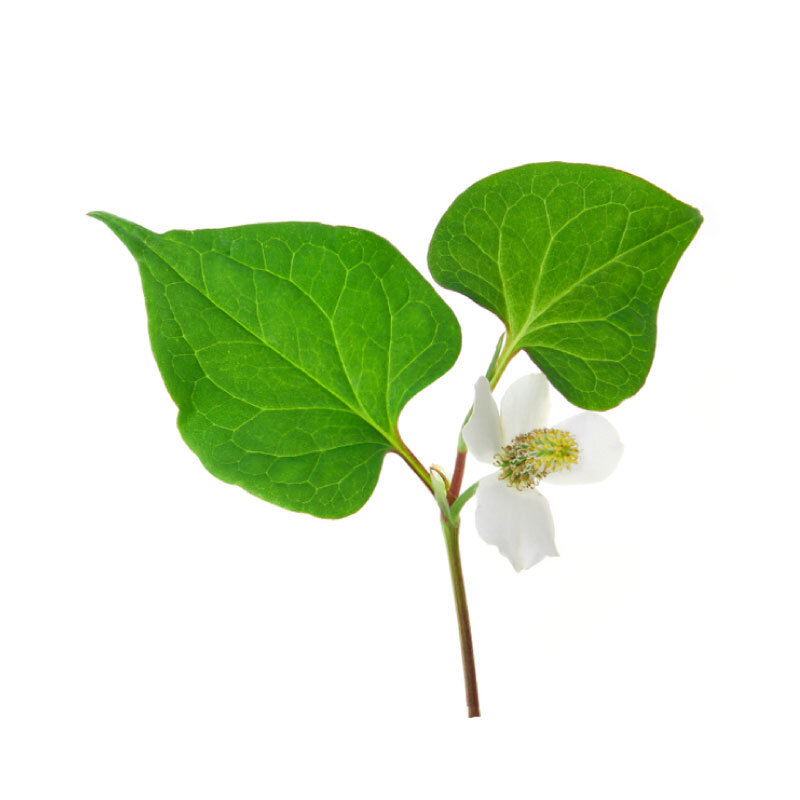
Houttuynia cordata
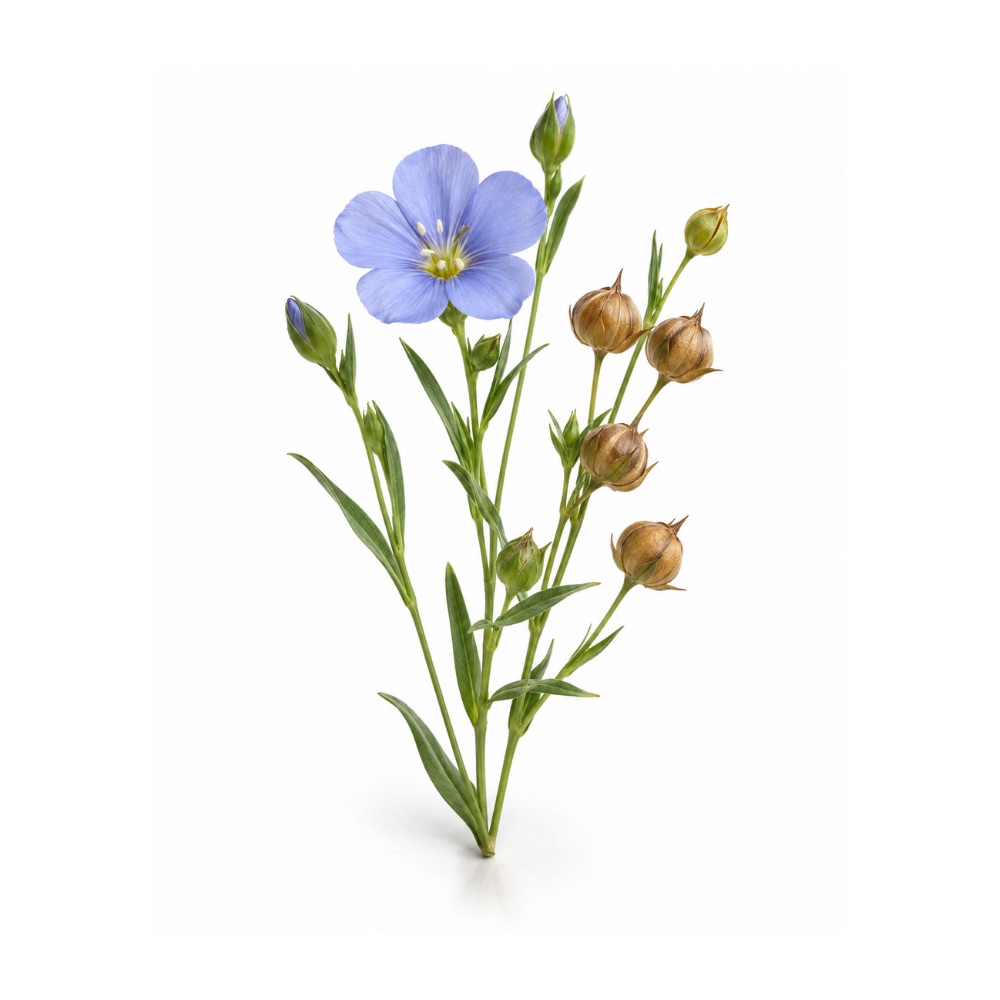
Linum usitatissimum
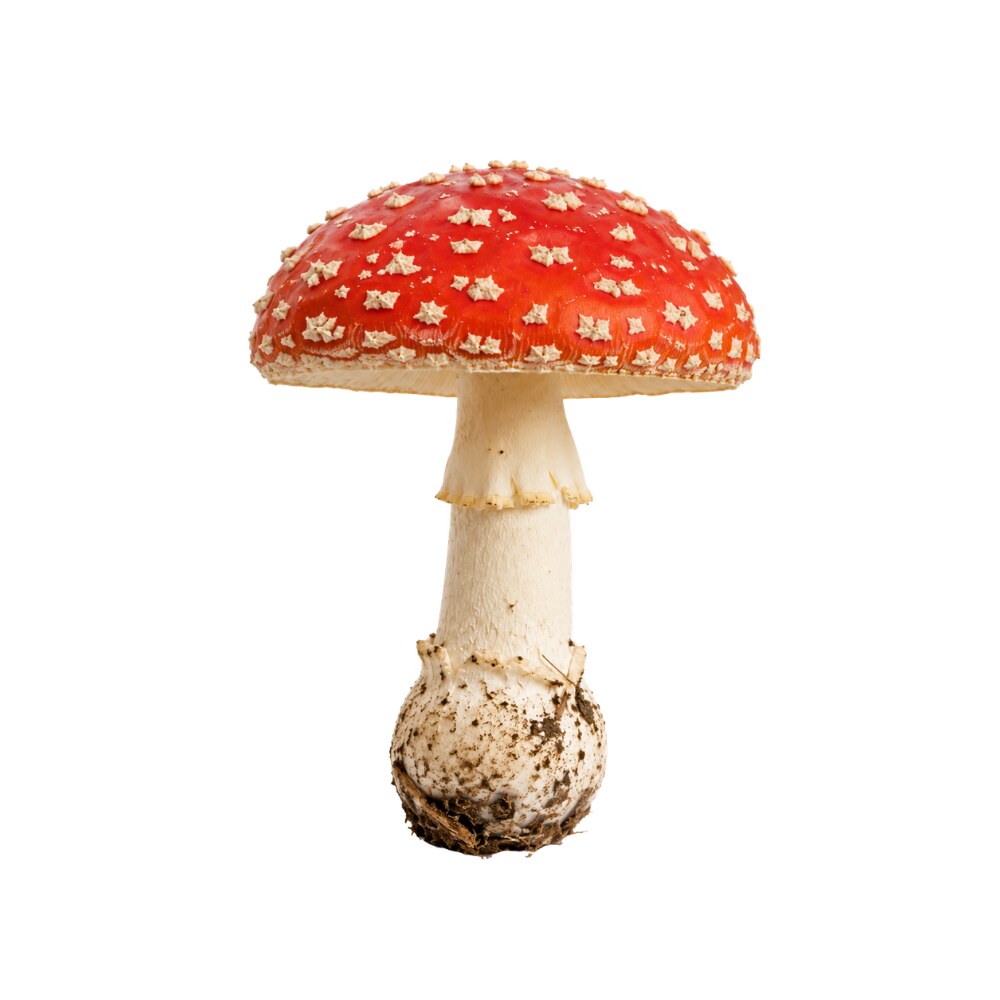
Amanita muscaria
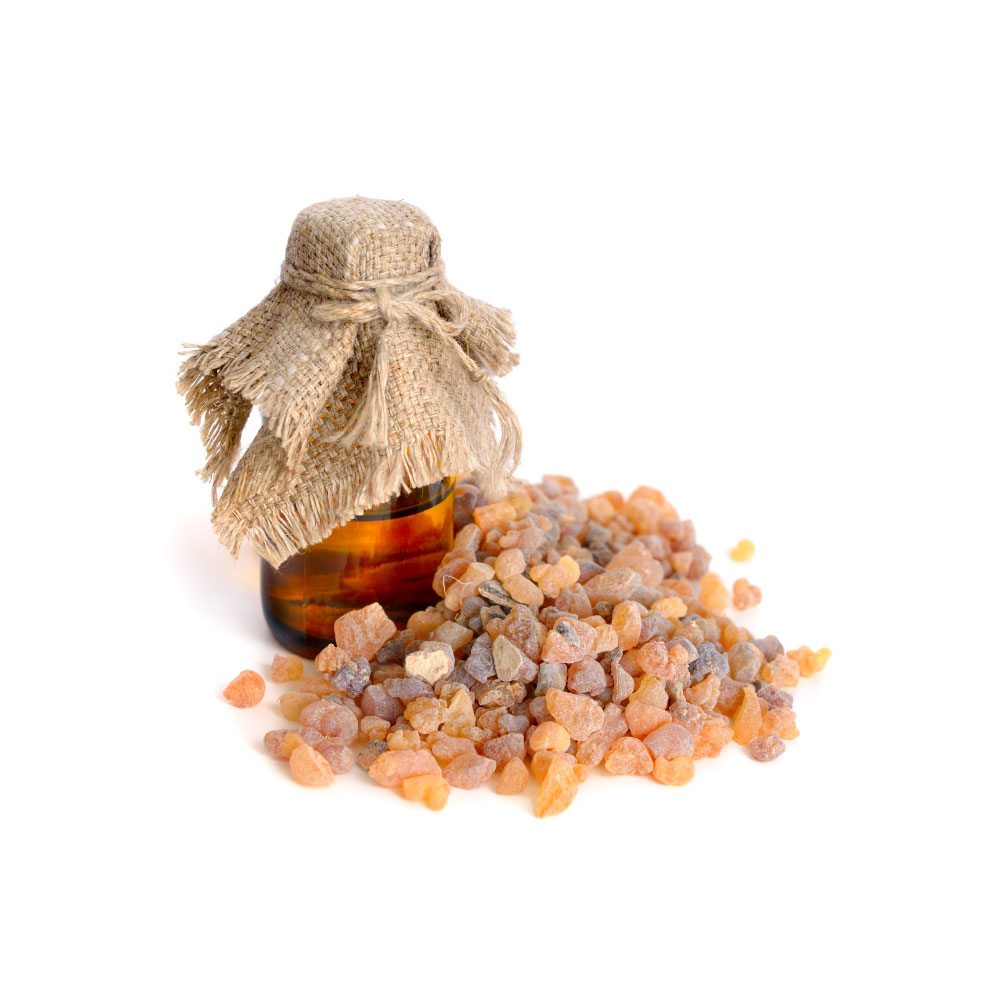
Boswellia serrata
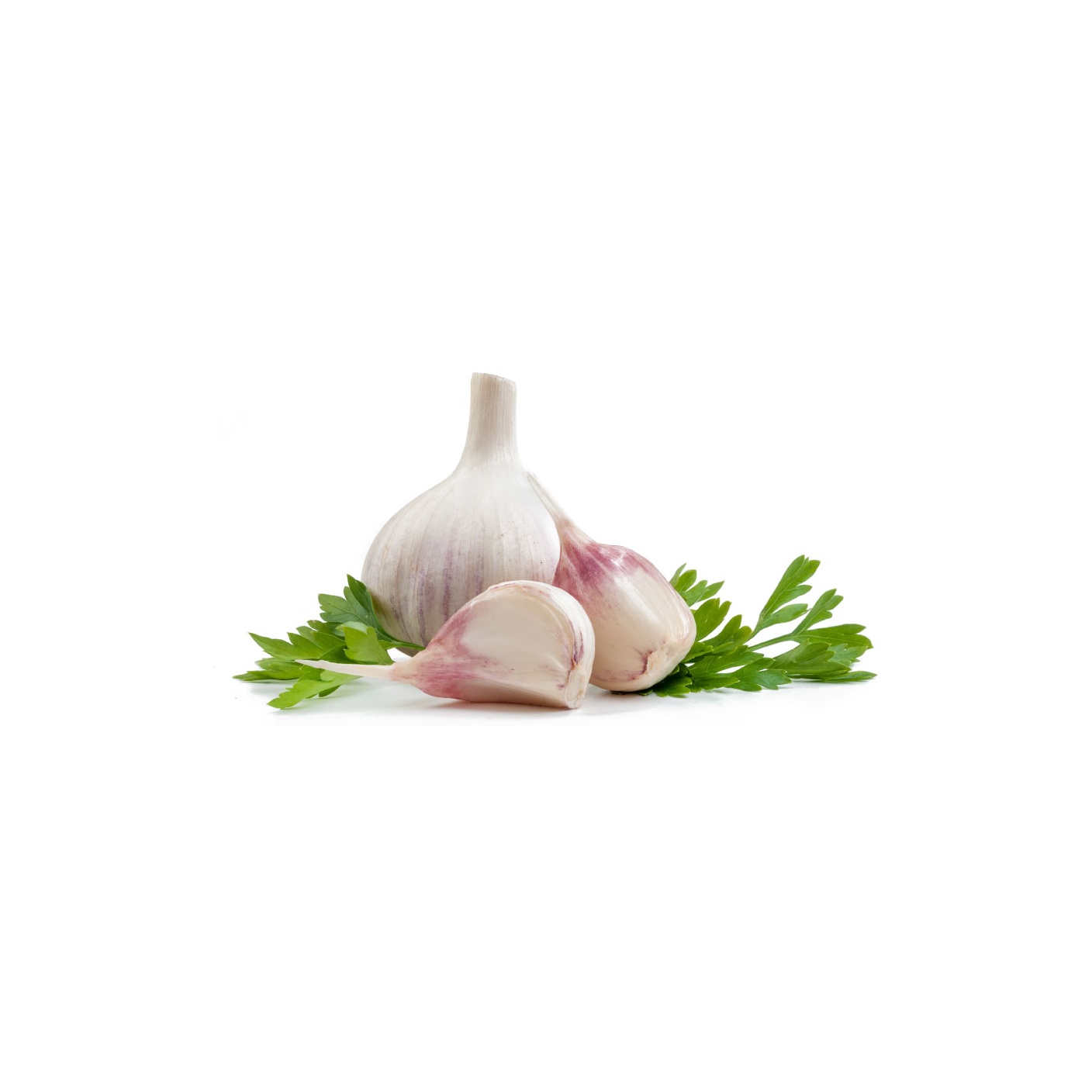
Allium sativum
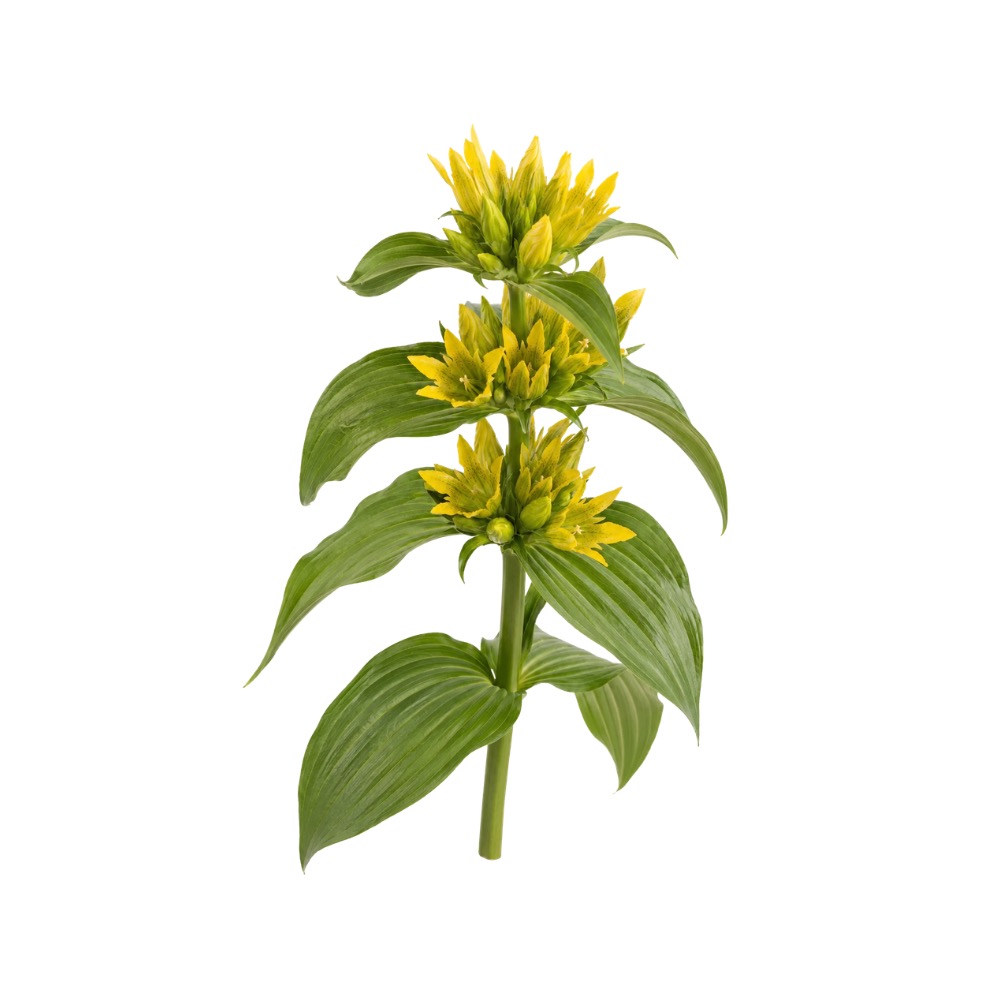
Gentiana lutea
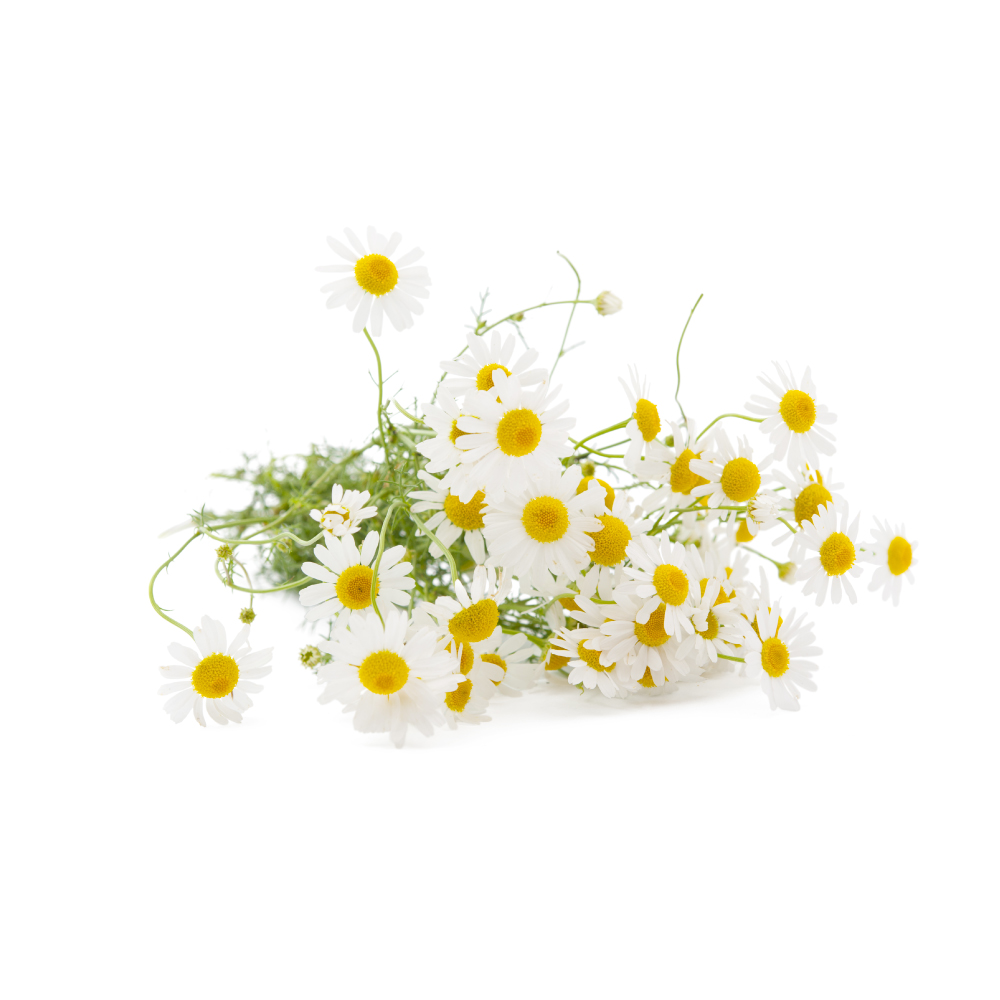
Matricaria chamomilla
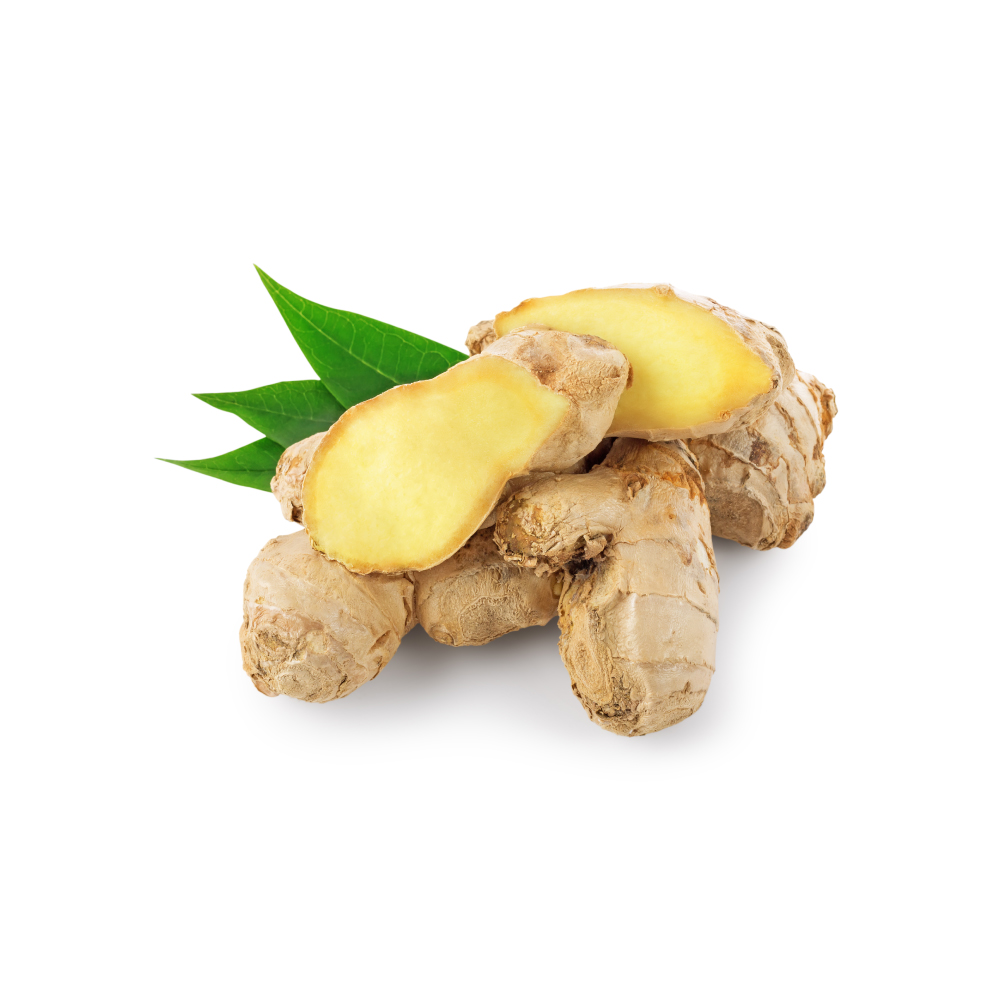
Zingiber officinale
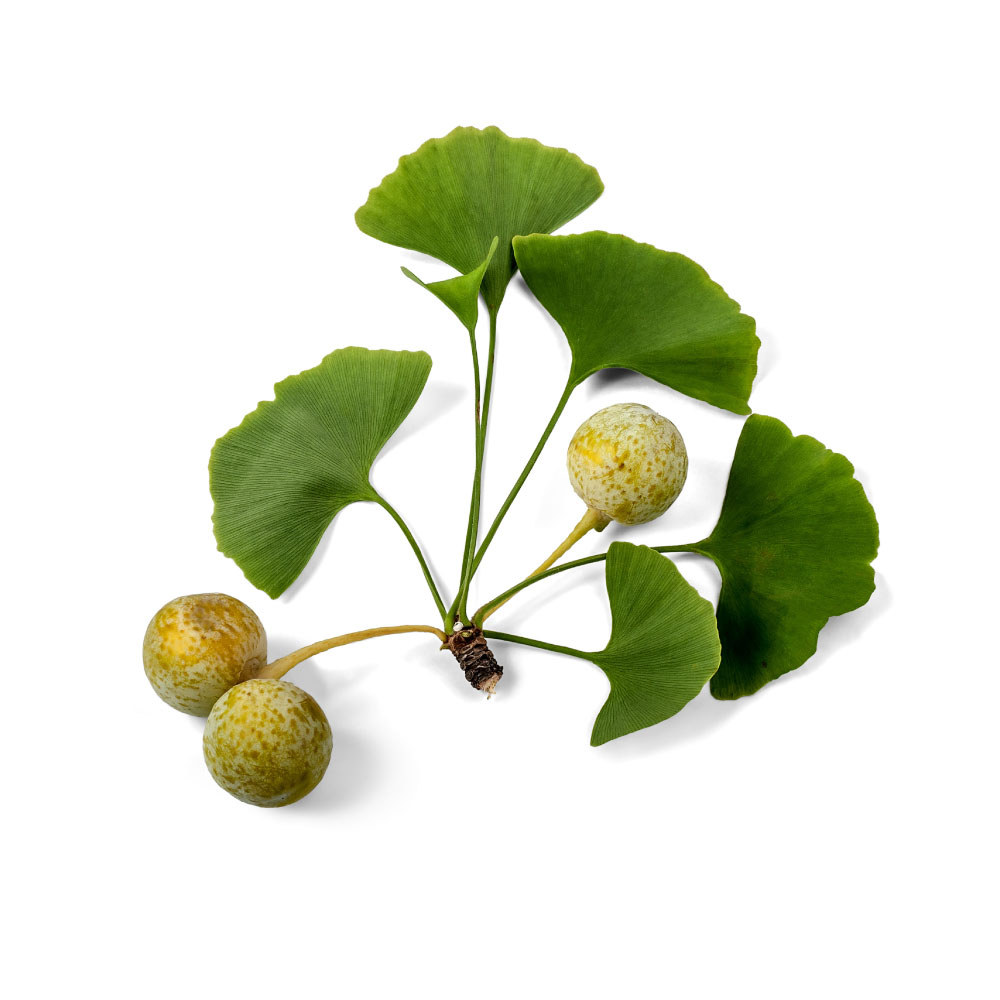
Ginkgo biloba
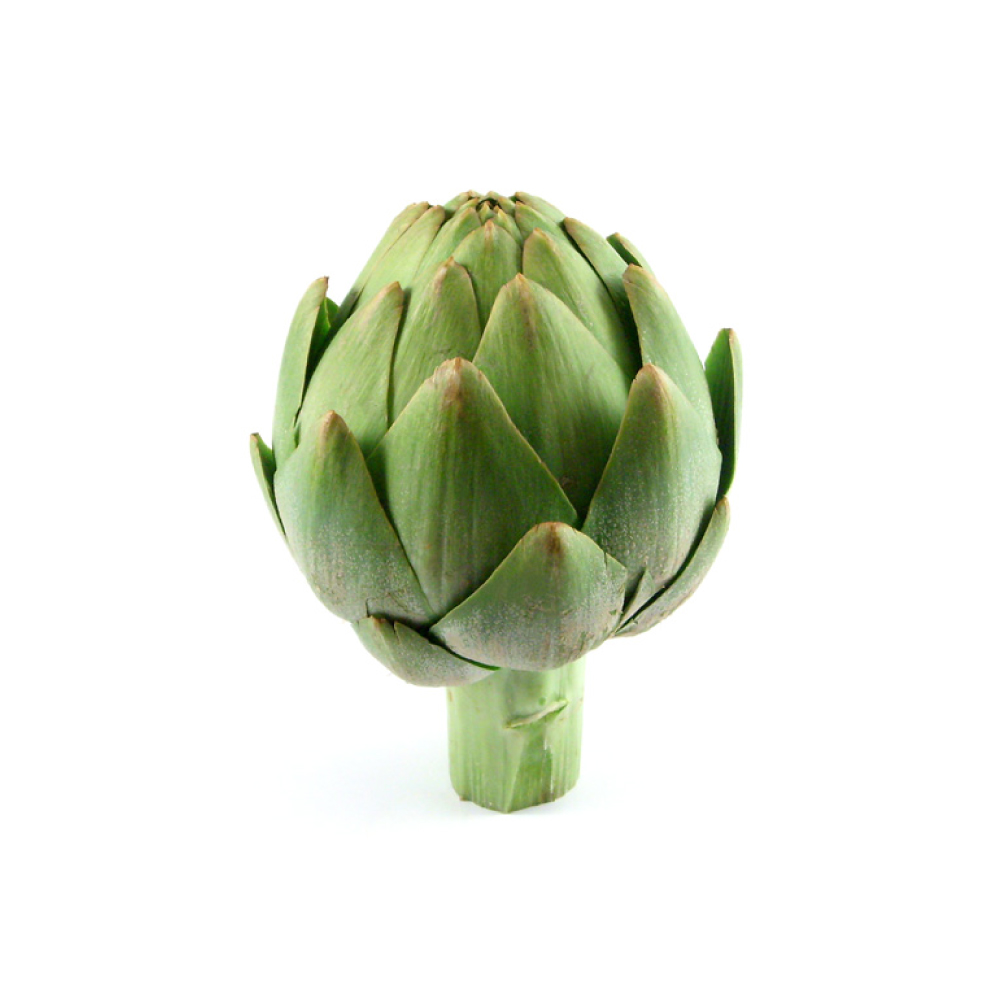
Cynara scolymus
Galega officinalis
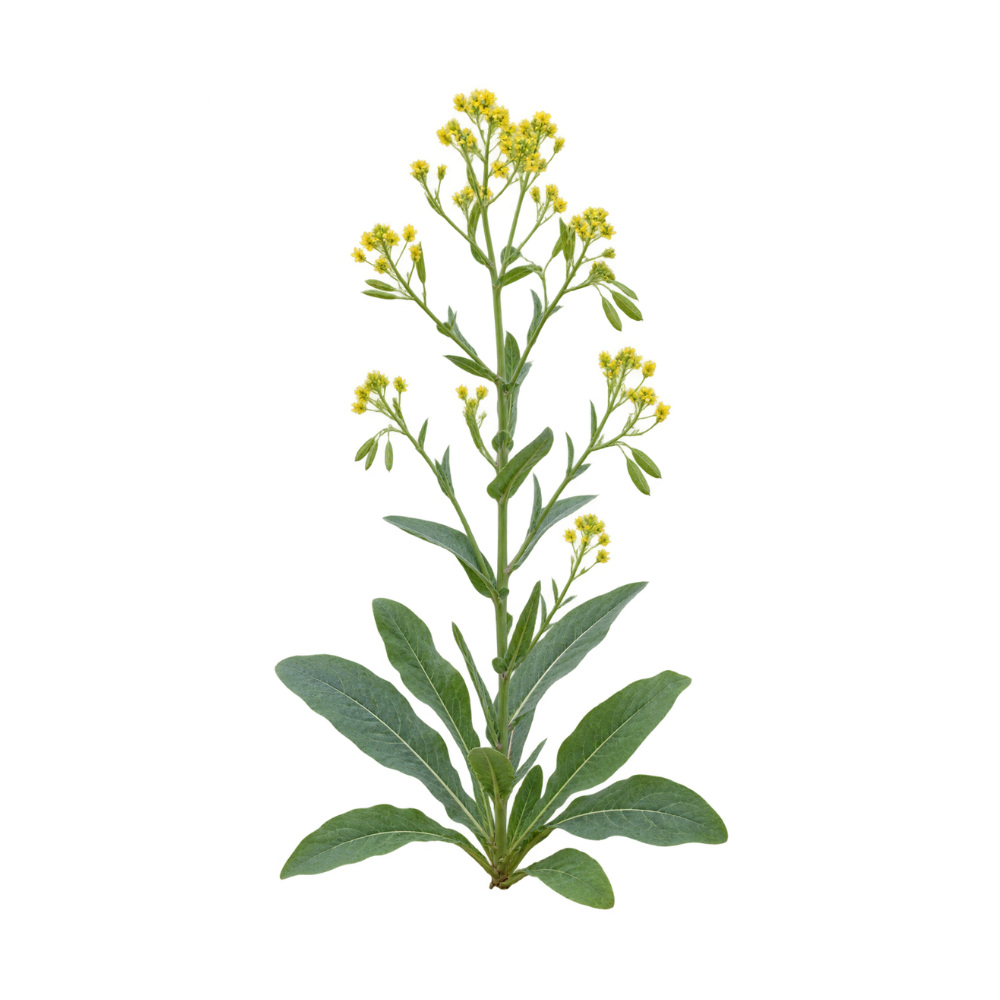
Solidago virgaurea
Hydrastis canadensis
Centella asiatica
Vitis vinifera
Annona muricata
Chelidonium majus
Griffonia simplicifolia
Cecropia obtusifolia
Paullinia cupana
Ilex guayusa
Gymnema sylvestre
Gynostemma pentaphyllum
Terminalia chebula
Crataegus oxyacantha
Ocimum tenuiflorum
Lonicera japonica
Humulus lupulus
Pseudowintera colorata
Aesculus hippocastanum
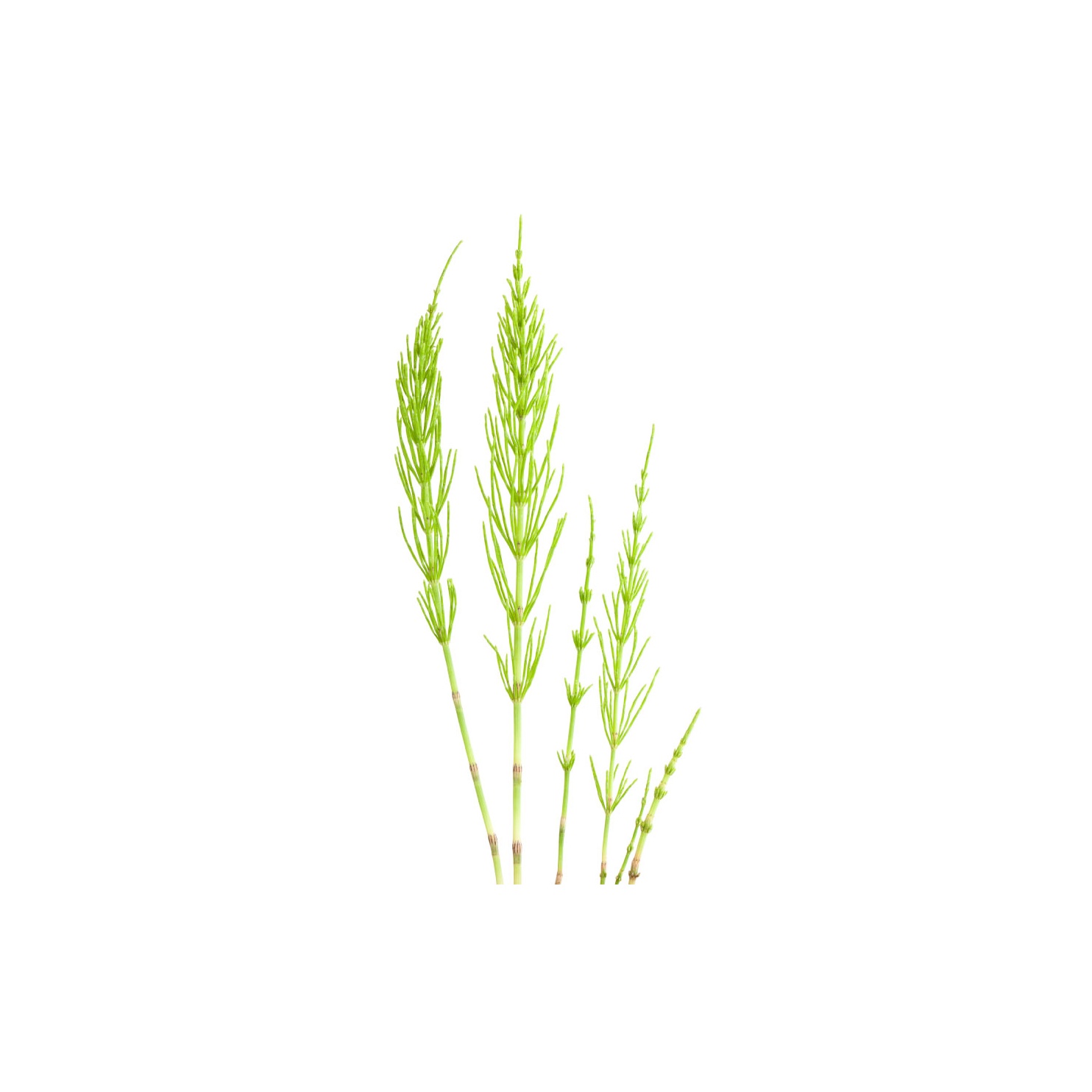
Equisetum arvense
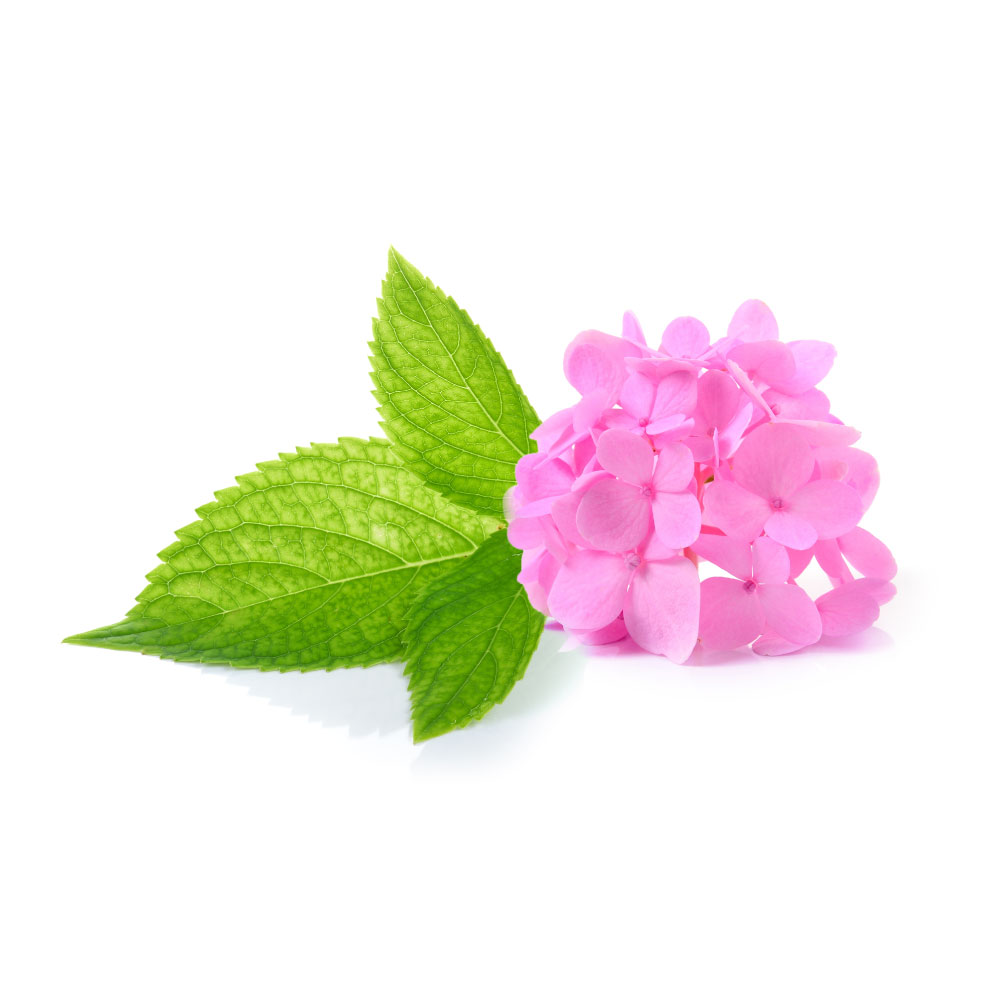
Hydrangea arborescens
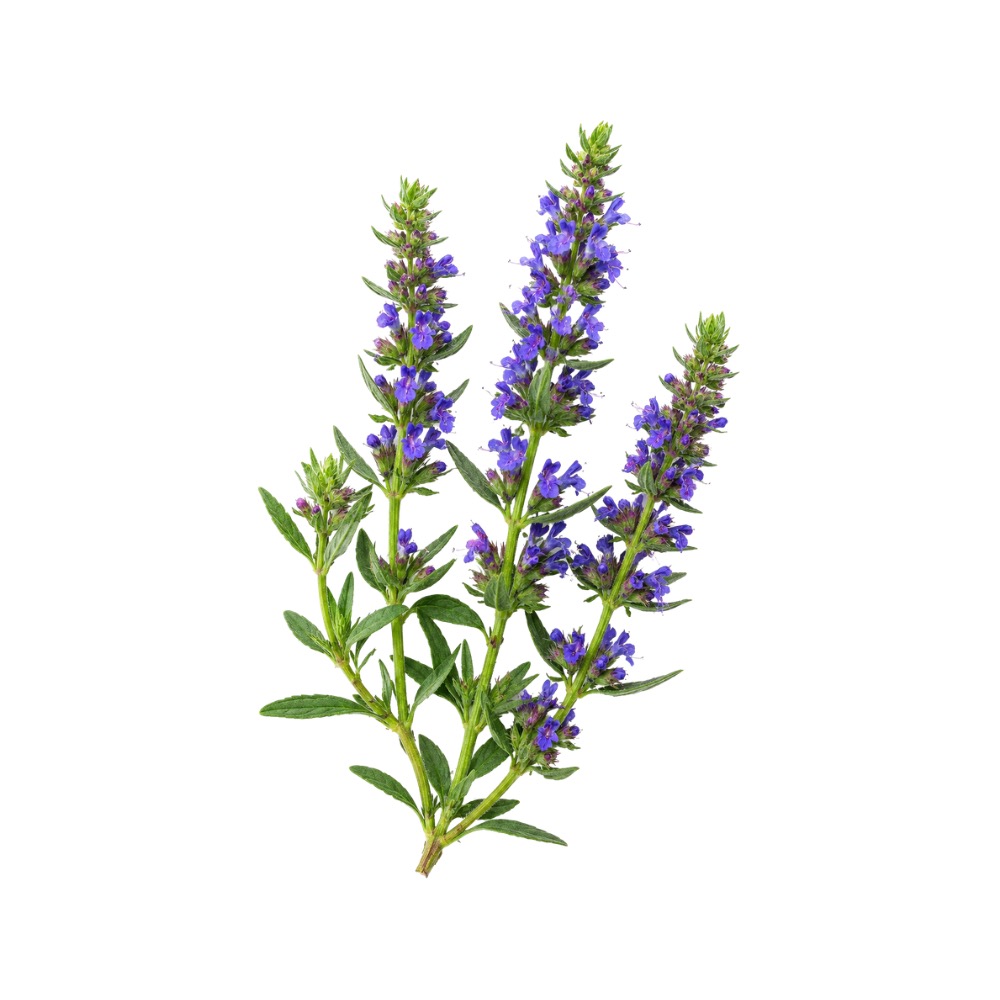
Hyssopus officinalis
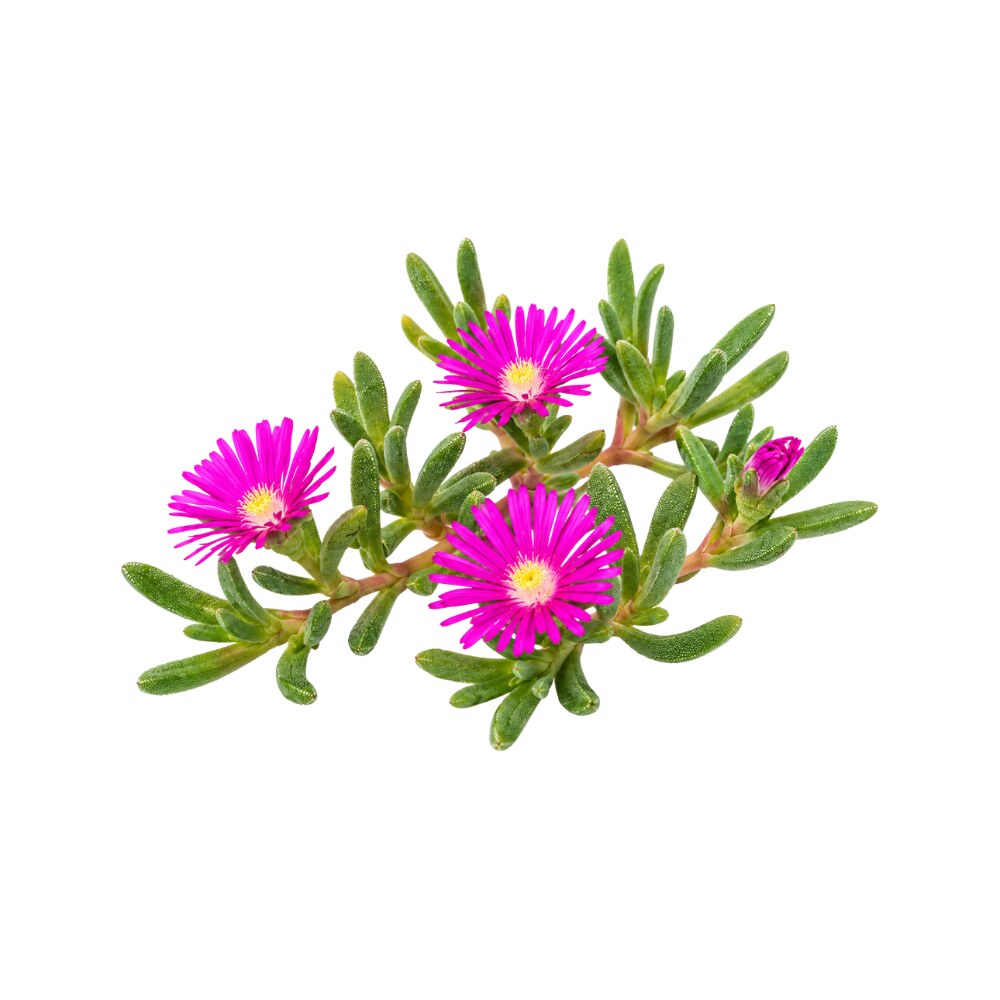
Delosperma spp.
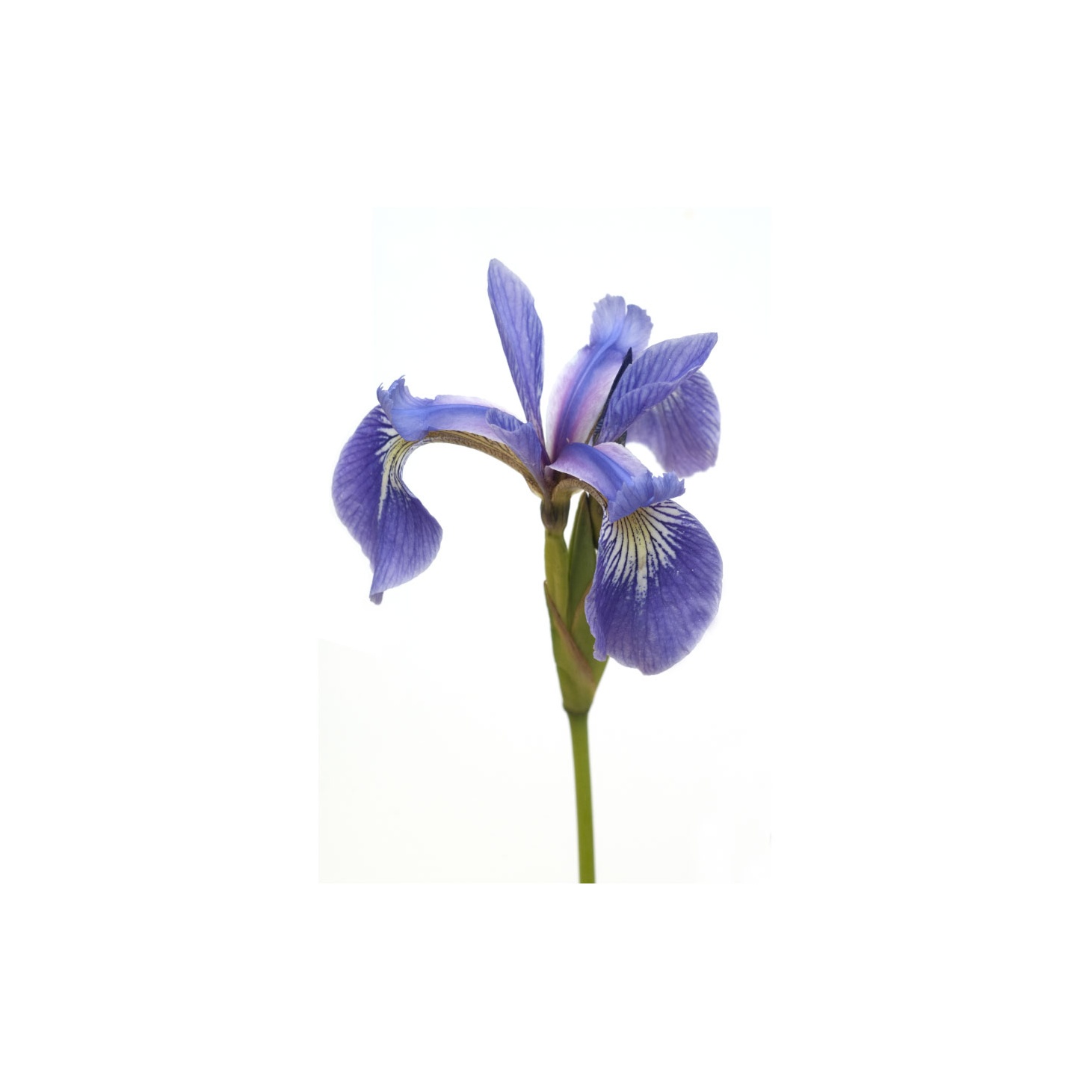
Iris versicolor
Isatis indigotica
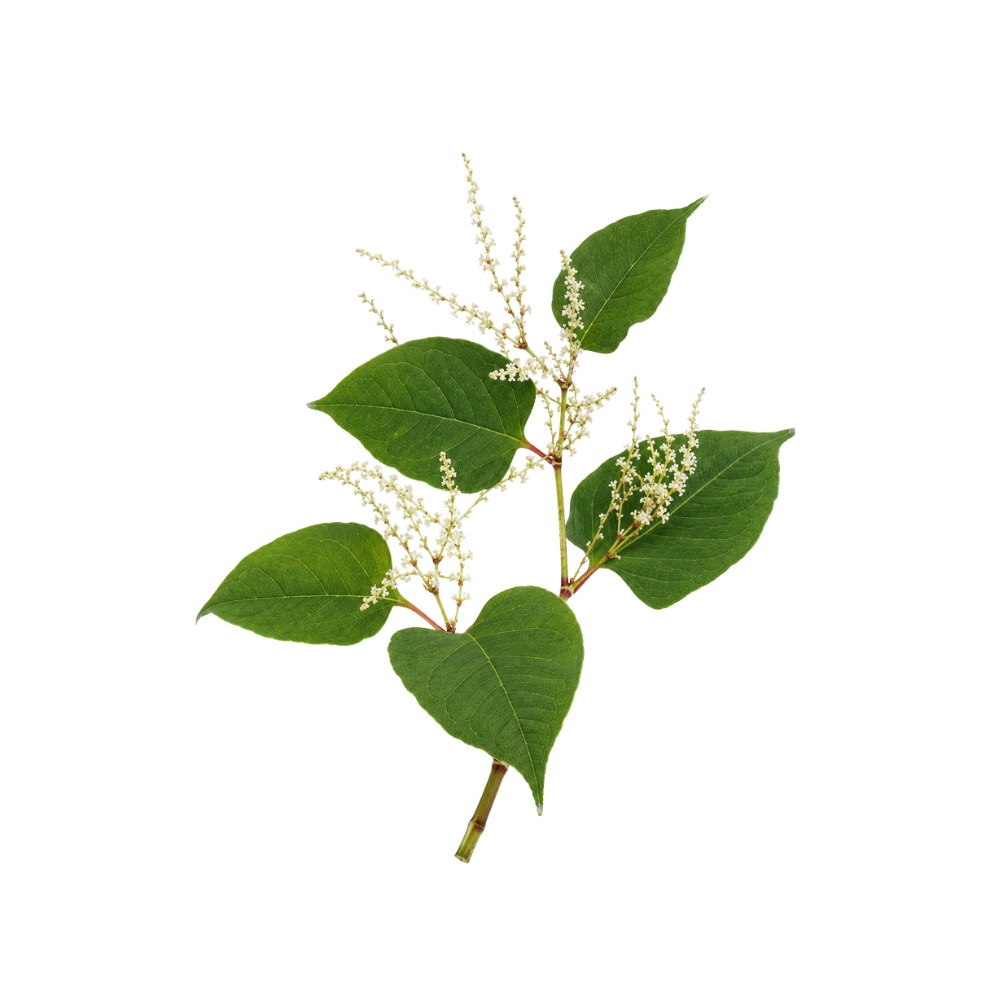
Reynoutria japonica
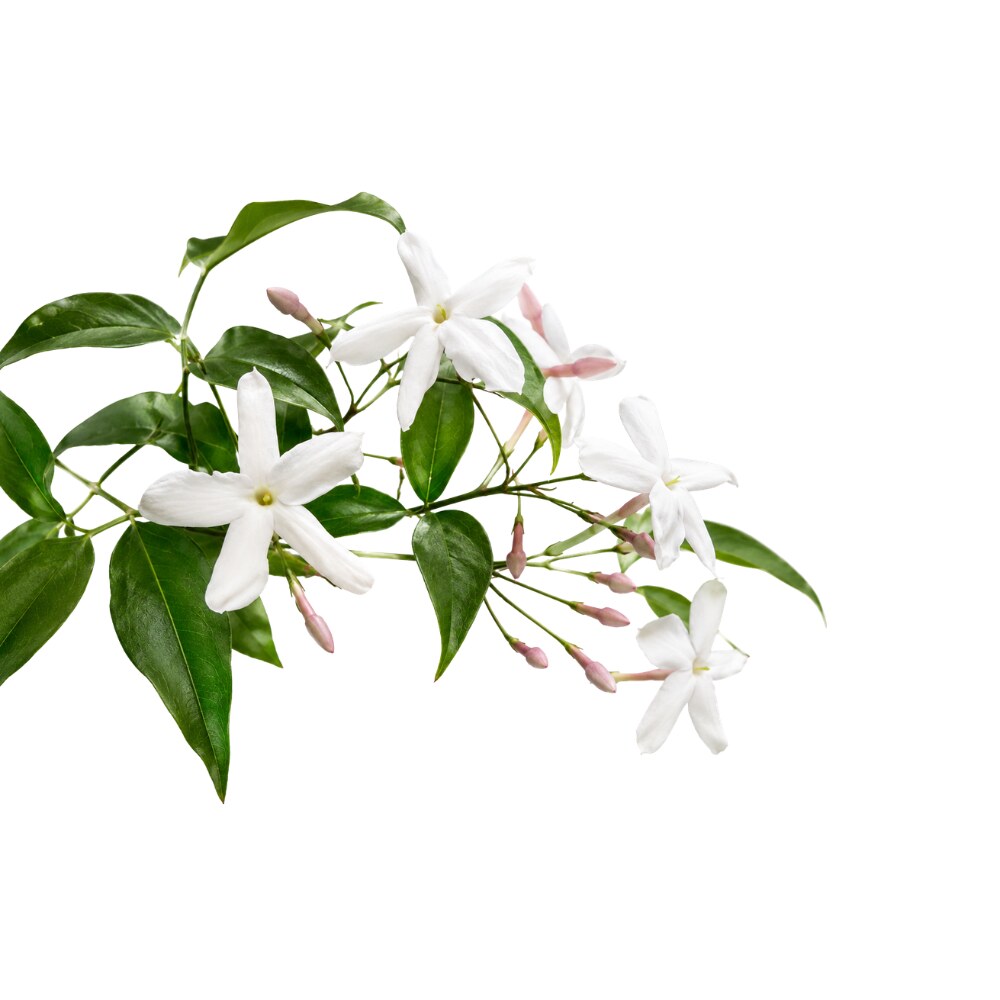
Jasminum officinale
Hymenaea courbaril
Juniperus communis
Mimosa tenuiflora
Mesembryanthemum tortuosum
Piper methysticum
Pseudostellaria heterophylla
Pinus koraiensis
Pinus densiflora
Mitragyna speciosa
Lavandula angustifolia
Cymbopogon citratus
Vinca minor
Glycyrrhiza glabra
Tilia spp.
Hericium erinaceus
Lobelia inflata
Pinus contorta
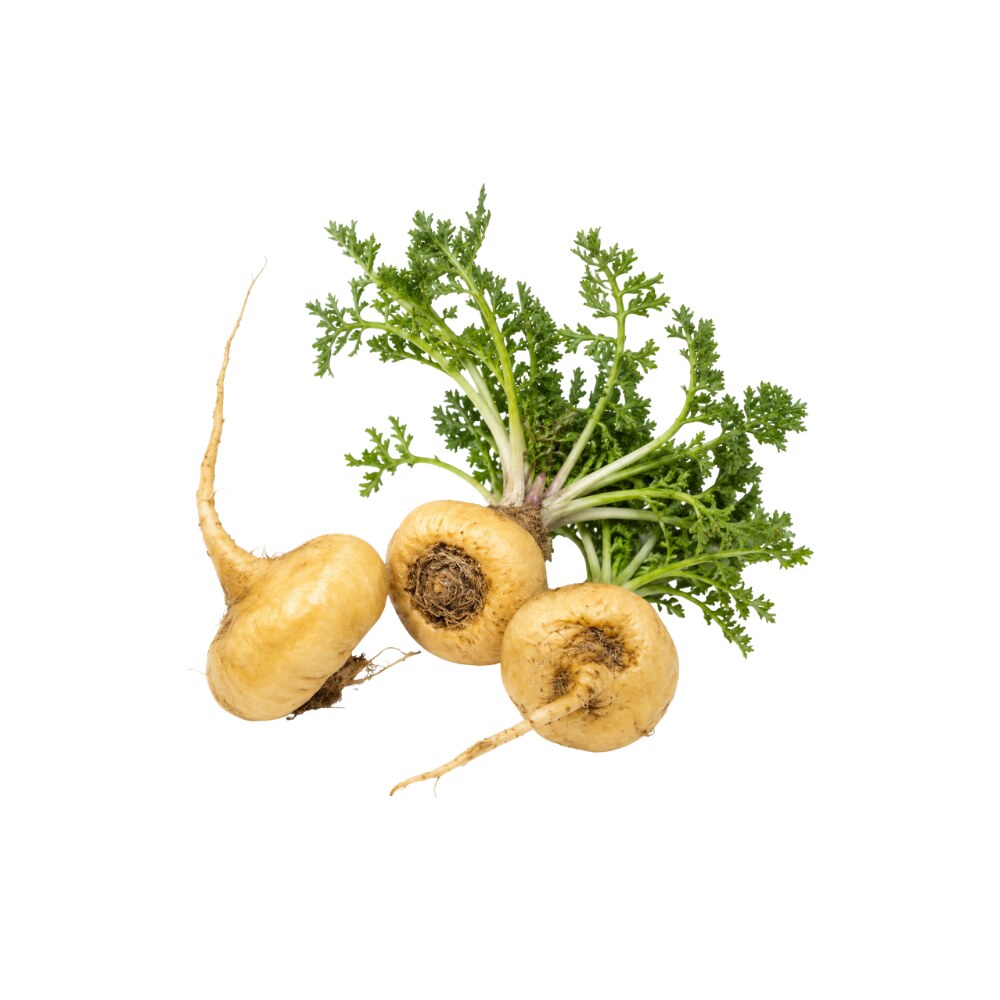
Lepidium meyenii
Zornia latifolia
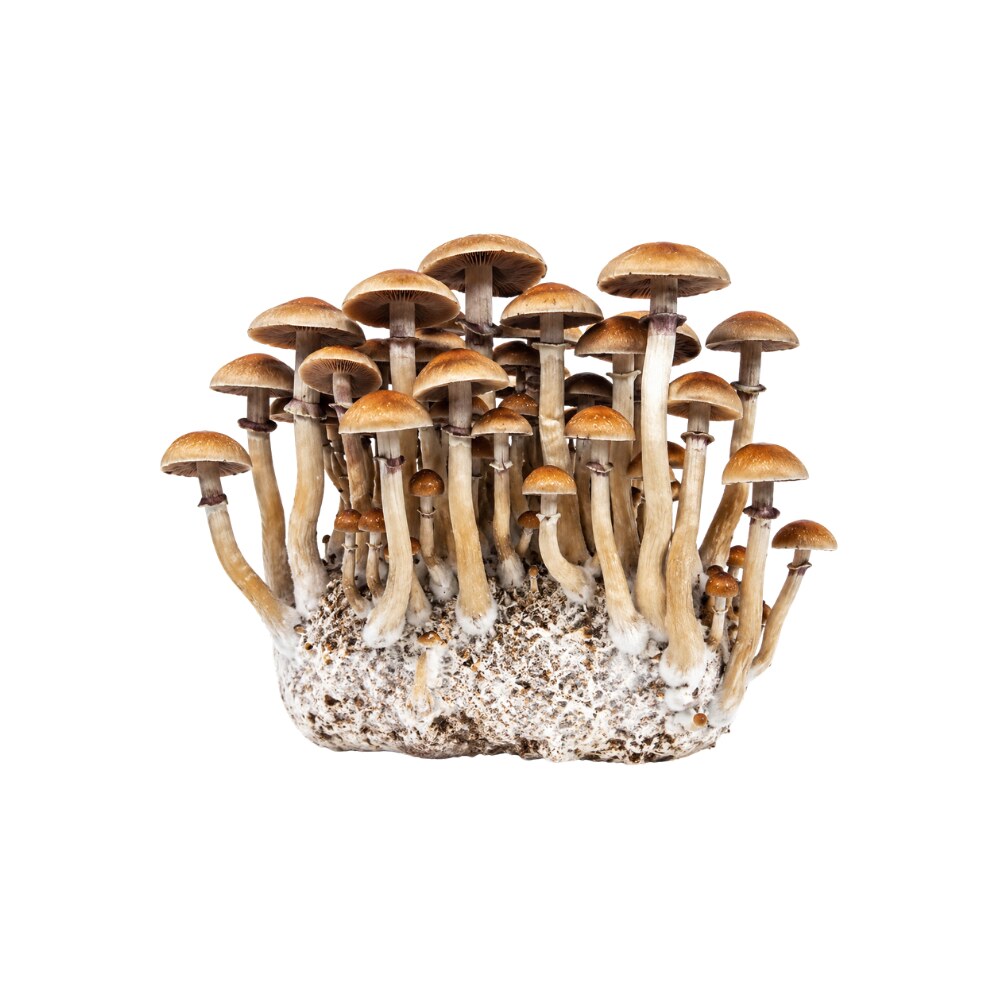
Psilocybe cubensis
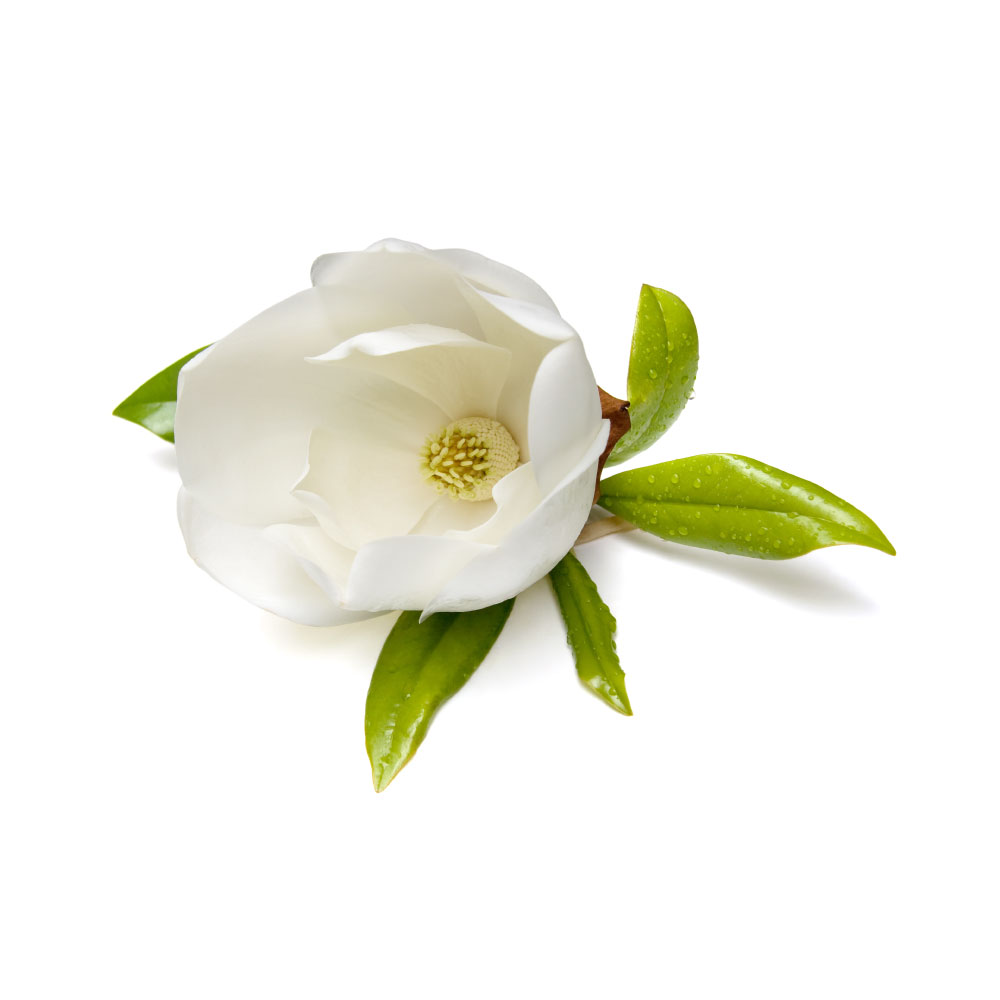
Magnolia officinalis
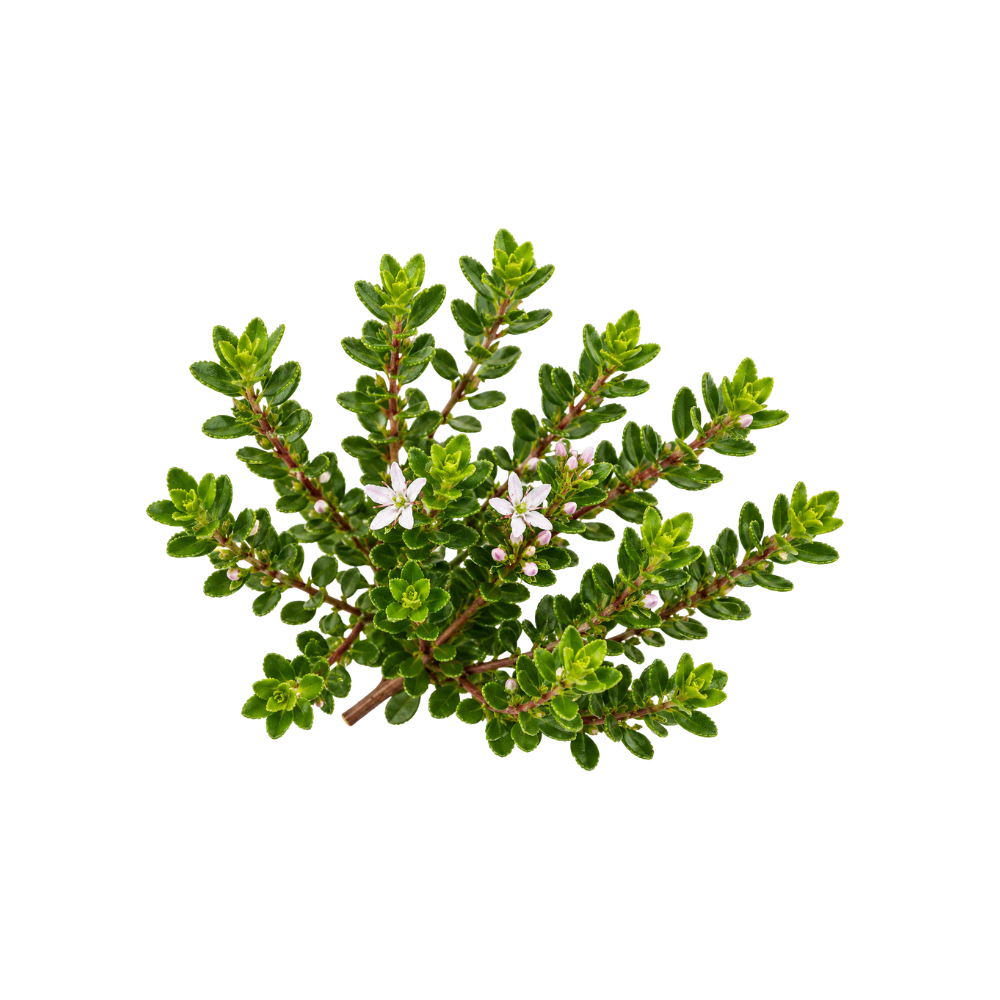
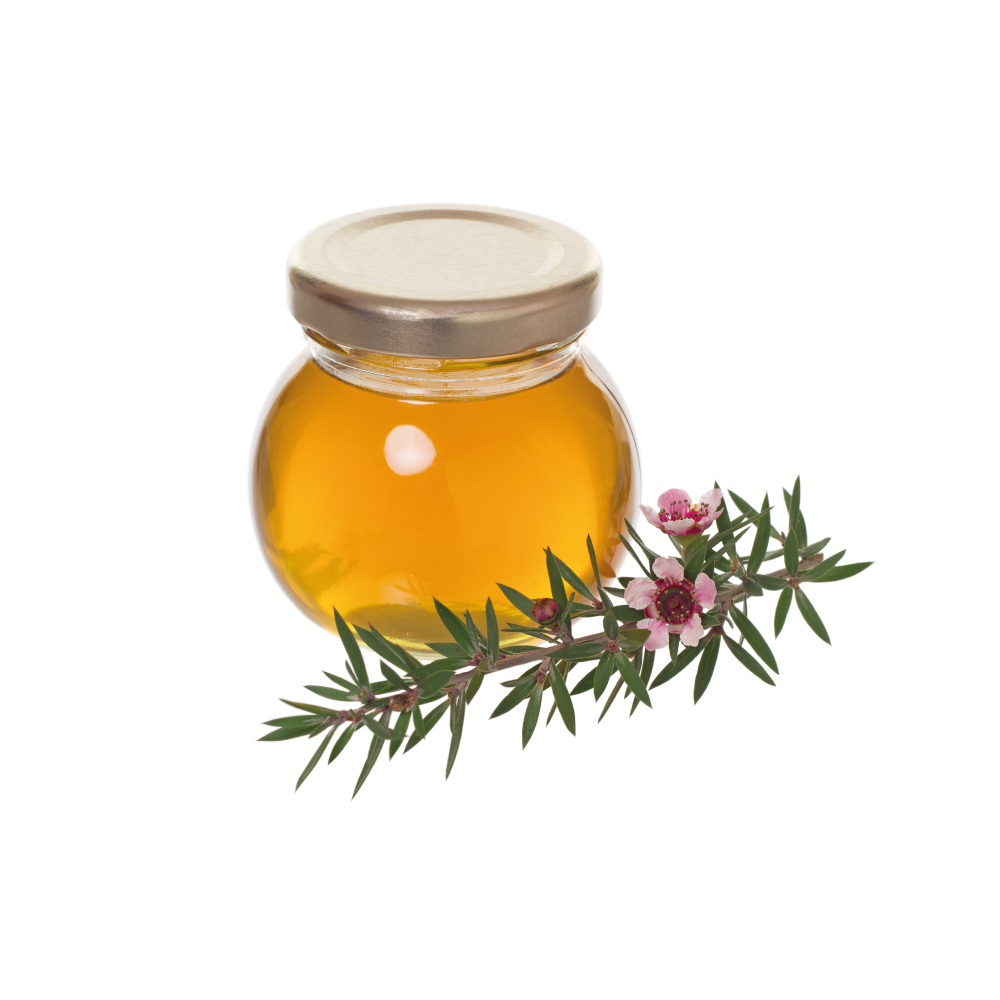
Leptospermum scoparium
Nicotiana rustica
Pinus pinaster
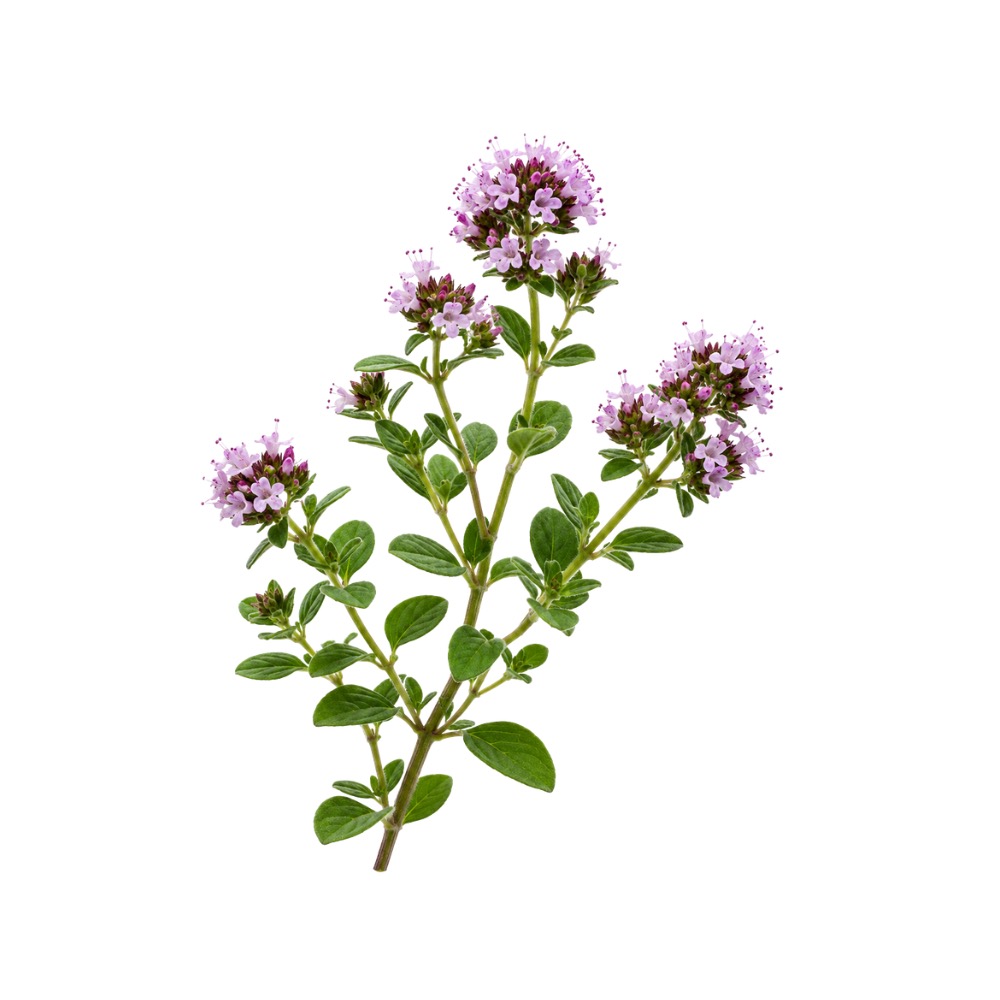
Origanum majorana
Althaea officinalis
Pinus massoniana
Filipendula ulmaria
Melissa officinalis
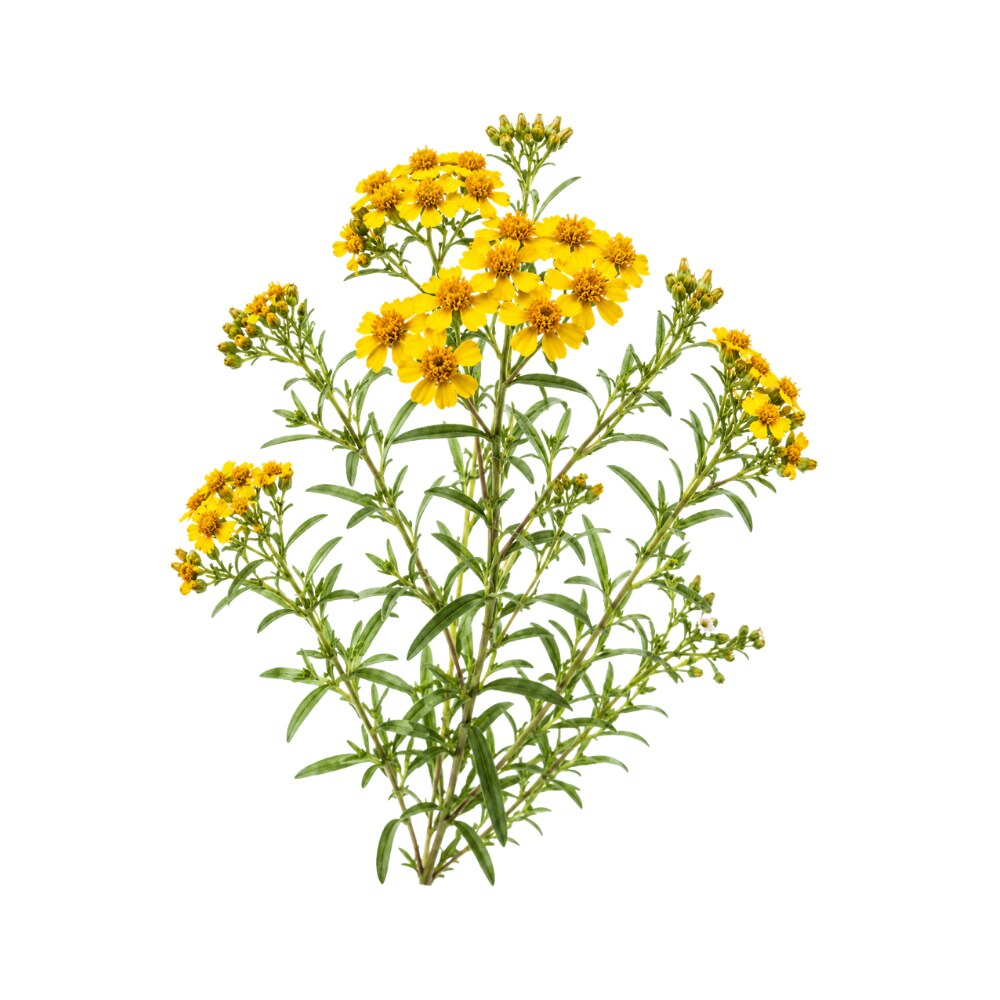
Tagetes lucida
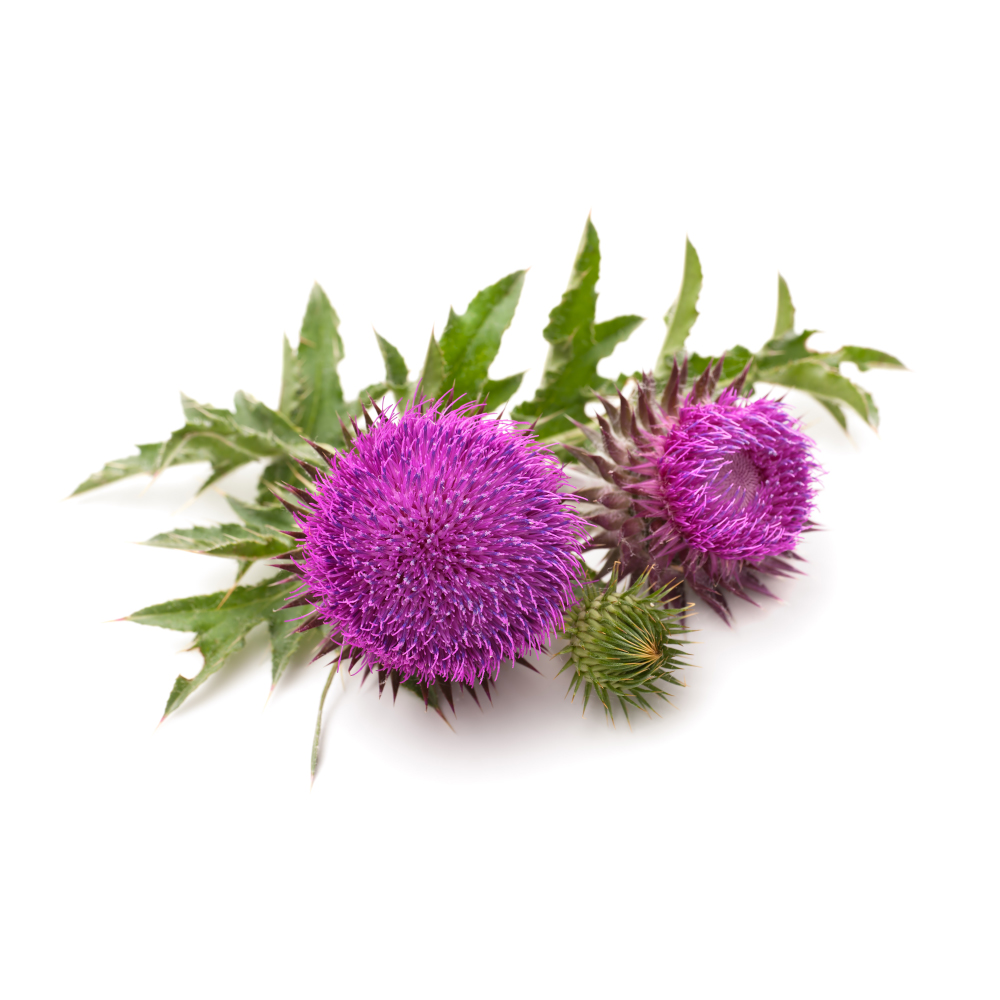
Silybum marianum
Pinus radiata
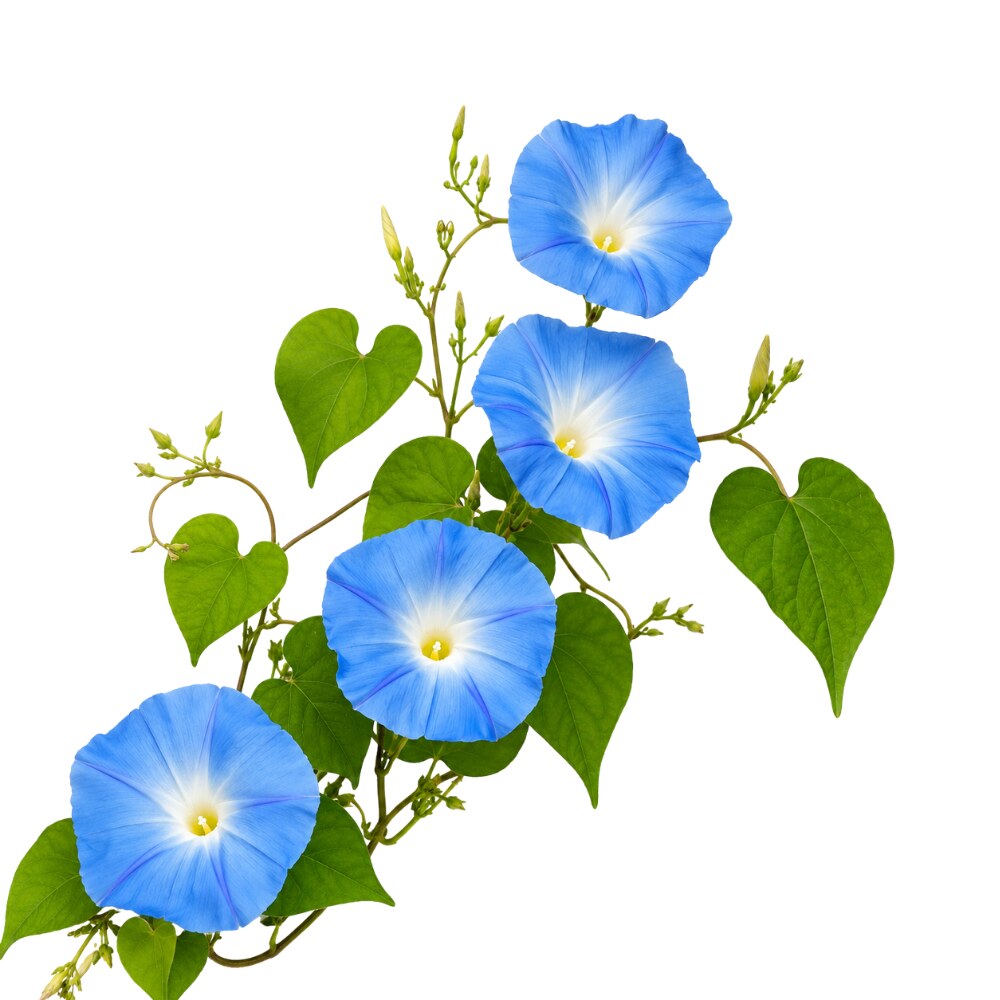
Ipomoea tricolor
Leonurus cardiaca
Pinus mugo
Artemisia vulgaris
Ptychopetalum olacoides
Verbascum thapsus
Commiphora myrrha
Azadirachta indica
Nigella sativa
Panax notoginseng
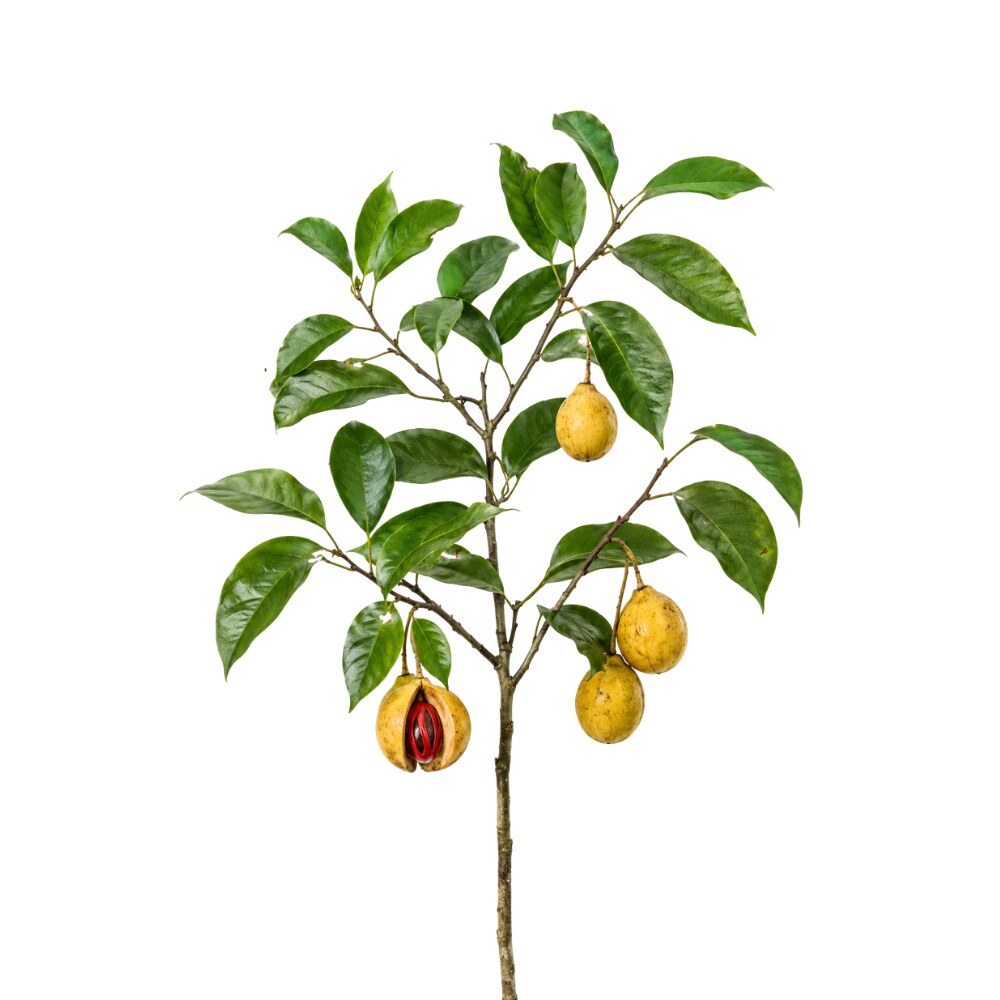
Myristica fragrans
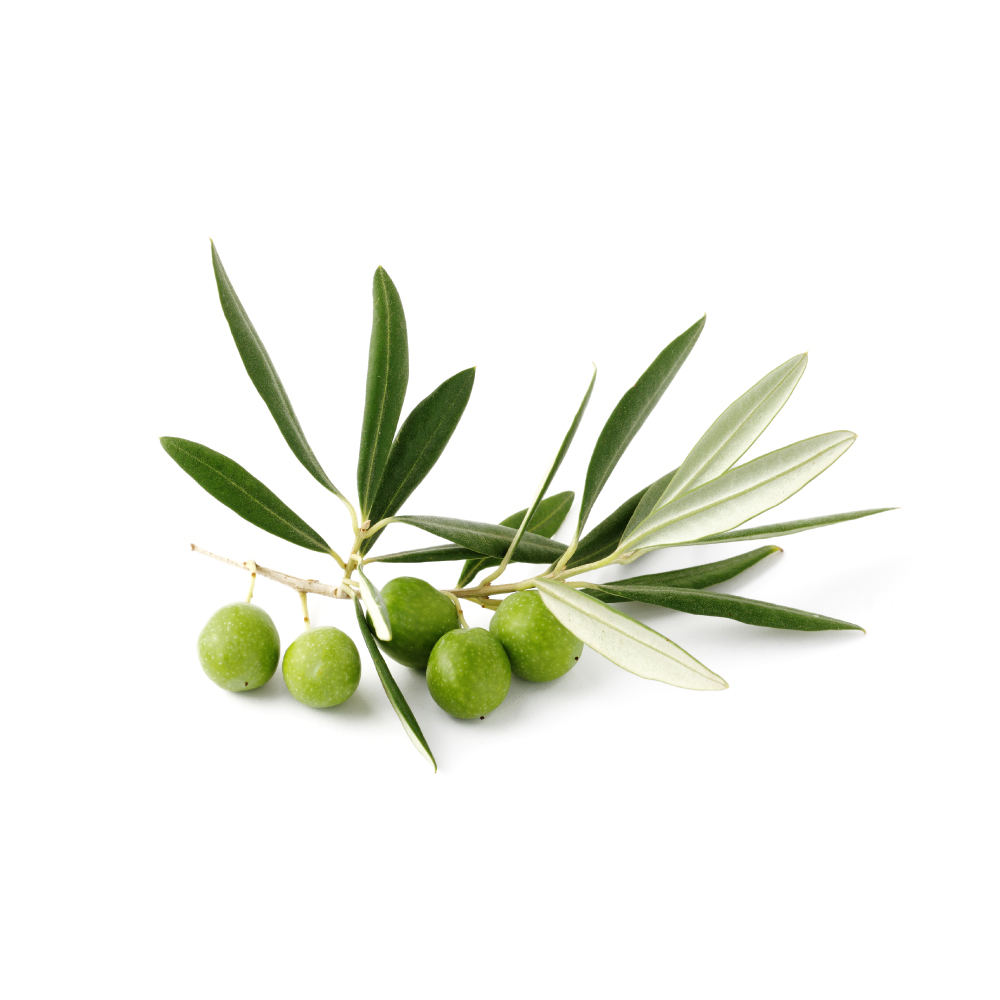
Olea europaea
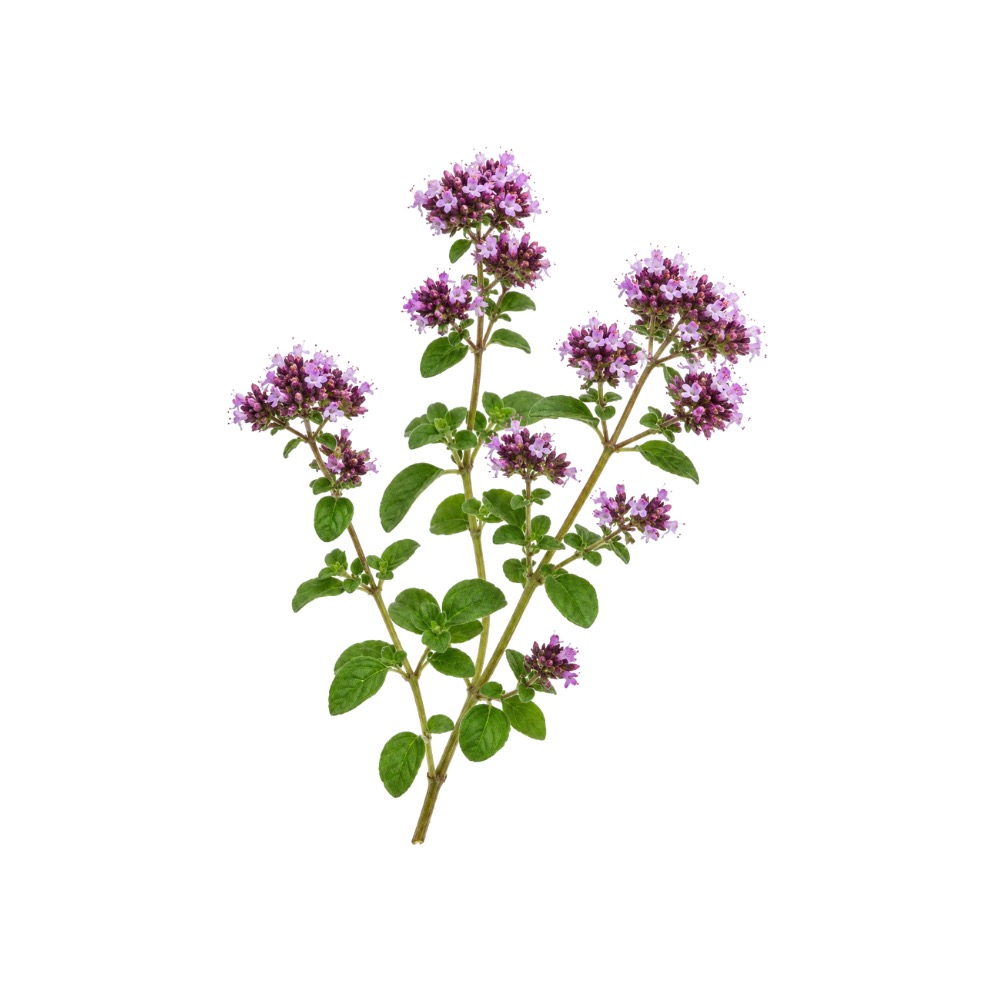
Origanum vulgare
Passiflora edulis
Passiflora incarnata
Tabebuia impetiginosa
Paeonia lactiflora
Mentha × piperita
Vinca major
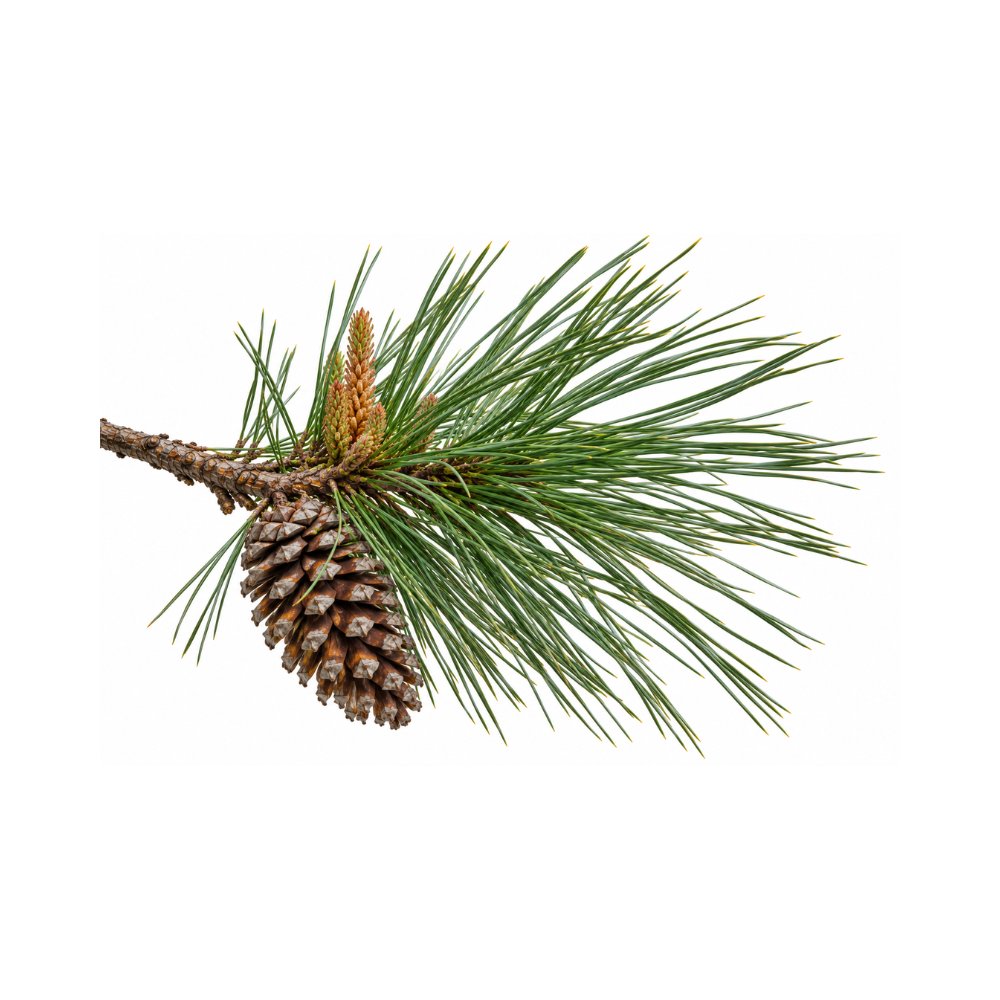
Pinus sylvestris
Plantago major
Plantago ovata
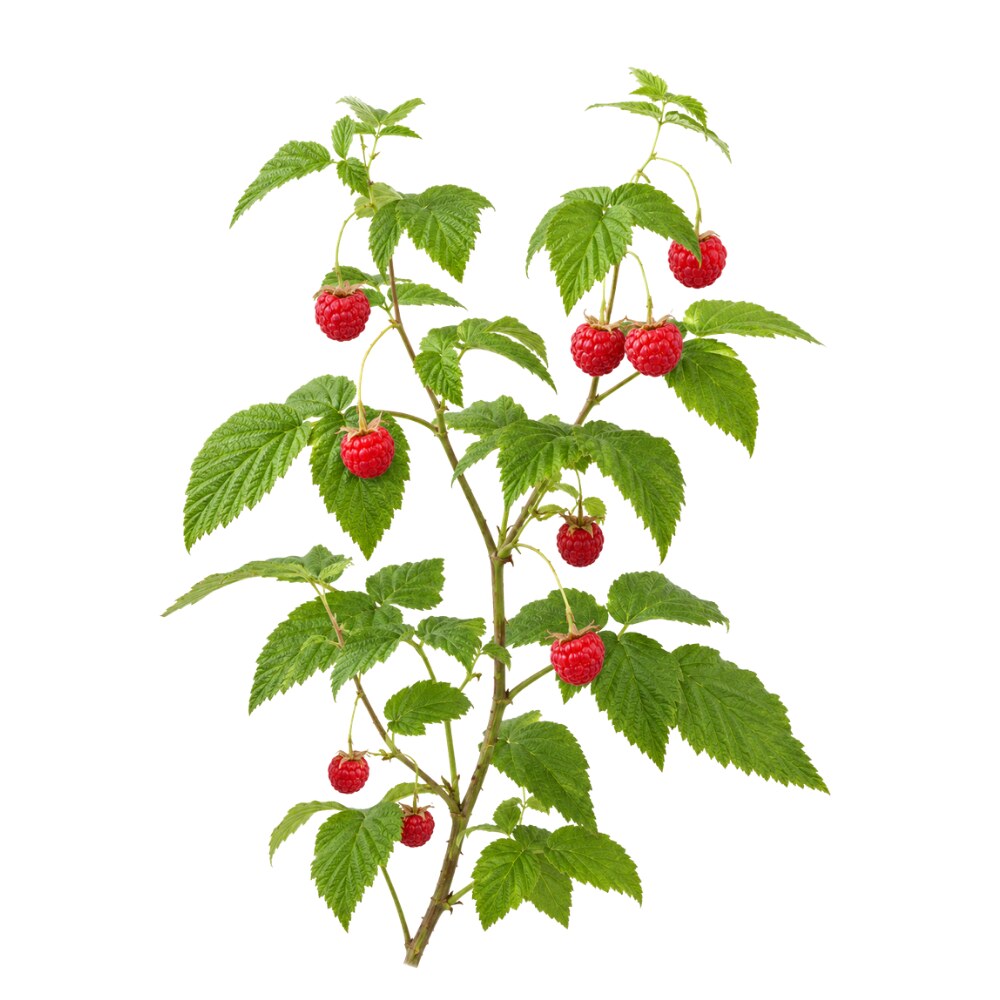
Rubus idaeus
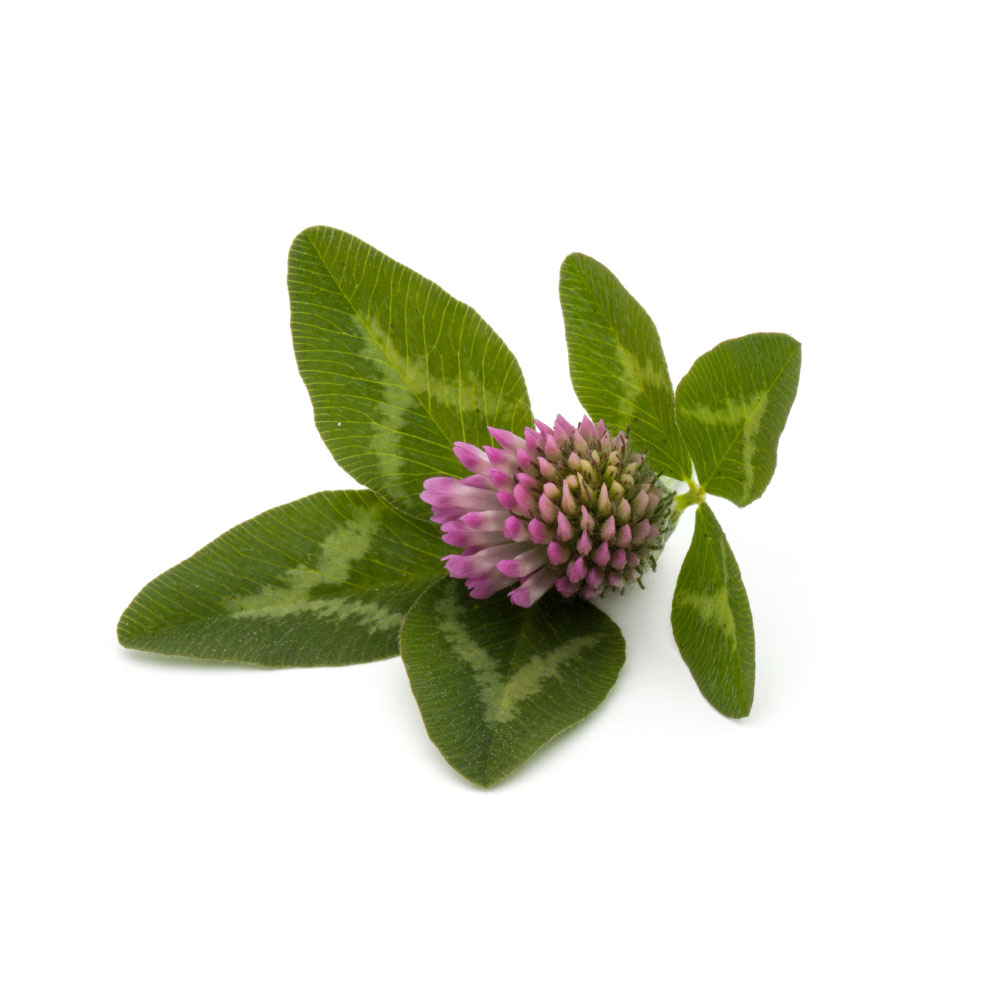
Trifolium pratense
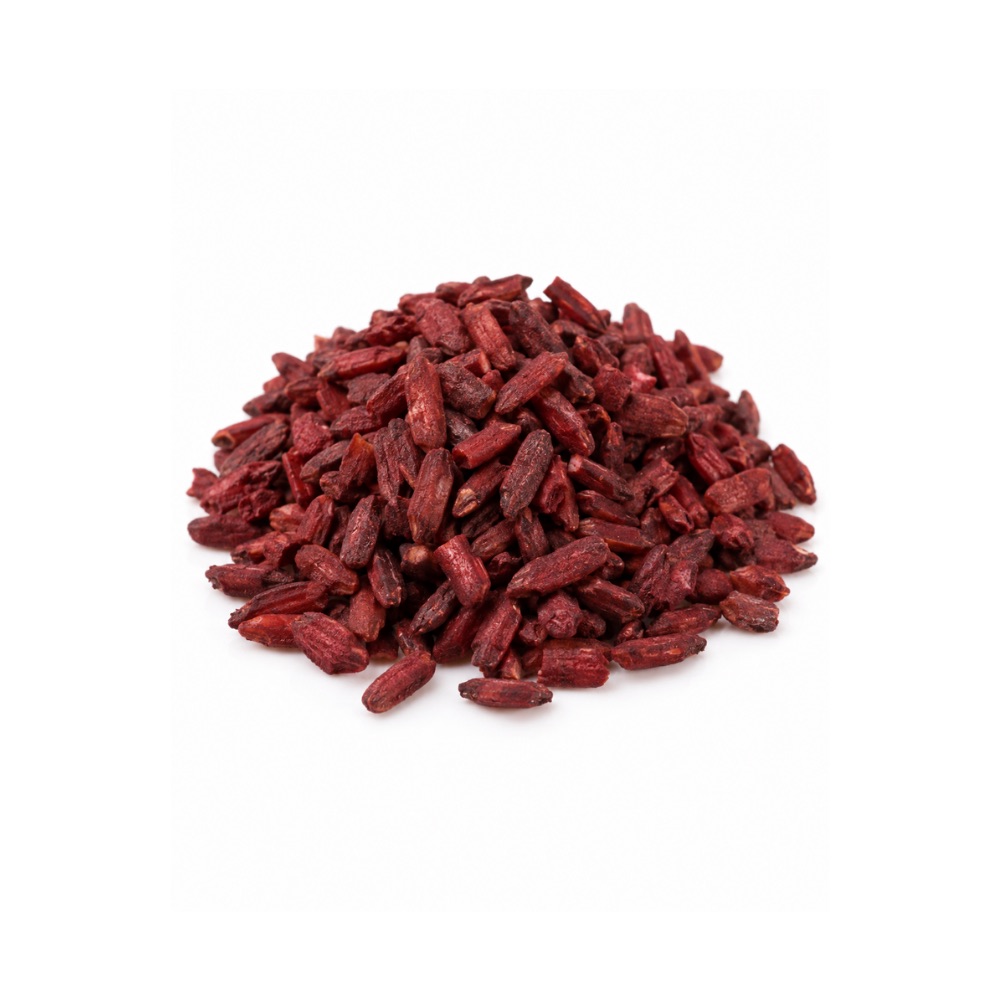
Monascus purpureus
Rehmannia glutinosa
Ganoderma lucidum
Rhodiola rosea
Rheum palmatum
Aspalathus linearis
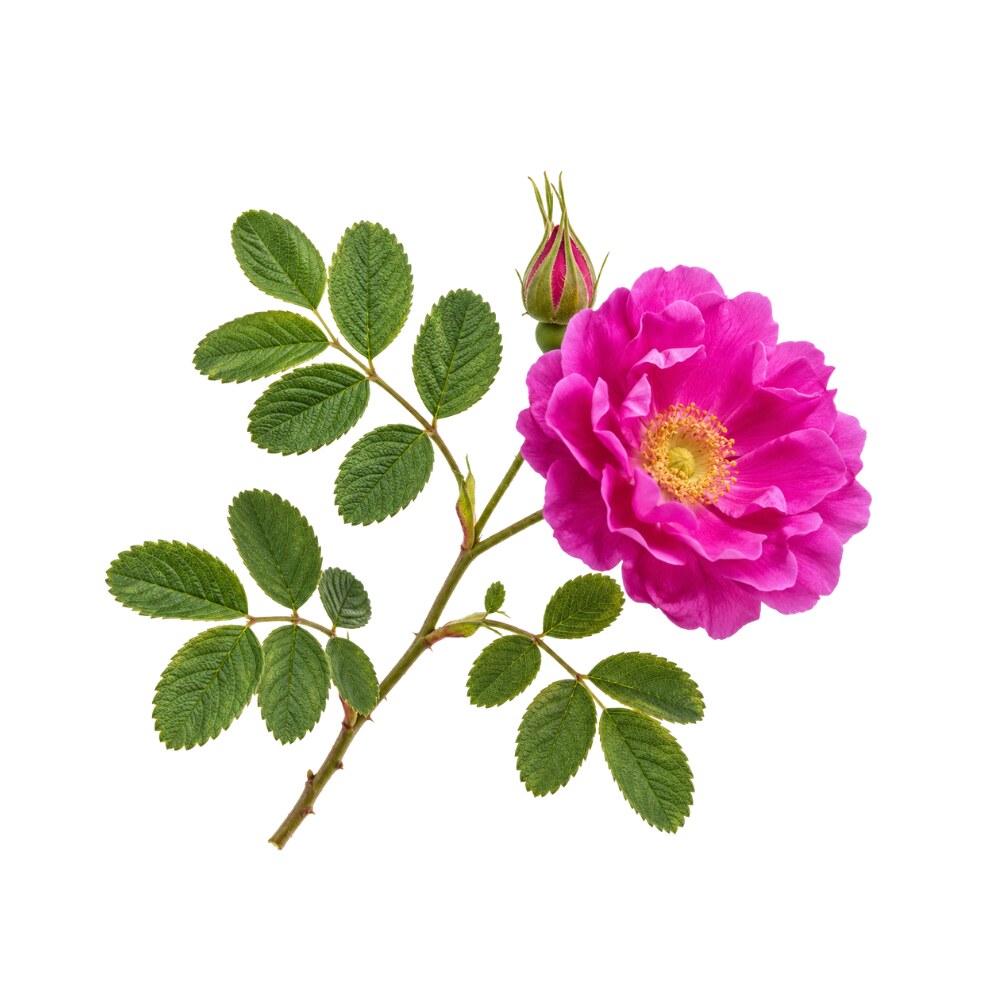
Rosa spp.
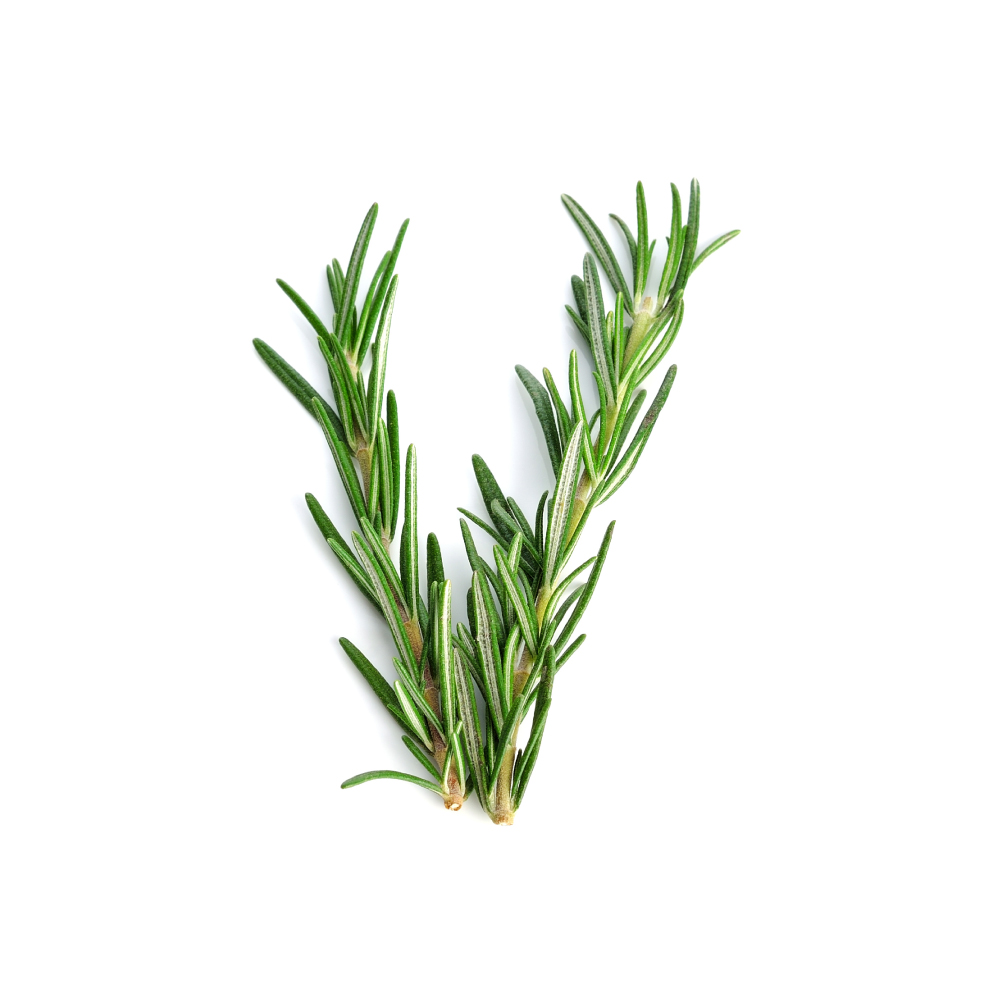
Rosmarinus officinalis
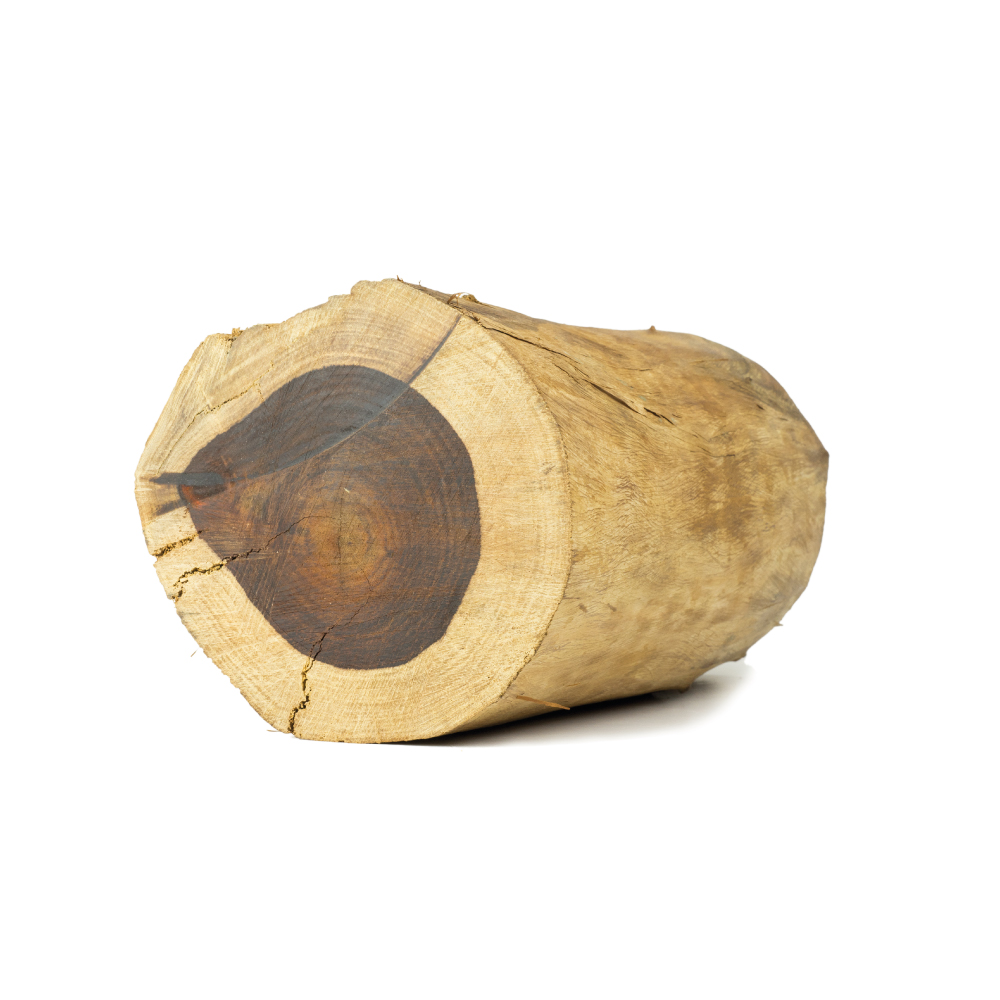
Aniba rosaeodora
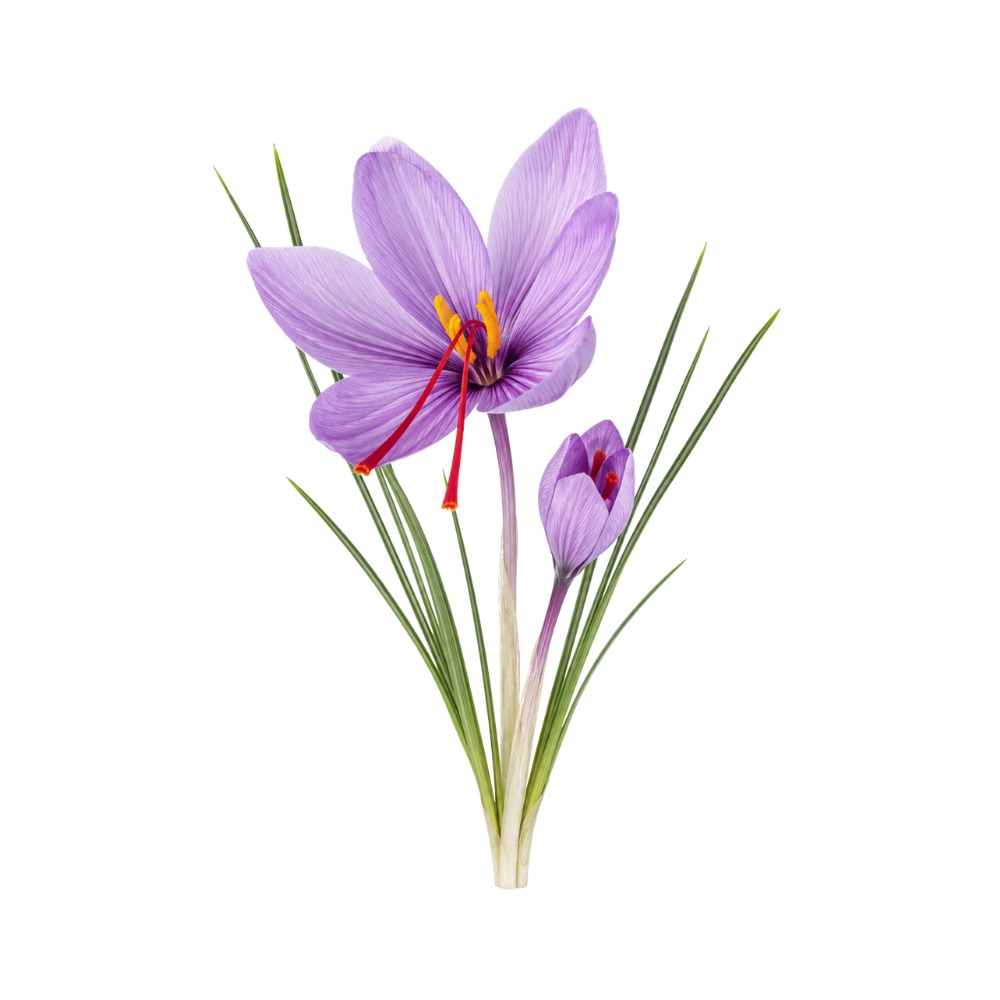
Crocus sativus
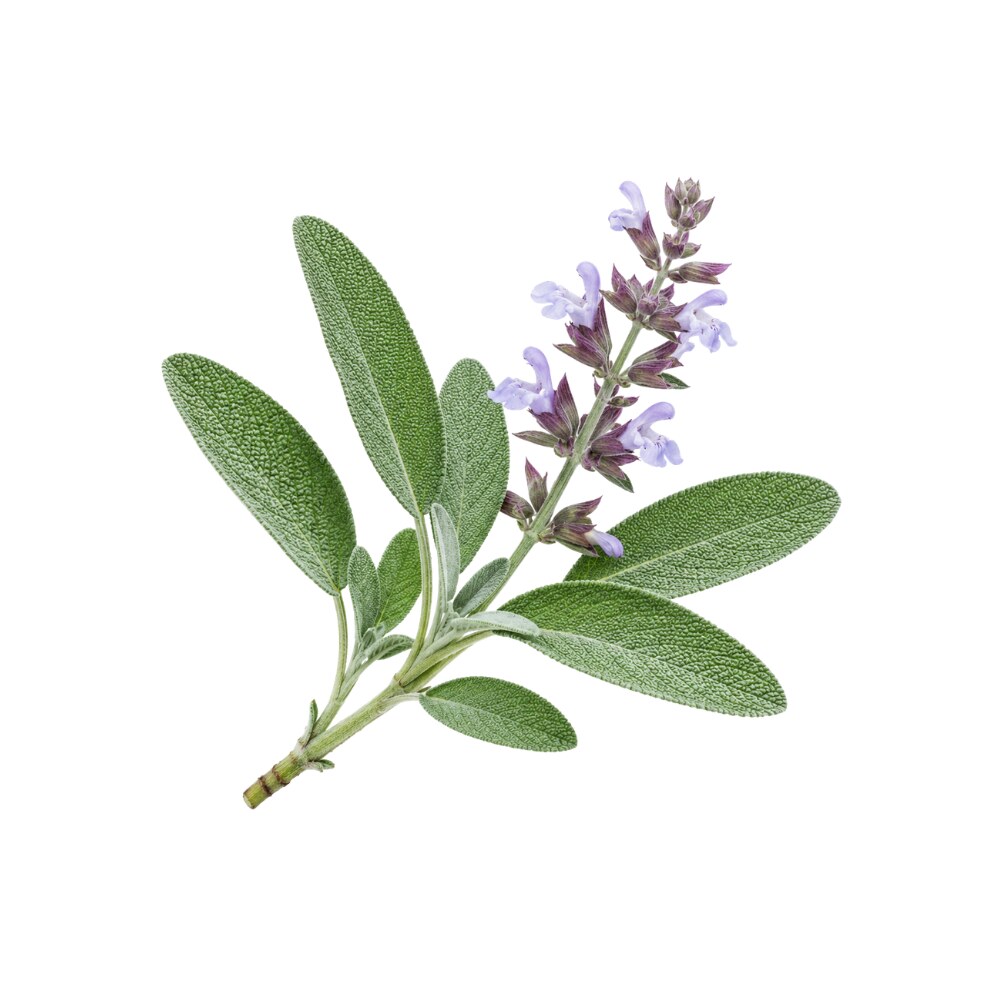
Salvia officinalis
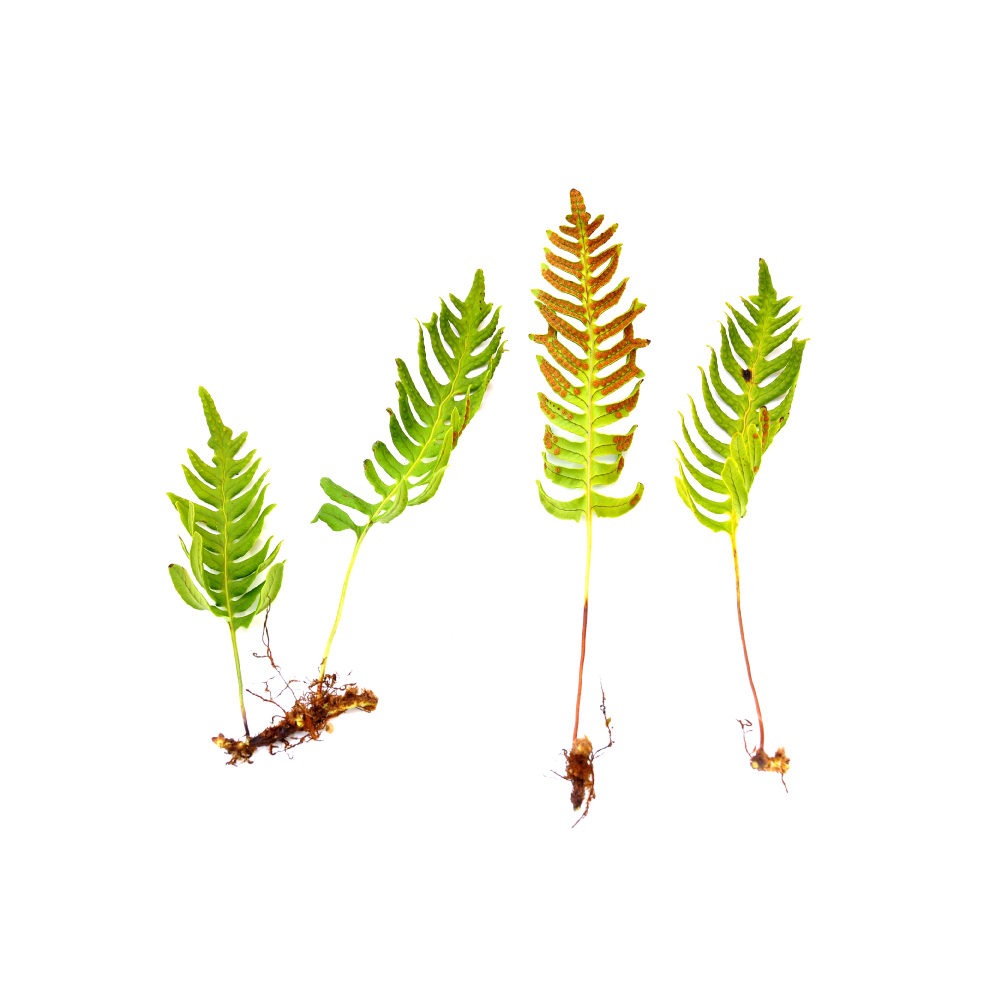
Polypodium leucotomos
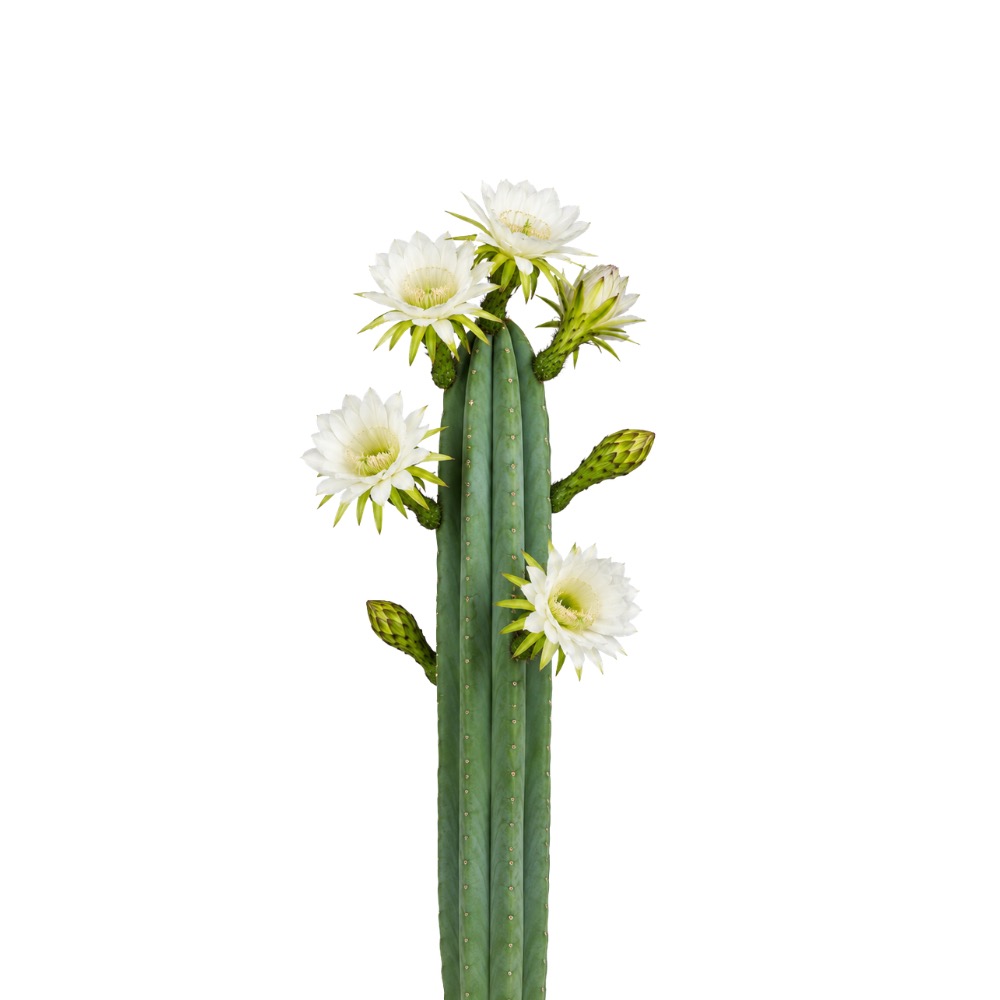
Echinopsis pachanoi
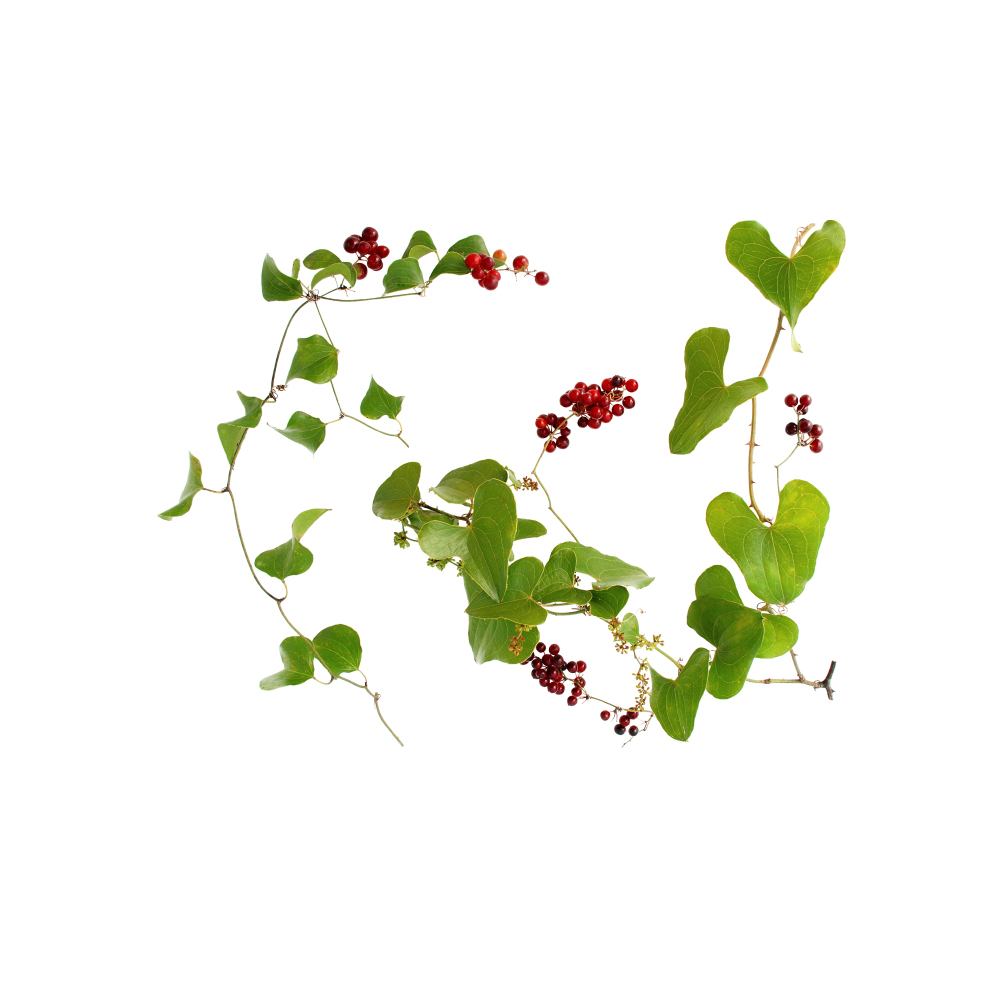
Smilax spp.
Serenoa repens
Schisandra chinensis
Cassia angustifolia
Asparagus racemosus
Capsella bursa-pastoris
Simarouba amara
Heimia salicifolia
Ulmus rubra
Mentha spicata
Aralia racemosa
Hypericum perforatum
Stevia rebaudiana
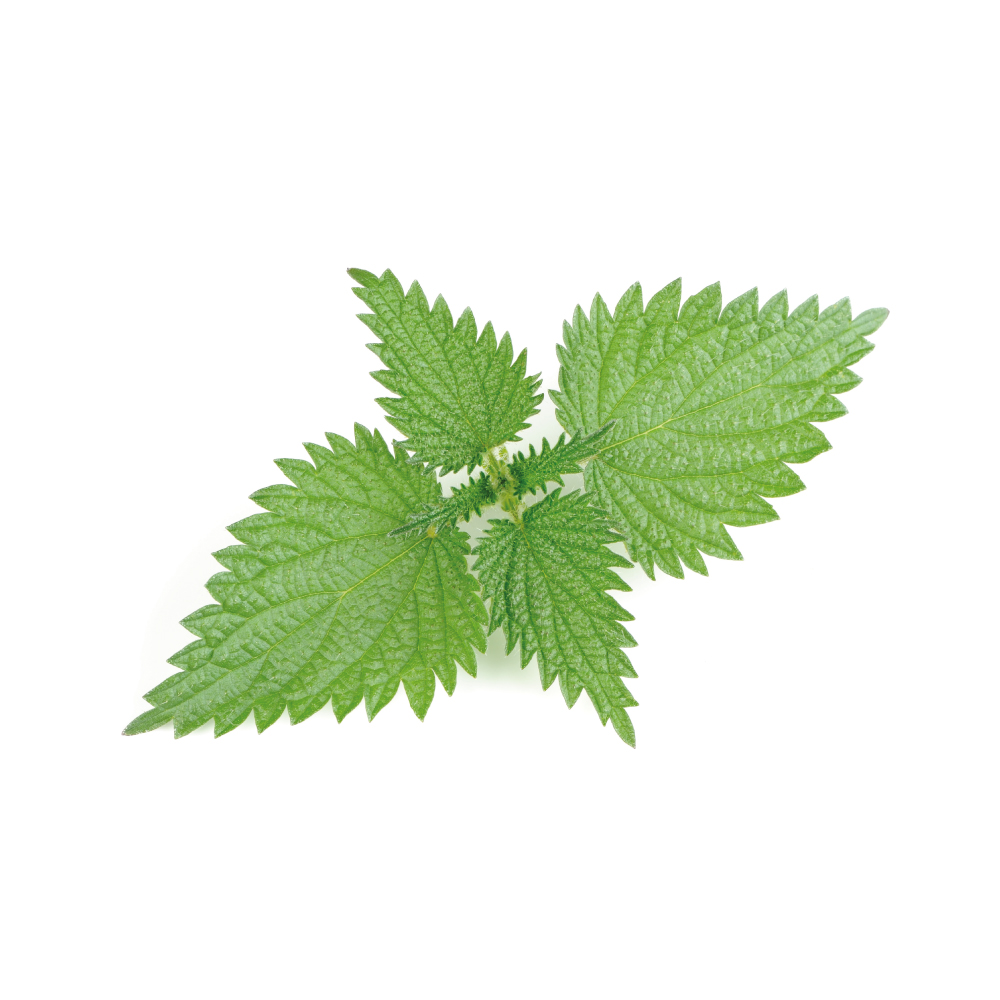
Urtica dioica
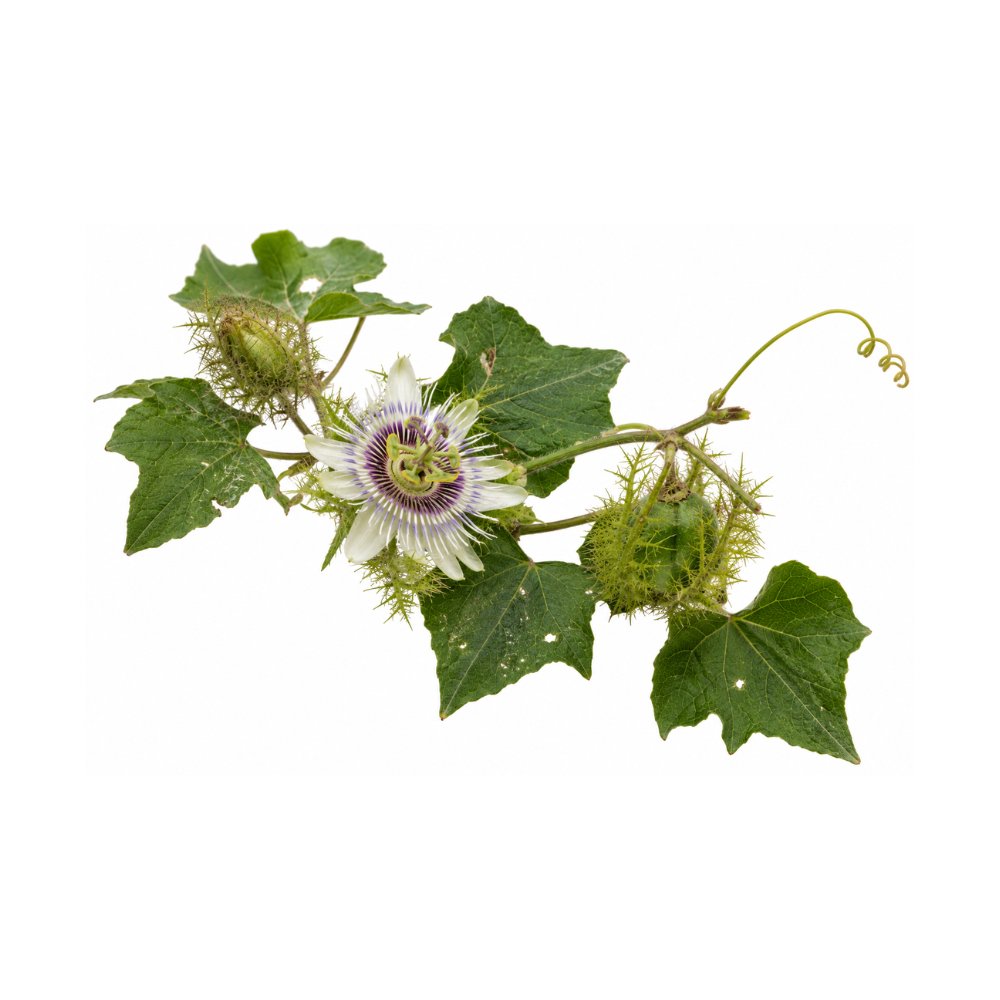
Passiflora foetida
Pfaffia paniculata
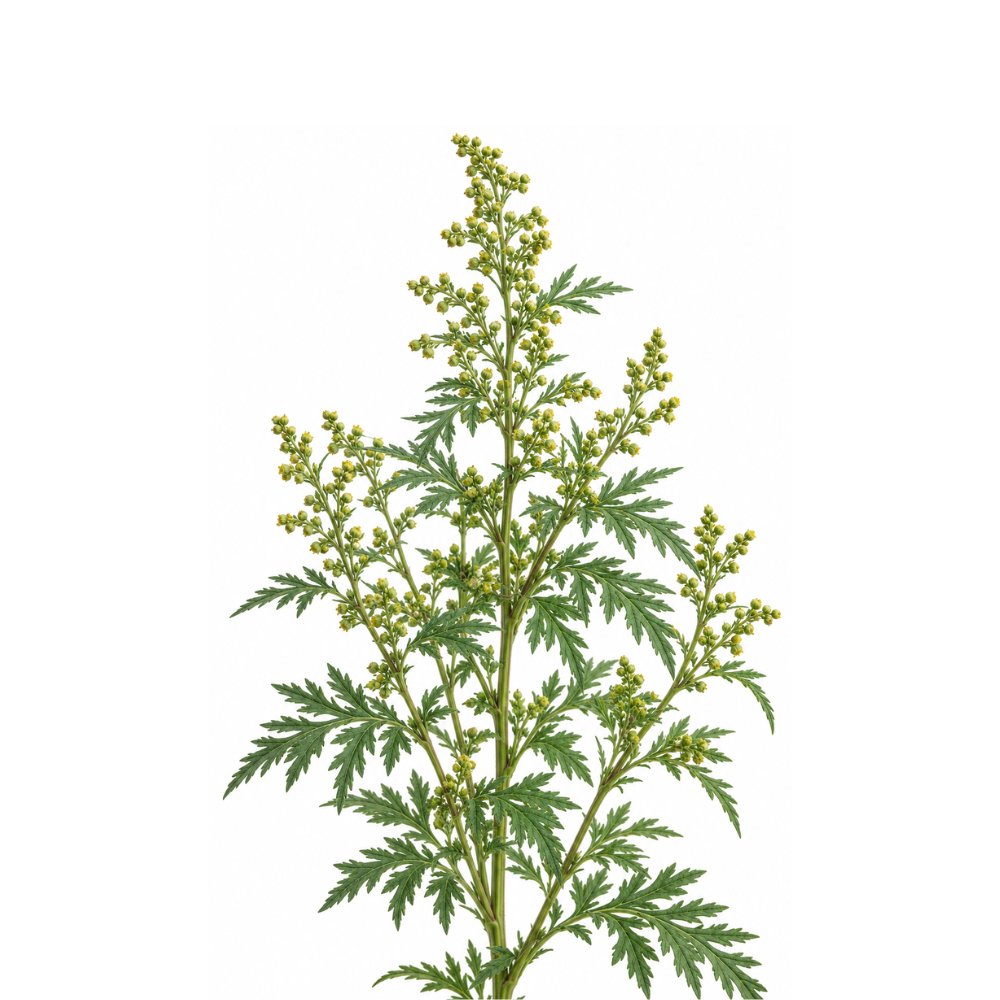
Artemisia annua
Peganum harmala
Artemisia dracunculus
Camellia sinensis
Thymus vulgaris
Desmodium spp.
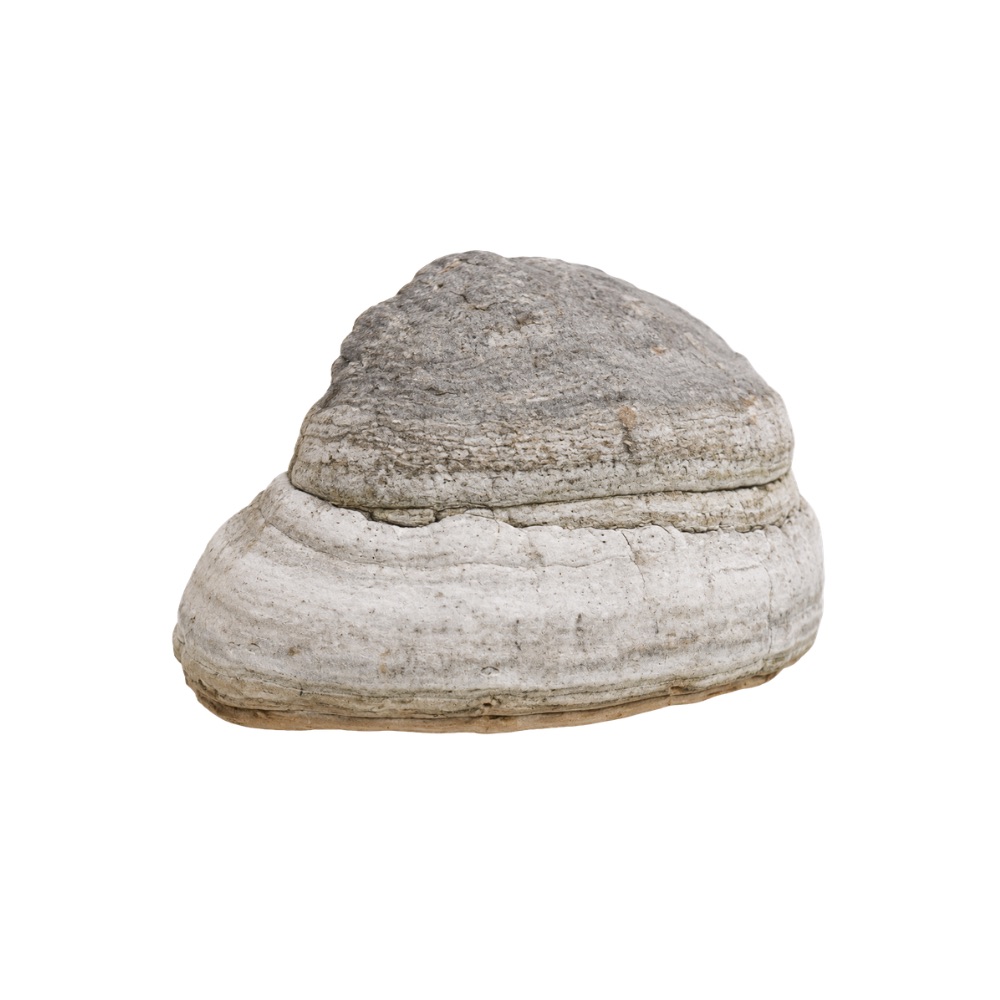
Fomes fomentarius
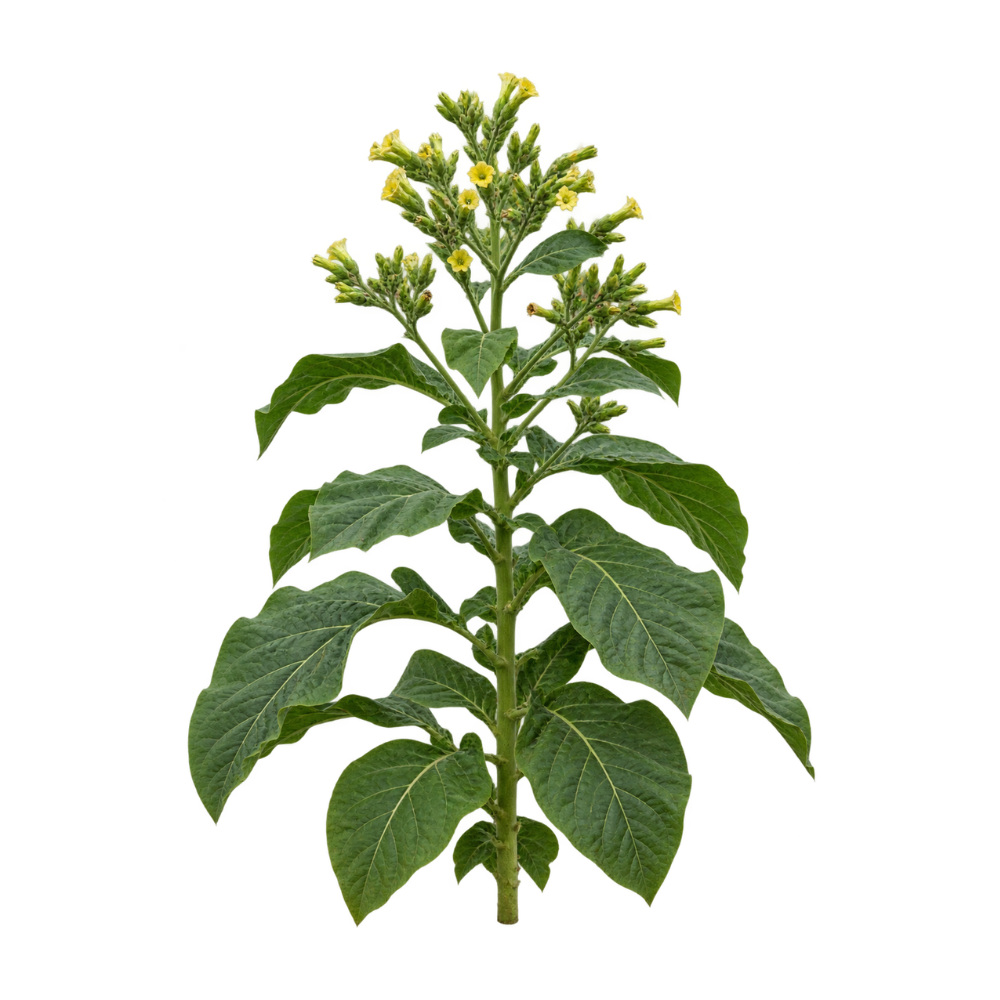
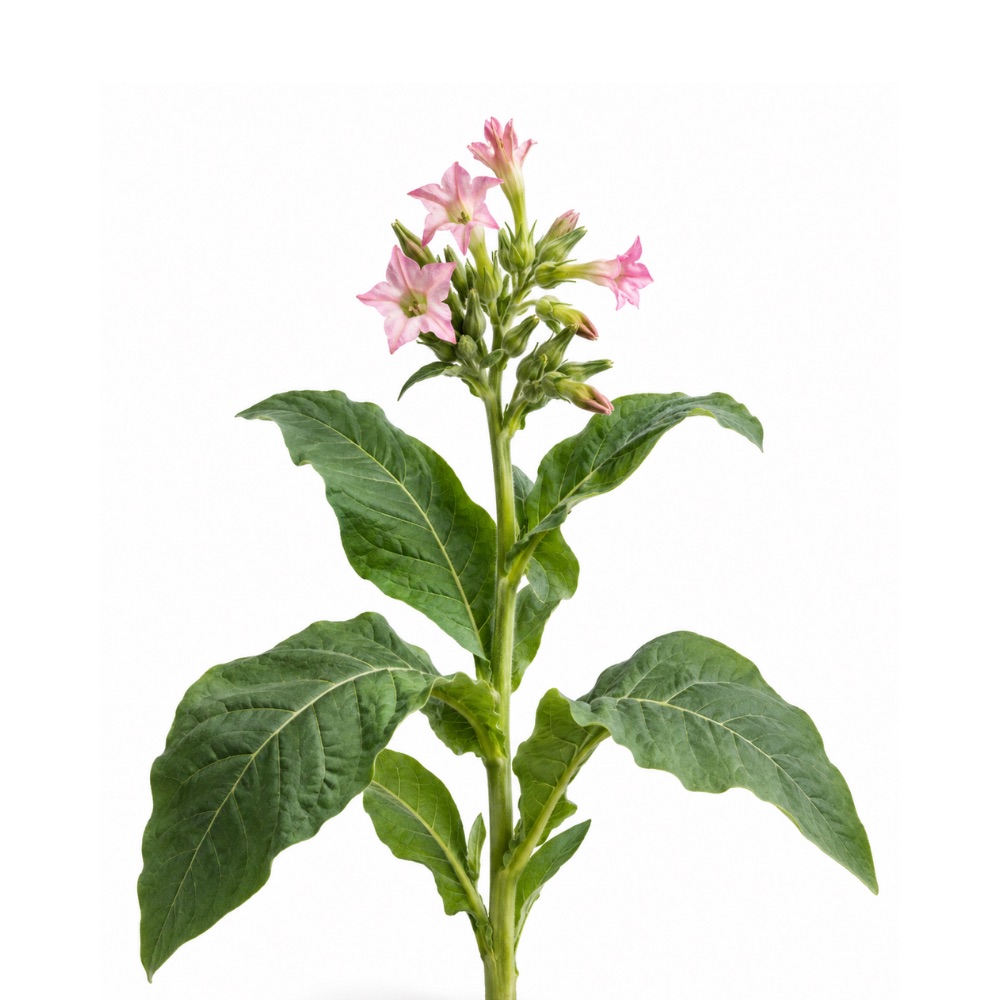
Nicotiana tabacum
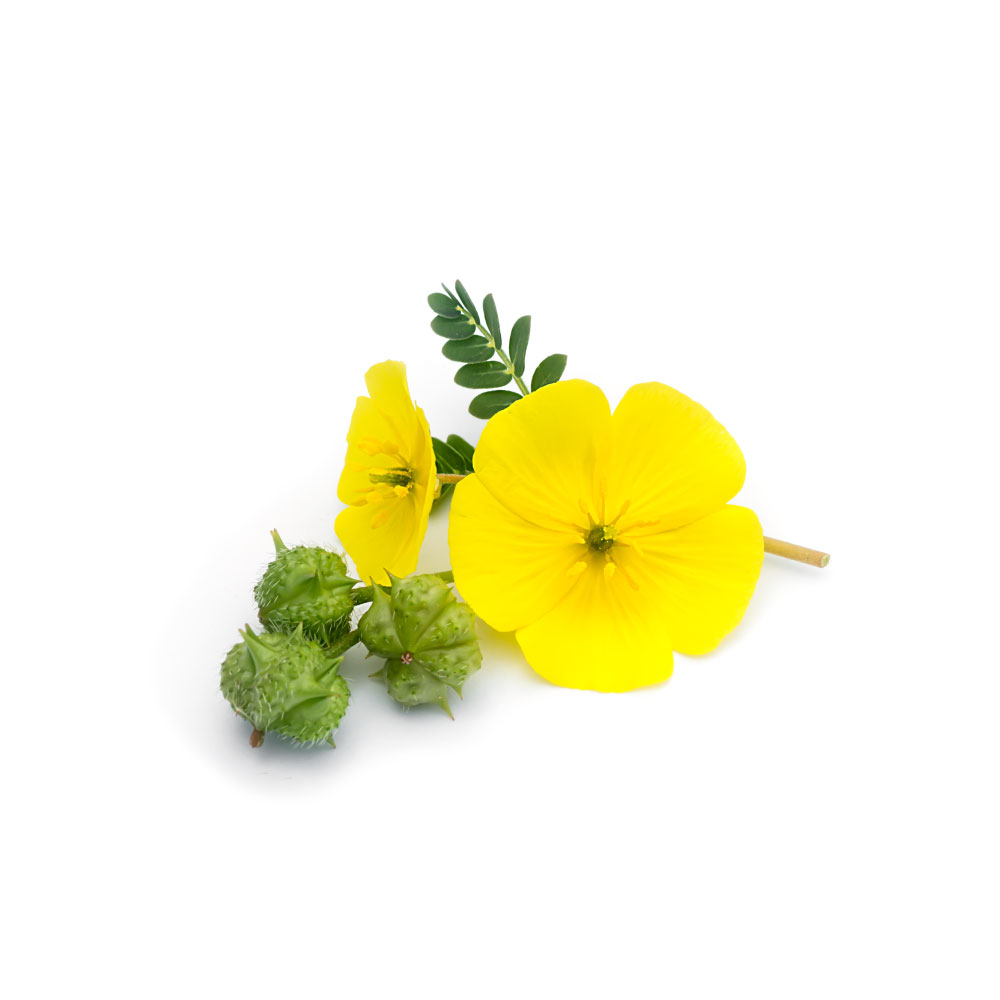
Tribulus terrestris
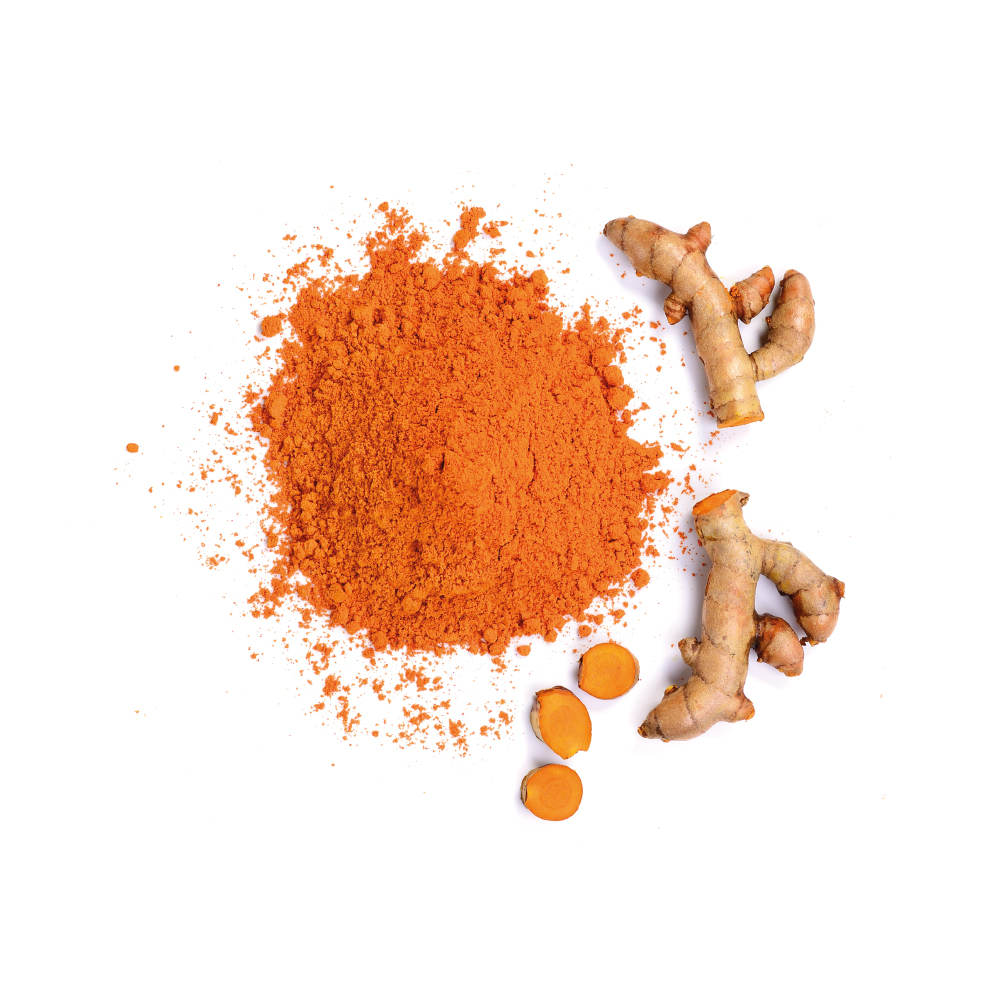
Curcuma longa
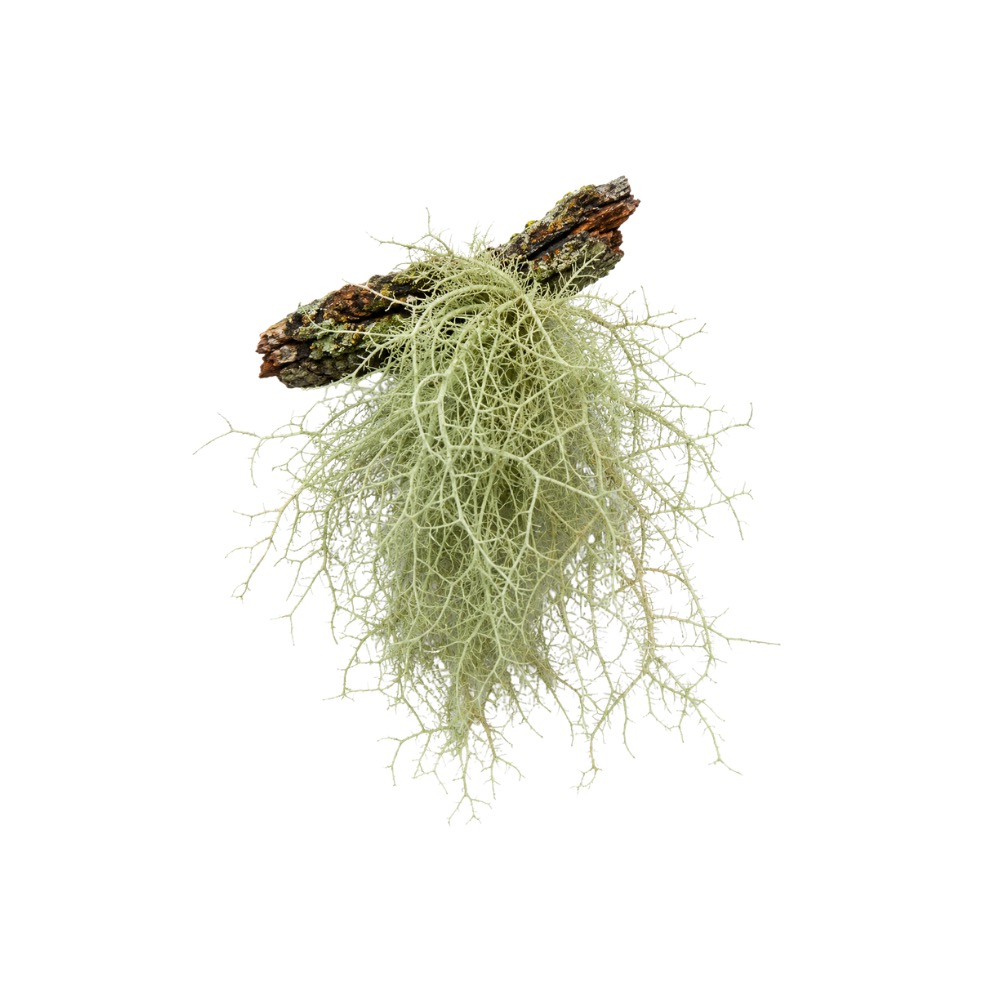
Usnea spp.
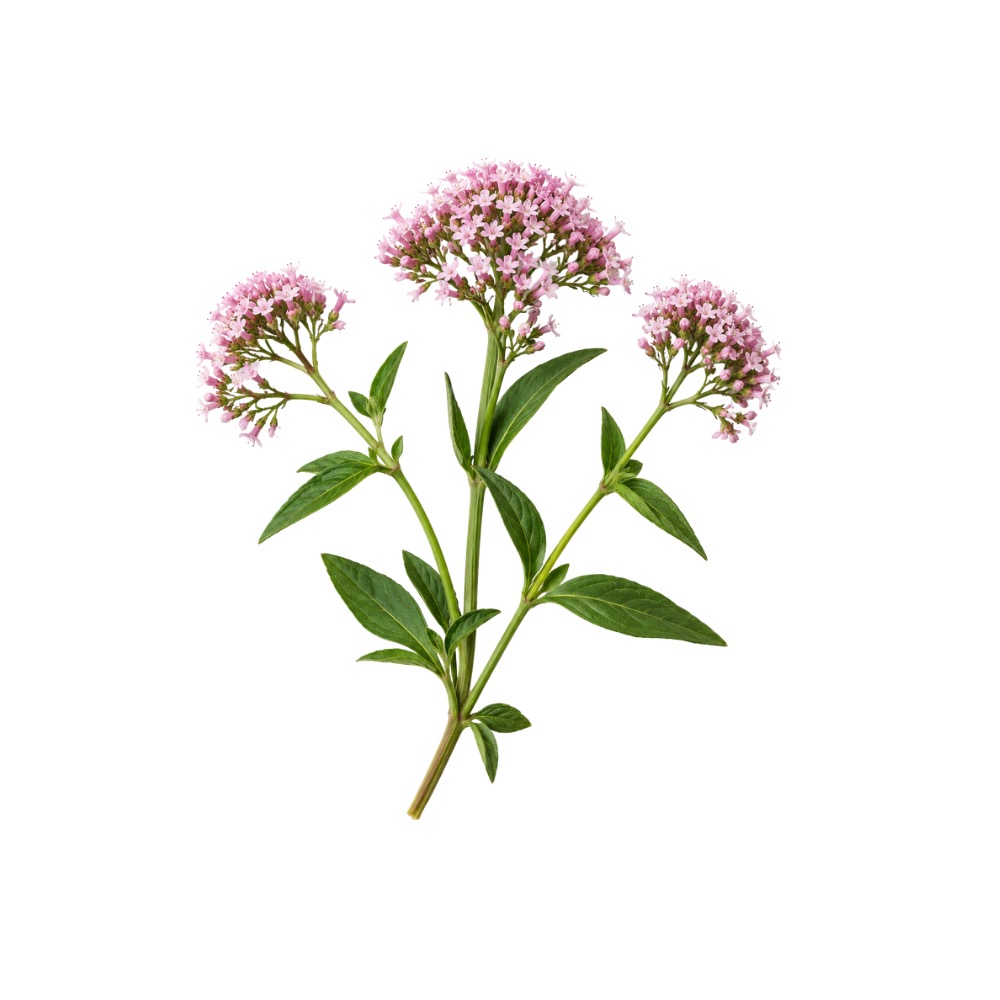
Valeriana officinalis
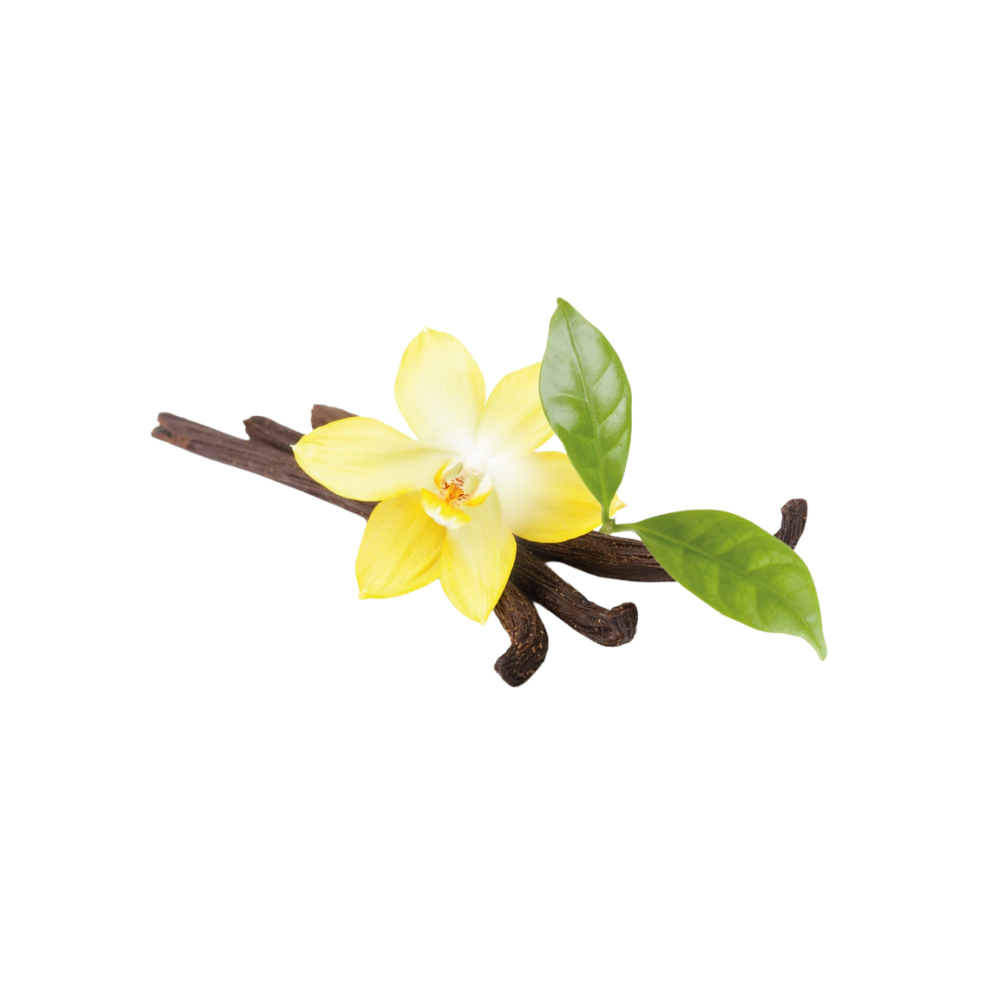
Vanilla planifolia
Pedicularis densiflora
Lactuca virosa
Dioscorea villosa
Salix alba
Passiflora alata
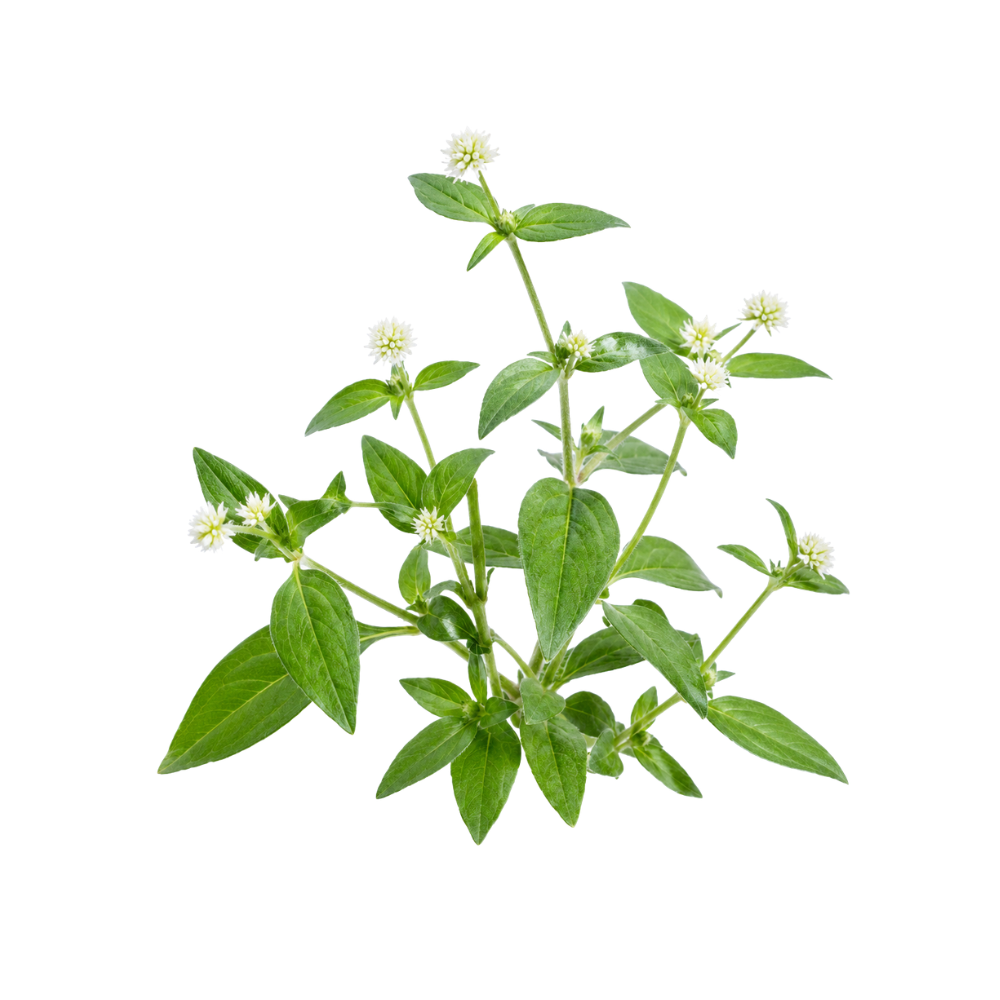
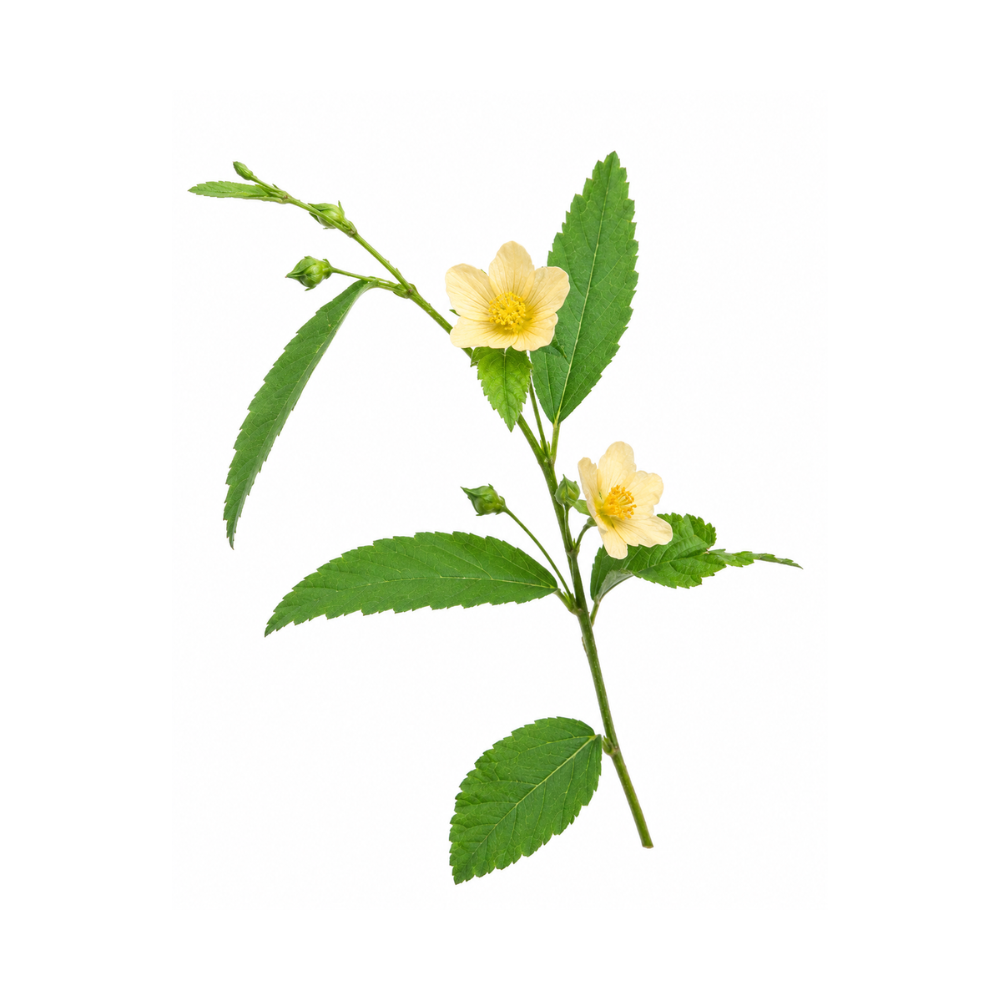
Sida acuta
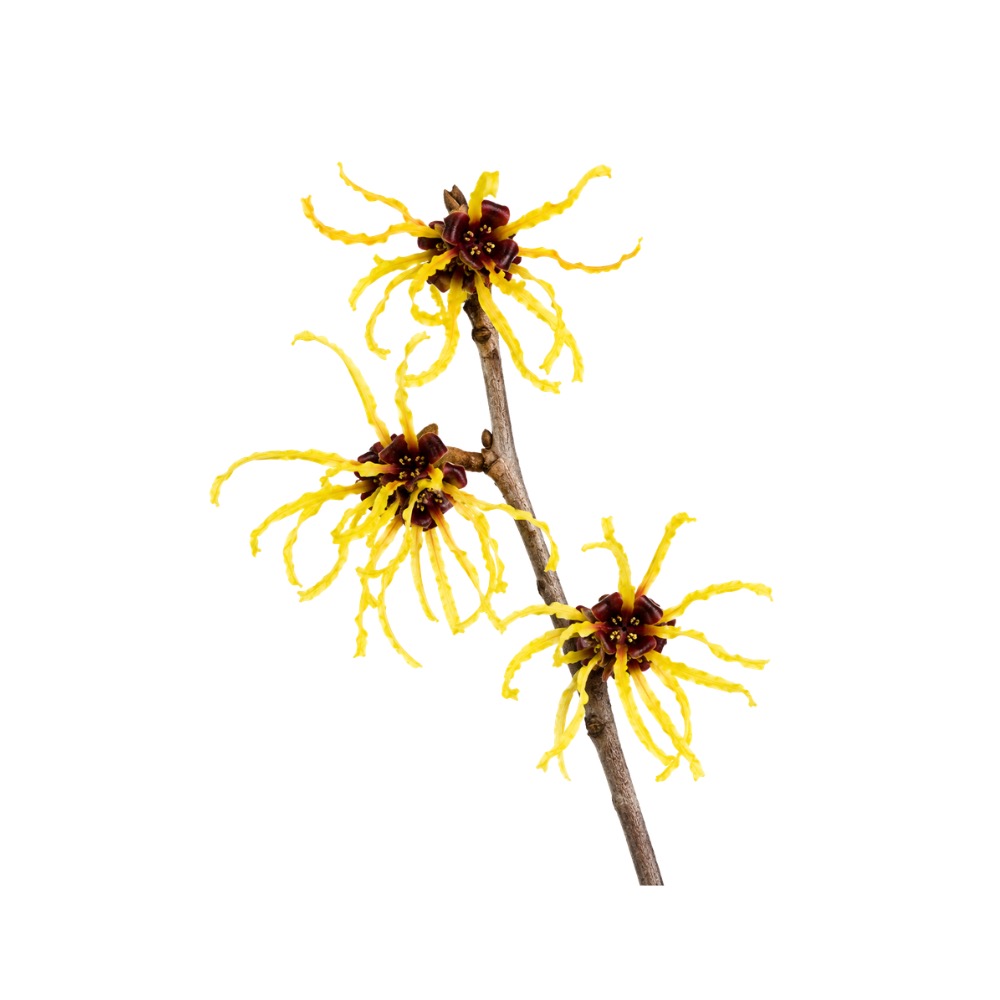
Hamamelis virginiana
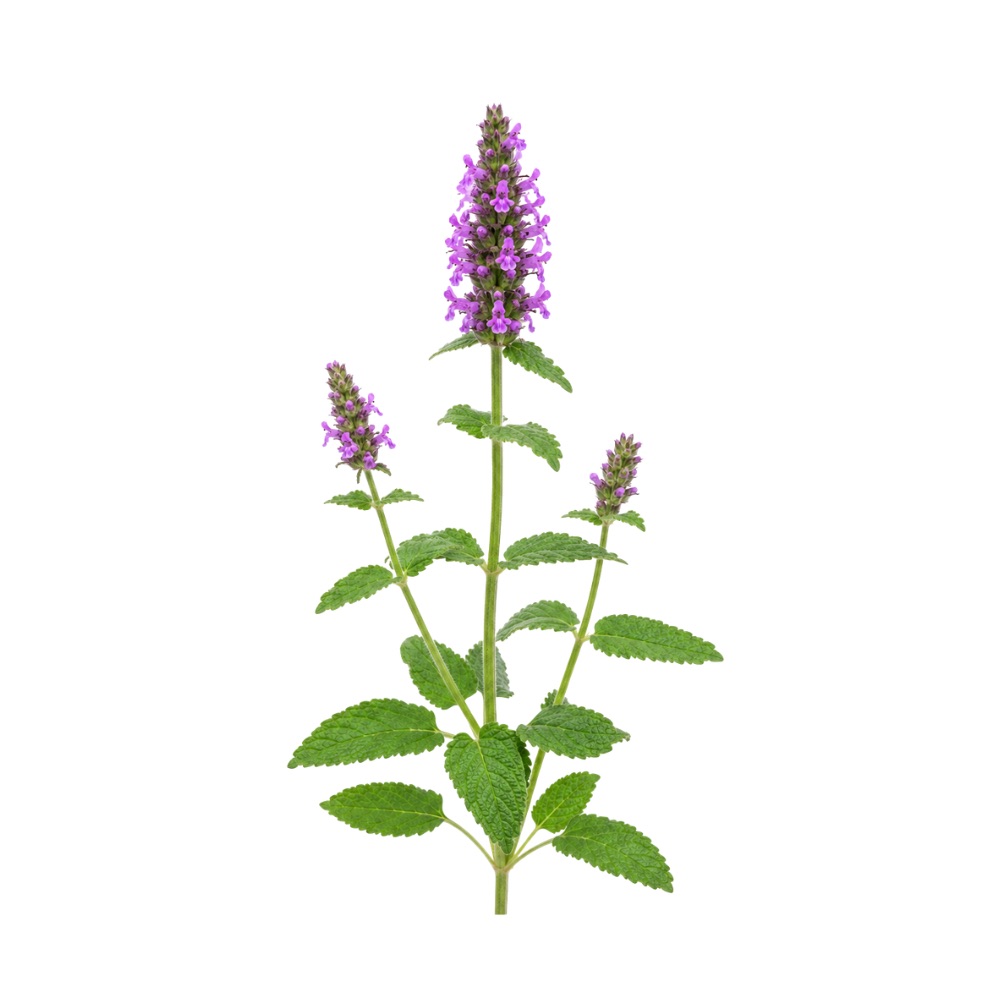
Stachys officinalis
Artemisia absinthium
Achillea millefolium
Rumex crispus
Ilex paraguariensis
Eriodictyon californicum
Cananga odorata
Anadenanthera spp.
Ziziphus spinosa
No herbs match this action yet.
Vocabulary
An action is a description of behaviour. A carminative settles wind and griping; a vulnerary closes a wound; a demulcent coats an irritated surface with something slippery. These are among the oldest technical words in Western medicine, and they survived because they say what a plant will do to a person, in the order a person notices it.
What an action is not is a diagnosis. Bitter does not treat anything — it is what happens when a bitter taste reaches the tongue and the gut answers with acid, enzymes and bile. Whether that helps you depends entirely on what is wrong. If you already know the complaint, the conditions index is the faster route; this index works the other way round, from the effect you want back to the plants that produce it.
Two Languages
The 143 actions listed here are drawn from two different vocabularies, and the mixture is deliberate rather than untidy. Alterative, nervine and carminative come from the herbal tradition and have no exact drug equivalent. Hypolipidemic, antihypertensive and acetylcholinesterase inhibitor come from pharmacology and mean something measurable.
Each herb is given whichever word describes it most precisely. Where a plant has been properly studied, the modern term is the more honest one, because it names a number somebody measured. Where it has not, the traditional term still carries the observation of a great many practitioners over a long period — which is weaker evidence, and not no evidence.
Structure
24 of the actions above branch, holding 105 narrower ones between them. Antimicrobial is the clearest case: it opens onto antibacterial, antiviral, antifungal and the rest. Selecting the broad action shows every herb in the family at once; the Refine row narrows it.
The nesting runs one way only, and it is worth knowing which. A herb tagged with a narrow action also appears under the broad one — but a herb tagged only with the broad action does not appear under the narrow. So the antibacterial list is shorter than the antimicrobial list by design, and being absent from it means the specific claim was never made, not that it was tested and failed.
Reading the Counts
The average herb here carries 6.4 actions, and Abuta carries 17. That is normal for a whole plant and not a sign of a page trying to impress you — a leaf full of different compounds does several things at once, and a monograph that admitted only one of them would be the inaccurate version.
It does mean the biggest counts are the least useful. Anti-Inflammatory is carried by 119 of the 259 herbs here — 46% of the materia medica — and an action that applies to that many plants has stopped telling you which one to pick. When a broad action returns a wall of herbs, the narrower one underneath it is almost always the better question.
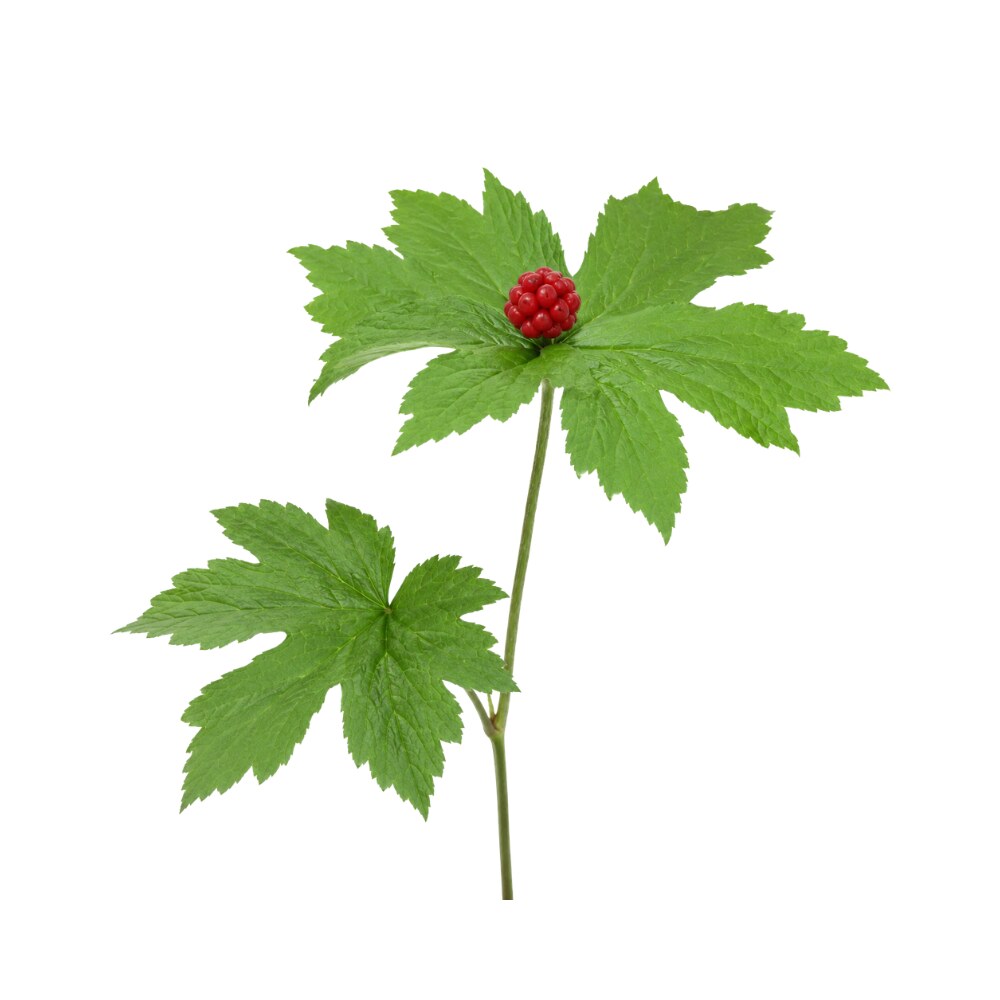
The far end of the list is the opposite, and more interesting than it looks. Several actions belong to a single plant. Cell proliferant is comfrey alone — the old name for it was knitbone, and the allantoin that earned the name is still the reason it is on the list. Mucous-membrane tonic is goldenseal, near enough alone in the category it defines. A count of one is not a gap in the data. It is a plant doing something nothing else here does.
Elsewhere
Clinical herbalist and the writer behind The Sunlight Experiment — an evidence-based pharmacopoeia of herbs, supplements, and the chemistry behind them.
 GuidesThe Best Kava: A Buyer's GuideHow to buy good kava: noble vs two-day cultivars, which part of the root, chemotype codes, origin, form, and the batch tests a seller should show you.
Read more
 GuidesThe Amazon's Endangered Medicinal PlantsThe Amazon gives us some of our most important medicines — but which healing plants are actually endangered?
Read more
 NutritionThe Best Yerba Maté Brands [Reviewed]A drinker's guide to buying yerba maté — what actually changes the taste, and ten brands worth your money.
Read more
Get the Field Notes
Evidence-based herb breakdowns in your inbox. No spam, unsubscribe anytime.