
Browse
Poisonous Plants & Fungi
Plants and fungi with real poisoning potential, from outright poisons to medicines that turn toxic at the wrong dose, by the wrong route or without the right preparation.
Poisonous doesn’t always mean unusable, and medicinal doesn’t always mean safe. Each card shows how severe the plant is, whether it is also a medicine, and what the toxin is called.
If someone has eaten something
Call your local poison centre or emergency number now. Don’t wait for symptoms: the death cap and the false morel both improve before they get worse, and yew can stop the heart with little warning. Bring a piece of the plant or mushroom if you safely can.
- Small amounts can kill.
- Causes real poisoning at amounts people actually take.
- Harms through dose, duration, route or drug interactions.
- The crude plant has no safe modern use.
- A medicine with a serious poisoning profile.
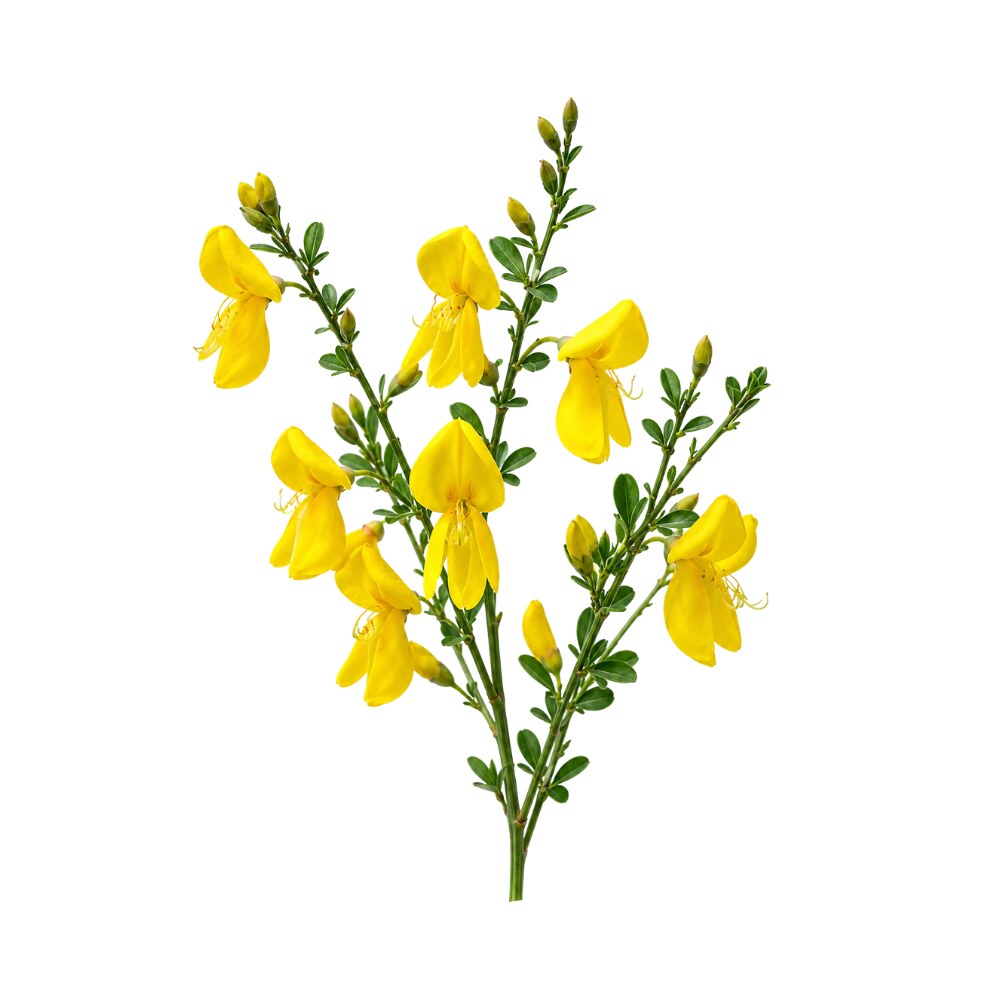
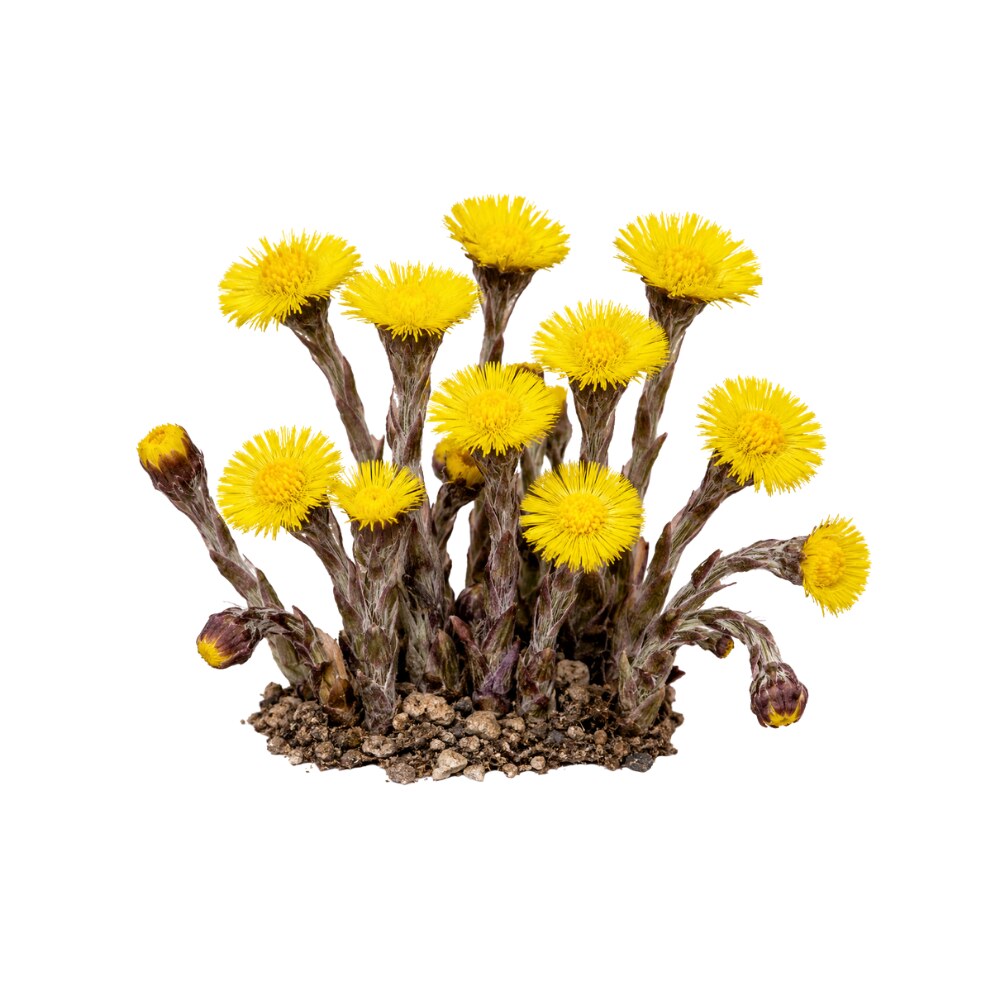
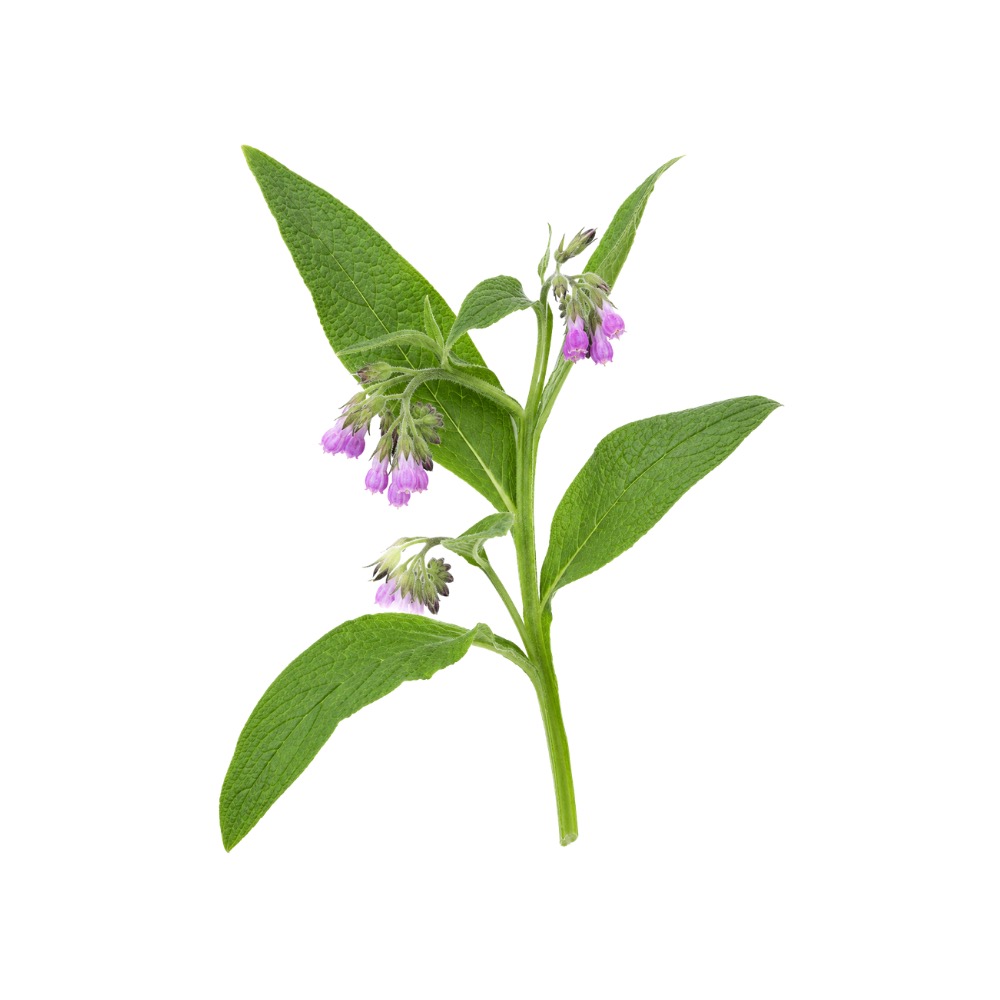
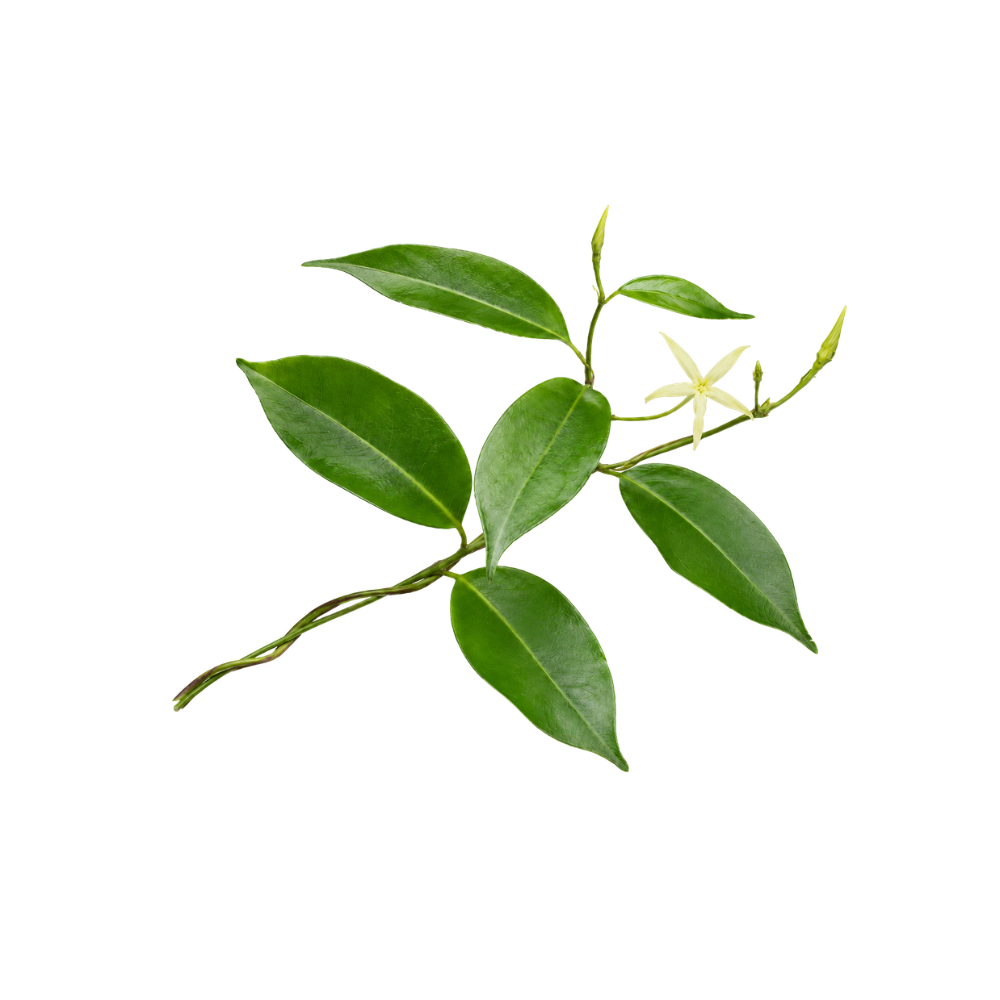
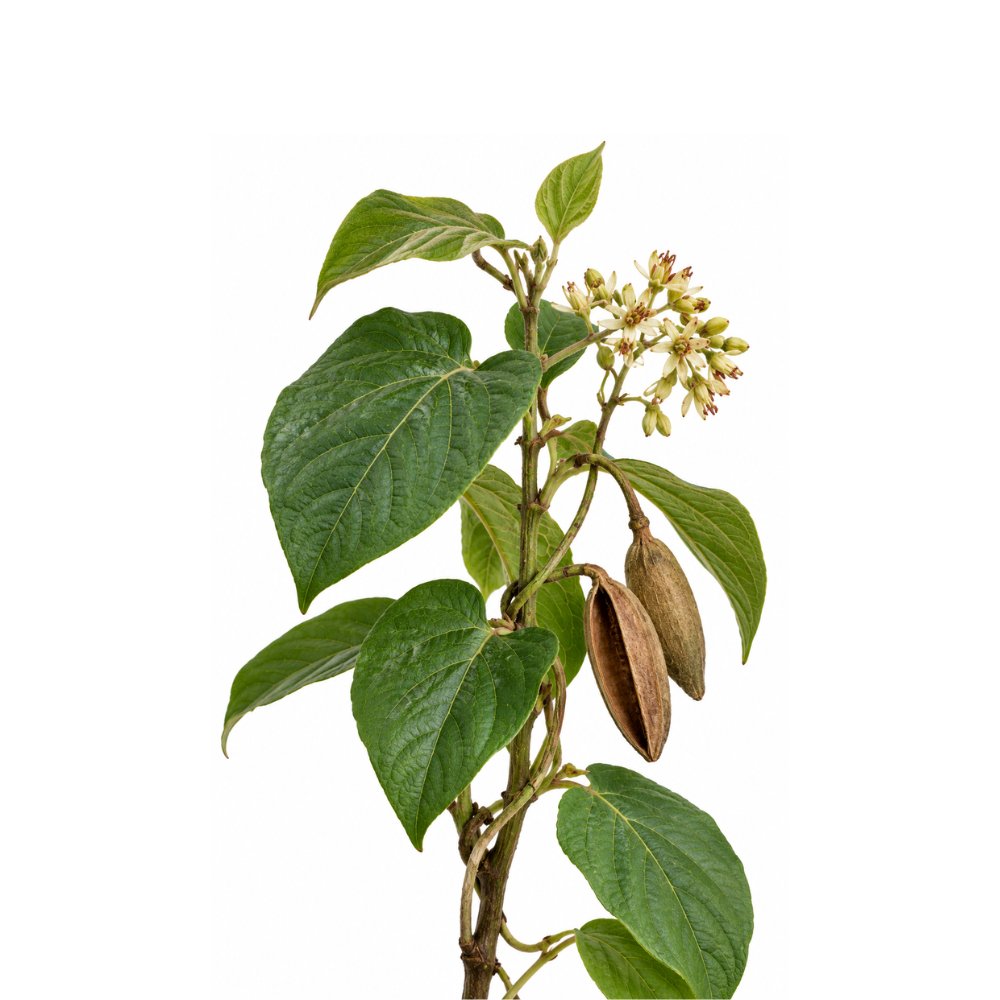
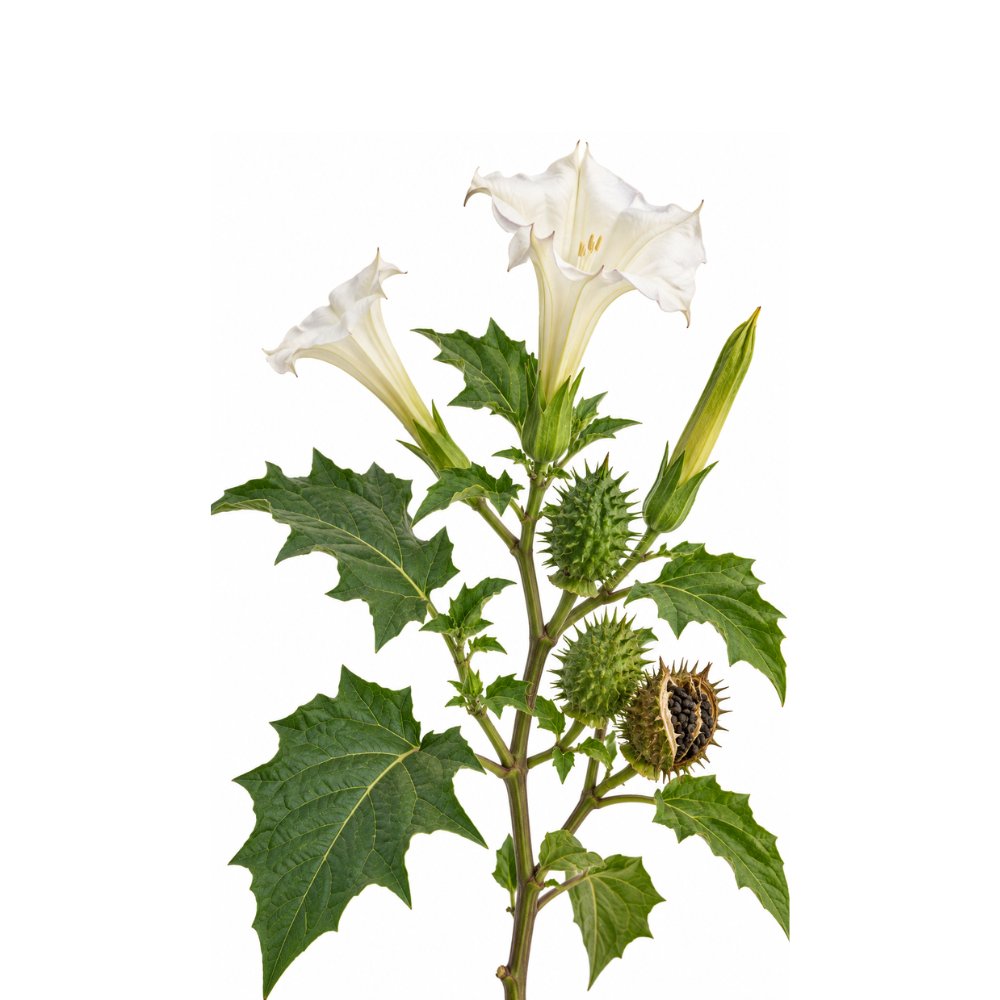
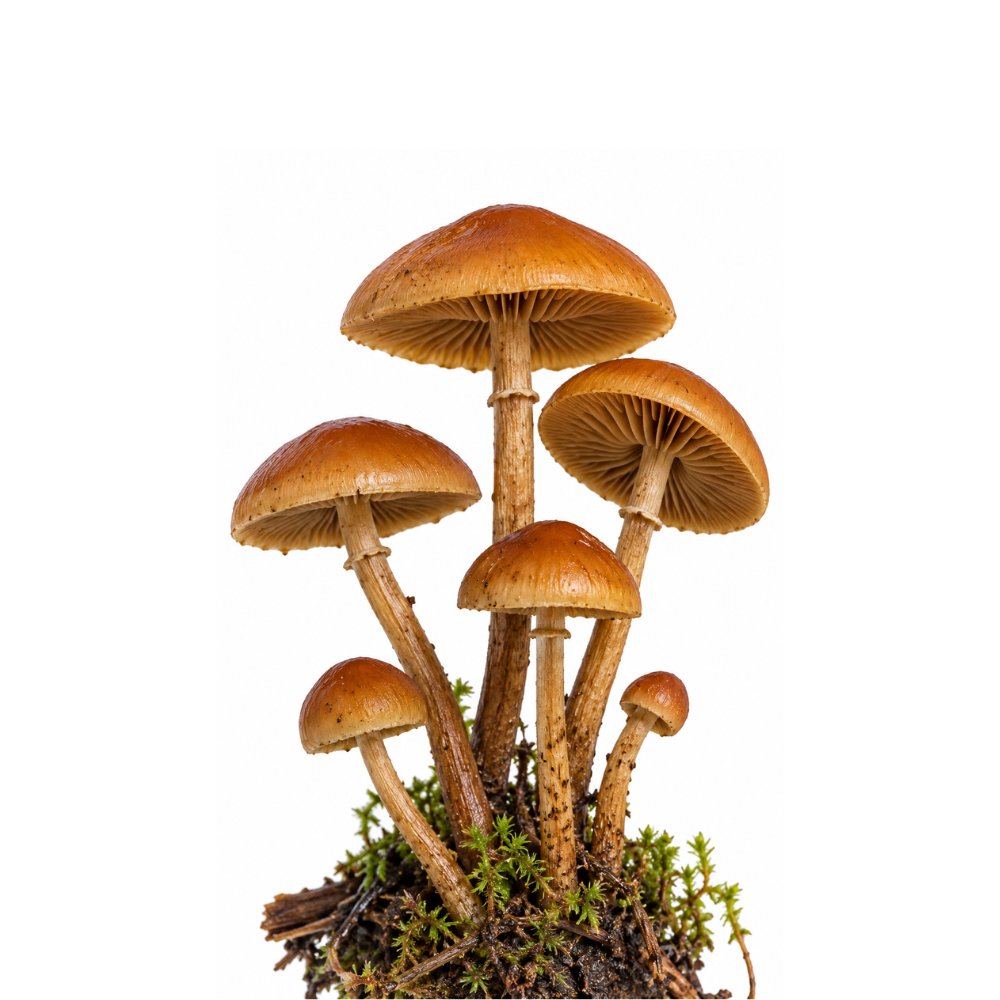
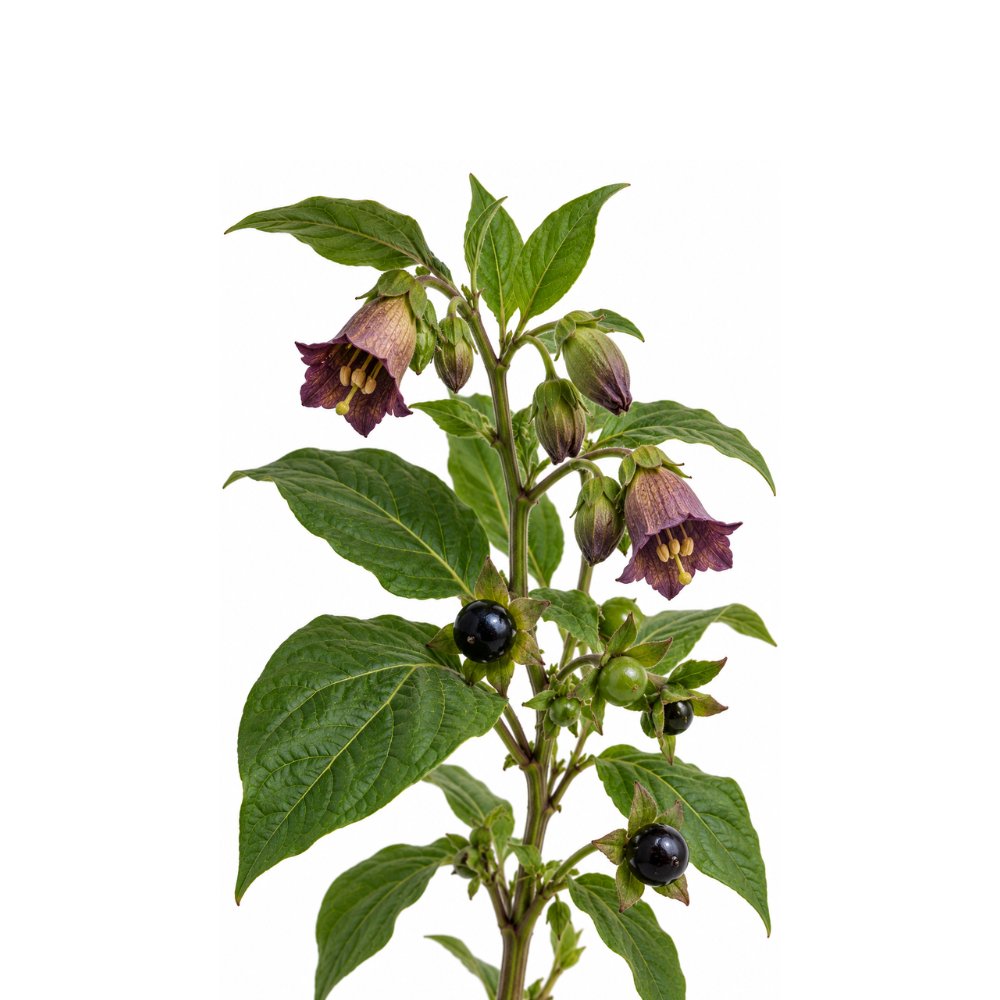
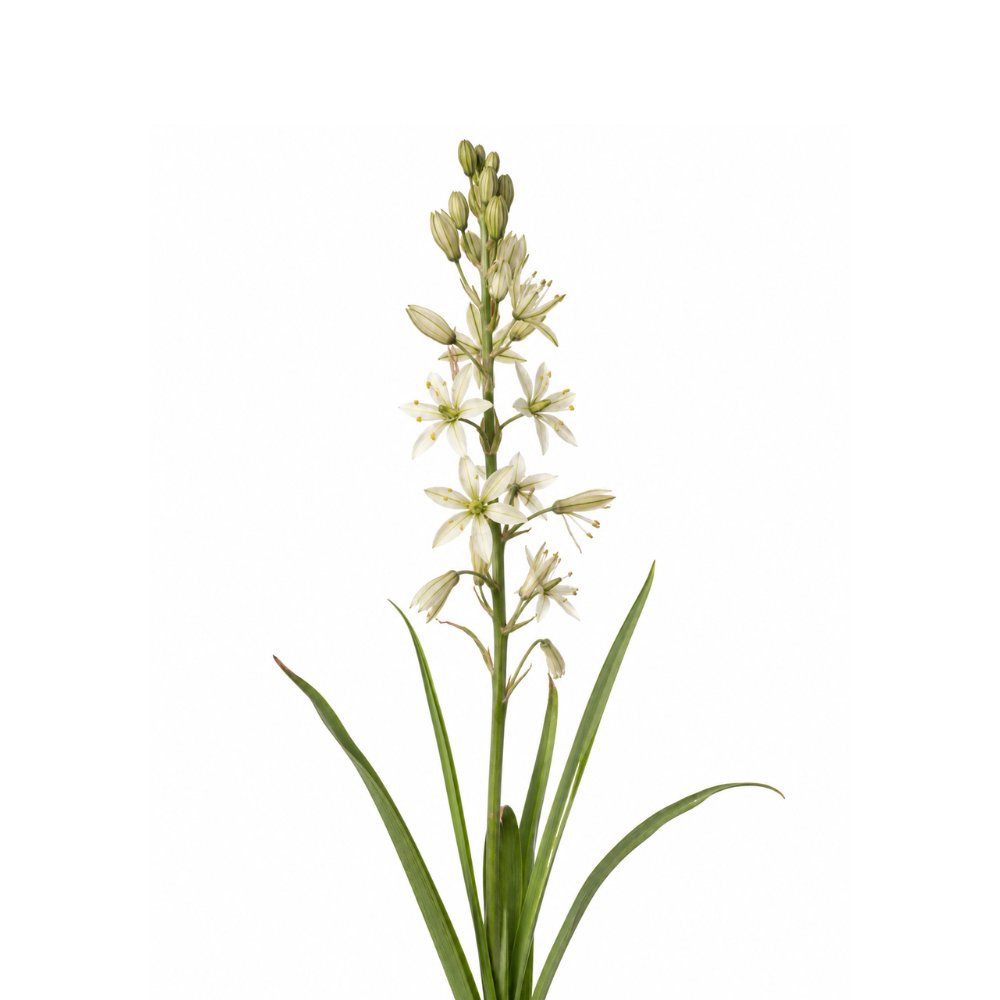
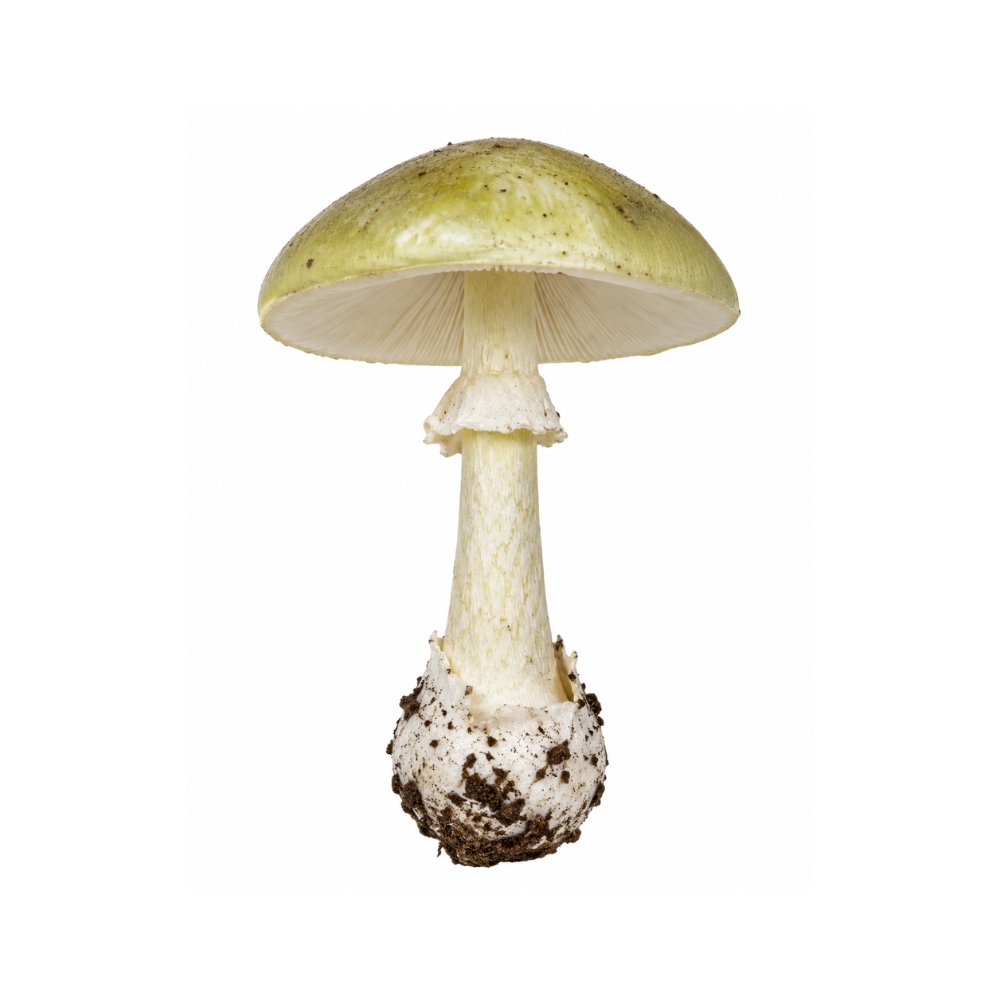
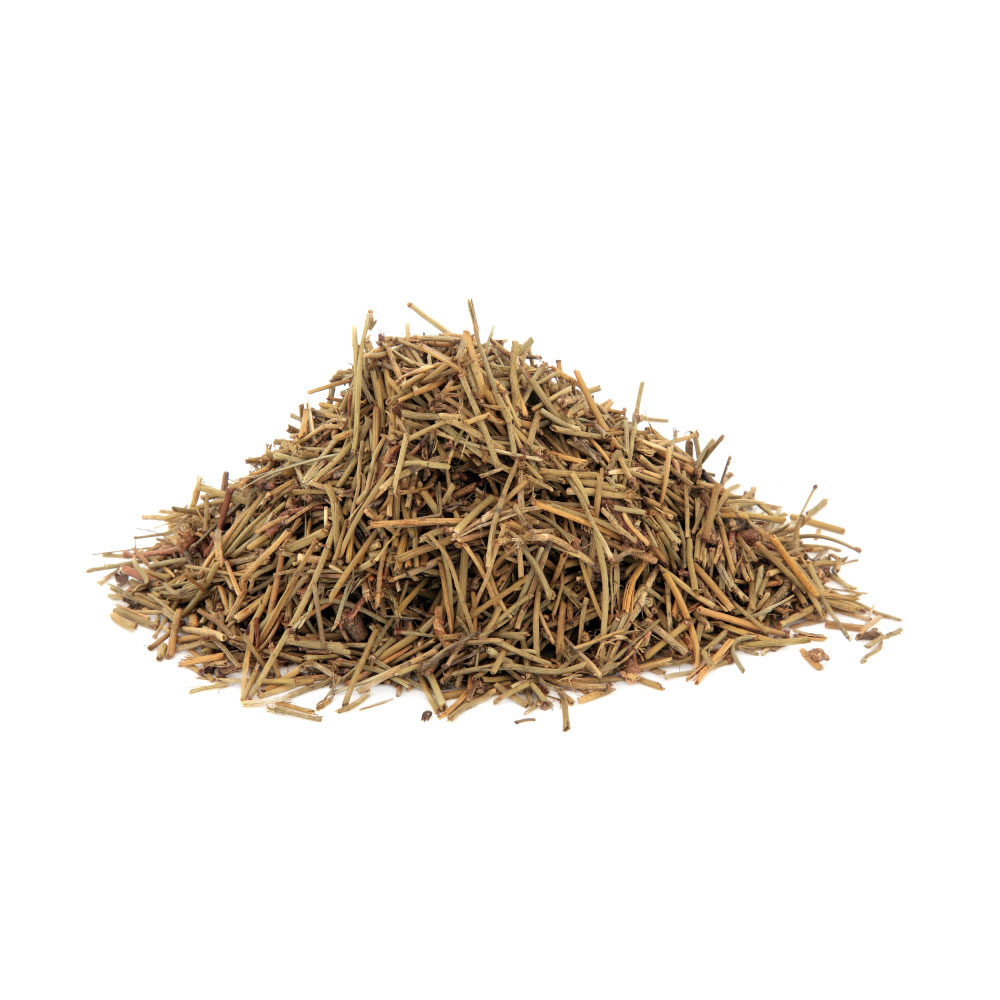
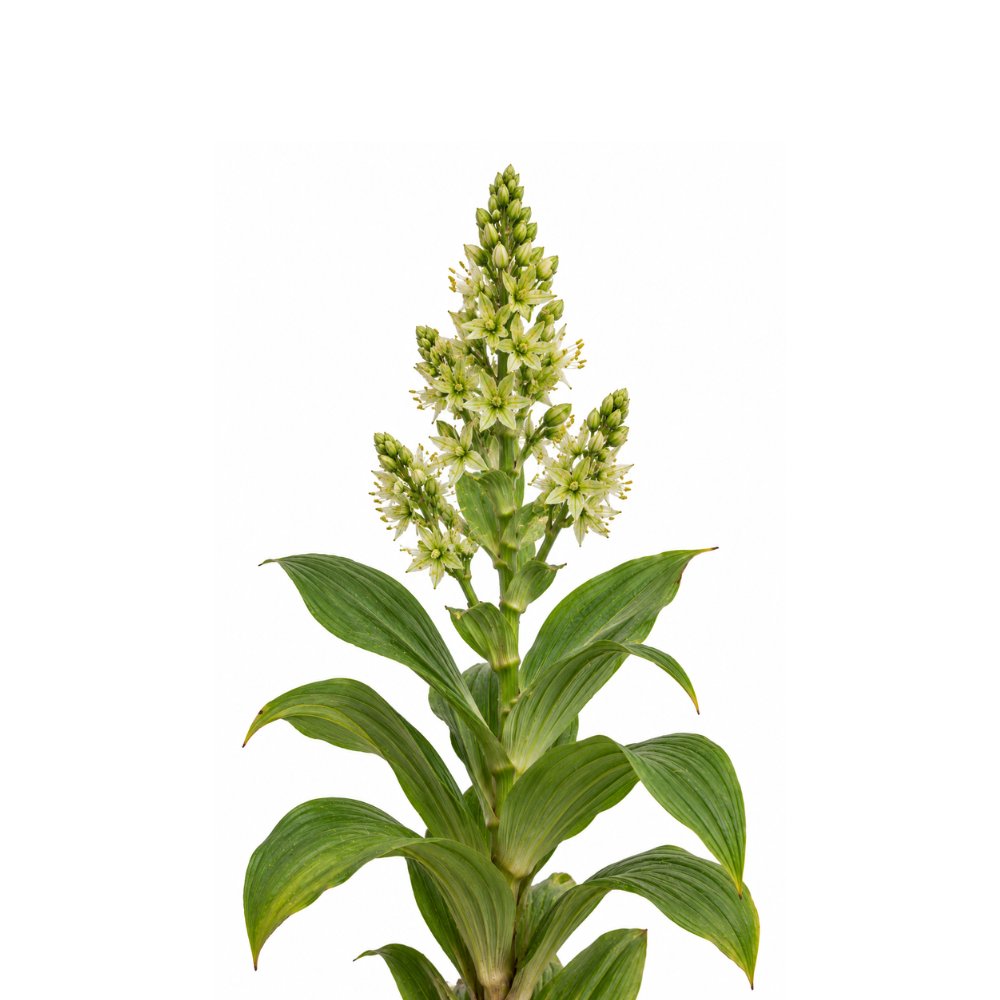
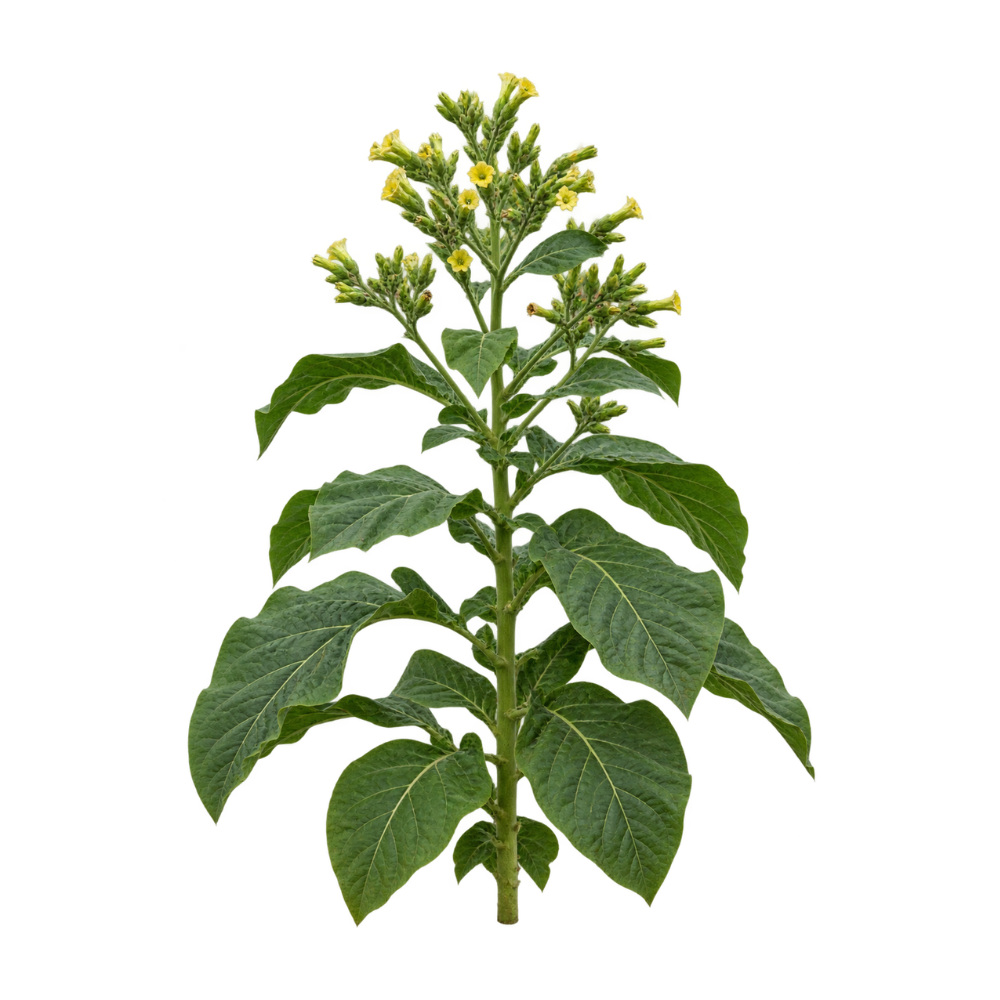
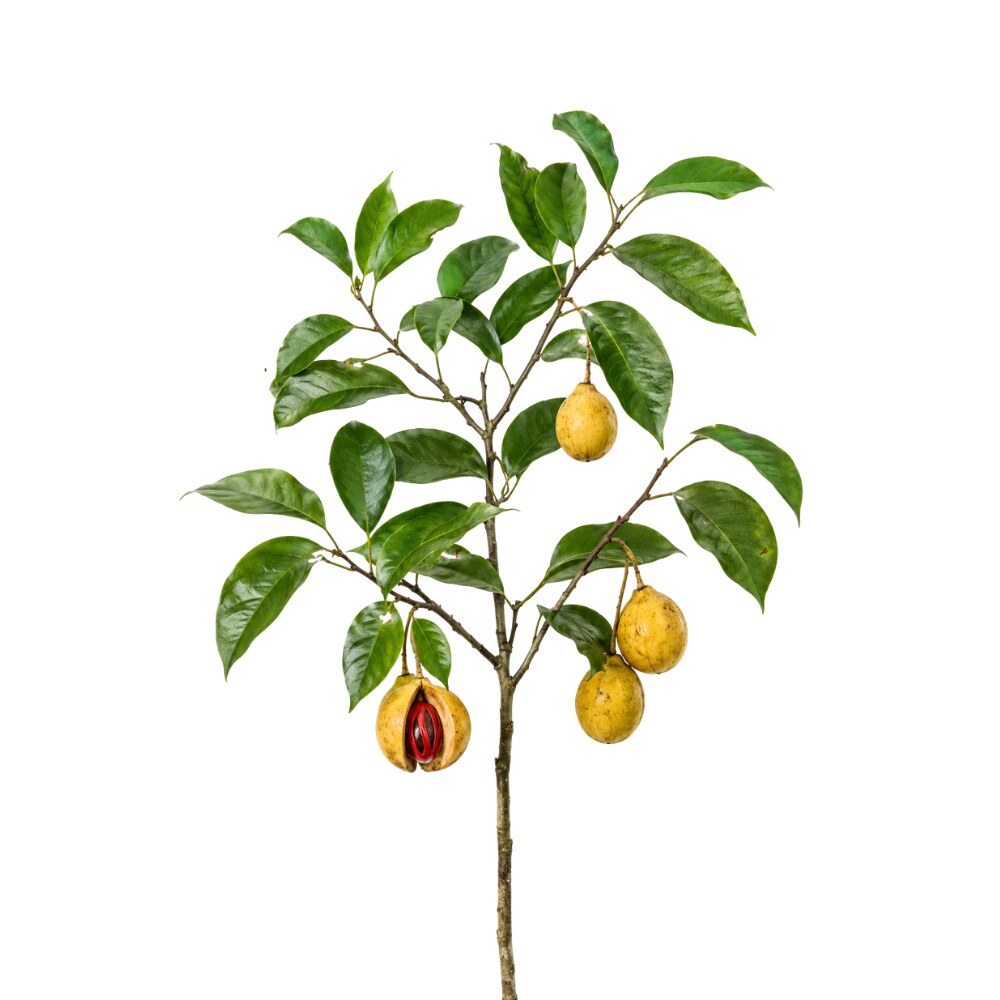
Awaiting a Monograph
Apricot Kernel
Prunus armeniaca
Azalea
Rhododendron spp.
Bitter Almond
Prunus dulcis var. amara
Cassava
Manihot esculenta
Castor Bean
Ricinus communis
Deadly Dapperlings
Lepiota spp.
Dieffenbachia
Dieffenbachia spp.
Fibrecaps
Inocybe spp.
Funnel Caps
Clitocybe spp.
Giant Hogweed
Heracleum mantegazzianum
Glory Lily
Gloriosa superba
Heliotrope
Heliotropium spp.
Mountain Laurel
Kalmia latifolia
Oleander
Nerium oleander
Panther Cap
Amanita pantherina
Philodendron
Philodendron spp.
Ragwort
Jacobaea vulgaris
Rhododendron
Rhododendron ponticum
Rosary Pea
Abrus precatorius
Sorrel
Rumex acetosa
Wild Parsnip
Pastinaca sativa
Yellow Oleander
Cascabela thevetia
Identification
Mistaken Identity
Most fatal plant poisonings are cases of mistaken identity, and the same mistakes repeat.
Taken for wild onion, ramps or garlic
The test: a true Allium smells of onion when crushed. None of these do.
| Poison | Taken for | Tell it apart |
|---|---|---|
| Death camas | Wild onion bulb | No onion smell |
| False hellebore | Ramps (spring shoots) | Leaves pleated like a fan |
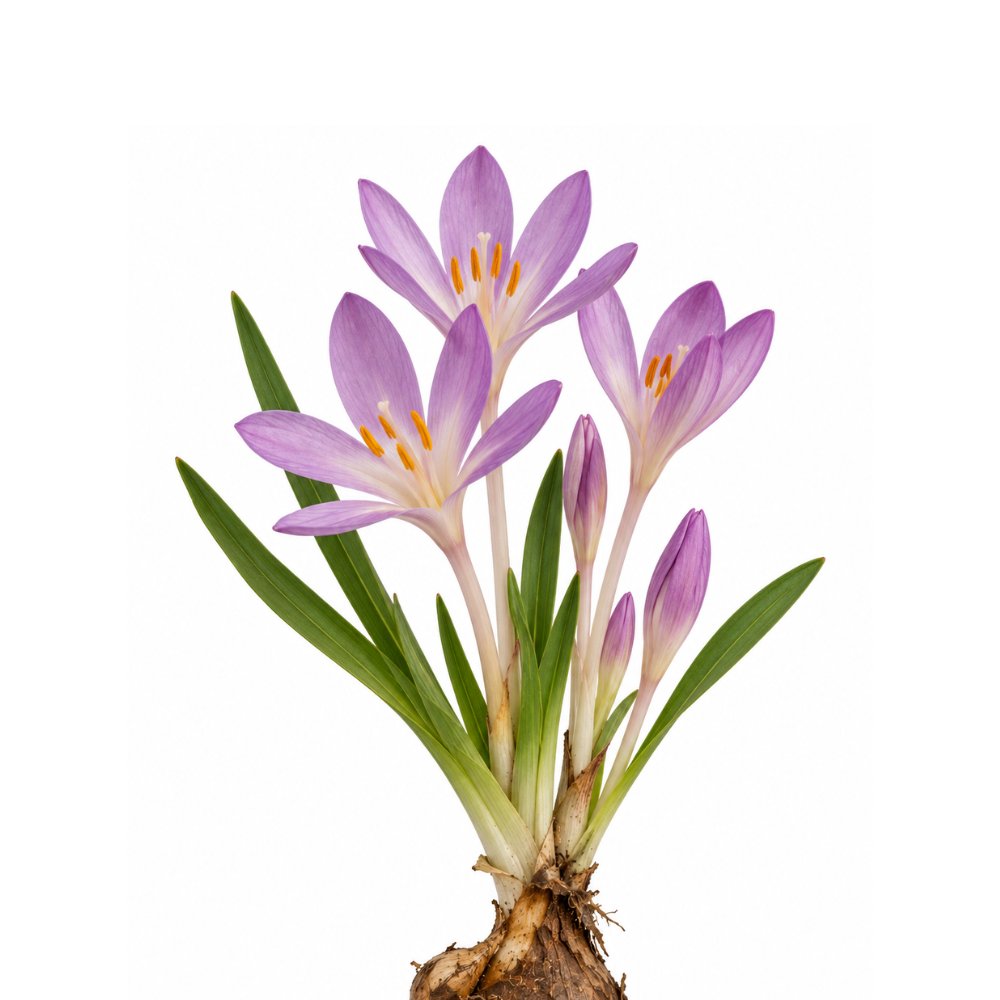
| Meadow saffron | Ramsons leaves; garlic bulb (the corm) | No garlic smell |
Taken for carrot, parsnip or parsley
The rule: never eat a wild umbellifer on resemblance alone. Dinner and death share the same white umbels.
| Poison | Taken for | Tell it apart |
|---|---|---|
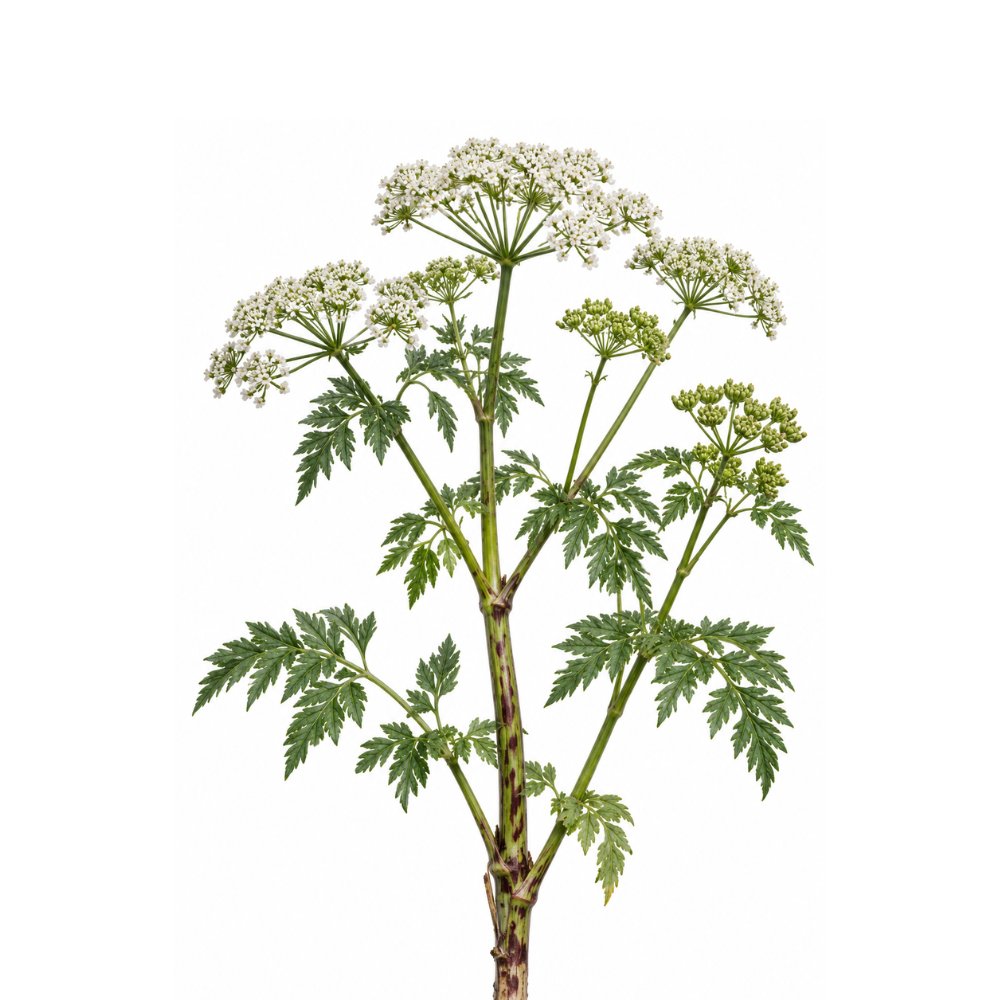
| Poison hemlock | Wild carrot, parsley | Solid taproot; mousy-smelling leaves; purple-blotched stem |
| Water hemlock | Wild parsnip, carrot | Chambered rootstock that oozes yellow resin |
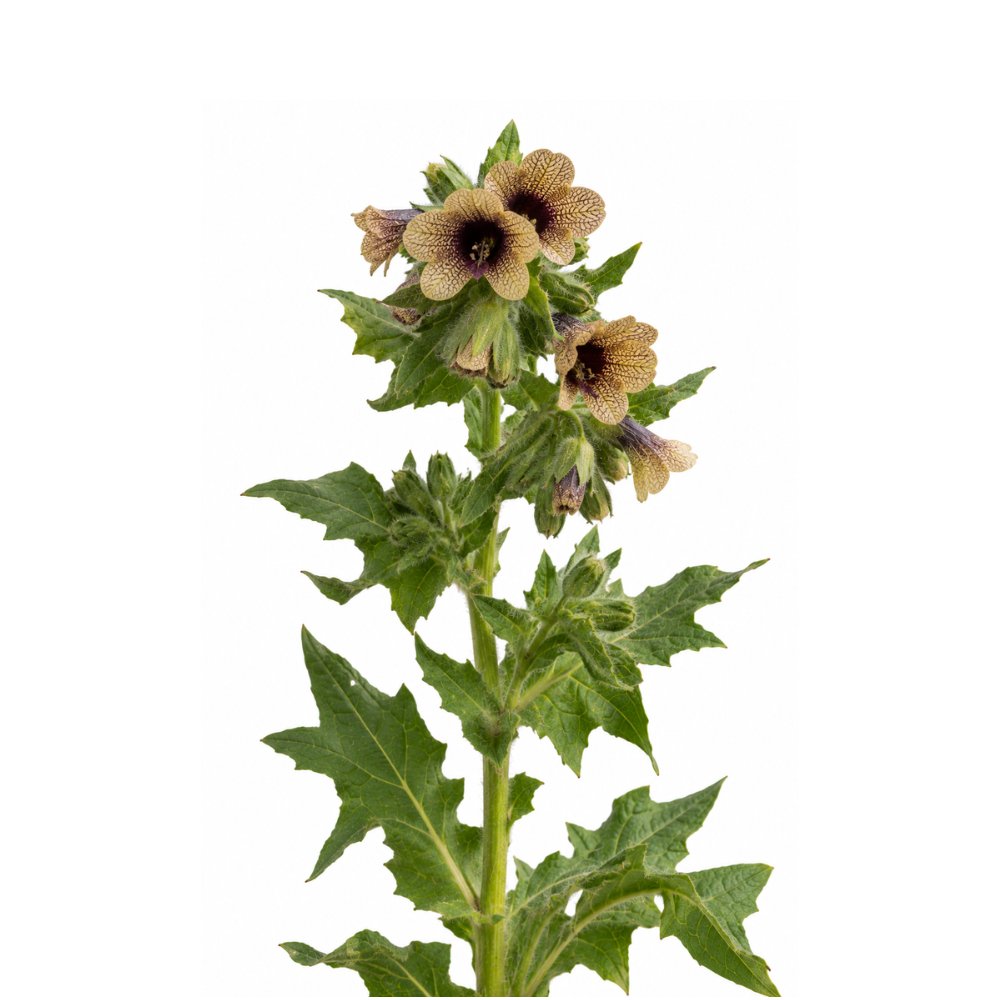
| Henbane | Parsnip, salsify root | One root can poison a whole household |
Taken for edible leaves
| Poison | Taken for | Notes |
|---|---|---|
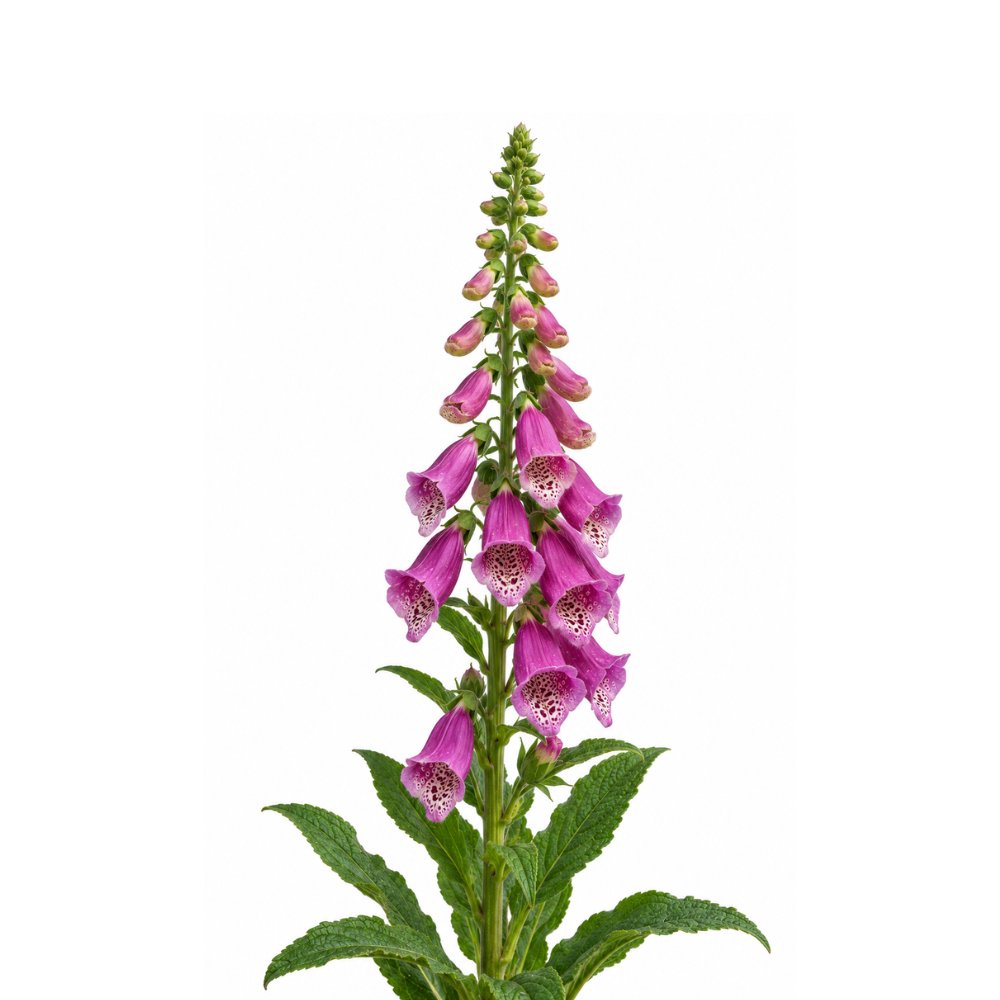
| Foxglove | Comfrey, borage, sorrel (first-year rosette) | The fatal cases were home-made “comfrey tea”. Comfrey itself is for the skin only |
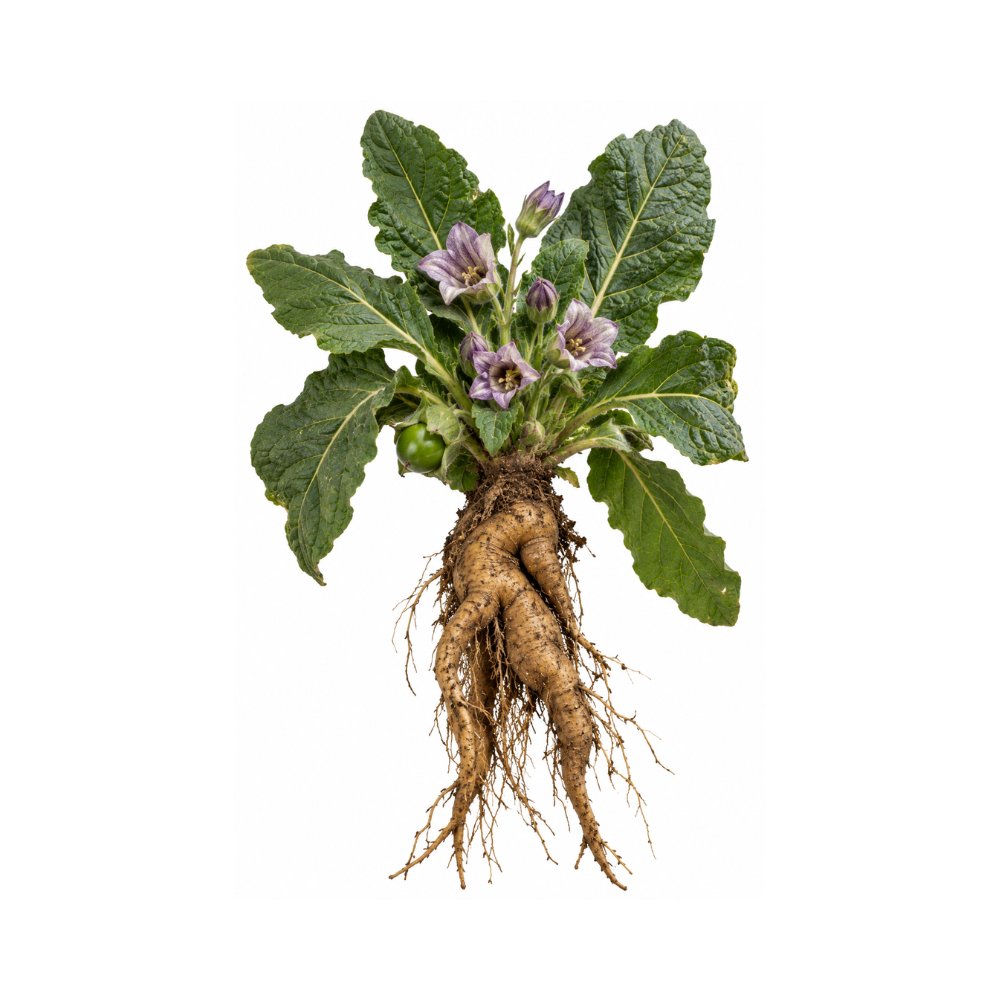
| Mandrake | Borage, wild spinach | Flat rosette |
| Datura | Cooked greens | Seed also contaminates grain and birdseed |
Taken for edible mushrooms
The rule: check spore print, habitat and a cut cross-section. Colour, smell and folklore are not tests.
| Poison | Taken for | Tell it apart |
|---|---|---|
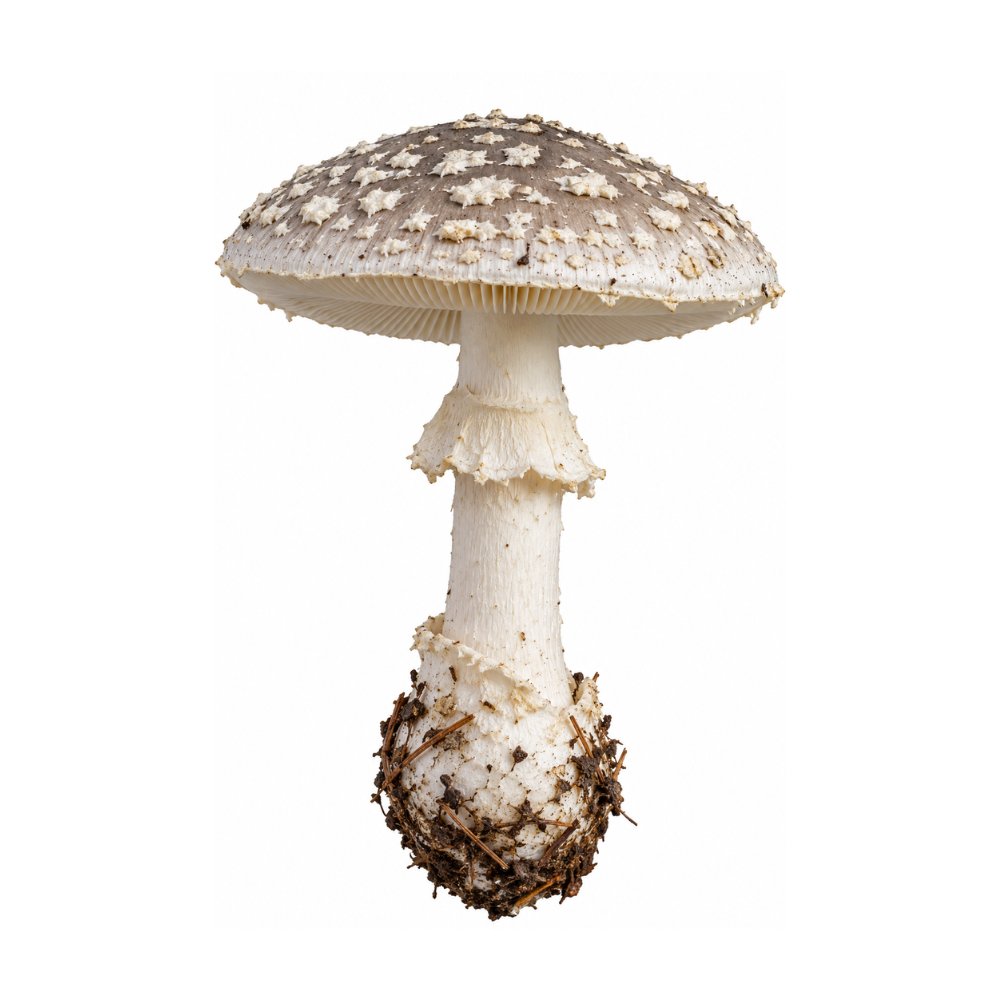
| Death cap | Various edible Amanitas and field mushrooms | Cup (volva) at the base, white gills, white spore print |
| Deadly galerina | Honey mushrooms | Small, brown, clustered on wood; same toxin as the death cap |
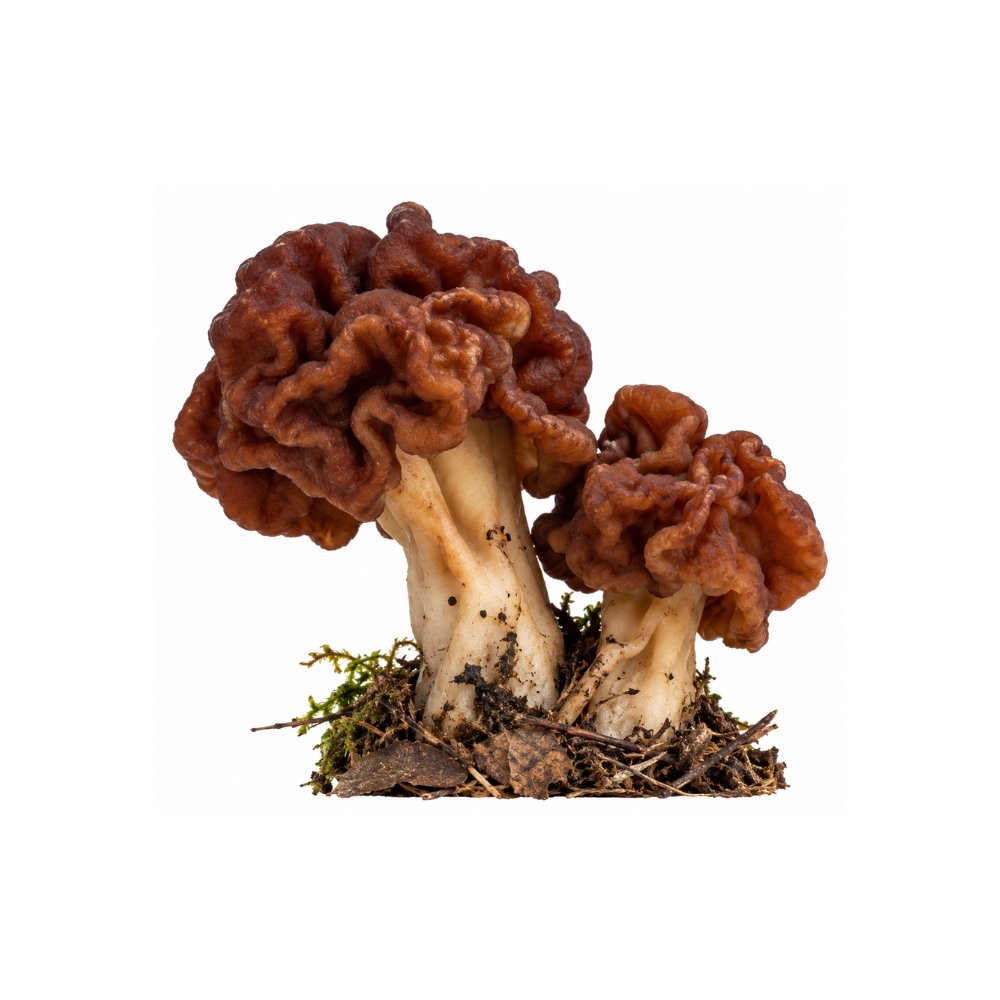
| False morel | True morel | Brain-like cap, cottony or chambered inside; a true morel is pitted and hollow |
| Amanita smithiana | Matsutake | Causes kidney failure days later, not liver failure |
Garden, hedgerow and pasture
Not foraging mistakes: these grow where children and animals already are.
| Poison | The danger |
|---|---|
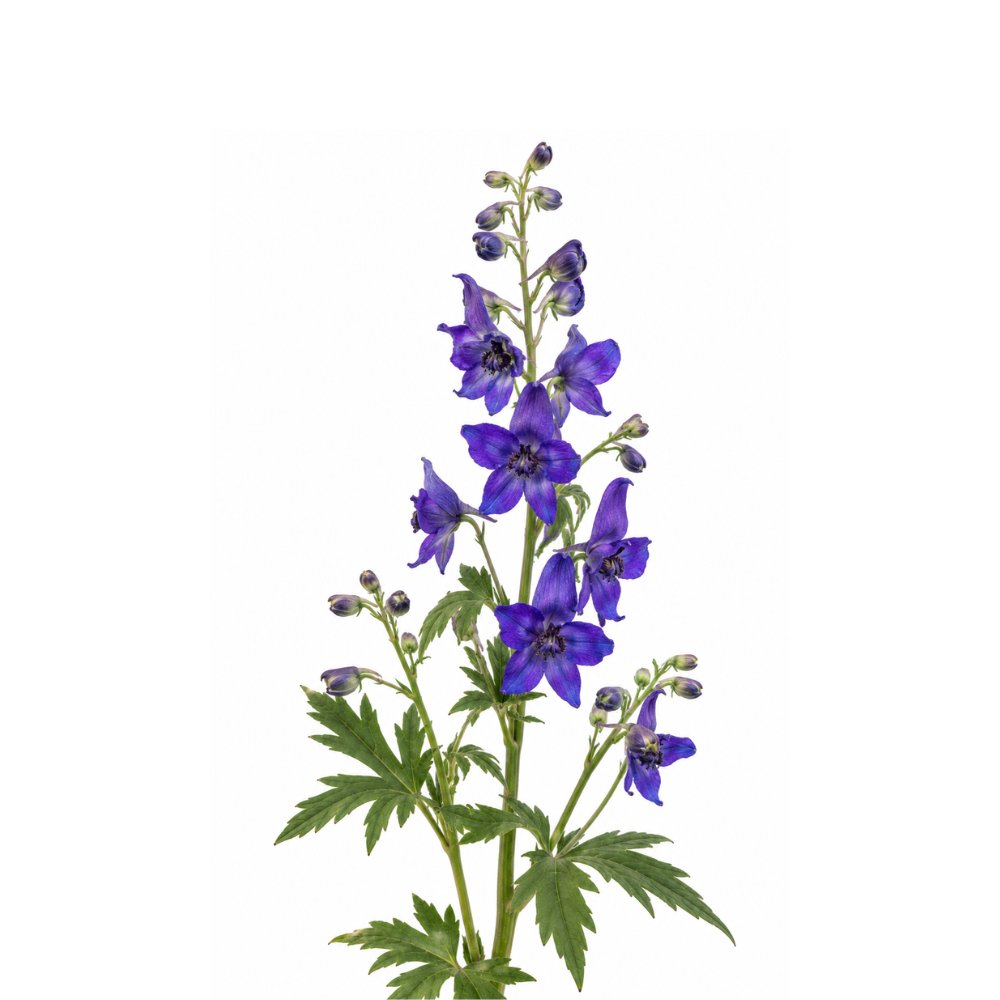
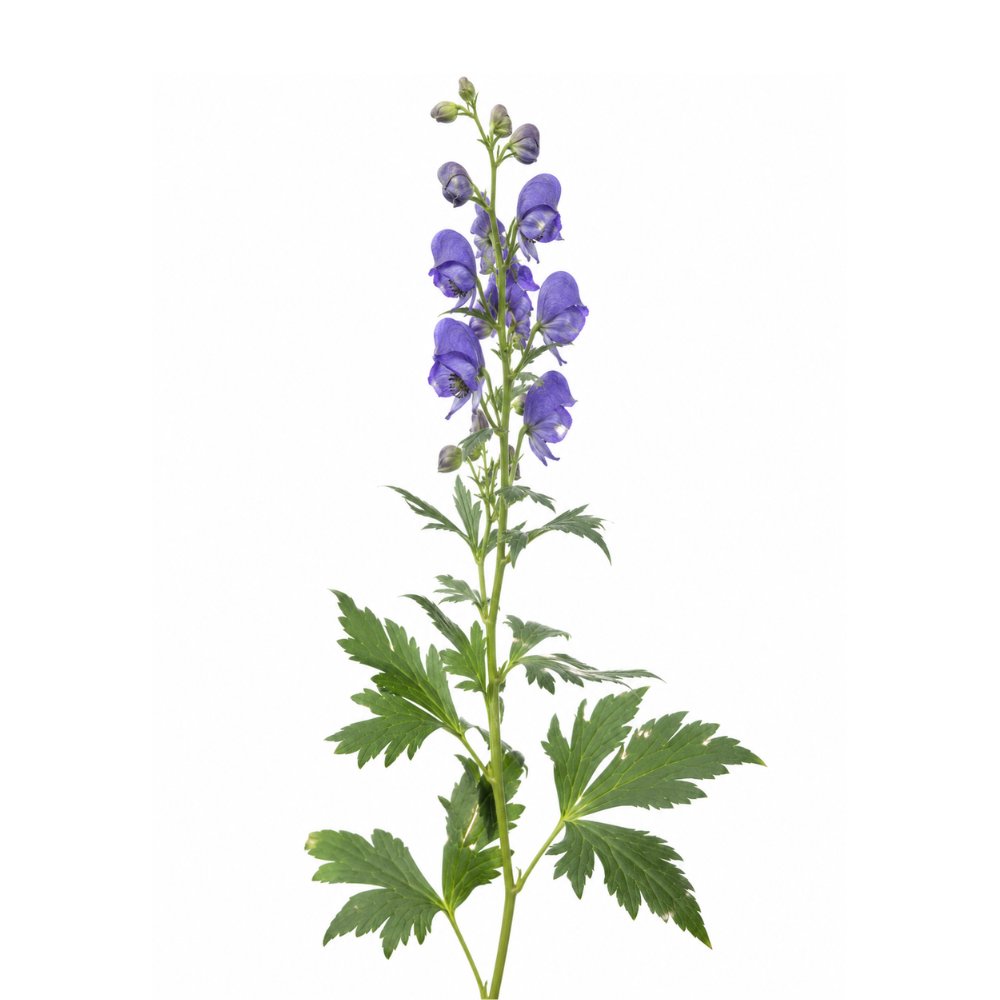
| Monkshood | Common border plant; aconitine absorbs through skin |
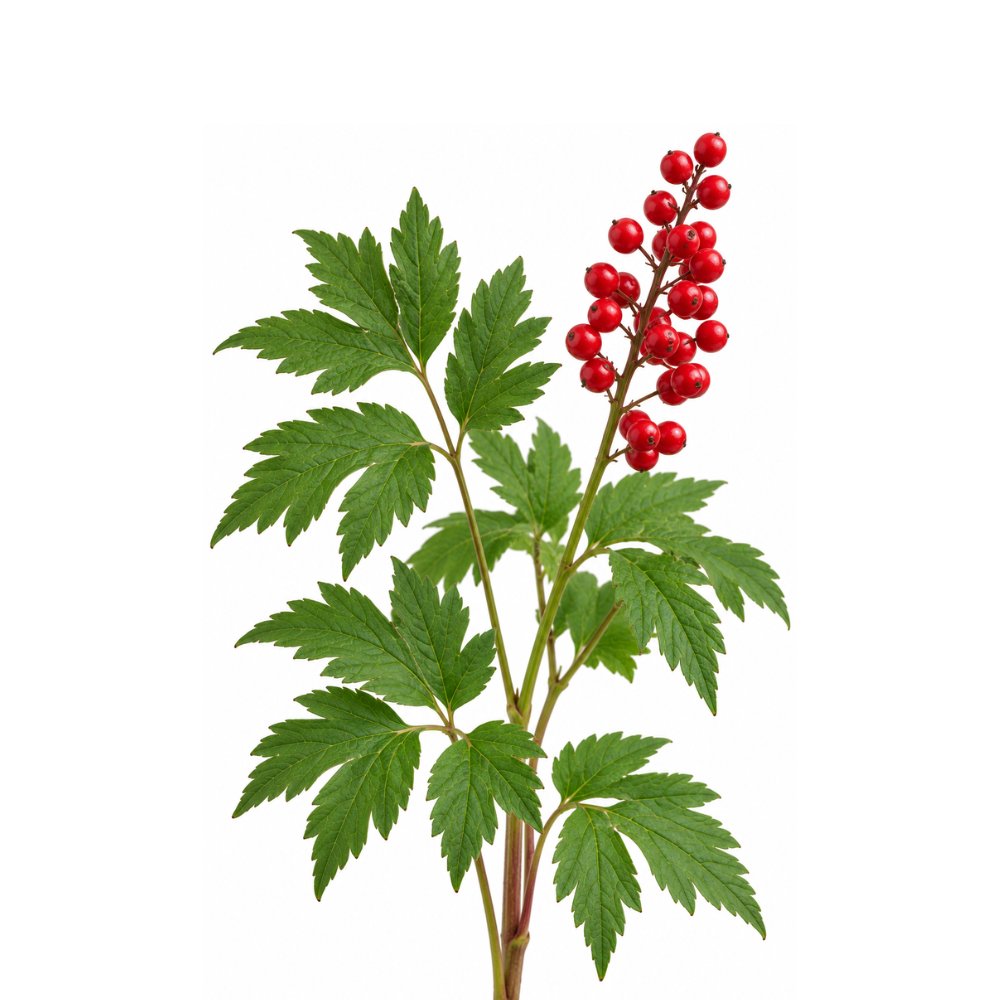
| Baneberry | Bright white or red berries at child height |
| Deadly nightshade | Sweet black berries with nothing tasting wrong |
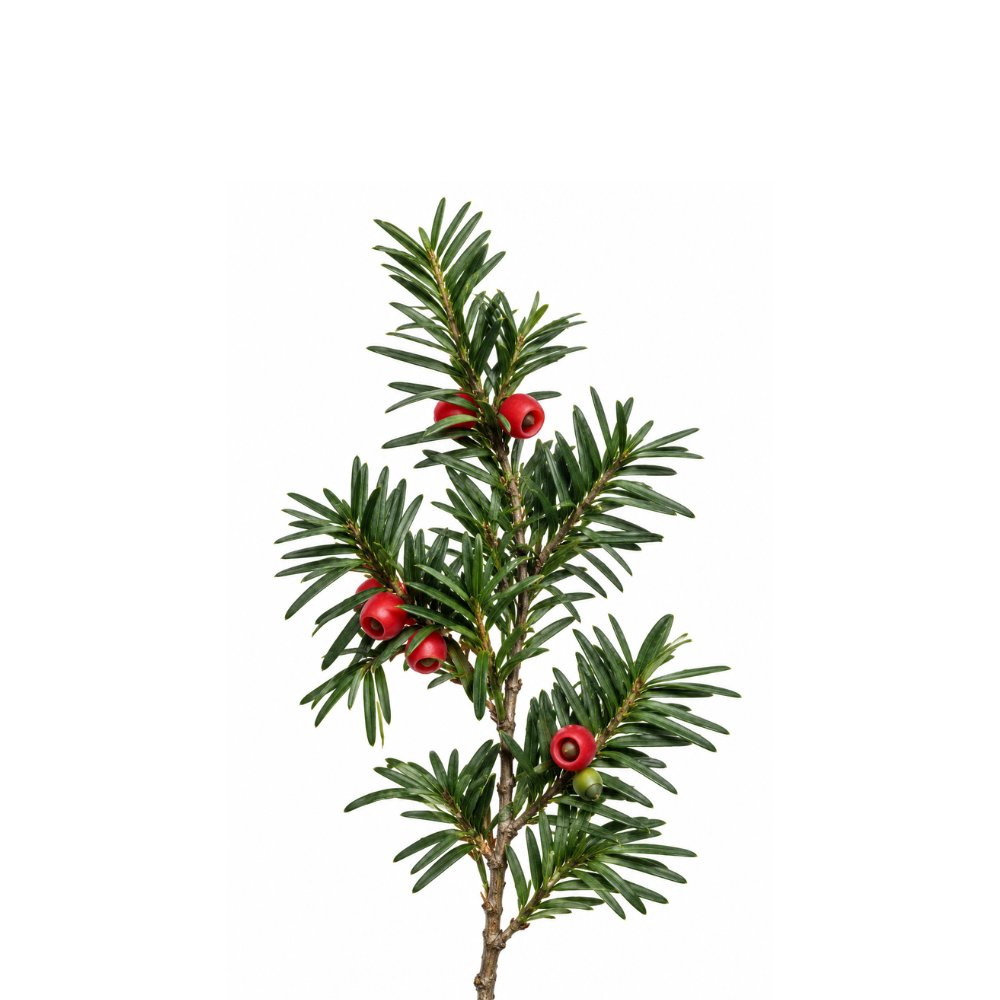
| Pacific yew | Red flesh is harmless; the seed inside is not |
| Larkspur | A leading cause of cattle death on western rangeland |
| Bulbous canary grass | Sown as pasture; causes “staggers” and sudden death in sheep and cattle |
| Curare | A prepared dart poison: lethal through a wound, barely absorbed from the gut |
Timing
When Symptoms Start
How fast symptoms appear says little about how serious the poisoning is. A quiet interval is part of several poisonings, not a sign they have passed.
| Onset | Toxins | Examples |
|---|---|---|
| Fastminutes to a few hours | Aconitine, cicutoxin, coniine, tropanes, cardiac glycosides, taxines, muscarine | Monkshood, water hemlock, poison hemlock, datura, foxglove, yew |
| Delayed6 hours to days | Amatoxins, gyromitrin, colchicine, allenic norleucine | Death cap and deadly galerina (gut symptoms after 6–24 h, a false recovery, then liver failure); false morel; meadow saffron; Amanita smithiana (kidney failure days later) |
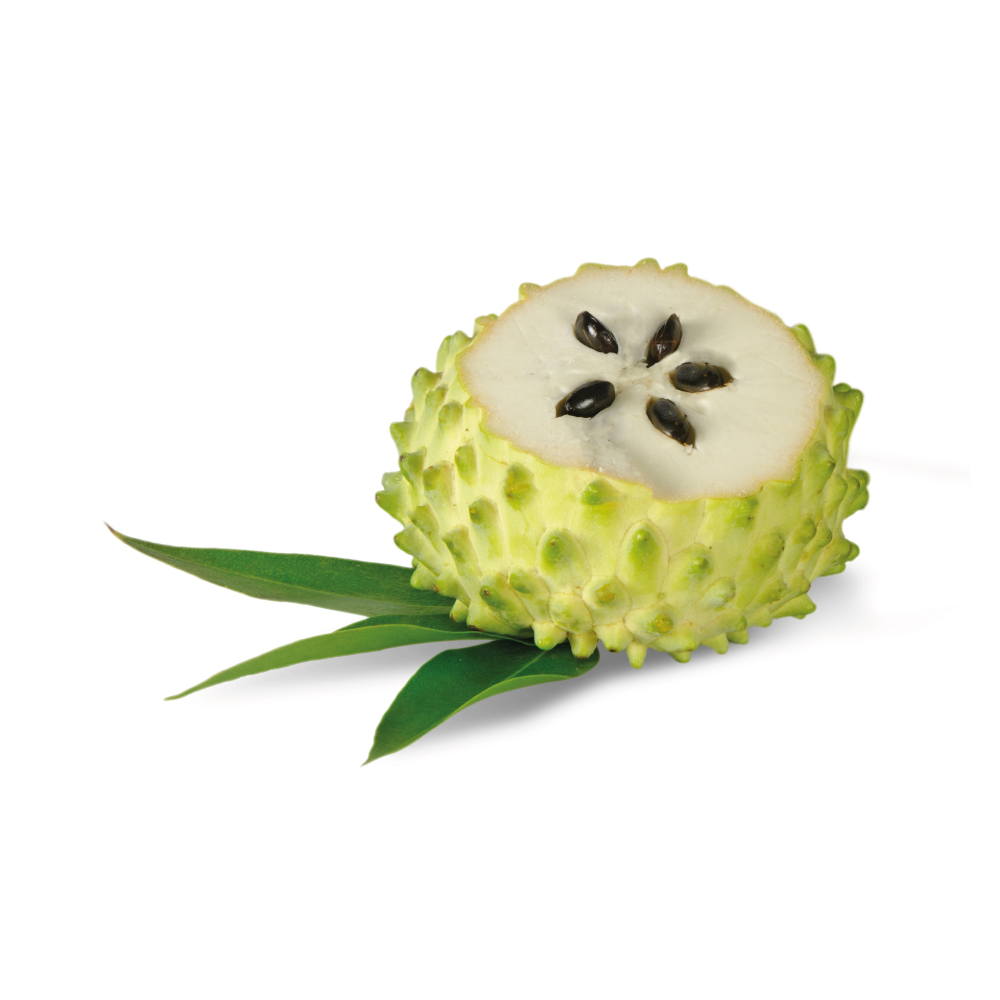
| Cumulativeweeks to years | Pyrrolizidine alkaloids, aristolochic acids, acetogenins | Comfrey and coltsfoot taken internally; Aristolochia products; long-term graviola |
Chemistry
Toxin Classes at a Glance
Most serious poisonings come from a small number of chemical groups. The class tells you which organ is at risk and what the poisoning looks like.
Alkaloids
Nitrogen-containing compounds with strong effects on the nerves, heart or liver, and the source of many of the most potent plant poisons. All alkaloids →
Tropane alkaloids
- Acts on
- Blocks muscarinic acetylcholine receptors
- Signs
- Dry mouth, dilated pupils, fast heart, urinary retention, overheating, confusion, delirium
- Found in
- Datura, deadly nightshade, henbane, mandrake (atropine, hyoscyamine, scopolamine) · all tropanes →
Aconitum alkaloids
- Acts on
- Voltage-gated sodium channels in nerve and heart
- Signs
- Tingling and numbness, weakness, vomiting, dangerous arrhythmias, collapse
- Found in
- Monkshood (aconitine, mesaconitine, hypaconitine); larkspur (methyllycaconitine)
Nicotinic alkaloids
Pyrrolizidine alkaloids
- Acts on
- The liver, after conversion to reactive metabolites that damage its small blood vessels
- Signs
- Sinusoidal obstruction syndrome: abdominal pain, an enlarged liver, fluid in the abdomen
- Found in
- Comfrey (echimidine, intermedine, lycopsamine), coltsfoot (senkirkine, senecionine), butterbur, ragwort, heliotrope · all pyrrolizidines →
- Risk
- Damage builds with repeated internal use; butterbur is used only as PA-free extract
Harmala alkaloids
- Acts on
- Inhibits monoamine oxidase-A
- Signs
- Nausea, vomiting, tremor; serotonin toxicity with interacting drugs
- Found in
- Syrian rue, ayahuasca vine (harmine, harmaline, tetrahydroharmine)
- Risk
- High doses, and combination with serotonergic or stimulant drugs
Isoquinoline alkaloids
- Acts on
- Varies: a large group, from muscle-paralysing agents to irritants
- Signs
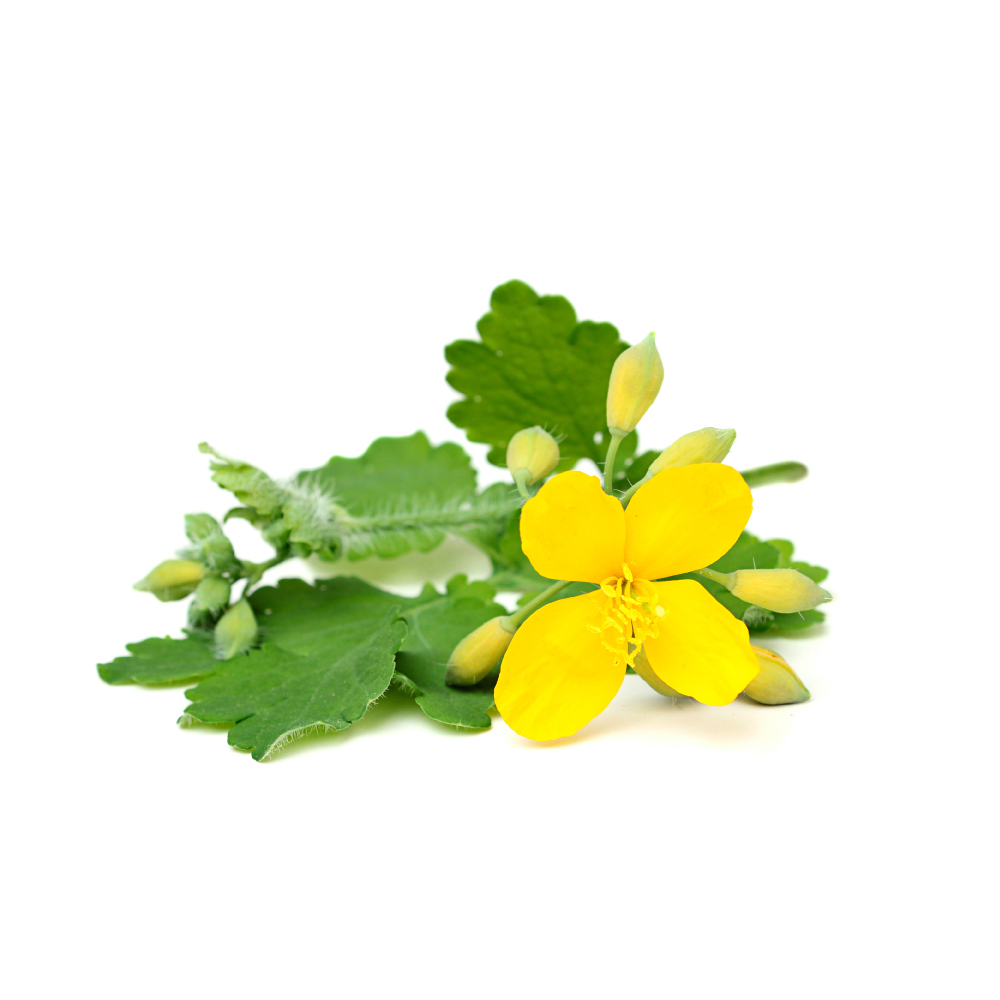
- Paralysis (curare); liver injury (greater celandine)
- Found in
- Curare (tubocurarine), greater celandine (sanguinarine and related alkaloids)
Steroidal alkaloids
- Acts on
- Holds sodium channels open
- Signs
- Vomiting, a very slow heart, falling blood pressure
- Found in
- Death camas (zygacine), false hellebore (germine esters, protoveratrine A)
Taxine alkaloids
- Acts on
- Cardiac sodium and calcium channels
- Signs
- Little warning, then sudden cardiac arrest; no antidote
- Found in
- Pacific yew (taxine B). The same tree gave the cancer drug paclitaxel.
Colchicine
- Acts on
- Binds tubulin, stopping cell division
- Signs
- Severe gut symptoms, then bone marrow and multi-organ failure
- Found in
- Meadow saffron, glory lily (colchicine)
Tryptamines
Sympathomimetic amines
- Acts on
- Adrenergic receptors
- Signs
- Fast heart, raised blood pressure; harm comes from dose and duration
- Found in
- Ephedra (ephedrine, pseudoephedrine)
Indoloquinoline alkaloids
- Acts on
- Inserts into DNA
- Signs
- Heart toxicity at higher doses
- Found in
- Cryptolepis (cryptolepine)
Glycosides
A sugar bound to an active molecule. The plant stores them inert; the poison is released by digestion or by crushing the tissue.
Cardiac glycosides
- Acts on
- Inhibits the sodium-potassium pump in heart muscle
- Signs
- Nausea, visual changes, slow or irregular heartbeat, fatal arrhythmias
- Found in
- Foxglove (digoxin, digitoxin), lily of the valley (convallatoxin), oleander (oleandrin), yellow oleander (thevetin)
- Risk
- The useful dose and the toxic dose sit close together
Cyanogenic glycosides
- Acts on
- Release hydrogen cyanide, which stops cells using oxygen
- Signs
- Headache, dizziness, rapid breathing, confusion, collapse
- Found in
- Bitter almonds and apricot kernels (amygdalin), cassava (linamarin), cherry and peach kernels
- Risk
- Soaking, fermenting and proper cooking make cassava safe to eat
Protoanemonin
- Acts on
- Released from ranunculin when the fresh plant is crushed; a blistering irritant
- Signs
- Blistering of skin, mouth and gut
- Found in
- Baneberry (ranunculin → protoanemonin), pasque flower, much of the buttercup family
- Risk
- Drying converts it to harmless anemonin, so hay is safe and the fresh plant is not
Mushroom Toxins
The organ that fails is what separates them, and cooking destroys none of these reliably.
Amatoxins
- Acts on
- Blocks RNA polymerase II, so cells stop making proteins; the liver takes the most damage
- Signs
- Delayed vomiting and diarrhoea, a false recovery, then liver failure
- Found in
- Death cap (α-amanitin, phalloidin), deadly galerina, some Lepiota species
- Risk
- Heat-stable: cooking, drying and freezing don’t destroy it
Gyromitrin
- Acts on
- Converted to monomethylhydrazine, which blocks vitamin B6-dependent brain chemistry
- Signs
- Vomiting, seizures, liver injury
- Found in
- False morels (gyromitrin)
- Risk
- Repeated boiling lowers it, but not reliably enough to trust
Muscarine
- Acts on
- Stimulates muscarinic acetylcholine receptors: the opposite of tropane poisoning
- Signs
- Sweating, salivation, tears, cramping, diarrhoea, slow heart, bronchial secretions
- Found in
- Inocybe and Clitocybe species (muscarine)
Ibotenic acid and muscimol
- Acts on
- Ibotenic acid excites the brain; muscimol acts on GABA-A receptors
- Signs
- Confusion, altered perception, agitation, sedation, poor coordination, occasionally seizures
- Found in
- Fly agaric (Amanita muscaria), panther cap (Amanita pantherina)
Allenic norleucine
- Acts on
- The kidneys
- Signs
- Gut symptoms, then kidney failure days later
- Found in
- Amanita smithiana (allenic norleucine)
Other Plant Toxins
Cicutoxin
- Acts on
- Blocks GABA-A receptors
- Signs
- Violent seizures within an hour, continuing as status epilepticus
- Found in
- Water hemlock (cicutoxin)
Grayanotoxins
- Acts on
- Keeps sodium channels activated
- Signs
- Slow heart, low blood pressure, dizziness, vomiting
- Found in
- Rhododendron, azalea, mountain laurel, and “mad honey” made from their nectar
Toxalbumins
- Acts on
- Proteins that shut down protein synthesis inside cells
- Signs
- Severe vomiting and diarrhoea, dehydration, organ failure
- Found in
- Castor bean (ricin), rosary pea (abrin)
- Risk
- An intact seed coat limits exposure; crushed or chewed seeds are far more dangerous
Oxalates
- Acts on
- Insoluble calcium oxalate crystals pierce tissue; soluble oxalates bind calcium and damage the kidneys
- Signs
- Immediate burning and swelling of the mouth (crystals); kidney injury (soluble)
- Found in
- Dieffenbachia and philodendron (crystals); rhubarb leaves, sorrel (soluble)
Furanocoumarins
- Acts on
- Enter skin cells and react with DNA under UVA light
- Signs
- Phytophotodermatitis: redness, blistering, lasting dark marks after contact and sunlight
- Found in
- Giant hogweed (psoralen-type), wild parsnip, rue, bergamot oil
Sesquiterpene lactones
- Acts on
- Mainly a contact allergen; the stronger members are toxic when swallowed
- Signs
- Skin allergy on contact; gut irritation if swallowed; α-thujone can cause seizures
- Found in
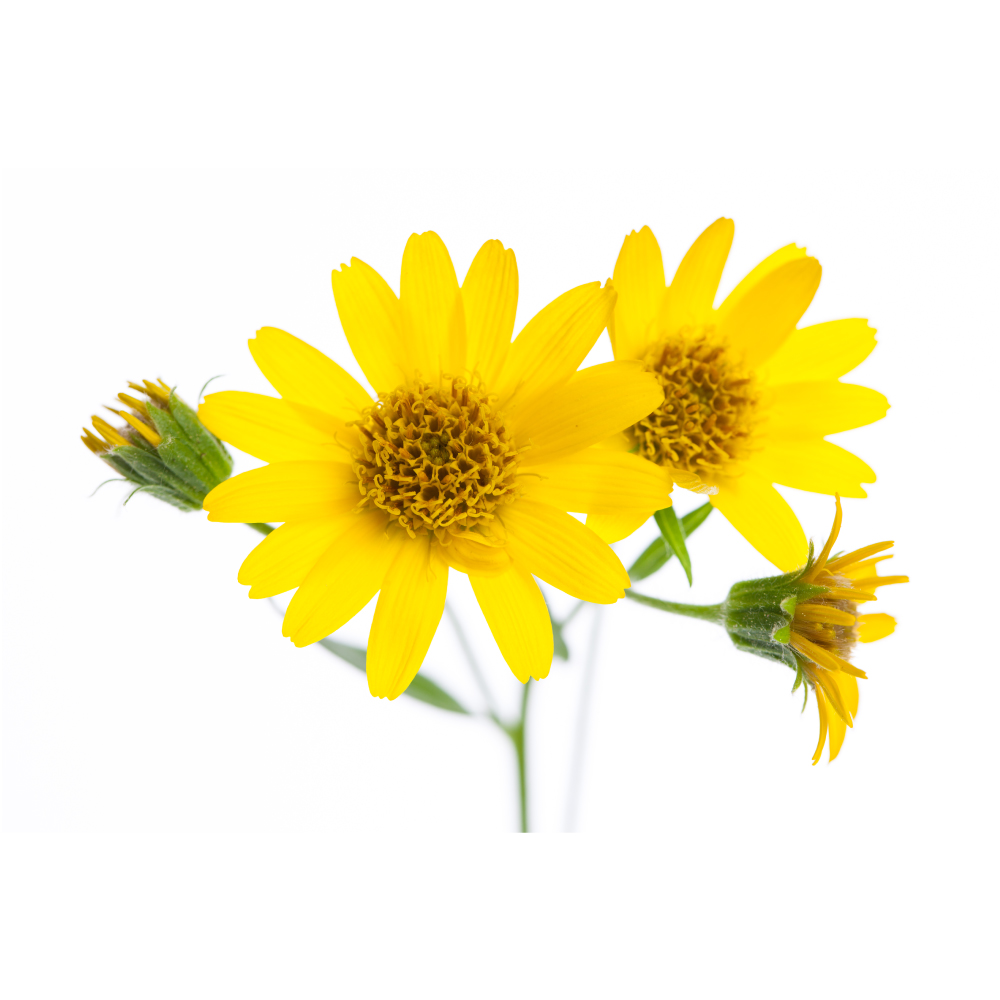
- Arnica (helenalin), wormwood and its relatives (α-thujone)
- Risk
- Why arnica is a topical medicine and an internal poison at the same time
Phenylpropanoids
Aristolochic acids
- Acts on
- The kidneys and the lining of the urinary tract
- Signs
- Kidney failure and urinary-tract cancer, often years later; damage is irreversible
- Found in
- Wild ginger (Asarum), birthwort and other Aristolochia species (aristolochic acid I)
- Risk
- Behind mass poisonings through contaminated herbal products
Annonaceous acetogenins
- Acts on
- Mitochondrial complex I
- Signs
- An atypical parkinsonism linked to long-term dietary use in the Caribbean
- Found in
- Graviola (annonaceous acetogenins)
The Dividing Line
What Changes the Risk
The same plant can be a medicine or a poison. Four things usually decide which.
- Dose
- Foxglove’s glycosides strengthen the heart at one dose and stop it at a slightly higher one. Syrian rue has a long medicinal history and real dose-related risks.
- Plant part
- The red flesh of a yew berry is harmless; the seed inside is not. Rhubarb stalks are food; the leaves carry soluble oxalates.
- Route
- Arnica and comfrey are topical medicines and internal hazards. Curare kills through a wound and barely absorbs from the gut.
- Preparation
- Proper processing makes cassava a staple. Drying turns the buttercups’ blistering protoanemonin harmless. Cooking does nothing to amatoxins.
Poison only, or also a medicine?
One question decides the label: does the crude plant have a legitimate modern use? Foxglove gave cardiology digoxin and is filed as a poison, because the leaf can’t be dosed safely. Cinchona gave the world quinine and is an ordinary monograph, because the bark is still the right preparation for a bitter digestive.
Navigation
Where to Go Next
Every entry covers the toxin, how it works, the symptoms, the dangerous dose, the timing, the lookalikes and what changes the risk.
- Plant Constituents — the toxins themselves, such as α-amanitin, aconitine and coniine, with links back to the plants that carry them.
- Plant Families — where poisonous and edible relatives sit side by side.
- Herbal Monographs — medicinal plants, including those with serious cautions.

Clinical herbalist and the writer behind The Sunlight Experiment — an evidence-based pharmacopoeia of herbs, supplements, and the chemistry behind them.
From the Journal
 GuidesThe Best Kava: A Buyer's GuideHow to buy good kava: noble vs two-day cultivars, which part of the root, chemotype codes, origin, form, and the batch tests a seller should show you.
Read more
 GuidesThe Amazon's Endangered Medicinal PlantsThe Amazon gives us some of our most important medicines — but which healing plants are actually endangered?
Read more
 NutritionThe Best Yerba Maté Brands [Reviewed]A drinker's guide to buying yerba maté — what actually changes the taste, and ten brands worth your money.
Read more
Get the Field Notes
Evidence-based herb breakdowns in your inbox. No spam, unsubscribe anytime.