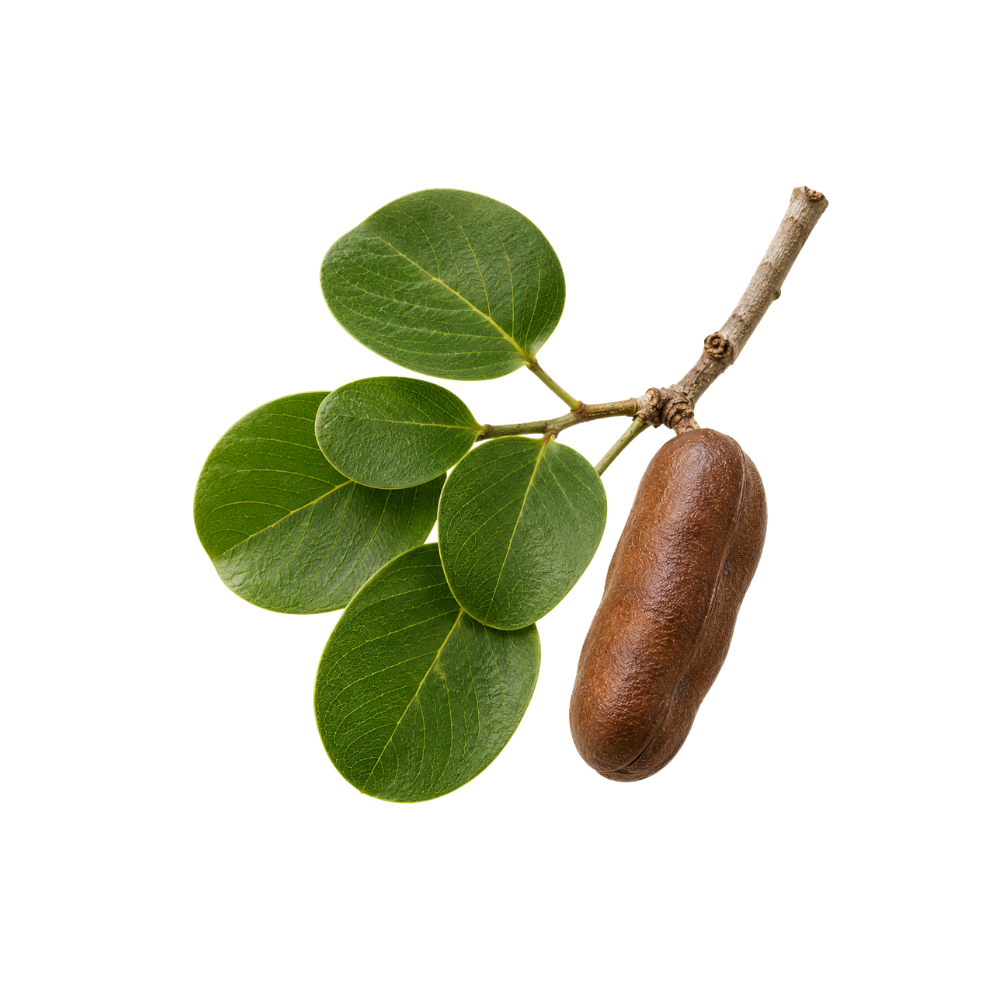
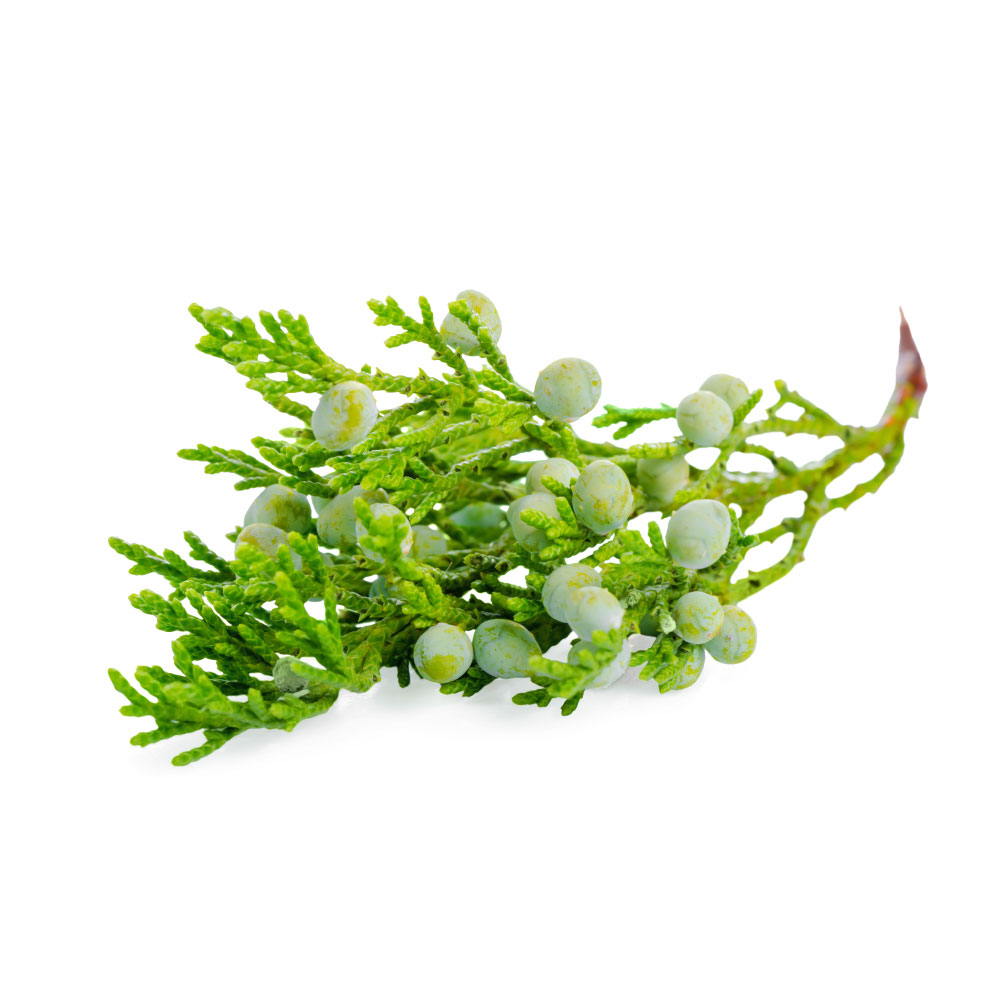
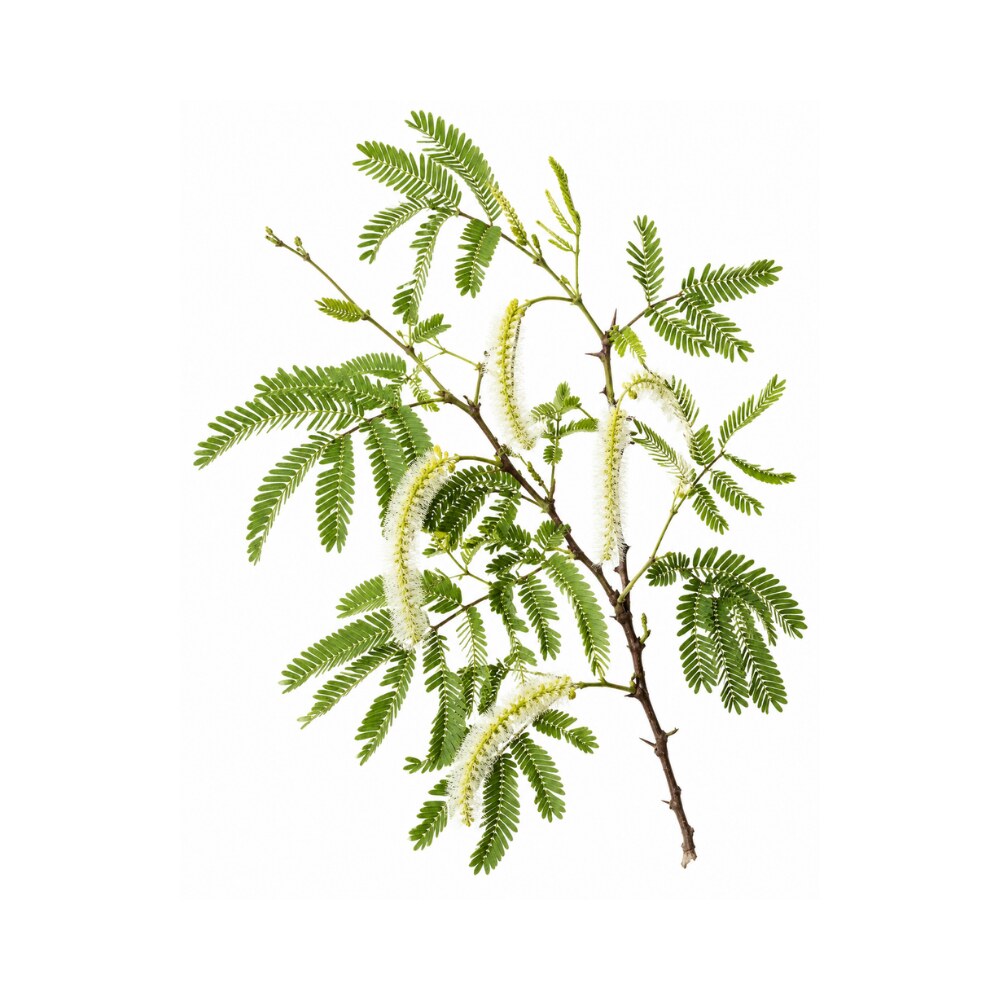
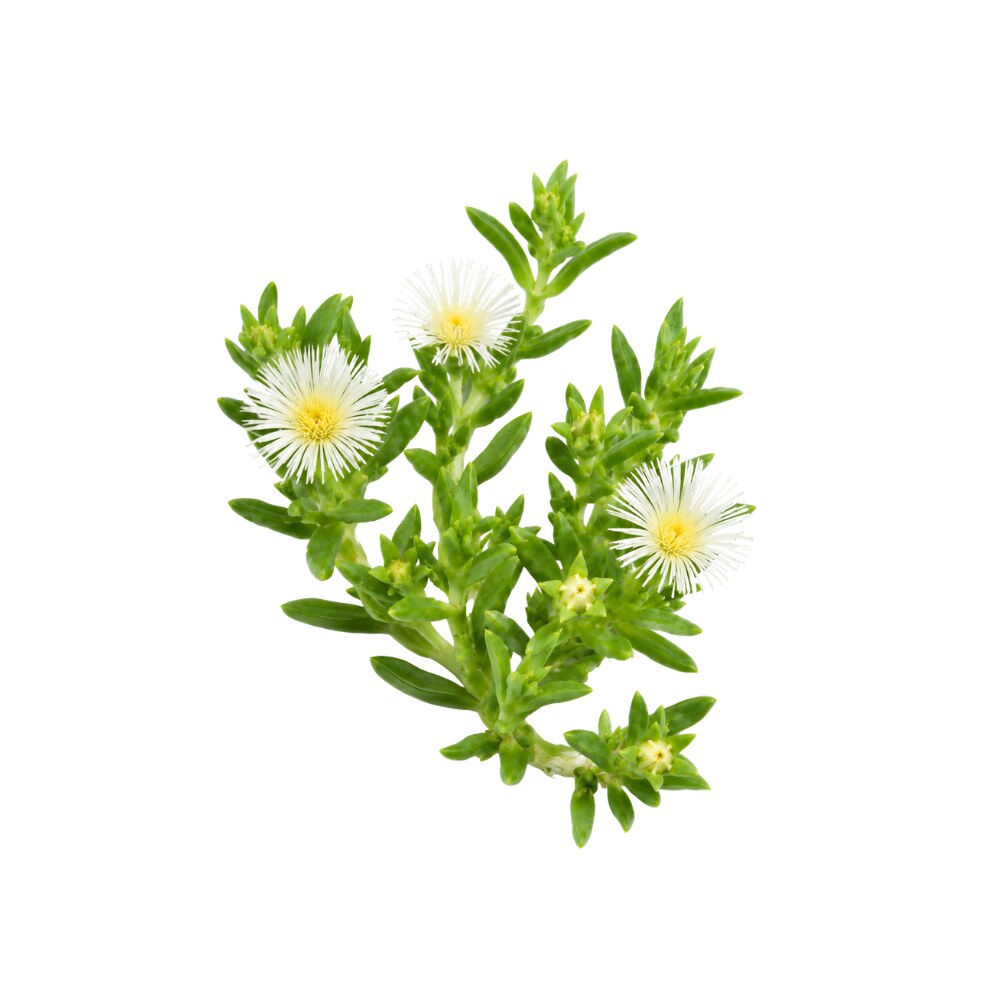
Browse

Herbs by Part Used

Root, bark, leaf, flower, seed, resin. Which part you use decides the chemistry you get, how it has to be prepared, and when it should be gathered — and on 40% of these plants, more than one part is medicine.
All Herbs

248 herbs

Every herb here, alphabetically — 248 plants, filed under the part each one's medicine is drawn from. Nearly half are filed under more than one.
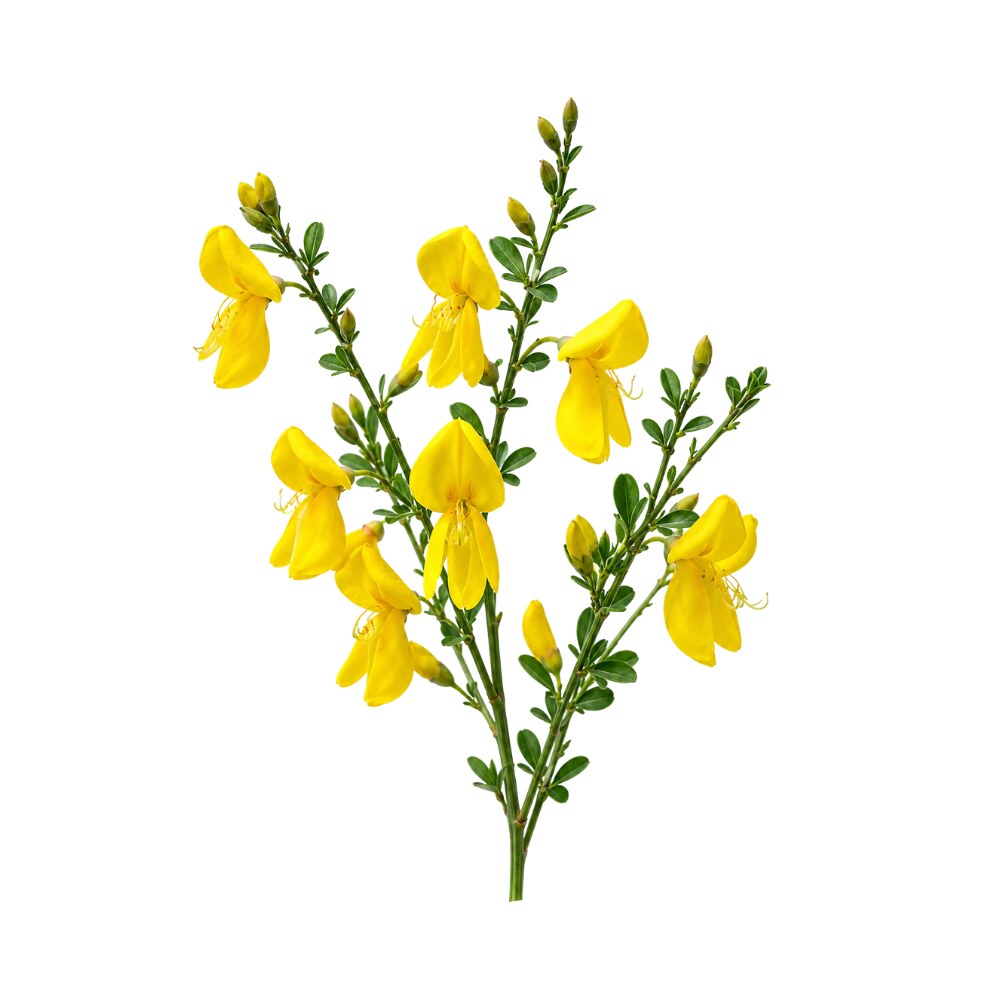
Abuta

Cissampelos pareira

Menispermaceae
AnalgesicAntifertilityAnti-InflammatoryAntilithic +13

Albizzia

Albizzia lebbeck

Fabaceae
AntiallergicAntihistamineAnti-InflammatoryAntitussive +4

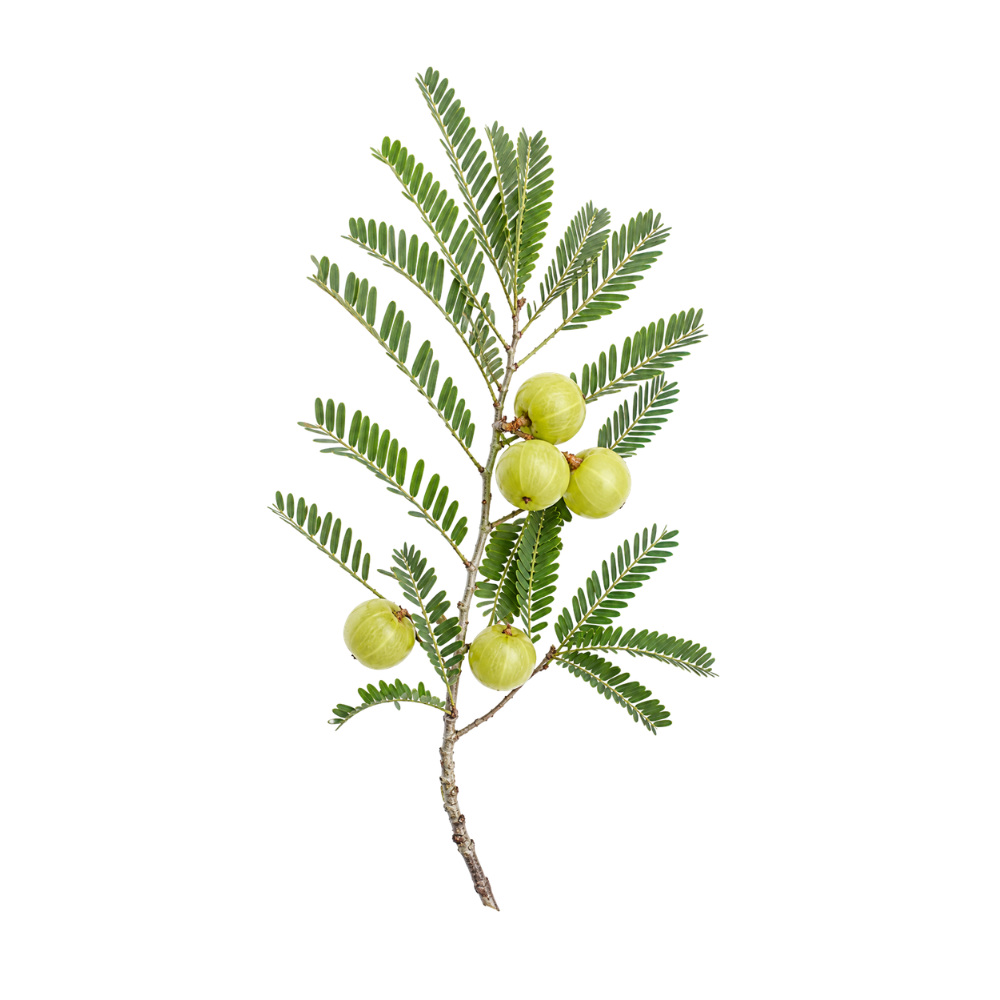
Amla

Phyllanthus emblica

Phyllanthaceae
AntioxidantHypolipidemicRejuvenativeAnti-Inflammatory +3

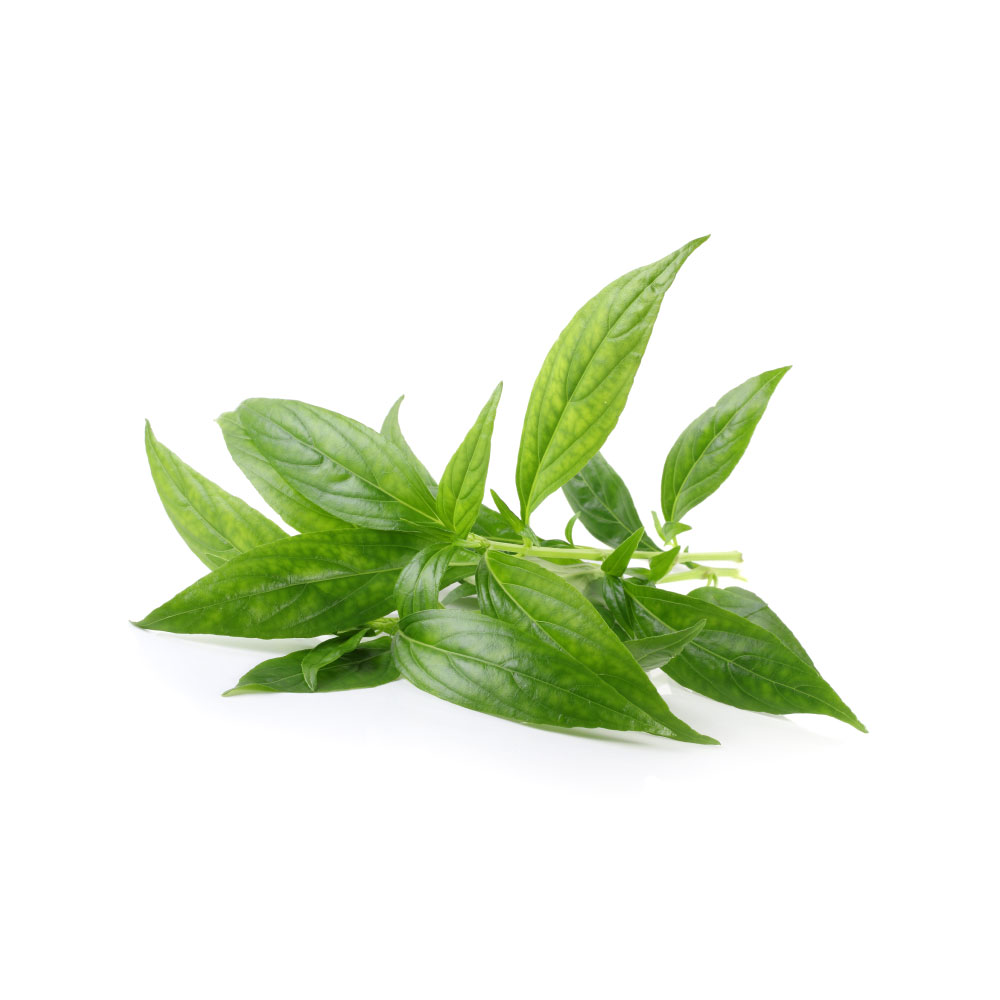
Andrographis

Andrographis paniculata

Acanthaceae
BitterImmunomodulatorAnti-InflammatoryAntimicrobial +4

Angelica

Angelica archangelica

Apiaceae
Urinary AntispasmodicAntispasmodicCarminativeBitter +4

Ashwagandha

Withania somnifera

Solanaceae
SpermatogenicAdaptogenSedativeTonic +7

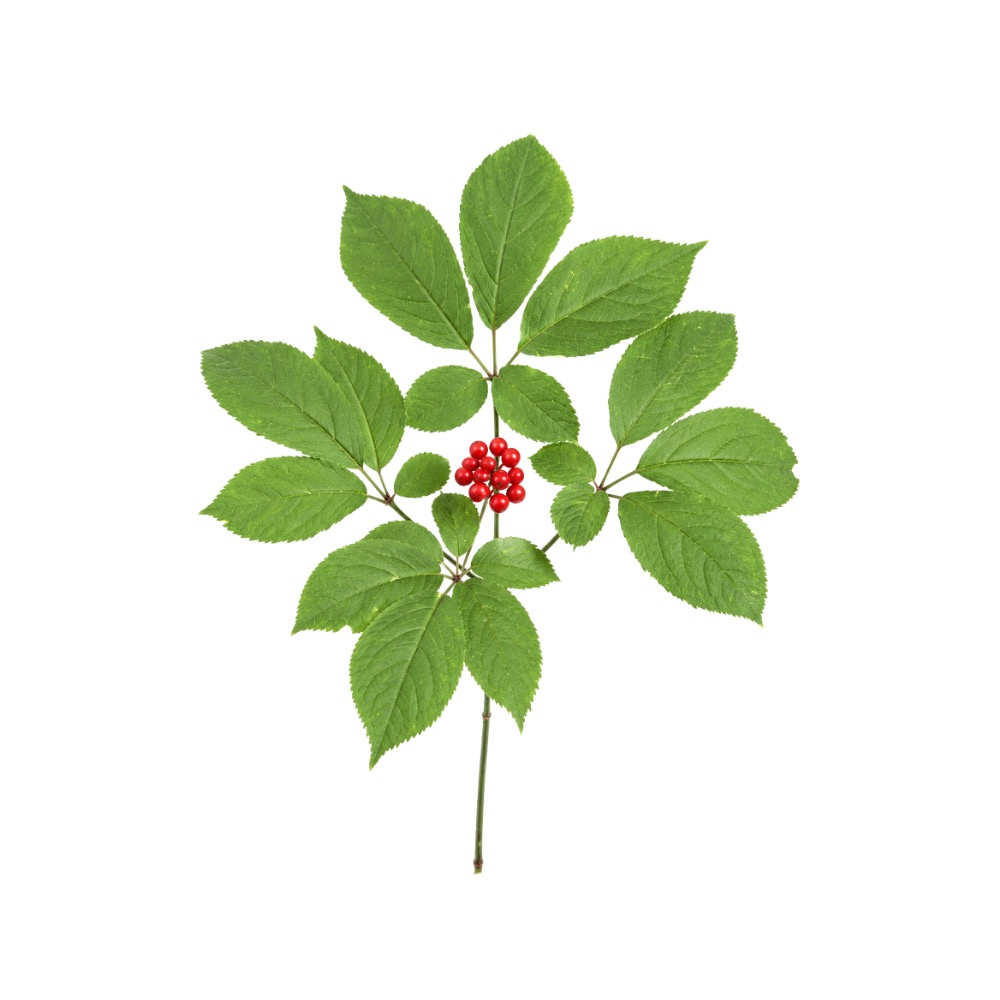
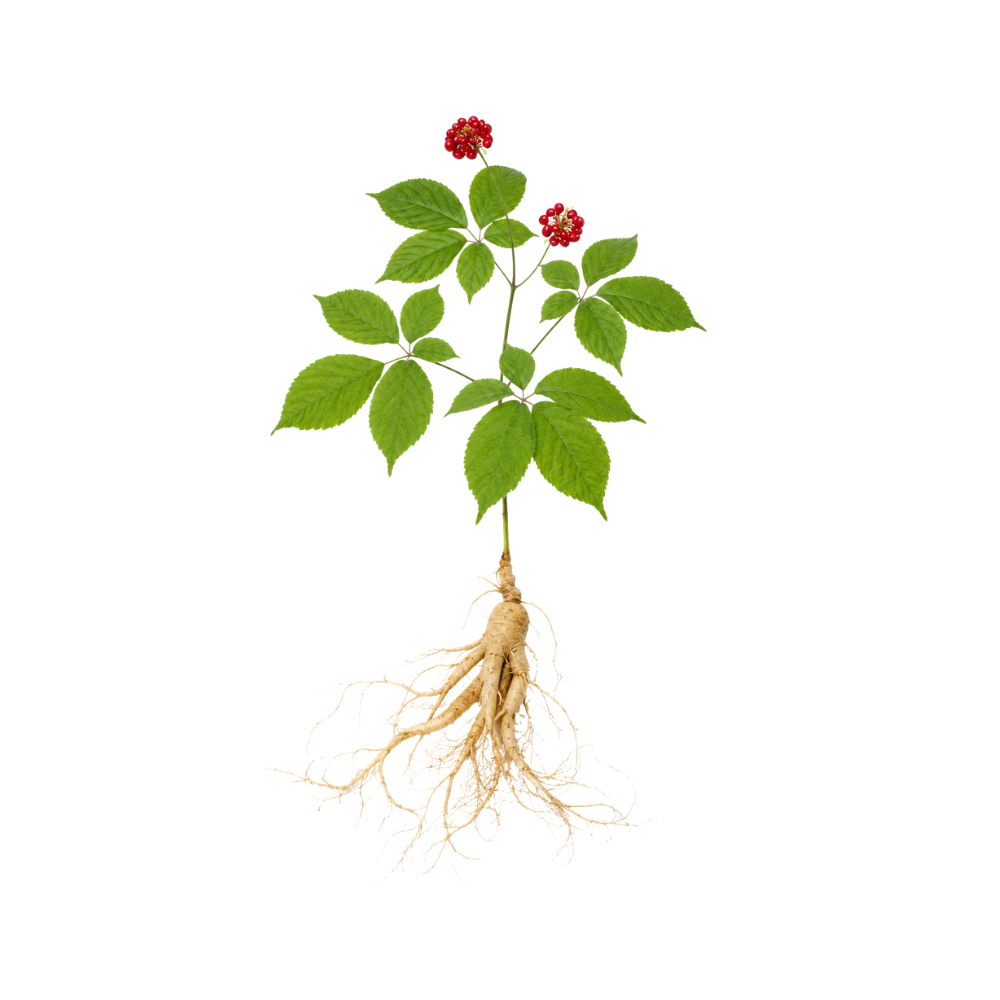
Asian Ginseng

Panax ginseng

Araliaceae
AdaptogenImmunomodulatorStimulantHypoglycemic +5

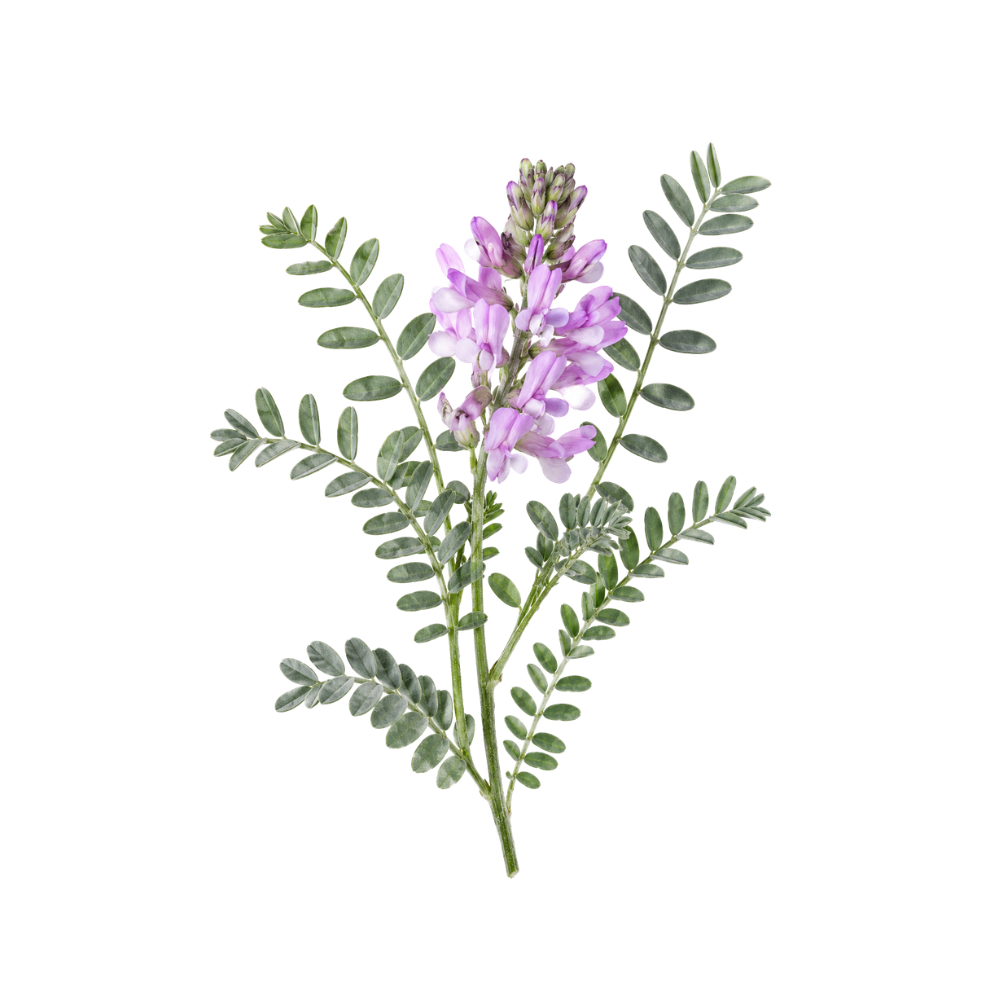
Astragalus

Astragalus mongholicus

Fabaceae
AdaptogenAntioxidantAntiviralCardiotonic +7

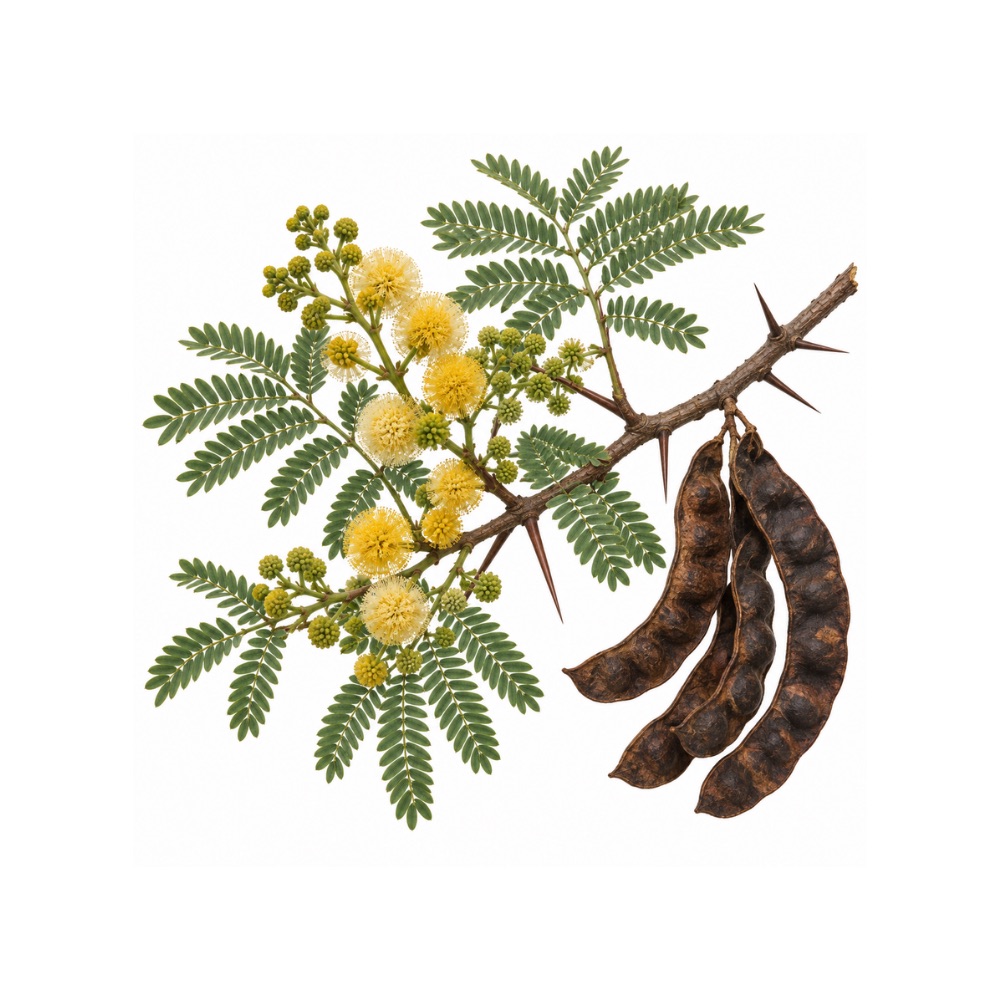
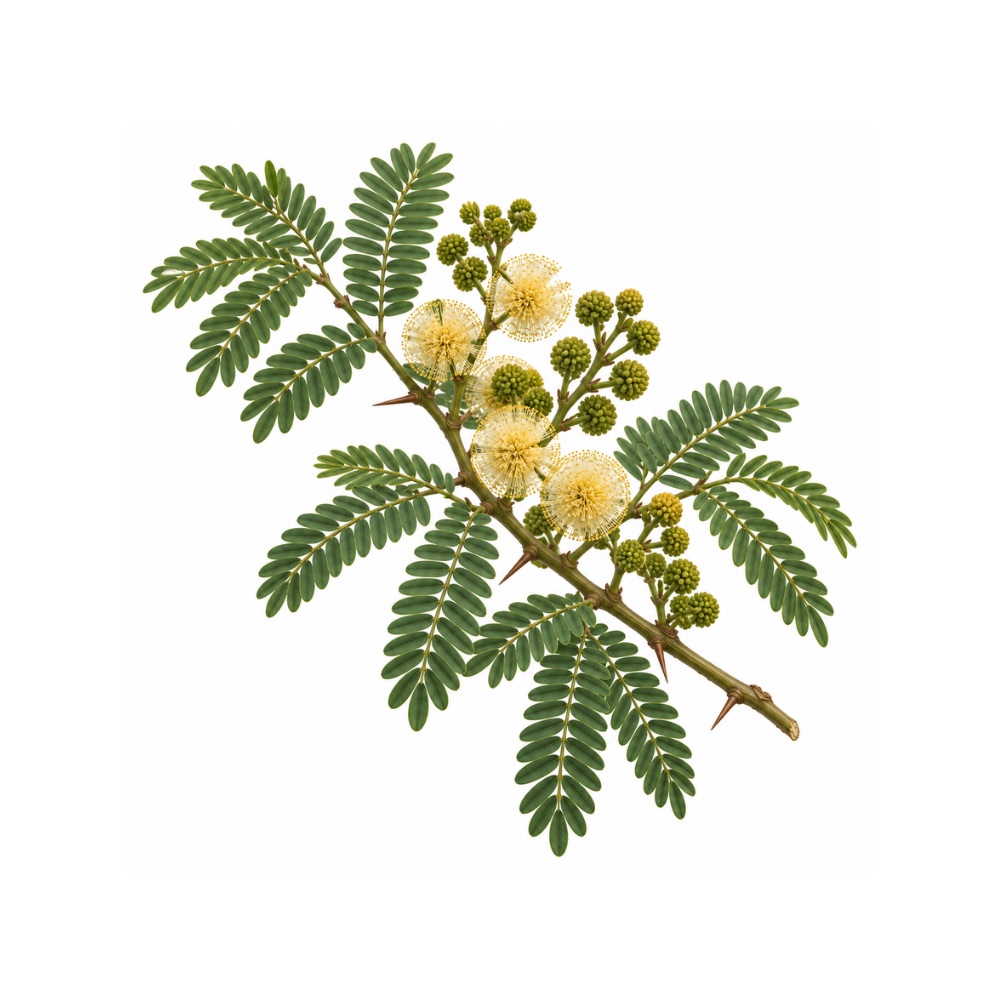
Babul

Vachellia nilotica

Fabaceae
AstringentAntibacterialAntidiarrhealAntispasmodic +4

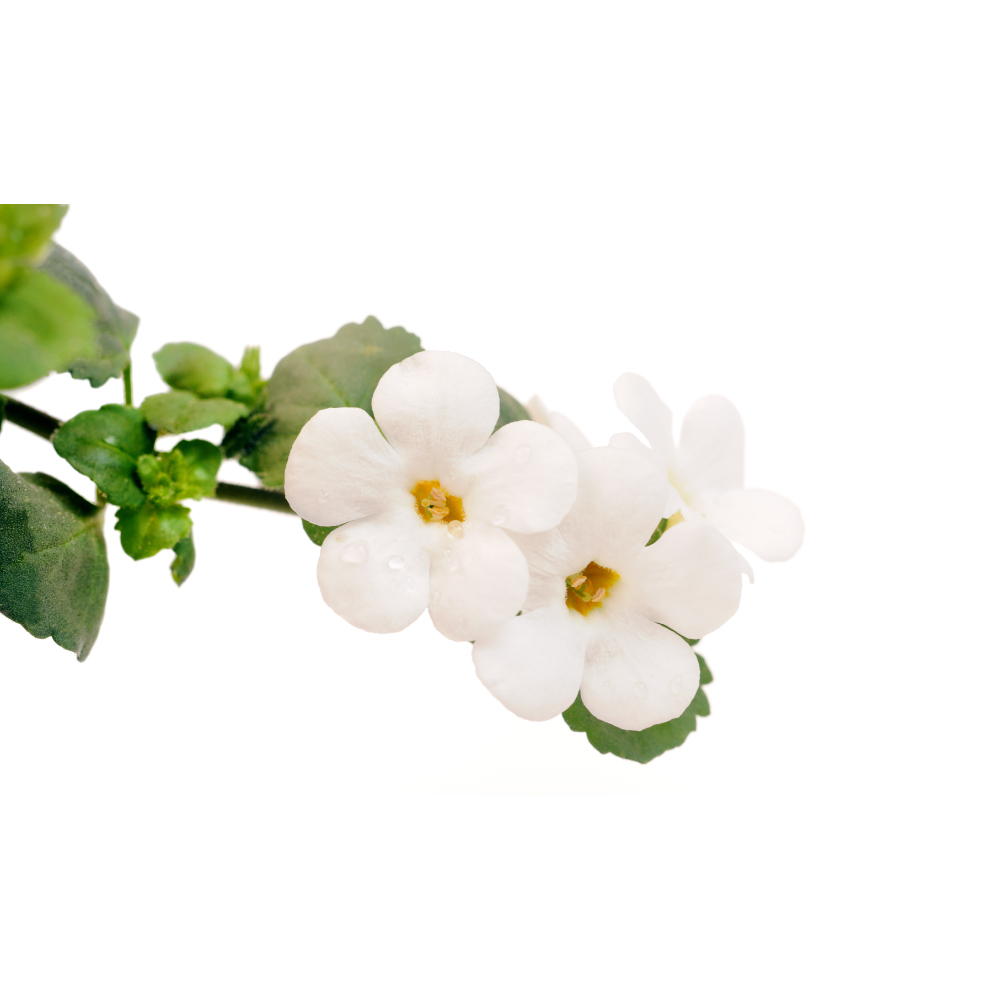
Bacopa

Bacopa monnieri

Plantaginaceae
NootropicNervineAnticonvulsantAnxiolytic +2

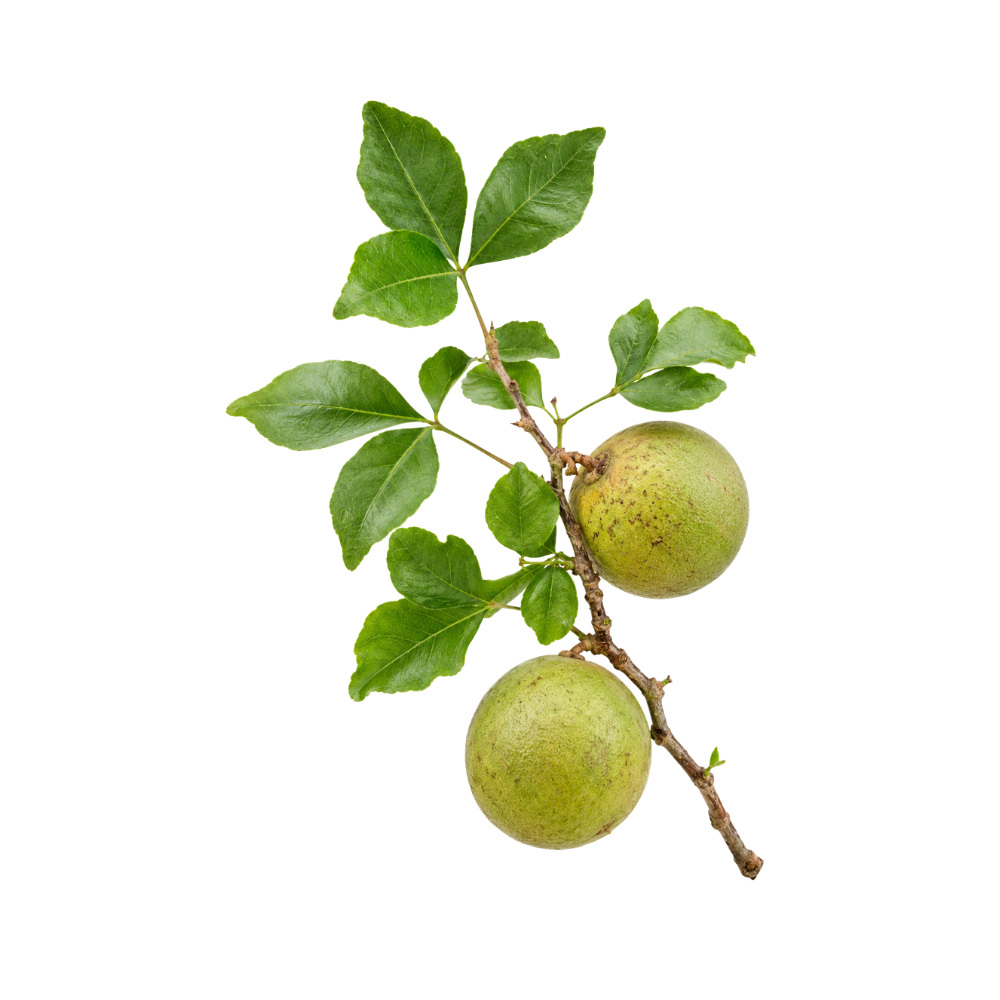
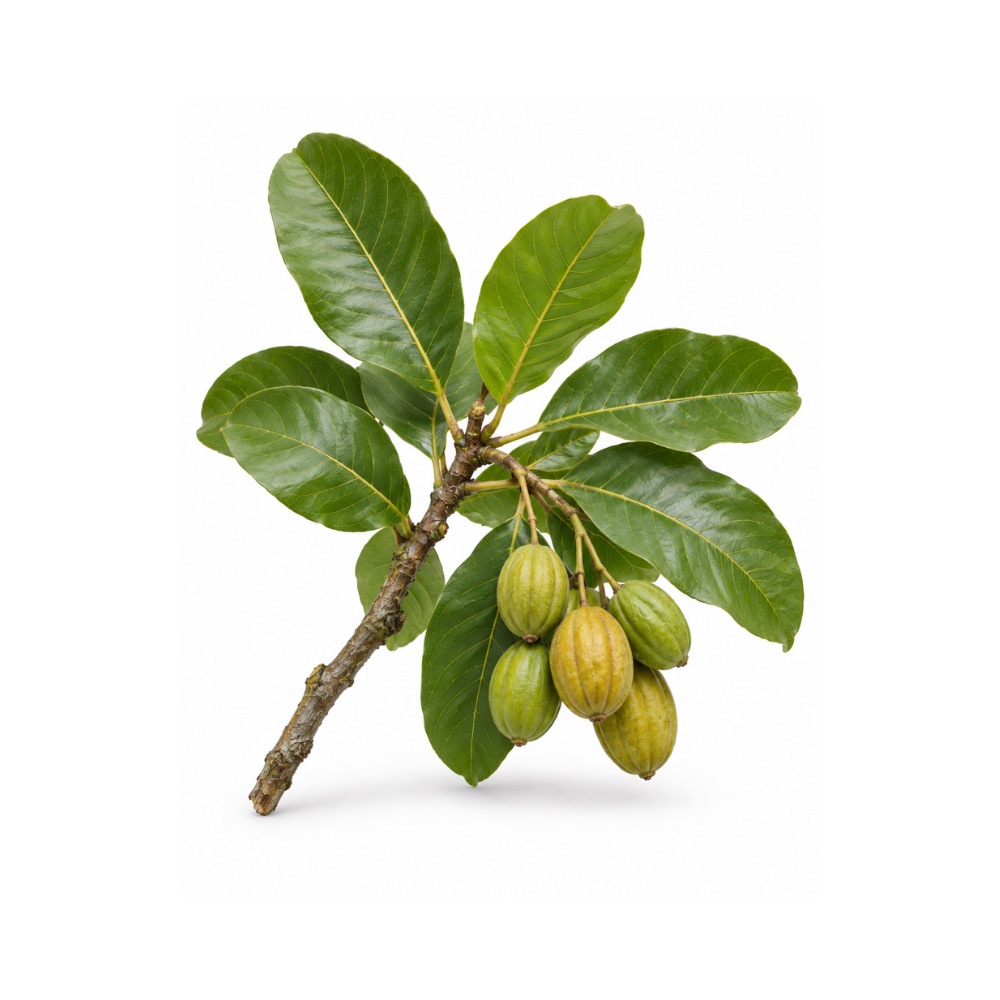
Bael

Aegle marmelos

Rutaceae
AntispermatogenicAstringentAnti-DiarrhoealAntimicrobial +10

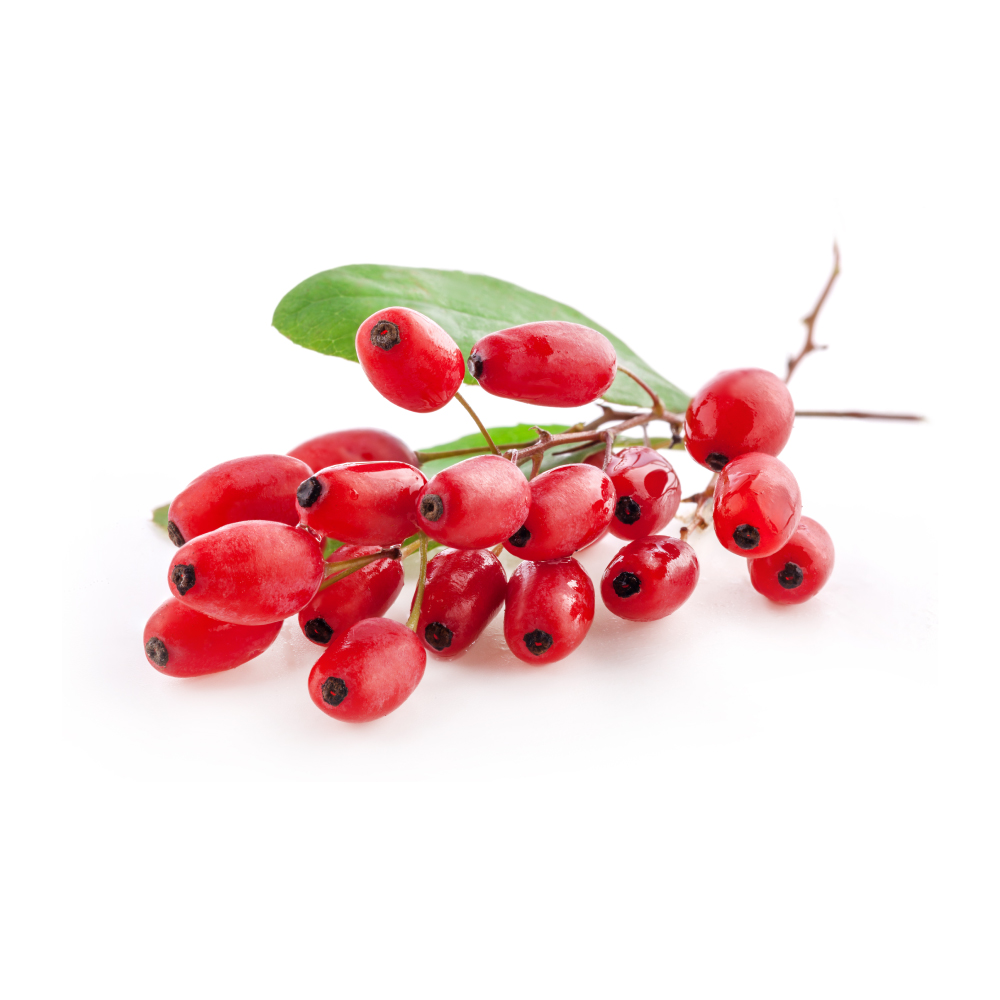
Barberry

Berberis spp.

Berberidaceae
AntimicrobialBitterCholagogueCholeretic +12

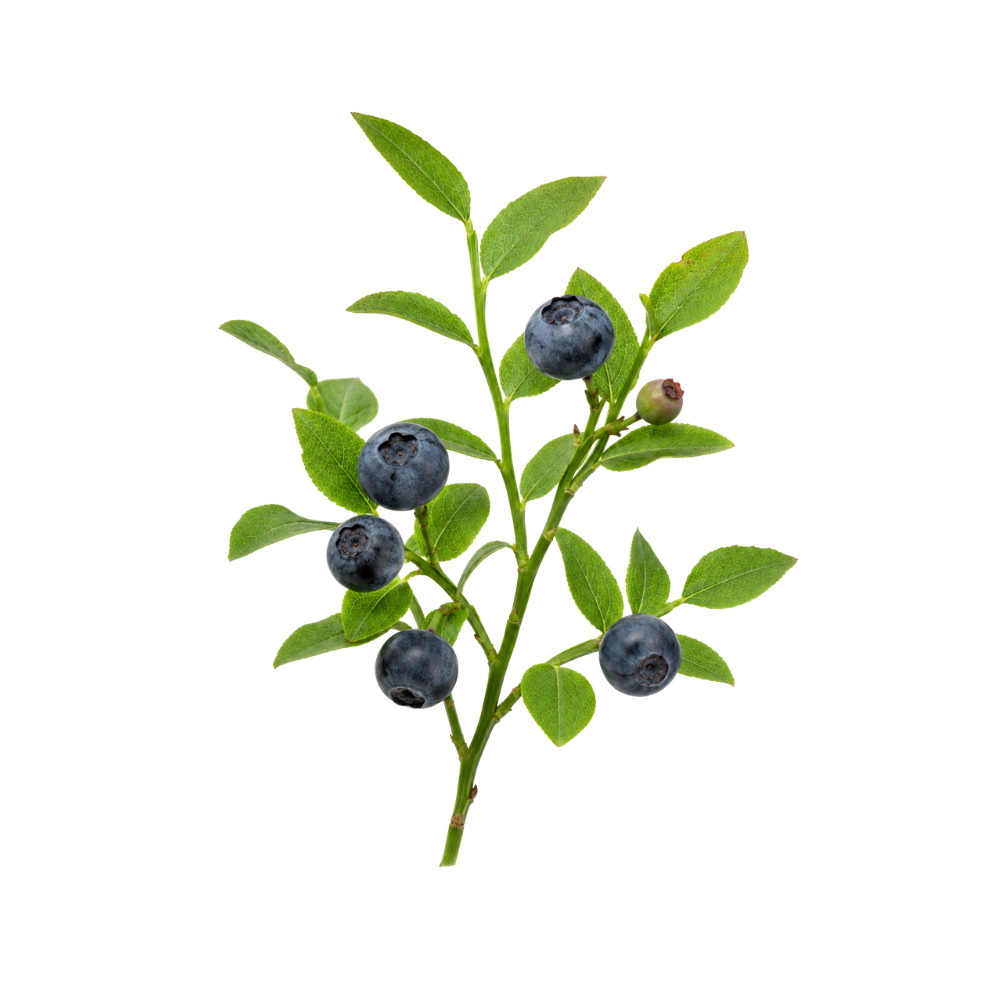
Bilberry

Vaccinium myrtillus

Ericaceae
AntioxidantVasoprotectiveAnti-InflammatoryAstringent

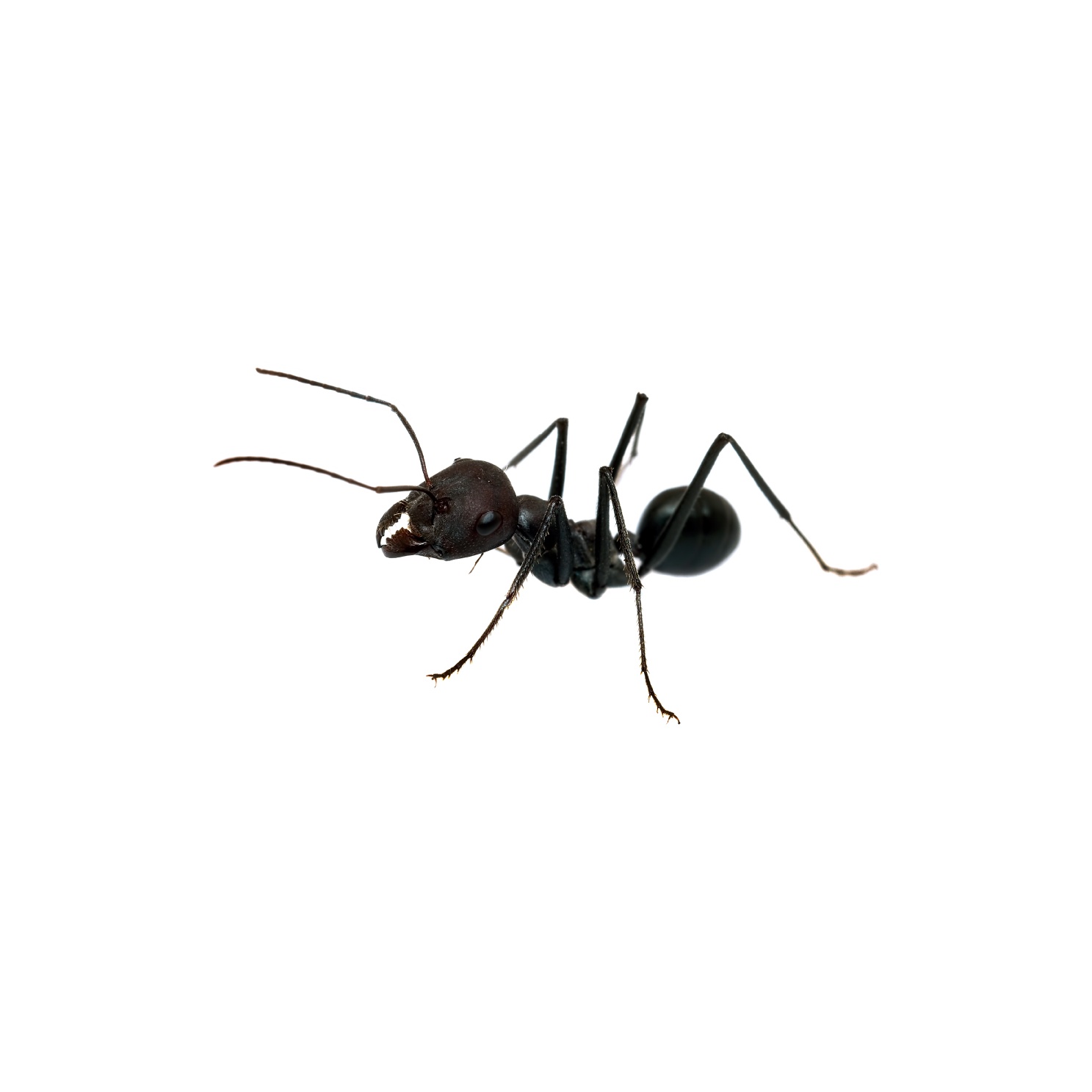
Black Ant

Polyrhachis spp.

Formicidae
UricosuricXanthine Oxidase InhibitorAdaptogenNutritive +6

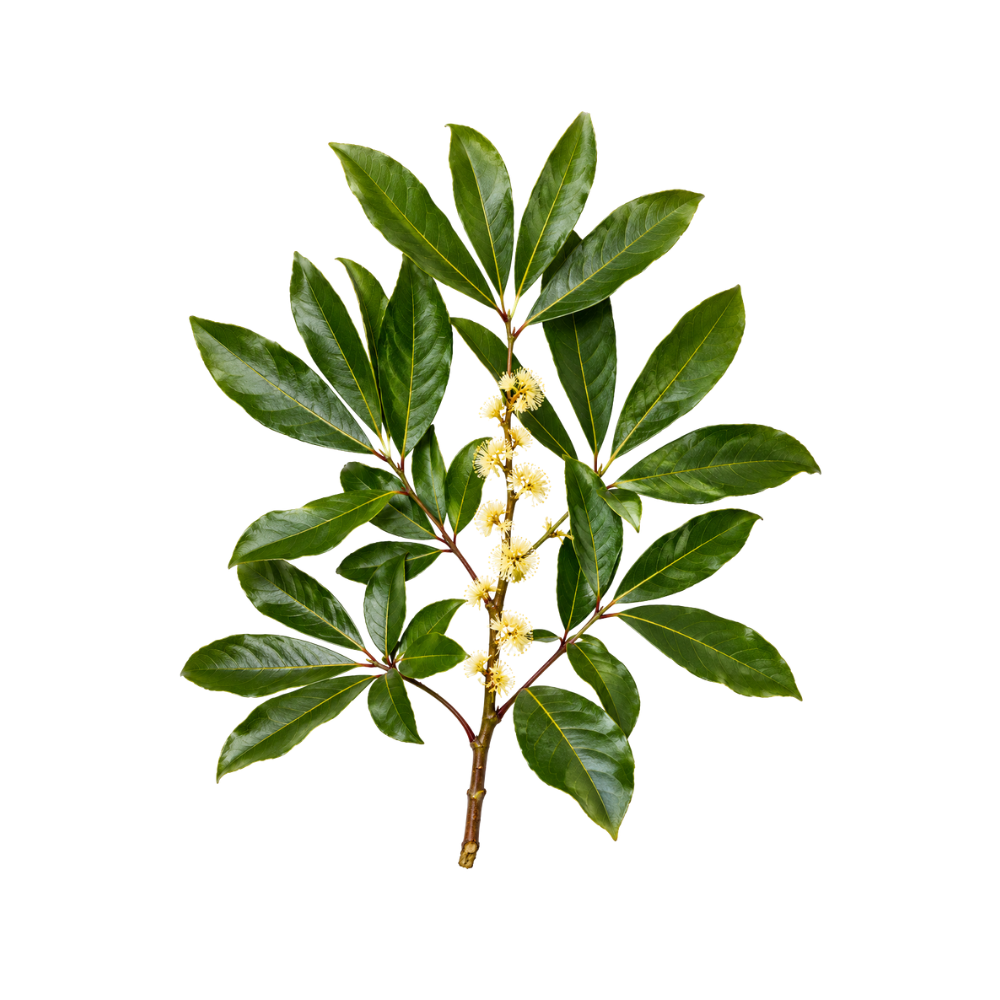
Black Wattle

Acacia mearnsii

Fabaceae
AntioxidantAstringentAnti-InflammatoryAntibacterial +1

Burdock

Arctium lappa

Asteraceae
AlterativeBitterHepaticNutritive +4

Cacao

Theobroma cacao

Malvaceae
AntioxidantStimulantBronchodilatorVasodilator +5

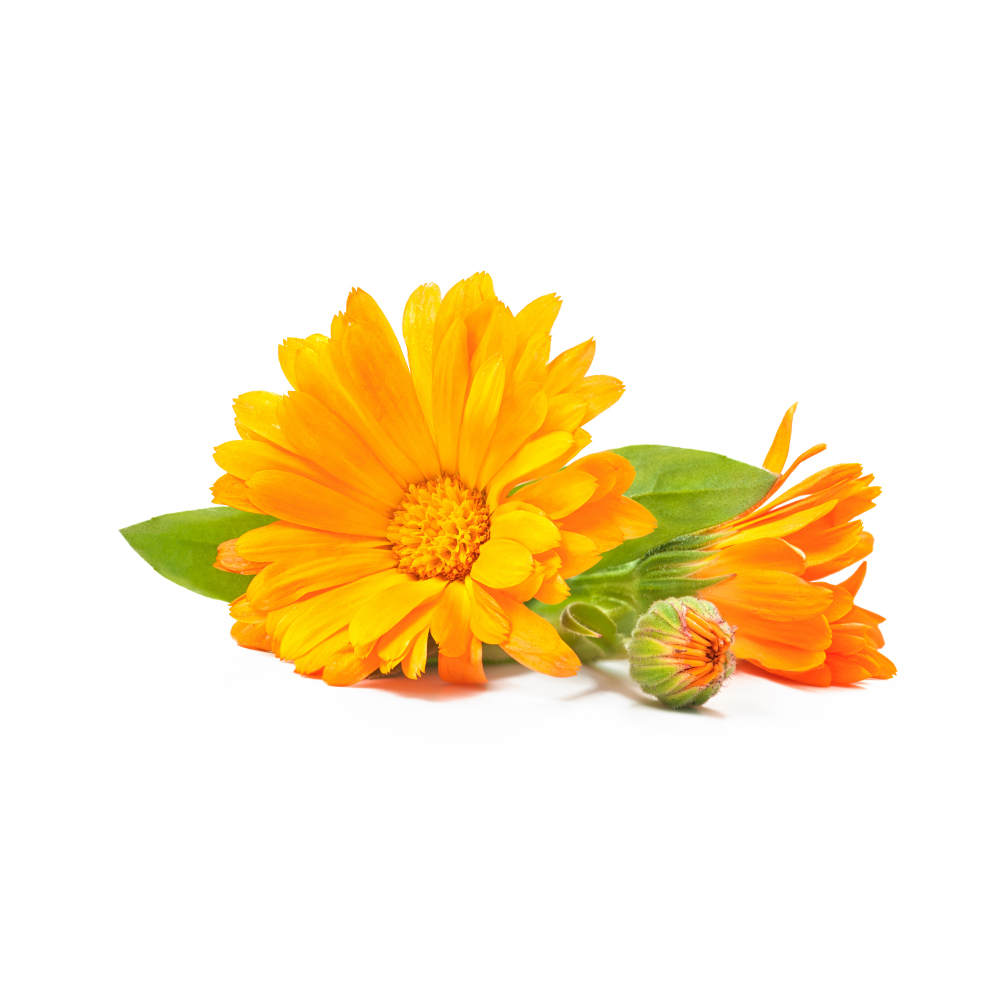
Calendula

Calendula officinalis

Asteraceae
VulneraryAnti-InflammatoryLymphaticAntimicrobial +3

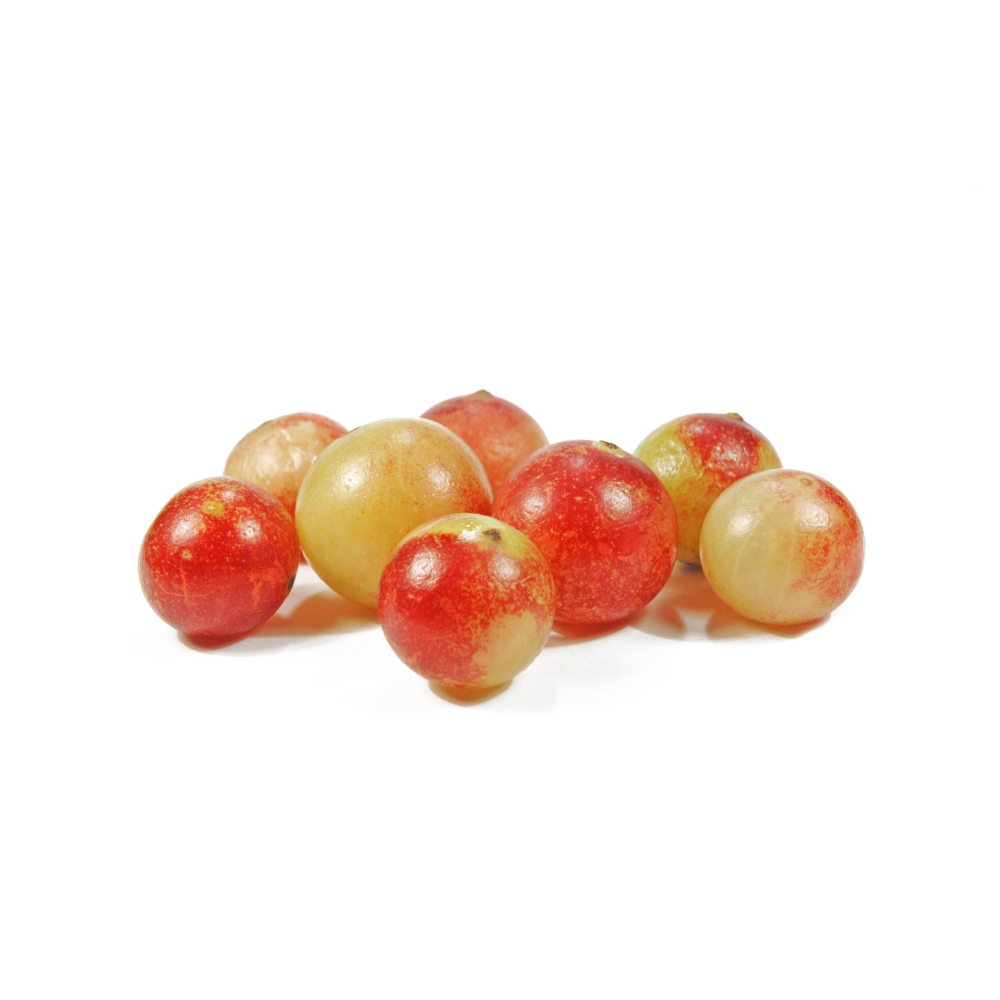
Camu-camu

Myrciaria dubia

Myrtaceae
NutritiveAntioxidantHepatoprotectiveAnti-Inflammatory +1

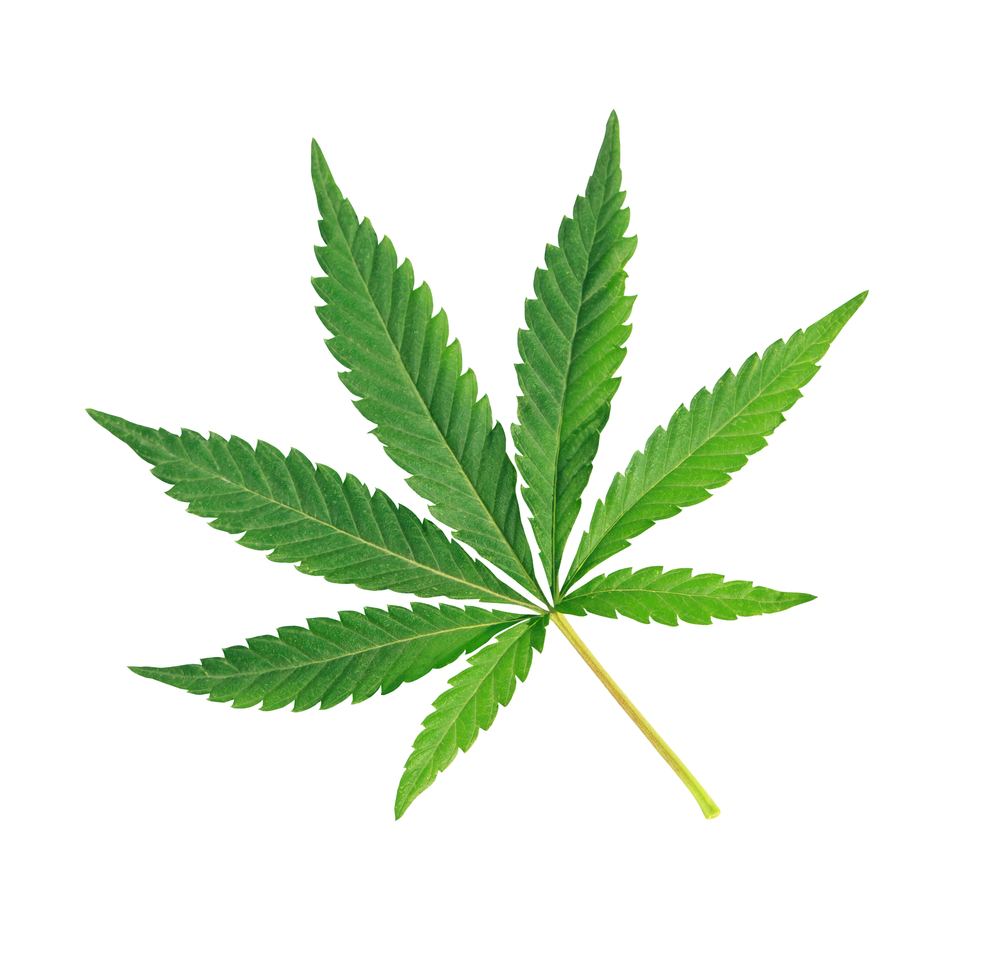
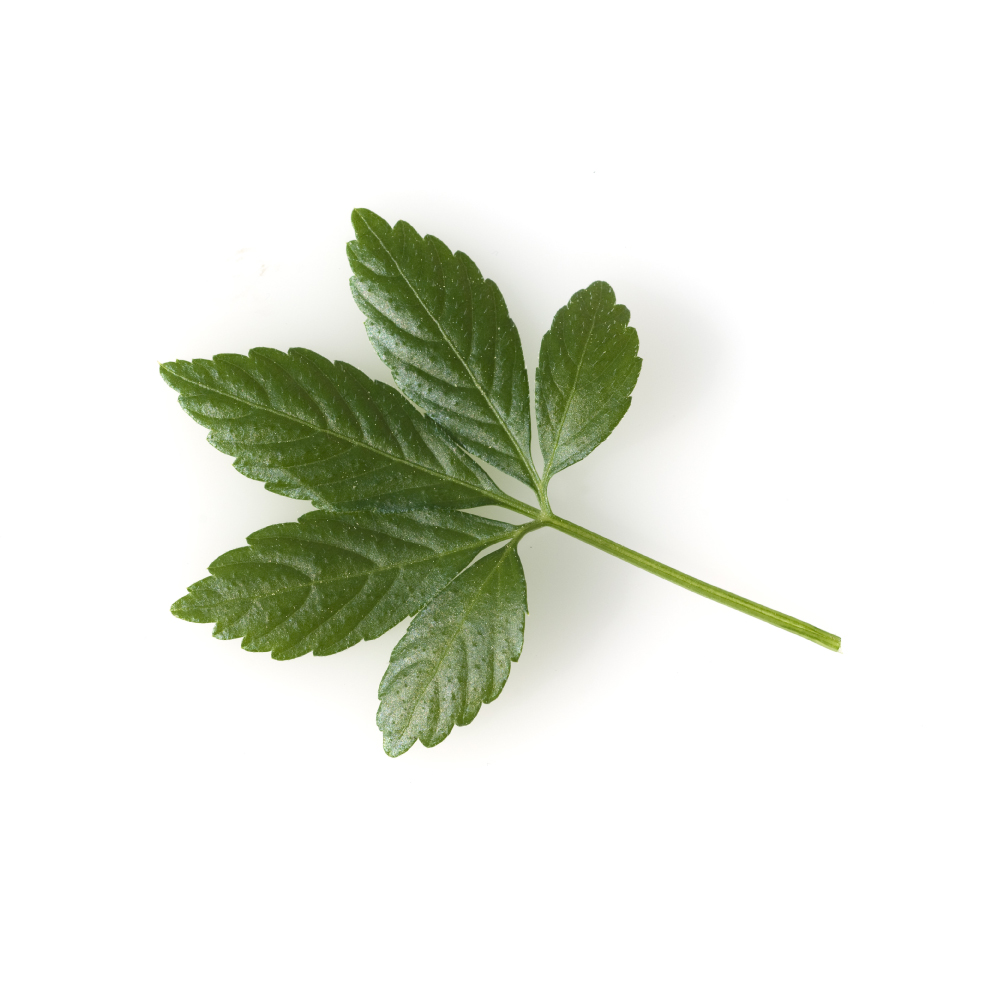
Cannabis

Cannabis sativa

Cannabaceae
AnticonvulsantAntispasmodicAnalgesicAntiemetic +7

Cashew

Anacardium occidentale

Anacardiaceae
AntidiabeticAnti-InflammatoryAntimicrobialAnticancer +6

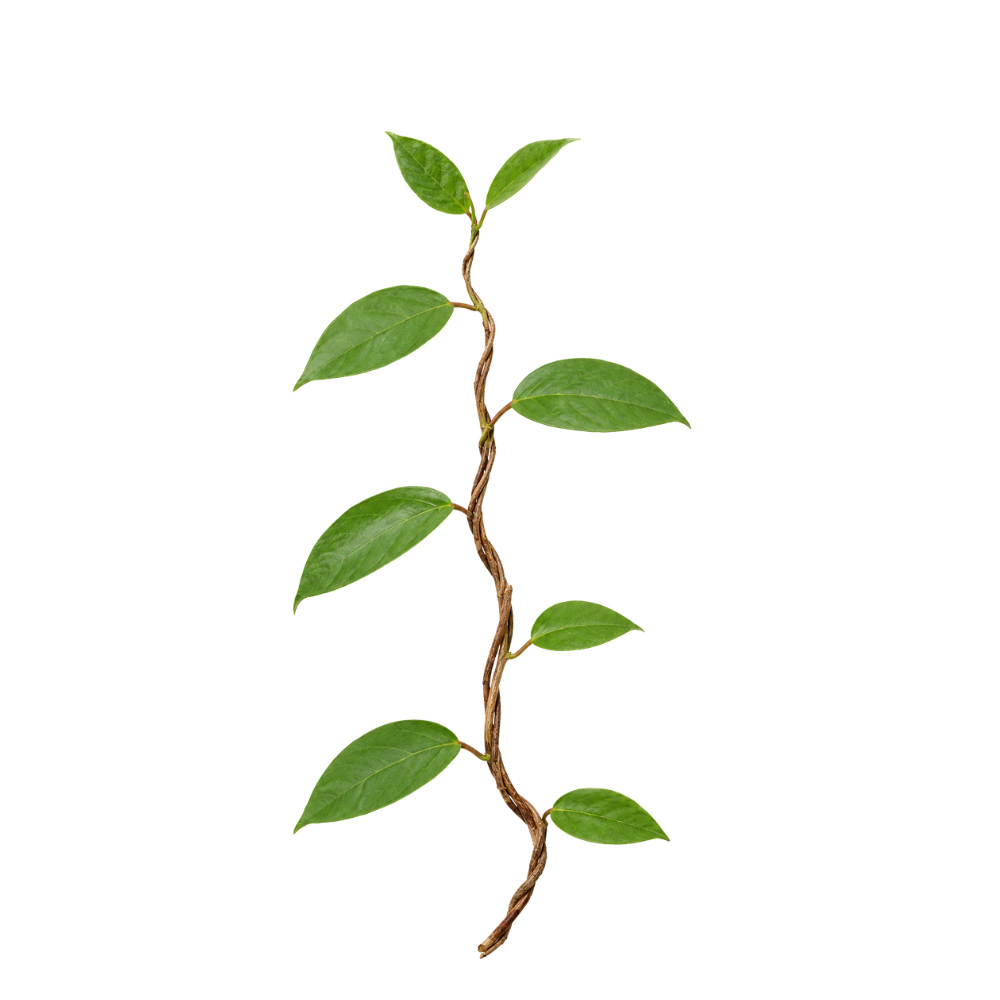
Cat's Claw

Uncaria tomentosa

Rubiaceae
ImmunomodulatorAnti-InflammatoryAntioxidantAdaptogen +6

Catechu

Senegalia catechu

Fabaceae
AstringentAnti-InflammatoryAntioxidantAntibacterial +6

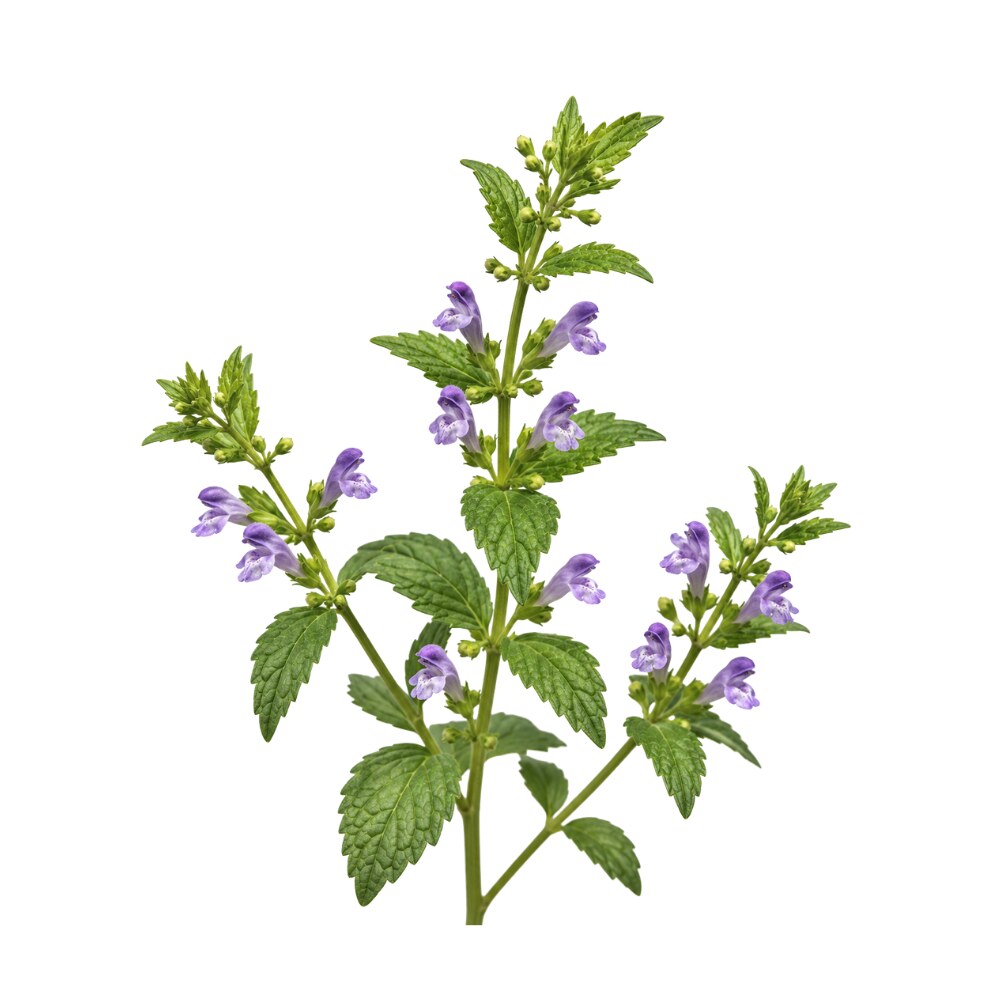
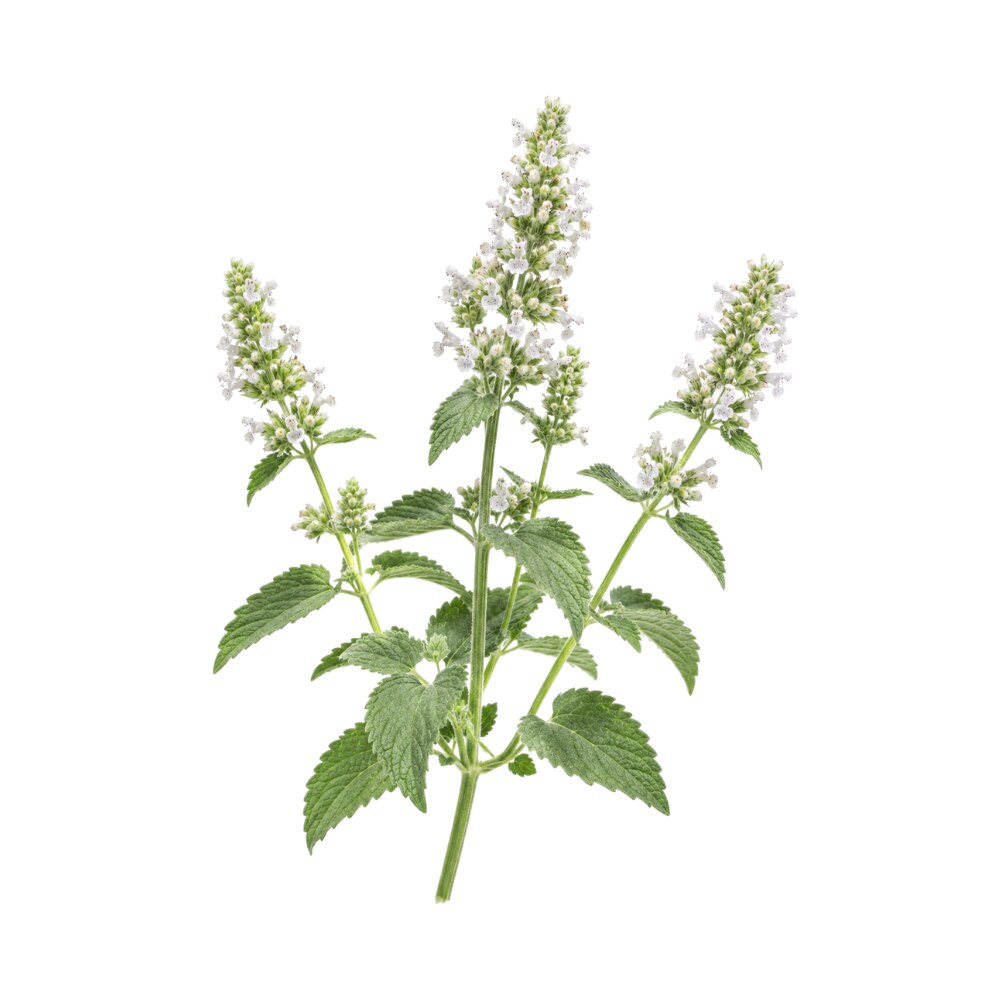
Catnip

Nepeta cataria

Lamiaceae
SedativeCarminativeDiaphoreticNervine +4

Catuaba

Trichilia catigua

Meliaceae
NervineAntidepressantAphrodisiacAnalgesic +6

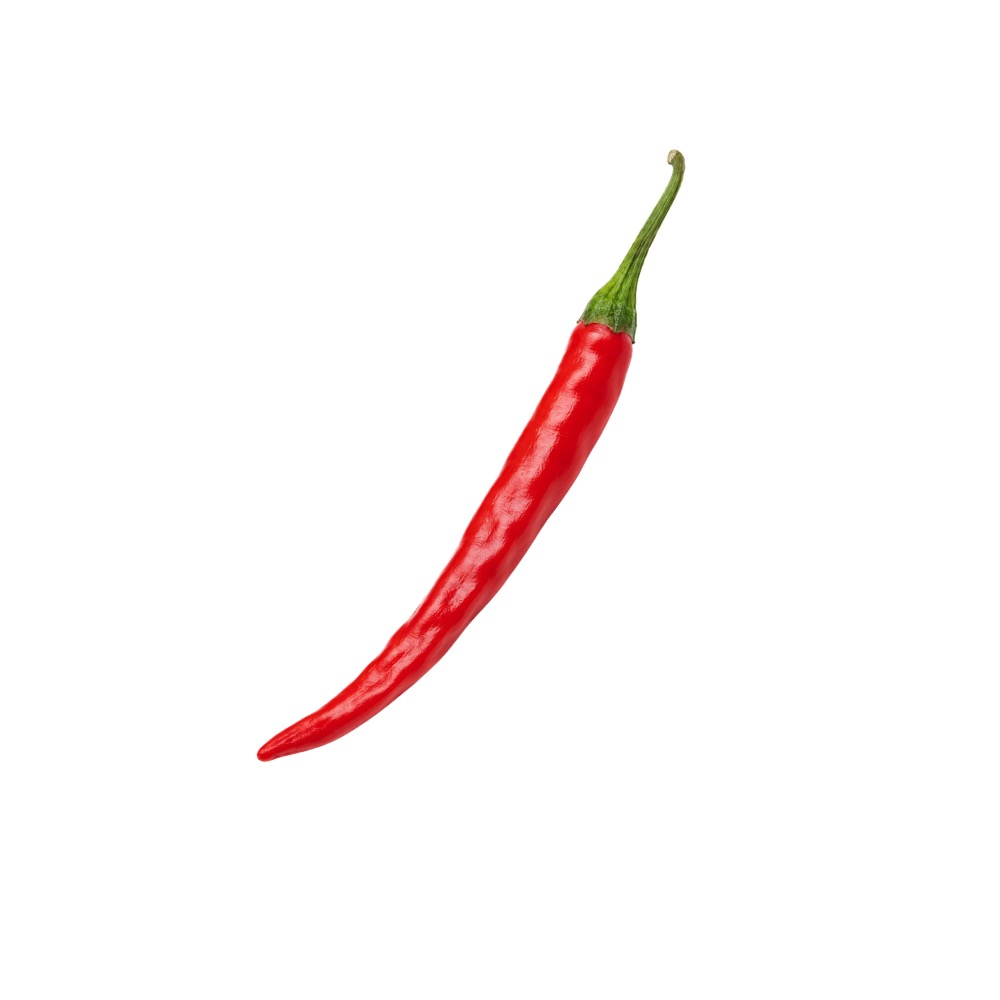
Cayenne

Capsicum annuum

Solanaceae
StimulantAnalgesicCarminativeRubefacient +2

Chanca Piedra

Phyllanthus niruri

Phyllanthaceae
UricosuricXanthine Oxidase InhibitorDiureticHepatic +4

Chickweed

Stellaria media

Caryophyllaceae
Xanthine Oxidase InhibitorDemulcentEmollientAntibacterial +4

Chilca

Baccharis latifolia

Asteraceae
Anti-InflammatoryAnalgesicVulneraryAntimicrobial +3

Chinese Skullcap

Scutellaria baicalensis

Lamiaceae
AntiviralAnti-InflammatoryAntiallergicAntibacterial +3

Clove

Syzygium aromaticum

Myrtaceae
AnalgesicAntimicrobialAntibacterialAntifungal +5

Codonopsis

Codonopsis pilosula

Campanulaceae
AdaptogenNootropicHypolipidemicNutritive +3

Coffee

Coffea arabica

Rubiaceae
AntioxidantBronchodilatorDiureticHepatoprotective +9

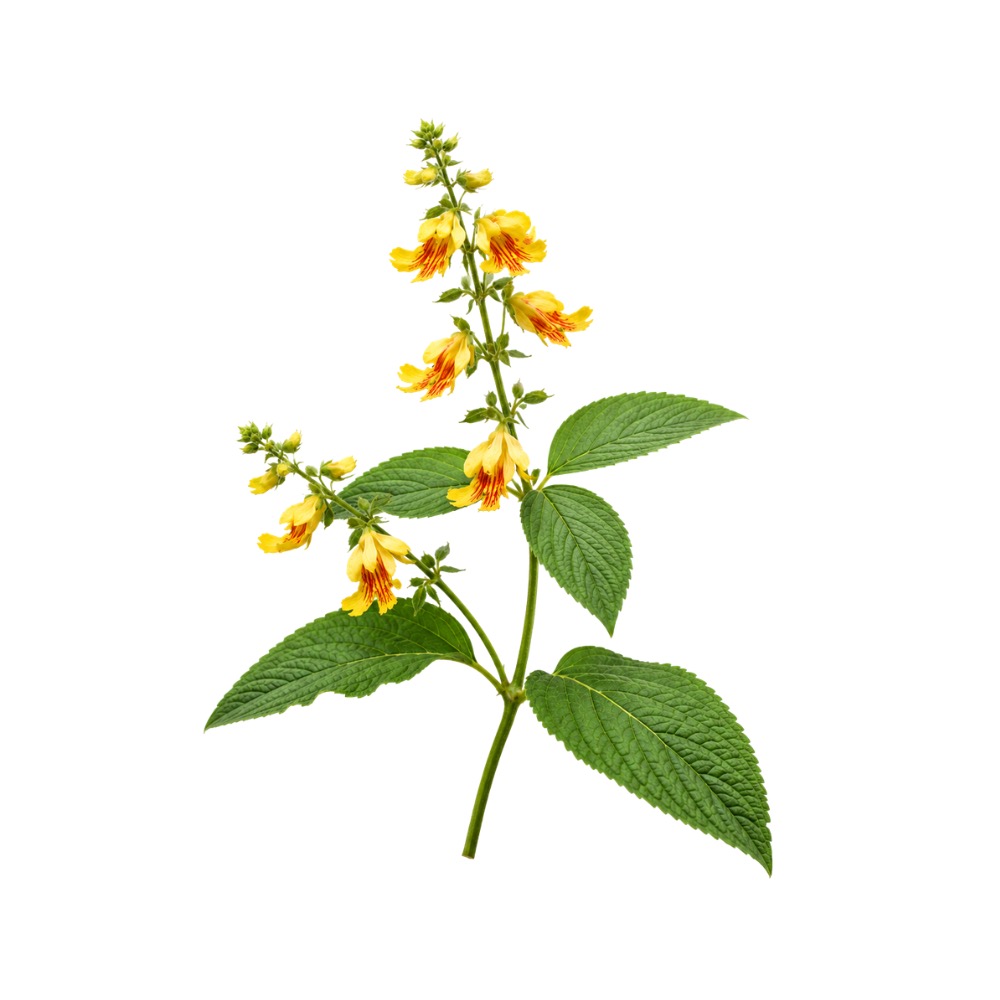
Coleus

Coleus barbatus

Lamiaceae
AntihypertensiveAntiplateletAntispasmodicCardiotonic

Couchgrass

Elymus repens

Poaceae
UricosuricDemulcentDiureticUrinary Demulcent +2

Crataeva

Crataeva nurvala

Capparaceae
Urinary AntispasmodicDiureticAnti-InflammatoryAntioxidant +1

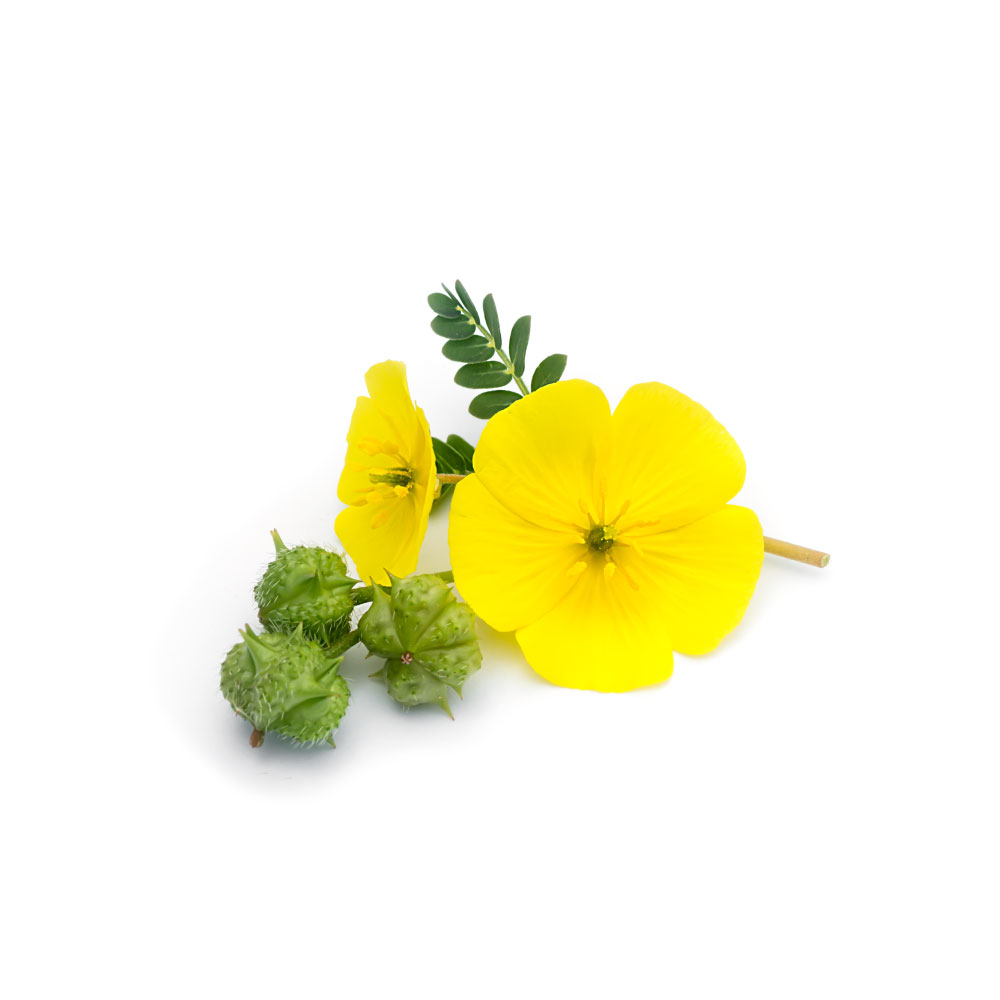
Damiana

Turnera diffusa

Turneraceae
Aromatase InhibitorAphrodisiacAntimicrobialAnticancer +4

Dan Shen

Salvia miltiorrhiza

Lamiaceae
CardioprotectiveAntihypertensiveAntiplateletHepatoprotective +4

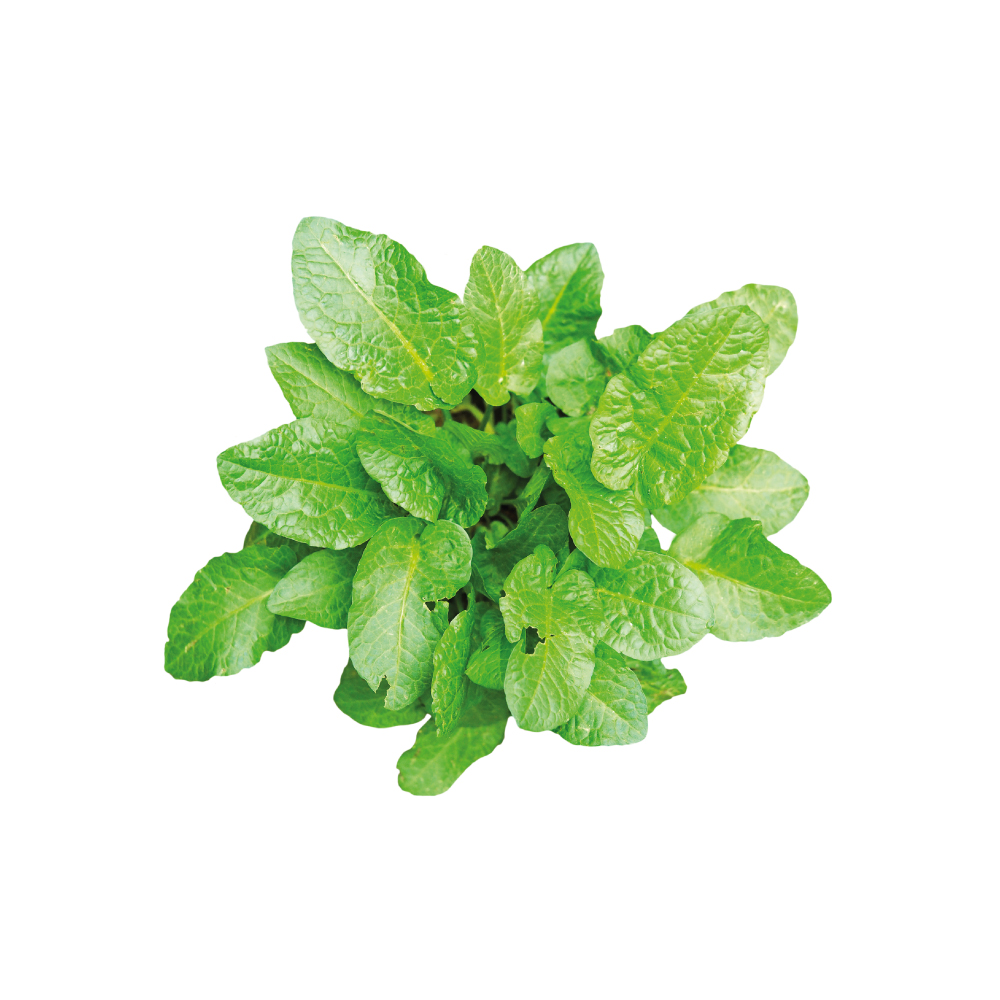
Dandelion

Taraxacum officinale

Asteraceae
BitterCholagogueCholereticDiuretic +6

Dong Quai

Angelica sinensis

Apiaceae
Uterine TonicEmmenagogueAntispasmodicAnti-Inflammatory

Ephedra

Ephedra sinica

Ephedraceae
SympathomimeticVasoconstrictorStimulantBronchodilator +4

Fennel

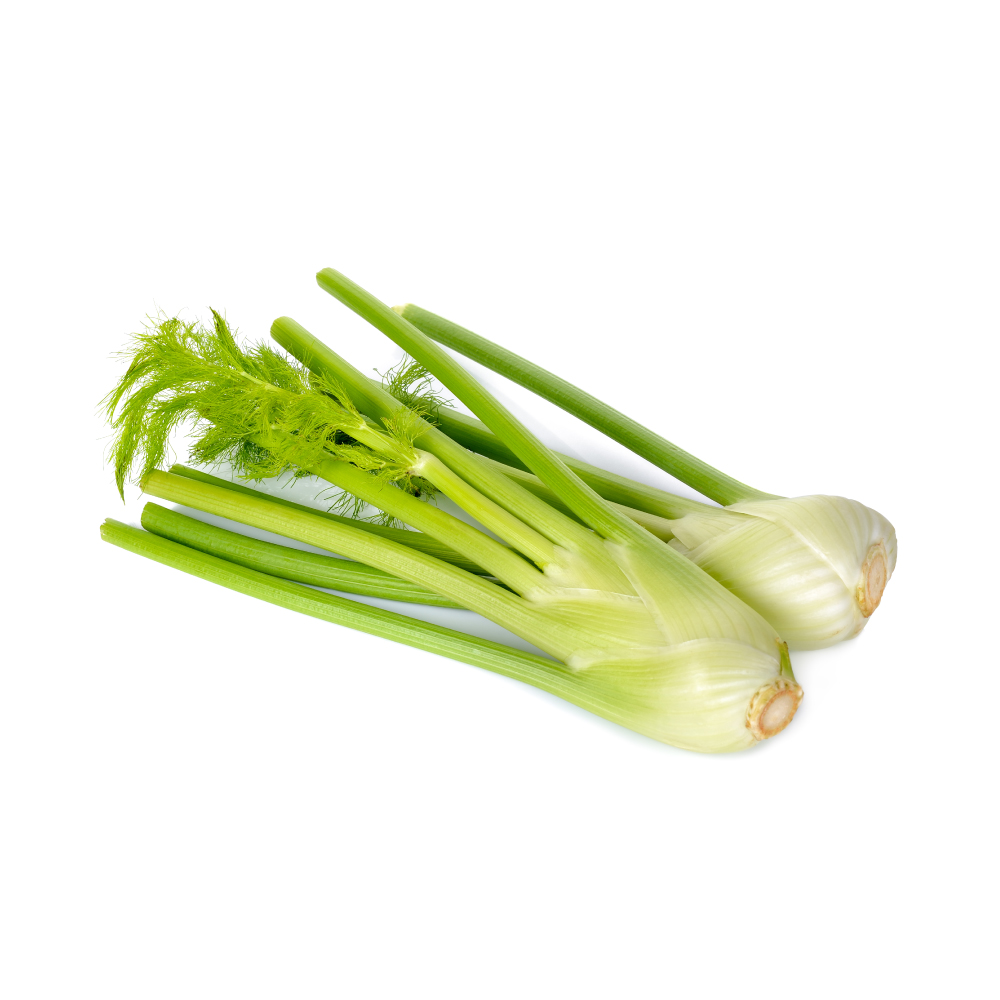
Foeniculum vulgare

Apiaceae
CarminativeAppetite StimulantAppetite SuppressantAntispasmodic +7

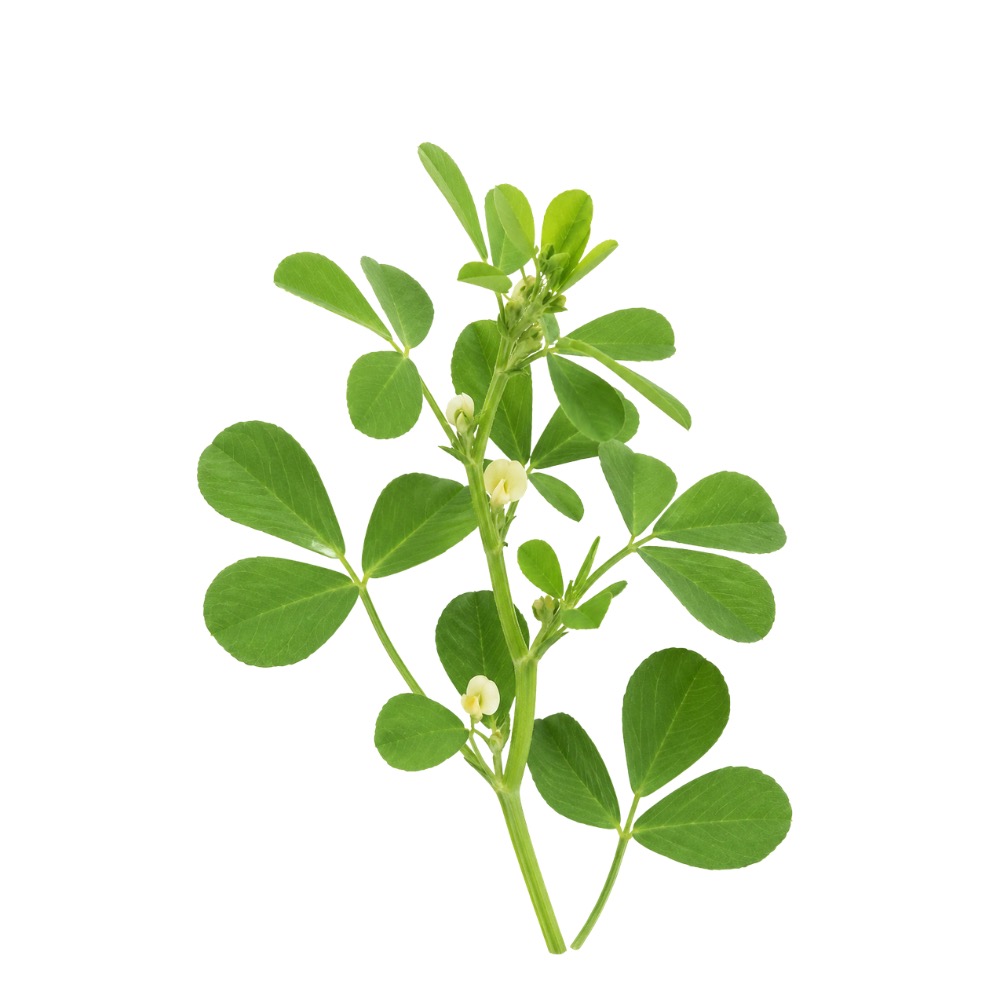
Fenugreek

Trigonella foenum-graecum

Fabaceae
Aromatase InhibitorGalactagogueHypoglycemicDemulcent +4

Feverfew

Tanacetum parthenium

Asteraceae
Anti-InflammatoryVasodilatorEmmenagogueAnthelmintic +1

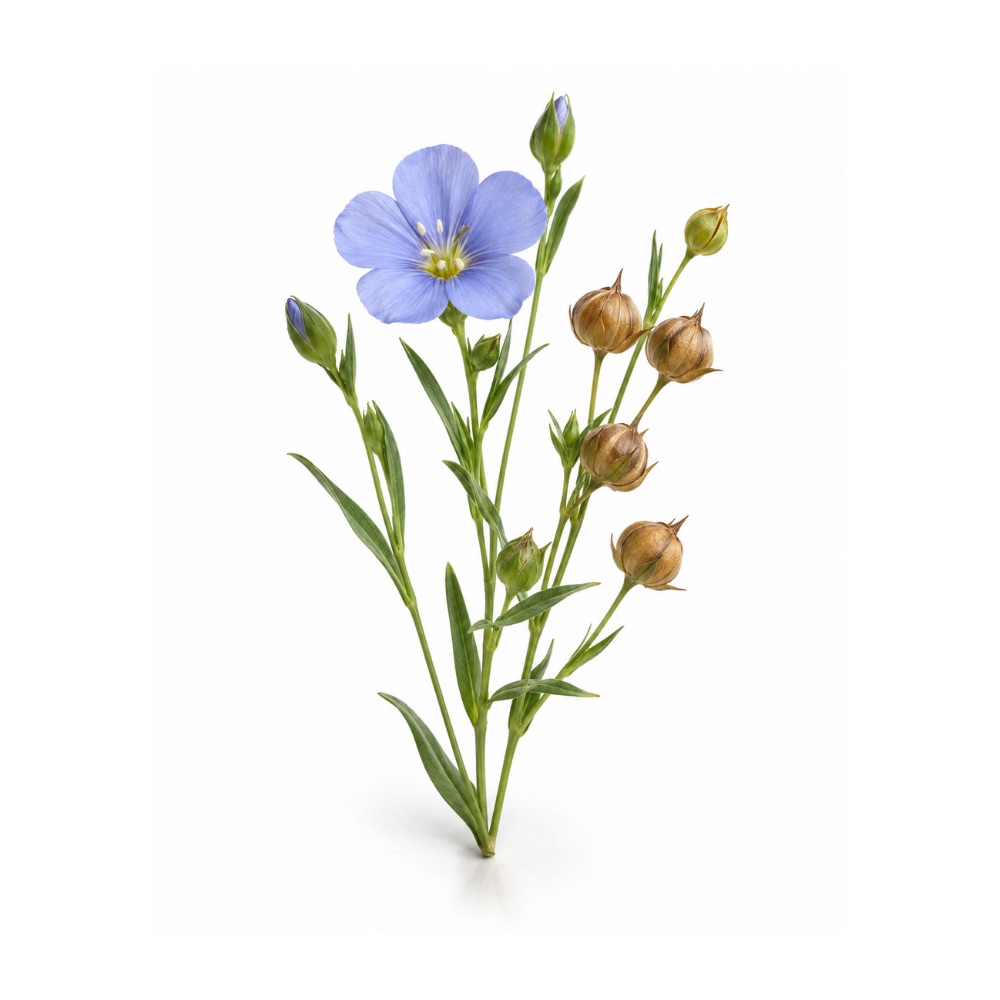
Flaxseed

Linum usitatissimum

Linaceae
HypolipidemicDemulcentBulk LaxativeAntihypertensive +1

Frankincense

Boswellia serrata

Burseraceae
AntioxidantAnti-InflammatoryAntimicrobialVulnerary +3

Garlic

Allium sativum

Amaryllidaceae
AntimicrobialAntihypertensiveHypolipidemicCirculatory-Stimulant +7

Gentian

Gentiana lutea

Gentianaceae
BitterDigestiveSialagogueCholagogue +2

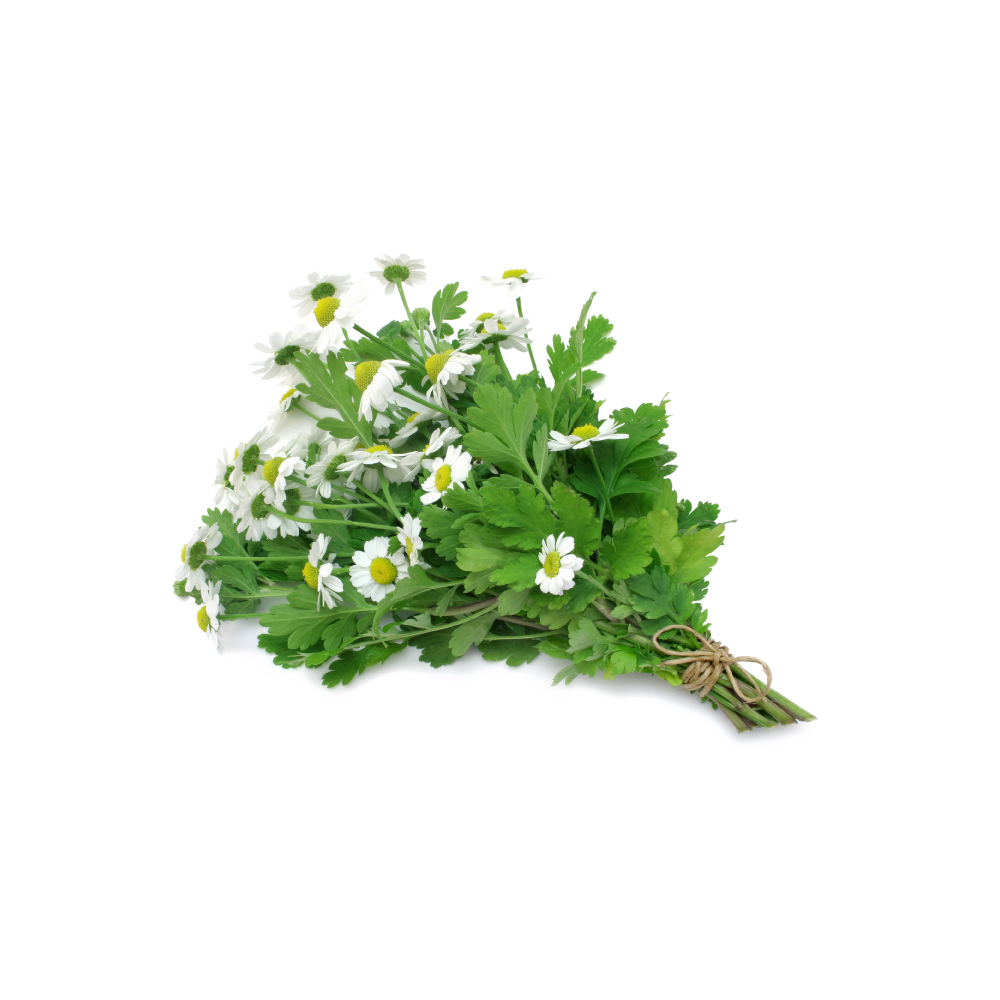
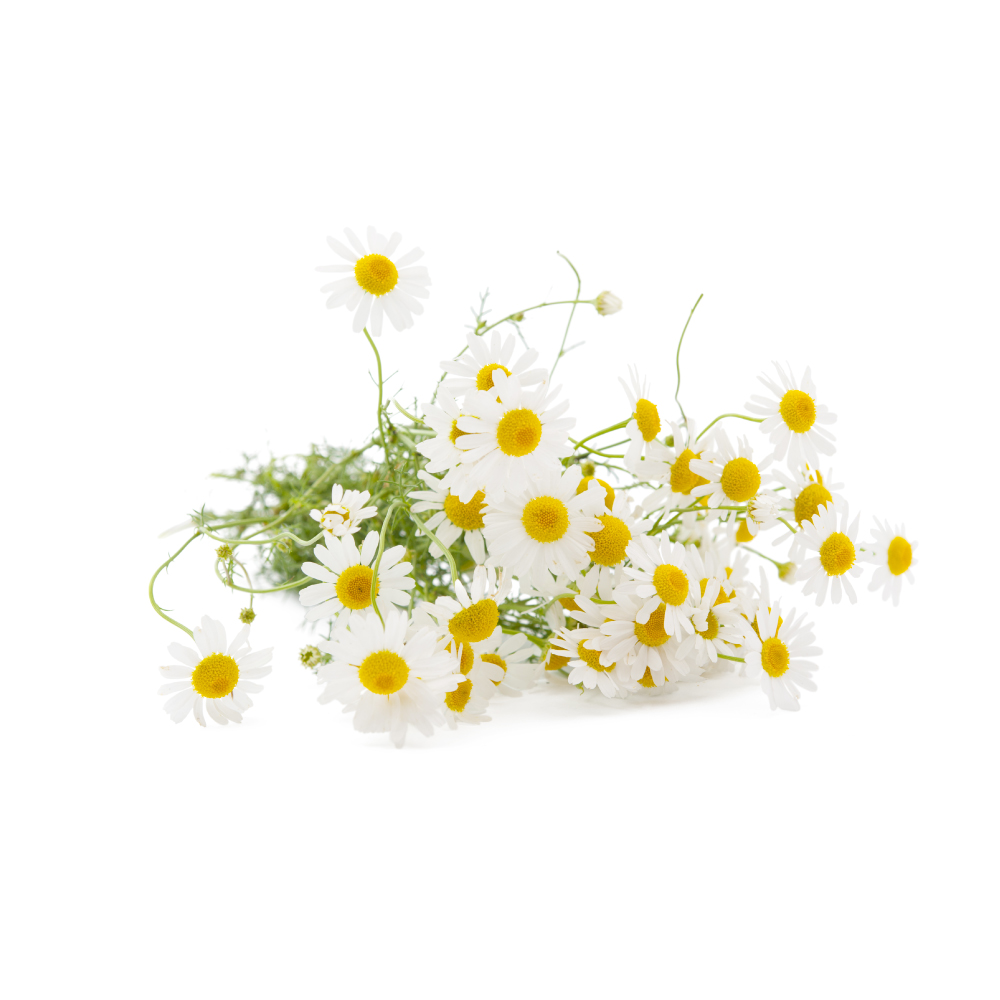
German Chamomile

Matricaria chamomilla

Asteraceae
Anti-InflammatoryAntispasmodicAntiallergicAntibacterial +7

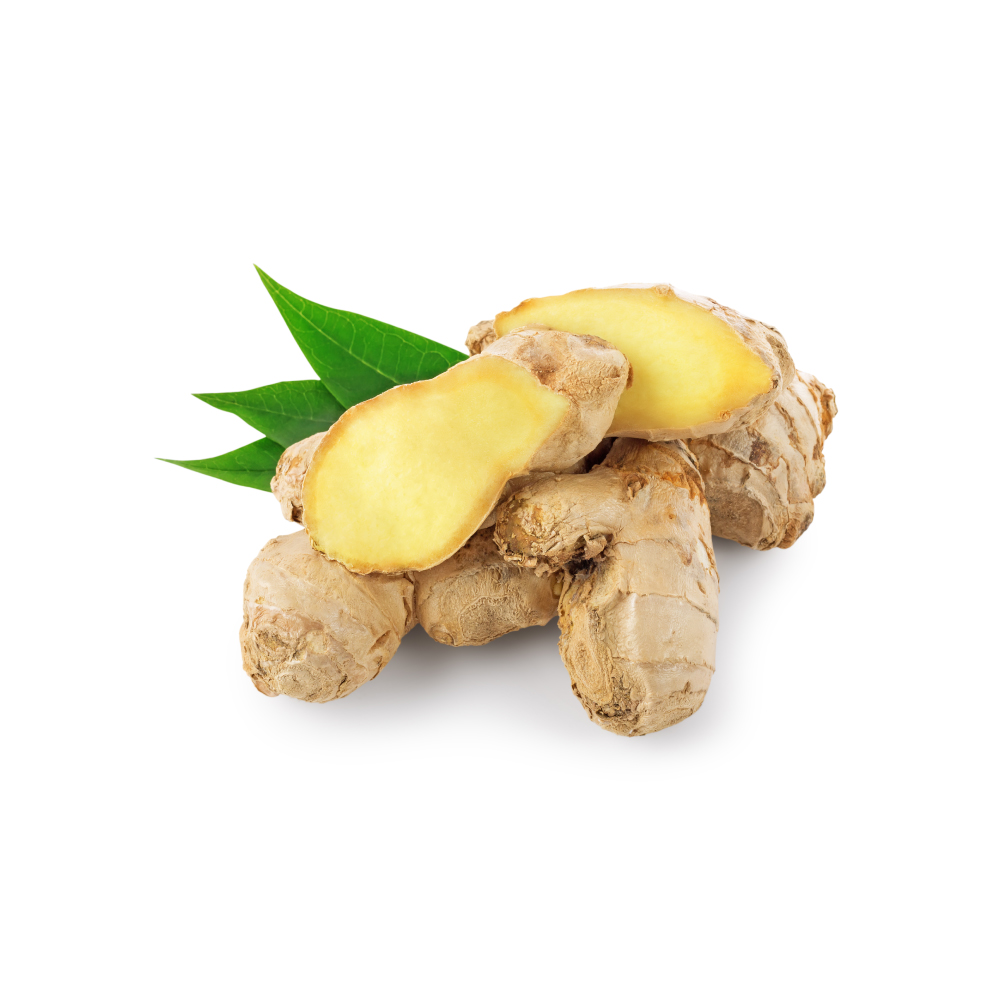
Ginger

Zingiber officinale

Zingiberaceae
CarminativeAntiemeticAntispasmodicCirculatory Stimulant +10

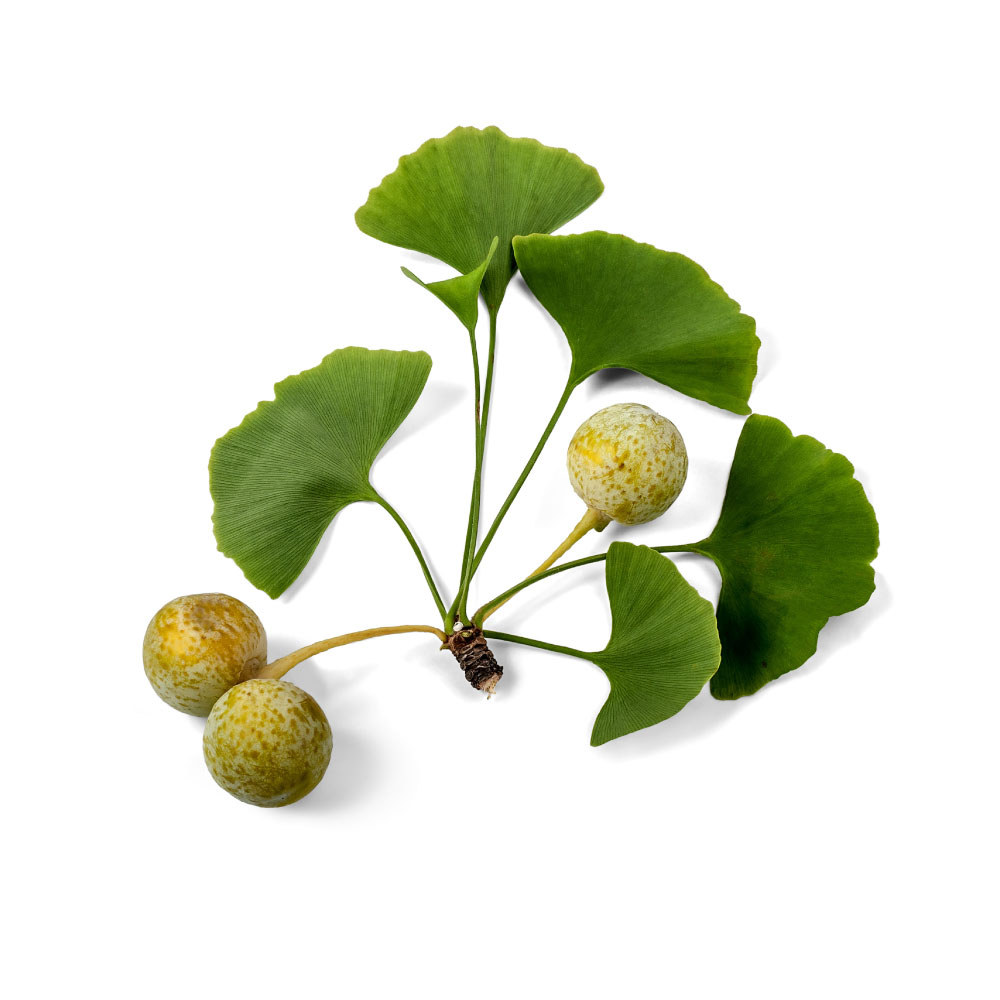
Ginkgo

Ginkgo biloba

Ginkgoaceae
NeuroprotectiveNootropicCirculatory-StimulantAntioxidant +4

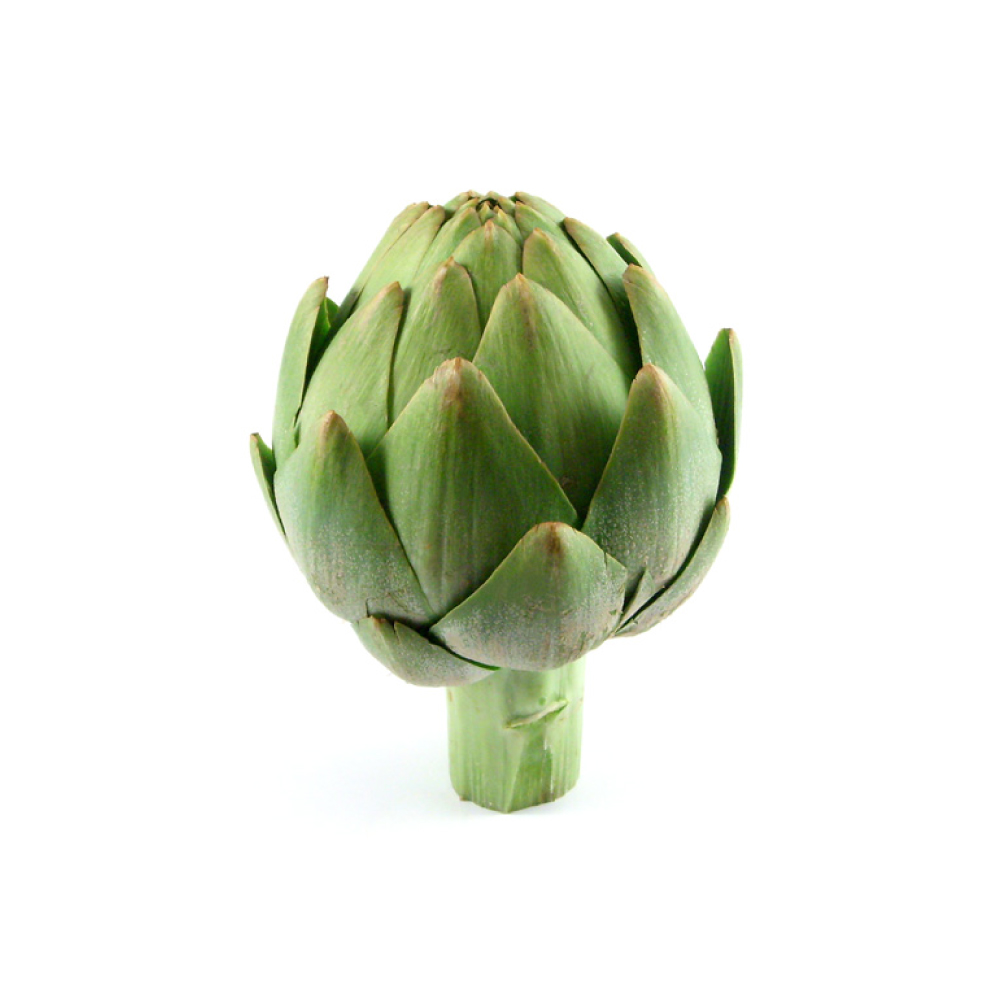
Globe Artichoke

Cynara scolymus

Asteraceae
AntioxidantBitterCholereticCholagogue +6

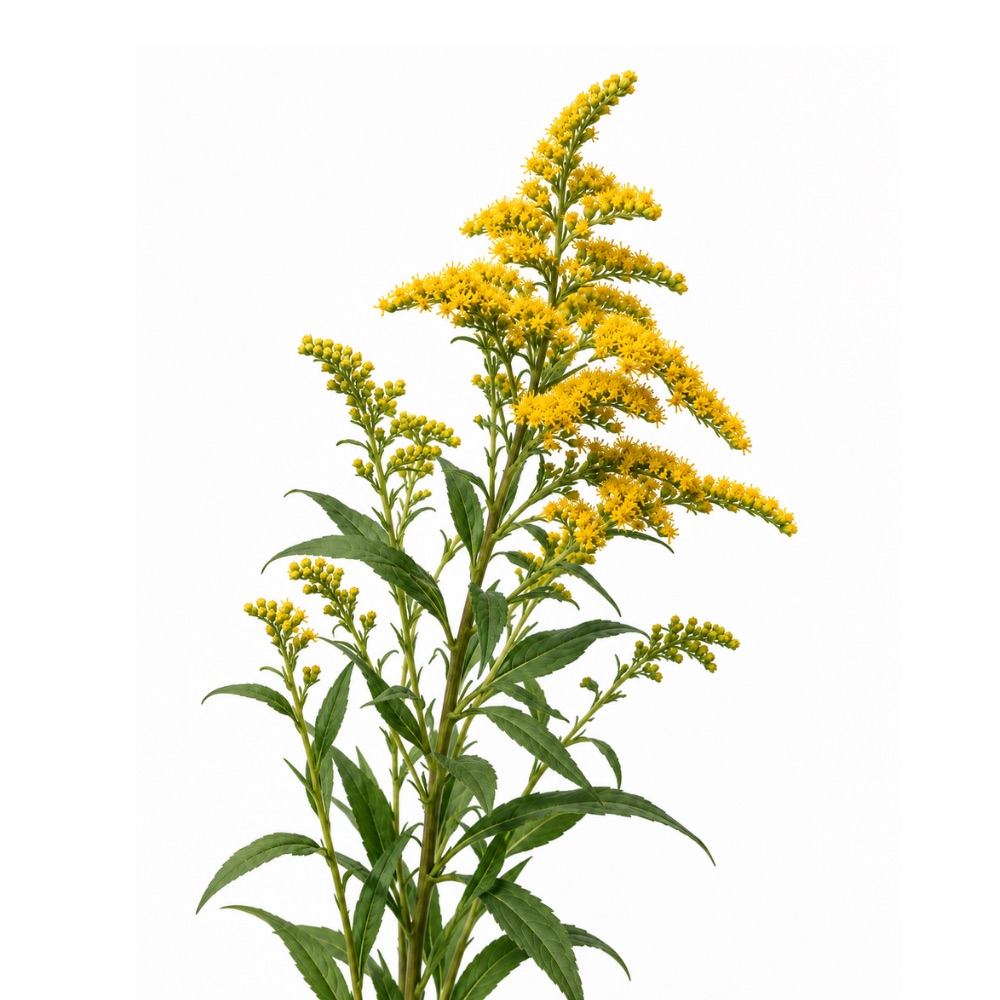
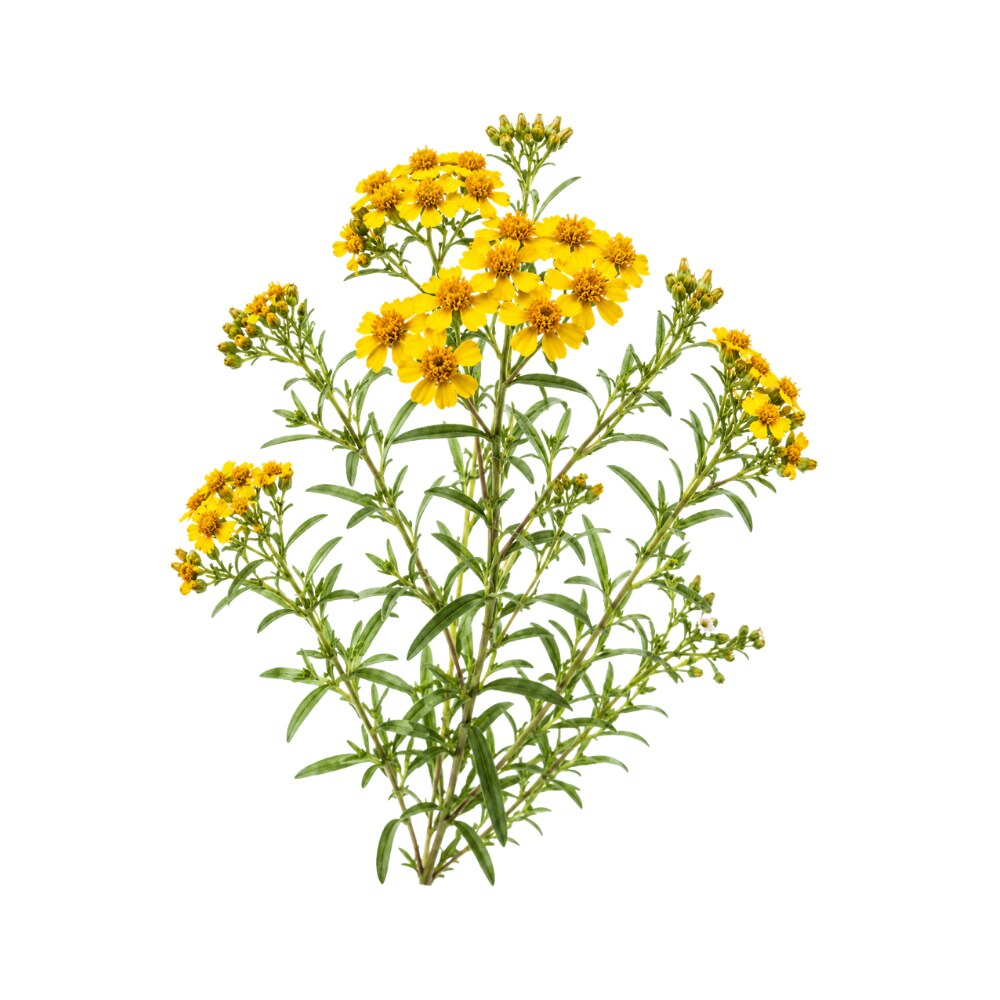
Goldenrod

Solidago virgaurea

Asteraceae
Xanthine Oxidase InhibitorDiureticAnti-InflammatoryAstringent +2

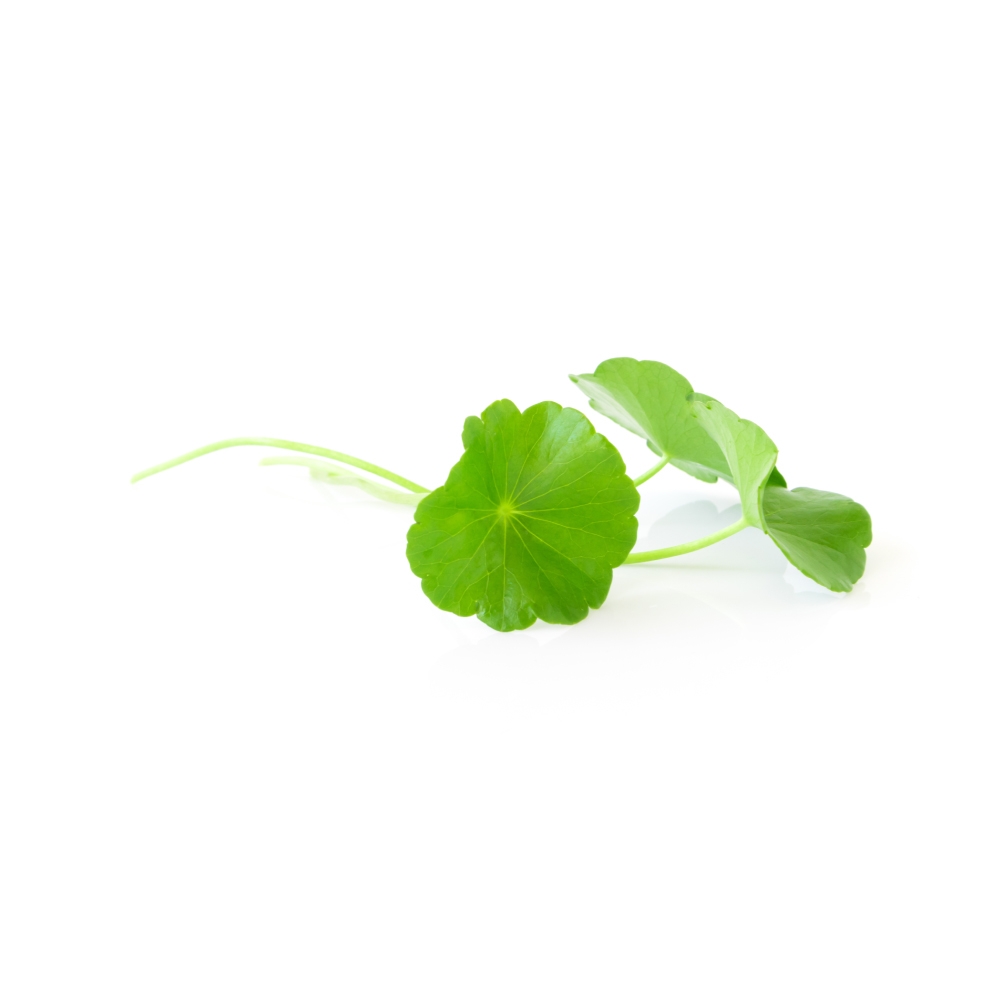
Gotu Kola

Centella asiatica

Apiaceae
NervineNeuroprotectiveNootropicVulnerary +11

Graviola

Annona muricata

Annonaceae
AnticancerAnti-InflammatoryAntioxidantAntispasmodic +10

Greater Celandine

Chelidonium majus

Papaveraceae
AnalgesicAntispasmodicAlterativeHepatoprotective +10

Griffonia

Griffonia simplicifolia

Fabaceae
AntidepressantNervineAnxiolyticSedative +1

Gynostemma

Gynostemma pentaphyllum

Cucurbitaceae
AntidiabeticAdaptogenVasodilatorHypolipidemic +2

Haritaki

Terminalia chebula

Combretaceae
AstringentLaxativeAntidiarrhealAntimicrobial +7

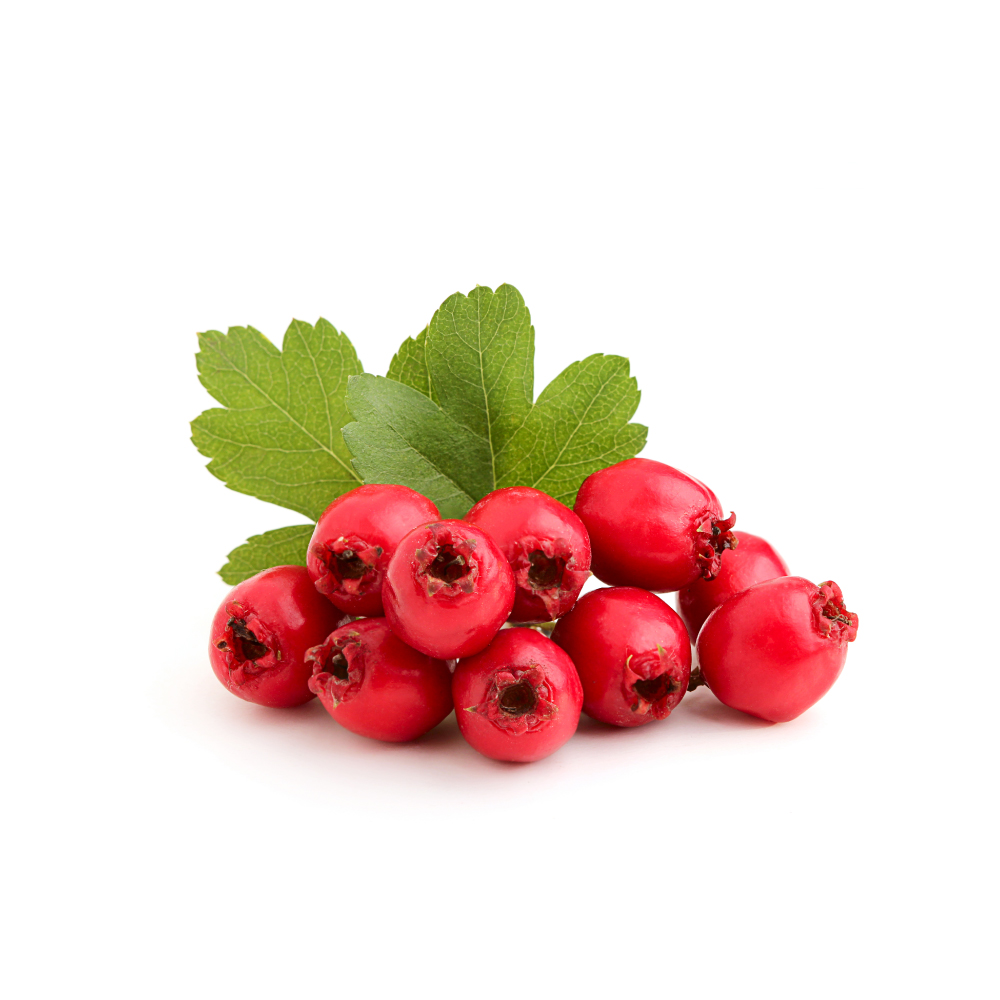
Hawthorn

Crataegus oxyacantha

Rosaceae
CardiotonicAstringentAntihypertensiveAntioxidant +5

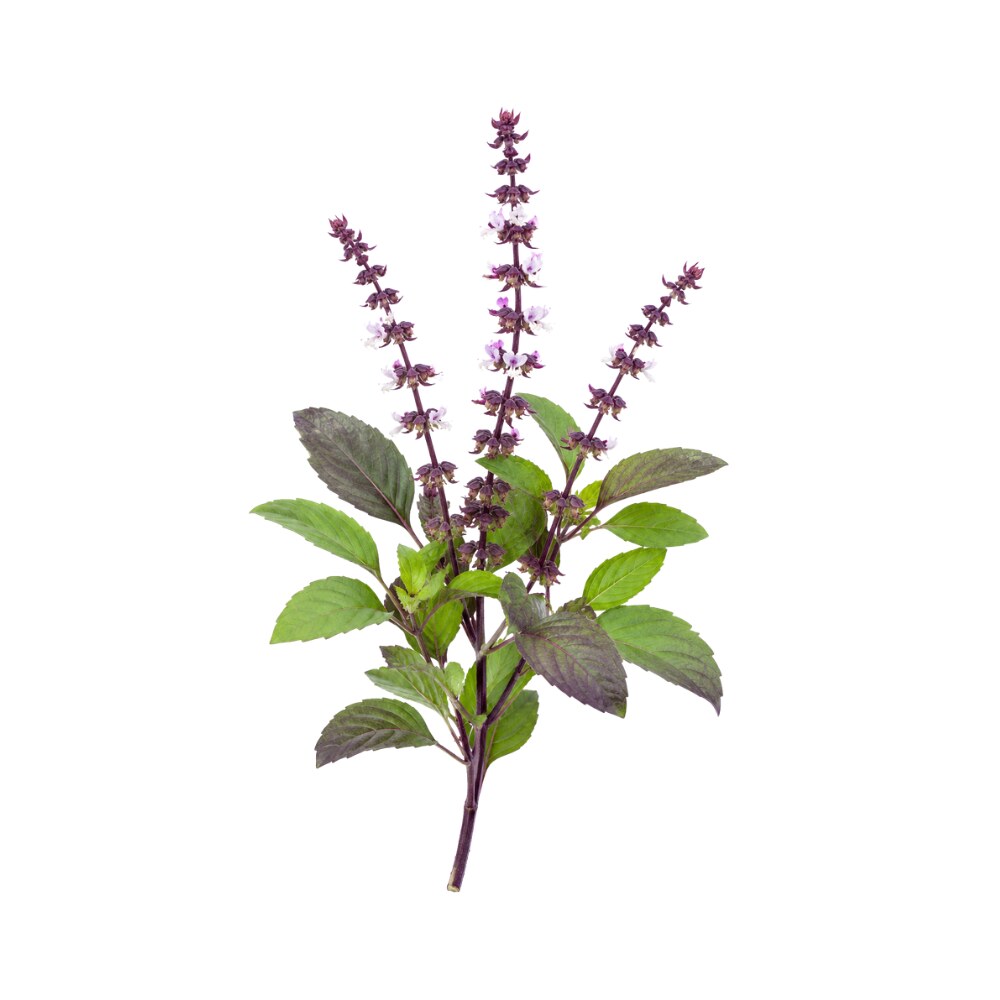
Holy Basil

Ocimum tenuiflorum

Lamiaceae
AntispermatogenicAdaptogenNervineAnxiolytic +6

Hops

Humulus lupulus

Cannabaceae
SedativeAntispasmodicAstringentBitter +5

Horopito

Pseudowintera colorata

Winteraceae
AnalgesicAntibacterialAntifungalAnti-Inflammatory +4

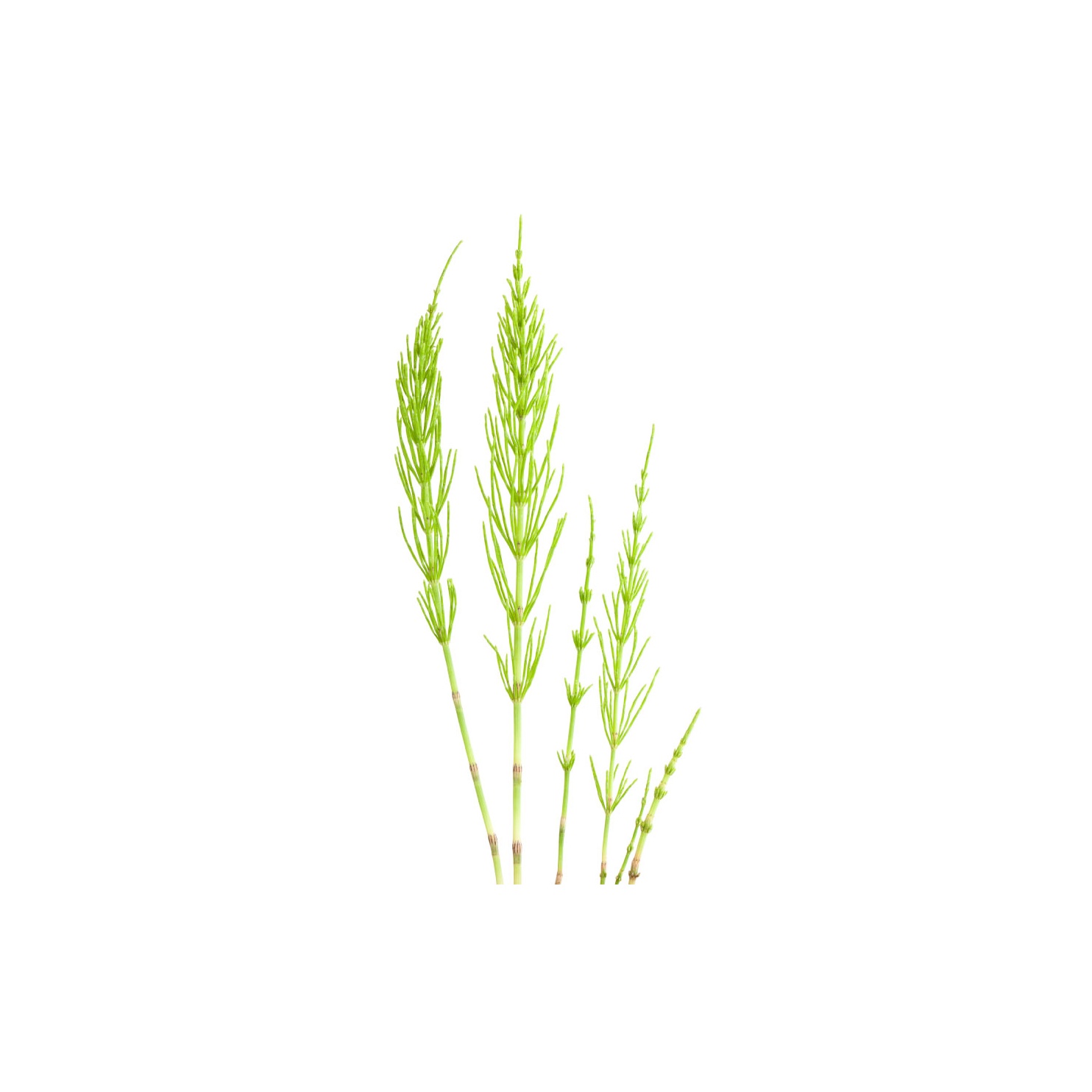
Horsetail

Equisetum arvense

Equisetaceae
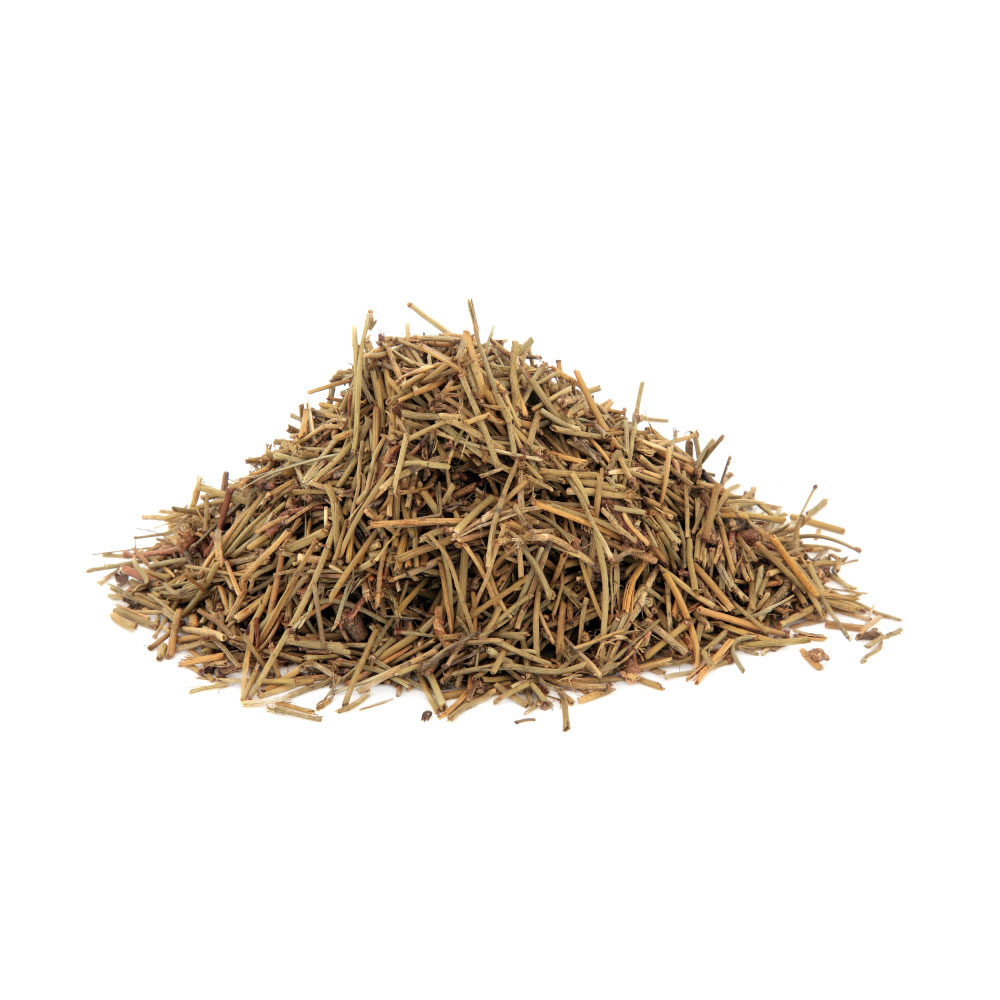
DiureticUrinary AntisepticUrinary AntispasmodicAstringent +4

Isatis

Isatis indigotica

Brassicaceae
AntiviralAntibacterialAnti-InflammatoryAntipyretic +1

Jatobá

Hymenaea courbaril

Fabaceae
AntifungalAntimicrobialAstringentAnti-Inflammatory +1

Juniper

Juniperus communis

Cupressaceae
Urinary AntisepticDiureticAntirheumaticCarminative +3

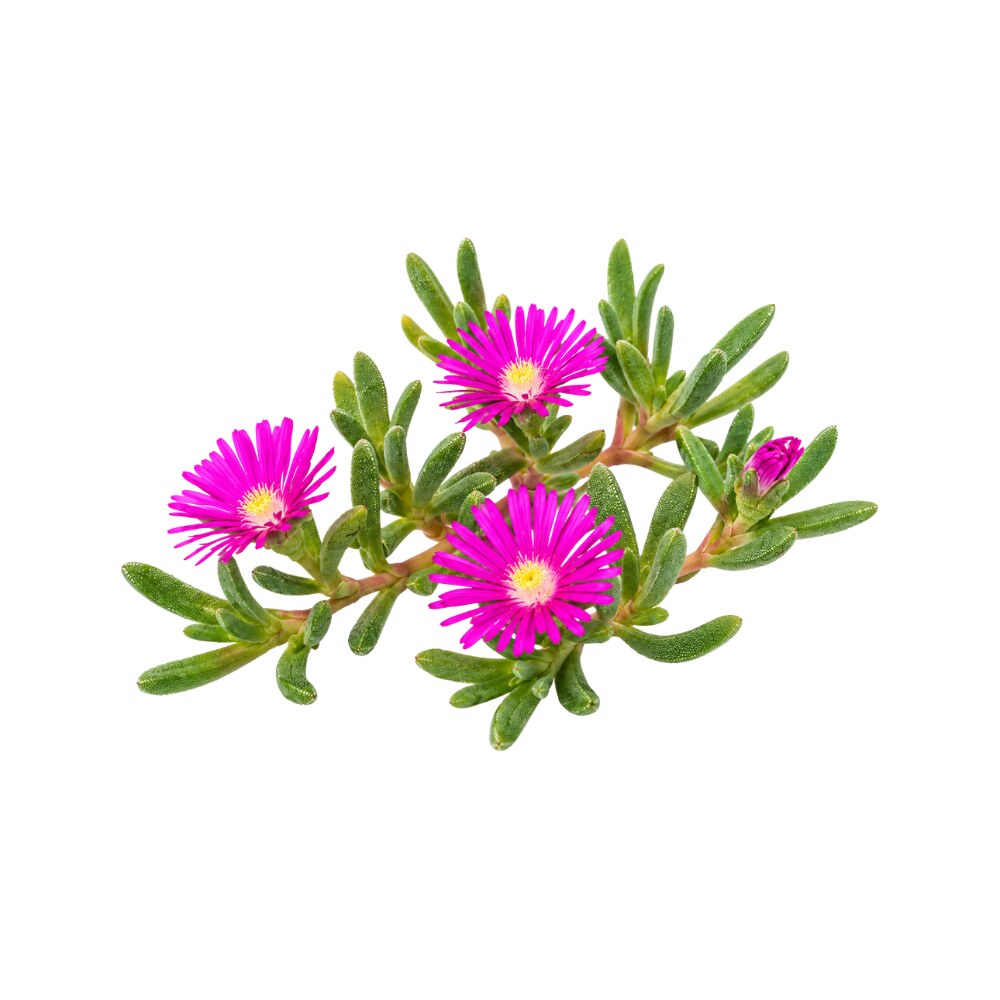
Kanna

Mesembryanthemum tortuosum

Aizoaceae
AntidepressantAnxiolyticNervineEmpathogen +3

Lavender

Lavandula angustifolia

Lamiaceae
AnalgesicAntibacterialAntidepressantAntifungal +5

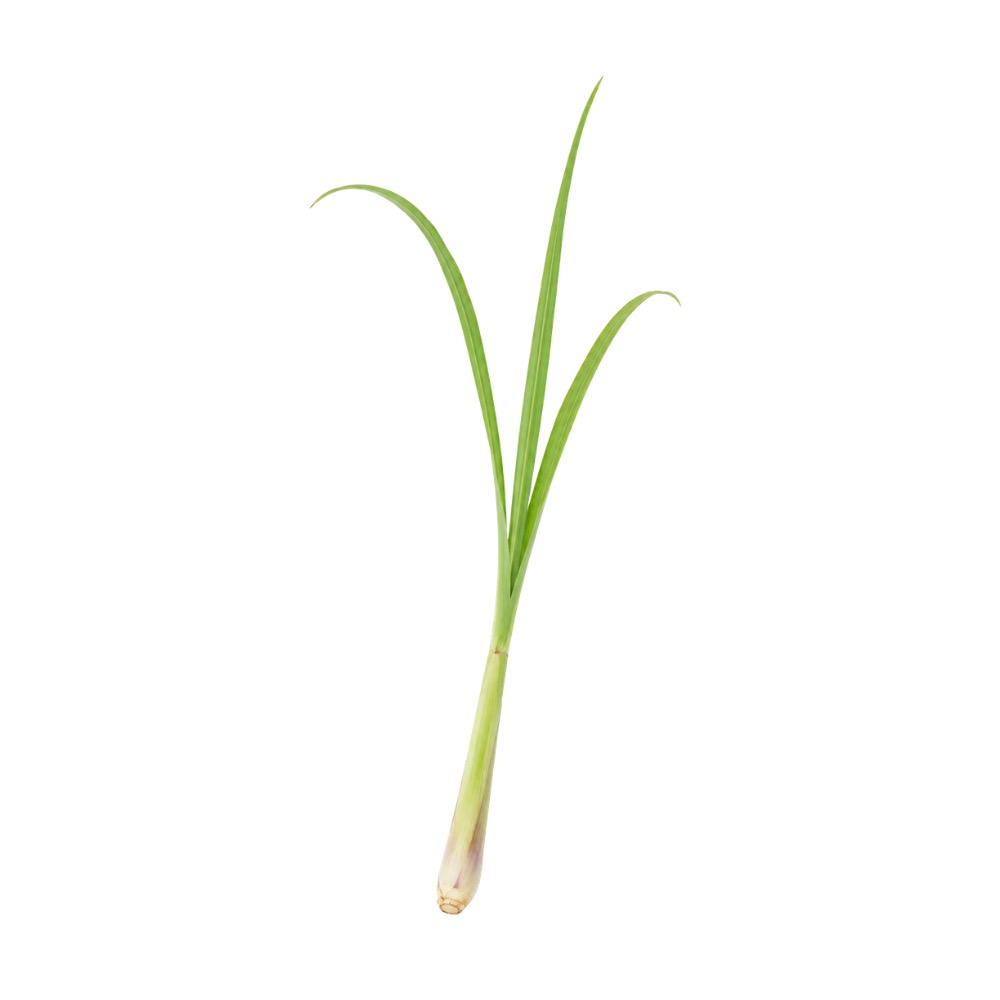
Lemongrass

Cymbopogon citratus

Poaceae
CarminativeNervineAntimicrobialDiaphoretic +2

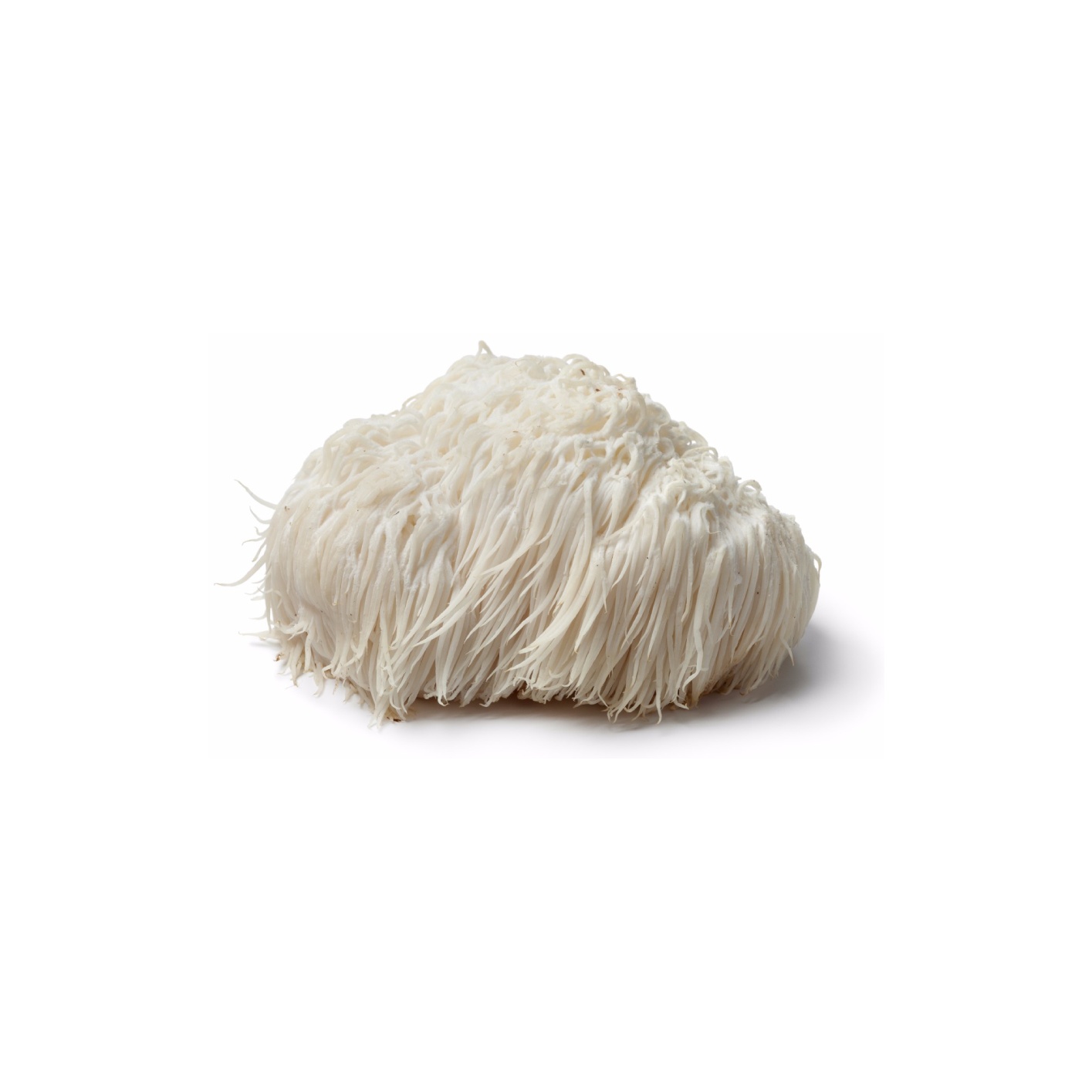
Lion's Mane

Hericium erinaceus

Hericiaceae
NervineAntioxidantImmunomodulatorAnticancer +6

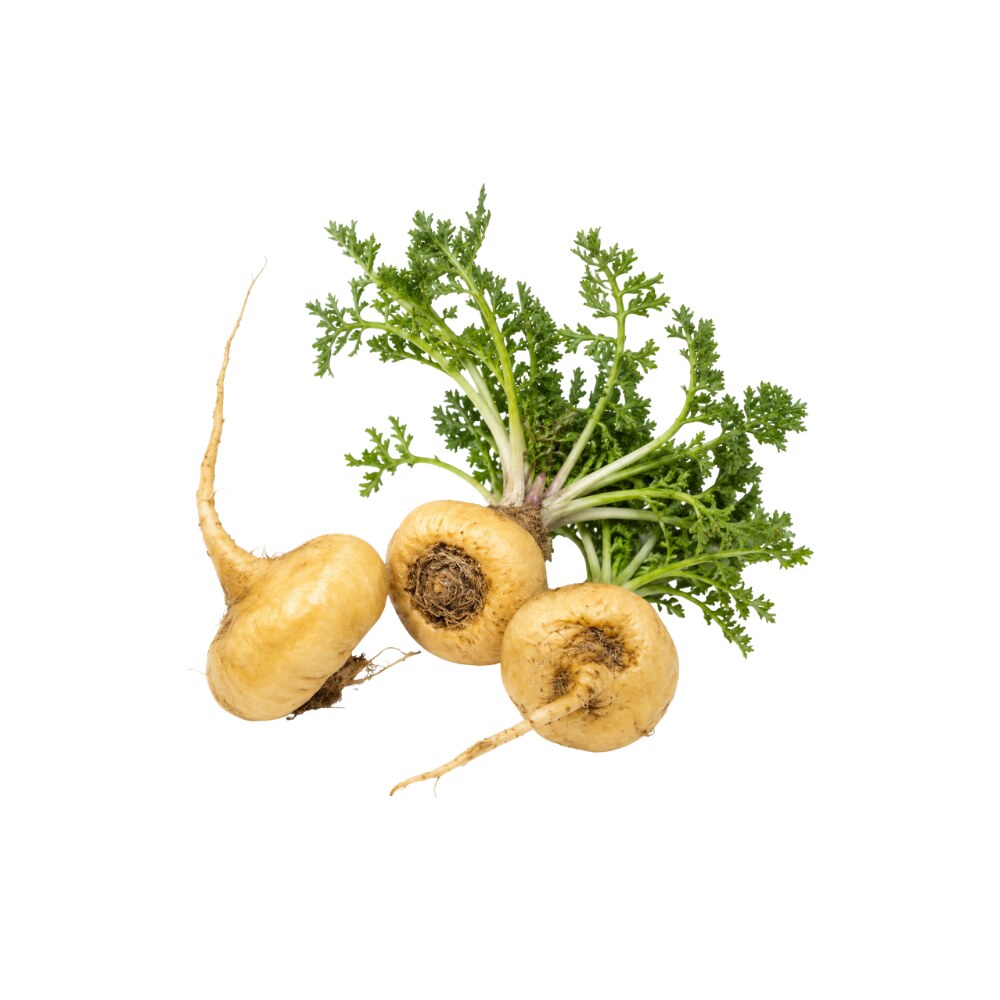
Maca

Lepidium meyenii

Brassicaceae
SpermatogenicAdaptogenAntidiabeticAntioxidant +3

Magnolia

Magnolia officinalis

Magnoliaceae
AntioxidantAnxiolyticAntibacterialAntispasmodic +1

Manuka

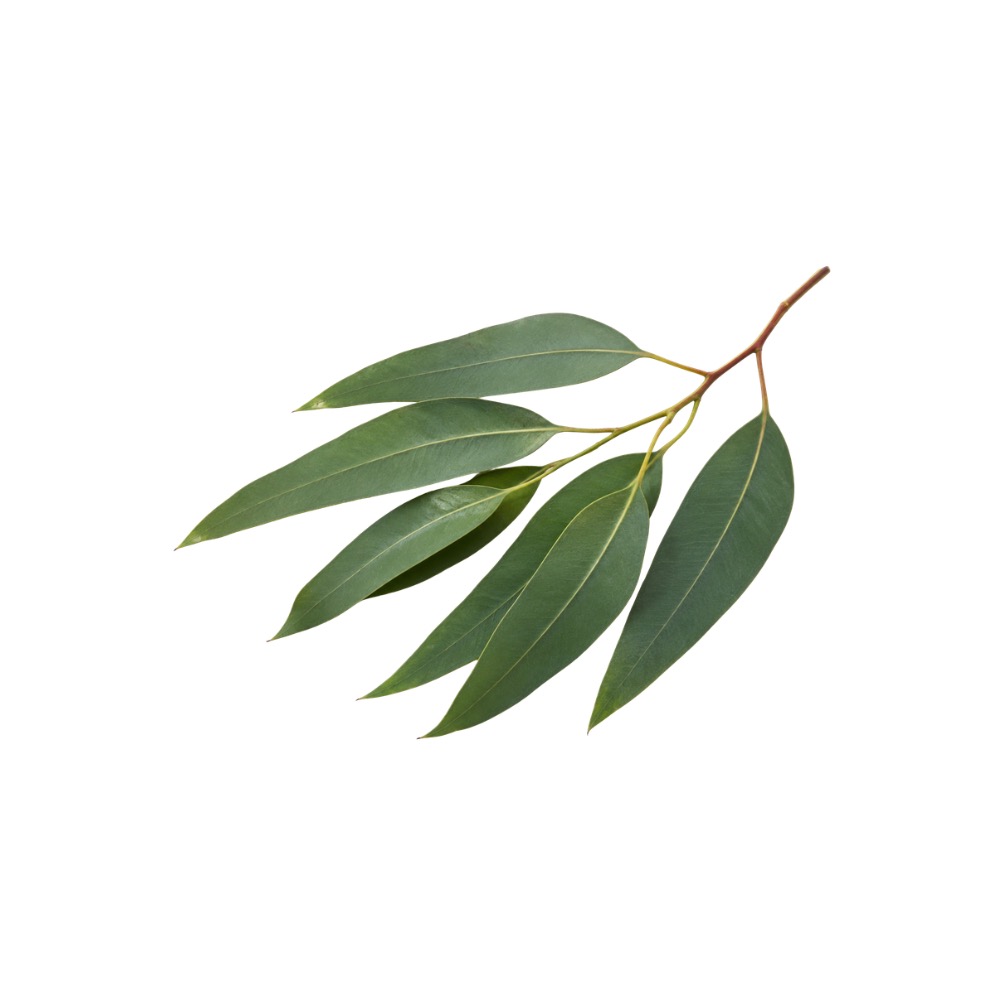
Leptospermum scoparium

Myrtaceae
Anti-InflammatoryAntibacterialAntifungalAnxiolytic +1

Maritime Pine

Pinus pinaster

Pinaceae
AntioxidantAnti-InflammatoryVasoprotectiveVascular Tonic +6

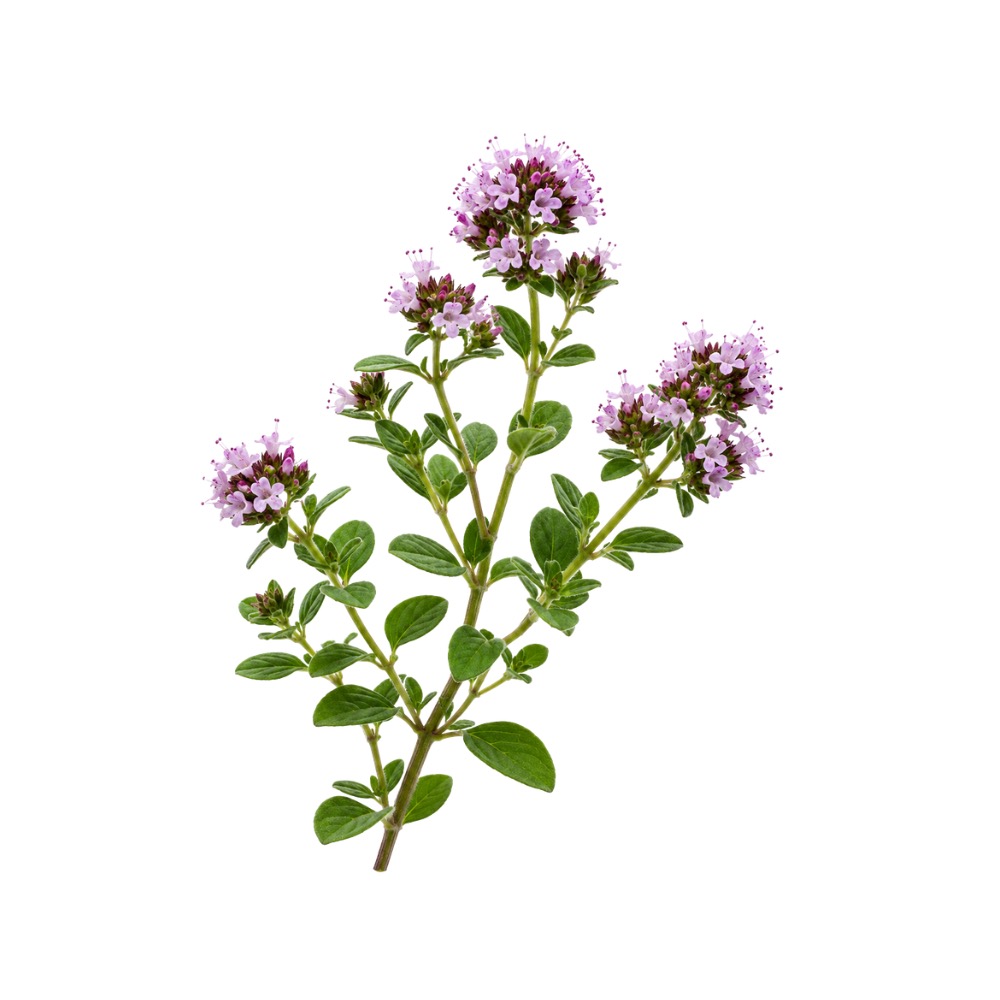
Marjoram

Origanum majorana

Lamiaceae
CarminativeNervineAntispasmodicExpectorant +2

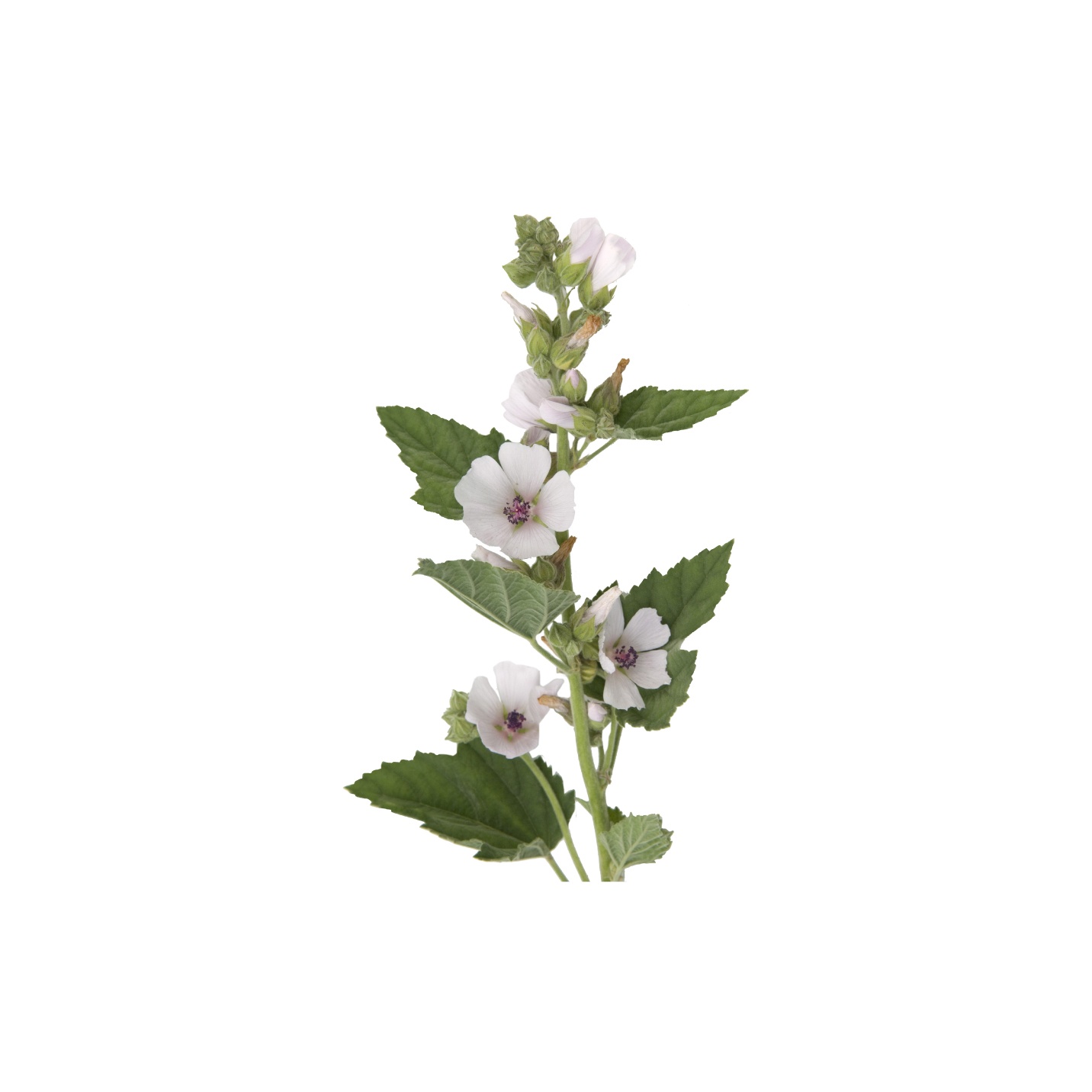
Marshmallow

Althaea officinalis

Malvaceae
DemulcentAntitussiveEmollientExpectorant +4

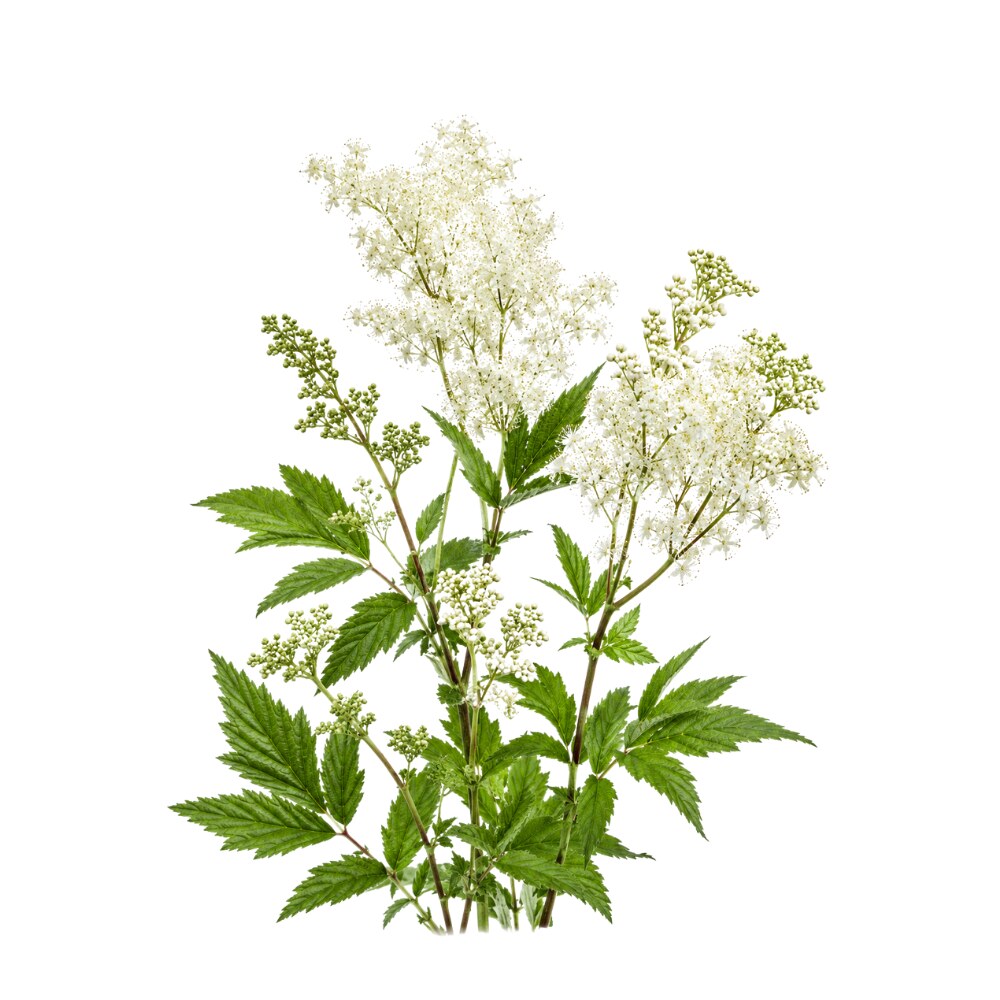
Meadowsweet

Filipendula ulmaria

Rosaceae
Xanthine Oxidase InhibitorAnti-InflammatoryAnalgesicAntiulcer +4

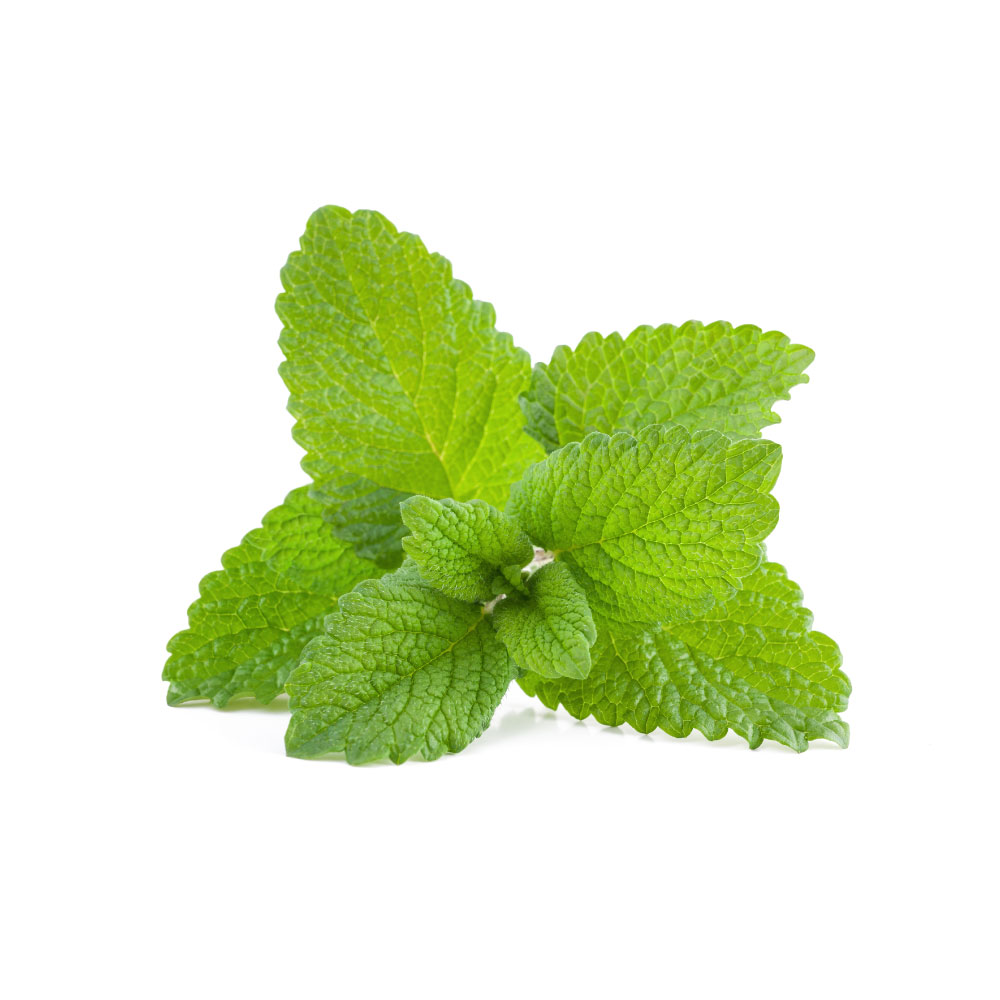
Melissa

Melissa officinalis

Lamiaceae
NervineCarminativeAntispasmodicAntiviral +7

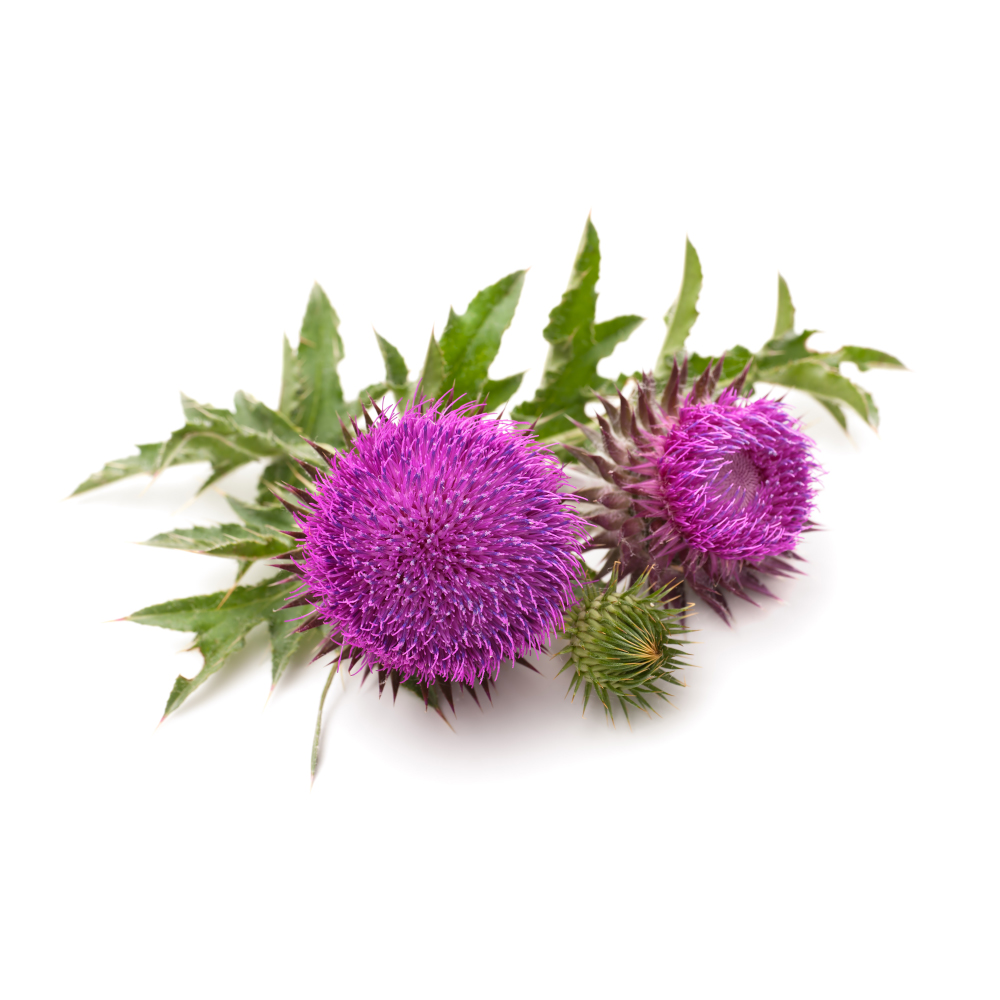
Milk Thistle

Silybum marianum

Asteraceae
HepatoprotectiveAntioxidantCholereticCholagogue +7

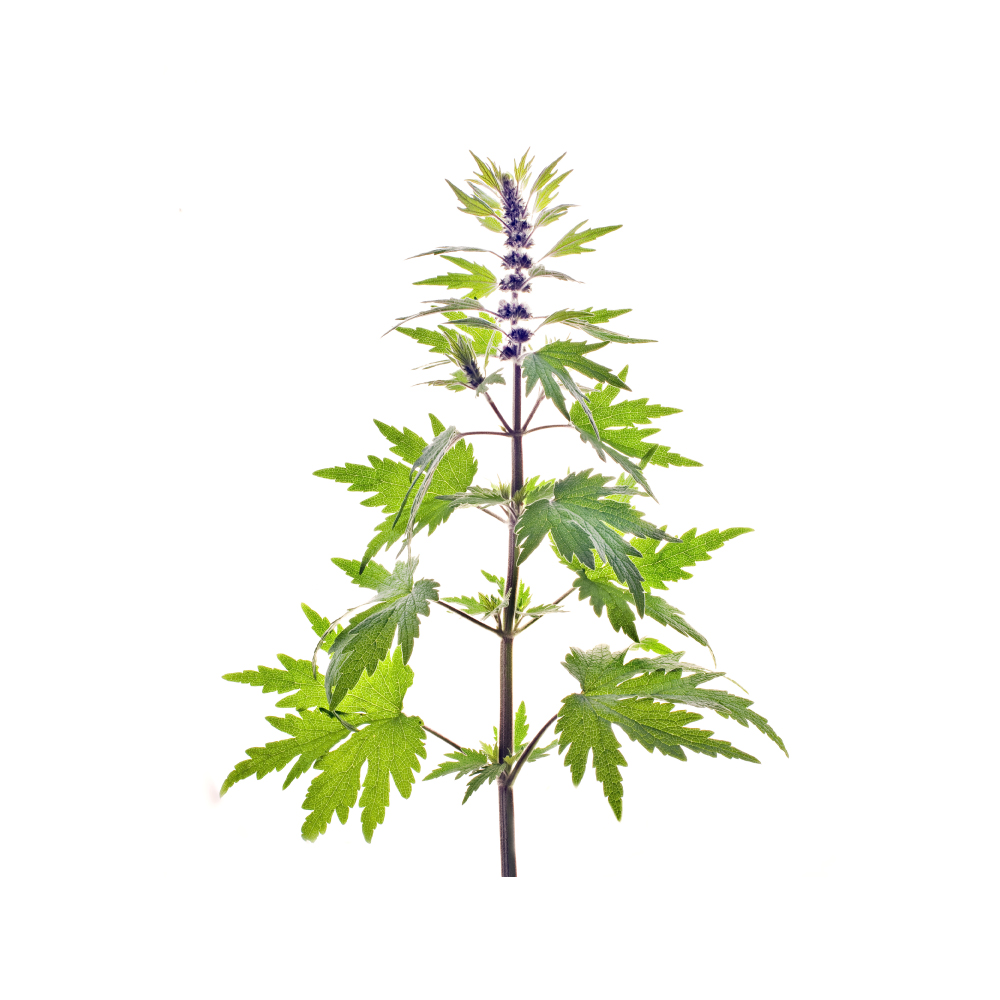
Motherwort

Leonurus cardiaca

Lamiaceae
CardiotonicNervineAntispasmodicFemale-Tonic +2

Muira Puama

Ptychopetalum olacoides

Olacaceae
AdaptogenAntidepressantStimulantAphrodisiac +7

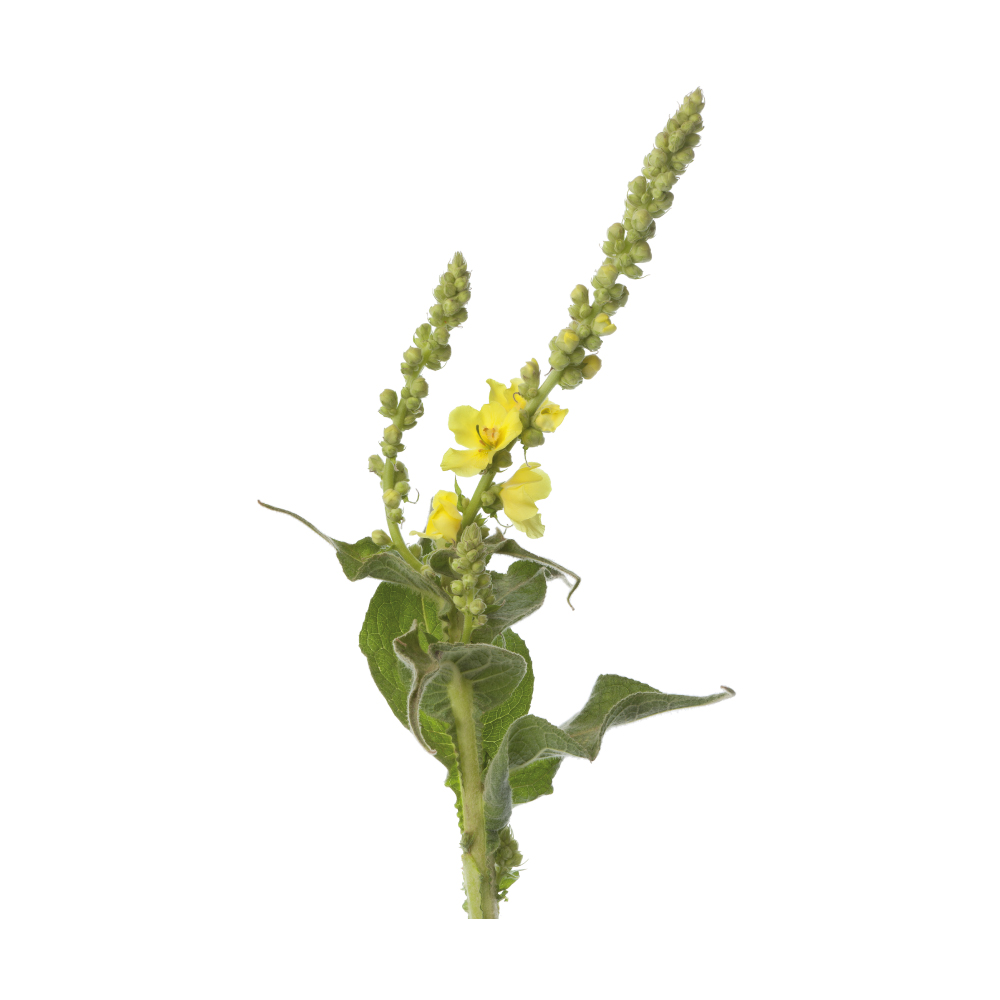
Mullein

Verbascum thapsus

Scrophulariaceae
AntispasmodicAnthelminticAnticatarrhalExpectorant +5

Myrrh

Commiphora myrrha

Burseraceae
AntimicrobialAstringentVulneraryEmmenagogue +2

Neem

Azadirachta indica

Meliaceae
AntimicrobialAntiparasiticBitterInsecticidal +5

Nigella

Nigella sativa

Ranunculaceae
SpermatogenicAnti-InflammatoryAntioxidantAntiallergic +7

Olive Leaf

Olea europaea

Oleaceae
AntihypertensiveAntioxidantAntiviralCardiotonic +6

Passionflower

Passiflora incarnata

Passifloraceae
AnalgesicAntibacterialAntifungalAntidepressant +6

Peony

Paeonia lactiflora

Paeoniaceae
Uterine AntispasmodicAntiandrogenicAnti-InflammatoryAntispasmodic +3

Peppermint

Mentha × piperita

Lamiaceae
AntiemeticAntimicrobialAntispasmodicCarminative +2

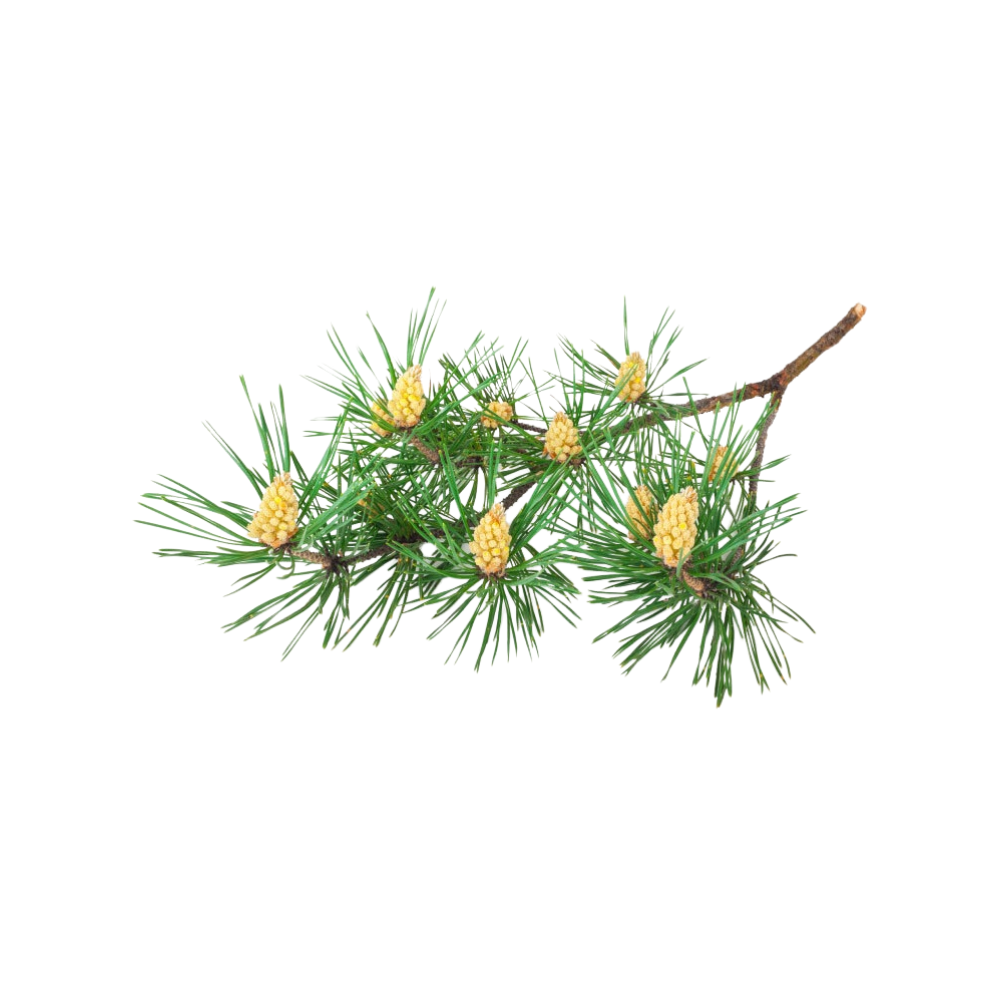
Pine

Pinus sylvestris

Pinaceae
AntimicrobialAntibacterialAntifungalAntioxidant +11

Rehmannia

Rehmannia glutinosa

Orobanchaceae
AntiallergicHemostaticAnti-InflammatoryAntipyretic +2

Reishi

Ganoderma lucidum

Ganodermataceae
AdaptogenImmunomodulatorNervineHepatoprotective +6

Rhodiola

Rhodiola rosea

Crassulaceae
AdaptogenNootropicStimulantAntidepressant +3

Rooibos

Aspalathus linearis

Fabaceae
AntioxidantCardioprotectiveAntihypertensive

Rosemary

Rosmarinus officinalis

Lamiaceae
AntidepressantAntimicrobialAntispasmodicNootropic +4

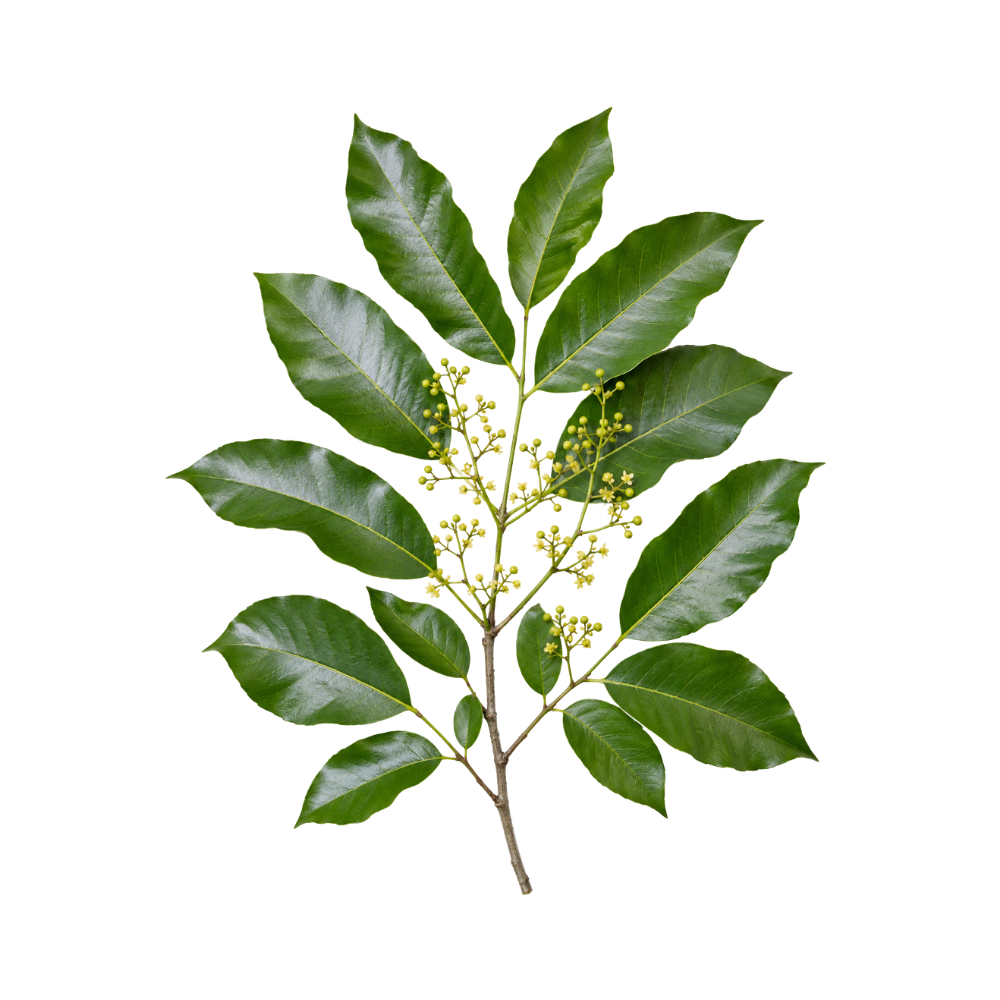
Rosewood

Aniba rosaeodora

Lauraceae
Anti-InflammatoryAntidepressantNervineSedative +2

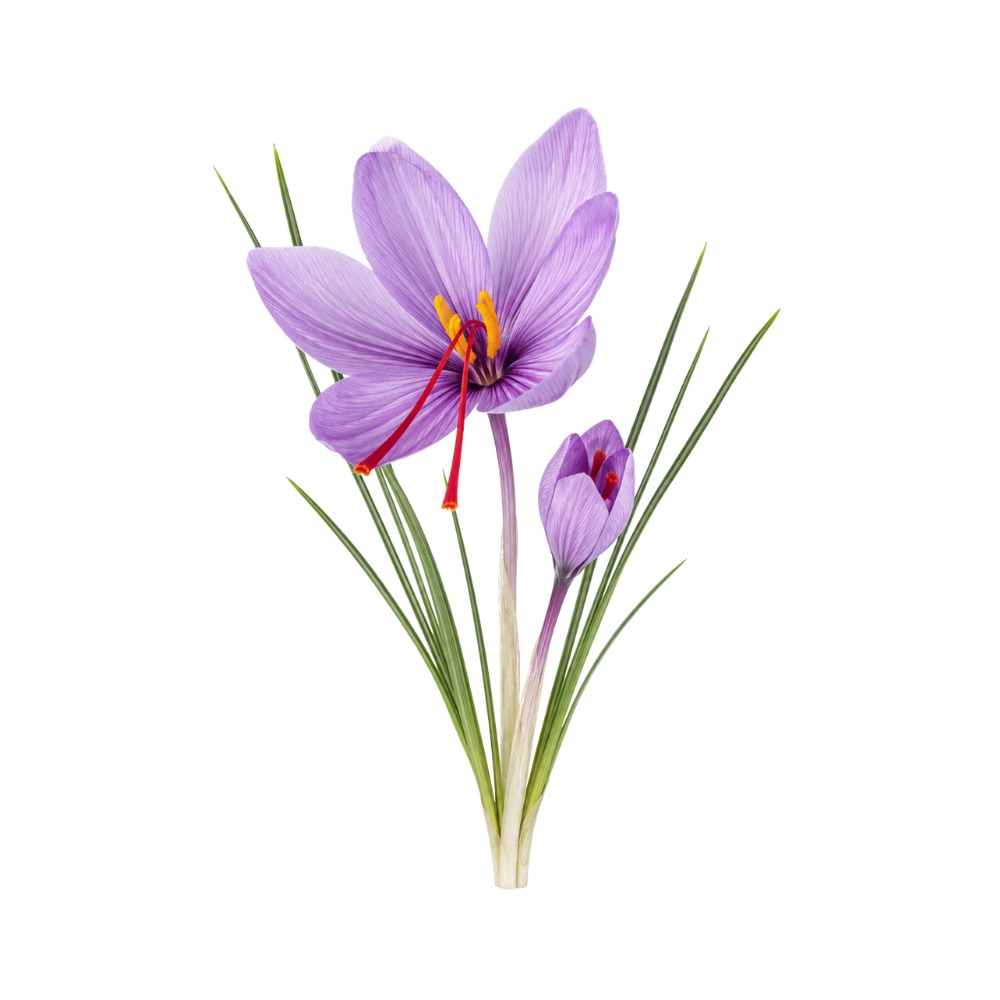
Saffron

Crocus sativus

Iridaceae
AntidepressantNootropicAntioxidantAnxiolytic +6

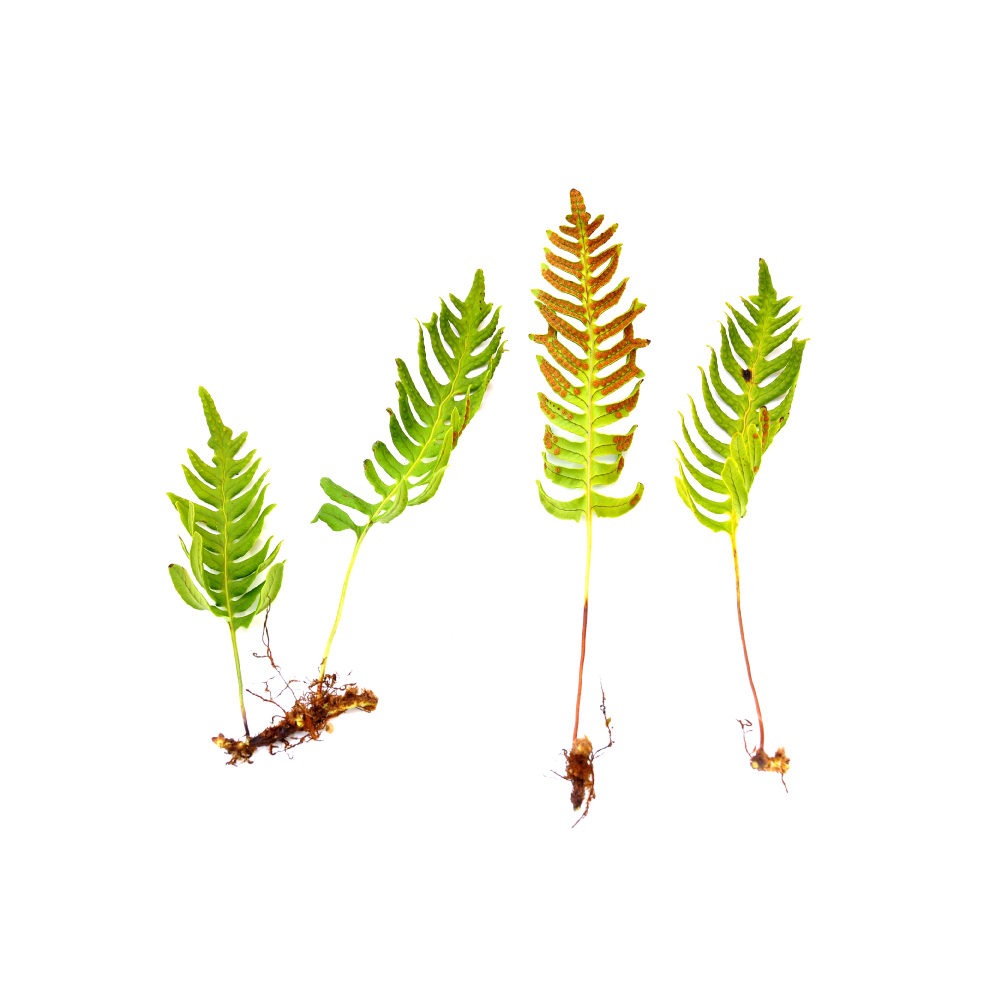
Samambaia

Polypodium leucotomos

Polypodiaceae
AnticancerAntioxidantImmunomodulatorNeuroprotective +2

Sarsaparilla

Smilax spp.

Smilacaceae
UricosuricXanthine Oxidase InhibitorAnti-InflammatoryAnalgesic +6

Saw Palmetto

Serenoa repens

Arecaceae
Anti-InflammatoryAntiprostaticAntiandrogenic5-Alpha-Reductase Inhibitor +1

Schisandra

Schisandra chinensis

Schisandraceae
HepatoprotectiveAntioxidantAdaptogenNervine +4

Shatavari

Asparagus racemosus

Asparagaceae
AdaptogenFemale-TonicHPG Axis ModulatorDemulcent +4

Slippery Elm

Ulmus rubra

Ulmaceae
DemulcentEmollientNutritiveExpectorant +5

Spearmint

Mentha spicata

Lamiaceae
CarminativeAntispasmodicAntioxidantAntiandrogenic +1

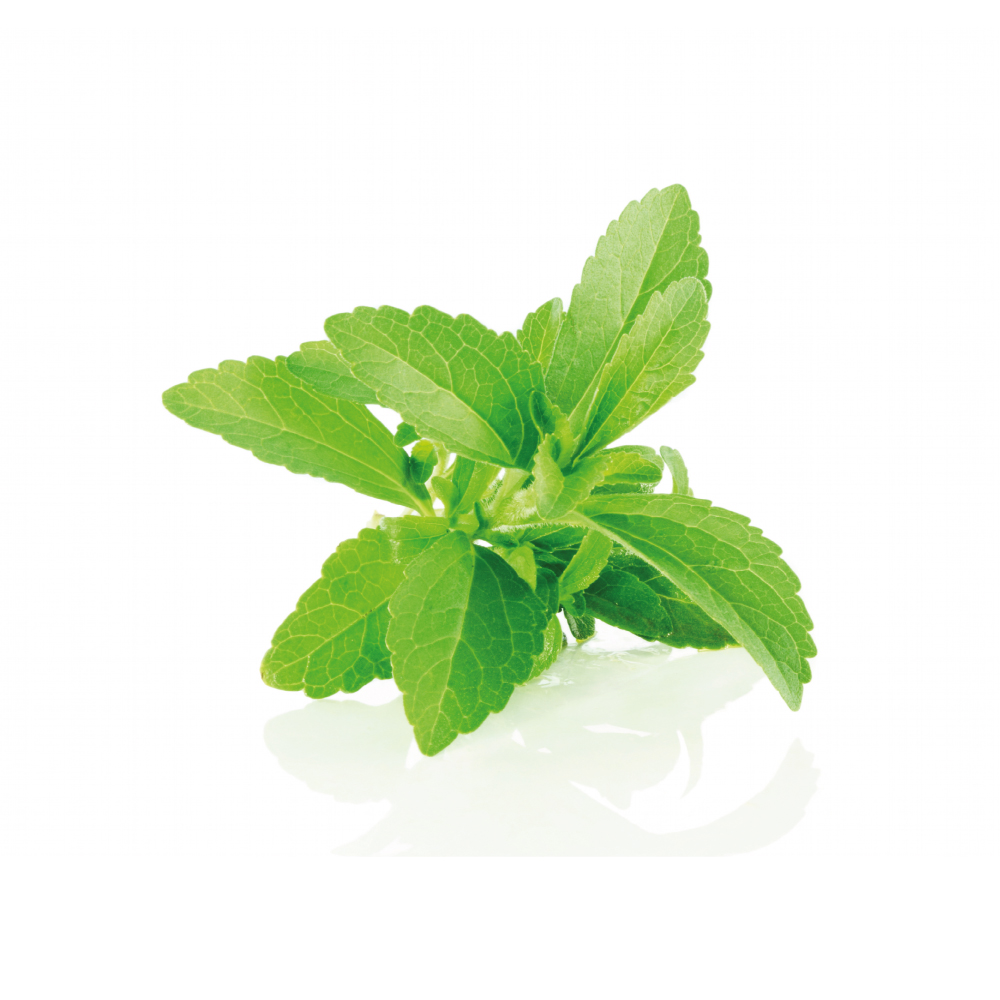
Stevia

Stevia rebaudiana

Asteraceae
HypoglycemicAntihypertensiveAnti-InflammatoryVasodilator +3

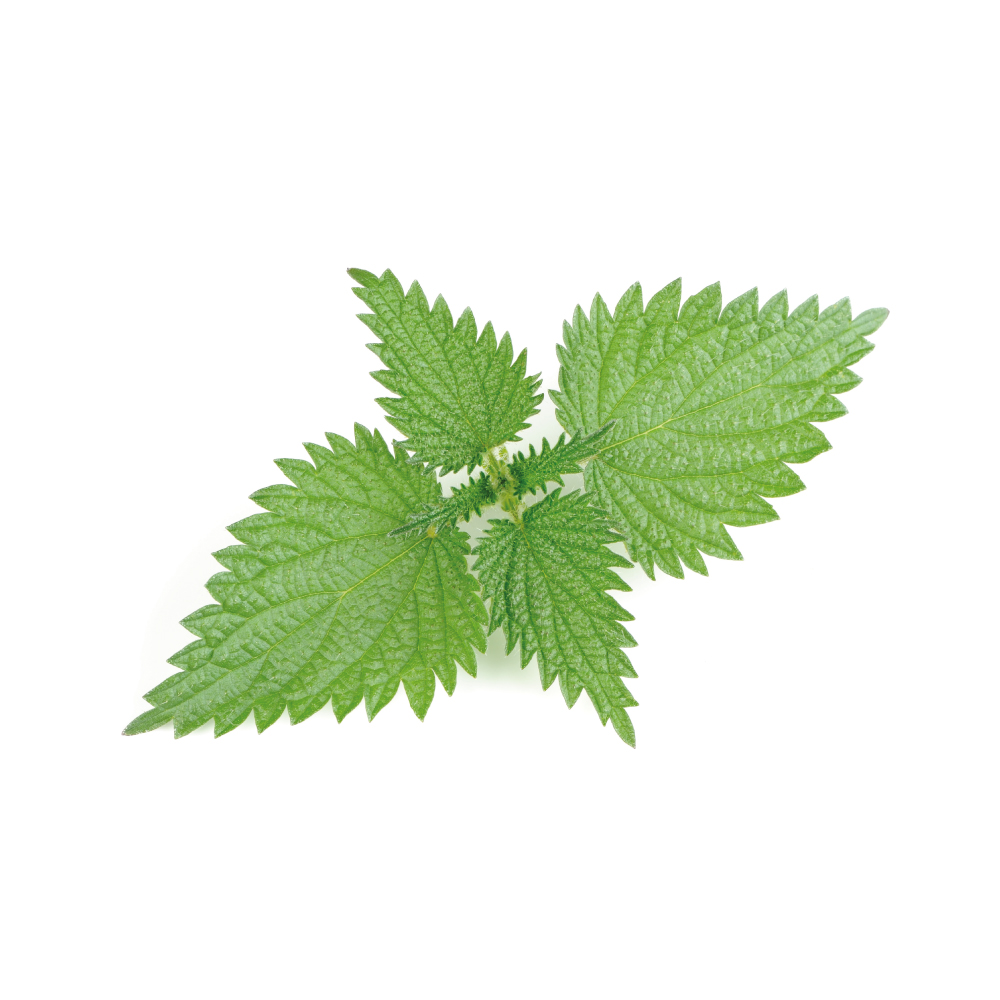
Stinging Nettle

Urtica dioica

Urticaceae
AlterativeAnti-InflammatoryAntiprostaticSHBG Inhibitor +9

Suma

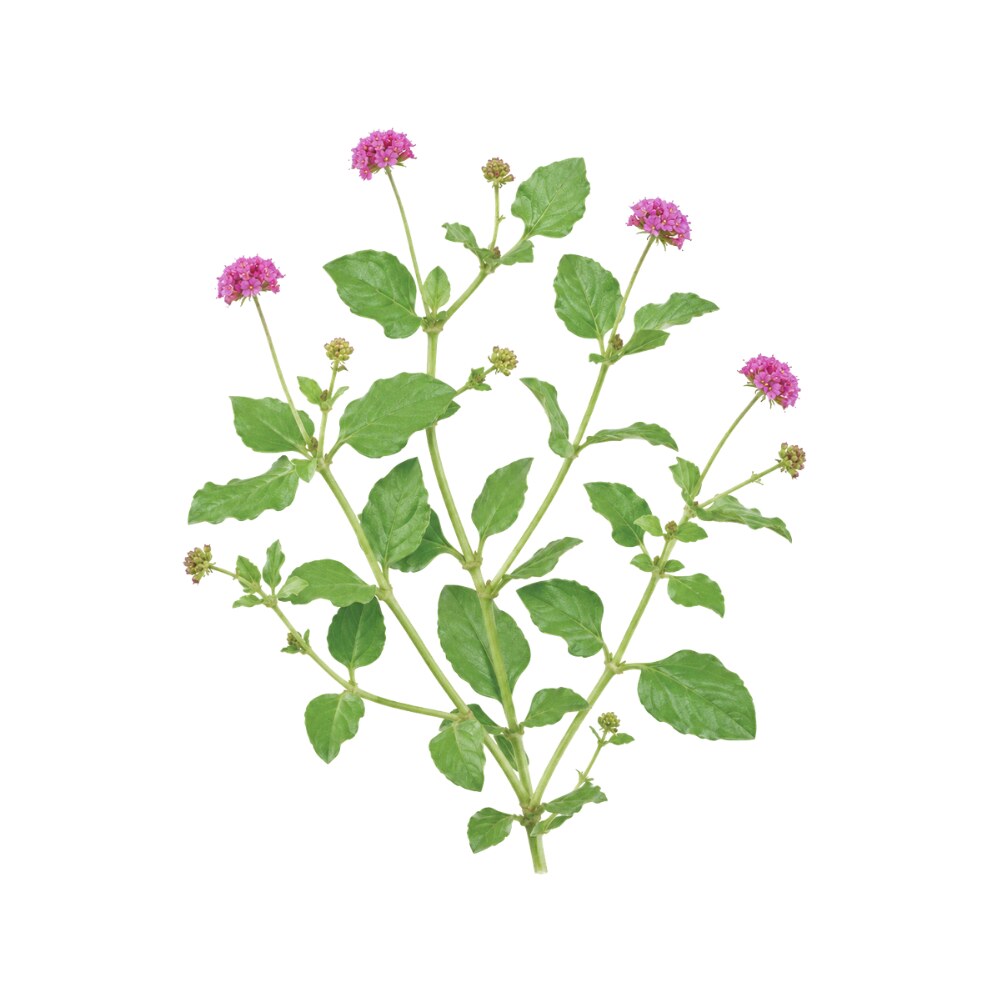
Pfaffia paniculata

Amaranthaceae
AdaptogenAnticancerAntidiabeticChemoprotective +3

Tea

Camellia sinensis

Theaceae
AntioxidantDiureticNeuroprotectiveStimulant +12

Thyme

Thymus vulgaris

Lamiaceae
AntimicrobialExpectorantAntispasmodicAntitussive +3

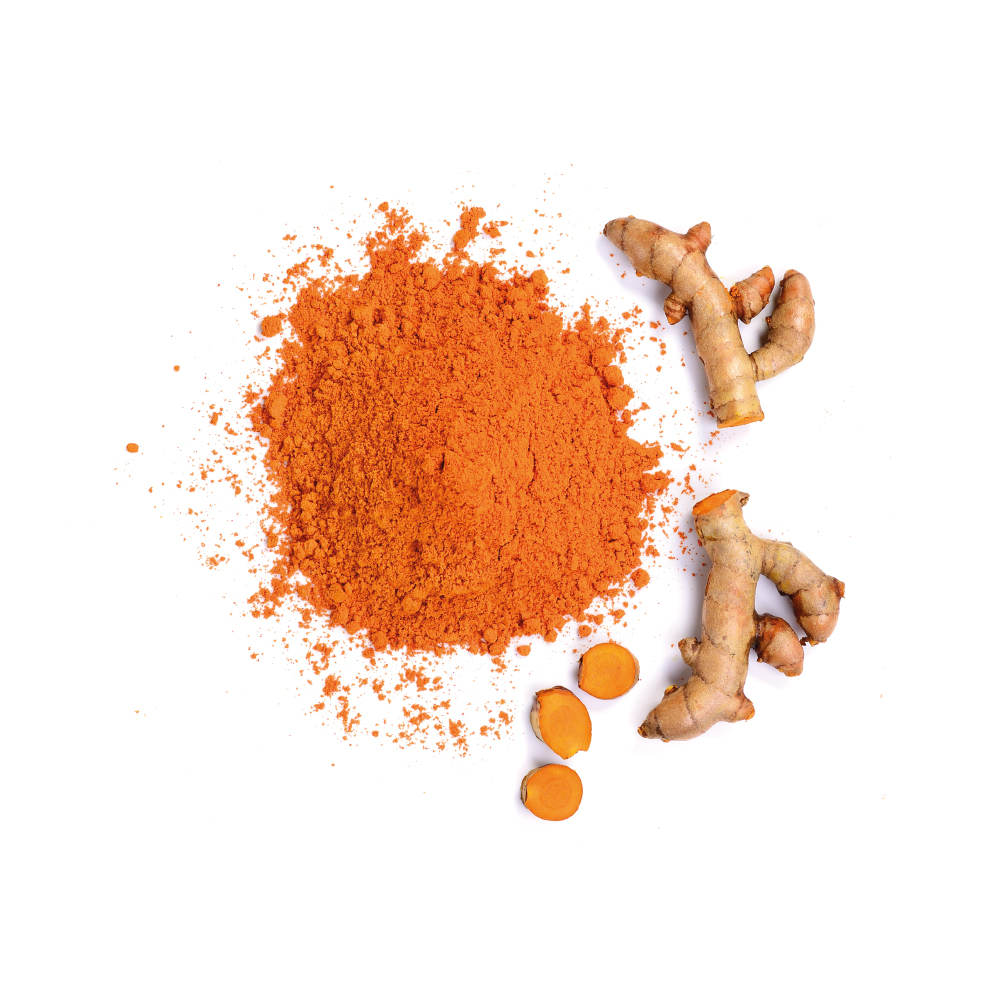
Turmeric

Curcuma longa

Zingiberaceae
Anti-InflammatoryAntioxidantCholereticCholagogue +12

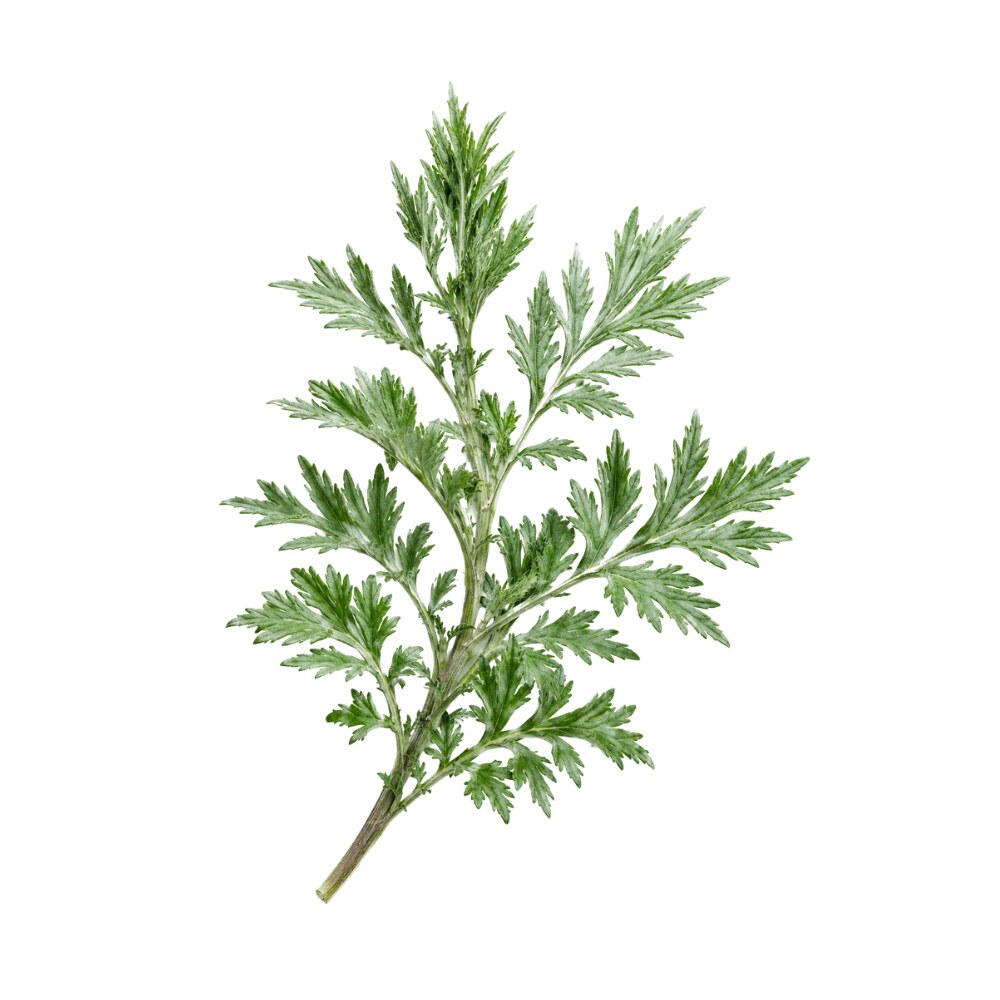
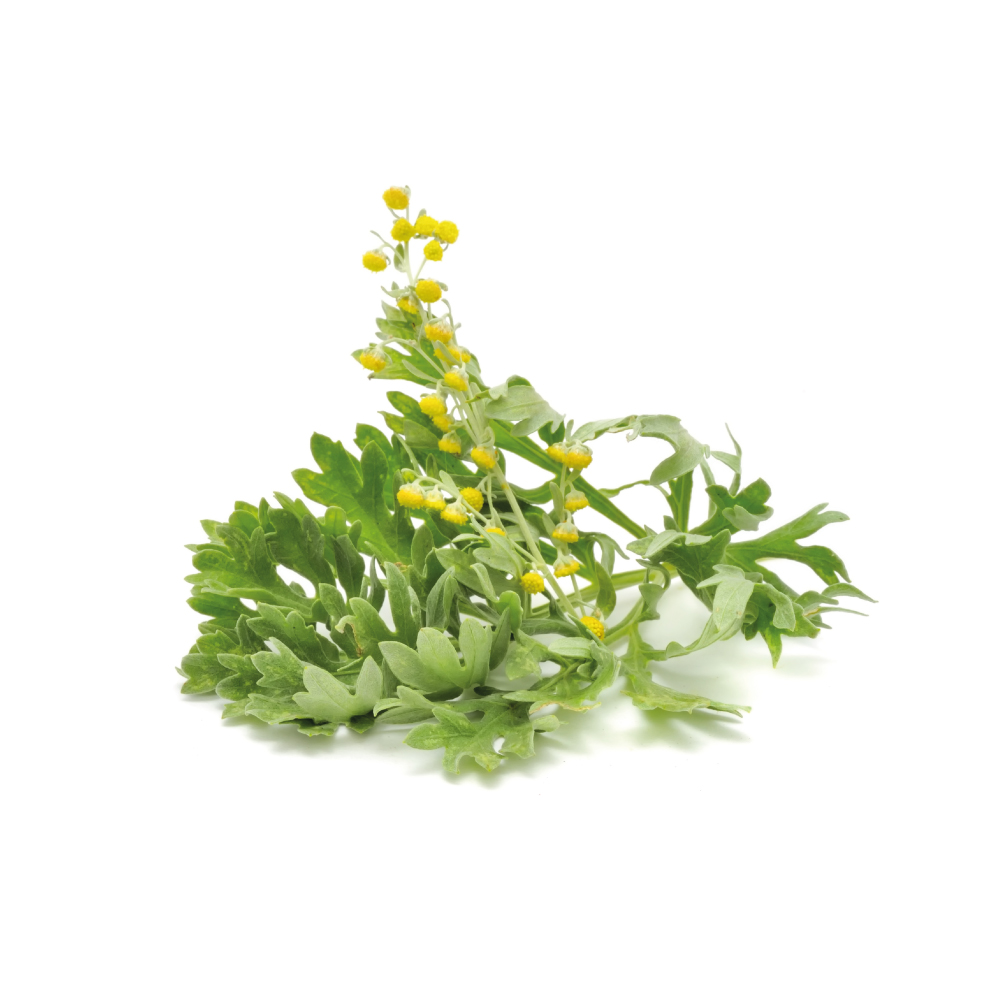
Wormwood

Artemisia absinthium

Asteraceae
BitterAnthelminticHepatoprotectiveCarminative +8

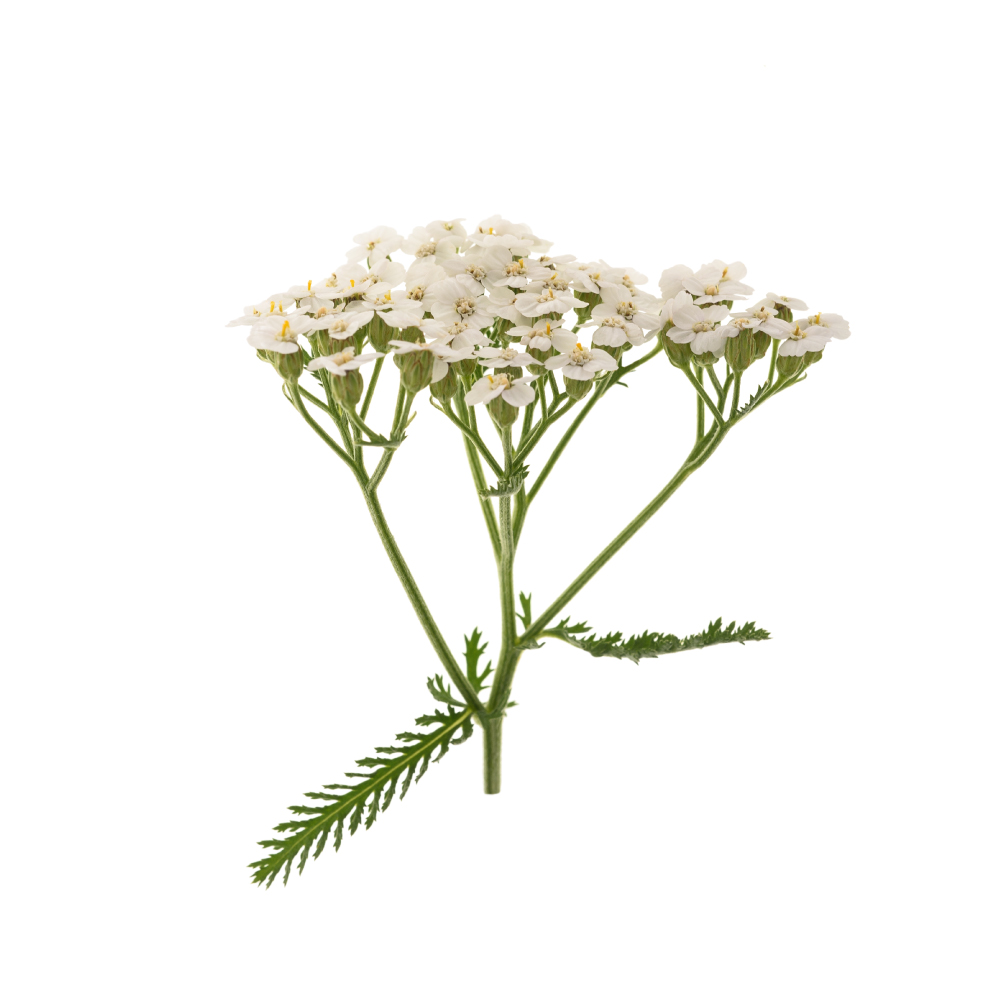
Yarrow

Achillea millefolium

Asteraceae
BitterAntioxidantEmmenagogueDiaphoretic +11

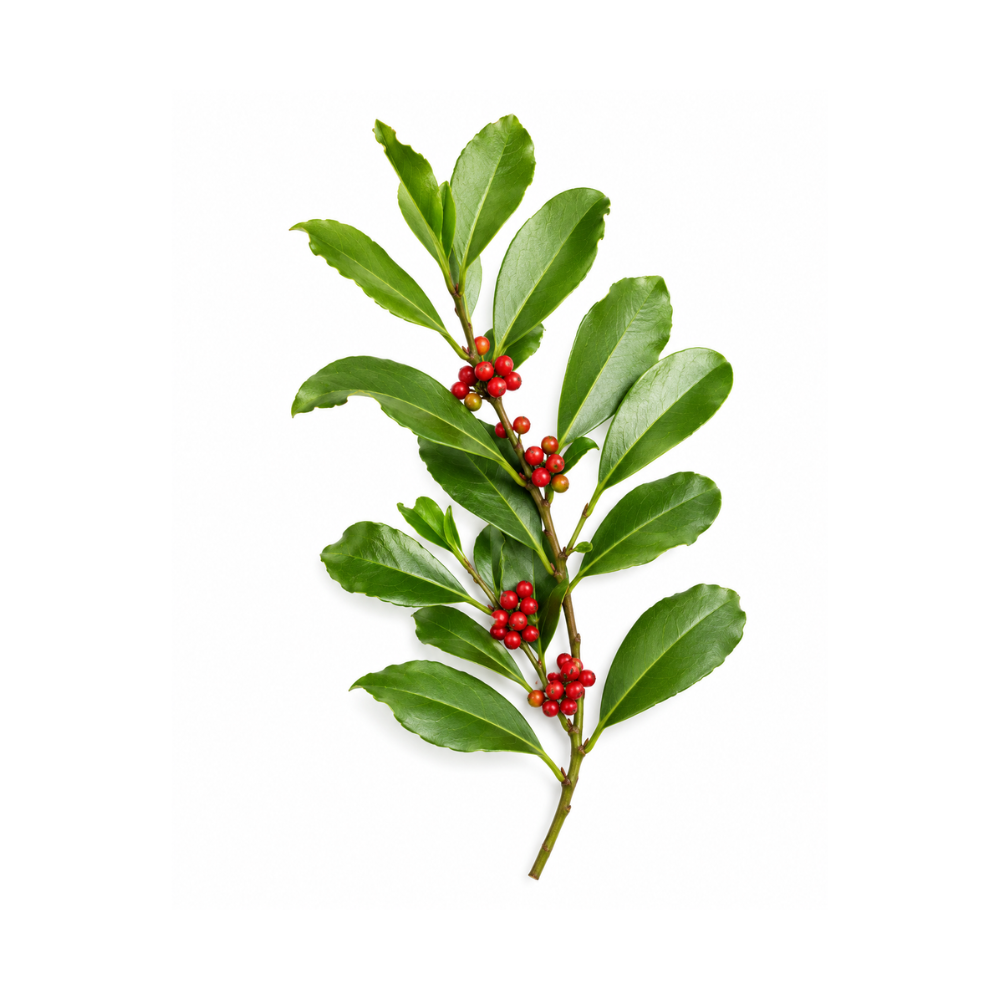
Yerba Maté

Ilex paraguariensis

Aquifoliaceae
AntiatheroscleroticHypolipidemicAntidiabeticAntioxidant +5

The Point

One Plant Can Be Two Different Medicines

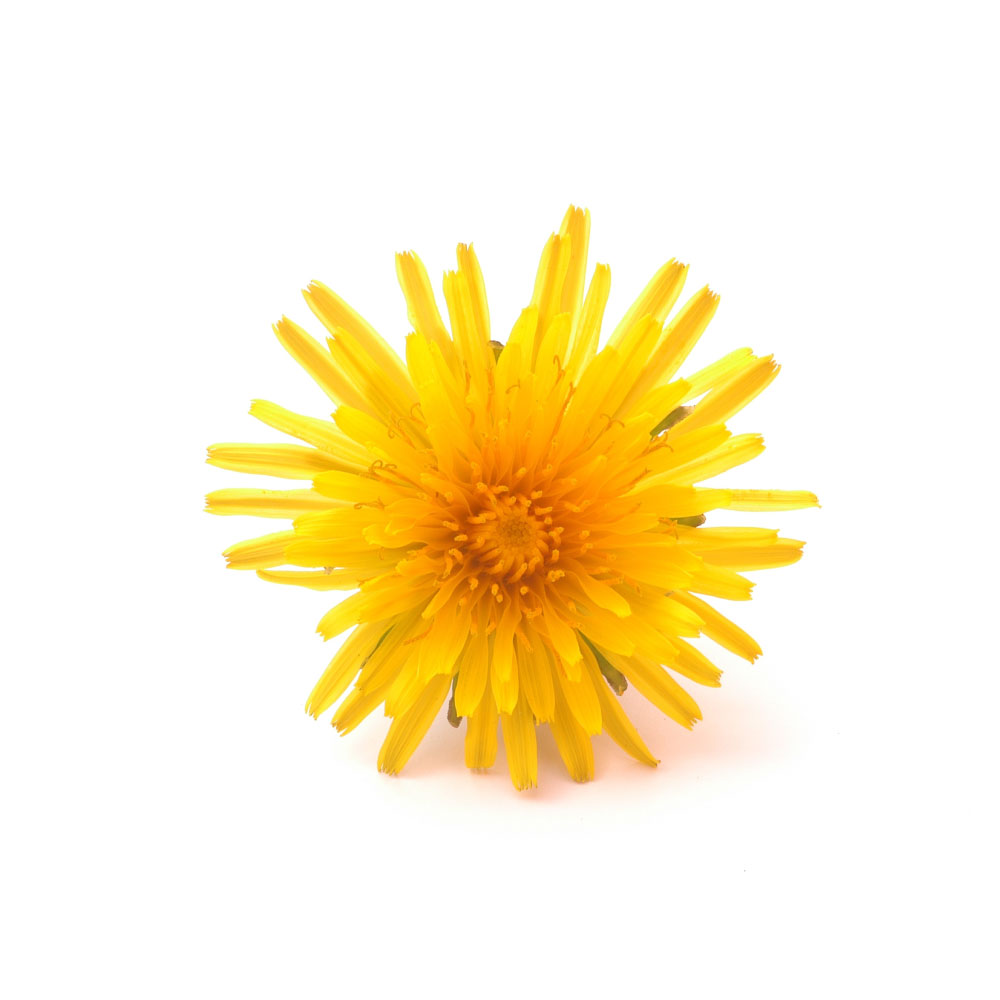
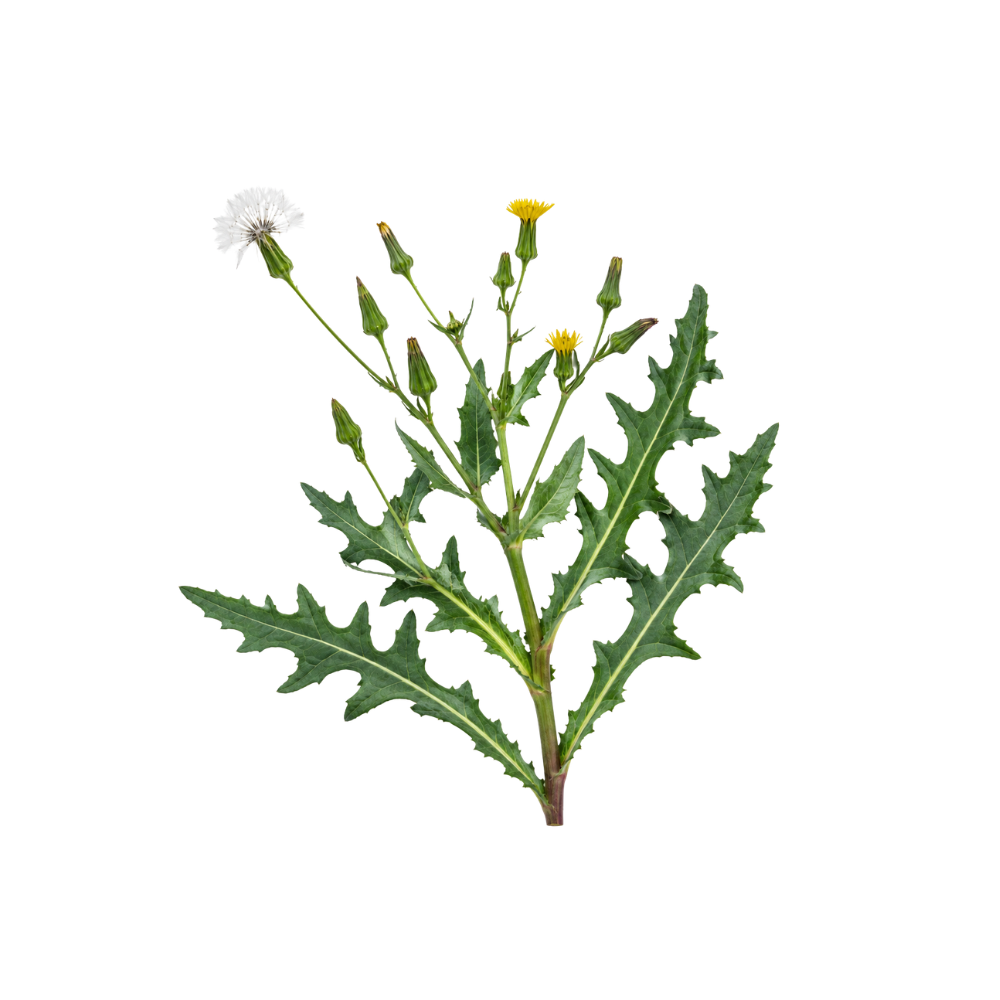
Dandelion is the clearest case. The leaf is a potassium-rich diuretic, used where fluid needs shifting without the mineral loss a conventional diuretic brings. The root is something else entirely — a bitter hepatic and cholagogue for sluggish digestion and poor fat tolerance. Same weed, same garden, two medicines with different indications.
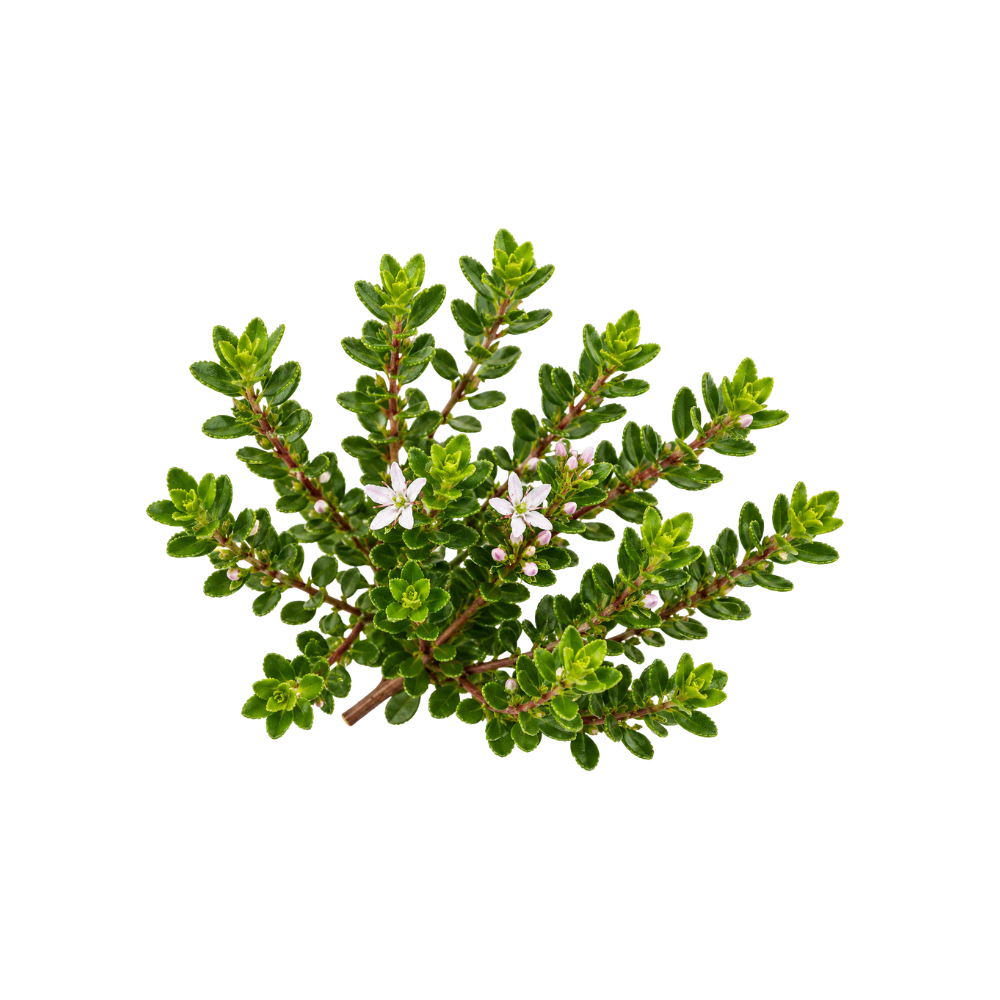
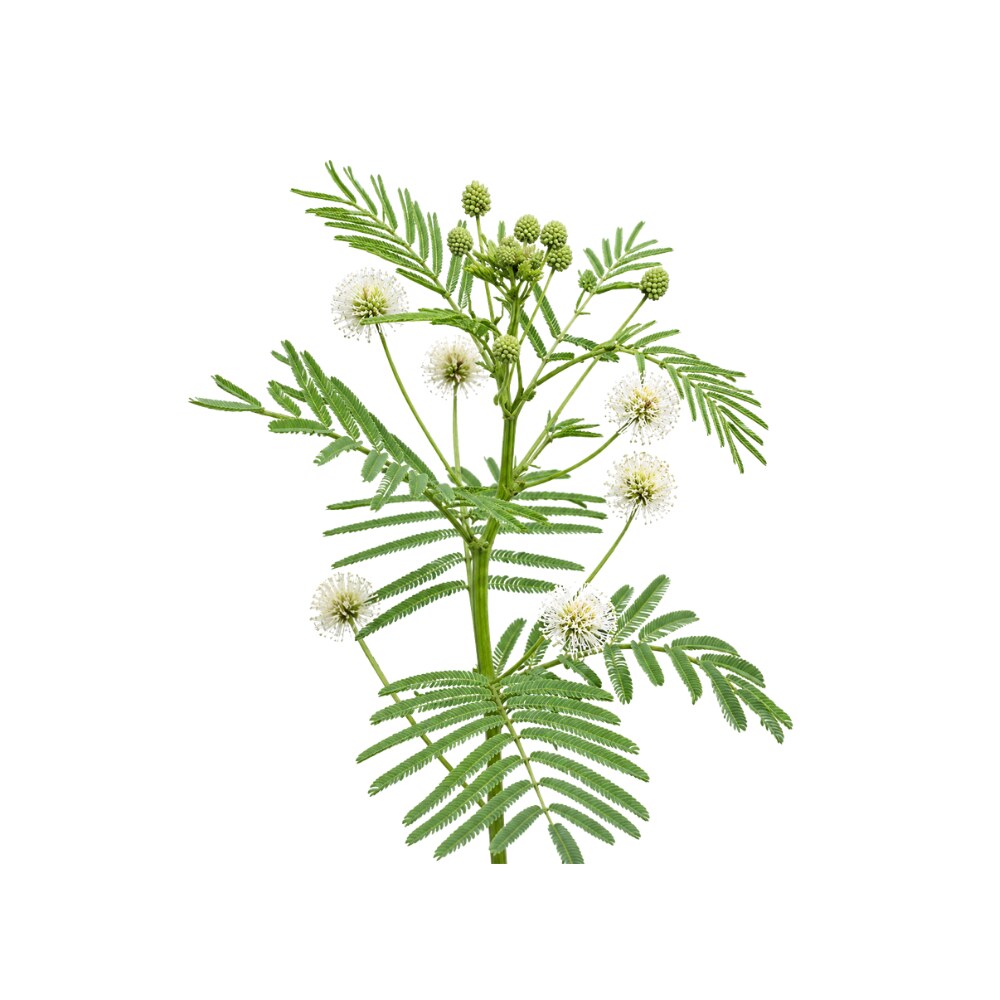
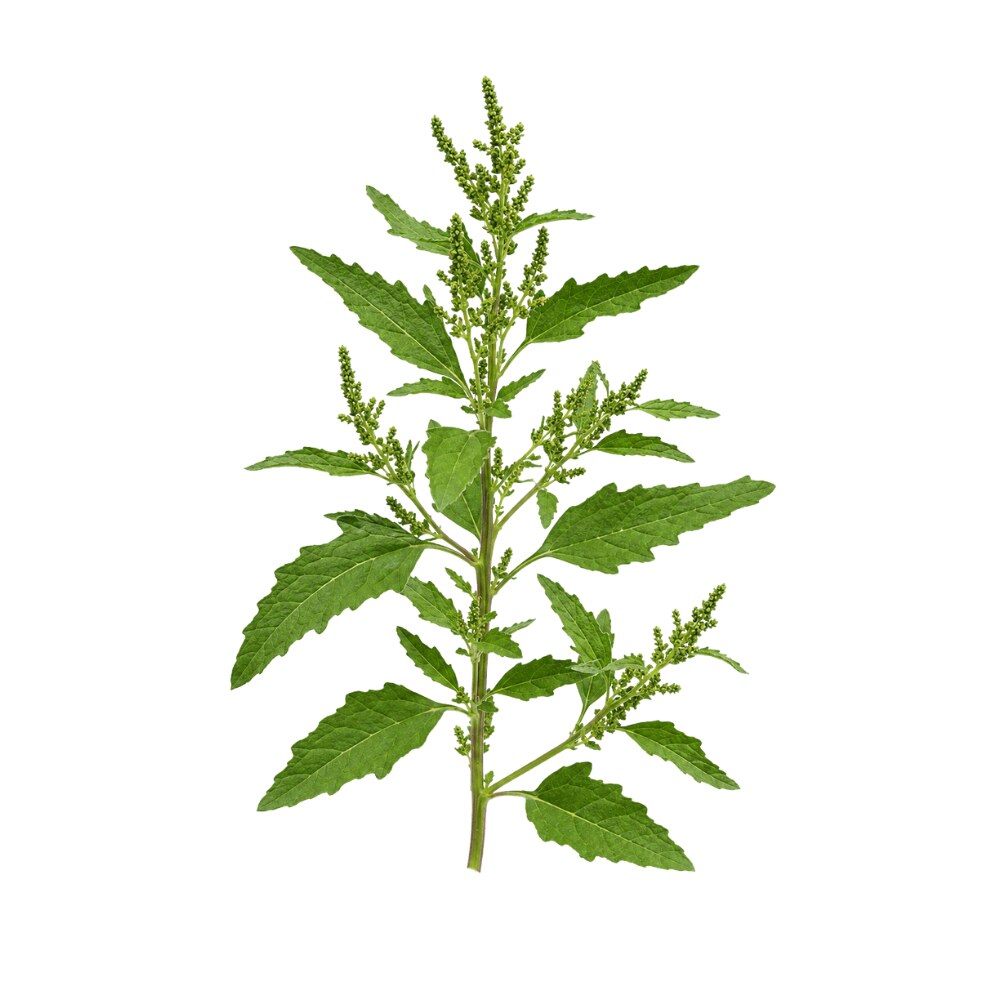
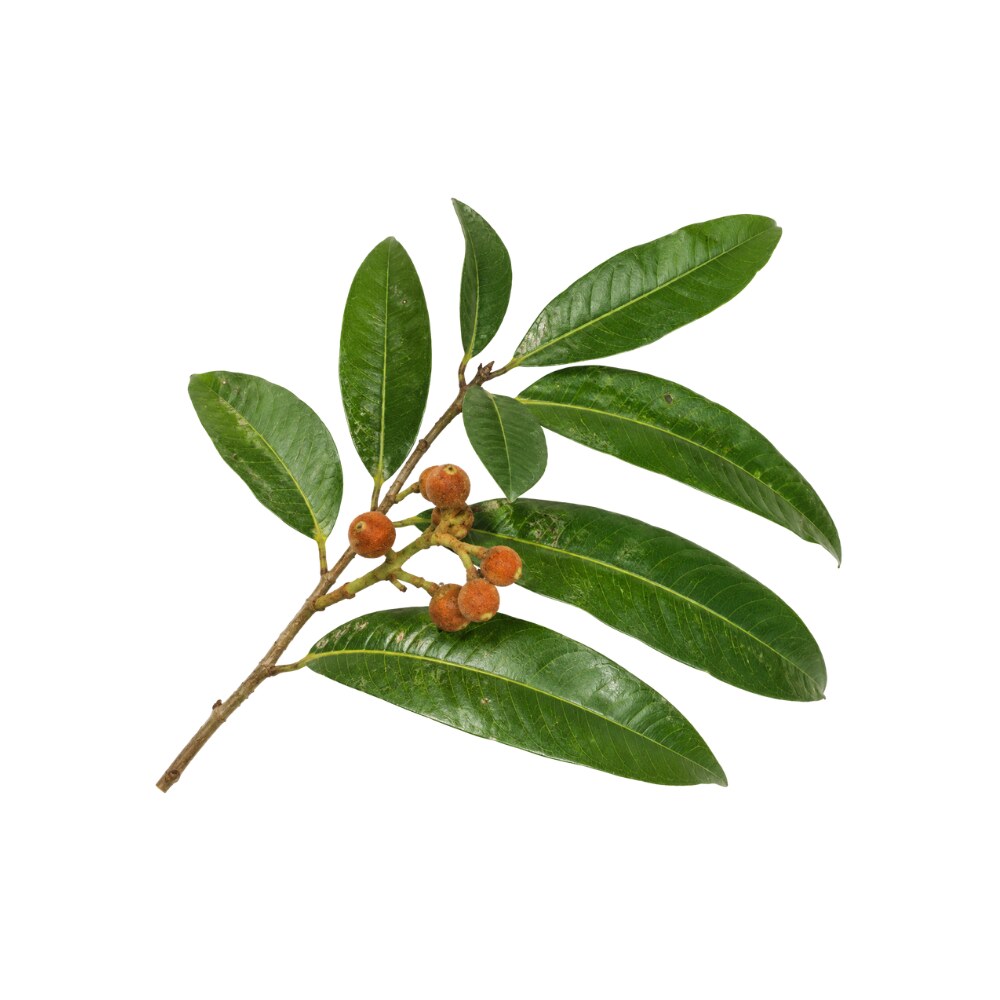
Bael splits finer still: its unripe and ripe fruit are listed here as separate parts, because they behave as separate remedies and do not share a dose or a safety profile.

100 of the 248 herbs here — 40% — are used for more than one part. Which means a recipe that just says "dandelion" has not finished telling you what to buy.

Preparation

The Part Decides How It Has to Be Made

Plant tissues differ enormously in how readily they give anything up, and the method has to match. Roots and barks are dense, woody and defended: they need simmering, and often breaking down before the water ever gets near them. Leaves and flowers are the opposite — their chemistry is soluble and fragile, comes out in a covered cup in ten minutes, and is damaged by anything harsher.

Resins barely dissolve in water at all and want alcohol or fat, so a resin tea is mostly a wasted resin. And an essential oil is not really a preparation at all — the distillation already happened, concentrating the plant hundreds of times over, and what is left to get right is the dilution.

Get this wrong and the medicine is not weak, it is simply absent. Each part page sets out the methods that actually work for that tissue.

Harvest

When It Is Gathered Matters Nearly as Much

The same part off the same plant is a different medicine in a different month, because the plant moves its resources around the year. Roots are lifted in autumn or early spring, once the season's growth has been drawn back down into storage — by late spring the plant is already spending it again on new leaves.

Bark is stripped in spring as the sap rises and the inner bark lifts cleanly away. Leaves are cut before the flowers open, since leaf oils drop measurably once a plant commits to bloom. Flowers are picked at full opening on a dry morning — buds have not finished making their oils, and spent blooms have already shed them.

None of this is folklore. It is the plant's own calendar, and the part pages give the windows in detail.

Harvesting Well

Some Parts Cost the Plant

Take a leaf or a flower and the plant carries on. Take the root and you have killed it, and stripping bark all the way round a trunk does the same to a tree. That is worth knowing before you gather, not after.

The practical rules are simple enough. Take only what you will actually use. Never clear a stand — leave the strongest plants and enough of the rest to seed the patch back. Move around rather than returning to the same spot each year. For bark, work from prunings or a limb you have already cut, and never ring a living tree.

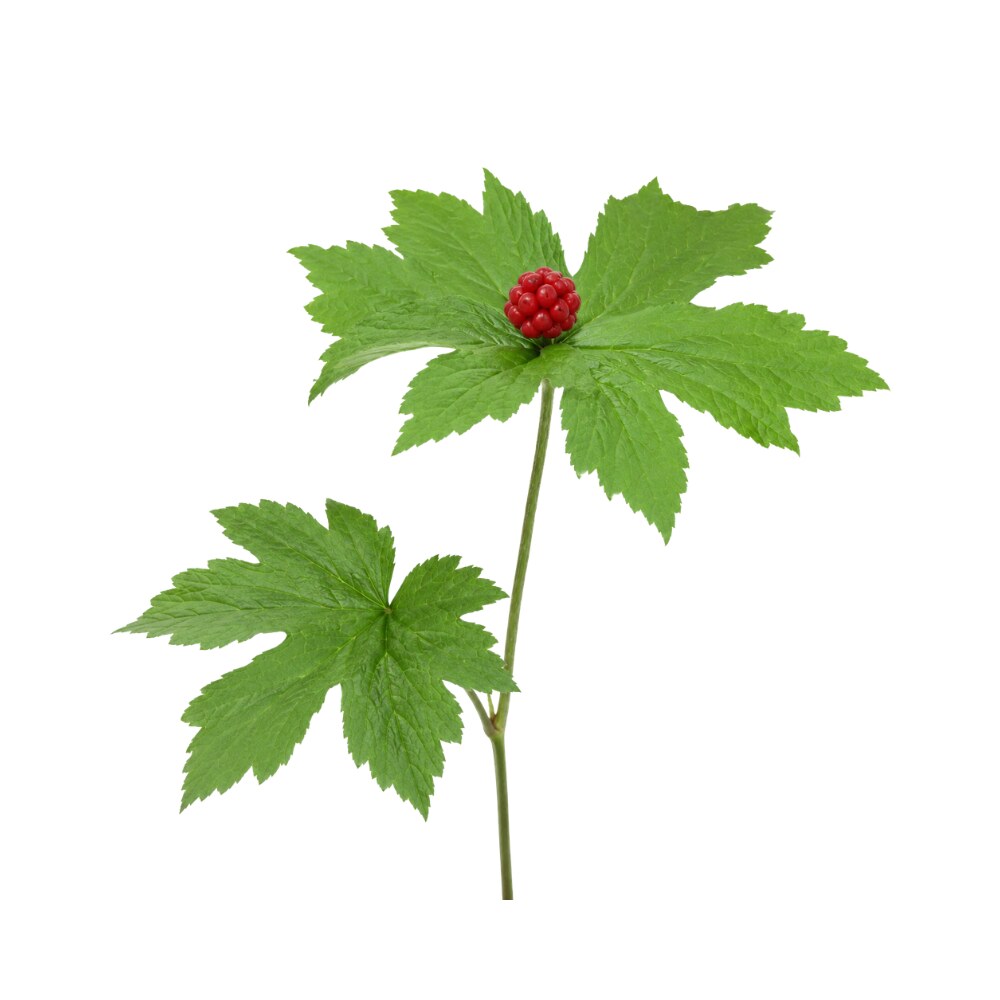
It is no accident that roots and barks dominate the at-risk lists. Both goldenseal and American ginseng are slow-growing woodland roots that two centuries of digging have badly depleted, and both are still sold freely. Where a leaf will do the job, it is often the better choice for reasons that have nothing to do with pharmacology. The conservation piece goes into where the real pressure sits.

The Odd Ones

And the Things That Are Not Plant Parts

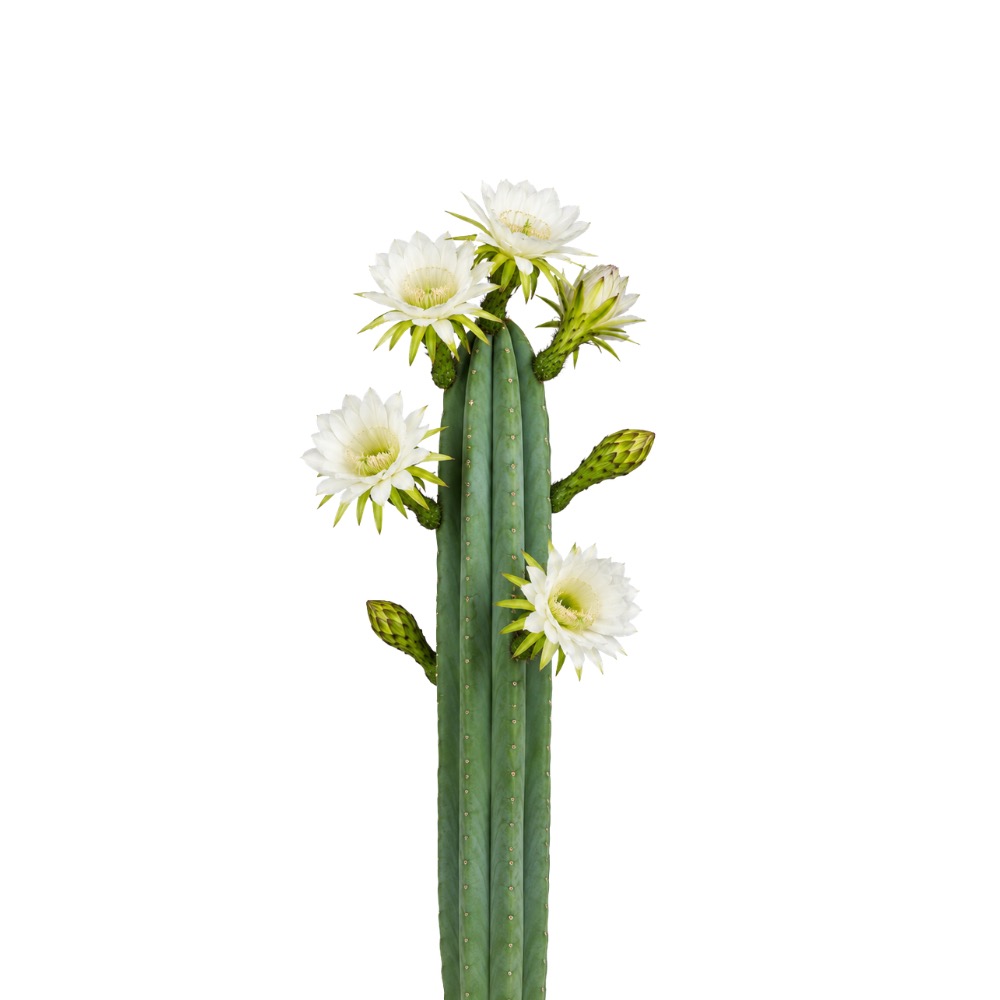
The "Other" filter is a genuine catch-all — dried latex, insect medicines, cactus buttons, and a few preparations that fit none of the standard tissues. There is no part page behind it, because these have nothing useful in common beyond not fitting. Each one is gathered and prepared its own way, and its own monograph is the authority.

Justin Cooke

Clinical herbalist and the writer behind The Sunlight Experiment — an evidence-based pharmacopoeia of herbs, supplements, and the chemistry behind them.

From the Journal
View all articles →

Get the Field Notes

Evidence-based herb breakdowns in your inbox. No spam, unsubscribe anytime.