
Herbal Pharmacopoeia
Explore the Herbs
What is a weed? A plant whose virtues have not yet been discovered.
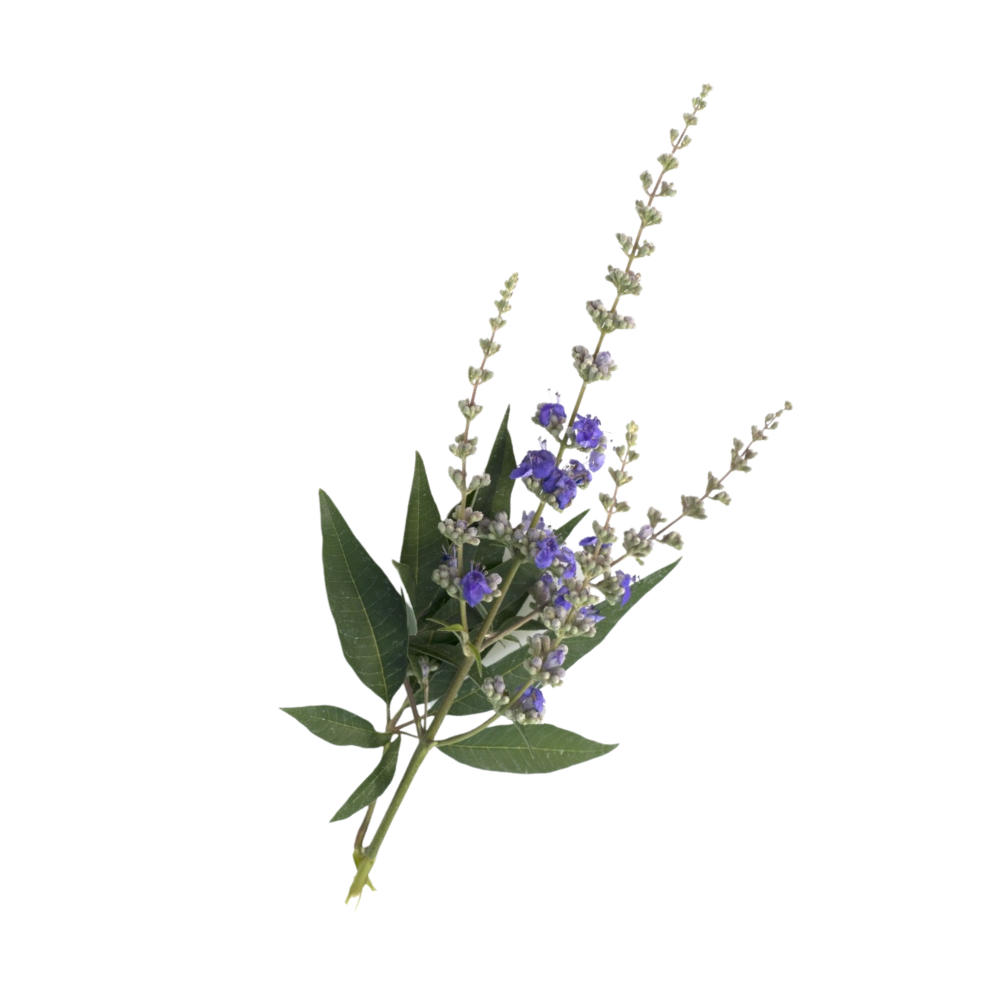
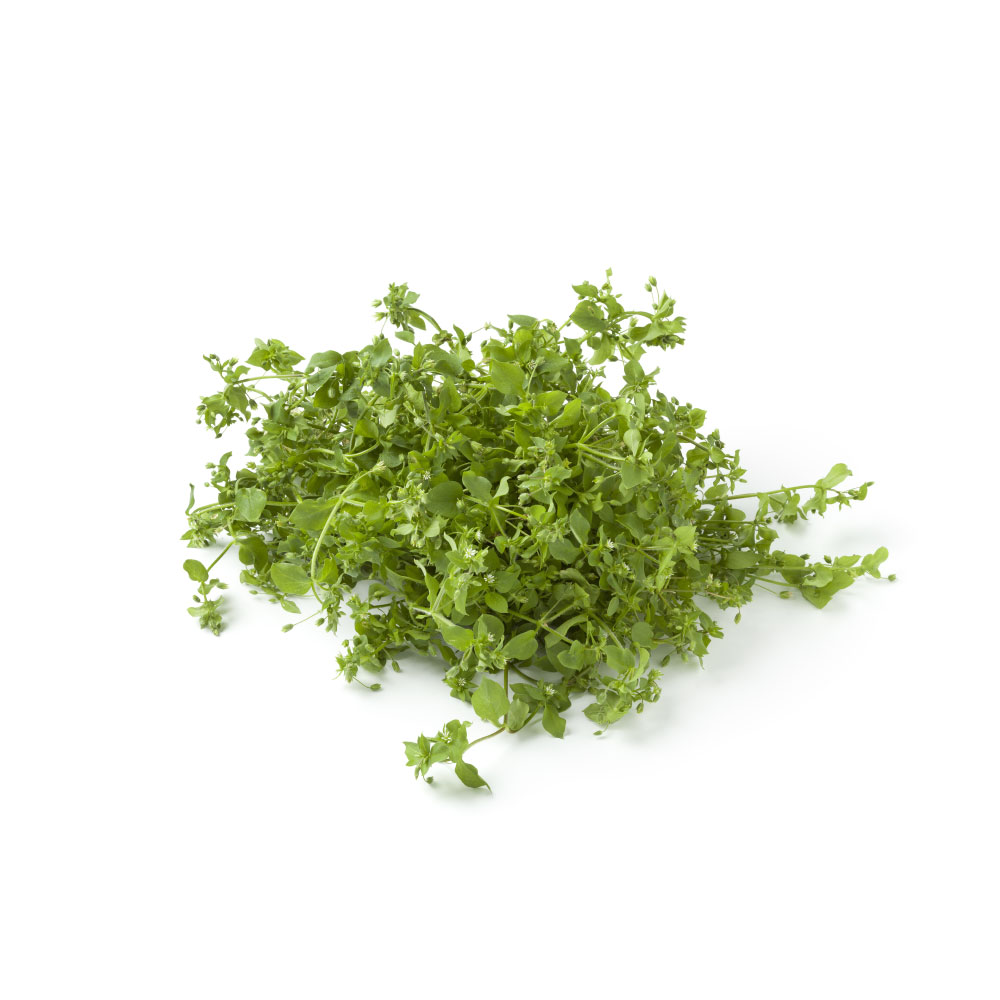
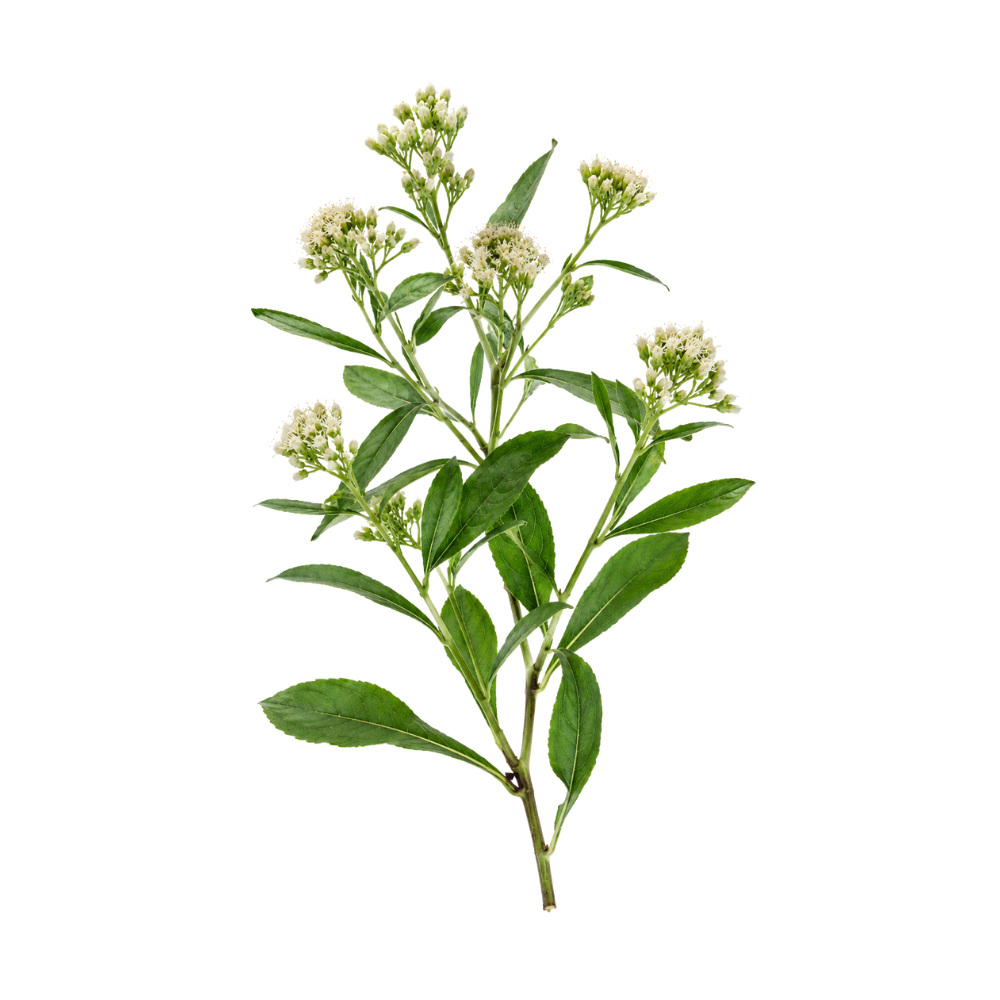
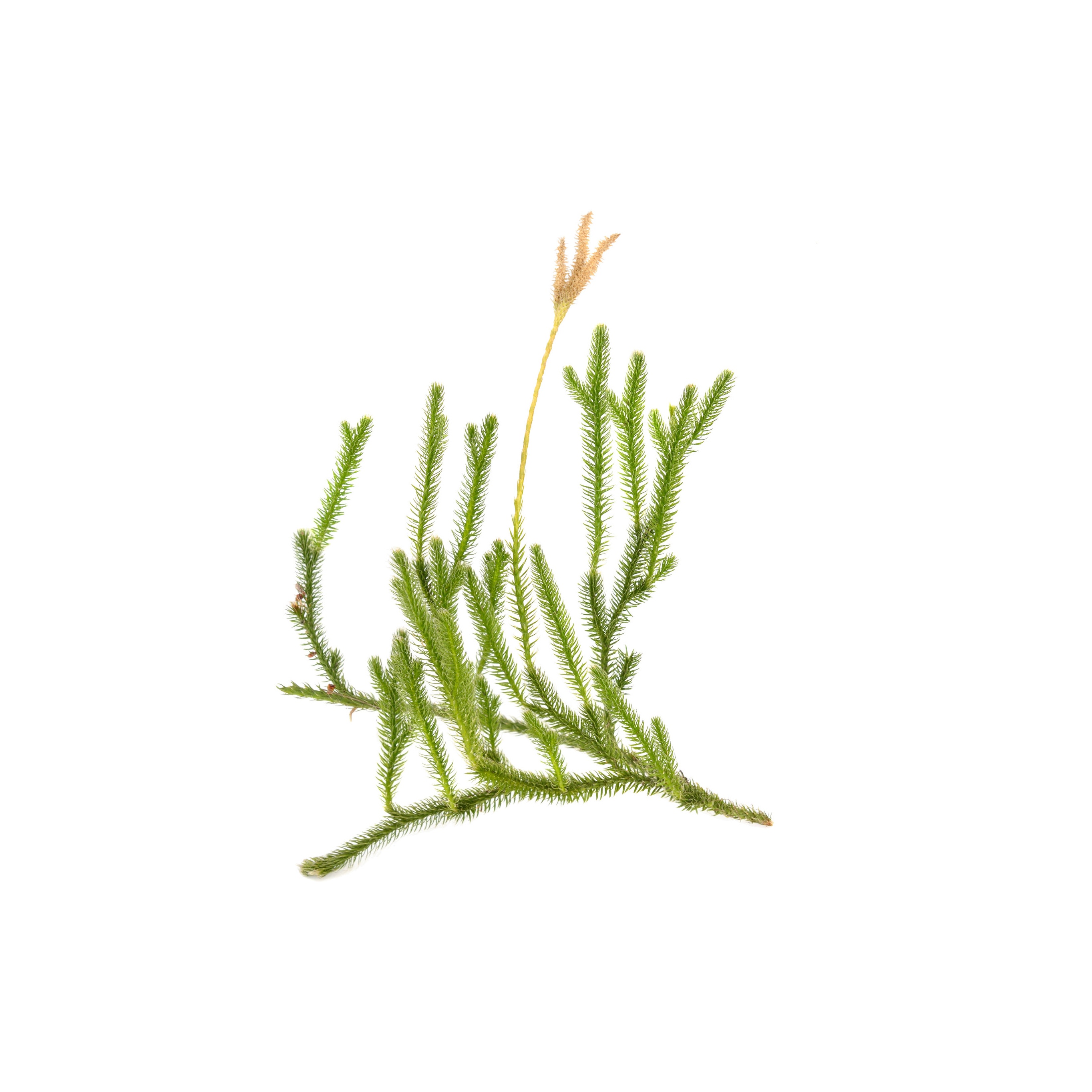
Filter the database by action, body system, family, part used, and safety — combine as many as you like. Hover an action to see what it means.
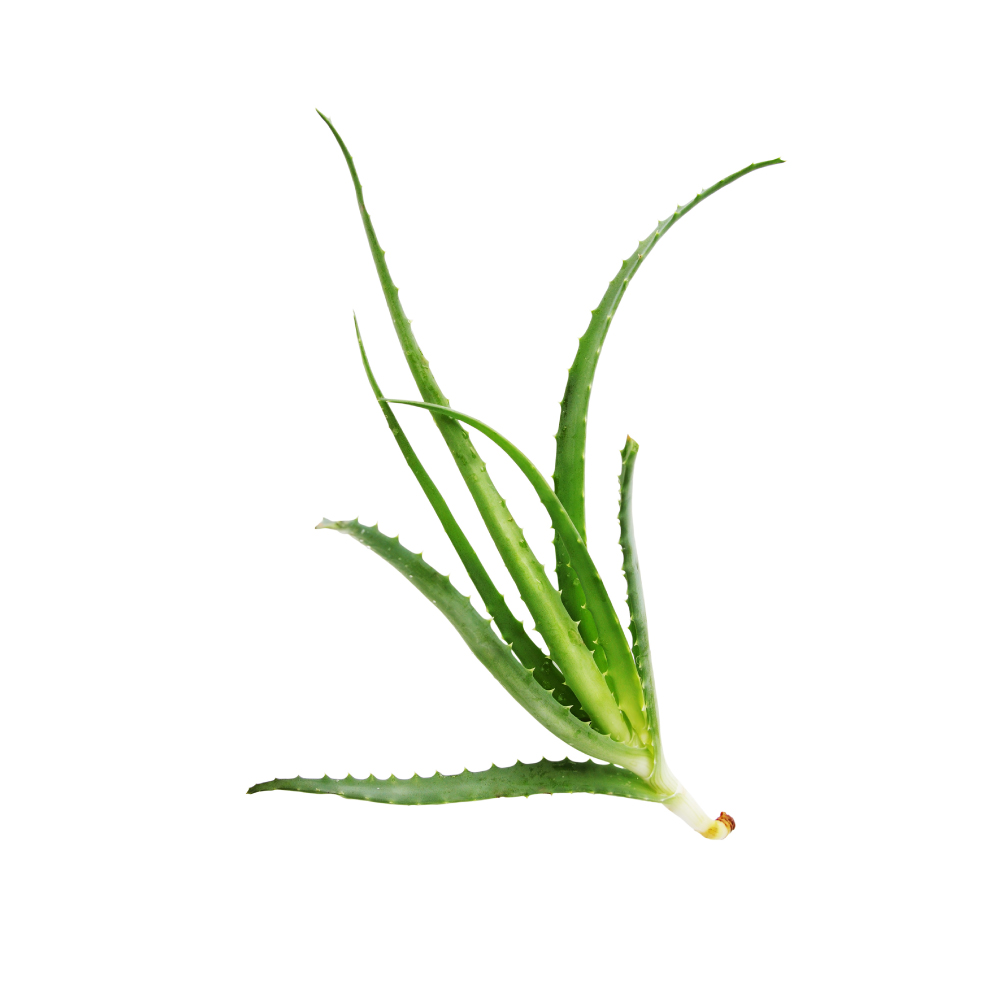
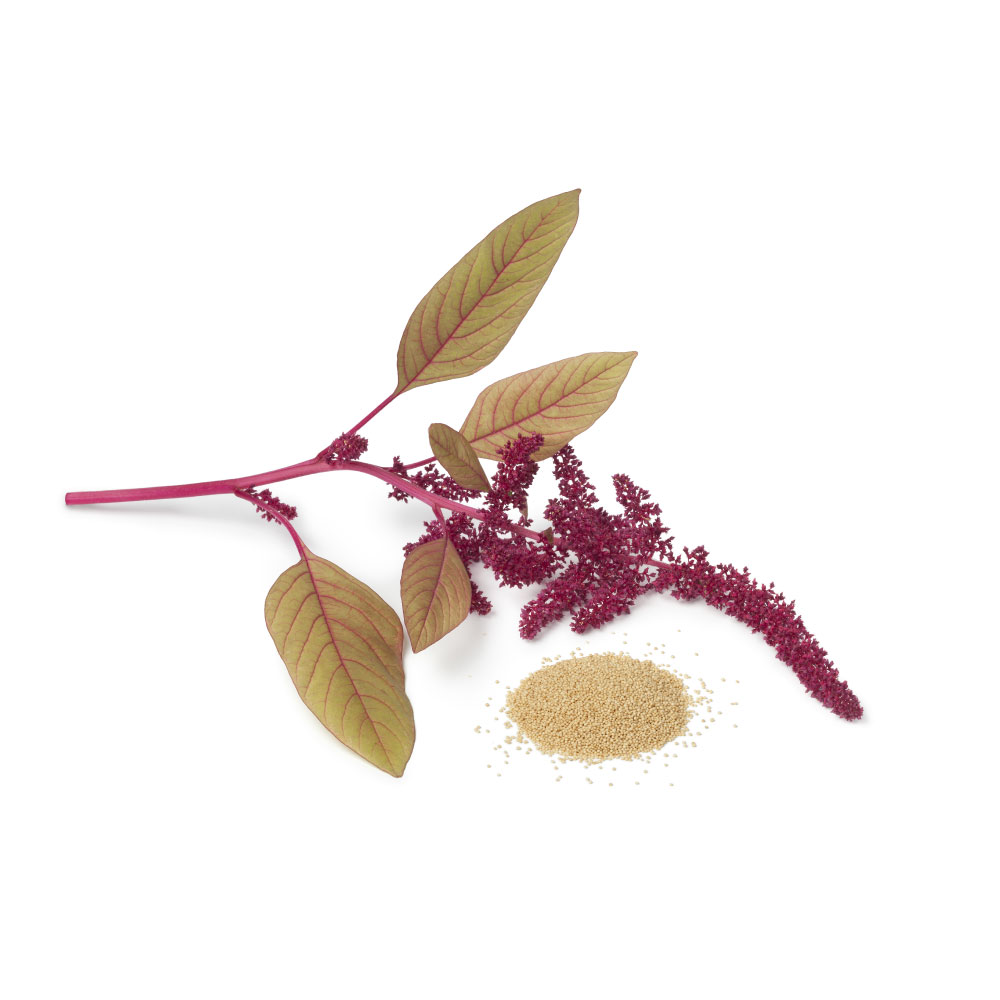
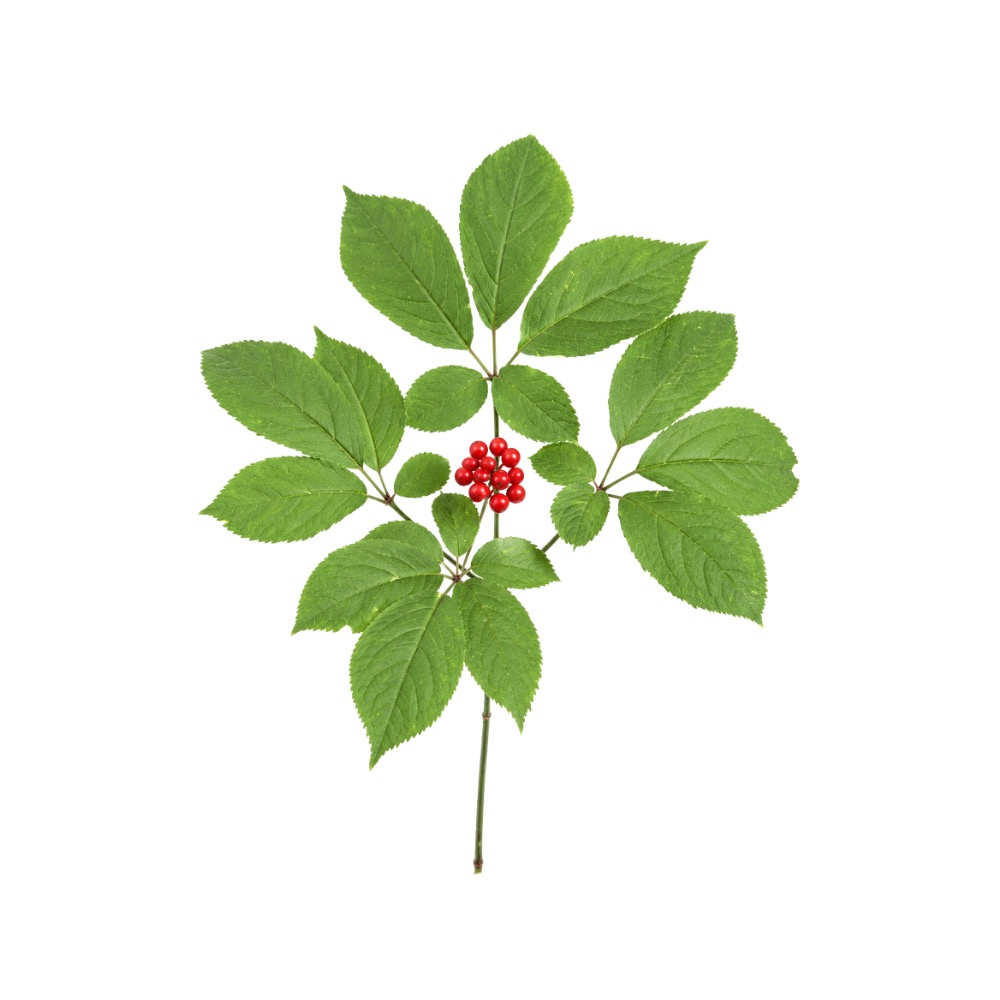
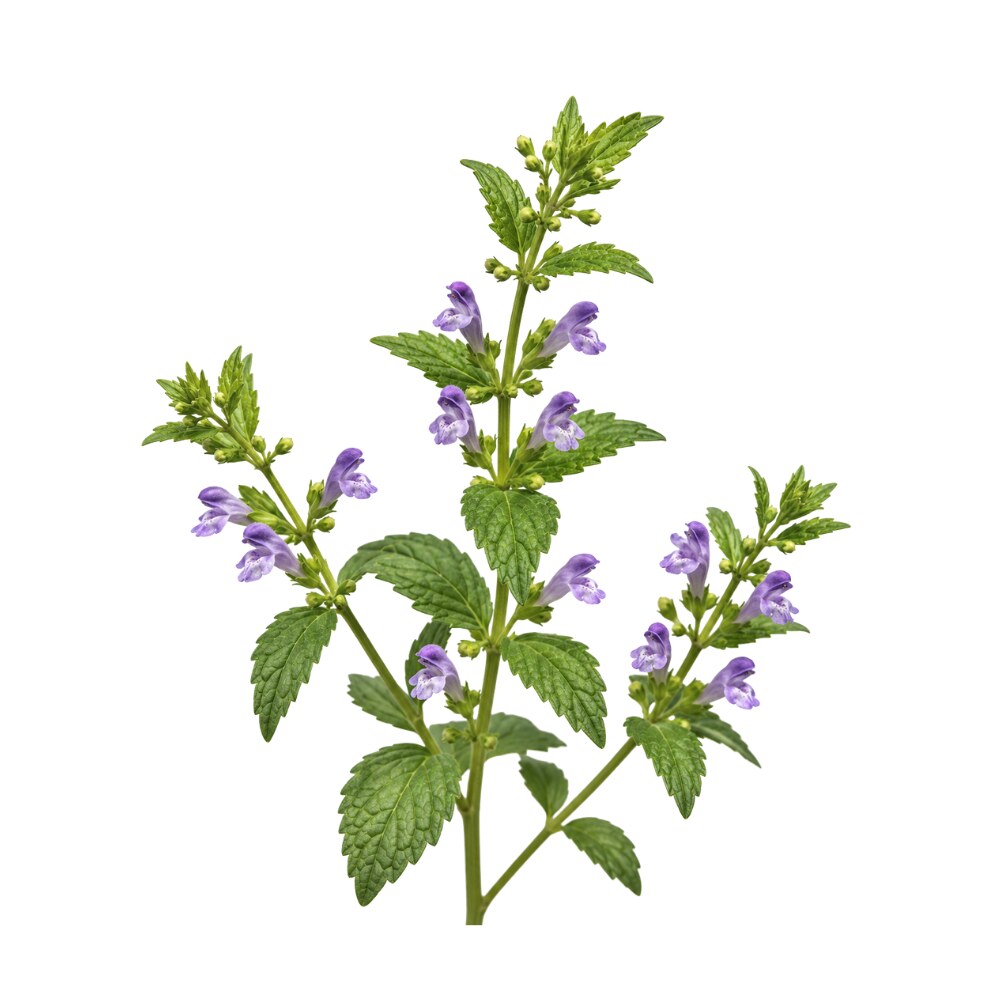
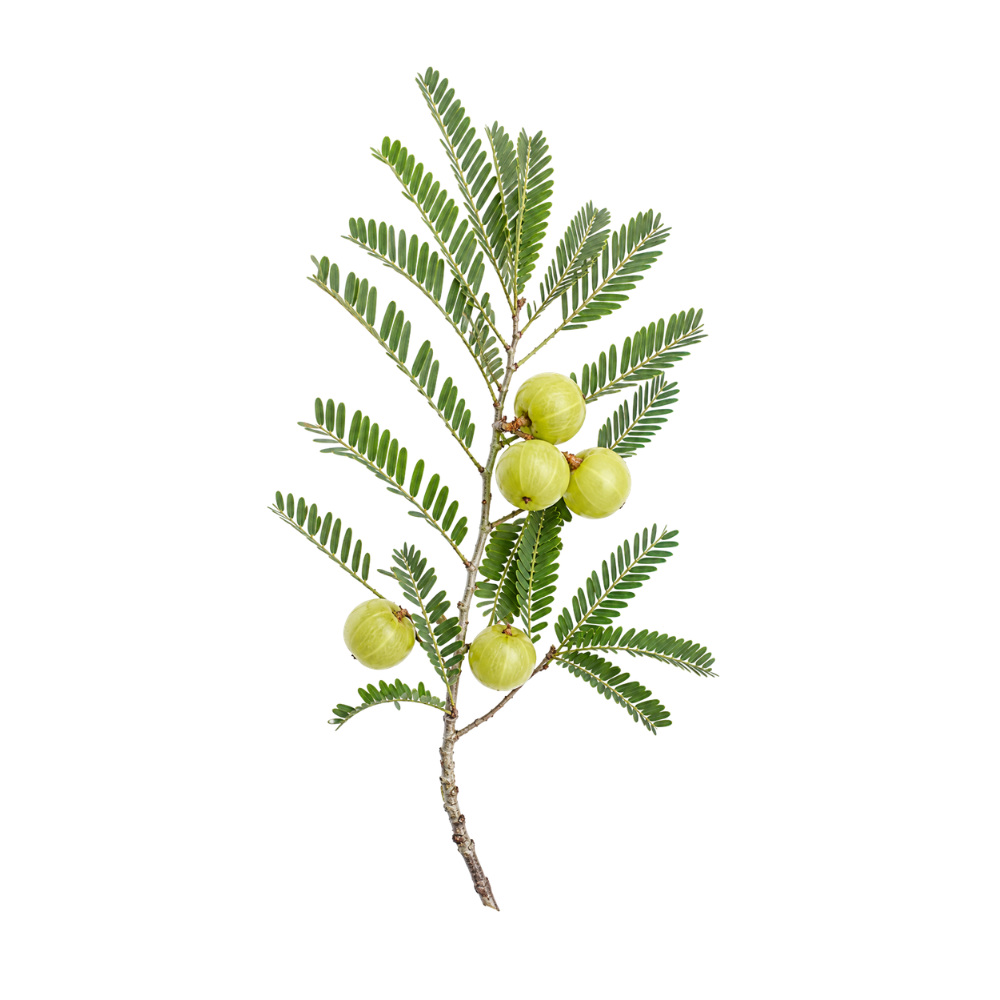
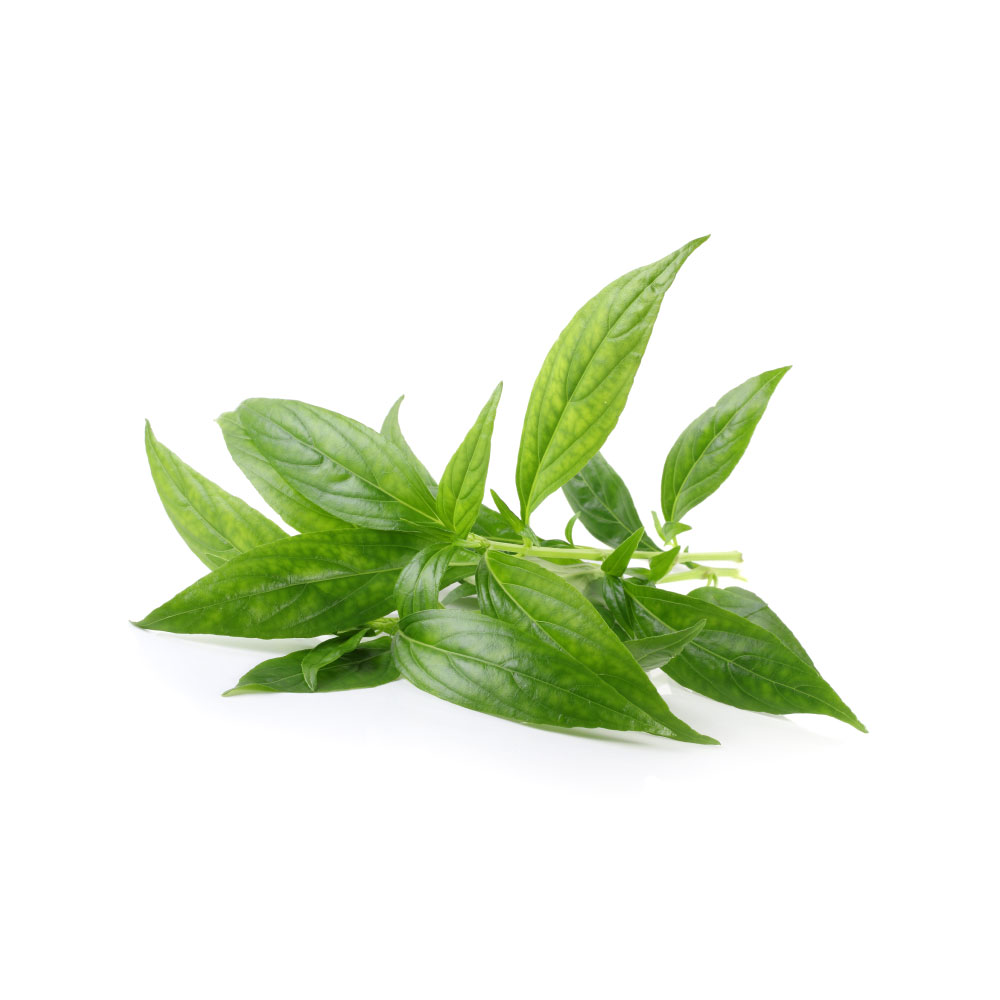
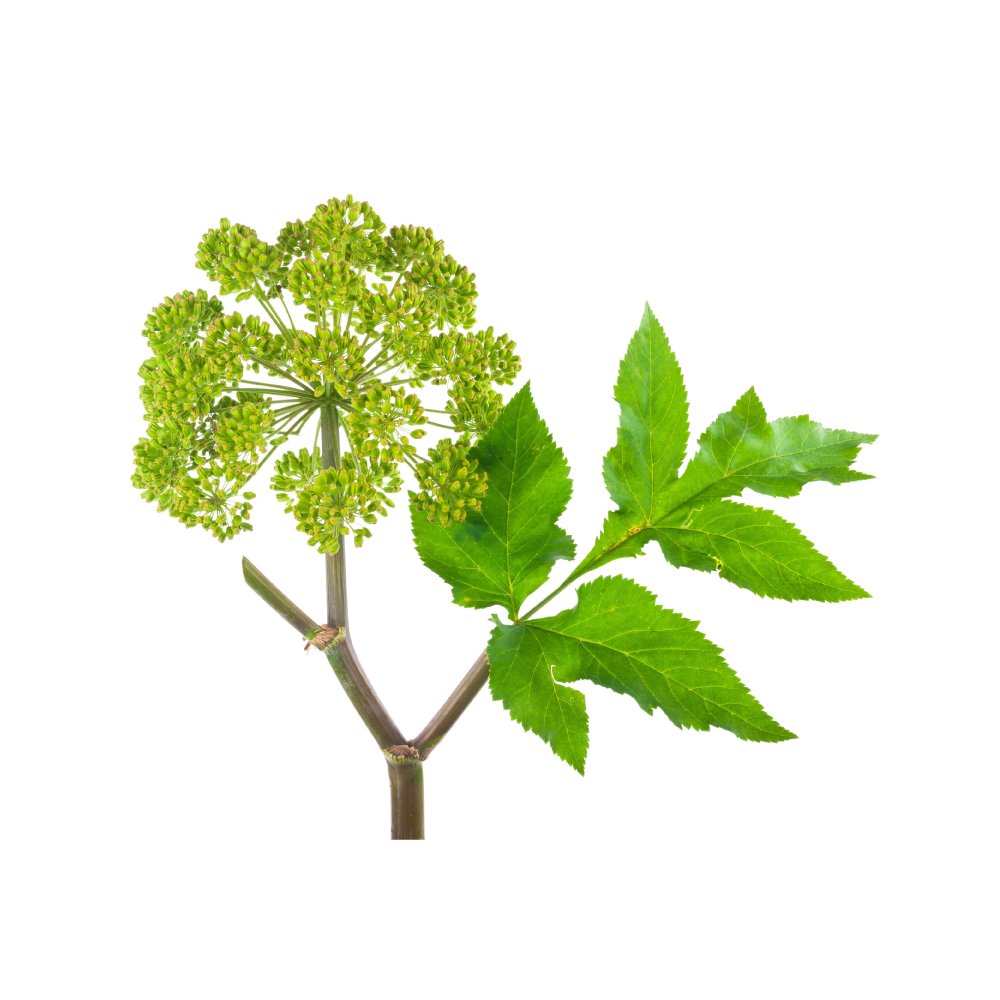
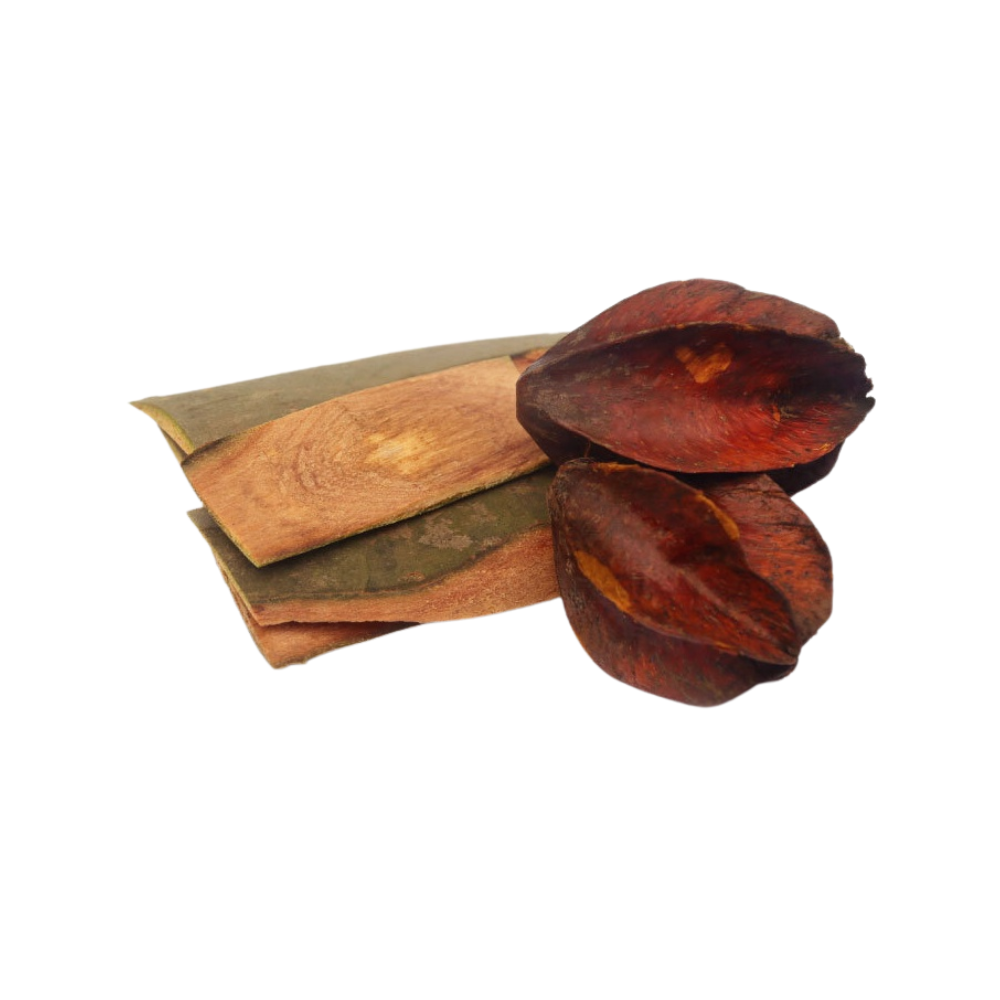
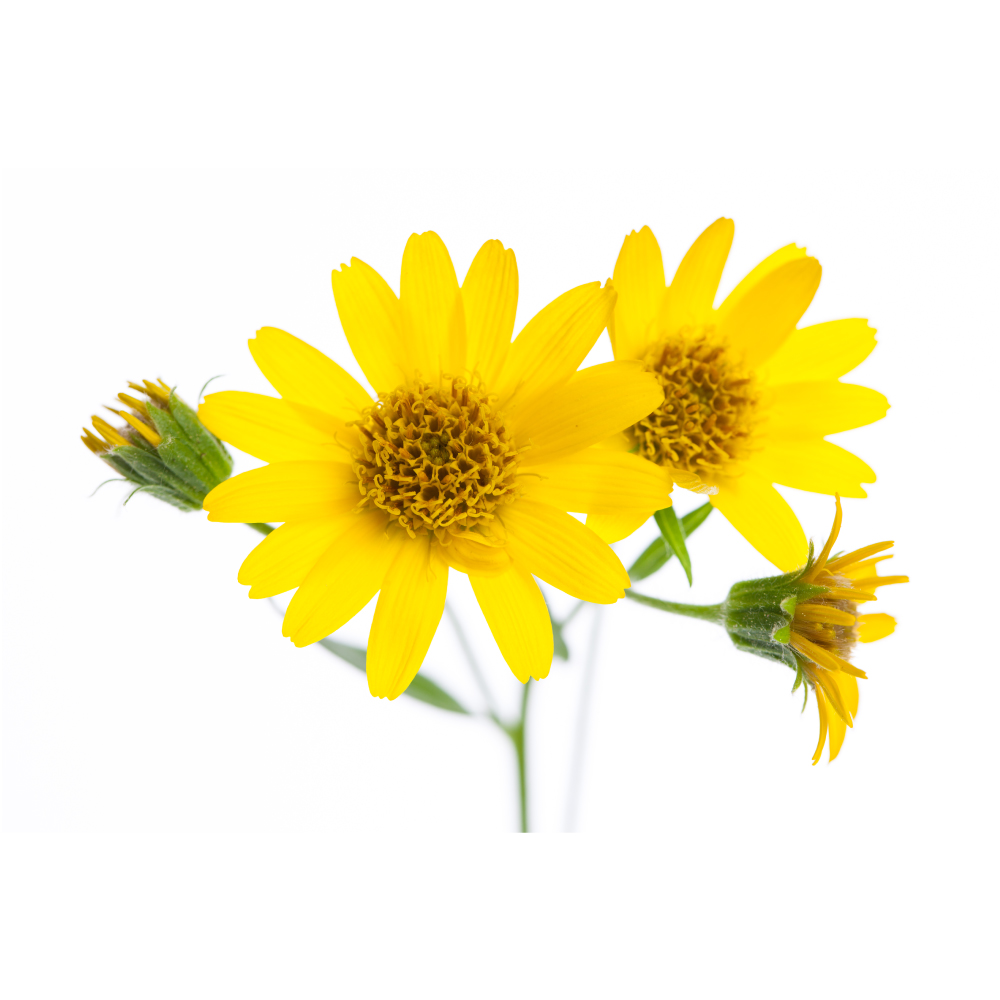
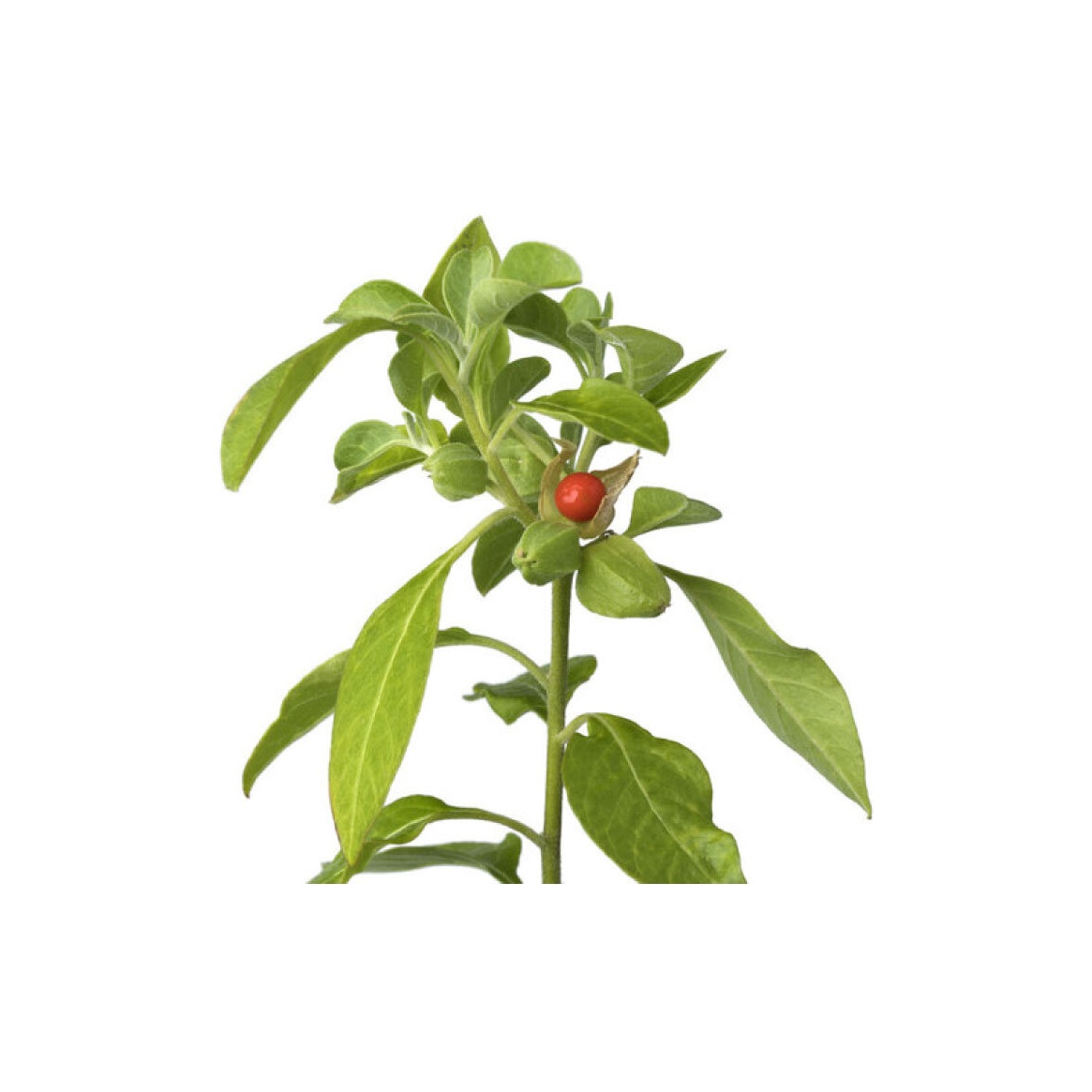
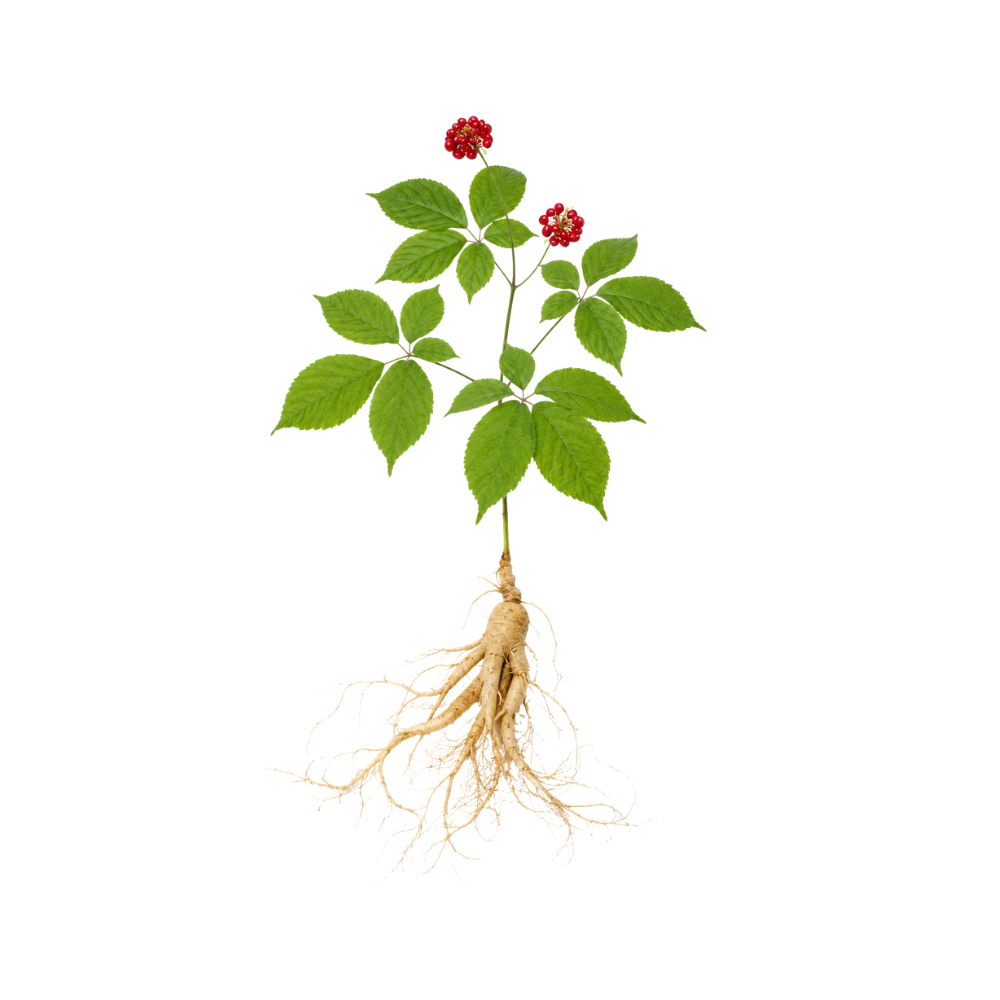
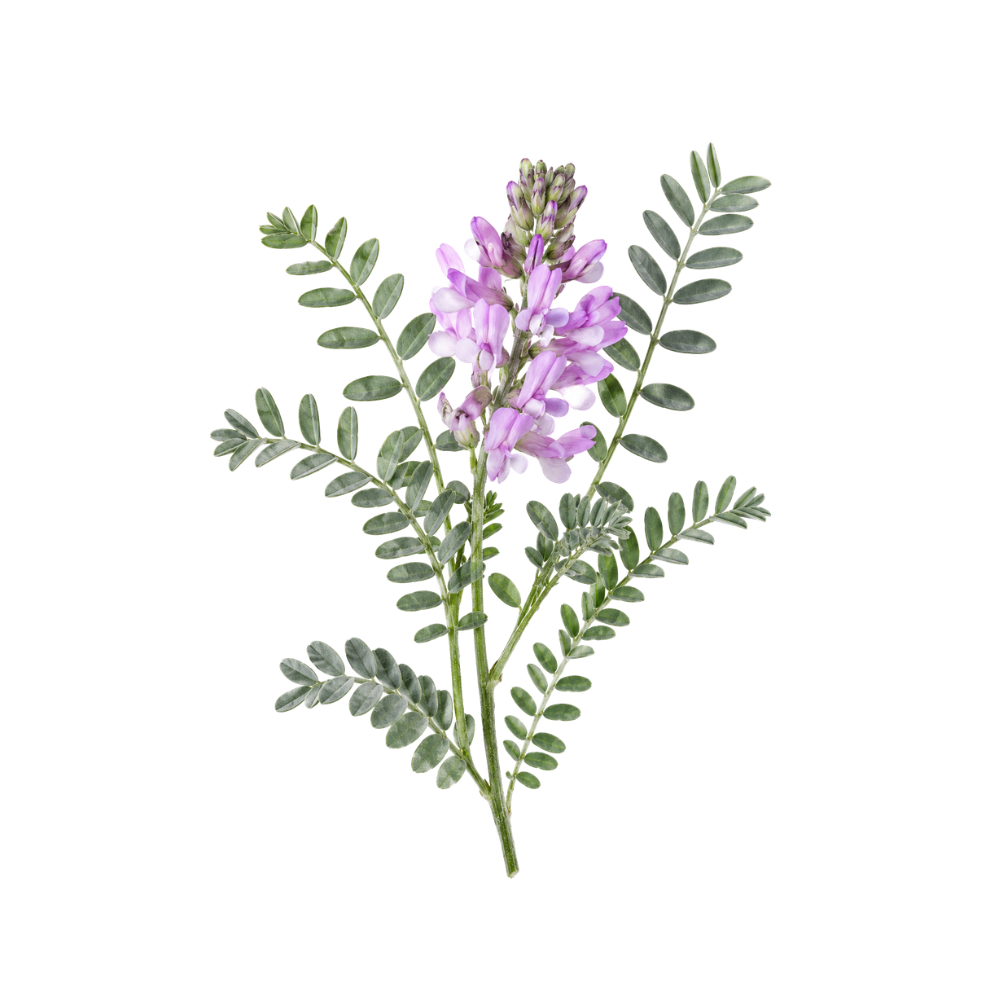
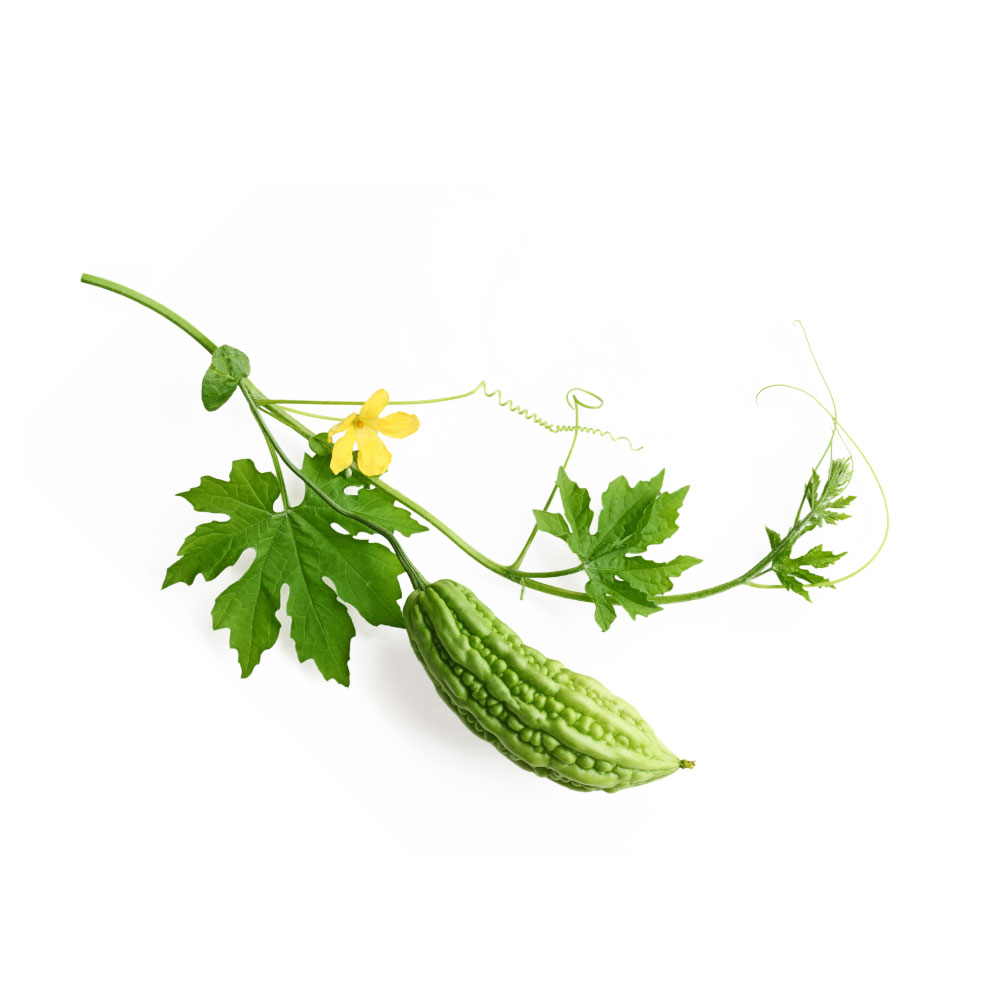
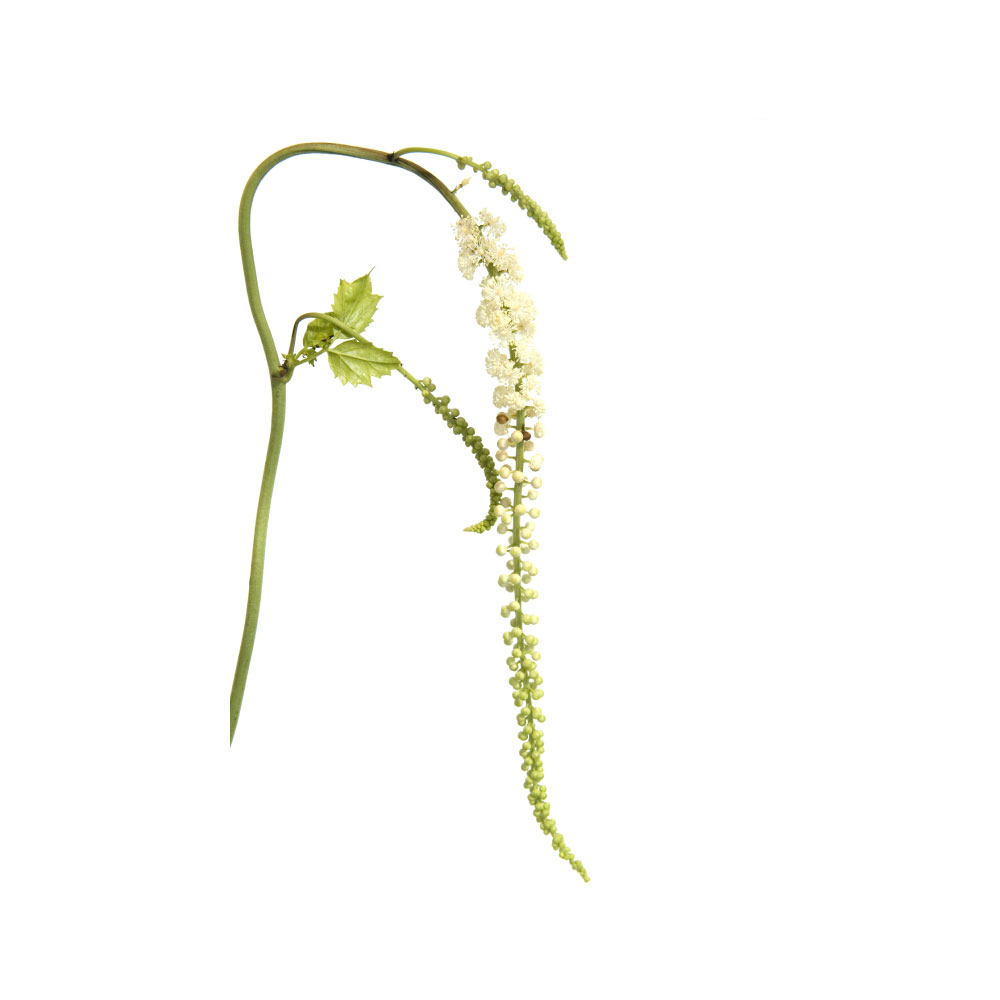
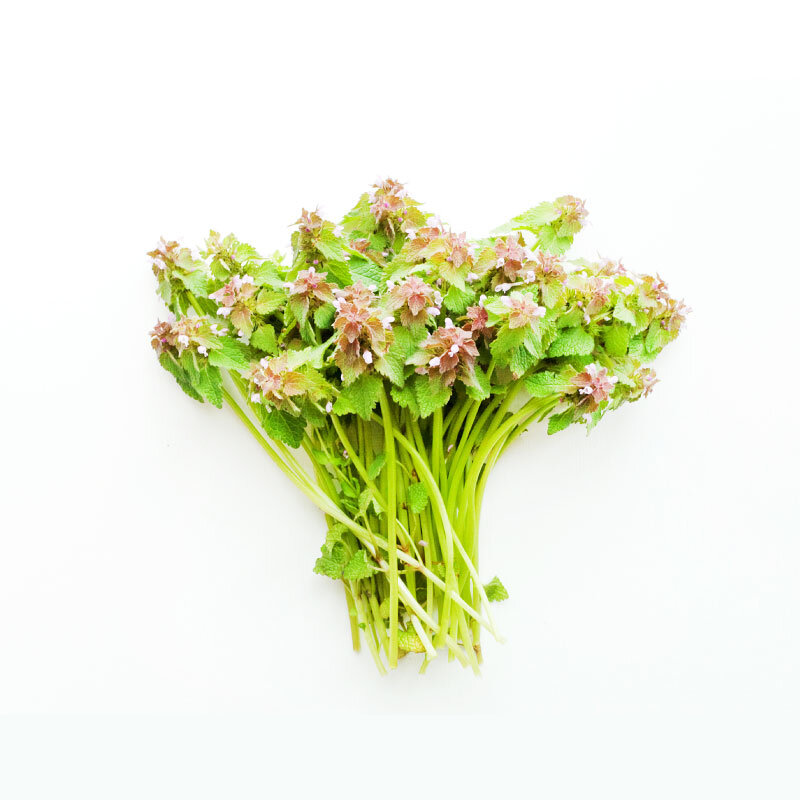
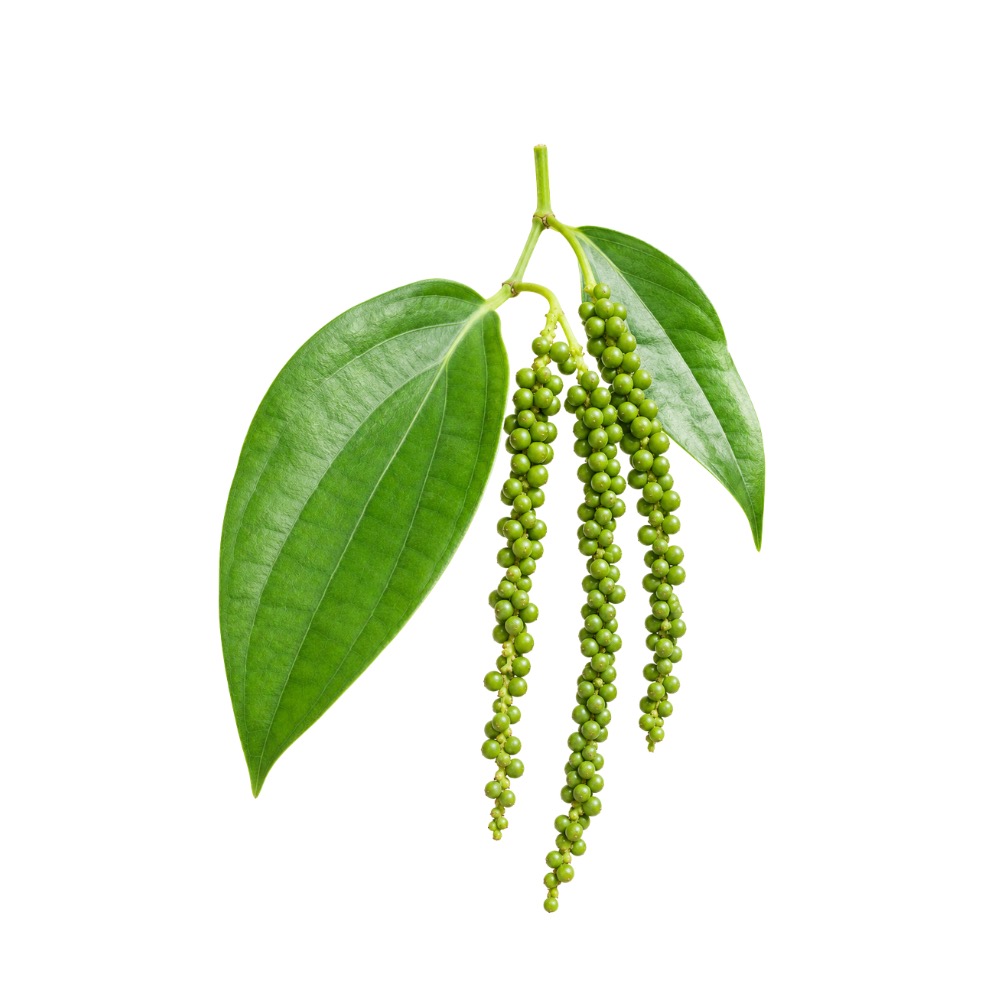
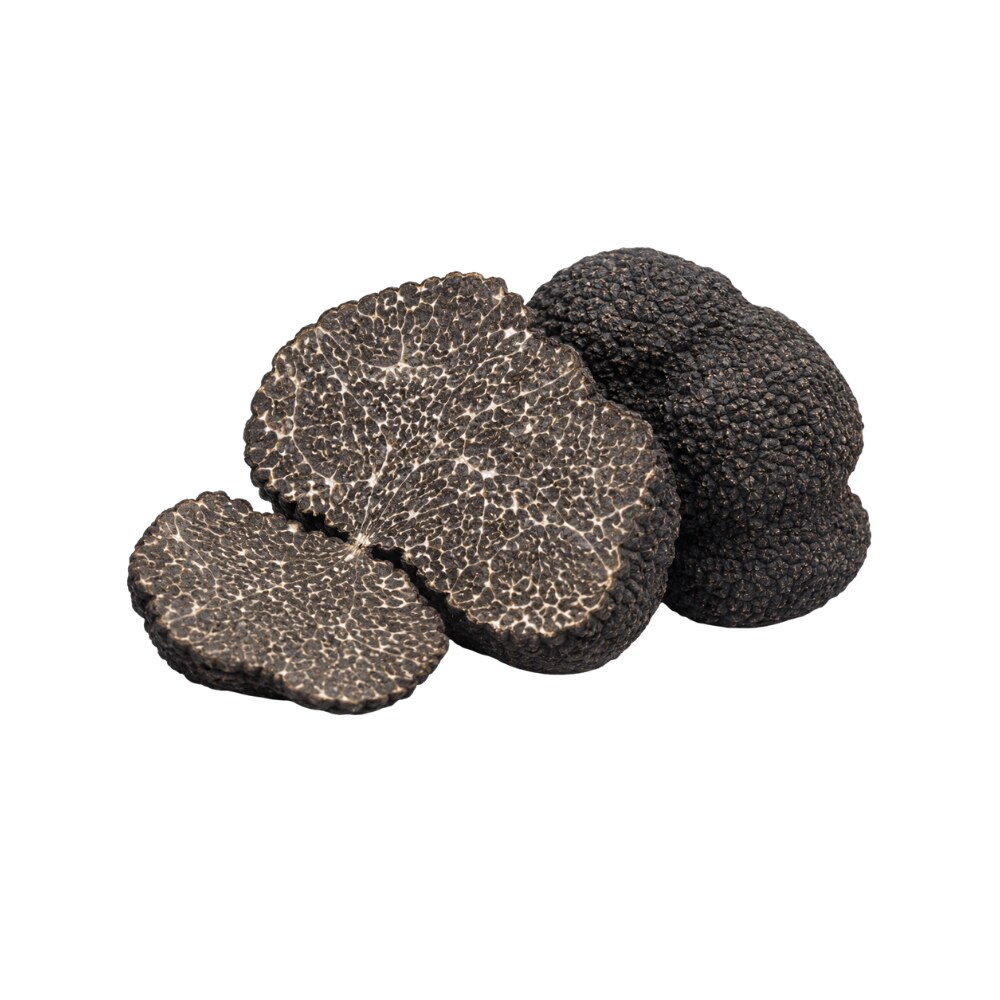
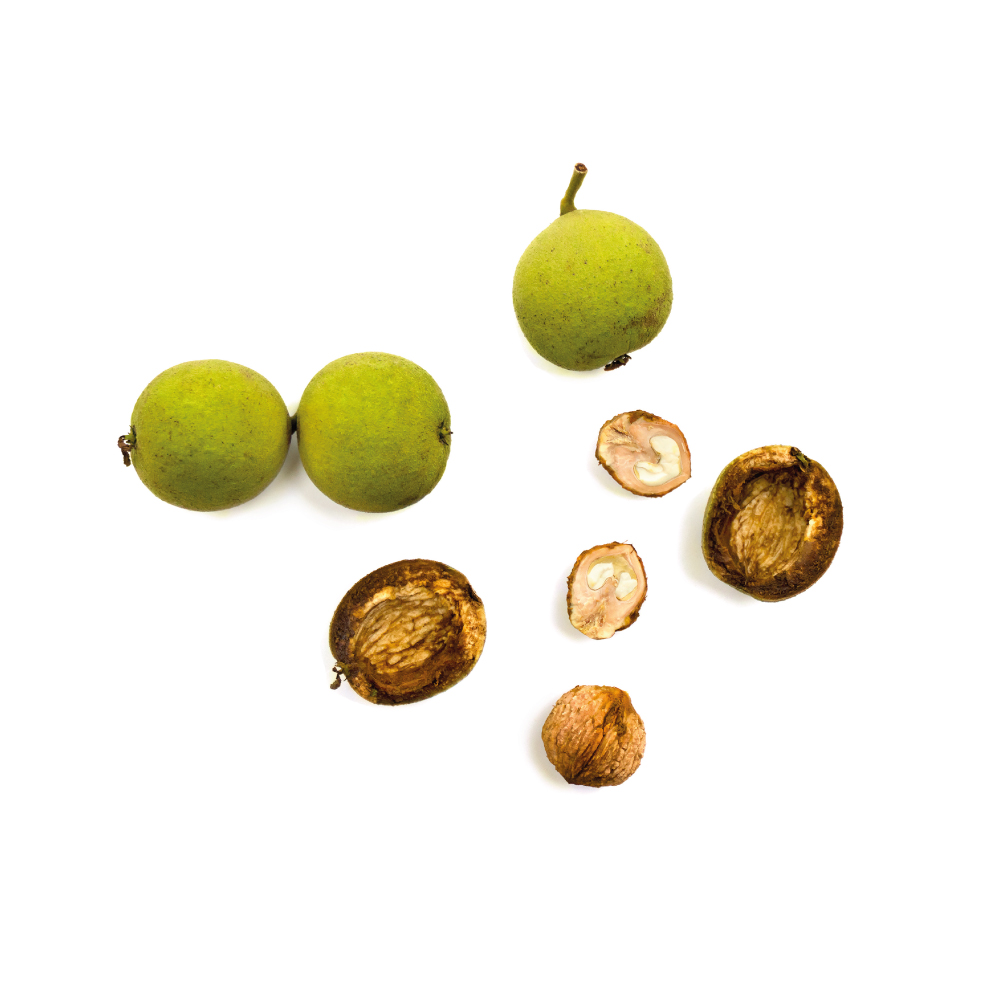
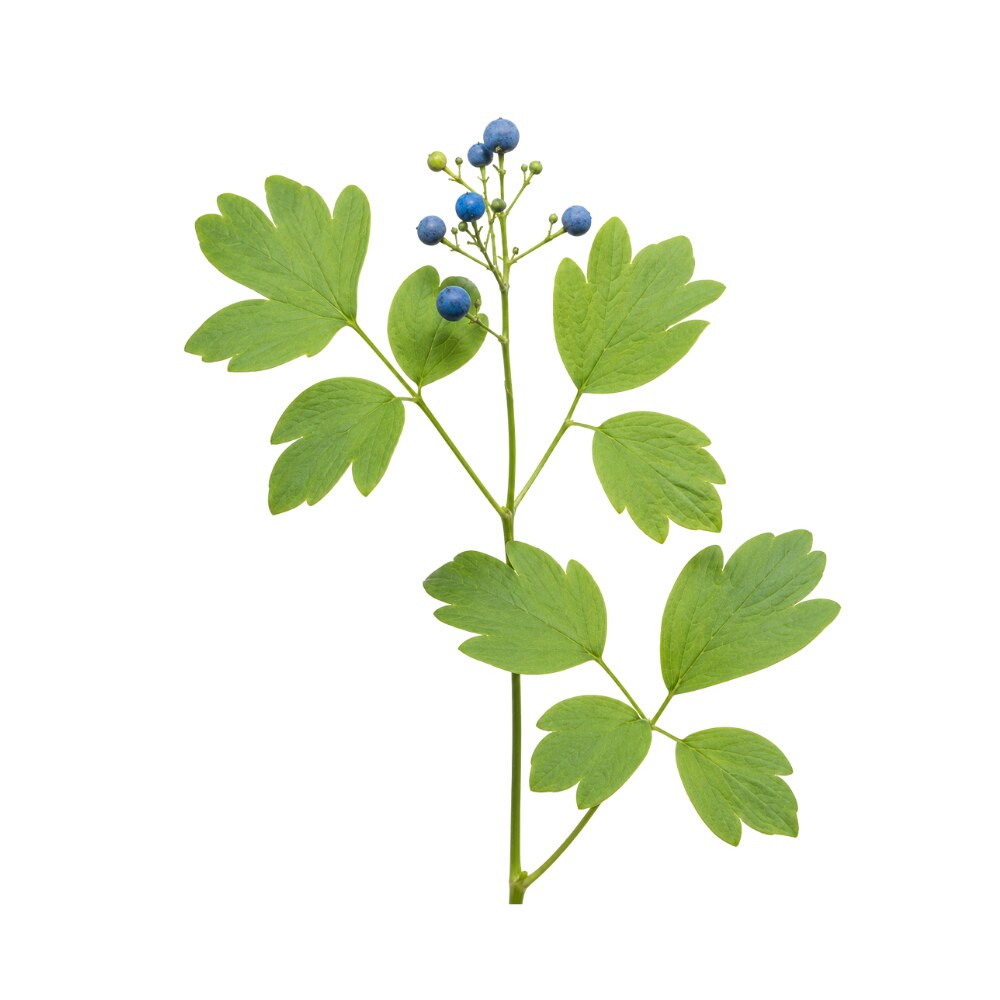
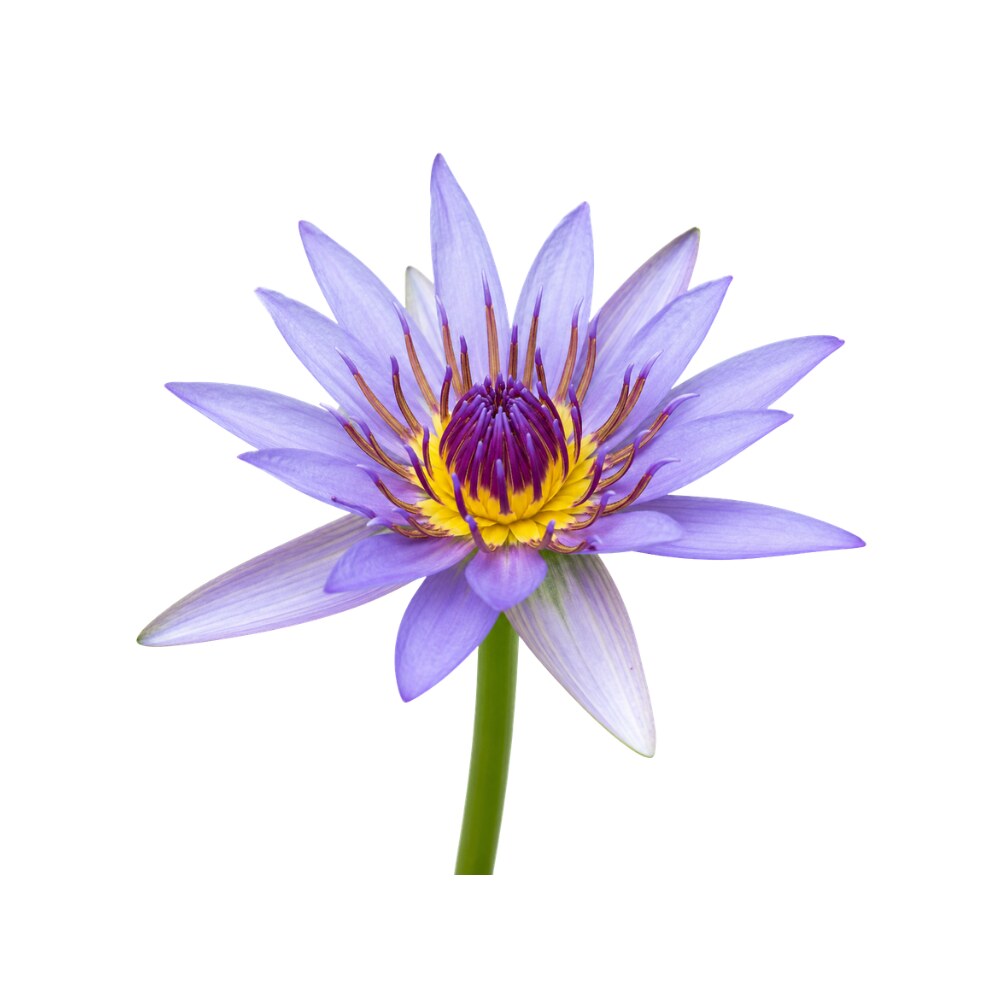
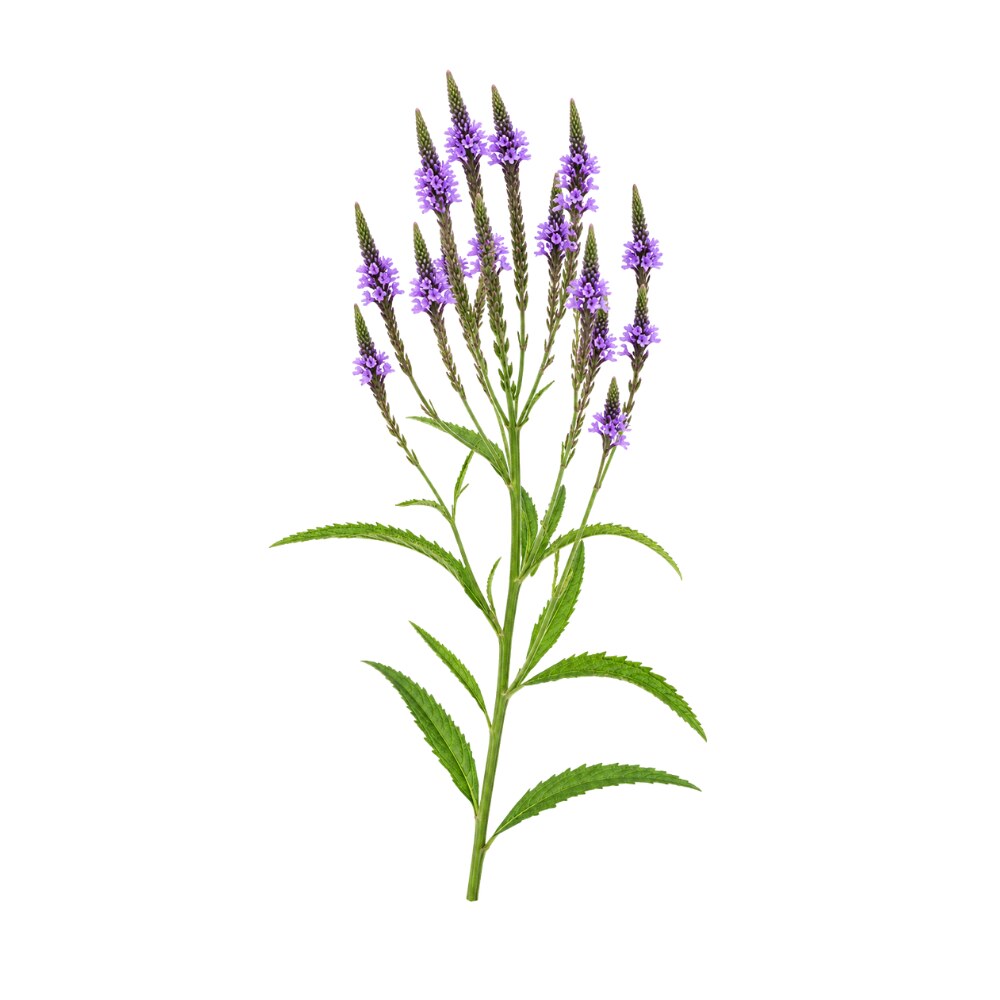
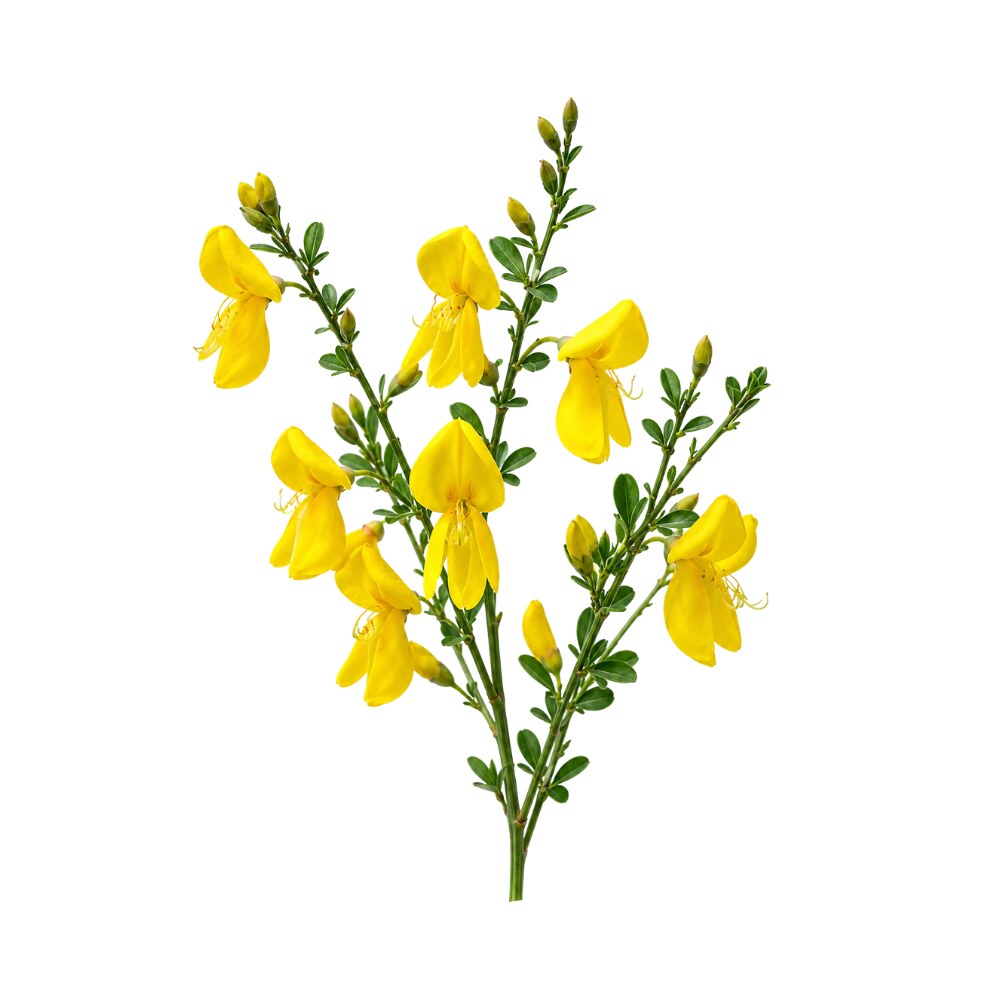
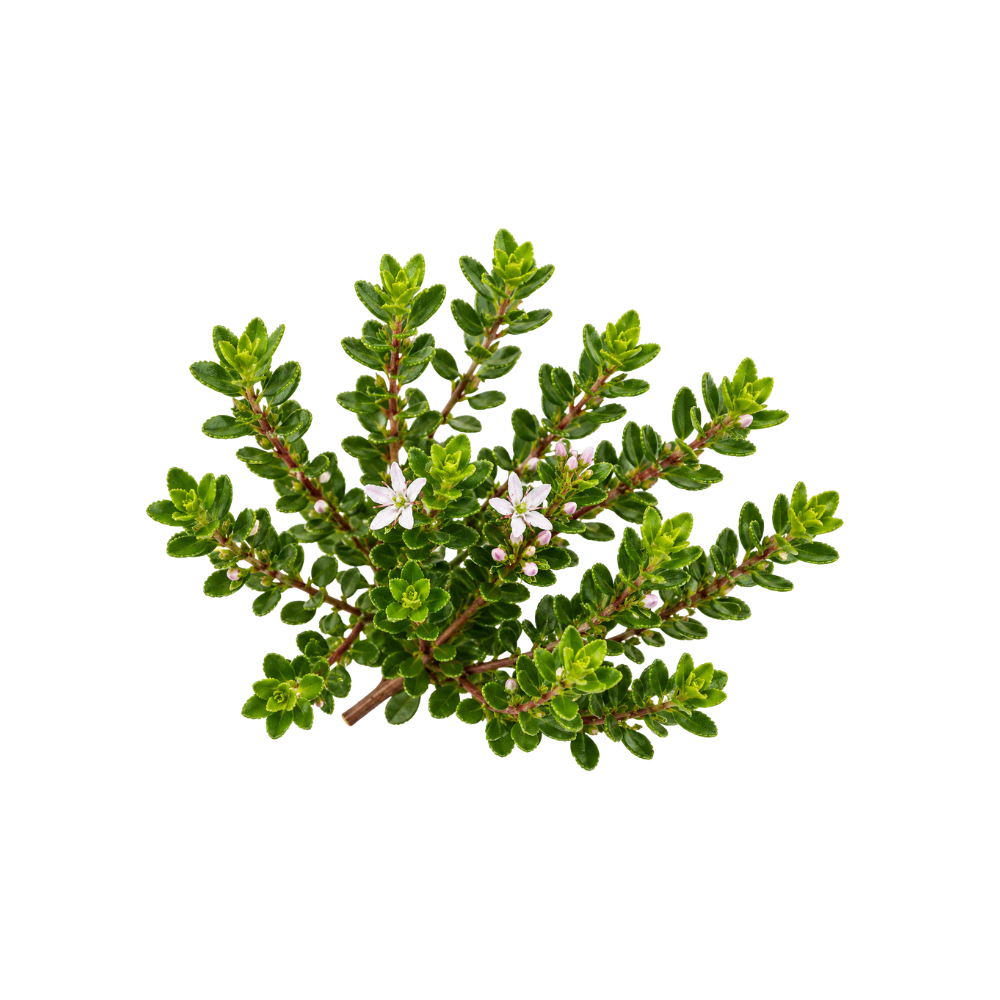
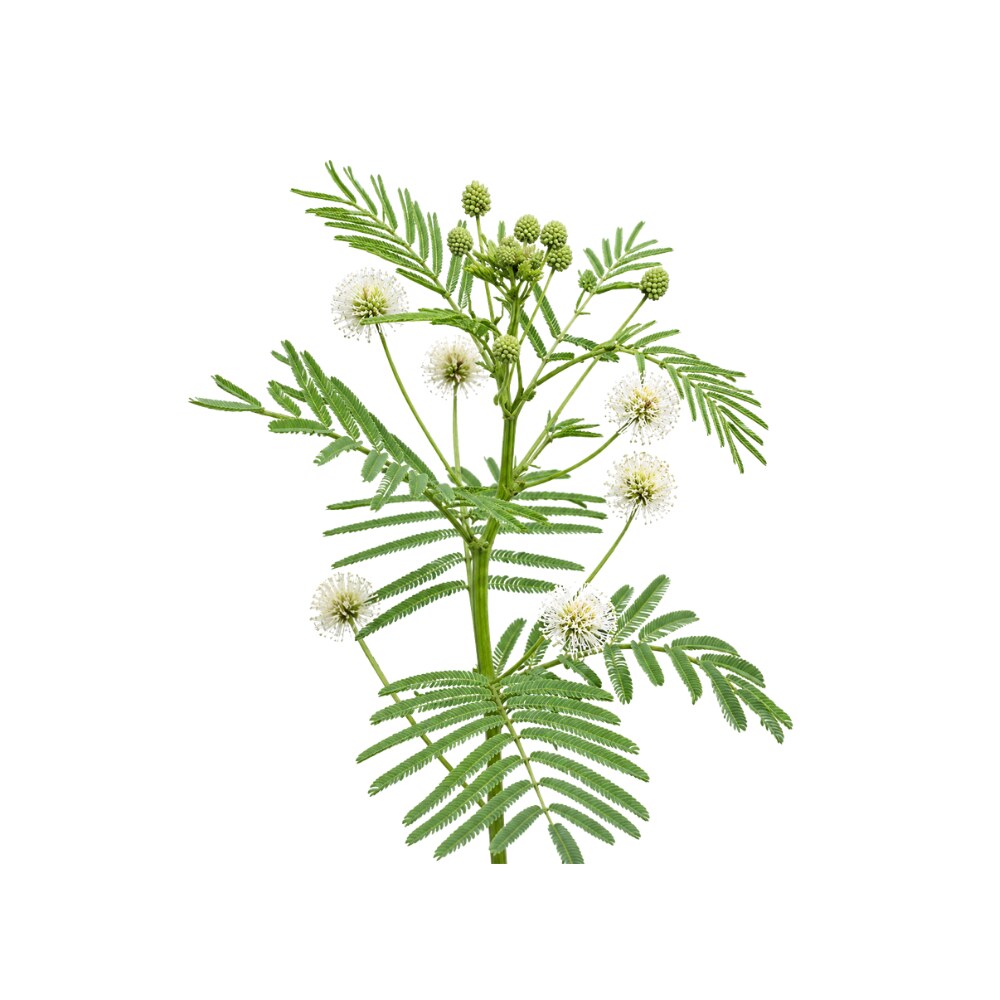
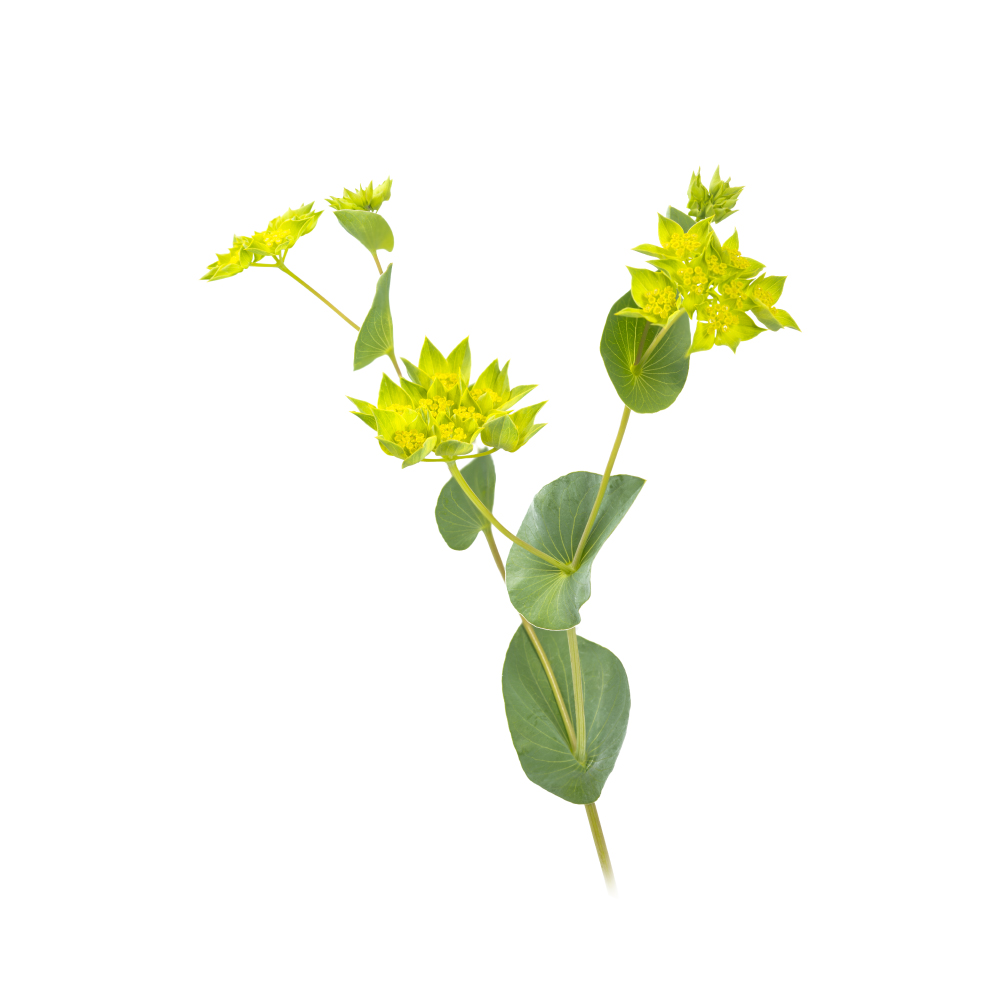
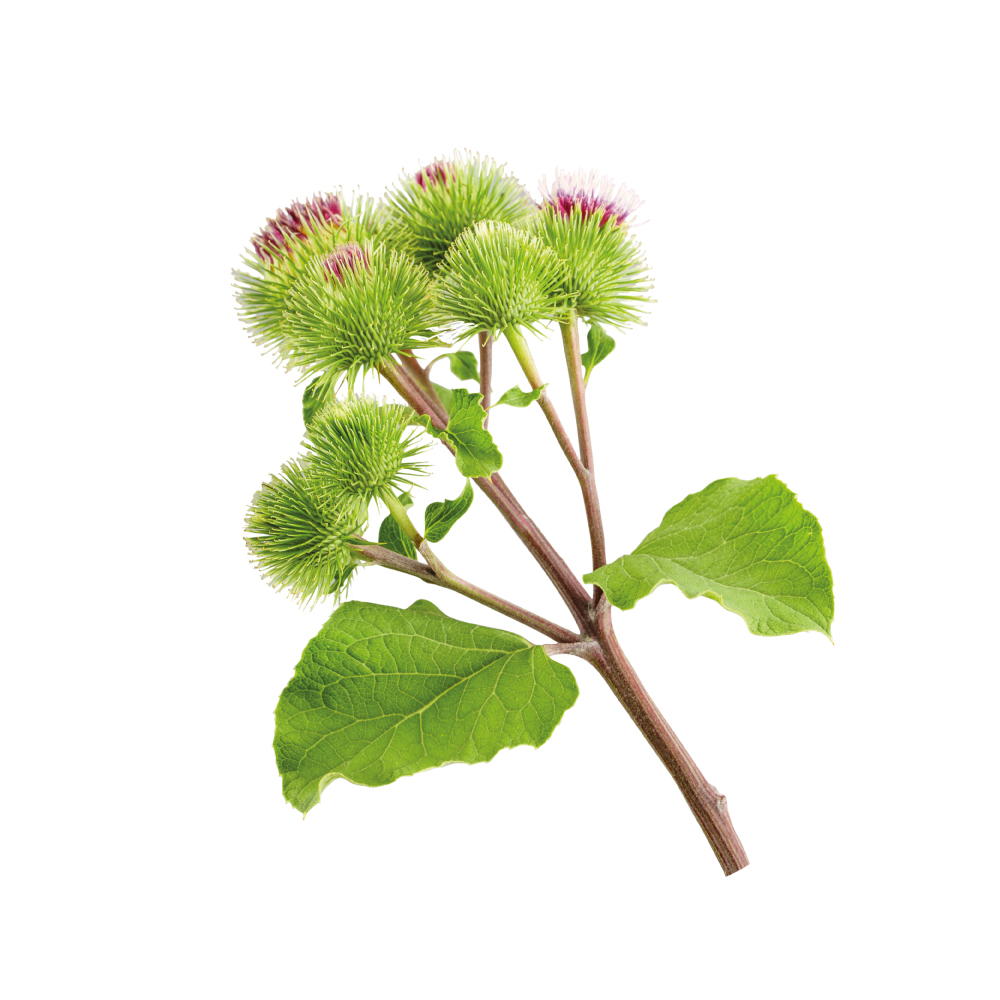
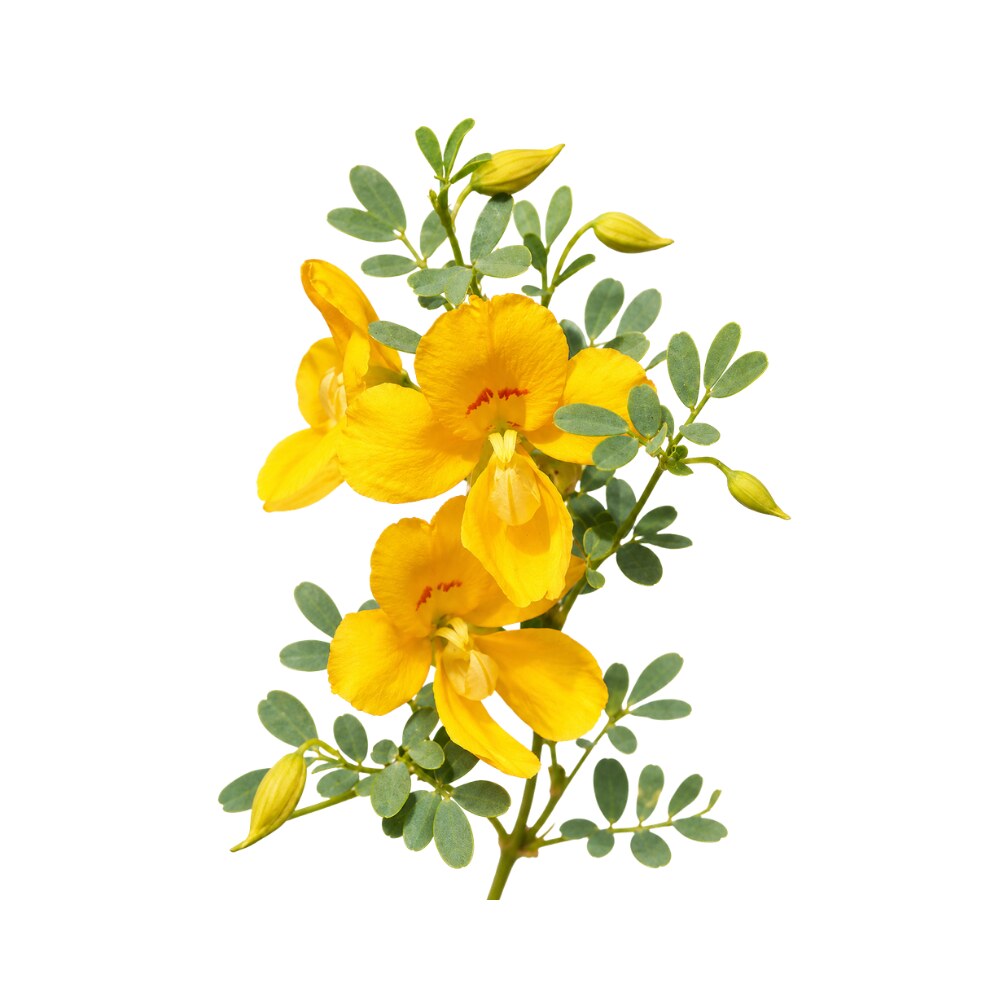
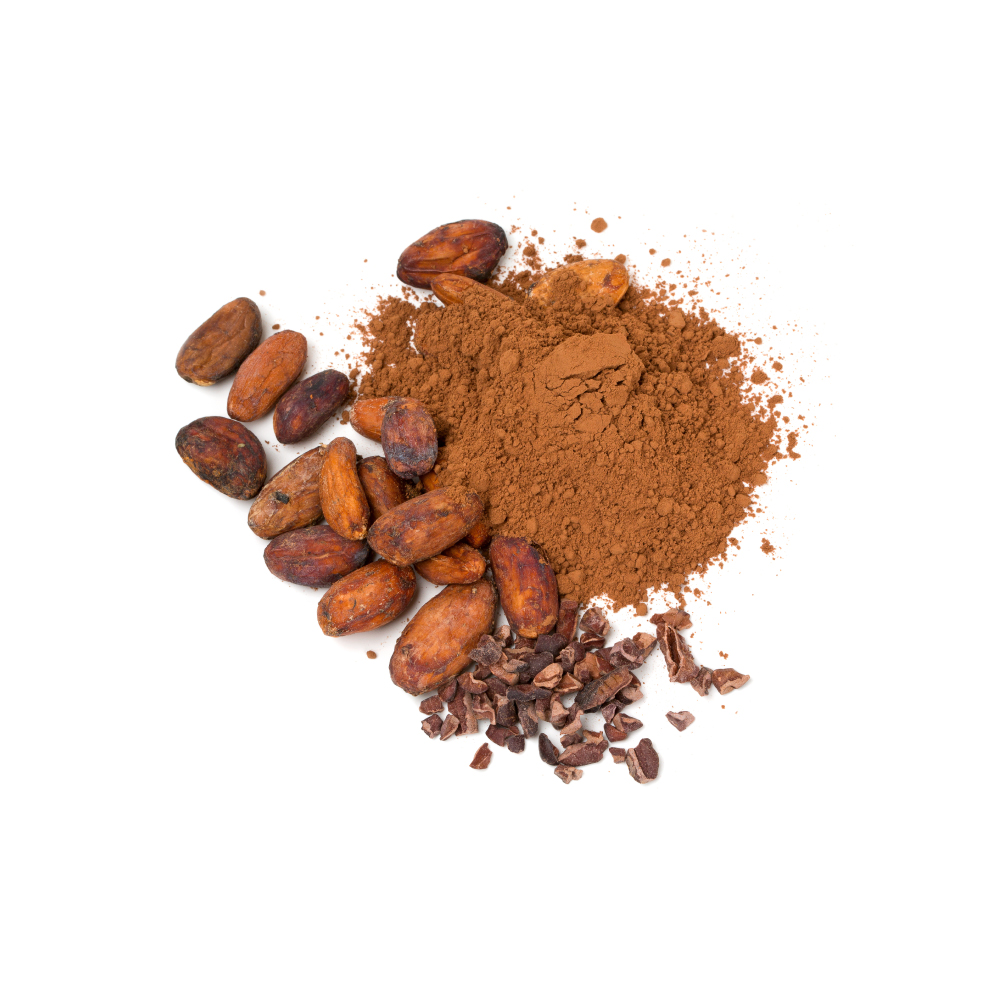
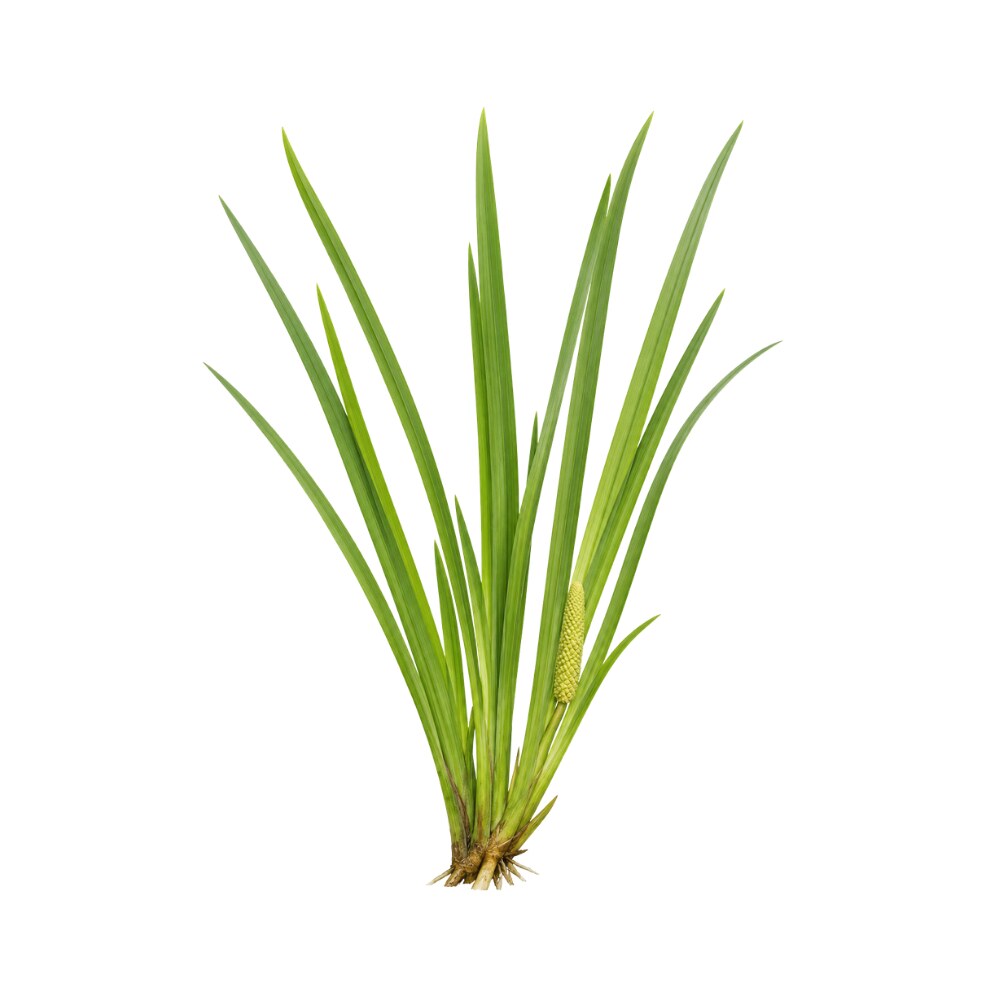
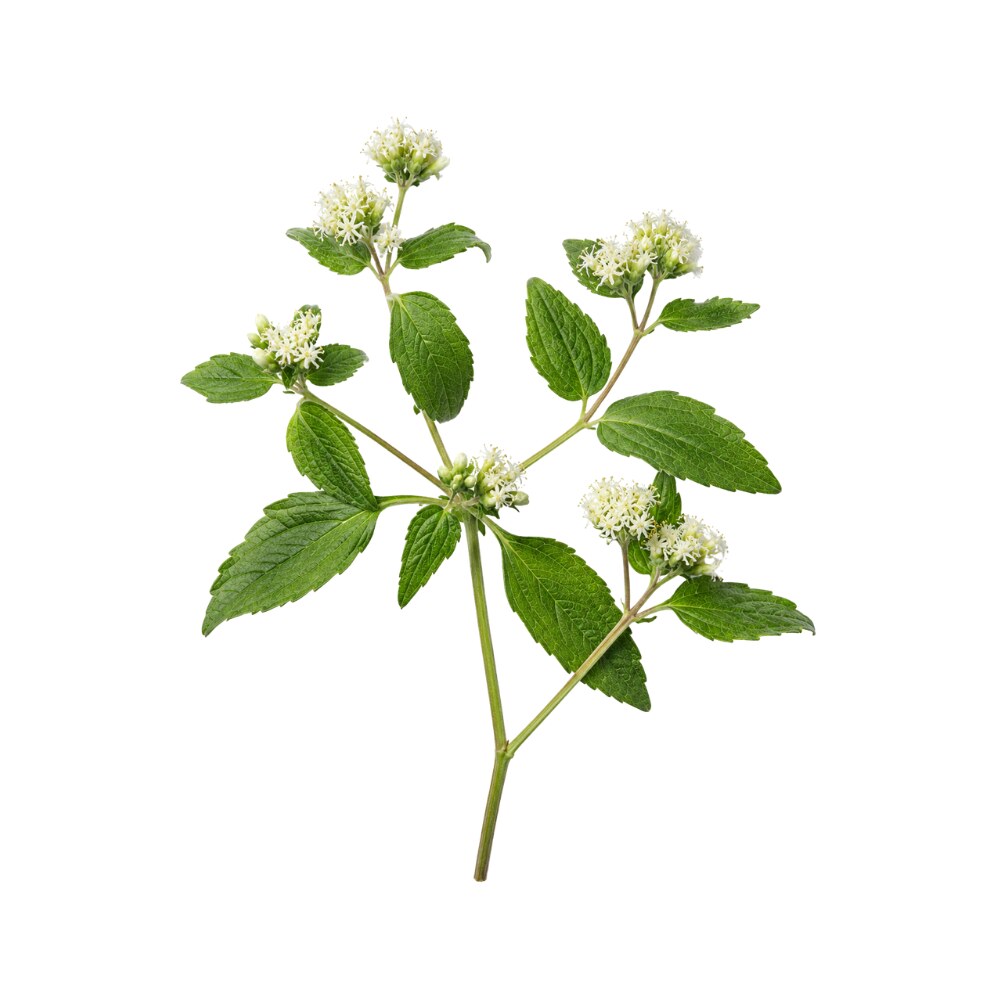
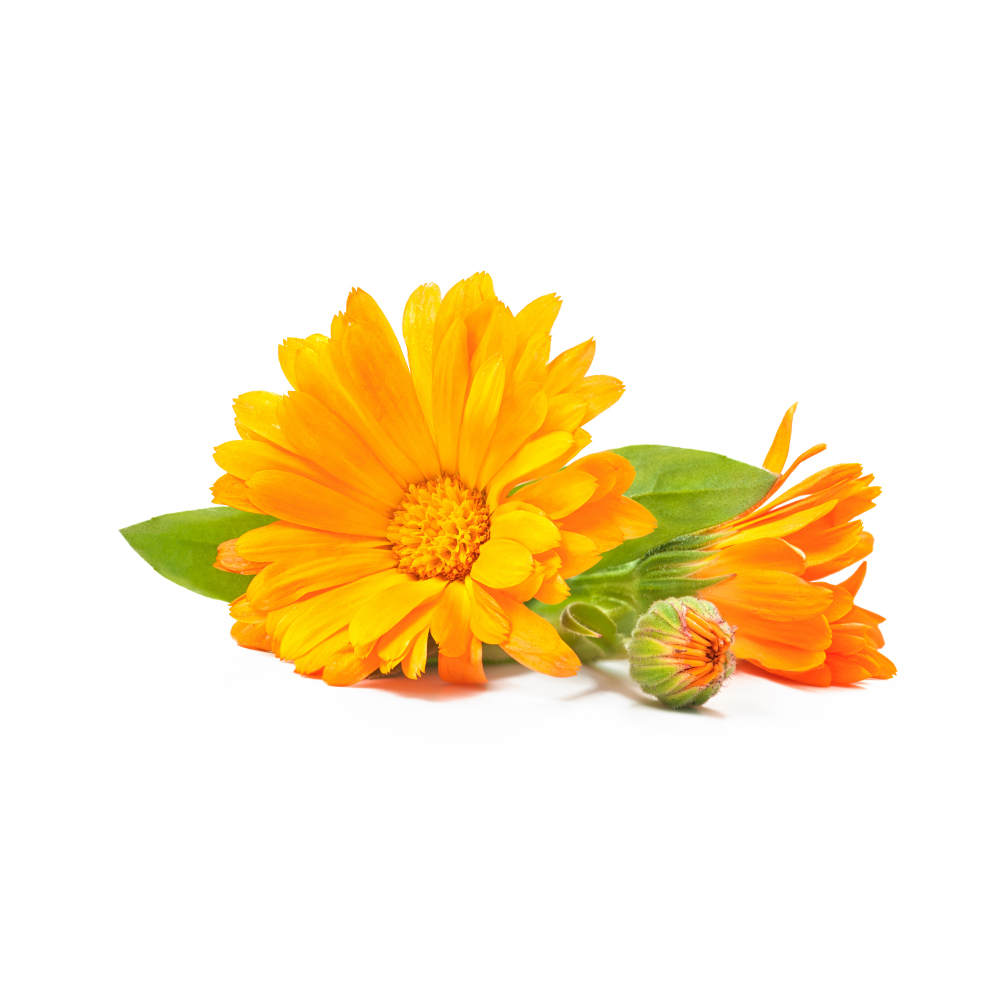
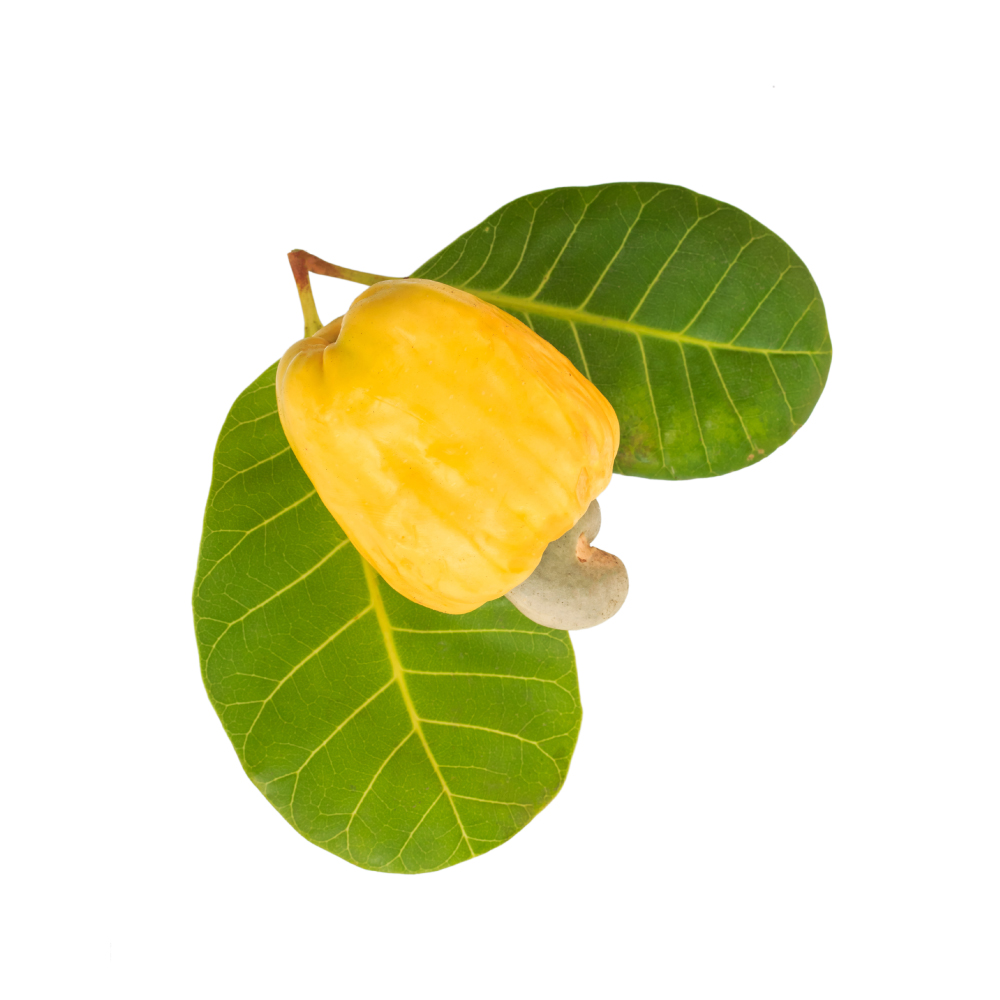
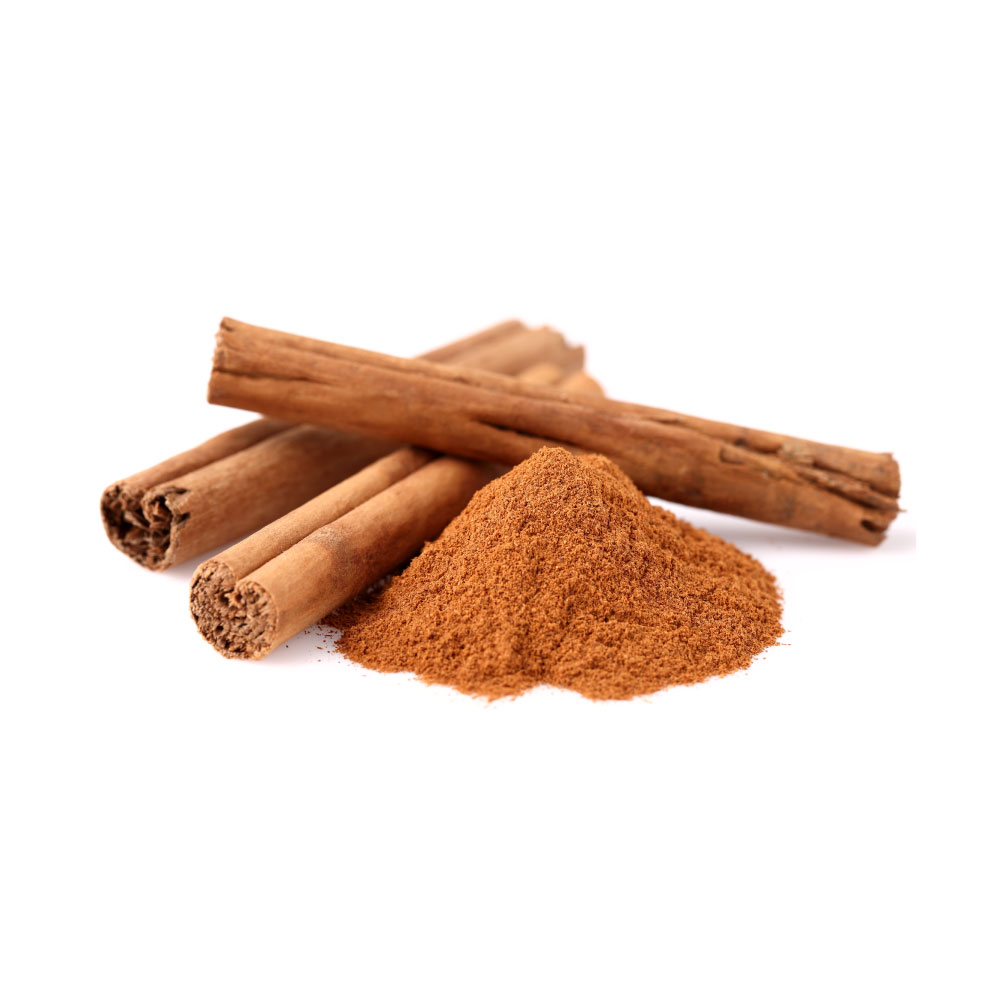
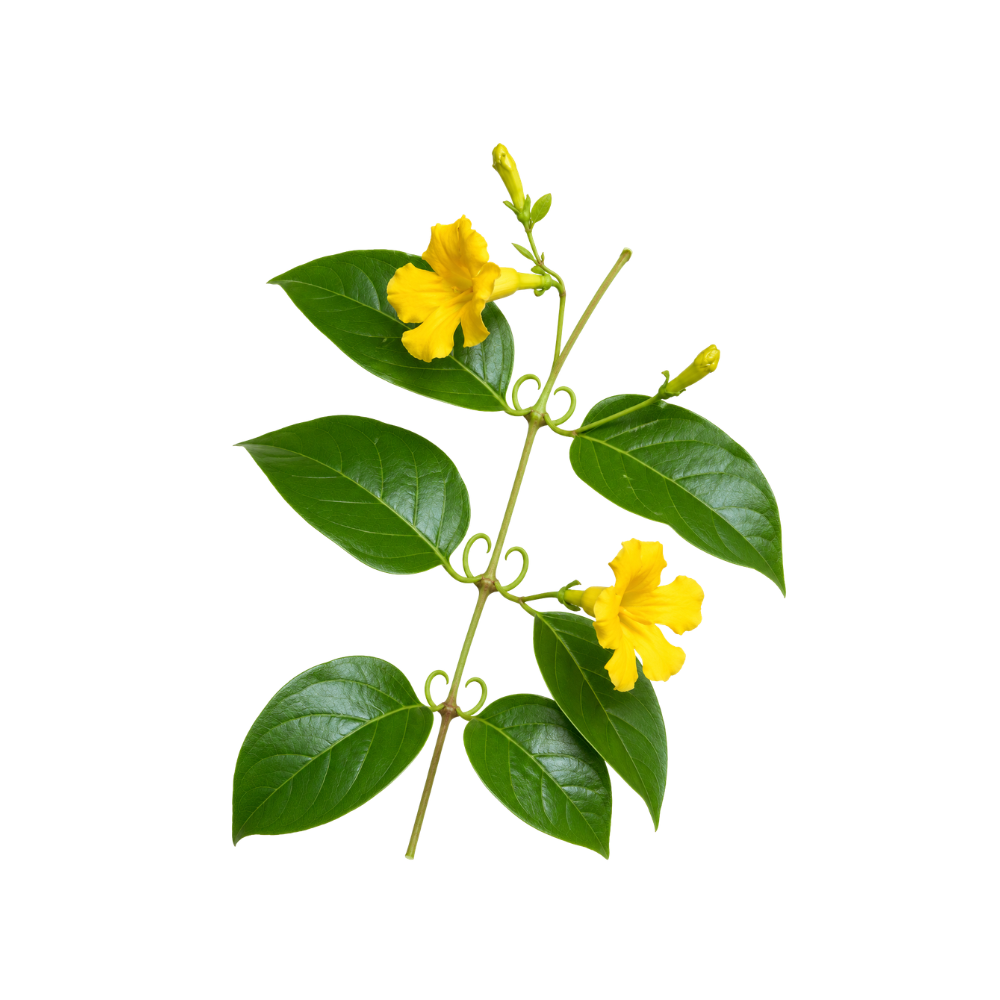
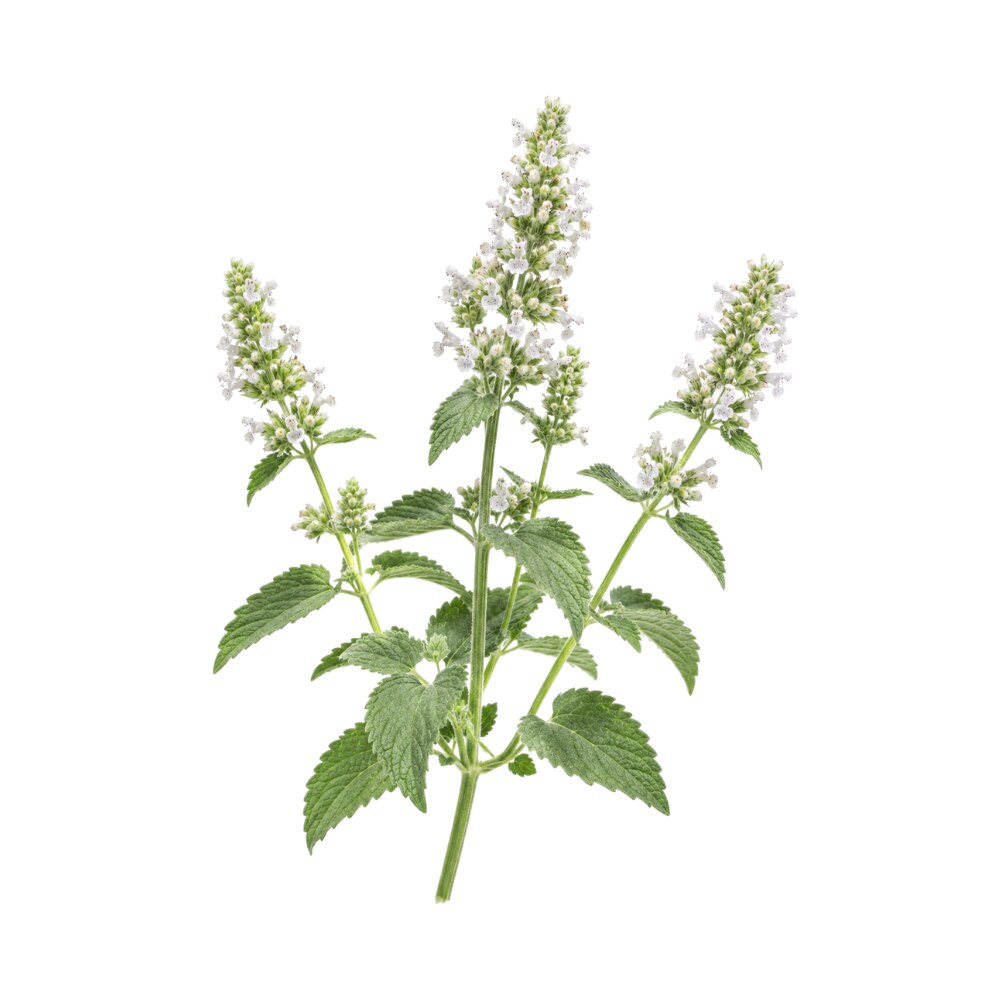
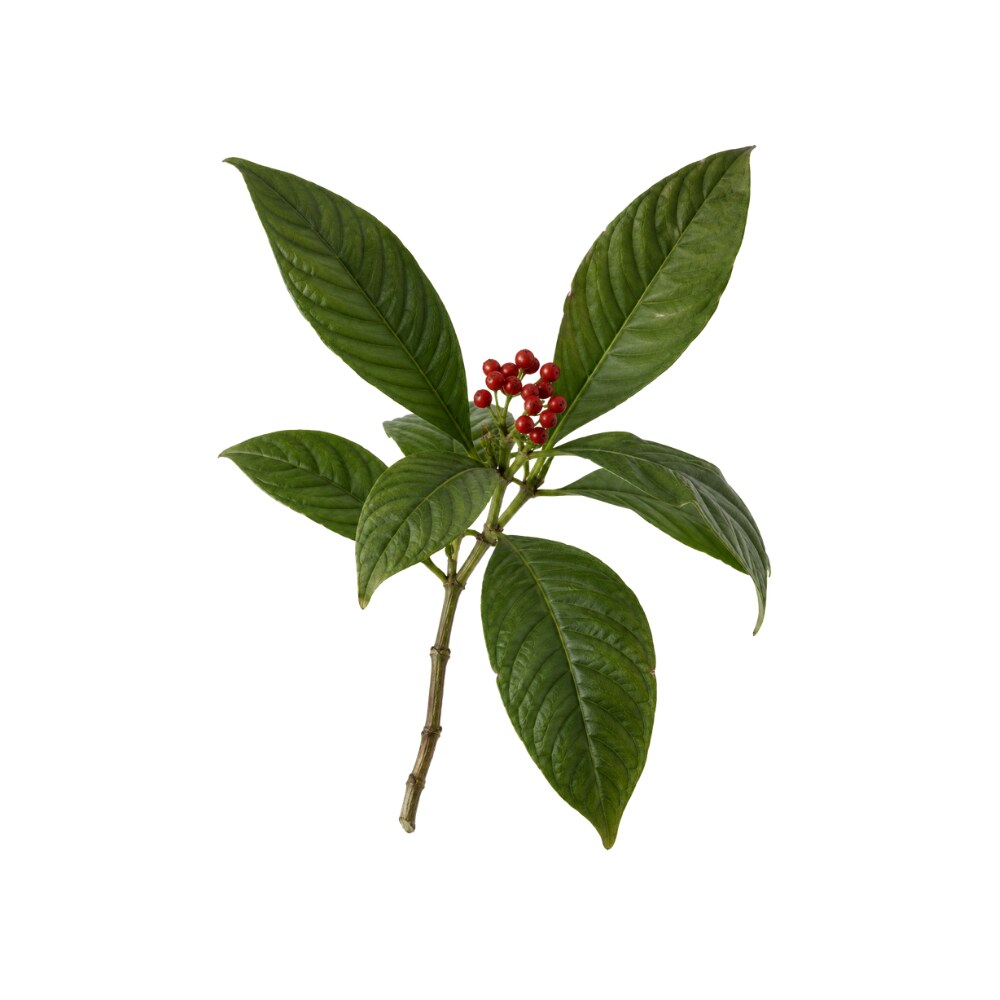
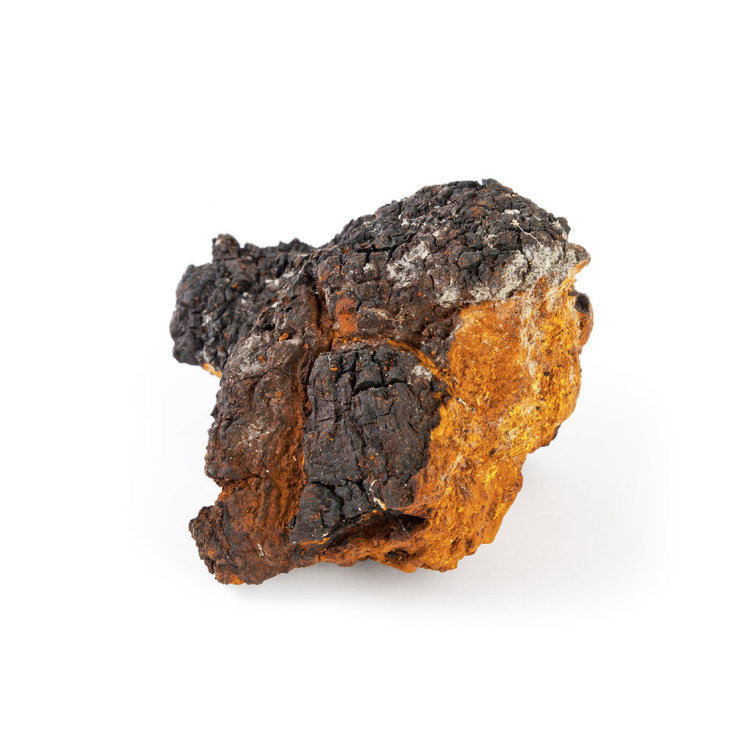
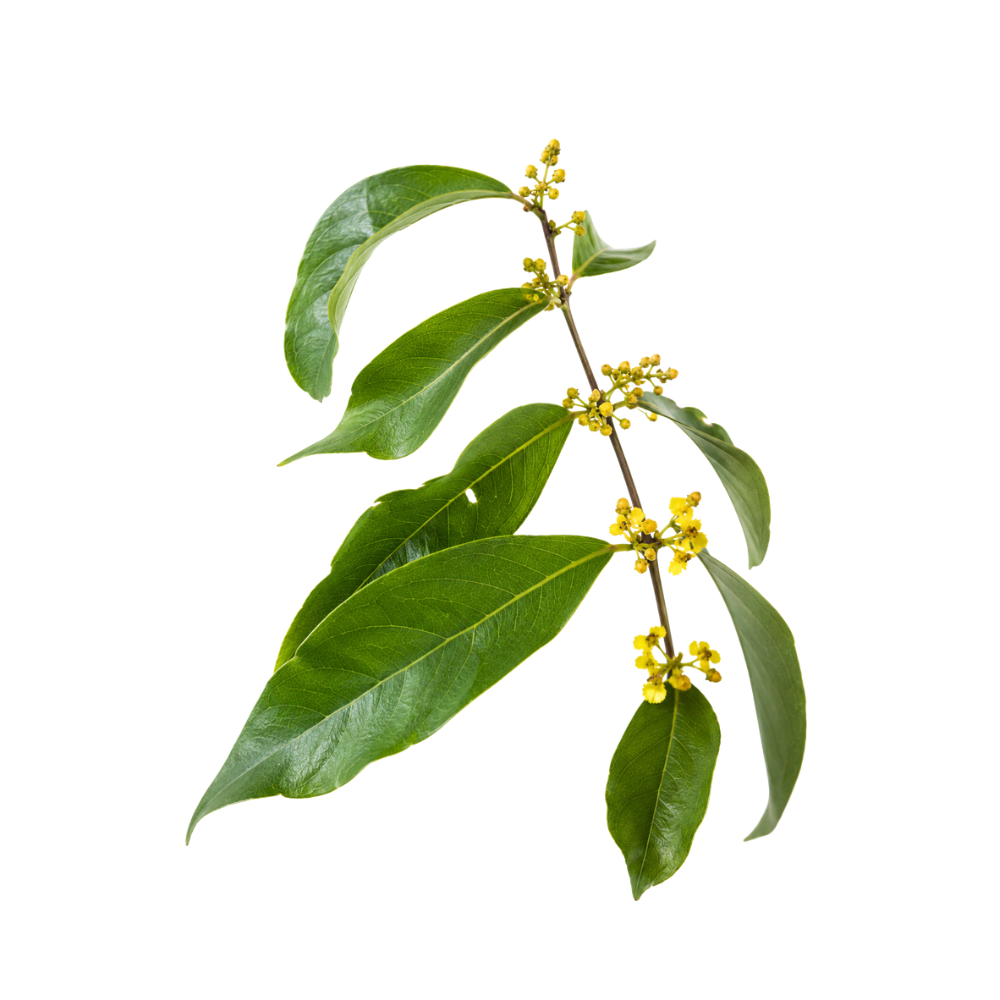
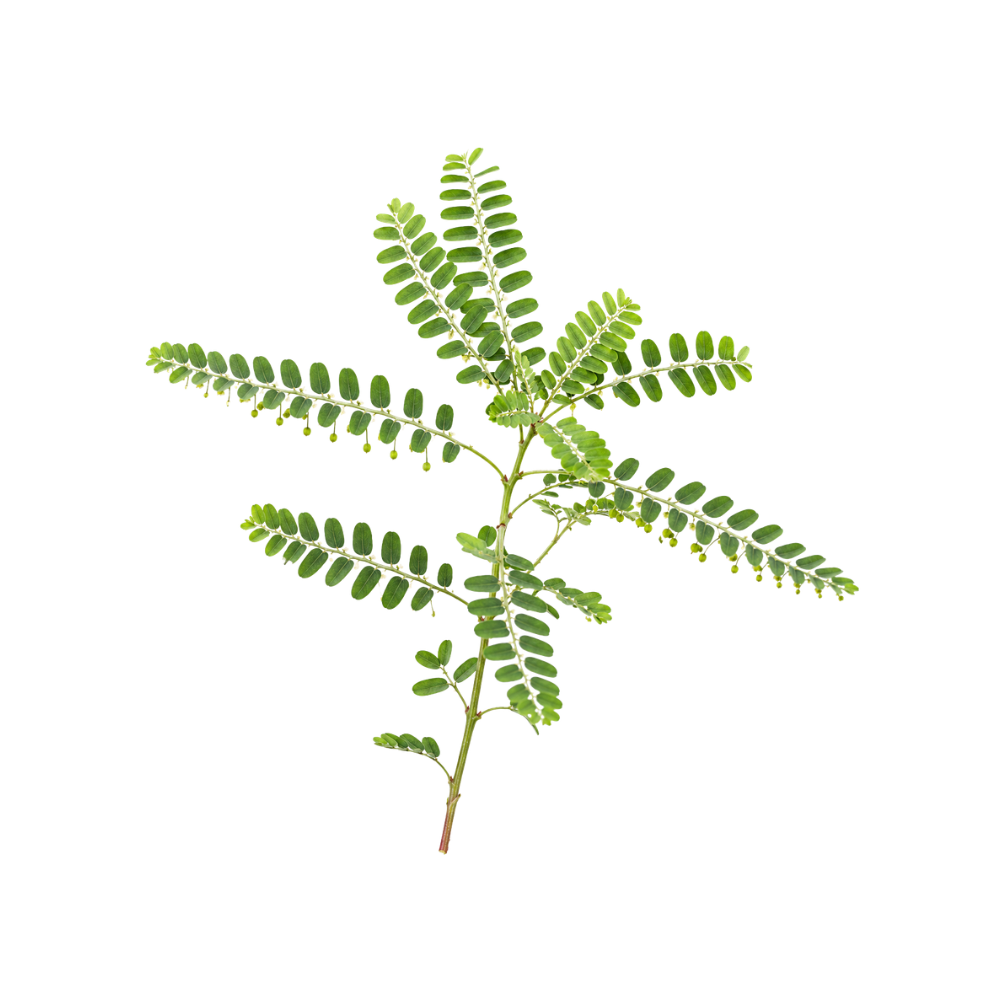
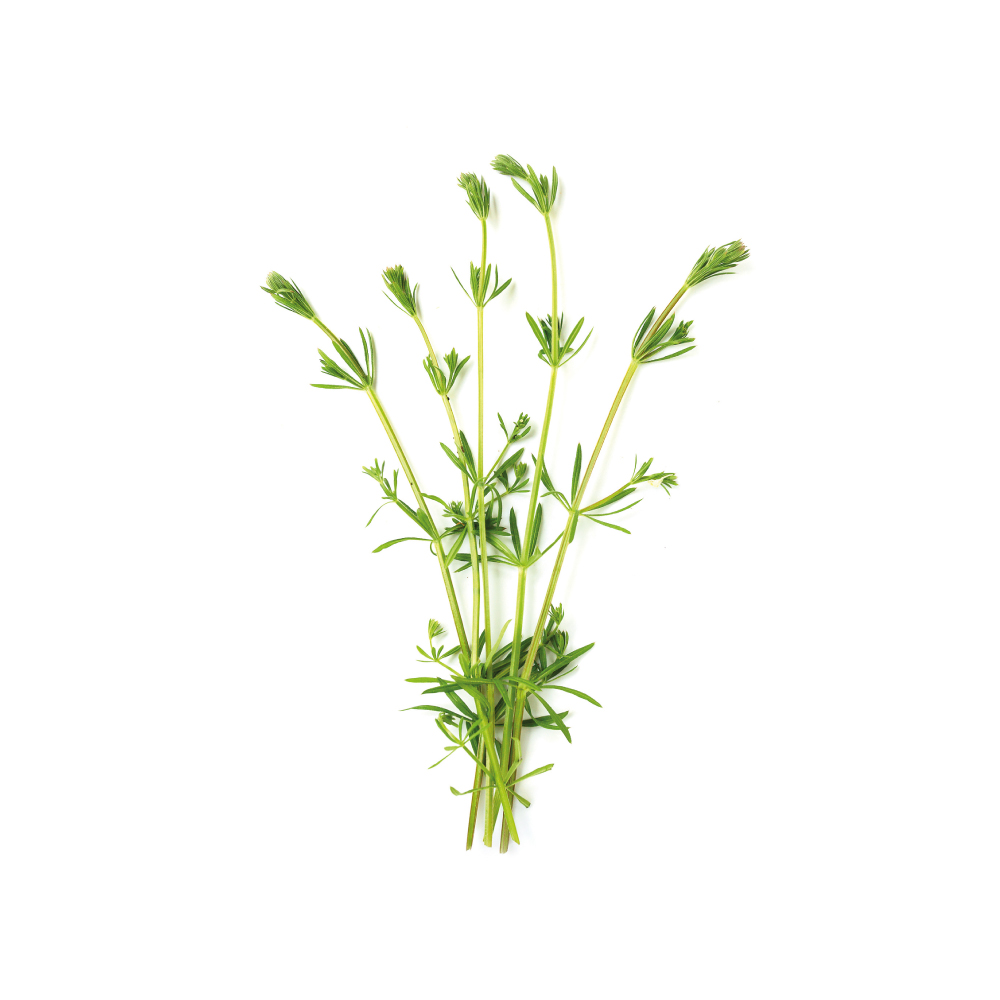
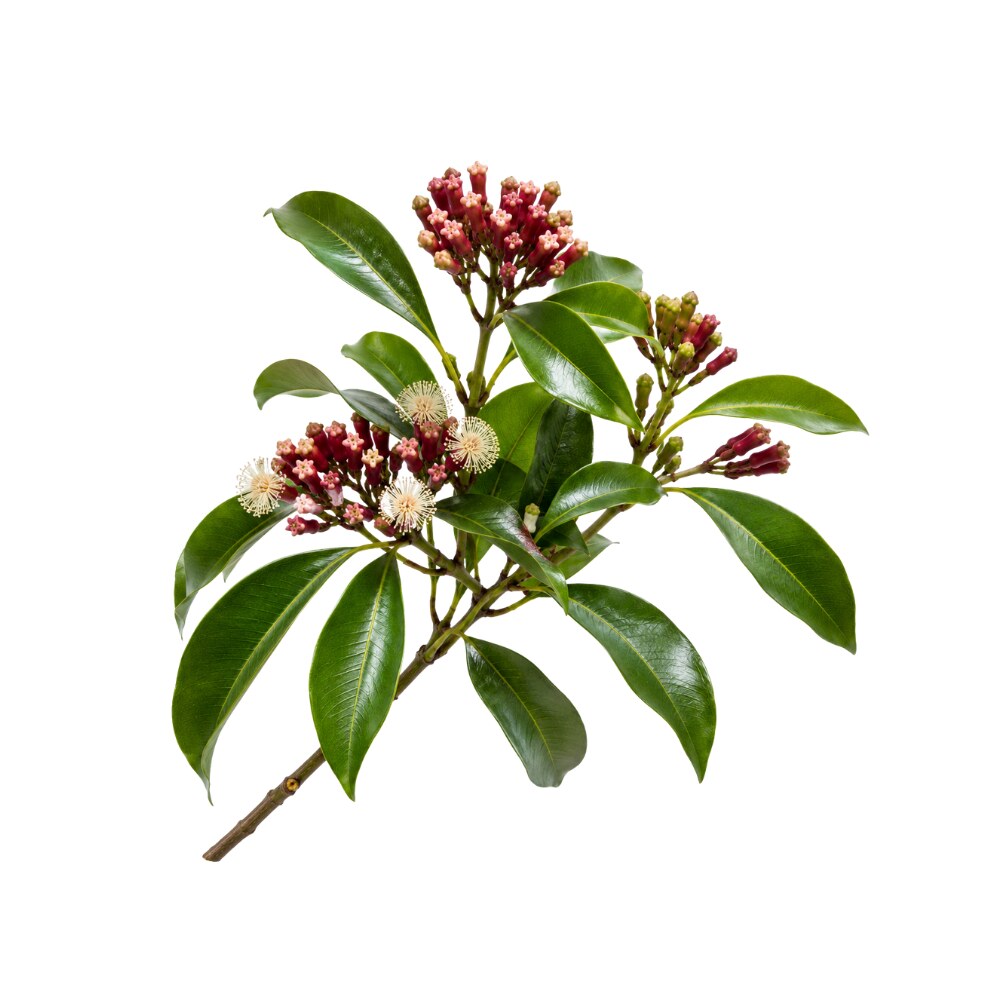
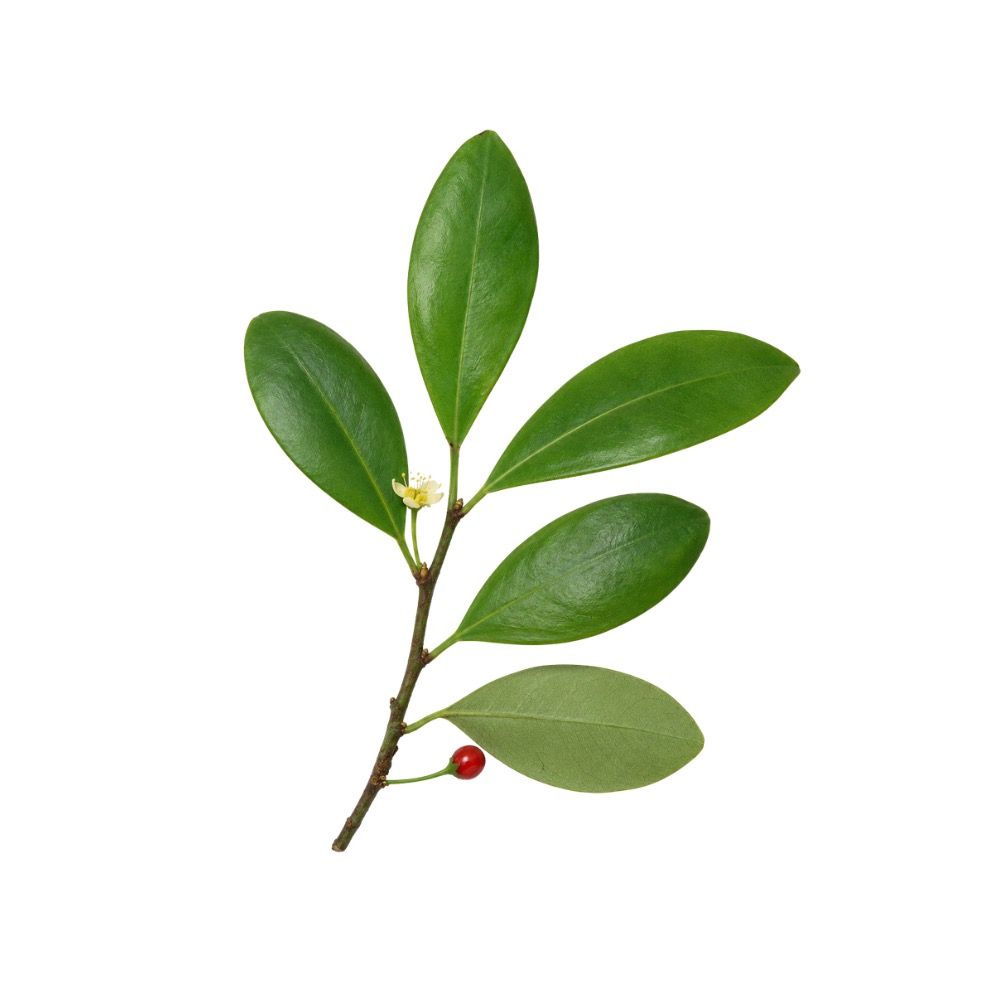
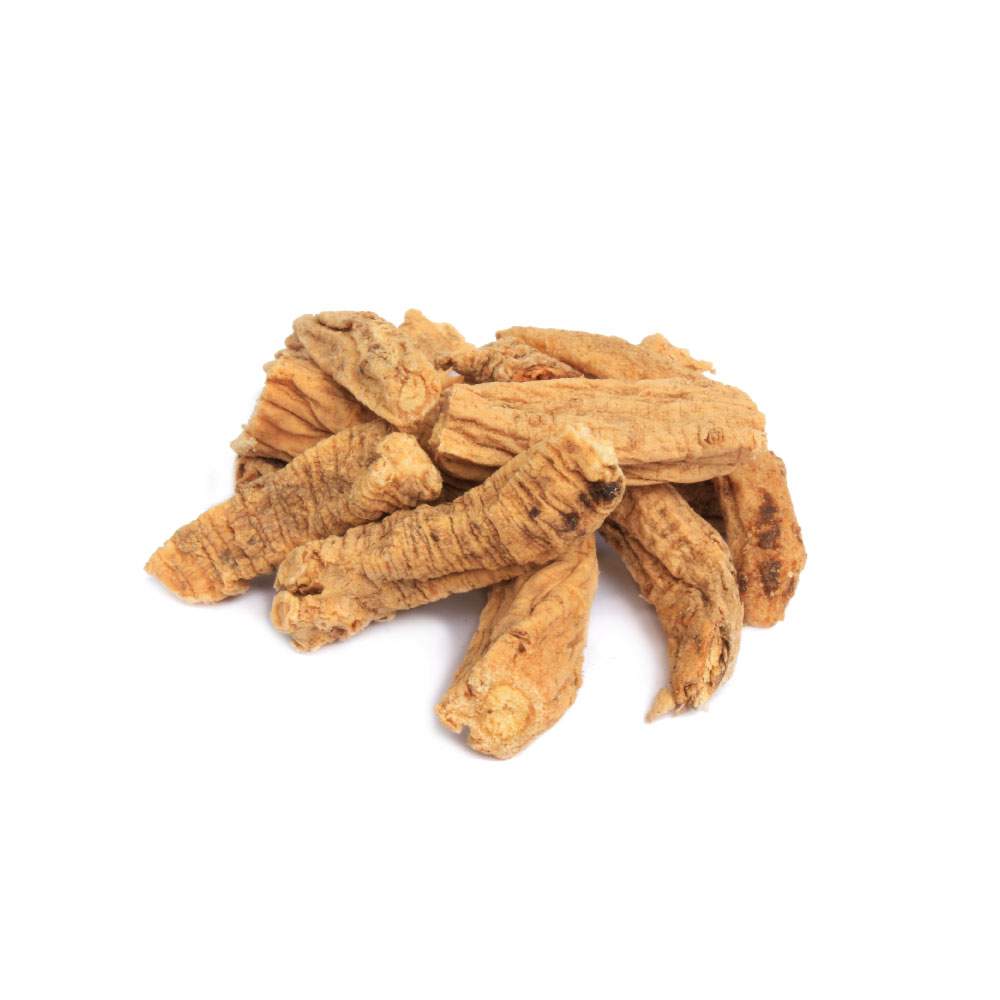
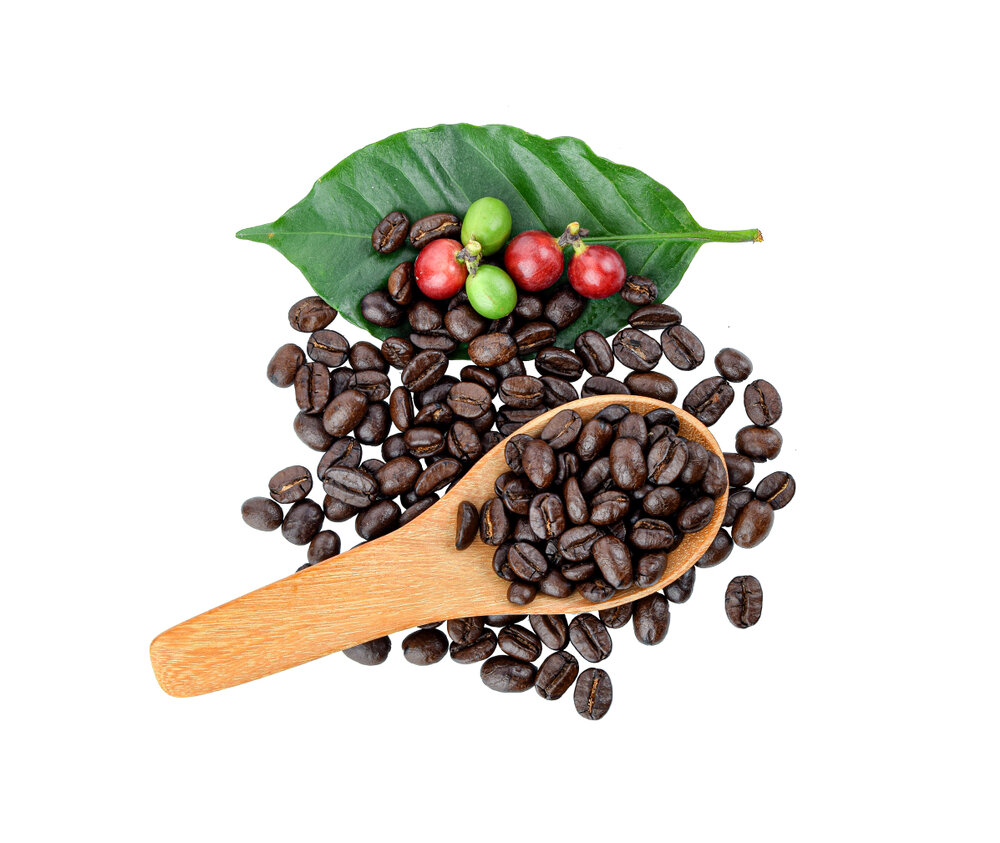
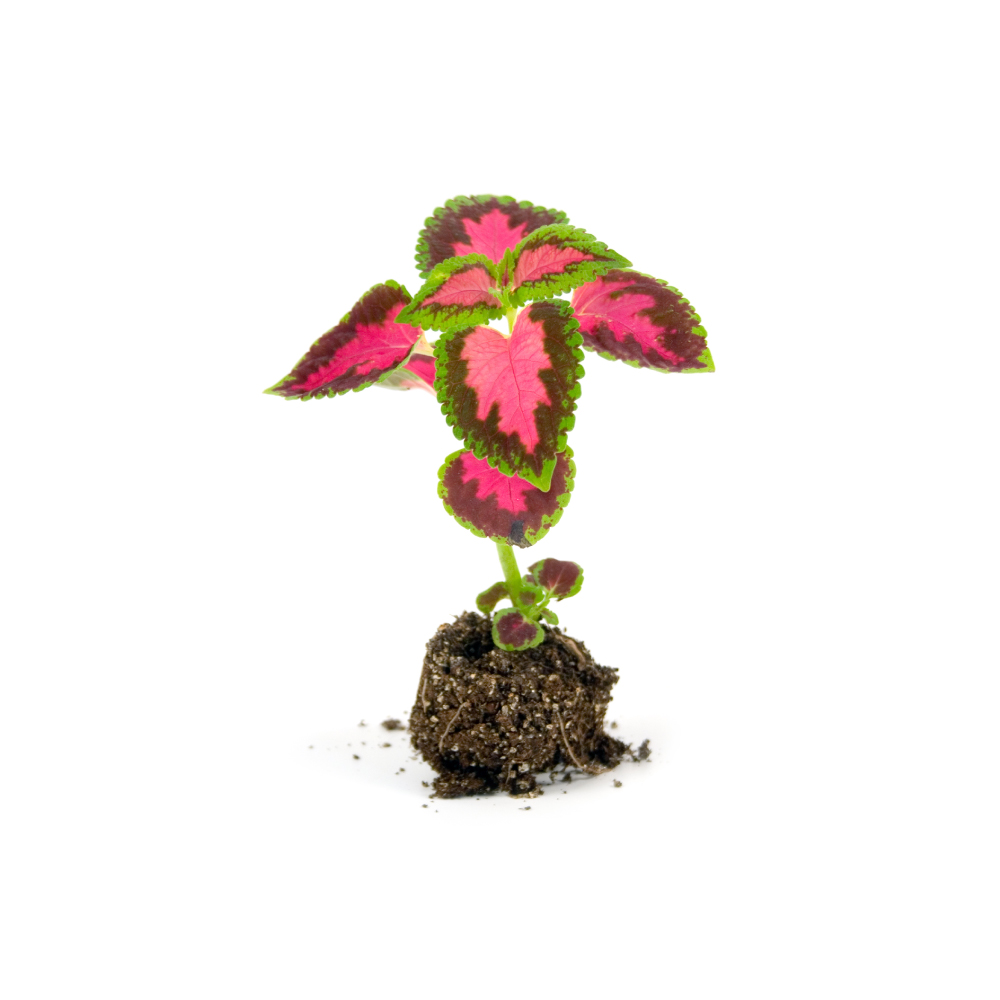
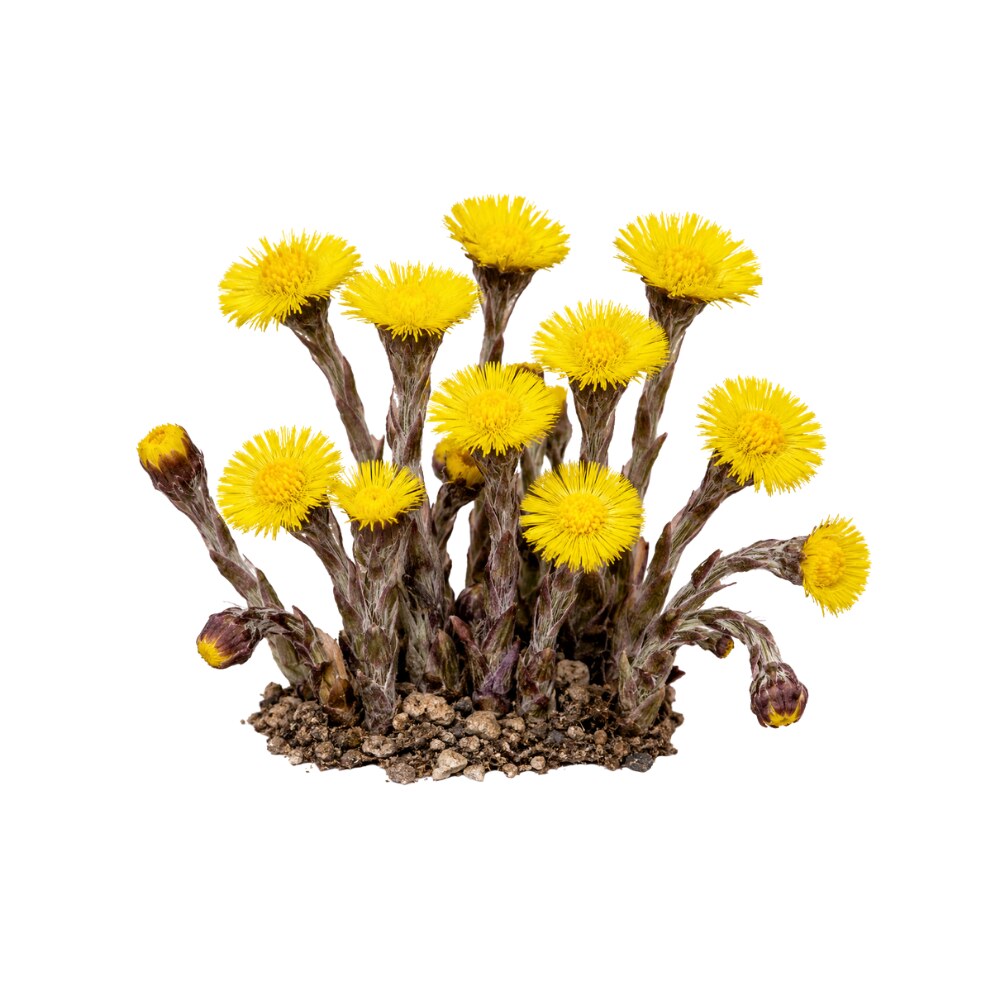
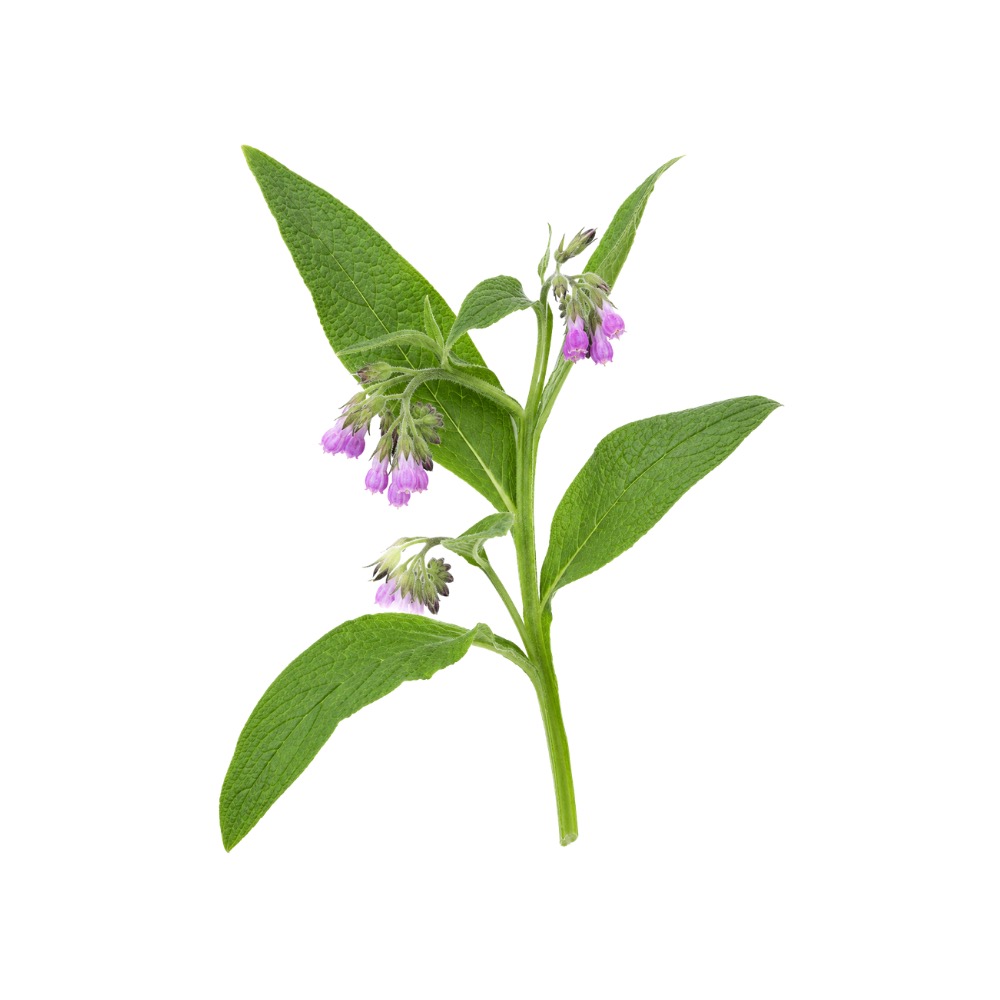
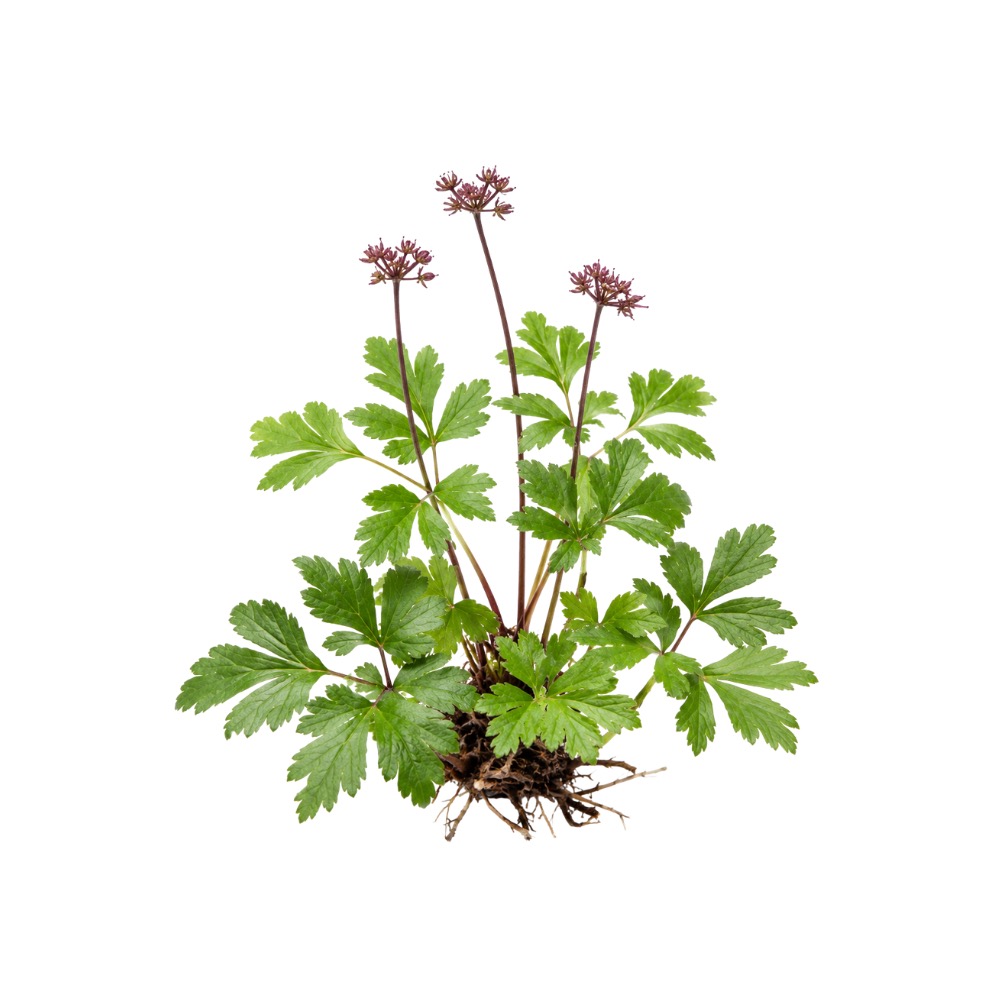
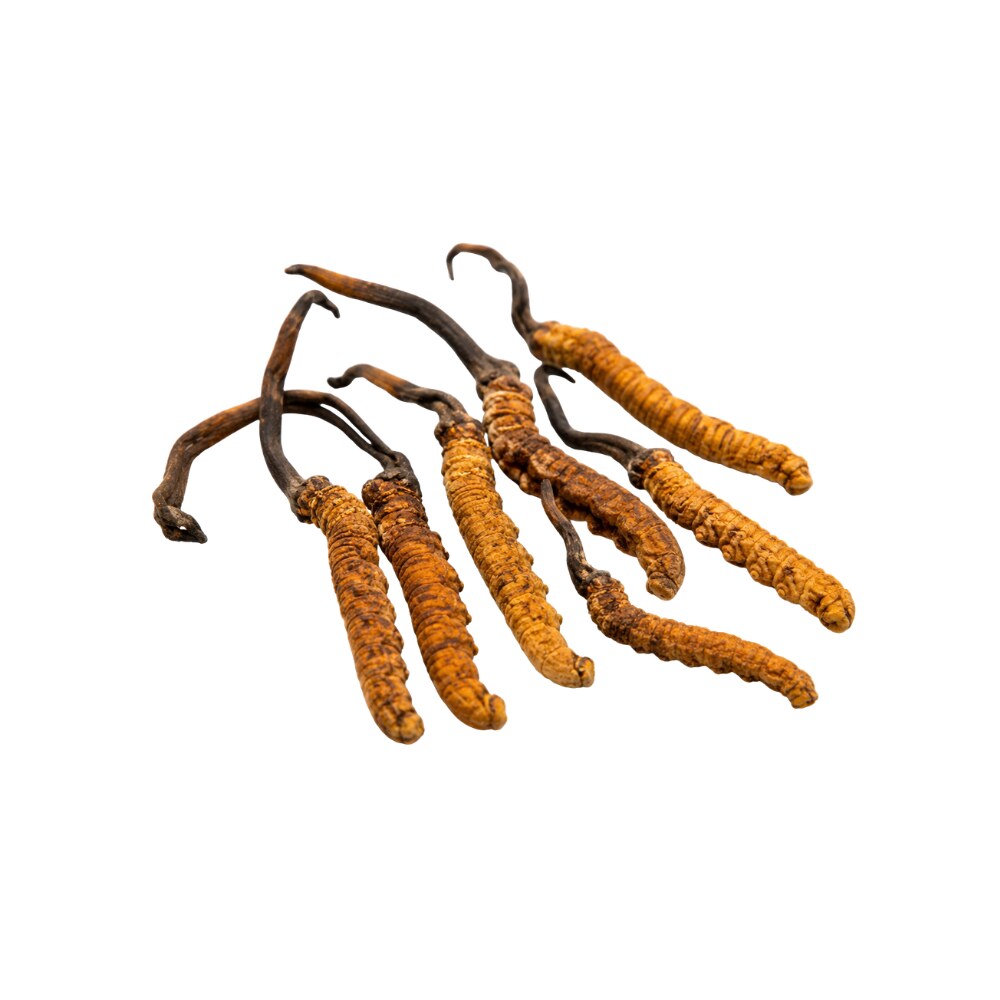
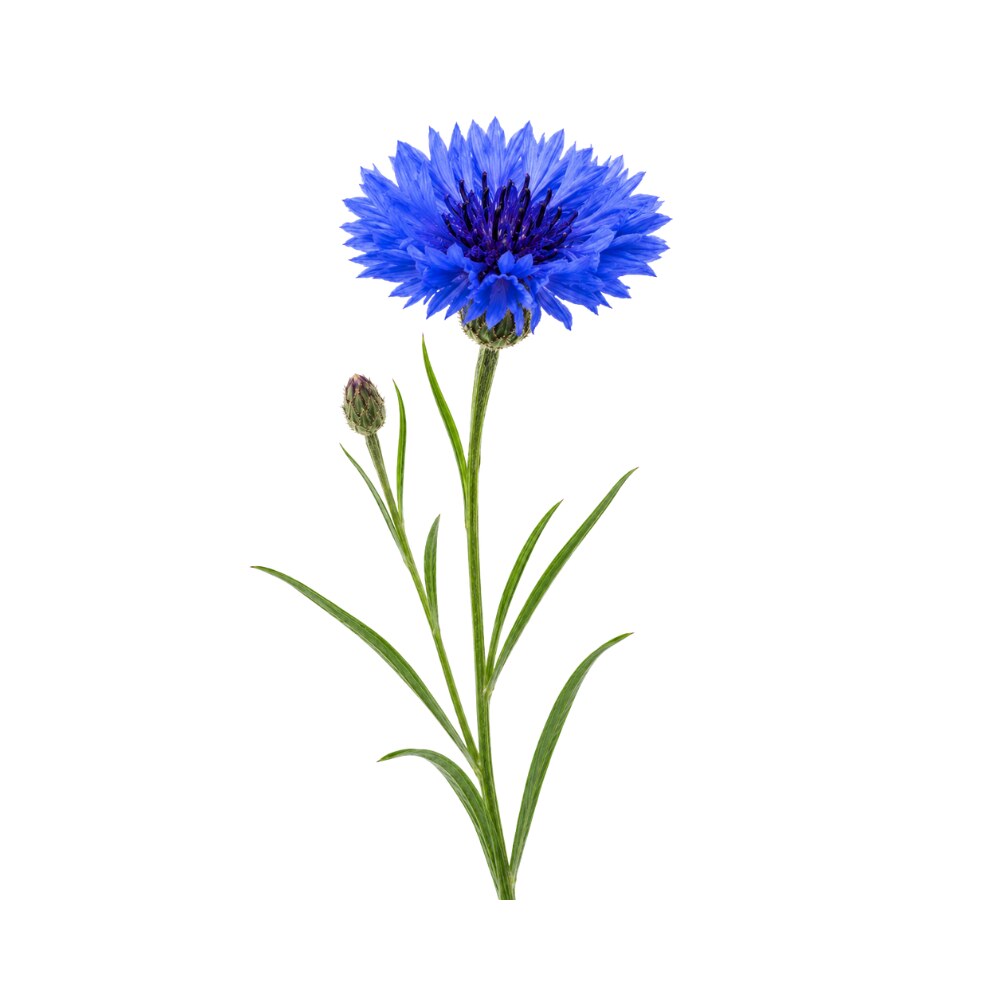
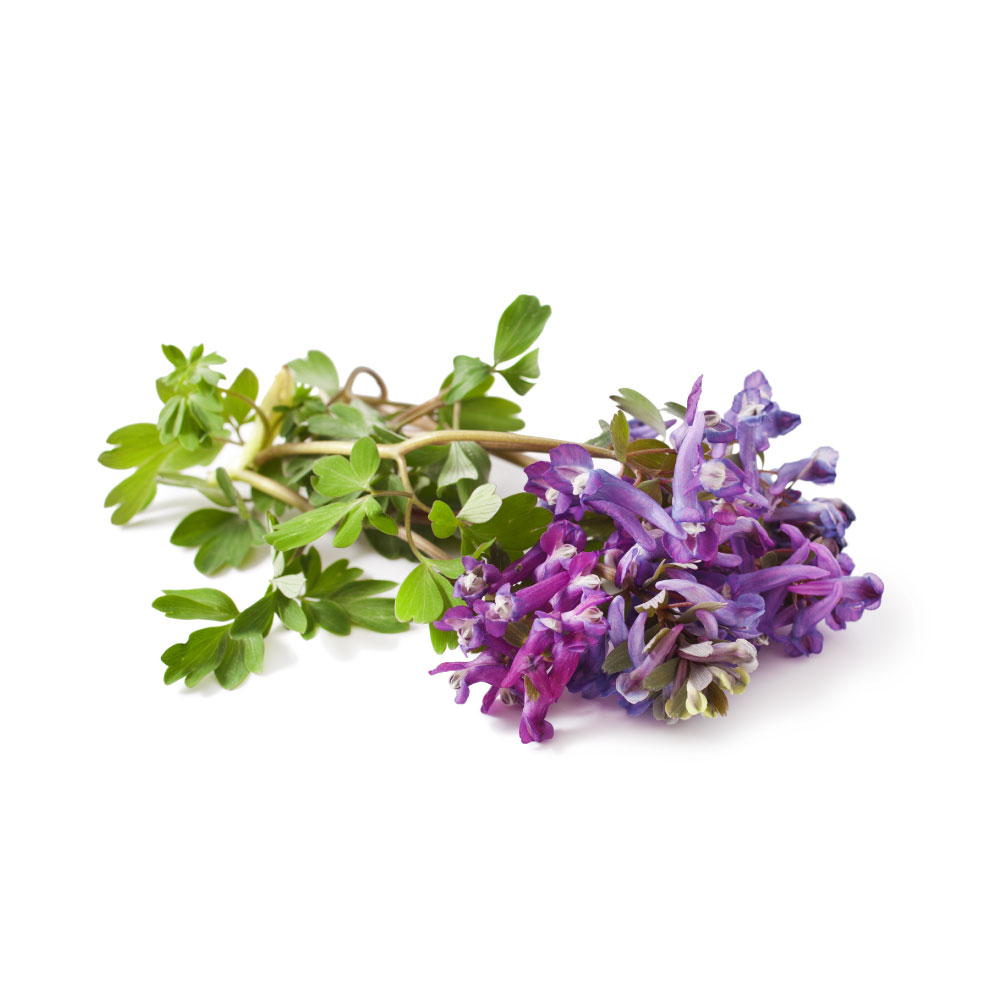
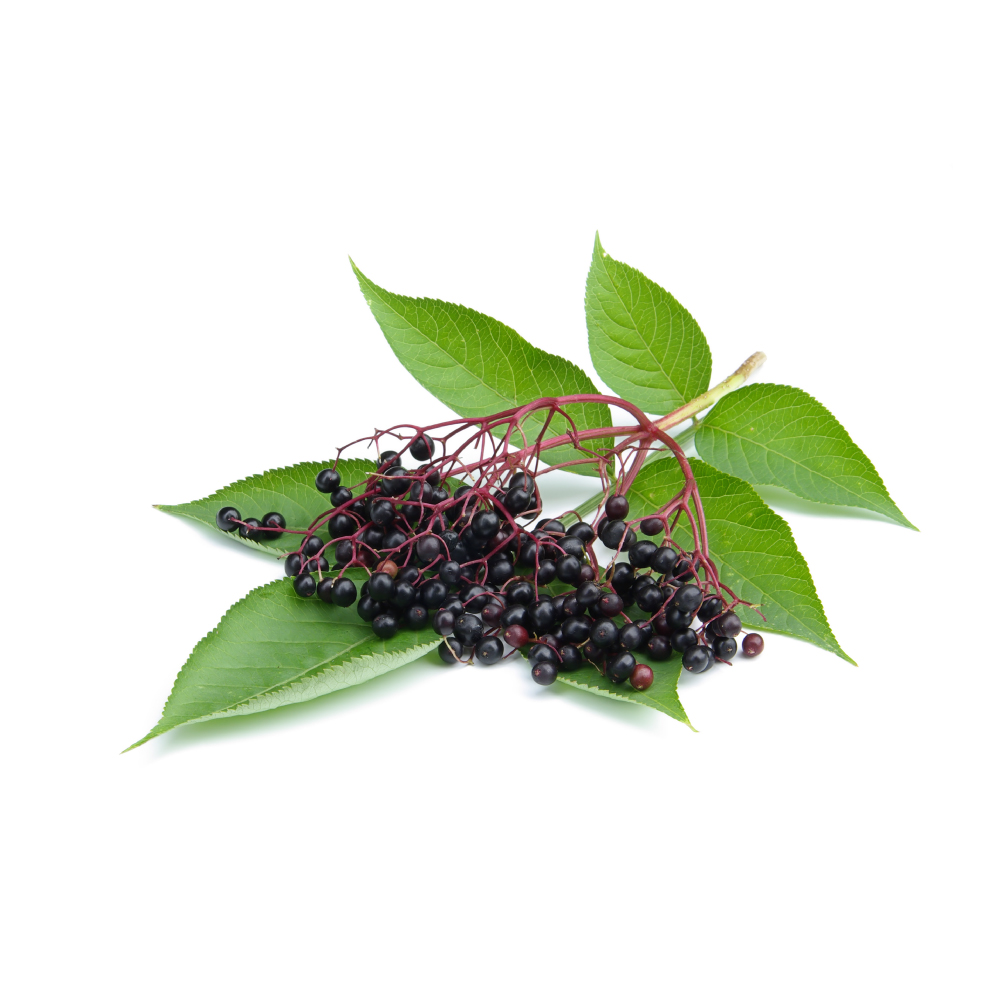
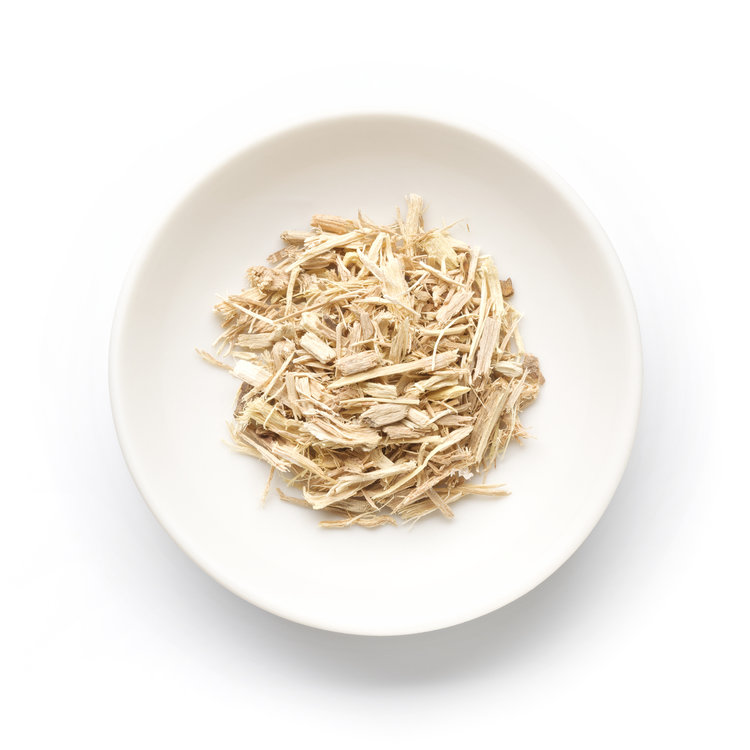
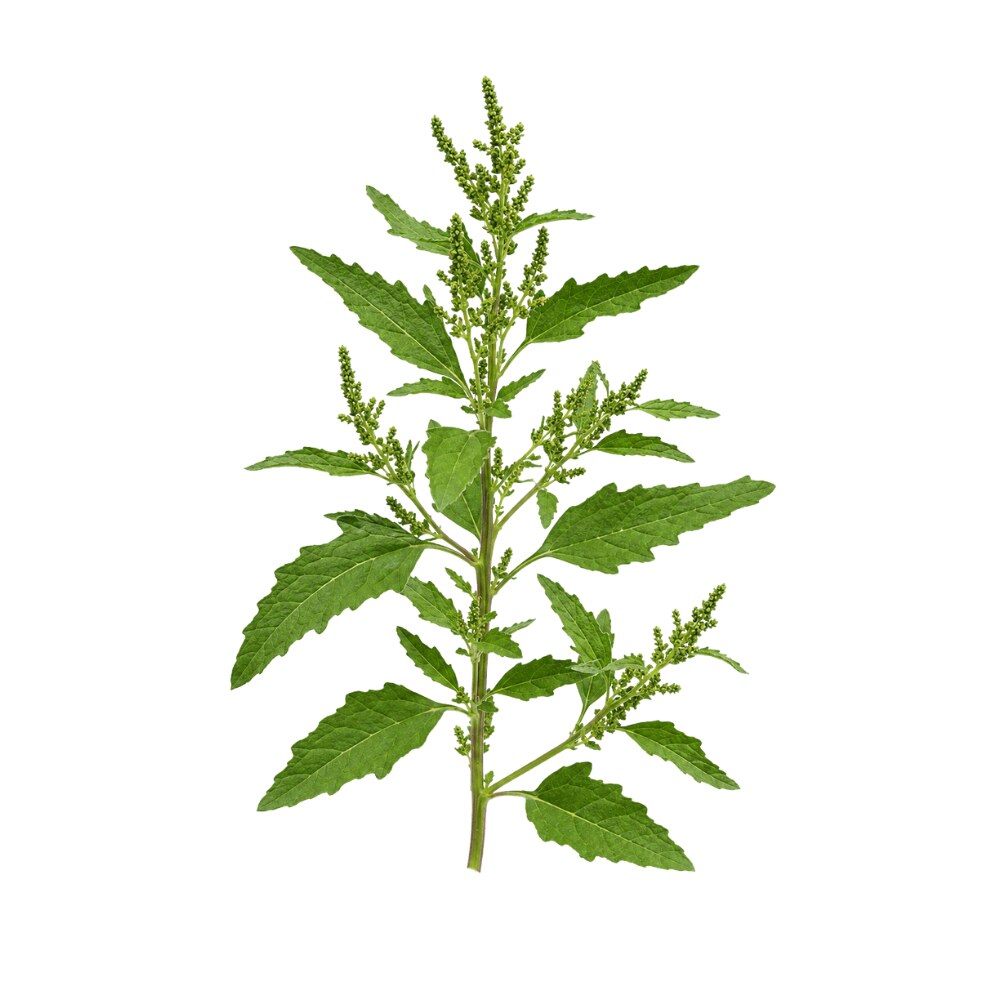
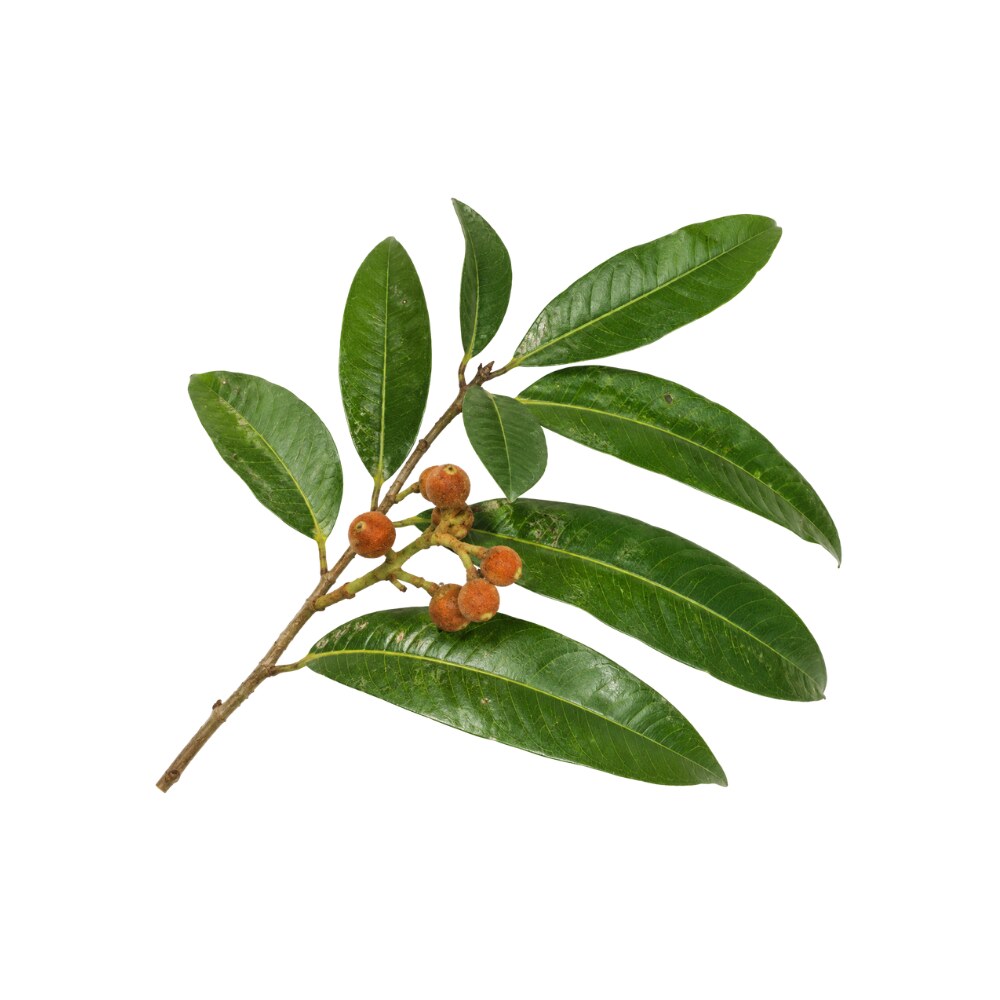
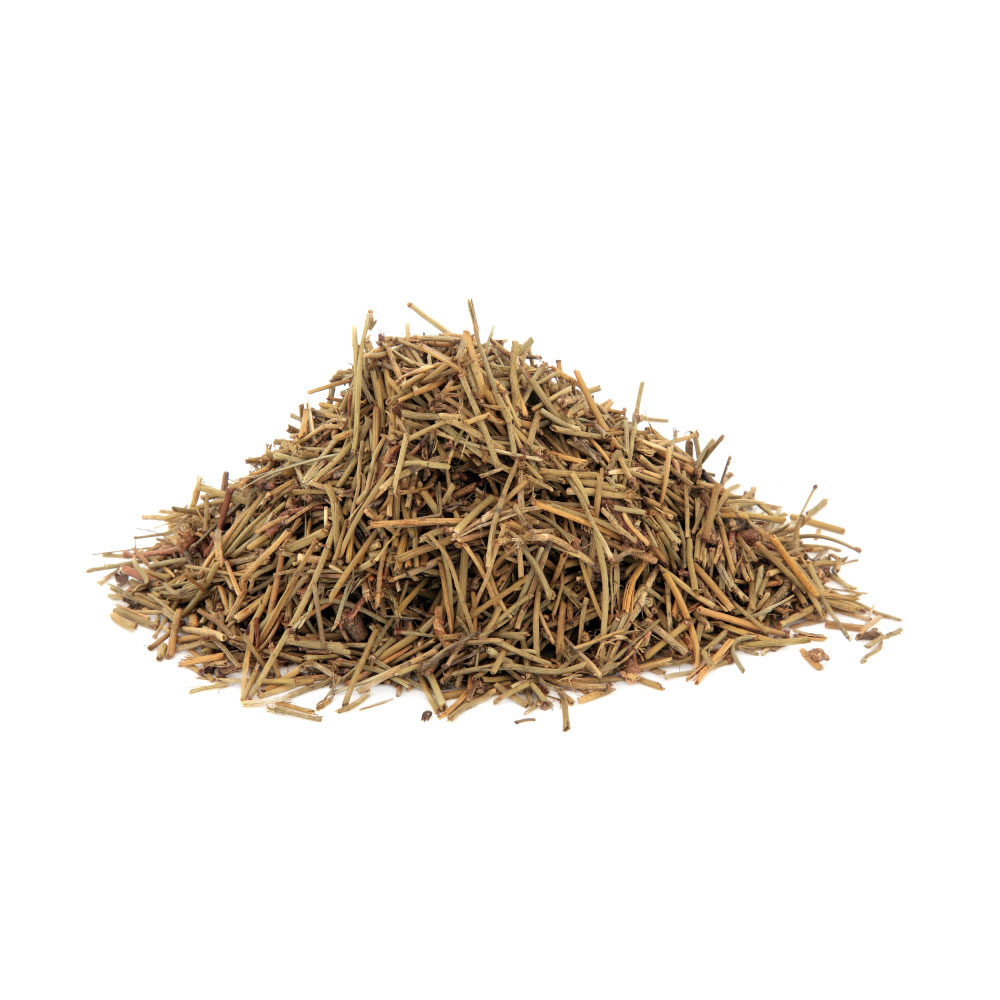
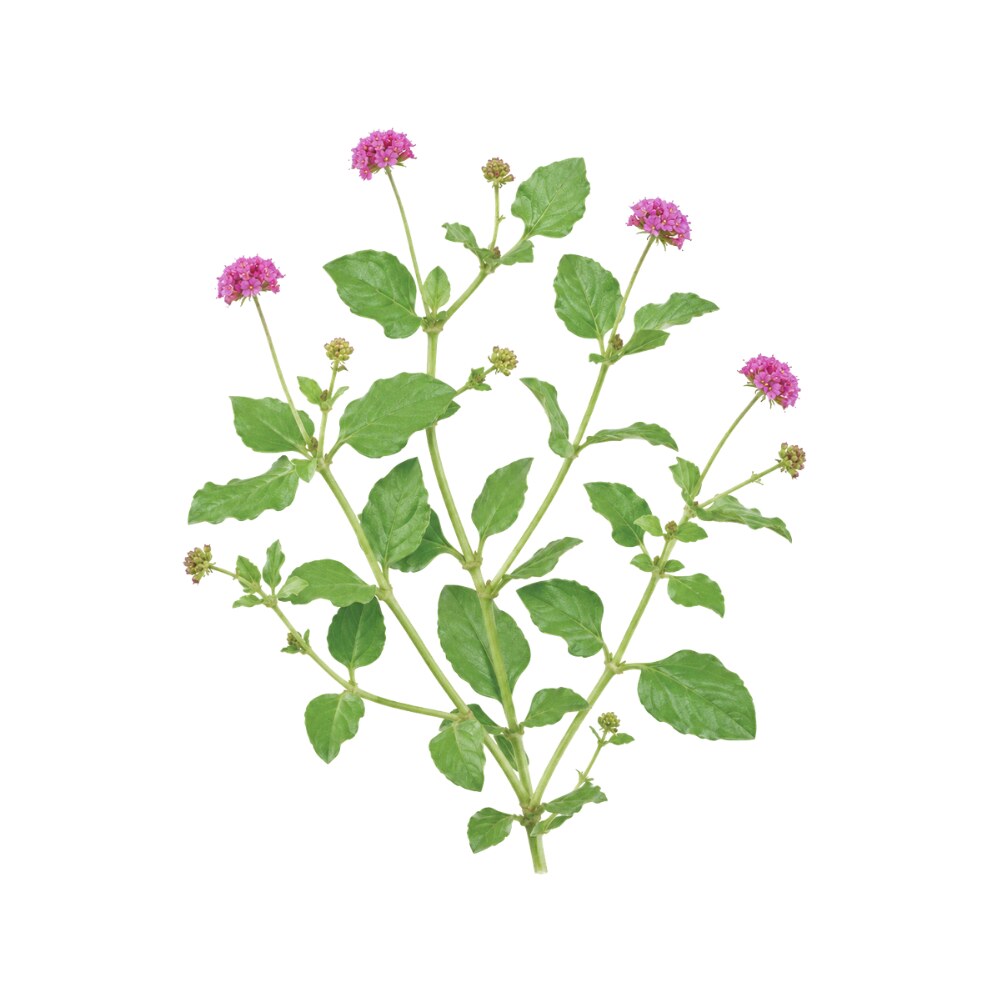
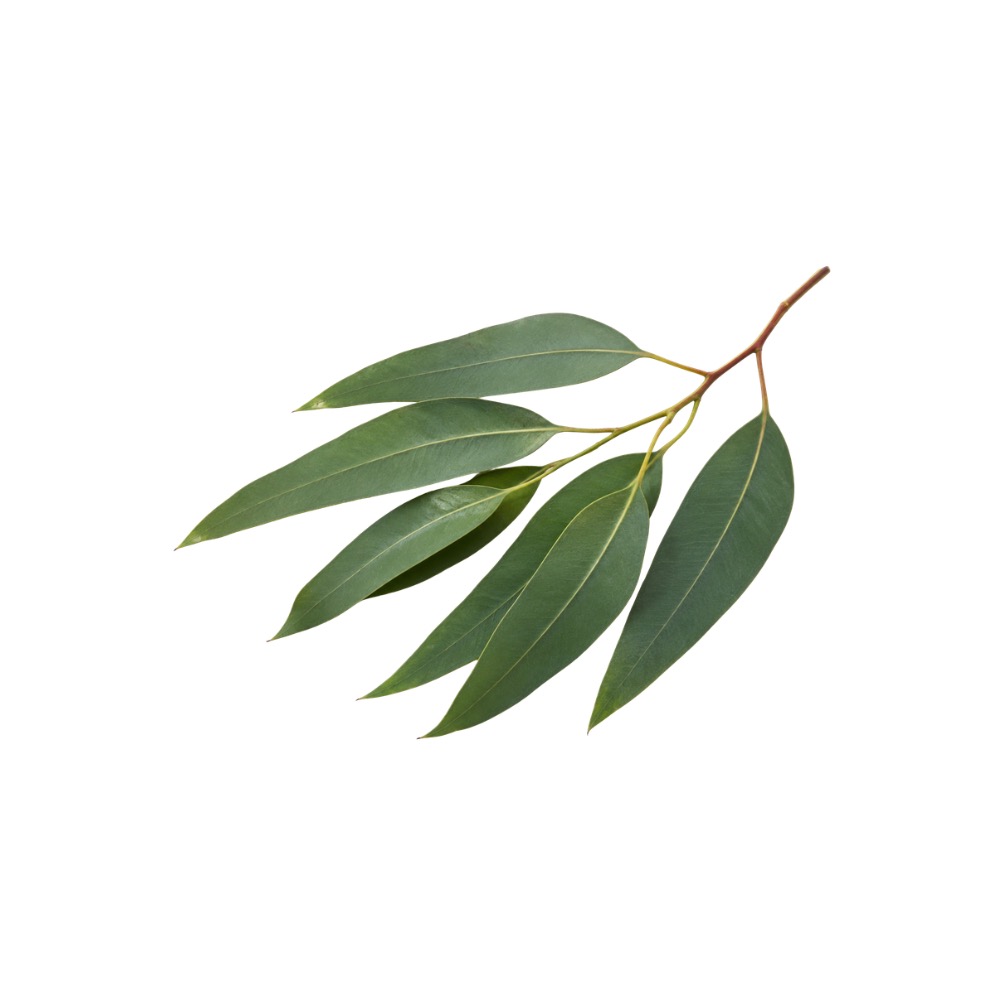
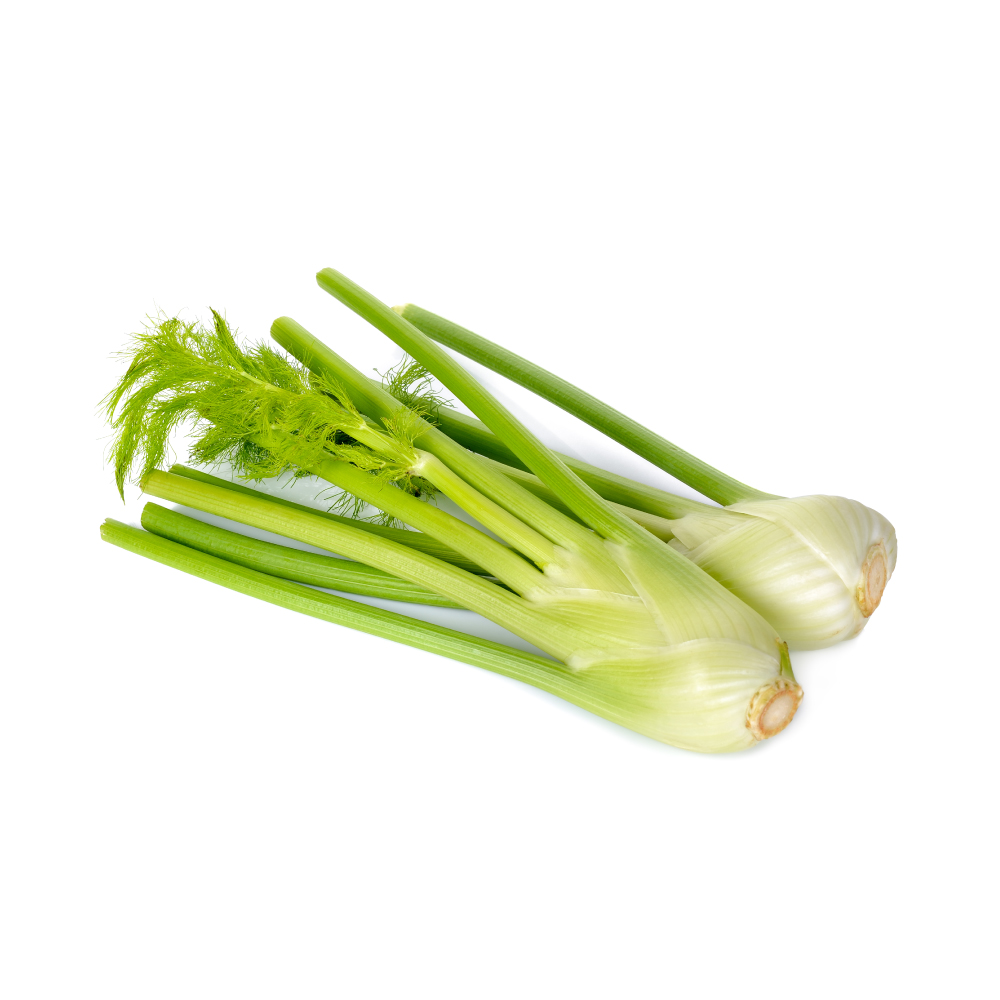
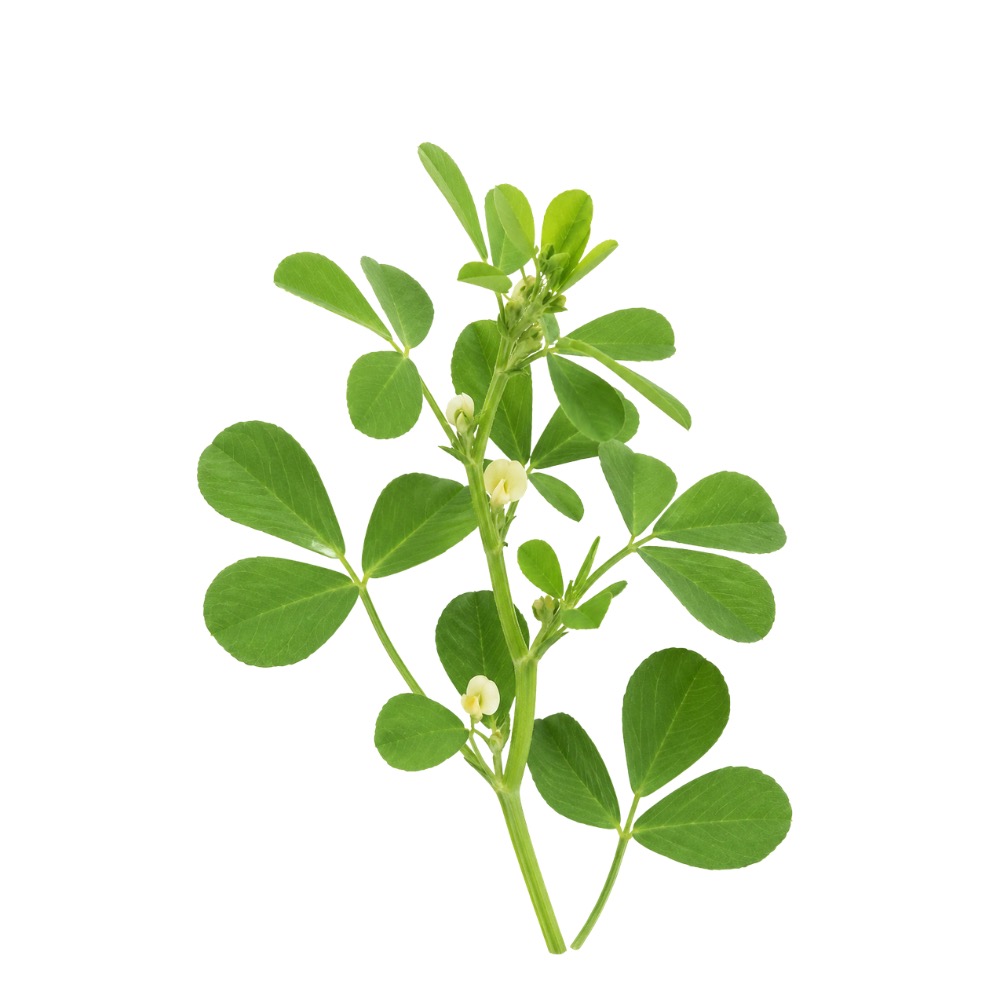
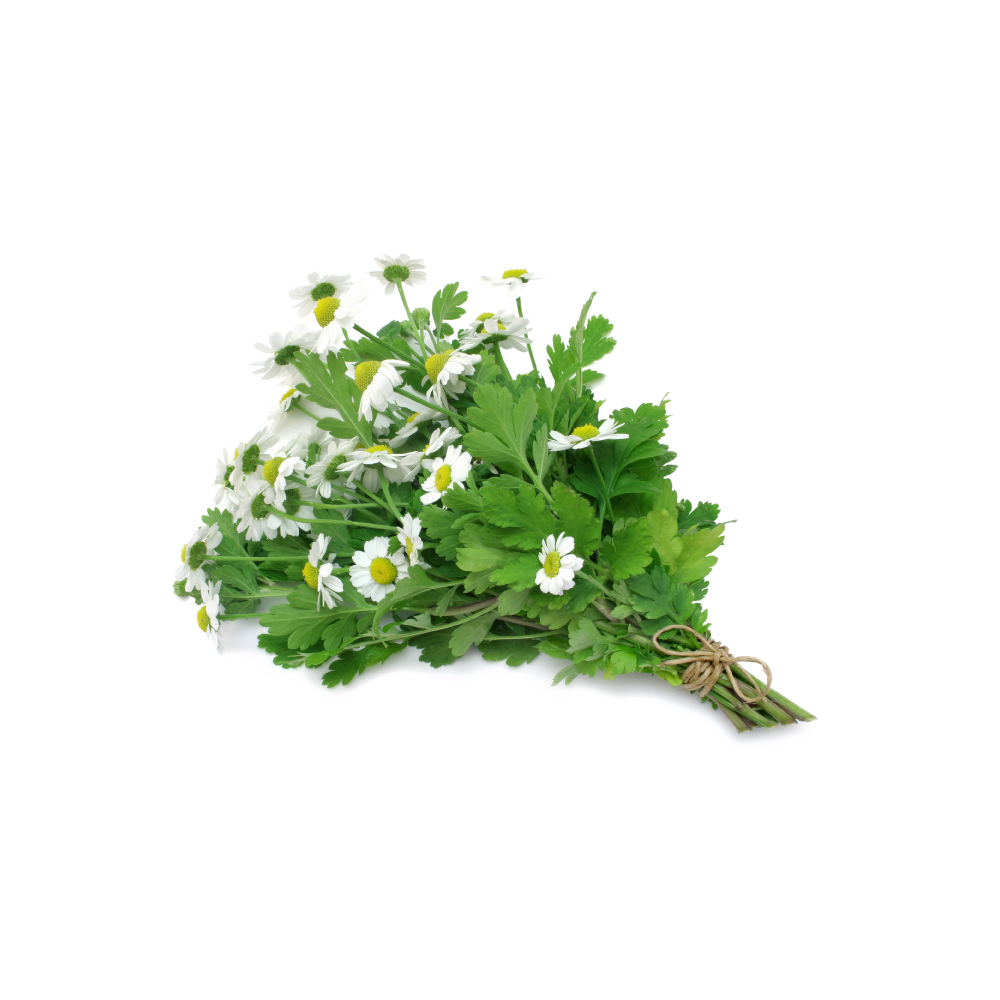
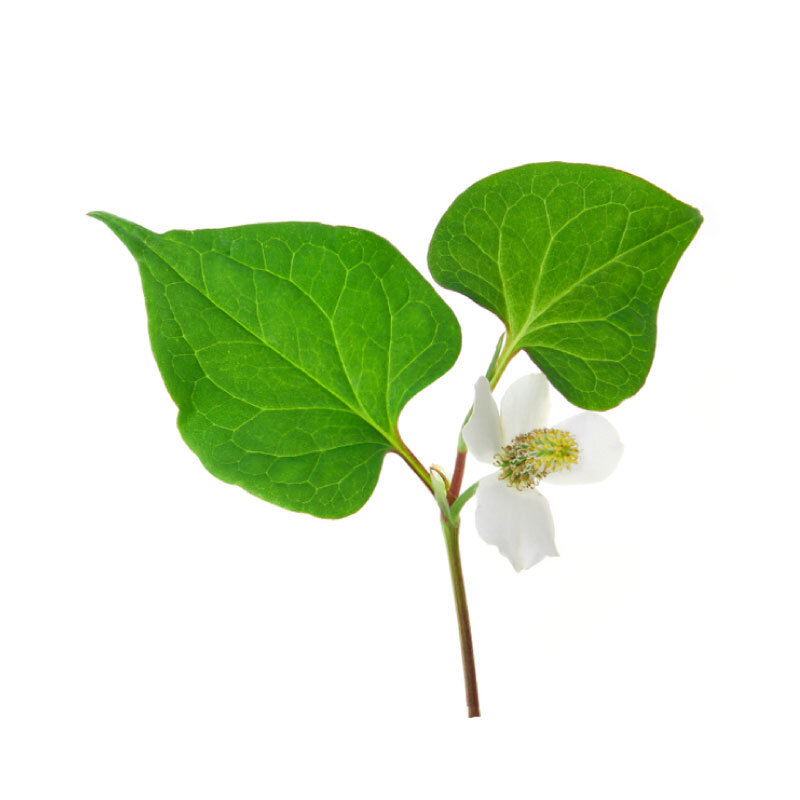
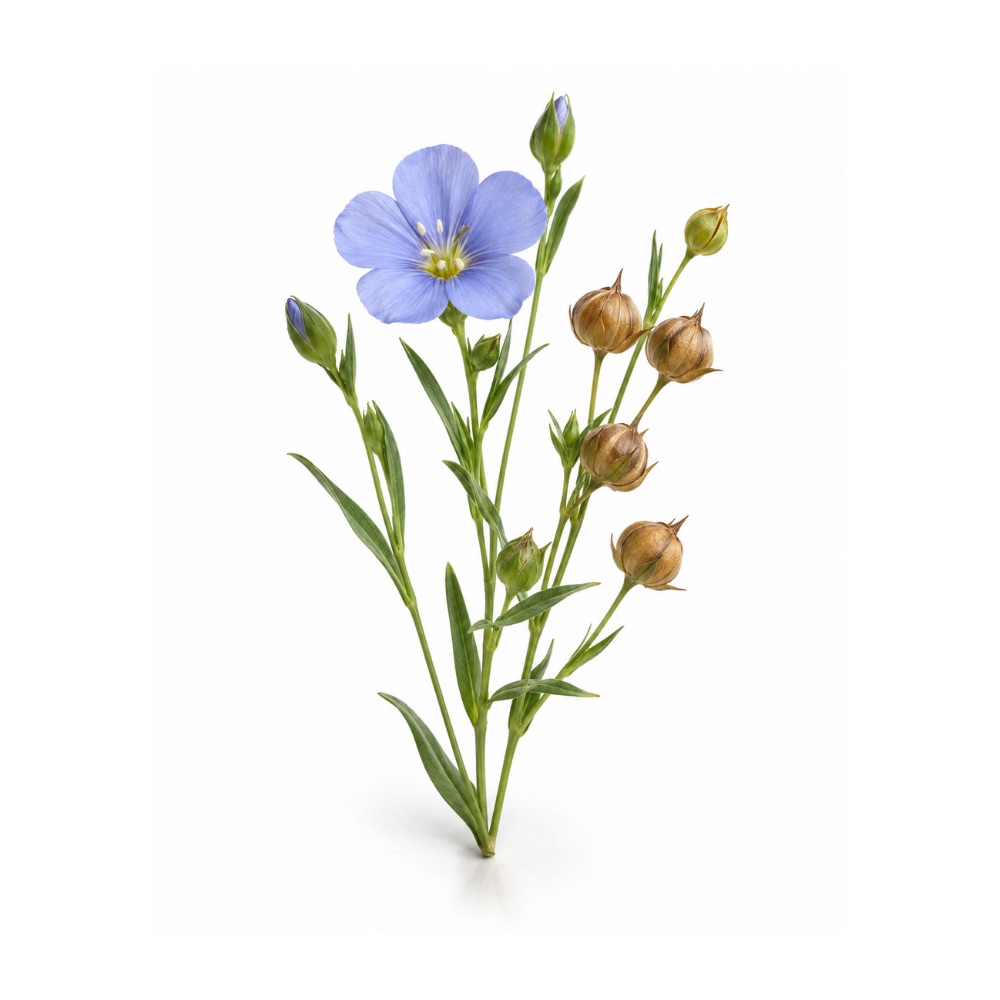
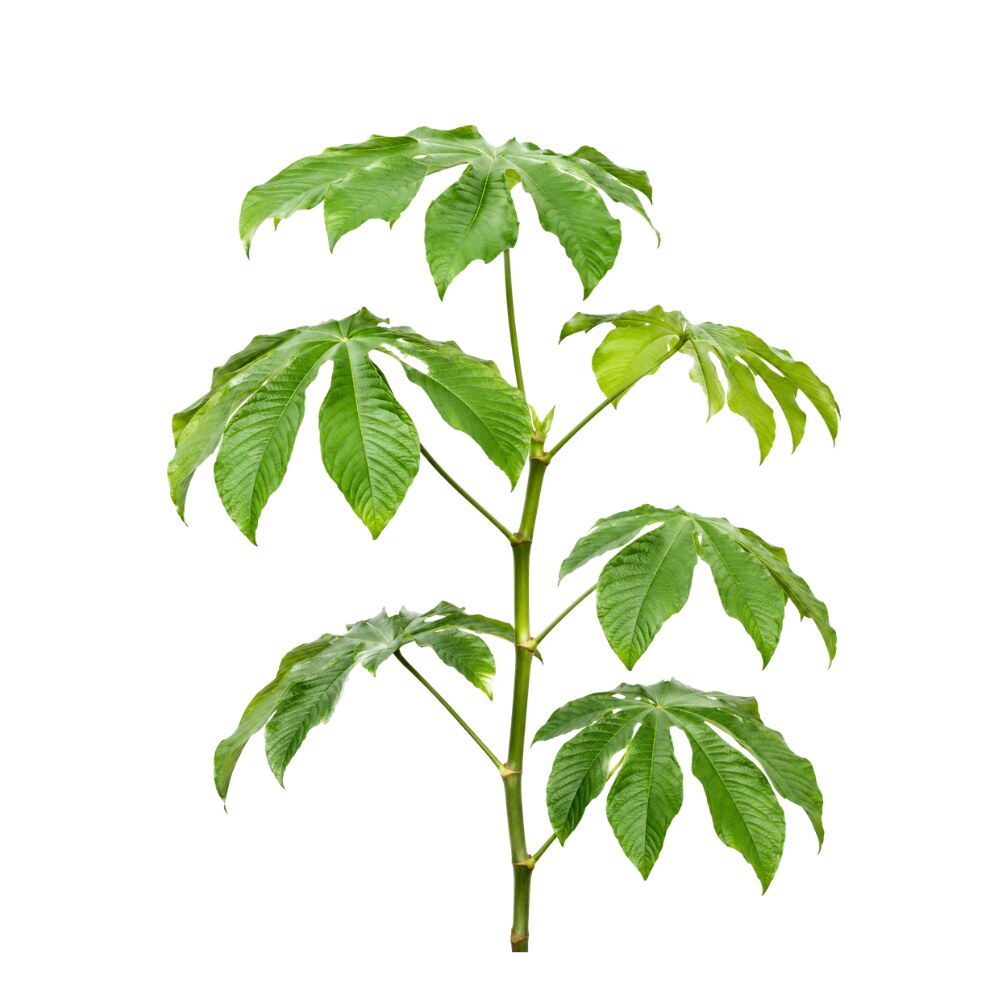
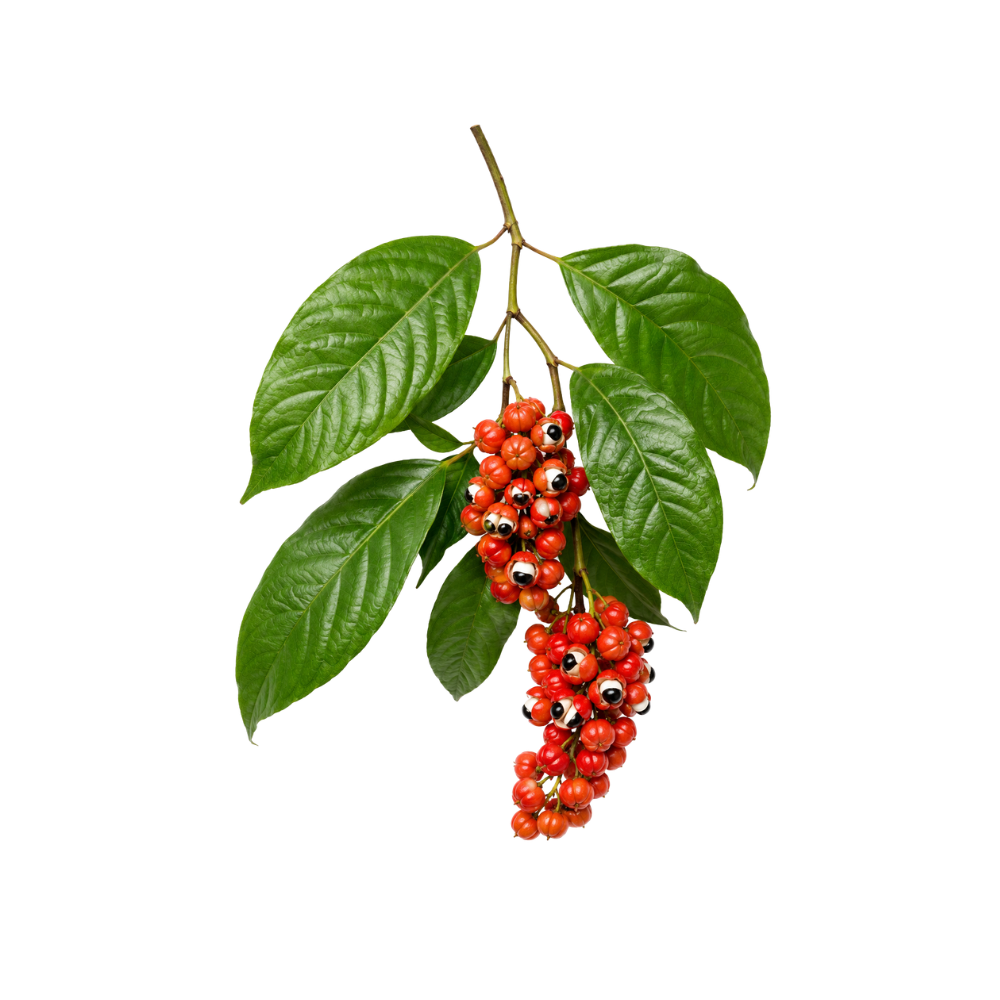
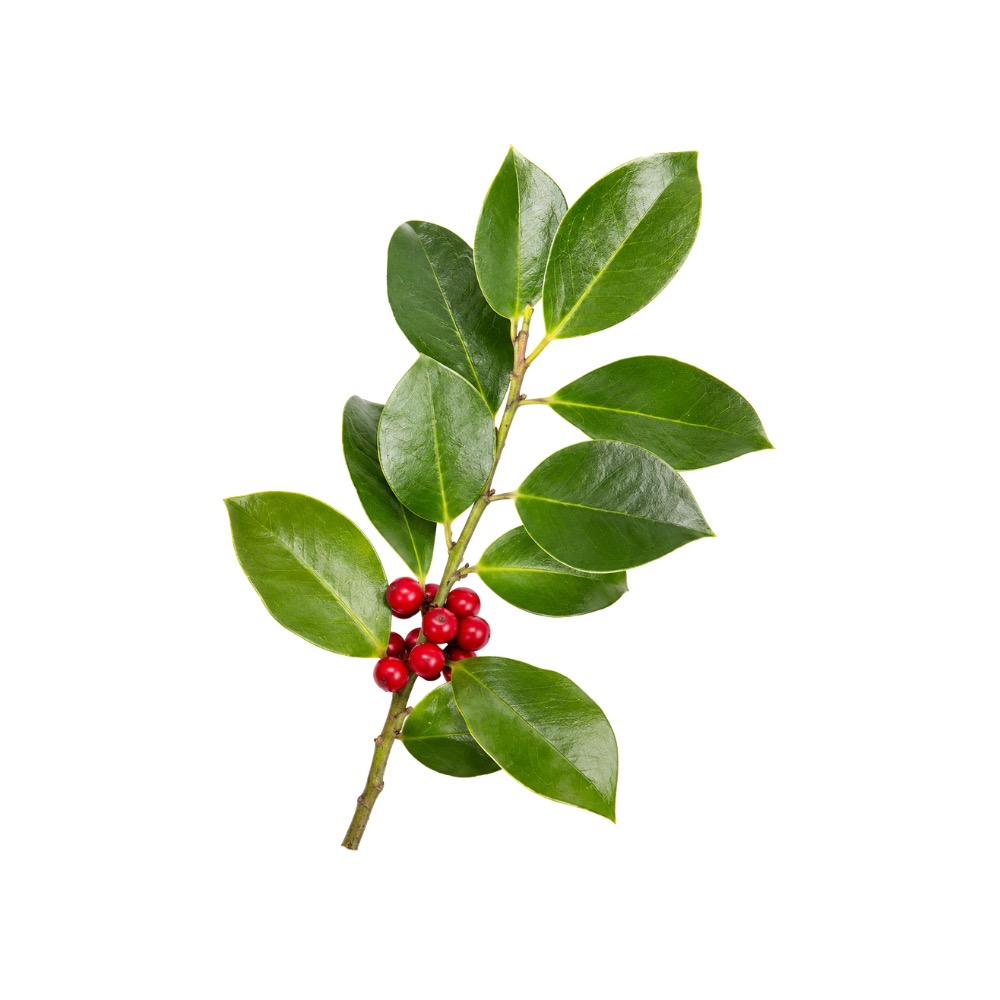
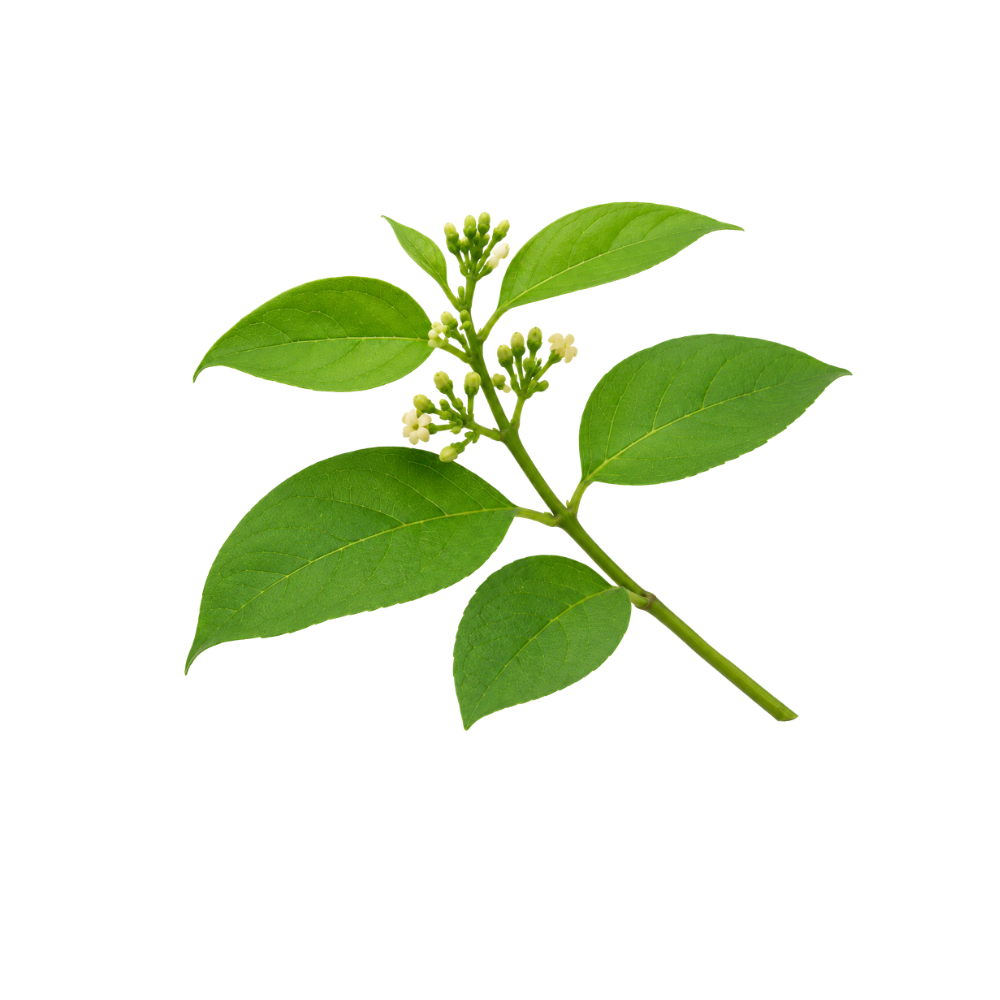
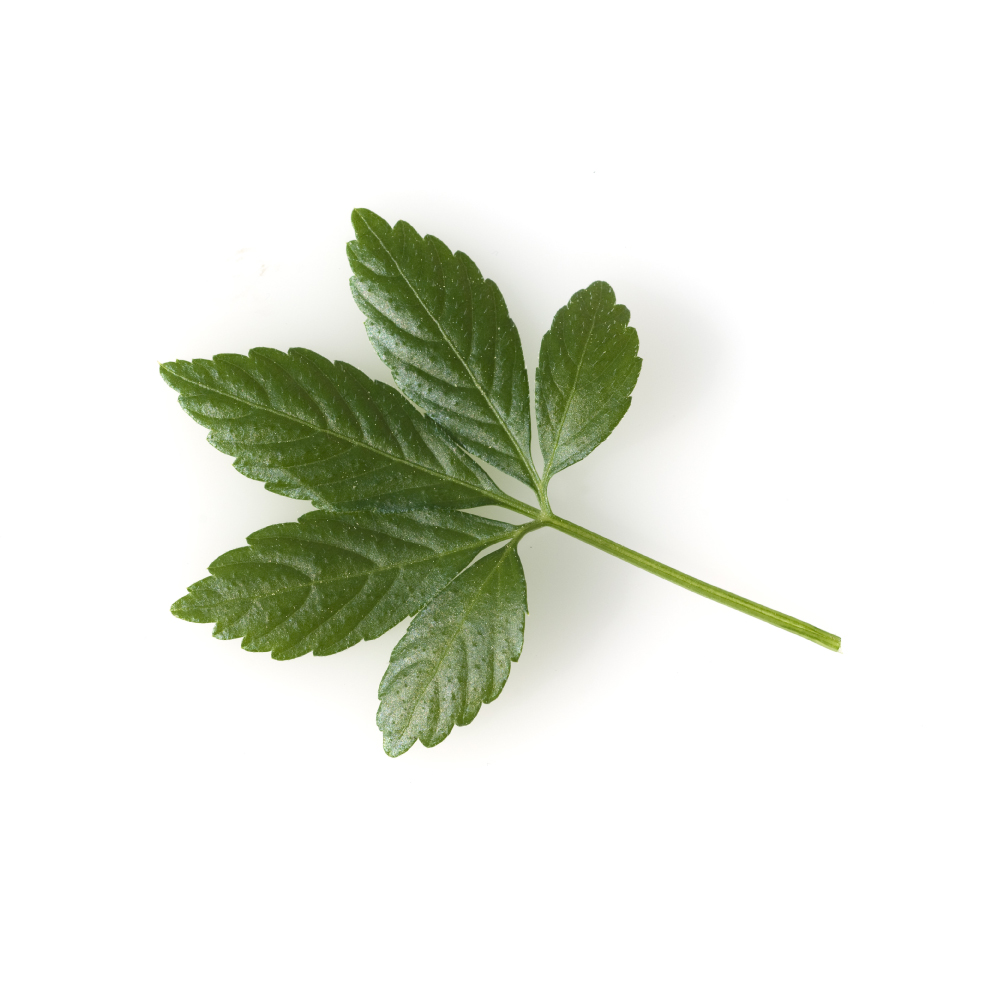
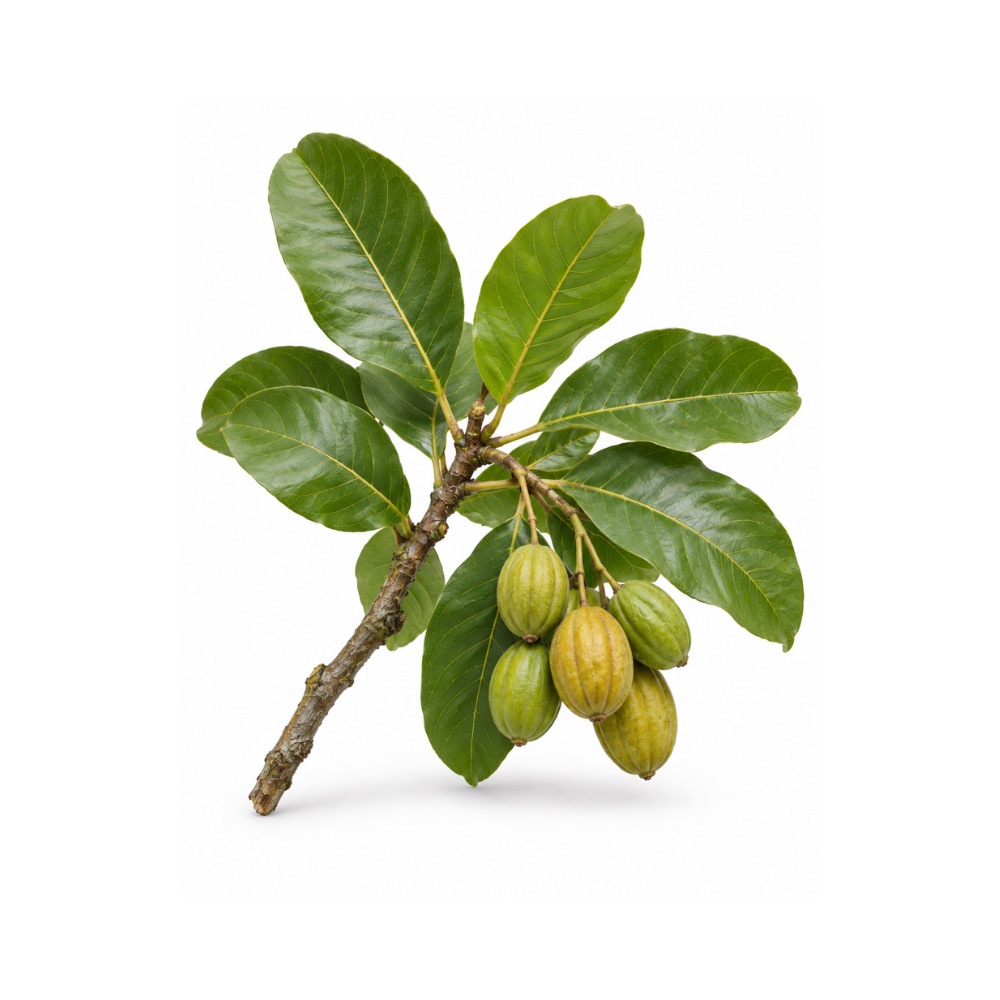
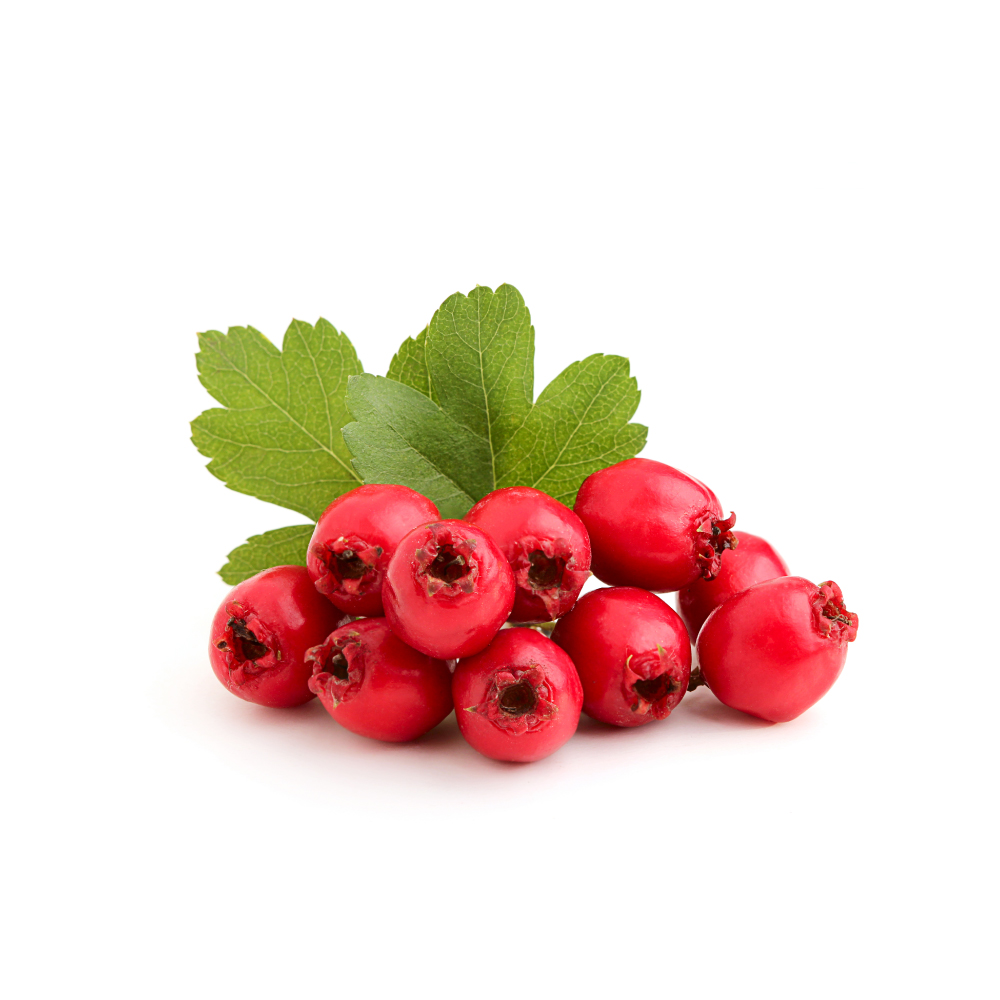
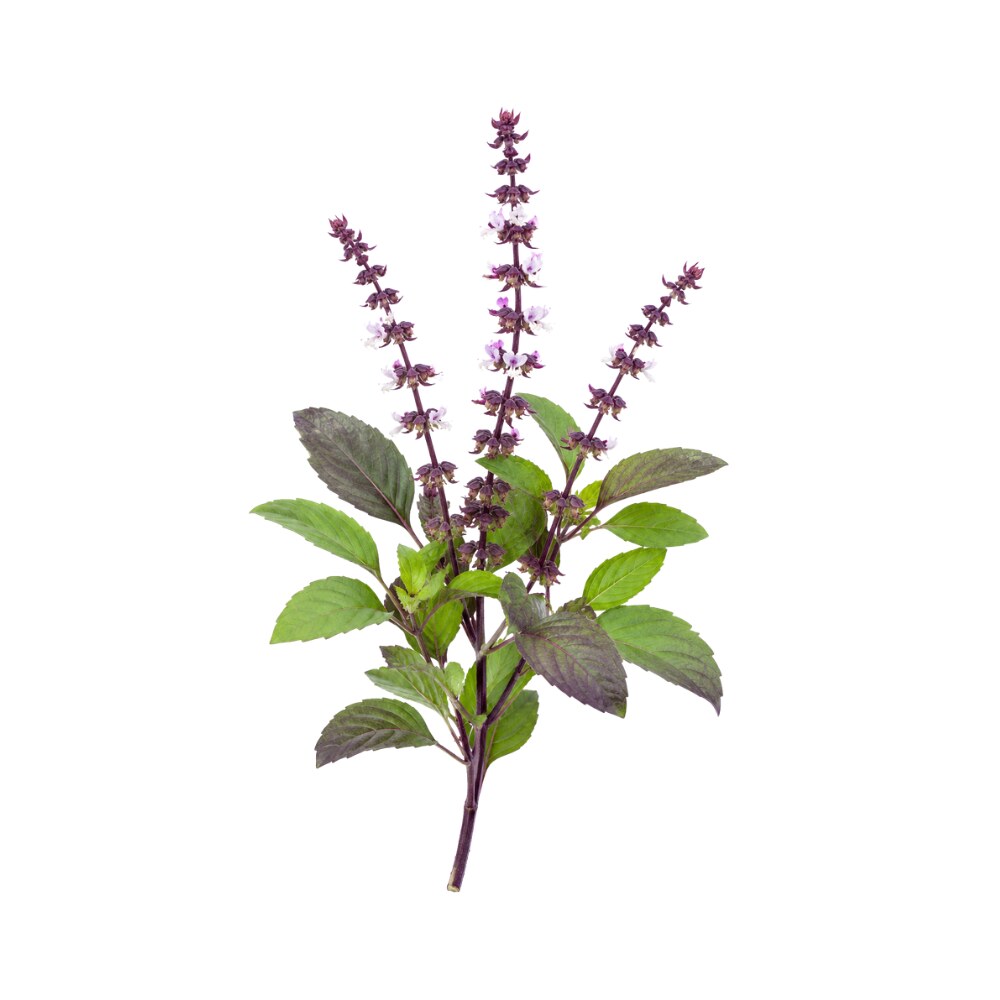
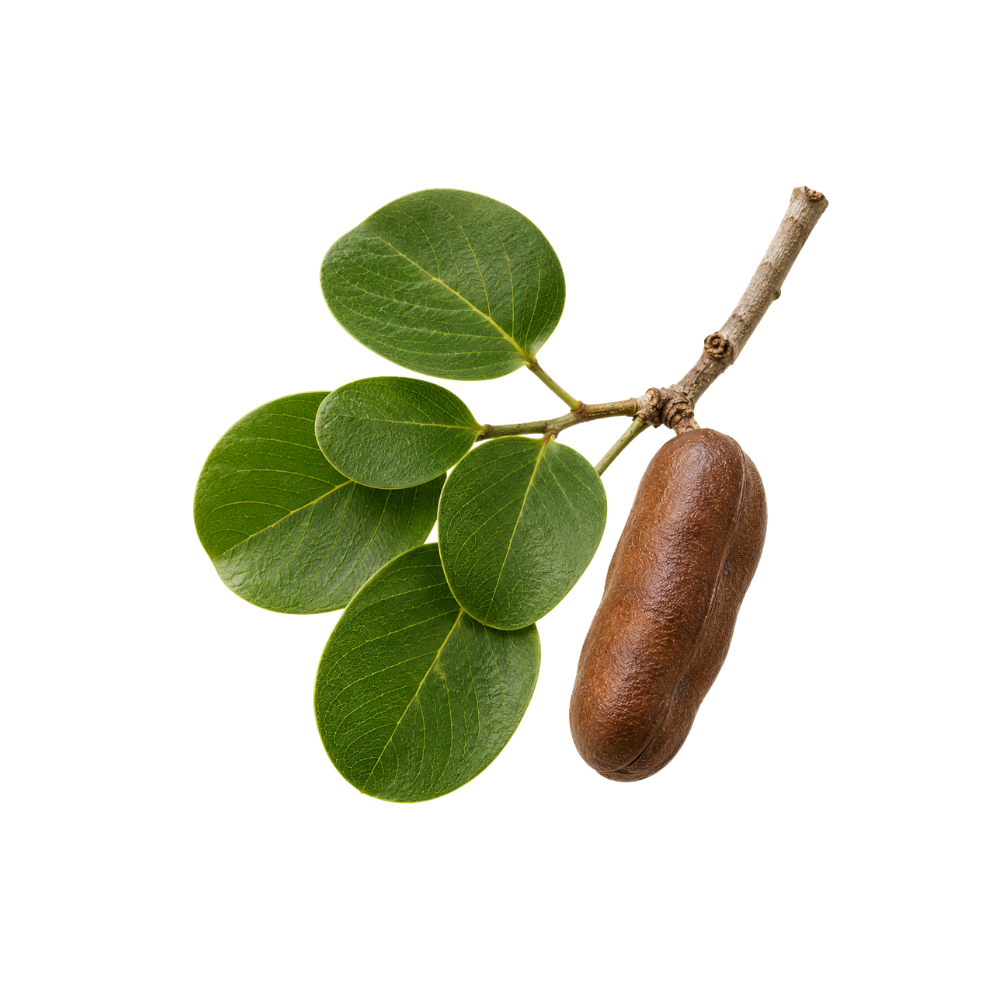
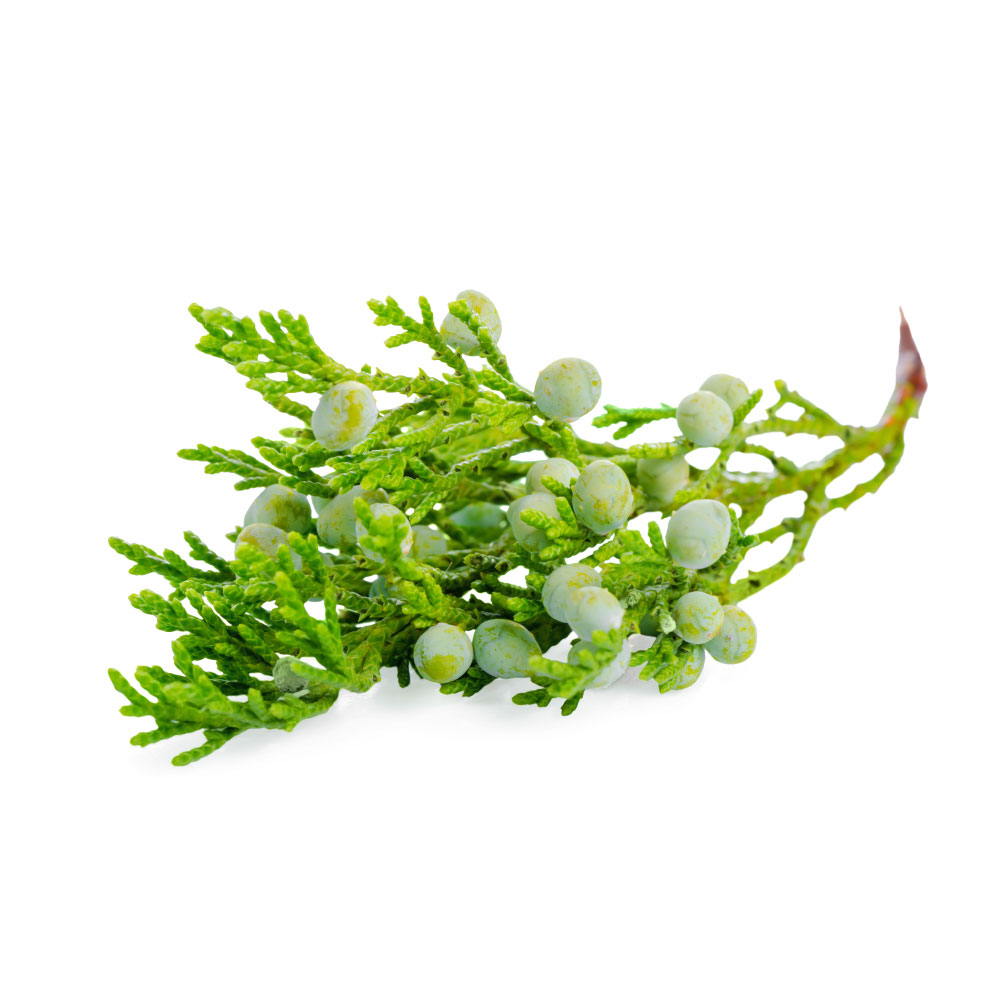
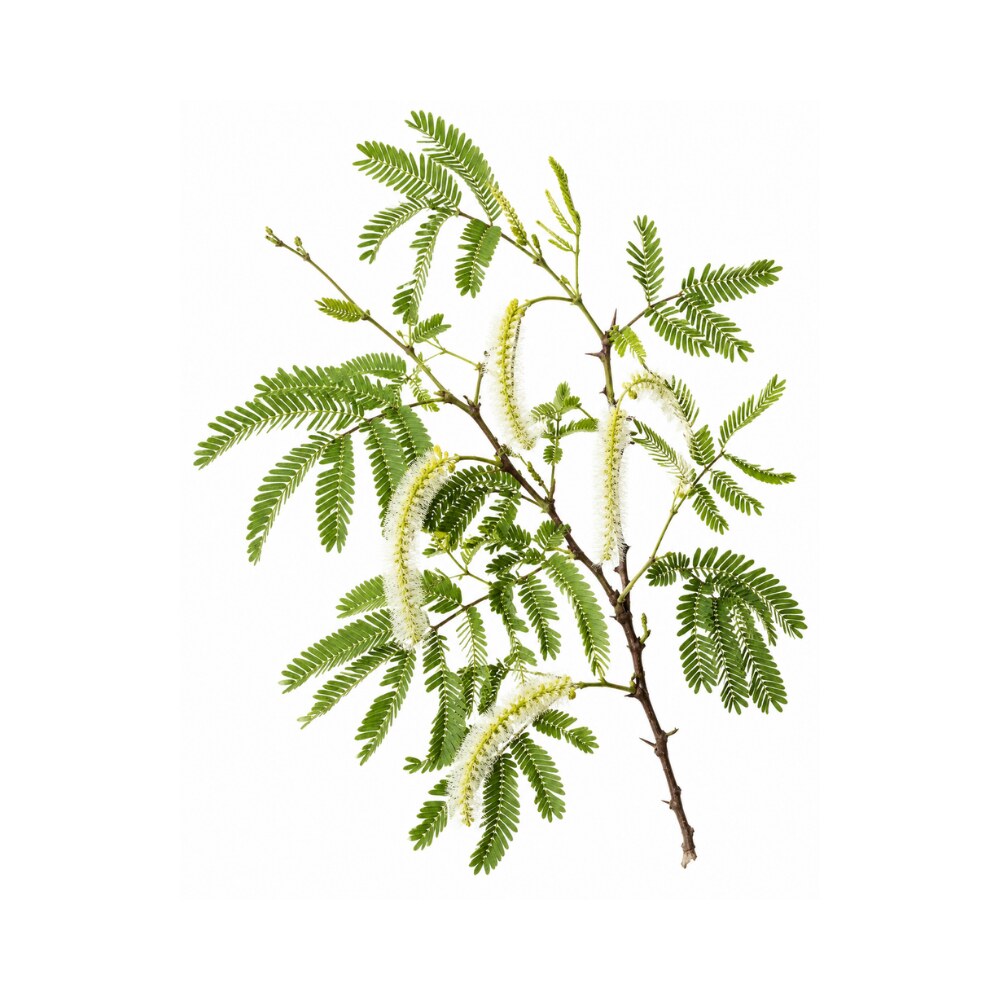
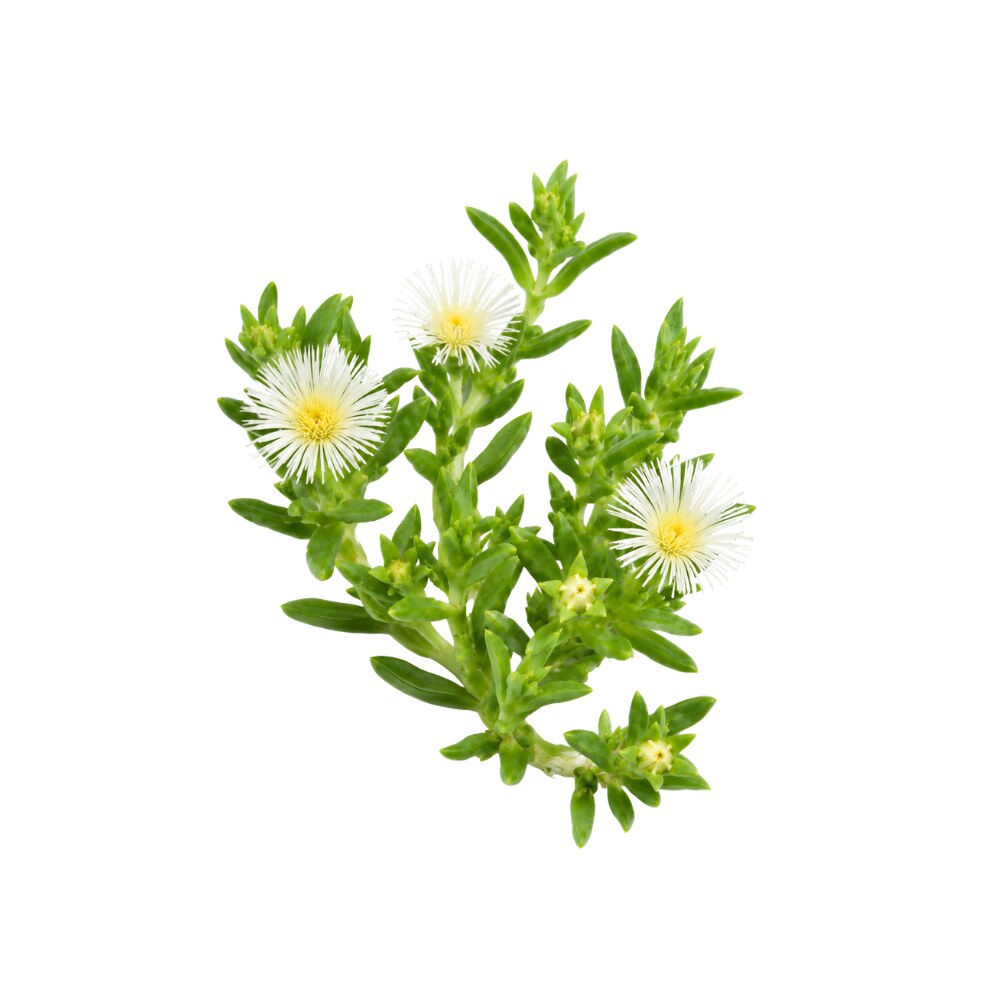
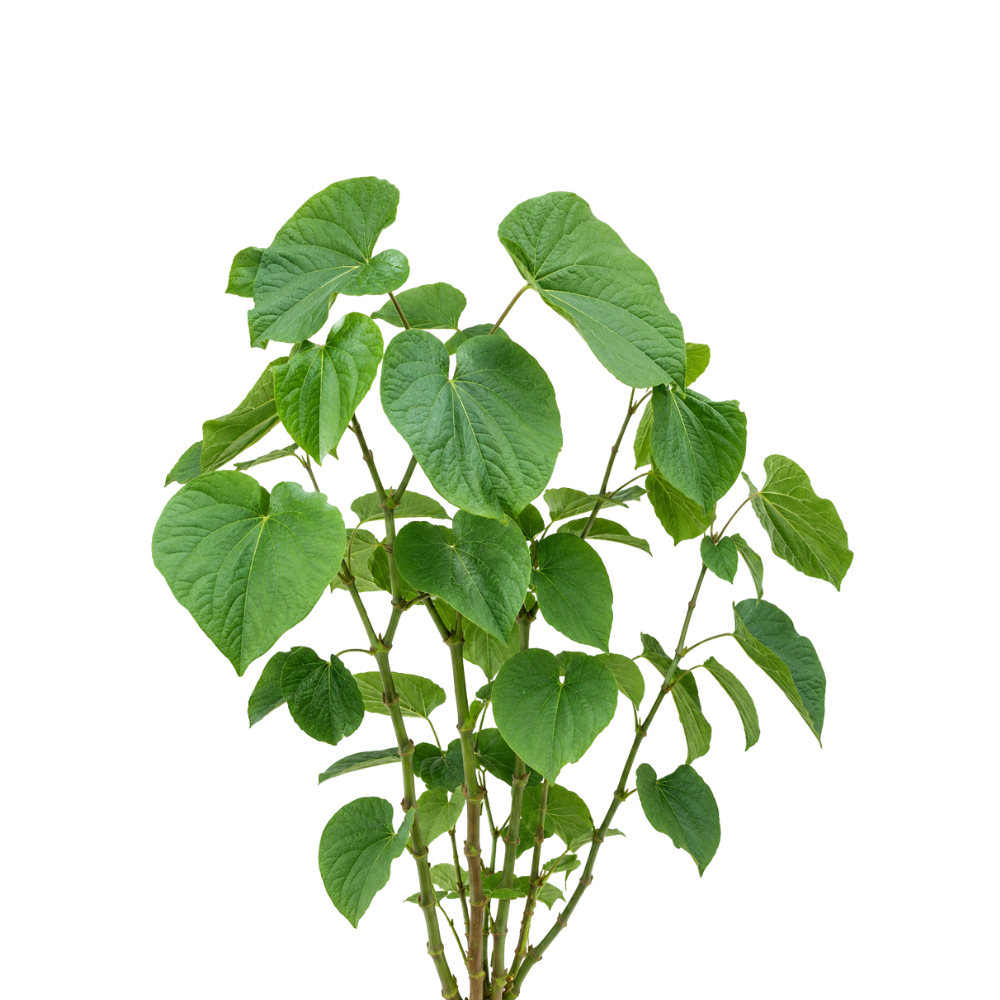
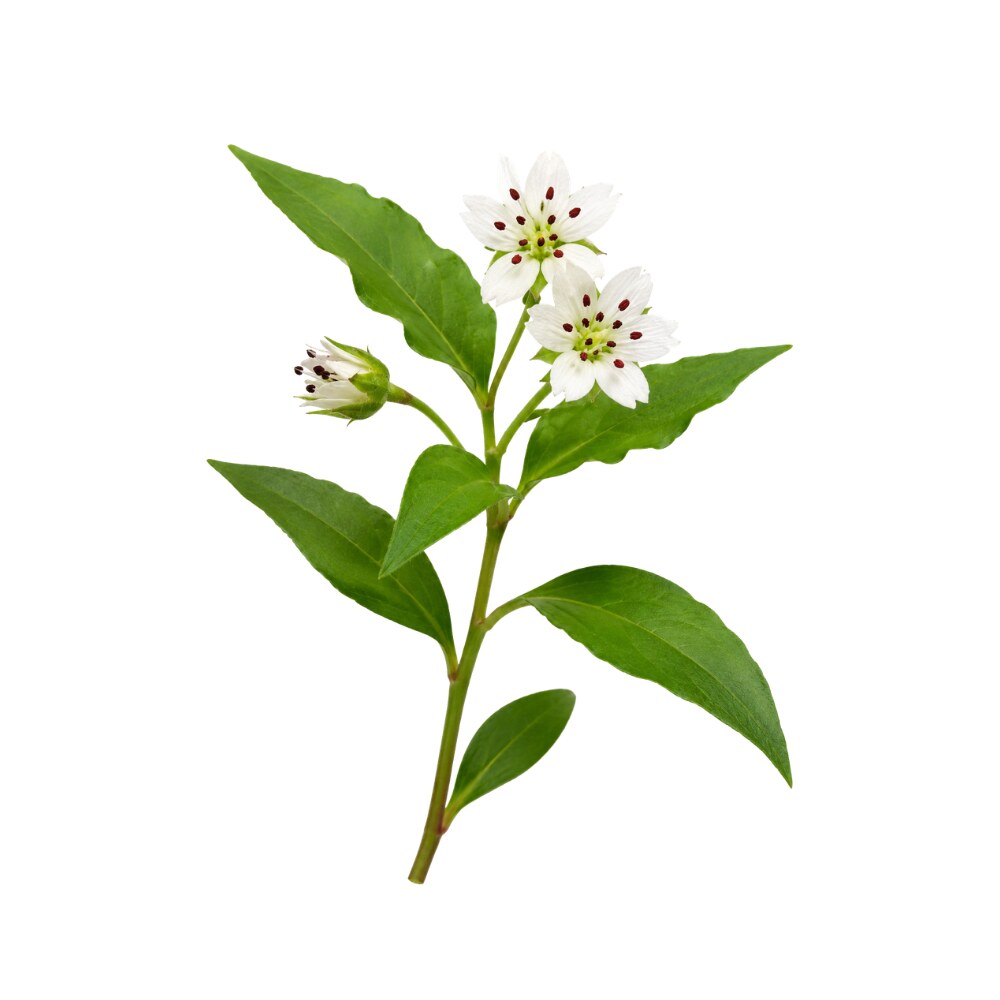
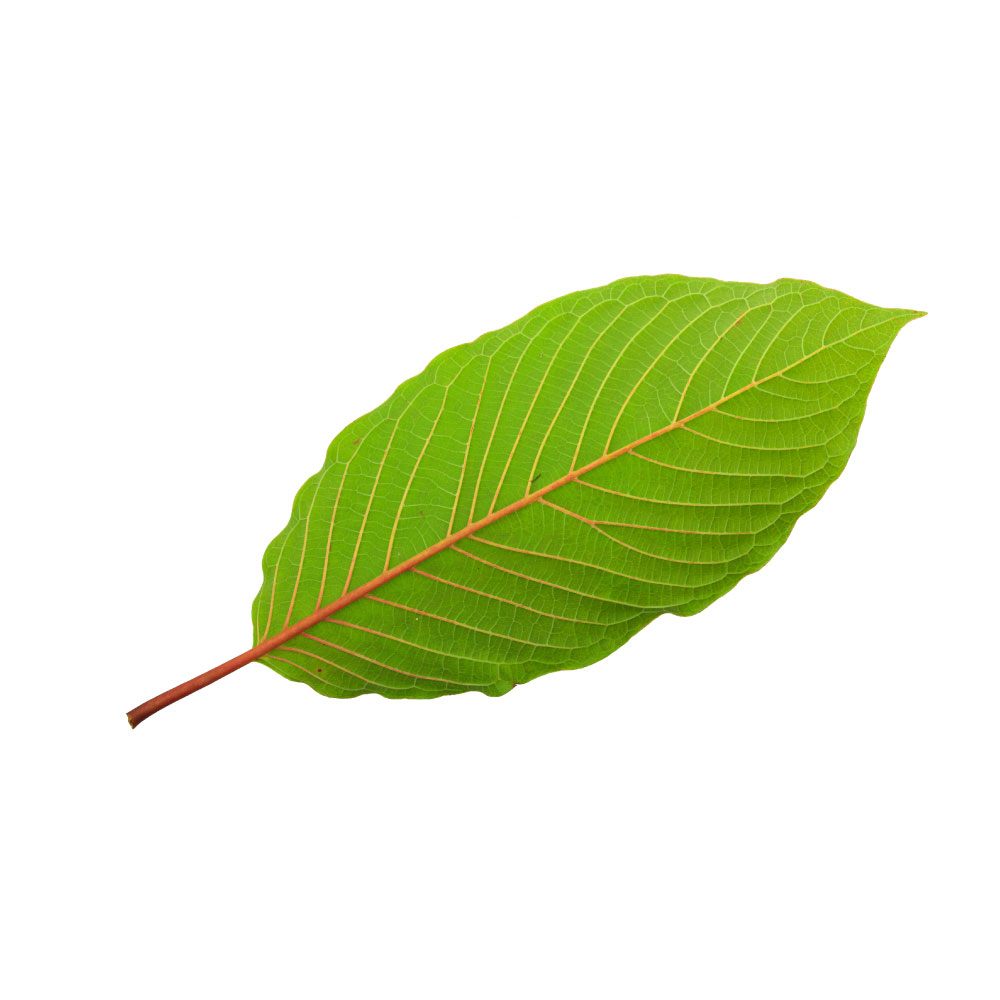
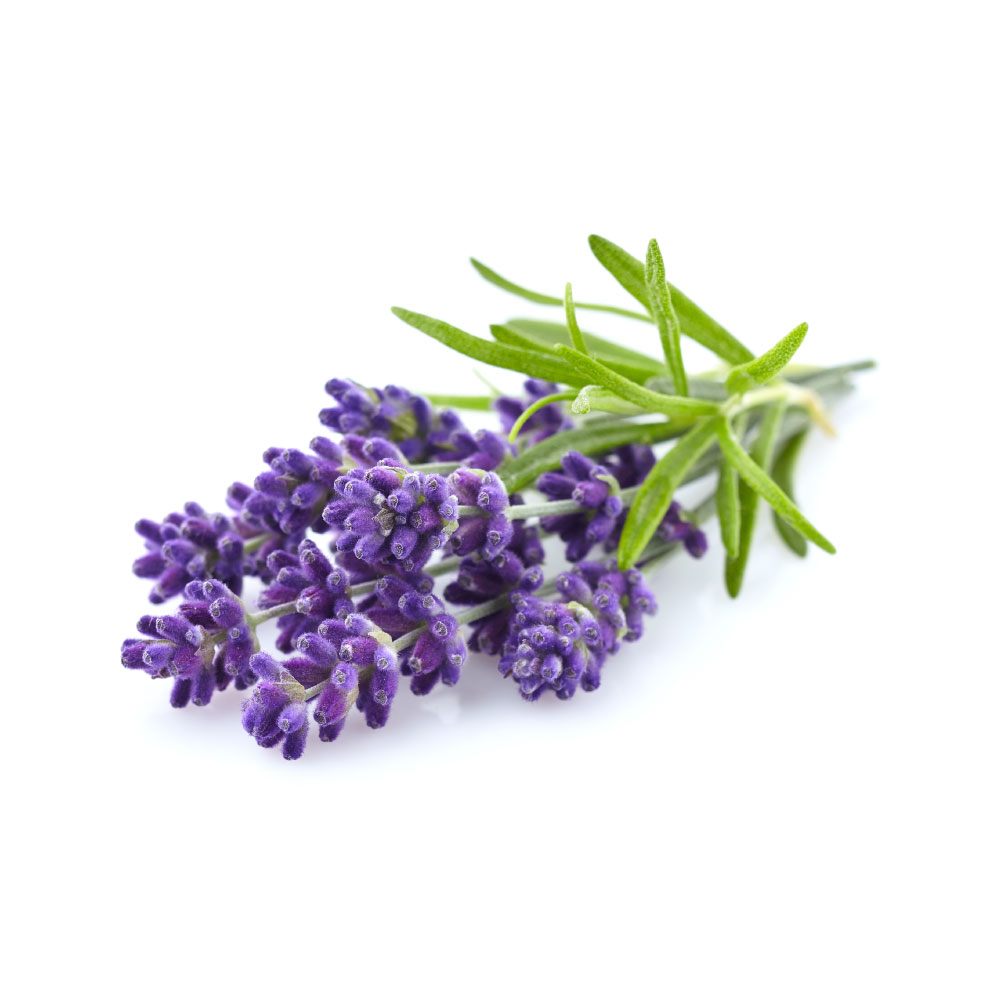
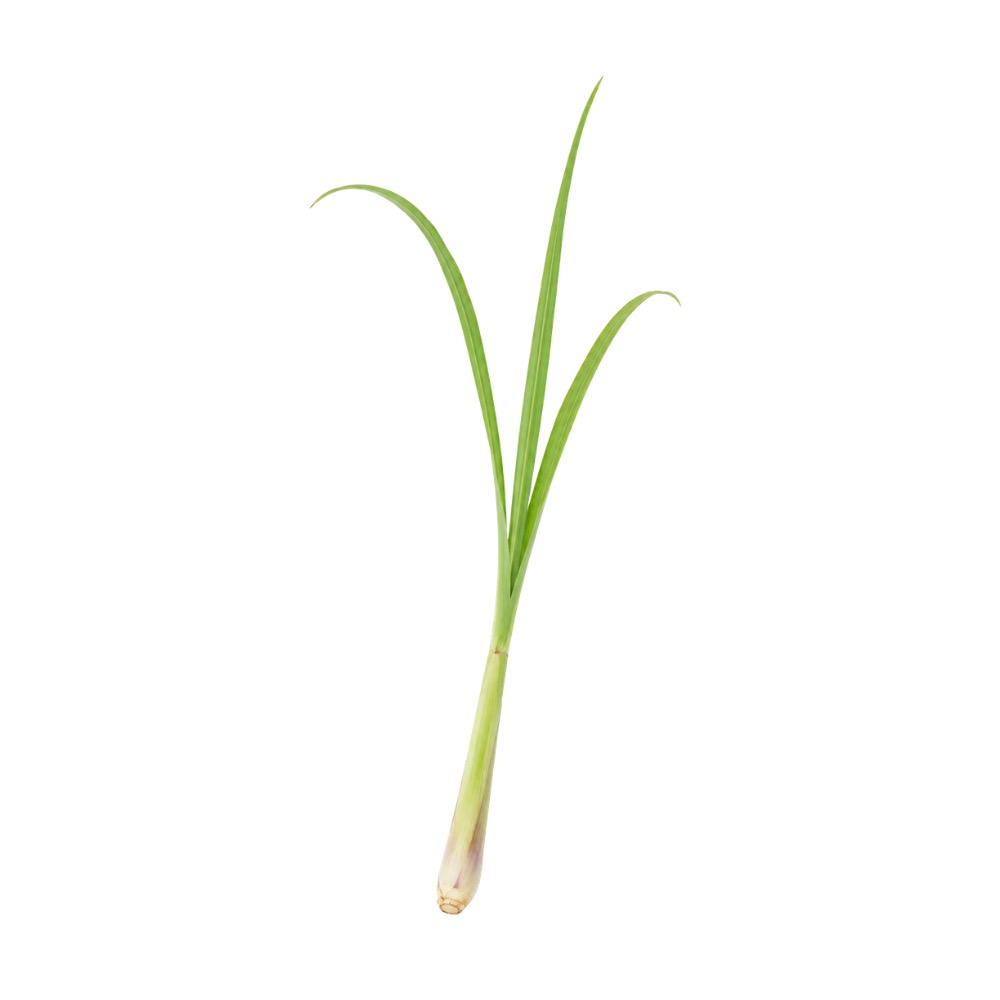
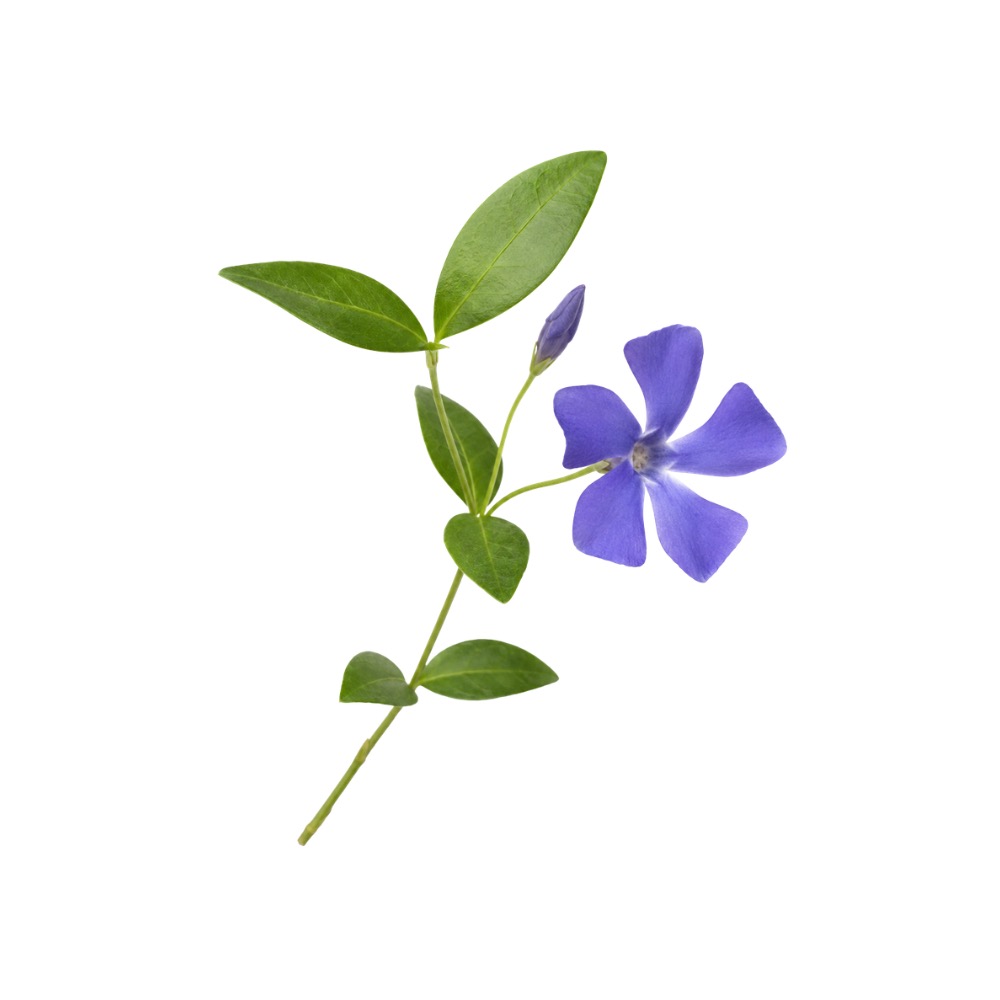
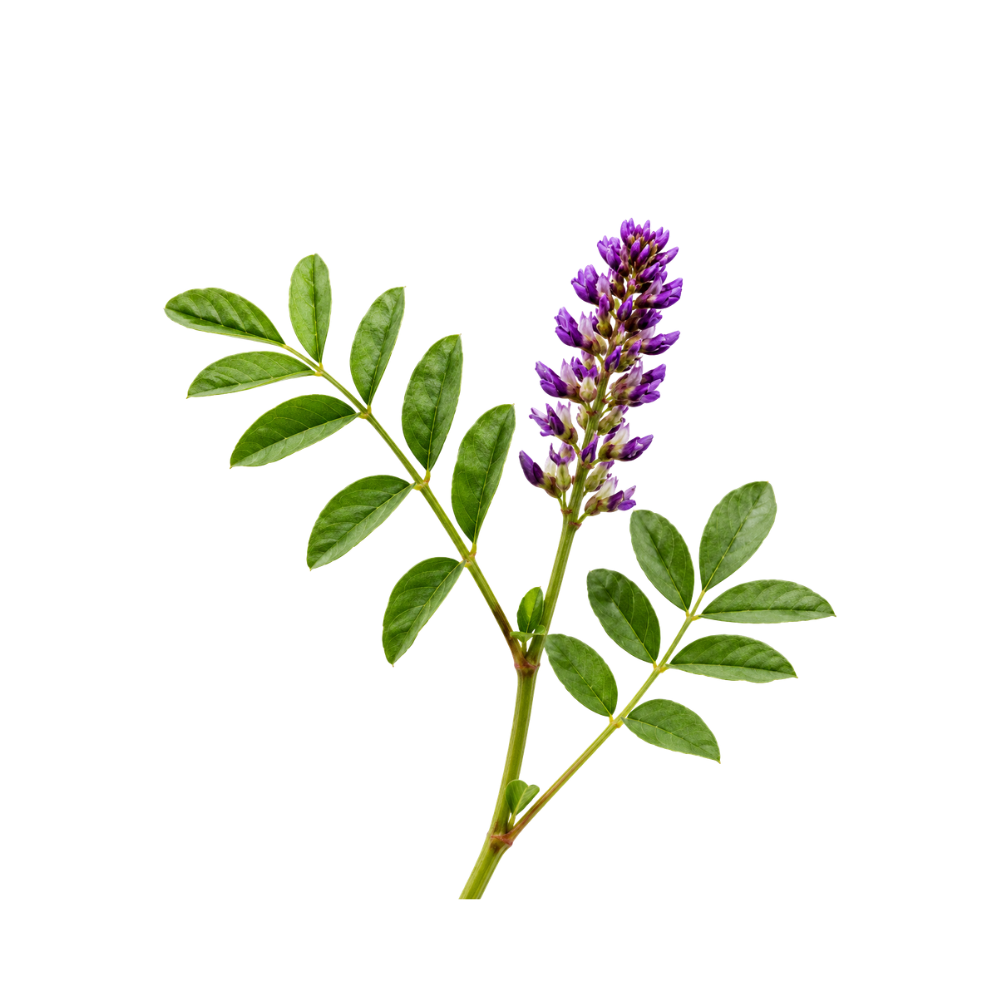
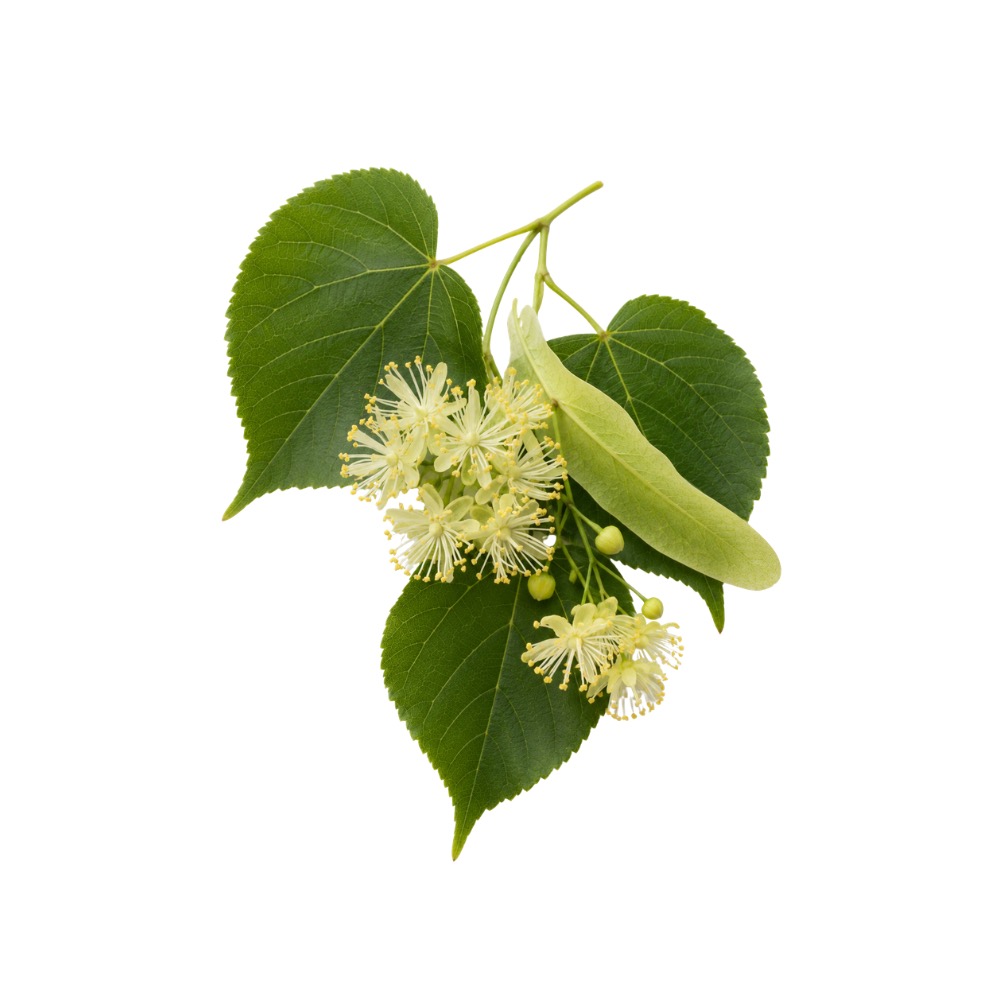
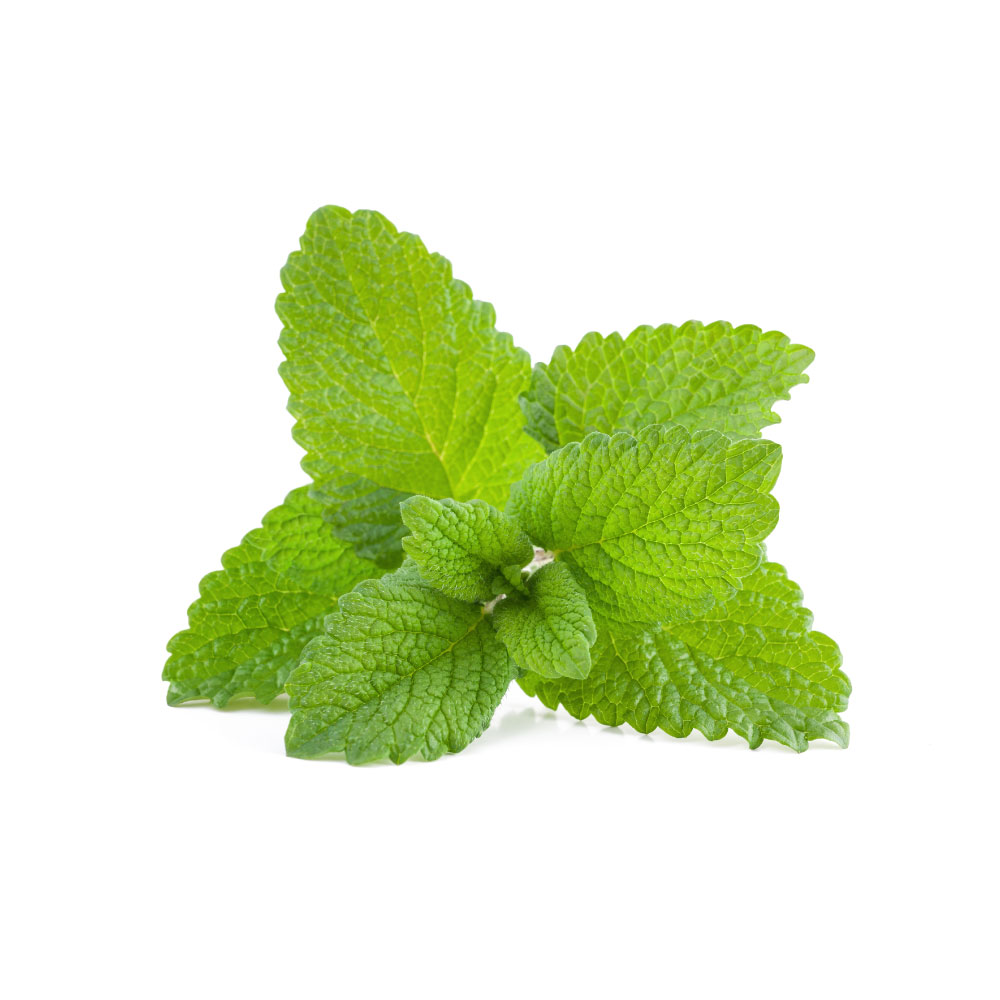
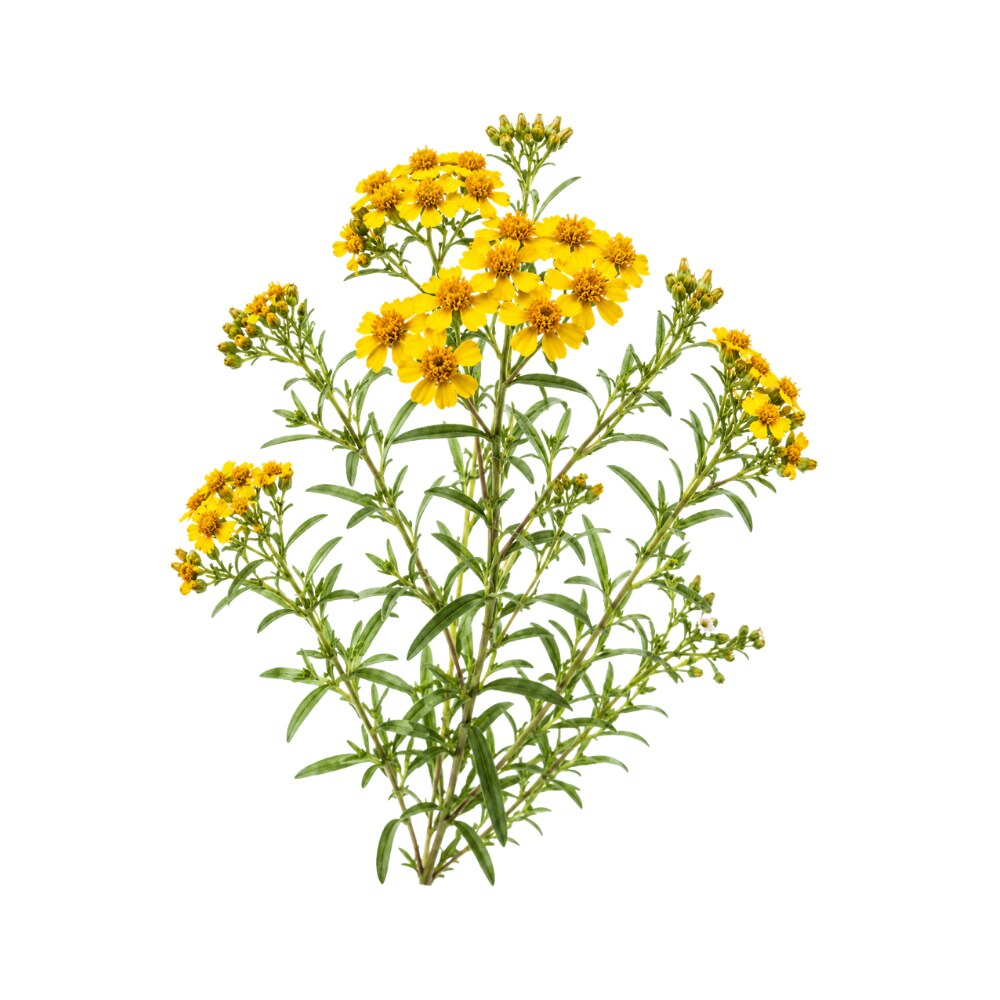
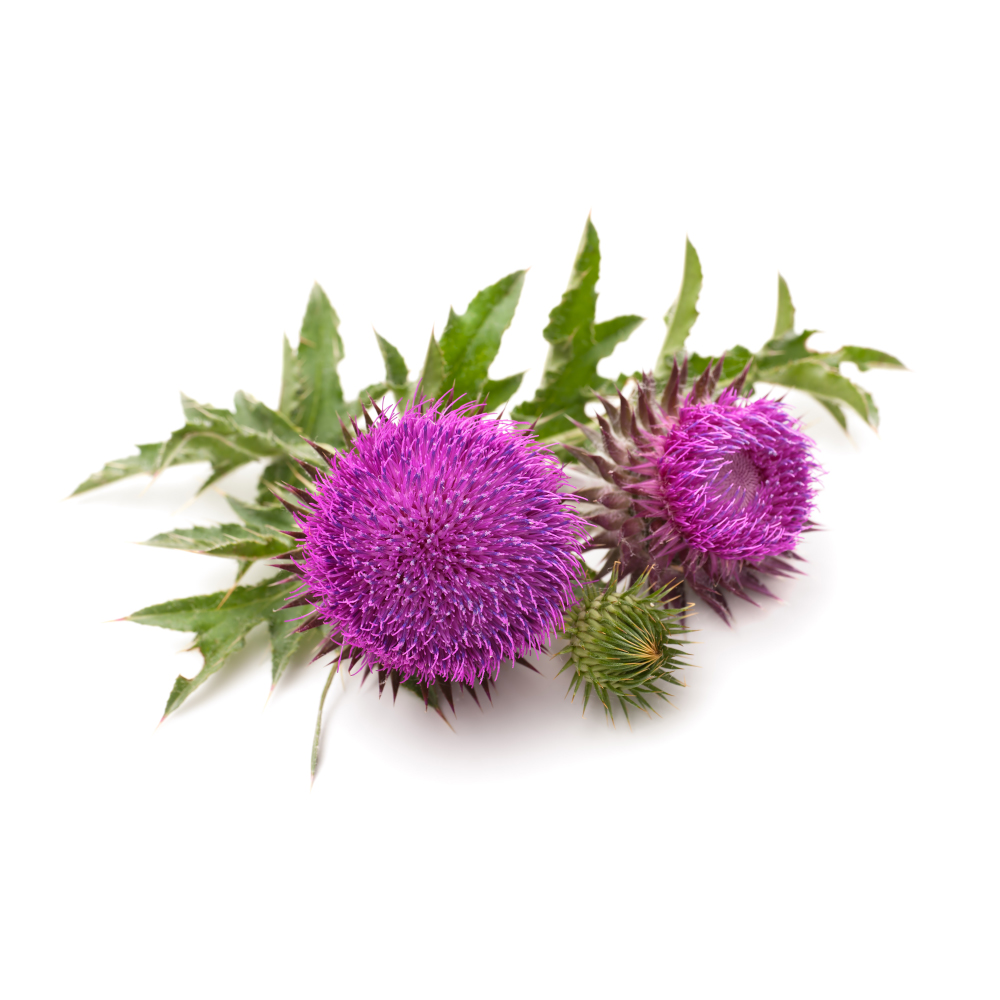
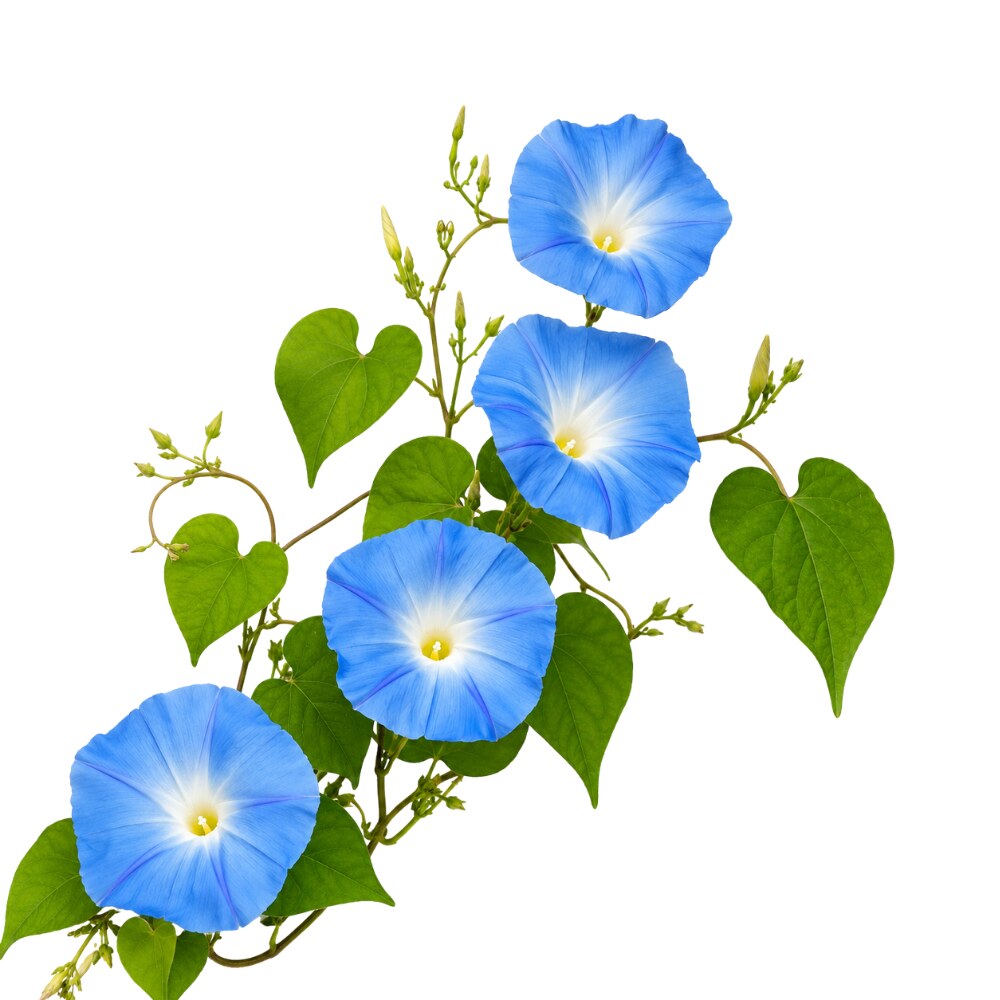
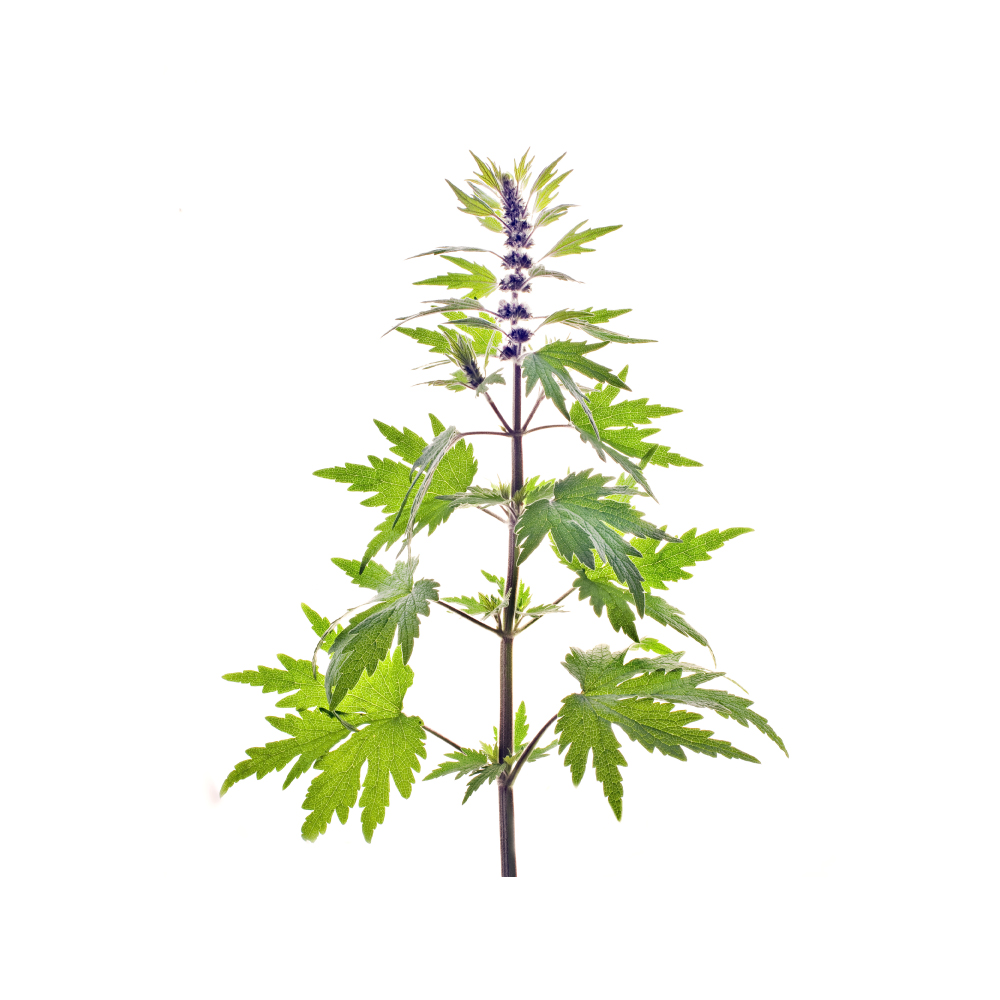
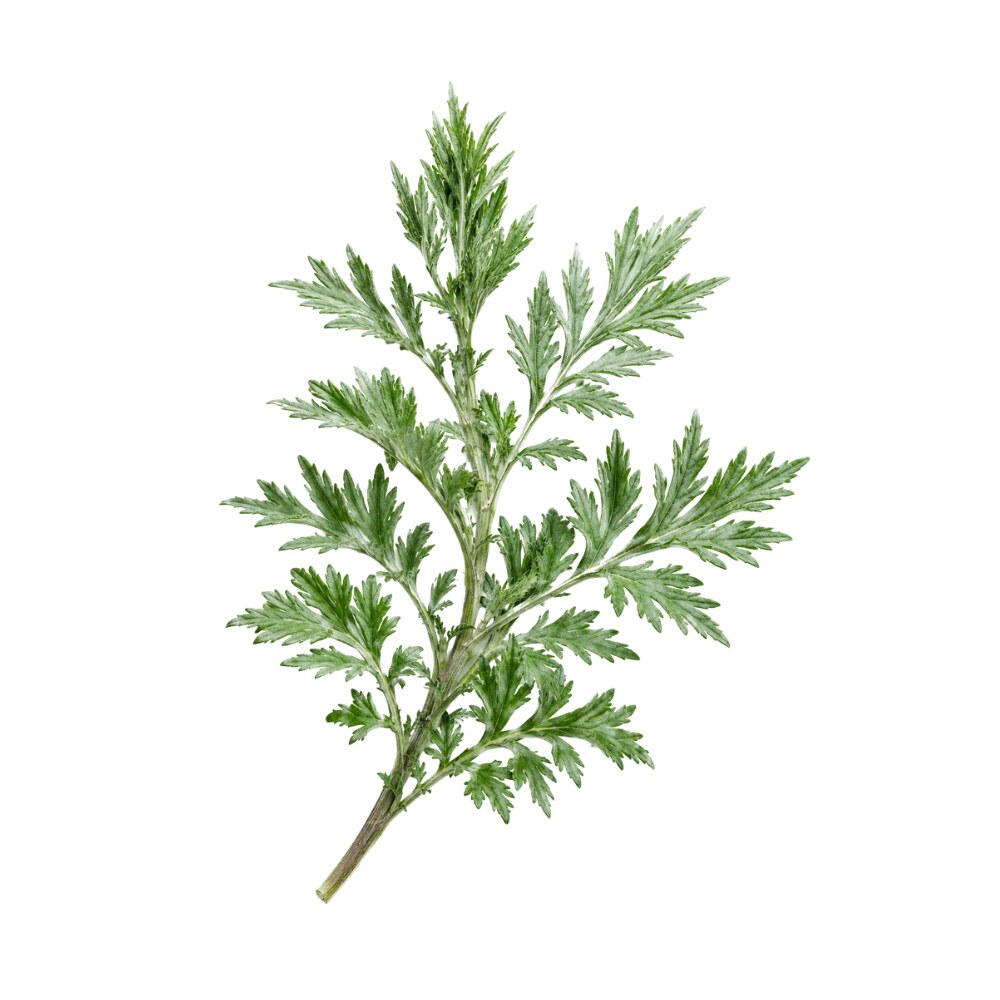
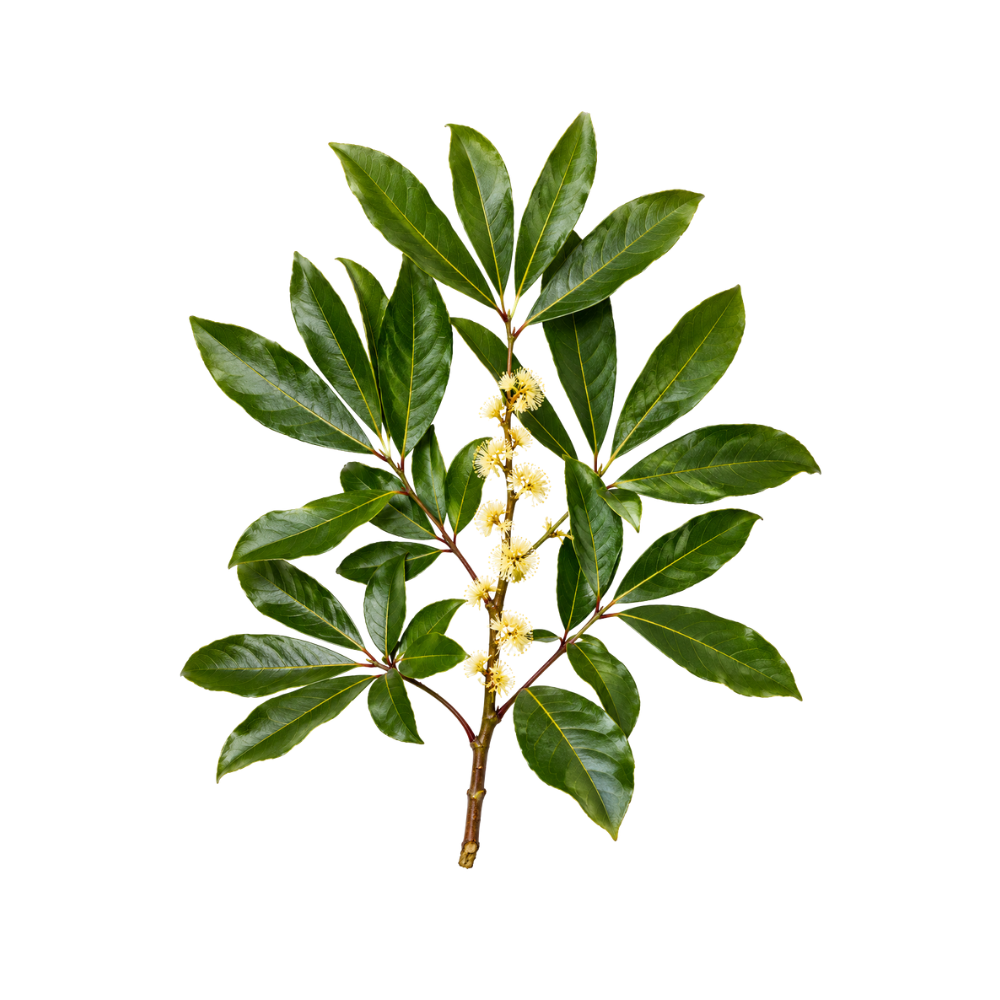
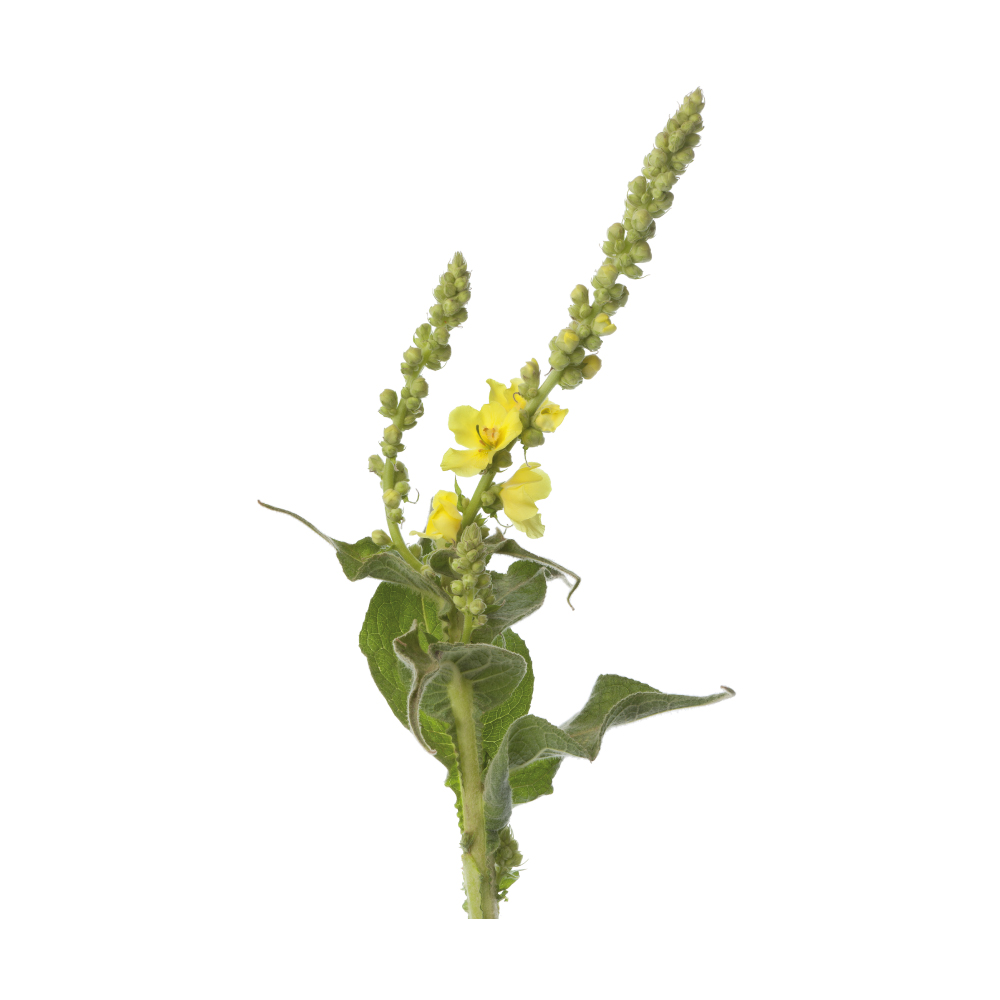
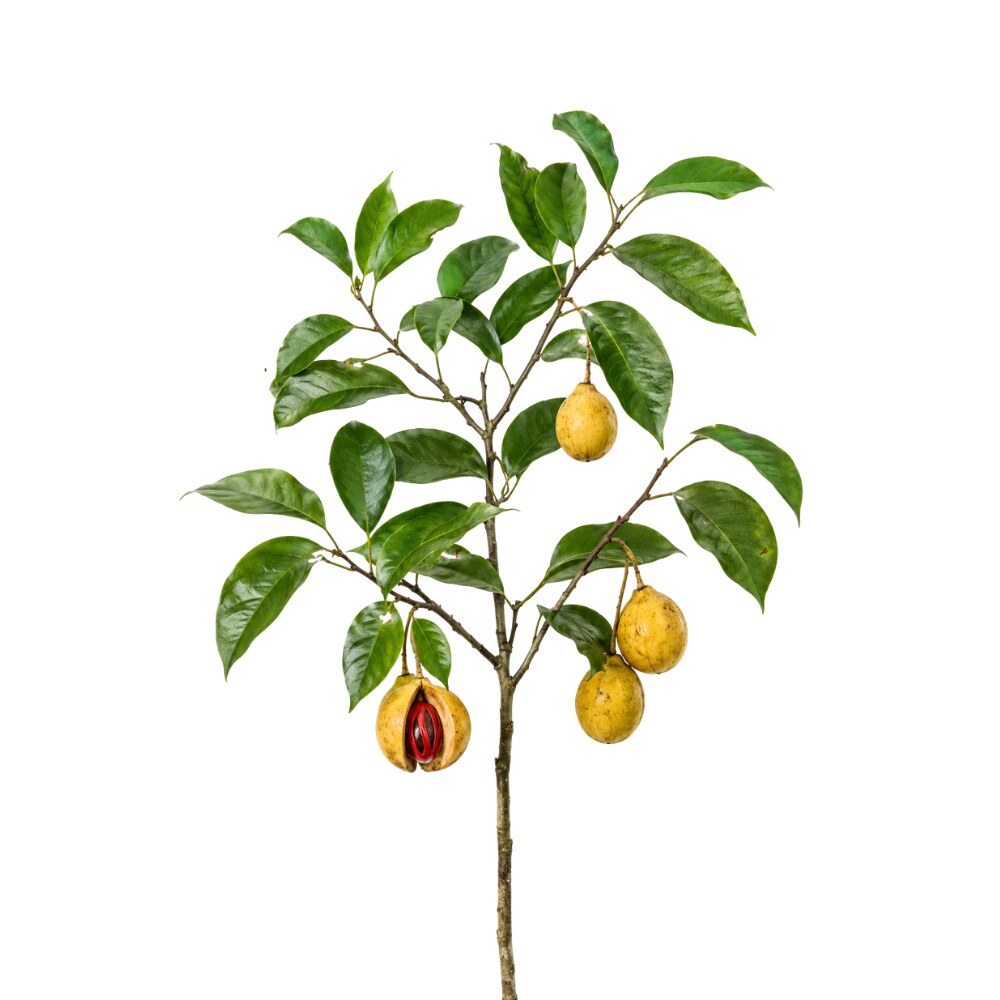
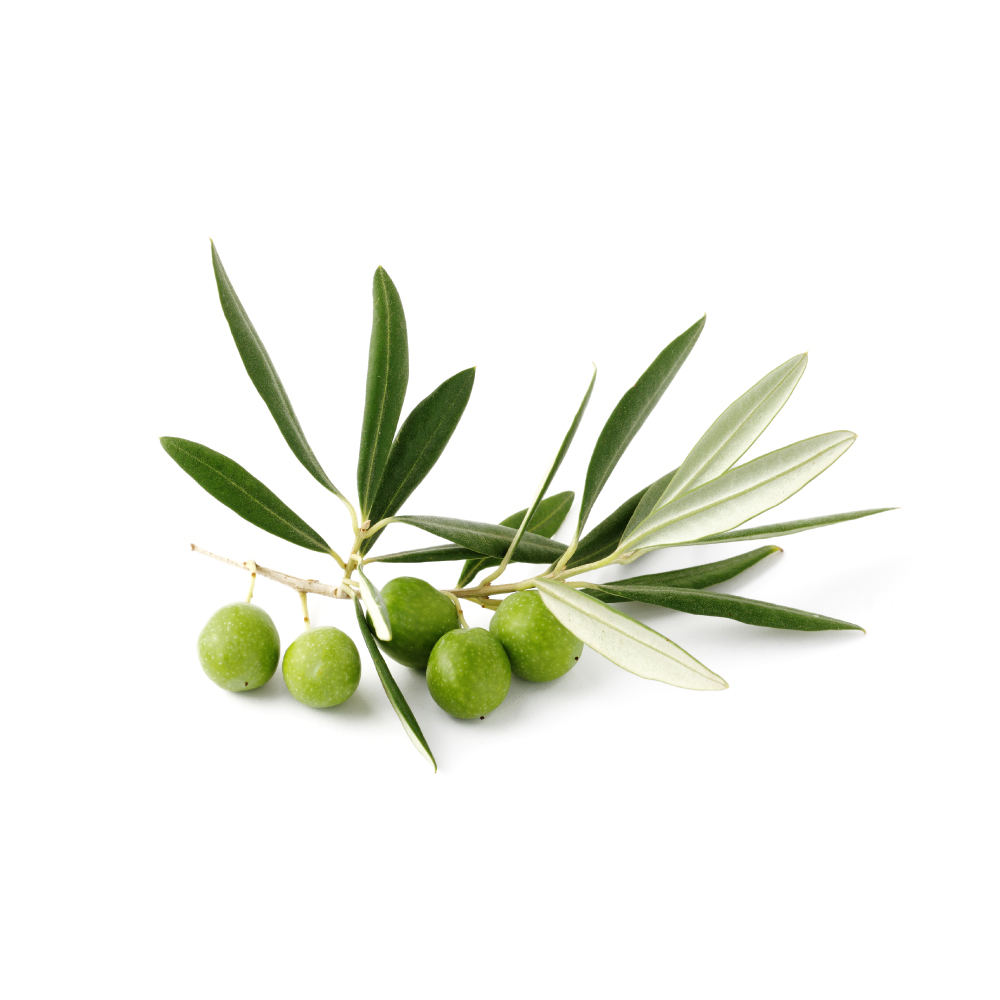
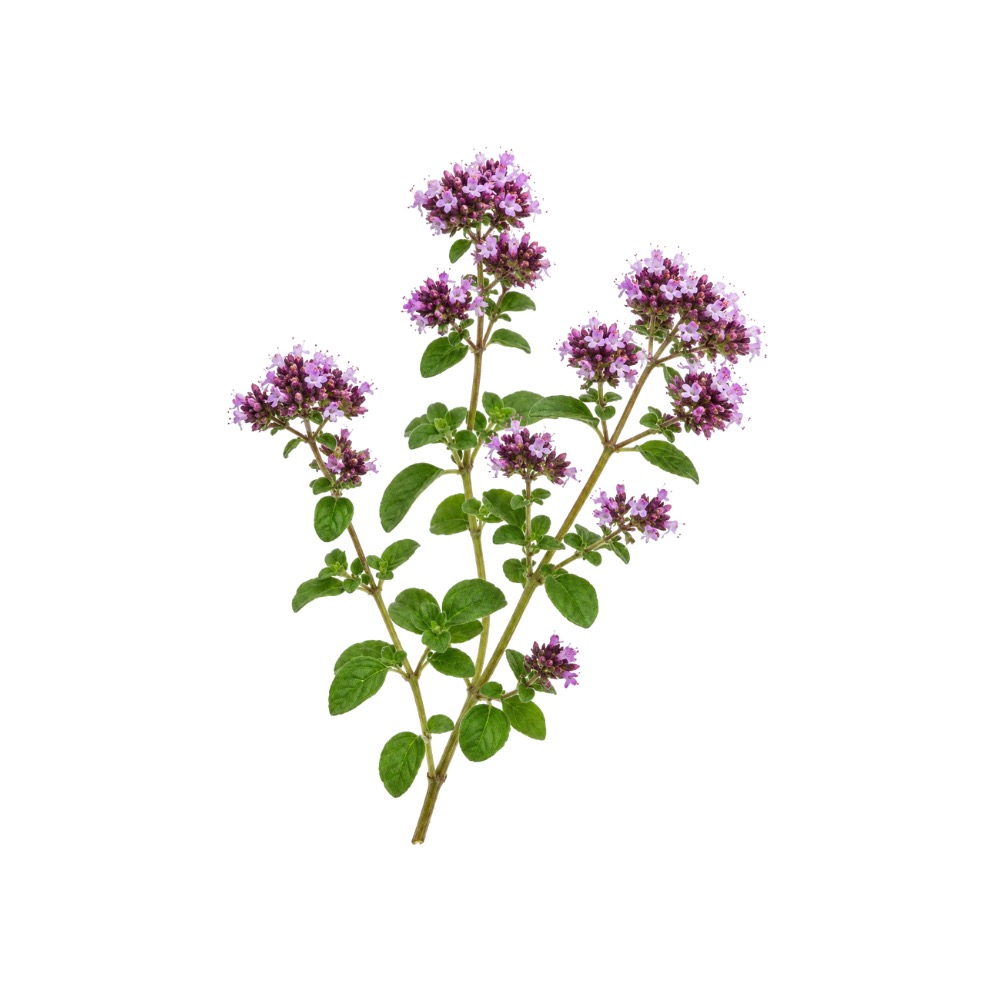
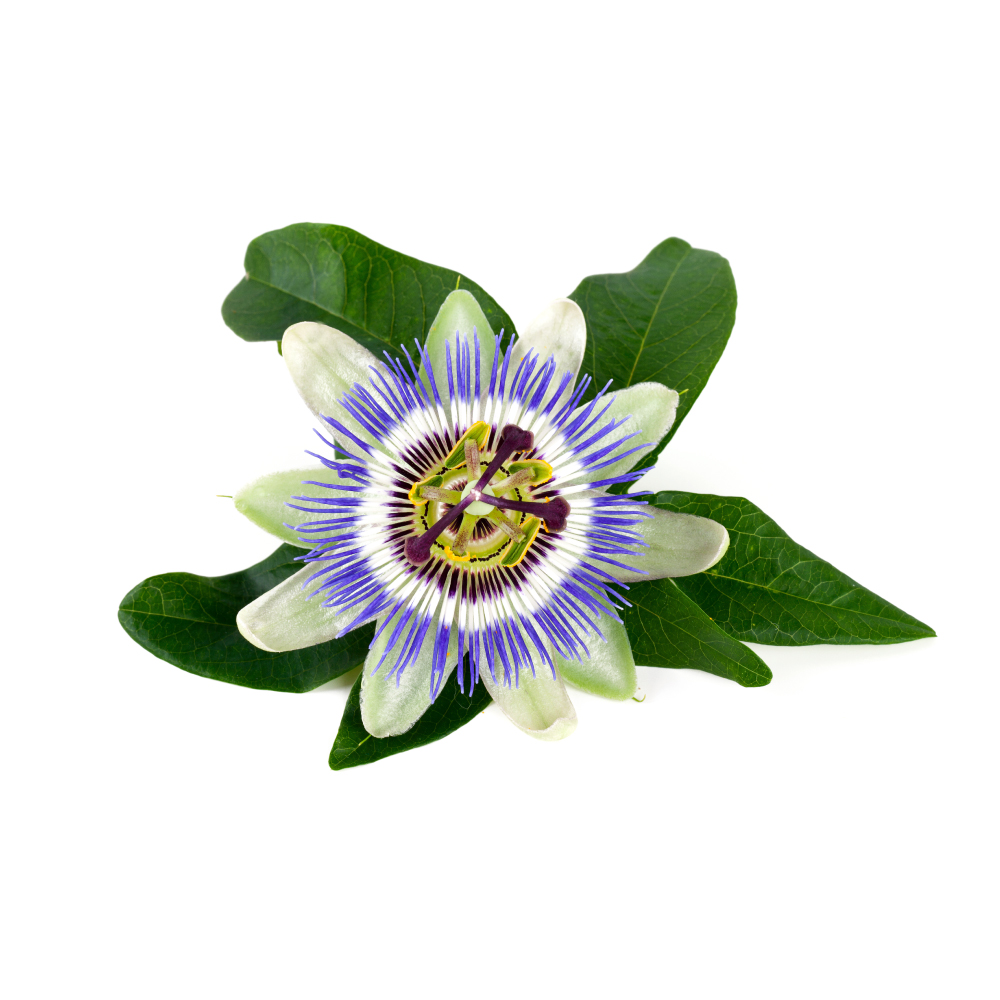
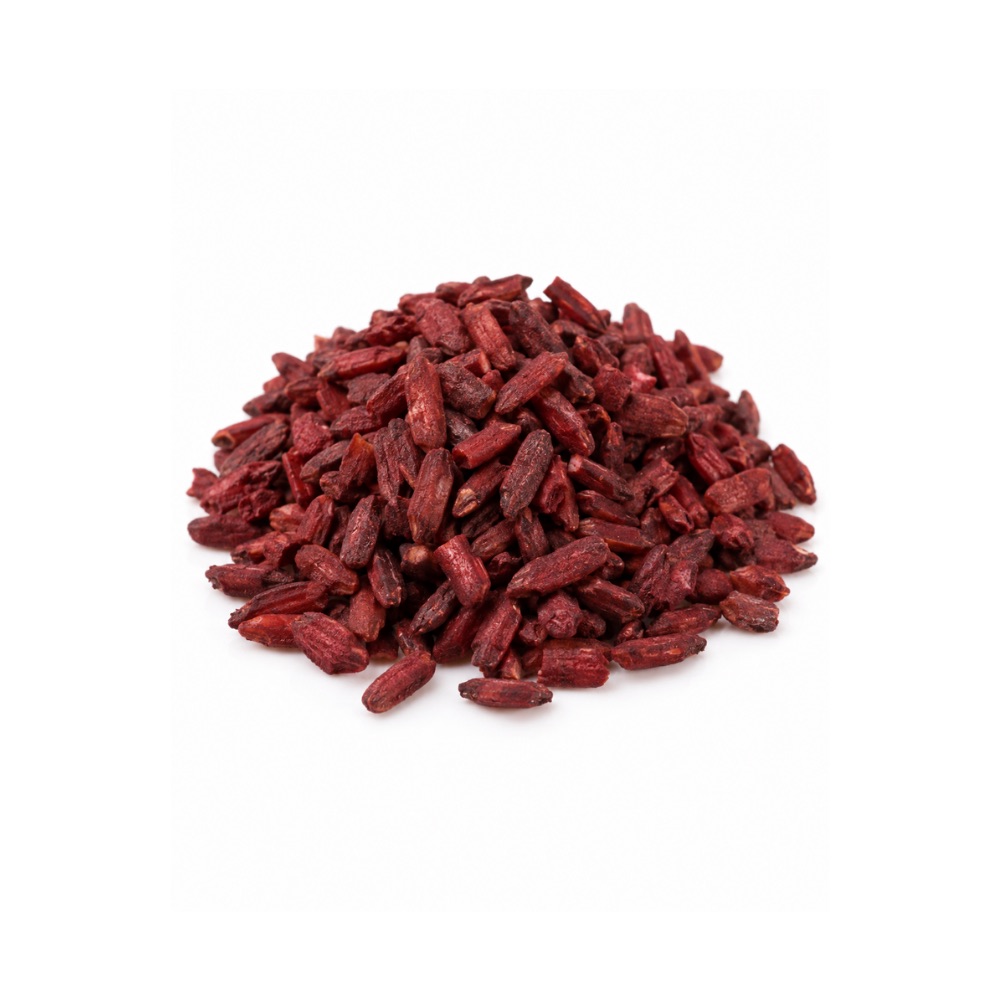
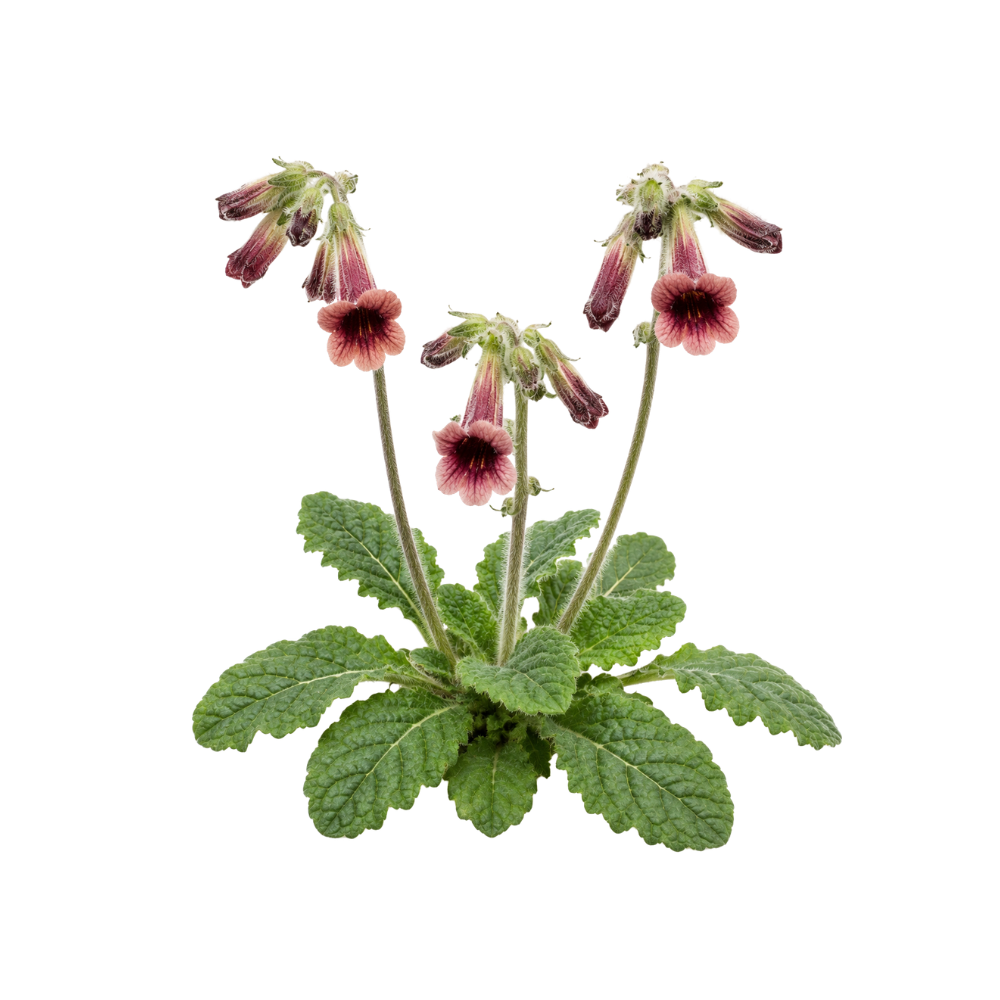
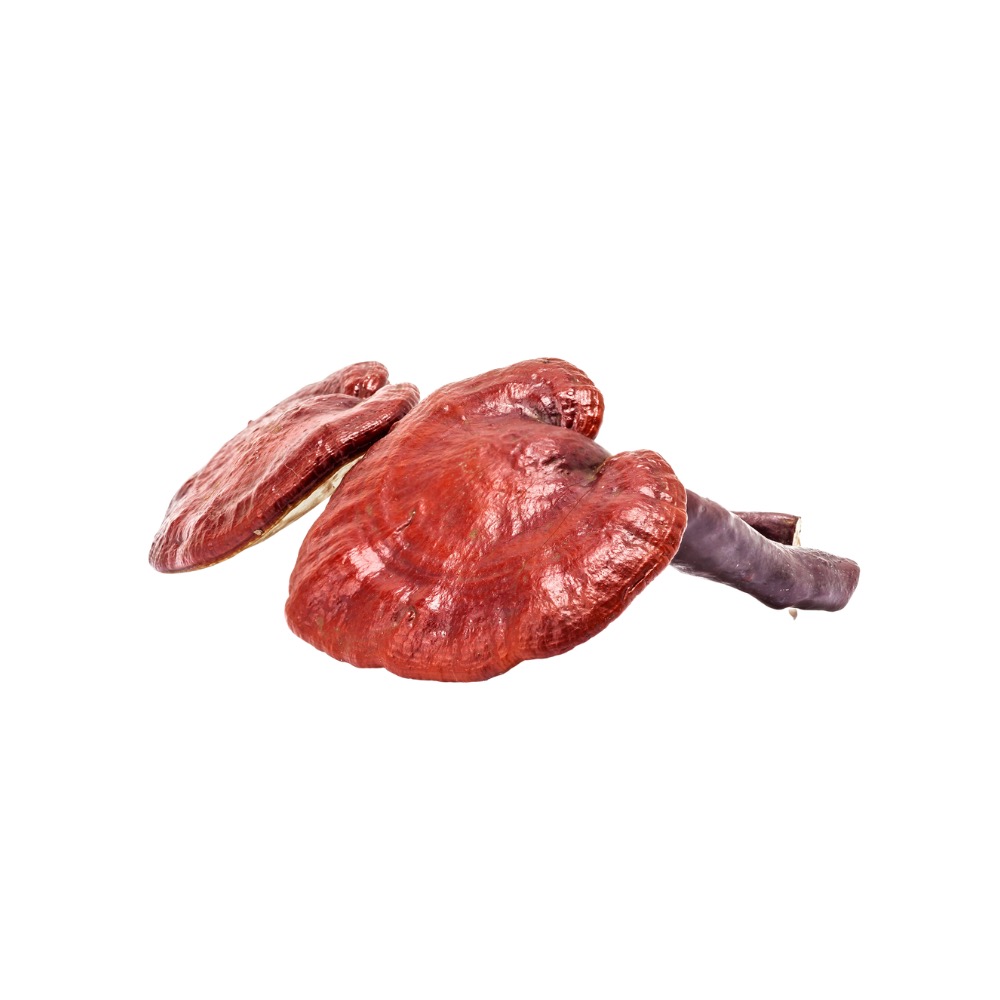
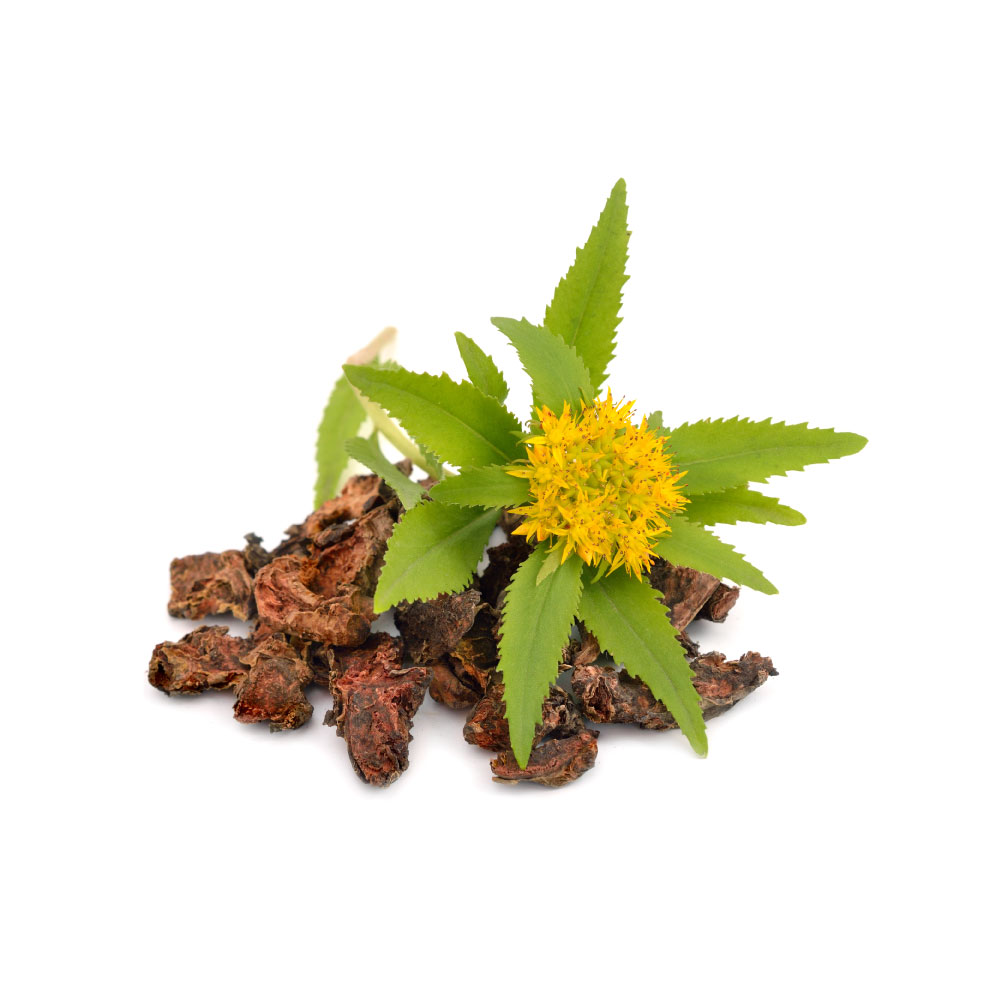
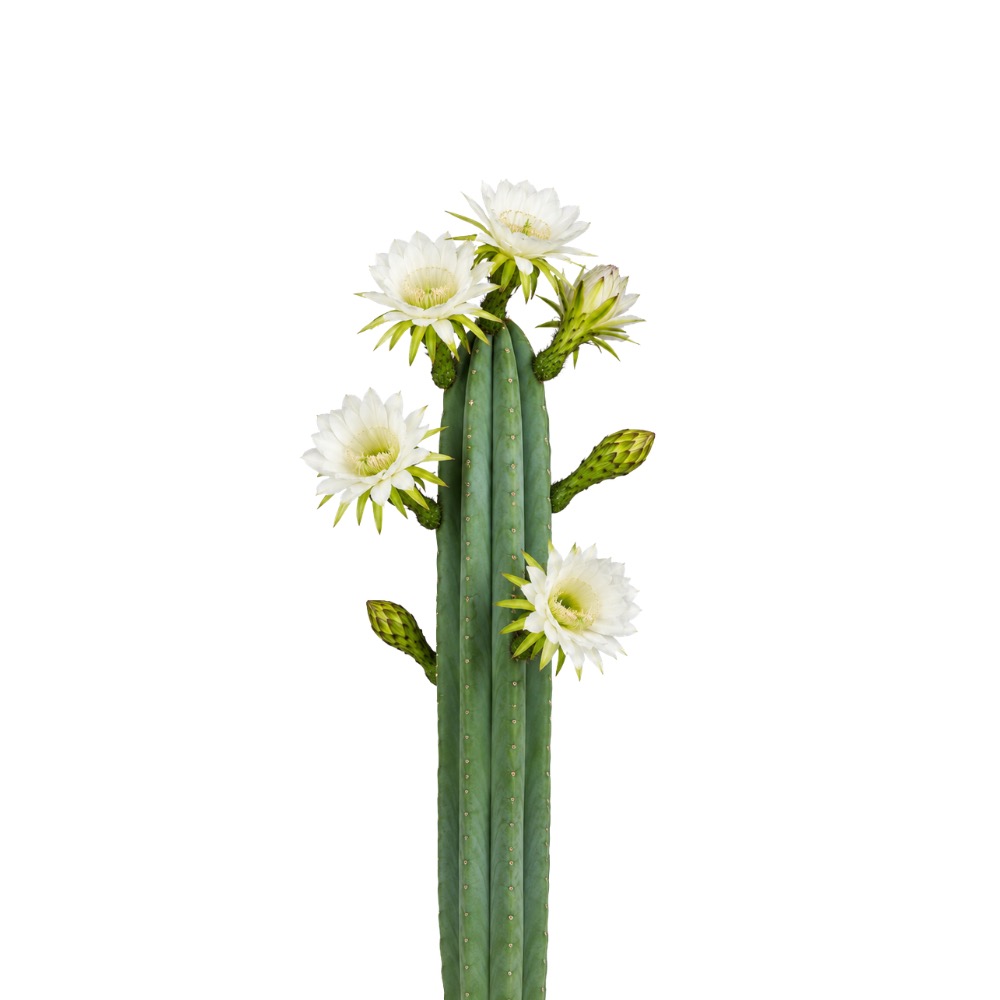
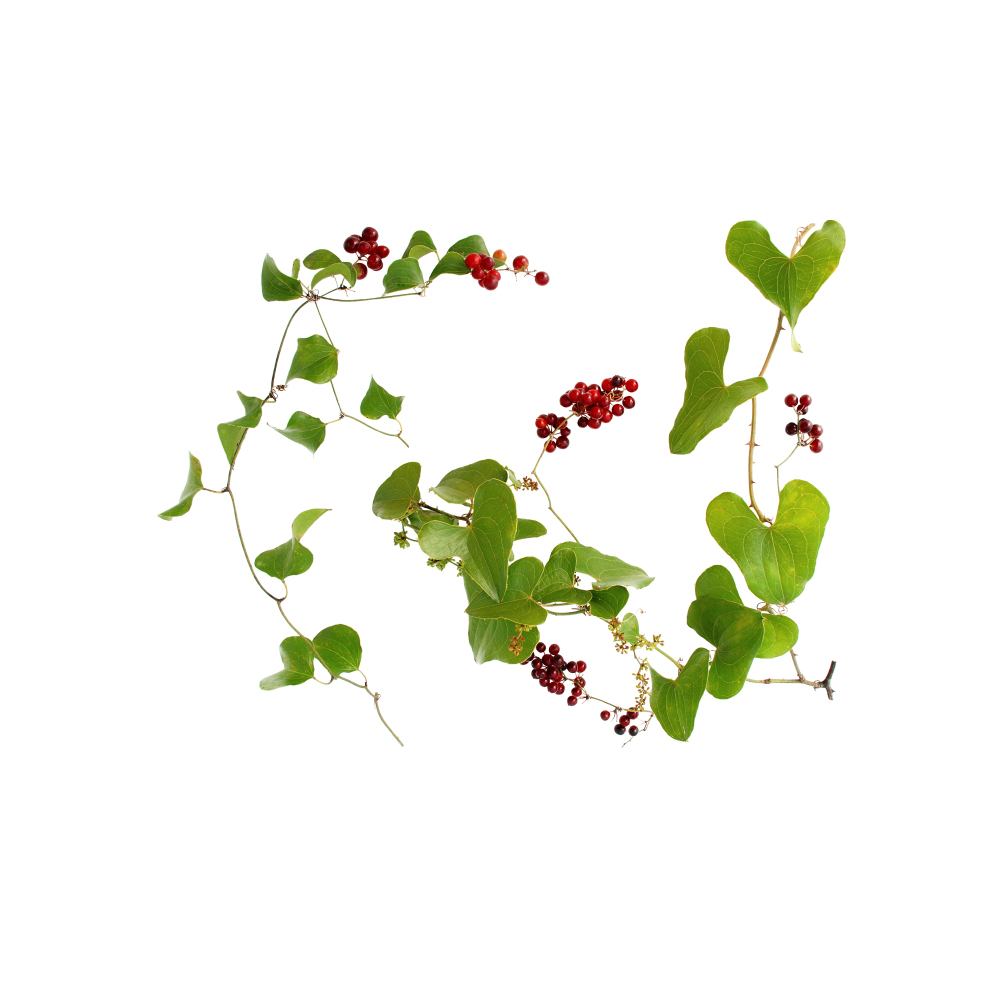
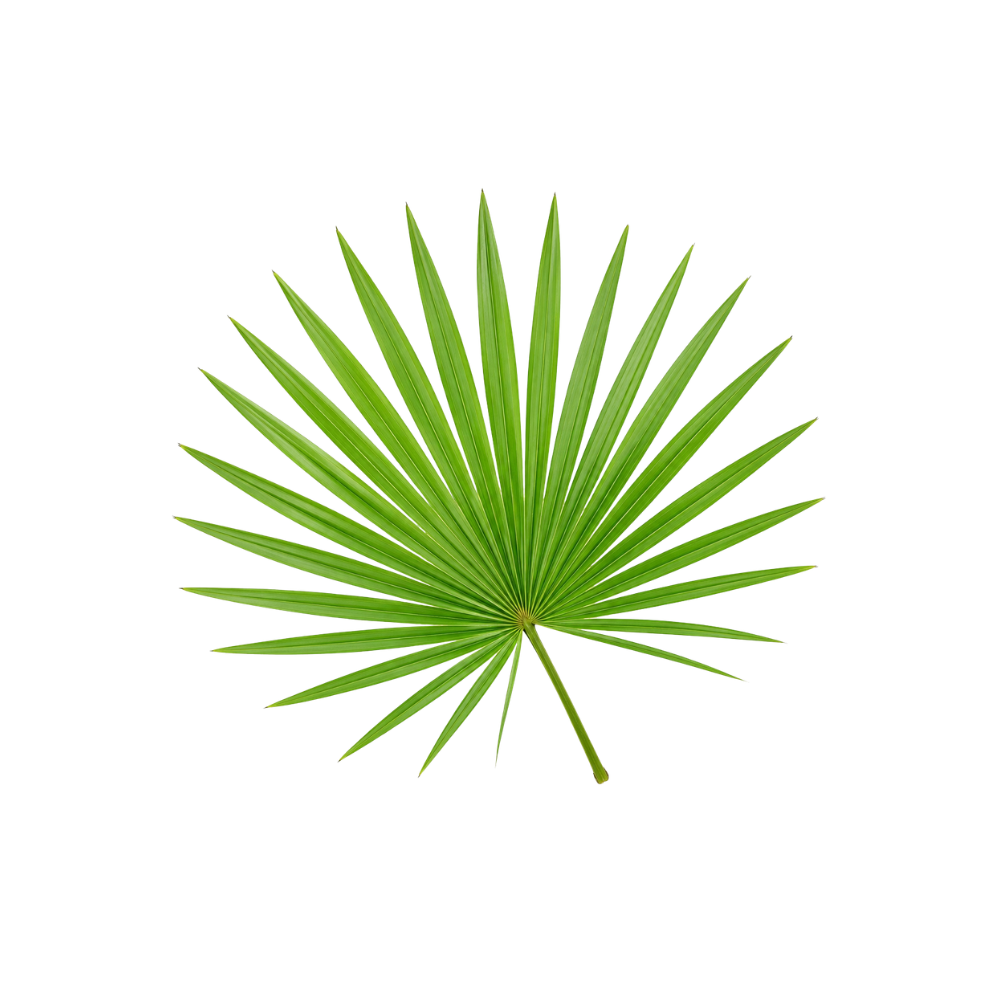
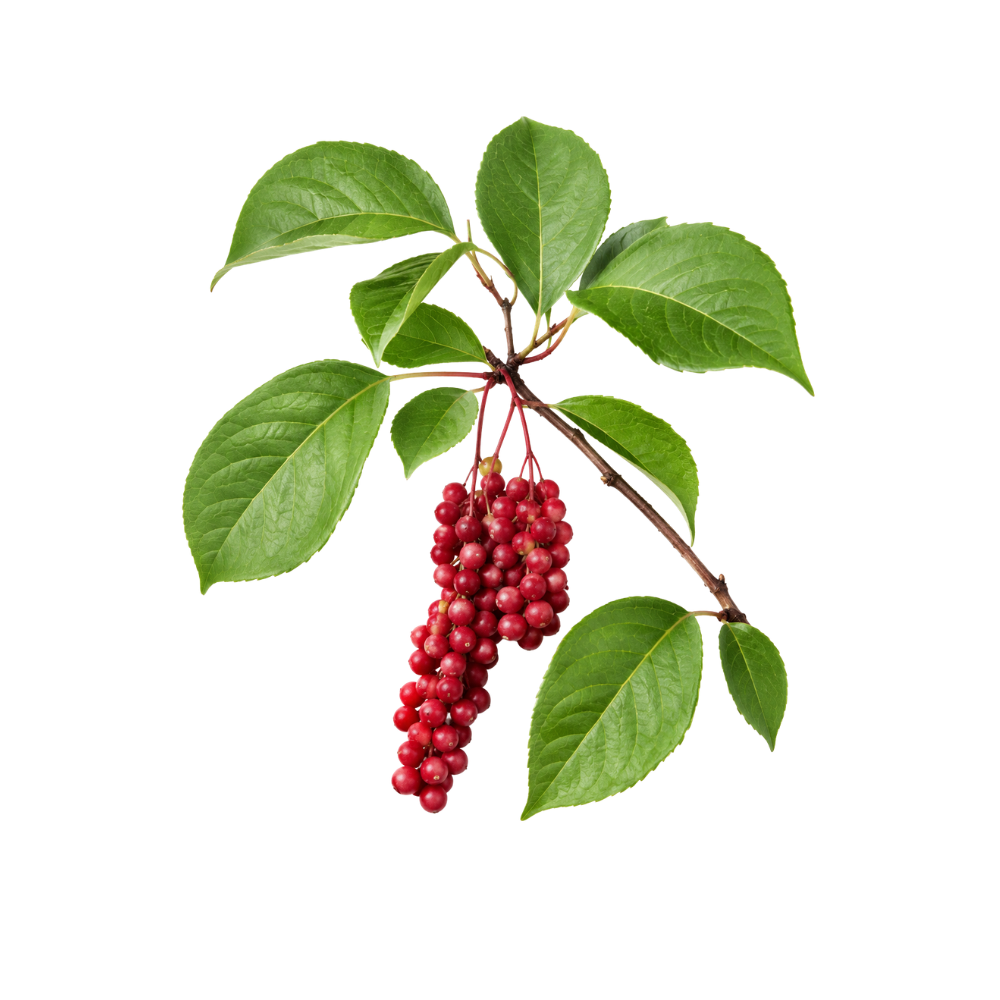
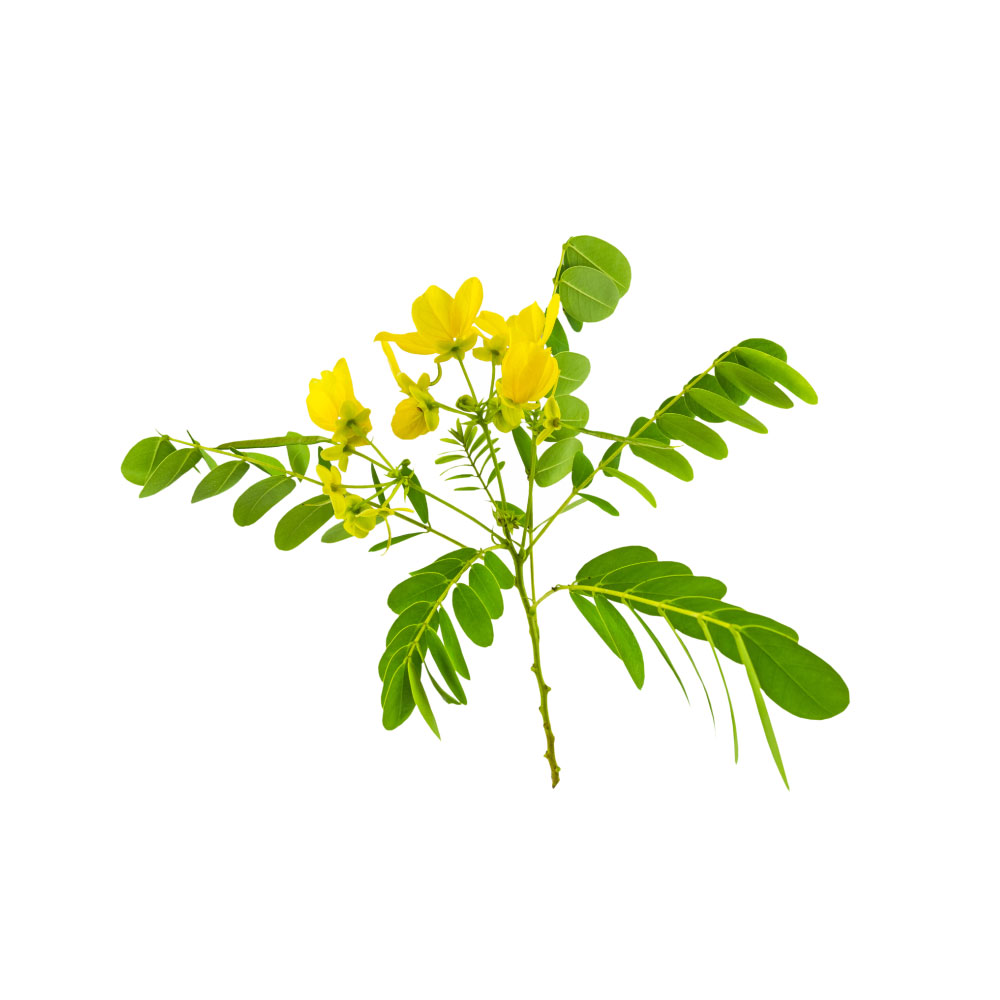
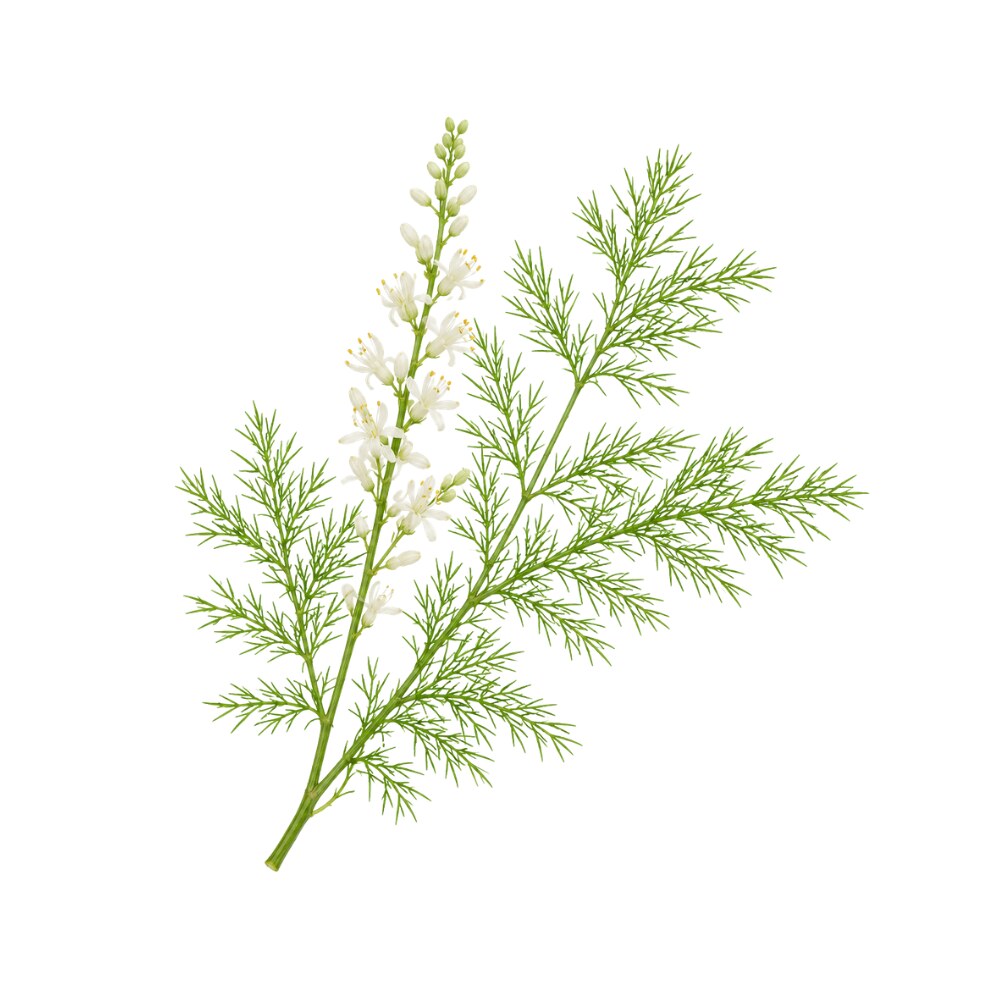
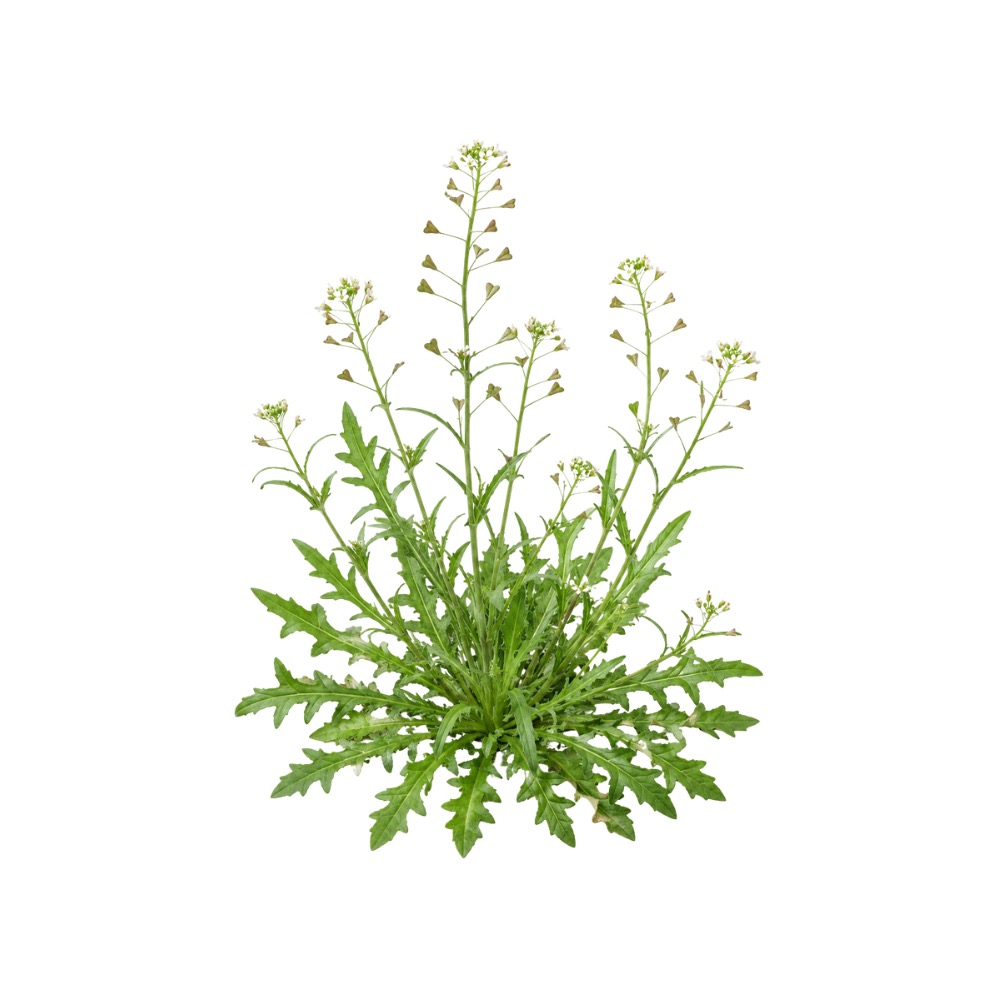
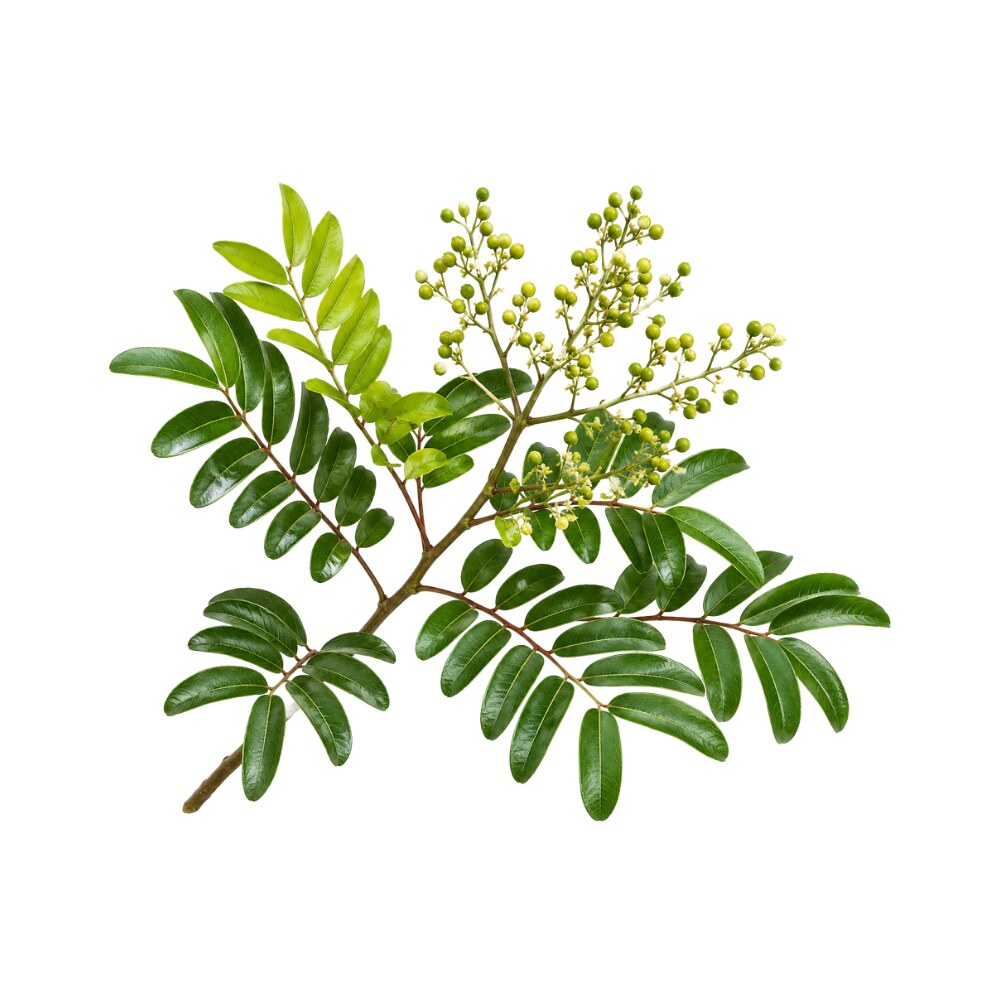
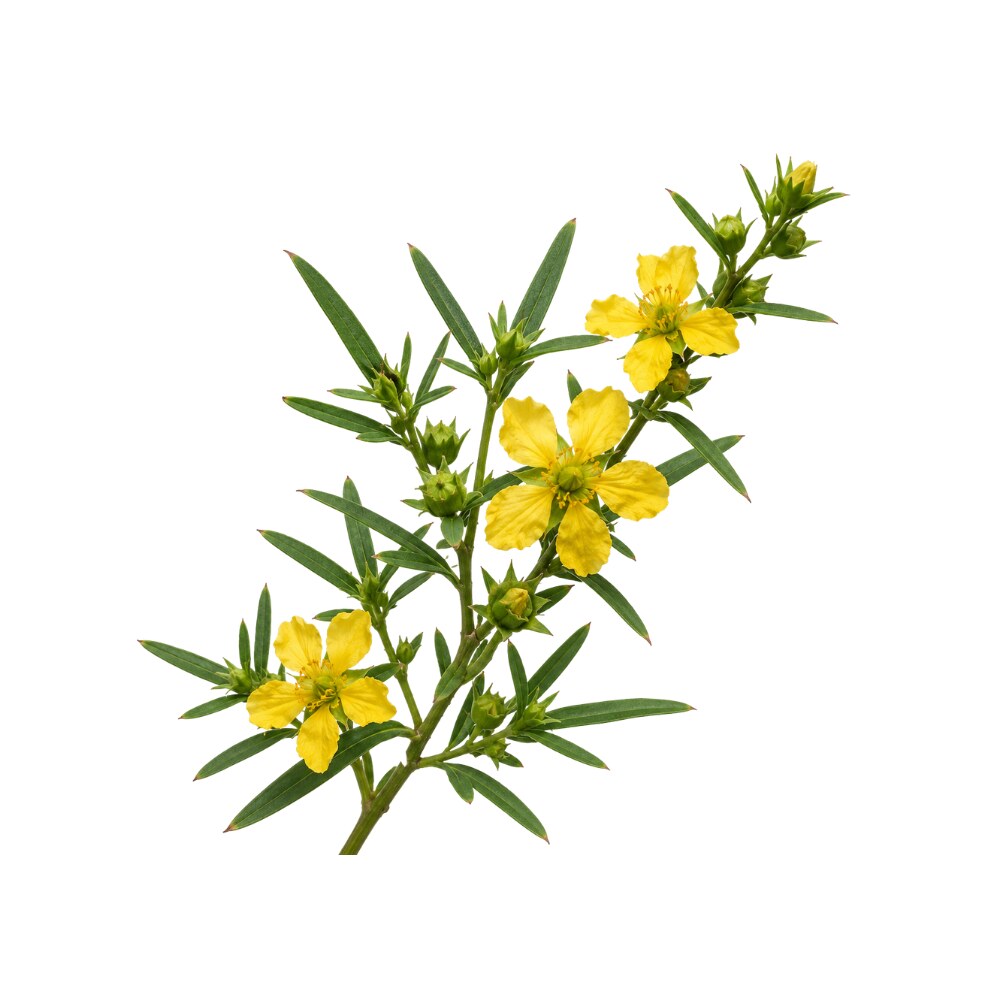
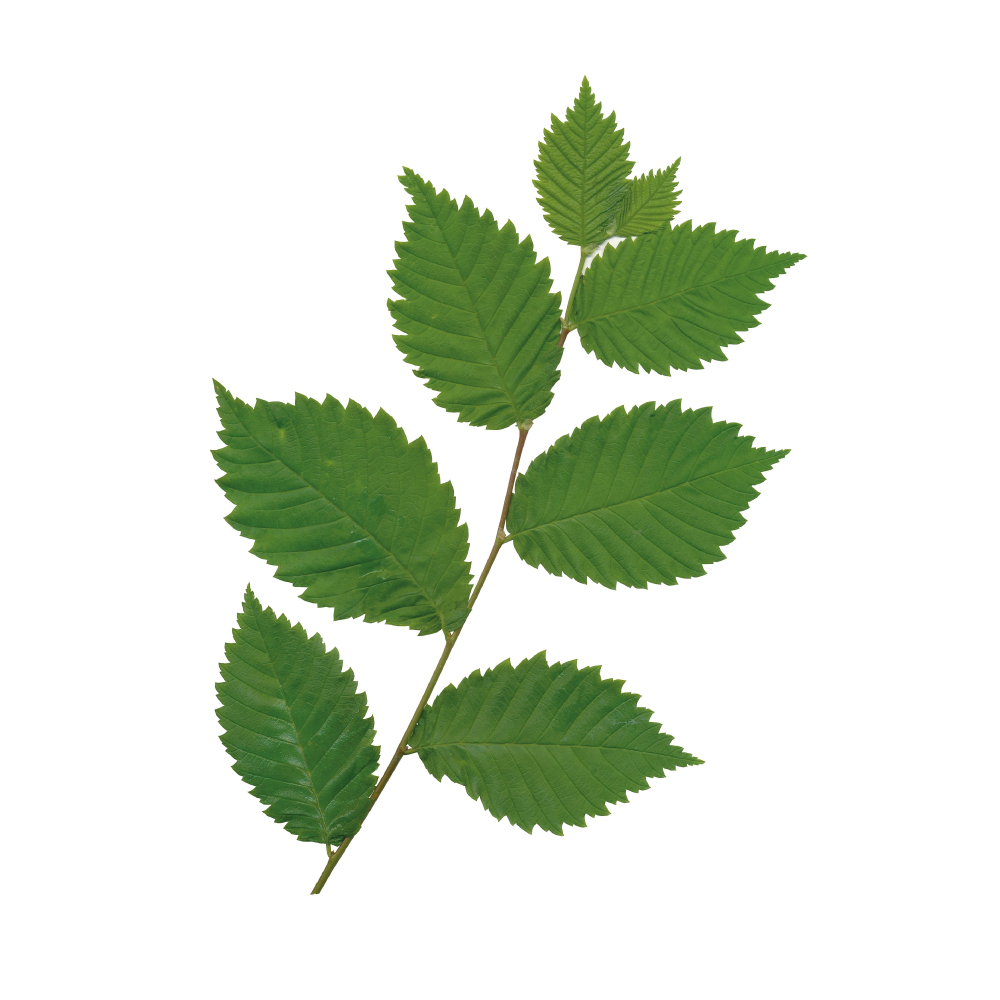
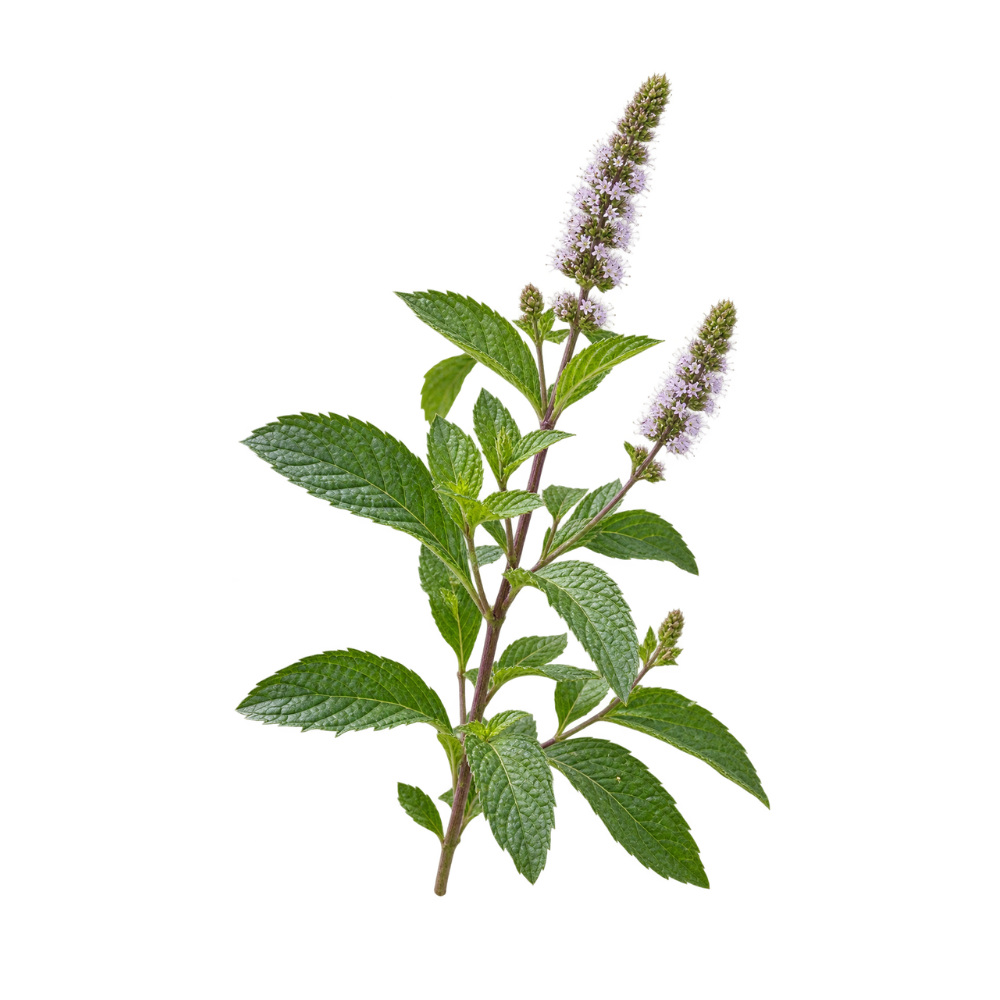
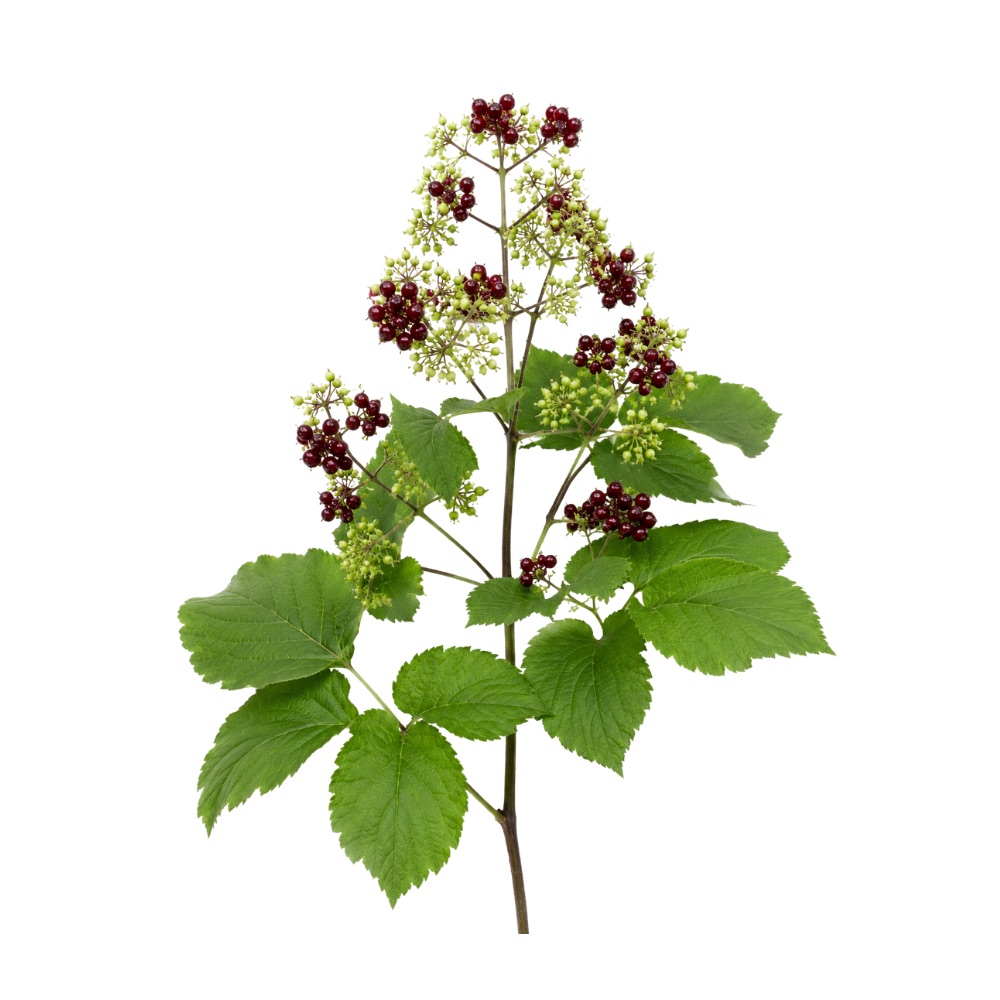
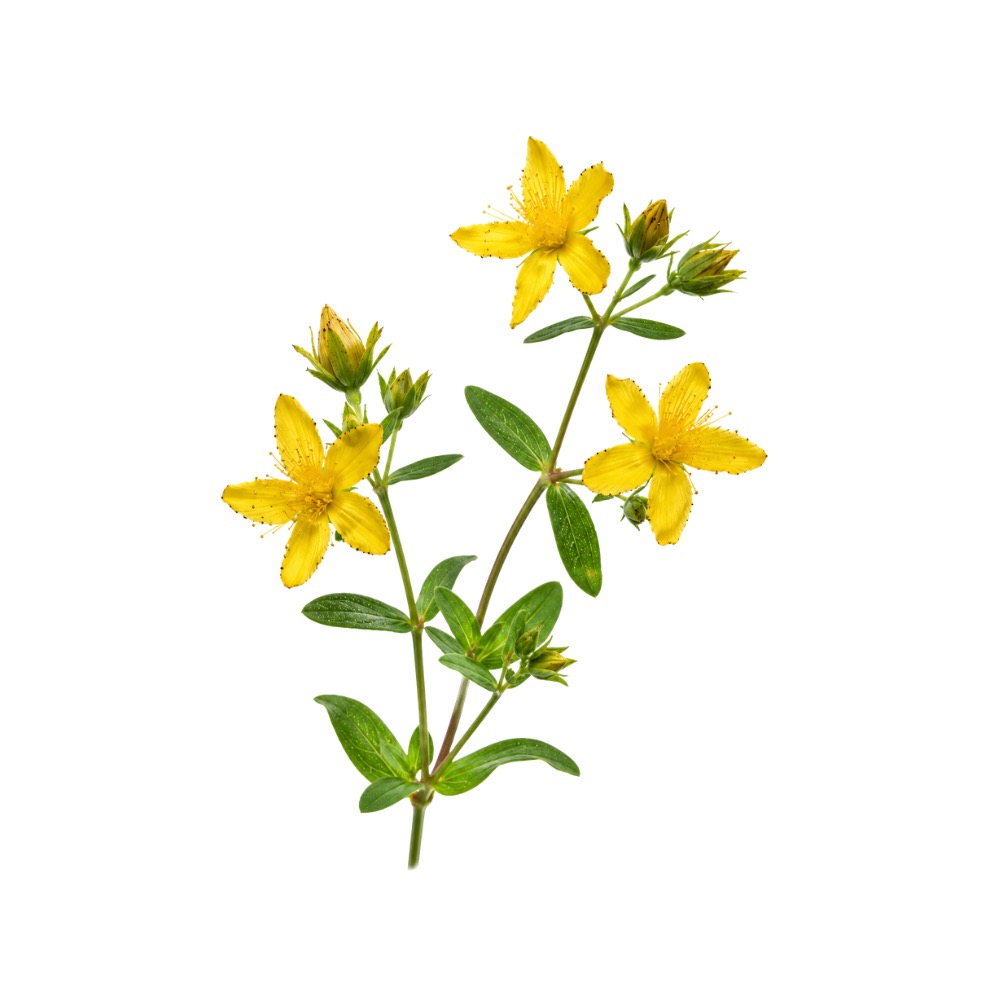
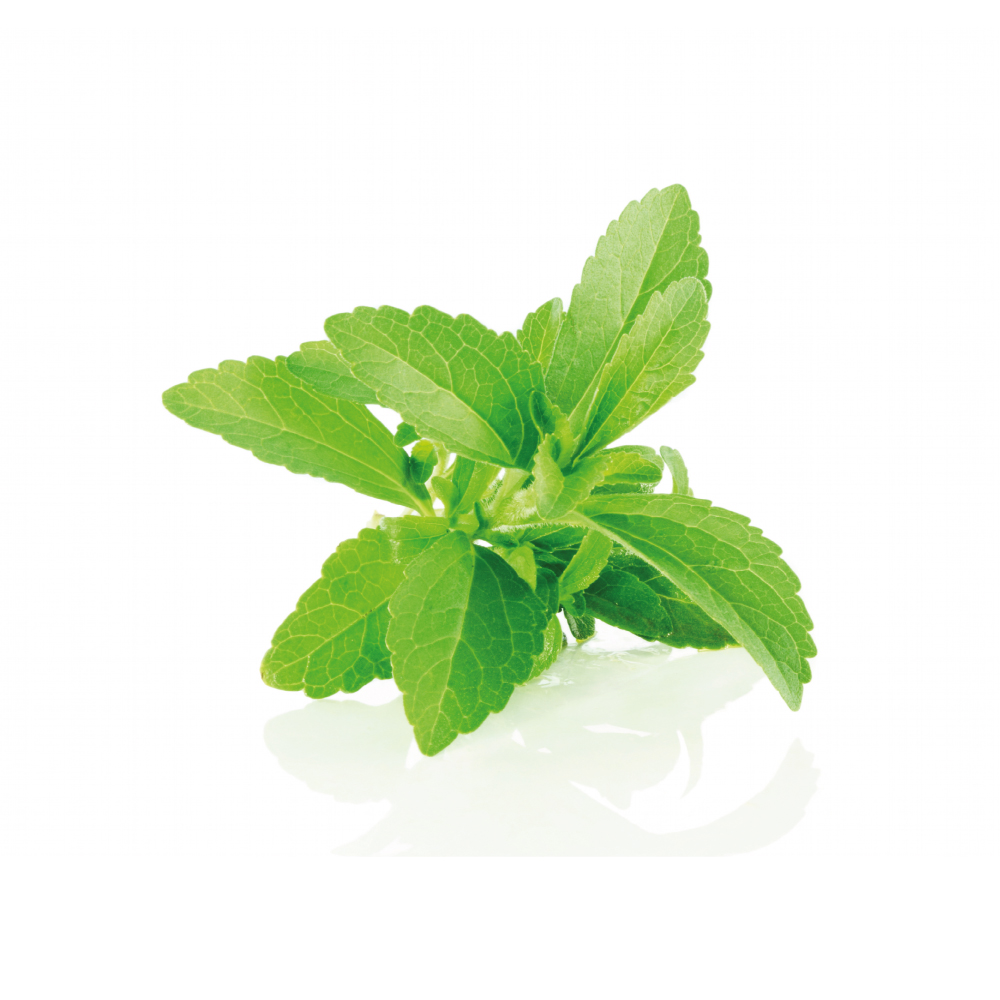
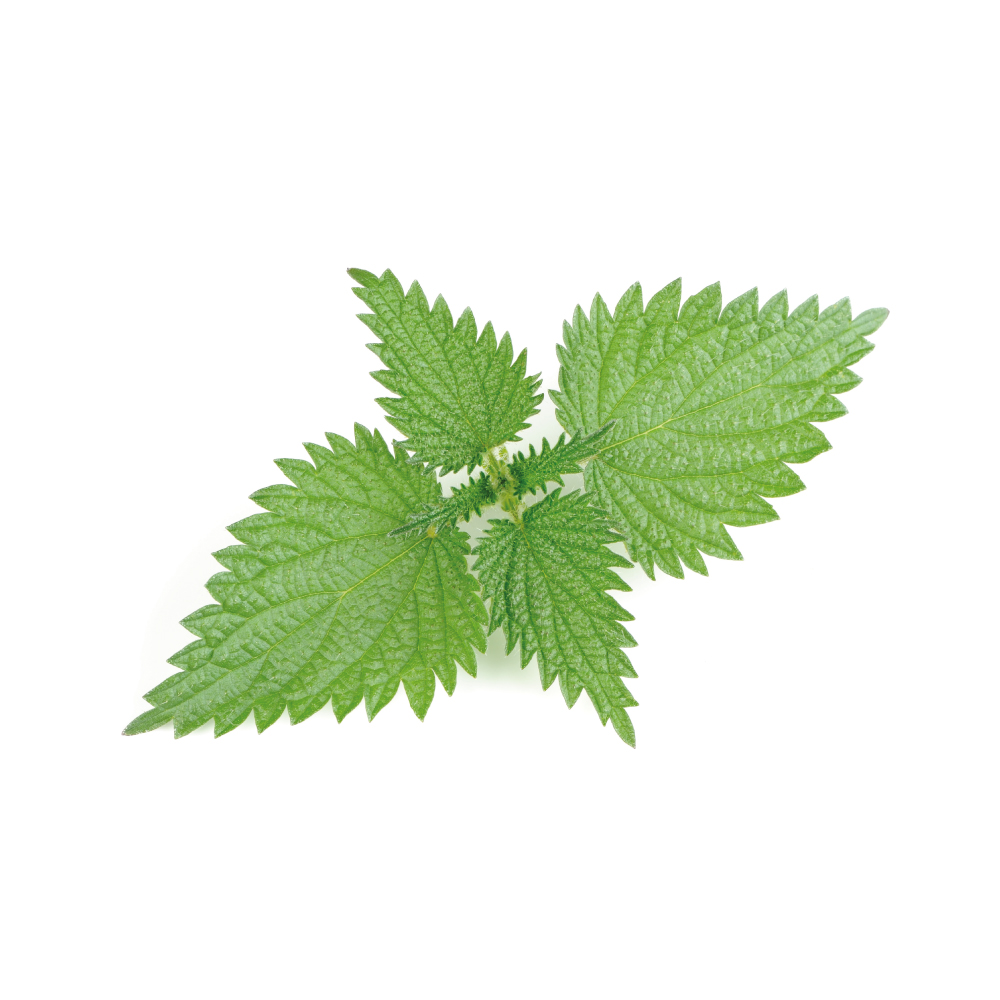
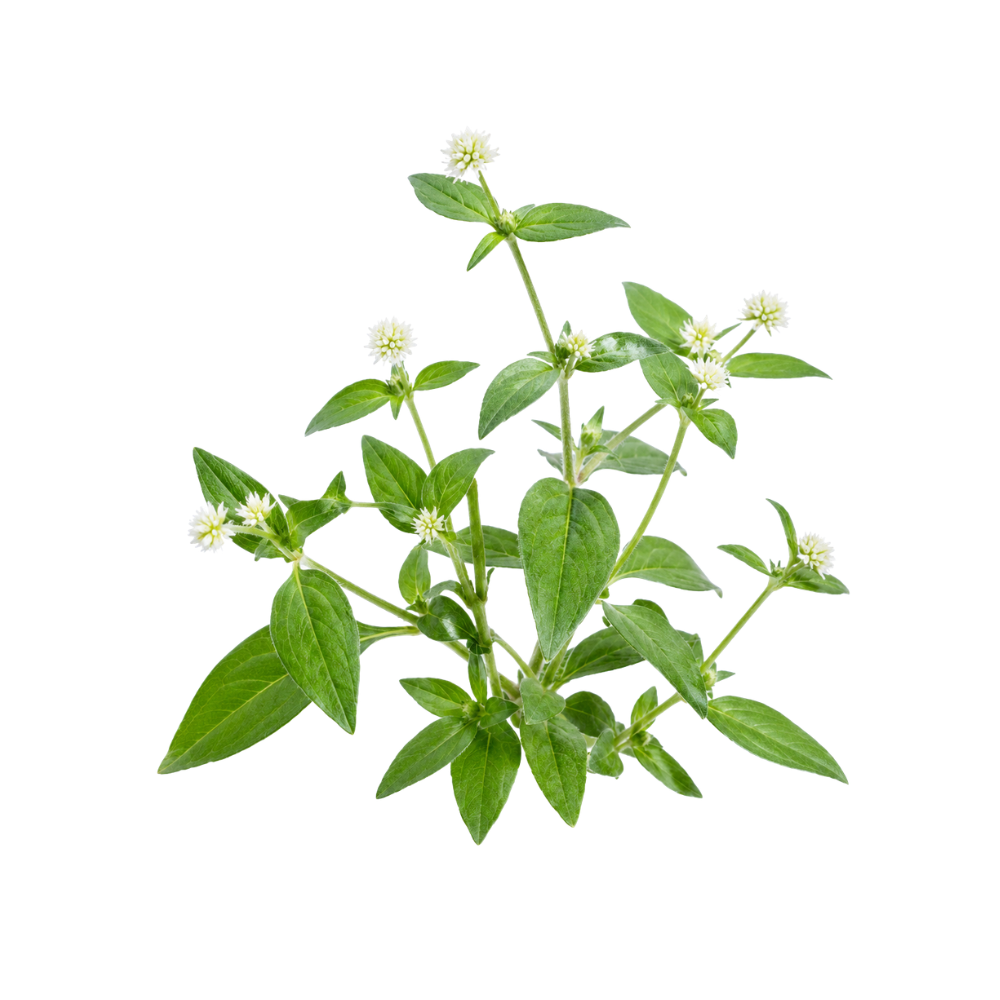
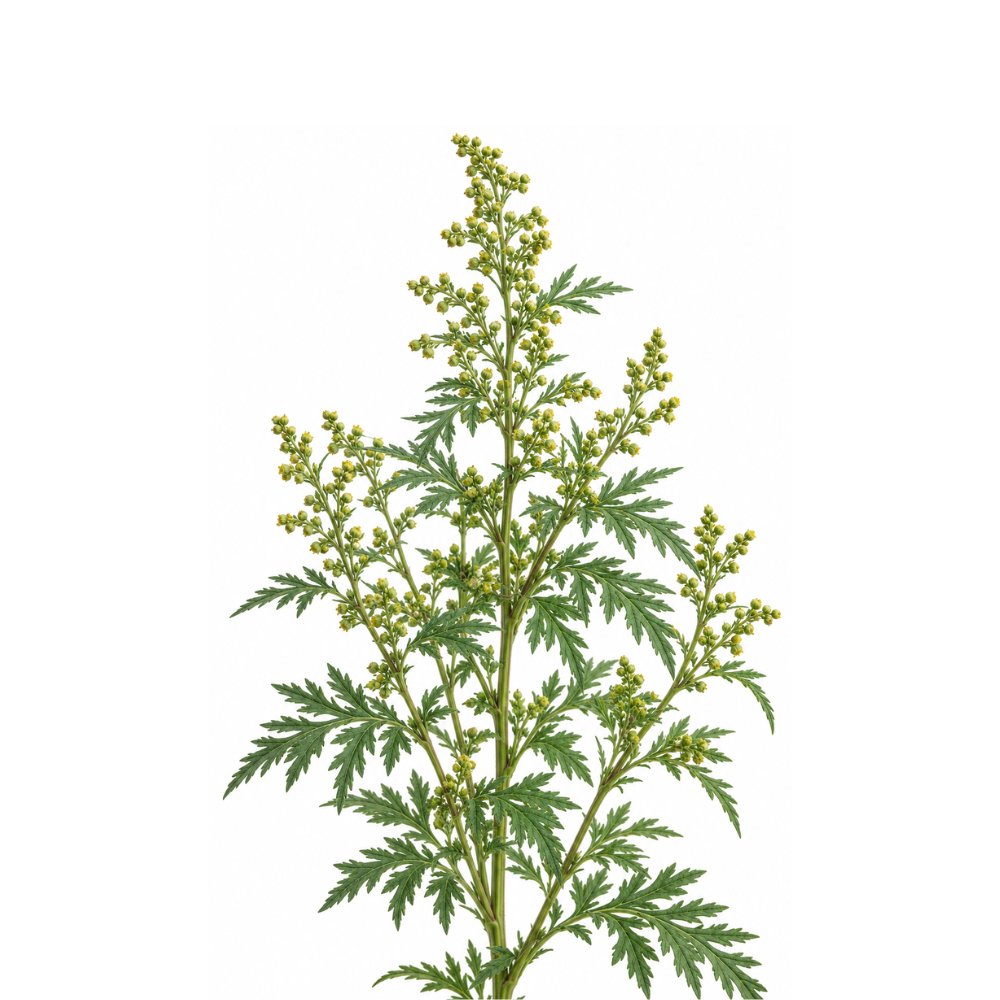
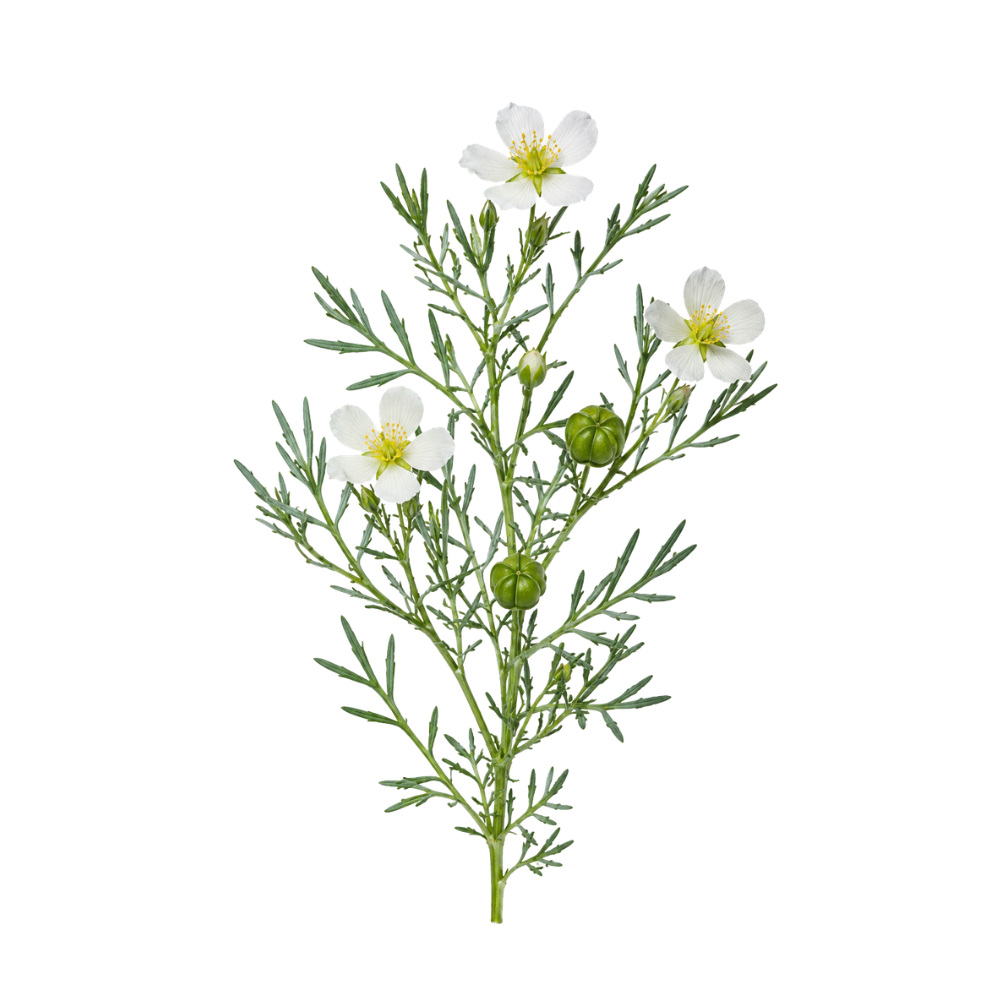
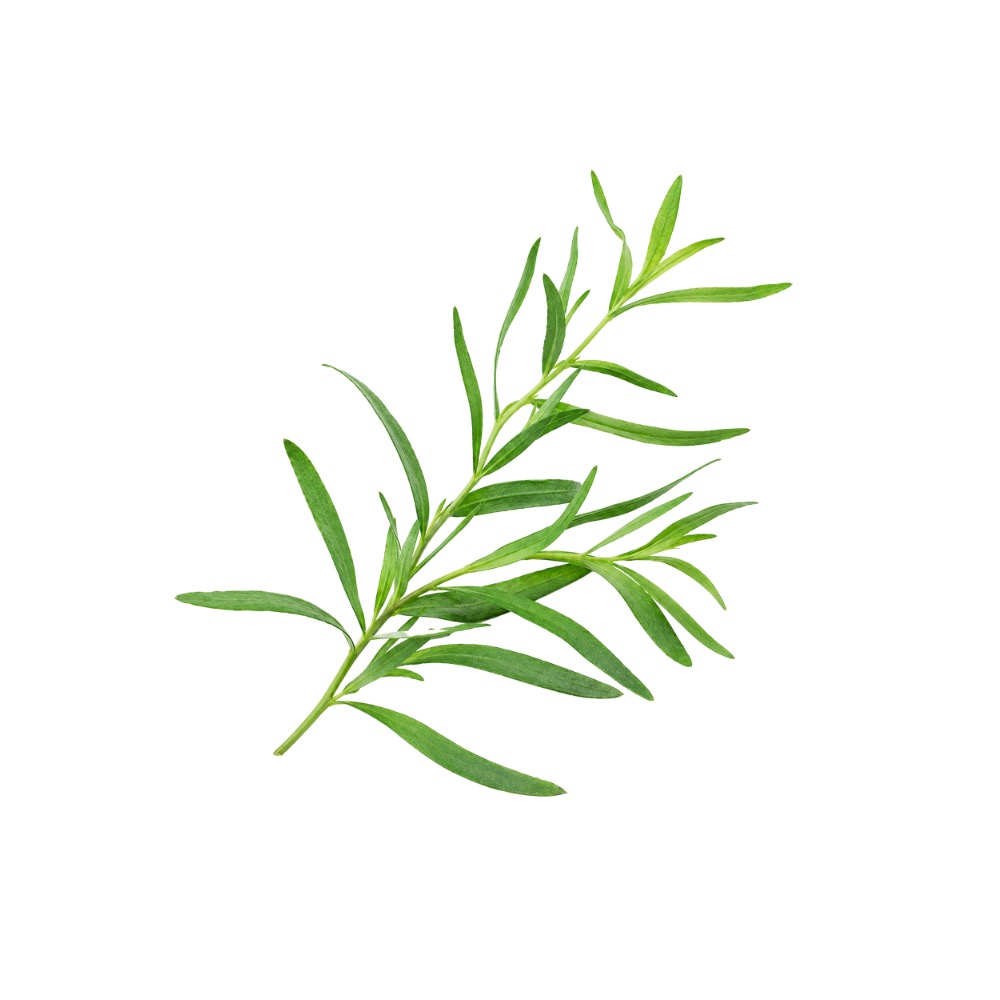
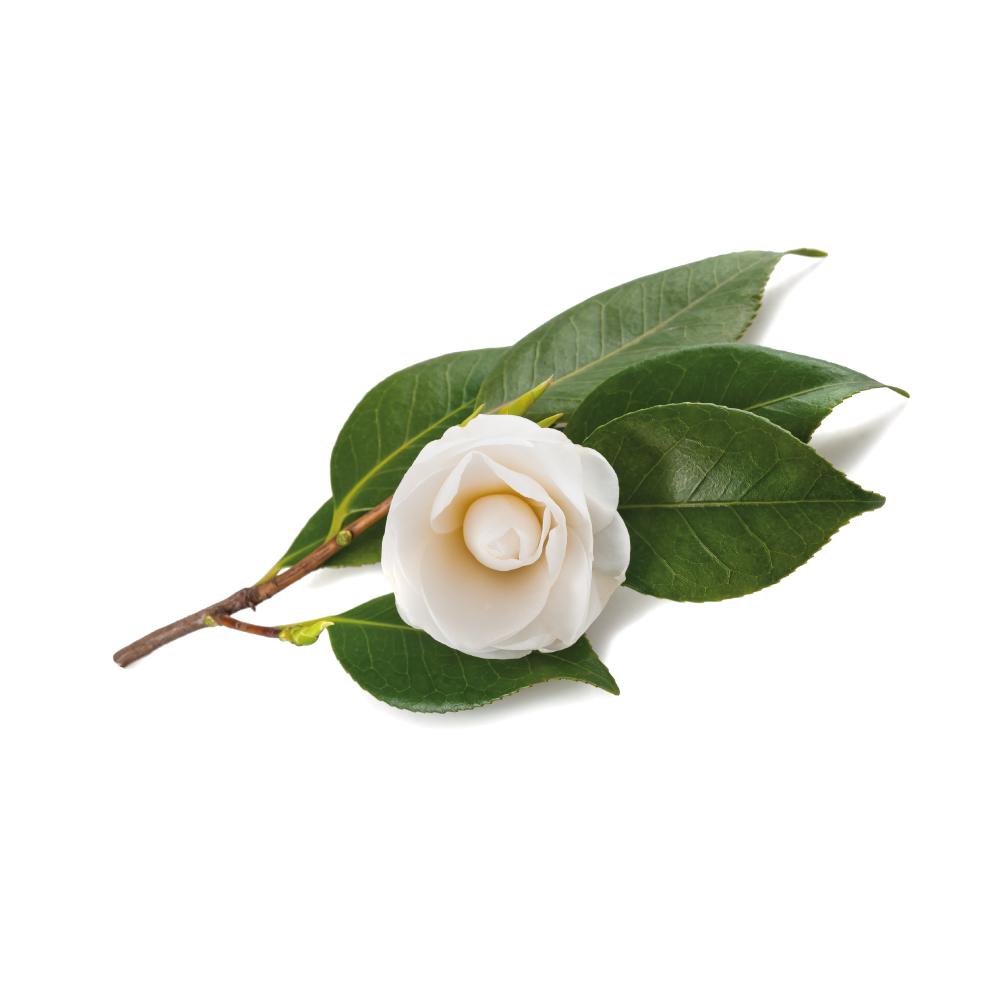
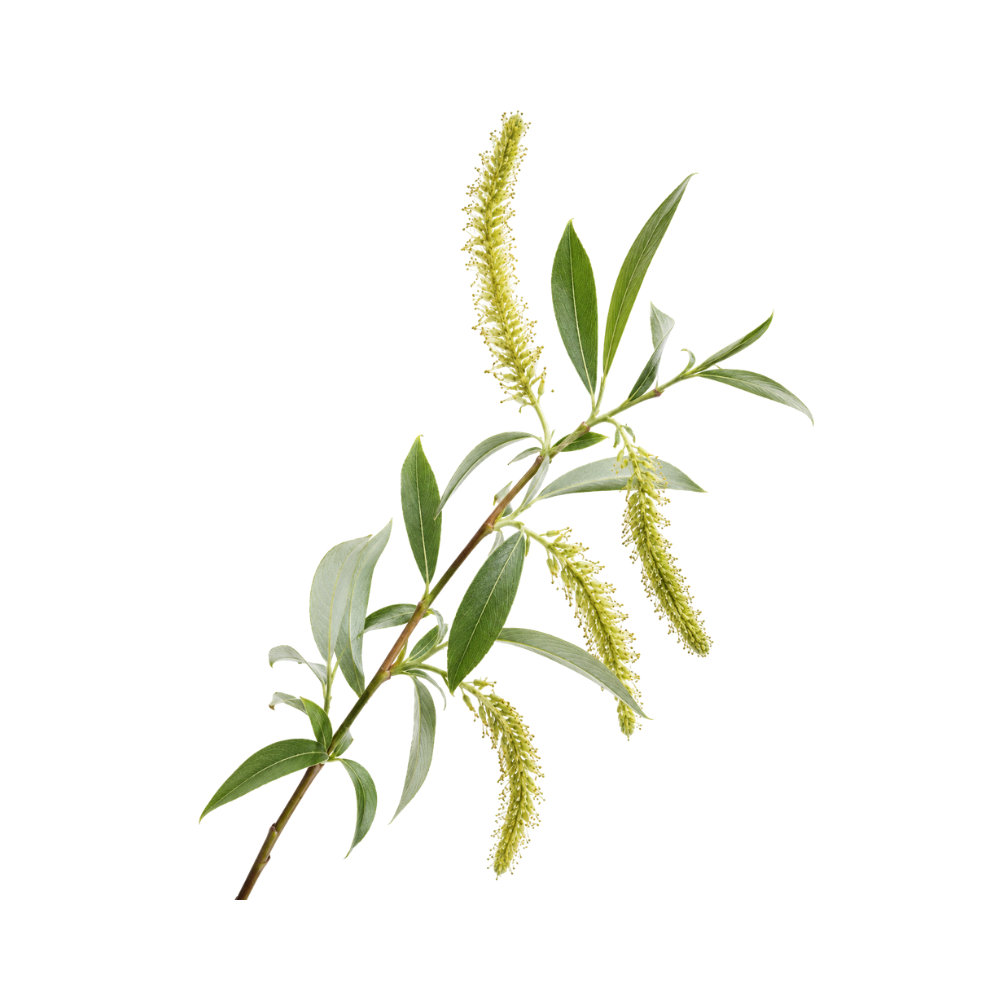
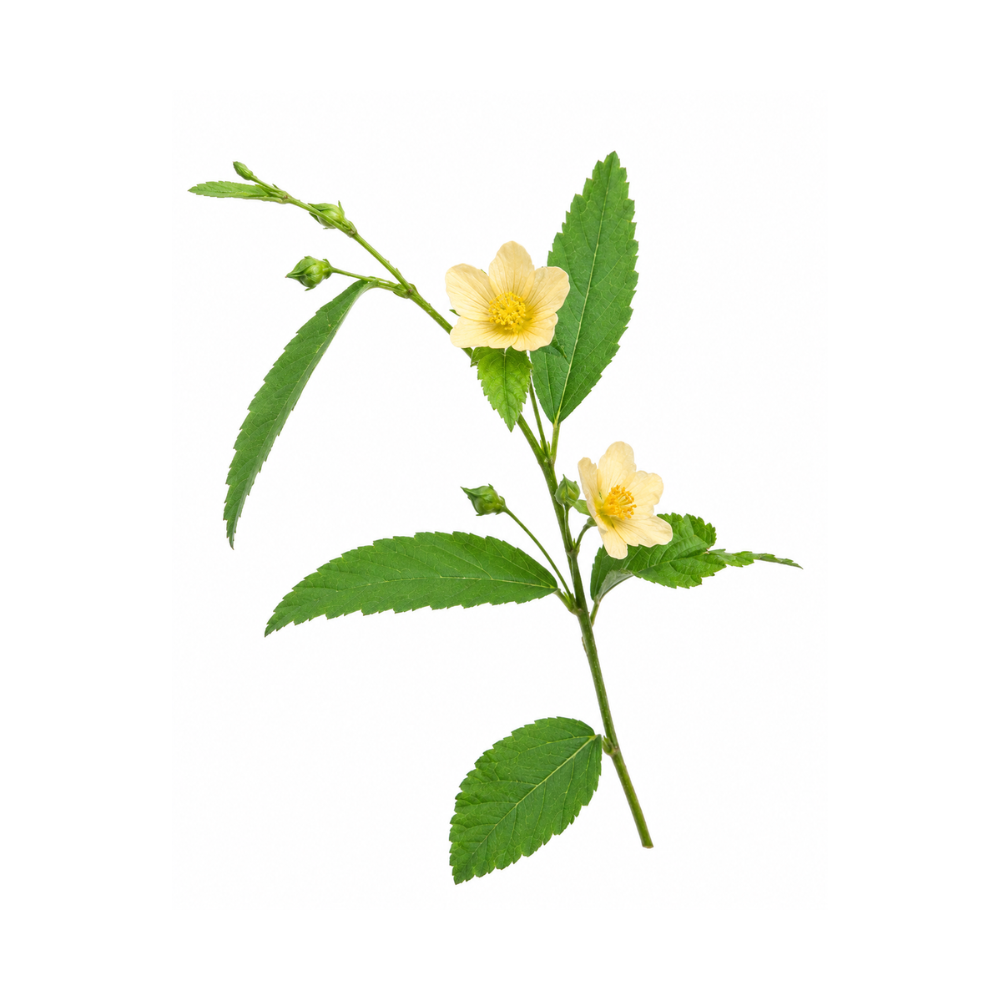
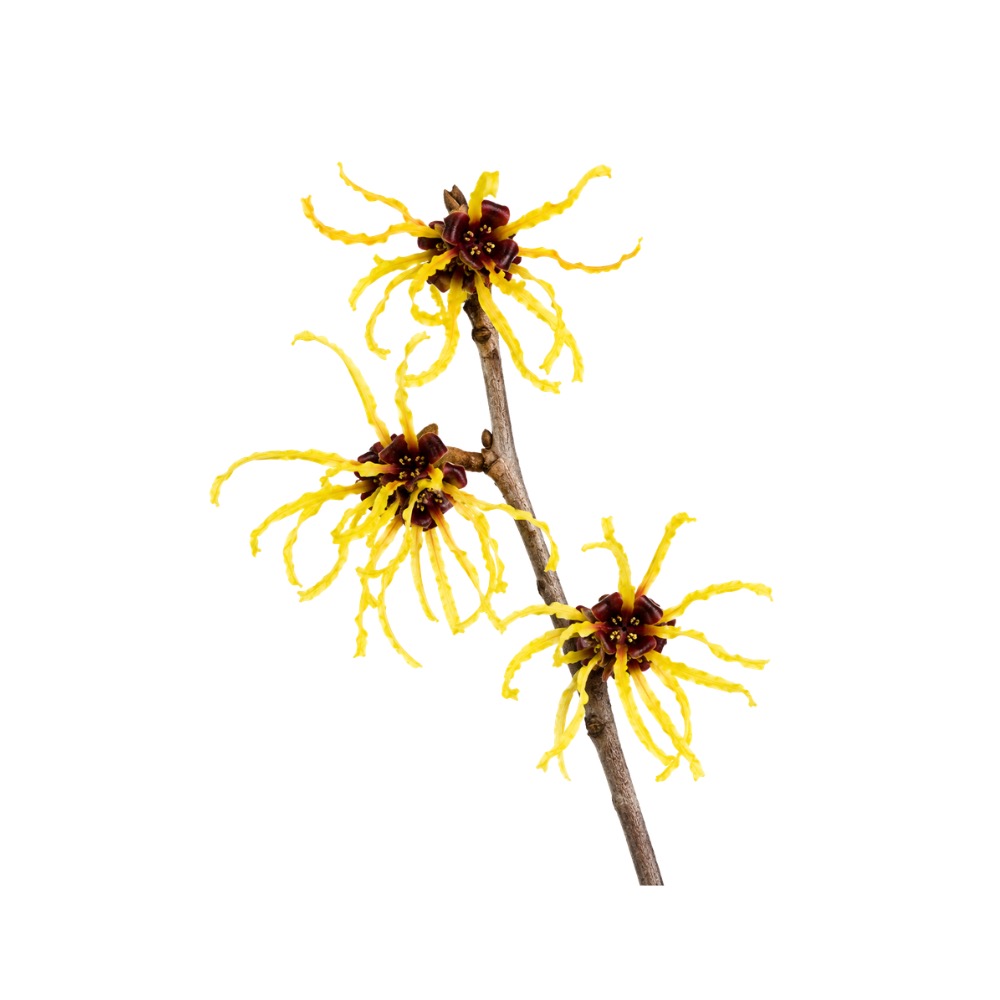
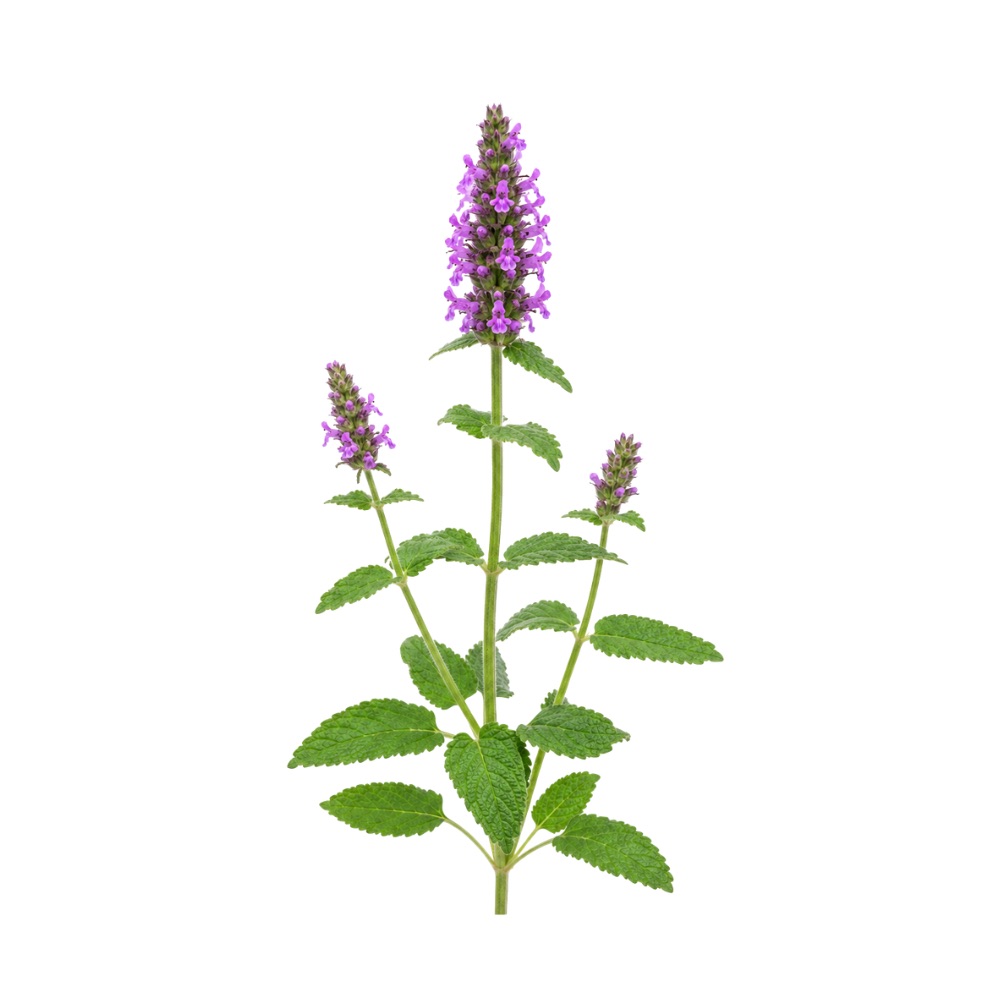
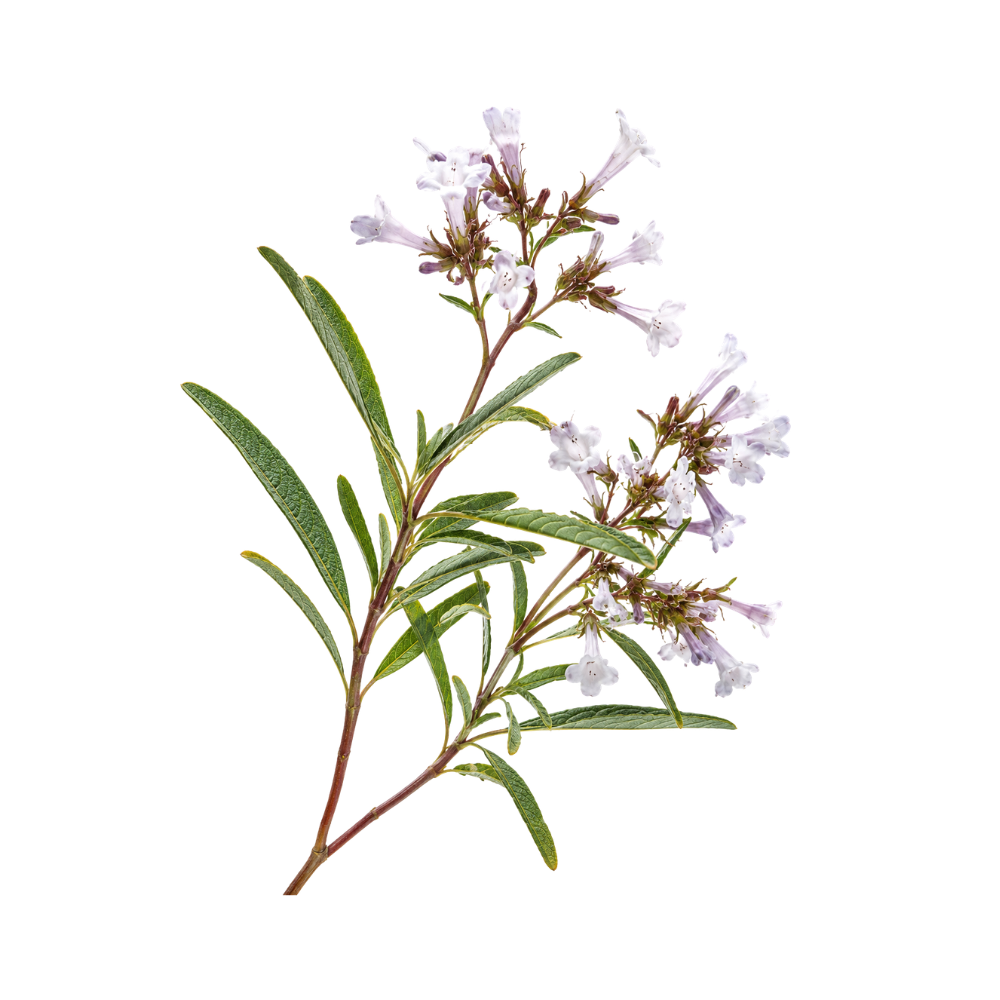
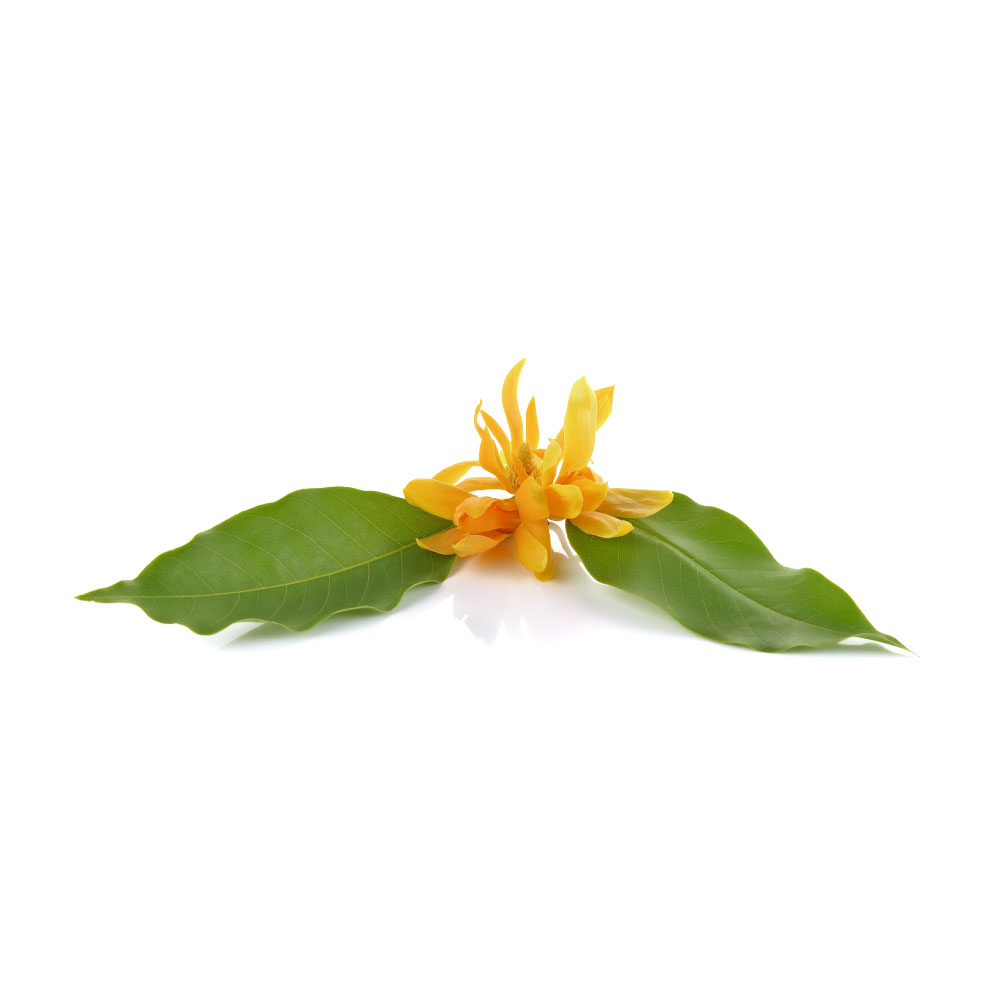
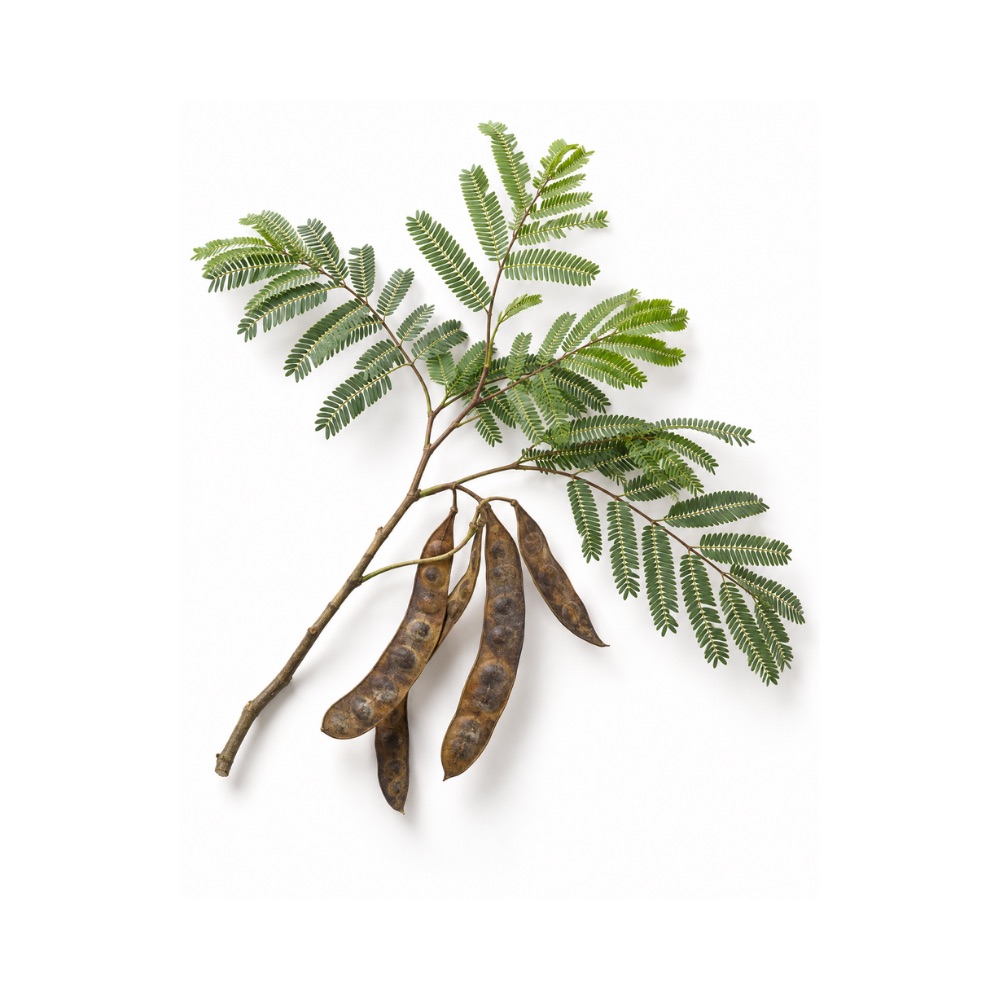
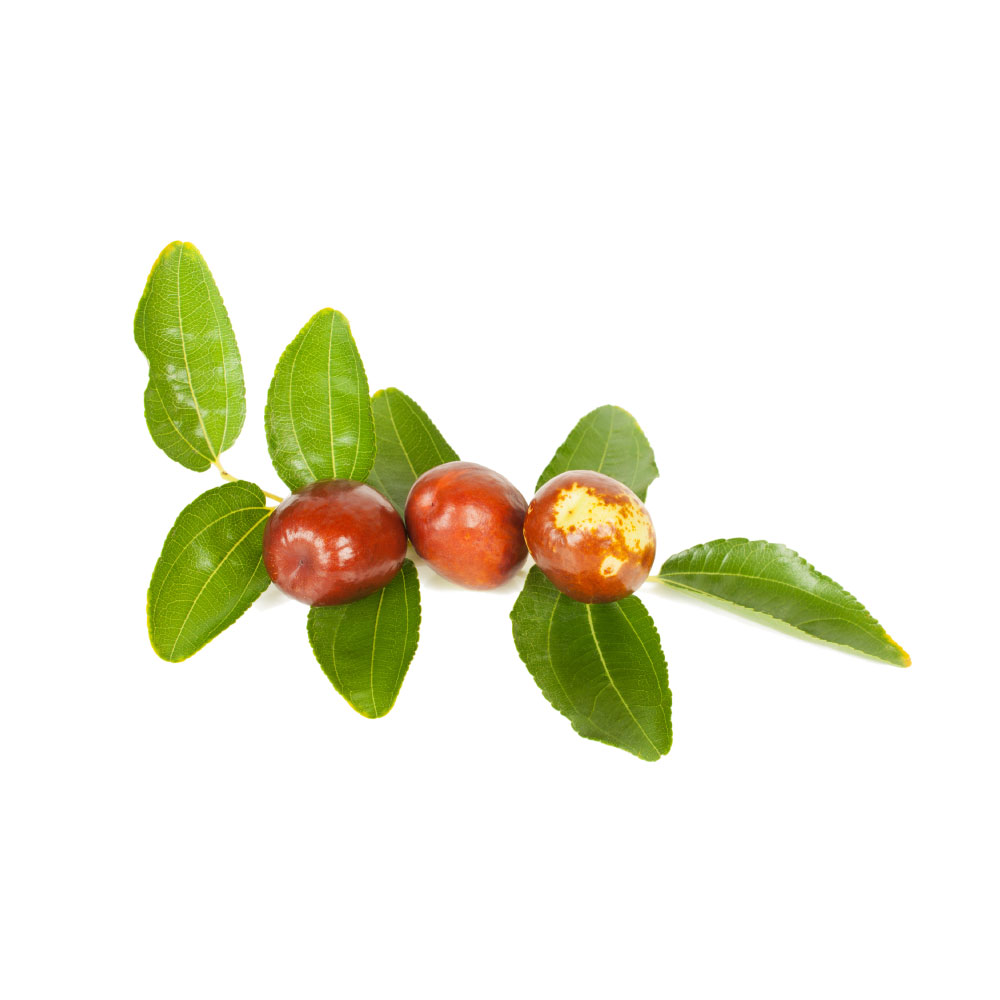
No herbs match these filters.
Approach
The Philosophy of Herbal Medicine
Herbal medicine isn’t simply pharmacology with plants.
A pharmaceutical drug is often built around a relatively narrow target: block a receptor, inhibit an enzyme, replace a hormone.
A medicinal plant is usually more complicated.
A single herb may contain hundreds of compounds, with several contributing to its effects at once.
That complexity is part of why preparation matters.
A root decoction isn’t necessarily equivalent to an isolated constituent. A tincture may extract a different chemical profile than a tea. A concentrated extract may behave differently from the amount traditionally used as food or medicine.
Herbalists also tend to think in actions and patterns rather than diseases alone.
The question isn’t only what condition does this person have?
It’s also what’s happening physiologically, which systems are involved, and what kind of action is needed?
That’s where herbal actions become useful.
A plant may be described as a nervine, bitter, demulcent, astringent, expectorant, or adaptogen.
These terms describe patterns of activity rather than specific diagnoses.
That’s why the same herb can appear across several seemingly unrelated conditions.
The goal of TSE is to take those traditional observations seriously without treating them as proof.
Modern pharmacology, clinical research, toxicology, and physiology can tell us where an old use holds up, where it needs qualification, and where it simply doesn’t.
Traditional practice tells us something different: which plants were actually used, which parts were selected, how they were prepared, and what patterns practitioners noticed repeatedly enough to preserve.
Both are useful.
Neither should be asked to do the other’s job.
Origins
A Brief History of Herbal Medicine
Herbal medicine predates the written record.
Across cultures, people learned through experience which plants affected pain, wounds, digestion, sleep, fever, childbirth, infection, and other problems.
Over time, those observations developed into distinct medical traditions with their own ways of describing plants and the body.
Traditional Chinese Medicine
Traditional Chinese Medicine (TCM) developed one of the world’s largest surviving materia medicas.
Herbs are understood through characteristics such as flavour, temperature, organ affinity, and their role within a larger formula.
Treatment is organised around broader patterns rather than diagnosis alone, and centuries of written material document how individual plants were prepared and combined.
Ayurveda
Ayurveda developed in South Asia around its own system of constitution, digestion, tissue states, energetics, and balance.
Plants may be prescribed individually or as part of complex formulas.
Its language doesn’t map directly onto modern physiology, but it preserves an enormous record of medicinal plant use that continues to influence herbal practice.
Western Herbal Medicine
Western herbal medicine developed through Greek and Roman medicine, European folk traditions, monasteries, apothecaries, botanical texts, and later medical practice.
Plants were classified by their actions and qualities as well as by the illnesses they were used to treat.
It’s never been one fixed system and has continually changed alongside developments in medicine, botany, chemistry, and pharmacology.
Thomsonian & Eclectic Medicine
Several distinct botanical systems emerged in North America during the eighteenth and nineteenth centuries.
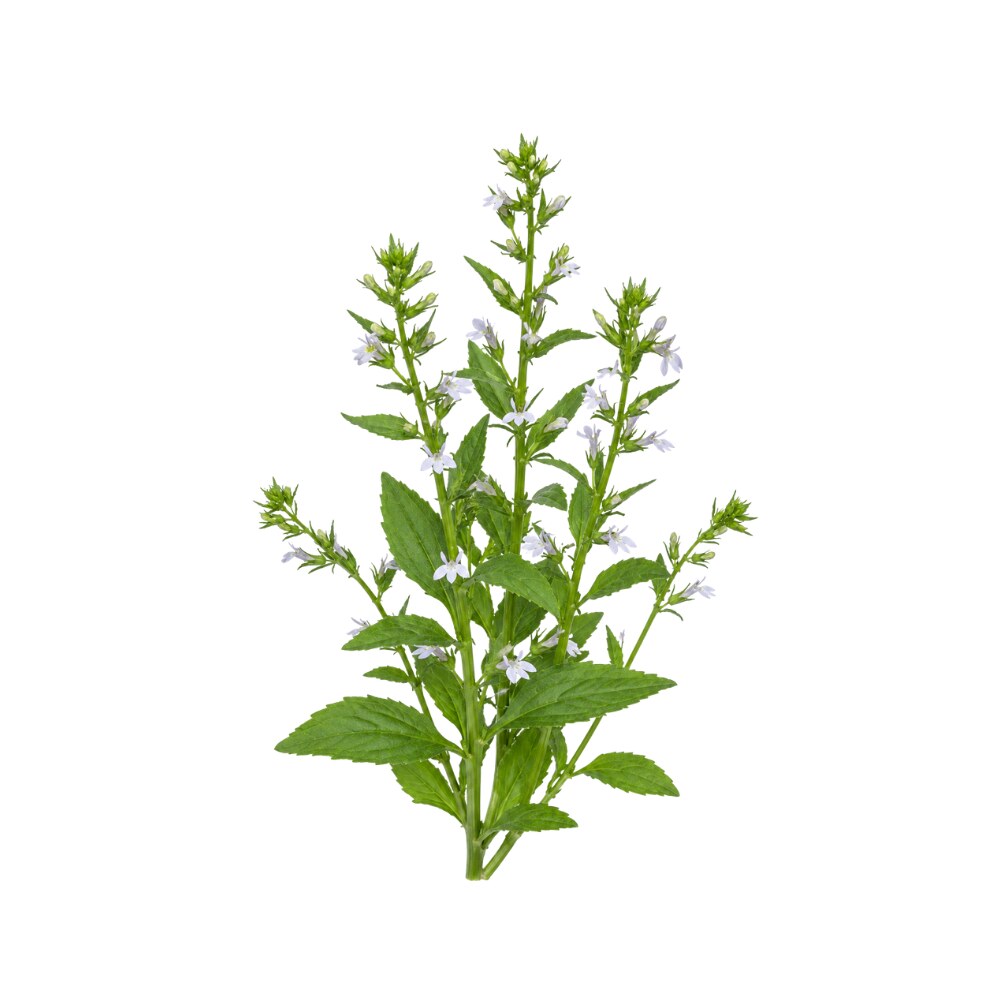
Thomsonian medicine centred heavily on botanical remedies such as lobelia and cayenne, alongside steam and other methods intended to support the body’s own recovery.
Eclectic medicine came later and had a particularly strong influence on modern Western herbalism.
Eclectic physicians combined conventional diagnosis with detailed botanical prescribing and developed highly specific indications for individual herbs.
Much of the clinical language still used in Western herbalism comes from their work.
Homeopathy
Homeopathy developed in Europe around the turn of the nineteenth century and often uses substances derived from plants.
It isn’t herbal medicine.
Homeopathy is based on principles such as “like cures like” and extreme dilution rather than the pharmacological action of medicinal plants.
Its central claims aren’t supported by the evidence standards used throughout TSE, but it remains historically intertwined with the broader history of alternative medicine. I’ve covered it separately here.
Modern Herbal Medicine
Modern herbal medicine has inherited material from many traditions, but those traditions don’t all describe the body or plants in the same way.
Today we also have clinical trials, pharmacology, toxicology, phytochemistry, and modern physiology available to test older observations.
That doesn’t make the traditional record irrelevant.
It tells us how herbs were actually used: the part, preparation, dose, combinations, indications, and clinical patterns that persisted over time.
Modern research can then test those observations.
Sometimes it supports them.
Sometimes it overturns them.
Sometimes the question simply hasn’t been studied yet.
The traditional record gives us context and, very often, tells us where to look.
Method
How We Weight the Evidence
Herbal evidence rarely comes down to whether something has simply been “proven.”
For TSE, I look at three things together:
The level of evidence, the amount of evidence, and the accumulated record of traditional use.
Level of Evidence
Different types of evidence answer different questions.
Weaker → stronger
-
In vitro
Cells, enzymes or bacteria in a dish. Shows that a compound can do something, and often how. It says nothing about what survives digestion.
-
Animal studies
A whole living system, with absorption, metabolism and a real dose. Establishes pharmacological activity and toxicity — in a body that is not ours.
-
Observational
Real people, watched rather than assigned: case reports, surveys, cohorts. Good at finding patterns and harms, poor at proving cause.
-
Randomised trial
People assigned at random to the herb or a placebo. The first design that can show the herb itself caused the effect — at one dose, in one population.
-
Meta-analysis
Every trial on a question gathered, graded and weighed together. Shows whether a result holds across researchers, preparations and populations.
A well-designed human trial generally tells us more about clinical effectiveness than an animal experiment.
Animal research tells us more than an isolated constituent tested in cells when the question is what a whole herb might do in a living system.
But each still has value.
The important thing is not to treat them as equivalent.
Volume of Evidence
Replication matters too.
One promising study isn’t the same as a finding reproduced across different researchers, preparations, populations, and study designs.
The evidence ratings used throughout TSE therefore consider the body of research, not simply whether a positive study exists.
The Wisdom of Tradition
Traditional use carries weight here as well.
A medicinal plant is a complex preparation whose effects can change with the dose, plant part, extraction method, timing, and person taking it.
Modern research is very good at isolating variables.
Traditional medicine accumulated a different kind of information through repeated use: which plants consistently produced certain effects, which preparations worked best, and where problems or limitations appeared.
The language used to describe those observations doesn’t always map neatly onto modern physiology.
The observations can still be useful.
Tradition isn’t proof, and it doesn’t override contradictory clinical or safety evidence.
But a long and consistent history of medicinal use is still information worth considering.
How This Is Applied on TSE
Claims throughout TSE are linked to numbered sources, and I try to make the type of evidence clear in the text itself.
If an indication is mainly traditional, I say so.
If support comes from animal, in vitro, or constituent-level research, that distinction is made explicit.
There’s also a practical layer to how I build the monographs.
I work with these herbs, formulate with them, and continue to learn how different plants and preparations behave in practice.
That experience influences the questions I ask and how I interpret the traditional and scientific literature, but I don’t present it as clinical evidence.
Every monograph is manually reviewed against the available research before it’s marked as verified.
Nothing is published automatically, and research updates are checked on a staging site before being published to thesunlightexperiment.com.
Looking for a poisonous plant? Death cap, water hemlock, monkshood, and other poisonous species aren’t included in the medicinal herb library. They have their own index of poisonous plants & fungi, organised in part by what each species is commonly mistaken for.

Clinical herbalist and the writer behind The Sunlight Experiment — an evidence-based pharmacopoeia of herbs, supplements, and the chemistry behind them.
From the Journal
 GuidesThe Best Kava: A Buyer's GuideHow to buy good kava: noble vs two-day cultivars, which part of the root, chemotype codes, origin, form, and the batch tests a seller should show you.
Read more
 GuidesThe Amazon's Endangered Medicinal PlantsThe Amazon gives us some of our most important medicines — but which healing plants are actually endangered?
Read more
 NutritionThe Best Yerba Maté Brands [Reviewed]A drinker's guide to buying yerba maté — what actually changes the taste, and ten brands worth your money.
Read more
Get the Field Notes
Evidence-based herb breakdowns in your inbox. No spam, unsubscribe anytime.