
Subclass of Amino Acids & Proteins
Amino Acids
The building blocks of proteins; several free amino acids (L-theanine, GABA) are directly bioactive.
Overview
About Amino Acids
Amino acids are the smallest nitrogen-bearing building blocks of life — compact molecules carrying both an amine and a carboxylic-acid group, which is what lets them link end to end into peptides and proteins.
Twenty standard amino acids assemble the proteins of every living thing, but plants also synthesize a wide range of non-protein amino acids found nowhere in animal biochemistry, and it is often these unusual ones that carry the most distinctive pharmacology.
Where They Occur
Most amino acids in a plant are bound up in protein, but a free pool always circulates as the currency of nitrogen transport and storage. Some plants concentrate a particular free amino acid to notable levels:
Tea (Camellia sinensis)
L-theanine
Griffonia simplicifolia
5-HTP
Velvet bean (Mucuna pruriens)
L-DOPA
Fermented foods and some fruits
GABA
Watermelon
citrulline
That free fraction is what interests a phytochemistry reference, because several of these molecules are directly bioactive rather than merely nutritional.
Pharmacological Importance
Several free amino acids sit one metabolic step from a major neurotransmitter, which is what gives the group its pharmacological reach. L-theanine is calming and cognition-supporting; GABA is the body's principal inhibitory neurotransmitter; 5-HTP is the immediate precursor to serotonin; and L-DOPA is the precursor to dopamine.
This precursor role is why so many are taken as isolated supplements in their own right, rather than as part of a whole-herb preparation.
Toxicity & Safety
As a group these are among the gentlest constituents in the materia medica, tending towards nourishing and settling effects.
The exceptions come from the non-protein side: a small number of plant amino acids are genuinely toxic, such as the hypoglycin of unripe ackee and the neurotoxic β-ODAP of grass pea. The rule of thumb is that the familiar protein amino acids are safe and the unfamiliar ones deserve a closer look.
Constituents
All Amino Acids
59 total#
4-Hydroxyisoleucine 5-Aminolevulinic acid 5-HydroxytryptophanA
acetyl-l-carnitine Acetylcysteine Allenic norleucine Alpha-alanine Anthranilic acid AsparagineB
beta-alanine BetaineC
Chlorocrotylglycine creatine CysteineD
d-phenylalanine DencichineG
gaba Gamma-aminobutyric acid Glutamine glycineL
l-alanine l-arginine l-asparagine l-aspartic-acid L-canaline L-canavanine l-carnitine l-citrulline l-cysteine l-glutamic-acid l-glutamine l-histidine l-isoleucine l-leucine l-lysine l-methionine l-ornithine l-phenylalanine l-proline l-serine L-Theanine l-tryptophan l-tyrosine l-valine Leucine LevodopaM
MethionineN
N-Acetylanthranilic acidP
Phenylalanine ProlineS
sarcosine Serine Stizolobin Stizolobin methyl etherT
Theanine Tryptophan Tryptorheedei A TyrosineV
ValineNo amino acids match.
Source Plants
Herbs Containing Amino Acids
18 herbsPlants in the materia medica documented to carry amino acids, with the compounds each one is listed for. The bar counts how many DISTINCT amino acids are on record for a plant, relative to the best-documented — it measures breadth of record, not potency, so a plant with one well-studied compound can outrank a richer source that has simply been analysed less. No concentration figures are on record for this class yet, so nothing here distinguishes a major source from a trace.
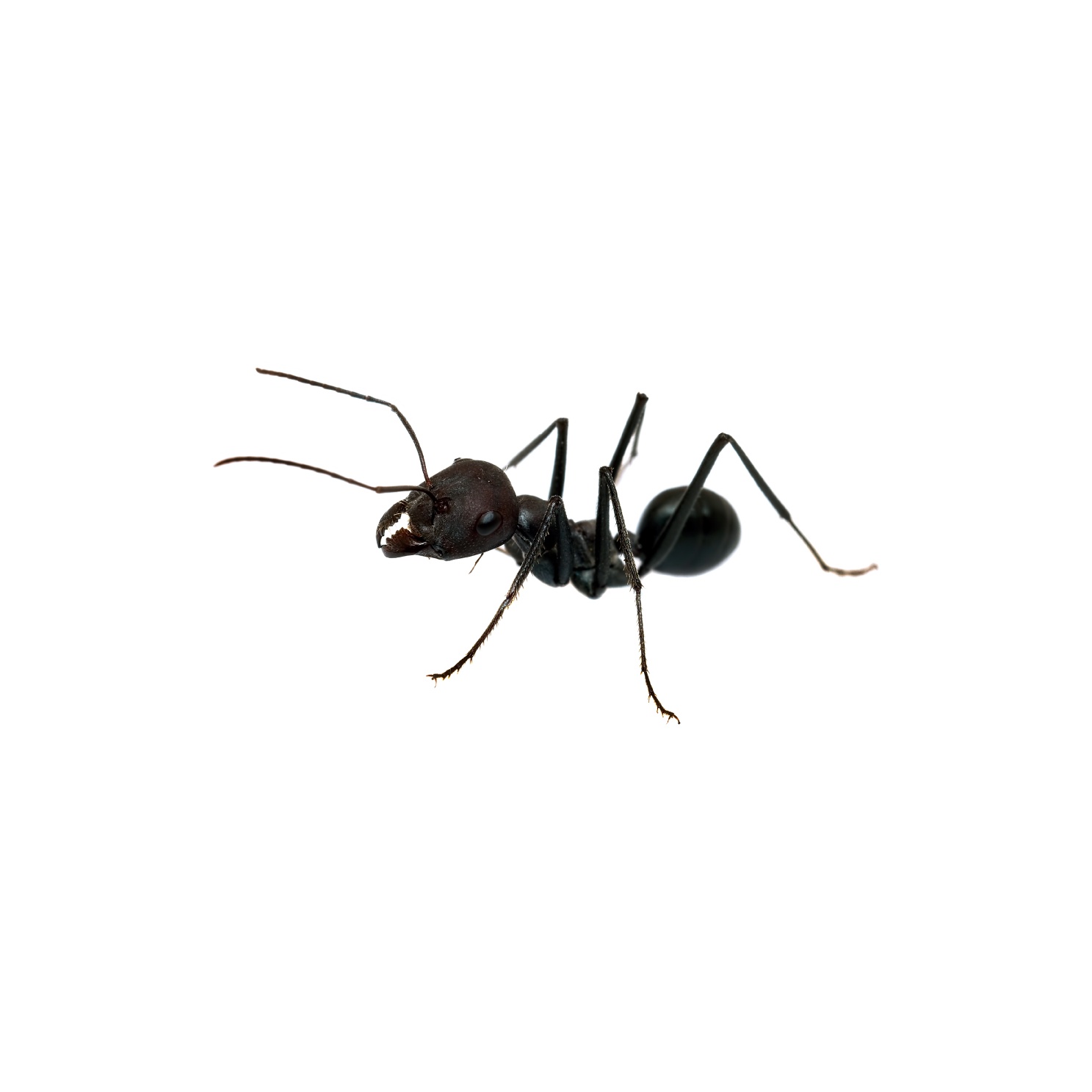 Black Ant Polyrhachis spp. Documented for amino acids, cysteine, methionine and 3 more amino acids.
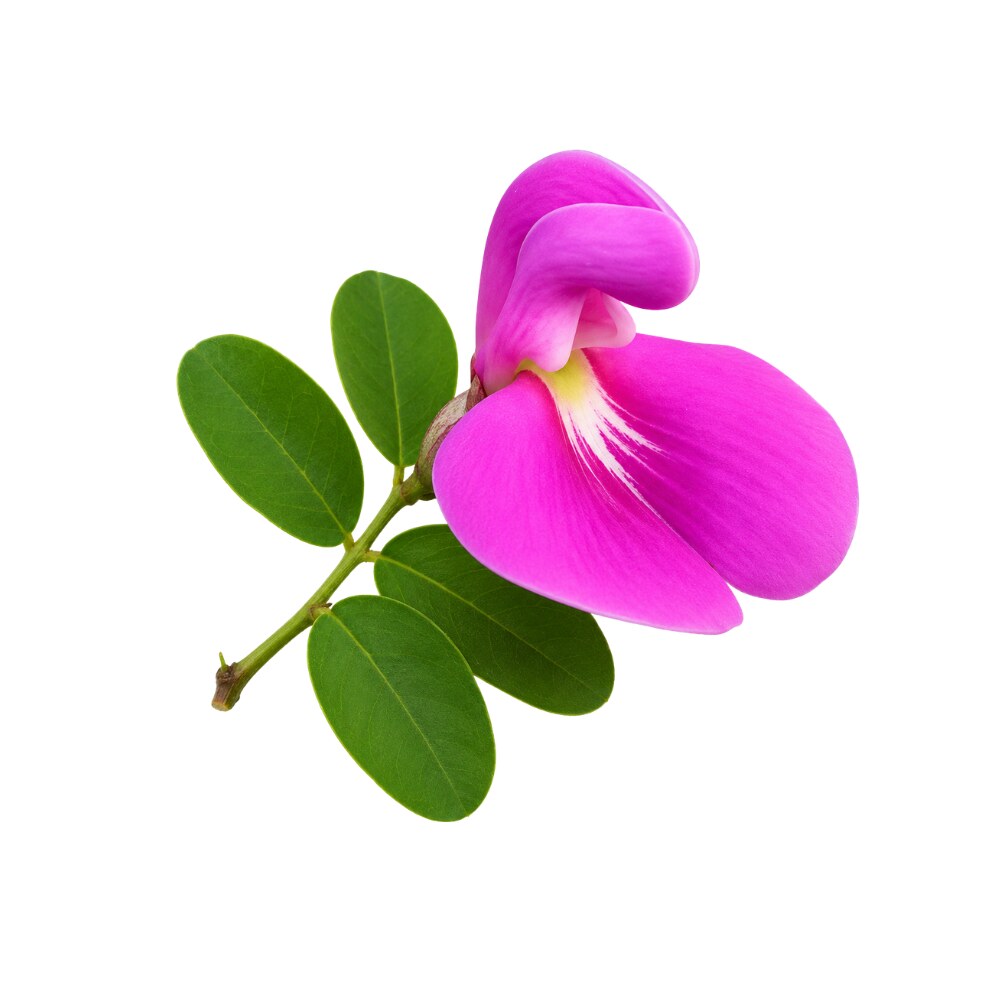 Bay Bean Canavalia rosea Documented for L-canaline, L-canavanine, stizolobin and 1 more.
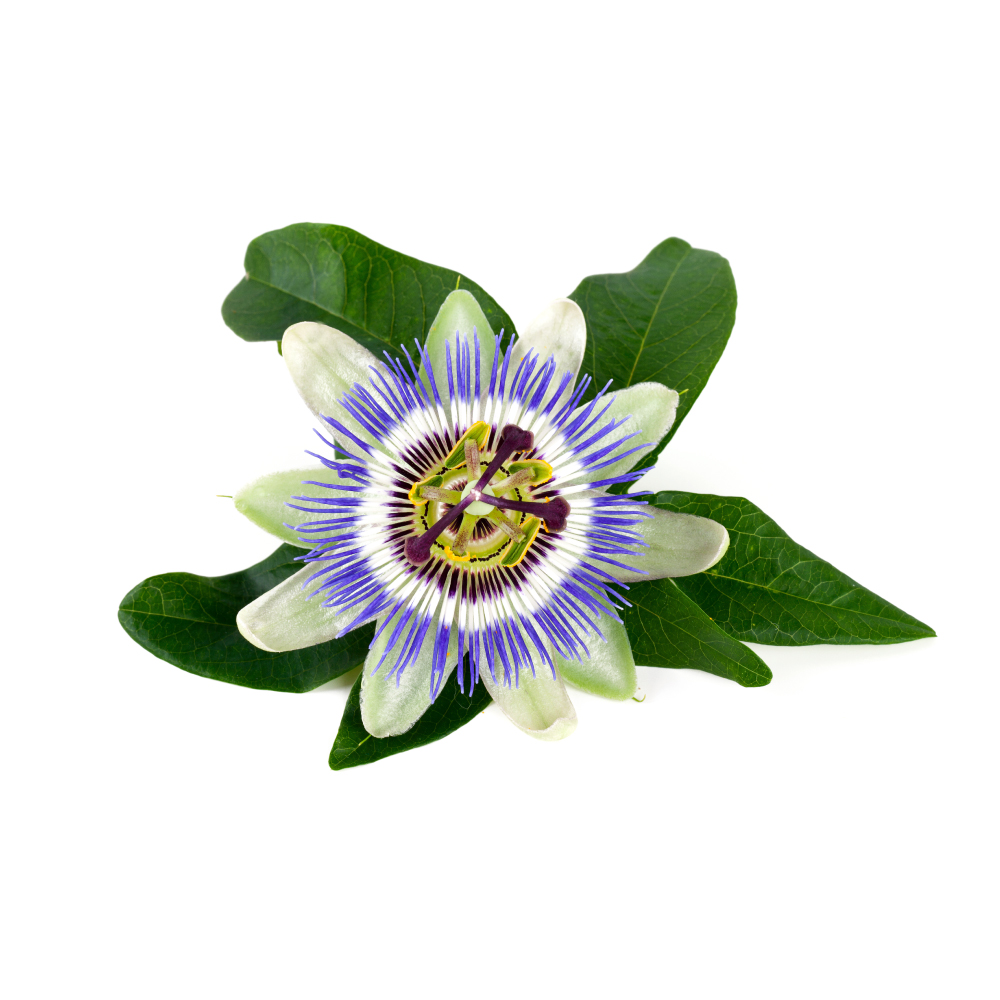 Passionflower Passiflora incarnata Documented for alpha-alanine, glutamine, phenylalanine and 1 more.
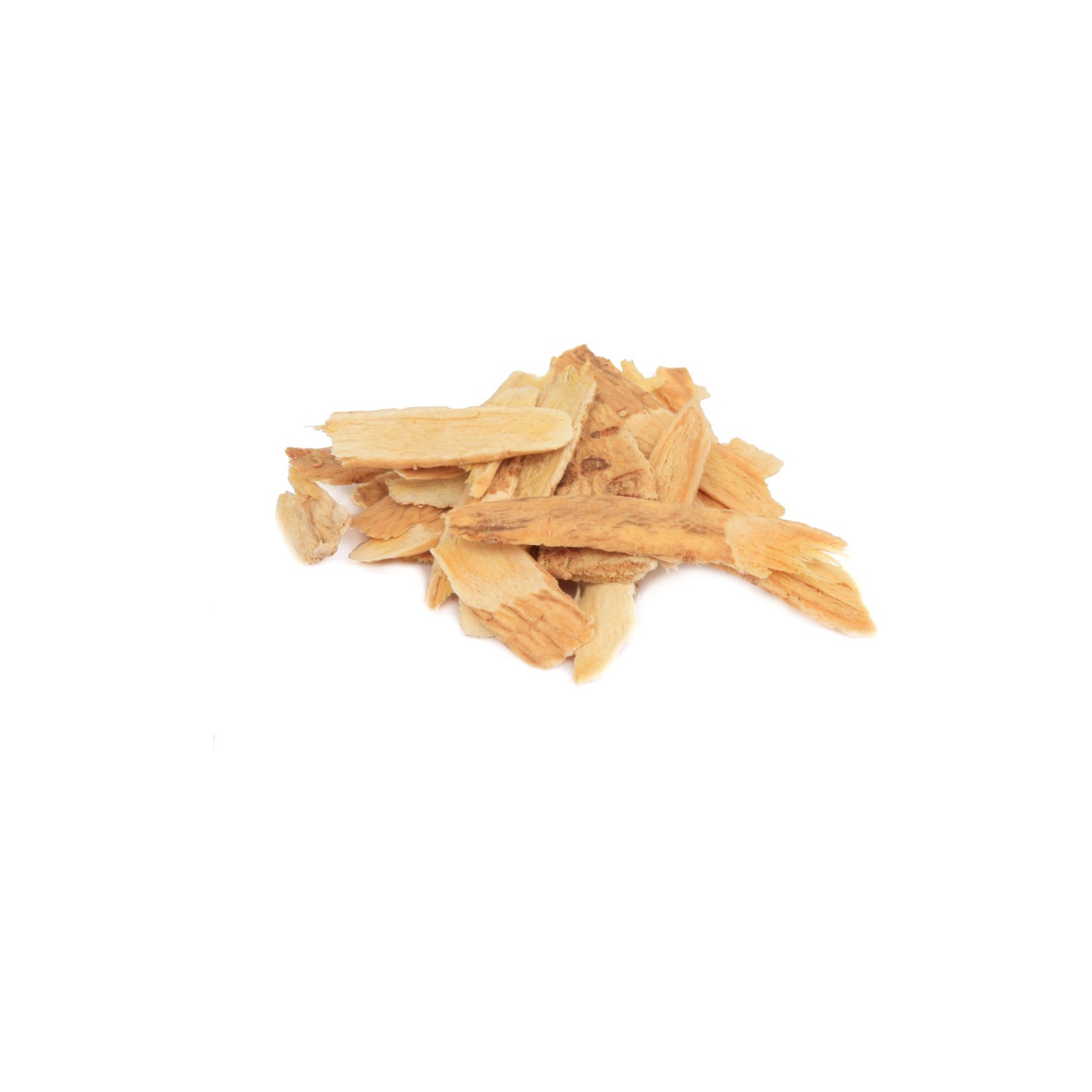 Astragalus Astragalus mongholicus Documented for asparagine, betaine, gamma-aminobutyric acid.
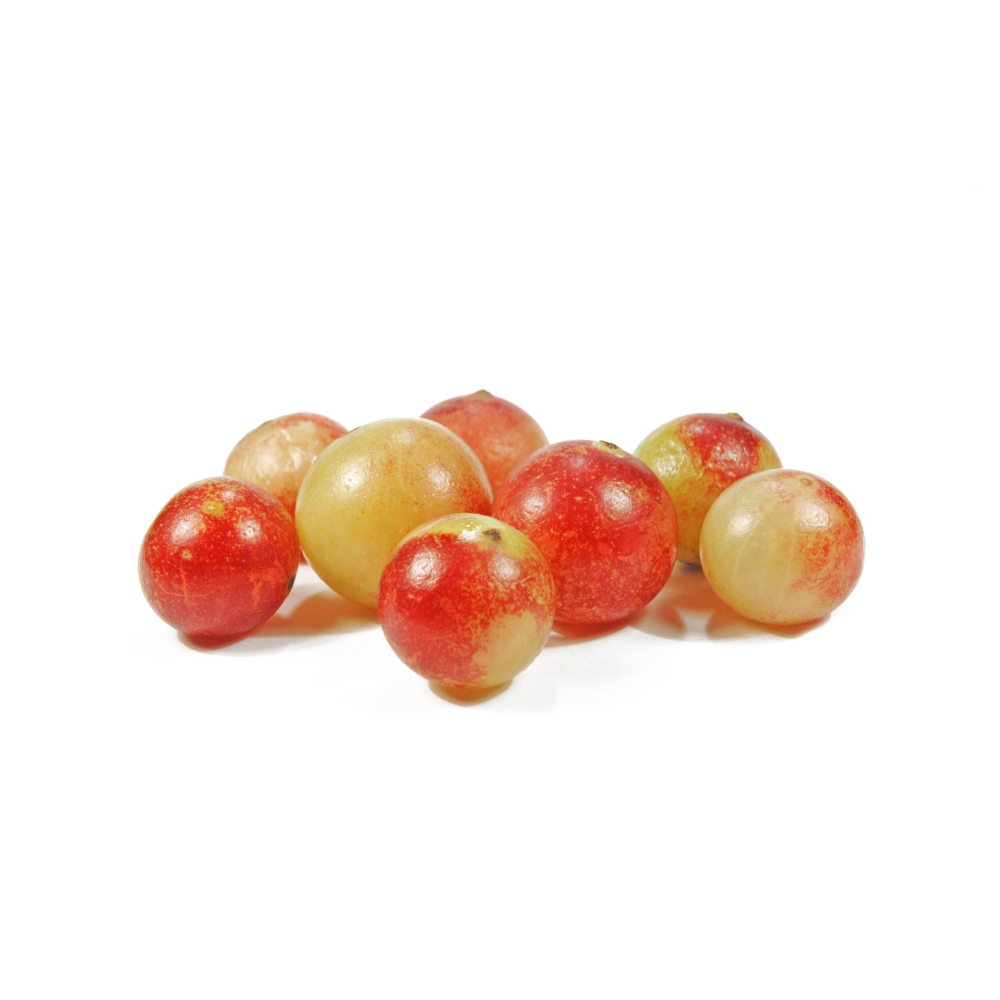 Camu-camu Myrciaria dubia Documented for leucine, serine, valine.
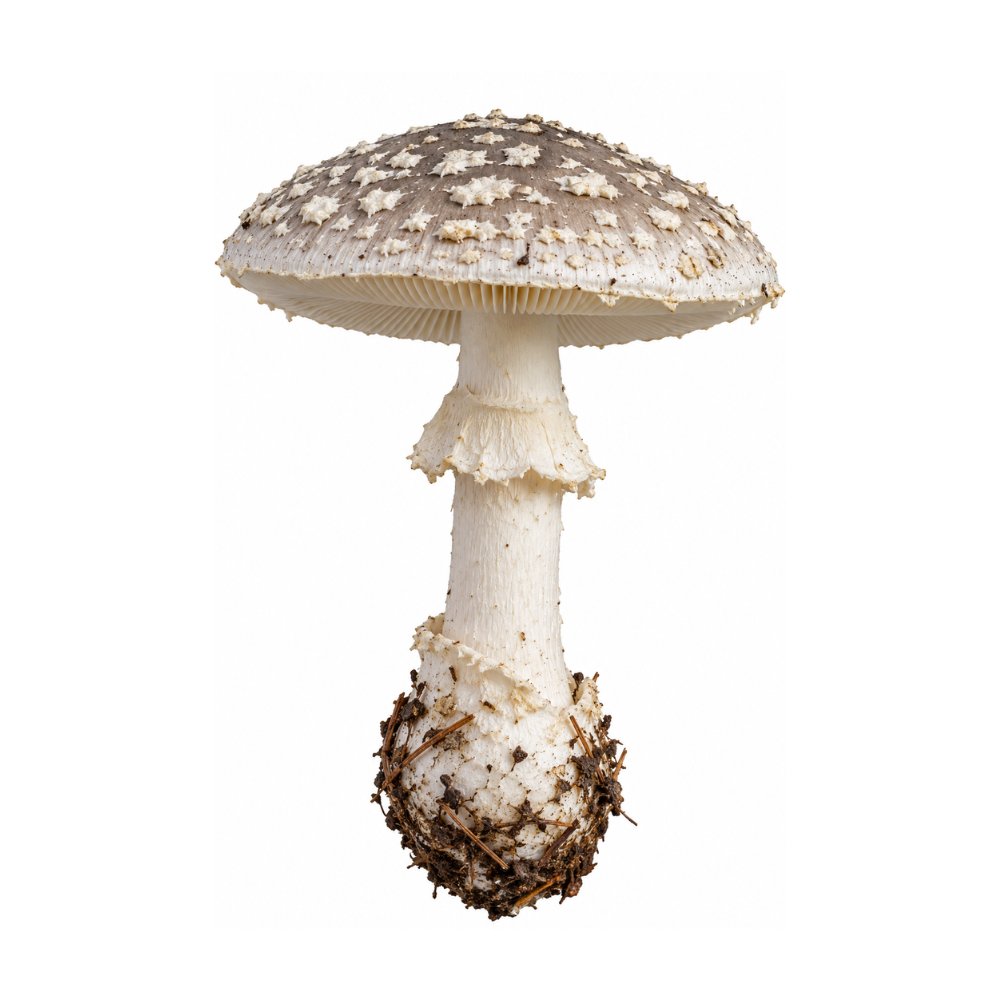 Amanita smithiana ☠️ Amanita smithiana Toxic Documented for allenic norleucine, chlorocrotylglycine.
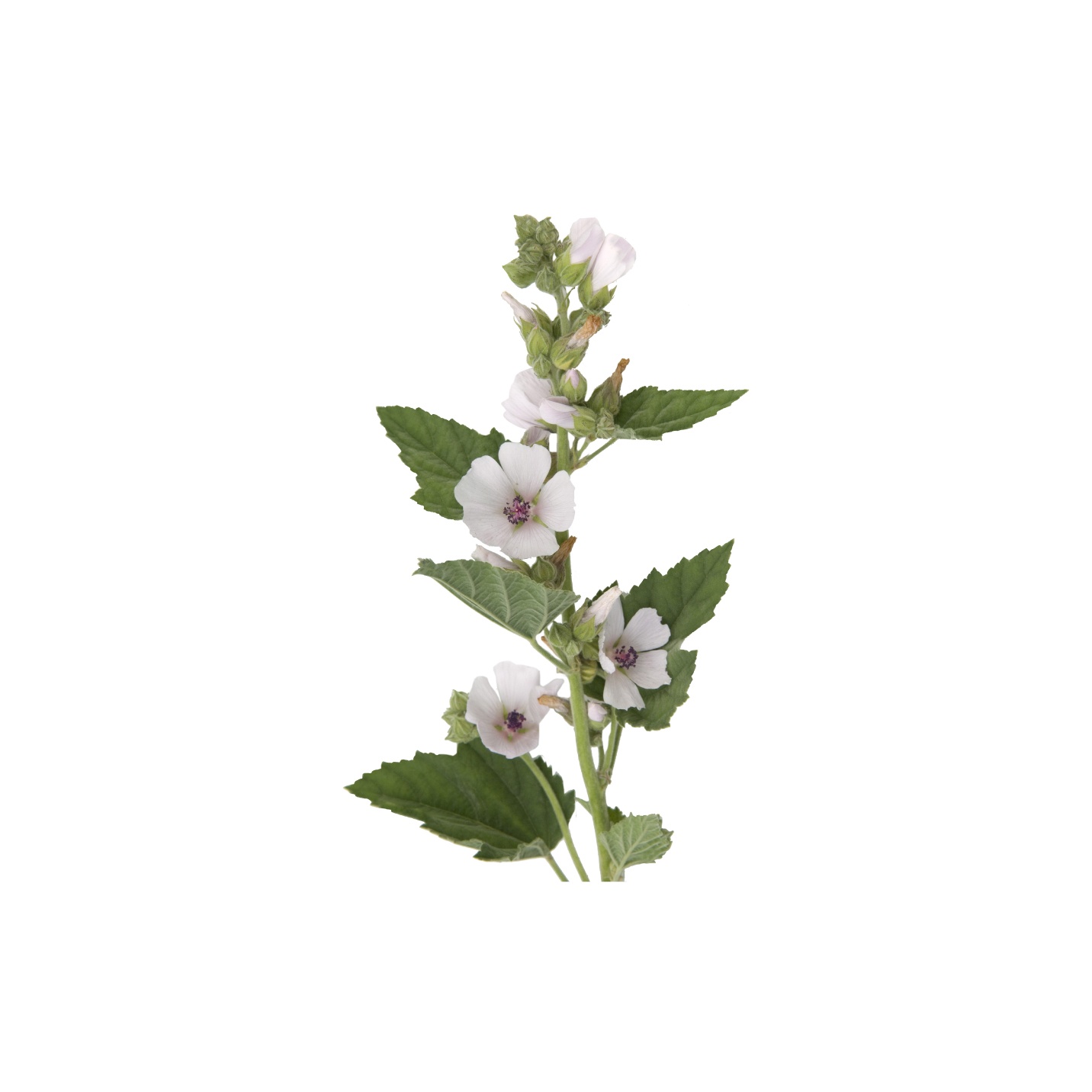 Marshmallow Althaea officinalis Documented for asparagine, proline.
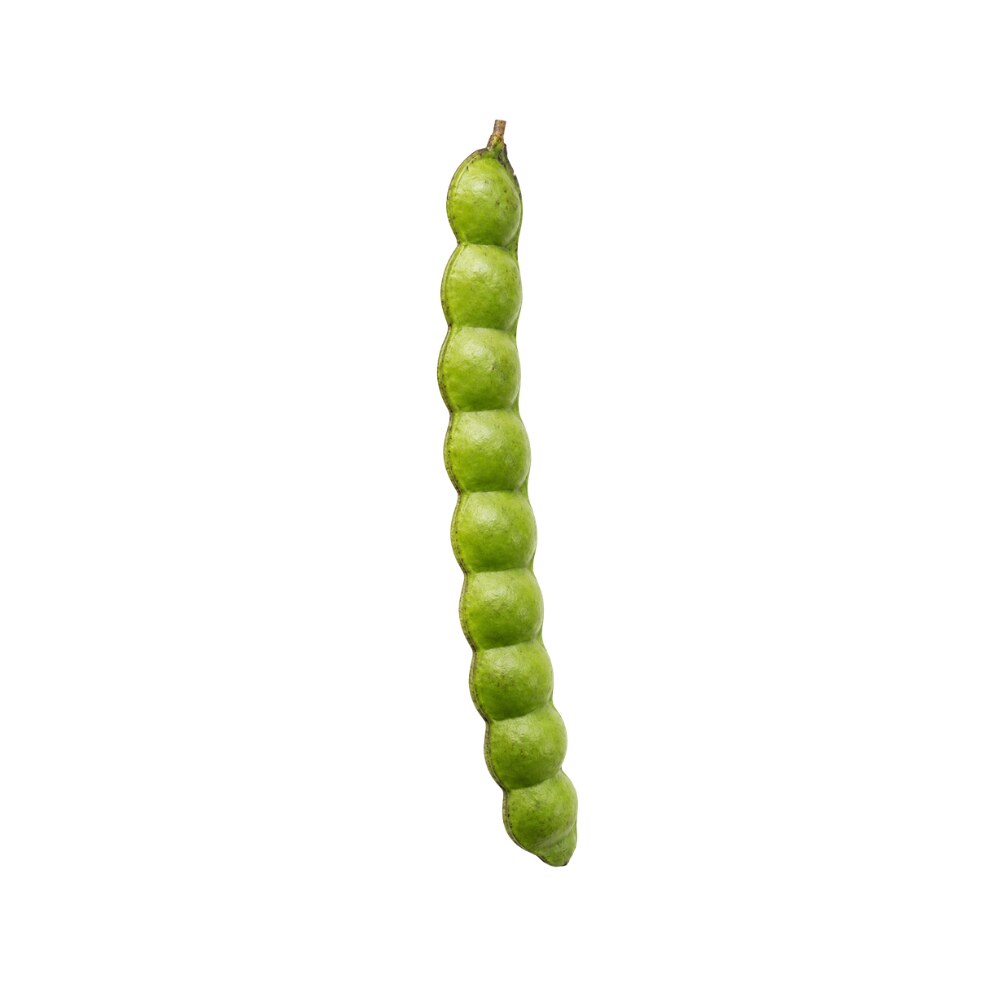 African Dream Herb Entada rheedii Documented for tryptorheedei A.
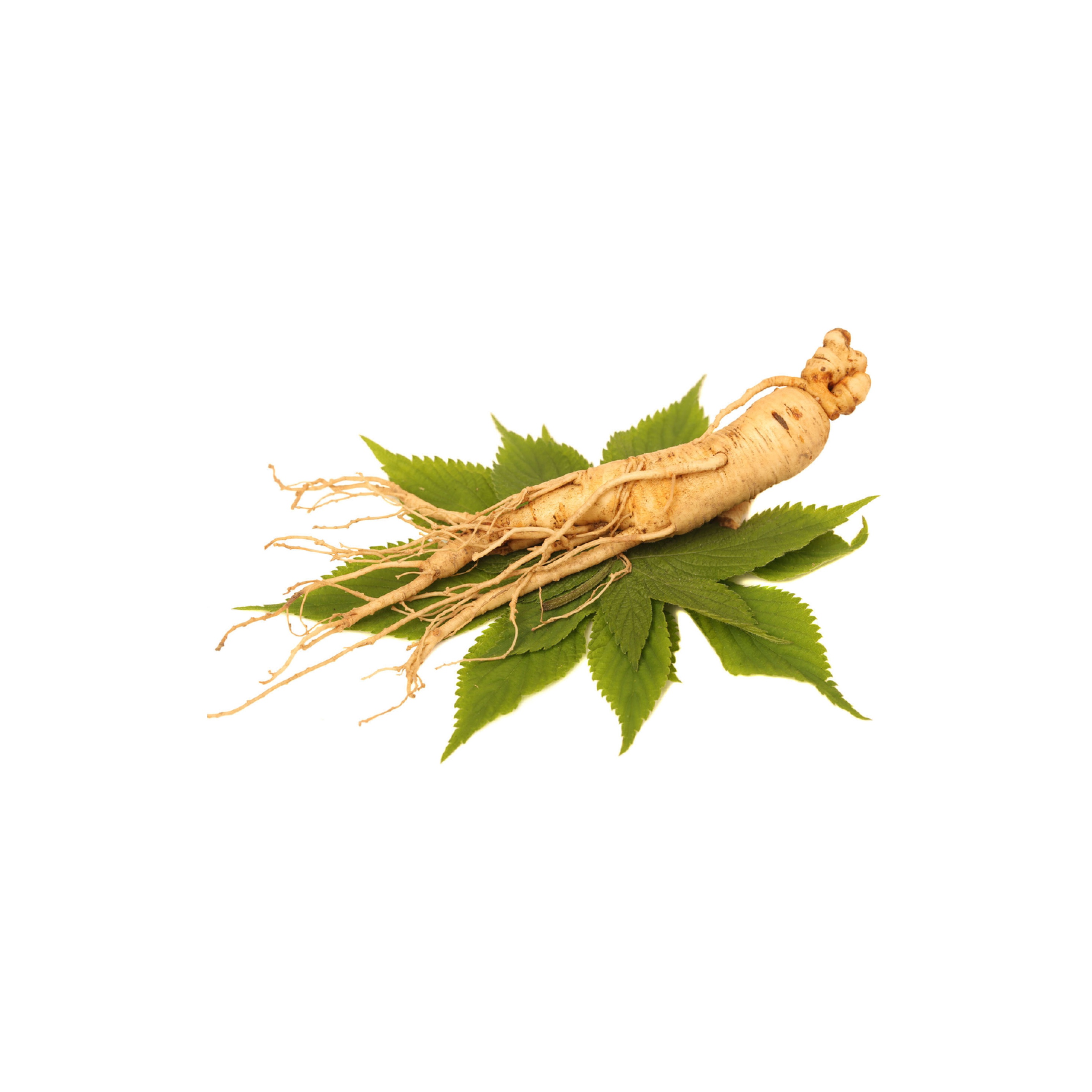 Asian Ginseng Panax ginseng Documented for glutamine.
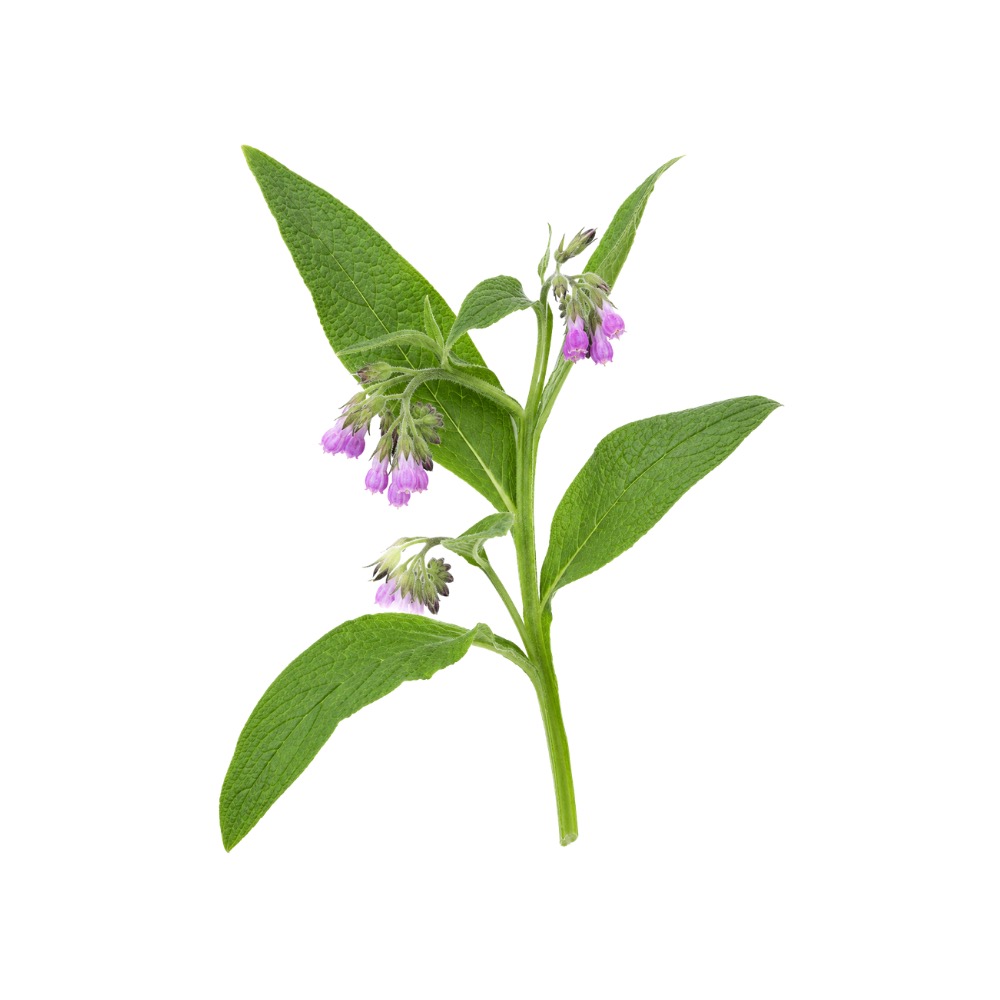 Comfrey Symphytum officinale Toxic Documented for asparagine.
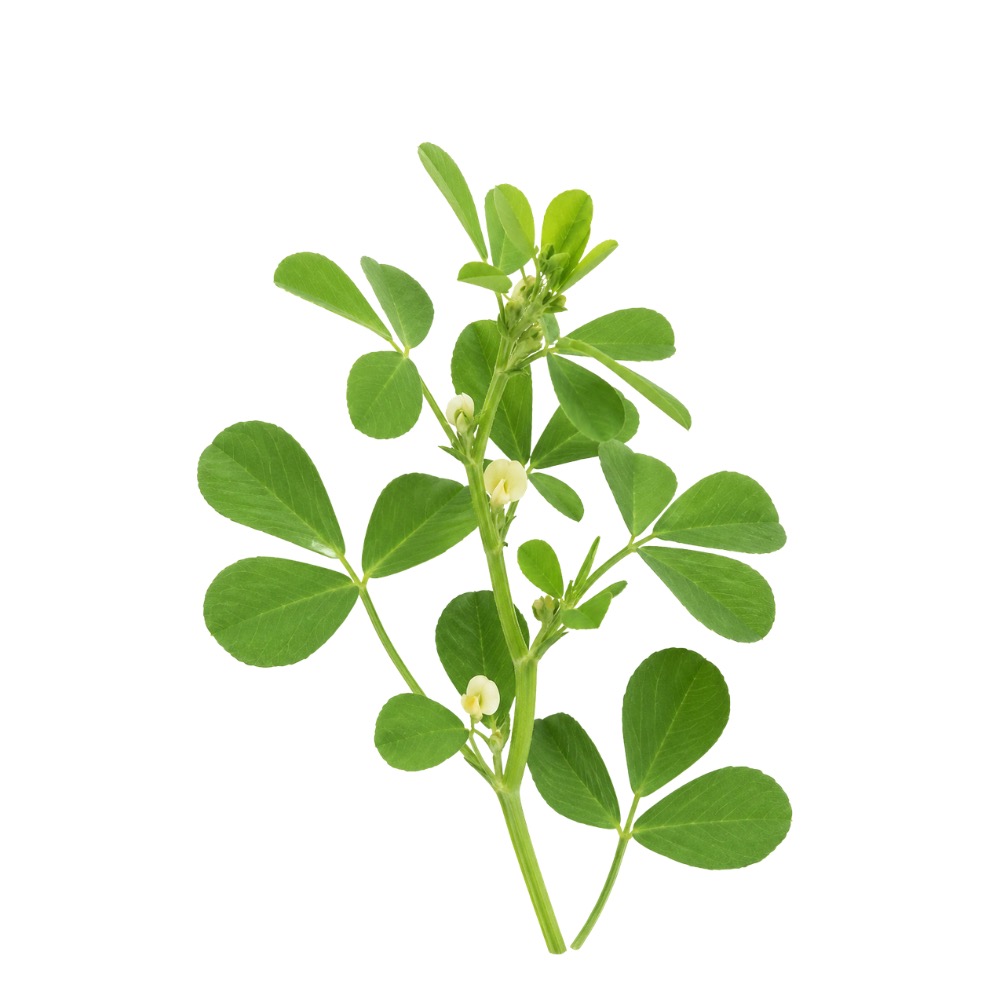 Fenugreek Trigonella foenum-graecum Documented for 4-hydroxyisoleucine.
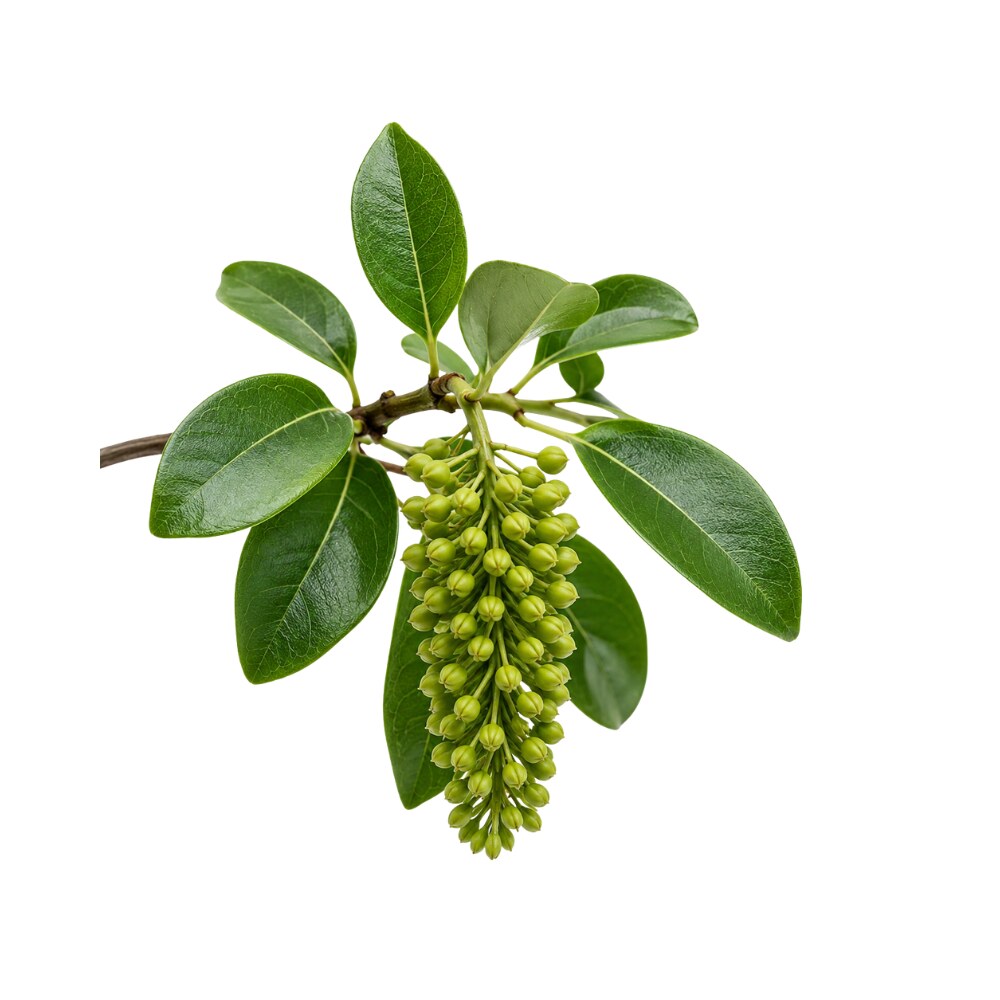 Griffonia Griffonia simplicifolia Documented for 5-hydroxytryptophan.
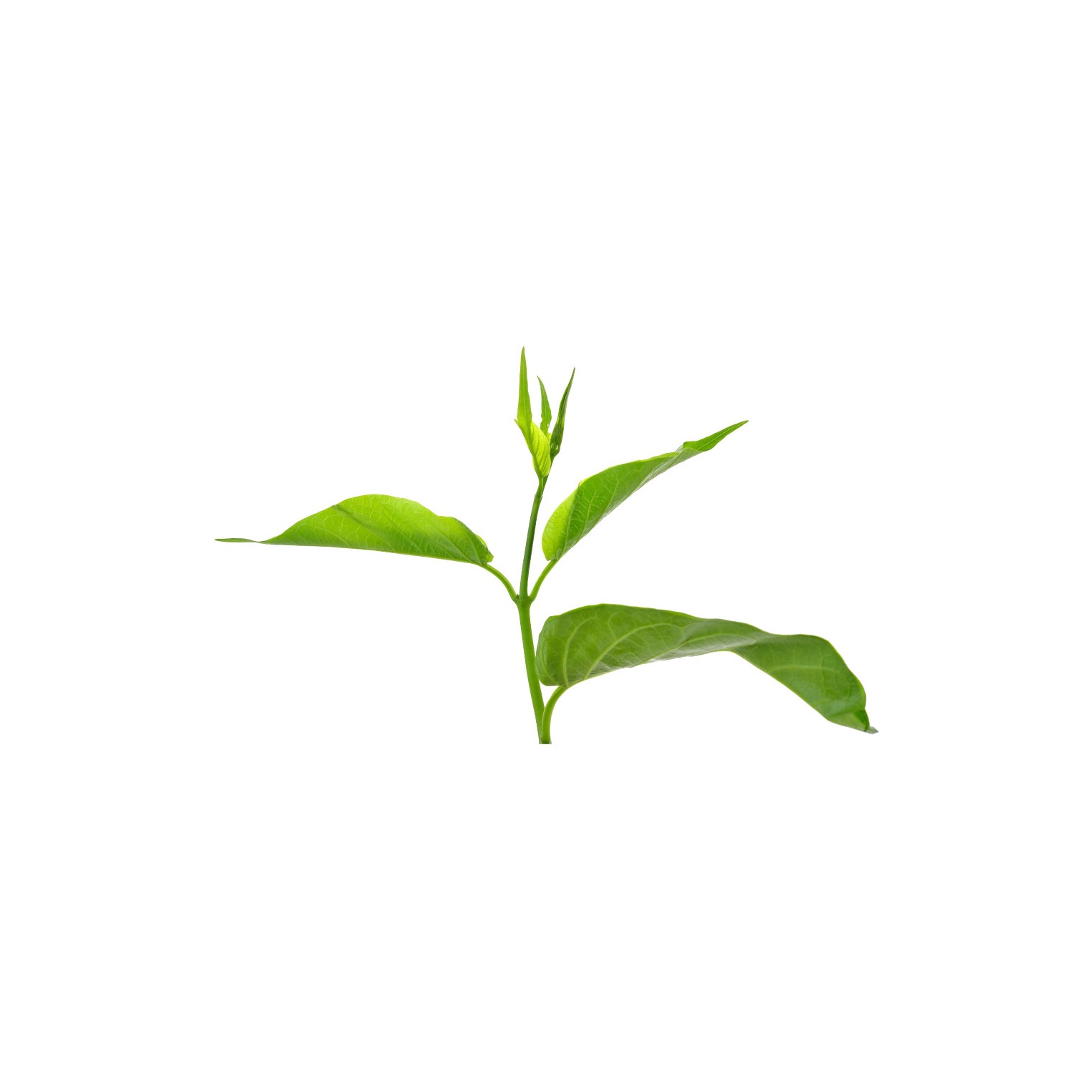 Gymnema Gymnema sylvestre Documented for betaine.
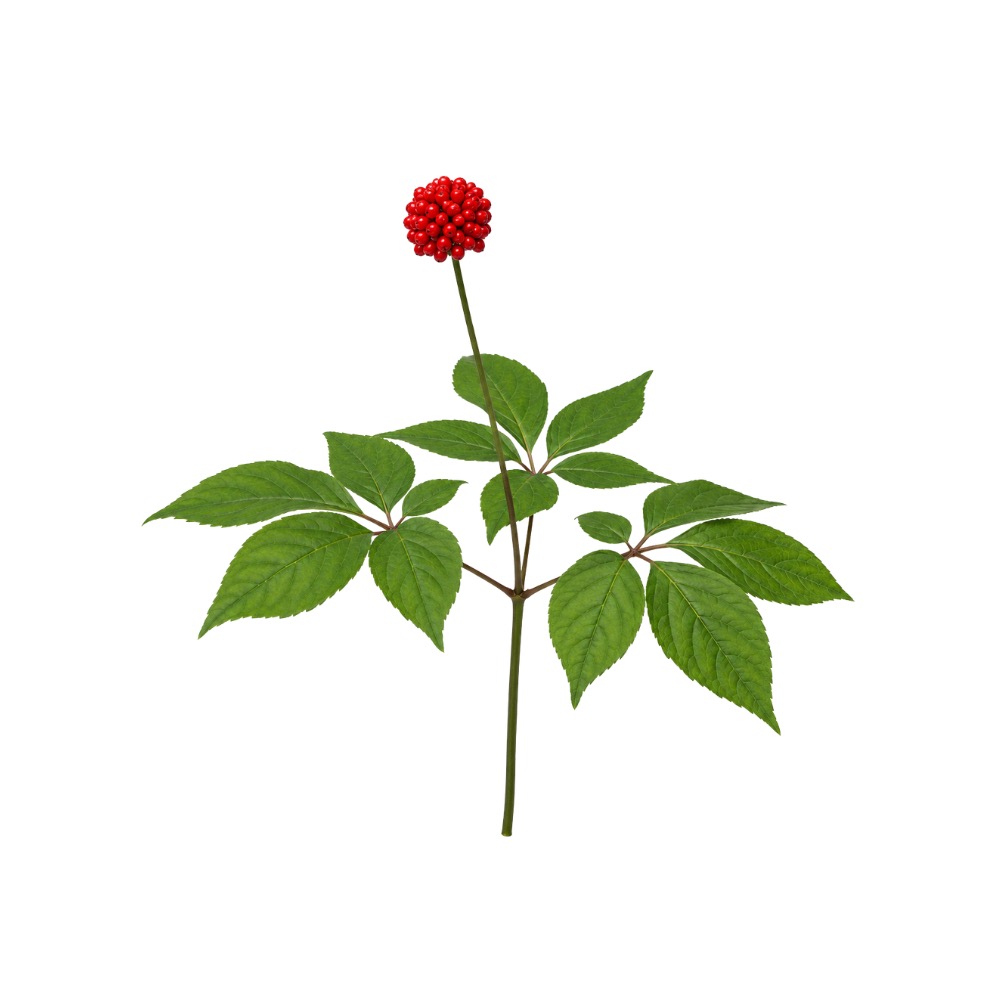 Notoginseng Panax notoginseng Documented for dencichine.
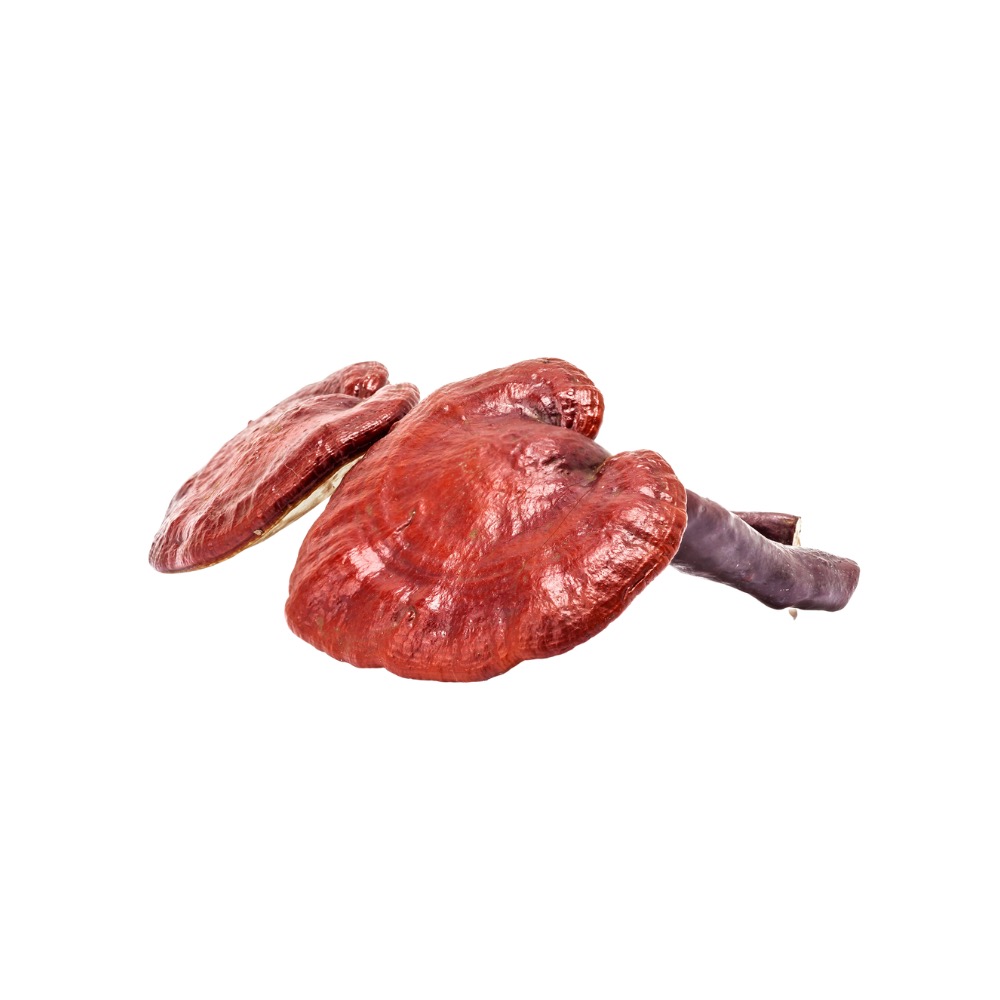 Reishi Ganoderma lucidum Documented for betaine.
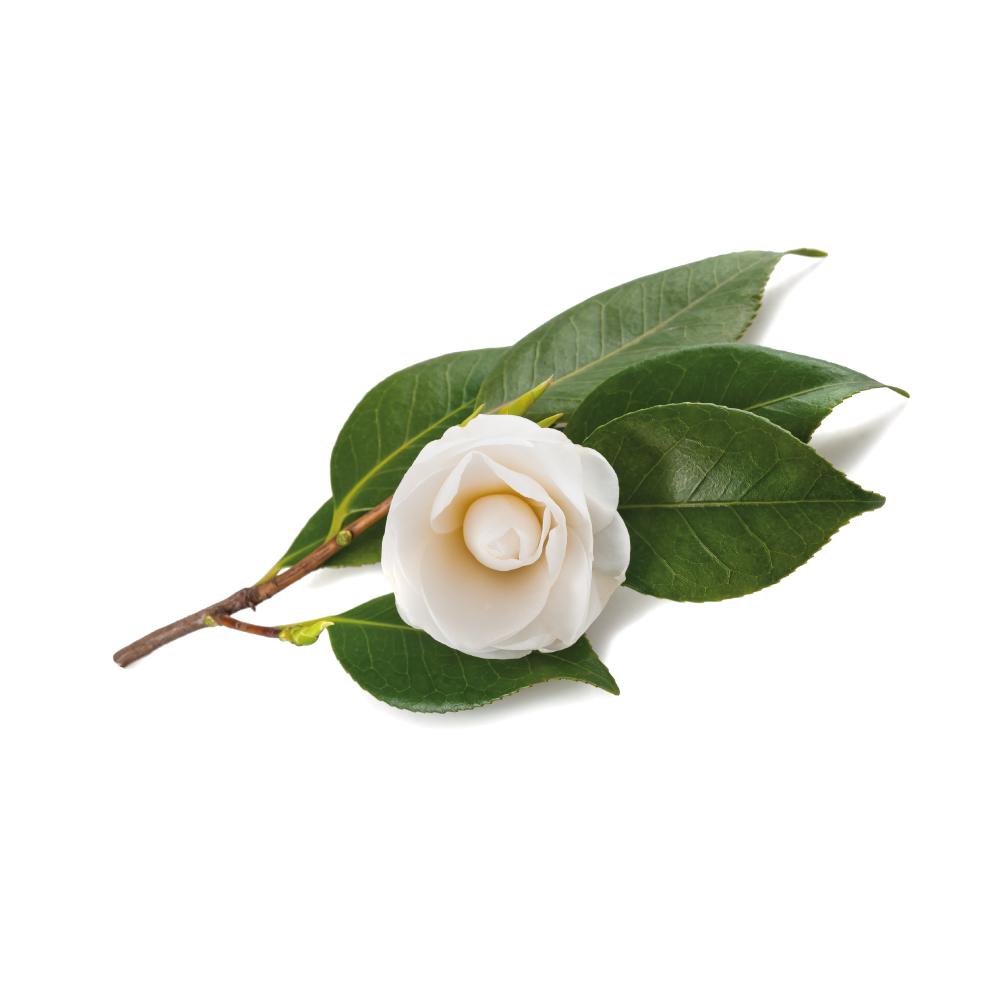 Tea Camellia sinensis Documented for L-theanine.
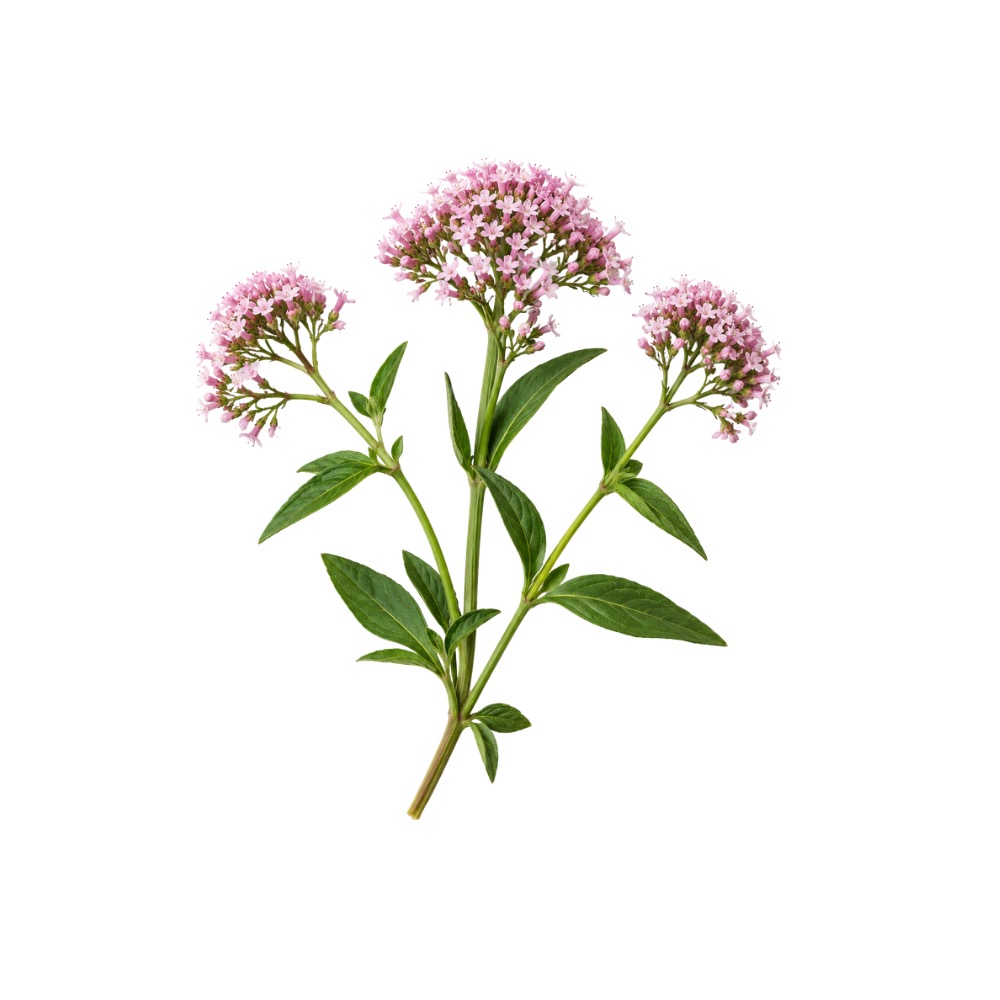 Valerian Valeriana officinalis Documented for gaba.
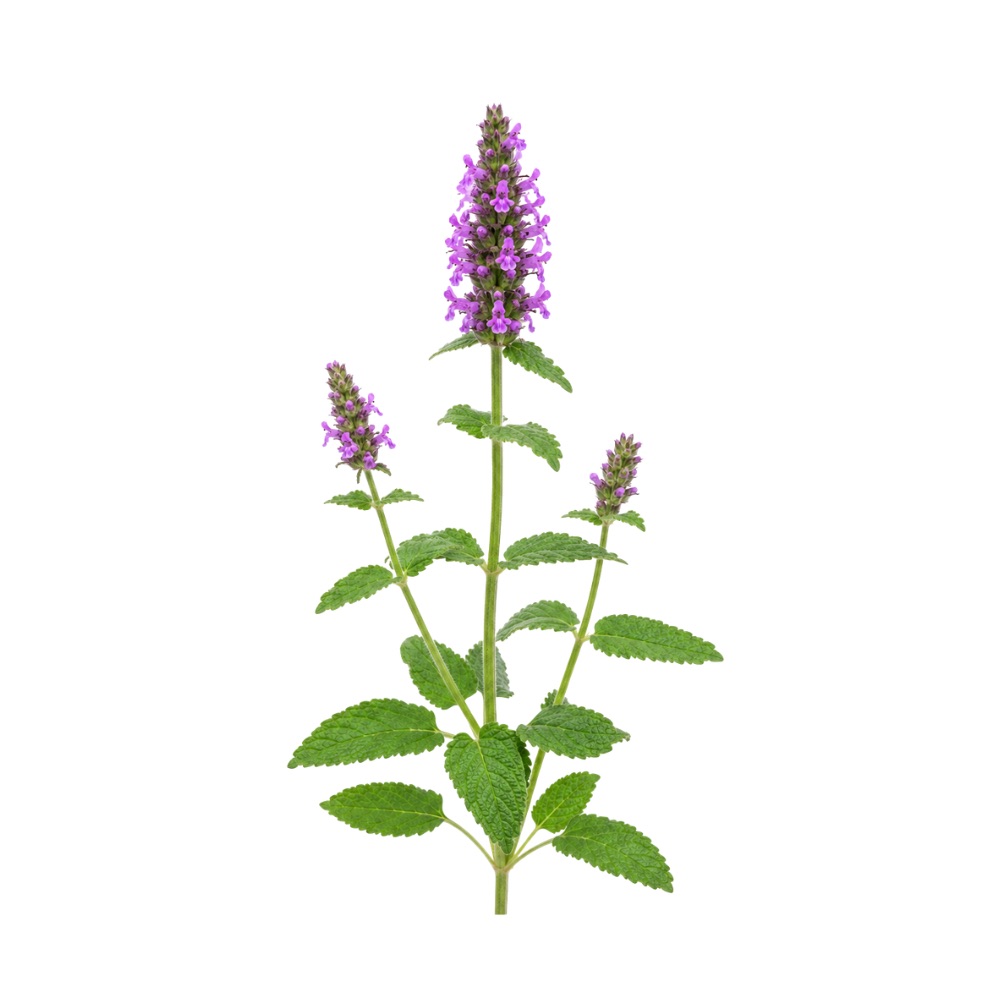 Wood Betony Stachys officinalis Documented for betaine.
Keep Exploring
Other Compound Classes
Keep Reading
 GuidesThe Best Kava: A Buyer's GuideHow to buy good kava: noble vs two-day cultivars, which part of the root, chemotype codes, origin, form, and the batch tests a seller should show you.
Read more
 GuidesThe Amazon's Endangered Medicinal PlantsThe Amazon gives us some of our most important medicines — but which healing plants are actually endangered?
Read more
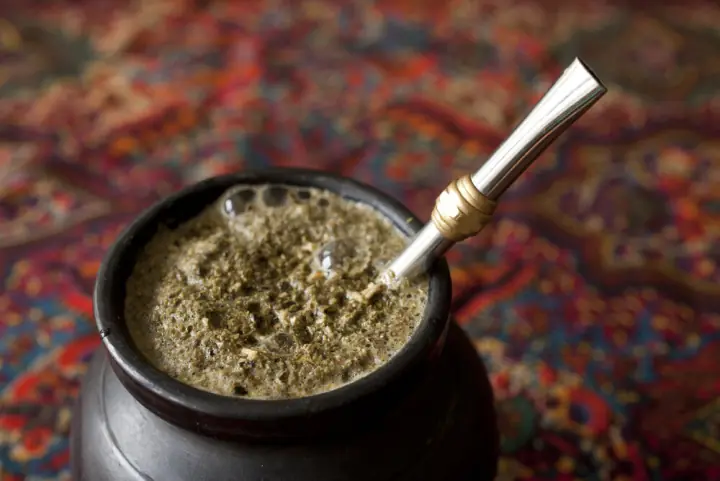 NutritionThe Best Yerba Maté Brands [Reviewed]A drinker's guide to buying yerba maté — what actually changes the taste, and ten brands worth your money.
Read more
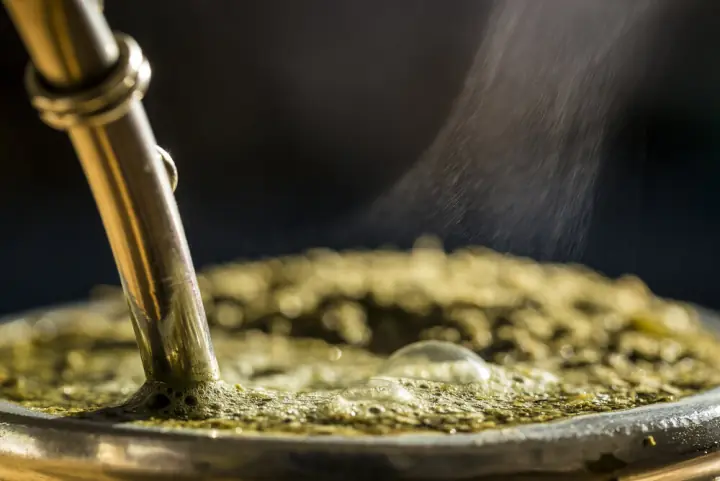 GuidesHow to Prepare Yerba Maté — The Five Best MethodsHow to brew yerba maté properly — the traditional gourd method, plus tereré, french press and cold brew.
Read more