
Compounds & Supplements
Nootropics Database
37 compounds used to support memory, attention, processing speed, mental stamina, or other aspects of cognition.
Filter by function first: what you actually want to change.
Function
All Nootropics
37 nootropicsEvery nootropic here, listed alphabetically. Pick a function above to focus on what you want to change — memory, focus, mood, energy, stress.
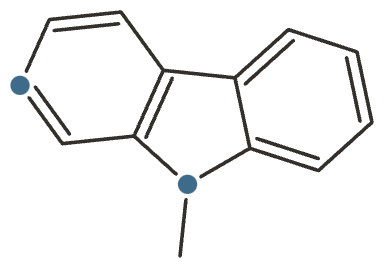
Alkaloid
9-Me-BC (9-Methyl-β-carboline)
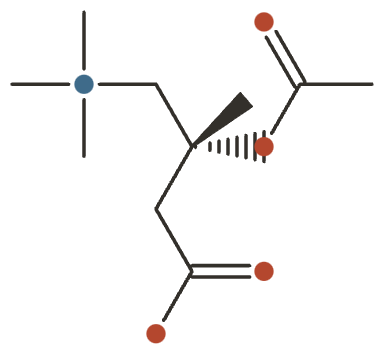
Amino Acid
Acetyl-L-Carnitine (ALCAR)
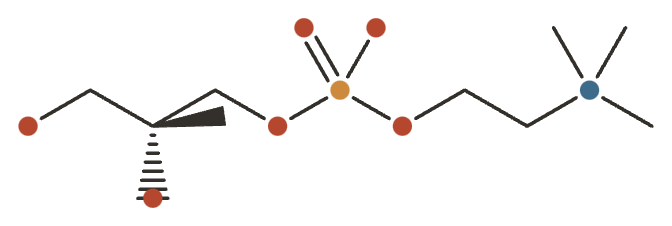
Lipid
Alpha-GPC
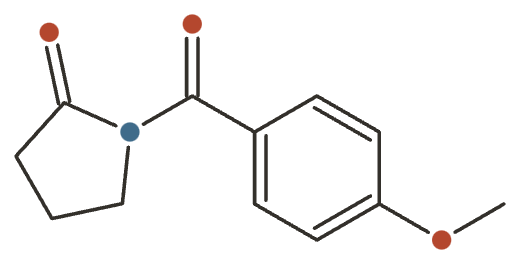
Synthetic
Aniracetam
Synthetic
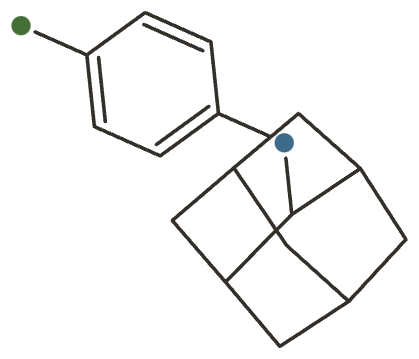
Bromantane
Alkaloid
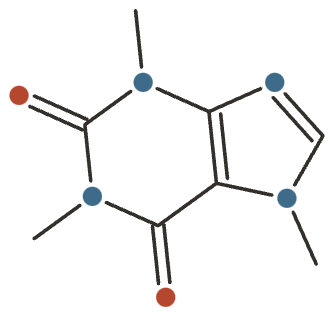
Caffeine
Synthetic
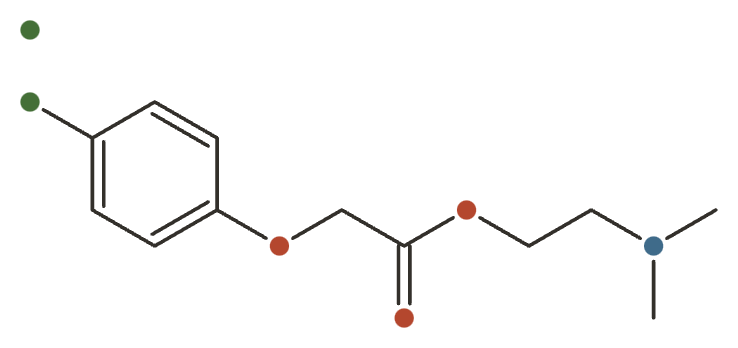
Centrophenoxine
Cofactor
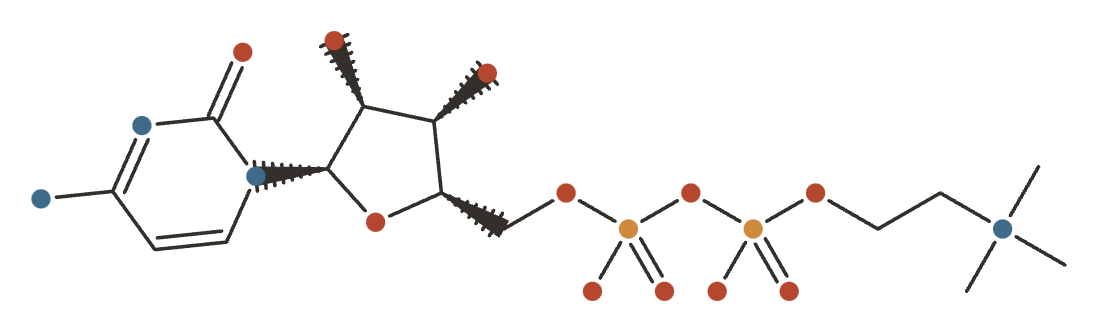
Citicoline (CDP-Choline)
Synthetic
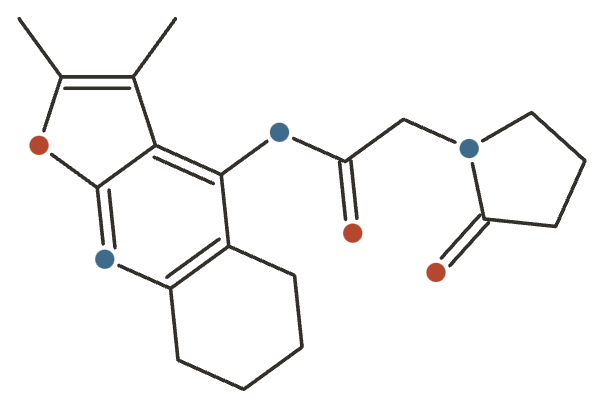
Coluracetam
Amino Acid
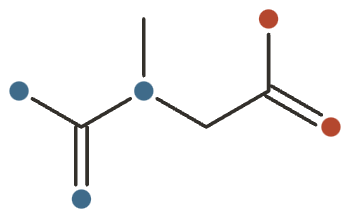
Creatine
Peptide
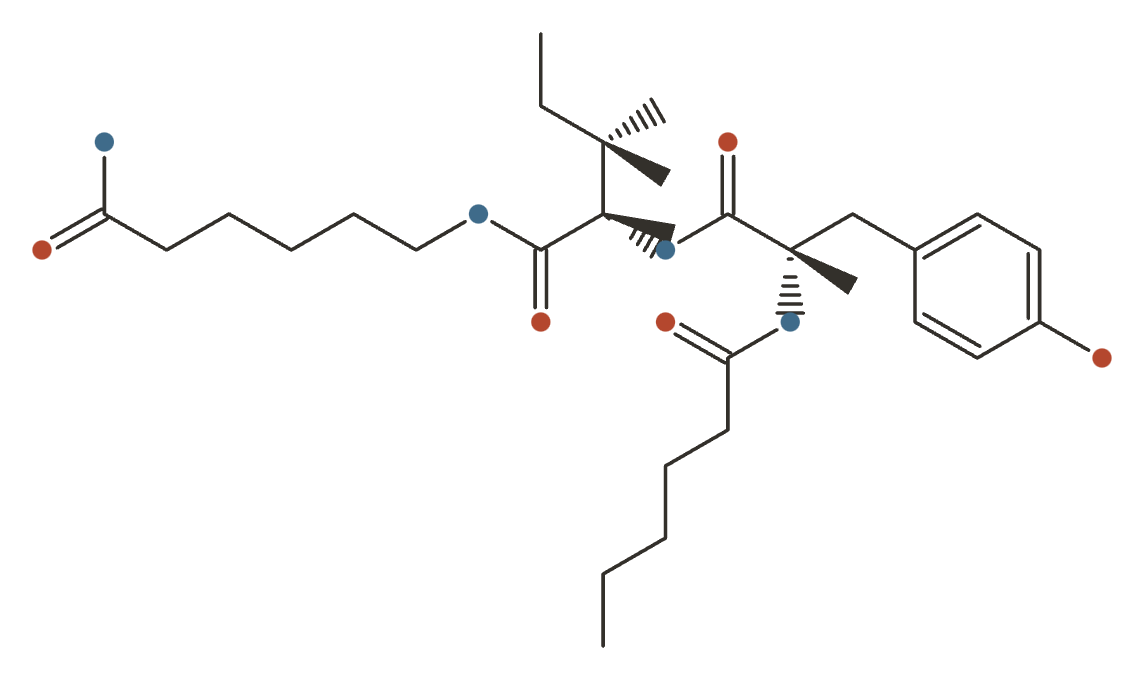
Dihexa
Synthetic
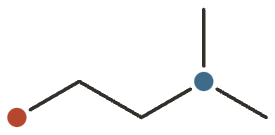
DMAE
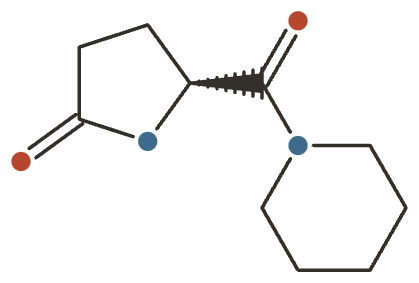
Synthetic
Fasoracetam
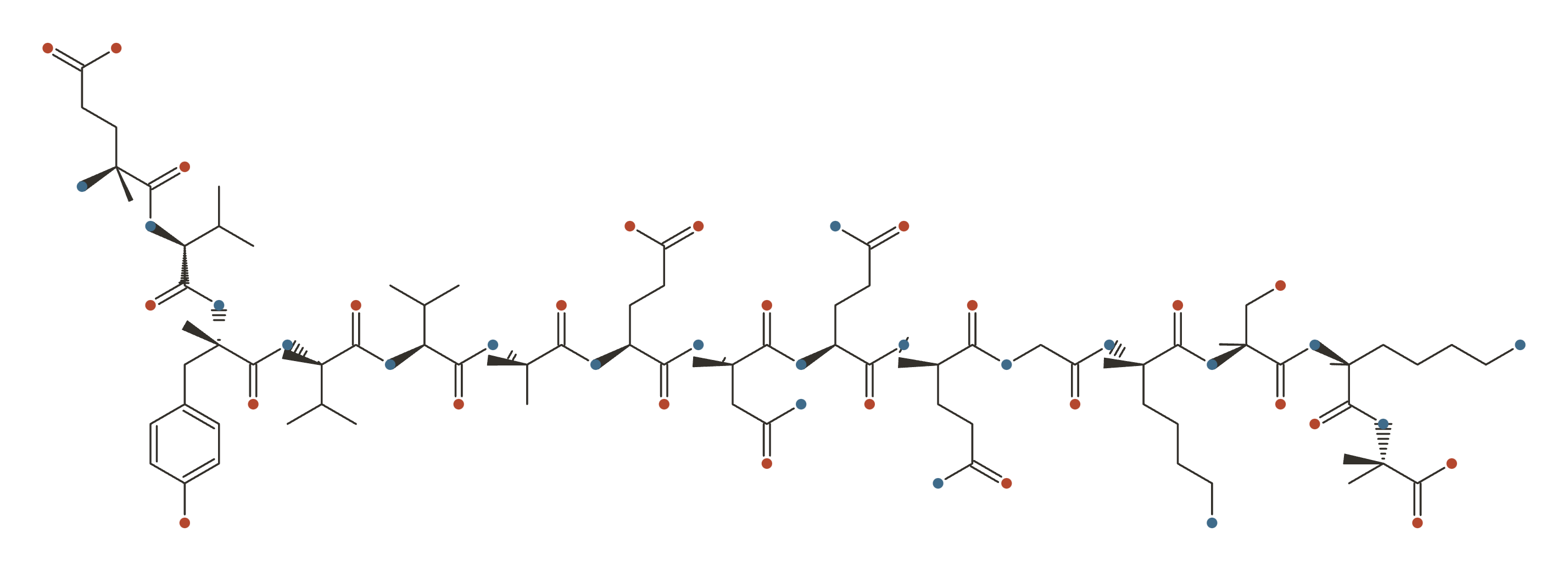
Peptide
FGL(L)
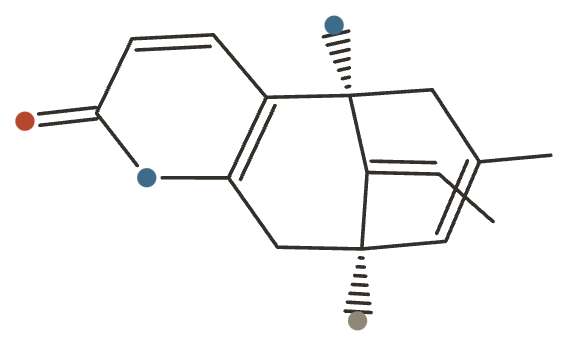
Alkaloid
Huperzine-A
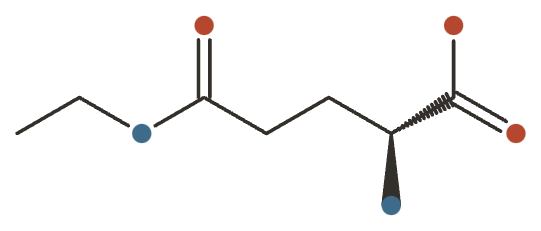
Amino Acid
L-Theanine
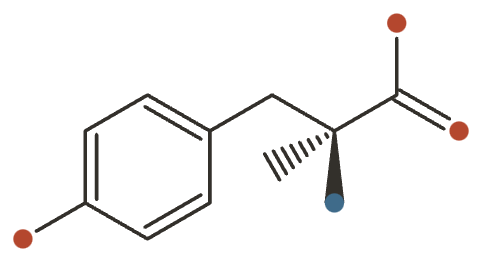
Amino Acid
L-Tyrosine
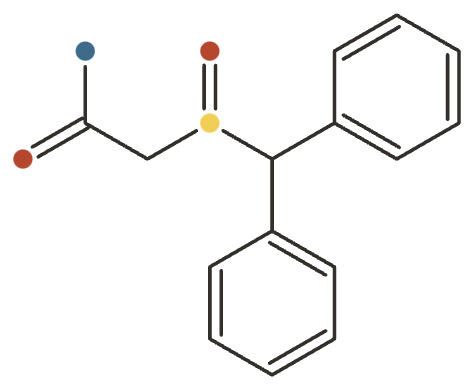
Synthetic
Modafinil
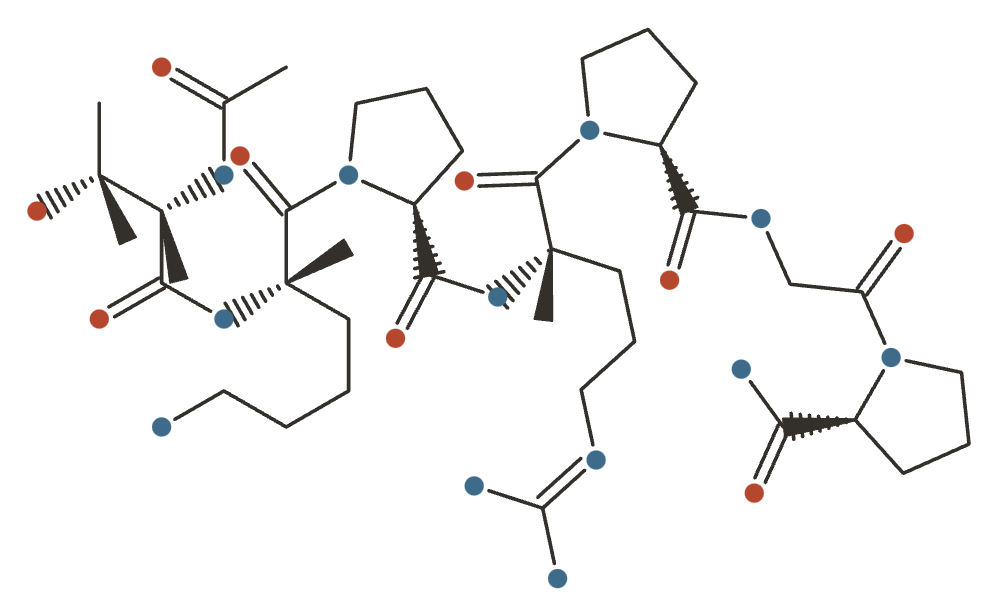
Peptide
N-Acetyl Selank Amidate
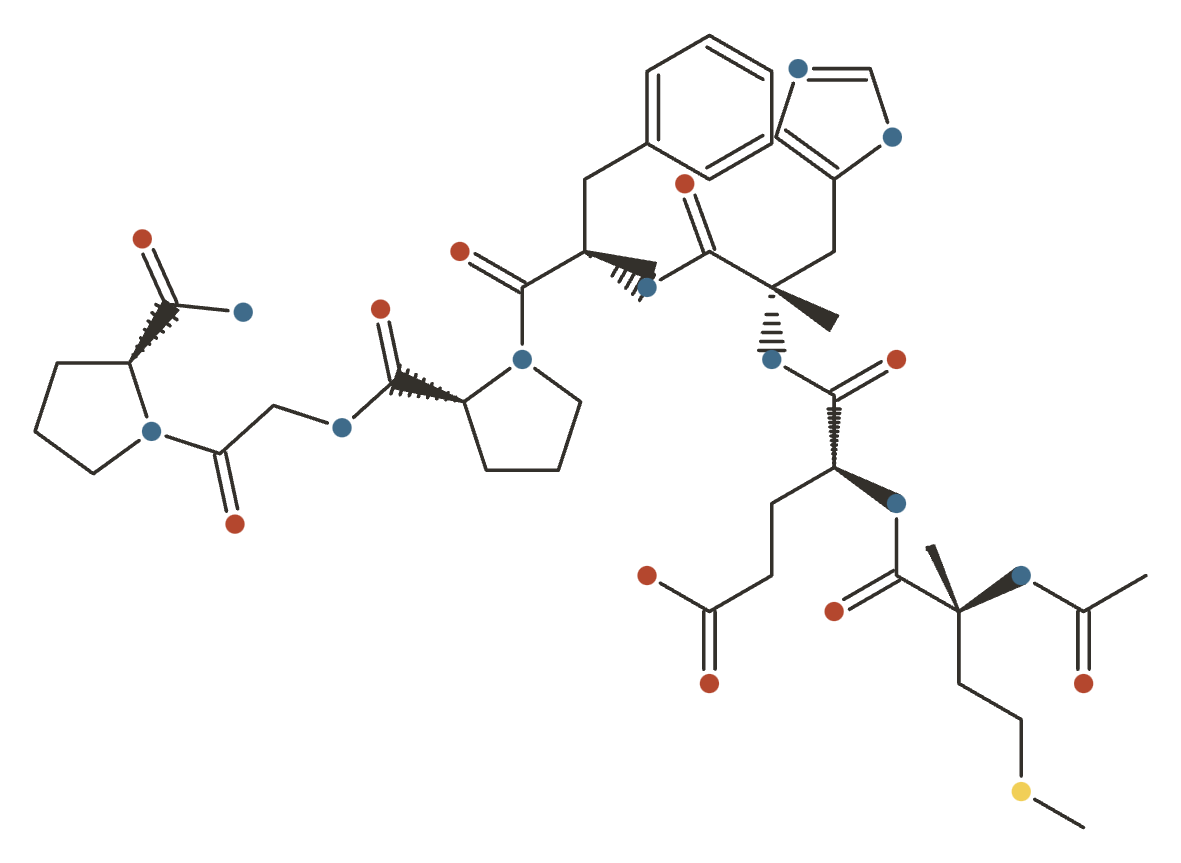
Peptide
N-Acetyl Semax Amidate
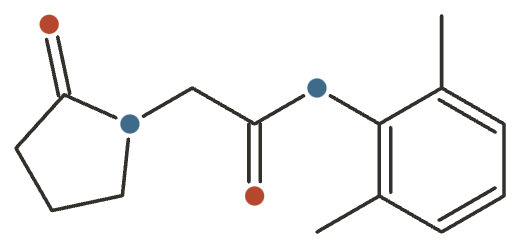
Synthetic
Nefiracetam
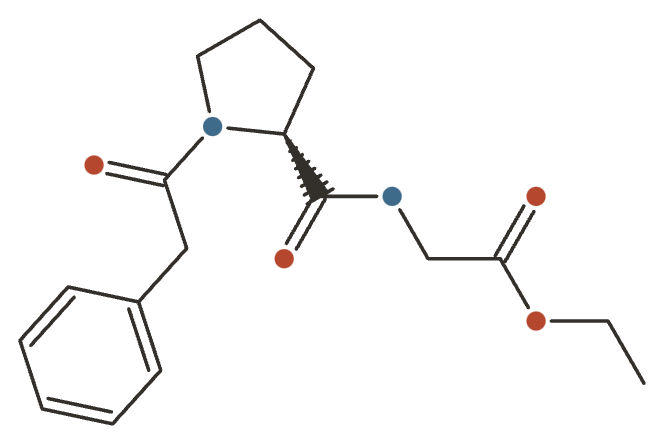
Peptide
Noopept
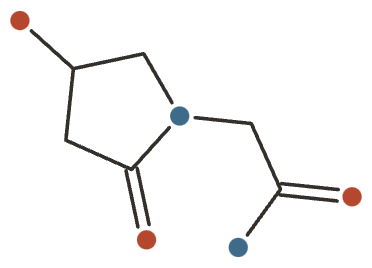
Synthetic
Oxiracetam
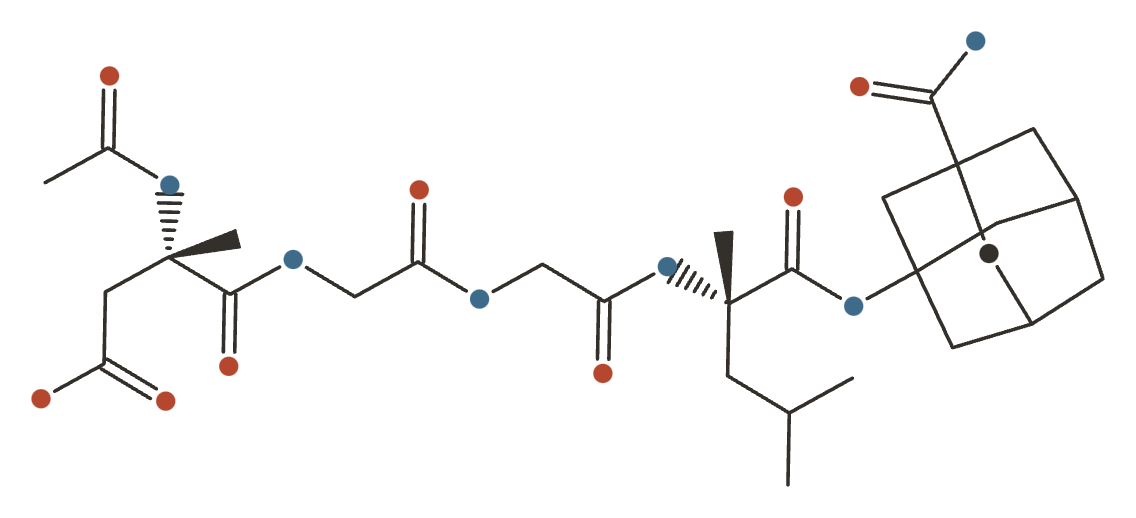
Peptide
P21
Synthetic
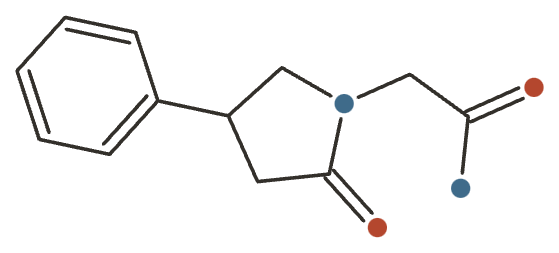
Phenylpiracetam
Lipid
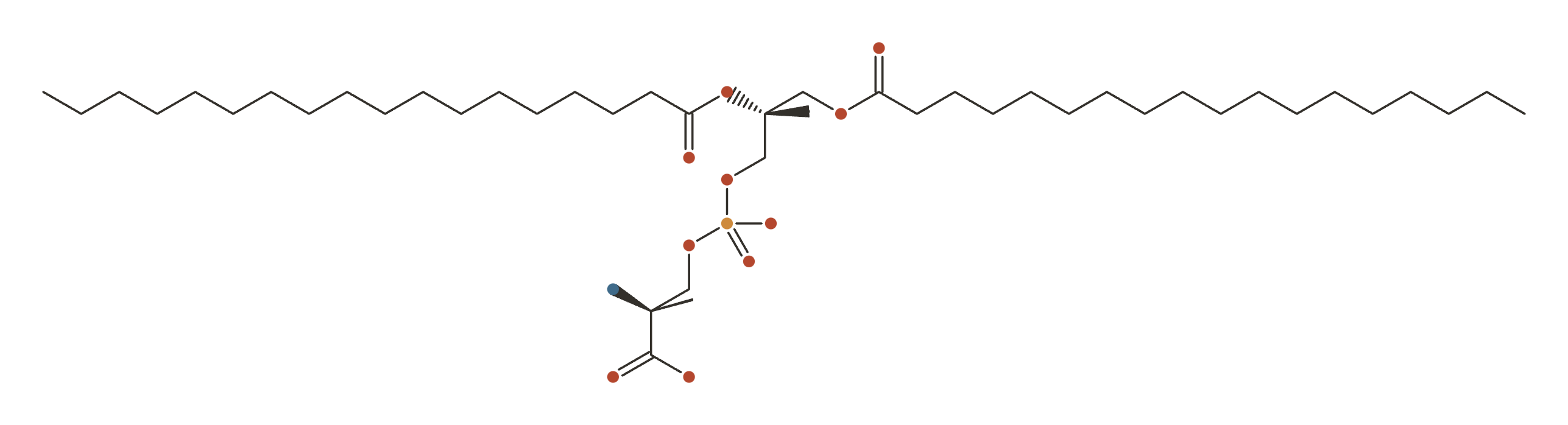
Phosphatidylserine
Synthetic
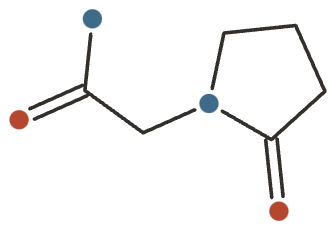
Piracetam
Synthetic
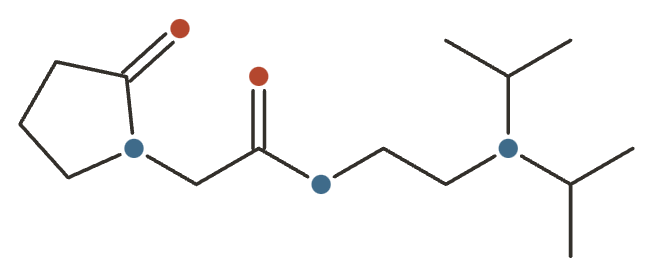
Pramiracetam
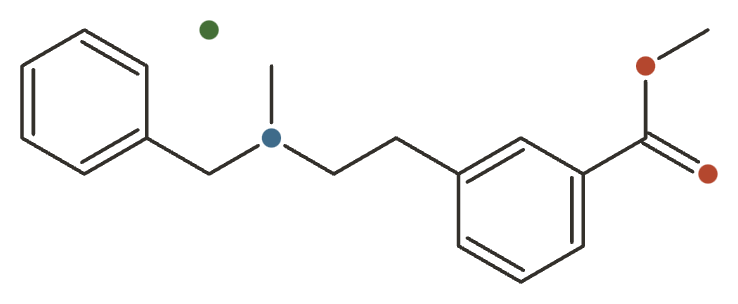
Synthetic
PRL-8-53
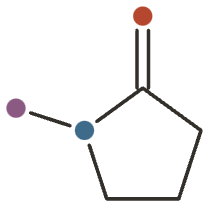
Synthetic
Racetams
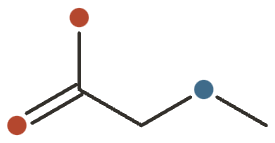
Amino Acid
Sarcosine
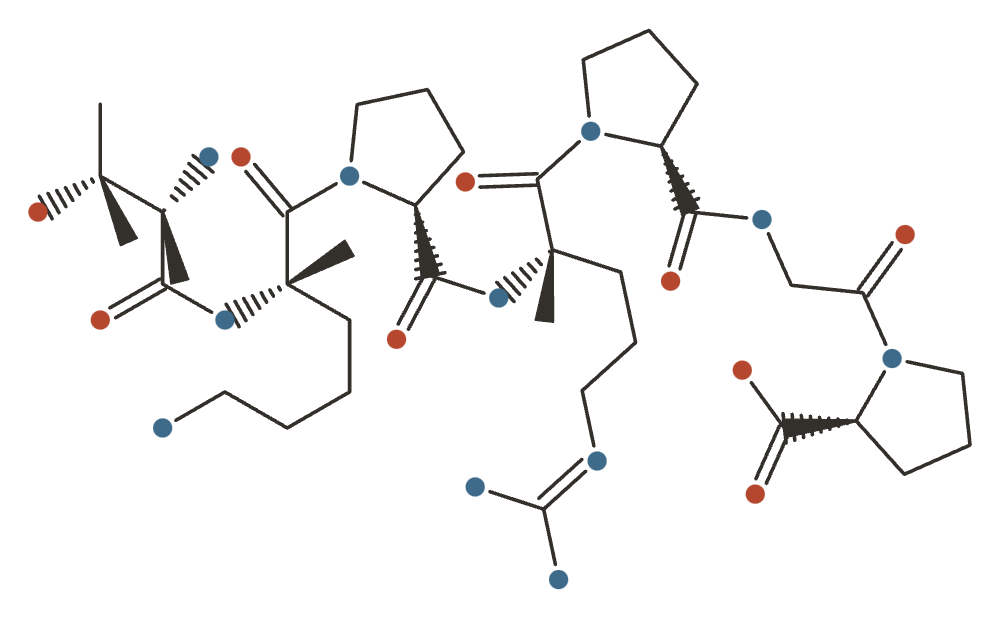
Peptide
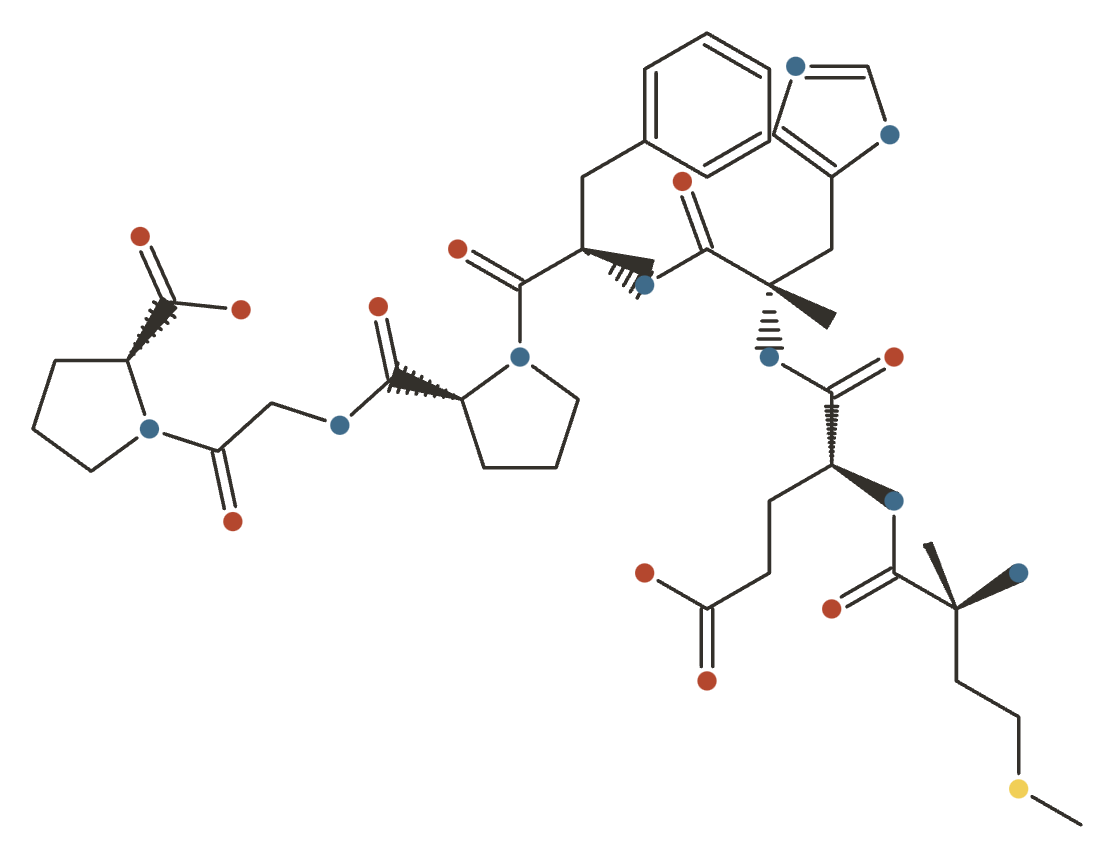
Selank
Peptide
Semax
Synthetic
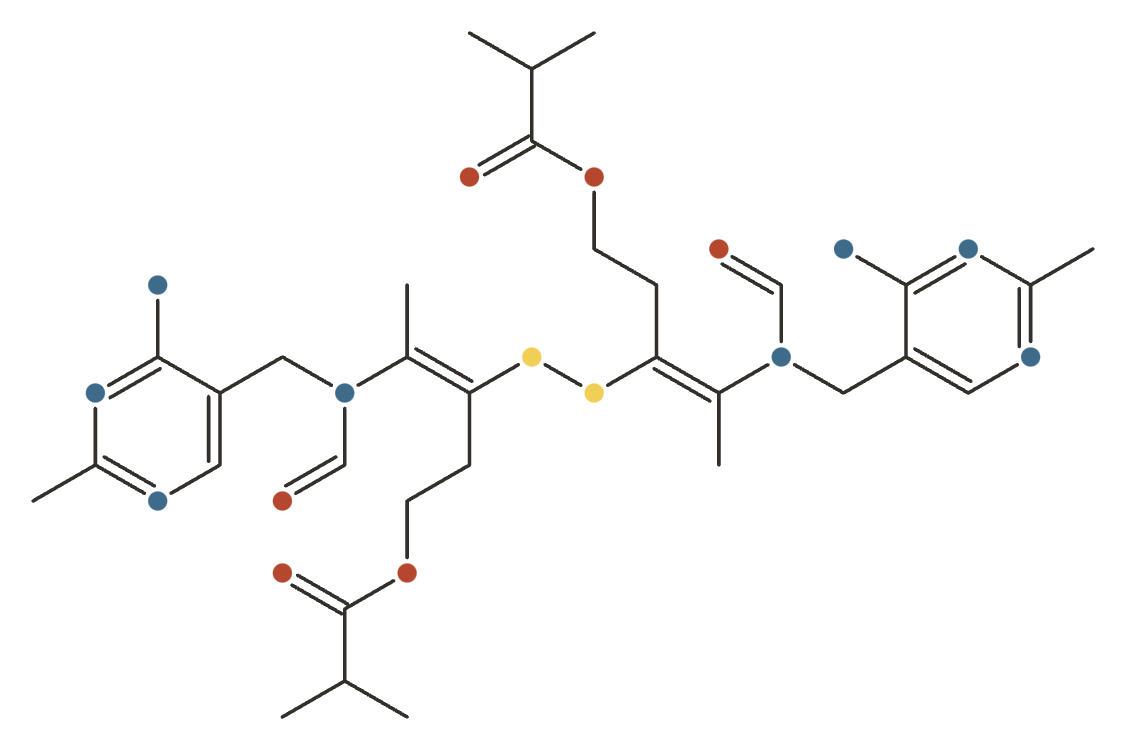
Sulbutiamine
Synthetic
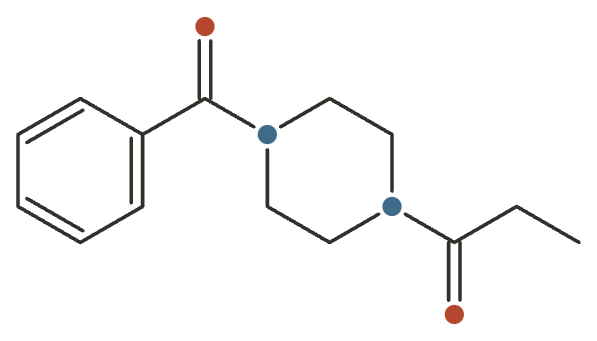
Sunifiram
Cofactor
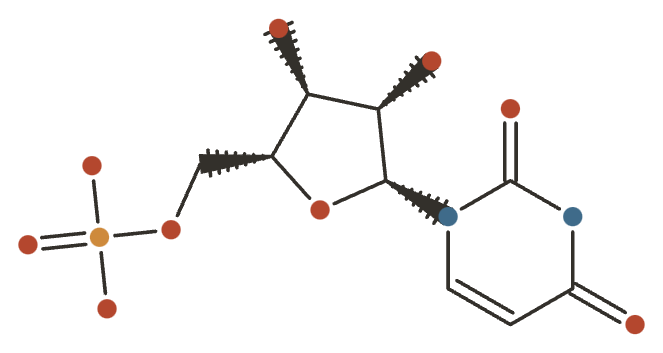
Uridine Monophosphate
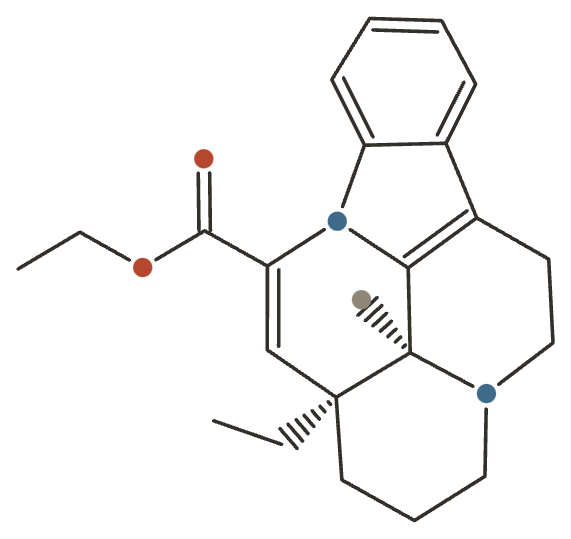
Alkaloid
Vinpocetine
No supplements match these filters.
Definition
Nootropic Describes the Goal
“Nootropic” isn’t a chemical class.
Caffeine, alpha-GPC, piracetam, and Semax are all called nootropics, but they work through very different mechanisms.
One is a stimulant.
One is a choline donor.
One is a synthetic racetam.
One is a peptide.
The label tells you what someone hopes to improve, not how the compound works.
That’s why these are best read individually rather than treated as one coherent class.
Evidence
Cognitive Effects Are Hard to Measure
Nootropic research has a basic problem: healthy cognition is difficult to improve in a way that’s both measurable and noticeable.
A compound may improve reaction time, working memory, or performance on a specific test without producing any meaningful difference in everyday function.
Most studies are also small and short, and often use young, healthy participants.
That makes the details important:
What was measured? Who was tested? How large was the effect? And would you actually notice it?
Caffeine with L-theanine is one of the better-supported combinations here, particularly for attention and alertness.
Other compounds have much thinner human evidence.
Each monograph separates the mechanism from the clinical result so you can see the difference.
Sleep, exercise, and correcting a real deficiency also matter more than most nootropics.
These compounds make more sense as additions to the basics than substitutes for them.
The Herbal Side
Nootropic Herbs Live in a Separate Index
This page focuses mainly on isolated compounds — 24 of the 37 here are racetams, peptides or other lab-made molecules.
The herbal side includes 27 plants: among them bacopa, ginkgo, rhodiola, gotu kola, sage, saffron, and ginseng.
They don’t all aim at the same thing.
Bacopa is used mainly for memory.
Rhodiola is more relevant to mental fatigue.
Ginkgo is better studied in age-related cognitive decline than as a general cognitive enhancer in healthy adults.
The full list is on the nootropic herbal action page.
Dosing
Half-Life Decides the Timing
Potency across this index varies by orders of magnitude.
Piracetam is dosed in grams, noopept in tens of milligrams, and huperzine-A in micrograms.
How long each one lasts varies just as widely, and that is what decides when to take it and whether a second dose stacks on the first.
The nootropic dosage guide tabulates half-life and studied dose for every compound here, with the nootropic herbs in their own table because they are not dosed in comparable units.
Status
Check What Kind of Compound It Is
Not everything in the nootropics world is an ordinary supplement.
Some compounds are sold as supplements.
Some are prescription medicines.
Others are research chemicals, experimental peptides, or drugs approved only in certain countries — 7 of the 37 here.
That status matters for safety, manufacturing quality, dosing, and how much human data exists.
Each monograph lists the compound’s status near the top.
It’s worth checking before anything else.
Elsewhere
Related Indexes
- Nootropic Dosage Guide — half-life and studied dose for every compound and herb in the category.
- Nootropic Herbs — the whole-plant side of the category.
- Peptides — peptide nootropics and related compounds.
- Supplements — the full isolated-compound library.
- Nervous System — the broader physiology and herbal actions affecting the brain and nervous system.

Clinical herbalist and the writer behind The Sunlight Experiment — an evidence-based pharmacopoeia of herbs, supplements, and the chemistry behind them.
From the Journal
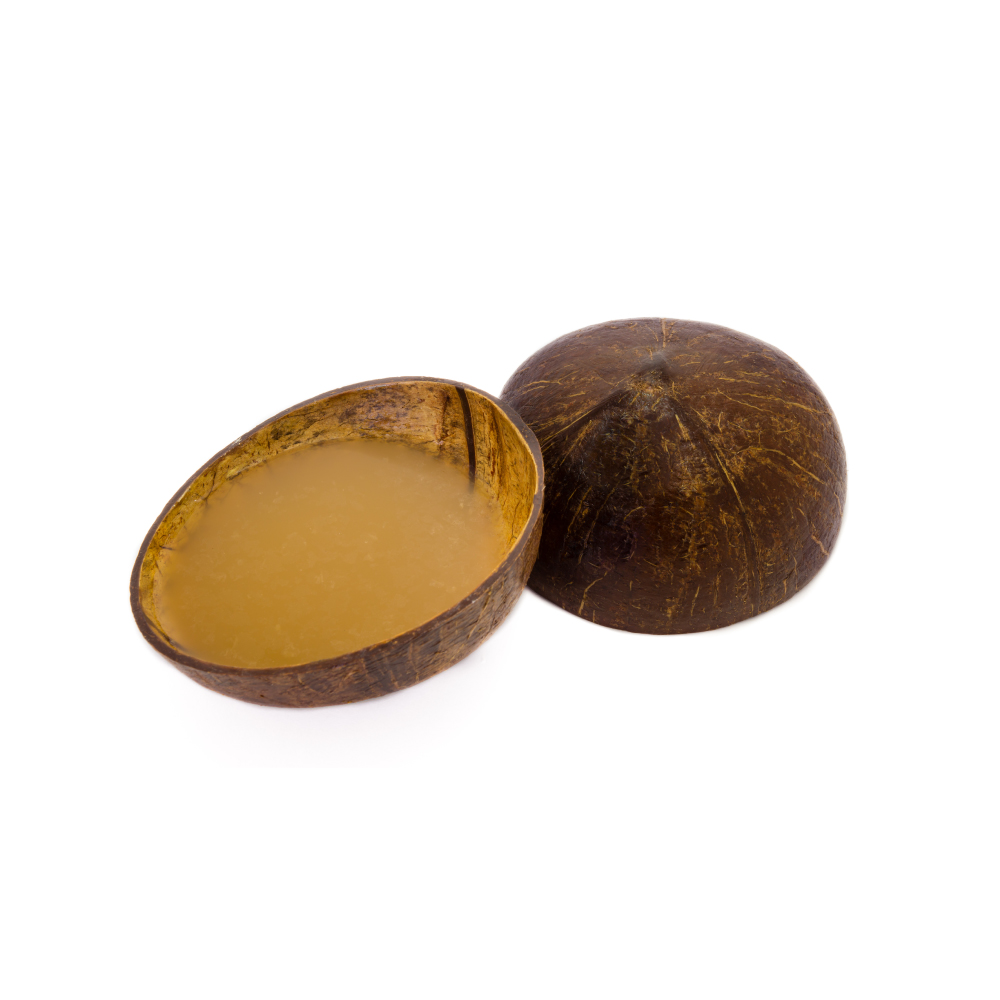 GuidesThe Best Kava: A Buyer's GuideHow to buy good kava: noble vs two-day cultivars, which part of the root, chemotype codes, origin, form, and the batch tests a seller should show you.
Read more
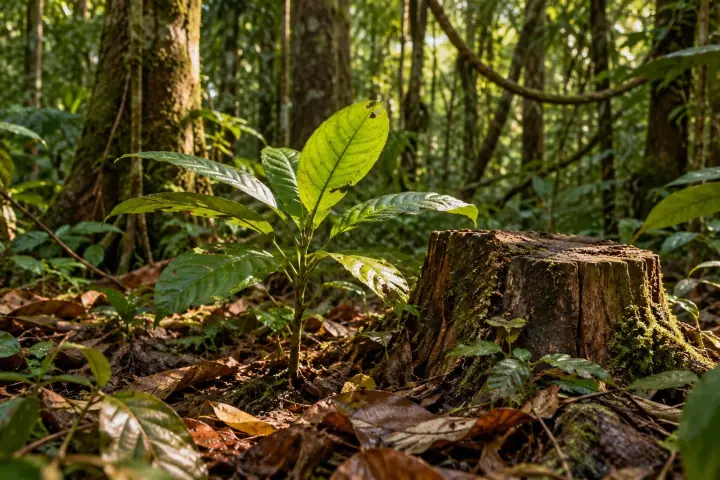 GuidesThe Amazon's Endangered Medicinal PlantsThe Amazon gives us some of our most important medicines — but which healing plants are actually endangered?
Read more
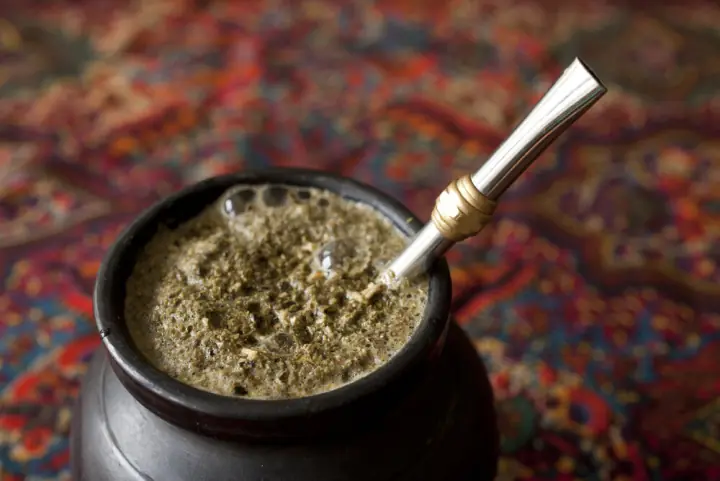 NutritionThe Best Yerba Maté Brands [Reviewed]A drinker's guide to buying yerba maté — what actually changes the taste, and ten brands worth your money.
Read more
Get the Field Notes
Evidence-based herb breakdowns in your inbox. No spam, unsubscribe anytime.