
Compounds & Supplements
Peptides Database
56 short amino-acid chains that act as biological signals.
Filter by function first: what you want the peptide to act on.
Function
All Peptides
56 peptidesEvery peptide here, listed alphabetically. Pick a function above to focus on a use — healing, growth hormone, fat loss, longevity, cognition and more.
Peptide
AOD-9604
Peptide
ARA-290 (Cibinetide)
Peptide
Argireline (Acetyl Hexapeptide-8)
Peptide
BPC-157
Peptide
Cagrilintide
Peptide
Cerebrolysin
Peptide
CJC-1295 (no DAC / Mod GRF 1-29)
Peptide
CJC-1295 DAC
Peptide
Dihexa
Peptide
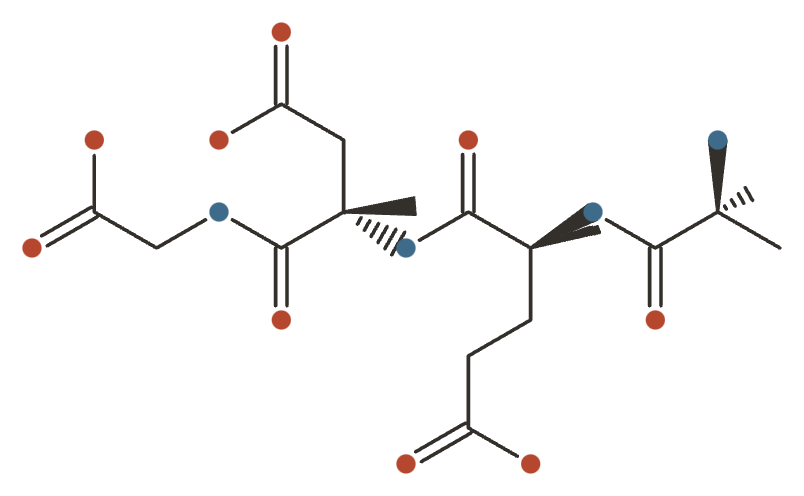
DSIP
Peptide
Epitalon
Peptide
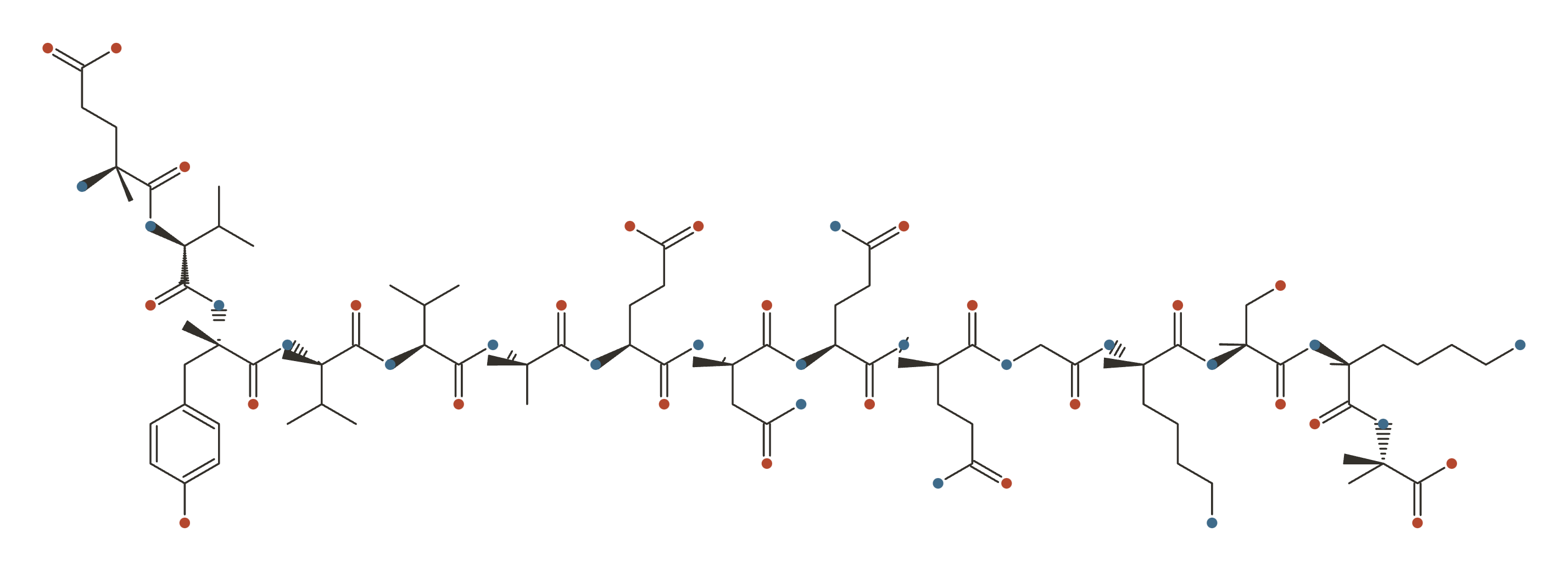
FGL(L)
Peptide
Follistatin (FST-344)
Peptide
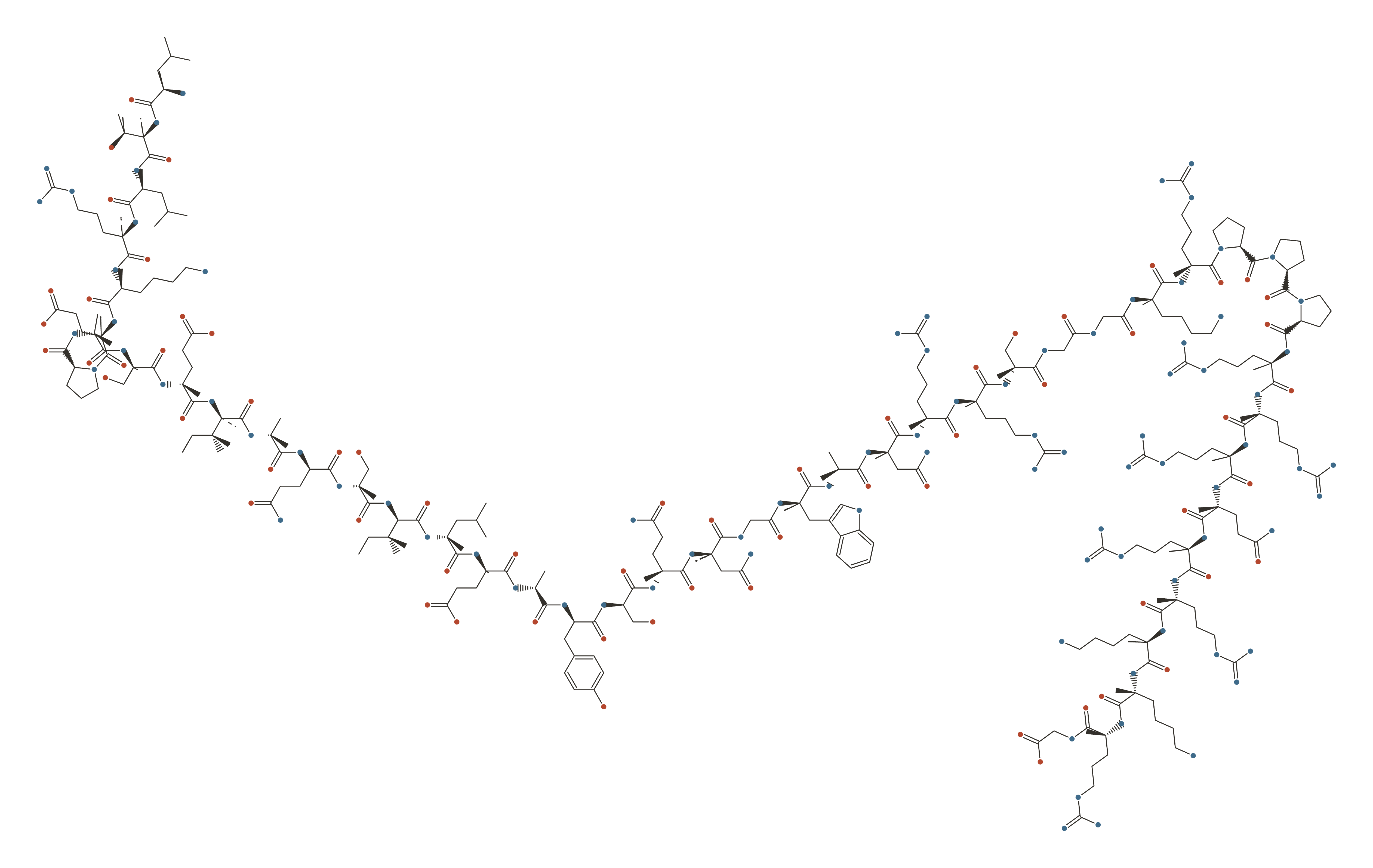
FOXO4-DRI
Peptide
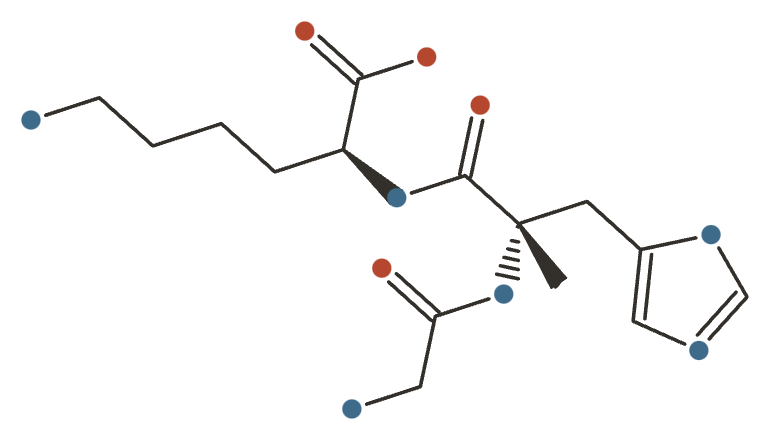
GHK-Cu (copper peptide)
Peptide
GHRP-2
Peptide
GHRP-6
Peptide
Glutathione (reduced)
Peptide
Gonadorelin (GnRH)
Peptide
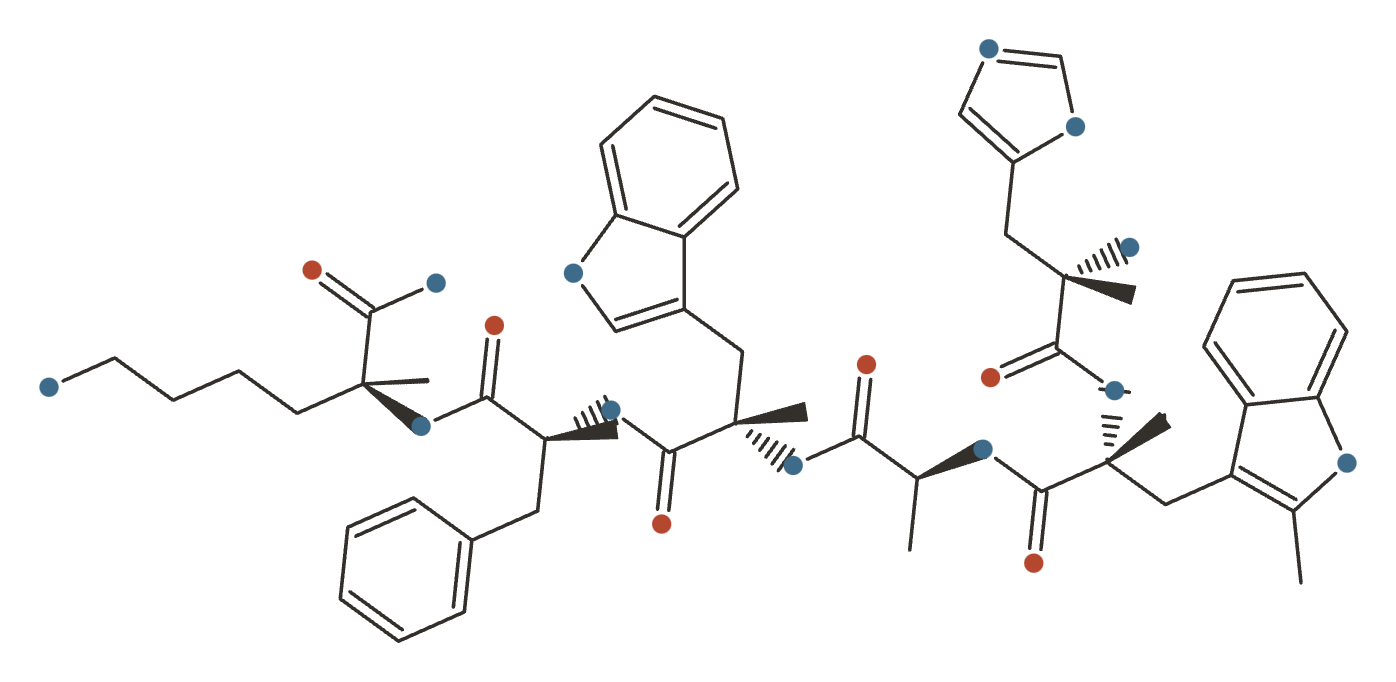
Hexarelin
Peptide
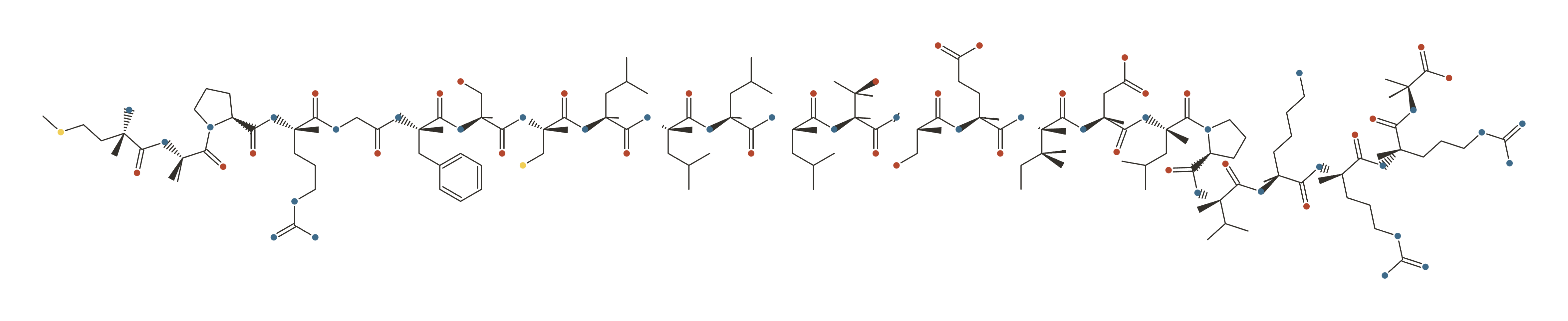
Humanin
Peptide
IGF-1 DES
Peptide
IGF-1 LR3
Peptide
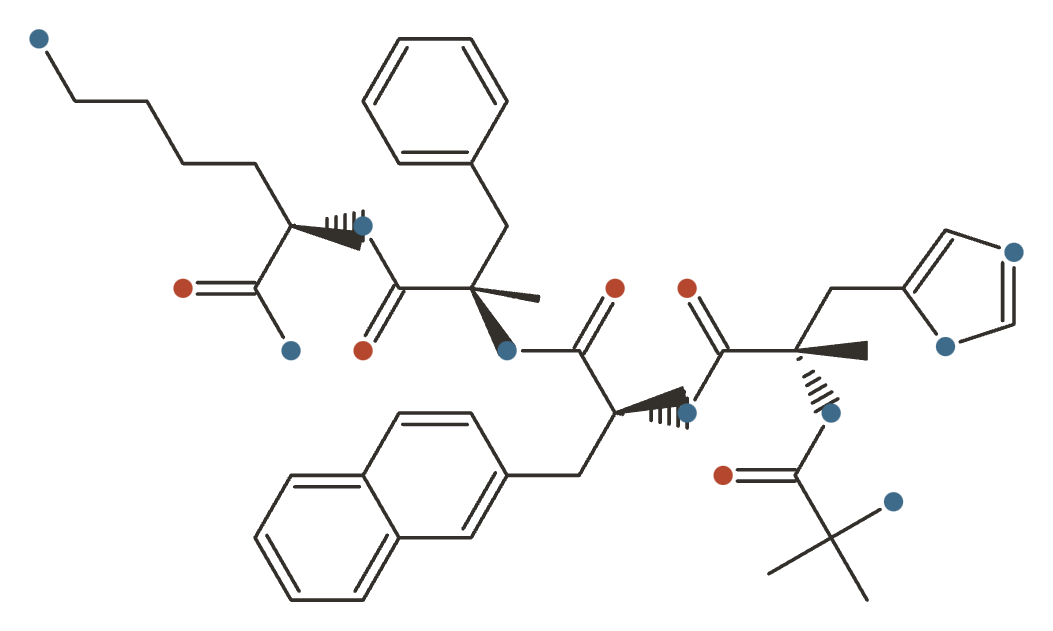
Ipamorelin
Peptide
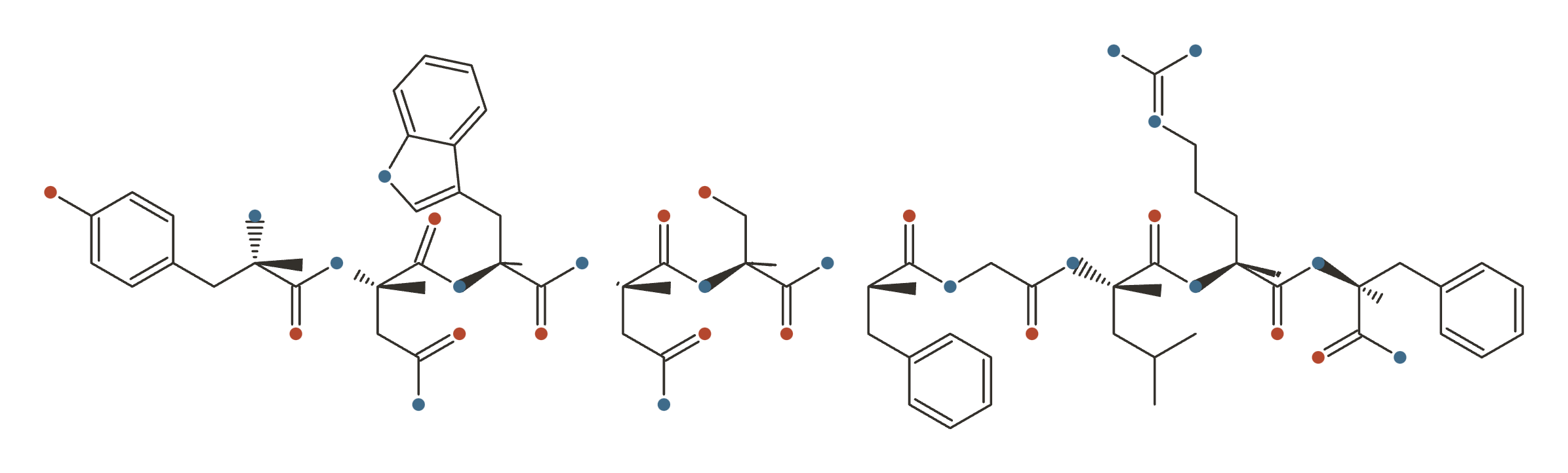
Kisspeptin-10
Peptide
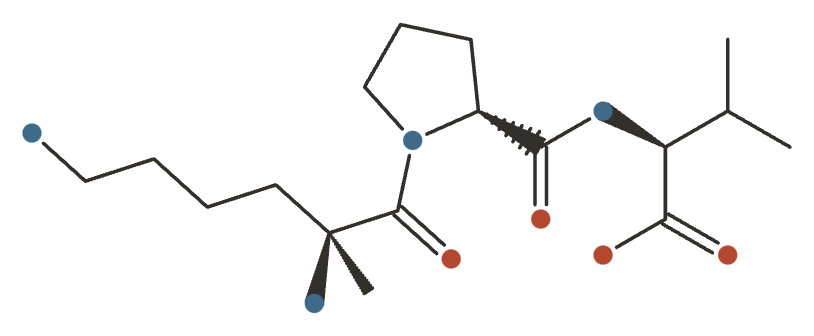
KPV
Peptide
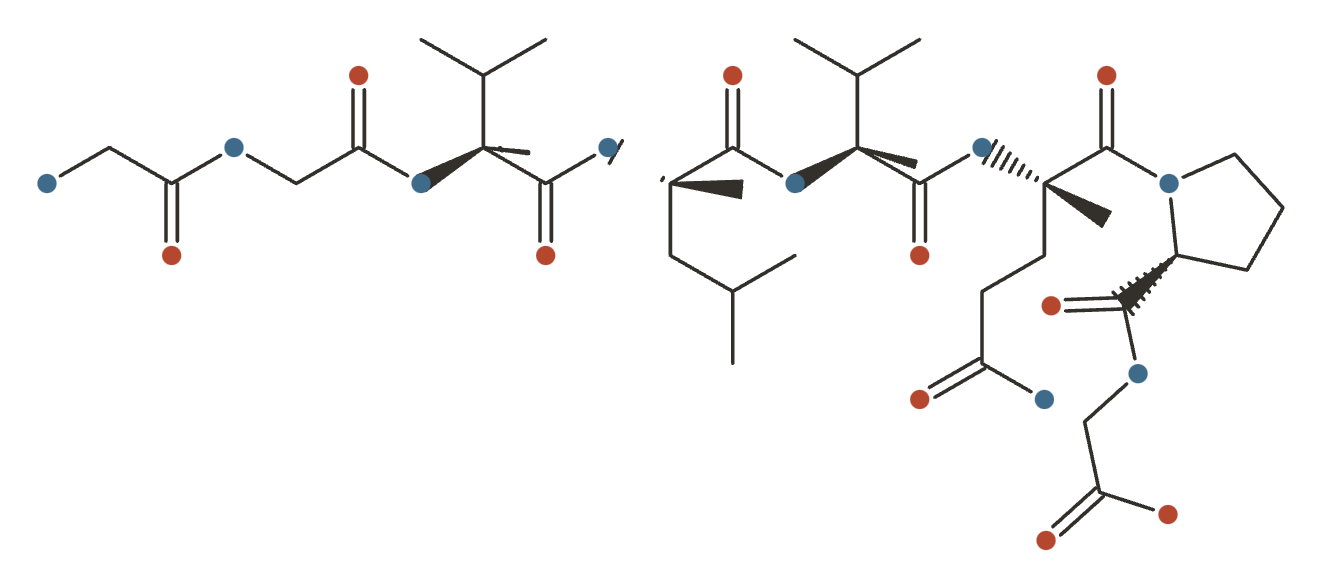
Larazotide
Peptide
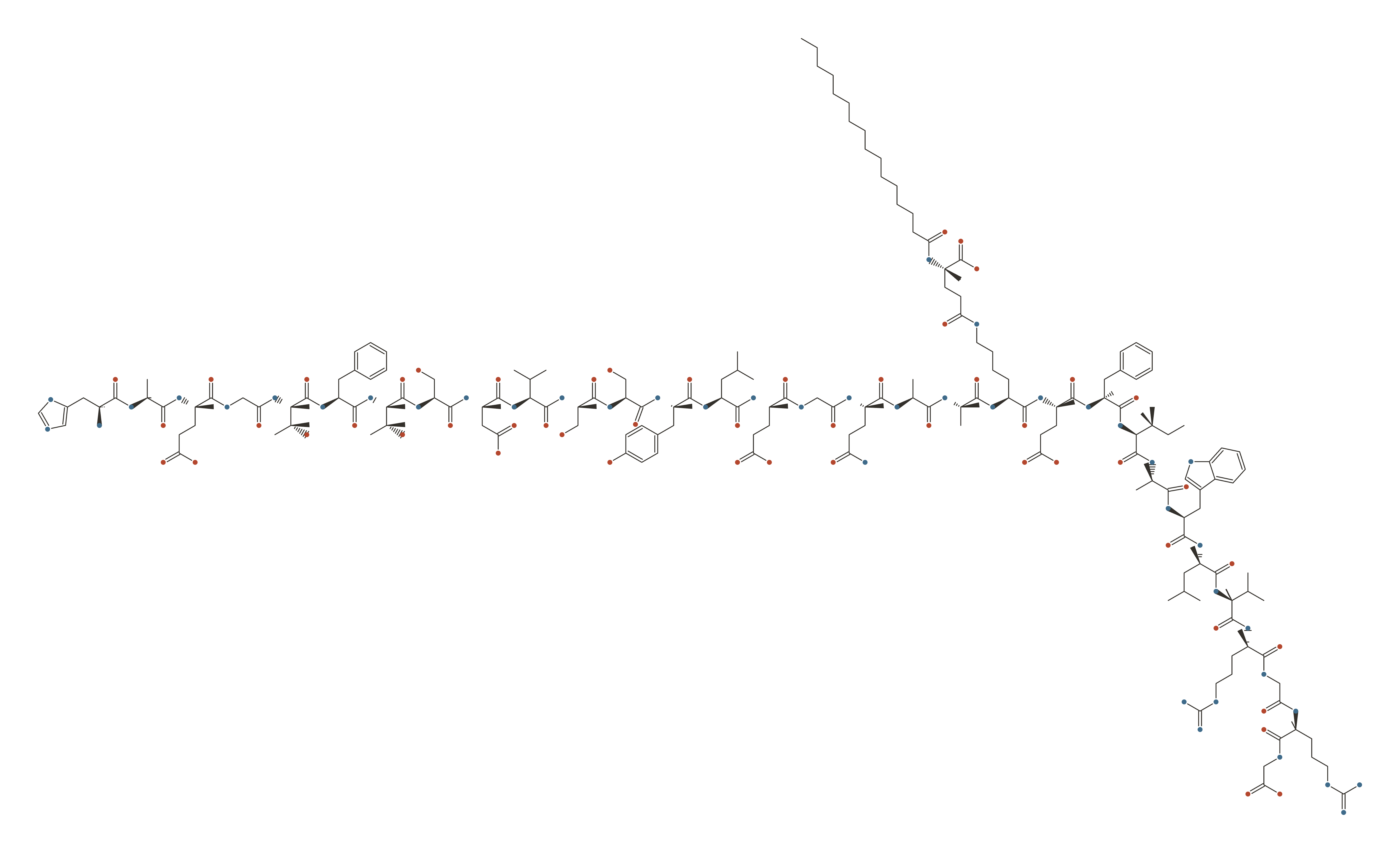
Liraglutide (Victoza / Saxenda)
Peptide
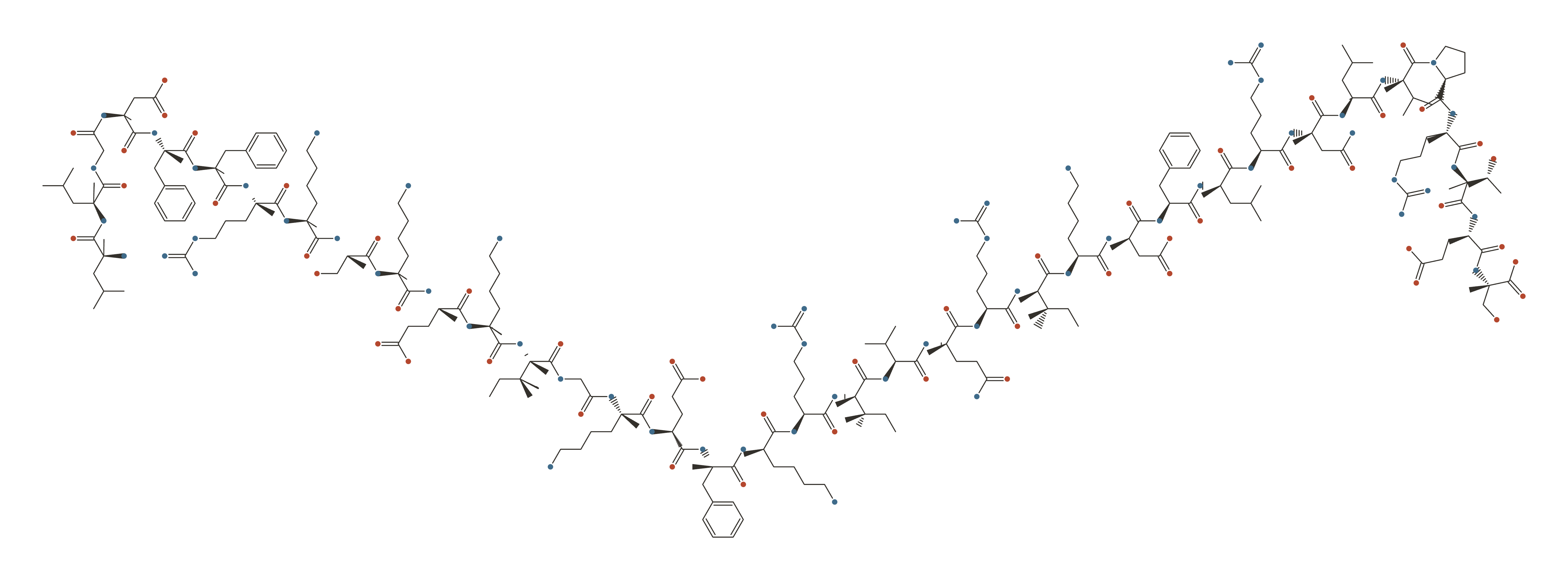
LL-37
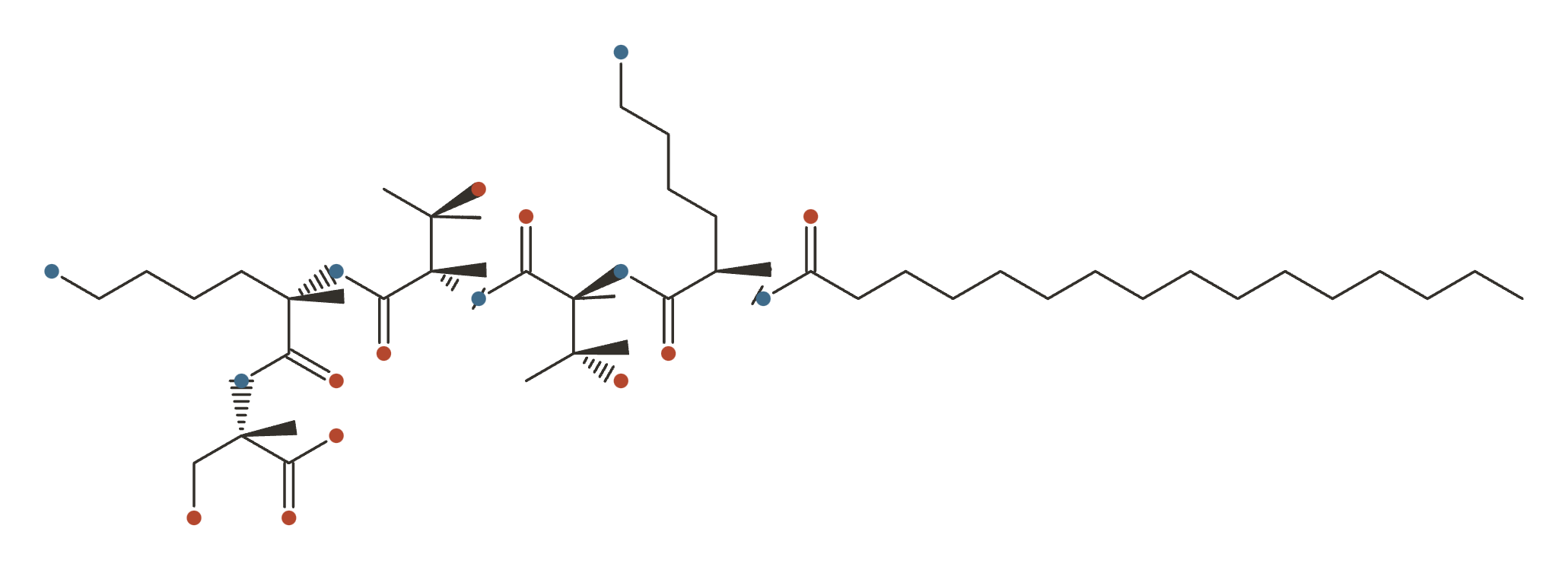
Peptide
Matrixyl (Palmitoyl Pentapeptide-4)
Peptide
Mecasermin
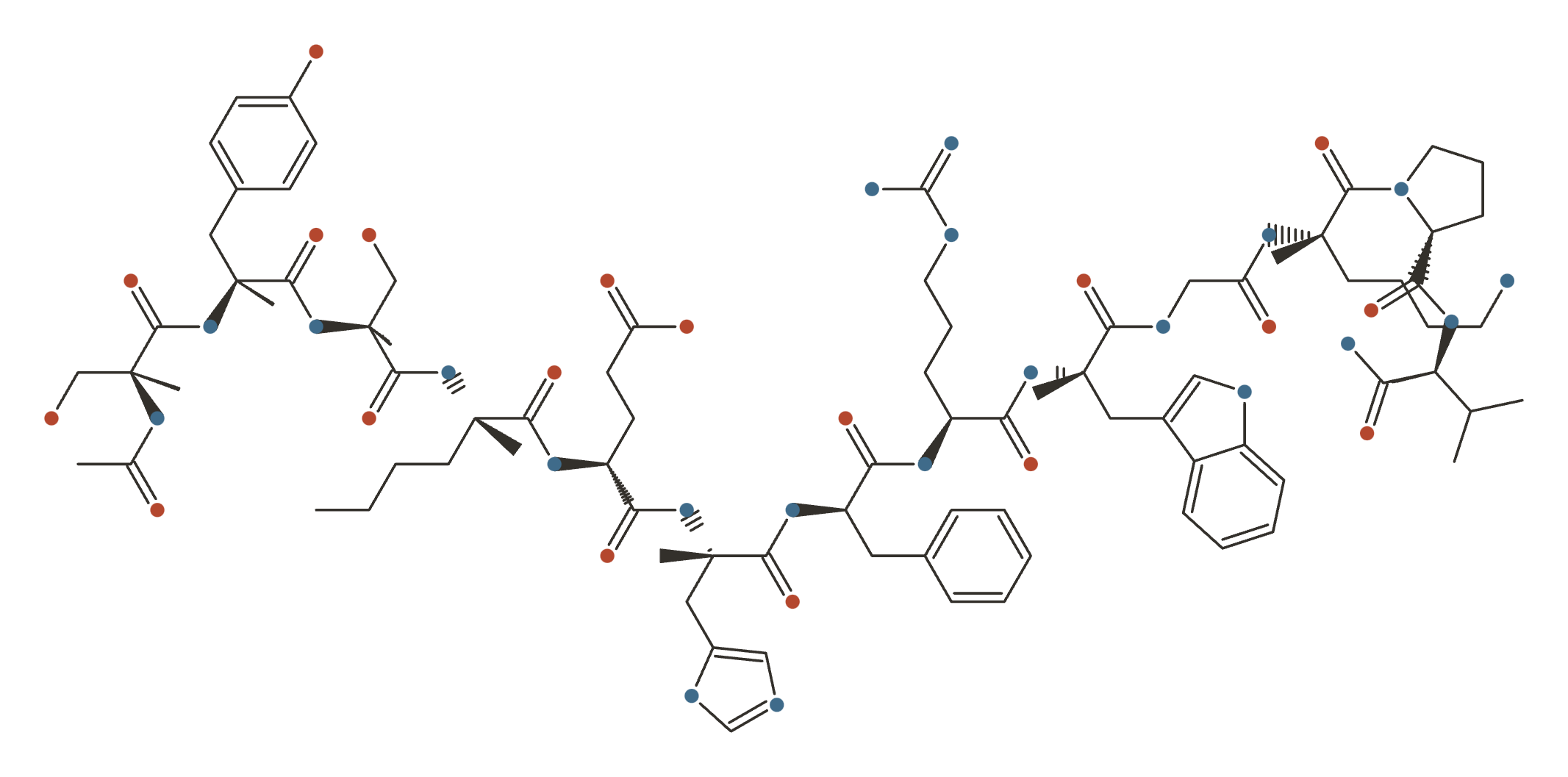
Peptide
Melanotan I (Afamelanotide)
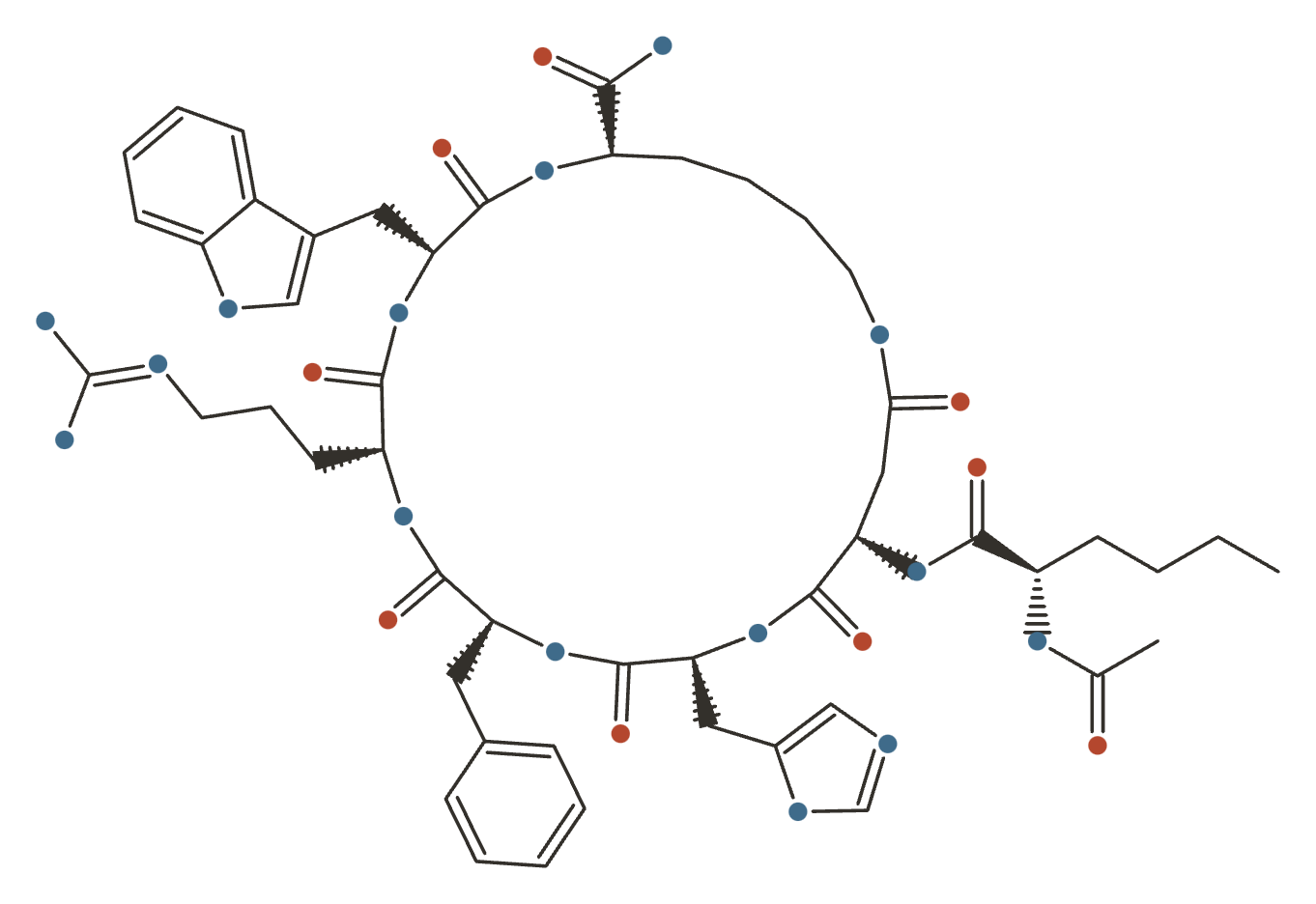
Peptide
Melanotan II
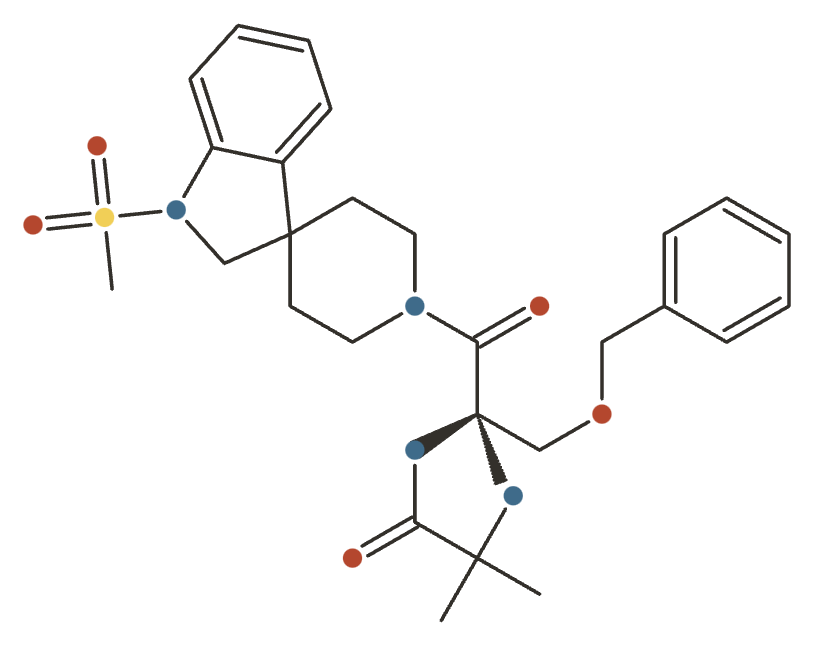
Synthetic
MK-677 (Ibutamoren)
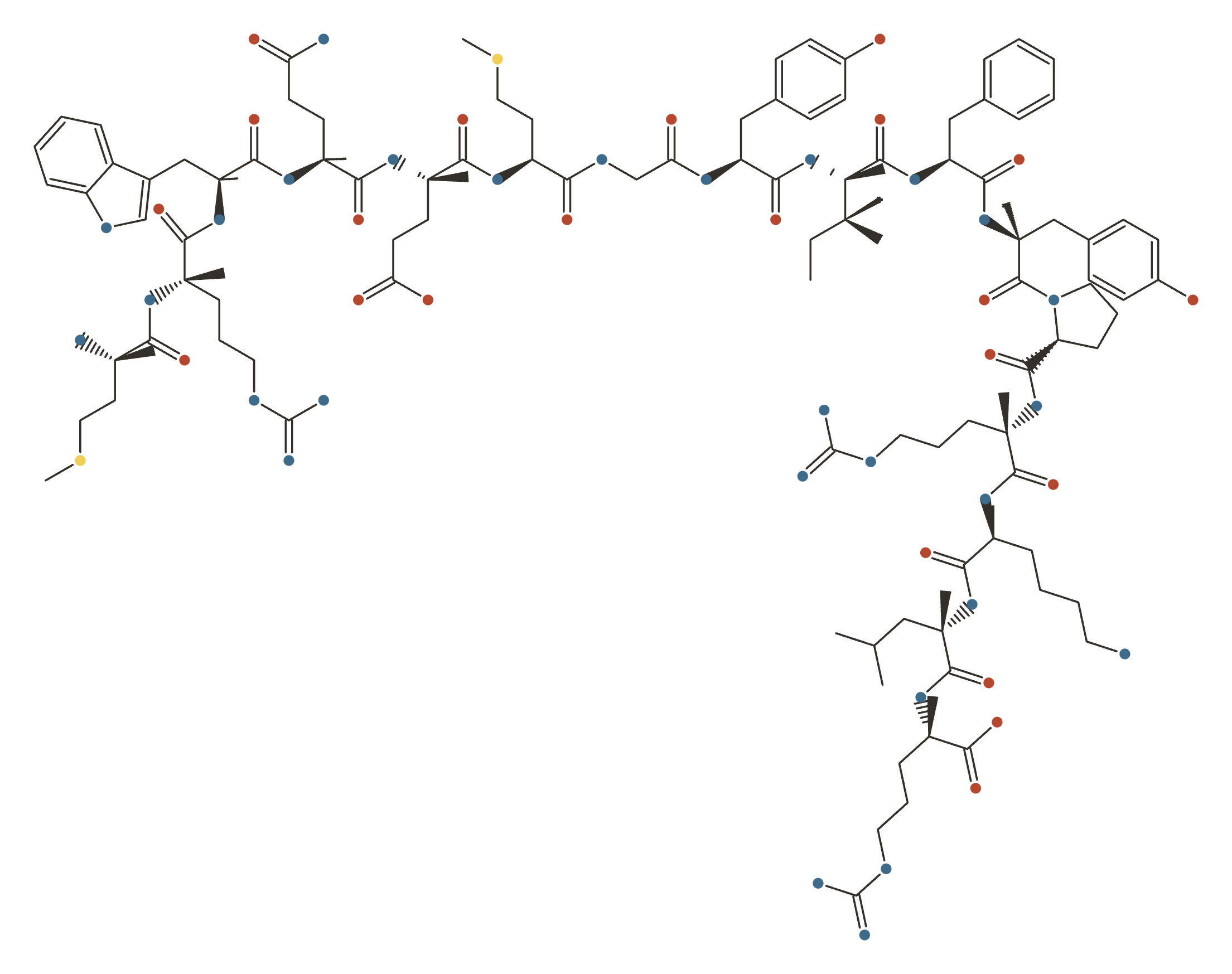
Peptide
MOTS-c
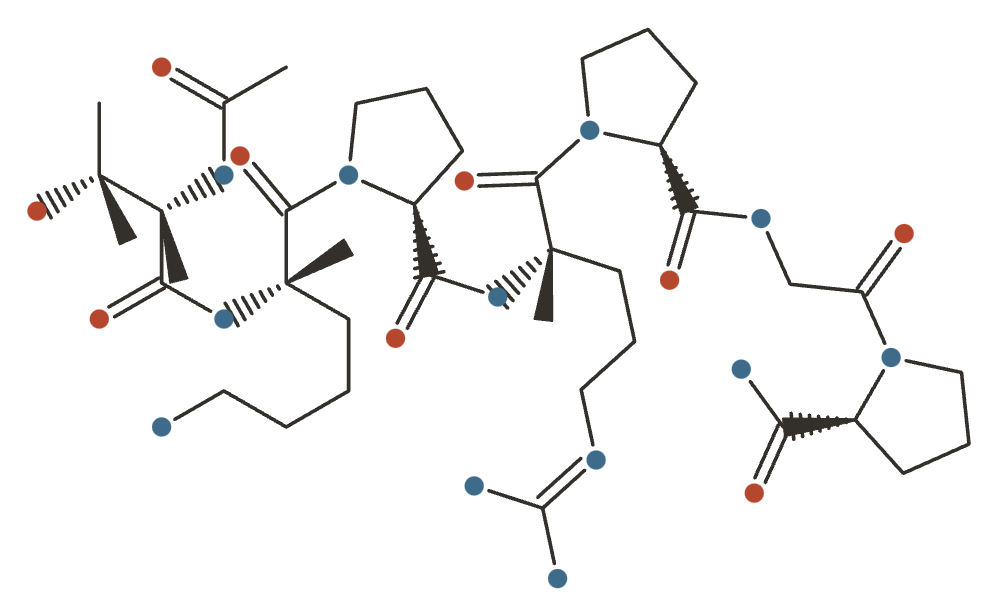
Peptide
N-Acetyl Selank Amidate
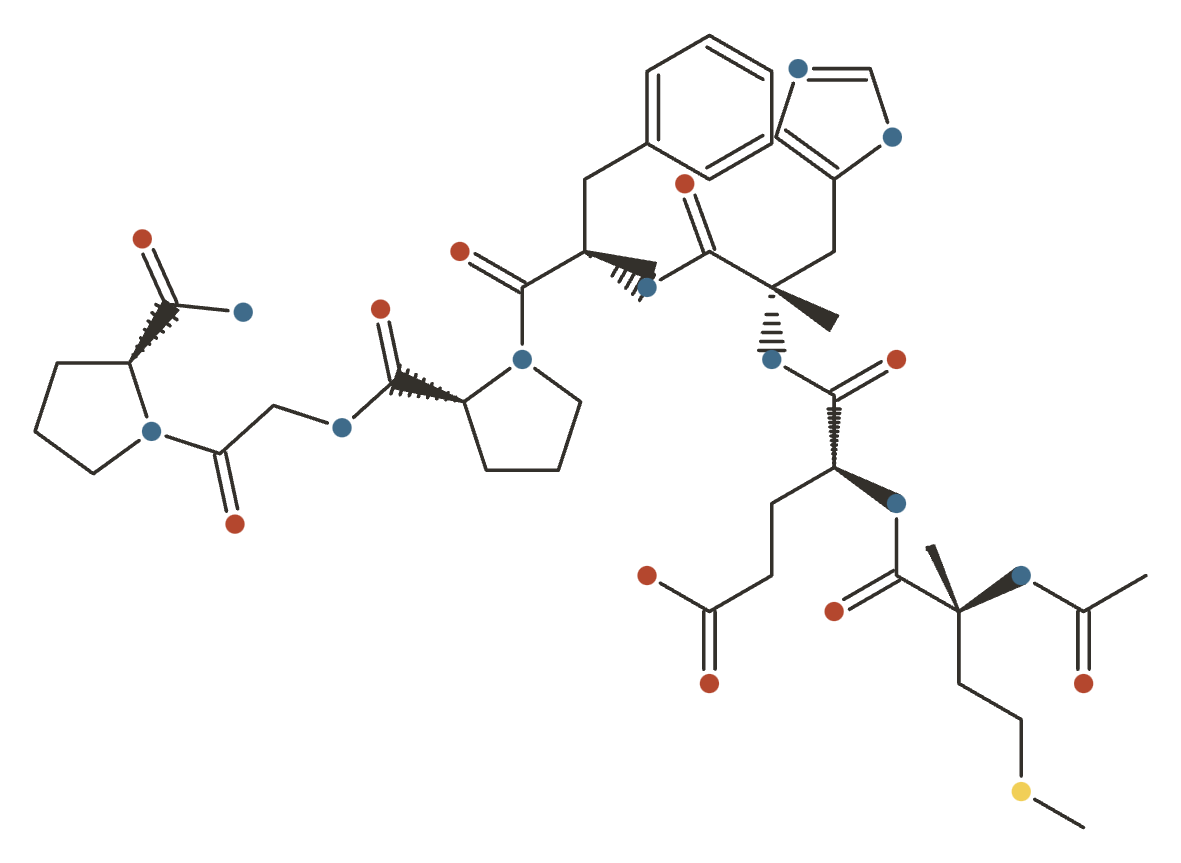
Peptide
N-Acetyl Semax Amidate
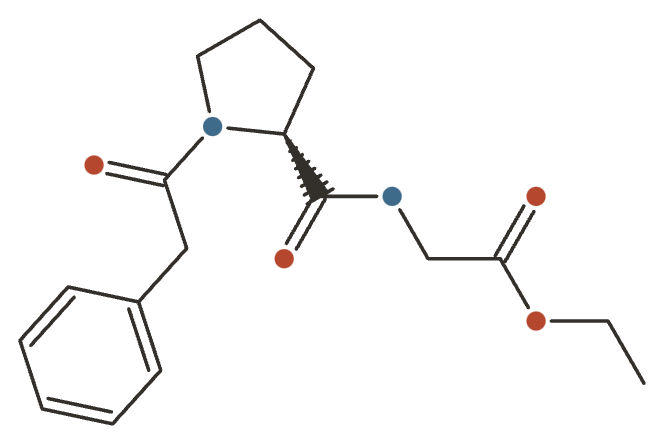
Peptide
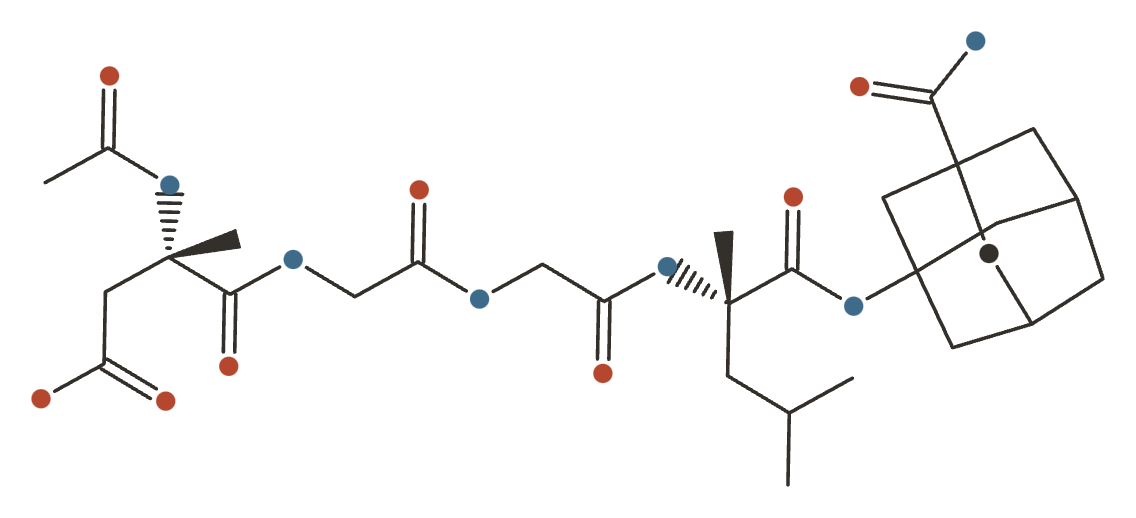
Noopept
Peptide
P21
Peptide
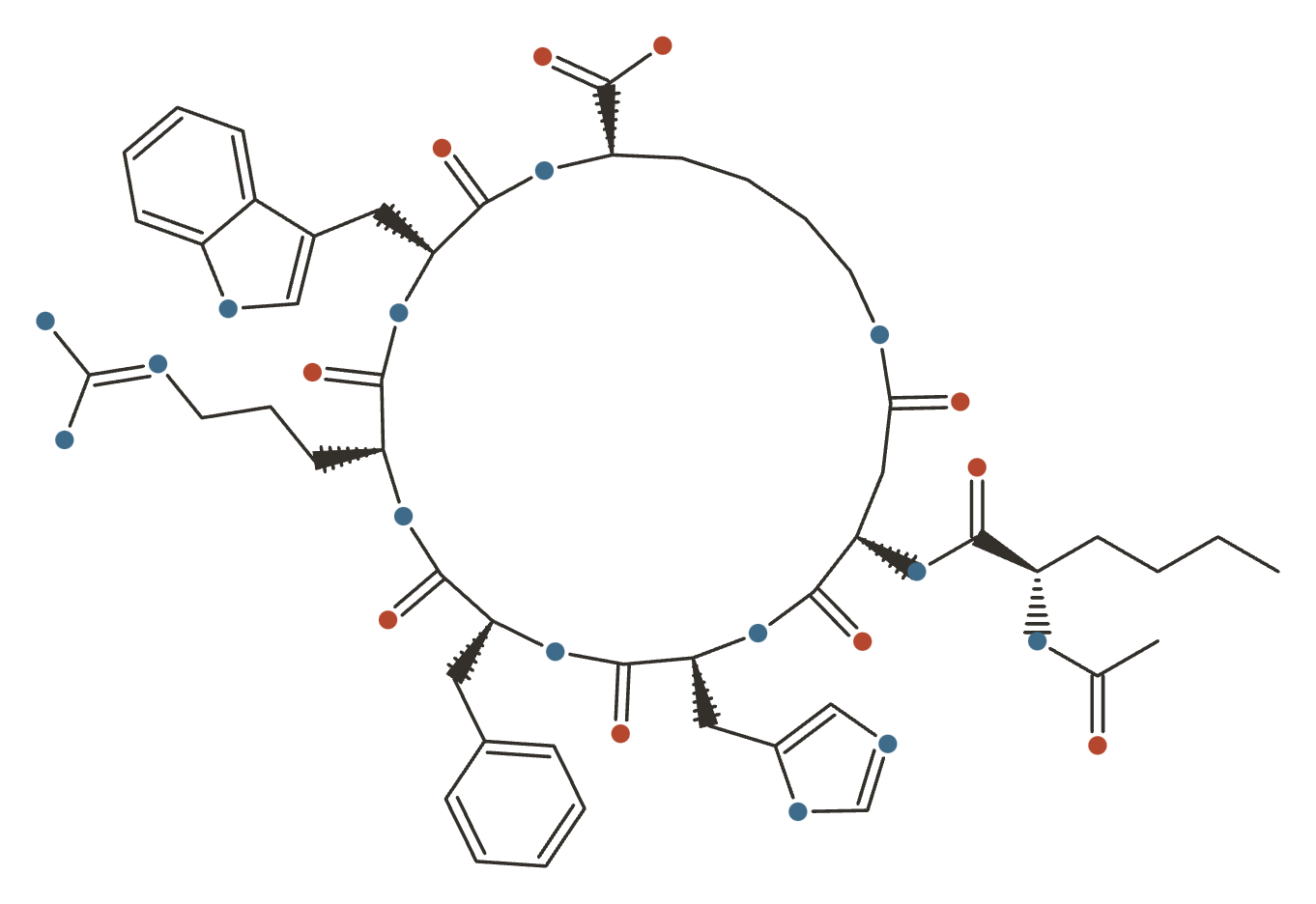
PEG-MGF
Peptide
PT-141 (Bremelanotide)
Peptide
Retatrutide
Peptide
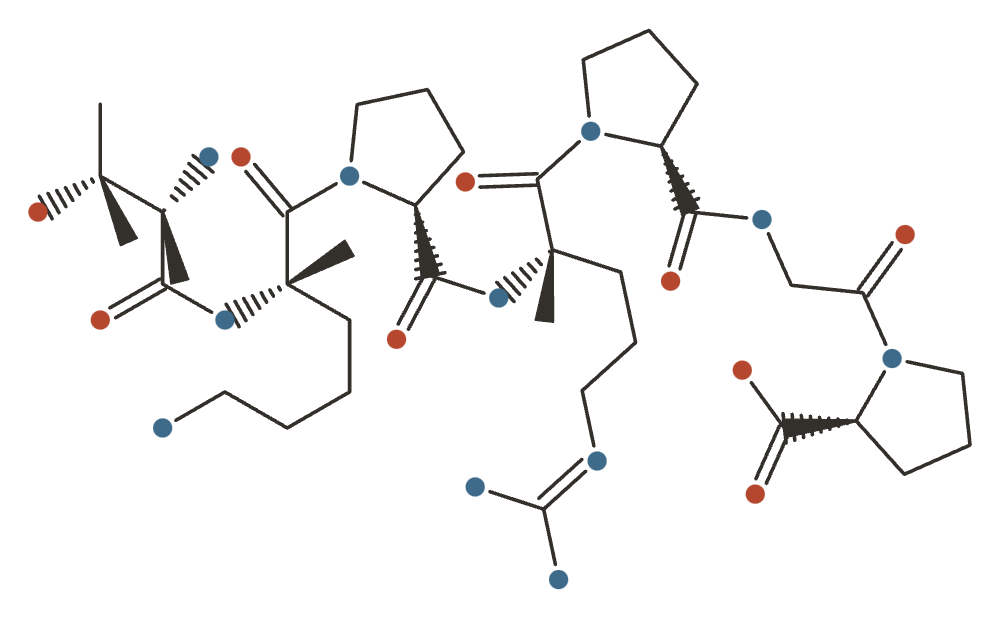
Selank
Peptide
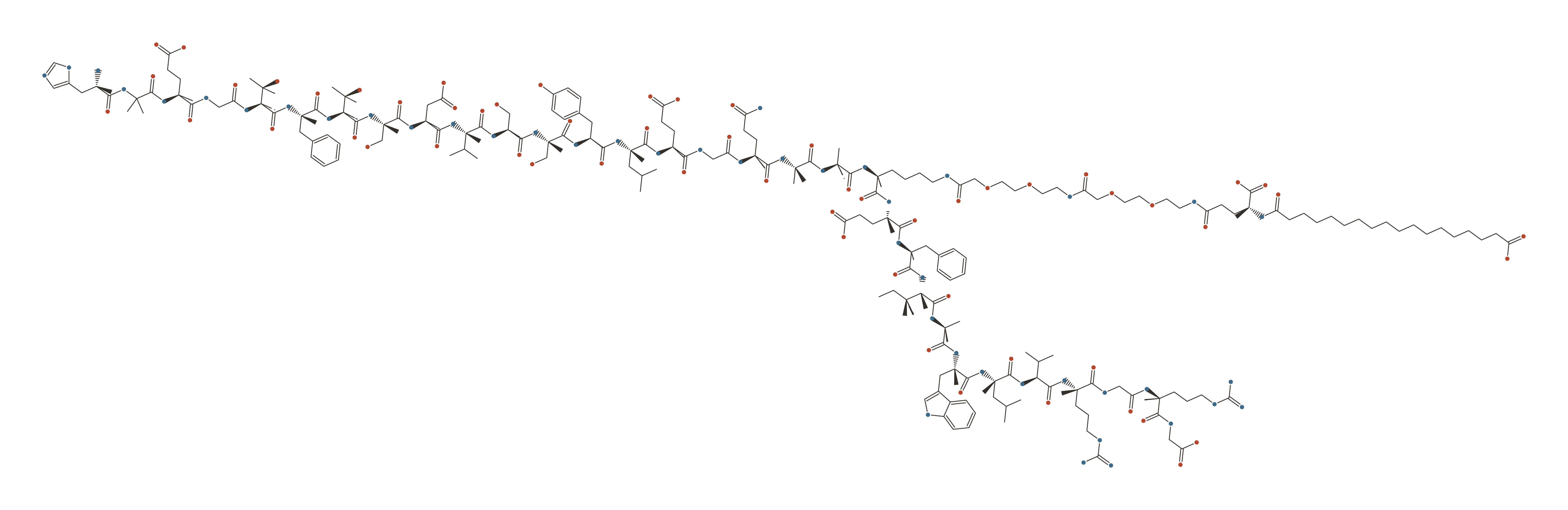
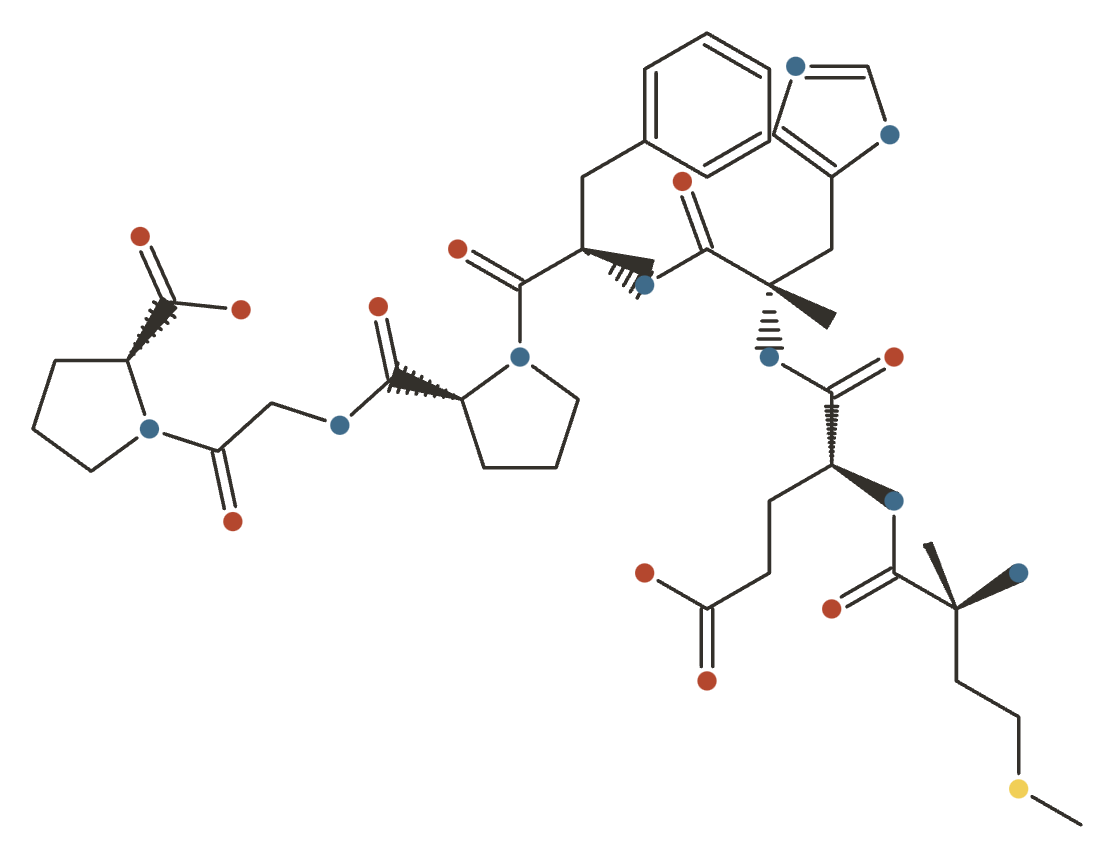
Semaglutide (Ozempic / Wegovy / Rybelsus)
Peptide
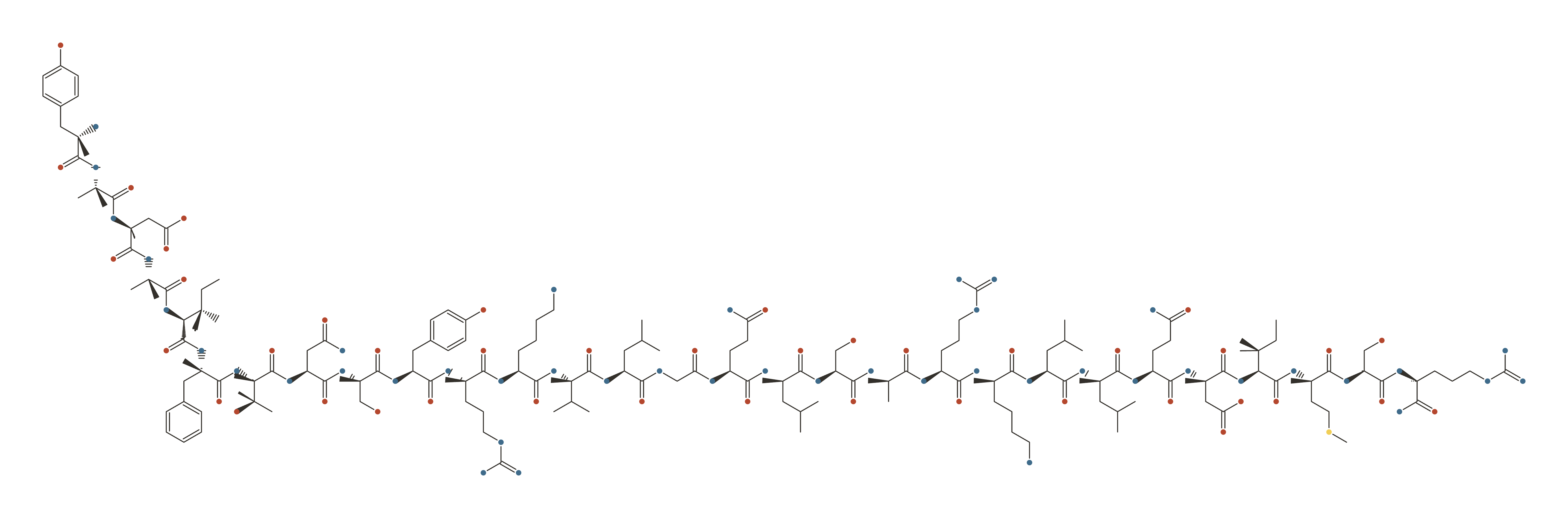
Semax
Peptide
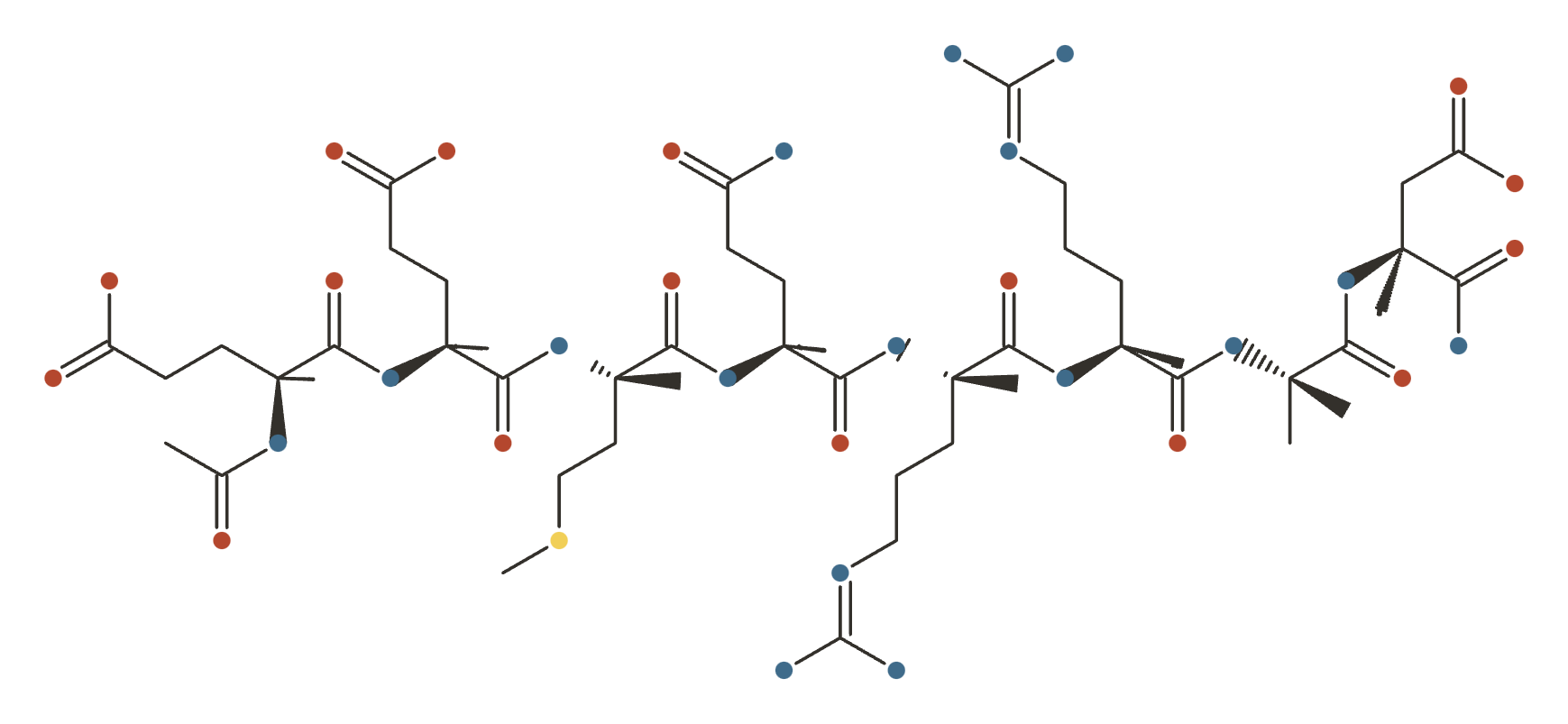
Sermorelin
Peptide
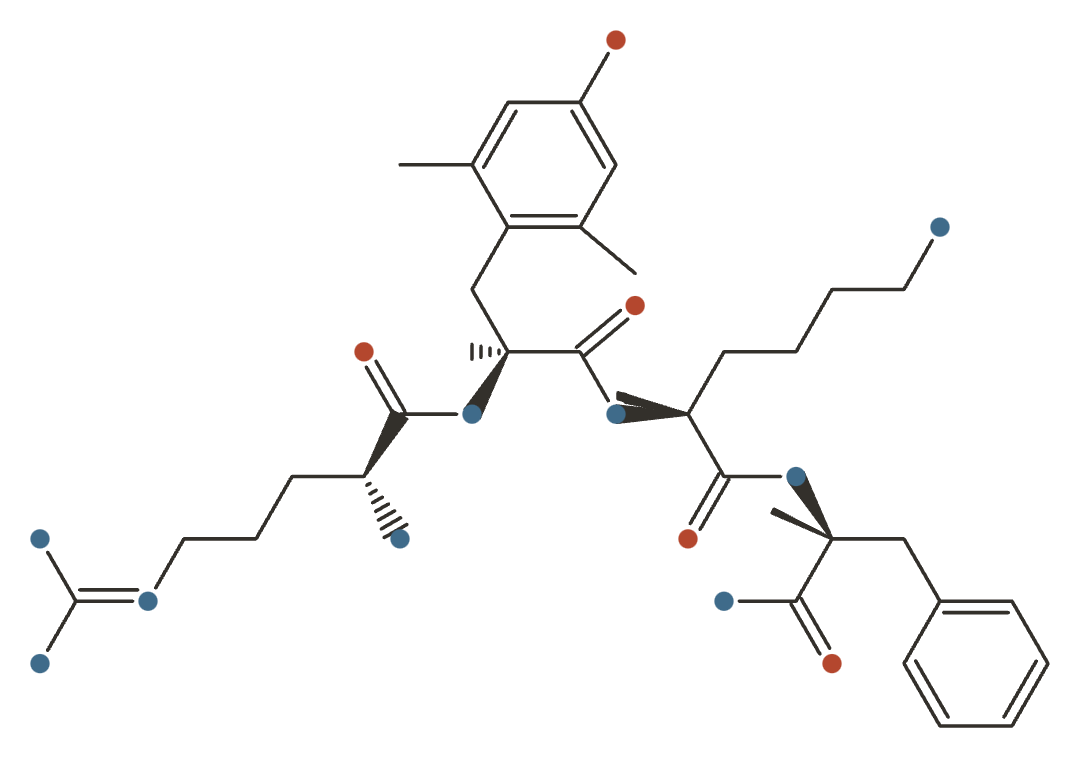
SNAP-8 (Acetyl Octapeptide-3)
Peptide
SS-31 (Elamipretide)
Peptide
Survodutide
Peptide
TB-500 (Thymosin β4 fragment)

Peptide
Tesamorelin
Peptide
Thymalin
Peptide
Thymosin Alpha-1 (Thymalfasin)
Peptide
Thymosin Beta-4 (full-length)
Peptide
Tirzepatide (Mounjaro / Zepbound)
Peptide
VIP (vasoactive intestinal peptide)
No supplements match these filters.
Definition
Peptides Are Biological Messengers
The body already uses peptides to control a huge range of functions.
Insulin is a peptide. So are many hormones involved in growth, appetite, metabolism, reproduction, and tissue repair.
Most peptides work by binding to a specific receptor and delivering a fairly specific signal.
That’s also what makes synthetic peptides interesting.
Many are copies, fragments, or modified versions of signalling molecules the body already uses.
This can make them more targeted than a plant extract or broad-spectrum drug.
But a targeted signal can still have wider effects.
Dose, duration, receptor distribution, and downstream signalling all matter, especially when a peptide is used at levels the body wouldn’t normally produce.
Route
Most Peptides Can’t Be Swallowed
Peptides are made from amino acids, which means the digestive system generally treats them like any other protein and breaks them apart.
Most therefore have very poor oral bioavailability.
Some have been modified or formulated to survive digestion, but many are given by injection, while others are used intranasally or topically.
That makes route especially important.
Injected products need to be sterile, accurately dosed, and correctly stored.
With unapproved peptides, the quality of the vial itself can be as important as the pharmacology of the compound.
Each monograph lists the route near the top because it changes both how the peptide works and what risks come with using it.
Status
Regulatory Status Varies Widely
The peptides here don’t all belong in the same category.
11 are established prescription medicines, and 5 more are approved outside the West.
6 are still being studied in clinical trials.
28 are research chemicals sold online without approval for human use.
A smaller number — 4 cosmetic ingredients and 2 ordinary supplements — sit outside both.
That distinction matters.
An approved medicine has a defined manufacturing standard, labelled dose, established indications, and a much larger safety record.
A research peptide may have little or no controlled human data at all.
Each monograph lists its regulatory status separately from the evidence for what it does.
Check that before treating something sold online like an ordinary supplement.
Scope
Why Peptides Are Included on TSE
Peptides aren’t herbal medicines.
They’re included because they increasingly sit beside herbs, supplements, and nootropics in the same conversations about sleep, cognition, metabolism, recovery, ageing, and performance.
That makes them useful to cover on the same terms:
what the compound is, what it does, what dose has actually been studied, how strong the evidence is, and what the risks are.
They also make a useful comparison.
Some peptide drugs produce effects that herbs simply don’t.
Likewise, an isolated receptor-targeting peptide is doing something very different from a whole plant containing dozens of active constituents.
They’re different tools and should be assessed as such.
Elsewhere
Related Indexes
- Nootropics — the overlapping cognitive and performance compounds.
- Supplements — vitamins, minerals, amino acids, and other isolated compounds.
- Plant Constituents — the chemistry index, including the amino acids and proteins peptides are built from.
- Explore the Herbs — the whole-plant side of TSE.

Clinical herbalist and the writer behind The Sunlight Experiment — an evidence-based pharmacopoeia of herbs, supplements, and the chemistry behind them.
From the Journal
 GuidesThe Best Kava: A Buyer's GuideHow to buy good kava: noble vs two-day cultivars, which part of the root, chemotype codes, origin, form, and the batch tests a seller should show you.
Read more
 GuidesThe Amazon's Endangered Medicinal PlantsThe Amazon gives us some of our most important medicines — but which healing plants are actually endangered?
Read more
 NutritionThe Best Yerba Maté Brands [Reviewed]A drinker's guide to buying yerba maté — what actually changes the taste, and ten brands worth your money.
Read more
Get the Field Notes
Evidence-based herb breakdowns in your inbox. No spam, unsubscribe anytime.