
Browse
Infectious Diseases
31 viral, bacterial, fungal and parasitic infections. Each covers the organism and how it causes disease, its history, how it is treated, and which herbs hold up against it in research.
Viral Infections
Chickenpox
Varicella-zoster virus
Common Cold
Rhinoviruses and other respiratory viruses
COVID-19
SARS-CoV-2
Glandular Fever
Epstein–Barr virus
Hepatitis (Viral)
Hepatitis A–E viruses
Herpes simplex
Herpes simplex virus types 1 and 2
Human Immunodeficiency Virus (HIV)
Human immunodeficiency virus
Human Papillomavirus (HPV)
Human papillomavirus
Influenza
Influenza A and B viruses
Measles
Measles virus
Mumps
Mumps virus
Zika
Zika virus, spread by Aedes mosquitoes
Bacterial Infections
Chlamydia
Chlamydia trachomatis
Gonorrhea
Neisseria gonorrhoeae
Helicobacter pylori
Helicobacter pylori, in the stomach lining
Lyme Disease
Borrelia bacteria, spread by ticks
Tuberculosis
Mycobacterium tuberculosis
Typhoid Fever
Salmonella Typhi
Fungal Infections
Parasitic Infections
Fluke Infections
Schistosomes and liver flukes
Human Parasites
Protozoa, worms and skin parasites
Malaria
Plasmodium, spread by Anopheles mosquitoes
Protozoal Infections
Giardia, amoebae and other single-celled parasites
Roundworm Infections
Pinworm, hookworm, Ascaris and other roundworms
Skin Parasites
Lice, scabies mites and other skin parasites
Tapeworm Infections
Tapeworms
Throat, Ear & Lung Infections
Otitis Media
Middle-ear infection — viral or bacterial
Pharyngitis
Sore throat — viral, or streptococcal
Pneumonia
Lung infection — bacterial, viral or fungal
Tonsillitis
Infected tonsils — viral, or streptococcal
Where Herbs Fit
Viral Infections Have the Most to Gain
An antibiotic does nothing for a cold, influenza or COVID-19. For most people the treatment for a viral respiratory infection is rest, fluids and time.
Shortening that time, easing the cough, settling the fever and helping someone sleep are the goals plants have the longest record with. Elderberry, echinacea and andrographis have been tested in human trials for exactly these jobs.
The mucous membranes are the other natural fit. A gargle, a steam or a topical antiseptic puts the herb directly on the infected tissue, at a concentration swallowing it could never reach.
Lab and Body
Killing a Microbe in a Dish Is Not Treating an Infection
Most of the evidence behind antimicrobial herbs is laboratory work. It measures what concentration kills an organism in a dish, usually milligrams per millilitre — a level no oral dose can reach in the blood.
The word also covers three different mechanisms. A herb can kill the organism, stop it sticking to a cell wall so it gets flushed out, or make an existing antibiotic work again. Cranberry against bladder infection is the second kind, not the first.
Limits
Some Infections Have No Herbal Treatment
A tapeworm needs a specific antiparasitic drug. Chlamydia needs antibiotics. Measles is prevented by vaccination and managed with supportive care.
No plant changes any of that. For these diseases the history, the biology and the conventional treatment are the whole story.
The Exception
Two of the Great Antimalarials Came From Plants
Malaria is the one infectious disease where plant medicine changed the world twice. Cinchona bark gave the world quinine. Sweet wormwood — qinghao, used in Chinese medicine for fevers for centuries — gave it artemisinin and the combination therapies that are still the front line.
The herb itself is no substitute for the drug. Artemisinin taken as a tea reaches the parasite at too low a dose to clear it, and repeated low doses breed resistance to the medicine that treats malaria everywhere.

Clinical herbalist and the writer behind The Sunlight Experiment — an evidence-based pharmacopoeia of herbs, supplements, and the chemistry behind them.
From the Journal
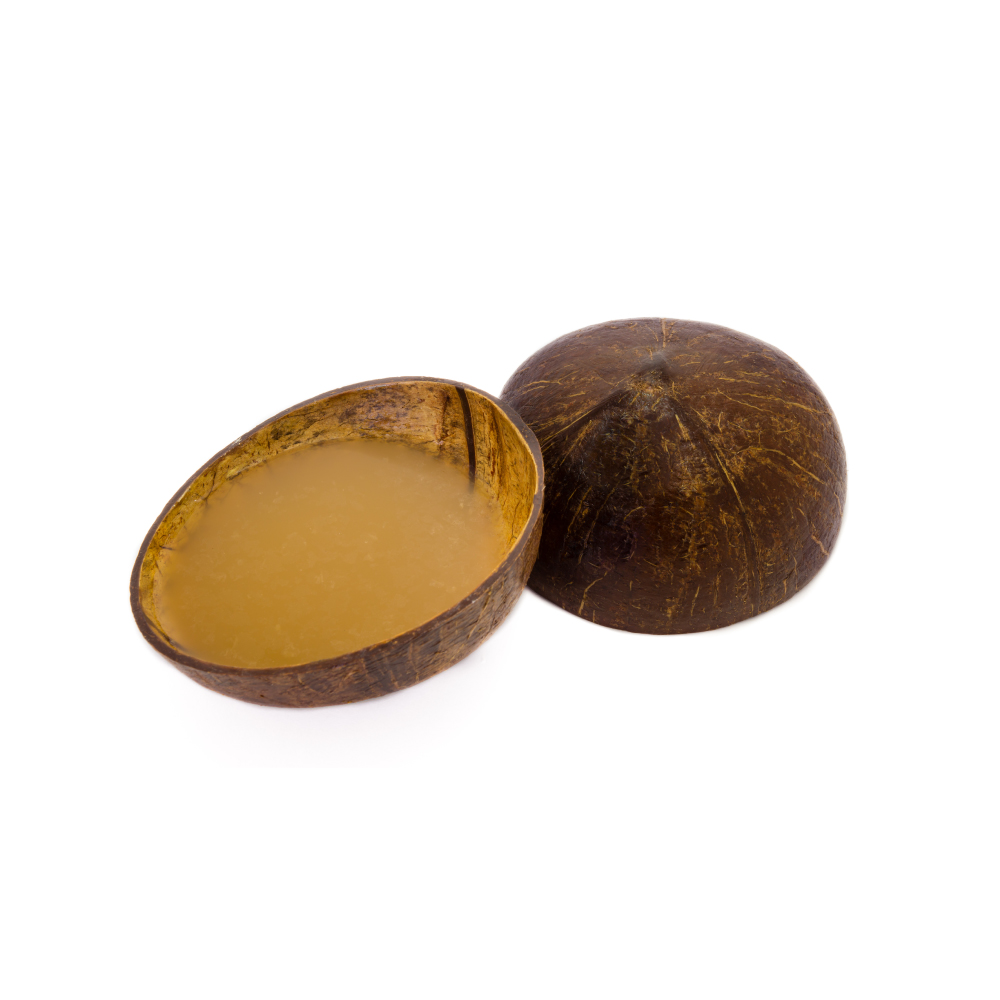 GuidesThe Best Kava: A Buyer's GuideHow to buy good kava: noble vs two-day cultivars, which part of the root, chemotype codes, origin, form, and the batch tests a seller should show you.
Read more
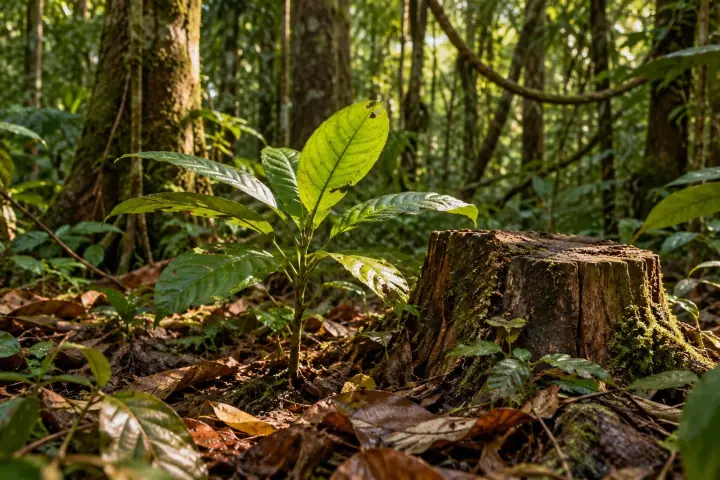 GuidesThe Amazon's Endangered Medicinal PlantsThe Amazon gives us some of our most important medicines — but which healing plants are actually endangered?
Read more
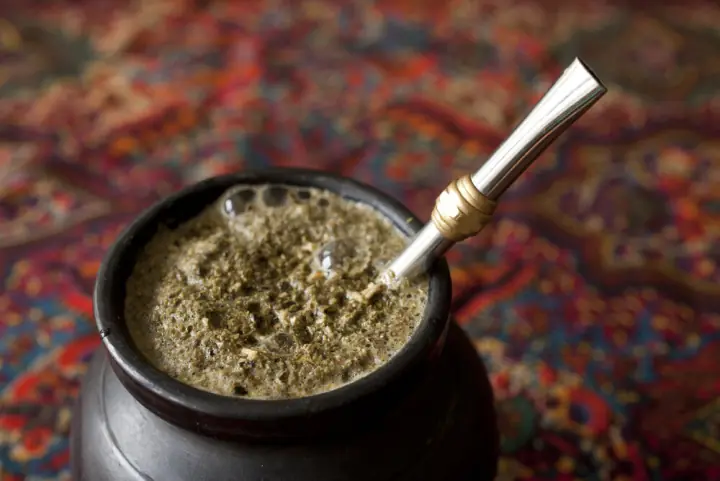 NutritionThe Best Yerba Maté Brands [Reviewed]A drinker's guide to buying yerba maté — what actually changes the taste, and ten brands worth your money.
Read more
Get the Field Notes
Evidence-based herb breakdowns in your inbox. No spam, unsubscribe anytime.