
Simarouba
Simarouba amara
Plant Family
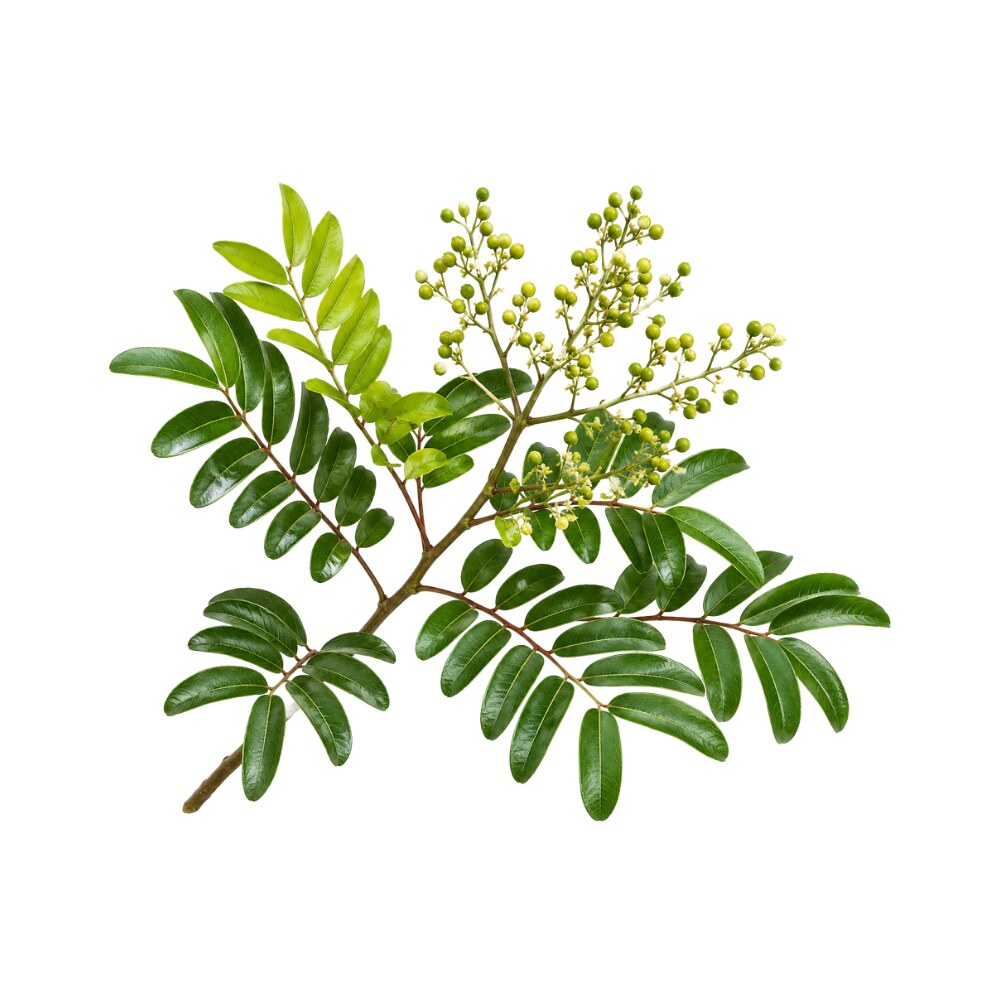
Pictured: Simarouba
Quassia family
Tropical trees defined by quassinoids — degraded triterpenes that are among the most bitter substances known, with antiprotozoal and antidysenteric use.
1 Herb // 8 Constituents // 5 Notable Members
Overview
About 22 genera and 100 species of tropical and subtropical trees and shrubs. The family’s defining feature is chemical rather than structural: it produces quassinoids, a class of degraded triterpene bitters found essentially nowhere else. Quassin, from Quassia amara, is among the most bitter substances known — detectable at dilutions around 1 in 60,000 — and has been used commercially as a bittering agent and as an insecticide.
Shared Traits
In Practice
Simarouba (Simarouba amara), the paradise tree of the Amazon and Central America, is the family’s representative here. Its bark has a long South American record for dysentery, diarrhoea and malaria — and the antiprotozoal use has more behind it than most folk antimalarials.
Quassinoids show genuine in-vitro activity against Plasmodium falciparum, Entamoeba histolytica and several Leishmania and Trypanosoma species, and some are potent enough to have been pursued as antimalarial leads. The mechanism appears to involve protein synthesis inhibition. That same mechanism, however, is why the class has not become a drug: quassinoids are cytotoxic to mammalian cells at concentrations uncomfortably close to their antiprotozoal ones, and the therapeutic window in the plant material has never been properly established in humans.
The family’s other traditional strand is straightforwardly bitter tonic: quassia wood is a classic amarum purum, a pure bitter used to stimulate appetite, salivation and digestive secretion without any accompanying aromatic or astringent character. That application is uncontroversial and pharmacologically sensible — bitter receptor stimulation drives a cephalic-phase digestive response. Quassia has also been used as a topical treatment for head lice with some small supporting studies.
Ailanthus altissima, the tree of heaven, sits in this family and is one of the world’s more aggressive invasive trees; its bark has been used in Chinese medicine (chun pi) for dysentery.
Safety: the bitters are safe at traditional tonic doses. High or prolonged doses of quassinoid- rich material can cause gastric irritation and vomiting, and the cytotoxicity of the class argues against extended internal use.
Materia Medica
The monograph in the database whose Simaroubaceae membership is recorded on the herb itself — so this list keeps itself current as new herbs land.
Simarouba amara
Phytochemistry
Quassinoids are the family marker — quassin, neoquassin, simalikalactone, ailanthone. Alongside them: canthin-6-one and beta-carboline alkaloids, and triterpenes.
The compounds recorded for this family's single member, grouped by class.
Beyond the Database
Notable members without a monograph yet.
Keep Exploring