
Crataeva
Crataeva nurvala
Plant Family
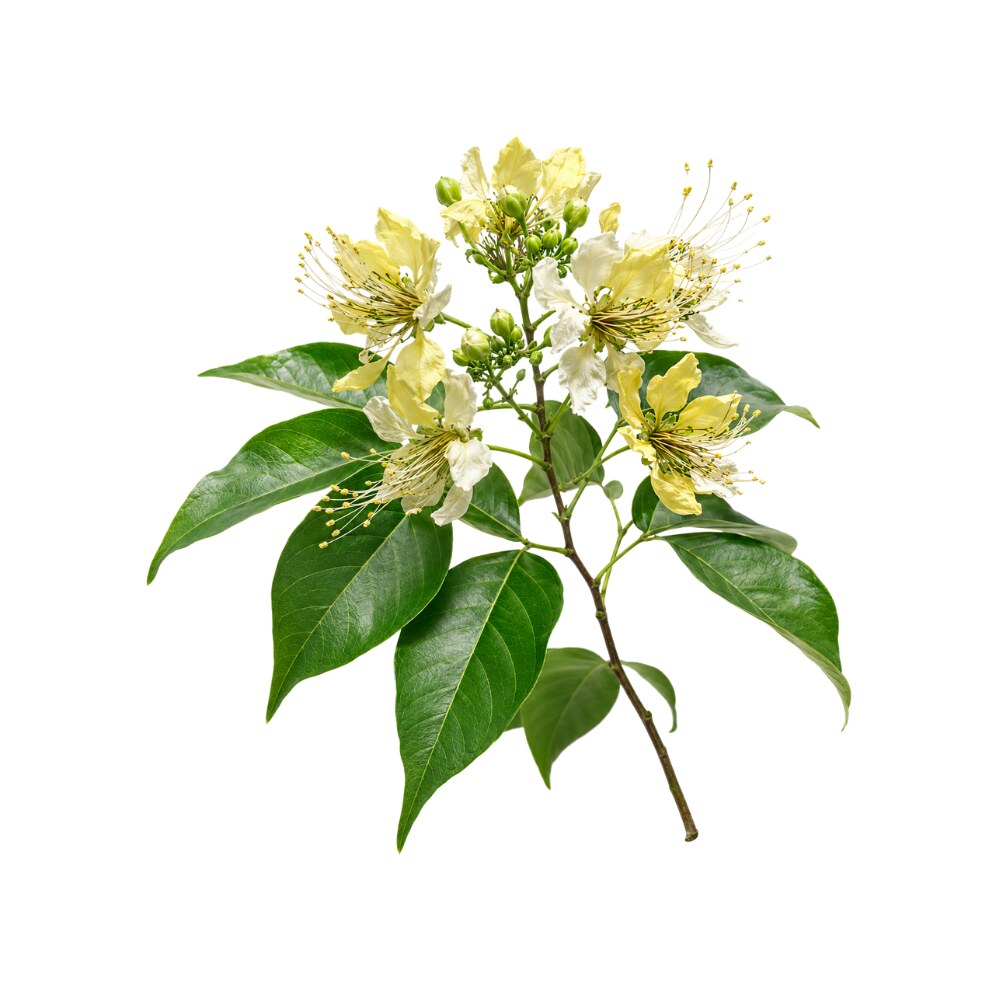
Pictured: Crataeva
Caper family
Mustard-oil-bearing shrubs and trees of warm, dry regions; medicinally the family’s standout is crataeva, used in Ayurveda for urinary stones and bladder tone.
1 Herb // 8 Constituents // 5 Notable Members
Overview
A family of roughly 25 genera and 480 species of shrubs and small trees from warm arid and seasonally dry regions. Its taxonomy has been repeatedly redrawn — Capparaceae sits beside Brassicaceae and Cleomaceae in the order Brassicales, and shares their defining chemistry: glucosinolates, the mustard-oil glycosides that produce a sharp bite when tissue is damaged. The pickled flower buds of Capparis spinosa are the culinary caper.
Shared Traits
In Practice
Crataeva (Crataeva nurvala), known as varuna, is the family’s principal medicinal plant and one of Ayurveda’s central urinary remedies. Its stem bark is used for kidney and bladder stones, urinary retention, benign prostatic complaints, and poor bladder tone.
The pharmacology has a coherent proposed mechanism, which is more than most traditional lithotriptic herbs can offer. The bark’s principal constituent, lupeol — a pentacyclic triterpene — is reported in animal models to reduce the activity of glycolate oxidase, an enzyme upstream of oxalate synthesis, and to lower stone formation and deposition in induced urolithiasis. Separate work reports improved bladder detrusor tone, which fits the traditional use in atonic bladder and post-prostatectomy retention. Lupeol also has a broad anti-inflammatory literature.
Human evidence is limited to small, mostly older Indian clinical reports rather than modern controlled trials, so the honest position is: mechanistically plausible, traditionally consistent, clinically under-tested.
The culinary caper carries a different asset — Capparis spinosa buds are unusually rich in rutin and quercetin, and the plant has a folk record as a diuretic and anti-rheumatic.
Safety for crataeva appears good in traditional use; the main practical caution is that self-treating kidney stones is a poor idea, since stone type and size determine whether any conservative approach is appropriate at all.
Materia Medica
The monograph in the database whose Capparaceae membership is recorded on the herb itself — so this list keeps itself current as new herbs land.
Crataeva nurvala
Phytochemistry
Glucosinolates are the order-level marker. Crataeva adds triterpenes — lupeol, betulinic acid — plus flavonoids and the alkaloid cadabicine in related genera. Capers are notable for very high flavonol glycoside content.
The compounds recorded for this family's single member, grouped by class.
Beyond the Database
Notable members without a monograph yet.
Keep Exploring