
Compound Monograph
Betulin
Betulin is the lupane triterpene that makes birch bark white, at roughly 22% of the cork tissue — and the only plant triterpene to have become an approved drug. A birch-bark triterpene gel is licensed in Europe and the UK for the blistering disease epidermolysis bullosa, on a phase III trial it actually won. It is also the signature lipophilic marker of the tinder conk fungus, which gets it from the birch it grows on.

Sources · 7
Where Does It Come From?
Betulin is a naturally occurring pentacyclic triterpene alcohol (lupane group), found in Birch bark, Tinder conk, Crataeva and 4 other sources. It is well tolerated orally (low toxicity).
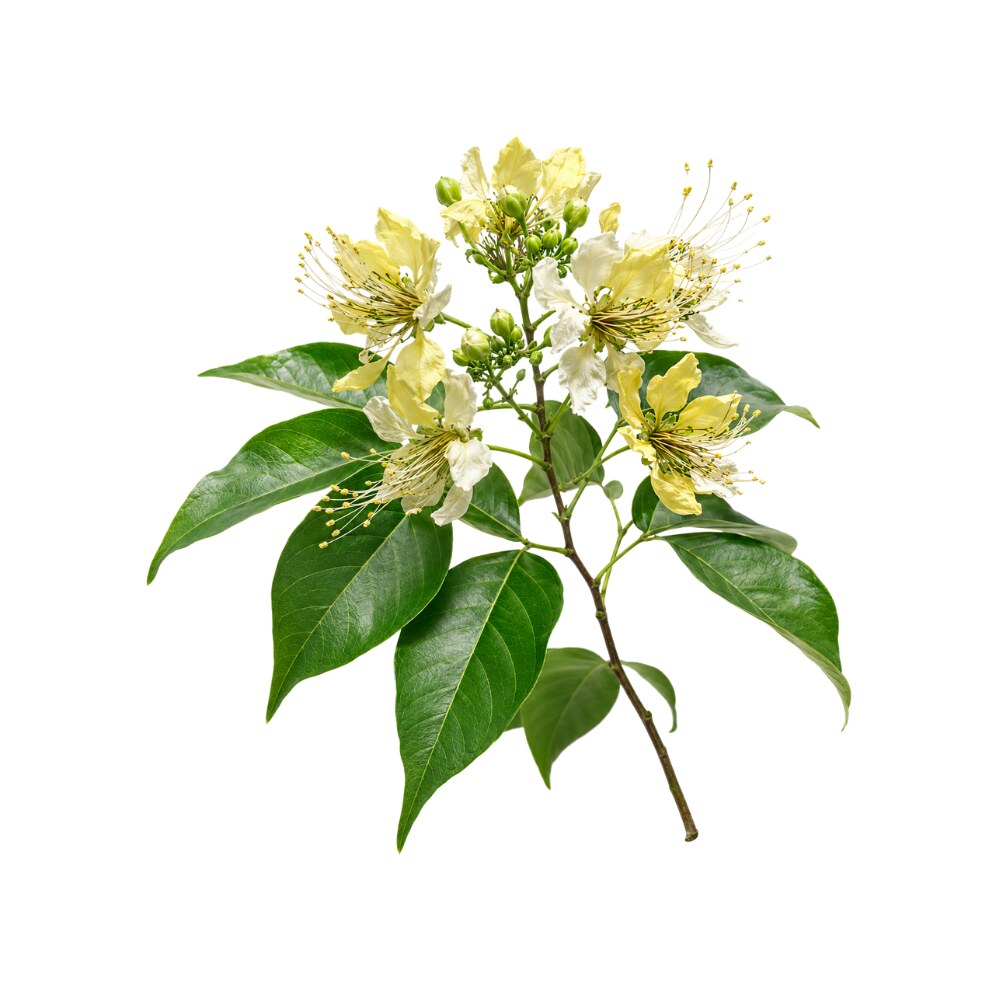 Source Crataeva Crataeva nurvala Herb monograph →
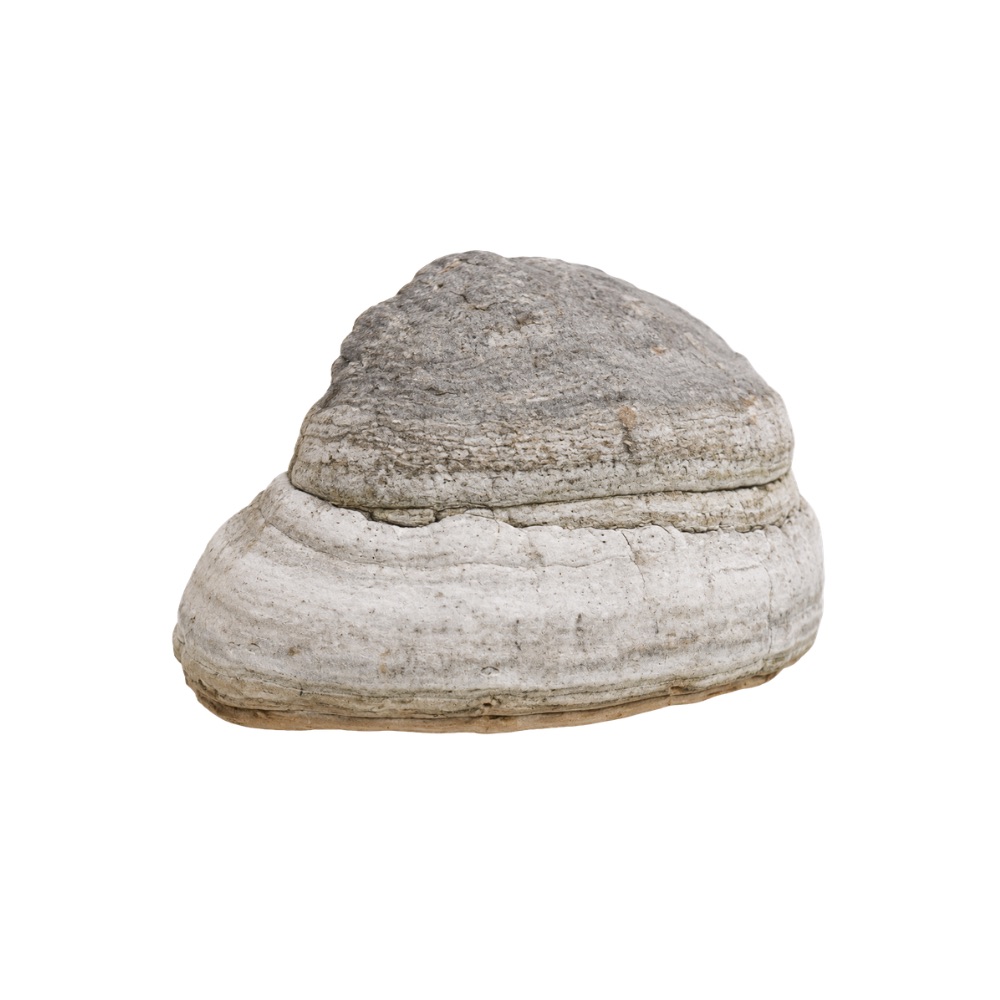 Source Tinder Conk Fomes fomentarius Herb monograph →
Concentration
Content by Source
Reported concentrations across the plants that contain betulin — the bar marks the typical level, the line shows the reported range.
Literature figures for varying plant parts and preparations. Read them as a comparative guide, not exact assays.
Betulin at a Glance
Betulin is the reason birch bark is white. It makes up around 22% of the cork tissue of birch outer bark 1Reference 1ReviewThe wound healing properties of betulin from birch bark from bench to bedside — reviewView study →, accumulating as fine crystals that scatter light, and it was one of the first plant compounds ever obtained pure — sublimed out of birch bark in 1788, long before the structure of anything like it was understood.
Its modern significance is unusual for a plant triterpene: it became a licensed medicine. A gel made from birch bark triterpene extract, roughly 80% betulin, is approved in the European Union and the United Kingdom for treating the partial-thickness wounds of epidermolysis bullosa, a rare inherited blistering disease, after a phase III trial that met its primary endpoint 2,
Elsewhere it appears in three unrelated contexts. It is the signature lipophilic marker of the tinder conk (Fomes fomentarius), the bracket fungus of Ötzi’s toolkit, which acquires it from the birch it grows on 9,
It should not be confused with its oxidation product betulinic acid, which has a different and much more heavily promoted anticancer literature.
From Bark to Registered Drug
Betulin’s clinical story is its most substantial claim, and it comes with an important qualification: the drug is an extract, not the pure molecule.
Oleogel-S10 — marketed as Episalvan and later Filsuvez — is a topical gel of 10% dry birch bark extract in 90% sunflower oil. The extract is a triterpene concentrate in which betulin is the dominant component at roughly 80%, alongside betulinic acid, lupeol, erythrodiol and oleanolic acid 1,
The definitive trial came later. EASE was a double-blind, randomised, vehicle-controlled phase III study in 223 patients with dystrophic, junctional or Kindler epidermolysis bullosa, each with a target partial-thickness wound of 10–50 cm² lasting at least 21 days. Applied at least every four days, the gel produced first complete target wound closure within 45 days in 41.3% of patients versus 28.9% on control gel (relative risk 1.44, 95% CI 1.01–2.05, P = 0.013). Adverse events occurred at the same rate in both arms, and were mostly mild to moderate 2Reference 2RCTEfficacy and safety of Oleogel-S10 (birch triterpenes) for epidermolysis bullosa: results from the phase III randomized double-blind phase of the EASE study — randomised controlled trialView study →. It is the first therapy to show accelerated wound healing in this disease, and the benefit was maintained through a 24-month open-label extension 3Reference 3ReviewBirch bark extract: a review in epidermolysis bullosa — reviewView study →.
The proposed mechanism touches all three phases of healing: a temporary stimulation of the inflammatory phase, faster keratinocyte migration toward wound closure, and stimulated epidermal differentiation 1,
Two things are worth keeping straight. The confidence interval on EASE’s primary endpoint runs from 1.01, so the result is real but not large, and it was on a surrogate wound-closure endpoint. And the material tested is a standardised bark extract from European birch — a birch-bark product bought as a supplement is not that, and neither is a different birch species.
Betulin & Betulinic Acid
The two molecules are one oxidation apart and are constantly conflated. Betulin is a diol, with hydroxyl groups at C-3 and C-28; betulinic acid has that C-28 position oxidised to a carboxylic acid. Betulin is the biosynthetic precursor and the industrial starting material, since converting bark-derived betulin is the cheapest route to betulinic acid.
Their reputations diverge sharply. Betulinic acid carries a large anticancer literature and gave rise to derivatives explored as HIV maturation inhibitors. Betulin’s own profile is the wound-healing programme above, the lipid and antiviral findings below, and its role as the raw material.
Because the clinical extract contains both, together with lupeol, an effect attributed to “birch triterpenes” cannot be assigned to either molecule alone 3,
What It's Used For
Betulin has one licensed topical use and a scattered preclinical literature in which the recurring limitation is the same: it is a large, waxy, essentially water-insoluble triterpene, so oral work needs formulation tricks and the concentrations used in cells are not reached by eating anything.
The application that made betulin a medicine. Birch bark triterpene dry extract (about 80% betulin), formulated as a 10% gel in sunflower oil, was first approved in central Europe in January 2016 for accelerating closure of partial-thickness wounds, on the strength of intra-individual comparison studies in skin-graft donor sites and burn wounds 1Reference 1ReviewThe wound healing properties of betulin from birch bark from bench to bedside — reviewView study →.
The EASE phase III trial then tested it in the harder setting: 223 patients with dystrophic, junctional or Kindler epidermolysis bullosa and a persistent target wound of 10–50 cm². First complete closure within 45 days was reached by 41.3% on the gel against 28.9% on vehicle (RR 1.44, 95% CI 1.01–2.05, P = 0.013), with adverse events at the same rate in both arms 2Reference 2RCTEfficacy and safety of Oleogel-S10 (birch triterpenes) for epidermolysis bullosa: results from the phase III randomized double-blind phase of the EASE study — randomised controlled trialView study →.
Benefits on wound burden were maintained over a 24-month open-label extension, and the product is approved in the EU and UK for patients from six months of age 3Reference 3ReviewBirch bark extract: a review in epidermolysis bullosa — reviewView study →.
Mechanistically the preparation acts across all three healing phases — a temporary boost to inflammation, then faster keratinocyte migration, then stimulated epidermal differentiation 1,
Gap: the trial tested a standardised extract containing several triterpenes, so the effect cannot be assigned to betulin alone; the endpoint is wound closure rather than a patient-reported outcome; and the confidence interval’s lower bound sits at 1.01.
An underappreciated result, and unusually the species matches the source. Betulin isolated from Betula papyrifera bark was tested by viral plaque reduction on Vero cells: EC₅₀ 0.40 µg/mL against HSV-1 and 4.15 µg/mL against HSV-2, with a 50% cytotoxic concentration of 73.1 µg/mL — a selectivity index above 180 for HSV-1. Combination studies found strong synergy with acyclovir against HSV-1 above 0.068 µg/mL acyclovir and 0.4 µg/mL betulin, moderate synergy at intermediate concentrations, and additivity below them; synergy against HSV-2 required higher concentrations of both 5Reference 5In vitroThe synergistic effects of betulin with acyclovir against herpes simplex viruses — in vitroView study →.
Gap: a single in-vitro study with no animal or human follow-up in the two decades since. Whether topical or systemic betulin reaches 0.4 µg/mL at an infection site is unknown.
The most mechanistically interesting non-dermatological finding. Betulin was identified as a small-molecule inhibitor of SREBP — sterol regulatory element-binding protein, the transcription factor controlling cholesterol and fatty-acid synthesis — acting by interfering with the SCAP–SREBP maturation step. In mice it improved hyperlipidaemia and insulin resistance and reduced atherosclerotic plaque 7Reference 7AnimalInhibition of SREBP by a small molecule, betulin, improves hyperlipidemia and insulin resistance and reduces atherosclerotic plaques — mouse in vivoView study →.
A separate group in apolipoprotein-E-knockout mice attributed betulin’s anti-atherosclerotic effect instead to up-regulation of the cholesterol efflux transporters ABCA1 and ABCG1 8Reference 8AnimalBetulin attenuates atherosclerosis in apoE(-/-) mice by up-regulating ABCA1 and ABCG1 — mouse in vivoView study →.
Gap: mouse studies only, at doses achieved by injection or formulated delivery; betulin’s poor water solubility and low oral bioavailability are unresolved, and no human metabolic data exist.
Betulin’s entry in the crataeva literature. In a rat bladder-stone model induced by foreign-body implantation with ammonium oxalate supplementation, betulin and the herb’s marker triterpene lupeol were equally effective at limiting crystal-induced renal lipid peroxidation, and both restored thiol status and the antioxidant enzymes superoxide dismutase, catalase and glutathione peroxidase; the proposed mechanism is inhibition of calcium oxalate crystal aggregation plus support of endogenous defences 6Reference 6AnimalProtective effect of triterpenes on calcium oxalate crystal-induced peroxidative changes in experimental urolithiasis — rat in vivoView study →.
Gap: one rat model, and crataeva’s own clinical reputation rests on lupeol, to which betulin is here a co-equal rather than a lead.
Mechanisms
| Target / pathway | Effect | Relevant to |
|---|---|---|
| Keratinocyte migration and differentiation | Faster migration to wound closure; stimulated epidermal differentiation after a transient inflammatory phase | The licensed wound indication |
| Herpes simplex replication | EC₅₀ 0.40 µg/mL (HSV-1); synergy with acyclovir | Antiviral |
| SREBP / SCAP maturation | Inhibited → lower cholesterol and fatty-acid synthesis | Metabolic (mouse) |
| ABCA1 / ABCG1 | Up-regulated → cholesterol efflux, less plaque | Atherosclerosis (mouse) |
| Calcium oxalate crystal aggregation; SOD, catalase, GPx | Inhibition and restoration respectively | Renal protection (rat) |
| Conversion to betulinic acid | Oxidation at C-28 — the industrial route and a metabolic possibility | Why the two literatures blur |
The topical row is the only one supported in people; the rest are targets in animals, held back by the same physical problem — a waxy, water-insoluble triterpene is hard to get anywhere except the skin.
Pharmacokinetics
Betulin’s pharmacokinetics is mostly a description of an obstacle. It is a large pentacyclic triterpene with two hydroxyl groups and essentially no water solubility, so oral absorption is poor and much of the published work on delivering it involves nanoparticles, lipid conjugates and other formulation strategies rather than plain dosing. That is the reason its clinical development went topical: dispersed in sunflower oil and applied to a wound, none of the absorption problem applies, and the gel is designed to act locally on the wound bed rather than systemically 1,
Clinical Trials
Human evidence is confined to the topical birch triterpene extract: intra-individual comparison studies in graft donor sites and burns 1Reference 1ReviewThe wound healing properties of betulin from birch bark from bench to bedside — reviewView study →, and the EASE phase III trial in epidermolysis bullosa with its 24-month extension 2,
| Completed | Planned | Terminated | Preclinical |
|---|---|---|---|
| EASE phase III (n = 223) + 24-month extension; earlier wound-closure studies — all the extract | — | — | Antiviral, SREBP/metabolic, renal (cell and rodent) |
Last checked: September 2026.
Isolate vs. Plant Studies
Betulin inverts the usual pattern in a specific way. The human evidence is neither isolate nor whole plant but a standardised fraction — a triterpene dry extract of birch bark, about 80% betulin, with betulinic acid, lupeol, erythrodiol and oleanolic acid making up the rest 1,
The isolate evidence is preclinical: the HSV plaque-reduction assay used betulin purified from paper birch bark 5Reference 5In vitroThe synergistic effects of betulin with acyclovir against herpes simplex viruses — in vitroView study →, the SREBP work used the pure compound in mice 7Reference 7AnimalInhibition of SREBP by a small molecule, betulin, improves hyperlipidemia and insulin resistance and reduces atherosclerotic plaques — mouse in vivoView study →, and the crataeva result compared purified betulin against purified lupeol 6Reference 6AnimalProtective effect of triterpenes on calcium oxalate crystal-induced peroxidative changes in experimental urolithiasis — rat in vivoView study →.
Two transfer failures are worth naming. Species: the clinical programme, and the European pharmacopoeial birch monographs, belong to Betula pendula and B. pubescens. Paper birch (Betula papyrifera) shares the molecule but not the evidence — although it is the species in which the antiviral result was obtained, which makes that finding the species-matched one. Preparation: chewing bark, brewing bark tea or buying a birch supplement does not reproduce a triterpene concentrate in an oleogel, and betulin’s insolubility means a water extract carries very little of it.
Its Role in Plants and Fungi
In birch, betulin is a bark defence and structural compound. It accumulates in the cork tissue of the outer bark as microscopic crystals, and it is those crystals — not a pigment — that make the bark white and reflective. The waxy, hydrophobic layer they form waterproofs the bark, and the triterpene fraction as a whole resists microbial and fungal attack, which is part of why birch bark survives so long in the ground that Neolithic birch-bark tar has been recovered intact.
Its appearance in the tinder conk (Fomes fomentarius) is second-hand. The fungus is a birch parasite and saprotroph, and betulin is described as its signature lipophilic marker — a compound it takes up from its host rather than makes 9,
Prevalence in Nature
Birch outer bark is the dominant source by a wide margin, at about 22% betulin in the cork tissue 1Reference 1ReviewThe wound healing properties of betulin from birch bark from bench to bedside — reviewView study →. The scale is what makes the drug possible: Northern Europe’s wood-processing industry generates birch bark as a by-product on the order of hundreds of thousands of tonnes a year, so the active ingredient is available in bulk without harvesting anything for the purpose 1Reference 1ReviewThe wound healing properties of betulin from birch bark from bench to bedside — reviewView study →.
Beyond birch it is a minor to moderate constituent of a scattered set of barks and plants. It is one of the pentacyclic triterpenes of crataeva stem bark alongside lupeol, betulinic acid and lupeol acetate 6Reference 6AnimalProtective effect of triterpenes on calcium oxalate crystal-induced peroxidative changes in experimental urolithiasis — rat in vivoView study →, and it appears in the triterpene fractions of shrubby bushclover, zizyphus, bael and bacopa. In fungi, tinder conk carries it as a birch-derived marker 9,
Discovery & Synthesis
Betulin has a claim to being one of the first pure plant natural products ever isolated. In 1788 Tobias Lowitz obtained it from birch bark by sublimation — the compound crystallises straight out of heated bark — decades before most plant chemistry was possible at all, and it takes its name from Betula.
There is no meaningful total synthesis, because there is no need for one: birch bark is up to a fifth betulin by weight, and extraction from wood-industry bark waste supplies both the compound itself and the feedstock for making betulinic acid and other semi-synthetic derivatives 1Reference 1ReviewThe wound healing properties of betulin from birch bark from bench to bedside — reviewView study →. The pharmaceutical process makes a triterpene dry extract rather than pure betulin, since the extract is what the licensed product uses 1,
Toxicity & Safety
Betulin carries a low flag. In the phase III trial, adverse events occurred at essentially the same rate on the birch triterpene gel as on vehicle gel — 81.7% against 80.7%, mostly mild to moderate, with 4.6% severe — in a population of patients with fragile, chronically wounded skin, which is a demanding test of a topical product 2Reference 2RCTEfficacy and safety of Oleogel-S10 (birch triterpenes) for epidermolysis bullosa: results from the phase III randomized double-blind phase of the EASE study — randomised controlled trialView study →. Tolerability was similar to control through 24 months of continued use 3Reference 3ReviewBirch bark extract: a review in epidermolysis bullosa — reviewView study →.
Its poor oral absorption limits systemic exposure from anything eaten, and no isolate toxicology of concern was located. Two honest caveats: no comprehensive isolate toxicology package (genotoxicity, repeat-dose, reproductive) exists, so confidence rests on the clinical tolerability of the extract and on low absorption rather than on a full dossier; and birch bark preparations are not betulin. Birch bark and related species carry other constituents that are not benign — paper birch’s papyriferic acid, for instance, is a mitochondrial succinate-dehydrogenase inhibitor and the tree’s antifeedant — so a concentrated home-made bark preparation cannot be assumed safe on betulin’s record. Pregnancy and lactation decisions for a birch product belong on the herb or product page.
- Well tolerated in its licensed use. Adverse events 81.7% on gel versus 80.7% on vehicle in fragile-skinned patients, sustained over 24 months.
- Poorly absorbed orally, which limits systemic exposure from bark preparations.
- The evidence is for a standardised European birch bark extract, not for bark, tea, or a supplement, and not for other birch species.
- Birch bark contains more than betulin. Paper birch’s papyriferic acid is a mitochondrial toxin; a concentrated bark preparation is not covered by betulin’s safety record.
- No full isolate toxicology dossier was located; safety rests on clinical tolerability of the extract and low absorption.
Dosage
There is no oral dose of betulin. Its human use is the licensed topical gel; the other figures are research doses and concentrations. These are doses studied in research and are not a personal recommendation.
| Context | Form | Dose / concentration |
|---|---|---|
| Epidermolysis bullosa, partial-thickness wounds | Gel of 10% dry birch bark extract (~80% betulin) in 90% sunflower oil | Applied to wounds at least every 4 days 2, |
| Wound closure (graft donor sites, burns) | Same preparation | Topical, to wound closure 1Reference 1ReviewThe wound healing properties of betulin from birch bark from bench to bedside — reviewView study → |
| Antiviral (in vitro) | Purified betulin | EC₅₀ 0.40 µg/mL HSV-1; CC₅₀ 73.1 µg/mL 5Reference 5In vitroThe synergistic effects of betulin with acyclovir against herpes simplex viruses — in vitroView study → |
| Metabolic and renal models | Purified betulin, formulated | Mouse and rat research dosing 6, |
References
- Scheffler A (2019). The wound healing properties of betulin from birch bark from bench to bedside — review. Planta Med. https://pubmed.ncbi.nlm.nih.gov/30856673/
- Kern JS, Sprecher E, Fernandez MF, et al. (2023). Efficacy and safety of Oleogel-S10 (birch triterpenes) for epidermolysis bullosa: results from the phase III randomized double-blind phase of the EASE study — randomised controlled trial. Br J Dermatol. https://pubmed.ncbi.nlm.nih.gov/36689495/
- Heo YA (2023). Birch bark extract: a review in epidermolysis bullosa — review. Drugs. https://pubmed.ncbi.nlm.nih.gov/37658982/
- Schwieger-Briel A, Ott H, Kiritsi D, et al. (2019). Mechanism of Oleogel-S10: a triterpene preparation for the treatment of epidermolysis bullosa — review. Dermatol Ther. https://pubmed.ncbi.nlm.nih.gov/31168940/
- Gong Y, Raj KM, Luscombe CA, et al. (2004). The synergistic effects of betulin with acyclovir against herpes simplex viruses — in vitro. Antiviral Res. https://pubmed.ncbi.nlm.nih.gov/15498608/
- Malini MM, Lenin M, Varalakshmi P (2000). Protective effect of triterpenes on calcium oxalate crystal-induced peroxidative changes in experimental urolithiasis — rat in vivo. Pharmacol Res. https://pubmed.ncbi.nlm.nih.gov/10704264/
- Tang JJ, Li JG, Qi W, et al. (2011). Inhibition of SREBP by a small molecule, betulin, improves hyperlipidemia and insulin resistance and reduces atherosclerotic plaques — mouse in vivo. Cell Metab. https://pubmed.ncbi.nlm.nih.gov/21195348/
- Gui YZ, Yan H, Gao F, et al. (2016). Betulin attenuates atherosclerosis in apoE(-/-) mice by up-regulating ABCA1 and ABCG1 — mouse in vivo. Acta Pharmacol Sin. https://pubmed.ncbi.nlm.nih.gov/27374487/
- Grienke U, Zöll M, Peintner U, et al. (2014). European medicinal polypores — a modern view on traditional uses — review. J Ethnopharmacol. https://pubmed.ncbi.nlm.nih.gov/24786572/
- Gáper J, Gáperová S, Pristas P, et al. (2016). Medicinal value and taxonomy of the tinder polypore, Fomes fomentarius (Agaricomycetes): a review — review. Int J Med Mushrooms. https://pubmed.ncbi.nlm.nih.gov/27910753/



