
Morning Glory
Ipomoea tricolor
Plant Family
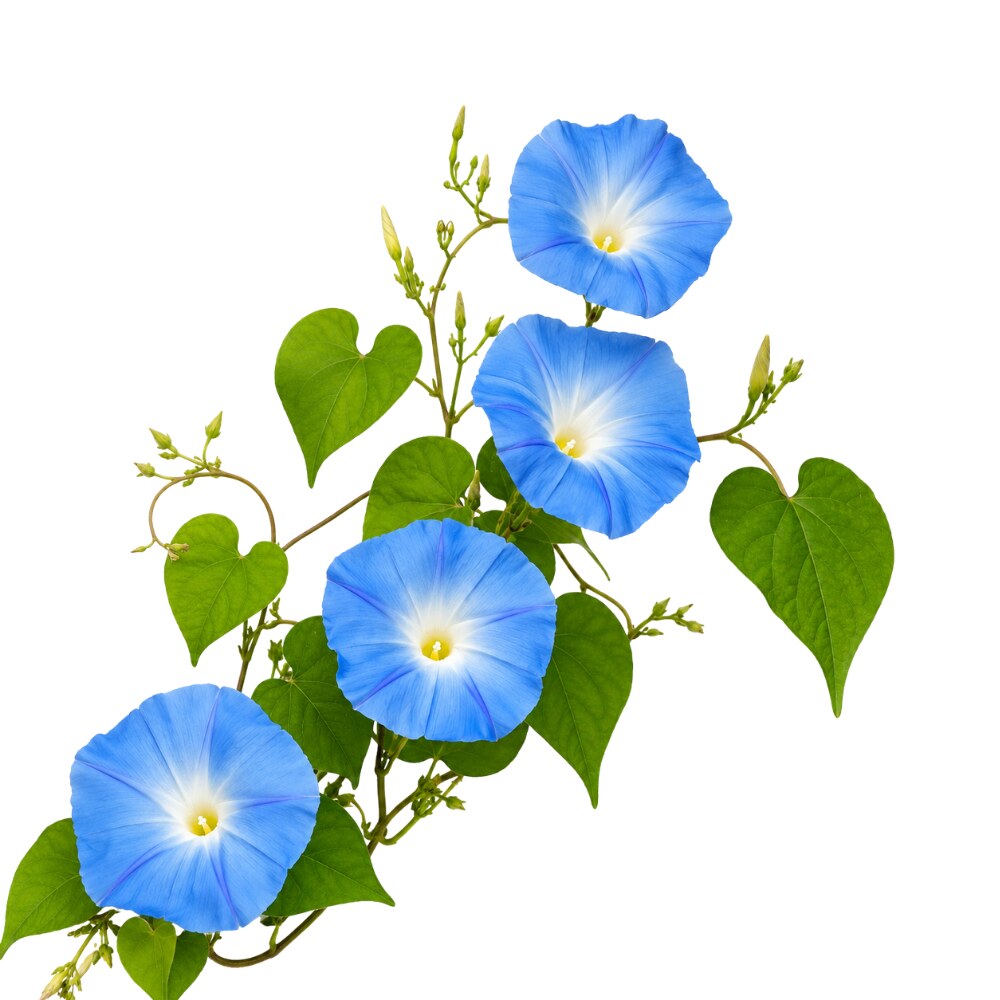
Pictured: Morning Glory
Morning glory / bindweed family
Twining vines with funnel-shaped flowers, notable for fungal-derived ergoline alkaloids in the seed and drastic resin glycosides in the root.
1 Herb // 7 Constituents // 6 Notable Members
Overview
Around 60 genera and 1,650 species, mostly twining herbaceous vines, distributed worldwide but richest in the tropics. The flowers are the giveaway: a funnel-shaped, pleated corolla, usually opening for a single morning. The family is economically enormous through one member alone — Ipomoea batatas, the sweet potato.
Shared Traits
In Practice
Convolvulaceae carries two quite different medicinal traditions, and both hinge on chemistry that is genuinely unusual.
The first is psychoactive. Morning glory (Ipomoea tricolor) and Hawaiian baby woodrose (Argyreia nervosa) carry ergoline alkaloids in their seed — chiefly ergine (LSA) and isoergine, structurally close to LSD and weakly psychedelic. Ololiuhqui, the seeds of Turbina corymbosa, was a major Aztec divinatory sacrament and one of the first psychoactives documented by Spanish chroniclers. The pharmacology has a twist: these alkaloids are not made by the plant but by clavicipitaceous fungal endophytes living inside it — the same biosynthetic lineage that produces ergot in rye. That ergot relationship also explains the risk profile: vasoconstriction, nausea and unpleasant peripheral effects are prominent, and commercial seed is frequently treated with fungicides that add their own toxicity.
The second is purgative. Jalap (Ipomoea purga), scammony and related roots contain resin glycosides — complex amphiphilic glycolipids — that are drastic cathartics. These were mainstream pharmacy well into the 20th century and are now largely abandoned as too harsh, which is a fair judgement.
Sweet potato leaf and root sit outside both traditions, studied mainly for their anthocyanin and carotenoid content.
Safety is the limiting factor throughout: ergoline vasoconstriction is contraindicated in cardiovascular disease and with other ergot derivatives, and the purgative resins can cause severe fluid and electrolyte loss.
Materia Medica
The monograph in the database whose Convolvulaceae membership is recorded on the herb itself — so this list keeps itself current as new herbs land.
Ipomoea tricolor
Phytochemistry
Ergoline alkaloids (ergine, isoergine, chanoclavine — fungal in origin) and resin glycosides (jalapin, convolvulin) are the two family markers. Also present: tropane alkaloids in some genera, coumarins, and the anthocyanins and phenolic acids of the food species.
The compounds recorded for this family's single member, grouped by class.
Beyond the Database
Notable members without a monograph yet.
Keep Exploring