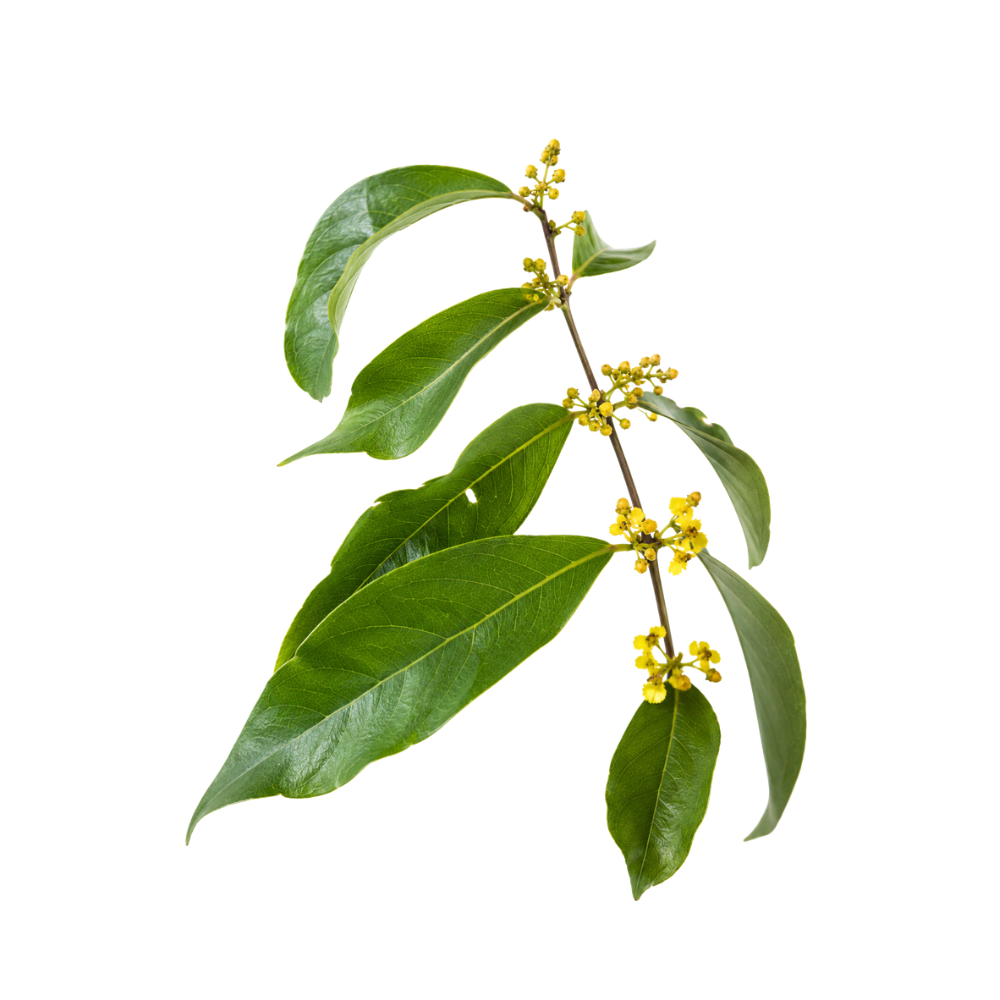
Ayahuasca Vine
Banisteriopsis caapi
Plant Family
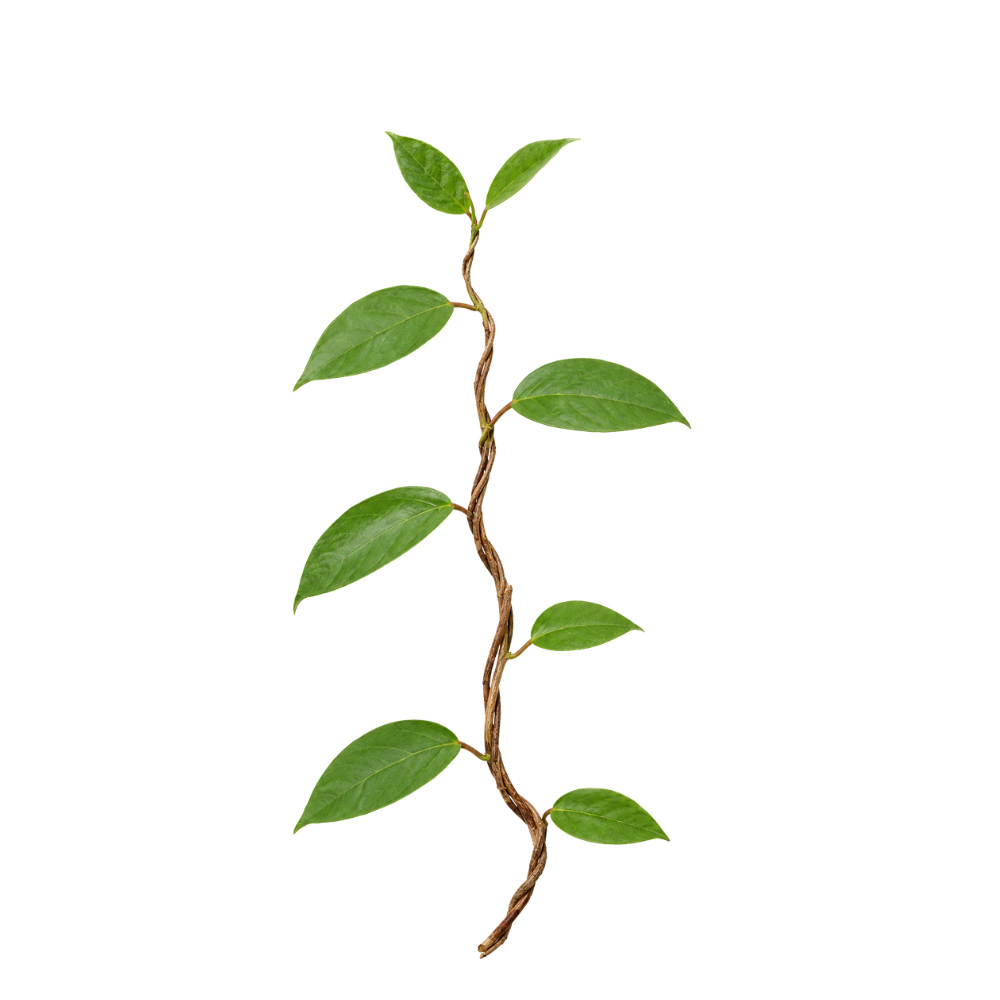
Pictured: Ayahuasca Vine
Barbados cherry family
A largely neotropical family of lianas and shrubs, botanically notable for oil-secreting flower glands and pharmacologically for the beta-carboline vines at the centre of ayahuasca.
2 Herbs // 5 Notable Members
Overview
About 75 genera and 1,300 species, overwhelmingly tropical and concentrated in the Americas — many of them woody lianas, which is why the family looms so large in Amazonian ethnobotany. Its botanical signature is a set of paired oil glands on the sepals, which reward specialist oil-collecting bees rather than nectar feeders; in Old World members, where those bees are absent, the glands have generally been lost.
Shared Traits
In Practice
The family’s importance to herbal medicine is narrow and profound: it supplies the beta-carboline vines that make oral DMT possible.
Banisteriopsis caapi is the ayahuasca vine itself — the ingredient the brew is named for. Its bark carries harmine, harmaline and tetrahydroharmine, reversible inhibitors of monoamine oxidase A. That inhibition is what allows orally ingested DMT to survive gut and liver metabolism and reach the brain, and it is also why ayahuasca carries genuine interaction risk: combining an MAOI with SSRIs, other serotonergic drugs, or tyramine-rich foods can precipitate serotonin syndrome or a hypertensive response. The vine is not pharmacologically inert on its own — harmine has its own reported effects on neurogenesis and is an object of research independent of the brew.
Diplopterys cabrerana — chagropanga, chaliponga — is the other half in many preparations, contributing the DMT itself in place of chacruna. The two Malpighiaceae are therefore sometimes both halves of the same drink.
Elsewhere the family is nutritional rather than medicinal: Malpighia emarginata, the acerola or Barbados cherry, is among the richest known natural sources of vitamin C.
Safety follows directly from the pharmacology. These are MAOI-containing plants. The relevant risks are drug and food interactions, cardiovascular effects, and the intense psychological demands of the traditional context — not general toxicity.
Materia Medica
The 2 monographs in the database whose Malpighiaceae membership is recorded on the herb itself — so this list keeps itself current as new herbs land.
Banisteriopsis caapi
Diplopterys cabrerana
Phytochemistry
Beta-carboline (harmala) alkaloids are the family marker in the medicinal genera — harmine, harmaline, tetrahydroharmine. Tryptamines appear in Diplopterys. More broadly the family carries proanthocyanidins and flavonoids, and the fruiting genera accumulate very high ascorbic acid and carotenoids.
Beyond the Database
Notable members without a monograph yet.
Keep Exploring