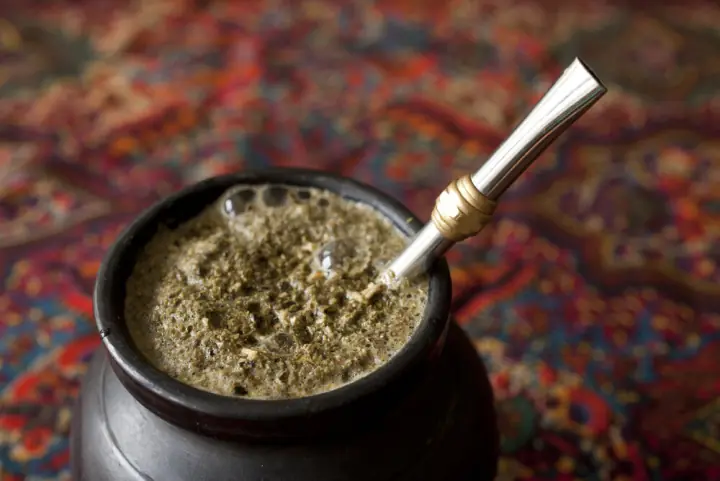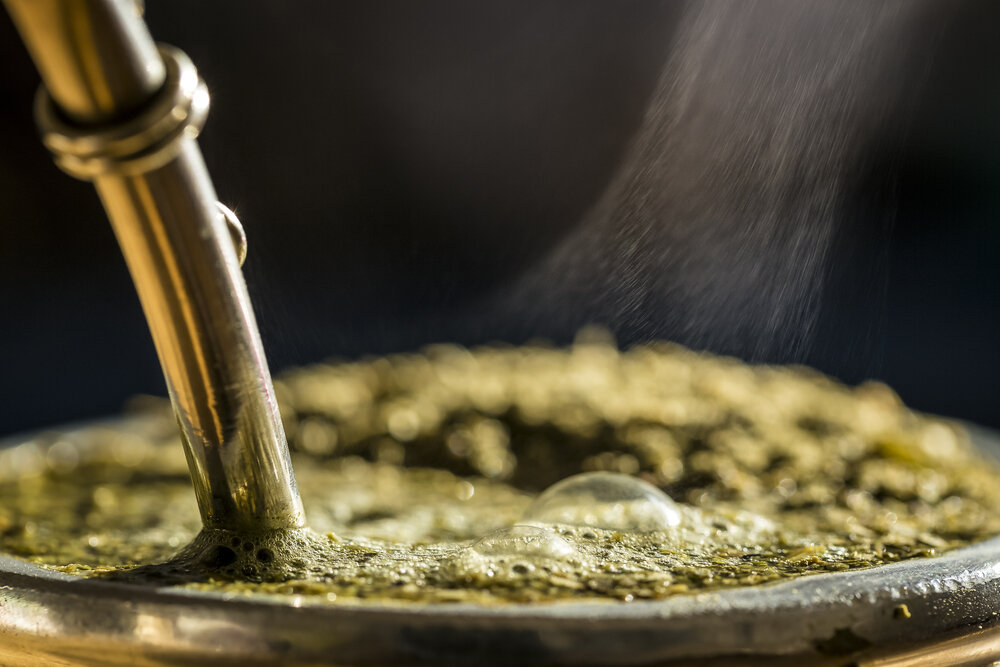
Yerba maté has a reputation for being complicated. It isn’t — but it is genuinely easy to make badly, and almost everyone who tries it once and decides they don’t like it made the same two mistakes.
Mistake one is water temperature. Boiling water scorches the leaf and turns a good maté into something that tastes like burnt grass and tannin. Mistake two is where you pour it. Maté isn’t steeped like tea; the leaf sits in a mound and you water one side of it, so that most of the pile stays dry and gets used gradually across the session. Get those two right and the rest is detail.
This guide covers five ways to make it — the traditional gourd, Paraguayan tereré, a french press, tea bags, and cold brew — plus how to fix the things that usually go wrong and what to blend in if you want to soften the caffeine.
- Water at 70–80 °C (158–176 °F), never boiling. Take the kettle off the heat as the first bubbles form. This is the single biggest lever on flavour — and the biggest safety issue too.
- Pre-wet the leaf with cool water before the hot pour. It lets the leaf swell and settle so the first hot wash doesn’t scorch dry material.
- Pour into the reservoir, not over the mound. Keeping most of the pile dry is what gives you 15–20 good washes instead of three.
- Con palo yerba + a spoon-style bombilla is the setup least likely to clog. Most beginner frustration is a gear problem, not a technique problem.
What You Need
For the traditional method, four things. The gear is a one-off cost that lasts years — the leaf is the cheap part.
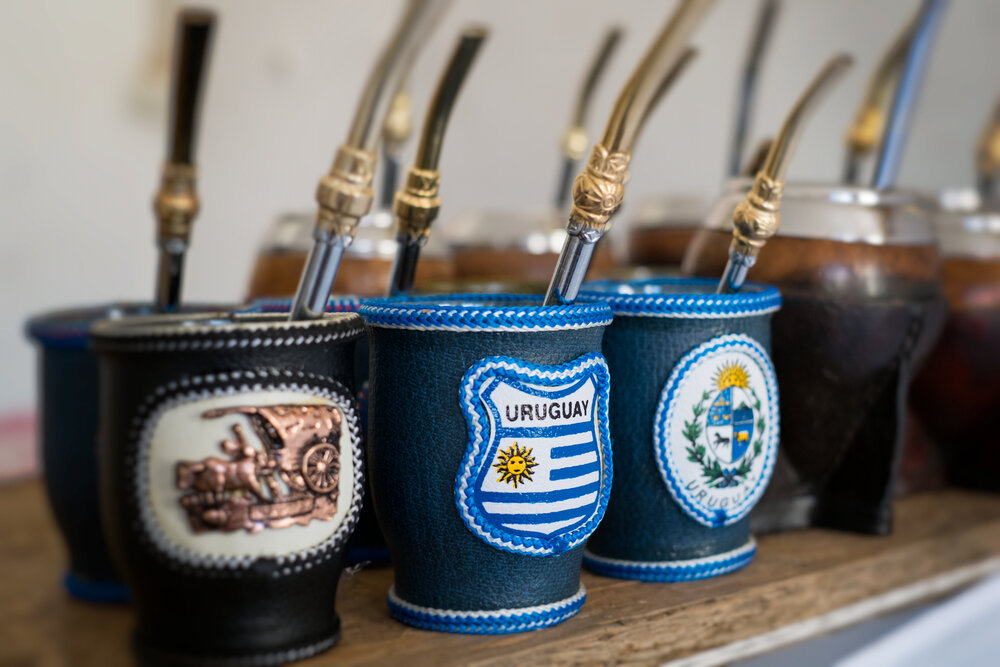
- A gourd (mate) — traditionally a hollowed calabash, but wood, glass, ceramic and stainless steel are all easier to live with. See the curing section below before you buy a calabash.
- A bombilla — the filtered metal straw. This is the part that determines whether drinking maté is pleasant or infuriating.
- A thermos — you’ll refill fifteen-plus times in a session, and reheating a kettle each time is miserable.
- Loose-leaf yerba maté — start with an Argentine con palo blend. Full brand rundown in the best yerba maté brands guide.
Choosing a Bombilla
Six shapes you’ll actually run into, and the choice matters more than the gourd does. What separates them is the filter: a flat perforated plate resists clogging, a fine mesh copes with dust but blocks sooner, and a wound coil traps polvo in its windings and is close to impossible to clear.
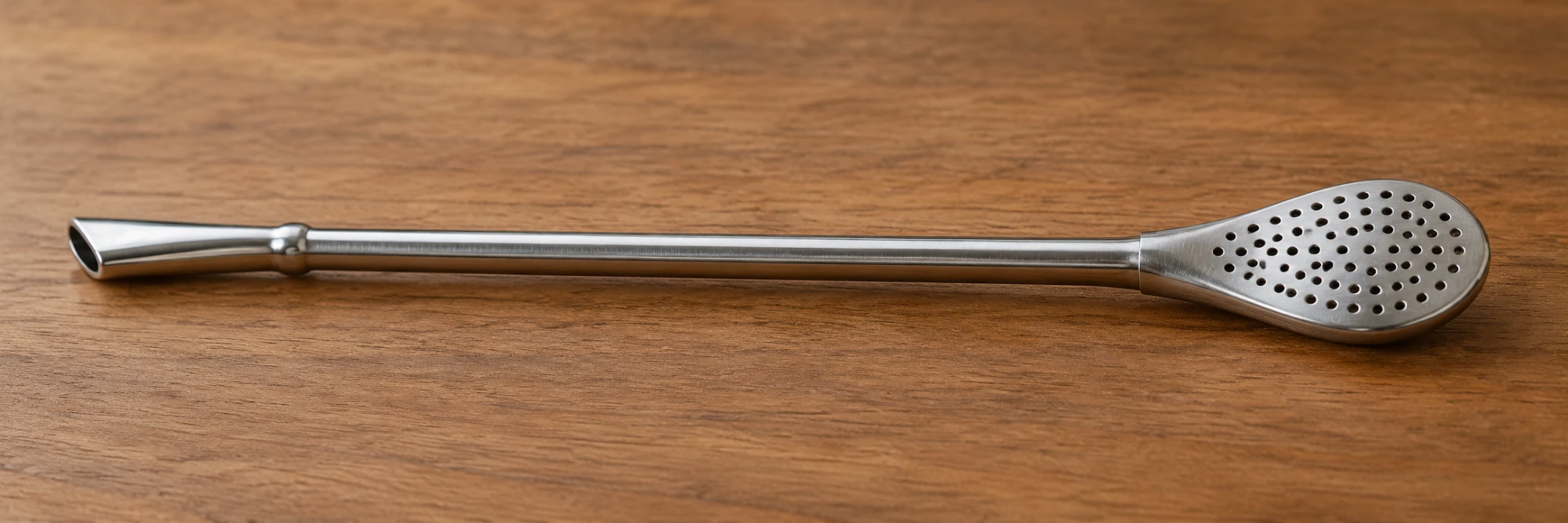
The safe default. A flattened, drilled paddle at the tip.
- Wide perforated plate — clog-resistant, and forgiving of a beginner’s pour.
- Cheap and stocked everywhere, in steel or alpaca.
- Handles ordinary Argentine con palo cuts without complaint.
- Usually one piece, so cleaning means soaking and scrubbing rather than dismantling.
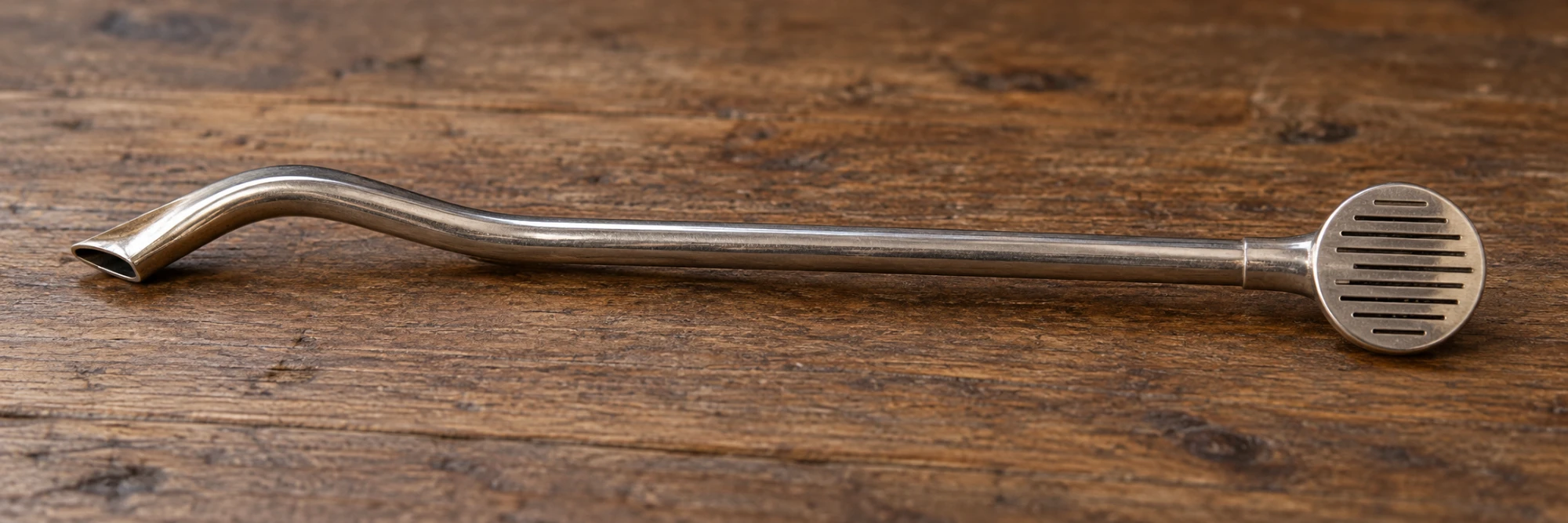
The classic Argentine shape: a curved shaft ending in a slotted disc.
- The bend keeps it against the gourd wall, so you can draw from the bottom without collapsing the mound.
- Flat disc filter — as clog-resistant as the spoon.
- Awkward in a tall or narrow-mouthed gourd.
- This is what a café in Buenos Aires will hand you.
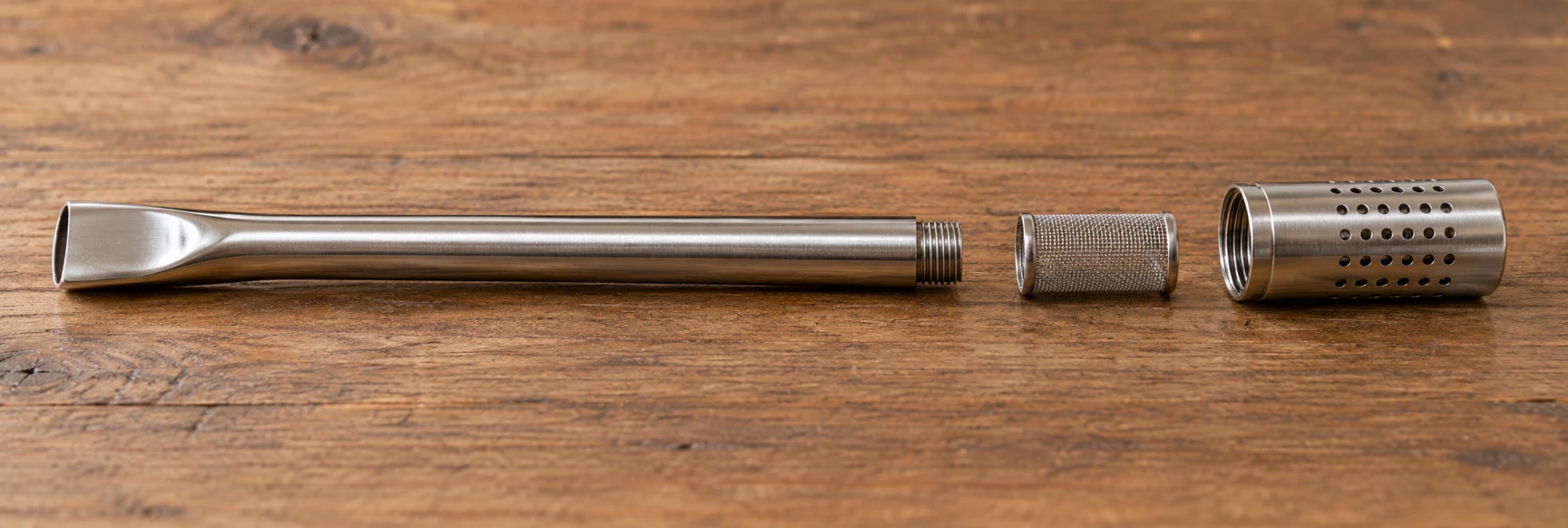
Unscrews into two halves around a replaceable mesh filter.
- The only design you can genuinely clean inside.
- Fine mesh handles high-polvo Uruguayan and Brazilian cuts that defeat a plate.
- Rinse the filter mid-session and carry on.
- Costs more, and the fine mesh clogs sooner than a plate does.
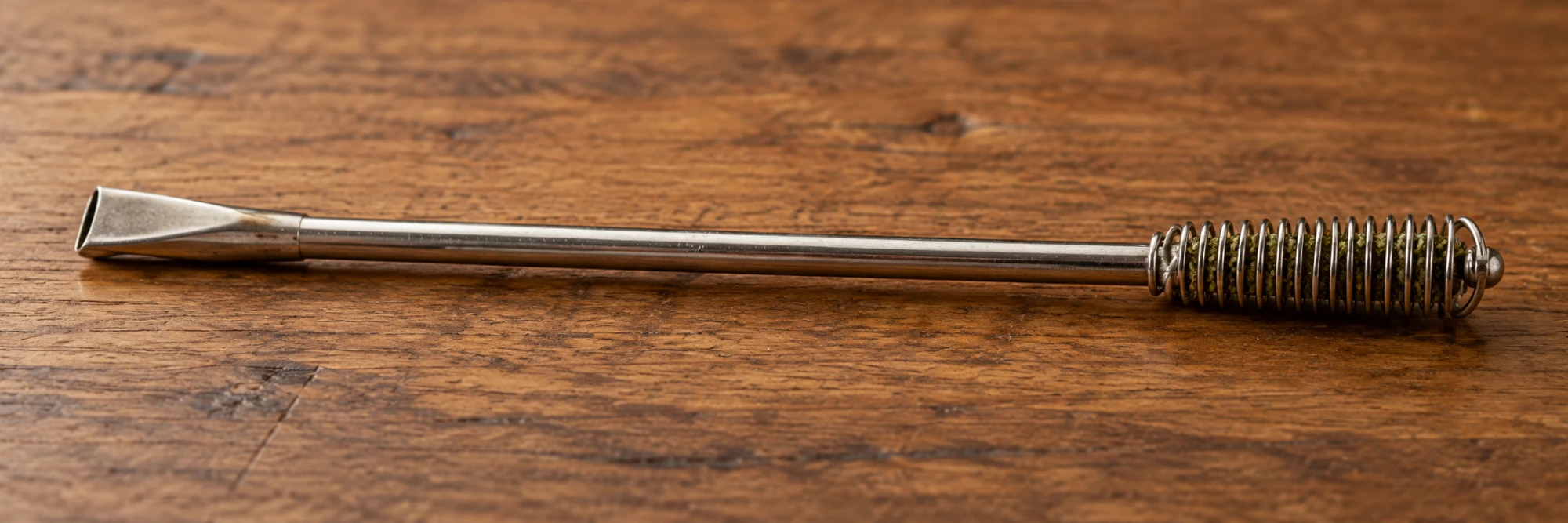
A wire coil wound around the tip. What most cheap starter kits include.
- Cheap, and widely available.
- Polvo packs into the windings and is very hard to clear.
- Can’t be taken apart — boiling is the only real clean.
- If your kit came with one and your maté keeps blocking, this is why.
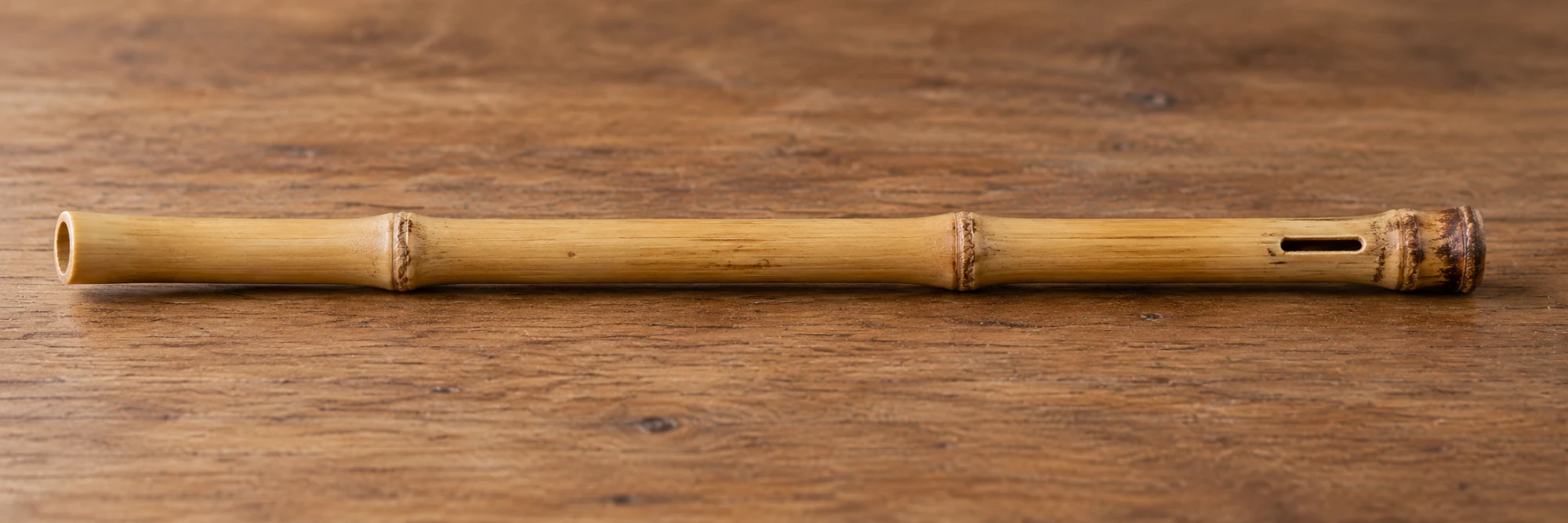
The traditional cane straw, with a slot carved near the tip.
- Doesn’t conduct heat, so it never burns your lip.
- Pleasant to drink from, and the traditional Paraguayan and Brazilian choice.
- Blocks constantly with anything but the coarsest leaf.
- Absorbs flavour, and moulds if it isn’t dried after every session.
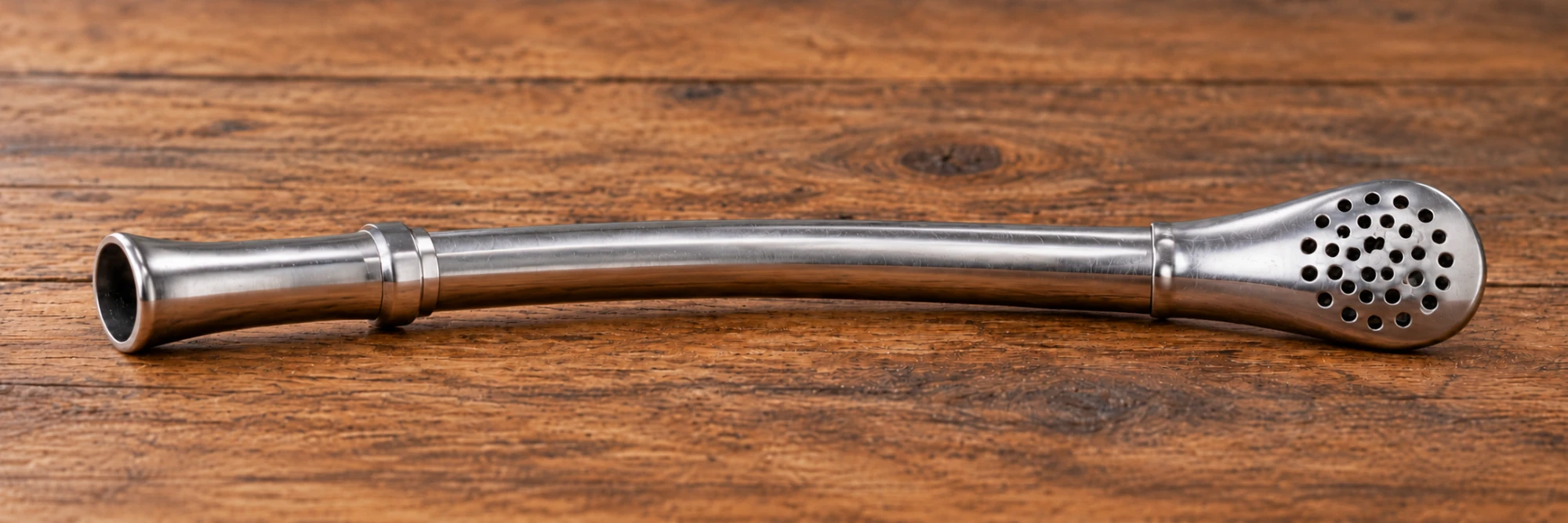
Short and fat-bored, made for the iced gourd and the horn guampa.
- The wide bore moves ice-cold water and thick sediment that would stall a normal straw.
- Sized for a guampa rather than a gourd.
- Too coarse a draw for hot maté — you’ll pull leaf through with it.
If you buy one thing, buy a spoon or a pico de loro. Move to a desmontable if you drink dusty Uruguayan cuts or you want something you can actually take apart. On metal: alpaca (nickel silver) is the traditional choice and warms in the hand; stainless steel is cheaper, tougher and completely fine.
Method #1: The Traditional Gourd & Bombilla
The centuries-old method, and still the best cup. Details vary between Argentina, Uruguay, Paraguay and southern Brazil, but the principles are the same everywhere.
Step 1: Fill the Gourd
Add dried yerba maté until the gourd is 50–70% full — roughly 40–50 g. More leaf means a stronger, longer-lasting session, not just a stronger first sip.
Step 2: Cover and Shake
Put your palm over the mouth, turn the gourd upside down, and shake it a few times. This brings the finest dust (polvo) to your hand and away from where the bombilla will sit, which reduces both bitterness and clogging.
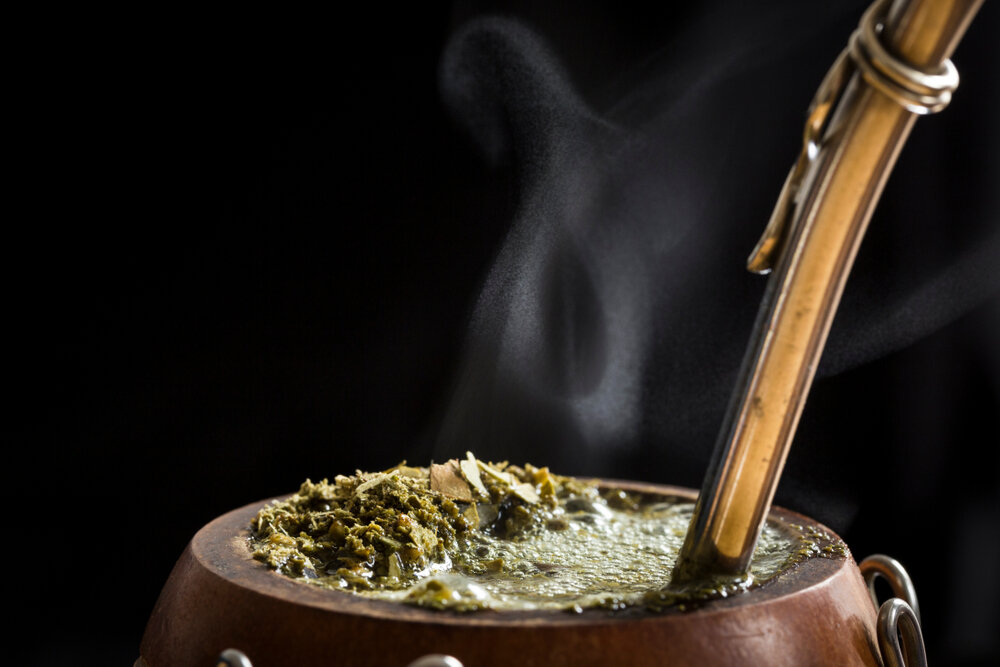
Now tilt the gourd back upright at about 45 degrees. You want a mountain of leaf banked against one side and an empty hollow on the other. That hollow is the reservoir, and it’s where every subsequent pour goes.
Step 3: Pre-Wet With Cool Water
Pour a small amount of cool or lukewarm water into the reservoir and give it a minute to soak in. The leaf will swell and the level will drop; don’t top it up.
This step is universal practice and it does two useful things: it settles the pile so it holds its shape, and it means the first hot pour lands on damp leaf rather than dry leaf. Dry leaf hit with hot water scorches, and scorched maté is harsh in a way you can’t recover from.
You’ll often see this called dummy water and hear that it “protects the antioxidants.” That part is folk rationale rather than measured fact — nobody has shown a polyphenol difference. Do it anyway; the flavour reason alone is sufficient.
Step 4: Insert the Bombilla
Place the bombilla into the wet reservoir and slide it down under the edge of the mound. Wiggle it once to make space, then use it to gently press the mound so it holds its bank.
Then leave it alone. Stirring the bombilla around mid-session is the fastest way to pack the pile into mud and block the filter.
Step 5: The First Pour
Water at 70–80 °C — off the heat as bubbles first form at the bottom of the kettle. Pour into the reservoir until it’s nearly full. A good pour leaves the crown of the mound still dry.
Step 6: Drink
Give it a few seconds and drink through the bombilla. When you hear a slurping, gravelly sound, that gourd is empty. Refill it.
Don’t sip slowly and don’t nurse it — maté is drunk fairly briskly and refilled, which is why it’s a social drink passed around a circle.
Step 7: Refill, and Refresh Once or Twice
Keep refilling from the thermos. You’ll get 15–20 washes from one filling.
When the flavour starts to thin, pull the bombilla, push the mound across to the other side of the gourd, and re-seat the bombilla in fresh leaf. That gives you a second wind — you can usually do it once or twice before the maté is properly lavado (washed out) and it’s time to start again.
Take the water off the heat the moment bubbles form. Too hot scorches the leaf, makes the tea bitter — and is the one genuine health risk in the whole practice.
On water temperature
Drink It Warm, Not Scalding
This is the most important paragraph on the page, and it’s usually left out of preparation guides entirely.
- Habitually drinking maté very hot is an established risk factor for oesophageal squamous cell carcinoma [1, 2]. The risk tracks with serving temperature and cumulative intake and is attributed to repeated thermal injury to the oesophageal lining — it is not about the plant.
- The fix is the same as the flavour fix: brew at 70–80 °C, not boiling, and let it cool if it’s still too hot to sip comfortably. This is one of those rare cases where the correct technique and the safe technique are identical.
- It’s a real caffeine dose. A 50 g gourd holds roughly 500 mg of caffeine in the leaf. You won’t extract all of it, but a full session outpaces a couple of espressos — delivered gradually rather than at once. Late-afternoon sessions will cost you sleep.
- Caution with hypertension, cardiac conditions and anxiety disorders. Maté’s cautions are caffeine’s cautions.
- Pregnancy and breastfeeding: maté itself hasn’t been studied, but caffeine crosses the placenta and enters milk — treat it as a caffeine source and apply the usual limits.
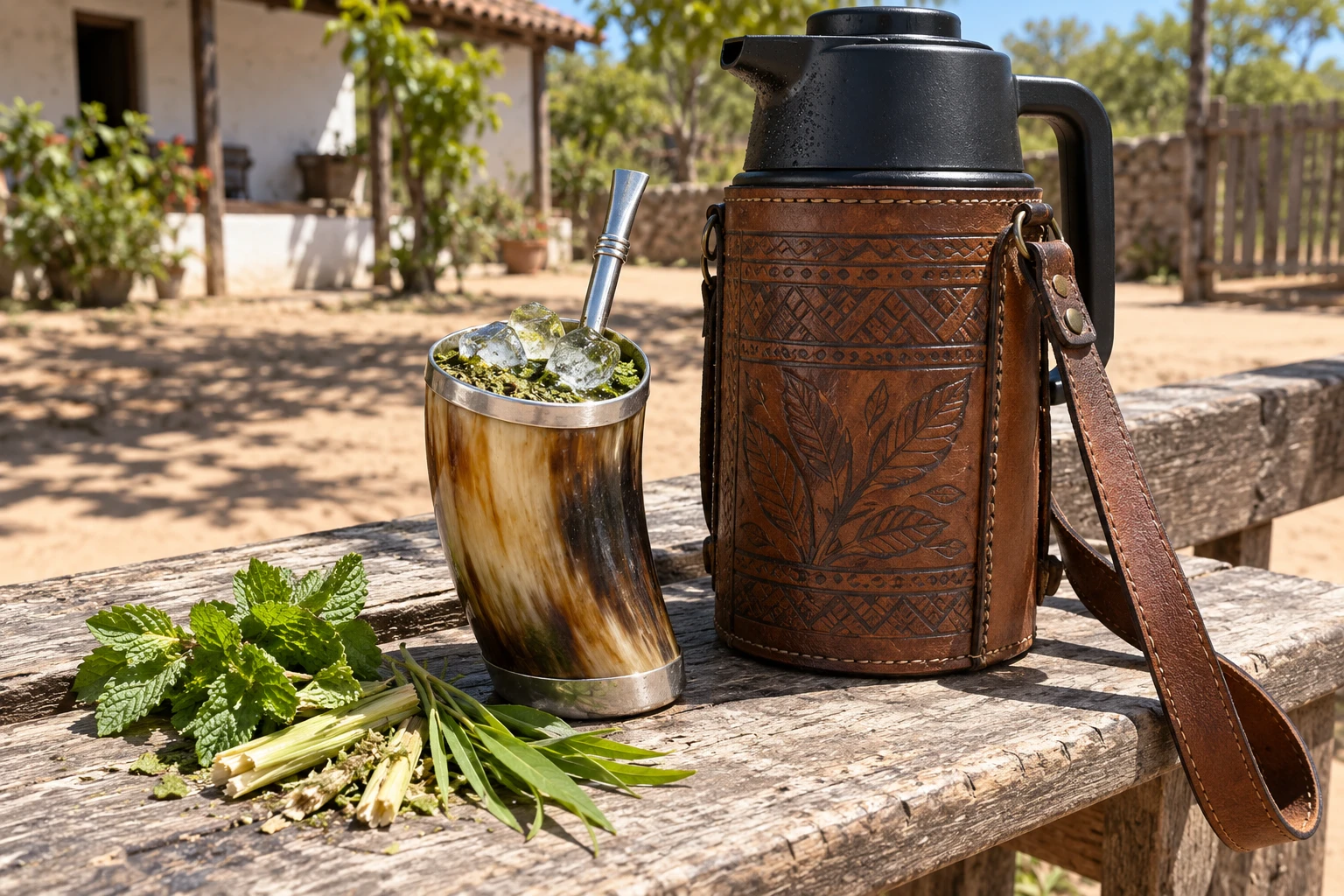
Method #2: Tereré (The Cold Gourd)
Tereré is the Paraguayan method, and it’s a genuinely different drink from hot maté rather than just a chilled version of it — cold water pulls far less tannin, so it comes out lighter, cleaner and much less bitter. In Paraguay it’s the default in summer, and it’s the method most likely to convert someone who found hot maté too harsh.
Set the gourd up exactly as in Method #1 — fill, shake, bank at 45°, insert the bombilla. Then:
- Skip the pre-wet. Cold water can’t scorch anything, so there’s nothing to protect against.
- Fill the reservoir with ice-cold water. Iced is genuinely better than merely cold.
- Add yuyos if you like — the traditional Paraguayan practice is to crush fresh herbs into the water jug rather than the gourd. Mint, lemon verbena and lemongrass are the classics.
- Refill as normal. Cold water extracts more slowly, so you’ll get more washes out of the same leaf than you would hot — often 25 or more.
Method #3: French Press
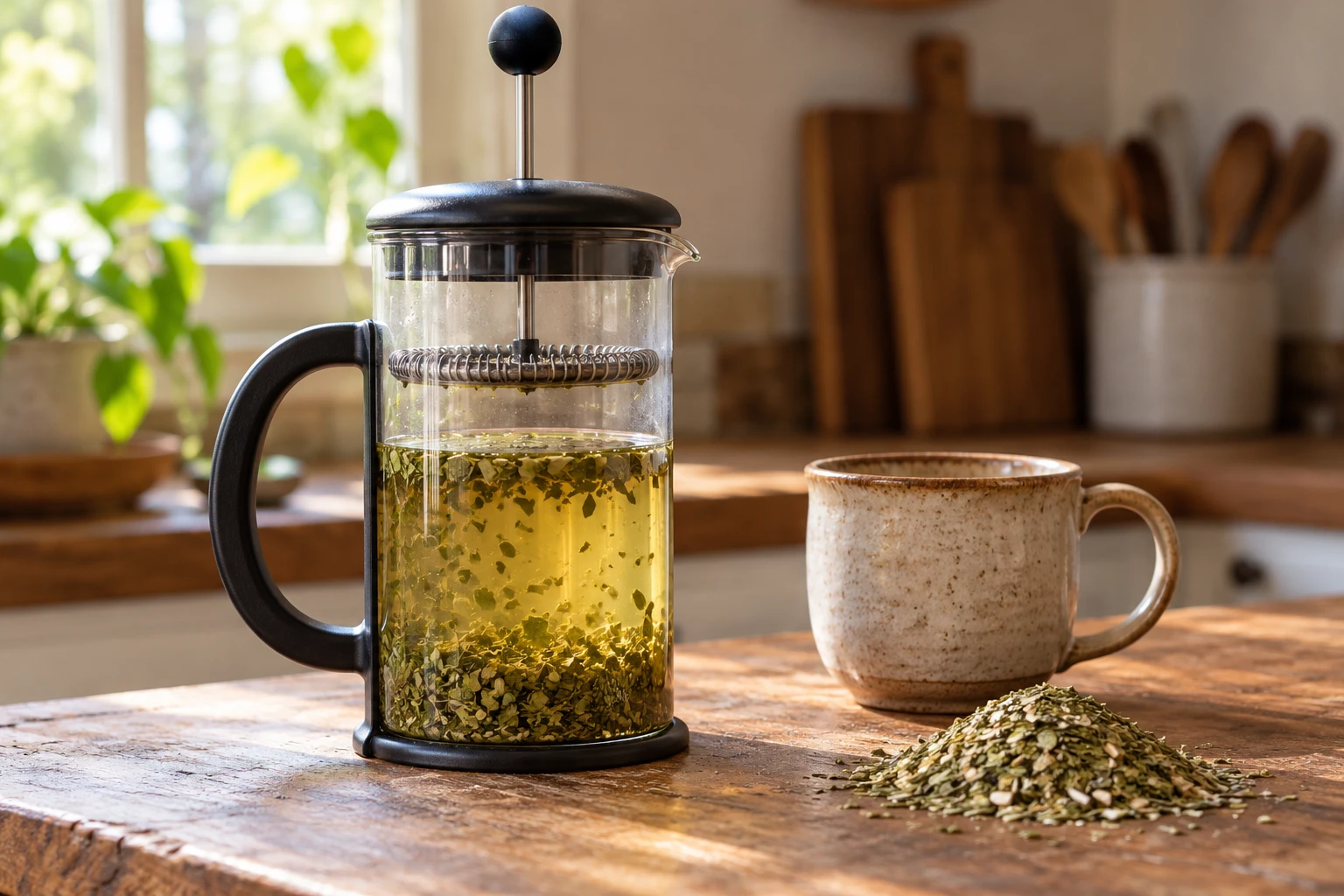
The easiest good cup, and most people already own the equipment.
You’ll need: a french press, yerba maté, hot water, a little cool water, a mug.
- Add the leaf. About 1 tablespoon per 250 mL for a mild brew, 2 tablespoons for a strong one.
- Pre-wet with cool water. Just enough to dampen the leaf, then wait 30 seconds — same reasoning as the gourd.
- Add water at 70–80 °C and let it stand 2–3 minutes. Longer is stronger, but past about 5 minutes you’re mostly extracting tannin.
- Press and pour. You’ll get two or three brews out of one load of leaf — just add more hot water.
One tip: don’t press the plunger all the way down and leave it. Maté keeps extracting against the filter and the second cup turns bitter. Press, pour it all out, and re-water when you want more.
Method #4: Tea Bag or Strainer
The desk-drawer method. Weaker and simpler than a gourd, but there’s nothing to clean.
You’ll need: yerba maté, a tea bag or infuser, hot water, a little cool water, a mug.
- Fill the bag or infuser — about a tablespoon per cup. Skip this if you bought pre-made bags.
- Douse with a little cool water and give it a few seconds.
- Add water at 70–80 °C.
- Steep 2–4 minutes. Two minutes is my default; four gives a noticeably stronger, more astringent cup.
- Remove the bag and sweeten if you want to. Leaving it in past four minutes doesn’t make it stronger so much as harsher.
Use an infuser with plenty of room rather than a tight ball — maté expands a lot, and a cramped infuser gives you a thin cup.
Method #5: Cold Brew
Different from tereré: this is a jug in the fridge rather than a gourd, and it’s the best hot-weather option if you want to make a batch in advance.
- Load bags, an infuser or a french press with about 1 tablespoon per 250 mL.
- Add flavourings (optional but recommended). Honey, sliced lemon, pineapple, fresh mint. My standard is a bag of peppermint plus half a lemon in wedges.
- Fill with cold filtered water and refrigerate. Four hours minimum; 8–10 hours — overnight — is where it gets good.
- Strain and serve. Keeps sealed in the fridge for about 3 days. Sweeten to taste.
Cold brew is the least bitter preparation of all, because the compounds responsible for astringency extract poorly at low temperature. If hot maté has always tasted too aggressive to you, try this before giving up on the plant.

Which Method Should You Use?
| Method | Leaf | Water | Time | Strength | Best for |
|---|---|---|---|---|---|
| Traditional gourd | 40–50 g | 70–80 °C | 15–20 washes | Strongest | The real experience; long work sessions |
| Tereré | 40–50 g | Iced | 25+ washes | Medium | Hot weather; people who find maté bitter |
| French press | 1–2 tbsp / cup | 70–80 °C | 2–3 min | Medium-strong | An excellent cup with zero technique |
| Tea bag | ~1 tbsp / cup | 70–80 °C | 2–4 min | Mild | Work, travel, no equipment |
| Cold brew | 1 tbsp / 250 mL | Cold | 8–10 hrs | Mild-medium | Batches, summer, lowest bitterness |
Caring for Your Gear
The part nobody tells beginners, and the reason a lot of gourds end up in a cupboard.
Curing a Calabash Gourd
A calabash gourd must be cured before first use or it will taste bitter and eventually mould. Wood gourds benefit from the same treatment; glass, ceramic and steel need none of it — rinse and go.
- Fill the gourd with used yerba maté and hot (not boiling) water. Let it stand 24 hours.
- Scrape out the soft inner membrane with a spoon — this is the part that rots and imparts bitterness.
- Repeat once or twice until the water comes out clean-tasting.
- Dry it thoroughly, mouth-down, in open air after every single use from then on.
A calabash that’s put away damp will mould, and that’s the end of it. If that sounds like more maintenance than you want, buy wood or steel — most daily drinkers do.
Cleaning the Bombilla
Rinse it immediately after every session, while the residue is still wet — dried polvo sets like cement inside the filter. Once a week, unscrew the filter plate if it comes apart, and run hot water and a thin brush (a pipe cleaner or straw brush) through the shaft.
If a bombilla is already blocked solid, soak it in hot water with a little bicarbonate of soda for an hour, then brush it through.
Troubleshooting
My bombilla clogs constantly
It tastes burnt or harshly bitter
It tastes weak and watery
It goes weak after three or four washes
The first sip is fine, then it turns bitter
Water comes up the straw with leaf in it
How hot is “70–80 °C” without a thermometer?
Can I reuse the leaves tomorrow?
Herbs to Blend With Yerba Maté
Maté takes other herbs well, and blending is traditional rather than a modern invention — in Paraguay, added herbs are called yuyos and the practice is old and everyday. The usual reason to blend is to take the edge off the caffeine or to shift the flavour.
A note on the folklore: several of these herbs get recommended alongside maté with an origin story attached — that they grow on maté trees, or come from the same forest. Mostly they don’t. The blends are still good; the botany just isn’t what people say it is.
1. Passionflower
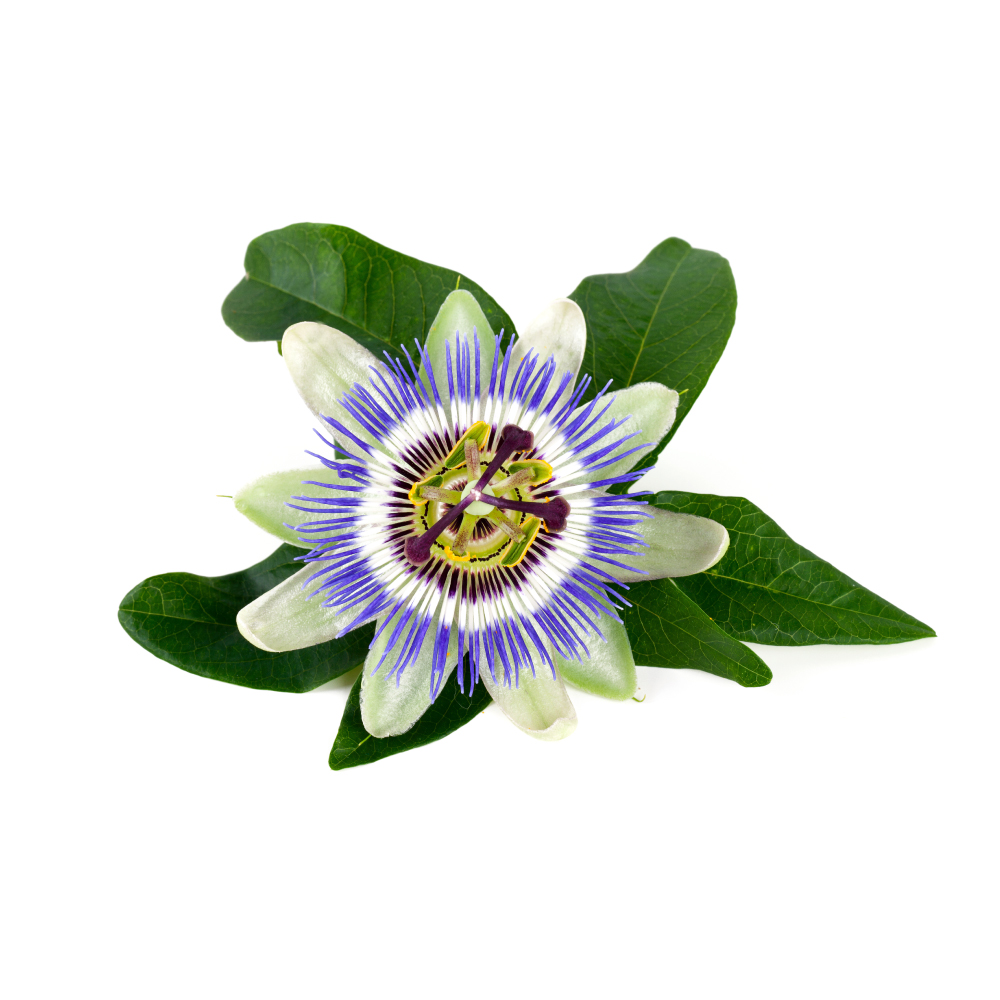 PassionflowerPassiflora incarnataModerate
1 part to 3 parts maté. A floral, faintly grassy leaf with a genuine calming effect — the most useful thing on this list if caffeine makes you jittery. The medicinal part is aerial (leaf and stem), not the flower.
Full monographPassionflower has a pleasant floral flavour and a genuine relaxing effect that rounds off maté’s stimulation, which makes it the most useful thing on this list if caffeine makes you jittery. Add about 1 part passionflower to 3 parts maté.
You’ll often read that passionflower grows on yerba maté trees in the wild. It doesn’t — the medicinal species, Passiflora incarnata, is native to the southeastern United States, not South America. The blend works; the story is wrong.
2. Damiana
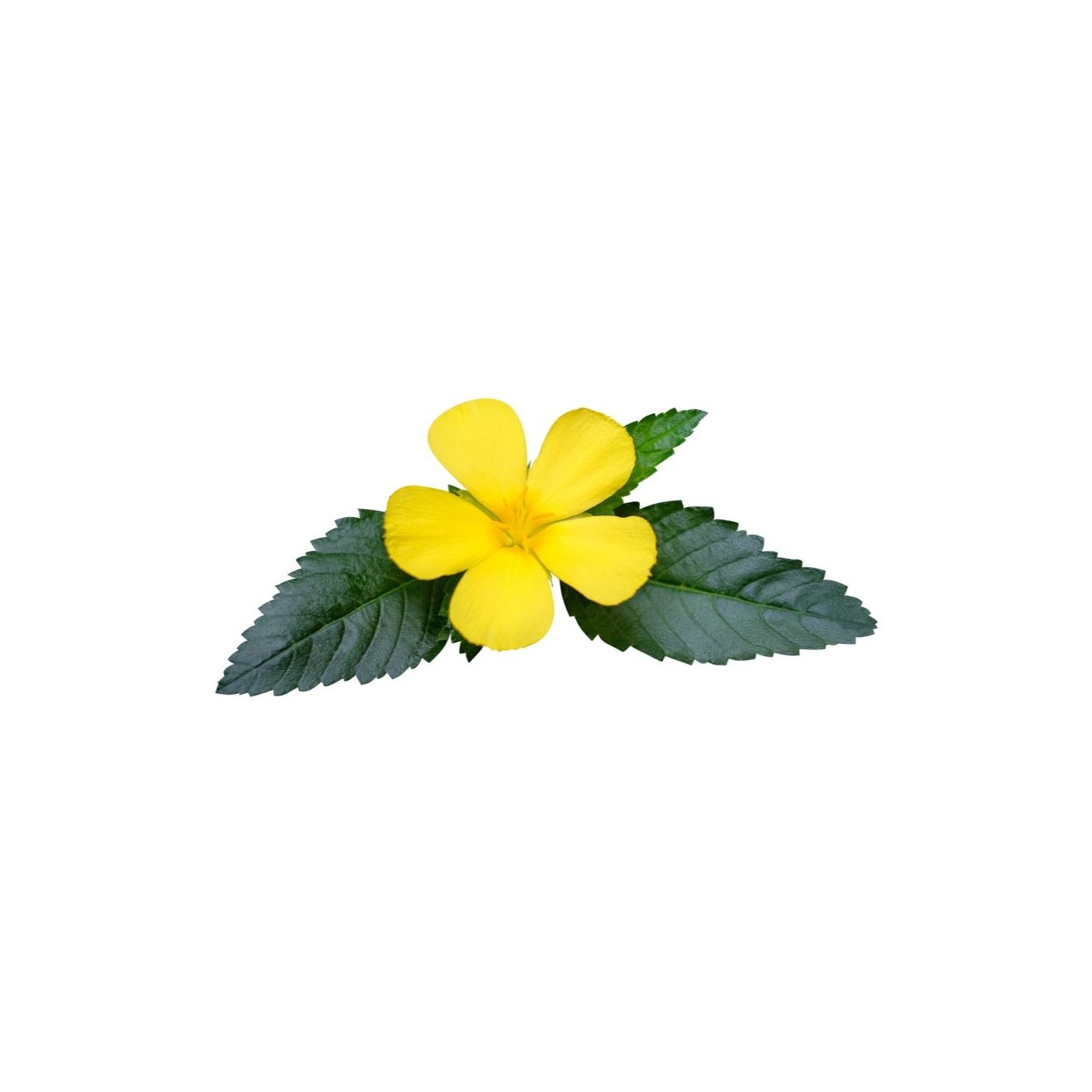 DamianaTurnera diffusaTraditional only
1 part to 3 parts maté. Aromatic and mildly relaxing, with a distinctive flavour that suits maté. A dry-scrub shrub of Mexico and the Caribbean — nothing to do with the maté forests, whatever the packaging says.
Full monographDamiana is aromatic, mildly relaxing, traditionally used as an aphrodisiac, and has a distinctive flavour that suits maté well. Add about 1 part to 3 parts maté.
Same correction here: damiana (Turnera diffusa) is not an Amazon plant and doesn’t grow near maté. It’s a dry-scrub shrub of Mexico, Central America and the Caribbean — a different continent’s worth of habitat away from the subtropical forests where maté grows.
3. Schisandra
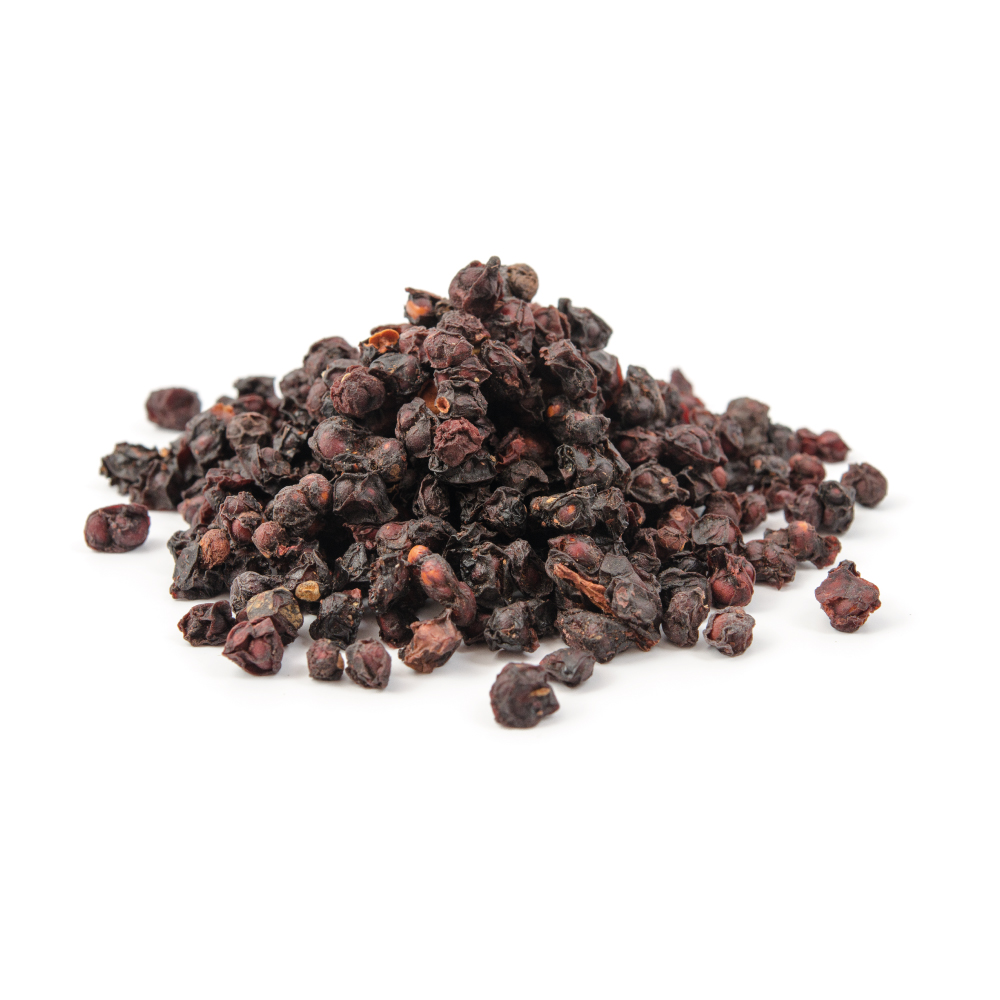 SchisandraSchisandra chinensisTraditional only
3–4 dried berries per gourd. The five-flavour berry: tart and faintly saline, and on flavour grounds the best addition here. Carries a real CYP3A4 interaction — check it against your medications first.
Full monographSchisandra is the five-flavour berry — bitter, sour, sweet, salty and savoury at once — and three or four dried berries dropped into the gourd add a tart, saline complexity that genuinely improves maté. On flavour grounds it’s the best addition on this list.
But not for the reason it’s usually given. An earlier version of this article repeated the common claim that schisandra speeds up caffeine clearance and so shortens maté’s effect. That’s wrong twice over: caffeine is cleared mainly by CYP1A2, and schisandra’s lignans inhibit CYP3A4 and P-glycoprotein rather than inducing anything. If it moves caffeine at all, inhibition would make it last longer, not shorter.
That CYP3A inhibition is also a real drug interaction — schisandra can raise blood levels of narrow-therapeutic-index medications. A few berries in a gourd is a small exposure, but if you take immunosuppressants, anticoagulants or other CYP3A-metabolised drugs, this is one to check first. See the schisandra monograph for the detail.
4. Peppermint
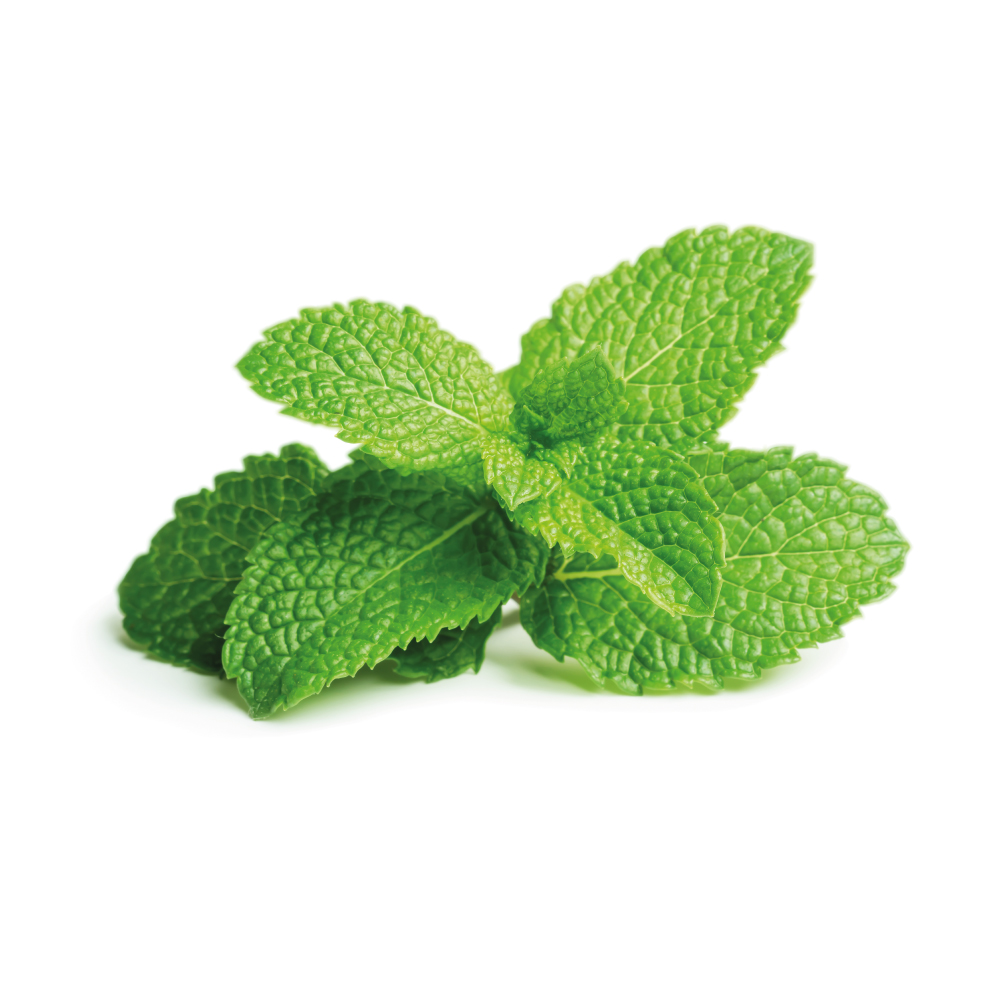 PeppermintMentha × piperitaTraditional only
1 part to 4 parts maté. One of the genuine Paraguayan yuyos and the easiest blend to get right. Best in tereré and cold brew, where the cooling note plays against the cold water.
Full monographPeppermint is the easiest win here, and one of the genuine traditional yuyos. It’s especially good in tereré and cold brew, where the cooling note plays against the cold water. You don’t need much — 1 part peppermint to 4 parts maté.
5. CBD — With a Caveat
CBD is popular alongside coffee to blunt the jitters, and the same logic gets applied to maté. The pharmacology is arguable; the preparation advice usually given for it is straightforwardly wrong.
You’ll see people recommend adding raw hemp leaf to the gourd at 25%. That won’t do much. Cannabinoids are strongly lipophilic and essentially insoluble in water, so a water infusion extracts very little of them — and raw hemp leaf contains CBDA, which needs sustained heat to convert to CBD at all. Gourd-temperature water does neither job.
If you want to combine them, take the CBD separately as an oil or capsule while you drink your maté. It’s the same combination, and it’s the only version that actually delivers a dose. More on the compound itself in the CBD guide.
The Calm Focus Gourd
If you want one blend to start from, this is it — maté’s focus without the edge. Measure the leaf by volume, mix it dry, then fill the gourd as normal.
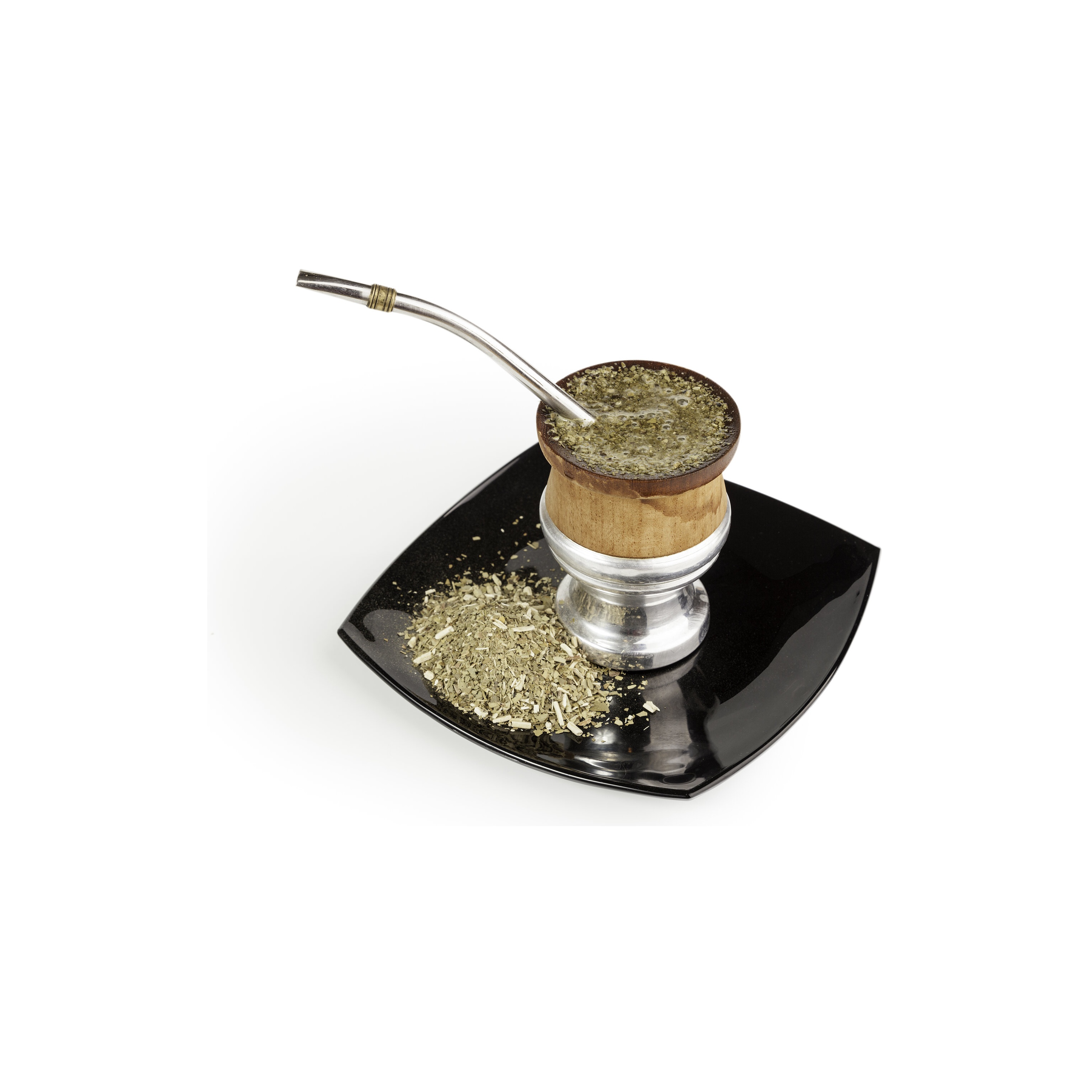 Yerba maté3 parts, Argentine con paloPassionflower1 part, takes off the edgePeppermint½ part, cooling top noteSchisandra3–4 berries, tart complexity
FAQ
Do I really need a gourd and bombilla?
Why not just use boiling water?
Is the cool-water step actually necessary?
How many washes should I get?
Can I add milk or sugar?
Should I share the gourd?
What’s the best yerba to start with?
How do I store leftover yerba?
Where to Buy Yerba Maté
Yerba maté ships everywhere and it’s cheap — usually sold in 500 g or 1 kg bags, and a kilo lasts a daily gourd drinker roughly three to five weeks.
Every brand tastes slightly different, the same way coffee and tea do, so buy a couple of 500 g bags before committing to a kilo of anything. The full rundown of what’s worth buying — and the two long-standing recommendations that are now out of date — is here:
→ The Best Yerba Maté Brands, Reviewed
For the plant itself, its chemistry and what the research actually supports, see the yerba maté monograph.
References
- Lubin, J. H., et al. (2014). Maté drinking and esophageal squamous cell carcinoma in South America: pooled results from two case-control studies. Cancer Epidemiology, Biomarkers & Prevention. Link
- Inoue-Choi, M., et al. (2025). Hot beverage intake and oesophageal cancer in the UK Biobank. British Journal of Cancer. Link
Clinical herbalist and the writer behind The Sunlight Experiment — an evidence-based pharmacopoeia of herbs, supplements, and the chemistry behind them.