
Materia Medica
Yerba Maté
Ilex paraguariensis
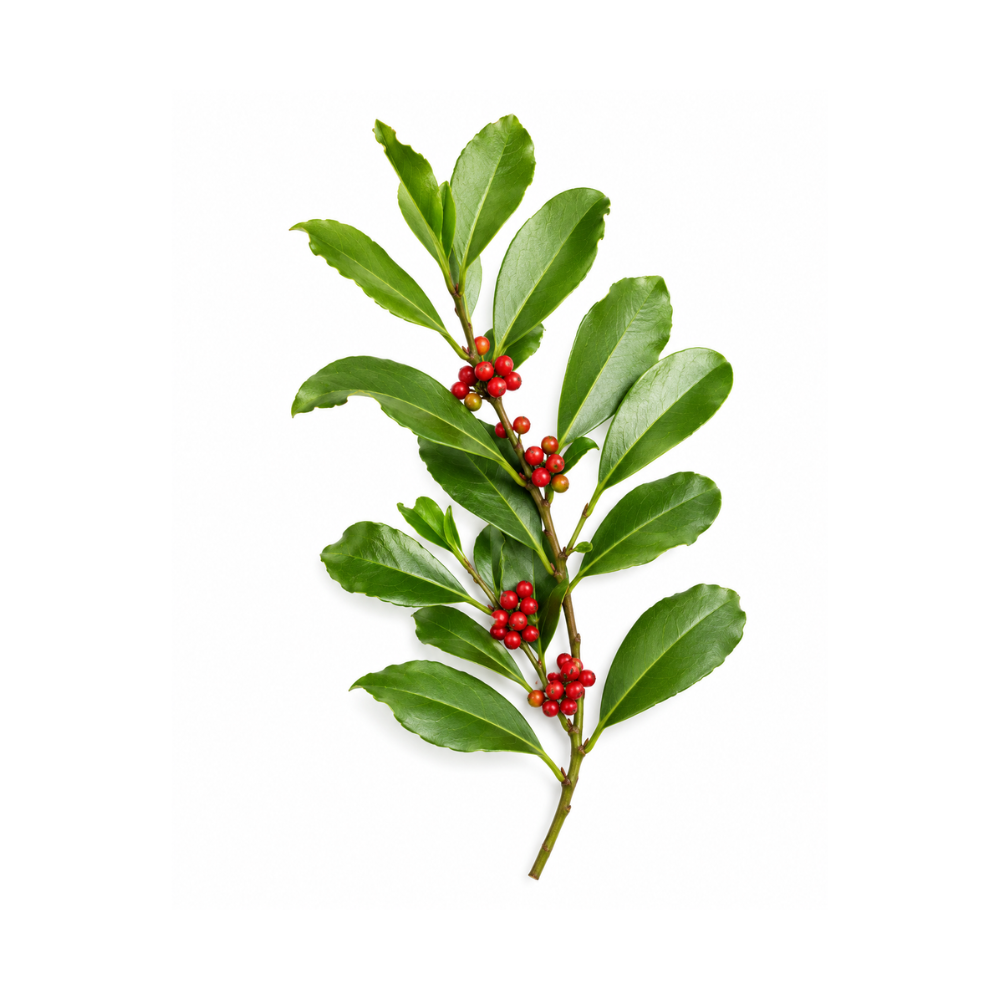
Yerba maté is a South American holly whose dried leaves are brewed into maté, a caffeine-rich drink shared from a gourd. The leaf is rich in chlorogenic acids and has been studied for blood sugar, cholesterol and body fat.
What Is Yerba Maté?
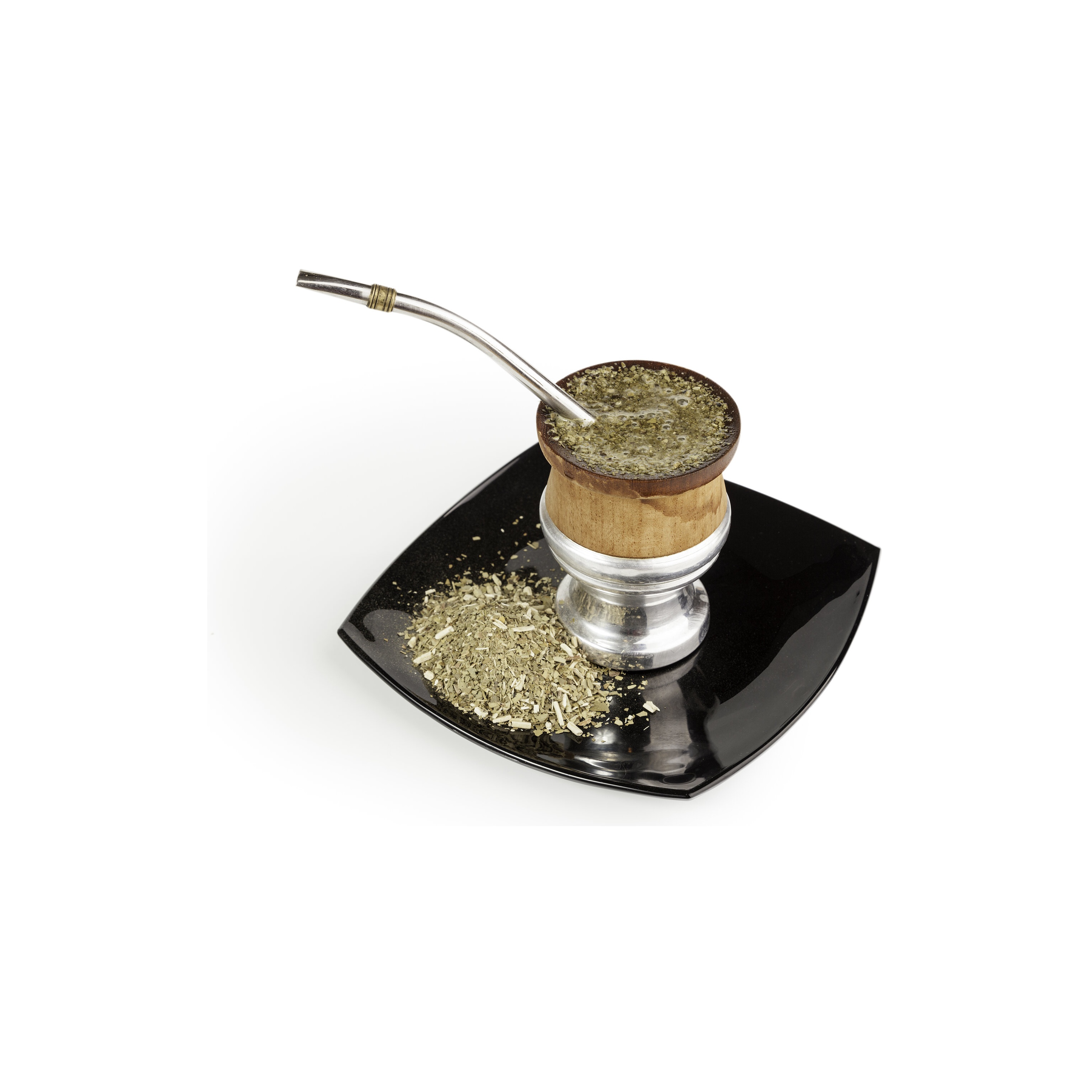
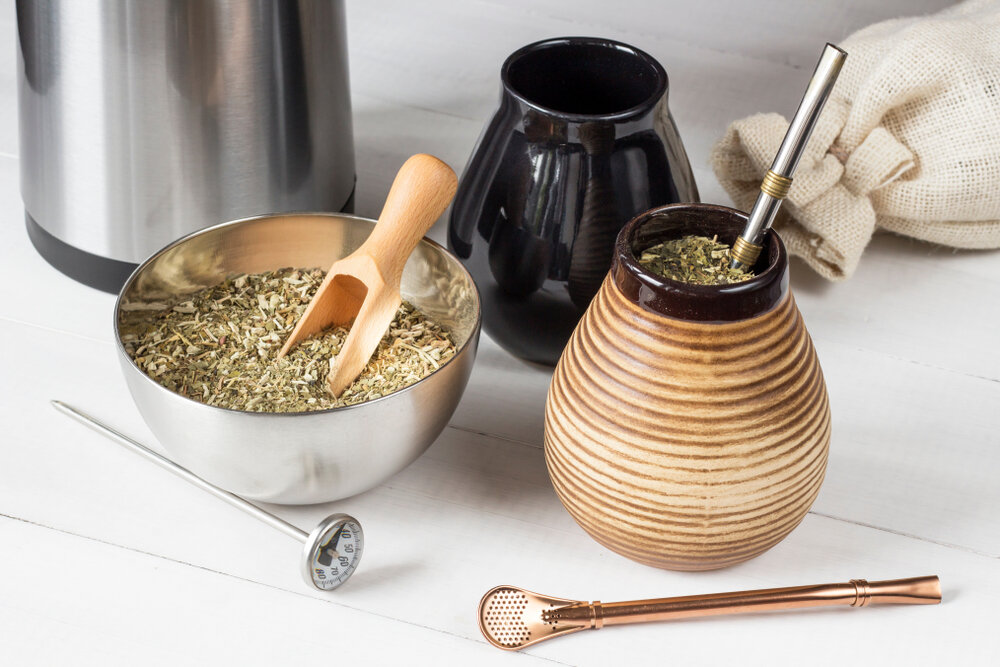
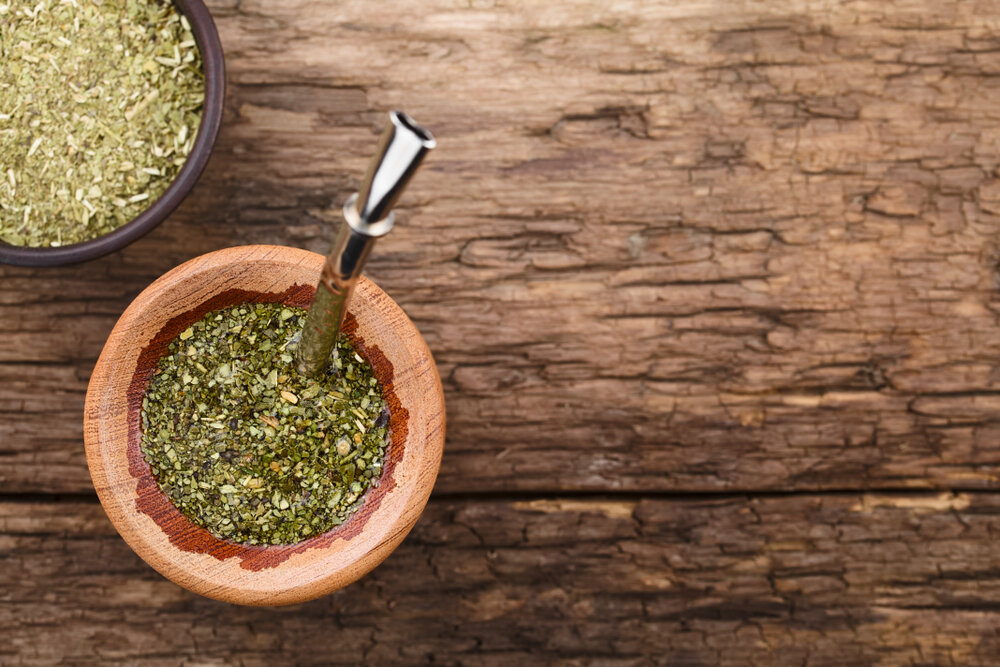
Yerba maté is an evergreen holly tree whose dried leaves are brewed into maté, the everyday caffeinated drink of southern South America. The leaves are traditionally steeped in a gourd and sipped through a metal filter straw called a bombilla 22Reference 22ReviewYerba Mate — a long but current history — reviewView study →.
Ilex paraguariensis grows wild in Paraguay, north-eastern Argentina, southern Brazil and Uruguay, and it is farmed across the same region 22,
The leaf contains caffeine and theobromine, and it is rich in chlorogenic acid and related polyphenols 22Reference 22ReviewYerba Mate — a long but current history — reviewView study →. A 150 mL cup holds about 80 mg of caffeine, similar to a cup of coffee 22Reference 22ReviewYerba Mate — a long but current history — reviewView study →. Trials have tested maté for blood sugar, cholesterol and body fat 4,
Maté is one of several caffeine plants, alongside coffee, tea, guarana and cacao. Its close relative guayusa (Ilex guayusa) is a separate species from Ecuador.
How Is Yerba Maté Used?
Maté is drunk throughout the day as a stimulant, and it is often shared around a group.
- Maté or chimarrão — dried leaf packed into a gourd and topped up with hot water, 65–80 °C, many times over 22Reference 22ReviewYerba Mate — a long but current history — reviewView study →.
- Tereré — the same leaf brewed with cold water, often with lemon or other citrus, popular in Paraguay and south-western Brazil 22Reference 22ReviewYerba Mate — a long but current history — reviewView study →.
- Mate cocido — the leaf infused in hot water like an ordinary tea 22Reference 22ReviewYerba Mate — a long but current history — reviewView study →.
- Capsules and extracts — concentrated leaf extracts, used in weight-management products and in some trials 1,
2, .3Reference 1RCTAnti-obesity effects of Yerba Maté (Ilex paraguariensis): a randomized, double-blind, placebo-controlled clinical trialView study →Reference 2RCTYerba Maté (Ilex paraguariensis) ingestion augments fat oxidation and energy expenditure during exercise — randomised crossover trialView study →Reference 3RCTYerba Maté (Ilex paraguariensis) metabolic, satiety, and mood state effects at rest and during prolonged exercise — randomized trialView study →
The gourd method, tereré and other ways to brew it are set out in How to Prepare Yerba Maté, and choosing a brand in Best Yerba Maté.
Maté Terms
- Bombilla — the drinking straw, a metal or cane tube with a perforated filter at the end that sits in the leaf 22,
34Reference 22ReviewYerba Mate — a long but current history — reviewView study →Reference 34Socio-cultural significance of yerba maté among Syrian residents and diaspora — ethnographic studyView study → . - Mate — the drink, and also the gourd it is drunk from, usually a dried calabash (Lagenaria) 33,
34Reference 33Yerba mate (Ilex paraguariensis) beverage: nutraceutical ingredient or conveyor for the intake of medicinal plants? Evidence from Paraguayan folk medicine — ethnobotanical field studyView study →Reference 34Socio-cultural significance of yerba maté among Syrian residents and diaspora — ethnographic studyView study → . - Chimarrão — the Brazilian name for maté brewed with hot water 22Reference 22ReviewYerba Mate — a long but current history — reviewView study →.
- Tereré — maté brewed with cold water, often with citrus, drunk in Paraguay and south-western Brazil on hot days 22,
33Reference 22ReviewYerba Mate — a long but current history — reviewView study →Reference 33Yerba mate (Ilex paraguariensis) beverage: nutraceutical ingredient or conveyor for the intake of medicinal plants? Evidence from Paraguayan folk medicine — ethnobotanical field studyView study → . - Mate cocido — the leaf infused in hot water like an ordinary tea 22Reference 22ReviewYerba Mate — a long but current history — reviewView study →.
- Yerba canchada — leaf crushed into large pieces, prepared especially for tereré 33Reference 33Yerba mate (Ilex paraguariensis) beverage: nutraceutical ingredient or conveyor for the intake of medicinal plants? Evidence from Paraguayan folk medicine — ethnobotanical field studyView study →.
- Despalada — maté with few stems, up to about 10% 22Reference 22ReviewYerba Mate — a long but current history — reviewView study →.
- Elaborada — maté with about 35% stems 22Reference 22ReviewYerba Mate — a long but current history — reviewView study →.
In Paraguayan folk medicine, medicinal plants are often added to the gourd or the water. Cooling plants, used for “hot” conditions, are always taken in tereré 33Reference 33Yerba mate (Ilex paraguariensis) beverage: nutraceutical ingredient or conveyor for the intake of medicinal plants? Evidence from Paraguayan folk medicine — ethnobotanical field studyView study →.
Traditional Uses
Yerba maté comes from the lands of the Guaraní, who were the first people to drink it, and it is used above all as a stimulant drink taken through the day for energy and fatigue 22Reference 22ReviewYerba Mate — a long but current history — reviewView study →. Across South America the beverage is also the everyday vehicle for other medicinal plants, rather than a strongly medicinal plant in its own right 33Reference 33Yerba mate (Ilex paraguariensis) beverage: nutraceutical ingredient or conveyor for the intake of medicinal plants? Evidence from Paraguayan folk medicine — ethnobotanical field studyView study →.
Jesuit missionaries cultivated and traded the leaf from the 17th century 22Reference 22ReviewYerba Mate — a long but current history — reviewView study →. In the early 20th century Syrian migrants returning from South America made it a staple drink in Syria 34Reference 34Socio-cultural significance of yerba maté among Syrian residents and diaspora — ethnographic studyView study →. Europe recognises maté leaf as a traditional herbal medicine for fatigue and for flushing the urinary tract 30Reference 30ReviewCommunity herbal monograph on Ilex paraguariensis StView study →.
Guaraní & South American Indigenous Medicine
The Guaraní were the first people to use yerba maté in its native range 22Reference 22ReviewYerba Mate — a long but current history — reviewView study →. The cured leaf is chewed or steeped in hot water and drunk through the day 26Reference 26The Healing Power of Rainforest Herbs: A Guide to Understanding and Using Herbal Medicinals. Its central use is as a stimulant for energy, wakefulness and fatigue 22Reference 22ReviewYerba Mate — a long but current history — reviewView study →.
Other uses include low mood, digestive complaints, nerve pain and weight management 26Reference 26The Healing Power of Rainforest Herbs: A Guide to Understanding and Using Herbal Medicinals. A poultice of the leaf has been applied to anthrax skin ulcers 26Reference 26The Healing Power of Rainforest Herbs: A Guide to Understanding and Using Herbal Medicinals.
Remnants of yerba maté powder have been found in Incan tombs, but whether Indigenous peoples used it widely before colonisation is disputed 27Reference 27Stimulating consumption: yerba mate myths, markets, and meanings from conquest to present.
Jesuit missionaries arrived in the region in the 16th century. By about 1670 they were cultivating yerba maté and trading its leaves, which is the origin of the name Jesuit’s tea. After the order was dissolved, their plantations were abandoned, and cultivation was taken up again only in the 20th century 22Reference 22ReviewYerba Mate — a long but current history — reviewView study →.
Paraguayan Folk Medicine
Apart from the Guaraní, the Paraguayan Mestizo people have the longest tradition of drinking maté. In their folk medicine maté is not considered a medicinal plant in its own right, but it is the main way medicinal plants are taken 33Reference 33Yerba mate (Ilex paraguariensis) beverage: nutraceutical ingredient or conveyor for the intake of medicinal plants? Evidence from Paraguayan folk medicine — ethnobotanical field studyView study →.
In a study of 100 Paraguayan migrants in Misiones, Argentina, 97 plant species were added to hot maté or to cold tereré. They were used for 18 categories of illness, including digestive complaints, humoral “hot” and “cold” conditions, and newer ones such as diabetes, high blood pressure and high cholesterol 33Reference 33Yerba mate (Ilex paraguariensis) beverage: nutraceutical ingredient or conveyor for the intake of medicinal plants? Evidence from Paraguayan folk medicine — ethnobotanical field studyView study →.
The temperature of the brew is part of the remedy. Cooling plants, used for “hot” conditions, are always taken in cold tereré 33Reference 33Yerba mate (Ilex paraguariensis) beverage: nutraceutical ingredient or conveyor for the intake of medicinal plants? Evidence from Paraguayan folk medicine — ethnobotanical field studyView study →.
Western Herbal Medicine
The European Medicines Agency recognises maté leaf as a traditional herbal medicinal product, a status based on long-standing use 30Reference 30ReviewCommunity herbal monograph on Ilex paraguariensis StView study →.
Its two registered uses are for fatigue and a feeling of weakness, and to increase urine flow and flush the urinary tract in minor urinary complaints 30Reference 30ReviewCommunity herbal monograph on Ilex paraguariensis StView study →. The dried leaf is taken as a tea, about 2–4 g a day for fatigue and 2.5–5 g a day for urinary flushing 30Reference 30ReviewCommunity herbal monograph on Ilex paraguariensis StView study →.
The monograph limits both uses to adults and advises against them in heart, circulatory and thyroid conditions and in stomach ulcers 30Reference 30ReviewCommunity herbal monograph on Ilex paraguariensis StView study →.
Indications
- Fatigue and weakness [leaf tea; European traditional use]
- Minor urinary complaints, to flush the urinary tract [leaf tea; European traditional use]
- Energy and alertness [leaf infusion; South American traditional use]
- Blood sugar in prediabetes and type 2 diabetes [roasted leaf infusion] Caution: A meta-analysis found lower after-meal glucose and HbA1c in prediabetes, based on two trials, and no effect on fasting glucose 4.
- High LDL cholesterol [green or roasted leaf infusion] Caution: LDL fell in individual trials, most in people with high cholesterol or on statins, but a 2025 meta-analysis of randomised trials found no significant effect on cholesterol or triglycerides 4,
6 . - Body fat [capsule extract] Caution: A meta-analysis found no effect on BMI or waist size, and brewed maté did not change energy use during exercise 4,
25 . - Blood pressure [leaf infusion] Caution: Lowered in one 8-week crossover trial measuring surrogate markers; a single dose did not change blood pressure or heart rate 7,
8 . - Bone density after menopause [habitual drinking] Caution: Drinkers had higher bone density in one cross-sectional study; a case-control study found no link with fractures 15,
16 . - Low mood, digestive complaints and nerve pain [leaf; South American traditional use]
- Anthrax skin ulcers [leaf poultice; South American traditional use]
Botany
Yerba maté is a small, slow-growing evergreen tree in the holly family (Aquifoliaceae), with a dense, oblong crown 31Reference 31Ilex paraguariensis — description, range, habitat and cultivation — species databaseView study →. It can reach 15 m but is usually 4–8 m tall, with a short trunk 30–40 cm across 31Reference 31Ilex paraguariensis — description, range, habitat and cultivation — species databaseView study →. The genus Ilex has about 450 species 22Reference 22ReviewYerba Mate — a long but current history — reviewView study →.
The leaves are stiff and leathery, oval with a wedge-shaped base, a scalloped edge and a blunt tip, and about 8 cm long. They are olive green, darker on top 22,
The trees are either male or female. The small white flowers usually have four petals and grow in clusters in spring (October to November in the Southern Hemisphere) 22Reference 22ReviewYerba Mate — a long but current history — reviewView study →. The fruit is a red or reddish-brown berry 5–8 mm across, with four or five hard-coated seeds that birds disperse 22Reference 22ReviewYerba Mate — a long but current history — reviewView study →.
Distribution
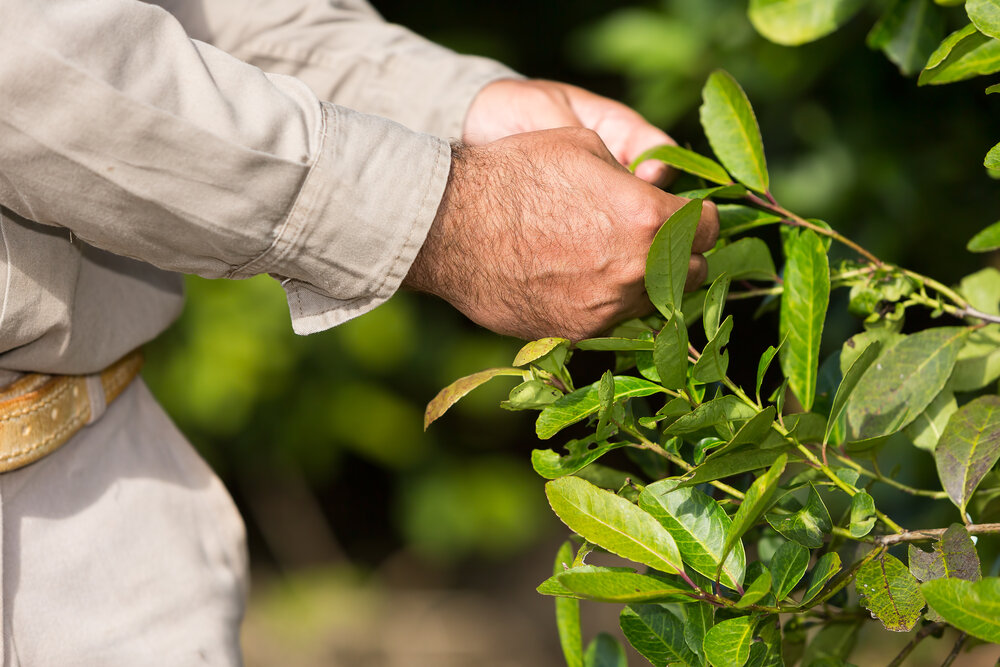
Yerba maté is native to Argentina, Uruguay, Paraguay and southern, eastern and central Brazil 31Reference 31Ilex paraguariensis — description, range, habitat and cultivation — species databaseView study →. It grows in cool, humid highlands near streams and river valleys, at elevations up to 1,500 m 31Reference 31Ilex paraguariensis — description, range, habitat and cultivation — species databaseView study →.
It is both wild-harvested and cultivated in its native range, and it is also grown on the Iberian Peninsula 31Reference 31Ilex paraguariensis — description, range, habitat and cultivation — species databaseView study →. Argentina is the largest producer, and Brazil and Paraguay are the other main producers 22Reference 22ReviewYerba Mate — a long but current history — reviewView study →.
Growing Conditions
Cultivation snapshot for Yerba Maté
Temperaturegrows best at 17–26 °C. Mature trees can be killed at −6 °C or below, and young growth is damaged at −1 °C 31Reference 31Ilex paraguariensis — description, range, habitat and cultivation — species databaseView study →.
Rainfall1,200–2,000 mm a year is ideal; it tolerates 700–2,500 mm 31Reference 31Ilex paraguariensis — description, range, habitat and cultivation — species databaseView study →.
Sunfull sun or light shade 31Reference 31Ilex paraguariensis — description, range, habitat and cultivation — species databaseView study →.
Propagationby seed, which is very slow and can take 2–3 years to germinate. It must be sown fresh or stratified in warm, humid sand for 4–7 months 31Reference 31Ilex paraguariensis — description, range, habitat and cultivation — species databaseView study →.
Grow it yourself
Farm Wiki is our cultivation-focused sister site, also run by Justin Cooke.
Harvesting, Collection & Preparation
Leaves and stems 6–12 months old are harvested from wild trees and from plantations 22Reference 22ReviewYerba Mate — a long but current history — reviewView study →.
The fresh leaves are first flash-heated (sapecado) for 10 seconds to 3 minutes, traditionally over an open wood fire, to stop the enzymes that would brown them. They are then dried (secado) for 8–24 hours at up to 100 °C, often in wood smoke. The dried leaf is crushed and aged for at least a year, which raises its caffeine and polyphenol content 22Reference 22ReviewYerba Mate — a long but current history — reviewView study →.
Finally the leaves and twigs are sieved and remixed in set proportions. Despalada maté is sold with few stems, up to 10%, while elaborada contains about 35% 22Reference 22ReviewYerba Mate — a long but current history — reviewView study →.
The smoke-drying steps form polycyclic aromatic hydrocarbons (PAHs). Benzo[a]pyrene has been measured at 11.9–99.3 µg/kg across maté products 22Reference 22ReviewYerba Mate — a long but current history — reviewView study →.
Pharmacology & Research
Yerba maté has several dozen human studies, including a 2025 meta-analysis of 13 randomised trials, alongside a larger body of cell and animal work 4,
The most consistent human signal is on after-meal blood sugar in prediabetes and type 2 diabetes. Results for cholesterol, body weight and blood pressure are positive in individual trials but fall away when the randomised data are pooled 4,
-
Best-supported: lower after-meal glucose and HbA1c in prediabetes (a meta-analysis of two trials, plus a roasted-leaf pilot) and a broad antioxidant, gene-modulating profile 4,
5, .9Reference 4Meta-analysisYerba Maté and its impact on glycemic control and metabolic health: a systematic review and meta-analysis of RCTsView study →Reference 5Clinical trialMate tea (Ilex paraguariensis) improves glycemic and lipid profiles of type 2 diabetes and pre-diabetes individuals: a pilot study — clinical trialView study →Reference 9RCTMultigenomic modifications in human circulating immune cells in response to consumption of polyphenol-rich extract of yerba mate — randomized controlled trialView study → - Emerging, worth watching: lower blood pressure and inflammatory cytokines over eight weeks 7Reference 7RCTYerba Mate (Ilex paraguariensis) tea may have cardiometabolic beneficial effects — a randomized, controlled, blind, crossover trial in nonhabitual consumersView study →, and higher bone mineral density in postmenopausal drinkers 15Reference 15ObservationalPositive effect of yerba mate (Ilex paraguariensis) consumption on bone mineral density in postmenopausal women — observational studyView study →.
-
Mechanistically thin: antibacterial activity (in vitro and in silico only) 18,
19Reference 18In vitroComputational ranking of yerba mate small molecules based on predicted contribution to antibacterial activity against MRSA — in vitro / in silicoView study →Reference 19In vitroAntimicrobial activity of yerba mate (Ilex paraguariensis StView study → , and sustained weight loss, where acute fat-oxidation gains sit against null pooled body measurements 4,25Reference 4Meta-analysisYerba Maté and its impact on glycemic control and metabolic health: a systematic review and meta-analysis of RCTsView study →Reference 25RCTAcute effects of commercial yerba mate products on cardiometabolic responses during submaximal cycling — randomized crossover trialView study → . - The caveat: most trials are small and short and use different preparations, and the pooled randomised data are null for lipids, body weight and fasting glucose 4Reference 4Meta-analysisYerba Maté and its impact on glycemic control and metabolic health: a systematic review and meta-analysis of RCTsView study →.
The trials used different preparations. Green and roasted leaf, hot and cold infusions and capsule extracts were each tested at their own doses, and a result for one does not carry over to the others 4,
1. Antidiabetic / Glycemic Control
A 2025 meta-analysis of 13 randomised trials found that in people with prediabetes, maté lowered after-meal glucose by 12.76 mg/dL, HbA1c by 0.37% and the HOMA insulin-resistance index by 0.24. These results rest on two trials. There was no significant effect on fasting glucose, fasting insulin or blood lipids 4Reference 4Meta-analysisYerba Maté and its impact on glycemic control and metabolic health: a systematic review and meta-analysis of RCTsView study →.
In a 60-day pilot study of 58 people with type 2 diabetes or prediabetes, drinking 330 mL of roasted maté three times a day lowered fasting glucose by 25 mg/dL, HbA1c by 0.85% and LDL cholesterol in those with diabetes. In the prediabetes group, maté combined with dietary counselling lowered LDL, non-HDL cholesterol and triglycerides 5Reference 5Clinical trialMate tea (Ilex paraguariensis) improves glycemic and lipid profiles of type 2 diabetes and pre-diabetes individuals: a pilot study — clinical trialView study →.
Gap: benefits concentrate in prediabetes and type 2 diabetes and in after-meal rather than fasting measures; no large, long-duration RCT confirms a durable HbA1c reduction, and the human glucose signal comes from roasted-leaf infusions, not green leaf or capsules.
2. Antioxidant
Maté is rich in caffeoylquinic acids and flavonols, and antioxidant activity has been shown across study types 22Reference 22ReviewYerba Mate — a long but current history — reviewView study →. In healthy middle-aged men at cardiovascular risk, four weeks of a standardised polyphenol-rich maté extract changed the expression of 2,635 genes in circulating immune cells, including genes involved in inflammation and cell signalling 9Reference 9RCTMultigenomic modifications in human circulating immune cells in response to consumption of polyphenol-rich extract of yerba mate — randomized controlled trialView study →.
In the nematode Caenorhabditis elegans, maté extracts extended lifespan and protected against paraquat toxicity 10Reference 10AnimalIlex paraguariensis extract increases lifespan and protects against paraquat toxicity in Caenorhabditis elegans — in vivo modelView study →. In perimenopausal rats, maté lowered an oxidative-stress marker in bone 17Reference 17AnimalIlex paraguariensis decreases oxidative stress in bone and mitigates damage in rats — in vivo studyView study →.
Gap: the one substantial human study measured gene expression rather than an antioxidant or clinical endpoint 9Reference 9RCTMultigenomic modifications in human circulating immune cells in response to consumption of polyphenol-rich extract of yerba mate — randomized controlled trialView study →.
3. Hypolipidemic
In a single-blind controlled trial of 102 people drinking 330 mL of green or roasted maté three times a day for 40 days, LDL cholesterol fell by 8.7% in people with normal lipids and by 8.6% in people with dyslipidaemia. People already on statins had a further 10.0–13.1% fall in LDL and a 6.2% rise in HDL 6Reference 6Clinical trialConsumption of yerba mate (Ilex paraguariensis) improves serum lipid parameters in healthy dyslipidemic subjects — controlled clinical trialView study →.
The roasted-maté diabetes study also improved blood lipids 5Reference 5Clinical trialMate tea (Ilex paraguariensis) improves glycemic and lipid profiles of type 2 diabetes and pre-diabetes individuals: a pilot study — clinical trialView study →.
The 2025 meta-analysis of randomised trials found no significant effect on total cholesterol, LDL, HDL or triglycerides 4Reference 4Meta-analysisYerba Maté and its impact on glycemic control and metabolic health: a systematic review and meta-analysis of RCTsView study →.
In cells and in 20 healthy women who drank it, maté raised the activity of paraoxonase-2, an antioxidant enzyme, and chlorogenic acid and caffeic acid had the same effect in cells 13Reference 13In vitroYerba mate (Ilex paraguariensis) enhances the gene modulation and activity of paraoxonase-2: in vitro and in vivo studiesView study →.
Gap: benefit appears concentrated in dyslipidemic or statin-treated drinkers and specific infusion protocols; the pooled RCT evidence is null, so a general cholesterol-lowering claim is not supported.
4. Cardiometabolic / Cardioprotective
In a 2025 randomised, controlled, blinded crossover trial in people who did not usually drink maté, some healthy and some with high cholesterol, three servings a day for eight weeks lowered blood pressure and several inflammatory cytokines and chemokines in all participants. The control was a decaffeinated isotonic drink 7Reference 7RCTYerba Mate (Ilex paraguariensis) tea may have cardiometabolic beneficial effects — a randomized, controlled, blind, crossover trial in nonhabitual consumersView study →.
LDL cholesterol fell in the participants with normal cholesterol, while maté and the control drink had a similar effect in those with high cholesterol. Body-fat percentage fell in the healthy group 7Reference 7RCTYerba Mate (Ilex paraguariensis) tea may have cardiometabolic beneficial effects — a randomized, controlled, blind, crossover trial in nonhabitual consumersView study →.
In an acute crossover trial in 13 healthy adults, a single hot or cold maté infusion did not change endothelial function, blood pressure, heart rate or heart-rate variability 8Reference 8RCTAcute ingestion of yerba mate (Ilex paraguariensis) infusion does not modify endothelial function, hemodynamics, or heart rate variability — a randomized crossover clinical trialView study →.
Gap: the supporting trial is small and short, and the outcomes are surrogate markers.
5. Anti-Obesity / Thermogenic
In a 12-week randomised, double-blind, placebo-controlled trial in 30 obese Korean adults, 3 g a day of maté in capsules reduced body-fat mass, percent body fat and waist-hip ratio, with no significant adverse effects 1Reference 1RCTAnti-obesity effects of Yerba Maté (Ilex paraguariensis): a randomized, double-blind, placebo-controlled clinical trialView study →.
In acute crossover trials, 1 g of maté raised fat oxidation during submaximal exercise by 24% 2Reference 2RCTYerba Maté (Ilex paraguariensis) ingestion augments fat oxidation and energy expenditure during exercise — randomised crossover trialView study →, and 2 g raised fat oxidation during 30 minutes of cycling and reduced hunger 3Reference 3RCTYerba Maté (Ilex paraguariensis) metabolic, satiety, and mood state effects at rest and during prolonged exercise — randomized trialView study →.
In a 2026 crossover trial in 29 adults, two brands of brewed maté did not change energy expenditure or fuel use during cycling compared with water or water with caffeine 25Reference 25RCTAcute effects of commercial yerba mate products on cardiometabolic responses during submaximal cycling — randomized crossover trialView study →. The 2025 meta-analysis found no significant effect on BMI or waist circumference 4Reference 4Meta-analysisYerba Maté and its impact on glycemic control and metabolic health: a systematic review and meta-analysis of RCTsView study →.
In mice on a high-fat diet, maté extract reduced weight gain and fat 14Reference 14AnimalAntiobesity effects of yerba maté extract (Ilex paraguariensis) in high-fat diet–induced obese mice — animal modelView study →. It also reduced abdominal fat and triglycerides in obese rats weaned early 24Reference 24AnimalIlex paraguariensis (yerba mate) improves endocrine and metabolic disorders in obese rats primed by early weaning — animal modelView study →.
Gap: the one positive body-composition RCT used a concentrated capsule extract, not tea; acute fat-oxidation gains do not clearly translate to sustained weight loss, and the pooled human data are null on body measurements.
6. Anti-Inflammatory
In rats, maté tea and maté saponins reduced colon inflammation caused by a chemical carcinogen, lowering COX-2, iNOS and NF-κB signalling 11Reference 11AnimalYerba mate tea and mate saponins prevented azoxymethane-induced inflammation of rat colon through suppression of NF-κB signaling — rat in vivo studyView study →.
The human polyphenol-extract study showed changes in inflammation-related genes 9Reference 9RCTMultigenomic modifications in human circulating immune cells in response to consumption of polyphenol-rich extract of yerba mate — randomized controlled trialView study →, and the 8-week trial reported lower inflammatory cytokines and chemokines 7Reference 7RCTYerba Mate (Ilex paraguariensis) tea may have cardiometabolic beneficial effects — a randomized, controlled, blind, crossover trial in nonhabitual consumersView study →.
A 2025 systematic review of maté and rheumatoid arthritis found preliminary anti-inflammatory and antioxidant signals, but no trials in people with the disease 12Reference 12Systematic reviewYerba Mate (Ilex paraguariensis) and rheumatoid arthritis: a systematic reviewView study →.
Gap: no controlled trial has measured a clinical inflammatory-disease outcome.
7. Osteoprotective
In an Argentine cross-sectional study of 300 postmenopausal women (153 maté drinkers, 147 non-drinkers), the drinkers had higher total-hip bone mineral density, with both cortical and trabecular bone contributing. They also had less osteoporosis (3.3% vs 10.9%) and fewer low-impact fractures (5.9% vs 12.9%) 15Reference 15ObservationalPositive effect of yerba mate (Ilex paraguariensis) consumption on bone mineral density in postmenopausal women — observational studyView study →.
A Brazilian case-control study of 95 postmenopausal women found no link between maté drinking and fractures, and no difference in markers of bone turnover 16Reference 16ObservationalYerba mate intake has a neutral effect on bone: a case-control study in postmenopausal women — observationalView study →.
In perimenopausal rats, maté limited the loss of bone structure and lowered bone oxidative stress 17Reference 17AnimalIlex paraguariensis decreases oxidative stress in bone and mitigates damage in rats — in vivo studyView study →.
Gap: the positive bone data are cross-sectional and cannot establish causation; the one fracture-endpoint case-control study was neutral, and no interventional trial exists.
8. Antibacterial
Aqueous maté extract kills or inhibits methicillin-resistant Staphylococcus aureus (MRSA) in the laboratory. In a computational ranking of the extract’s fractions, 3,4-dihydroxybenzaldehyde was the most active compound, and quinic acid and quercetin were also ranked as likely contributors 18Reference 18In vitroComputational ranking of yerba mate small molecules based on predicted contribution to antibacterial activity against MRSA — in vitro / in silicoView study →.
Methanol and ethanol extracts inhibited S. aureus, Listeria monocytogenes and Salmonella Enteritidis, but not E. coli. The most active ethanol extract contained chlorogenic acid derivatives and caffeic acid 19Reference 19In vitroAntimicrobial activity of yerba mate (Ilex paraguariensis StView study →.
Gap: all of it is in vitro or in silico, with no animal-infection or clinical data.
Mechanisms
Caffeine and theobromine, with a trace of theophylline, are the stimulants in the leaf 22Reference 22ReviewYerba Mate — a long but current history — reviewView study →. The chlorogenic acids and flavonoids have been studied as antioxidants and for their effects on the enzyme paraoxonase-2 13,
The maté saponins, built on ursolic acid, have been studied for their effect on inflammatory signalling in the colon 11,
| Mechanism | Drives | Key compounds |
|---|---|---|
| Free-radical scavenging; changes in antioxidant and inflammatory gene expression | antioxidantosteoprotectivecardiometabolic | chlorogenic acid, quercetin, rutin |
| Paraoxonase-2 expression and activity ↑ | hypolipidemicantioxidant | chlorogenic acid, caffeic acid |
| NF-κB ↓, COX-2 ↓, iNOS ↓ | anti-inflammatory | matesaponins |
| Central nervous system stimulation | energy/wakefulness | caffeine, theobromine |
| Fat oxidation ↑ during exercise | anti-obesitythermogenic | whole-leaf extract |
Pharmacokinetics
A 150 mL cup of maté delivers about 80 mg of caffeine 22Reference 22ReviewYerba Mate — a long but current history — reviewView study →. Caffeine is cleared mainly by the liver enzyme CYP1A2, which metabolises about 95% of the caffeine taken in, and its clearance varies with genetics, smoking, liver disease, hormones and many medicines 38Reference 38ReviewInterindividual Differences in Caffeine Metabolism and Factors Driving Caffeine Consumption — reviewView study →.
The chlorogenic acids have poor oral bioavailability 37Reference 37ReviewChlorogenic Acids in Cardiovascular Disease: A Review of Dietary Consumption, Pharmacology, and Pharmacokinetics — reviewView study →.
Clinical Trials
The registered trials cluster on cardiometabolic and anti-obesity endpoints, with metabolic-syndrome and harvest-time studies still recruiting.
| Completed | Planned | Terminated | Preclinical |
|---|---|---|---|
| 7 | 2 | 0 | ~40+ |
Last checked: October 2026.
Phytochemistry
The leaf’s stimulants are the purine alkaloids caffeine, at about 1–2% of the dry weight, and theobromine, at 0.3–0.9%, with a trace of theophylline 22Reference 22ReviewYerba Mate — a long but current history — reviewView study →. They are concentrated in the leaves, with little in the stems 22Reference 22ReviewYerba Mate — a long but current history — reviewView study →. There is no separate compound called “mateine”; the stimulant in maté is caffeine.
The main polyphenols are phenolic acids, led by chlorogenic acid. Fresh leaves contain 46–81 µg/mg of it, about 5–8% of the dry weight, along with caffeic acid, quinic acid and the dicaffeoylquinic acids, including 3,5- and 4,5-dicaffeoylquinic acid 22Reference 22ReviewYerba Mate — a long but current history — reviewView study →. Total polyphenols usually run at about 4–10% of the dry leaf, measured as chlorogenic acid 22Reference 22ReviewYerba Mate — a long but current history — reviewView study →.
The flavonoids include rutin and glycosides of quercetin and kaempferol, at about 70 mg/g of the dry leaf in total 22Reference 22ReviewYerba Mate — a long but current history — reviewView study →.
The bitter maté saponins are triterpene glycosides of ursolic acid, at about 7.0 mg/g in green leaf and 6.6 mg/g in roasted leaf, with some analogues built on oleanolic acid 22Reference 22ReviewYerba Mate — a long but current history — reviewView study →.
Roasting changes the aroma. Green maté’s essential oil is led by limonene, linalool and geranyl acetate, while roasting adds furfurals that give a smoky, sweet note 22Reference 22ReviewYerba Mate — a long but current history — reviewView study →.
Constituent Summary
Share of the dried leaf unless noted. Content varies with origin, leaf age, processing (green or roasted) and brewing 22Reference 22ReviewYerba Mate — a long but current history — reviewView study →.
Purine Alkaloid4 compounds3 with data
Phenolic Acid6 compounds1 with data
Phenolic1 compound1 with data
Flavonoid3 compounds1 with data
Saponin2 compounds1 with data
Sterol1 compoundno data
Dosage
Most trials used three 330 mL servings of infusion a day. The weight studies used capsules.
| Indication | Preparation | Dose | Est. dried-herb equivalent | Source |
|---|---|---|---|---|
| Blood sugar (T2DM & pre-diabetes) | Roasted leaf infusion | 330 mL × 3/day, 60 days | Not quantified | 5Reference 5Clinical trialMate tea (Ilex paraguariensis) improves glycemic and lipid profiles of type 2 diabetes and pre-diabetes individuals: a pilot study — clinical trialView study → |
| Cholesterol | Green or roasted infusion | 330 mL × 3/day, 40 days | Not quantified | 6Reference 6Clinical trialConsumption of yerba mate (Ilex paraguariensis) improves serum lipid parameters in healthy dyslipidemic subjects — controlled clinical trialView study → |
| Blood pressure, inflammation | Maté tea | 3 servings/day, 8 weeks | Not quantified | 7Reference 7RCTYerba Mate (Ilex paraguariensis) tea may have cardiometabolic beneficial effects — a randomized, controlled, blind, crossover trial in nonhabitual consumersView study → |
| Body fat | Capsules | 3 g/day, 12 weeks | 3 g/day | 1Reference 1RCTAnti-obesity effects of Yerba Maté (Ilex paraguariensis): a randomized, double-blind, placebo-controlled clinical trialView study → |
| Fat oxidation during exercise (acute) | Capsules | 1–2 g, single dose before exercise | 1–2 g | 2, |
Traditional Dosage
| System | Preparation | Dose |
|---|---|---|
| European herbal (fatigue) | Leaf tea | 2–4 g a day, taken as about 1 g three times a day 30Reference 30ReviewCommunity herbal monograph on Ilex paraguariensis StView study → |
| European herbal (urinary flushing) | Leaf tea | 2.5–5 g a day, taken as 2.5 g once or twice a day 30Reference 30ReviewCommunity herbal monograph on Ilex paraguariensis StView study → |
| South American traditional (maté / chimarrão) | Gourd filled about a quarter full or more, topped up with water at 65–80 °C | Refilled many times; 12–23 g of leaf a day is typical in the region 22Reference 22ReviewYerba Mate — a long but current history — reviewView study → |
| South American traditional (tereré) | Same, with cold water | Refilled many times 22Reference 22ReviewYerba Mate — a long but current history — reviewView study → |
Safety & Pregnancy
Maté is well tolerated as a drink, and its cautions are mostly those of caffeine. The one specific to maté is temperature: it is traditionally drunk very hot, and drinking any beverage very hot is a probable cause of oesophageal cancer.
- Drink it warm, not very hot. Drinking beverages above 65 °C is classed as probably carcinogenic, and maté is traditionally drunk at about 70 °C 29Reference 29ReviewIARC Monographs evaluate drinking coffee, maté, and very hot beverages — Press Release NoView study →.
- Caffeine. A full gourd session can exceed 260 mg of caffeine. EFSA considers up to 400 mg a day safe for healthy adults 22,
32Reference 22ReviewYerba Mate — a long but current history — reviewView study →Reference 32ReviewScientific opinion on the safety of caffeine — regulatory reviewView study → . - Not with certain conditions. Avoid with stomach or duodenal ulcers, high blood pressure, heart-rhythm problems or an overactive thyroid 30Reference 30ReviewCommunity herbal monograph on Ilex paraguariensis StView study →.
- Not before bed, and not for under-18s. It can disturb sleep, and it is not recommended for children and teenagers 30Reference 30ReviewCommunity herbal monograph on Ilex paraguariensis StView study →.
- Drug interactions. Use with care alongside MAO inhibitors, sedatives and stimulant drugs 30Reference 30ReviewCommunity herbal monograph on Ilex paraguariensis StView study →. Its caffeine is cleared by CYP1A2 38Reference 38ReviewInterindividual Differences in Caffeine Metabolism and Factors Driving Caffeine Consumption — reviewView study →.
- Pregnancy and breastfeeding. Keep to moderate amounts as a drink; the EU herbal monograph advises avoiding medicinal maté products 30,
32Reference 30ReviewCommunity herbal monograph on Ilex paraguariensis StView study →Reference 32ReviewScientific opinion on the safety of caffeine — regulatory reviewView study → .
Full Safety Detail
Side effects. Side effects reported in trials included mouth and throat irritation, sleeplessness, a fast heartbeat, angina, headache and stomach upset 4Reference 4Meta-analysisYerba Maté and its impact on glycemic control and metabolic health: a systematic review and meta-analysis of RCTsView study →.
Temperature and oesophageal cancer. In 2016 the International Agency for Research on Cancer classified drinking very hot beverages, above 65 °C, as probably carcinogenic to humans (Group 2A), based on higher oesophageal cancer rates where tea or maté is drunk at about 70 °C. Drinking maté that is not very hot was not classifiable (Group 3), and cold maté showed no carcinogenic effect in animal or human studies 29Reference 29ReviewIARC Monographs evaluate drinking coffee, maté, and very hot beverages — Press Release NoView study →.
In two pooled South American case-control studies (1,400 cases), maté drinkers had a higher risk of oesophageal squamous cell carcinoma (OR 1.60). The risk rose with lifetime intake, and more steeply for maté drunk hot or very hot than warm 20Reference 20ObservationalMaté drinking and esophageal squamous cell carcinoma in South America: pooled results from two case-control studies — observationalView study →. In the UK Biobank, drinking tea or coffee hot or very hot was also linked to this cancer 21Reference 21ObservationalHot beverage intake and oesophageal cancer in the UK Biobank — prospective cohort studyView study →.
The authors of the pooled study named thermal injury and polycyclic aromatic hydrocarbons from smoke-drying as possible causes 20Reference 20ObservationalMaté drinking and esophageal squamous cell carcinoma in South America: pooled results from two case-control studies — observationalView study →. The EU monograph asks for PAH content to be controlled in medicinal maté 30Reference 30ReviewCommunity herbal monograph on Ilex paraguariensis StView study →.
Caffeine. A 150 mL cup holds about 80 mg of caffeine, but the traditional gourd, refilled many times, can deliver more than 260 mg in one session 22Reference 22ReviewYerba Mate — a long but current history — reviewView study →. EFSA considers up to 400 mg of caffeine a day from all sources safe for healthy adults, and notes that 100 mg near bedtime can disturb sleep 32Reference 32ReviewScientific opinion on the safety of caffeine — regulatory reviewView study →.
Contraindications. The EU herbal monograph lists stomach and duodenal ulcers, heart and circulatory conditions such as high blood pressure and arrhythmia, an overactive thyroid, and conditions that call for reduced fluid intake, such as urinary obstruction. It does not recommend maté for under-18s, or before bedtime 30Reference 30ReviewCommunity herbal monograph on Ilex paraguariensis StView study →.
MAO inhibitors, sedatives and stimulant drugs. The monograph advises care with MAO inhibitors. Caffeine weakens the effect of sedatives and adds to the side effects of stimulant (sympathomimetic) drugs 30Reference 30ReviewCommunity herbal monograph on Ilex paraguariensis StView study →. In rats, an aqueous maté extract had an antidepressant-like effect without inhibiting monoamine oxidase 36Reference 36AnimalAntidepressant-like effect of Ilex paraguariensis in rats — ratView study →.
Diabetes medicines. Maté lowered after-meal blood sugar in prediabetes 4,
Drug metabolism. In a laboratory study of nine standardised plant extracts, the maté extract inhibited CYP3A4, an enzyme that clears many medicines; this has not been tested in people 35Reference 35In vitroEffects of Standardized Medicinal Plant Extracts on Drug Metabolism Mediated by CYP3A4 and CYP2D6 Enzymes — in vitroView study →.
Maté’s caffeine is itself cleared mainly by CYP1A2, which metabolises about 95% of ingested caffeine 38Reference 38ReviewInterindividual Differences in Caffeine Metabolism and Factors Driving Caffeine Consumption — reviewView study →. Medicines that block CYP1A2 can therefore raise caffeine levels and its stimulant effects, and smoking also changes its clearance 38Reference 38ReviewInterindividual Differences in Caffeine Metabolism and Factors Driving Caffeine Consumption — reviewView study →.
Caution. As with coffee and tea, the concern is caffeine, which crosses the placenta and passes into breast milk. The EU herbal monograph advises avoiding medicinal maté products during pregnancy and breastfeeding, because data are limited 30Reference 30ReviewCommunity herbal monograph on Ilex paraguariensis StView study →.
As a drink, maté counts toward total caffeine. EFSA considers up to 200 mg a day from all sources safe for the fetus 32Reference 32ReviewScientific opinion on the safety of caffeine — regulatory reviewView study →.
References
- Kim, S. Y., et al. (2015). Anti-obesity effects of Yerba Maté (Ilex paraguariensis): a randomized, double-blind, placebo-controlled clinical trial. BMC Complementary and Alternative Medicine. https://pubmed.ncbi.nlm.nih.gov/26408319/
- Alkhatib, A. (2014). Yerba Maté (Ilex paraguariensis) ingestion augments fat oxidation and energy expenditure during exercise — randomised crossover trial. Nutrition & Metabolism. https://pubmed.ncbi.nlm.nih.gov/25342955/
- Alkhatib, A., & Atcheson, R. (2017). Yerba Maté (Ilex paraguariensis) metabolic, satiety, and mood state effects at rest and during prolonged exercise — randomized trial. Nutrients. https://pubmed.ncbi.nlm.nih.gov/28809814/
- Li, D., et al. (2025). Yerba Maté and its impact on glycemic control and metabolic health: a systematic review and meta-analysis of RCTs. Frontiers in Endocrinology. https://pubmed.ncbi.nlm.nih.gov/41244043/
- Klein, G. A., et al. (2011). Mate tea (Ilex paraguariensis) improves glycemic and lipid profiles of type 2 diabetes and pre-diabetes individuals: a pilot study — clinical trial. Journal of the American College of Nutrition. https://pubmed.ncbi.nlm.nih.gov/22081618/
- de Morais, E. C., et al. (2009). Consumption of yerba mate (Ilex paraguariensis) improves serum lipid parameters in healthy dyslipidemic subjects — controlled clinical trial. Journal of Agricultural and Food Chemistry. https://pubmed.ncbi.nlm.nih.gov/19694438/
- Bravo, L., et al. (2025). Yerba Mate (Ilex paraguariensis) tea may have cardiometabolic beneficial effects — a randomized, controlled, blind, crossover trial in nonhabitual consumers. Molecular Nutrition & Food Research. https://pubmed.ncbi.nlm.nih.gov/40263915/
- Filipini, R. E., et al. (2024). Acute ingestion of yerba mate (Ilex paraguariensis) infusion does not modify endothelial function, hemodynamics, or heart rate variability — a randomized crossover clinical trial. Plant Foods for Human Nutrition. https://pubmed.ncbi.nlm.nih.gov/39708247/
- Ruskovska, T., et al. (2023). Multigenomic modifications in human circulating immune cells in response to consumption of polyphenol-rich extract of yerba mate — randomized controlled trial. British Journal of Nutrition. https://pubmed.ncbi.nlm.nih.gov/35373729/
- Lima, M. E., et al. (2014). Ilex paraguariensis extract increases lifespan and protects against paraquat toxicity in Caenorhabditis elegans — in vivo model. International Journal of Environmental Research and Public Health. https://pubmed.ncbi.nlm.nih.gov/25264684/
- Puangpraphant, S., et al. (2013). Yerba mate tea and mate saponins prevented azoxymethane-induced inflammation of rat colon through suppression of NF-κB signaling — rat in vivo study. BioFactors. https://pubmed.ncbi.nlm.nih.gov/23554136/
- Cassotta, M., et al. (2025). Yerba Mate (Ilex paraguariensis) and rheumatoid arthritis: a systematic review. Nutrients. https://pubmed.ncbi.nlm.nih.gov/41470797/
- Fernandes, E. S., et al. (2012). Yerba mate (Ilex paraguariensis) enhances the gene modulation and activity of paraoxonase-2: in vitro and in vivo studies. Nutrition. https://pubmed.ncbi.nlm.nih.gov/22964087/
- Arçari, D. P., et al. (2009). Antiobesity effects of yerba maté extract (Ilex paraguariensis) in high-fat diet–induced obese mice — animal model. Obesity. https://pubmed.ncbi.nlm.nih.gov/19444227/
- Brun, L. R., et al. (2025). Positive effect of yerba mate (Ilex paraguariensis) consumption on bone mineral density in postmenopausal women — observational study. Journal of Bone Metabolism. https://pubmed.ncbi.nlm.nih.gov/40537107/
- da Veiga, D. T. A., et al. (2018). Yerba mate intake has a neutral effect on bone: a case-control study in postmenopausal women — observational. Phytotherapy Research. https://pubmed.ncbi.nlm.nih.gov/29027270/
- Pereira, C. S., et al. (2017). Ilex paraguariensis decreases oxidative stress in bone and mitigates damage in rats — in vivo study. Experimental Gerontology. https://pubmed.ncbi.nlm.nih.gov/28739429/
- Rempe, C. S., et al. (2015). Computational ranking of yerba mate small molecules based on predicted contribution to antibacterial activity against MRSA — in vitro / in silico. PLoS One. https://pubmed.ncbi.nlm.nih.gov/25955847/
- Prado Martin, J. G., et al. (2013). Antimicrobial activity of yerba mate (Ilex paraguariensis St. Hil.) against food pathogens — in vitro study. Revista Argentina de Microbiología. https://pubmed.ncbi.nlm.nih.gov/23876271/
- Lubin, J. H., et al. (2014). Maté drinking and esophageal squamous cell carcinoma in South America: pooled results from two case-control studies — observational. Cancer Epidemiology, Biomarkers & Prevention. https://pubmed.ncbi.nlm.nih.gov/24130226/
- Inoue-Choi, M., et al. (2025). Hot beverage intake and oesophageal cancer in the UK Biobank — prospective cohort study. British Journal of Cancer. https://pubmed.ncbi.nlm.nih.gov/39972189/
- Gawron-Gzella, A., et al. (2021). Yerba Mate — a long but current history — review. Nutrients. https://pubmed.ncbi.nlm.nih.gov/34835962/
- Pittler, M. H., et al. (2005). Adverse events of herbal food supplements for body weight reduction — systematic review. Obesity Reviews. https://pubmed.ncbi.nlm.nih.gov/15836459/
- Lima, N. da S., et al. (2014). Ilex paraguariensis (yerba mate) improves endocrine and metabolic disorders in obese rats primed by early weaning — animal model. European Journal of Nutrition. https://pubmed.ncbi.nlm.nih.gov/23397595/
- Zaki S, Berkachy R, Zein Eddine R, et al. (2026). Acute effects of commercial yerba mate products on cardiometabolic responses during submaximal cycling — randomized crossover trial. Current Developments in Nutrition. https://pubmed.ncbi.nlm.nih.gov/41695084/
- Taylor, L. (2005). The Healing Power of Rainforest Herbs: A Guide to Understanding and Using Herbal Medicinals. SquareOne Publishers.
- Folch, C. (2010). Stimulating consumption: yerba mate myths, markets, and meanings from conquest to present. Comparative Studies in Society and History, 52(1), 6–36.
- Rodd, T. (2005). Flora’s Trees & Shrubs. Ultimo, NSW: ABC Books.
- International Agency for Research on Cancer (2016). IARC Monographs evaluate drinking coffee, maté, and very hot beverages — Press Release No. 244 (IARC Monographs Volume 116). Lyon: IARC. https://www.iarc.who.int/wp-content/uploads/2018/07/pr244_E.pdf
- European Medicines Agency, Committee on Herbal Medicinal Products (2010). Community herbal monograph on Ilex paraguariensis St. Hilaire, folium (EMA/HMPC/580539/2008) — regulatory monograph; periodic review 2021 found no revision needed. https://www.ema.europa.eu/en/medicines/herbal/mate-folium
- Useful Tropical Plants (n.d.). Ilex paraguariensis — description, range, habitat and cultivation — species database. https://tropical.theferns.info/viewtropical.php?id=Ilex+paraguariensis
- EFSA Panel on Dietetic Products, Nutrition and Allergies (2015). Scientific opinion on the safety of caffeine — regulatory review. EFSA Journal, 13(5), 4102. https://www.efsa.europa.eu/en/topics/topic/caffeine
- Kujawska M. (2018). Yerba mate (Ilex paraguariensis) beverage: nutraceutical ingredient or conveyor for the intake of medicinal plants? Evidence from Paraguayan folk medicine — ethnobotanical field study. Evidence-Based Complementary and Alternative Medicine, 2018, 6849317. https://pubmed.ncbi.nlm.nih.gov/29725356/
- Sulaiman N., Pieroni A., Sõukand R., Whitney C., & Polesny Z. (2021). Socio-cultural significance of yerba maté among Syrian residents and diaspora — ethnographic study. Economic Botany, 75, 97–111. https://pubmed.ncbi.nlm.nih.gov/34522052/
- Feltrin C, Farias IV, Sandjo LP, et al. (2020). Effects of Standardized Medicinal Plant Extracts on Drug Metabolism Mediated by CYP3A4 and CYP2D6 Enzymes — in vitro. Chem Res Toxicol. https://pubmed.ncbi.nlm.nih.gov/32786546/
- Reis Ede M, Schreiner Neto FW, Cattani VB, et al. (2014). Antidepressant-like effect of Ilex paraguariensis in rats — rat. Biomed Res Int. https://pubmed.ncbi.nlm.nih.gov/24895633/
- Li L, Su C, Chen X, et al. (2020). Chlorogenic Acids in Cardiovascular Disease: A Review of Dietary Consumption, Pharmacology, and Pharmacokinetics — review. J Agric Food Chem. https://pubmed.ncbi.nlm.nih.gov/32441927/
- Nehlig A (2018). Interindividual Differences in Caffeine Metabolism and Factors Driving Caffeine Consumption — review. Pharmacol Rev. https://pubmed.ncbi.nlm.nih.gov/29514871/



