
Compound Monograph
Calcium oxalate
Calcium oxalate is the insoluble salt plants use to sequester calcium and deter herbivores; it is the main constituent of most kidney stones and the reason rhubarb leaves are inedible.

Sources · 6
Where Does It Come From?
Calcium oxalate is a naturally occurring organic acid salt (oxalate), found in Rhubarb, Slippery elm, Spinach and beet greens and 3 other sources. It is flagged as moderately toxic.
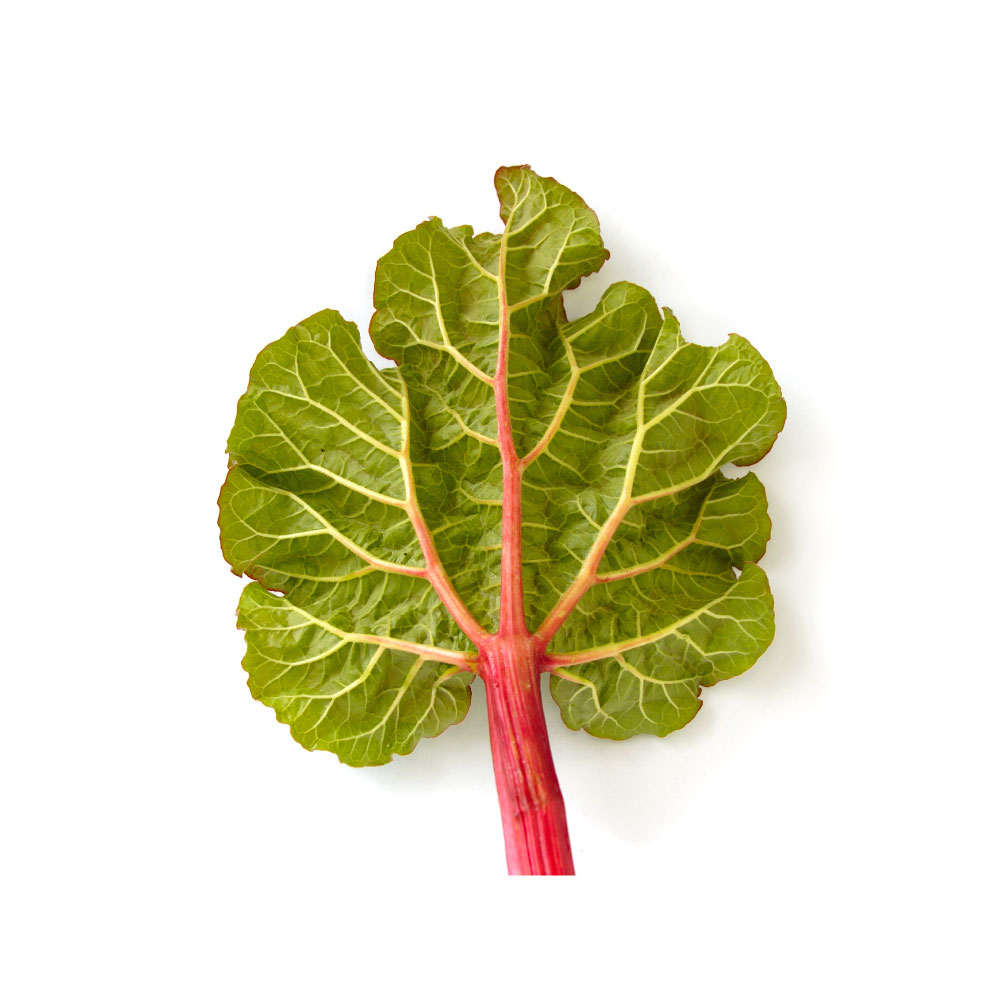 Principal source Rhubarb Rheum palmatum Herb monograph →
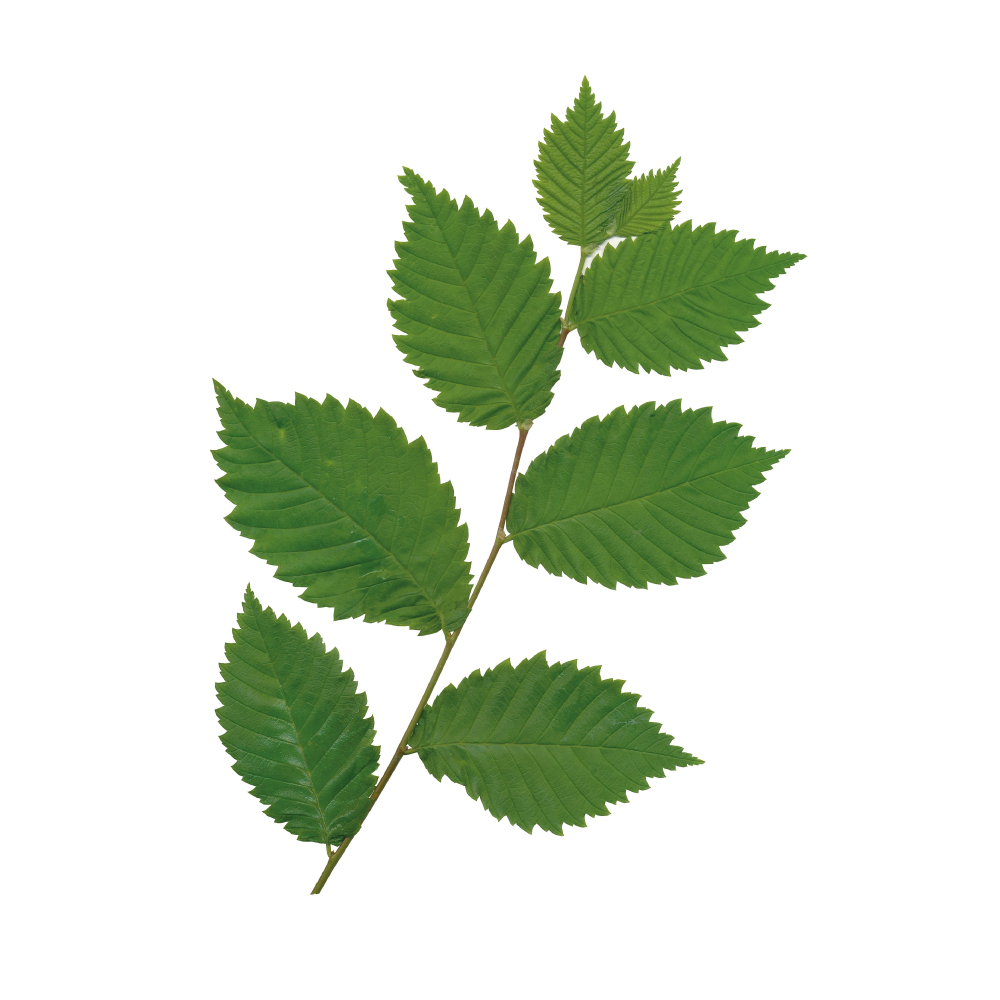 Source Slippery Elm Ulmus rubra Herb monograph →
Concentration
Content by Source
Reported concentrations across the plants that contain calcium oxalate — the bar marks the typical level, the line shows the reported range.
Literature figures for varying plant parts and preparations. Read them as a comparative guide, not exact assays.
Research & Evidence
Plants precipitate excess calcium as oxalate crystals — sometimes as blunt druses, sometimes as needle-shaped raphides packed into specialised cells that fire on contact. It is a calcium-regulation mechanism that doubles as a herbivore deterrent, which is why the acrid, throat-catching quality of raw taro and dieffenbachia is a mechanical injury rather than a chemical one.
In humans, calcium oxalate is the principal component of most kidney stones. Dietary oxalate contributes to urinary oxalate, though endogenous synthesis contributes more, and eating calcium with an oxalate-rich meal reduces absorption by binding it in the gut.
Content by Source
Rhubarb petioles carry 275 to 1,336 mg of total oxalate per 100 g fresh weight 1Reference 1Effect of different cooking methods on vegetable oxalate contentView study →, with cultivar and growing conditions driving most of the spread. The leaf blades are substantially higher, which is why the stalks are food and the leaves are not — though the acute human poisonings historically attributed to rhubarb leaves are probably not explained by oxalate alone.
Slippery elm bark contains calcium oxalate as raphides; this is an identity feature of the bark rather than a dose-relevant exposure at the quantities used.
Toxicity & Safety
Oxalate is a genuine consideration for anyone with a history of calcium-oxalate kidney stones, who are usually advised to moderate high-oxalate foods and to keep calcium intake up rather than down. Acute oxalate poisoning requires large quantities and is rare. Raphide-bearing plants cause immediate oral and pharyngeal irritation on contact, independent of any systemic effect.
References
- Chai W, Liebman M (2005). Effect of different cooking methods on vegetable oxalate content. Journal of Agricultural and Food Chemistry. https://pubmed.ncbi.nlm.nih.gov/15826055/



