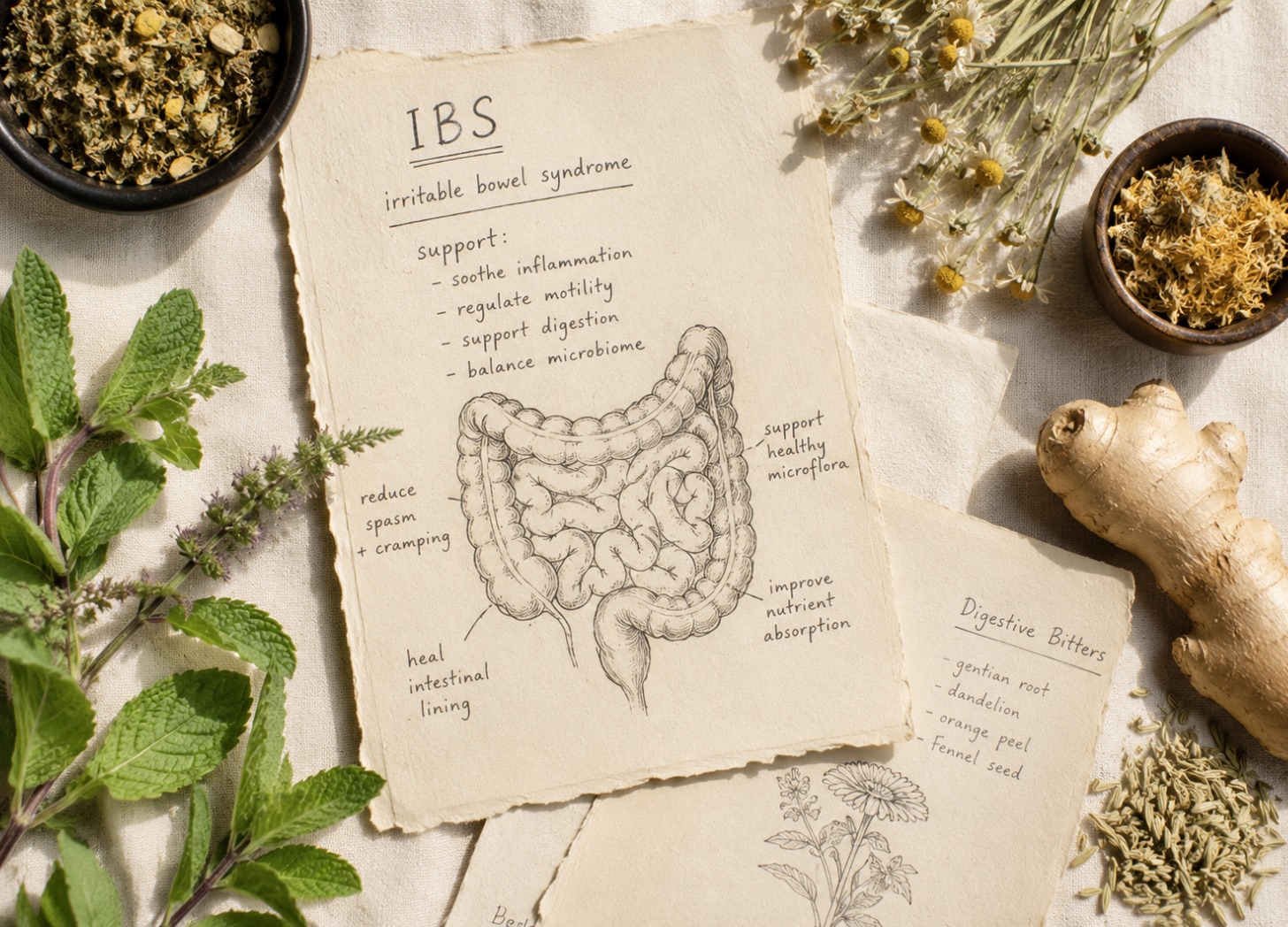
Irritable bowel syndrome is frustrating in a very particular way: the tests come back normal, but you feel far from normal. Cramping, bloating, gas, and bowel habits that swing between constipation and diarrhoea can dominate a day — and the standard medical answer is often “manage it as best you can.”
That’s exactly where herbs earn their keep. IBS is a condition you manage rather than cure, and herbs are some of the most useful management tools we have — for calming the gut, easing the cramps and gas, soothing an irritated lining, and making flares rarer and milder. Two of them have genuine clinical trials behind them: enteric-coated peppermint oil and artichoke leaf extract. The rest are backed by centuries of consistent traditional use and, increasingly, a clear pharmacology that explains why they work.
This is a research-rich, honest guide to using herbs for IBS — what the trials show, what tradition and mechanism tell us, and how to build the whole thing on a foundation that holds.
Bottom line — Herbs have a real, well-earned place in IBS care — led by enteric-coated peppermint oil and artichoke leaf, the two with human trial evidence, and rounded out by a deep bench of carminative, antispasmodic, and soothing herbs. They work best layered on top of the fundamentals of diet, fibre, and stress. The honest goal is lasting control, not a cure.
What IBS Actually Is
Irritable bowel syndrome is called a syndrome rather than a disease because there’s no single lesion or lab test that defines it — it’s diagnosed by its symptom pattern once other conditions have been ruled out [1]. The current understanding is that IBS is a disorder of gut–brain interaction: the nerves of the gut and the brain miscommunicate, so the bowel becomes over-sensitive and its muscle contracts abnormally. The two ends are wired together in both directions. Travelling down, the vagus nerve sets motility and secretion, the sympathetic nerves act as a brake under stress, and the HPA axis carries the cortisol response. Travelling up, vagal afferents report the gut’s general state while spinal afferents carry visceral pain — joined by chemical signals from the gut’s own microbes and its hormone-secreting cells, which between them hold most of the body’s serotonin. Altered motility, visceral hypersensitivity, low-grade inflammation, shifts in the gut microbiome, and stress all feed into it [1].
It’s common — historically estimated at around 10–15% of adults, with stricter modern (Rome IV) criteria giving lower figures near 4%, and it affects women more often than men [2]. It also tends to travel with anxiety and stress, which is a clue to why the calming, nervous-system side of herbal medicine matters here as much as the digestive side.
This “disorder of gut–brain interaction” framing is also good news for herbs. IBS isn’t one broken part to fix — it’s a set of over-reactive systems (a gut muscle that grips, nerves that over-report pain, a lining that inflames, a brain that winds the whole thing tighter under stress). Herbal medicine has a specific, time-tested tool for each of those levers: antispasmodics for the muscle, demulcents for the lining, carminatives for gas, and calming herbs for the brain end of the loop. The realistic promise is that a well-chosen combination keeps symptoms quiet — because the drivers are ongoing, the work is maintenance, not a one-time fix. For the clinical picture, see the irritable bowel syndrome condition guide.
The Evidence At A Glance
The herbs here sit on a spectrum of evidence, and it’s worth being clear about where each one stands. Two have modern clinical trials for IBS specifically. Several more rest on a solid, replicated pharmacology — we can see in the lab exactly how they relax gut muscle or coat an inflamed lining — plus generations of consistent traditional use. A few are honest comfort measures. All of that is useful information; a long tradition and a clear mechanism are real evidence, just a different tier from a placebo-controlled trial. Here’s the map — click any bar to jump to that section.
- Proven
- Promising
- Shaky
- Unsupported
Start With The Foundation: Diet, Fibre & Stress
Herbs work best on top of the basics — and for IBS the basics are unusually powerful.
Diet. The typical Western pattern — heavy in refined carbohydrates, sugar, trans fats, and red meat, light on plants — is hard on the gut. Cleaning it up (more vegetables and fruit, fewer processed foods) is the simplest first move. Beyond that, the best-studied dietary approach for IBS is a structured low-FODMAP diet, which temporarily reduces certain fermentable carbohydrates that feed gas and bloating, then reintroduces them to find your personal triggers; it’s endorsed in gastroenterology guidelines [1]. It’s worth doing with a dietitian rather than guessing, because it’s restrictive and not meant to be permanent.
Fibre — but the right kind. This is one of the places in IBS where the evidence is genuinely solid, and it comes with an important catch. Soluble fibre — the gel-forming kind in psyllium (ispaghula) husk — modestly but reliably improves IBS symptoms in randomised trials and meta-analyses [3][5]. Insoluble fibre, like wheat bran, does not help and can actually make symptoms worse — in one head-to-head trial nearly half the bran group dropped out because it aggravated their IBS [4]. So if you’re adding fibre, reach for psyllium, add it slowly, and drink plenty of water. Two of the herbs below — slippery elm and marshmallow — contribute the same kind of soothing soluble fibre.
Stress and the gut–brain axis. Because IBS is a disorder of gut–brain interaction, stress isn’t a side issue — it’s often the accelerator. Regular movement, better sleep, and genuine stress reduction (breathing, yoga, gut-directed hypnotherapy, or therapy) reliably calm symptoms. This is also why several of the “digestive” herbs below double as gentle nervous-system relaxants — chamomile and passionflower in particular work on the brain end of the loop.
None of this is glamorous, but it’s what makes everything else work. Herbs assist the process; diet and stress are the process.
Peppermint Oil: The Best-Evidenced Herb For IBS
Bottom line — Enteric-coated peppermint oil is the best-evidenced herbal treatment for IBS — several meta-analyses show it beats placebo for overall symptoms and abdominal pain, a large phase III trial confirmed the pain benefit, and it now appears in gastroenterology guidelines.
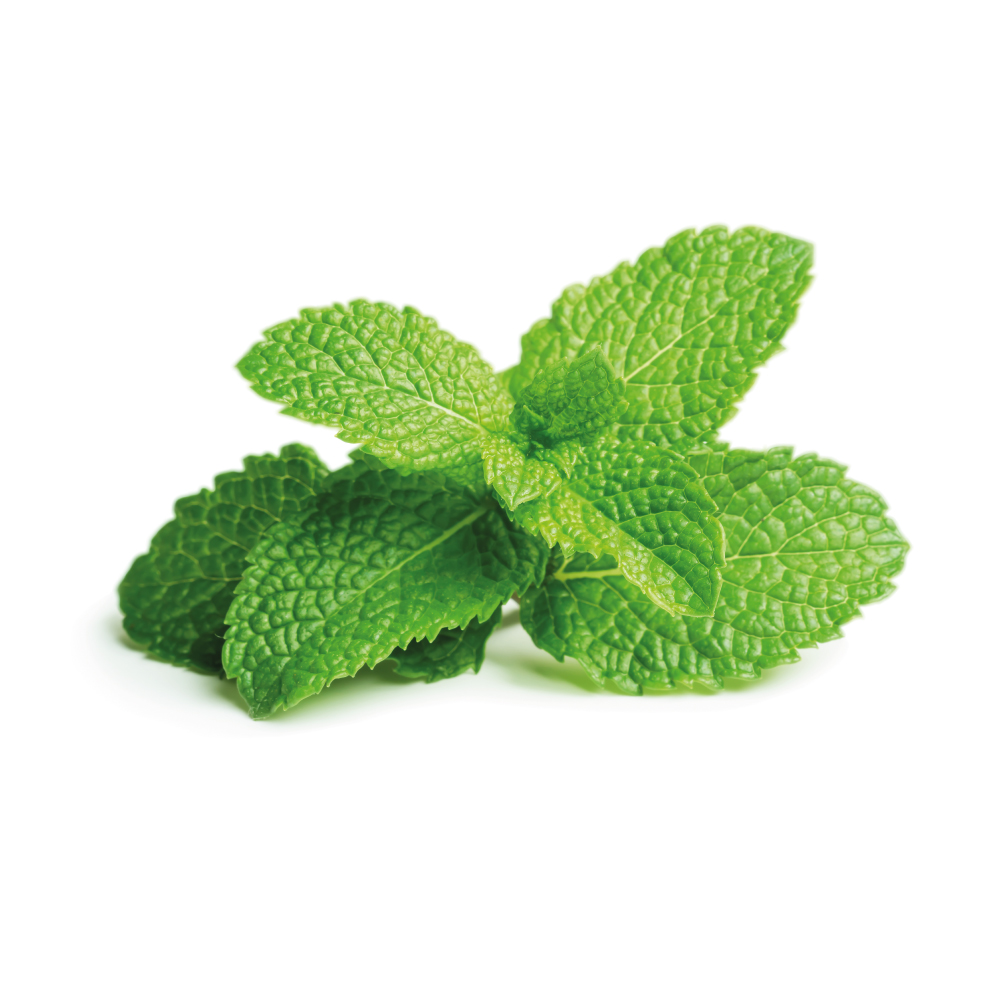
If you try one herb for IBS, make it peppermint — specifically enteric-coated peppermint oil capsules, not just the tea. This is the standout of the entire field. Multiple meta-analyses of randomised controlled trials find that peppermint oil significantly outperforms placebo for both global IBS symptoms and abdominal pain [6][7][5], with numbers-needed-to-treat in the low single digits. The largest modern trial (Weerts 2020, n=190) confirmed a real reduction in abdominal pain, even though it didn’t clear the very strict composite endpoint the FDA uses for drug approval [8]. On the strength of that evidence, the American College of Gastroenterology’s 2021 guideline suggests peppermint oil to relieve overall IBS symptoms — a real endorsement, and more than almost any other herb can claim for any condition [1].
Why it works. Peppermint’s menthol relaxes the smooth muscle of the gut wall by blocking calcium channels — the same mechanism as pharmaceutical antispasmodics — which eases the cramping and spasm at the heart of an IBS flare [9]. It’s also thought to quiet over-sensitive gut nerves via the cold-sensing TRPM8 receptor, which may explain its effect on pain. This isn’t a fringe remedy propped up by tradition — it’s a well-characterised antispasmodic that happens to grow in a garden.
How to use it. Use enteric-coated (delayed-release) capsules, typically taken 30–60 minutes before meals. The enteric coating matters: peppermint oil relaxes the valve at the top of the stomach, so uncoated oil tends to cause heartburn — the coating carries it past the stomach to release lower down, where you want it [10]. If you get reflux or heartburn easily, this is the herb to be careful with (and peppermint tea can aggravate heartburn for the same reason). It’s well enough tolerated that a paediatric trial used it successfully in children with IBS [11].
Peppermint tea is still a lovely everyday carminative for gas and bloating — steep about 5 g of leaf in 500 mL water, covered, for 10 minutes — but for the therapeutic antispasmodic effect the trials measured, it’s the enteric-coated oil that does the work.
Artichoke Leaf: The Other Herb With Human Trials
Bottom line — Artichoke leaf extract is the sleeper of IBS herbs — a large functional-dyspepsia trial and a dedicated IBS analysis both found it eased symptoms and improved quality of life, and it has a clear mechanism in stimulating bile flow and settling digestion.
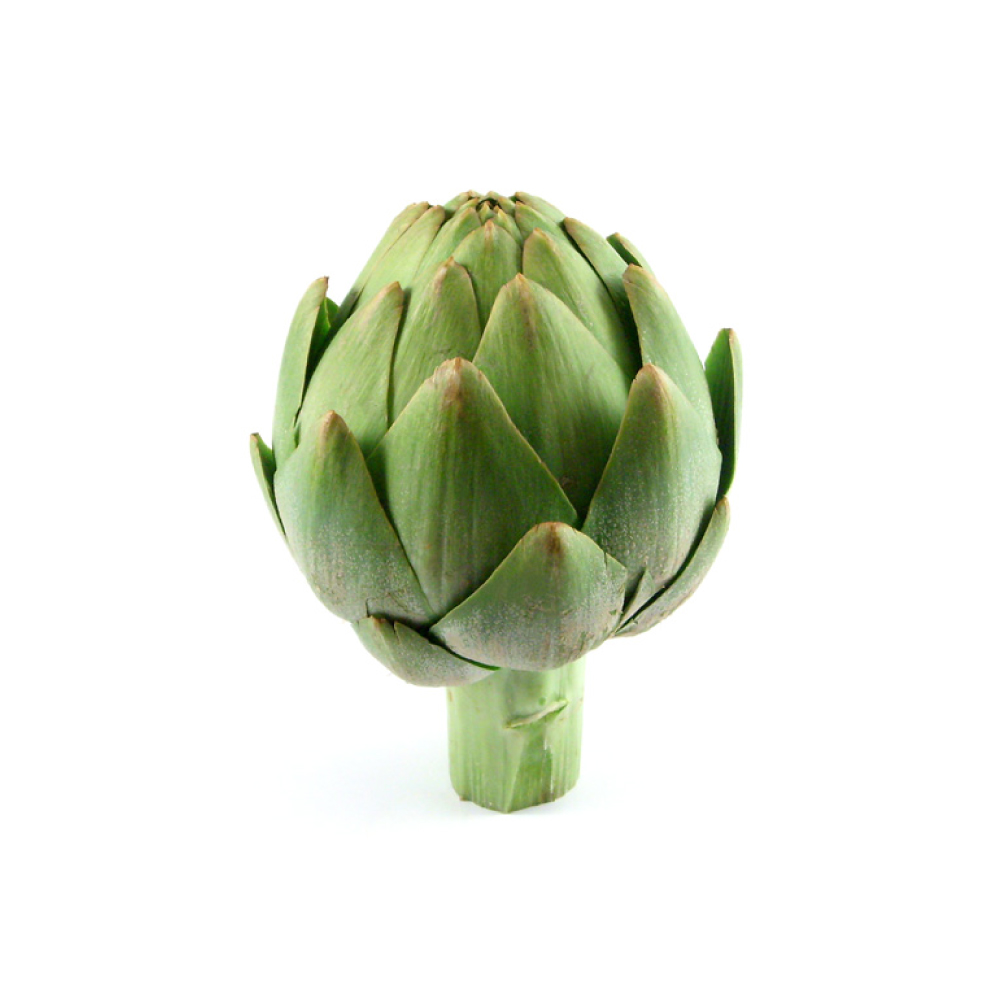
Globe artichoke leaf is the herb most people don’t know to reach for, and it has some of the best human data here after peppermint. In a large double-blind trial in 247 people with functional dyspepsia (a close cousin of IBS), standardised artichoke leaf extract produced significantly greater symptom relief than placebo over six weeks, with better quality-of-life scores [13]. More directly, a dedicated analysis of IBS sufferers taking artichoke leaf extract found a meaningful drop in IBS symptom severity and a real improvement in quality of life [12]. That’s a rare thing in herbal medicine: a herb tested in IBS specifically, and it worked.
Why it works. Artichoke is a classic bitter and cholagogue — it stimulates the flow of bile. In a controlled crossover study, a single dose of standardised extract roughly doubled measured bile secretion within an hour [14]. Better bile flow means smoother fat digestion and less of the bloating, heaviness, and irregularity that come from sluggish digestion — the cynarin and other caffeoylquinic acids in the leaf drive that effect. It’s an especially good fit if your IBS runs to bloating, fullness, and poor tolerance of fatty meals.
How to use it. The trials used a standardised leaf extract in capsules (commonly around 320–640 mg, two to three times daily) — not the edible vegetable heart or a casual tea, which don’t concentrate the actives. One caution worth knowing: because it stimulates bile flow, artichoke should be avoided if you have gallstones or a blocked bile duct, where moving bile could dislodge a stone.
Carminatives For Gas & Bloating
Carminatives are aromatic herbs that ease gas, bloating, and flatulence by relaxing the valves and muscle of the digestive tract so trapped air can move. They’re the traditional first line for the “distended and rumbling” side of IBS — and for the two below, modern pharmacology now shows exactly how they relax gut muscle. They’re gentle, pleasant, and low-risk, which makes them easy to build into a daily routine.
Fennel Seed (Foeniculum vulgare)
Fennel has a sweet, anise-like taste and one of the most reliable carminative reputations in the world — and it’s no longer running on tradition alone. A 2025 organ-bath study showed that brewed fennel tea relaxes stomach muscle (spasmolytic) while nudging the lower stomach to empty (prokinetic), through a calcium-channel effect [15]; its main volatile oil, anethole, restores normal gastric emptying in animal models. Its antispasmodic power shows up most dramatically in infant colic, where a fennel-seed-oil emulsion beat placebo so decisively that only two babies needed treating for one to respond [16]. In IBS specifically, two randomised trials of fennel essential oil combined with curcumin beat placebo for symptom severity and quality of life [17][18] — the pairing is what was tested, so credit is shared, but fennel’s own mechanism is well established. As an after-meal tea for gas and cramping, it’s one of the soundest choices you can make.
German Chamomile (Matricaria chamomilla)
German chamomile is a carminative with two bonuses: it’s a genuine gut antispasmodic and a mild relaxant, which makes it a natural fit for stress-linked IBS and a good choice before bed. Its antispasmodic action has a well-defined mechanism — chamomile extract relaxes intestinal muscle and calms secretion mainly by activating potassium channels, with antidiarrhoeal and antispasmodic effects confirmed in animal studies [19]. It’s also one of the herbs in Iberogast (STW 5), the multi-herb formula with real trial evidence for functional dyspepsia [20]. Our own IBS clinical guide lists chamomile twice — as both a spasmolytic and an anti-inflammatory — which is a fair reflection of how versatile it is here. Make a tea from about 10 g of dried flowers in 500 mL water, covered (the aromatic oils that do the work are volatile). Skip it if you’re allergic to other daisy-family plants (ragweed, chrysanthemum, marigold), since chamomile is an Asteraceae and can cross-react.
If peppermint tea aggravates your heartburn, fennel or chamomile are the gentler swaps.
Antispasmodics For Cramping
A big part of IBS pain is the gut muscle gripping and spasming — often worse during stress. The best-evidenced antispasmodic here is peppermint oil (above), but the Western herbal tradition leans on two more specialists for colicky, griping pain.
Cramp Bark (Viburnum opulus)
Cramp bark is named for exactly this job. Traditionally it was used across the body wherever smooth or striated muscle went into painful spasm — including intestinal colic and griping abdominal pain — and it has isolated antispasmodic constituents to match: scopoletin, identified back in 1967 as an antispasmodic component of Viburnum, works by blunting the calcium signalling that drives muscle contraction [21]. It’s a well-tolerated, gentle relaxant that pairs naturally with peppermint or chamomile for a cramp-dominant flare. Two honest notes: much of the modern lab work has been done on the plant’s fruit rather than the medicinal bark, and there’s no dedicated modern IBS trial — this is a mechanism-plus-tradition herb, used to good effect by practitioners rather than proven in a clinic.
Wild Yam (Dioscorea villosa)
Wild yam carries the folk name “colic root” for good reason — it’s a long-standing Western antispasmodic for intestinal and biliary colic and griping pain, usually blended with other antispasmodic and carminative herbs rather than taken alone. Be straight about the evidence: its traditional use is consistent and long, but there’s little experimental pharmacology confirming the antispasmodic action for the whole herb [22]. It’s a reasonable herb to explore with a practitioner for stubborn cramping, kept to sensible short-to-medium courses.
Passionflower (Passiflora incarnata) — The Gut–Brain Angle
Passionflower belongs here for a slightly different reason. It’s primarily a nervous-system relaxant, and its harmala alkaloids can block calcium channels in intestinal muscle in the lab — though they occur only in trace amounts in the plant [23], so the honest way to use it is for the anxious, wound-up state that drives stress-related flares. Because IBS is a gut–brain condition, settling the brain end genuinely settles the gut. It’s one of the safest herbs available — a strong tea (about 10 g of herb to 500 mL water) or a tincture at label dose is a gentle addition when stress is your main trigger.
Calming Herbs For The Brain End Of The Loop
Because IBS is a disorder of gut–brain interaction, the nervous system is a legitimate treatment target rather than a side issue — settle the brain end and the gut end often follows. Chamomile and passionflower above both belong here. So do the three below, and they share a useful trait: each is a nervine and a carminative at once, which means a single herb can work both ends of the loop.
A caution about what this evidence is and isn’t. Lemon balm and lavender have genuinely good human trials — but those trials measured anxiety, not IBS. None of these three has been tested in IBS itself. The reasoning is that anxiety and stress demonstrably drive IBS flares, so reducing them should help; that’s sound, but it’s an inference, not a result. Treat these as tools for the stress that winds your gut tighter, not as treatments for the bowel.
Lemon Balm (Melissa officinalis)
Lemon balm is the pick of the three, because it’s the one with both a solid nervine record and a genuine digestive tradition. A 2021 systematic review and meta-analysis of clinical trials found it significantly reduced anxiety versus placebo, with the effect strongest in acute settings and no serious side effects reported [42] — one of the better anxiolytic showings among gentle herbs. It’s also a classic aromatic carminative for gas and griping, and it’s one of the nine herbs in Iberogast (STW 5), the multi-herb formula discussed above. Be straight about the gut side, though: lemon balm’s digestive and SIBO uses are traditional, with no trial behind them. A tea from about 10 g of fresh or dried leaf in 500 mL water, covered, is the everyday form — and it’s pleasant enough to drink daily.
Lavender (Lavandula angustifolia)
Lavender has the strongest anxiety evidence of any herb here, but with a catch that matters. Almost all of it belongs to Silexan, a standardised oral lavender-oil capsule — not the tea, not the tincture. In head-to-head randomised trials Silexan matched low-dose lorazepam for generalised anxiety [43], which is a remarkable result for a botanical. Lavender is also a traditional carminative, and the species matters: the clinically studied plant is true English lavender, not spike lavender or lavandin. Use it where anxiety is clearly the driver of your flares, and use the standardised capsule if you want the effect the trials measured.
Catnip (Nepeta cataria)
Catnip is the traditional choice where wind and nervous tension arrive together — a long-standing carminative and mild relaxant, used for generations in colic. There’s some mechanism behind it: isolated-tissue work found catnip essential oil relaxes smooth muscle, a spasmolytic action consistent with the traditional use [44]. But it’s the thinnest of the three by a distance. Modern research on catnip has concentrated overwhelmingly on its essential oil as an insect repellent, and what sedative data exist are contradictory rodent studies. This is a pleasant traditional tea with a plausible mechanism, not a proven treatment — include it on that basis or leave it out.
Soothing The Lining: Demulcents & Anti-Inflammatories
When gut tissue is irritated, coating and calming it brings real relief. Demulcents are mucilage-rich herbs that form a slippery, protective film over inflamed mucous membranes — and this is a place where the “traditional” label undersells the science, because the coating-and-repair mechanism is now well documented.
Slippery Elm Bark (Ulmus rubra)
Slippery elm is the classic gut demulcent. Almost everything it does rests on its mucilage — a hydrophilic polysaccharide that swells into a viscous gel and coats the gut lining, adding gentle soluble fibre as it goes. That’s more than a comfort effect: in a study of herbs used by inflammatory-bowel-disease patients, slippery elm mopped up damaging free radicals and cut oxidant release from inflamed colon tissue about as well as the standard drug 5-aminosalicylic acid [25]. In a pilot study, a slippery-elm-containing formula improved bowel habit and symptoms in constipation-predominant IBS [24] — it was one of several ingredients, so it can’t take sole credit, but the direction is encouraging. Take it as capsules or stirred into a smoothie; because the mucilage doesn’t dissolve in alcohol, the powder or a water gruel is the right form (a tincture is a poor delivery vehicle).
Marshmallow (Althaea officinalis)
Marshmallow works much like slippery elm — a high-mucilage demulcent that coats and soothes — with a growing body of lab work behind it. The mucilage forms a bioadhesive film over inflamed tissue, and marshmallow root extract actually switches on the genes that drive mucosal repair in gut-lining cells, alongside antioxidant and anti-inflammatory effects that protected the stomach lining in animal ulcer models [26]. It’s best taken as a cold infusion of the root (the mucilage is water-soluble and heat-sensitive). Because its coating action can blunt absorption, take it at least two hours apart from meals and medications — the same advice applies to slippery elm.
Meadowsweet (Filipendula ulmaria)
Meadowsweet is the herbalist’s answer to an acidy, inflamed stomach — and one of the more surprising entries here. Although it contains natural salicylates (the chemical family aspirin comes from), its tannins and flavonoids make it gentle on, even protective of, the gastric lining. In classic animal work, a meadowsweet flower decoction reduced ulceration from several causes and — remarkably — even protected against aspirin-induced gastric lesions [27]. Our own IBS guide lists it among the anti-inflammatory options for the gut, and it’s a sensible traditional choice where reflux, gastritis, or an over-acid stomach ride along with the IBS. Two cautions, both from the salicylate content: avoid it if you’re aspirin-allergic, and be careful combining it with blood-thinning medication.
Licorice (Glycyrrhiza glabra) — For an Over-Acid, Irritated Gut
Licorice is a soothing, demulcent herb for the gut lining with the best human data of this soothing group. A standardised low-glycyrrhizin extract (GutGard) significantly reduced symptoms and improved quality of life in a placebo-controlled trial for functional dyspepsia [34], and deglycyrrhizinated licorice (DGL) — the root with the blood-pressure-raising component removed — has a long track record for healing gastric and duodenal ulcers, working by boosting the gut’s own protective mucus rather than just blocking acid [35]. That makes it a good fit where reflux, gastritis, or an over-acid stomach overlap with IBS. The key is the preparation: favour DGL, because whole licorice used long-term can raise blood pressure and deplete potassium [36] — keep doses modest and short, and avoid whole licorice altogether with high blood pressure or heart or kidney concerns.
Turmeric (Curcuma longa) — The Right Herb for the Wrong Condition
Turmeric is famous as an anti-inflammatory, and it’s an appealing idea for a gut condition — but here’s the honest picture. For IBS itself, the evidence is weak: when the trials of curcumin are pooled, it does not significantly beat placebo [28], partly because plain curcumin is poorly absorbed [30]. Where turmeric genuinely shines is one step over: in inflammatory bowel disease, curcumin added to standard therapy markedly increased remission rates in ulcerative colitis in a meta-analysis of controlled trials [29]. So turmeric is a real medicine — just aimed at inflammatory bowel disease rather than IBS. For IBS you can still use it in cooking and it’s part of those positive fennel-plus-curcumin formulas [17], but don’t expect it to carry the load alone.
Ginger — For The Nausea, Not The IBS
If your flares come with nausea, ginger is worth keeping on hand — it’s the best-evidenced anti-nausea herb there is, with strong meta-analysis support for settling nausea [31]. It’s also a warming carminative that helps with bloating after meals. But be clear about what it does not do: a placebo-controlled pilot found ginger no better than placebo for IBS symptoms overall — in fact numerically slightly worse [32]. And at higher intakes it can aggravate reflux. So use ginger for the queasiness that can ride along with IBS, not as a treatment for the IBS itself. A warming tea from fresh grated root is the easiest form.
Bitters For Sluggish Digestion
Where IBS runs to the constipated, heavy, “nothing’s moving” end, the bitters are a classic gentle lever. Dandelion root is the everyday example — a bitter and cholagogue that stimulates bile flow and digestive secretions, traditionally used for sluggish digestion, poor fat tolerance, and mild constipation [33]. It carries a useful bonus for IBS: the root is rich in inulin, a prebiotic fibre that feeds beneficial gut bacteria. (Artichoke, above, is the better-evidenced bitter — think of dandelion as the affordable everyday version.) As with artichoke, skip bitters that stimulate bile if you have gallstones or bile-duct obstruction.
When You Need A Rescue: Laxatives & Antidiarrhoeals
IBS can swing to painful constipation or urgent diarrhoea. The herbs below can rescue you from a bad patch — but they treat the symptom, not the cause, and the strong ones are for short-term use only. Long-term reliance, especially on stimulant laxatives, tends to make things worse.
Cascara Sagrada (Frangula purshiana) — For Stubborn Constipation
Cascara is a powerful stimulant laxative: its anthraquinones are activated by gut bacteria in the colon and force it to contract. It works reliably — but treat it as an occasional rescue, not a routine. It’s for short bouts of stubborn constipation only: do not use it when there’s cramping or diarrhoea (it’ll make both worse), avoid it in pregnancy, and don’t use it for more than about a week at a stretch, because stimulant laxatives can foster dependence and a lazier bowel over time [38]. Worth knowing: the FDA removed cascara (and aloe) from its list of ingredients “generally recognised as safe and effective” for over-the-counter laxatives in 2002 — a judgement about missing submitted safety data, not a finding that it fails to work [37].
Oak Bark (Quercus robur) — For Acute Diarrhoea
Oak bark is highly astringent — its tannins tighten and protect the gut lining, which makes it a traditional remedy for short bouts of acute diarrhoea (a use recognised by the German Commission E) 39Reference 39ReviewHerbal Medicine: Expanded Commission E Monographs — Oak Bark (Quercus cortex). Make a strong decoction and take a cup a couple of times a day, for a day or two only — not as a long-term fix. A cup of strong black tea works on the same astringent-tannin principle in a pinch.
A Word On Yerba Maté
Yerba maté is astringent and traditionally used for looser bowels, but it’s a minor player at best: it’s caffeinated, and caffeine stimulates the gut — which tends to backfire in diarrhoea-predominant IBS. Enjoy it if it agrees with you, but don’t lean on it as a targeted antidiarrhoeal, and don’t drink it scalding hot (very hot maté is linked to upper-digestive cancer risk).
If Infection Or Overgrowth Is In The Picture
Some IBS — especially the kind that starts after a bout of gastroenteritis (post-infectious IBS) or involves small-intestinal bacterial overgrowth (SIBO) — has a microbial angle. Goldenseal is the traditional “gut antiseptic” here: its berberine content has broad antibacterial activity in the lab, and berberine’s anti-inflammatory effects have been reviewed specifically for inflammatory bowel disease [40]. This is a practitioner-guided herb, not a casual one: the antimicrobial evidence is largely in-vitro, goldenseal meaningfully inhibits drug-metabolising liver enzymes (a real interaction risk with many medications) [41], and it’s for short courses only and not in pregnancy.
Two others turn up in the same role. Oregano — as the oil, not the culinary herb — is a mainstay of herbal SIBO protocols, on the strength of carvacrol, which kills bacteria in the lab by disrupting their cell membranes [45]. Coptis (Chinese goldthread) is goldenseal’s berberine-rich counterpart in Chinese medicine, and inhibits Helicobacter pylori’s urease enzyme in vitro [46].
The same honest caveat covers all three: every one of these findings is a laboratory result. No trial has tested any of them in SIBO itself, and killing bacteria in a dish is a long way from safely rebalancing a living gut. If your IBS looks microbial, this is a conversation to have with a herbalist or doctor rather than a self-prescribed tea.
- See a doctor first for red-flag symptoms — blood in the stool, unexplained weight loss, iron-deficiency anaemia, a fever, symptoms that wake you at night, or a new change in bowel habit after age 50. IBS is a diagnosis of exclusion, so these need proper assessment, not herbs.
- Peppermint oil & heartburn — enteric-coated capsules for the therapeutic effect; go easy if you’re prone to reflux, and remember peppermint tea can aggravate heartburn too.
- Artichoke & other bile-stimulating bitters (dandelion) — avoid with gallstones or bile-duct obstruction, where moving bile could dislodge a stone.
- Meadowsweet — contains salicylates: avoid if aspirin-allergic and use caution with anticoagulant or antiplatelet medication.
- Licorice — whole licorice can raise blood pressure and lower potassium with prolonged use; prefer DGL, keep it short, and avoid it with hypertension or heart/kidney conditions [36].
- Cascara & other stimulant laxatives — short-term rescue only; not in pregnancy, not with cramping or diarrhoea, and not for weeks on end.
- Goldenseal — significant drug-interaction potential and short-term use only; not in pregnancy; best used under guidance.
- Daisy-family allergy — chamomile, artichoke, and dandelion (all Asteraceae) can cross-react if you’re sensitive to ragweed, marigold, or chrysanthemum.
- Demulcents & timing — take slippery elm and marshmallow two hours apart from food and medications, since their coating can blunt absorption.
- Pregnancy, breastfeeding, or regular medication — check with your practitioner before starting, as several of these herbs interact or lack pregnancy safety data.
Frequently Asked Questions
What’s the single best herb to try for IBS?
What’s a good second herb if peppermint isn’t enough?
Can herbs cure my IBS?
Should I take fibre?
Does turmeric help IBS?
Will ginger fix my IBS?
What about Iberogast (STW 5)?
How long before I know if a herb is working?
The Bottom Line
IBS responds best to a layered plan, not a single magic herb. Get the foundation right — a cleaned-up (often low-FODMAP) diet, soluble fibre like psyllium, and real attention to stress and sleep. Add enteric-coated peppermint oil and, if bloating and sluggish digestion dominate, artichoke leaf extract — the two herbs with genuine clinical backing. Then match a tool to each symptom: carminatives (fennel, chamomile) for gas, antispasmodics (cramp bark, wild yam) for cramping, demulcents (slippery elm, marshmallow, meadowsweet) for an irritated lining, and calming herbs (chamomile, passionflower, lemon balm) for the stress that winds it all tighter. Keep the strong laxatives and antidiarrhoeals as short-term rescues only.
Used this way — honestly, and on top of the fundamentals — herbs are a genuinely valuable part of living well with IBS. For the full clinical picture, see the irritable bowel syndrome condition guide.
References
- Lacy, B. E., Pimentel, M., Brenner, D. M., Chey, W. D., Keefer, L. A., Long, M. D., & Moshiree, B. (2021). ACG Clinical Guideline: Management of Irritable Bowel Syndrome. American Journal of Gastroenterology, 116(1), 17–44. Link
- Sperber, A. D., Bangdiwala, S. I., Drossman, D. A., Ghoshal, U. C., Simren, M., Tack, J., et al. (2021). Worldwide prevalence and burden of functional gastrointestinal disorders, results of Rome Foundation Global Study. Gastroenterology, 160(1), 99–114.e3. Link
- Moayyedi, P., Quigley, E. M. M., Lacy, B. E., Lembo, A. J., Saito, Y. A., Schiller, L. R., et al. (2014). The effect of fiber supplementation on irritable bowel syndrome: a systematic review and meta-analysis. American Journal of Gastroenterology, 109(9), 1367–1374. Link
- Bijkerk, C. J., de Wit, N. J., Muris, J. W. M., Whorwell, P. J., Knottnerus, J. A., & Hoes, A. W. (2009). Soluble or insoluble fibre in irritable bowel syndrome in primary care? Randomised placebo controlled trial. BMJ, 339, b3154. Link
- Ford, A. C., Talley, N. J., Spiegel, B. M. R., Foxx-Orenstein, A. E., Schiller, L., Quigley, E. M. M., & Moayyedi, P. (2008). Effect of fibre, antispasmodics, and peppermint oil in the treatment of irritable bowel syndrome: systematic review and meta-analysis. BMJ, 337, a2313. Link
- Alammar, N., Wang, L., Saberi, B., Nanavati, J., Holtmann, G., Shinohara, R. T., & Mullin, G. E. (2019). The impact of peppermint oil on the irritable bowel syndrome: a meta-analysis of the pooled clinical data. BMC Complementary and Alternative Medicine, 19(1), 21. Link
- Khanna, R., MacDonald, J. K., & Levesque, B. G. (2014). Peppermint oil for the treatment of irritable bowel syndrome: a systematic review and meta-analysis. Journal of Clinical Gastroenterology, 48(6), 505–512. Link
- Weerts, Z. Z. R. M., Masclee, A. A. M., Witteman, B. J. M., Clemens, C. H. M., Winkens, B., Brouwers, J. R. B. J., et al. (2020). Efficacy and safety of peppermint oil in a randomized, double-blind trial of patients with irritable bowel syndrome. Gastroenterology, 158(1), 123–136. Link
- Hawthorn, M., Ferrante, J., Luchowski, E., Rutledge, A., Wei, X. Y., & Triggle, D. J. (1988). The actions of peppermint oil and menthol on calcium channel dependent processes in intestinal, neuronal and cardiac preparations. Alimentary Pharmacology & Therapeutics, 2(2), 101–118. Link
- Chumpitazi, B. P., Kearns, G. L., & Shulman, R. J. (2018). Review article: the physiological effects and safety of peppermint oil and its efficacy in irritable bowel syndrome and other functional disorders. Alimentary Pharmacology & Therapeutics, 47(6), 738–752. Link
- Kline, R. M., Kline, J. J., Di Palma, J., & Barbero, G. J. (2001). Enteric-coated, pH-dependent peppermint oil capsules for the treatment of irritable bowel syndrome in children. Journal of Pediatrics, 138(1), 125–128. Link
- Bundy, R., Walker, A. F., Middleton, R. W., Marakis, G., & Booth, J. C. (2004). Artichoke leaf extract reduces symptoms of irritable bowel syndrome and improves quality of life in otherwise healthy volunteers suffering from concomitant dyspepsia: a subset analysis. Journal of Alternative and Complementary Medicine, 10(4), 667–669. Link
- Holtmann, G., Adam, B., Haag, S., Collet, W., Grünewald, E., & Windeck, T. (2003). Efficacy of artichoke leaf extract in the treatment of patients with functional dyspepsia: a six-week placebo-controlled, double-blind, multicentre trial. Alimentary Pharmacology & Therapeutics, 18(11–12), 1099–1105. Link
- Kirchhoff, R., Beckers, C., Kirchhoff, G. M., Trinczek-Gärtner, H., Petrowicz, O., & Reimann, H. J. (1994). Increase in choleresis by means of artichoke extract. Phytomedicine, 1(2), 107–115. Link
- Annahazi, A., Kuch, B., Ridzal, L., et al. (2025). Fennel tea has a region-specific effect on the motility of the stomach: an ex vivo study. Neurogastroenterology & Motility. Link
- Alexandrovich, I., Rakovitskaya, O., Kolmo, E., Sidorova, T., & Shushunov, S. (2003). The effect of fennel (Foeniculum vulgare) seed oil emulsion in infantile colic: a randomized, placebo-controlled study. Alternative Therapies in Health and Medicine, 9(4), 58–61. Link
- Portincasa, P., Bonfrate, L., Scribano, M. L., Kohn, A., Caporaso, N., Festi, D., et al. (2016). Curcumin and fennel essential oil improve symptoms and quality of life in patients with irritable bowel syndrome. Journal of Gastrointestinal and Liver Diseases, 25(2), 151–157. Link
- Di Ciaula, A., Portincasa, P., Maes, N., & Albert, A. (2018). Efficacy of bio-optimized extracts of turmeric and essential fennel oil on the quality of life in patients with irritable bowel syndrome. Annals of Gastroenterology, 31(6), 685–691. Link
- Mehmood, M. H., Munir, S., Khalid, U. A., Asrar, M., & Gilani, A. H. (2015). Antidiarrhoeal, antisecretory and antispasmodic activities of Matricaria chamomilla are mediated predominantly through K⁺-channels activation. BMC Complementary and Alternative Medicine, 15, 75. Link
- Melzer, J., Rösch, W., Reichling, J., Brignoli, R., & Saller, R. (2004). Meta-analysis: phytotherapy of functional dyspepsia with the herbal drug preparation STW 5 (Iberogast). Alimentary Pharmacology & Therapeutics, 20(11–12), 1279–1287. Link
- Jarboe, C. H., Zirvi, K. A., Nicholson, J. A., et al. (1967). Viopudial, a hypotensive agent from Viburnum opulus; and scopoletin, an antispasmodic component of Viburnum. Journal of Medicinal Chemistry / Proceedings. Link
- Manda, V. K., Avula, B., Ali, Z., Wong, Y. H., Smillie, T. J., Khan, I. A., et al. (2013). Characterization of in vitro ADME properties of diosgenin and dioscin from Dioscorea villosa. Planta Medica, 79(15), 1421–1428. Link
- Karaki, H., Kishimoto, T., Ozaki, H., Sakata, K., Umeno, H., & Urakawa, N. (1986). Inhibition of calcium channels by harmaline and other harmala alkaloids in vascular and intestinal smooth muscles. British Journal of Pharmacology, 89(2), 367–375. Link
- Hawrelak, J. A., & Myers, S. P. (2010). Effects of two natural medicine formulations on irritable bowel syndrome symptoms: a pilot study. Journal of Alternative and Complementary Medicine, 16(10), 1065–1071. Link
- Langmead, L., Dawson, C., Hawkins, C., Banna, N., Loo, S., & Rampton, D. S. (2002). Antioxidant effects of herbal therapies used by patients with inflammatory bowel disease: an in vitro study. Alimentary Pharmacology & Therapeutics, 16(2), 197–205. Link
- Deters, A., Zippel, J., Hellenbrand, N., Pappai, D., Possemeyer, C., & Hensel, A. (2010). Aqueous extracts and polysaccharides from marshmallow roots (Althaea officinalis L.): cellular internalisation and stimulation of cell physiology of human epithelial cells in vitro. Journal of Ethnopharmacology, 127(1), 62–69. Link
- Barnaulov, O. D., & Denisenko, P. P. (1980). Anti-ulcer action of a decoction of the flowers of the meadowsweet, Filipendula ulmaria. Farmakologiia i Toksikologiia, 43(6), 700–705. Link
- Ng, Q. X., Soh, A. Y. S., Loke, W., Venkatanarayanan, N., Lim, D. Y., & Yeo, W. S. (2018). A meta-analysis of the clinical use of curcumin for irritable bowel syndrome (IBS). Journal of Clinical Medicine, 7(10), 298. Link
- Iqbal, U., Anwar, H., & Quadri, A. A. (2018). Use of curcumin in achieving clinical and endoscopic remission in ulcerative colitis: a systematic review and meta-analysis. American Journal of the Medical Sciences, 356(4), 350–356. Link
- Anand, P., Kunnumakkara, A. B., Newman, R. A., & Aggarwal, B. B. (2007). Bioavailability of curcumin: problems and promises. Molecular Pharmaceutics, 4(6), 807–818. Link
- Viljoen, E., Visser, J., Koen, N., & Musekiwa, A. (2014). A systematic review and meta-analysis of the effect and safety of ginger in the treatment of pregnancy-associated nausea and vomiting. Nutrition Journal, 13, 20. Link
- van Tilburg, M. A. L., Palsson, O. S., Ringel, Y., & Whitehead, W. E. (2014). Is ginger effective for the treatment of irritable bowel syndrome? A double blind randomized controlled pilot trial. Complementary Therapies in Medicine, 22(1), 17–20. Link
- Li, Y., Chen, Y., & Sun-Waterhouse, D. (2022). The potential of dandelion in the fight against gastrointestinal diseases: A review. Journal of Ethnopharmacology, 293, 115272. Link
- Raveendra, K. R., Jayachandra, Srinivasa, V., Sushma, K. R., Allan, J. J., Goudar, K. S., et al. (2012). An extract of Glycyrrhiza glabra (GutGard) alleviates symptoms of functional dyspepsia: a randomized, double-blind, placebo-controlled study. Evidence-Based Complementary and Alternative Medicine, 2012, 216970. Link
- Turpie, A. G., Runcie, J., & Thomson, T. J. (1969). Clinical trial of deglydyrrhizinized liquorice in gastric ulcer. Gut, 10(4), 299–302. Link
- Penninkilampi, R., Eslick, E. M., & Eslick, G. D. (2017). The association between consistent licorice ingestion, hypertension and hypokalaemia: a systematic review and meta-analysis. Journal of Human Hypertension, 31(11), 699–707. Link
- U.S. Food and Drug Administration. (2002). Status of certain additional over-the-counter drug category II and III active ingredients. Final rule. Federal Register, 67(90), 31125–31127. Link
- EFSA Panel on Food Additives and Nutrient Sources added to Food (ANS). (2018). Safety of hydroxyanthracene derivatives for use in food. EFSA Journal, 16(1), 5090. Link
- Blumenthal, M., Goldberg, A., & Brinckmann, J. (Eds.). (2000). Herbal Medicine: Expanded Commission E Monographs — Oak Bark (Quercus cortex). American Botanical Council / Integrative Medicine Communications. — Approves oak bark internally for nonspecific acute diarrhoea (short-term), based on its astringent tannins.
- Habtemariam, S. (2016). Berberine and inflammatory bowel disease: a concise review. Pharmacological Research, 113(Pt A), 592–599. Link
- Gurley, B. J., Swain, A., Hubbard, M. A., Williams, D. K., Barone, G., Hartsfield, F., et al. (2008). Clinical assessment of CYP2D6-mediated herb-drug interactions in humans: effects of milk thistle, black cohosh, goldenseal, kava kava, St. John’s wort, and Echinacea. Molecular Nutrition & Food Research, 52(7), 755–763. Link
- Ghazizadeh, J., Sadigh-Eteghad, S., Marx, W., Fakhari, A., Hamedeyazdan, S., Torbati, M., et al. (2021). The effects of lemon balm (Melissa officinalis L.) on depression and anxiety in clinical trials: a systematic review and meta-analysis. Phytotherapy Research, 35(12), 6690–6705. Link
- Woelk, H., & Schläfke, S. (2010). A multi-center, double-blind, randomised study of the lavender oil preparation Silexan in comparison to lorazepam for generalized anxiety disorder. Phytomedicine, 17(2), 94–99. Link
- Gilani, A. H., Shah, A. J., Zubair, A., Khalid, S., Kiani, J., Ahmed, A., et al. (2009). Chemical composition and mechanisms underlying the spasmolytic and bronchodilatory properties of the essential oil of Nepeta cataria L. Journal of Ethnopharmacology, 121(3), 405–411. Link
- Xu, J., Zhou, F., Ji, B.-P., Pei, R.-S., & Xu, N. (2008). The antibacterial mechanism of carvacrol and thymol against Escherichia coli. Letters in Applied Microbiology, 47(3), 174–179. Link
- Li, C., Xie, J., Chen, X., et al. (2016). Comparison of Helicobacter pylori urease inhibition by Rhizoma Coptidis, Cortex Phellodendri and berberine. Planta Medica, 82(4), 305–311. Link
Clinical herbalist and the writer behind The Sunlight Experiment — an evidence-based pharmacopoeia of herbs, supplements, and the chemistry behind them.