Heart palpitations are more common than you think.
They often show up at night right before bed, or in the wake of an anxiety episode — a skipped beat, a flutter, a few seconds of your heart pounding harder than it should.
The feeling is uncomfortable, and quite frankly, unnerving. Palpitations are also a symptom rather than a single condition, with a long list of possible causes, which is part of why they’re so hard to treat effectively and so hard to track down.
The good news is there are genuinely useful herbs here — some backed by real human trials, others resting mostly on mechanism and tradition. This guide walks through what’s actually happening in the heart when it palpitates, when to see a doctor, and the six herbs I reach for, matched to the underlying cause and to the strength of the evidence behind each one.
- Palpitations are a symptom with many possible causes — anxiety, stimulants, hormonal shifts, electrolyte imbalance, and true cardiac arrhythmias like atrial fibrillation all produce the same sensation, so the right herb depends on the likely cause.
- Hawthorn has the deepest cardiovascular research base of any herb here, though most of its strongest human trials are on blood pressure and heart failure rather than rhythm specifically.
- Lemon balm is the only herb below with a dedicated placebo-controlled trial for heart palpitations by name.
- Motherwort, zizyphus and passionflower all fit the anxiety-driven palpitations picture, each through a slightly different mechanism.
What Are Heart Palpitations?
In medicine, heart palpitations fall under the umbrella of cardiac dysrhythmias — dysfunctional (dys–) heart rhythms (–rhythmia). “Palpitation” is the symptom: your own conscious awareness of an abnormal, or abnormally noticeable, heartbeat.
People often describe them as:
- “My heart stops for a second”
- “It skips beats and is pounding harder than usual”
- A fluttering or fullness in the chest or throat
Symptoms can last anywhere from a few seconds to days, and the heart may feel like it’s beating too slowly (bradycardia) or too quickly (tachycardia).
What Do Heart Palpitations Feel Like?
- Feelings of “skipped” beats
- Fullness in the throat
- A fast or pounding heartbeat
- Anxiety
- Insomnia
Are Heart Palpitations Serious?
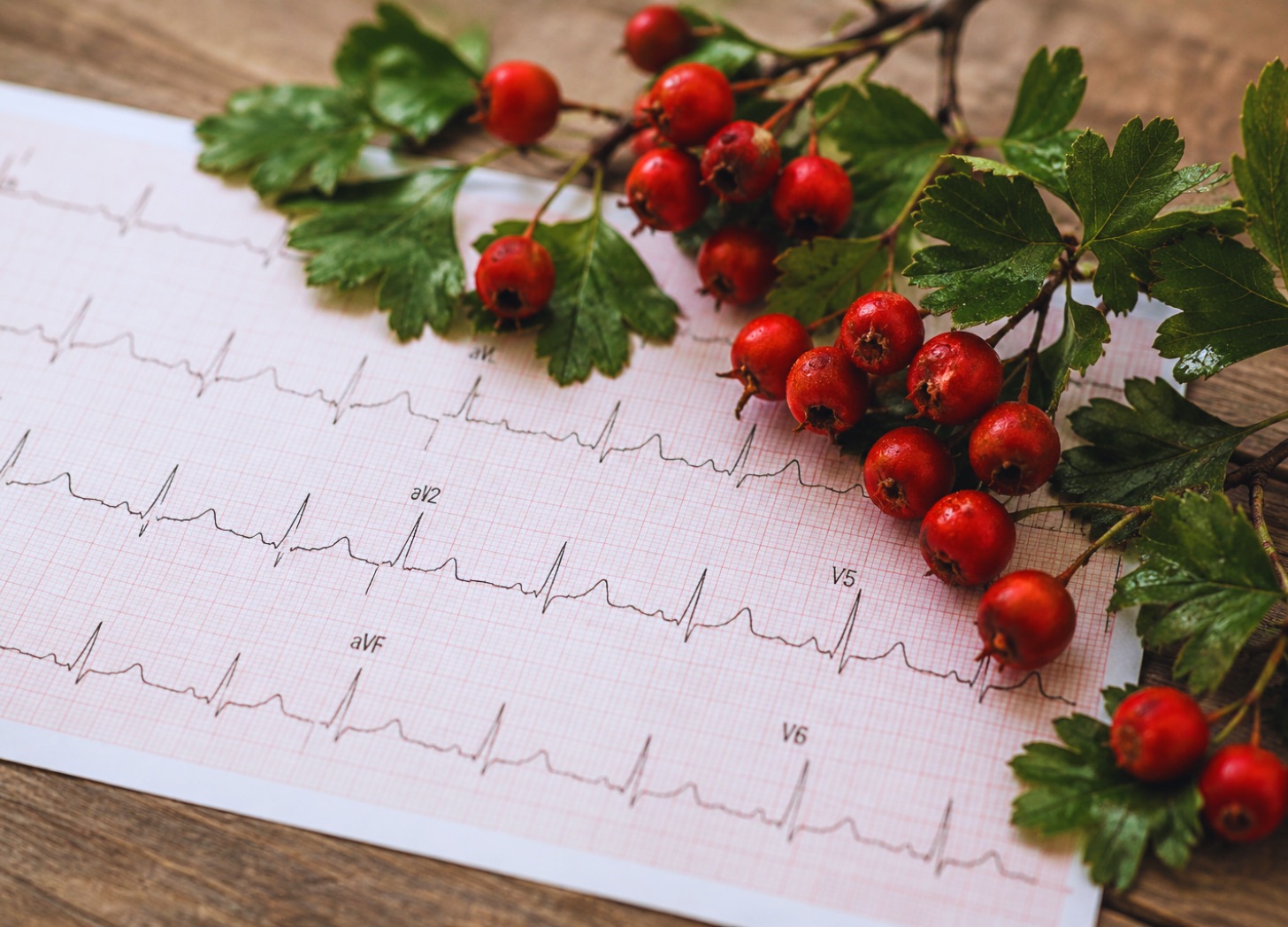
Most of the time, there’s a traceable underlying cause that doesn’t indicate serious heart disease. Occasionally, though, palpitations do signal something more significant, which is why it’s worth having them properly assessed — a doctor can use an ECG (electrocardiogram) to read the heart’s rhythm directly and rule out red flags that a symptom description alone can’t.
- Chest pain or tightness
- Palpitations lasting longer than 2 hours
- Nausea and vomiting
- Left shoulder pain
- Shortness of breath
- Fainting
- Excessive sweating
Left untreated, persistent palpitations can, over time, contribute to more serious cardiovascular problems. Atrial fibrillation is a good example: it raises stroke risk roughly five-fold and is a factor in a meaningful share of strokes overall, rising steeply with age 1Reference 1Reviewhttps://journals.lww.com/jfcm/fulltext/2019/26020/stroke_in_atrial_fibrillation__review_of_risk.2.aspxView study →. Fortunately, there’s a lot you can do to reduce that risk and ease the discomfort along the way.
What Causes Heart Palpitations?
Dysrhythmias get lumped together under “palpitations,” but they break down into two broad categories: those affecting the top chambers of the heart (atria) and those affecting the bottom (ventricles). For the fuller picture of how the heart’s electrical system works and where disease actually starts, see our beginner’s guide to heart disease.
1. Atrial Dysrhythmias
The most common forms — atrial fibrillation and atrial flutter — are also the most prevalent causes of palpitations generally. Atrial fibrillation is a chaotic firing of the electrical signals in the atria, which stops them from doing their job: pushing blood efficiently into the ventricles below.
The heart’s rhythm is set by pacemaker tissue — chiefly the sinoatrial (SA) node in the atria, which fires the impulse that makes the atria contract. That signal reaches a second pacemaker in the ventricles (the AV node), which delays it just long enough for the atria to finish emptying into the ventricles before they contract in turn, driving blood out to the lungs and the rest of the body.
Because the SA node sits in the atria, it makes sense that this is where rhythm problems most often start. Atrial fibrillation is generally more common in men, though incidence in women rises sharply after menopause, meaningfully narrowing that gap 1Reference 1Reviewhttps://journals.lww.com/jfcm/fulltext/2019/26020/stroke_in_atrial_fibrillation__review_of_risk.2.aspxView study →.
Causes of atrial fibrillation may include:
- Menopause
- Age
- Smoking
- Alcohol
- Hyperthyroidism
- Medication side effects
- Stress / anxiety
- Hormone replacement therapy
- Diabetes
- Congenital valve disease
- Autoimmunity
- Amyloidosis
- Hemochromatosis
- Chronic inflammation
- Obstructive sleep apnea
- Hypertension
- Endomyocardial fibrosis
- Magnesium or potassium deficiencies
- Dehydration
- Pregnancy
In practice, the most common drivers of the palpitations people bring to a herbalist are anxiety, alcohol, and menopausal hormonal change.
Mechanistically, atrial fibrillation traces back to disrupted calcium and potassium ion handling in the heart’s electroconductive muscle cells — the exact ionic currents responsible for generating each contraction. When that signaling misfires, cells can fire and contract earlier than they should, sending the atria into an uncoordinated quiver. Any condition that disturbs this electrical system — calcium, potassium or sodium handling — can produce fibrillation and the palpitations that come with it.
2. Ventricular Dysrhythmias
Ventricular dysrhythmias affect the larger, lower chambers that push blood to the lungs (right ventricle) and the rest of the body (left ventricle). The most common form is a premature ventricular contraction (PVC) — a beat triggered either by the normal signal firing too early, or by a second, rogue site of electrical activity elsewhere in the heart muscle.
Causes of ventricular dysrhythmia may include:
- Cardiomyopathy
- Structural heart disease
- Ischemic heart disease
- Scar tissue in heart muscle
- High adrenaline (stress or caffeine)
- Alcohol consumption
- Anemia
- High blood pressure
- Tobacco use
Ventricular dysrhythmias can occasionally point to more serious underlying heart disease, which is why a doctor will often use an ECG or a Holter monitor to look at the rhythm directly. Anyone experiencing palpitations for the first time should have them checked out before assuming they’re benign.
Medical Treatments For Heart Palpitations
Unless a specific cause is identified — anxiety, for instance — pharmaceutical treatment for palpitations is often a blunt instrument. Doctors may reach for beta-blockers or calcium-channel blockers to control rhythm, or, in existing heart disease, drugs like digoxin that work directly on the sinus node. In more entrenched cases, a doctor may use catheter ablation — cauterizing the specific area where the irregular signal originates.
Fortunately, most cases are benign, and this is where herbal medicine has real room to help — either by calming the nervous-system overdrive that’s often the actual trigger, or by directly supporting the heart’s electrical and structural health.
Herbs For Heart Palpitations
Effectively using herbs for palpitations means matching the herb to the likely cause, though the true cause is often hard to pin down (and, even once found, isn’t always easy to treat directly — valve disease and obstructive sleep apnea being two good examples).
Herbal strategy for this symptom tends to run two tracks at once: stabilizing the heart’s own electrical activity, and calming the nervous-system overstimulation that so often sits underneath it. A secondary track addresses contributing metabolic issues, like poorly managed diabetes, where relevant.
Evidence At A Glance
These badges describe the kind of evidence behind each herb’s fit for palpitations, rather than a single invented score. Click any herb to jump to its section — and to its full monograph for the complete evidence-by-indication breakdown.
My Top 6 Herb Picks For Heart Palpitations
1. Hawthorn (Crataegus oxyacantha)
Bottom line — The deepest cardiovascular research base of any herb here — but the strongest human trials are on blood pressure and heart failure, not rhythm specifically.
Best for: long-term cardiovascular support alongside palpitations, especially where blood pressure or heart-failure symptoms overlap
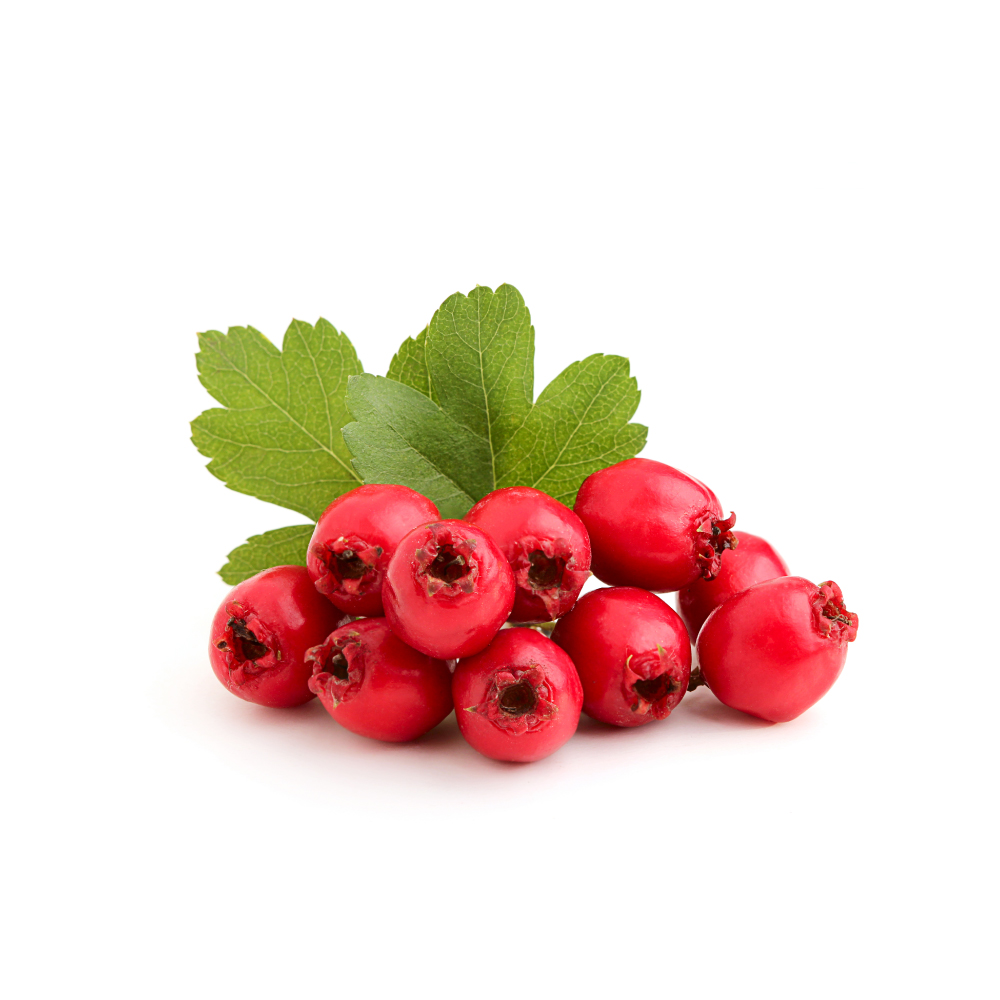
Ask any herbalist what their number one heart-herb is, and they’ll likely tell you hawthorn. This modest-looking hedgerow tree is one of the most heavily studied cardiovascular botanicals anywhere, with a literature spanning multiple Cochrane-style meta-analyses and at least two large placebo-controlled trials — a rare depth of human data for a herb.
Hawthorn dilates the coronary arteries, protects the vessel wall from oxidative damage, and improves microcirculation — a broad enough footprint that it’s used for atherosclerosis, high cholesterol, and congestive heart failure, as well as recovery after a heart attack.
Here’s the honest, evidence-checked picture: hawthorn’s best-supported human effect is a modest reduction in blood pressure, confirmed by a 2025 meta-analysis of six placebo-controlled trials 2Reference 2Meta-analysisHawthorn (Crataegus spp.) clinically significantly reduces blood pressure in hypertension: a meta-analysis of randomized placebo-controlled clinical trialsView study →. Its heart-failure evidence is real but has an important asterisk — a Cochrane-style review of 14 double-blind trials found standardized extract improved exercise tolerance and breathlessness, but mostly as an add-on to older heart-failure regimens 3Reference 3Meta-analysisHawthorn extract for treating chronic heart failure — systematic review and meta-analysisView study →. When it was tested on top of modern guideline-directed therapy in the large SPICE trial (n=2,681), it missed its primary endpoint, though it hinted at reduced sudden cardiac death in a subgroup with less-impaired heart function 4Reference 4Clinical trialThe efficacy and safety of Crataegus extract WS 1442 in patients with heart failure: the SPICE trialView study → — and a separate US trial found no functional benefit and more adverse events on top of contemporary treatment, with one report of faster disease progression 5,
The rhythm-specific story is more preclinical than the “regulates heart rhythm” reputation suggests: hawthorn extract protected against reperfusion arrhythmias in rat hearts and improved contraction and energy handling in isolated cardiomyocytes 7Reference 7AnimalProtective effect of Crataegus oxyacantha against reperfusion arrhythmias after global no-flow ischemia in the rat heartView study →, and its vasodilating, antioxidant effects are tied to a well-mapped mechanism — activation of endothelial nitric-oxide synthase (eNOS), driving nitric-oxide-mediated vasorelaxation 8Reference 8Crataegus special extract WS 1442 induces an endothelium-dependent, NO-mediated vasorelaxation via eNOS-phosphorylation at serine 1177View study →. That’s a coherent, biologically plausible story for a calmer, better-perfused heart — but there’s no dedicated human trial testing hawthorn against palpitations or arrhythmia directly. Take the two together — real cardiovascular benefit, mechanistically plausible rhythm support, no palpitations-specific human trial — and hawthorn earns its reputation as a long-game heart tonic rather than a quick fix: benefits build gradually over a couple of weeks of consistent daily use, not sooner.
Hawthorn Safety
Hawthorn is well tolerated: a systematic review across 5,577 patients found adverse events were mostly mild and transient — dizziness, GI upset, headache 9Reference 9Systematic reviewAdverse-event profile of Crataegus spp.: a systematic reviewView study →. A dedicated pharmacokinetic trial found it did not significantly alter digoxin levels, suggesting the two can typically be co-administered with appropriate monitoring 10Reference 10Interaction study between digoxin and a preparation of hawthorn (Crataegus oxyacantha)View study →. Anyone on heart medication should still loop in their doctor before adding hawthorn, and it isn’t a substitute for guideline-directed heart-failure treatment (see above).
HawthornCrataegus oxyacanthaModerate
The most heavily researched heart herb on this list — best-proven for blood pressure and heart-failure symptoms, with rhythm-stabilizing effects that are mechanistically plausible but not yet tested against palpitations directly in a human trial. Well tolerated, including alongside digoxin in a dedicated interaction study.
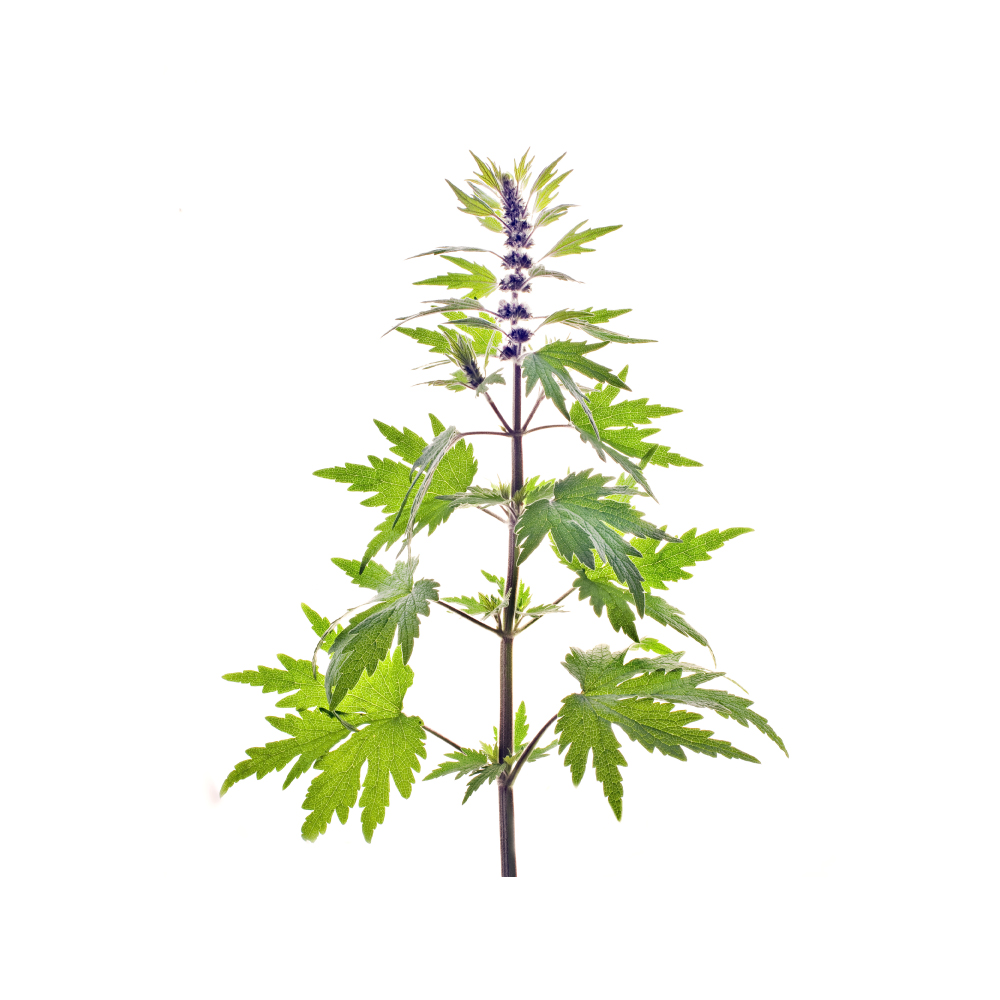
Full monograph2. Motherwort (Leonurus cardiaca)
Bottom line — Its Western name says it all — motherwort’s centuries-old use for a “nervous heart” now has a genuine, modern mechanistic study behind it.
Best for: palpitations that show up alongside anxiety, tension, or a sense of pressure in the chest
Motherwort is a member of the mint family — a family stacked with medicinal specialists — and this one specializes in the overlap between the heart and the nervous system. It’s suited to tense, restless, overheated states: anxiety, palpitations, insomnia, irritability, a sense of pressure in the chest.
The best modern evidence for its cardiac reputation comes from a bioassay-guided study that applied a refined Leonurus cardiaca extract directly to isolated hearts and ion-channel cell models. It reduced left-ventricular pressure, increased coronary flow, prolonged the PQ interval, and modulated sodium, calcium and pacemaker currents — a coherent negative-chronotropic (rate-slowing), coronary-vasodilating profile, distinct from how a cardiac glycoside works 11Reference 11Cardiac and electrophysiological effects of primary and refined extracts from Leonurus cardiaca L. (PhView study →. A related compound, lavandulifolioside, reproduced the rate-slowing effect and PQ/QT prolongation in animals on its own, though its own researchers noted it doesn’t account for the whole extract’s activity 12Reference 12Pharmacological effects of lavandulifolioside from Leonurus cardiacaView study → — in other words, motherwort’s cardiac action looks like a genuine synergy of several constituents rather than one “active ingredient.”
The calming side has newer support too: a standardized extract binds the GABA site of the GABA-A receptor in vitro, offering the first real mechanism for the herb’s traditional sedative reputation 13Reference 13GABA-A receptor binding assays of standardized Leonurus cardiaca and Leonurus japonicus extracts and their isolated constituentsView study →. Human data are thinner and mostly open-label — a 28-day trial of a Leonurus oil extract in patients with hypertension and anxiety improved both blood pressure and psycho-emotional scores, though without a placebo arm 14Reference 14Clinical trialEffect of Leonurus cardiaca oil extract in patients with arterial hypertension accompanied by anxiety and sleep disordersView study →.
One worthwhile aside: much of what circulates online about “motherwort” — including the compound leonurine — actually describes the Chinese species Leonurus japonicus (Yi Mu Cao), not the Western L. cardiaca discussed here; leonurine itself is reportedly absent or only trace in true motherwort 16Reference 16Leonurus japonicus, Leonurus cardiaca, Leonotis leonurus: a novel HPLC study on the occurrence and content of the guanidino derivative leonurineView study →. It’s a good herb to buy from a supplier who’s specific about the species.
Like hawthorn, motherwort is a slow-build herb — a strong tea works, but it needs to be brewed properly strong, and most people get better, more consistent results from a tincture or capsule taken to label dose over several weeks.
Motherwort Safety
Motherwort has real antiplatelet and anticoagulant activity in vitro 15Reference 15The immunomodulatory potential of Leonurus cardiaca extract in relation to endothelial cells and plateletsView study →, so it warrants caution alongside blood thinners and should be stopped before surgery. It’s contraindicated in pregnancy (a traditional uterine stimulant), and because it slows heart rate and lowers blood pressure in preclinical models, additive effects with cardiac glycosides, beta-blockers and antihypertensives are plausible.
MotherwortLeonurus cardiacaPreclinical
The clearest mechanistic fit for a “nervous heart” on this list — real rate-slowing, coronary-vasodilating activity in isolated hearts, plus a newly identified GABA-A binding mechanism for its calming reputation. Human data are limited to small, open-label studies, and it carries genuine bleeding-risk and pregnancy cautions.
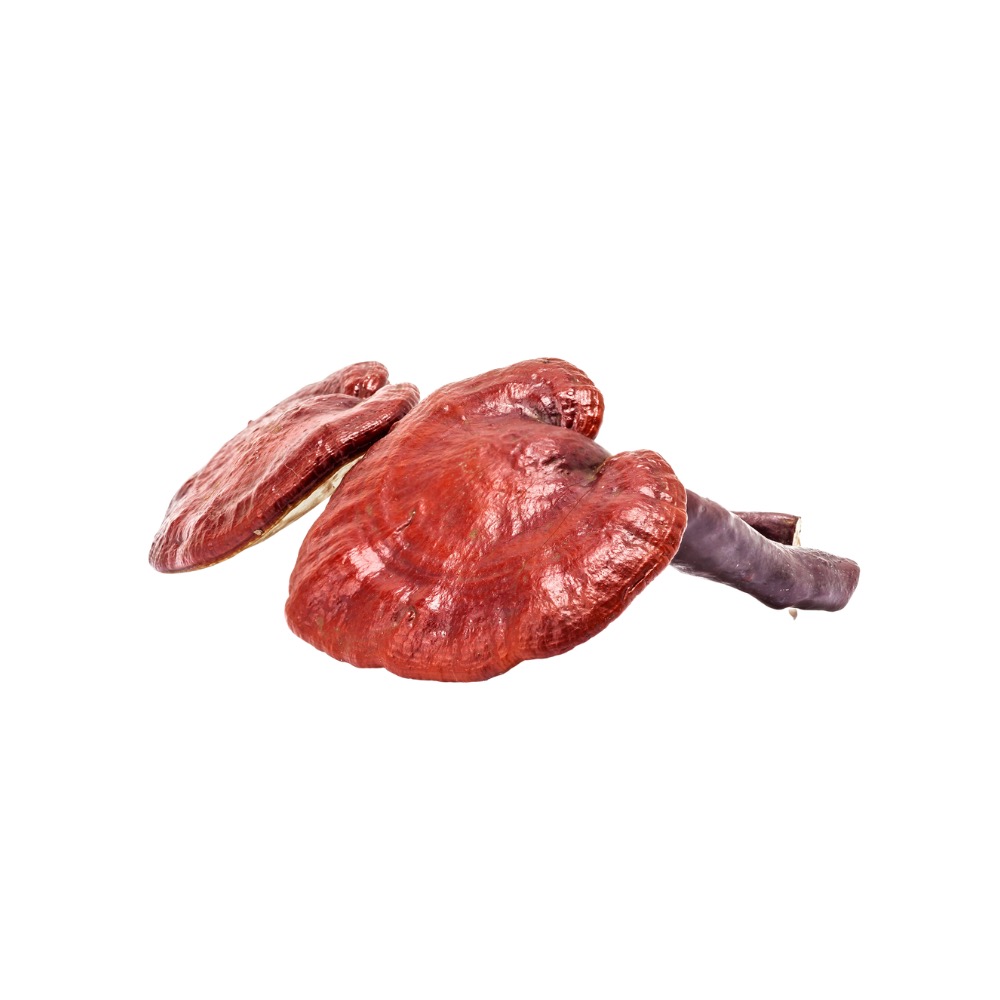
Full monograph3. Reishi (Ganoderma lucidum)
Bottom line — Reishi isn’t a herb most people reach for first with palpitations — its fit here is traditional and constitutional rather than clinically tested for this specific symptom.
Best for: palpitations tied to depletion, exhaustion, or a generally under-resourced nervous system — as a long-term tonic rather than a targeted fix
Reishi comes at heart palpitations from an entirely different angle: Traditional Chinese Medicine. There, palpitations are often framed as “Shen disturbance,” “Yin deficiency,” or “Qi and Blood deficiency” — Shen being the heart-housed spiritual/mental aspect of a person, Yin the restorative, parasympathetic side of the nervous system, and Qi and Blood the body’s animating and nourishing forces. Reishi is traditionally used to calm Shen and tonify Qi and Blood, which is a genuinely useful lens for palpitations that show up alongside exhaustion, anemia, or general depletion — states where a stimulating approach would be the wrong tool.
It’s worth being straight about where the modern research actually sits, though: reishi’s best human-trial evidence is immunological — raised natural-killer-cell activity and improved quality of life as an adjunct to cancer treatment, and reduced fatigue in a placebo-controlled trial for neurasthenia (nervous exhaustion) 17Reference 17RCTA randomised, double-blind and placebo-controlled study of a Ganoderma lucidum polysaccharide extract in neurastheniaView study →. That neurasthenia trial is the closest thing reishi has to direct human evidence for a “calm the nervous system” claim, and it’s a reasonable analog for depletion-driven palpitations — but there is no dedicated human or animal trial testing reishi against palpitations or arrhythmia specifically. Its fit here rests on the TCM framework and on that broader calming/restorative signal, not on a rhythm-specific mechanism the way hawthorn’s or motherwort’s does.
Reishi Safety
Reishi inhibits platelet aggregation 18Reference 18Experimental and clinical studies on the inhibitory effect of Ganoderma lucidum on platelet aggregationView study →, so it may add to anticoagulant or antiplatelet drugs — a meaningful caution in a herb people reach for around the heart. Separately, powdered (as opposed to traditionally decocted) reishi has been linked to rare but serious liver injury, including a fatal case of fulminant hepatitis 19Reference 19Fatal fulminant hepatitis associated with Ganoderma lucidum (Lingzhi) mushroom powderView study → — favor a proper decoction or a reputable extract over raw powder, and avoid combining with ACE-inhibitor medication without medical guidance.
ReishiGanoderma lucidumTraditional only
A TCM constitutional tonic for palpitations tied to depletion or exhaustion, not a herb with rhythm-specific trial data. Best evidence is immunological and fatigue-related rather than cardiac; watch for bleeding risk with blood thinners and prefer a decoction or vetted extract over raw powder.
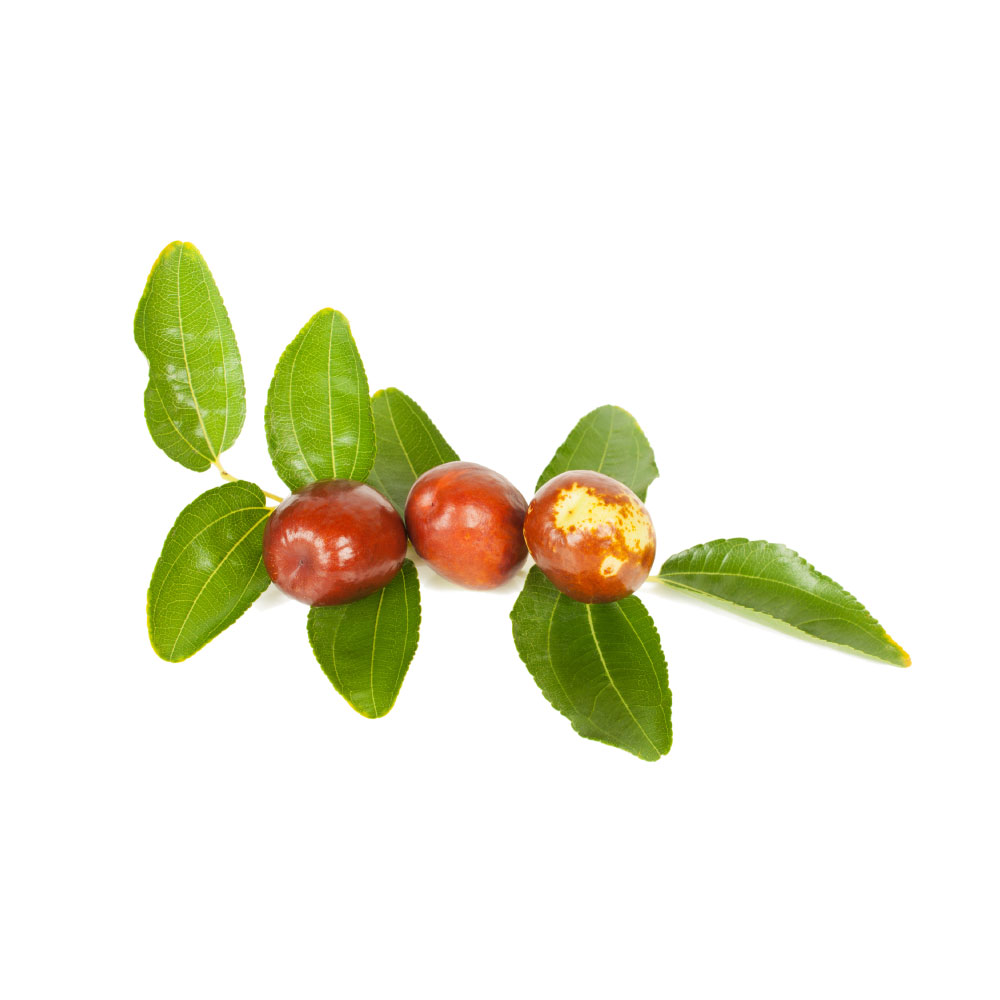
Full monograph4. Zizyphus (Ziziphus spinosa)
Bottom line — One of the classic calming seeds of Chinese medicine — deep traditional use, solid preclinical mechanism, and now one small but genuinely positive human trial of its own.
Best for: anxiety-driven palpitations that show up at night, especially with racing thoughts at bedtime
Zizyphus — Suan Zao Ren, sour jujube seed — is one of the classic calming herbs of Traditional Chinese Medicine, most closely associated with insomnia, restless sleep, irritability, and palpitations. Unlike a heavy sedative, it’s traditionally framed as a nourishing calmative: used where sleep disturbance and a racing heart come from depletion and agitation rather than simple overstimulation.
It’s especially useful for people who can distract themselves through the day but land in bed with nothing left to occupy their thoughts — and find that quiet is exactly when the anxious, pounding-heart feeling shows up.
The mechanism is now genuinely well mapped. Three separate marker compounds — the alkaloid sanjoinine A, the flavone spinosin, and the saponin jujuboside A — each independently reduce anxiety-like behavior in animals through GABA-A and serotonergic (5-HT1A) signaling, without the sedating drop in locomotion that a benzodiazepine causes at similar doses 21,
GABA is the neurotransmitter behind our “rest and digest” (parasympathetic) response — the counterpart to the “fight or flight” (sympathetic) activation that’s so often the actual driver of anxiety-related palpitations. Pharmaceuticals that boost GABA activity, including the benzodiazepines, work on the same broad principle; zizyphus is a gentler, food-grade way to nudge the same system.
Zizyphus Safety
This is a genuinely safe, food-grade seed with no significant toxicity at normal doses in its long record of use. The main practical caution is additive sedation — because its action runs through the same GABA-A and serotonergic pathways as common sedatives, it can compound the effect of benzodiazepines, sleep medication, or alcohol.
ZizyphusZiziphus spinosaModerate
A traditional Chinese calming seed with a well-mapped GABA-A/serotonergic mechanism and, unusually for this herb, one small positive single-herb sleep trial to back the tradition. A very safe, food-grade option — just mind the additive sedation with alcohol or sleep medication.
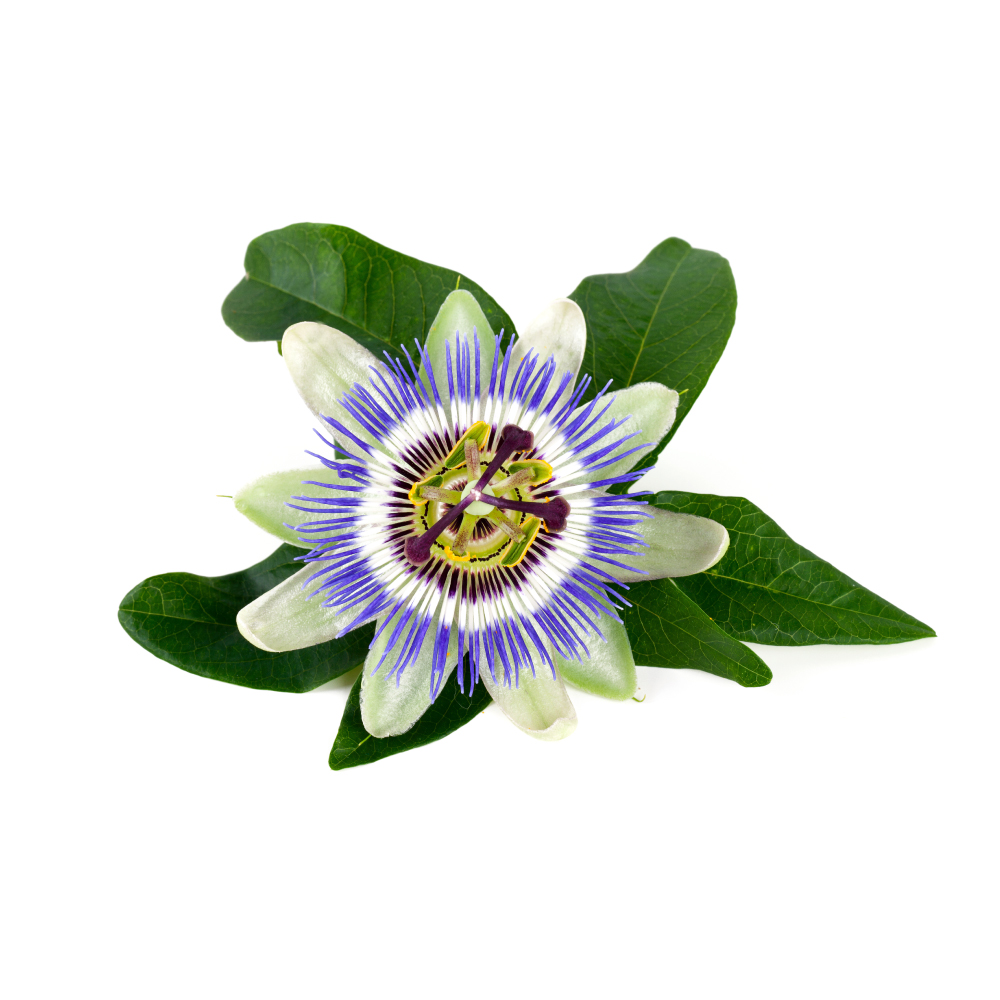
Full monograph5. Passionflower (Passiflora incarnata)
Bottom line — The best human-trial evidence of any herb on this list — repeatedly shown to ease situational anxiety, which is exactly the kind that tends to show up as a racing heart.
Best for: anxiety that shows up as “racing thoughts” or “racing heart,” including before a stressful event
Passionflower is one of the best-evidenced anti-anxiety herbs in Western herbal medicine, and it’s the strongest human-trial performer of the six herbs here. Multiple placebo-controlled trials found an oral extract reduced anxiety before ambulatory surgery and spinal anesthesia without causing sedation or delaying recovery 23Reference 23RCTPreoperative oral Passiflora incarnata reduces anxiety in ambulatory surgery patients: a double-blind, placebo-controlled studyView study →, and several dental-extraction trials found it comparable to midazolam for peri-operative anxiety 24Reference 24Clinical trialEffects of Passiflora incarnata and midazolam for control of anxiety in patients undergoing dental extractionView study →. A separate placebo-controlled trial using overnight polysomnography — not just a subjective questionnaire — found it significantly increased total sleep time in people with diagnosed insomnia 25Reference 25Effects of Passiflora incarnata Linnaeus on polysomnographic sleep parameters in subjects with insomnia disorderView study →. A 2007 Cochrane review judged the overall trial base still too small to be definitive 26Reference 26Systematic reviewPassiflora for anxiety disorderView study →, so “promising” is the fair word — but for the specific “racing heart from an overactive mind” pattern, this is about as good as the human evidence gets among calming herbs.
The traditional story credits some of this to passionflower’s trace harmala (“harmane”) alkaloids acting as calcium-channel blockers and monoamine-oxidase inhibitors in smooth muscle — but it’s worth being precise here: those alkaloids occur at only about 0.005–0.012% in P. incarnata 27Reference 27Trace analysis of harman alkaloids in Passiflora incarnata by reversed-phase high-performance liquid chromatography, low enough that whether ordinary preparations deliver a pharmacologically meaningful dose is genuinely doubtful. The better-supported modern mechanism is GABAA receptor modulation — a phytochemically characterized whole extract produces anxiolytic effects through the GABAergic system in animals, consistent with its clinical anxiety profile.
It helps people collect their thoughts and maintain a calmer, steadier composure — which goes a long way toward easing palpitations that are really an anxious mind talking to a listening heart.
Passionflower Safety
Passionflower is generally well tolerated, but its sedative action can add to benzodiazepines, barbiturates and alcohol. A single case report documented QTc prolongation and a brief arrhythmia at therapeutic doses 28Reference 28Toxicity of Passiflora incarnata LView study → — rare, but a good reason to mention it to your doctor if you have an existing rhythm condition. It’s best avoided in pregnancy, where safety hasn’t been established.
PassionflowerPassiflora incarnataStrong
The strongest human-trial evidence on this list — repeatedly shown to reduce situational anxiety (pre-operative, dental, sleep) in placebo-controlled trials. Its older “muscle relaxant” reputation rests on trace alkaloids unlikely to matter at normal doses; the real mechanism is GABAergic. Mind the additive sedation, and a rare cardiac case report.
Full monograph6. Lemon Balm (Melissa officinalis)
Bottom line — The only herb on this list with a dedicated, placebo-controlled trial for heart palpitations by name.
Best for: palpitations specifically, plus the anxiety and low mood that often ride alongside them
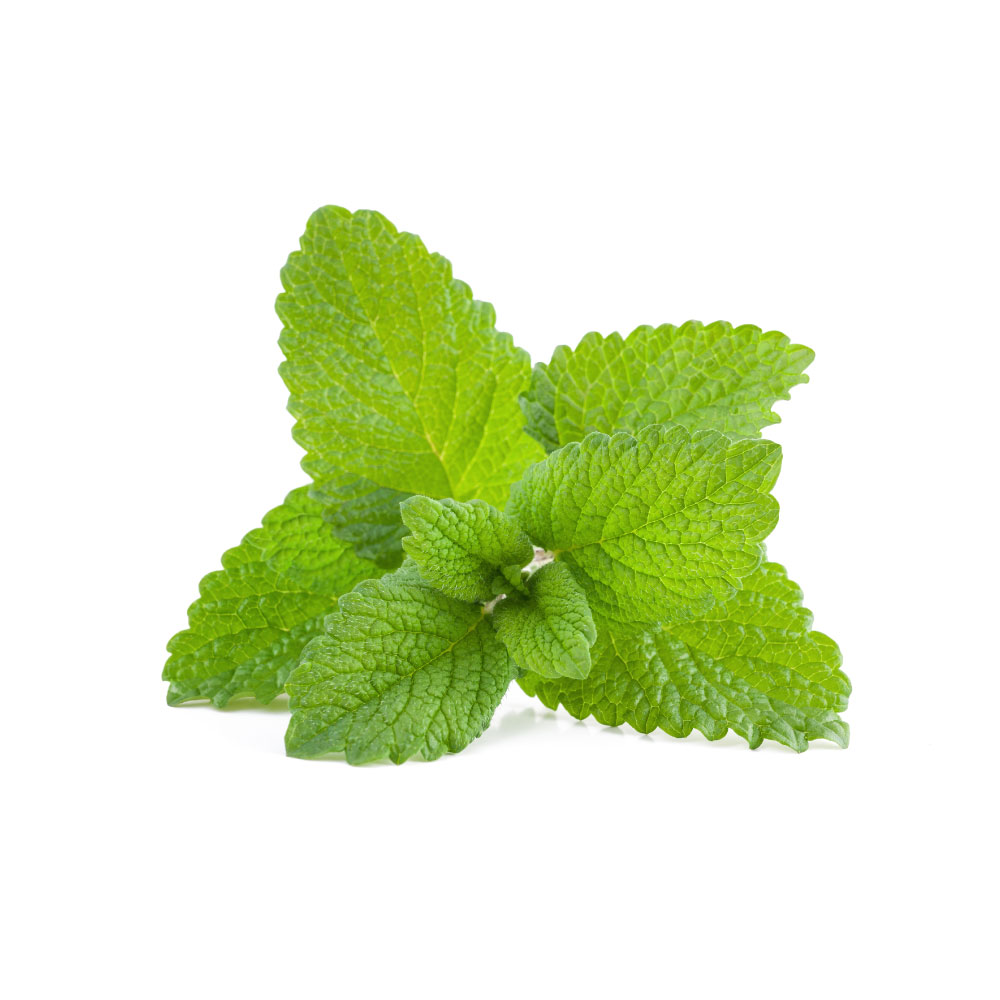
Lemon balm — Melissa, a member of the mint family — is where this list gets its most directly relevant piece of evidence. A double-blind, placebo-controlled trial rooted in Traditional Iranian Medicine tested 500 mg of a lyophilized leaf extract twice daily for 14 days in adults with benign palpitations, and found it significantly reduced how often episodes occurred, along with the number of patients reporting anxiety, versus placebo 29Reference 29RCTHeart palpitation relief with Melissa officinalis leaf extract: double blind, randomized, placebo controlled trial of efficacy and safetyView study →. It’s a single small trial, and it was studying benign (non-arrhythmic) palpitations rather than a diagnosed rhythm disorder — but it’s the one herb here that’s actually been tested against this exact symptom, by name, in a controlled human trial.
That result sits on top of a broader, genuinely solid evidence base for lemon balm’s calming effects: a 2021 meta-analysis of clinical trials found it meaningfully reduced both anxiety and depression scores versus placebo, with no serious side effects reported 30Reference 30Meta-analysisThe effects of lemon balm (Melissa officinalis L.) on depression and anxiety in clinical trials: a systematic review and meta-analysisView study →. Mechanistically, rosmarinic acid — along with the triterpenes ursolic and oleanolic acid — inhibits GABA-transaminase in vitro, the enzyme that breaks GABA down, which is a plausible route to more of the “rest and digest” signaling that counters an anxious, racing heart 31Reference 31In vitroBioassay-guided fractionation of lemon balm using an in vitro measure of GABA transaminase activityView study →.
This is an excellent herb for the nervous-system side of palpitations — its calming effect also makes it a reasonable pick for public speakers or anyone whose anxiety tends to land specifically as a hammering heart.
Lemon Balm Safety
Lemon balm is well tolerated, with mild drowsiness the main effect reported in trials. Auto-oxidized phenolic constituents inhibit TSH binding in vitro 32Reference 32Extracts and auto-oxidised constituents of certain plants inhibit the receptor-binding and biological activity of Graves’ immunoglobulinsView study →, so — while this is an in-vitro finding rather than a clinically confirmed interaction — it’s sensible to use high or prolonged doses cautiously if you’re hypothyroid or on thyroid medication. As with the other calming herbs here, its mild sedative action can compound sedatives, sleep medication or alcohol.
Lemon BalmMelissa officinalisModerate
The only herb here with a dedicated placebo-controlled trial for heart palpitations specifically — plus a strong general anxiety/mood evidence base and a plausible GABA-transaminase mechanism. Gentle and well tolerated; the main caution is a theoretical thyroid interaction at high or prolonged doses.
Full monographHow To Use Herbal Tinctures
My preferred way of using herbs for a condition like heart palpitations is as tinctures or liquid extracts — they allow for simple, calculated dosing and keep well for a long time.
Tinctures are widely available at health food shops and online. Mix the recommended amount into a cup of water, tea, or juice — or, if you don’t mind the taste, take the dose straight. Keep in mind most tinctures are alcohol-based, which can feel harsh undiluted.
Capsules or tablets work just as well if you’d rather skip the tincture format, and many people prefer them for convenience.
Final Thoughts
None of these six herbs is a substitute for finding out why your heart is palpitating in the first place — that’s still worth a proper medical work-up, especially the first time it happens or if any of the red-flag symptoms above show up. But once something serious has been ruled out, they cover real ground: hawthorn and motherwort work directly on the heart’s own electrical and structural health, while reishi, zizyphus, passionflower and lemon balm calm the nervous-system overdrive that’s so often the actual trigger — with lemon balm standing out as the one herb here actually tested against palpitations by name.
Used well, and given time to work, these are a genuinely useful toolkit for getting your heart rhythm — and your peace of mind — back on track.
- On heart medication? Talk to your doctor before adding hawthorn, motherwort or reishi — all three have plausible additive effects with cardiac glycosides, beta-blockers or antihypertensives.
- On blood thinners? Motherwort and reishi both carry real antiplatelet/anticoagulant activity — use caution and mention it before surgery.
- Stacking calming herbs? Motherwort, zizyphus, passionflower and lemon balm all work through overlapping GABAergic pathways — combining several at once, or with alcohol, benzodiazepines or sleep medication, can add up to more sedation than you intended.
- Pregnant or breastfeeding? Motherwort is contraindicated outright; hawthorn, reishi, zizyphus and passionflower all lack established safety data and are best avoided without professional guidance.
- New or worsening palpitations should always be assessed by a doctor first — herbs are for supporting a known, benign pattern, not for self-diagnosing a cardiac symptom.
References
- Stroke in atrial fibrillation: review of risk factors, pathophysiology and management. Journal of Family and Community Medicine (2019). https://journals.lww.com/jfcm/fulltext/2019/26020/stroke_in_atrial_fibrillation__review_of_risk.2.aspx
- Szikora, Z., Mátyus, R. O., Szabó, B. V., Csupor, D., & Tóth, B. (2025). Hawthorn (Crataegus spp.) clinically significantly reduces blood pressure in hypertension: a meta-analysis of randomized placebo-controlled clinical trials. Pharmaceuticals. https://pubmed.ncbi.nlm.nih.gov/40732315/
- Pittler, M. H., Guo, R., & Ernst, E. (2008). Hawthorn extract for treating chronic heart failure — systematic review and meta-analysis. Cochrane Database of Systematic Reviews. https://pubmed.ncbi.nlm.nih.gov/18254076/
- Holubarsch, C. J., Colucci, W. S., Meinertz, T., Gaus, W., & Tendera, M. (2008). The efficacy and safety of Crataegus extract WS 1442 in patients with heart failure: the SPICE trial. European Journal of Heart Failure. https://pubmed.ncbi.nlm.nih.gov/19019730/
- Zick, S. M., Vautaw, B. M., Gillespie, B., & Aaronson, K. D. (2009). Hawthorn Extract Randomized Blinded Chronic Heart Failure (HERB CHF) trial. European Journal of Heart Failure. https://pubmed.ncbi.nlm.nih.gov/19789403/
- Zick, S. M., Gillespie, B., & Aaronson, K. D. (2008). The effect of Crataegus oxycantha special extract WS 1442 on clinical progression in patients with mild to moderate heart failure. European Journal of Heart Failure. https://pubmed.ncbi.nlm.nih.gov/18490196/
- Al Makdessi, S., Sweidan, H., Dietz, K., & Jacob, R. (1999). Protective effect of Crataegus oxyacantha against reperfusion arrhythmias after global no-flow ischemia in the rat heart. Basic Research in Cardiology. https://pubmed.ncbi.nlm.nih.gov/10326654/
- Brixius, K., Willms, S., Napp, A., et al. (2006). Crataegus special extract WS 1442 induces an endothelium-dependent, NO-mediated vasorelaxation via eNOS-phosphorylation at serine 1177. Cardiovascular Drugs and Therapy. https://pubmed.ncbi.nlm.nih.gov/16779533/
- Daniele, C., Mazzanti, G., Pittler, M. H., & Ernst, E. (2006). Adverse-event profile of Crataegus spp.: a systematic review. Drug Safety. https://pubmed.ncbi.nlm.nih.gov/16752934/
- Tankanow, R., Tamer, H. R., Streetman, D. S., et al. (2003). Interaction study between digoxin and a preparation of hawthorn (Crataegus oxyacantha). Journal of Clinical Pharmacology. https://pubmed.ncbi.nlm.nih.gov/12817526/
- Ritter, M., Melichar, K., Strahler, S., et al. (2010). Cardiac and electrophysiological effects of primary and refined extracts from Leonurus cardiaca L. (Ph. Eur.). Planta Medica. https://pubmed.ncbi.nlm.nih.gov/19918711/
- Miłkowska-Leyck, K., Filipek, B., & Strzelecka, H. (2002). Pharmacological effects of lavandulifolioside from Leonurus cardiaca. Journal of Ethnopharmacology. https://pubmed.ncbi.nlm.nih.gov/11891090/
- Rauwald, H. W., Savtschenko, A., Merten, A., et al. (2015). GABA-A receptor binding assays of standardized Leonurus cardiaca and Leonurus japonicus extracts and their isolated constituents. Planta Medica. https://pubmed.ncbi.nlm.nih.gov/26218338/
- Shikov, A. N., Pozharitskaya, O. N., Makarov, V. G., et al. (2011). Effect of Leonurus cardiaca oil extract in patients with arterial hypertension accompanied by anxiety and sleep disorders. Phytotherapy Research. https://pubmed.ncbi.nlm.nih.gov/20839214/
- Sadowska, B., Micota, B., Różalski, M., et al. (2017). The immunomodulatory potential of Leonurus cardiaca extract in relation to endothelial cells and platelets. Innate Immunity. https://pubmed.ncbi.nlm.nih.gov/28142301/
- Kuchta, K., Ortwein, J., & Rauwald, H. W. (2012). Leonurus japonicus, Leonurus cardiaca, Leonotis leonurus: a novel HPLC study on the occurrence and content of the guanidino derivative leonurine. Die Pharmazie. https://pubmed.ncbi.nlm.nih.gov/23346757/
- Tang, W., Gao, Y., Chen, G., et al. (2005). A randomised, double-blind and placebo-controlled study of a Ganoderma lucidum polysaccharide extract in neurasthenia. Journal of Medicinal Food. https://pubmed.ncbi.nlm.nih.gov/15857210/
- Tao, J., & Feng, K. Y. (1990). Experimental and clinical studies on the inhibitory effect of Ganoderma lucidum on platelet aggregation. Journal of Tongji Medical University. https://pubmed.ncbi.nlm.nih.gov/2098581/
- Wanmuang, H., Leopairut, J., Kositchaiwat, C., et al. (2007). Fatal fulminant hepatitis associated with Ganoderma lucidum (Lingzhi) mushroom powder. Journal of the Medical Association of Thailand. https://pubmed.ncbi.nlm.nih.gov/17621752/
- Shergis, J. L., et al. (2021). Medicinal seeds Ziziphus spinosa for insomnia: a randomized, placebo-controlled, cross-over, feasibility clinical trial. Complementary Therapies in Medicine. https://pubmed.ncbi.nlm.nih.gov/33385511/
- Han, H., et al. (2009). Anxiolytic-like effects of sanjoinine A isolated from Zizyphi Spinosi Semen: possible involvement of GABAergic transmission. Pharmacology, Biochemistry, and Behavior. https://pubmed.ncbi.nlm.nih.gov/19101585/
- Liu, J., et al. (2015). GABA and 5-HT systems are implicated in the anxiolytic-like effect of spinosin in mice. Pharmacology, Biochemistry, and Behavior. https://pubmed.ncbi.nlm.nih.gov/25449359/
- Movafegh, A., Alizadeh, R., Hajimohamadi, F., et al. (2008). Preoperative oral Passiflora incarnata reduces anxiety in ambulatory surgery patients: a double-blind, placebo-controlled study. Anesthesia & Analgesia. https://pubmed.ncbi.nlm.nih.gov/18499602/
- Dantas, L. P., de Oliveira-Ribeiro, A., et al. (2017). Effects of Passiflora incarnata and midazolam for control of anxiety in patients undergoing dental extraction. Medicina Oral, Patología Oral y Cirugía Bucal. https://pubmed.ncbi.nlm.nih.gov/27918731/
- Lee, J., Jung, H. Y., Lee, S. I., et al. (2020). Effects of Passiflora incarnata Linnaeus on polysomnographic sleep parameters in subjects with insomnia disorder. International Clinical Psychopharmacology. https://pubmed.ncbi.nlm.nih.gov/31714321/
- Miyasaka, L. S., Atallah, A. N., & Soares, B. G. (2007). Passiflora for anxiety disorder. Cochrane Database of Systematic Reviews. https://pubmed.ncbi.nlm.nih.gov/17253512/
- Rehwald, A., Sticher, O., & Meier, B. (1995). Trace analysis of harman alkaloids in Passiflora incarnata by reversed-phase high-performance liquid chromatography. Phytochemical Analysis, 6(2), 96–100.
- Fisher, A. A., Purcell, P., & Le Couteur, D. G. (2000). Toxicity of Passiflora incarnata L. Journal of Toxicology: Clinical Toxicology. https://pubmed.ncbi.nlm.nih.gov/10696928/
- Alijaniha, F., Naseri, M., Afsharypuor, S., et al. (2015). Heart palpitation relief with Melissa officinalis leaf extract: double blind, randomized, placebo controlled trial of efficacy and safety. Journal of Ethnopharmacology. https://pubmed.ncbi.nlm.nih.gov/25680840/
- Ghazizadeh, J., Sadigh-Eteghad, S., Marx, W., et al. (2021). The effects of lemon balm (Melissa officinalis L.) on depression and anxiety in clinical trials: a systematic review and meta-analysis. Phytotherapy Research. https://pubmed.ncbi.nlm.nih.gov/34449930/
- Awad, R., Muhammad, A., Durst, T., Trudeau, V. L., & Arnason, J. T. (2009). Bioassay-guided fractionation of lemon balm using an in vitro measure of GABA transaminase activity. Phytotherapy Research. https://pubmed.ncbi.nlm.nih.gov/19165747/
- Auf’mkolk, M., Ingbar, J. C., Kubota, K., Amir, S. M., & Ingbar, S. H. (1985). Extracts and auto-oxidised constituents of certain plants inhibit the receptor-binding and biological activity of Graves’ immunoglobulins. Endocrinology. https://pubmed.ncbi.nlm.nih.gov/2985357/
Clinical herbalist and the writer behind The Sunlight Experiment — an evidence-based pharmacopoeia of herbs, supplements, and the chemistry behind them.