Copper
An essential trace mineral and cofactor for a small set of critical enzymes — energy production, iron handling, connective-tissue crosslinking, and antioxidant defence. Deficiency and Wilson's disease are real clinical entities, but routine supplementation is rarely needed and has a narrow safety window.

Copper at a Glance
Copper is an essential trace mineral, but unlike zinc — a cofactor for hundreds of enzymes — its importance rests on a short list of critical cuproenzymes. It is the catalytic metal in the enzyme that ends the electron-transport chain, in one of the superoxide dismutases, and in the ferroxidase that loads iron onto transferrin.
That narrow but load-bearing role is what makes copper distinctive: it sits at the junction of energy metabolism, antioxidant defence, iron handling and connective tissue, and it is most often encountered on a supplement shelf as the small dose paired with high-dose zinc.
What It’s Used For
- Correcting diagnosed copper deficiency — reverses the anemia and neutropenia it causes, and can halt the accompanying neurological damage.
- Balancing high-dose zinc — sustained zinc intake drives copper out, so a small amount of copper is paired with it in formulas such as the AREDS eye formula.
- Iron-restricted anemia — where the underlying cause is copper rather than iron.
- Connective tissue, skin and hair pigmentation — the downstream roles of lysyl oxidase and tyrosinase.
How It Works
Copper’s biology is the sum of a handful of enzymes. Cytochrome c oxidase uses it to reduce oxygen to water at the end of the electron-transport chain, which is why deficiency shows up as an energy and neurological problem. Cu/Zn superoxide dismutase uses it to neutralise superoxide. Ceruloplasmin and hephaestin use it to oxidise iron so transferrin can carry it — which is why copper deficiency produces an anemia that does not respond to iron. Lysyl oxidase crosslinks collagen and elastin, and dopamine-β-hydroxylase converts dopamine to noradrenaline.
Absorption is inversely related to intake — the gut takes up a larger fraction when intake is low — and zinc competes with it directly by inducing intestinal metallothionein, which binds copper more tightly than zinc and carries it back out.
The full detail is in Pharmacology & Research below.
Pharmacology & Research
Copper is an essential trace mineral, but unlike zinc — a cofactor for hundreds of enzymes — copper’s biological importance rests on a short list of critical cuproenzymes. It is the catalytic metal in cytochrome c oxidase (Complex IV of the mitochondrial electron transport chain, where oxygen is reduced to water), in Cu/Zn superoxide dismutase (a front-line antioxidant defence), in the ferroxidases ceruloplasmin and hephaestin (which oxidize iron so it can be loaded onto transferrin — the reason a copper problem shows up as an iron problem), in lysyl oxidase (which crosslinks collagen and elastin, giving connective tissue, blood vessels, and bone their strength), in dopamine-β-hydroxylase (catecholamine synthesis), and in tyrosinase (melanin) 1,
This narrow-but-critical enzyme roster is why copper matters for energy metabolism, iron handling, connective tissue, neurological function, and pigmentation all at once.
The honest headline for a supplement page is this: copper deficiency and copper overload (Wilson’s disease) are both real, serious clinical entities — but routine copper supplementation is rarely needed. Copper deficiency is uncommon in the general population because the mineral is widespread in food and the body regulates its absorption efficiently 1Reference 1ReviewCopper — Fact Sheet for Health Professionals — [authoritative review]. https://ods.od.nih.gov/factsheets/Copper-HealthProfessional/View study →.
The single most important reason copper appears in the supplement world is not a deficiency disease from poor diet — it is iatrogenic deficiency caused by excess zinc supplementation, which is common enough, under-recognized, and fully preventable. That copper–zinc antagonism is the thread that ties copper to the zinc forms.
1. Copper Deficiency (Correction)
Acquired copper deficiency in adults classically presents as a hematologic and neurological picture. Hematologically it causes anemia (often microcytic or sideroblastic) and neutropenia, and on a bone-marrow smear it can look convincingly like myelodysplastic syndrome — a mimicry documented in case series where the true cause was only found on measuring serum copper and ceruloplasmin 6Reference 6Case reportCopper deficiency myeloneuropathy and pancytopenia secondary to overuse of zinc supplementation — [case report]View study →.
Neurologically it causes a myelopathy/myeloneuropathy (“human swayback”), with spastic gait and sensory ataxia that resembles the subacute combined degeneration of vitamin B12 deficiency 4Reference 4ReviewMyelopathy due to copper deficiency — [clinical review/series]View study →.
Copper repletion reliably corrects the blood abnormalities; the neurological deficits often stabilize but may only partially reverse, which is why early recognition matters 4,
Gap: this is a corrective intervention for a diagnosed deficiency — it is not evidence that extra copper helps a copper-replete person’s energy, immunity, or connective tissue.
2. Zinc-Induced Copper Deficiency (the Key Interaction)
This is the interaction that earns copper a place next to the zinc pages. Zinc up-regulates metallothionein in enterocytes; metallothionein binds copper more avidly than zinc, so dietary copper gets trapped in intestinal cells and is lost when those cells slough off — producing a negative copper balance despite adequate copper intake 3Reference 3Zinc-induced copper deficiency — [clinical report]View study →.
It was first characterized decades ago in patients on high therapeutic zinc doses 3Reference 3Zinc-induced copper deficiency — [clinical report]View study →, and has since been repeatedly reported from long-term zinc supplement overuse and, strikingly, from zinc-containing denture adhesive creams, where chronic swallowing of zinc drives copper down far enough to cause anemia, neutropenia, and irreversible myeloneuropathy 4,
A 2020 review frames it plainly as “a perplexing facet of zinc excess” that is easy to miss because clinicians don’t expect a supplement to cause a deficiency 5Reference 5ReviewZinc-induced copper deficiency, sideroblastic anemia, and neutropenia: a perplexing facet of zinc excess — [review/case]View study →.
Practical upshot: anyone taking sustained high-dose zinc (roughly ≥40–50 mg/day for weeks) should either moderate the dose or pair it with a small amount of copper (the AREDS eye formula, for example, pairs 80 mg zinc with 2 mg copper for exactly this reason). This — not a dietary shortfall — is the most common real-world reason to think about copper.
3. Genetic Disorders (Menkes and Wilson’s)
Two inherited disorders sit at the opposite ends of copper handling. Menkes disease (X-linked, ATP7A) is a deficiency disorder: copper is absorbed but can’t be exported and distributed to the tissues that need it, causing severe neurodegeneration, connective-tissue failure, and the characteristic “kinky hair”; it is managed (imperfectly) with parenteral copper, not oral supplements 1Reference 1ReviewCopper — Fact Sheet for Health Professionals — [authoritative review]. https://ods.od.nih.gov/factsheets/Copper-HealthProfessional/View study →.
Wilson’s disease (autosomal recessive, ATP7B) is the mirror image — an overload disorder where copper can’t be excreted into bile and accumulates in the liver and brain, causing hepatic and neuropsychiatric disease; treatment is copper removal with chelators (penicillamine, trientine) or absorption blockade with zinc 7Reference 7ReviewWilson’s disease — [review]View study →.
For a person with Wilson’s disease, supplemental copper is contraindicated — a concrete reason this is not a “should everyone take it” pitch.
Gap: these are specialist-managed genetic conditions, included here to bound the picture — they are not indications for over-the-counter copper.
Mechanisms
| Enzyme / pathway | Copper’s role | Relevant to |
|---|---|---|
| Cytochrome c oxidase (Complex IV) | Catalytic metal reducing O₂ to water at the end of the electron transport chain | Mitochondrial ATP / energy metabolism |
| Cu/Zn superoxide dismutase (SOD1) | Catalytic cofactor dismutating superoxide radicals | Antioxidant defence |
| Ceruloplasmin & hephaestin | Ferroxidases that oxidize Fe²⁺→Fe³⁺ for transferrin loading | Iron metabolism (copper deficiency → iron-restricted anemia) |
| Lysyl oxidase | Crosslinks collagen and elastin fibres | Connective tissue, vasculature, bone integrity |
| Dopamine-β-hydroxylase | Converts dopamine → norepinephrine | Catecholamine / neurotransmitter synthesis |
| Tyrosinase | Rate-limiting enzyme of melanin synthesis | Skin and hair pigmentation |
Pharmacokinetics
Copper is absorbed mainly in the small intestine (and some in the stomach), with fractional absorption inversely related to intake — the body takes up a larger fraction when intake is low and down-regulates uptake when intake is high, a homeostatic buffer that makes plain dietary deficiency uncommon 1,
Clinical trials
Copper is an inexpensive, off-patent essential nutrient, so most human research is either reference-intake/balance work (feeding the DRI process) or clinical reports of deficiency correction and overload (Wilson’s disease) management, rather than industry-funded efficacy trials of copper as a wellness supplement. There is no substantial body of RCTs showing benefit from copper supplementation in copper-replete adults — the evidence base is deficiency correction, interaction management, and genetic-disease treatment.
Last checked: July 2026.
Dietary Sources
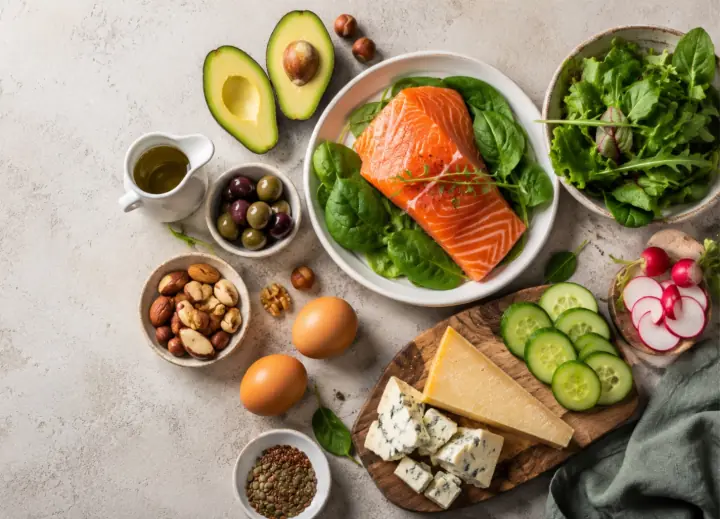
Copper is widespread in the diet, which is why frank dietary deficiency is uncommon. The richest sources are organ meats (especially liver) and shellfish (oysters), followed by cocoa and dark chocolate, nuts, seeds, legumes, and whole grains 1,
| Food | Serving | Copper (approx.) |
|---|---|---|
| Beef liver, cooked | 3 oz | ~12 mg (well above a day’s needs) |
| Oysters | 3 oz | ~1.5–4 mg |
| Dark chocolate / cocoa | 1 oz | ~0.5–0.9 mg |
| Cashews | 1 oz | ~0.6 mg |
| Sunflower / sesame seeds | 1 oz | ~0.5 mg |
| Cooked lentils / chickpeas | 1 cup | ~0.4–0.5 mg |
| Whole-grain bread / cereal | 1 serving | ~0.1–0.2 mg |
A single serving of liver can supply more than ten times the daily requirement, which is one reason liver should not be eaten daily and why routine copper supplementation on top of a normal diet is seldom warranted.
Dosage & Intake
The adult RDA is 0.9 mg (900 µg) per day, rising to roughly 1.0 mg/day in pregnancy and 1.3 mg/day during lactation; the adult Tolerable Upper Intake Level is 10 mg (10,000 µg) per day from all sources, set on liver toxicity as the limiting endpoint 1,
There is no evidence-based reason for a healthy person eating a normal diet to take high-dose copper. The defensible reasons to supplement are narrow: a diagnosed deficiency (corrected under medical supervision), or prophylactically pairing a small copper dose with sustained high-dose zinc to prevent zinc-induced depletion. These are the studied contexts — not a general recommendation; talk to a clinician before supplementing copper, and note that anyone with Wilson’s disease must avoid it entirely.
Forms of Copper
Copper supplements differ mainly in how well the mineral is absorbed and in elemental copper content. The one firm rule from the bioavailability literature is to avoid cupric oxide, which is cheap and copper-dense but delivers almost no absorbable copper 8Reference 8ReviewCupric oxide should not be used as a copper supplement for either animals or humans — [review]View study →.
| Form | Notes | Bioavailability |
|---|---|---|
| Cupric oxide (CuO) | Cheap, copper-dense, common on labels | Essentially unavailable — should not be used as a copper source 8Reference 8ReviewCupric oxide should not be used as a copper supplement for either animals or humans — [review]View study → |
| Copper sulfate | Long-standing reference form | Well absorbed |
| Copper gluconate | Common oral supplement / multivitamin form | Well absorbed |
| Copper bisglycinate (chelate) | Amino-acid–chelated, marketed as gentle | Well absorbed |
Because copper is needed in milligram (not tens-of-milligrams) amounts, the practical priority is simply not using the oxide form and keeping the total dose within the ~2 mg range typical of multivitamins unless a clinician directs otherwise.
Safety
Copper’s defining safety feature is a narrow window: the requirement (~0.9 mg/day) and the upper limit (~10 mg/day) are only about an order of magnitude apart, far tighter than most vitamins.
- RDA-level intake is safe and well established. ~0.9 mg/day for adults, slightly higher in pregnancy/lactation; the ~1–2 mg in a multivitamin is fine.
- Acute overdose is toxic. Large ingestions cause nausea, vomiting, abdominal pain, and can progress to liver and kidney injury.
- Wilson’s disease is an absolute contraindication. People with this genetic copper-overload disorder must avoid supplemental copper.
- The zinc interaction cuts both ways. High-dose zinc causes copper deficiency; conversely, copper competes with zinc — the two should be balanced, not maxed independently.
- No benefit in the copper-replete. Supplementing a person who already gets enough offers no demonstrated upside and only downside risk.
- Avoid cupric oxide. It is poorly absorbed and an unreliable way to correct a genuine deficiency.
Full Safety & Interactions Detail
Acute toxicity. Ingesting large amounts of copper (from contaminated water, copper salts, or gross over-supplementation) causes gastrointestinal distress — nausea, vomiting, abdominal pain, diarrhea — and severe poisoning can cause hemolysis, hepatic necrosis, and renal failure 1Reference 1ReviewCopper — Fact Sheet for Health Professionals — [authoritative review]. https://ods.od.nih.gov/factsheets/Copper-HealthProfessional/View study →. The 10 mg/day adult UL is built with a margin below the intakes associated with liver injury 1,
Chronic overload / Wilson’s disease. In people who cannot excrete copper into bile (ATP7B mutations), copper accumulates in the liver and brain, producing hepatitis/cirrhosis and neuropsychiatric disease; treatment is copper removal, and any copper supplement is contraindicated 7Reference 7ReviewWilson’s disease — [review]View study →. This is the clearest reason copper is not a “safe for everyone” supplement.
The zinc–copper interaction (both directions).
- Zinc → copper deficiency: sustained high-dose zinc (supplements, or zinc-laden denture creams) induces intestinal metallothionein and drives copper down, causing anemia, neutropenia, and myeloneuropathy that can be missed for months 3,
4, .5, 6Reference 3Zinc-induced copper deficiency — [clinical report]View study →Reference 4ReviewMyelopathy due to copper deficiency — [clinical review/series]View study →Reference 5ReviewZinc-induced copper deficiency, sideroblastic anemia, and neutropenia: a perplexing facet of zinc excess — [review/case]View study →Reference 6Case reportCopper deficiency myeloneuropathy and pancytopenia secondary to overuse of zinc supplementation — [case report]View study → - Copper ↔ zinc balance: because they share absorption chemistry, they are best kept in a sensible ratio rather than either being taken at very high doses alone.
Other interactions. High-dose iron and vitamin C supplements can modestly reduce copper absorption; conversely, adequate copper is required for normal iron handling, so a copper deficiency can present as an iron-refractory anemia 1Reference 1ReviewCopper — Fact Sheet for Health Professionals — [authoritative review]. https://ods.od.nih.gov/factsheets/Copper-HealthProfessional/View study →.
Scope of this safety review (for honesty, not a claim):
- Interactions assessed? Yes — the zinc antagonism (primary), plus iron and vitamin C, are covered above; this is not an exhaustive drug-interaction list.
- Pregnancy/lactation assessed? Yes — summarized below from NIH ODS reference-intake data.
- Upper Limit? Yes — 10 mg/day for adults (lower by age for children), set on hepatic toxicity as the limiting endpoint 1,
9Reference 1ReviewCopper — Fact Sheet for Health Professionals — [authoritative review]. https://ods.od.nih.gov/factsheets/Copper-HealthProfessional/View study →Reference 9Dietary Reference Intakes for Vitamin A, Vitamin K, Arsenic, Boron, Chromium, Copper, Iodine, Iron, Manganese, Molybdenum, Nickel, Silicon, Vanadium, and Zinc — [DRI report]View study → .
Verdict: RDA-level copper (~1.0 mg/day in pregnancy, ~1.3 mg/day in lactation) is standard nutrition and considered safe; there is no basis for high-dose supplementation, and intake should stay well under the 10 mg/day UL. Copper requirements rise modestly to support fetal and infant development, and the amount in a standard prenatal multivitamin covers this. High-dose copper is neither necessary nor advisable in pregnancy or lactation.
References
- National Institutes of Health, Office of Dietary Supplements. (2024). Copper — Fact Sheet for Health Professionals — [authoritative review]. https://ods.od.nih.gov/factsheets/Copper-HealthProfessional/
- Linus Pauling Institute, Micronutrient Information Center. Copper — [authoritative review]. Oregon State University. https://lpi.oregonstate.edu/mic/minerals/copper
- Hoffman, H. N. 2nd, Phyliky, R. L., & Fleming, C. R. (1988). Zinc-induced copper deficiency — [clinical report]. Gastroenterology. https://pubmed.ncbi.nlm.nih.gov/3335323/
- Prodan, C. I., Holland, N. R., Wisdom, P. J., et al. (2004). Myelopathy due to copper deficiency — [clinical review/series]. Neurology. https://pubmed.ncbi.nlm.nih.gov/15136714/
- Wahab, A., Mushtaq, K., Borak, S. G., et al. (2020). Zinc-induced copper deficiency, sideroblastic anemia, and neutropenia: a perplexing facet of zinc excess — [review/case]. Journal of Clinical Pathology. https://pubmed.ncbi.nlm.nih.gov/32983473/
- Rowin, J., Lewis, S. L., et al. (2005). Copper deficiency myeloneuropathy and pancytopenia secondary to overuse of zinc supplementation — [case report]. Journal of Neurology, Neurosurgery & Psychiatry. https://pubmed.ncbi.nlm.nih.gov/15834043/
- Ala, A., Walker, A. P., Ashkan, K., Dooley, J. S., & Schilsky, M. L. (2007). Wilson’s disease — [review]. The Lancet. https://pubmed.ncbi.nlm.nih.gov/17276780/
- Baker, D. H. (1999). Cupric oxide should not be used as a copper supplement for either animals or humans — [review]. Journal of Nutrition. https://pubmed.ncbi.nlm.nih.gov/10573563/
- Institute of Medicine, Food and Nutrition Board. (2001). Dietary Reference Intakes for Vitamin A, Vitamin K, Arsenic, Boron, Chromium, Copper, Iodine, Iron, Manganese, Molybdenum, Nickel, Silicon, Vanadium, and Zinc — [DRI report]. National Academies Press. https://www.ncbi.nlm.nih.gov/books/NBK222317/