
Compound Monograph
Diallyl Disulfide
Diallyl disulfide (DADS) is the lipid-soluble allyl sulfide that dominates steam-distilled garlic oil — a breakdown product of allicin rather than a compound of the intact clove. Its best-documented action is induction of the phase II carcinogen-detoxification enzymes glutathione S-transferase and quinone reductase, the proposed mechanism behind garlic's epidemiological association with lower gastric cancer risk.

Sources · 7
Where Does It Come From?
Diallyl Disulfide is a naturally occurring organosulfur compound (dialkenyl disulfide — allyl polysulfide series), found in Garlic — chiefly the steam-distilled oil and 6 other sources. It is flagged as moderately toxic.
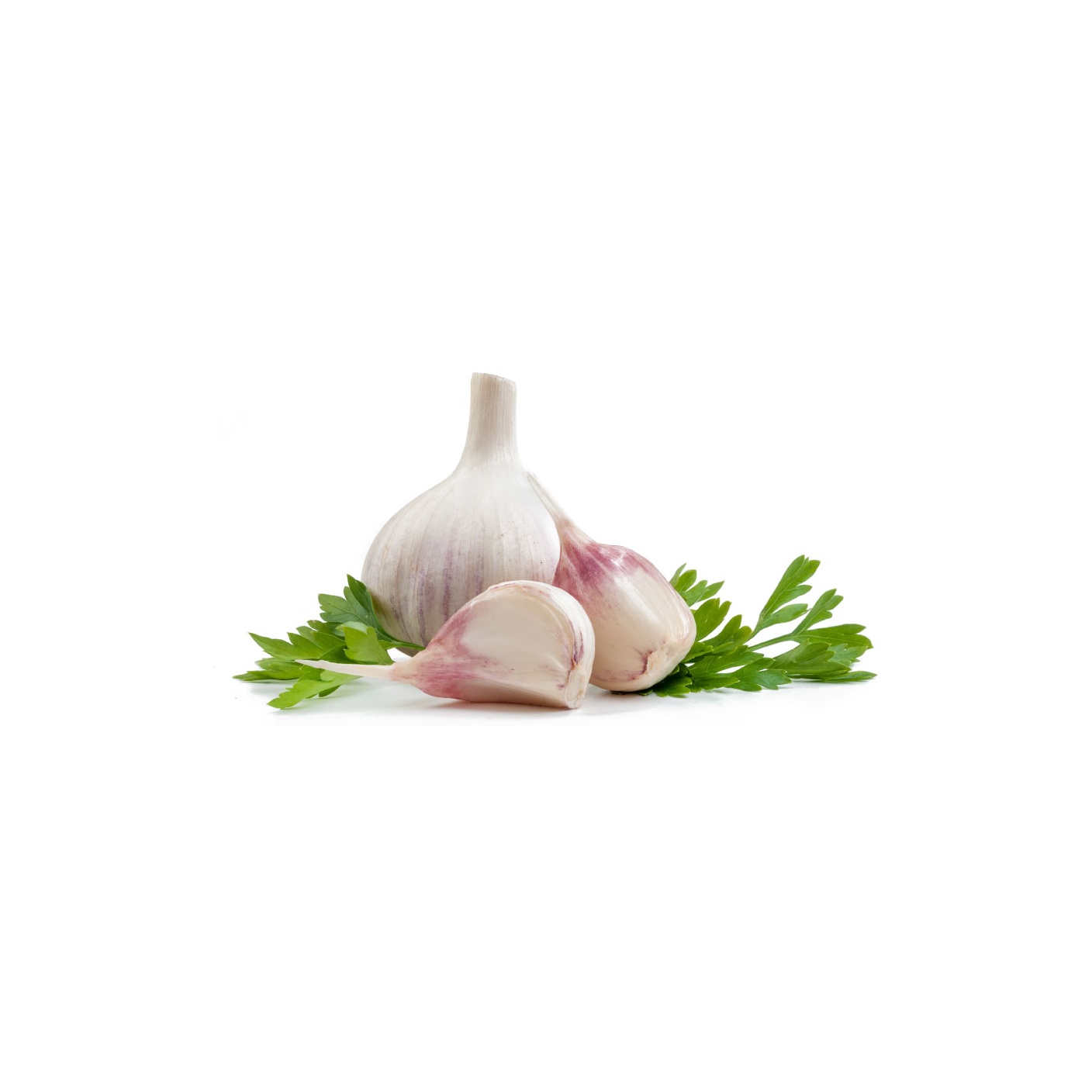
Concentration
Content by Source
Reported concentrations across the plants that contain diallyl disulfide — the bar marks the typical level, the line shows the reported range.
Literature figures for varying plant parts and preparations. Read them as a comparative guide, not exact assays.
Diallyl Disulfide at a Glance
Diallyl disulfide (DADS) is the lipid-soluble sulfur compound that gives steam-distilled garlic oil most of its smell and most of its pharmacology. Two allyl groups joined by a two-sulfur bridge, it sits in the middle of a family — diallyl sulfide has one sulfur, DADS has two, diallyl trisulfide has three — and, as argued above, that sulfur count is the single most useful thing to know about the whole group.
The molecule’s most important quirk is that it is barely present in garlic itself. Intact cloves store alliin; crushing converts it to allicin; allicin then falls apart, and DADS is one of the pieces. In practice the diallyl sulfides show up in quantity only when garlic is distilled or heated — HPLC of commercial garlic products found the diallyl sulfide series to be the exclusive sulfur constituents of steam-distilled garlic oils, and absent from garlic powder, gels and aged aqueous-alcohol extracts 12Reference 12Identification and HPLC quantitation of the sulfides and dialk(en)yl thiosulfinates in commercial garlic productsView study →.
Its documented thread is phase II enzyme induction: fed to rats, DADS raises glutathione S-transferase, quinone reductase, epoxide hydrolase and UDP-glucuronosyltransferase across liver, gut, kidney and lung, and blocks the mutagenicity of several ultimate carcinogens in parallel 4,
A Distillation Product, Not a Clove Constituent
The garlic literature routinely lists DADS as a “garlic constituent” alongside alliin, allicin and S-allylcysteine 31Reference 31Bioactive compounds and biological functions of garlic (Allium sativum L.)View study →. That is true only with a large asterisk, and the asterisk matters for how you read every study here.
Garlic’s stored sulfur is the odourless amino-acid derivative alliin. Damage to the clove releases alliinase, which converts alliin to allicin within about 20 seconds at body temperature 13Reference 13Characterization of the formation of allicin and other thiosulfinates from garlicView study →. Allicin is unstable, and its decomposition products depend entirely on what happens next:
| What is done to the clove | Dominant sulfur products | DADS present? |
|---|---|---|
| Left intact | Alliin, methiin, isoalliin (no thiosulfinates) | No |
| Crushed, eaten raw | Allicin and other thiosulfinates | Trace at most |
| Macerated in vegetable oil | Vinyldithiins and ajoene | Minor |
| Steam-distilled | Diallyl mono-, di-, tri- and higher sulfides | Yes — the main products |
| Aged in aqueous alcohol | S-allylcysteine, water-soluble derivatives | No |
Lawson’s 1991 HPLC survey of commercial garlic products is the cleanest statement of this: thiosulfinates were released only from cloves and garlic powder; the vinyldithiins and ajoenes appeared only in oil-macerates; and the diallyl, methyl-allyl and dimethyl sulfide series were the exclusive constituents of steam-distilled garlic oil products 12Reference 12Identification and HPLC quantitation of the sulfides and dialk(en)yl thiosulfinates in commercial garlic productsView study →.
So is DADS an artefact? Partly — and it is worth being precise about which part. The molecule is a genuine thermal/oxidative decomposition product of allicin, so it forms whenever garlic is cooked, distilled or left to break down, and it is unambiguously a real constituent of garlic oil, a real food ingredient people really consume. What it is not is a compound the living plant makes and stores. Any claim of the form “garlic contains DADS, therefore garlic does X” has skipped a processing step. Conversely, an assay run on fresh crushed garlic is testing allicin, not DADS — which is why, for instance, the bacteriostatic activity of garlic extracts against Helicobacter pylori tracks the thiosulfinates, not the sulfides 27Reference 27Allyl-thiosulfinates, the bacteriostatic compounds of garlic against Helicobacter pyloriView study →.
The Polysulfide Chain-Length Gradient
If you only remember one structural fact about garlic’s oil-soluble sulfides, make it this: activity scales with the number of sulfur atoms in the bridge, in the same direction for benefit and for harm.
The chemistry behind it is straightforward. A polysulfide chain is a weak point. Attacked by a thiol — glutathione, a cysteine residue on a protein — it cleaves, and the more sulfurs there are in the chain, the more readily it does so and the more sulfur is released as hydrogen sulfide (H₂S) or as reactive perthiol intermediates. Benavides and colleagues showed this directly: human red blood cells convert garlic polysulfides to H₂S, and the yield rises both with an allyl substituent and with increasing numbers of tethering sulfur atoms, with vasorelaxation of aortic rings tracking the H₂S output 15Reference 15Hydrogen sulfide mediates the vasoactivity of garlicView study →.
| Compound | Sulfurs | H₂S donation | Phase II induction (rat) | Haemolytic/oxidant | Antiplatelet (in vitro) |
|---|---|---|---|---|---|
| Diallyl sulfide (DAS) | 1 | Negligible | Weak 2Reference 2AnimalRelative activities of organosulfur compounds derived from onions and garlic in increasing tissue activities of quinone reductase and glutathione transferase in rat tissuesView study → | Not significant 3Reference 3In vitroComparative effects of mono-, di-, tri-, and tetrasulfides derived from plants of the Allium family: redox cycling in vitro and hemolytic activity and phase 2 enzyme induction in vivoView study → | Weakest of the three 16Reference 16Protective effect of three diallyl sulphides against glucose-induced erythrocyte and platelet oxidation, and ADP-induced platelet aggregationView study → |
| Diallyl disulfide (DADS) | 2 | Moderate | Potent 2, | Moderate 3Reference 3In vitroComparative effects of mono-, di-, tri-, and tetrasulfides derived from plants of the Allium family: redox cycling in vitro and hemolytic activity and phase 2 enzyme induction in vivoView study → | Intermediate 16Reference 16Protective effect of three diallyl sulphides against glucose-induced erythrocyte and platelet oxidation, and ADP-induced platelet aggregationView study → |
| Diallyl trisulfide (DATS) | 3 | High | Potent 2Reference 2AnimalRelative activities of organosulfur compounds derived from onions and garlic in increasing tissue activities of quinone reductase and glutathione transferase in rat tissuesView study → | Strong 3Reference 3In vitroComparative effects of mono-, di-, tri-, and tetrasulfides derived from plants of the Allium family: redox cycling in vitro and hemolytic activity and phase 2 enzyme induction in vivoView study → | Strongest 16Reference 16Protective effect of three diallyl sulphides against glucose-induced erythrocyte and platelet oxidation, and ADP-induced platelet aggregationView study → |
| Diallyl tetrasulfide | 4 | Highest | — | Strongest 3Reference 3In vitroComparative effects of mono-, di-, tri-, and tetrasulfides derived from plants of the Allium family: redox cycling in vitro and hemolytic activity and phase 2 enzyme induction in vivoView study → | — |
Munday’s comparative rat study is the load-bearing citation and the most honest one, because it measured benefit and harm in the same animals. Monosulfides did essentially nothing on any endpoint. Di-, tri- and tetrasulfides all generated hydrogen peroxide in the presence of glutathione and haemoglobin and damaged erythrocytes, with potency rising tetra- > tri- > di-; in vivo, tri- and tetrasulfides were powerful haemolytic agents. But only the allyl compounds raised quinone reductase and glutathione S-transferase — the propyl analogues from onion were completely inert on that axis 3Reference 3In vitroComparative effects of mono-, di-, tri-, and tetrasulfides derived from plants of the Allium family: redox cycling in vitro and hemolytic activity and phase 2 enzyme induction in vivoView study →. A separate dosing study ranked diallyl trisulfide and diallyl disulfide as potent phase II inducers and diallyl sulfide as weak 2Reference 2AnimalRelative activities of organosulfur compounds derived from onions and garlic in increasing tissue activities of quinone reductase and glutathione transferase in rat tissuesView study →.
Where DADS sits. Two sulfurs is enough to be a strong phase II inducer but not enough to be a strong oxidant. In every side-by-side comparison available, the trisulfide is the more ready H₂S donor 15Reference 15Hydrogen sulfide mediates the vasoactivity of garlicView study →, the stronger platelet inhibitor 16Reference 16Protective effect of three diallyl sulphides against glucose-induced erythrocyte and platelet oxidation, and ADP-induced platelet aggregationView study →, the more effective antifungal 33Reference 33Diallyl trisulfide, the antifungal component of garlic essential oil and the bioactivity of its nanoemulsions formed by spontaneous emulsificationView study → — and also the more haemolytic 3Reference 3In vitroComparative effects of mono-, di-, tri-, and tetrasulfides derived from plants of the Allium family: redox cycling in vitro and hemolytic activity and phase 2 enzyme induction in vivoView study →. DADS is the middle of the gradient, and its comparative appeal is that it holds most of the detox-enzyme signal at a lower oxidant cost. Whether that trade-off means anything at human exposures is untested.
What It's Used For
Almost everything below is cell-line or rodent work on the isolated molecule. Where a human study exists, it tested a garlic preparation, not DADS.
Support is an experimental score — weighted by study type (human > animal > in vitro) and volume. A beta, not a validated metric. Every score here is capped by the same limitation: no application has been tested as an isolate in humans, so read the per-row basis rather than the number.
The application the molecule is actually known for, and the only one with a coherent chain from dose to enzyme to functional outcome. In male Wistar rats given DADS by gavage, every phase II activity measured rose — total and mu-class GST, quinone reductase, microsomal epoxide hydrolase and UDP-glucuronosyltransferase — and DADS was the only one of four Allium sulfides tested to induce quinone reductase; the pi-class GST protein rGSTP1 was induced dramatically in liver, intestine, kidney and lung 5Reference 5AnimalModulation of phase II enzymes by organosulfur compounds from allium vegetables in rat tissuesView study →.
In the follow-up, cytosols and microsomes from DADS-treated rats suppressed the mutagenicity of benzo[a]pyrene diol epoxide, styrene oxide and 4-nitroquinoline-1-oxide in the Ames test, with DADS matching ethoxyquin, the positive-control inducer 4Reference 4Antimutagenic activity of organosulfur compounds from Allium is associated with phase II enzyme inductionView study →.
The signalling route is partly mapped: in Clone 9 cells, 25–200 µM DADS and DATS induced GSTP protein and mRNA via JNK- and ERK-driven AP-1 binding to the GPE I enhancer, an effect abolished by JNK and ERK inhibitors 7Reference 7Diallyl disulfide and diallyl trisulfide up-regulate the expression of the pi class of glutathione S-transferase via an AP-1-dependent pathwayView study →; DADS also activates Nrf2/HO-1 in mouse lung 30Reference 30Diallyl-disulfide, an organosulfur compound of garlic, attenuates airway inflammation via activation of the Nrf-2/HO-1 pathway and NF-kappaB suppressionView study →.
Gap: these are rat gavage doses of the isolate (1 mmol/kg, roughly 146 mg/kg) and cell concentrations well above anything a garlic-eating human plausibly reaches. Enzyme induction is a biomarker, not an outcome — no human study has shown DADS, or a DADS-standardised product, changing GST or quinone reductase activity in people, let alone changing cancer risk 4,
Two rodent carcinogenesis models give the strongest signal. Dietary DADS at 100 and 200 ppm (40% and 80% of its 250 ppm maximum tolerated dose) suppressed invasive colon adenocarcinomas in azoxymethane-treated F344 rats, and raised GST, quinone reductase and UDP-glucuronosyltransferase in colonic mucosa and liver 17Reference 17Chemoprevention of colon carcinogenesis by organosulfur compoundsView study →; 200 ppm dietary DADS during the initiation window cut mammary-tumour multiplicity from 2.45 to 0.90 tumours per rat in PhIP-treated Sprague-Dawley rats 18Reference 18AnimalInhibitory effects of diallyl disulfide or aspirin on 2-amino-1-methyl-6-phenylimidazo[4,5-b]pyridine-induced mammary carcinogenesis in ratsView study →.
In culture, 100 µM DADS was cytostatic to HCT-15 colon, A549 lung and SK-MEL-2 melanoma lines — more so than isomolar S-allylcysteine — while the saturated analogue dipropyl disulfide did little, pinning the effect on the allyl and disulfide groups; the mechanism tracked rising intracellular free calcium and falling Ca-ATPase activity 20Reference 20Diallyl disulfide inhibits the proliferation of human tumor cells in cultureView study →.
A distinct epigenetic mechanism has been described: 200 µM DADS inhibited histone deacetylase activity in Caco-2 nuclear extracts by 29%, hyperacetylated histones H3 and H4, and raised p21^waf1/cip1^ with G2 arrest — and its metabolite allyl mercaptan was far more potent, inhibiting HDAC by 92% at the same concentration 19Reference 19Diallyl disulfide (DADS) increases histone acetylation and p21(waf1/cip1) expression in human colon tumor cell linesView study →.
Gap: isolate work throughout, at concentrations (100–200 µM) and dietary levels (100–200 ppm) that are pharmacological, not dietary. There is no human oncology trial of DADS at any dose, and where garlic sulfides have been compared directly the trisulfide is generally the more potent of the pair 3,
Garlic essential oil inhibits Staphylococcus aureus, Pseudomonas aeruginosa and Escherichia coli, and isolated DADS reproduces that activity almost exactly (inhibition zones 15.9, 21.9 and 11.4 mm against the three organisms, versus 14.8, 21.1 and 11.0 mm for the whole oil) — while leek oil, whose sulfides carry propyl rather than allyl groups, had no antimicrobial activity at all 23Reference 23In vitroThe role of diallyl sulfides and dipropyl sulfides in the in vitro antimicrobial activity of the essential oil of garlic, Allium sativum L., and leek, Allium porrum LView study →. The general mechanism for garlic organosulfurs is disulfide exchange with free sulfhydryl groups on microbial enzymes and membrane proteins 32Reference 32Antibacterial properties of organosulfur compounds of garlic (Allium sativum)View study →.
Gap: in vitro only, at concentrations achieved in a well, not in a patient. The reactive thiosulfinates — not the sulfides — are the compounds isolated as the bacteriostatic principle against H. pylori, the organism most relevant to the gastric-cancer story 27Reference 27Allyl-thiosulfinates, the bacteriostatic compounds of garlic against Helicobacter pyloriView study →; and against fungi the trisulfide has been identified as garlic oil’s active component rather than DADS 33Reference 33Diallyl trisulfide, the antifungal component of garlic essential oil and the bioactivity of its nanoemulsions formed by spontaneous emulsificationView study →.
DADS belongs to garlic’s antithrombotic chemistry but does not lead it. Against ADP-induced aggregation of isolated human platelets, all three diallyl sulfides were dose-dependently inhibitory, with a clear rank order: diallyl trisulfide > DADS > diallyl sulfide; all three also protected erythrocyte membranes and platelets against glucose-induced oxidation and preserved membrane α-tocopherol 16Reference 16Protective effect of three diallyl sulphides against glucose-induced erythrocyte and platelet oxidation, and ADP-induced platelet aggregationView study →.
On the vascular side, human red cells and intact aortic rings convert garlic polysulfides to H₂S, and vasorelaxation is synchronous with H₂S output — which rises with sulfur-chain length, again putting the trisulfide ahead 15Reference 15Hydrogen sulfide mediates the vasoactivity of garlicView study →.
Gap: isolated cells and tissue baths. Garlic’s clinical antiplatelet reputation is built on whole crushed garlic and on the heat-sensitive thiosulfinate/ajoene fraction, not on distilled-oil sulfides; no human platelet or blood-pressure trial has used DADS as an isolate 15,
A single well-executed rodent package: in ovalbumin-sensitised mice, DADS reduced bronchoalveolar inflammatory cell counts, IL-4, IL-5, IL-13 and IgE, and attenuated airway inflammation and mucus hypersecretion on histology; in LPS-stimulated RAW264.7 macrophages it lowered nitric oxide, IL-1β and IL-6 and suppressed iNOS, NF-κB and MMP-9 while inducing Nrf-2 and HO-1 30Reference 30Diallyl-disulfide, an organosulfur compound of garlic, attenuates airway inflammation via activation of the Nrf-2/HO-1 pathway and NF-kappaB suppressionView study →.
Gap: one laboratory, one allergic-asthma model, one cell line, and no independent replication or human data. The Nrf2 arm is mechanistically continuous with the phase II story above, which makes it plausible — not established 5,
Mechanisms
| Target / pathway | Effect | Relevant to |
|---|---|---|
| Glutathione S-transferase (alpha, mu, pi) | strong induction across liver, intestine, kidney and lung; rGSTP1 induced dramatically | phase II detoxificationchemoprevention |
| NAD(P)H:quinone oxidoreductase (quinone reductase) | induced — DADS was the only Allium sulfide of four to raise it | phase II detoxification |
| Microsomal epoxide hydrolase, UDP-glucuronosyltransferase | induced in liver, intestine, kidney | carcinogen inactivation |
| JNK / ERK → AP-1 → GPE I enhancer | the transcriptional route to GSTP induction; abolished by JNK/ERK inhibitors | mechanism of phase II induction |
| Nrf2 / HO-1 | activated in lung tissue and macrophages | antioxidantanti-inflammatory |
| CYP2E1 | down-regulated in rat liver — less bioactivation of nitrosamines and other CYP2E1 substrates | chemoprevention and drug interaction |
| CYP2B1/2 | induced (a phenobarbital-like pattern) | drug metabolism |
| Histone deacetylase | inhibited (29% at 200 µM; its metabolite allyl mercaptan, 92%) → histone hyperacetylation, p21^waf1/cip1^ ↑, G2 arrest | anticancer (epigenetic) |
| Thiol–disulfide exchange (protein and microbial sulfhydryls) | the generic reactivity of the disulfide bridge | antimicrobialcytotoxicity |
| Hydrogen sulfide release (thiol-mediated cleavage) | moderate — below the trisulfide, above the monosulfide | vasorelaxation |
| Ca²⁺ homeostasis / Ca-ATPase | intracellular free calcium ↑, Ca-ATPase ↓ in tumour cells | growth inhibition in vitro |
| Redox cycling with GSH + haemoglobin → H₂O₂ | erythrocyte oxidative damage; weaker than tri- and tetrasulfides | toxicity |
The two rows to hold onto are the pi-class GST induction — pleiotropic, multi-tissue, dose-responsive, and the reason DADS was ever proposed as a chemopreventive — and the CYP2E1 down-regulation, which is simultaneously the most attractive chemoprevention mechanism and the most concrete drug-interaction risk on the page 4,
Pharmacokinetics
DADS is small, lipophilic and metabolised fast. In an isolated perfused rat liver its half-life was 6.09 minutes with a clearance of 34.22 mL/min 9Reference 9AnimalHepatic metabolism of diallyl disulphide in rat and manView study →. Its principal oxidative fate is counter-intuitive: human liver microsomes convert DADS back to allicin (diallyl thiosulfinate) as the only detected oxidation product, with CYP2E1 showing the highest affinity and flavin-containing monooxygenases contributing a minority share (Km 0.61 mM) 8Reference 8Metabolism of diallyl disulfide by human liver microsomal cytochromes P-450 and flavin-containing monooxygenasesView study →; rat liver reproduces this with CYP2B1/2 and CYP2E1 as the active isoforms 9Reference 9AnimalHepatic metabolism of diallyl disulphide in rat and manView study →. In parallel, DADS is reduced and conjugated to allyl mercaptan and allyl glutathione sulfide — and the thiosulfinate reacts non-enzymatically with glutathione to give the same conjugate — then methylated onward to allyl methyl sulfide, which is slowly oxidised to the sulfoxide and sulfone 9Reference 9AnimalHepatic metabolism of diallyl disulphide in rat and manView study →. Because allyl mercaptan is a roughly three-fold more potent HDAC inhibitor than DADS itself 19Reference 19Diallyl disulfide (DADS) increases histone acetylation and p21(waf1/cip1) expression in human colon tumor cell linesView study →, the metabolites are not merely disposal products; some of the parent molecule’s apparent activity may belong to them. No human oral bioavailability figure for DADS has been established, which is the central caveat for every µM in-vitro concentration cited here.
Clinical Trials
There are no clinical trials of isolated diallyl disulfide. The closest human evidence is the Shandong Intervention Trial, in which 3,365 residents of a high-risk Chinese county took garlic extract and oil (a preparation containing the diallyl sulfides) or placebo for 7.3 years: at 14.7 years garlic treatment produced only non-significant reductions in gastric cancer incidence and mortality 29Reference 29Fifteen-year effects of Helicobacter pylori, garlic, and vitamin treatments on gastric cancer incidence and mortalityView study →, and at 22 years incidence was still not significantly reduced (OR 0.81, 95% CI 0.57–1.13) although gastric-cancer mortality was (HR 0.66, 95% CI 0.43–1.00) 28Reference 28RCTEffects of Helicobacter pylori treatment and vitamin and garlic supplementation on gastric cancer incidence and mortality: follow-up of a randomized intervention trialView study →.
| Completed | Planned | Terminated | Preclinical |
|---|---|---|---|
| None for the isolate (garlic extract-and-oil arm of the Shandong trial is the nearest) | — | — | Phase II induction, colon and mammary carcinogenesis, antiplatelet, airway inflammation |
Last checked: July 2026.
The Gastric-Cancer Chain of Inference
This is the claim DADS is usually recruited to support, and it is worth laying out as a chain so the weak link is visible.
Link 1 — the epidemiology (food level). A meta-analysis of 14 case-control studies, two randomised studies and one cohort — 8,621 cases and 14,889 controls — found garlic intake associated with reduced gastric cancer risk: OR 0.49 (95% CI 0.38–0.62) for high intake, 0.75 (0.58–0.97) for low intake 1Reference 1Meta-analysisMeta-analysis: does garlic intake reduce risk of gastric cancer? Nutrition and Cancer. https://pubmed.ncbi.nlm.nih.gov/25411831/View study →. This is an association between a food and an outcome, with the usual case-control vulnerabilities: recall bias, wide variation in how intake was defined, and confounding by an overall vegetable-rich diet. The authors say plainly that further high-quality studies are needed and that the protective amount is unknown 1Reference 1Meta-analysisMeta-analysis: does garlic intake reduce risk of gastric cancer? Nutrition and Cancer. https://pubmed.ncbi.nlm.nih.gov/25411831/View study →.
Link 2 — the mechanism (cell and animal level). Garlic’s allyl sulfides induce phase II carcinogen-detoxification enzymes; DADS does so more comprehensively than its relatives, and does so in the gastrointestinal tissues where the epidemiology points 4,
Link 3 — the bridge. There isn’t one. No trial has given people DADS, or a product standardised to DADS, and measured either a detox-enzyme endpoint or a cancer endpoint. The nearest attempt — 7.3 years of garlic extract and oil in a high-risk population — did not significantly reduce gastric cancer incidence at 15 or 22 years, though gastric-cancer mortality was lower in the garlic arm at the longest follow-up 28,
How to read it. The mechanism is real and reproducible; the epidemiology is real and reasonably consistent; the inference joining them is not tested. It is also worth noting that the compounds isolated as garlic’s bacteriostatic principle against H. pylori were the thiosulfinates, not the sulfides 27Reference 27Allyl-thiosulfinates, the bacteriostatic compounds of garlic against Helicobacter pyloriView study → — so even within garlic, the molecule best placed to explain a gastric benefit may not be this one.
Garlic Breath & the Allyl Methyl Sulfide Trail
Garlic breath is a two-stage phenomenon, and DADS metabolism is the second stage.
Immediately after eating garlic, the mouth carries high concentrations of methanethiol and allyl mercaptan with smaller amounts of allyl methyl sulfide, allyl methyl disulfide and diallyl disulfide — and all of these except allyl methyl sulfide are far more concentrated in mouth air than in alveolar air, meaning they are oral in origin and will fade with brushing 10Reference 10Differentiation of mouth versus gut as site of origin of odoriferous breath gases after garlic ingestionView study →. Allyl methyl sulfide (AMS) is the exception. Its partial pressures are similar in mouth air, alveolar air and urine, marking it as systemic — absorbed from the gut, and uniquely resistant to gut and hepatic metabolism where its relatives are cleared quickly. After about three hours it is the predominant breath sulfur gas 10Reference 10Differentiation of mouth versus gut as site of origin of odoriferous breath gases after garlic ingestionView study →. That is why garlic breath outlasts toothpaste.
AMS is a downstream metabolite of the allyl sulfides: DADS is reduced to allyl mercaptan, methylated to AMS, and slowly oxidised onward to allyl methyl sulfoxide and allyl methyl sulfone 9Reference 9AnimalHepatic metabolism of diallyl disulphide in rat and manView study →. All three appear in human urine, peaking about 1–2 hours after a garlic meal with a second rise at 6–8 hours in some people and up to ten-fold variation between individuals 11Reference 11Quantification of volatile metabolites derived from garlic (Allium sativum) in human urineView study →. Breath AMS is reliable enough to be used as the bioavailability marker for allyl thiosulfinates in garlic clinical trials 14Reference 14Clinical trialComposition, stability, and bioavailability of garlic products used in a clinical trialView study →.
Isolate vs. Plant Studies
The split here is unusually clean, and unusually unhelpful.
Everything mechanistic is isolate work. The phase II induction, the antimutagenicity, the HDAC inhibition, the tumour-cell growth arrest, the antiplatelet ranking, the airway model — all used purified DADS in defined rat gavage doses, dietary ppm levels or micromolar cell concentrations 4,
Everything human is preparation work. The gastric-cancer meta-analysis measured garlic consumption 1Reference 1Meta-analysisMeta-analysis: does garlic intake reduce risk of gastric cancer? Nutrition and Cancer. https://pubmed.ncbi.nlm.nih.gov/25411831/View study →; the Shandong trial dosed garlic extract and oil 28,
And the two literatures do not share a vehicle. The isolate studies use DADS as it exists in distilled oil; most human garlic intake is raw or cooked cloves, where the dominant reactive chemistry is allicin and the thiosulfinates 12,
Prevalence in Nature
DADS is an Allium-and-relatives molecule, and within that group it is a processing molecule. It is not stored by the living plant; it appears when alliinase-generated thiosulfinates decompose under heat, distillation or time 12,
In steam-distilled garlic essential oil it is consistently the second most abundant compound after diallyl trisulfide. A GC-MS profile of a Peruvian garlic accession put diallyl trisulfide at 44.2% and DADS at 22.1%, followed by allyl methyl trisulfide (9.7%) and the vinyldithiins (4.8%) 24Reference 24In vitroChemical constituents, in vitro antioxidant activity and in silico study on NADPH oxidase of Allium sativum L. (garlic) essential oilView study →. Two Egyptian cultivars gave 45.8%/15.6% and 58.5%/22.4% for the trisulfide/disulfide pair, showing that cultivar alone moves the ratio substantially 25Reference 25Chemical composition and antimicrobial activity of garlic essential oils evaluated in organic solvent, emulsifying, and self-microemulsifying water based delivery systemsView study →, and a Chinese oil ran 39.8% trisulfide to 32.9% DADS with 7.0% diallyl sulfide 33Reference 33Diallyl trisulfide, the antifungal component of garlic essential oil and the bioactivity of its nanoemulsions formed by spontaneous emulsificationView study →. Across these analyses DADS lands somewhere between about a sixth and a third of the oil — always second, never absent.
Outside garlic, the strongest reported source is Chinese chive (Allium tuberosum): hydrodistilled root oil contained allyl methyl trisulfide 35.2%, DADS 28.3%, diallyl trisulfide 20.9% and dimethyl trisulfide 12.3% — a higher DADS fraction than garlic oil itself 26Reference 26Laboratory evaluation of larvicidal activity of the essential oil of Allium tuberosum roots and its selected major constituent compounds against Aedes albopictusView study →. It also occurs in wild garlic / ramsons (Allium ursinum) and in the broader Allium volatile literature.
A useful negative: onion and leek do not supply it. Their sulfur amino acids carry propyl and propenyl rather than allyl groups, so their oils yield dipropyl and dipropenyl sulfides — chemically parallel but pharmacologically distinct, inert as phase II inducers and, in leek oil, inactive as antimicrobials 3,
Major Natural Sources
| Source | Part / preparation | Diallyl disulfide | Notes |
|---|---|---|---|
| Garlic (Allium sativum) | Steam-distilled essential oil | 15.6–32.9% of oil | Second to diallyl trisulfide; cultivar- and origin-dependent 24, |
| Garlic (Allium sativum) | Fresh clove, intact or crushed | Trace / none | Chemistry is alliin → allicin; sulfides form on heating 12, |
| Garlic (Allium sativum) | Oil-macerate, garlic powder, aged extract | Absent or minor | Vinyldithiins/ajoene, thiosulfinates and S-allylcysteine respectively 12Reference 12Identification and HPLC quantitation of the sulfides and dialk(en)yl thiosulfinates in commercial garlic productsView study → |
| Chinese chive (Allium tuberosum) | Root essential oil | 28.3% of oil | Highest reported single figure 26Reference 26Laboratory evaluation of larvicidal activity of the essential oil of Allium tuberosum roots and its selected major constituent compounds against Aedes albopictusView study → |
| Wild garlic (Allium ursinum) | Bulb / leaf volatiles | Reported, unquantified here | Same alliin–alliinase chemistry |
| Onion, leek (Allium cepa, A. porrum) | Bulb / stem oil | Absent | Propyl and propenyl sulfides instead 3, |
Use as a Flavouring
DADS is a commercial flavour compound, and this is quantitatively the way most people meet it. It is the backbone of “garlic” aroma in savoury seasonings, snack coatings, processed meats and sauces, and it is routinely described in the food-science literature as a major organosulfur of garlic oil “widely used as a flavoring agent” 30Reference 30Diallyl-disulfide, an organosulfur compound of garlic, attenuates airway inflammation via activation of the Nrf-2/HO-1 pathway and NF-kappaB suppressionView study →. Steam-distilled garlic oil — the concentrate in which DADS is a fifth of the mass — is itself sold both as a flavour ingredient and as a dietary supplement, which is why the same molecule appears simultaneously in a spice rack and in a chemoprevention paper.
Two practical consequences follow. First, culinary exposure is small and irregular: garlic oil is used at fractions of a percent, and the diallyl-sulfide content of commercial oils varies by more than an order of magnitude between products 12Reference 12Identification and HPLC quantitation of the sulfides and dialk(en)yl thiosulfinates in commercial garlic productsView study →. Second, occupational exposure is not small — food handlers, chefs and garlic processors get repeated skin contact with concentrated material, which is the setting in which DADS’s contact allergenicity actually matters (see below).
Discovery & Synthesis
DADS emerged from the first chemical interrogation of garlic. Wertheim’s 1844 study of garlic oil (Untersuchung des Knoblauchöls) isolated the sulfur compounds of the distillate and named their hydrocarbon fragment allyl, after Allium — the etymology every allyl compound since has inherited 35Reference 35Untersuchung des KnoblauchölsView study →. Nearly half a century later, F. W. Semmler’s 1892 analysis of the essential oil of Allium sativum established the diallyl sulfide series as garlic oil’s principal constituents 36Reference 36Semmler FW (1892). Über das ätherische Öl des Knoblauchs (Allium sativum). Archiv der Pharmazie. https://doi.org/10.1002/ardp.18922300603View study →. Both were working on the distillate, which is precisely why the sulfides — rather than allicin, characterised only in 1944 — were garlic’s first known “active” compounds.
The modern analytical picture arrived with HPLC: Lawson’s 1991 survey quantified the diallyl, methyl-allyl and dimethyl mono- through hexasulfides, the vinyldithiins and both ajoene isomers across commercial products, and showed which preparation yields which compound 12Reference 12Identification and HPLC quantitation of the sulfides and dialk(en)yl thiosulfinates in commercial garlic productsView study →.
Synthesis is trivial and long-established — DADS is made industrially by reacting allyl halides or allyl mercaptan with sulfur donors (for example, allyl chloride with sodium disulfide), and it is sold as a bulk flavour and research chemical. Manufacture today is therefore split: flavour- and research-grade DADS is synthetic; the DADS people actually consume comes from steam distillation of garlic, where it is a decomposition product rather than an extraction target.
Patents: not yet researched.
Toxicity & Safety
DADS carries a moderate flag. That is deliberately higher than the “it’s just garlic” intuition, and it rests on three specific, documented properties of the isolated molecule — none of which describes eating a clove of garlic.
Contact & Photocontact Allergy
This is the best-documented human hazard. In the classic study, guinea pigs sensitised to garlic extract cross-reacted to diallyl disulfide and vice versa, and garlic-sensitive patients patch-tested positive to diallyl disulfide, allyl propyl disulfide, allyl mercaptan and allicin — identifying DADS as a principal garlic allergen 21Reference 21Allergic contact dermatitis to garlic (Allium sativum L.)View study →. It is an established cause of hand dermatitis in cooks and food handlers, has its own case literature 34Reference 34Allergic contact dermatitis from diallyl disulfideView study →, appears in patch-test series as a defined allergen 22Reference 22Sensitivity to diallyl disulfide in a Spanish populationView study →, and has been reported as a photocontact allergen as well. Gloves are the standard occupational mitigation.
Oxidative Stress & Haemolysis
As a disulfide, DADS redox-cycles: in the presence of glutathione and haemoglobin it generates hydrogen peroxide and damages erythrocytes in vitro, and di-, tri- and tetrasulfides all showed this, in the order tetra- > tri- > di- 3Reference 3In vitroComparative effects of mono-, di-, tri-, and tetrasulfides derived from plants of the Allium family: redox cycling in vitro and hemolytic activity and phase 2 enzyme induction in vivoView study →. In rats, the tri- and tetrasulfides were the powerful haemolytic agents; DADS sits below them, but the mechanism is shared, and it is the same chemistry that explains Allium-induced haemolytic anaemia in dogs, cats and livestock 3Reference 3In vitroComparative effects of mono-, di-, tri-, and tetrasulfides derived from plants of the Allium family: redox cycling in vitro and hemolytic activity and phase 2 enzyme induction in vivoView study →. Practically: this is a supra-dietary, isolate-level concern, and a reason not to treat concentrated garlic oil as a benign “more is better” supplement.
Enzyme & Drug Interactions
DADS is not pharmacologically inert toward drug metabolism. In rats it suppressed CYP2E1 and induced CYP2B1/2 with a phenobarbital-like profile, while raising glutathione transferases and UDP-glucuronosyltransferases 6Reference 6AnimalModification of hepatic drug-metabolizing enzymes in rats treated with alkyl sulfidesView study →. CYP2E1 handles ethanol, paracetamol/acetaminophen, chlorzoxazone, halogenated anaesthetics and nitrosamines; sustained inhibition would shift their handling. Separately, DADS inhibits platelet aggregation in vitro 16Reference 16Protective effect of three diallyl sulphides against glucose-induced erythrocyte and platelet oxidation, and ADP-induced platelet aggregationView study →, and garlic’s antiplatelet reputation is already the basis for the standard advice to pause concentrated garlic products before surgery and to be cautious alongside anticoagulants. Neither interaction has been quantified in humans for the isolate.
What Is Not Characterised
There is no human toxicology package for isolated DADS — no established oral bioavailability, no repeat-dose human safety study, no defined intake limit. The rodent maximum tolerated dose used for chemoprevention work was 250 ppm in the diet 17Reference 17Chemoprevention of colon carcinogenesis by organosulfur compoundsView study →. Reproductive and developmental toxicity of the isolate has not been characterised; whether garlic products are appropriate in pregnancy or lactation is a decision that belongs to the herb or product page, where intake is actually chosen, not to a molecule page. Genotoxicity data are indirect and point the other way — DADS was antimutagenic in the Ames test against three ultimate carcinogens 4Reference 4Antimutagenic activity of organosulfur compounds from Allium is associated with phase II enzyme inductionView study → — but that is not a completed safety assessment.
- Ordinary culinary exposure is unremarkable. Garlic and garlic-flavoured food have a long history of safe use, and DADS is a permitted, widely used flavour compound.
- A well-documented contact allergen. Diallyl disulfide is a principal garlic sensitiser and a recognised cause of occupational hand dermatitis in cooks and food handlers, with photocontact allergy also reported 21,
22, .34Reference 21Allergic contact dermatitis to garlic (Allium sativum L.)View study →Reference 22Sensitivity to diallyl disulfide in a Spanish populationView study →Reference 34Allergic contact dermatitis from diallyl disulfideView study → - Redox-active toward red cells at concentrated doses. The disulfide generates hydrogen peroxide with glutathione and haemoglobin; its tri- and tetrasulfide relatives are frank haemolytic agents in rats 3Reference 3In vitroComparative effects of mono-, di-, tri-, and tetrasulfides derived from plants of the Allium family: redox cycling in vitro and hemolytic activity and phase 2 enzyme induction in vivoView study →.
- Plausible drug-metabolism interaction. DADS lowers CYP2E1 and raises CYP2B in rats — relevant in principle to alcohol, paracetamol and other CYP2E1 substrates; unquantified in humans 6Reference 6AnimalModification of hepatic drug-metabolizing enzymes in rats treated with alkyl sulfidesView study →.
- Antiplatelet in vitro. Consistent with garlic’s bleeding-risk caution around anticoagulants and surgery 16Reference 16Protective effect of three diallyl sulphides against glucose-induced erythrocyte and platelet oxidation, and ADP-induced platelet aggregationView study →.
- No human dose, no isolate safety study. Oral bioavailability is unestablished and no human intake limit exists; concentrated garlic-oil supplements vary up to 33-fold in sulfide content 12Reference 12Identification and HPLC quantitation of the sulfides and dialk(en)yl thiosulfinates in commercial garlic productsView study →.
Dosage
There is no human dose for isolated diallyl disulfide, and none of the figures below is a recommendation. They are the research levels at which the effects here were produced.
| Setting | Form | Level used |
|---|---|---|
| Rat colon chemoprevention | Dietary DADS | 100–200 ppm (40–80% of the 250 ppm MTD) 17Reference 17Chemoprevention of colon carcinogenesis by organosulfur compoundsView study → |
| Rat mammary chemoprevention | Dietary DADS | 200 ppm during initiation 18Reference 18AnimalInhibitory effects of diallyl disulfide or aspirin on 2-amino-1-methyl-6-phenylimidazo[4,5-b]pyridine-induced mammary carcinogenesis in ratsView study → |
| Rat phase II induction | Gavage, 4 consecutive days | 1 mmol/kg (~146 mg/kg) 4Reference 4Antimutagenic activity of organosulfur compounds from Allium is associated with phase II enzyme inductionView study → |
| Cell-line mechanism work | Culture medium | 25–200 µM 7, |
| Perfused rat liver PK | Perfusate | t½ 6.09 min, clearance 34.22 mL/min 9Reference 9AnimalHepatic metabolism of diallyl disulphide in rat and manView study → |
Human exposure happens through food and through steam-distilled garlic-oil products, in which DADS is roughly 15–22% of the oil 24,
References
- Kodali RT, Eslick GD (2015). Meta-analysis: does garlic intake reduce risk of gastric cancer? Nutrition and Cancer. https://pubmed.ncbi.nlm.nih.gov/25411831/
- Munday R, Munday CM (2001). Relative activities of organosulfur compounds derived from onions and garlic in increasing tissue activities of quinone reductase and glutathione transferase in rat tissues. Nutrition and Cancer. https://pubmed.ncbi.nlm.nih.gov/11962257/
- Munday R, Munday JS, Munday CM (2003). Comparative effects of mono-, di-, tri-, and tetrasulfides derived from plants of the Allium family: redox cycling in vitro and hemolytic activity and phase 2 enzyme induction in vivo. Free Radical Biology and Medicine. https://pubmed.ncbi.nlm.nih.gov/12706500/
- Guyonnet D, Belloir C, Suschetet M, Siess MH, Le Bon AM (2001). Antimutagenic activity of organosulfur compounds from Allium is associated with phase II enzyme induction. Mutation Research. https://pubmed.ncbi.nlm.nih.gov/11448651/
- Guyonnet D, Siess MH, Le Bon AM, Suschetet M (1999). Modulation of phase II enzymes by organosulfur compounds from allium vegetables in rat tissues. Toxicology and Applied Pharmacology. https://pubmed.ncbi.nlm.nih.gov/9882591/
- Siess MH, Le Bon AM, Canivenc-Lavier MC, Suschetet M (1997). Modification of hepatic drug-metabolizing enzymes in rats treated with alkyl sulfides. Cancer Letters. https://pubmed.ncbi.nlm.nih.gov/9461037/
- Tsai CW, Chen HW, Yang JJ, Sheen LY, Lii CK (2007). Diallyl disulfide and diallyl trisulfide up-regulate the expression of the pi class of glutathione S-transferase via an AP-1-dependent pathway. Journal of Agricultural and Food Chemistry. https://pubmed.ncbi.nlm.nih.gov/17263507/
- Teyssier C, Guenot L, Suschetet M, Siess MH (1999). Metabolism of diallyl disulfide by human liver microsomal cytochromes P-450 and flavin-containing monooxygenases. Drug Metabolism and Disposition. https://pubmed.ncbi.nlm.nih.gov/10383929/
- Germain E, Chevalier J, Siess MH, Teyssier C (2003). Hepatic metabolism of diallyl disulphide in rat and man. Xenobiotica. https://pubmed.ncbi.nlm.nih.gov/14742141/
- Suarez F, Springfield J, Furne J, Levitt M (1999). Differentiation of mouth versus gut as site of origin of odoriferous breath gases after garlic ingestion. American Journal of Physiology. https://pubmed.ncbi.nlm.nih.gov/9950816/
- Scheffler L, Sharapa C, Buettner A (2019). Quantification of volatile metabolites derived from garlic (Allium sativum) in human urine. Frontiers in Nutrition. https://pubmed.ncbi.nlm.nih.gov/31111029/
- Lawson LD, Wang ZJ, Hughes BG (1991). Identification and HPLC quantitation of the sulfides and dialk(en)yl thiosulfinates in commercial garlic products. Planta Medica. https://pubmed.ncbi.nlm.nih.gov/1775579/
- Lawson LD, Hughes BG (1992). Characterization of the formation of allicin and other thiosulfinates from garlic. Planta Medica. https://pubmed.ncbi.nlm.nih.gov/17226483/
- Lawson LD, Gardner CD (2005). Composition, stability, and bioavailability of garlic products used in a clinical trial. Journal of Agricultural and Food Chemistry. https://pubmed.ncbi.nlm.nih.gov/16076102/
- Benavides GA, Squadrito GL, Mills RW, Patel HD, Isbell TS, Patel RP, Darley-Usmar VM, Doeller JE, Kraus DW (2007). Hydrogen sulfide mediates the vasoactivity of garlic. Proceedings of the National Academy of Sciences. https://pubmed.ncbi.nlm.nih.gov/17951430/
- Chan KC, Hsu CC, Yin MC (2002). Protective effect of three diallyl sulphides against glucose-induced erythrocyte and platelet oxidation, and ADP-induced platelet aggregation. Thrombosis Research. https://pubmed.ncbi.nlm.nih.gov/12676192/
- Reddy BS, Rao CV, Rivenson A, Kelloff G (1993). Chemoprevention of colon carcinogenesis by organosulfur compounds. Cancer Research. https://pubmed.ncbi.nlm.nih.gov/8339252/
- Suzui N, Sugie S, Rahman KM, Ohnishi M, Yoshimi N, Wakabayashi K, Mori H (1997). Inhibitory effects of diallyl disulfide or aspirin on 2-amino-1-methyl-6-phenylimidazo[4,5-b]pyridine-induced mammary carcinogenesis in rats. Japanese Journal of Cancer Research. https://pubmed.ncbi.nlm.nih.gov/9330600/
- Druesne N, Pagniez A, Mayeur C, Thomas M, Cherbuy C, Duée PH, Martel P, Chaumontet C (2004). Diallyl disulfide (DADS) increases histone acetylation and p21(waf1/cip1) expression in human colon tumor cell lines. Carcinogenesis. https://pubmed.ncbi.nlm.nih.gov/14976134/
- Sundaram SG, Milner JA (1996). Diallyl disulfide inhibits the proliferation of human tumor cells in culture. Biochimica et Biophysica Acta. https://pubmed.ncbi.nlm.nih.gov/8611641/
- Papageorgiou C, Corbet JP, Menezes-Brandao F, Pecegueiro M, Benezra C (1983). Allergic contact dermatitis to garlic (Allium sativum L.). Identification of the allergens: the role of mono-, di-, and trisulfides present in garlic. Archives of Dermatological Research. https://pubmed.ncbi.nlm.nih.gov/6625648/
- Bordel-Gómez MT, Miranda-Romero A (2008). Sensitivity to diallyl disulfide in a Spanish population. Contact Dermatitis. https://pubmed.ncbi.nlm.nih.gov/18759886/
- Casella S, Leonardi M, Melai B, Fratini F, Pistelli L (2013). The role of diallyl sulfides and dipropyl sulfides in the in vitro antimicrobial activity of the essential oil of garlic, Allium sativum L., and leek, Allium porrum L. Phytotherapy Research. https://pubmed.ncbi.nlm.nih.gov/22610968/
- Herrera-Calderon O, Chacaltana-Ramos LJ, Huayanca-Gutiérrez IC, Algarni MA, Alqarni M, Batiha GE (2021). Chemical constituents, in vitro antioxidant activity and in silico study on NADPH oxidase of Allium sativum L. (garlic) essential oil. Antioxidants. https://pubmed.ncbi.nlm.nih.gov/34829715/
- El-Sayed HS, Chizzola R, Ramadan AA, Edris AE (2017). Chemical composition and antimicrobial activity of garlic essential oils evaluated in organic solvent, emulsifying, and self-microemulsifying water based delivery systems. Food Chemistry. https://pubmed.ncbi.nlm.nih.gov/27979186/
- Liu XC, Zhou L, Liu Q, Liu ZL (2015). Laboratory evaluation of larvicidal activity of the essential oil of Allium tuberosum roots and its selected major constituent compounds against Aedes albopictus. Journal of Medical Entomology. https://pubmed.ncbi.nlm.nih.gov/26334818/
- Cañizares P, Gracia I, Gómez LA, Martín de Argila C, Boixeda D, García A, de Rafael L (2004). Allyl-thiosulfinates, the bacteriostatic compounds of garlic against Helicobacter pylori. Biotechnology Progress. https://pubmed.ncbi.nlm.nih.gov/14763870/
- Li WQ, Zhang JY, Ma JL, Li ZX, Zhang L, Zhang Y, et al. (2019). Effects of Helicobacter pylori treatment and vitamin and garlic supplementation on gastric cancer incidence and mortality: follow-up of a randomized intervention trial. BMJ. https://pubmed.ncbi.nlm.nih.gov/31511230/
- Ma JL, Zhang L, Brown LM, Li JY, Shen L, Pan KF, et al. (2012). Fifteen-year effects of Helicobacter pylori, garlic, and vitamin treatments on gastric cancer incidence and mortality. Journal of the National Cancer Institute. https://pubmed.ncbi.nlm.nih.gov/22271764/
- Shin IS, Hong J, Jeon CM, Shin NR, Kwon OK, Kim HS, Kim JC, Oh SR, Ahn KS (2013). Diallyl-disulfide, an organosulfur compound of garlic, attenuates airway inflammation via activation of the Nrf-2/HO-1 pathway and NF-kappaB suppression. Food and Chemical Toxicology. https://pubmed.ncbi.nlm.nih.gov/24051194/
- Shang A, Cao SY, Xu XY, Gan RY, Tang GY, Corke H, Mavumengwana V, Li HB (2019). Bioactive compounds and biological functions of garlic (Allium sativum L.). Foods. https://pubmed.ncbi.nlm.nih.gov/31284512/
- Bhatwalkar SB, Mondal R, Krishna SBN, Adam JK, Govender P, Anupam R (2021). Antibacterial properties of organosulfur compounds of garlic (Allium sativum). Frontiers in Microbiology. https://pubmed.ncbi.nlm.nih.gov/34394014/
- Gong X, Su X, Liu H (2021). Diallyl trisulfide, the antifungal component of garlic essential oil and the bioactivity of its nanoemulsions formed by spontaneous emulsification. Molecules. https://pubmed.ncbi.nlm.nih.gov/34885768/
- Fernández-Vozmediano JM, Armario-Hita JC, Manrique-Plaza A (2000). Allergic contact dermatitis from diallyl disulfide. Contact Dermatitis. https://pubmed.ncbi.nlm.nih.gov/10703639/
- Wertheim T (1844). Untersuchung des Knoblauchöls. Justus Liebigs Annalen der Chemie. https://doi.org/10.1002/jlac.18440510302
- Semmler FW (1892). Über das ätherische Öl des Knoblauchs (Allium sativum). Archiv der Pharmazie. https://doi.org/10.1002/ardp.18922300603



