
Compound Monograph
Diallyl Trisulfide
Diallyl trisulfide (DATS) is the lipid-soluble allyl polysulfide that dominates steam-distilled garlic oil — absent from intact garlic, formed when allicin decomposes. It is the best-characterised natural hydrogen-sulfide donor: it reacts with cellular glutathione to release H₂S slowly, which reframes garlic's cardiovascular reputation in gasotransmitter terms.

Sources · 5
Where Does It Come From?
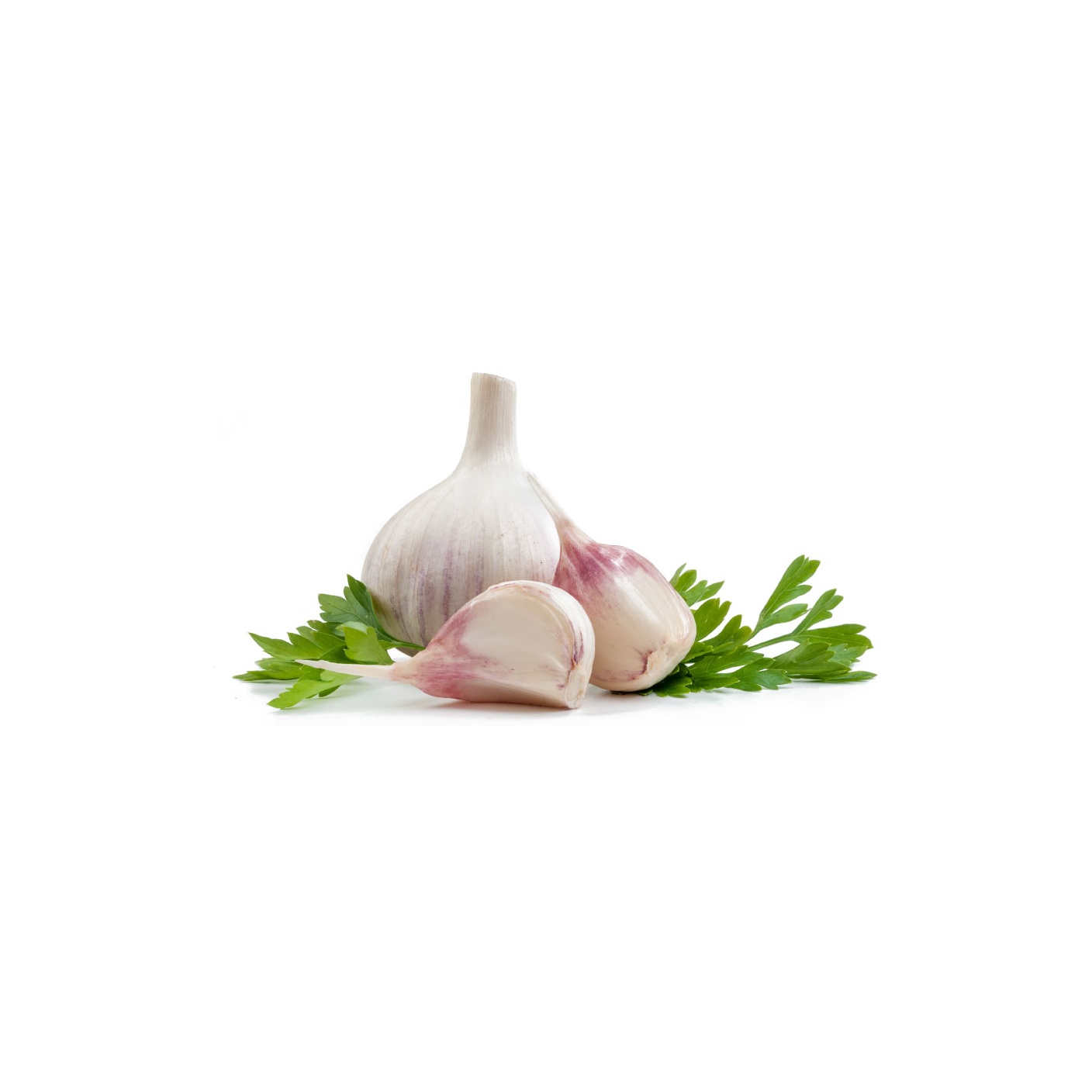
Diallyl Trisulfide is a naturally occurring organosulfur compound (allyl polysulfide — trisulfide), found in Garlic — chiefly steam-distilled garlic oil and 4 other sources. It is flagged as moderately toxic.
Concentration
Content by Source
Reported concentrations across the plants that contain diallyl trisulfide — the bar marks the typical level, the line shows the reported range.
Literature figures for varying plant parts and preparations. Read them as a comparative guide, not exact assays.
Diallyl Trisulfide at a Glance
Diallyl trisulfide (DATS, C₆H₁₀S₃) is an oily, intensely garlic-smelling allyl polysulfide — two allyl groups bridged by a chain of three sulfur atoms. It is not present in intact garlic. It appears only after the clove is crushed and the resulting allicin breaks down, and it accumulates most heavily when that breakdown is pushed along by heat: DATS is the single largest component of steam-distilled garlic essential oil 18Reference 18Diallyl trisulfide, the antifungal component of garlic essential oil, and the bioactivity of its nanoemulsions formed by spontaneous emulsificationView study →.
What has made it the most-studied of garlic’s oil-soluble sulfides is chemistry rather than folklore. DATS reacts with glutathione inside cells to release hydrogen sulfide (H₂S) — now recognised as a gasotransmitter alongside nitric oxide and carbon monoxide — and it does so slowly and steadily rather than in a burst 1,
The honest posture here: the mechanism is unusually well characterised, the animal work is extensive, the cancer literature is almost entirely cell-line and rodent, and the human evidence for the isolate amounts to two small-to-mid-sized Chinese trials of the drug allitridi — not the large clinical record garlic’s reputation implies 5,
Established Uses
DATS is one of the few garlic constituents with a genuine, if geographically narrow, medical-drug identity. Under the names allitridi / allitridin / allitridum, synthetic diallyl trisulfide has been manufactured and used in China as a therapeutic agent for systemic fungal and bacterial infections, including as an injectable preparation 21,
That clinical footprint is real but should not be overstated for a Western reader: it rests on a domestic pharmacopoeial tradition and a scattered Chinese-language trial literature, not on the kind of multi-centre registration programme behind a modern antifungal. Everything else here — cardioprotection, chemoprevention, antiplatelet activity — is research-stage.
The Hydrogen Sulfide Connection
This is the mechanism that carries the molecule.
For most of the twentieth century, hydrogen sulfide was understood only as a toxic gas. It is now classed as the third gasotransmitter, alongside nitric oxide and carbon monoxide: an endogenously produced signalling molecule with vasodilatory, anti-inflammatory, antioxidant and mitochondrial-protective actions in the cardiovascular system 6Reference 6Emergence of hydrogen sulfide as an endogenous gaseous signaling molecule in cardiovascular diseaseView study →.
DATS is a natural H₂S donor. In the landmark experiment, human red blood cells converted garlic-derived organic polysulfides into H₂S, measured in real time with a polarographic sensor; the conversion was supported by glucose-maintained cytosolic glutathione and depended largely on reduced thiols in or on the red-cell membrane. Intact aorta rings did the same, and — the load-bearing result — the vasorelaxation produced by each garlic compound tracked its H₂S yield 1Reference 1Hydrogen sulfide mediates the vasoactivity of garlicView study →.
Two structural features drive the reaction: the allyl substituents and, critically, the number of tethering sulfur atoms 1Reference 1Hydrogen sulfide mediates the vasoactivity of garlicView study →. The polysulfide is attacked nucleophilically by a thiol, forming a hydropolysulfide intermediate (RSₙH) that goes on to liberate H₂S. Because DATS is far more stable than the inorganic sulfide salts (NaHS, Na₂S) used as laboratory H₂S sources, it releases the gas slowly over time rather than as a spike — which is exactly the pharmacological property a therapeutic donor needs 4Reference 4ReviewDiallyl trisulfide and cardiovascular health: evidence and potential molecular mechanisms (review)View study →.
DATS vs. Diallyl Disulfide — Why the Third Sulfur Matters
The most useful comparison here is between DATS and its two-sulfur sibling, diallyl disulfide (DADS). They differ by a single atom, and that atom changes the pharmacology.
A dedicated mechanistic study put both compounds in front of glutathione and watched what happened 2Reference 2Diallyl trisulfide is a fast H2S donor, but diallyl disulfide is a slow one: the reaction pathways and intermediates of glutathione with polysulfidesView study →:
| Diallyl trisulfide (DATS) | Diallyl disulfide (DADS) | |
|---|---|---|
| Reaction with GSH | Rapid thiol–disulfide exchange | Sluggish α-carbon nucleophilic substitution |
| Key intermediate | Allyl perthiol (reduced by GSH) | S-allyl glutathione disulfide + allyl mercaptan |
| H₂S released | Substantial and immediate | ”A minute amount” |
| Verdict | A fast H₂S donor | A slow one |
At 50–500 µM, DATS added to a glutathione solution produces H₂S immediately; DADS at 50 µM produces no detectable H₂S at all 2,
The same ordering shows up in unrelated assays. DATS was the most potent of diallyl sulfide, DADS and DATS at inducing the antioxidant enzymes HO-1 and NQO1 10Reference 10Keap1 cysteine 288 as a potential target for diallyl trisulfide-induced Nrf2 activationView study →; it was the most effective of the three against wood-rotting fungi 18Reference 18Diallyl trisulfide, the antifungal component of garlic essential oil, and the bioactivity of its nanoemulsions formed by spontaneous emulsificationView study →; and antifungal potency against phytopathogenic fungi ranked DATS > DADS > diallyl sulfide 19Reference 19Industrial distillation fractions of garlic essential oil: design, synthesis, and antifungal activity evaluation of aliphatic substituted trisulfide derivativesView study →. Against platelets, DATS inhibited aggregation far more potently than its saturated analogue dipropyl trisulfide, and reacted more readily with glutathione 8Reference 8Diallyl trisulfide inhibits platelet aggregation through the modification of sulfhydryl groupsView study →.
The rule of thumb: more sulfurs, more reactivity, more H₂S — and allyl groups matter as much as sulfur count.
Why It Is a Garlic-Oil Compound, Not a Fresh-Garlic One
Garlic’s sulfur chemistry runs as a decay chain, and each commercial preparation freezes it at a different point.
An intact clove stores the odourless amino-acid derivative alliin. Crushing ruptures the cells, alliinase converts alliin to allicin within seconds, and allicin — highly reactive and short-lived — immediately falls apart into a family of secondary products: the lipid-soluble diallyl mono-, di- and trisulfides, the rearrangement product ajoene, and the vinyldithiins 4,
Which of those you end up with is decided by processing:
| Preparation | Sulfur profile |
|---|---|
| Fresh crushed clove | Allicin and other thiosulfinates; DATS only transiently |
| Steam-distilled garlic oil | DATS-dominated — the largest single component 18Reference 18Diallyl trisulfide, the antifungal component of garlic essential oil, and the bioactivity of its nanoemulsions formed by spontaneous emulsificationView study → |
| Oil-macerate | Vinyldithiins predominate 7Reference 7Inhibition of whole blood platelet-aggregation by compounds in garlic clove extracts and commercial garlic productsView study → |
| Garlic powder | Variable; depends on drying and storage 4Reference 4ReviewDiallyl trisulfide and cardiovascular health: evidence and potential molecular mechanisms (review)View study → |
| Aged garlic extract | Stable water-soluble S-allylcysteine; very little DATS 4Reference 4ReviewDiallyl trisulfide and cardiovascular health: evidence and potential molecular mechanisms (review)View study → |
This matters for reading the evidence. Lawson’s classic whole-blood platelet study quantified sixteen garlic organosulfur compounds across clove homogenates and commercial products, and found that for steam-distilled oils, most of the antiplatelet activity was due to diallyl trisulfide — while for oil-macerates it was the vinyldithiins, and an aged aqueous-alcohol product had no activity at all 7Reference 7Inhibition of whole blood platelet-aggregation by compounds in garlic clove extracts and commercial garlic productsView study →. Two “garlic supplements” can therefore have almost nothing chemically in common.
The Distillation-Artefact Question
Since DATS is not in the clove, an obvious question follows: how much of the DATS measured in garlic oil is a real plant product, and how much is manufactured by the analysis itself?
The honest answer is that the distinction is somewhat artificial, but the caution is worth holding. Steam distillation is a hot, aqueous, hours-long process, and the thiosulfinates it starts with are thermally unstable — reviews of garlic chemistry are explicit that allicin and its relatives decompose and disappear during any processing 31Reference 31ReviewClarifying the real bioactive constituents of garlic (review)View study →. Garlic “essential oil” is therefore not an oil that was sitting in the bulb waiting to be extracted; it is a decomposition product mixture generated by the extraction, and DATS is its dominant member 18,
Three practical consequences:
- A GC-MS figure for “DATS in garlic” is a figure for DATS in the distillate, not a concentration in living tissue. Quoted bulb-level numbers (around 1 mg/g) are best read as potential yield 38Reference 38ReviewCancer chemoprevention with garlic and its constituents (review)View study →.
- Yields and ratios shift with method. Enzymatic pre-treatment of the bulb raised essential-oil yield by roughly 50% in one industrial study, and vacuum fractionation cleanly separates the mono-, di- and trisulfide fractions with distinct antifungal potencies 19Reference 19Industrial distillation fractions of garlic essential oil: design, synthesis, and antifungal activity evaluation of aliphatic substituted trisulfide derivativesView study →.
- The same chemistry happens in a hot pan. Cooking crushed garlic partially preserves antiplatelet activity while cooking uncrushed cloves abolishes it — because the enzymatic step has to happen before the heat does 39Reference 39Effect of cooking on garlic (Allium sativum L.) antiplatelet activity and thiosulfinates contentView study →.
None of this makes DATS less real as a pharmacological agent. It does mean it should be described as a garlic product constituent, not a garlic constituent.
What It's Used For
The evidence is unusually lopsided: outstanding mechanistic chemistry, a large and consistent rodent literature, and a thin human record confined to two Chinese trials of allitridi.
Support is an experimental score — weighted by study type (human > animal > in vitro) and volume. A beta, not a validated metric. DATS has strong mechanism and heavy rodent volume but almost no human outcome data, so no row scores high. Each application links to its write-up.
The isolate’s strongest suit. Human red blood cells and intact aorta rings convert DATS to H₂S in a glutathione-dependent way, and relaxation potency rises with H₂S yield 1Reference 1Hydrogen sulfide mediates the vasoactivity of garlicView study →.
In vivo, DATS (200 µg/kg) given to mice undergoing myocardial ischaemia-reperfusion rescued myocardial H₂S levels, cut infarct size and troponin release, improved contractile function at 72 hours, improved mitochondrial coupling, and activated eNOS with a rise in nitric-oxide metabolites 3Reference 3The polysulfide diallyl trisulfide protects the ischemic myocardium by preservation of endogenous hydrogen sulfide and increasing nitric oxide bioavailabilityView study → — an H₂S–NO crosstalk the authors regard as central. Similar cardioprotection is reported in diabetic and metabolic-syndrome rat models 40Reference 40AnimalThe cardioprotective effects of diallyl trisulfide on diabetic rats with ex vivo induced ischemia/reperfusion injuryView study →.
The only isolate trial in people: 120 diabetic patients randomised after percutaneous coronary intervention to standard care ± allitridi 120 mg/day for three months showed higher serum NO, lower ICAM-1, better flow-mediated dilation, and fewer major adverse cardiovascular events at one year 5Reference 5RCTNie XM, et al. (2013). [Effects of allitridi capsules on endothelial function and clinical prognosis after percutaneous coronary intervention in coronary artery disease patients with diabetes mellitus] — randomized controlled trial. Zhonghua Yi Xue Za Zhi. https://pubmed.ncbi.nlm.nih.gov/24169284/View study →.
All isolate work — no whole-garlic vehicle involved.
Gap: the human trial is small, single-centre, Chinese-language and reported without a stated blinding or placebo arm; everything else is rodent or ex vivo, and no Western trial of isolated DATS exists 5,
The largest literature by volume, and the one most in need of caveats. Mechanistically, DATS modifies cysteine-288 of Keap1, releasing Nrf2 to the nucleus and inducing the phase-II enzymes HO-1 and NQO1 — it was the most potent of the three diallyl sulfides at doing so, in human gastric cells and in mouse stomach 10Reference 10Keap1 cysteine 288 as a potential target for diallyl trisulfide-induced Nrf2 activationView study →; in rat hepatocytes it raised glutathione, glutathione S-transferase and glutathione peroxidase at low micromolar concentrations 11Reference 11AnimalDiallyl trisulfide modulates cell viability and the antioxidation and detoxification systems of rat primary hepatocytesView study →.
It oxidatively modifies β-tubulin, disrupting microtubules and arresting colon-cancer cells at G2/M 13Reference 13Diallyl trisulfide suppresses the proliferation and induces apoptosis of human colon cancer cells through oxidative modification of beta-tubulinView study →, inhibits angiogenic behaviour in endothelial cells via Akt inactivation and VEGF/VEGF-R2 downregulation 35Reference 35Diallyl trisulfide inhibits angiogenic features of human umbilical vein endothelial cells by causing Akt inactivation and down-regulation of VEGF and VEGF-R2View study →, and suppresses migration, invasion and xenograft growth in colon cancer 34Reference 34AnimalDiallyl trisulfide inhibits migration, invasion and angiogenesis of human colon cancer HT-29 cells and umbilical vein endothelial cells, and suppresses murine xenograft tumour growthView study →.
In whole animals, oral DATS (1–2 mg thrice weekly) reduced poorly-differentiated prostate carcinoma and pulmonary metastasis multiplicity in TRAMP mice without evident side effects 12Reference 12AnimalGarlic constituent diallyl trisulfide prevents development of poorly differentiated prostate cancer and pulmonary metastasis multiplicity in TRAMP miceView study →; the mechanisms are catalogued in two reviews 14,
In humans, a double-blind intervention in ~5,000 Chinese adults gave 200 mg/day synthetic allitridum plus selenium for one month a year over three years; gastric-cancer relative risk was 0.48 overall (CI crossing 1) and 0.36 in men 16Reference 16RCTAn intervention study to prevent gastric cancer by micro-selenium and large dose of allitridum — randomized controlled trialView study →.
Gap: almost all of it is cell-line and rodent work at concentrations DATS never reaches intact in plasma 26Reference 26ReviewRecent research advances in multi-functional diallyl trisulfide (DATS): a comprehensive review of characteristics, metabolism, pharmacodynamics, applications, and drug delivery systemsView study →. The one human trial co-administered selenium, so the isolate’s contribution is unresolvable, and the female subgroup showed no effect 16Reference 16RCTAn intervention study to prevent gastric cancer by micro-selenium and large dose of allitridum — randomized controlled trialView study →. Separately, the epidemiological garlic–gastric-cancer meta-analysis often cited alongside DATS is about whole garlic intake, not the molecule 17Reference 17Meta-analysisMeta-analysis: does garlic intake reduce risk of gastric cancer? Nutrition and Cancer. https://pubmed.ncbi.nlm.nih.gov/25411831/View study →.
Quantitatively the clearest isolate result in a human system. Screening sixteen garlic organosulfur compounds against collagen-stimulated aggregation in human whole blood, DATS was the compound responsible for most of the activity of steam-distilled garlic oils; ajoene had the highest specific activity but, at its low natural concentration, contributed only 13% of the activity of DATS 7Reference 7Inhibition of whole blood platelet-aggregation by compounds in garlic clove extracts and commercial garlic productsView study →.
The mechanism is thiol modification: DATS inhibited thrombin-, U46619- and collagen-induced aggregation far more potently than its saturated analogue, in parallel with its greater reactivity toward glutathione 8Reference 8Diallyl trisulfide inhibits platelet aggregation through the modification of sulfhydryl groupsView study →, and it blocks intracellular Ca²⁺ mobilisation downstream of IP₃ formation without touching cyclic AMP/GMP or thromboxane synthesis 9Reference 9Inhibition by diallyl trisulfide, a garlic component, of intracellular Ca2+ mobilization without affecting inositol-1,4,5-trisphosphate formation in activated plateletsView study →.
In rats, DATS-rich garlic oil at 5–50 mg/kg prolonged bleeding and thrombin time and raised antithrombin III and protein C activity 28Reference 28AnimalEffect of diallyl trisulfide-rich garlic oil on blood coagulation and plasma activity of anticoagulation factors in ratsView study →.
Gap: no clinical trial has measured a bleeding or thrombotic endpoint with isolated DATS. The rodent study also flagged adverse haematological shifts at the high dose (raised fibrinogen, altered erythrocyte, haemoglobin and platelet counts), so this application is simultaneously the safety concern 28Reference 28AnimalEffect of diallyl trisulfide-rich garlic oil on blood coagulation and plasma activity of anticoagulation factors in ratsView study →.
DATS is the antifungal principal of garlic essential oil. GC-MS-guided fractionation identified it as the oil’s largest component (39.8%) and its most active, with IC₅₀ values of 56.1 and 31.6 µg/mL against two wood-rotting fungi — better than the whole oil 18Reference 18Diallyl trisulfide, the antifungal component of garlic essential oil, and the bioactivity of its nanoemulsions formed by spontaneous emulsificationView study →.
Industrial distillation fractions ranked DATS > DADS > diallyl sulfide against ten phytopathogenic fungi, confirming that the trisulfide bond is the key structural feature 19Reference 19Industrial distillation fractions of garlic essential oil: design, synthesis, and antifungal activity evaluation of aliphatic substituted trisulfide derivativesView study →.
Against Helicobacter pylori — including clarithromycin- and metronidazole-resistant strains — DATS gave MICs of 8–64 mg/L, unaffected by heating to 100 °C 20Reference 20In vitroIn vitro anti-Helicobacter pylori activity of diallyl sulphides and protocatechuic acidView study →, and proteomic work on allitridi shows multi-target inhibition of energy metabolism and biosynthesis plus suppression of the CagA and VacA virulence factors at sub-inhibitory concentrations 21Reference 21The antibacterial mode of action of allitridi for its potential use as a therapeutic agent against Helicobacter pylori infectionView study →.
This is the mechanism class shared by all garlic organosulfurs: disulfide-bond formation with free sulfhydryl groups on microbial enzymes 33Reference 33ReviewAntibacterial properties of organosulfur compounds of garlic (Allium sativum) (review)View study →.
Gap: in-vitro and agricultural. The Chinese clinical use of allitridi for systemic fungal and bacterial infection is asserted in the literature rather than demonstrated in trials accessible here, and no controlled human infection trial of DATS is available 21Reference 21The antibacterial mode of action of allitridi for its potential use as a therapeutic agent against Helicobacter pylori infectionView study →.
A consistent rodent theme built on the phase-II induction above. DATS attenuated n-hexane neurotoxicity in rats by modulating P450 enzymes 36Reference 36AnimalDiallyl trisulfide attenuated n-hexane induced neurotoxicity in rats by modulating P450 enzymesView study →, protected against benzene-induced cytopenia by altering benzene metabolism 37Reference 37The protective effect of diallyl trisulfide on cytopenia induced by benzene through modulating benzene metabolismView study →, and — with its own metabolite allyl methyl sulfone — reduced cisplatin nephrotoxicity in mice through ROS/MAPK/NF-κB suppression, without blunting cisplatin’s anti-tumour effect 24Reference 24Diallyl trisulfide and its active metabolite allyl methyl sulfone attenuate cisplatin-induced nephrotoxicity by inhibiting the ROS/MAPK/NF-κB pathwayView study →.
Gap: all rodent, and the protection is not universal. In HepG2 cells DATS enhanced benzo[a]pyrene-induced CYP1A1/CYP1B1 expression, BaP hydroxylation and BaP–DNA adduct formation — metabolic activation of a carcinogen, not detoxification 30Reference 30Diallyl trisulfide enhances benzo[a]pyrene-induced CYP1A1 expression and metabolic activation in hepatic HepG2 cellsView study →. “Phase-II inducer” is not a blanket safety claim.
Mechanisms
| Target / pathway | Effect | Relevant to |
|---|---|---|
| Glutathione / protein thiols → H₂S release | slow, sustained hydrogen-sulfide donation via allyl perthiol intermediate; requires ≥3 sulfurs for speed | cardiovascularthe whole page |
| H₂S gasotransmitter signalling | vasorelaxation, anti-inflammatory, antioxidant and mitochondrial protection | cardioprotection |
| eNOS phosphorylation → ↑ NO metabolites | H₂S–NO crosstalk; improved endothelial function | ischaemia-reperfusionpost-PCI endothelium |
| Keap1 Cys288 modification → Nrf2 nuclear translocation | induction of HO-1 and NQO1 (phase II) | chemopreventioncytoprotection |
| Glutathione S-transferase, GSH peroxidase, glutathione reductase ↑ | carcinogen-detoxification capacity | chemoprevention |
| β-tubulin oxidative modification | microtubule disruption → G2/M arrest, apoptosis | anticancer (in vitro) |
| Platelet sulfhydryl-group modification | ↓ aggregation to thrombin, collagen, U46619 | antiplatelet |
| Intracellular Ca²⁺ mobilisation (distal to IP₃) | ↓ platelet activation without affecting thromboxane or cyclic nucleotides | antiplatelet |
| Akt inactivation, VEGF / VEGF-R2 ↓ | anti-angiogenic behaviour in endothelial cells | anticancer (in vitro) |
| Microbial enzyme sulfhydryl groups | disulfide formation → loss of enzyme function, membrane integrity | antimicrobial |
| Cardiac Kv4.3, Kv1.5, hERG, KCNQ1/KCNE1 | low-micromolar block (hERG IC₅₀ ≈ 19.6 µM) | anti-arrhythmic effect and proarrhythmic caution |
| AHR → CYP1A1/CYP1B1 induction | enhanced bioactivation of benzo[a]pyrene in hepatocytes | safety caveat |
The single unifying idea: DATS is an electrophilic sulfur reagent. Nearly every entry above — H₂S release, Keap1 modification, tubulin oxidation, platelet inhibition, microbial killing — is the same reaction with a different thiol.
Pharmacokinetics
This is where the enthusiasm has to be tempered, and it is the compound page’s core value-add.
Almost none of it survives. DATS is highly lipophilic, volatile and chemically unstable; it is so rapidly cleared and metabolised on first pass that in pharmacokinetic studies no parent compound is detected after administration — only metabolites 26Reference 26ReviewRecent research advances in multi-functional diallyl trisulfide (DATS): a comprehensive review of characteristics, metabolism, pharmacodynamics, applications, and drug delivery systemsView study →. Its measurement is itself difficult: it degrades during sample workup unless acetonitrile is added directly to blood before centrifugation, and it evaporates if extracts are dried under nitrogen 25Reference 25AnimalSimultaneous determination of diallyl trisulfide and diallyl disulfide in rat blood by gas chromatography with electron-capture detectionView study →.
The metabolic cascade runs down the sulfur chain and then out through methylation and oxidation:
DATS → diallyl disulfide → allyl mercaptan → allyl methyl sulfide (AMS) → allyl methyl sulfoxide (AMSO) → allyl methyl sulfone (AMSO₂) 23,
AMSO₂ is the terminus and the workhorse. It is the most abundant and persistent metabolite after both DADS and DATS dosing, detectable for days, peaking around 48–72 h, accumulating modestly in heart, liver, spleen, lung and kidney, and excreted mainly in urine with some biliary elimination 23,
What this means for the evidence. Cell-culture experiments dosing 10–100 µM DATS are not modelling what circulates in a person who takes garlic oil. The defensible reading is that DATS acts as a pro-drug — for H₂S released early in the gut, blood and tissue, and for the longer-lived allyl-sulfur metabolites that follow. Claims resting on sustained parent-compound exposure should be discounted accordingly 26Reference 26ReviewRecent research advances in multi-functional diallyl trisulfide (DATS): a comprehensive review of characteristics, metabolism, pharmacodynamics, applications, and drug delivery systemsView study →.
Interactions are pharmacokinetic, not just pharmacodynamic. Short- and long-term DATS pretreatment in rats markedly raised the oral bioavailability of nifedipine (higher Cmax and AUC after oral but not intravenous dosing — i.e. altered intestinal first-pass metabolism), with the authors explicitly cautioning against combining DATS-rich garlic supplements with nifedipine 29Reference 29AnimalEffect of diallyl trisulfide on the pharmacokinetics of nifedipine in ratsView study →.
Garlic Breath & Allyl Methyl Sulfide
One item in that metabolic chain explains something everyone has noticed.
Ingesting garlic produces two quite different odours. The immediate one is oral: within seconds of eating 6 g of garlic, the mouth fills with methanethiol, allyl mercaptan, allyl methyl disulfide and allyl disulfide, all present at far higher concentrations in mouth air than in alveolar air 22Reference 22Differentiation of mouth versus gut as site of origin of odoriferous breath gases after garlic ingestionView study →. Brushing, mouthwash and time deal with these.
The persistent one is not in the mouth at all. Allyl methyl sulfide (AMS) — the same AMS that sits mid-chain in the DATS metabolic cascade — behaves differently from every other garlic sulfur gas: its partial pressures in mouth air, alveolar air and urine are similar, marking it as systemic rather than oral in origin. By three hours after ingestion, AMS is the predominant sulfur gas in the breath 22Reference 22Differentiation of mouth versus gut as site of origin of odoriferous breath gases after garlic ingestionView study →.
The reason is elegantly simple: unlike its relatives, AMS is not appreciably metabolised by the gut or the liver. Everything else is broken down on first pass; AMS is absorbed intact, circulates, and is exhaled 22Reference 22Differentiation of mouth versus gut as site of origin of odoriferous breath gases after garlic ingestionView study →. Hours-later garlic breath is therefore not residue in the mouth — it is a systemic metabolite leaving through the lungs, which is also why it cannot be brushed away.
Clinical Trials
Two human trials of the isolate exist, both Chinese and both of allitridi/allitridum: a randomised post-PCI cardiovascular study (n = 120, 120 mg/day for three months, one-year MACE endpoint) 5Reference 5RCTNie XM, et al. (2013). [Effects of allitridi capsules on endothelial function and clinical prognosis after percutaneous coronary intervention in coronary artery disease patients with diabetes mellitus] — randomized controlled trial. Zhonghua Yi Xue Za Zhi. https://pubmed.ncbi.nlm.nih.gov/24169284/View study →, and a double-blind gastric-cancer prevention intervention (~5,000 participants, 200 mg/day allitridum plus selenium, one month a year for three years) 16Reference 16RCTAn intervention study to prevent gastric cancer by micro-selenium and large dose of allitridum — randomized controlled trialView study →. Neither is a Western regulatory-grade programme, and the second cannot attribute effect to DATS alone. Everything else is preclinical.
| Completed | Planned | Terminated | Preclinical |
|---|---|---|---|
| 2(allitridi: post-PCI RCT; gastric-cancer prevention, selenium co-administered) | — | — | Extensive — cardiovascular, oncology, antimicrobial, toxicant protection |
Last checked: July 2026.
Isolate vs. Plant Studies
DATS sits in an unusual position: the isolate is well studied and the whole plant is well studied, but they are studying different things.
Nearly all the pharmacology cited above — H₂S release 1,
The transfer problem runs the other way. Garlic’s large human evidence base — blood pressure, lipids, gastric-cancer epidemiology — is for whole preparations whose DATS content varies enormously and, in the case of aged garlic extract, is negligible 4,
So: do not read whole-garlic trials as DATS trials, and do not read DATS mechanism studies as evidence that a garlic supplement will do the same thing. The one place they meet cleanly is Lawson’s compound-by-compound assay, which showed DATS carrying most of the antiplatelet activity of steam-distilled oil specifically 7Reference 7Inhibition of whole blood platelet-aggregation by compounds in garlic clove extracts and commercial garlic productsView study →.
Its Role in Plants
Strictly, DATS has no role in plants — it is a post-mortem product of a plant defence system, not a stored metabolite.
The system itself is elegant. Garlic stores the odourless sulfoxide alliin in the cytoplasm and the enzyme alliinase separately in the vacuole. Tissue damage — a chewing insect, a fungal hypha, a knife — mixes them, and roughly half the alliin is converted to allicin within about six seconds, releasing pyruvate and ammonia 4Reference 4ReviewDiallyl trisulfide and cardiovascular health: evidence and potential molecular mechanisms (review)View study →. Allicin is the actual chemical weapon: broadly and non-specifically toxic because it reacts with thiol groups in any protein it meets.
DATS forms in the aftermath, as that reactive thiosulfinate decays. Its persistence is arguably functional — allicin is gone in minutes, while the lipophilic di- and trisulfides linger in damaged tissue and retain antimicrobial activity 33Reference 33ReviewAntibacterial properties of organosulfur compounds of garlic (Allium sativum) (review)View study → — but this is a plausible reading, not a demonstrated ecological role. Treat the “plant defence” framing as background, not as human pharmacology.
Prevalence in Nature
DATS is characteristic of the genus Allium and, within it, overwhelmingly of garlic (Allium sativum) — but only after processing.
Garlic essential oil is its concentrated home. GC-MS analysis of a steam-distilled garlic oil gave diallyl trisulfide 39.79%, diallyl disulfide 32.91% and diallyl sulfide 7.02% — the trisulfide alone accounting for nearly 40% of the oil 18Reference 18Diallyl trisulfide, the antifungal component of garlic essential oil, and the bioactivity of its nanoemulsions formed by spontaneous emulsificationView study →. Figures of roughly 1 mg/g (≈0.1%) for a garlic bulb appear in the review literature and are best understood as recoverable rather than present 38Reference 38ReviewCancer chemoprevention with garlic and its constituents (review)View study →. Aged garlic extract contains very little; garlic powders vary widely with drying and storage 4Reference 4ReviewDiallyl trisulfide and cardiovascular health: evidence and potential molecular mechanisms (review)View study →.
Related Allium species — onion, leek, chive, Chinese chive, shallot — produce analogous alk(en)yl polysulfides, but onion’s chemistry is dominated by propyl/propenyl rather than allyl compounds, so its trisulfide fraction is chemically different and DATS is at most minor there 32Reference 32ReviewBioactive compounds and biological functions of garlic (Allium sativum L.) (review)View study →. DATS is not a general plant metabolite: outside processed Allium material it is rare.
Major Natural Sources
| Source | Material | DATS status |
|---|---|---|
| Garlic (Allium sativum) | Steam-distilled essential oil | ~40% of the oil — the dominant component 18Reference 18Diallyl trisulfide, the antifungal component of garlic essential oil, and the bioactivity of its nanoemulsions formed by spontaneous emulsificationView study → |
| Garlic | Oil-macerate | Present, but vinyldithiins predominate 7Reference 7Inhibition of whole blood platelet-aggregation by compounds in garlic clove extracts and commercial garlic productsView study → |
| Garlic | Powder / dried | Variable, method- and storage-dependent 4Reference 4ReviewDiallyl trisulfide and cardiovascular health: evidence and potential molecular mechanisms (review)View study → |
| Garlic | Aged garlic extract | Negligible; S-allylcysteine instead 4Reference 4ReviewDiallyl trisulfide and cardiovascular health: evidence and potential molecular mechanisms (review)View study → |
| Garlic | Intact raw clove | Absent — precursor (alliin) only 4Reference 4ReviewDiallyl trisulfide and cardiovascular health: evidence and potential molecular mechanisms (review)View study → |
| Onion and other Allium spp. | Bulb / leaf | Minor; propyl-series sulfides dominate 32Reference 32ReviewBioactive compounds and biological functions of garlic (Allium sativum L.) (review)View study → |
Discovery & Synthesis
The molecule arrived through flavour chemistry rather than pharmacology. Nineteenth- and early-twentieth-century analyses of distilled garlic oil established that it was a mixture of allyl sulfides differing only in the number of bridging sulfur atoms, with the di- and trisulfides the major members; a precise first-isolation date for diallyl trisulfide is not well documented in the accessible literature. Its identity as a derived compound only became clear later, once allicin was characterised as the enzymatic product of alliin and the diallyl sulfides were recognised as allicin’s decomposition products 4,
The name allitridi / allitridin / allitridum (also dasuansu) belongs to the pharmaceutical, not the chemical, tradition: it is the designation under which synthetic diallyl trisulfide was developed in China as a drug 4,
Synthesis is straightforward — DATS is a small symmetric molecule and is made industrially rather than extracted when purity matters; the human trials cited here specify synthetic allitridum 16Reference 16RCTAn intervention study to prevent gastric cancer by micro-selenium and large dose of allitridum — randomized controlled trialView study →. This is one of the few plant-derived molecules where the pharmaceutical-grade material and the plant-derived material are chemically identical and equally easy to obtain.
Patents: not yet researched.
Commercial Production
Two quite different supply chains exist.
Garlic essential oil is produced by steam distillation (or hydrodistillation) of crushed cloves, yielding a small volume of intensely odorous yellow oil in which DATS is the largest component 18Reference 18Diallyl trisulfide, the antifungal component of garlic essential oil, and the bioactivity of its nanoemulsions formed by spontaneous emulsificationView study →. Industrial practice tunes both yield and profile: enzymatic pre-treatment of the bulb raised oil yield by around 50% in one study, and vacuum fractionation separates the mono-, di- and trisulfide fractions, which have measurably different antifungal potencies 19Reference 19Industrial distillation fractions of garlic essential oil: design, synthesis, and antifungal activity evaluation of aliphatic substituted trisulfide derivativesView study →. Because the oil is a decomposition-product mixture, batch-to-batch composition is genuinely variable — a recurring problem for reproducibility in the garlic literature 4,
Isolated DATS for research and pharmaceutical use is synthetic. Its practical drawbacks — water insolubility, volatility, instability to heat, light and humidity, a foul odour and rapid metabolism — have driven a substantial formulation literature: liposomes, nanoemulsions, oil-free microemulsions for intravenous delivery, and nanoparticle carriers, all aimed at stabilising it and improving delivery 26,
Toxicity & Safety
DATS carries a moderate flag. This is not the profile of a gentle plant phenolic: it is a reactive, electrophilic polysulfide whose entire mechanism is the covalent modification of thiols, and it is markedly more cytotoxic than garlic’s stable water-soluble sulfur compounds — S-allylcysteine is described as roughly an order of magnitude less toxic than the diallyl sulfides. A reported acute LD₅₀ near 190 mg/kg places it well below the “essentially non-toxic” band, and the same review suggests capping adult daily DATS intake from garlic at a few hundred milligrams 26Reference 26ReviewRecent research advances in multi-functional diallyl trisulfide (DATS): a comprehensive review of characteristics, metabolism, pharmacodynamics, applications, and drug delivery systemsView study →.
The important framing: culinary garlic is not the concern. The cautions below apply to concentrated garlic-oil products and to isolate-level dosing.
Bleeding & Haemostasis
The clearest risk, and a direct extension of the antiplatelet mechanism. In rats, DATS-rich garlic oil at 5 and 50 mg/kg prolonged bleeding time and thrombin time and raised antithrombin III and protein C activity 28Reference 28AnimalEffect of diallyl trisulfide-rich garlic oil on blood coagulation and plasma activity of anticoagulation factors in ratsView study →. At the high dose the same study found adverse haematological effects — increased plasma fibrinogen and altered erythrocyte, haemoglobin and platelet counts — and concluded that the concentration used should be carefully controlled 28Reference 28AnimalEffect of diallyl trisulfide-rich garlic oil on blood coagulation and plasma activity of anticoagulation factors in ratsView study →. The practical implications carry over from garlic generally: caution with warfarin, antiplatelet agents and other anticoagulants, and the standard advice to stop concentrated garlic products 7–10 days before surgery 4Reference 4ReviewDiallyl trisulfide and cardiovascular health: evidence and potential molecular mechanisms (review)View study →.
Cardiac Ion Channels
An under-discussed signal. Allitridi (DATS) inhibits multiple human cardiac potassium channels expressed in HEK293 cells: Kv4.3 (IC₅₀ 11.4 µM) by open-channel block, plus Kv1.5 (40.2 µM), hERG (19.6 µM) and KCNQ1/KCNE1 (17.7 µM) 27Reference 27Allitridi inhibits multiple cardiac potassium channels expressed in HEK 293 cellsView study →. The authors present this as the mechanism of DATS’s anti-arrhythmic effect in animal models — but hERG blockade at low micromolar concentrations is also the classic QT-prolongation / proarrhythmia signature, and deserves to be read both ways. Anyone taking a concentrated DATS product alongside an antiarrhythmic or another QT-prolonging drug is in unstudied territory.
Drug Metabolism
DATS is not metabolically neutral. Chronic and acute pretreatment raised the oral bioavailability of nifedipine in rats, apparently by altering intestinal first-pass metabolism, with an explicit caution against combining DATS-rich supplements with nifedipine 29Reference 29AnimalEffect of diallyl trisulfide on the pharmacokinetics of nifedipine in ratsView study →. More concerning for the chemoprevention narrative, DATS enhanced benzo[a]pyrene-induced CYP1A1 and CYP1B1 expression, BaP hydroxylation and BaP–DNA adduct formation in HepG2 cells via AHR modulation 30Reference 30Diallyl trisulfide enhances benzo[a]pyrene-induced CYP1A1 expression and metabolic activation in hepatic HepG2 cellsView study → — i.e. under some conditions it promotes carcinogen bioactivation rather than detoxification.
Cytotoxicity, GI & General
In rat primary hepatocytes the dose-response is biphasic and narrow: at 25 µM DATS raised glutathione and phase-II enzyme activity with no cytotoxicity, but at 50 and 250 µM it caused significant LDH leakage — cell damage — within four hours 11Reference 11AnimalDiallyl trisulfide modulates cell viability and the antioxidation and detoxification systems of rat primary hepatocytesView study →. Garlic and its oil are gastric and mucosal irritants at concentration, producing burning, diarrhoea and GI discomfort, and garlic dust/powder exposure is a documented cause of contact dermatitis and occupational asthma 4Reference 4ReviewDiallyl trisulfide and cardiovascular health: evidence and potential molecular mechanisms (review)View study →. Concentrated garlic-oil products also share garlic’s reported GI toxicity in combination with protease inhibitors 4Reference 4ReviewDiallyl trisulfide and cardiovascular health: evidence and potential molecular mechanisms (review)View study →.
Reproductive note (prose only). No dedicated reproductive- or developmental-toxicity dataset for isolated DATS was identified in this review; the absence of findings is not evidence of safety. Pregnancy and lactation decisions belong to the herb or product page where intake is actually decided, not to a molecule page. No comprehensive isolate genotoxicity or repeat-dose package is characterised here beyond the studies above.
- Dietary garlic is not the issue. These cautions concern concentrated garlic-oil products and isolate-level dosing; ordinary culinary exposure is orders of magnitude lower.
- Bleeding risk. Prolongs bleeding and thrombin time in rodents and inhibits human platelet aggregation in vitro — caution with warfarin, antiplatelets and around surgery (stop 7–10 days before).
- Cardiac potassium-channel block. hERG IC₅₀ ≈ 19.6 µM in vitro, alongside Kv4.3, Kv1.5 and KCNQ1/KCNE1 — unstudied territory alongside antiarrhythmic or QT-prolonging drugs.
- Not a uniform detoxifier. Enhanced benzo[a]pyrene bioactivation and DNA-adduct formation in hepatocytes; also raised oral nifedipine exposure in rats.
- Directly cytotoxic above a narrow window. Protective at ~25 µM in hepatocytes, damaging at 50–250 µM; reported acute LD₅₀ around 190 mg/kg.
- Irritant. Garlic oil is a gastric and mucosal irritant; garlic dust/powder causes contact dermatitis and occupational asthma in exposed workers.
Dosage
There is no established human dose for isolated diallyl trisulfide, and nothing here is a recommendation. The figures below are the doses actually used in published research.
| Setting | Form | Dose |
|---|---|---|
| Post-PCI cardiovascular RCT (humans) | Allitridi capsules | 120 mg/day for 3 months 5Reference 5RCTNie XM, et al. (2013). [Effects of allitridi capsules on endothelial function and clinical prognosis after percutaneous coronary intervention in coronary artery disease patients with diabetes mellitus] — randomized controlled trial. Zhonghua Yi Xue Za Zhi. https://pubmed.ncbi.nlm.nih.gov/24169284/View study → |
| Gastric-cancer prevention trial (humans) | Synthetic allitridum + selenium | 200 mg/day, 1 month per year × 3 years 16Reference 16RCTAn intervention study to prevent gastric cancer by micro-selenium and large dose of allitridum — randomized controlled trialView study → |
| Rodent efficacy studies (typical range) | Oral gavage | ~20–40 mg/kg/day 4Reference 4ReviewDiallyl trisulfide and cardiovascular health: evidence and potential molecular mechanisms (review)View study → |
| Rodent efficacy studies | Intraperitoneal | ~7.5–15 mg/kg 4Reference 4ReviewDiallyl trisulfide and cardiovascular health: evidence and potential molecular mechanisms (review)View study → |
| Mouse ischaemia-reperfusion | Injection | 200 µg/kg 3Reference 3The polysulfide diallyl trisulfide protects the ischemic myocardium by preservation of endogenous hydrogen sulfide and increasing nitric oxide bioavailabilityView study → |
| Mouse prostate chemoprevention | Oral gavage | 1–2 mg, three times weekly 12Reference 12AnimalGarlic constituent diallyl trisulfide prevents development of poorly differentiated prostate cancer and pulmonary metastasis multiplicity in TRAMP miceView study → |
| Suggested dietary ceiling (review estimate) | From garlic | ≤ ~359 mg/day DATS 26Reference 26ReviewRecent research advances in multi-functional diallyl trisulfide (DATS): a comprehensive review of characteristics, metabolism, pharmacodynamics, applications, and drug delivery systemsView study → |
Form matters more than dose here. A “garlic supplement” delivers wildly different amounts of DATS depending on type: steam-distilled oil is DATS-rich, oil-macerates are dominated by vinyldithiins, powders vary with processing, and aged garlic extract contains almost none 4,
References
- Benavides GA, et al. (2007). Hydrogen sulfide mediates the vasoactivity of garlic. Proceedings of the National Academy of Sciences. https://pubmed.ncbi.nlm.nih.gov/17951430/
- Liang D, Wu H, Wong MW, Huang D (2015). Diallyl trisulfide is a fast H2S donor, but diallyl disulfide is a slow one: the reaction pathways and intermediates of glutathione with polysulfides. Organic Letters. https://pubmed.ncbi.nlm.nih.gov/26301500/
- Predmore BL, et al. (2012). The polysulfide diallyl trisulfide protects the ischemic myocardium by preservation of endogenous hydrogen sulfide and increasing nitric oxide bioavailability. American Journal of Physiology - Heart and Circulatory Physiology. https://pubmed.ncbi.nlm.nih.gov/22467307/
- Novakovic J, et al. (2024). Diallyl trisulfide and cardiovascular health: evidence and potential molecular mechanisms (review). International Journal of Molecular Sciences. https://pubmed.ncbi.nlm.nih.gov/39337318/
- Nie XM, et al. (2013). [Effects of allitridi capsules on endothelial function and clinical prognosis after percutaneous coronary intervention in coronary artery disease patients with diabetes mellitus] — randomized controlled trial. Zhonghua Yi Xue Za Zhi. https://pubmed.ncbi.nlm.nih.gov/24169284/
- Polhemus DJ, Lefer DJ (2014). Emergence of hydrogen sulfide as an endogenous gaseous signaling molecule in cardiovascular disease. Circulation Research. https://pubmed.ncbi.nlm.nih.gov/24526678/
- Lawson LD, Ransom DK, Hughes BG (1992). Inhibition of whole blood platelet-aggregation by compounds in garlic clove extracts and commercial garlic products. Thrombosis Research. https://pubmed.ncbi.nlm.nih.gov/1579891/
- Hosono T, et al. (2020). Diallyl trisulfide inhibits platelet aggregation through the modification of sulfhydryl groups. Journal of Agricultural and Food Chemistry. https://pubmed.ncbi.nlm.nih.gov/31927886/
- Qi R, et al. (2000). Inhibition by diallyl trisulfide, a garlic component, of intracellular Ca2+ mobilization without affecting inositol-1,4,5-trisphosphate formation in activated platelets. Biochemical Pharmacology. https://pubmed.ncbi.nlm.nih.gov/11020449/
- Kim S, et al. (2014). Keap1 cysteine 288 as a potential target for diallyl trisulfide-induced Nrf2 activation. PLoS One. https://pubmed.ncbi.nlm.nih.gov/24489685/
- Wu CC, Lii CK, Tsai SJ, Sheen LY (2004). Diallyl trisulfide modulates cell viability and the antioxidation and detoxification systems of rat primary hepatocytes. The Journal of Nutrition. https://pubmed.ncbi.nlm.nih.gov/15051817/
- Singh SV, et al. (2008). Garlic constituent diallyl trisulfide prevents development of poorly differentiated prostate cancer and pulmonary metastasis multiplicity in TRAMP mice. Cancer Research. https://pubmed.ncbi.nlm.nih.gov/19010926/
- Hosono T, et al. (2005). Diallyl trisulfide suppresses the proliferation and induces apoptosis of human colon cancer cells through oxidative modification of beta-tubulin. Journal of Biological Chemistry. https://pubmed.ncbi.nlm.nih.gov/16219763/
- Puccinelli MT, Stan SD (2017). Dietary bioactive diallyl trisulfide in cancer prevention and treatment (review). International Journal of Molecular Sciences. https://pubmed.ncbi.nlm.nih.gov/28788092/
- Powolny AA, Singh SV (2008). Multitargeted prevention and therapy of cancer by diallyl trisulfide and related Allium vegetable-derived organosulfur compounds (review). Cancer Letters. https://pubmed.ncbi.nlm.nih.gov/18579286/
- Li H, et al. (2004). An intervention study to prevent gastric cancer by micro-selenium and large dose of allitridum — randomized controlled trial. Chinese Medical Journal. https://pubmed.ncbi.nlm.nih.gov/15361287/
- Kodali RT, Eslick GD (2015). Meta-analysis: does garlic intake reduce risk of gastric cancer? Nutrition and Cancer. https://pubmed.ncbi.nlm.nih.gov/25411831/
- Gong X, Su X, Liu H (2021). Diallyl trisulfide, the antifungal component of garlic essential oil, and the bioactivity of its nanoemulsions formed by spontaneous emulsification. Molecules. https://pubmed.ncbi.nlm.nih.gov/34885768/
- Chen Y, et al. (2024). Industrial distillation fractions of garlic essential oil: design, synthesis, and antifungal activity evaluation of aliphatic substituted trisulfide derivatives. Chemistry & Biodiversity. https://pubmed.ncbi.nlm.nih.gov/38602839/
- Liu WH, Hsu CC, Yin MC (2008). In vitro anti-Helicobacter pylori activity of diallyl sulphides and protocatechuic acid. Phytotherapy Research. https://pubmed.ncbi.nlm.nih.gov/17705145/
- Liu S, et al. (2010). The antibacterial mode of action of allitridi for its potential use as a therapeutic agent against Helicobacter pylori infection. FEMS Microbiology Letters. https://pubmed.ncbi.nlm.nih.gov/20030729/
- Suarez F, Springfield J, Furne J, Levitt M (1999). Differentiation of mouth versus gut as site of origin of odoriferous breath gases after garlic ingestion. American Journal of Physiology. https://pubmed.ncbi.nlm.nih.gov/9950816/
- Germain E, et al. (2002). In vivo metabolism of diallyl disulphide in the rat: identification of two new metabolites. Xenobiotica. https://pubmed.ncbi.nlm.nih.gov/12593760/
- Jiang X, et al. (2024). Diallyl trisulfide and its active metabolite allyl methyl sulfone attenuate cisplatin-induced nephrotoxicity by inhibiting the ROS/MAPK/NF-κB pathway. International Immunopharmacology. https://pubmed.ncbi.nlm.nih.gov/38128310/
- Sun X, et al. (2006). Simultaneous determination of diallyl trisulfide and diallyl disulfide in rat blood by gas chromatography with electron-capture detection. Pharmazie. https://pubmed.ncbi.nlm.nih.gov/17283653/
- Wang M, et al. (2025). Recent research advances in multi-functional diallyl trisulfide (DATS): a comprehensive review of characteristics, metabolism, pharmacodynamics, applications, and drug delivery systems. International Journal of Nanomedicine. https://pubmed.ncbi.nlm.nih.gov/40225218/
- Xu XH, et al. (2012). Allitridi inhibits multiple cardiac potassium channels expressed in HEK 293 cells. PLoS One. https://pubmed.ncbi.nlm.nih.gov/23272117/
- Chan KC, Yin MC, Chao WJ (2007). Effect of diallyl trisulfide-rich garlic oil on blood coagulation and plasma activity of anticoagulation factors in rats. Food and Chemical Toxicology. https://pubmed.ncbi.nlm.nih.gov/17123684/
- Wang Y, et al. (2011). Effect of diallyl trisulfide on the pharmacokinetics of nifedipine in rats. Journal of Food Science. https://pubmed.ncbi.nlm.nih.gov/21535728/
- Uno S, et al. (2019). Diallyl trisulfide enhances benzo[a]pyrene-induced CYP1A1 expression and metabolic activation in hepatic HepG2 cells. Anticancer Research. https://pubmed.ncbi.nlm.nih.gov/31092429/
- Amagase H (2006). Clarifying the real bioactive constituents of garlic (review). The Journal of Nutrition. https://pubmed.ncbi.nlm.nih.gov/16484550/
- Shang A, et al. (2019). Bioactive compounds and biological functions of garlic (Allium sativum L.) (review). Foods. https://pubmed.ncbi.nlm.nih.gov/31284512/
- Bhatwalkar SB, et al. (2021). Antibacterial properties of organosulfur compounds of garlic (Allium sativum) (review). Frontiers in Microbiology. https://pubmed.ncbi.nlm.nih.gov/34394014/
- Lai KC, et al. (2015). Diallyl trisulfide inhibits migration, invasion and angiogenesis of human colon cancer HT-29 cells and umbilical vein endothelial cells, and suppresses murine xenograft tumour growth. Journal of Cellular and Molecular Medicine. https://pubmed.ncbi.nlm.nih.gov/25403643/
- Xiao D, et al. (2006). Diallyl trisulfide inhibits angiogenic features of human umbilical vein endothelial cells by causing Akt inactivation and down-regulation of VEGF and VEGF-R2. Nutrition and Cancer. https://pubmed.ncbi.nlm.nih.gov/16965246/
- Wang S, et al. (2017). Diallyl trisulfide attenuated n-hexane induced neurotoxicity in rats by modulating P450 enzymes. Chemico-Biological Interactions. https://pubmed.ncbi.nlm.nih.gov/28115069/
- Han W, et al. (2018). The protective effect of diallyl trisulfide on cytopenia induced by benzene through modulating benzene metabolism. Food and Chemical Toxicology. https://pubmed.ncbi.nlm.nih.gov/29305270/
- Shukla Y, Kalra N (2007). Cancer chemoprevention with garlic and its constituents (review). Cancer Letters. https://pubmed.ncbi.nlm.nih.gov/16793203/
- Cavagnaro PF, Camargo A, Galmarini CR, Simon PW (2007). Effect of cooking on garlic (Allium sativum L.) antiplatelet activity and thiosulfinates content. Journal of Agricultural and Food Chemistry. https://pubmed.ncbi.nlm.nih.gov/17256959/
- Jeremic JN, et al. (2019). The cardioprotective effects of diallyl trisulfide on diabetic rats with ex vivo induced ischemia/reperfusion injury. Molecular and Cellular Biochemistry. https://pubmed.ncbi.nlm.nih.gov/31280436/



