
Compound Monograph
Panaxydol
A C17 polyacetylene diyne of ginseng and Aralia roots, reported to inhibit Mycobacterium tuberculosis in vitro.

Sources · 2
Where Does It Come From?
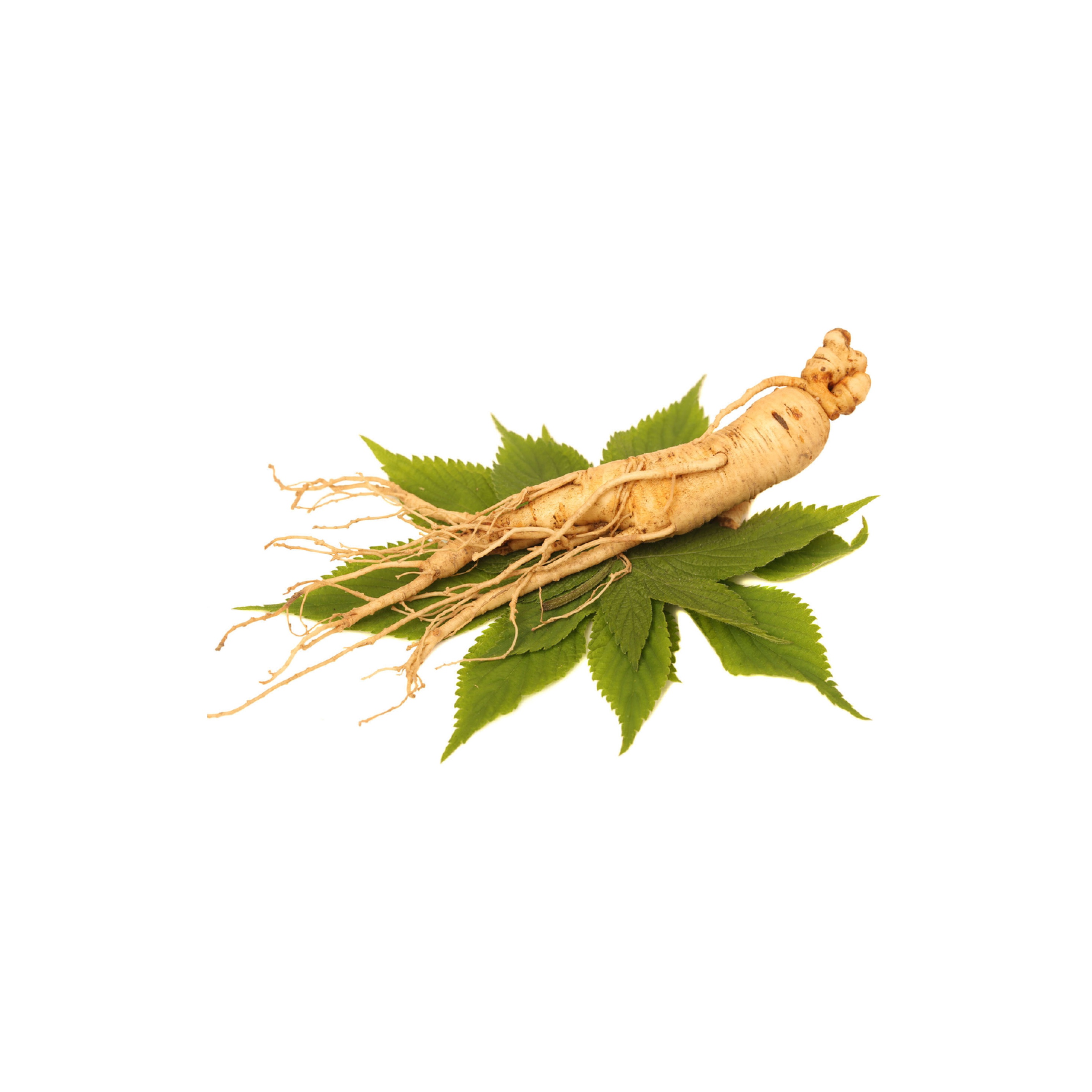
Panaxydol is a naturally occurring c17 polyacetylene, found in Wild sarsaparilla and Ginseng. Its toxicity is not yet characterized.
Concentration
Content by Source
Concentrations not reported. No percent-dry-weight or mg/g figures have been published for this compound in its source plants.
Research & Evidence
Panaxydol is a C17 polyacetylene (diyne) named for its occurrence in Panax and also isolated, with falcarinol, from Aralia nudicaulis rhizome — a plant used by Iroquois and Algonquin peoples as a cough and tuberculosis remedy. The two compounds inhibited Mycobacterium tuberculosis H37Ra in vitro, and acetylenic lipids of the same structural family occur in A. racemosa root.
Toxicity & Safety
No isolated-compound toxicity dataset was located. Polyacetylenes of the falcarinol family are contact allergens and are cytotoxic in vitro, which is the relevant class-level caution.
Placeholder entry — a full monograph is pending via the compound-expansion worklist.



