
Compound Class
Lipids & Fatty Acids
Fats, fatty acids, and fat-soluble actives carried in seed and nut oils.
Overview
What Are Lipids & Fatty Acids?
Lipids and fatty acids are the plant kingdom's oils and fats — compounds defined not by a shared skeleton but by a shared behavior, dissolving readily in oils and organic solvents while resisting water.
The category gathers free fatty acids, the glycerides that make up most seed oils, waxes, and phospholipids such as lecithin, along with the fat-soluble actives that ride within these oily fractions.
Defining the Class
What qualifies a compound here is solubility rather than structure. If a molecule is hydrophobic — oil-loving and water-repelling — it is filed as a lipid, whether it is a simple fatty acid, a glyceride, a wax ester or a phospholipid.
This is a functional category drawn around physical behavior instead of a single defining ring or backbone, which makes it the least structurally coherent class on the site.
Where Lipids Occur
Lipids are the plant's most concentrated energy store, laid down chiefly in the tissues that must fuel a new generation:
Seeds and nuts, as pressed or cold-pressed oils
The germ of grains
Oily fruits such as olive, avocado and coconut
Cell membranes throughout the plant, as phospholipids
Because a plant's fat-soluble molecules travel dissolved in this oily matrix, the same tissues that hoard fat also carry its lipophilic actives.
Pharmacological Importance
The medicinal pattern is largely one of nourishment rather than pharmacology. The essential fatty acids of the omega-3 and omega-6 families cannot be made by the body and must come from the diet, where they serve as precursors to the signaling molecules that govern inflammation.
Beyond that, emollient oils soften and protect skin, and phospholipids such as phosphatidylcholine and phosphatidylserine supply structural material for cell membranes and nervous tissue.
Toxicity & Safety
Lipids are on the whole benign and nutritional, and most are foods before they are medicines.
The notable exception in this database is the annonaceous acetogenins of graviola and soursop, which are potent mitochondrial inhibitors and have been linked in research to neurotoxicity with sustained heavy intake. More prosaically, oils go rancid: oxidized fats are irritant and pro-inflammatory, so storage and freshness matter more here than in most classes.
Constituents
All Lipids & Fatty Acids
135 total#
2-AGA
Acetogenins Care Alpha-linolenic acid Anacardol Annocatacin A Annocatacin B Annomuricin A Annomuricin B Annomuricin C Annomuricin D-ones Annomuricine Annomutacin Annonaceous acetogenins Care Annonacin Care Annonacin A Care Annonacin-10-one Care Annonacin-A-one Care Annopentocin A Annopentocin B Annopentocin C Arachidamide (N-arachidonoyl amide) Arachidic acid Arachidonic acidB
Behenamide (N-behenyl amide) Behenic acid Butyrate Butyric acidC
Caproic acid Caprylamide (N-hexanoyl amide) Carboxyl alkyl esters Cerotic acidD
Decanal Decanoic acid dha Diglycerides Dotriacontane Dotriacontanoic acidE
Echinacein Eicosapentaenoic acid Eicosatrienoic acid Elaidic acid Erucamide (N-erucyl amide)F
Falcarindiol Falcarinol Fatty acid esters Fatty alcoholsG
Gigantetrocin A Gigantetronenin Goniothalamicin GOPOH
Hentriacontane Hentriacontanoic acid Heptacosanoic acid Hexacosanol-1 Hexadecane Houttuynin Hydroxymyristic acidI
Isoannonacin CareL
L-Alpha-glycerylphosphorylcholine (Alpha-GPC) Lauraldehyde Lauramide (N-Lauroyl Amide) Lauric acid Lecithin Lignoceric acid Linoleic acid Linolenic acidM
Macaenes Macamides Melissic acid Methyl jasmonate Monoglycerides Montanic acid Muricatetrocin A Muricatetrocin B Muricatocin A Muricatocin B Myristamide (N-Myristoyl Amide) Myristic acidN
N-Acetyldodeca-2E,4E,8Z,10E/Z-tetraenamide N-Isobutyl-2E-decenamide N-Isobutyl-2E,4E-decadienamide N-Isobutyl-2E,4Z-decadienamide N-Isobutylamide N-Isobutylamide of 2E,4E-dodecadienoic Acid N-Isobutylamide of 2E,4E,8Z-decatrienoic Acid N-Isobutylamide of 2E,4Z-undecadienoic Acid N-Isobutylamide of 2E,4Z,7Z-decatrienoic Acid N-Isobutylamide of 2E,4Z,7Z,10Z-decatrienoic Acid N-Isobutyldodeca-2E,4E,8Z,10E/Z-tetraenamide N-Isobutylundeca-2E,4Z-diene-8,10-diynamide N-Methylcyclopentylamides n-Nonacosane Nonacosanoic acid Nonadecane Nonadecanoic acid NonanolO
Oleamide Oleic acid OplopandiolP
Palmitic acid Palmitoylethanolamide (PEA) Panaxydol Passifetilactone A Passifetilactone B Passifetilactone C Passifetilactone D Passifetilactone E Paullinic acid Pentacosanoic acid Pentadecanolide phosphatidylcholine phosphatidylserine Pinolenic acid Polyacetylene compounds Polyacetylenes Pyrophosphatidic acidR
Ricinoleamide Ricinoleic acidS
Sciadonic acid Spilanthol Stearamide (N-stearyl amide) Stearic acid SulfoquinovosyldiacylglycerolsT
Tetracosane Tetracosanoic acid Triacontane Trichosanic acid Tricolorin A Tricosan-2-one Tridecanolide Triglycerides TrimyristinU
Uncosanic acid Undeca-2E-ene-8,10-diynoic acid isobutylamideV
Vaccenic acidNo lipids & fatty acids match.
Source Plants
Herbs Containing Lipids & Fatty Acids
38 herbsPlants in the materia medica documented to carry lipids & fatty acids, with the compounds each one is listed for. The bar counts how many DISTINCT lipids & fatty acids are on record for a plant, relative to the best-documented — it measures breadth of record, not potency, so a plant with one well-studied compound can outrank a richer source that has simply been analysed less. Where a measured concentration is on record it is quoted inline; most entries have none yet.
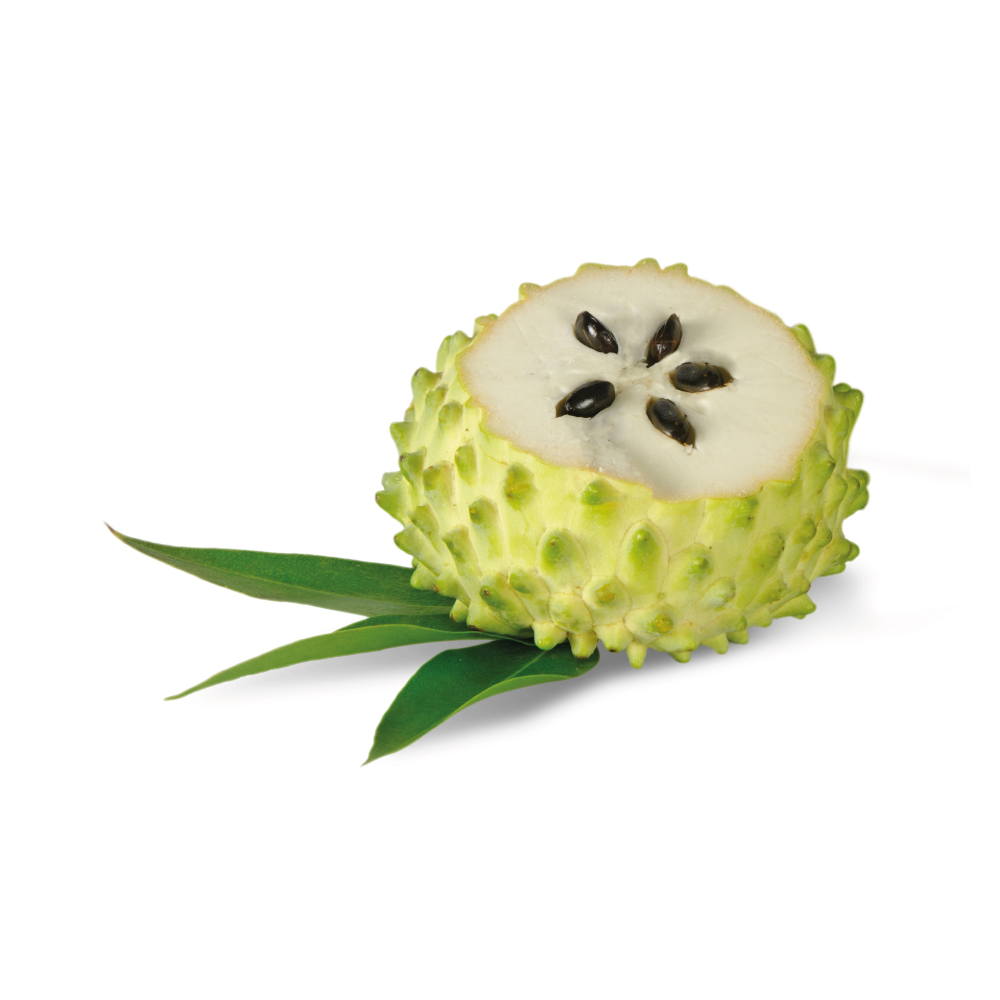 Graviola Annona muricata Toxic Documented for acetogenins, annocatacin A, annocatacin B and 22 more lipids & fatty acids.
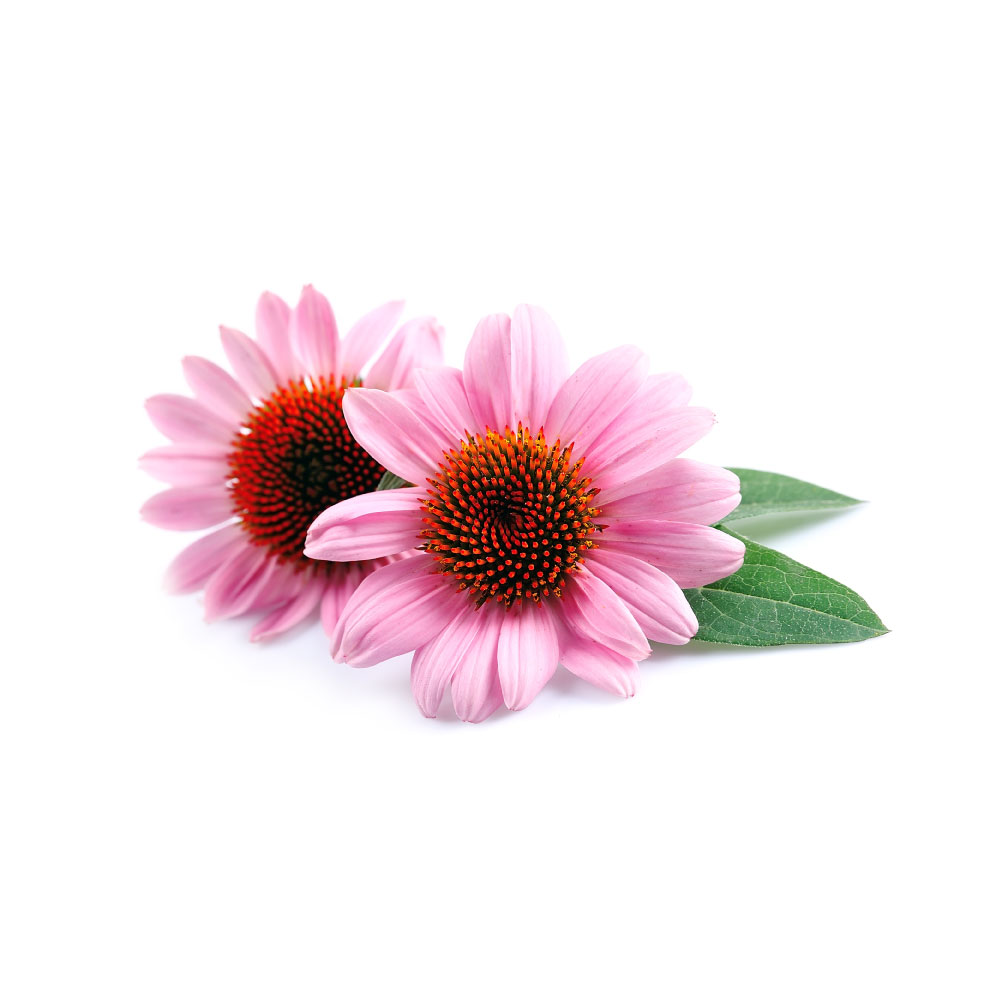 Echinacea Echinacea purpurea Documented for N-acetyldodeca-2E,4E,8Z,10E/Z-tetraenamide, N-isobutyl-2E-decenamide, N-isobutyl-2E,4E-decadienamide and 11 more lipids & fatty acids.
 Muira Puama Ptychopetalum olacoides Documented for arachidic acid, behenic acid, cerotic acid and 11 more lipids & fatty acids.
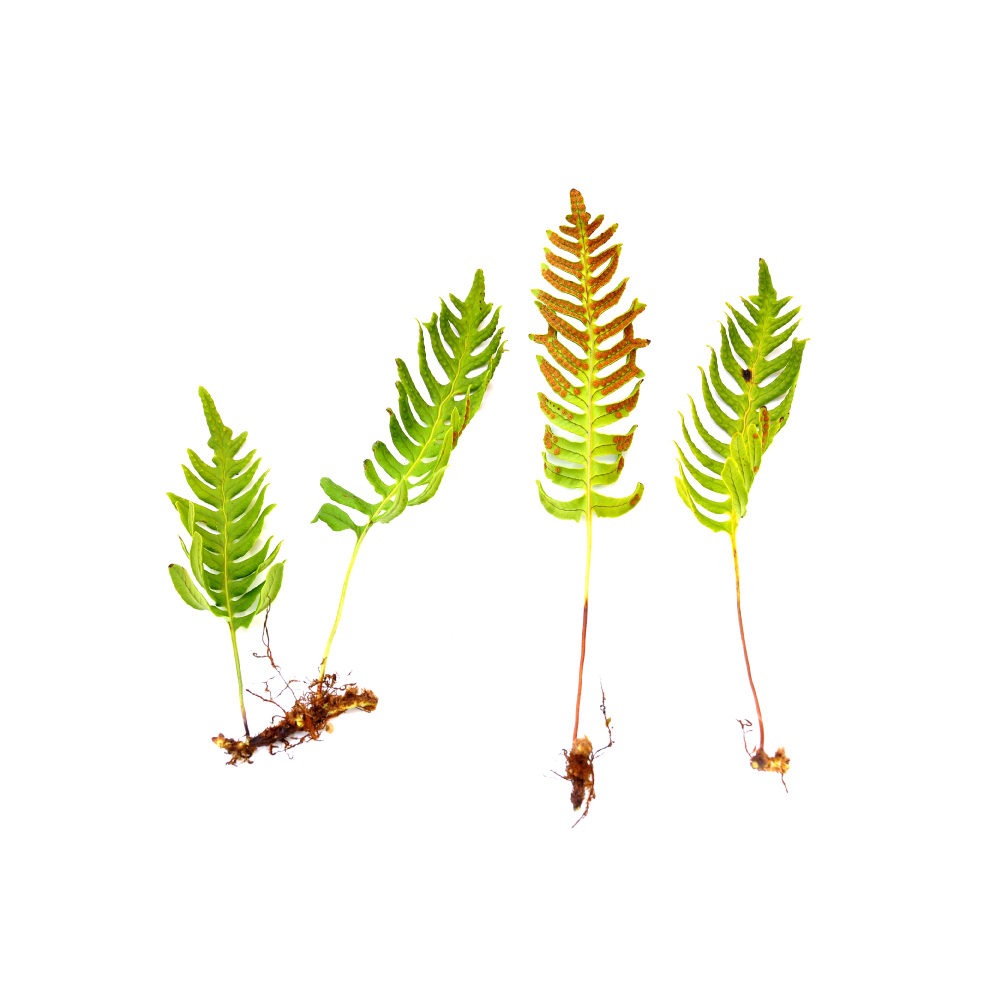 Samambaia Polypodium leucotomos Documented for arachidonic acid, eicosapentaenoic acid, elaidic acid and 6 more lipids & fatty acids.
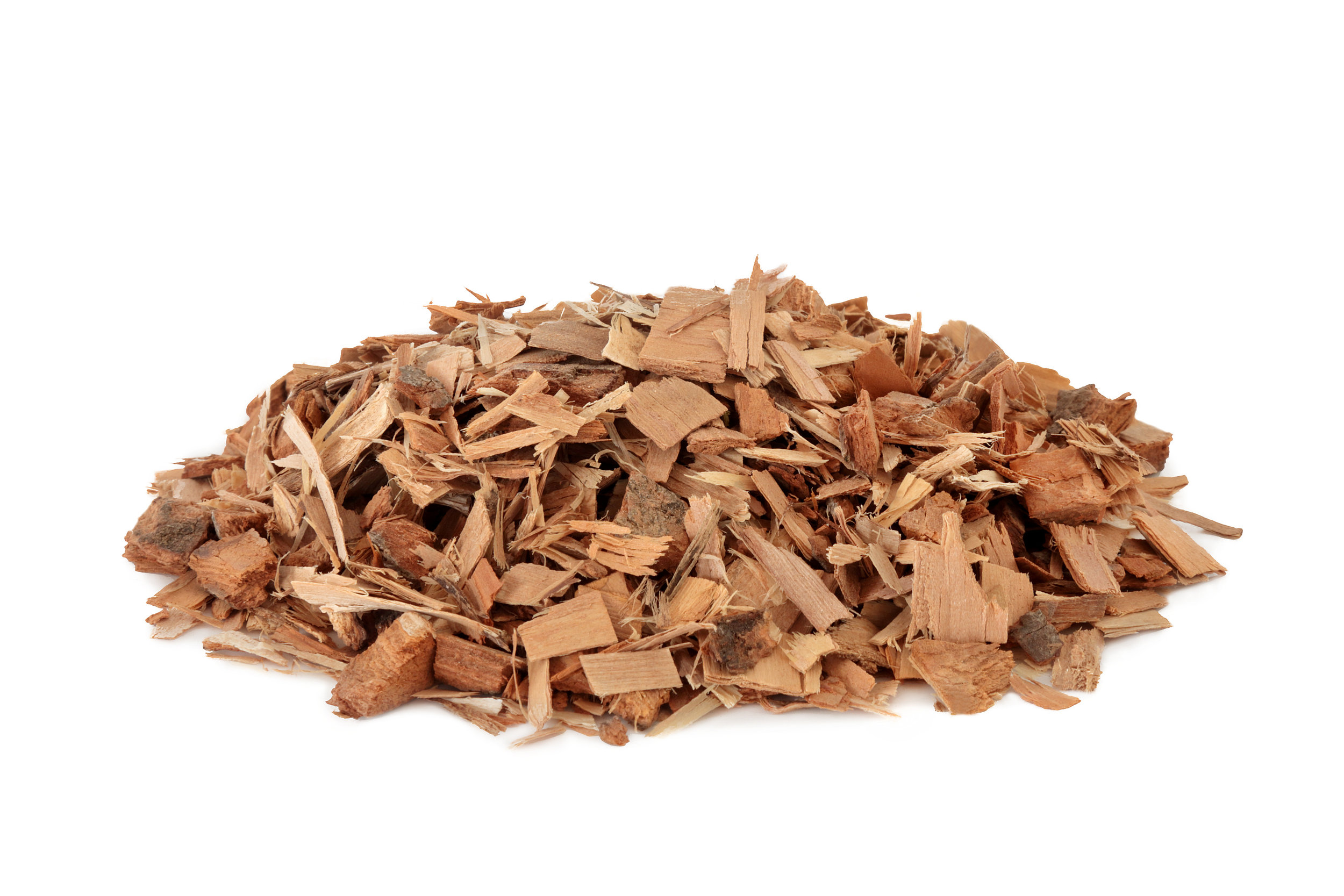 Saw Palmetto Serenoa repens Documented for lauric acid (26–32 % of FA fraction), linoleic acid (4.3–6 % of FA fraction), myristic acid (10–12 % of FA fraction), oleic acid (30–35 % of FA fraction) and 5 more lipids & fatty acids.
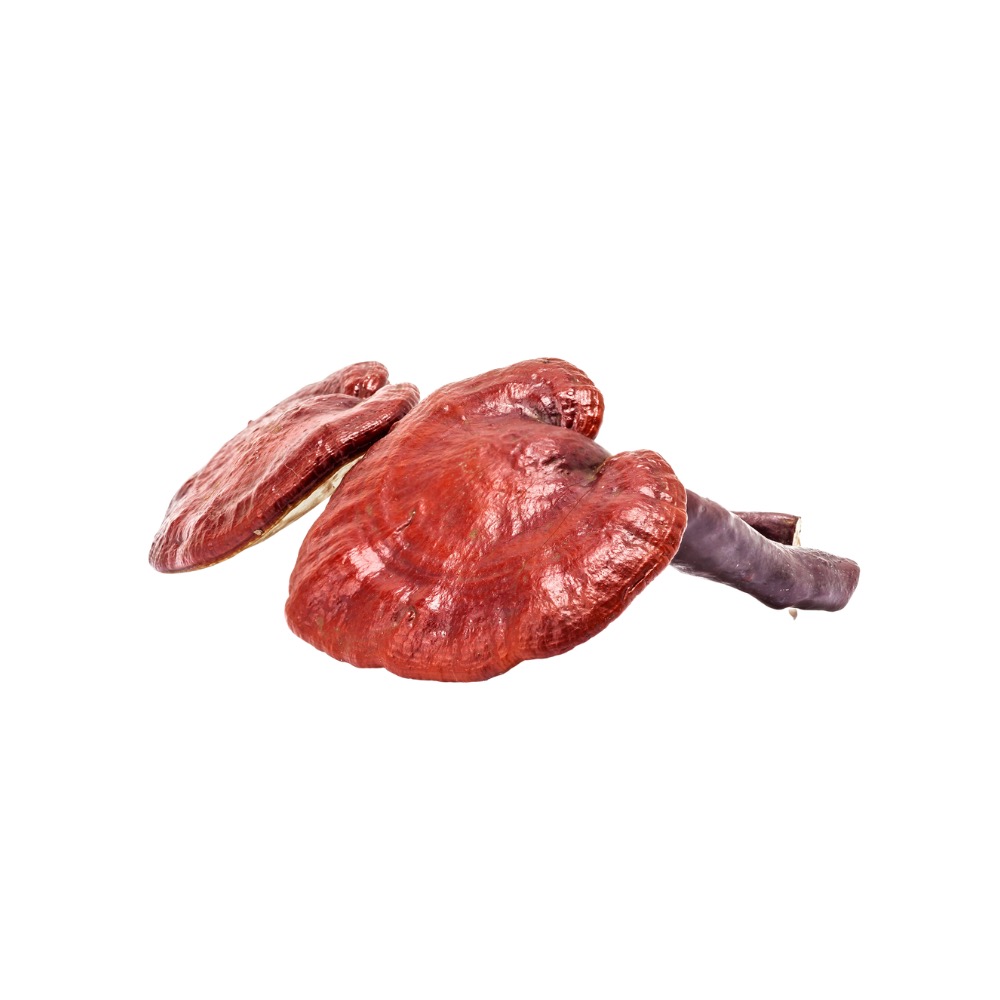 Reishi Ganoderma lucidum Documented for behenic acid, hentriacontane, nonadecanoic acid and 5 more lipids & fatty acids.
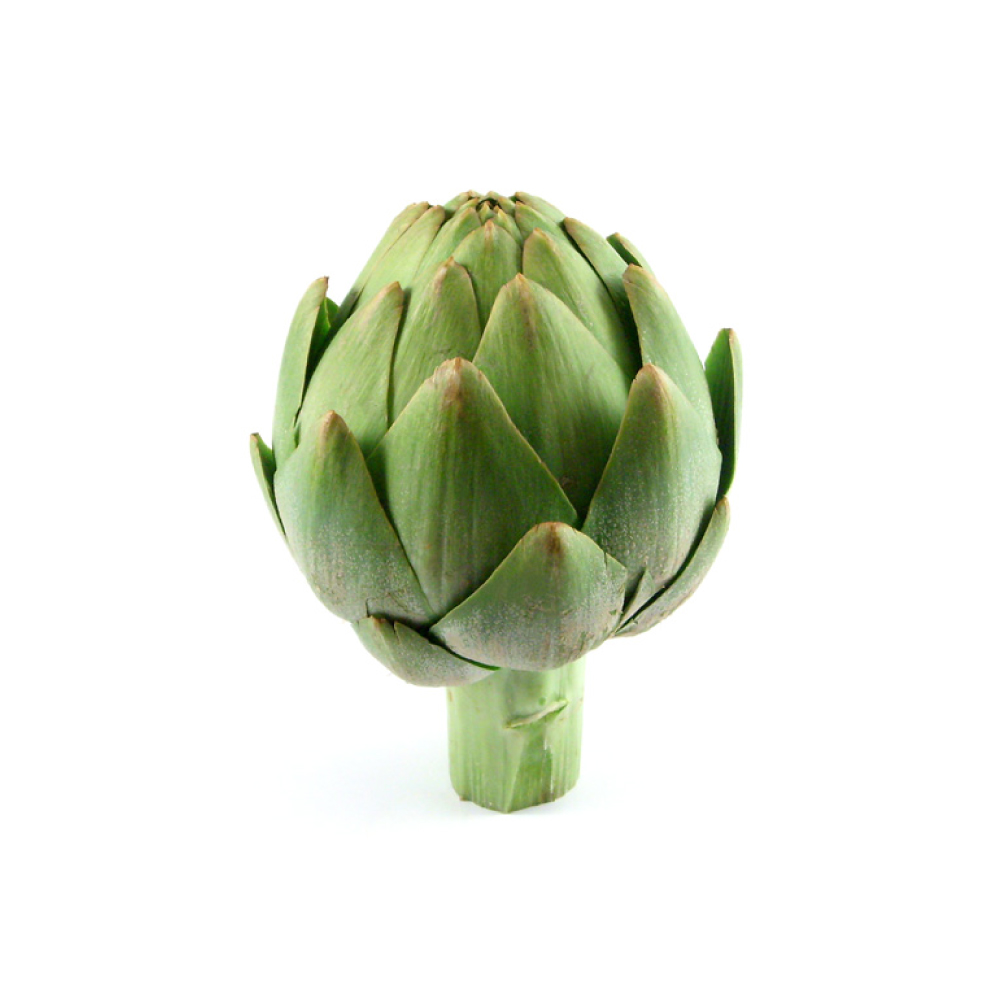 Globe Artichoke Cynara scolymus Documented for decanal, lauric acid, linoleic acid and 4 more lipids & fatty acids.
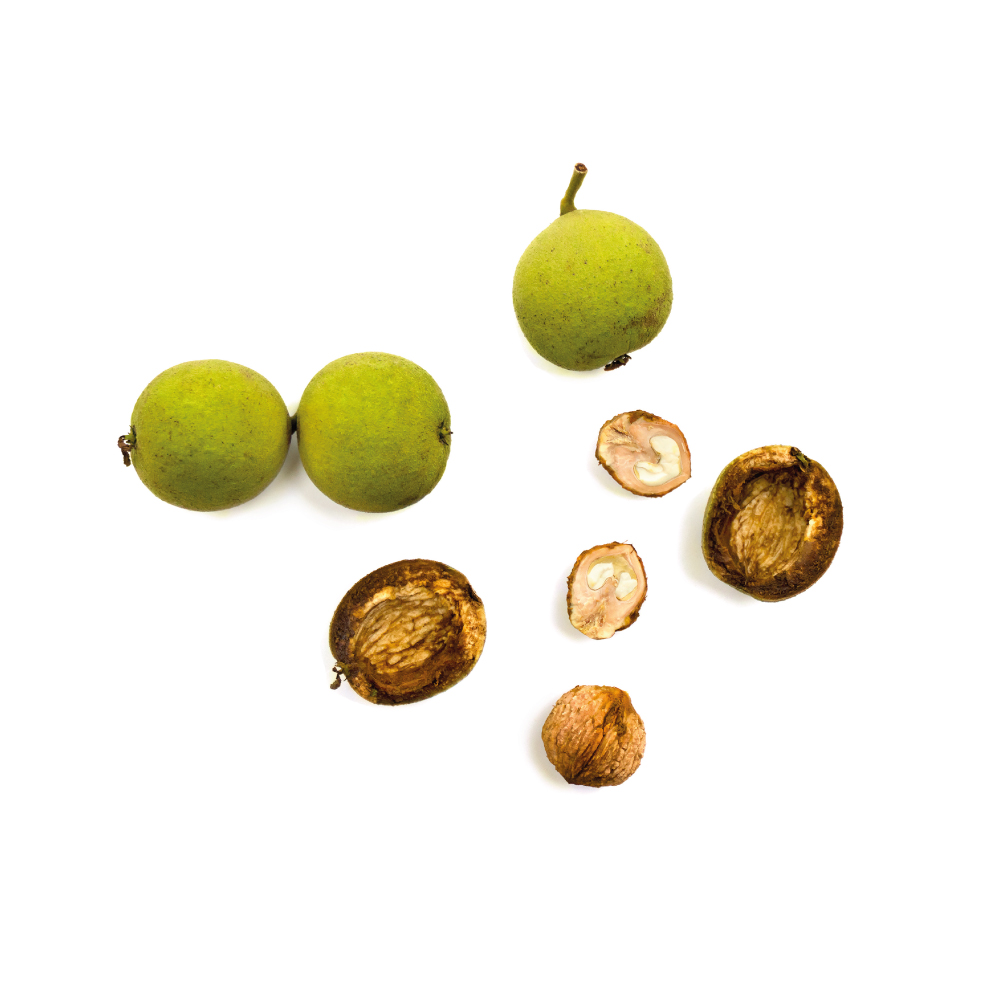 Black Walnut Juglans nigra Documented for alpha-linolenic acid, linoleic acid, nonadecane and 3 more lipids & fatty acids.
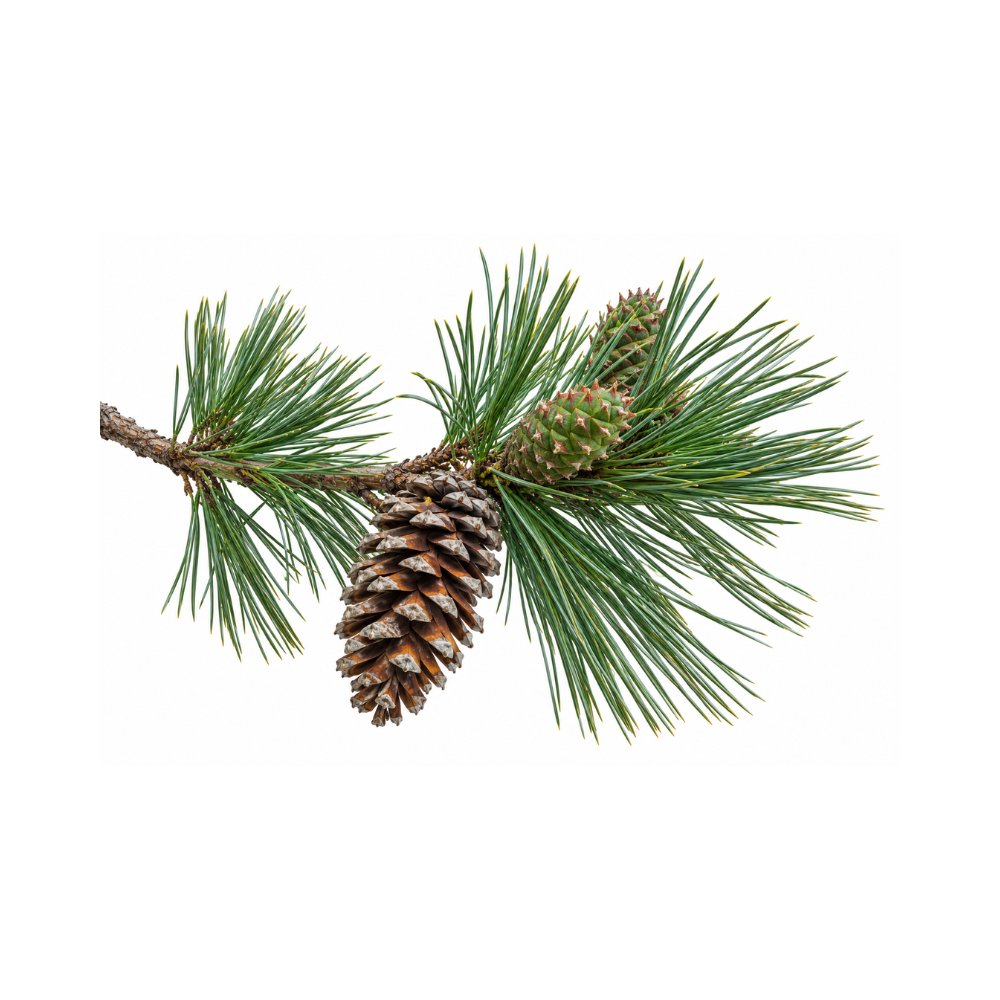 Korean Pine Pinus koraiensis Documented for alpha-linolenic acid, eicosatrienoic acid, linoleic acid and 3 more lipids & fatty acids.
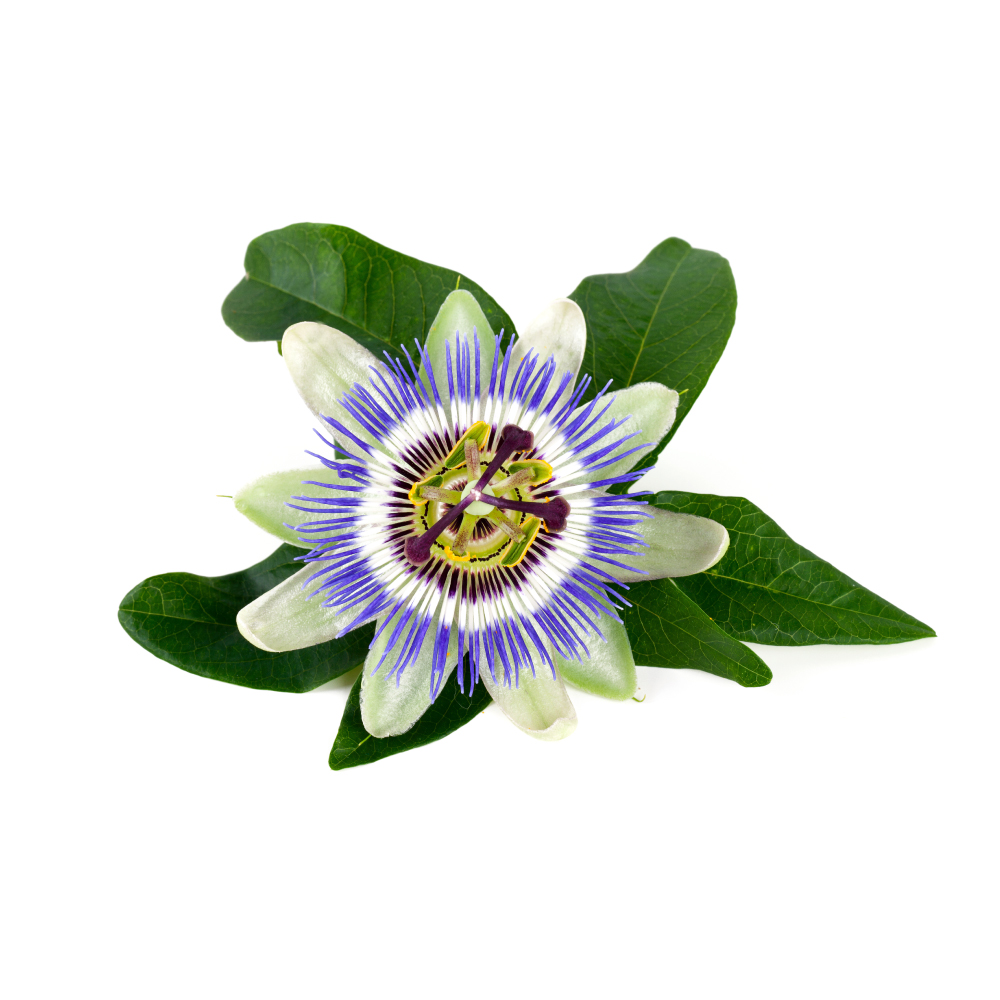 Passionflower Passiflora incarnata Documented for linoleic acid, linolenic acid, myristic acid and 3 more lipids & fatty acids.
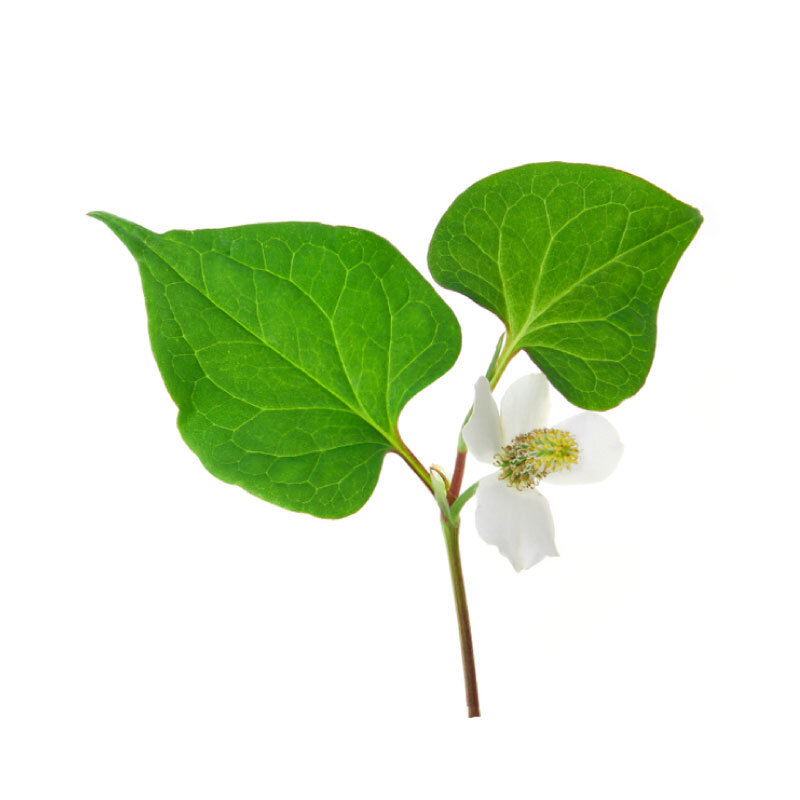 Fish Mint Houttuynia cordata Documented for decanal, decanoic acid, houttuynin and 2 more lipids & fatty acids.
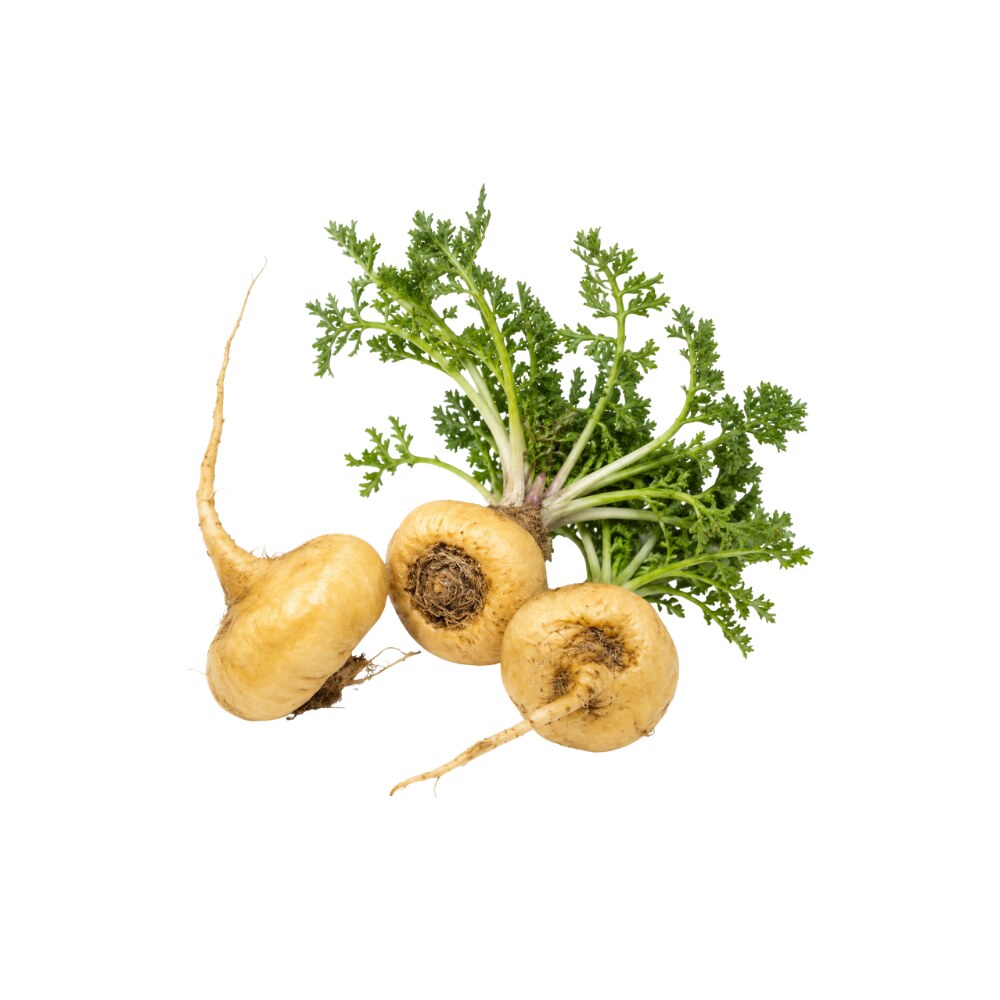 Maca Lepidium meyenii Documented for linoleic acid, macaenes, macamides and 2 more lipids & fatty acids.
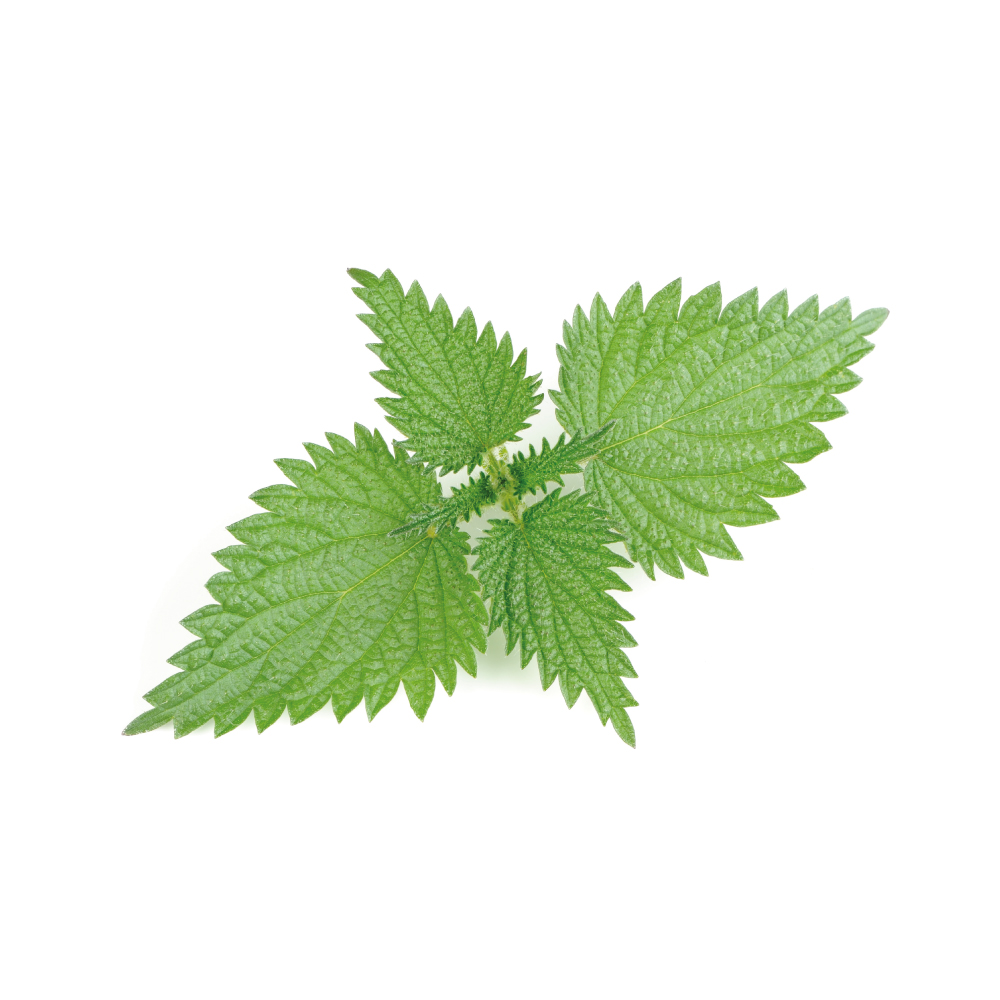 Stinging Nettle Urtica dioica Documented for butyric acid, lecithin, linoleic acid and 2 more lipids & fatty acids.
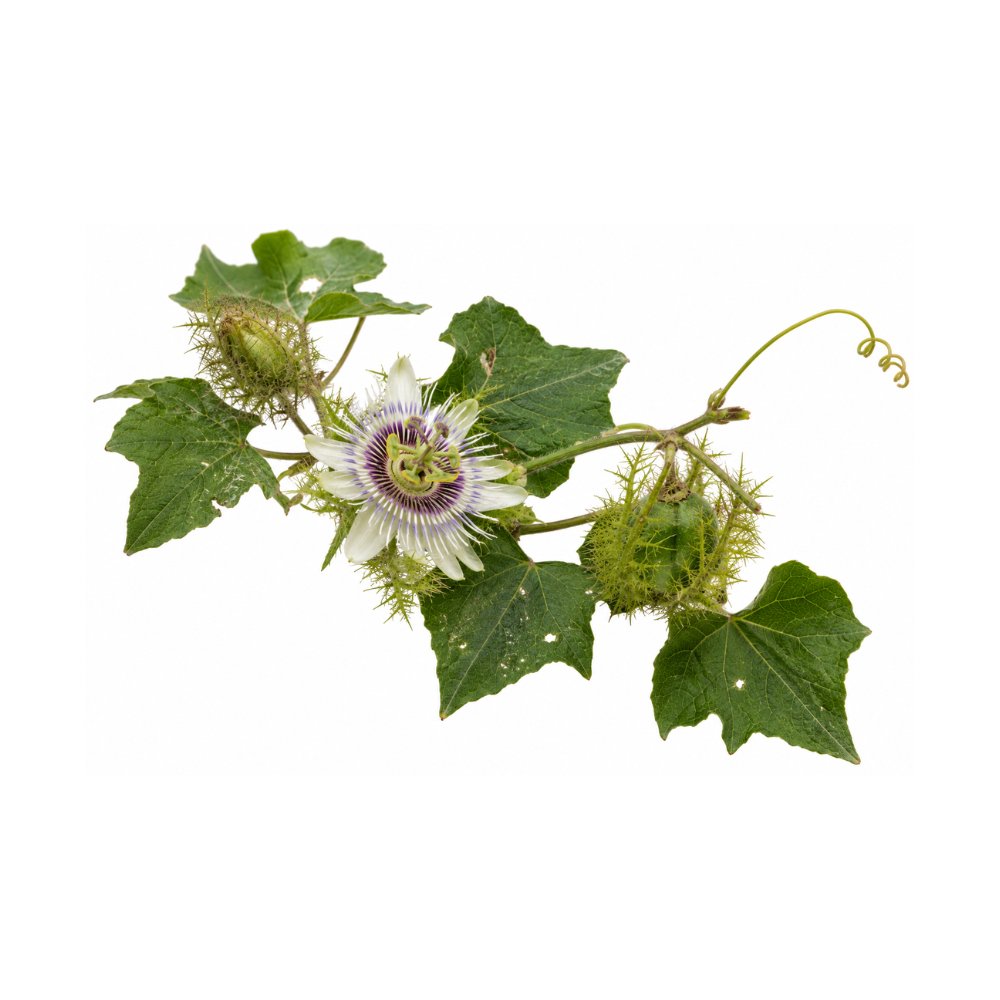 Stinking Passionflower Passiflora foetida Documented for passifetilactone A, passifetilactone B, passifetilactone C and 2 more lipids & fatty acids.
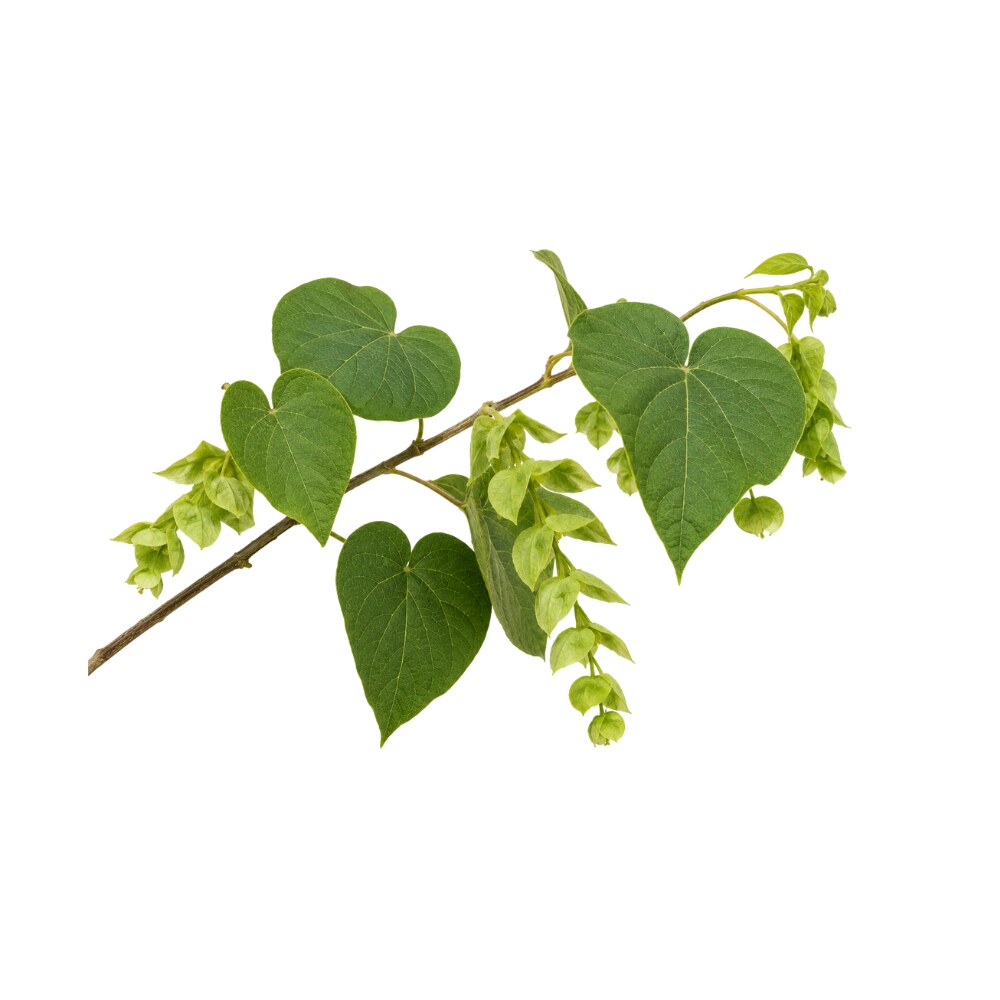 Abuta Cissampelos pareira Documented for arachidic acid, linoleic acid, stearic acid.
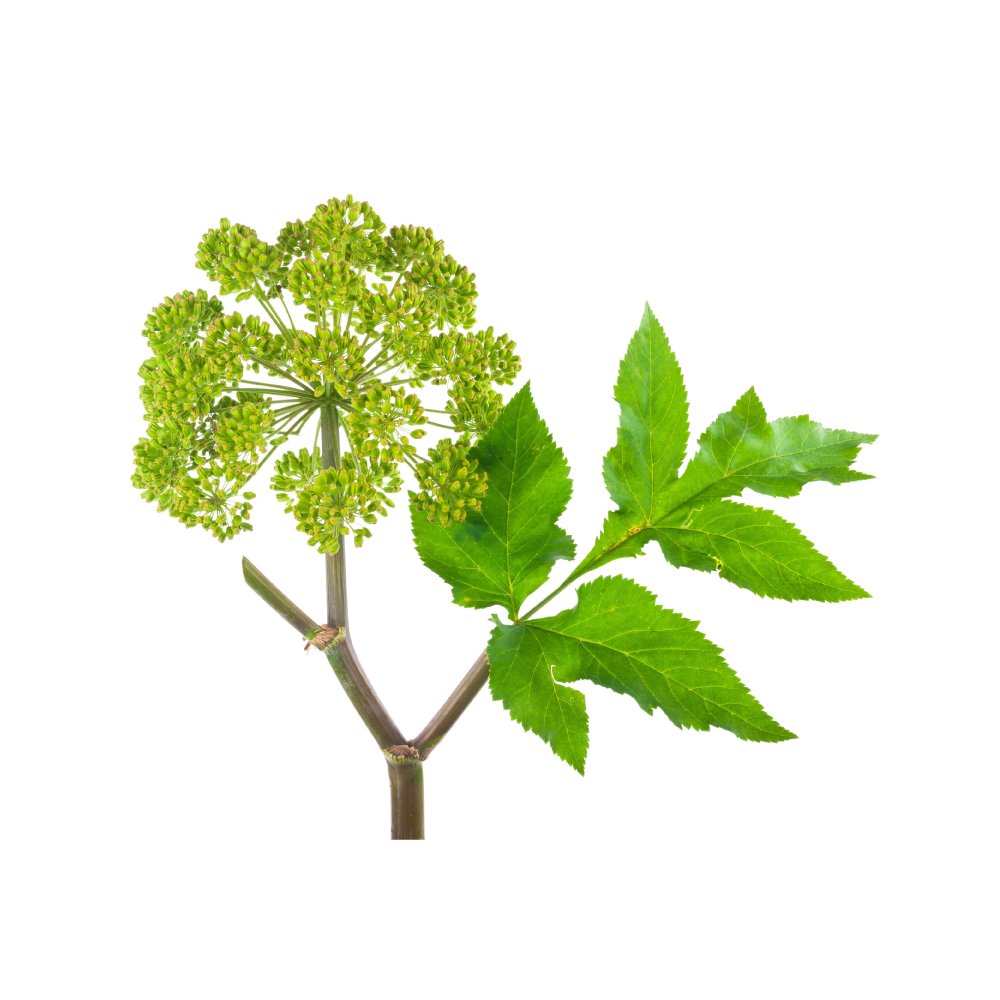 Angelica Angelica archangelica Documented for hydroxymyristic acid, pentadecanolide, tridecanolide.
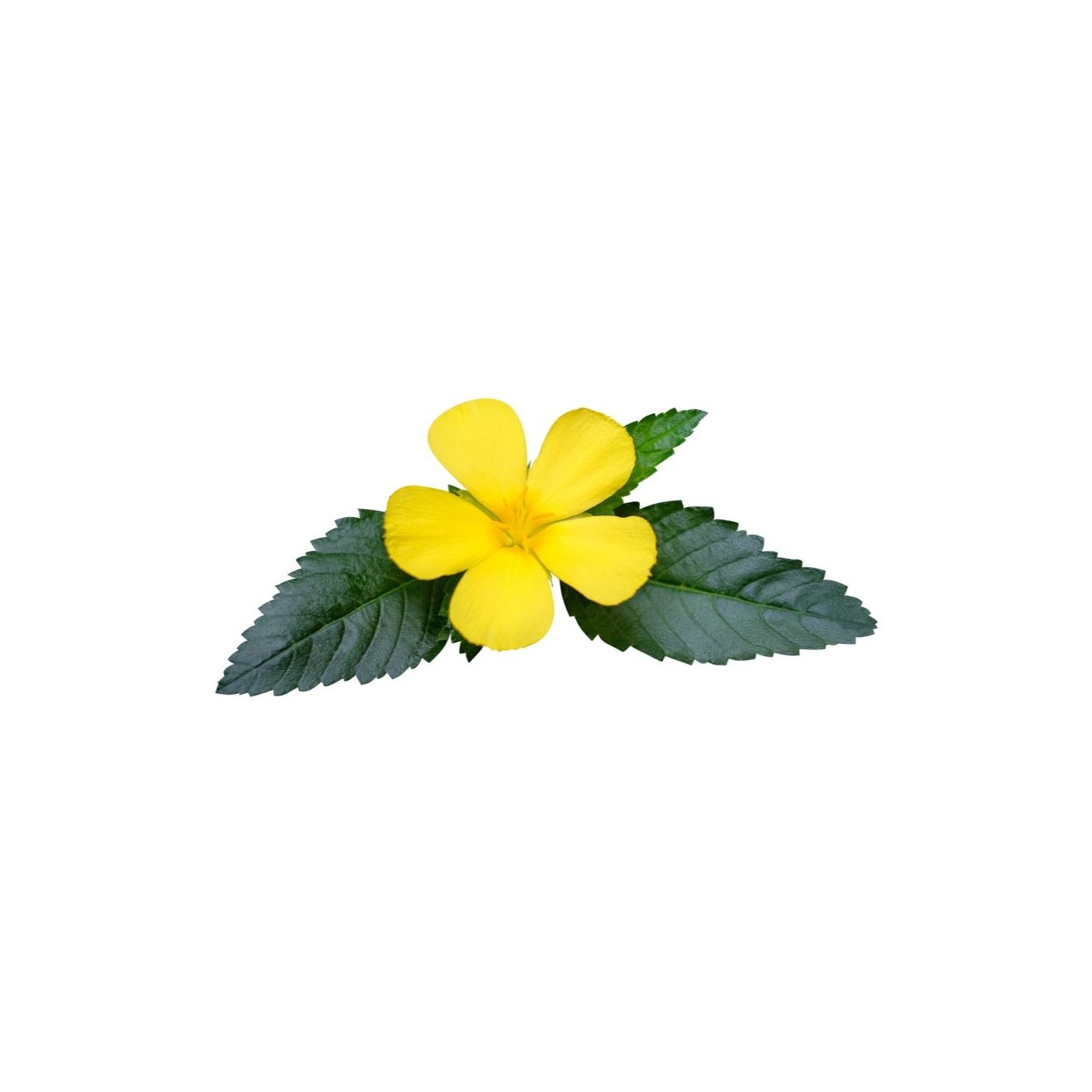 Damiana Turnera diffusa Documented for hexacosanol-1, triacontane, tricosan-2-one.
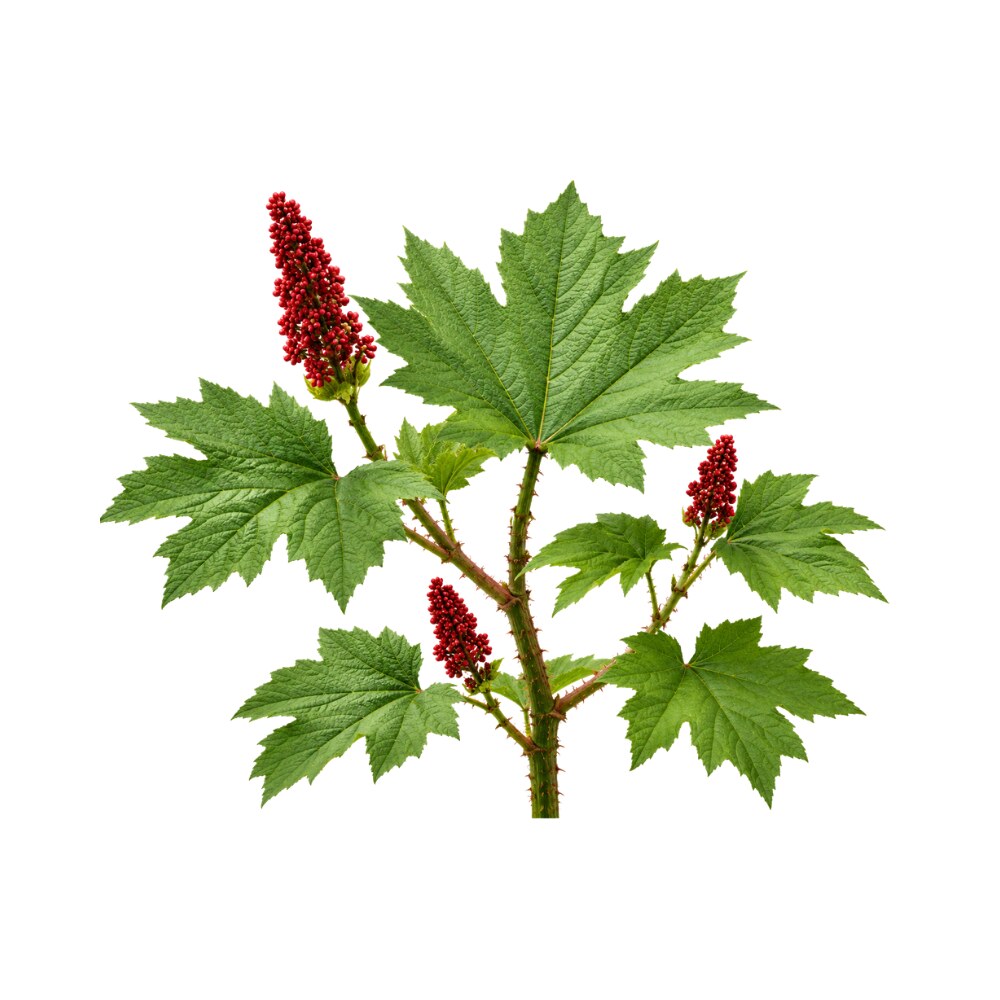 Devil's Club Oplopanax horridus Documented for falcarindiol, falcarinol, oplopandiol.
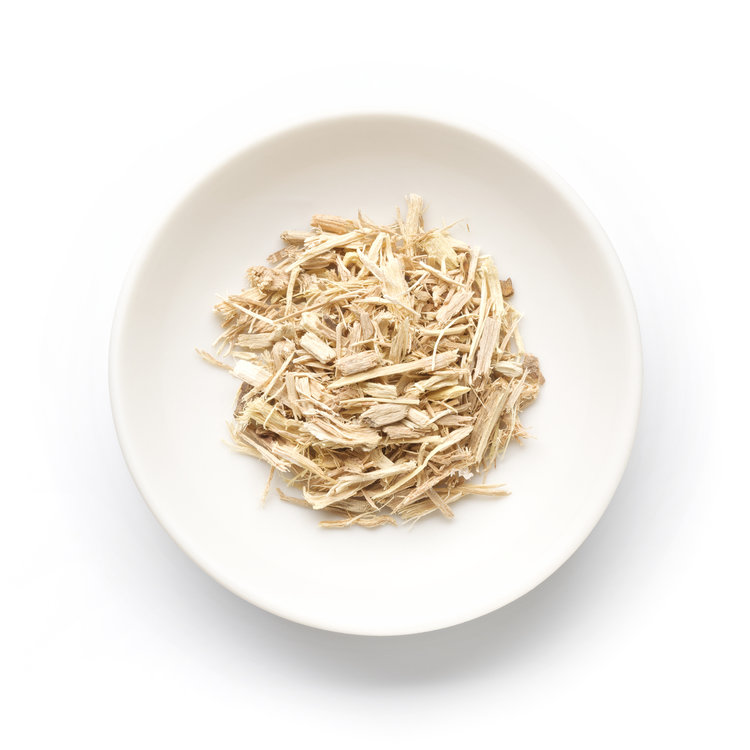 Eleuthero Root Eleutherococcus senticosus Documented for caproic acid, lauric acid, palmitic acid.
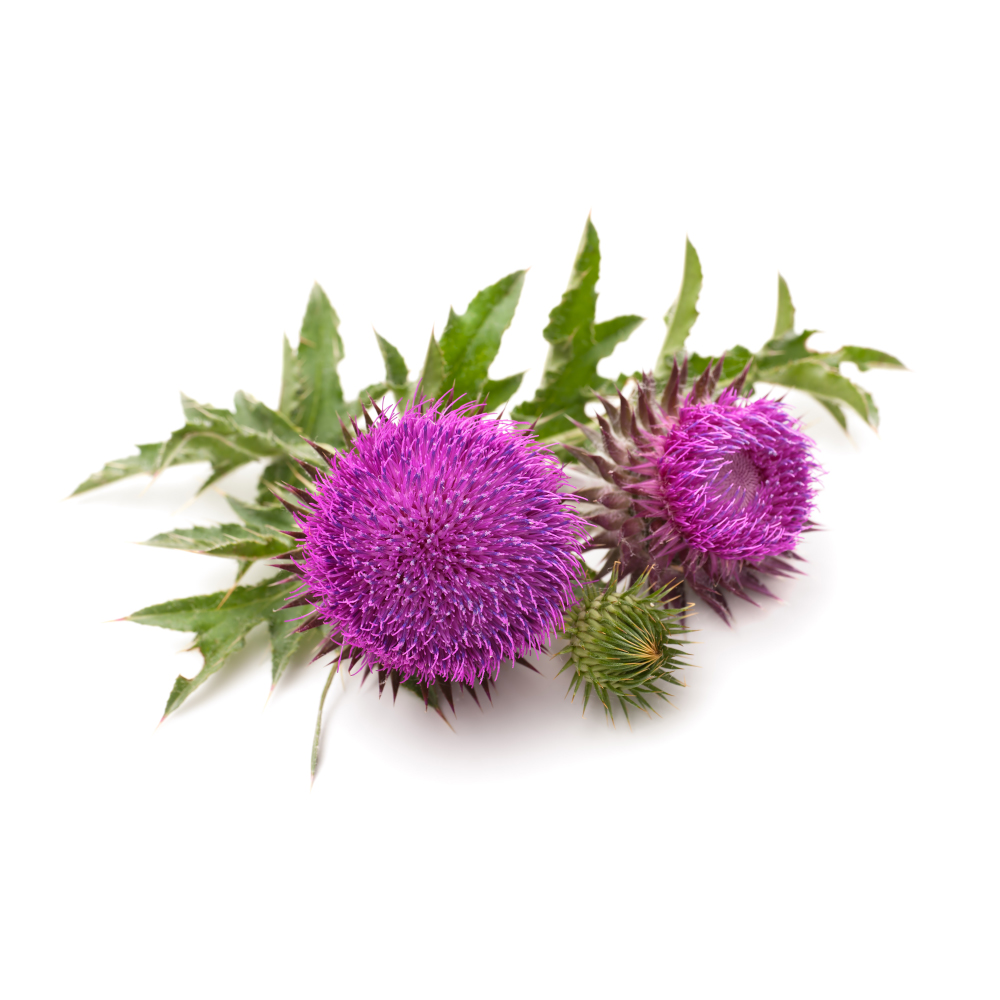 Milk Thistle Silybum marianum Documented for linoleic acid, oleic acid, palmitic acid.
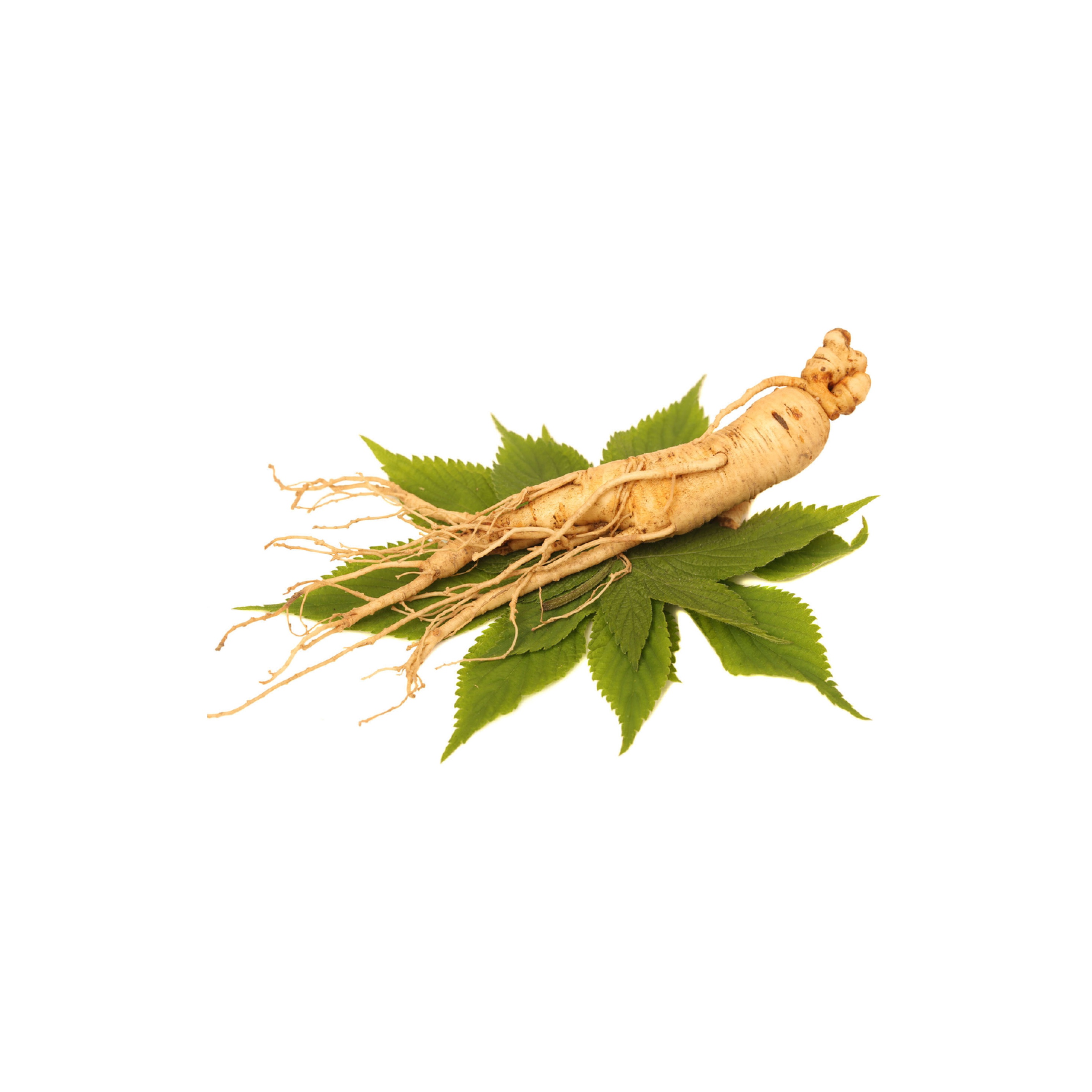 Asian Ginseng Panax ginseng Documented for panaxydol, polyacetylenes.
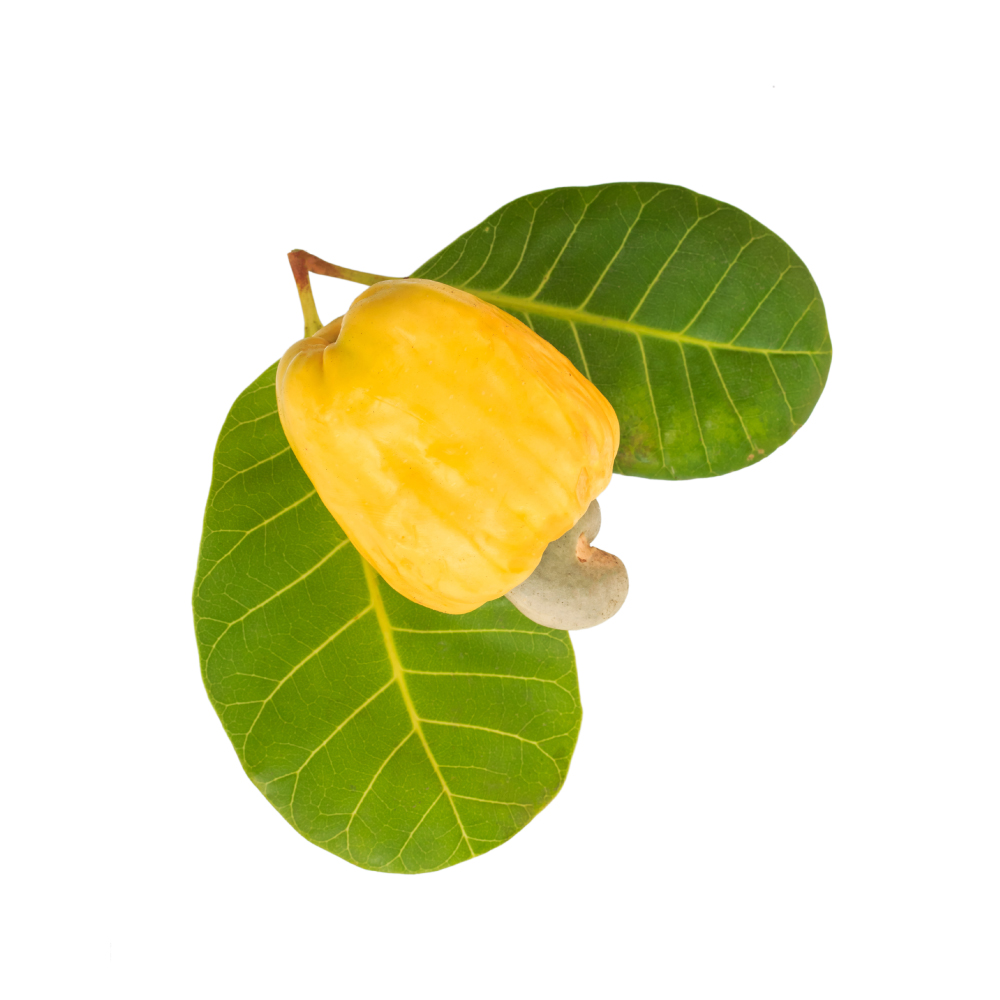 Cashew Anacardium occidentale Documented for anacardol, linolenic acid.
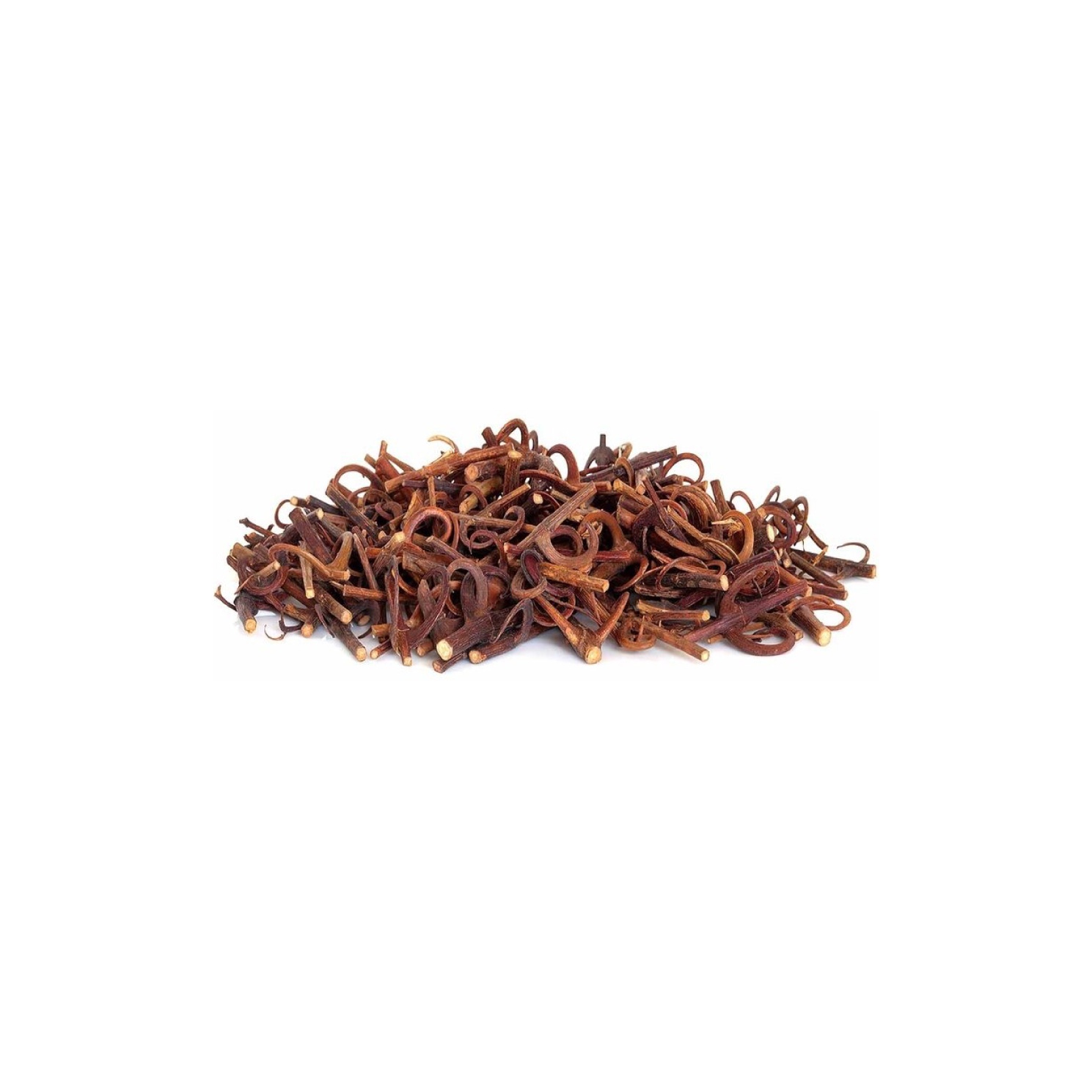 Cat's Claw Uncaria tomentosa Documented for carboxyl alkyl esters, vaccenic acid.
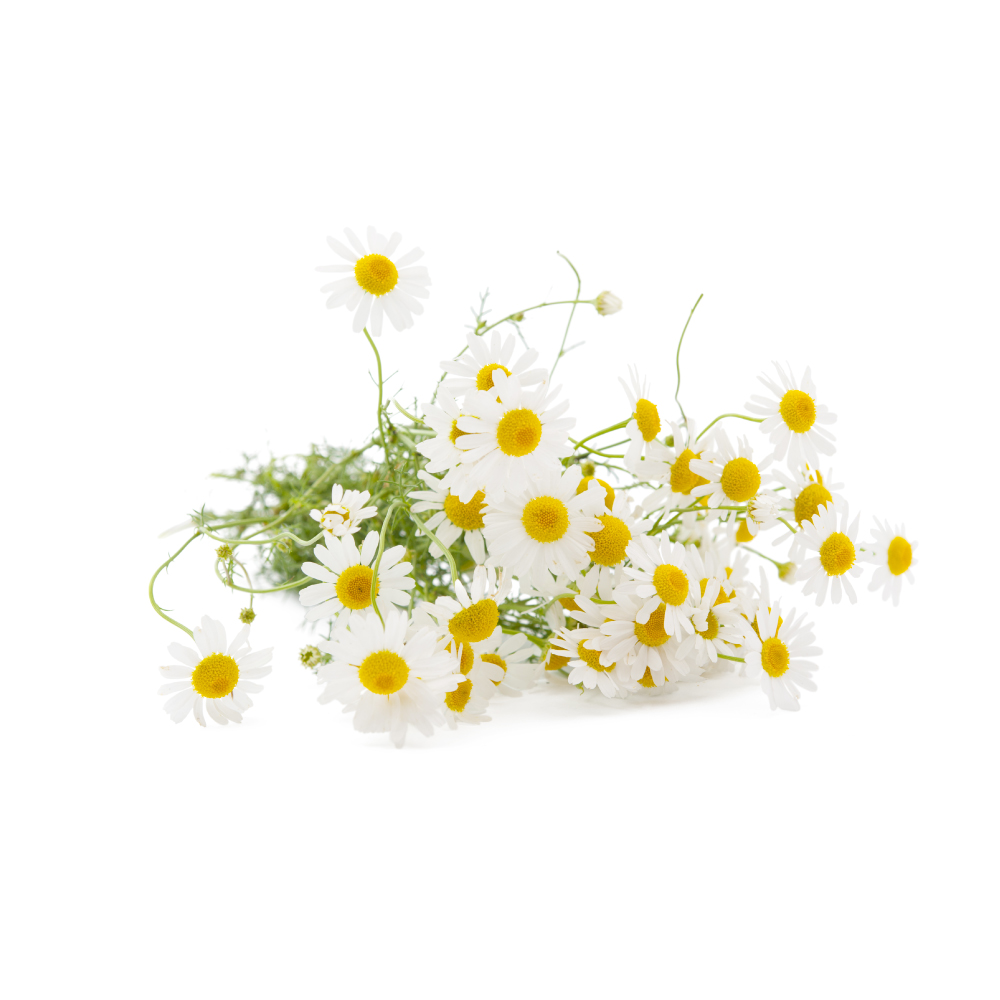 German Chamomile Matricaria chamomilla Documented for dotriacontane, hexadecane.
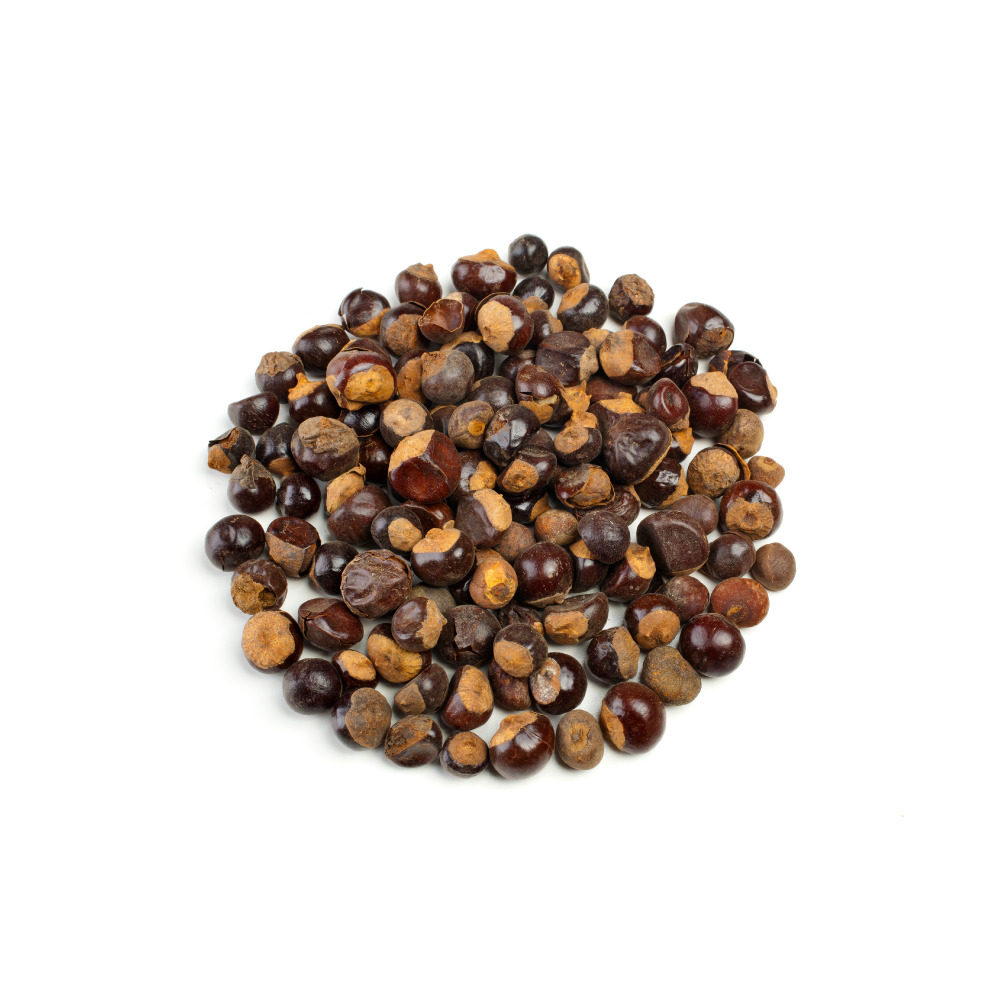 Guarana Paullinia cupana Documented for oleic acid, paullinic acid.
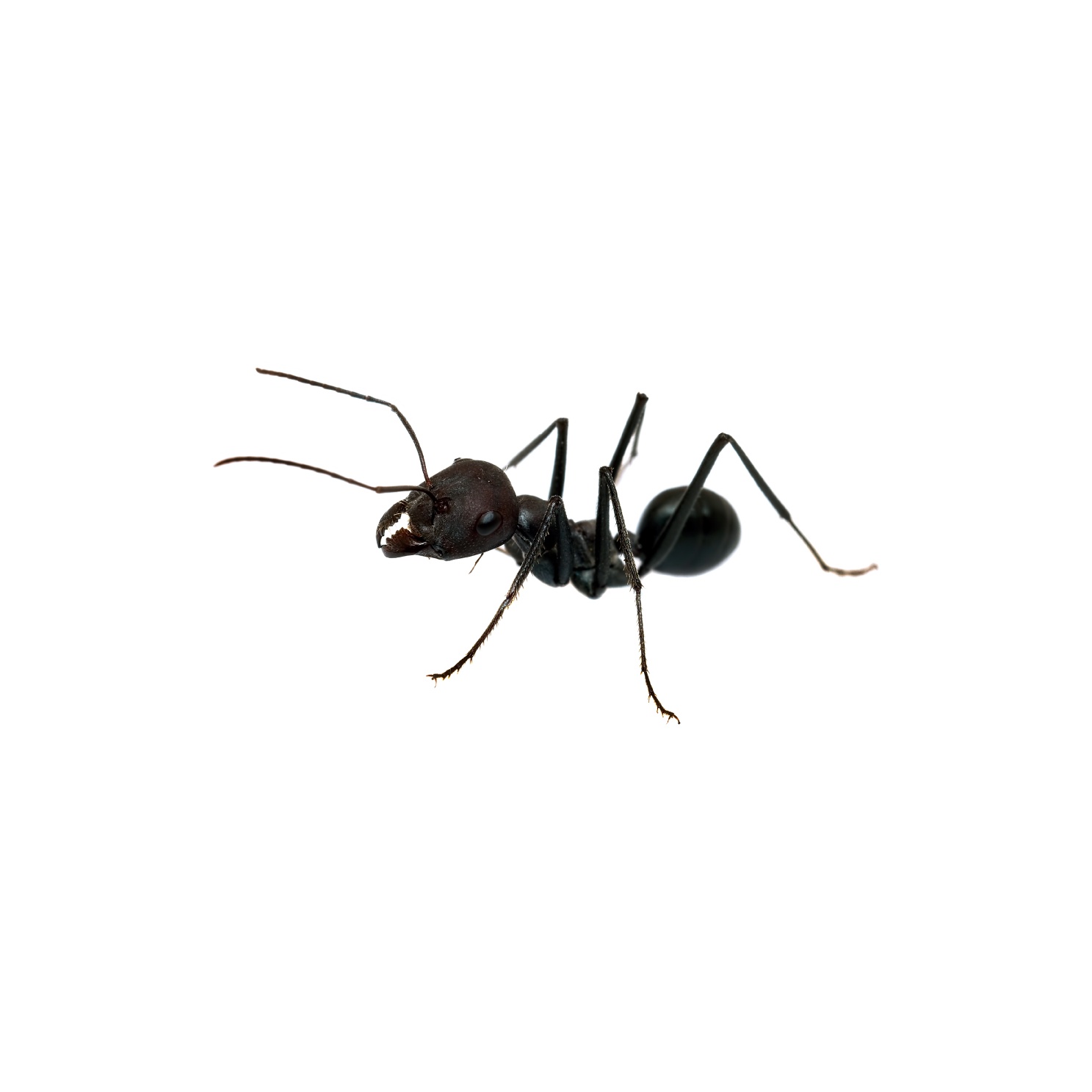 Black Ant Polyrhachis spp. Documented for elaidic acid.
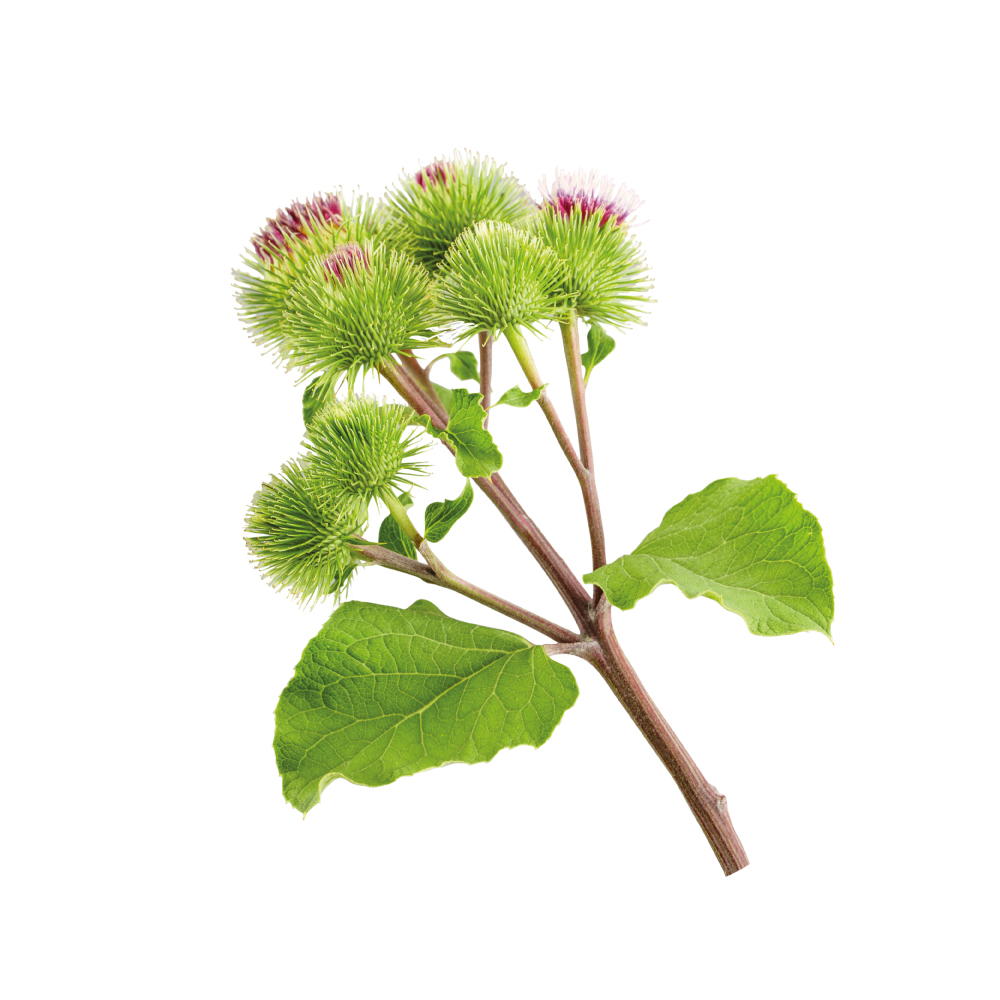 Burdock Arctium lappa Documented for polyacetylenes.
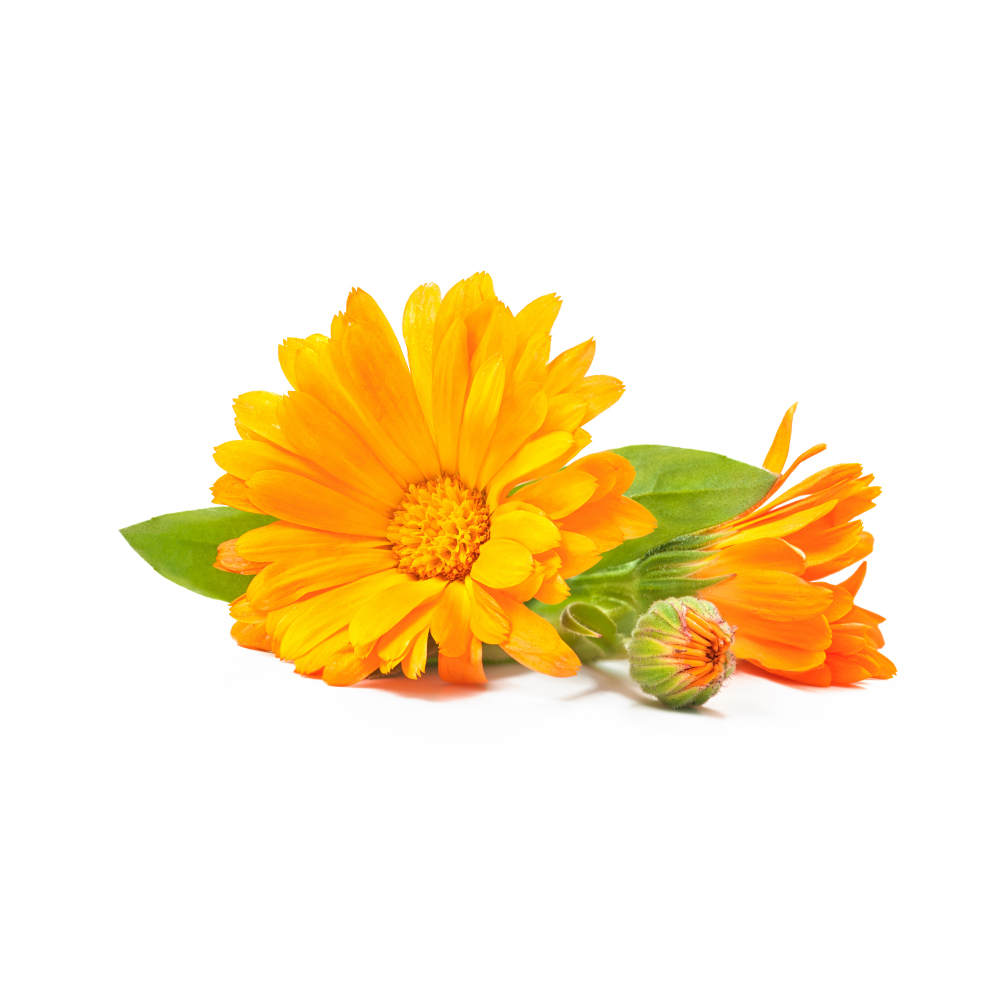 Calendula Calendula officinalis Documented for polyacetylenes.
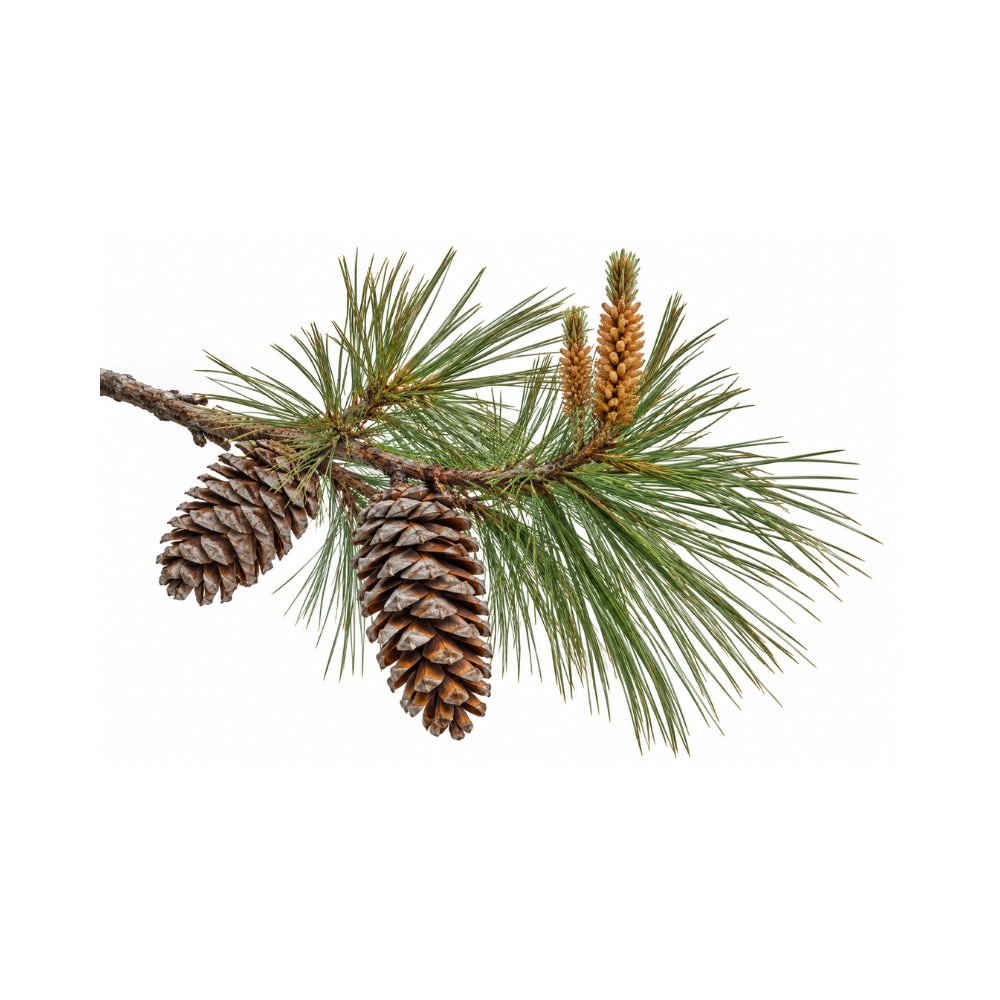 Chir Pine Pinus roxburghii Documented for palmitic acid.
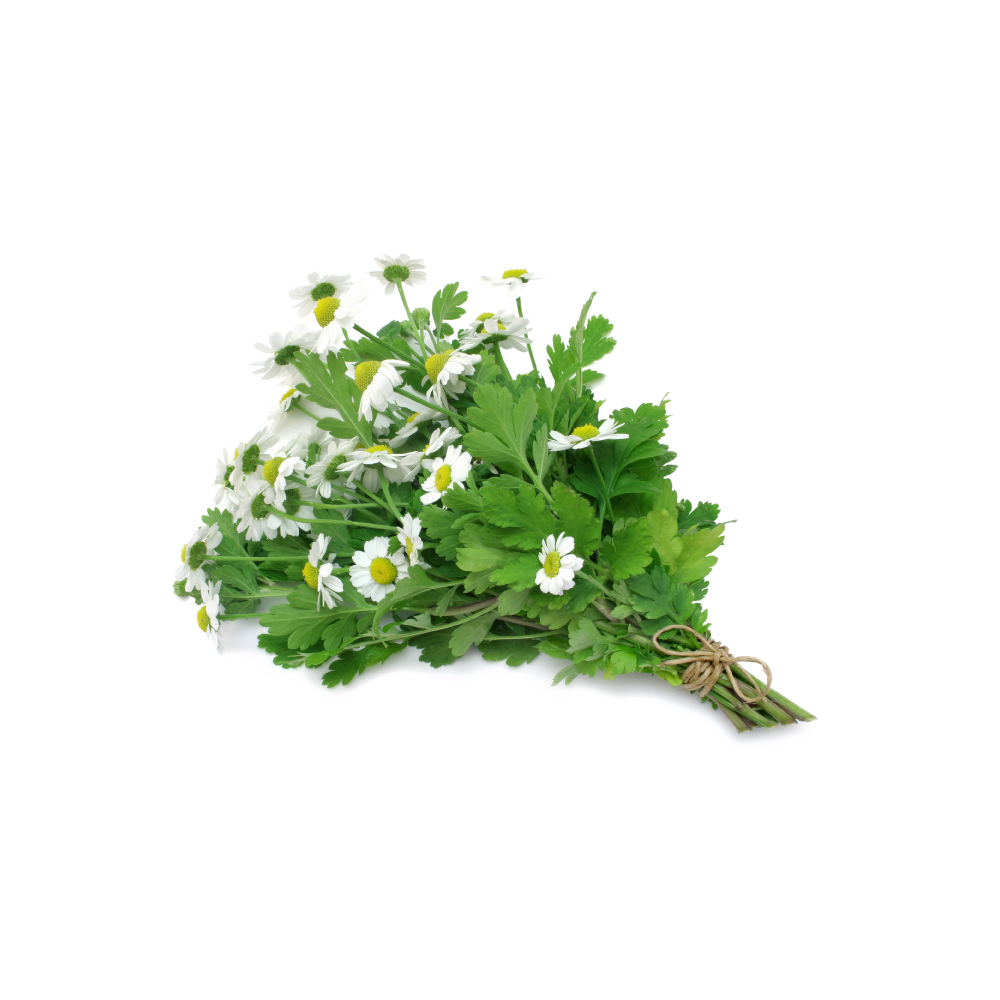 Feverfew Tanacetum parthenium Documented for polyacetylene compounds.
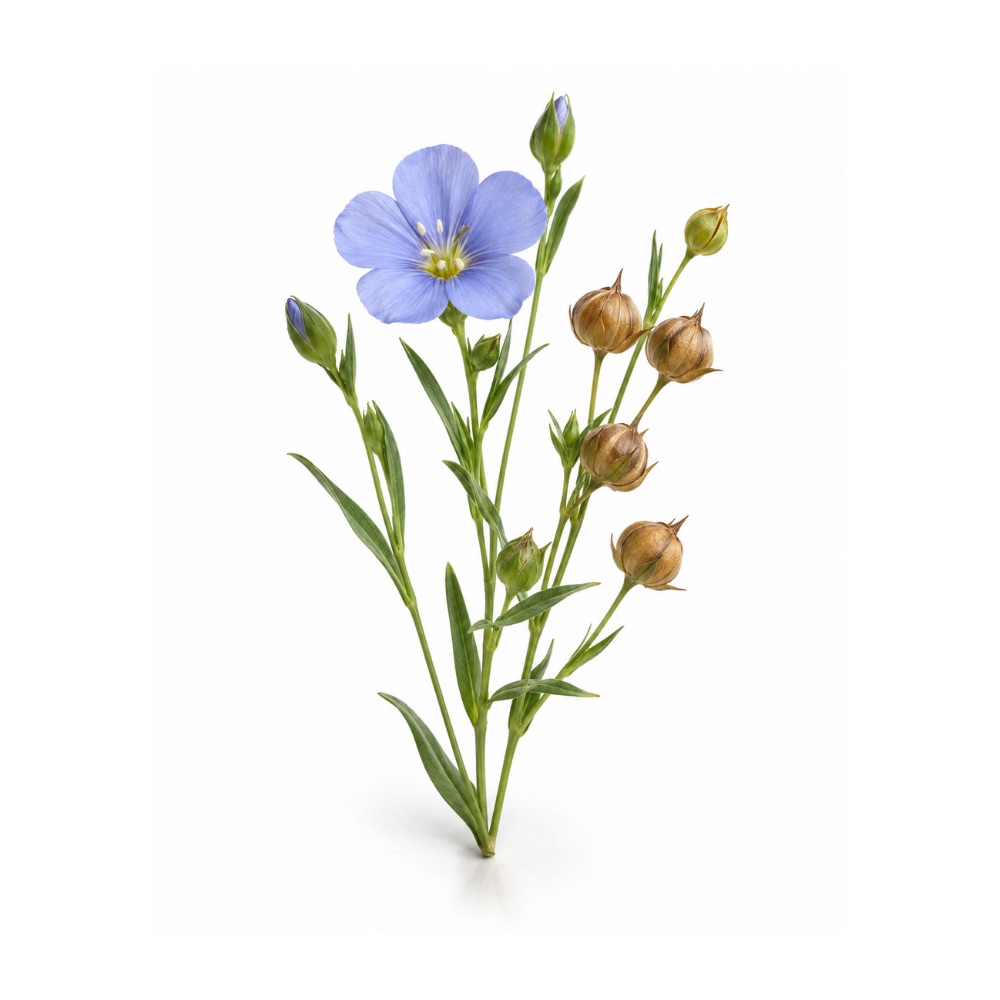 Flaxseed Linum usitatissimum Documented for alpha-linolenic acid.
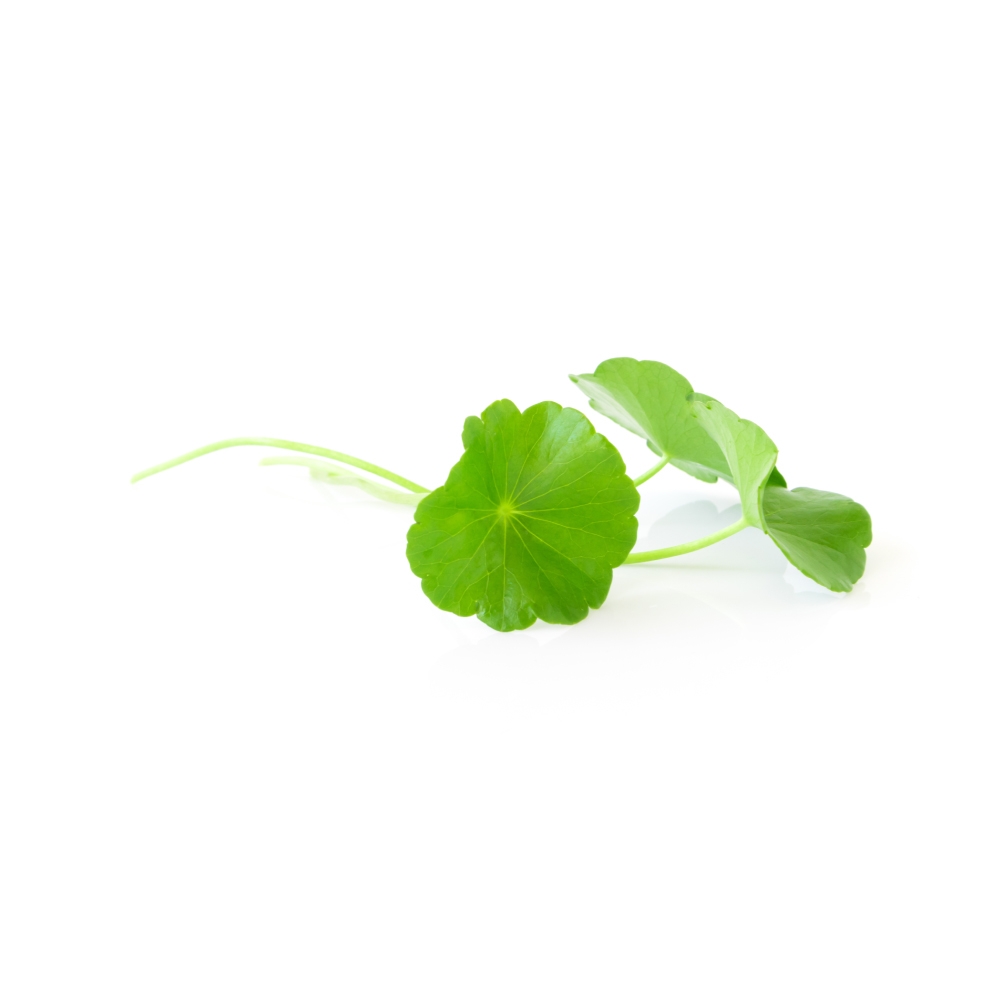 Gotu Kola Centella asiatica Documented for polyacetylenes.
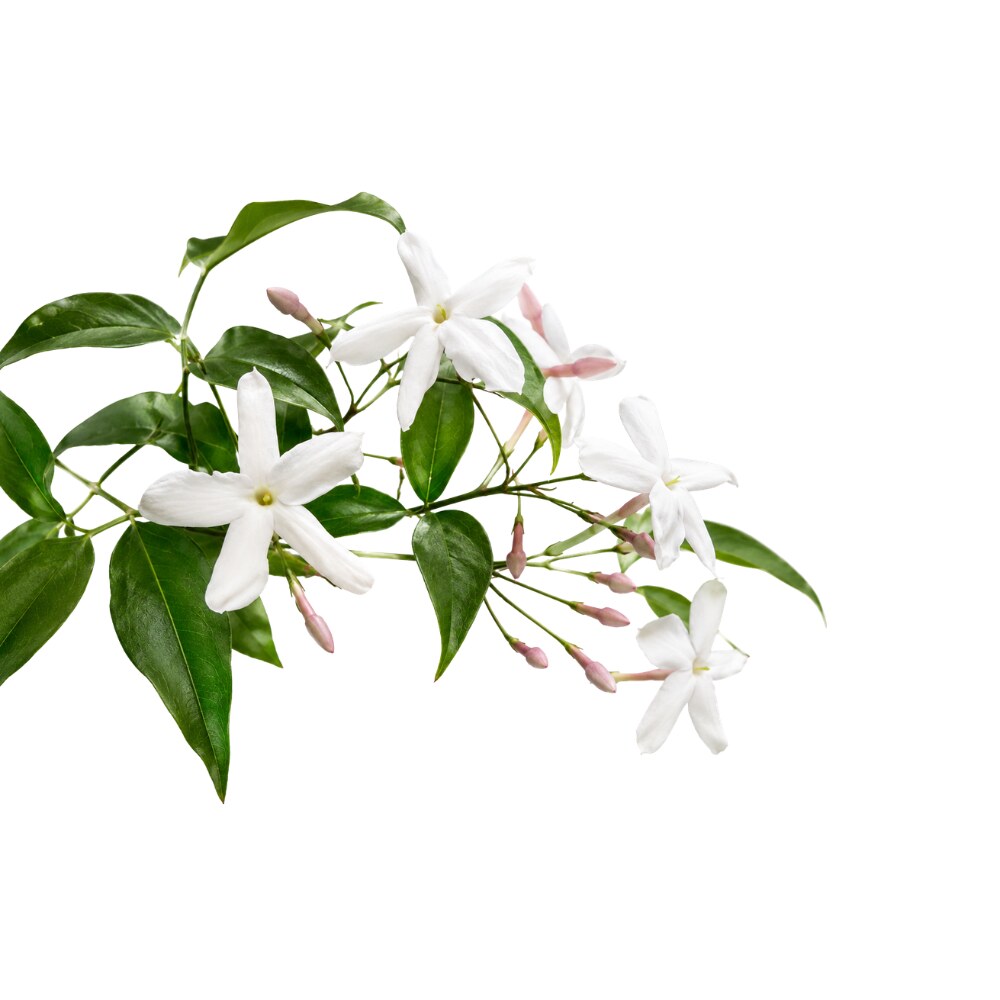 Jasmine Jasminum officinale Documented for methyl jasmonate.
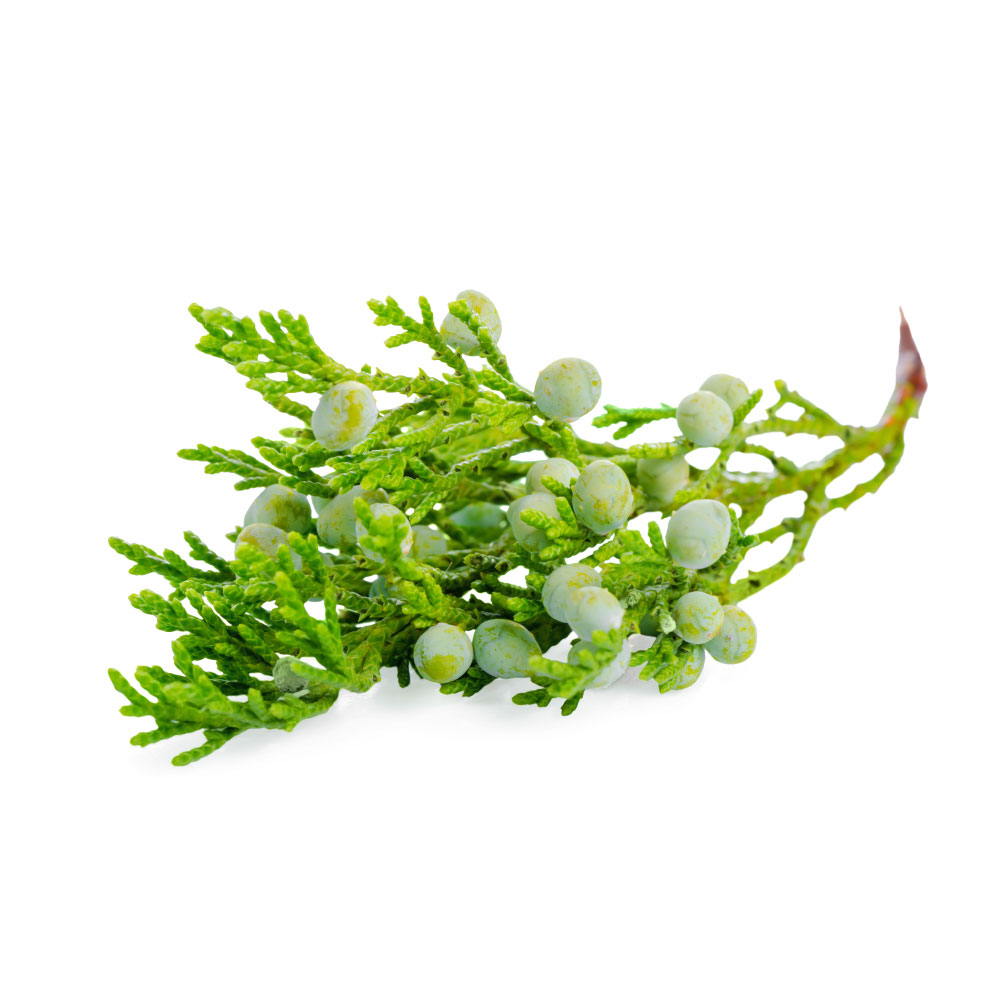 Juniper Juniperus communis Documented for palmitic acid.
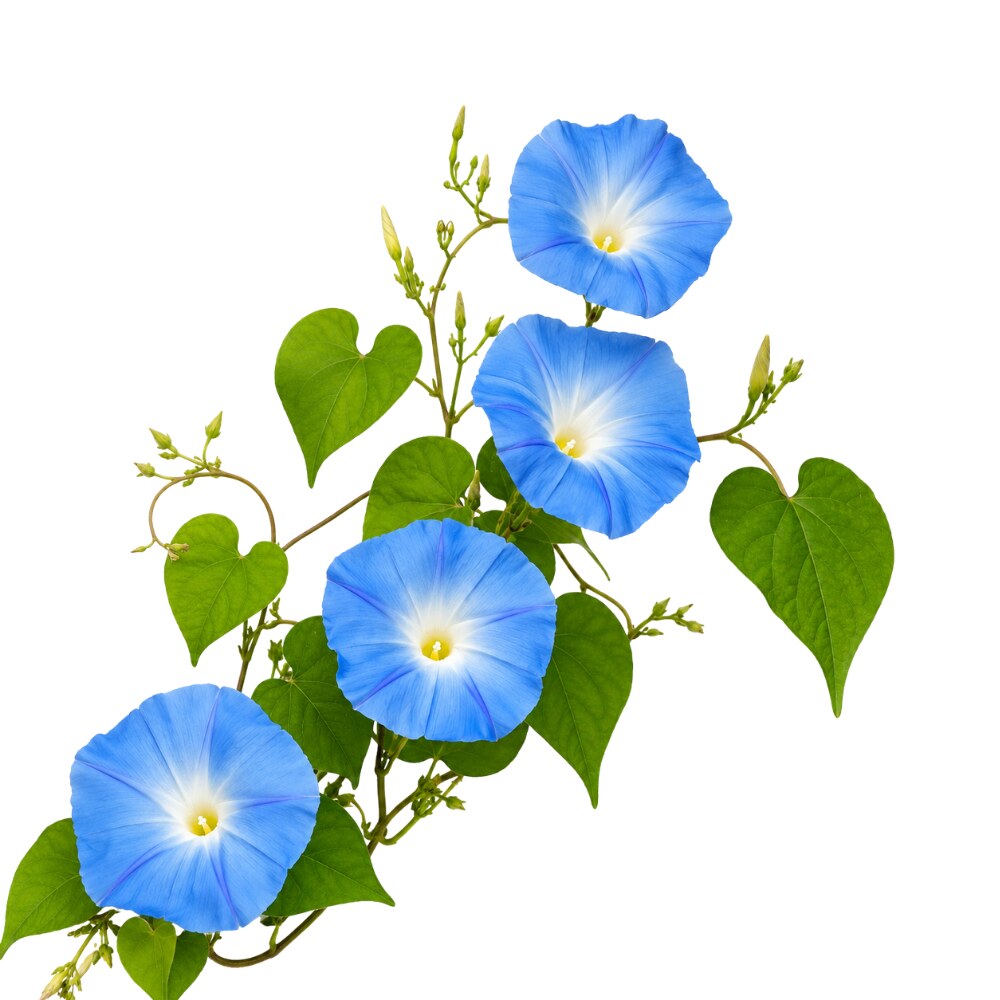 Morning Glory Ipomoea tricolor Documented for tricolorin A.
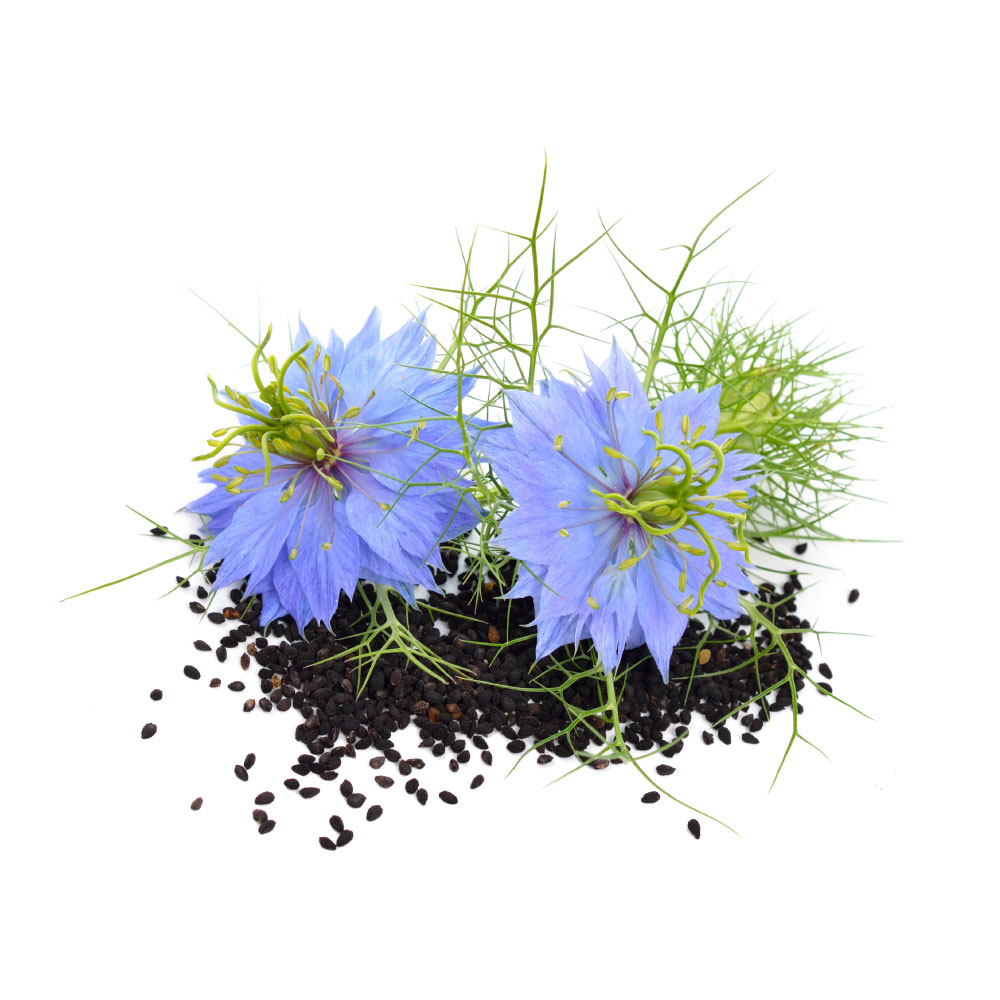 Nigella Nigella sativa Documented for linoleic acid (40–59 % of oil).
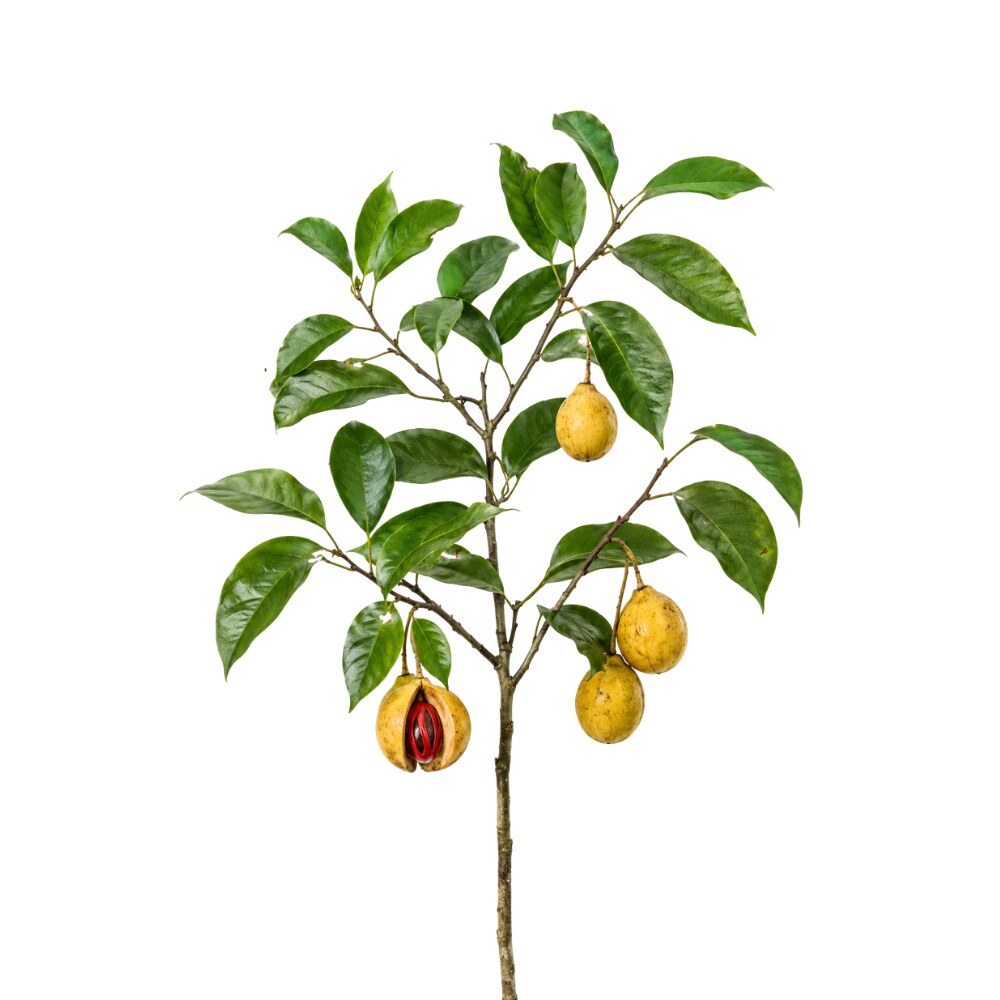 Nutmeg Myristica fragrans Toxic Documented for trimyristin.
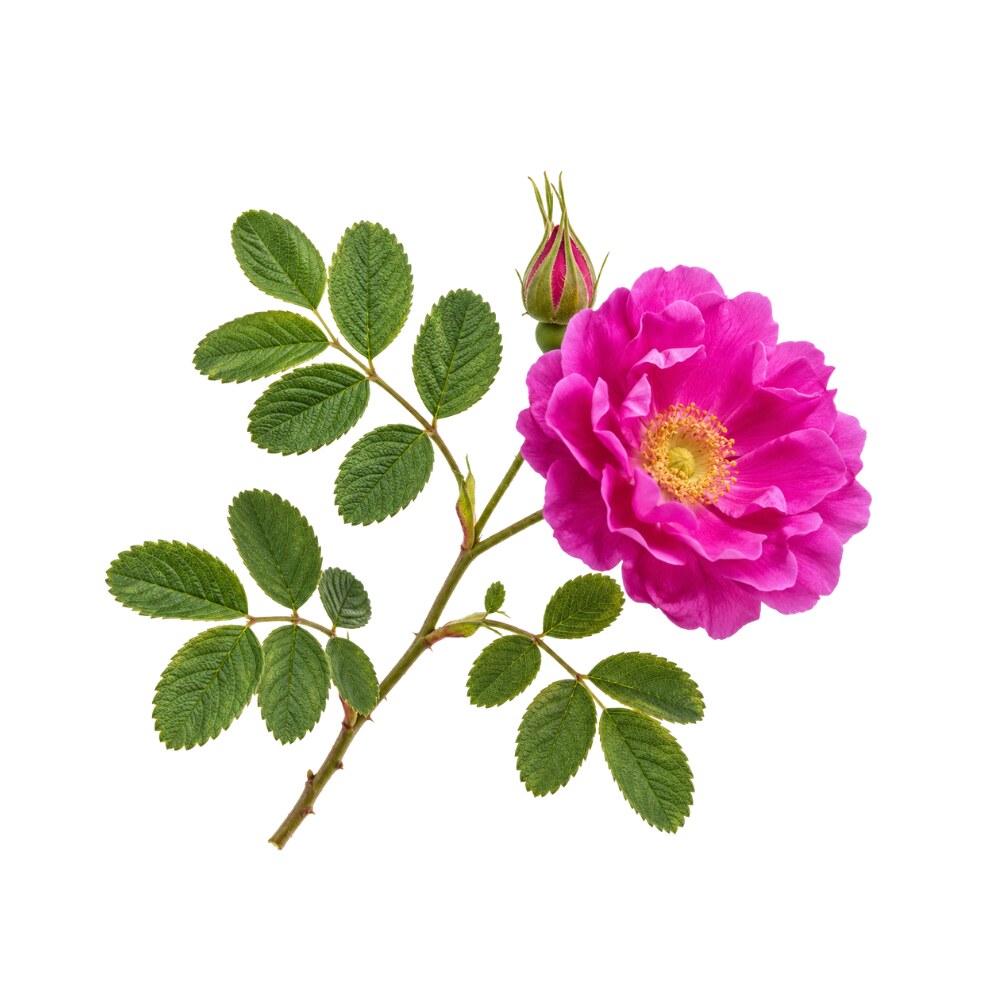 Rose Rosa spp. Documented for GOPO.
Keep Exploring
Other Compound Classes
Keep Reading
 GuidesThe Best Kava: A Buyer's GuideHow to buy good kava: noble vs two-day cultivars, which part of the root, chemotype codes, origin, form, and the batch tests a seller should show you.
Read more
 GuidesThe Amazon's Endangered Medicinal PlantsThe Amazon gives us some of our most important medicines — but which healing plants are actually endangered?
Read more
 NutritionThe Best Yerba Maté Brands [Reviewed]A drinker's guide to buying yerba maté — what actually changes the taste, and ten brands worth your money.
Read more
 GuidesHow to Prepare Yerba Maté — The Five Best MethodsHow to brew yerba maté properly — the traditional gourd method, plus tereré, french press and cold brew.
Read more