
Compound Monograph
Punarnavine
Punarnavine is an alkaloid from the root of Boerhavia diffusa (punarnava / erva tostão). Its notable signal is preclinical — it inhibits B16F-10 melanoma metastasis and stimulates immune responses in mice — but the evidence is rodent/in-vitro and largely from a single research group. Boerhavia's traditional diuretic/hepatoprotective reputation belongs to the whole plant, not this isolate.

Sources · 2
Where Does It Come From?
Punarnavine is a naturally occurring alkaloid, found in Erva Tostao and 1 other source. It is well tolerated orally (low toxicity).
Concentration
Content by Source
Concentrations not reported. No percent-dry-weight or mg/g figures have been published for this compound in its source plants.
Punarnavine at a Glance
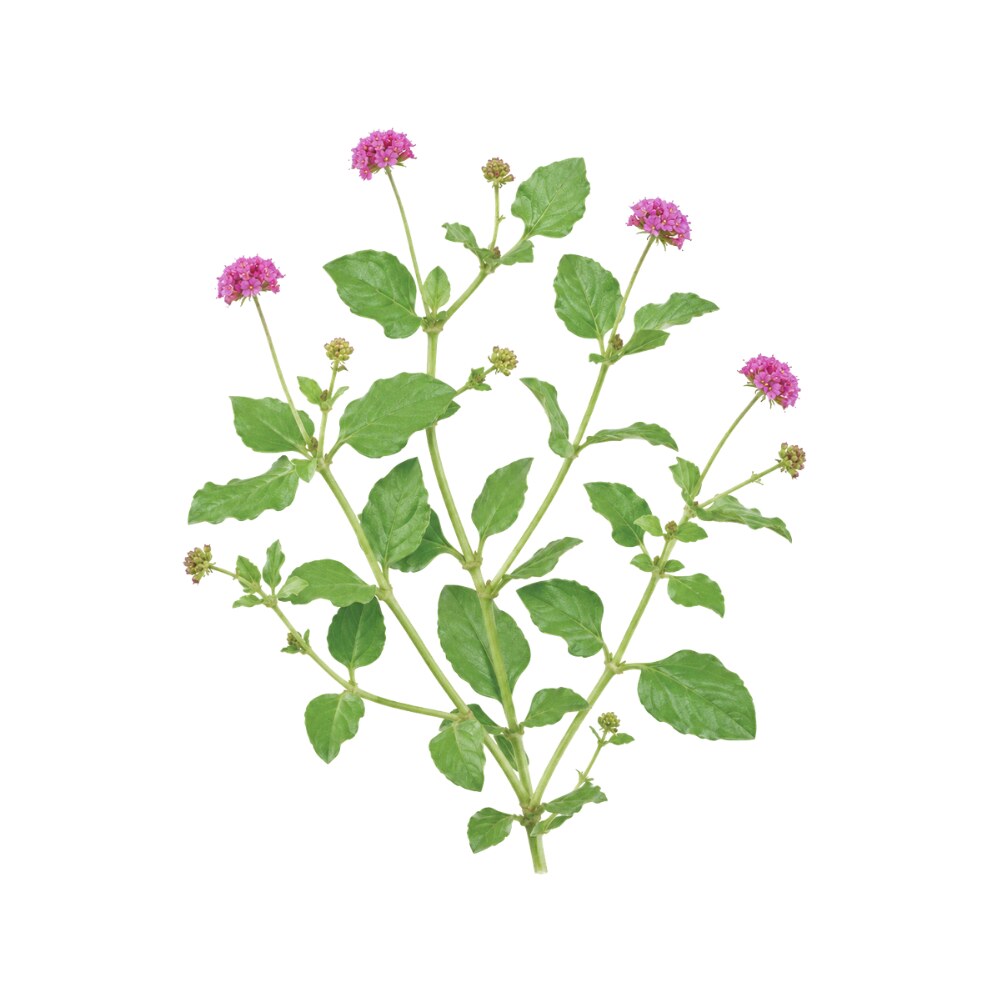
Punarnavine is an alkaloid from the root of Boerhavia diffusa — punarnava, or erva tostão.
Its notable preclinical signal is antimetastatic: it inhibited B16F-10 melanoma metastasis and stimulated immune responses in mice.
The evidence is limited to a small body of animal work, largely from one research line.
What It's Used For
Punarnavine is a root alkaloid of Boerhavia diffusa — the herb known as punarnava in Ayurveda and erva tostão in Brazil. Two framing points. First, it is only one of several actives in the plant (alongside punarnavoside, the boeravinone rotenoids, eupalitin and liriodendrin), so Boerhavia’s traditional diuretic/hepatoprotective/kidney-tonic reputation is a whole-plant property, not this isolate’s. Second, punarnavine’s own literature is narrow and preclinical — overwhelmingly rodent and in-vitro work from a single research group — with an antimetastatic/immunomodulatory signal as its distinctive hook.
Support is an experimental score — weighted by study type (human > animal > in vitro) and volume. A beta, not a validated metric. No human isolate data, so scores stay low by design.
Punarnavine’s most-cited signal. It inhibited B16F-10 melanoma lung metastasis and prolonged survival in mice, with modulation of MMP-2/9, TIMP-1, nm23 and pro-inflammatory cytokines 1,
Gap: almost entirely one research group (Amala Cancer Research Center); no independent replication, no tumor type beyond the B16F-10 melanoma model, and no human data 1,
Punarnavine raised total WBC, antibody titre, bone-marrow cellularity, NK-cell activity and lymphocyte proliferation in mice, and enhanced cell-mediated immunity in tumor-bearing animals — the “enhances immune response” signal that underlies the antimetastatic work 2,
Gap: same lab, mouse-only, with shallow (cytokine/cell-count) readouts and no human immunology 2,
Reductions in TNF-α, IL-1β, IL-6 and GM-CSF were reported alongside the antimetastatic effects 1,
Gap: there is no dedicated anti-inflammatory model for the isolate — this is an inference from tumor-model cytokine panels only 1,
An ethanol extract of B. diffusa and isolated punarnavine showed antidepressant-like activity via the monoaminergic system in mice (forced-swim/tail-suspension) 5Reference 5AnimalEvidence for involvement of the monoaminergic system in the antidepressant-like activity of an ethanol extract of Boerhaavia diffusa and its isolated constituent punarnavine in miceView study →.
Gap: a single study in which the isolate’s effect is partly inferred alongside whole-extract activity, with no repeat and no CNS-exposure confirmation 5Reference 5AnimalEvidence for involvement of the monoaminergic system in the antidepressant-like activity of an ethanol extract of Boerhaavia diffusa and its isolated constituent punarnavine in miceView study →.
Mechanisms
| Target / pathway | Effect | Relevant to |
|---|---|---|
| VEGF | downregulated (in vitro + in vivo) | anti-angiogenic / antimetastatic |
| MMP-2 / MMP-9 | inhibited | antimetastatic (reduced ECM invasion) |
| TIMP-1; nm23 (metastasis suppressor) | upregulated | antimetastatic |
| Pro-inflammatory cytokines (TNF-α, IL-1β, IL-6, GM-CSF) | reduced | antimetastatic / anti-inflammatory |
| Cell-mediated immunity (NK activity, antibody titre, WBC) | enhanced | immunostimulant |
| Monoaminergic system | modulated (antidepressant-like) | CNS |
All targets come from rodent/in-vitro work by one-to-two groups; treat as preliminary.
Pharmacokinetics
There is minimal data. Punarnavine is a Boerhavia diffusa root alkaloid, and no verified ADME, bioavailability, half-life, protein-binding or metabolism study exists for the isolate. Dosing in the literature is intraperitoneal in mice, which sidesteps oral-absorption questions entirely; oral human PK is unknown.
Clinical trials
There are no human trials of isolated punarnavine. The human/traditional use associated with Boerhavia diffusa (diuretic, hepatoprotective) is whole-plant and cannot be attributed to this single alkaloid.
| Completed | Planned | Terminated | Preclinical |
|---|---|---|---|
| —(none, isolate) | — | — | Thin(single-group rodent) |
Last checked: July 2026.
Toxicity & Safety
There is essentially no safety data on punarnavine itself. The low toxicity flag is inherited from the whole plant, not measured for the isolated alkaloid — an absence of evidence rather than evidence of safety.
- Avoid in pregnancy and lactation. The traditional caution comes from the source herb, not the isolate.
- No toxicology exists for the isolate. No LD50, sub-chronic or genotoxicity study has been done on punarnavine.
- The safety rating is inferred, not measured. It carries over from the well-tolerated whole plant.
Full Safety & Interactions Detail
Punarnavine carries a low flag, but this reflects limited data rather than demonstrated safety: no dedicated toxicology (LD50, sub-chronic, genotoxicity) exists for the isolate, and the rating carries over from the well-tolerated whole-plant profile as an inference, not a measured value for punarnavine.
Dosage
There is no established human dose for isolated punarnavine, and murine intraperitoneal protocols cannot be translated into one. Whole-plant/root traditional dosing belongs on the erva tostão herb page, not here.
References
- Manu KA, Kuttan G (2009). Anti-metastatic potential of punarnavine, an alkaloid from Boerhaavia diffusa Linn. Immunobiology. https://pubmed.ncbi.nlm.nih.gov/19171408/
- Manu KA, Kuttan G (2007). Effect of punarnavine, an alkaloid from Boerhaavia diffusa, on cell-mediated immune responses and TIMP-1 in B16F-10 metastatic melanoma-bearing mice. Immunopharmacology and Immunotoxicology. https://pubmed.ncbi.nlm.nih.gov/18075866/
- Saraswati S, et al. (2013). Punarnavine, an alkaloid from Boerhaavia diffusa, exhibits anti-angiogenic activity via downregulation of VEGF in vitro and in vivo. Chemico-Biological Interactions. https://pubmed.ncbi.nlm.nih.gov/24060680/
- Manu KA, Kuttan G (2009). Immunomodulatory activities of punarnavine, an alkaloid from Boerhaavia diffusa. Immunopharmacology and Immunotoxicology. https://pubmed.ncbi.nlm.nih.gov/19555203/
- Dhingra D, Valecha R (2014). Evidence for involvement of the monoaminergic system in the antidepressant-like activity of an ethanol extract of Boerhaavia diffusa and its isolated constituent punarnavine in mice. Pharmaceutical Biology. https://pubmed.ncbi.nlm.nih.gov/24559436/



