
Compound Class
Alkaloids
Nitrogen-containing, often bitter and physiologically potent compounds — the group behind many of the strongest plant medicines and poisons.
401 Constituents8 Subclasses109 Source herbs
Overview
What Are Alkaloids?
Alkaloids are nitrogen-containing compounds produced by plants and other organisms. Most carry a basic nitrogen atom, usually held within a ring structure, and are biosynthesized from amino acids such as tyrosine, tryptophan, ornithine and lysine.
They are often intensely bitter and physiologically active. It is this combination of chemical reactivity and biological potency that gives alkaloids an unusually large role in medicine, toxicology and pharmacology.
Where Alkaloids Occur
Alkaloids are unevenly distributed across the plant kingdom. Most families produce few or none, while certain lineages accumulate them in abundance.
Nightshades (Solanaceae)
Poppies (Papaveraceae)
Legumes (Fabaceae)
Coffee and related plants (Rubiaceae)
Tea and related plants (Theaceae)
As a result, much of alkaloid chemistry is concentrated within a relatively small number of botanical families.
Defining the Class
“Alkaloid” is a practical rather than a perfectly strict chemical category. Compounds are generally classed as alkaloids when they:
- Contain nitrogen
- Behave as bases
- Occur naturally
- Produce significant physiological effects
Not every alkaloid meets all of these criteria, and some simple nitrogen-containing compounds sit at the boundary of the class.
Pharmacological Importance
Alkaloids include some of the most powerful natural compounds known. Members of the class act as stimulants, analgesics, sedatives, antimalarials, muscle relaxants and anesthetic adjuncts.
Their activity usually comes from interacting strongly with receptors, ion channels, enzymes or neurotransmitter systems — the same targets much of modern pharmacology is built around.
Toxicity & Safety
Toxicity matters more here than in any other compound class. Alkaloids include both major medicines and some of the deadliest plant poisons, sometimes the same compound at different doses.
Many have a narrow therapeutic window, meaning the difference between an effective dose and a harmful one can be small. They therefore require more careful identification, preparation and dosing than most other phytochemical classes.
Constituents
All Alkaloids
401 total#
(S)-scoulerine 11-Hydroxypolyneuridine 11-Methoxyquindoline 14-Deacetylnudicauline 17-Oxosparteine 2-methyl-1,2,3,4-tetrahydro-beta-carboline 2-methyl-6-methoxy-1,2,3,4-tetrahydro-beta-carboline 3-Angeloylzygadenine 3-Methoxytyramine 3-Veratroylzygadenine 4-Hydroxygalegine 4-methylcurine 5-Bromo-DMT 5-MeO-DMT 7-Hydroxymitragynine Care 7-methylxanthine 9-HydroxycorynantheidineA
Acetylcholine Achillein Aconitine Aegeline agmatine Ajmalicine Akuammidine Akuammigine Akuammiline Allocryptopine alpha-Isolupanine alpha-Truxilline Amines Anabasine Anaferine Anagyrine Anatabine Anhalinine Anhalonidine Anhalonine Anomurine Apoatropine Apomorphine Aporphine Apovincamine Apparicine Arecaidine Arecoline Asparagamine A AtropineB
Baeocystin Baptifoline Bebeerine Belladonnine Benzophenanthridine alkaloids Benzoylaconine Benzoylecgonine Berbamine Berberastine Berberine beta-Truxilline Betonicine Bisbenzylisoquinoline alkaloids Biscryptolepine Boldine Brahmine Bufotenidine Bufotenin BulbocapnineC
Cadabicine Caffeine Californidine Canadaline Canadine Cananodine Canarosine Canthin-6-one Cathine Cathinone Caulophyllumine A Caulophyllumine B Chanoclavine Chavicine Chelerythrine Care Chelidonine Care Choline Chondocurine Ciliaphylline Cinnamoylcocaine Cissamine Cissampareine Cissampeline Cocaine Coclaurine Codeine Codeine-N-oxide Codonopyrrolidum A Colchicine Columbamine Conhydrine Coniine Coptisine Coreximine Corydaline Corynantheidine Corynantheine Corynanthine Corynoxeine Corynoxine A Corynoxine B Corytuberine Cotinine Crataemine Cryogenine Cryptoheptine Cryptolepine Cryptolepinone Cryptoquindoline Cryptospirolepine Curine Cuscohygrine Cyclanoline Cycleanine Cyclopamine CytisineD
deanol Dehydrocorybulbine Dehydrocorydaline Dehydrodicentrine Demecolcine Deoxyvasicine Desmodiamines Dicentrine Dihydroergotoxine DimethyltetrandriniumE
Eburnamenine Eburnamonine Ecgonine Ecgonine methyl ester Echimidine Ephedrine Care Epiberberine Ergometrine EschscholtzineF
Fagarine FordineG
Galbulimima alkaloids (galbulimima A, B, and C) Galegine Gamma-coniceine Gentianine Germidine Germitrine Glaucine Gramine Grandirubrine GuvacolineH
Harmala alkaloids Care Harmaline Harmalol Harman Harmane alkaloids Care Harmine Harmol Hayatine Hayatinine Herpestine Hirsuteine Hirsutine Histamine Homochelidonine A Homochelidonine B Hordenine Huperzine-A Huperzine-B Hydrastine Hydroxycryptolepine Hydroxytyramine Hygrine Hyoscyamine HypaconitineI
Ibogaine Ibogaline Ibogamine Ibotenic acid Indigo Indirubin Indole Indole alkaloids Indole-3-acetonitrile Insularine Intermedine Isochelidonine Isochondodendrine Isocryptolepine Isoergine Isolobelanine Isomerubrine Isomitraphylline Isopelletierine Isopteropodine Isoquinoline alkaloids IsorhynchophyllineJ
Jatrorrhizine Jervine JesaconitineL
Lambertine Laudanosine Leonurine Leosibiricine Lepidiline Lespedezine Lespedezinine Liberine Lobelanidine Lobelanine Lobelidine Lobeline LSA Lupanine Lyaloside Lycoctonine Lycopodine Lycopsamine Lyfoline Lysergol LythrineM
Macaridine Macrocyclic alkaloids Magnocurarine Magnoflorine Majdine Mandragoramine Mandragorine Melatonin Menismine Menisperine Mephedrone (4-MMC) Mesaconitine Mescaline Mesembranol Mesembrenol Mesembrenol-3-carboxylic acid Mesembrenone Mesembrenone-3-carboxylic acid Mesembrine meta-Octopamine meta-Tyramine Methcathinone Methyl anthranilate Methylecgonidine Methyllycaconitine Methylxanthines Mitragynine Care Mitragynine Pseudoindoxyl Mitraphylline Mitraversine Morphinans Morphine Muirapuamine Muscarine Muscazone Muscimol MyosmineN
N-hydroxy-N-methyltryptamine N-methylconiine N-methylcytisine N-methyllaurotetanine N-Methylphenethylamine N-methylpyridinium N-methyltetrahydro-beta-carboline N-methyltryptamine N-Methyltyramine N-monomethyltryptamine N-omega-Methylserotonin N,N-Dimethylphenethylamine N,N-Dimethyltryptamine N,N-dimethyltyramine N,N-DMT Narcotine (Noscapine) Neocryptolepine Nesodine Nicotine Nigellicine Nigellidine Nor-ruffscine Noradrenaline Norbaeocystin Norcryptolepine Norharman Noribogaine Norimeluteine Nornicotine Noscapine Nuciferine Care NudicaulineO
Oripavine Oxindole alkaloids OxyacanthineP
Palmatine Palustrine Papaverine Pareirine Pareirubrine A Pareirubrine alkaloids Pareitropone Passiflorine Paynantheine Pelletierine Penniclavine Perlolyrin Phenethylamine Pinoline Piperanine Piperettine Piperidine Piperine Pipermethystine Piperolactam A Piperolactam B Piperolactam C Piperolactam D Piperolactam E Polypodaureine Proscaline Protoberberine alkaloids Protopine Protoveratrine A Pseudoephedrine Care Pseudopelletierine Pseudotropine Psilocin Psilocybin Pteropodine PunarnavineQ
Quindoline Quindolinone Quinoline-2-carboxylic acidsR
Reserpinine Reticuline Rhynchophylline RutacridoneS
Salsoline Sanguinarine Care Sanjoinine A Scopolamine Securinine Senecionine Senkirkine Serotonin Sinicuichine Skimmianine Sparteine Care Speciociliatine Speciogynine Speciophylline Stachydrine Strictosidine Stylopine SymphytineT
Tabernanthine Taspine Taxine A Taxine B Tetrahydroberberastine Tetrahydroharman Tetrahydroharmine Tetrahydropalmatine Tetrandrine Thalictroidine Theacrine Thebaine Theobromine Theophylline Tinantina Tortuosamine Trigonelline Tropacocaine Tropane alkaloids Care Tropane alkaloids (catuabines A, B, C) Tropine Tryptamine Tryptanthrin Tubocurarine Tussilagine TyramineU
Uncarine A Uncarine B Uncarine C Uncarine D Uncarine E Uncarine FV
Vasicine Vasicinone Veratramine Vicine Vincamajine Vincamine Vincaminoreine vinpocetine VoacangineX
Xanthine alkaloidsY
YuremamineZ
Zygacine ZygadenineNo alkaloids match.
Source Plants
Herbs Containing Alkaloids
109 herbsPlants in the materia medica documented to carry alkaloids, with the compounds each one is listed for. The bar counts how many DISTINCT alkaloids are on record for a plant, relative to the best-documented — it measures breadth of record, not potency, so a plant with one well-studied compound can outrank a richer source that has simply been analysed less. Where a measured concentration is on record it is quoted inline; most entries have none yet.
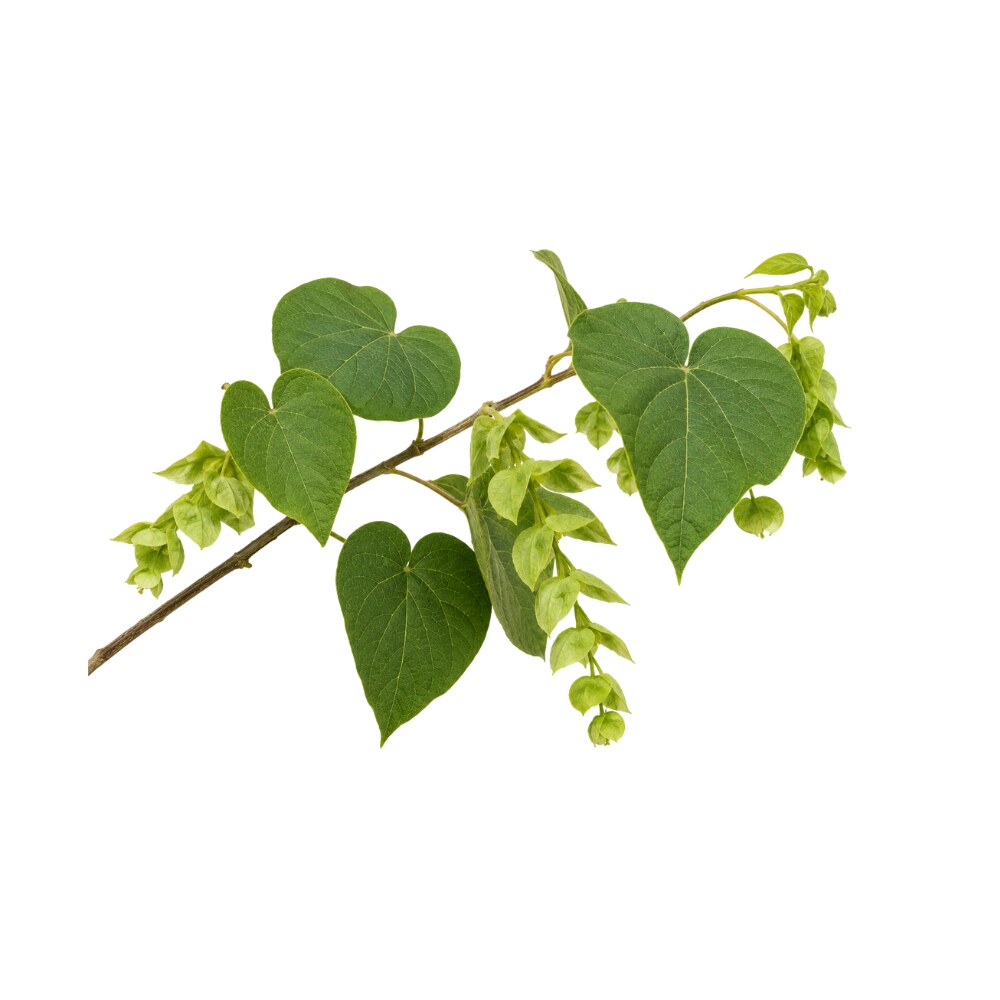 Abuta Cissampelos pareira Documented for 4-methylcurine, bebeerine, berberine and 31 more alkaloids.
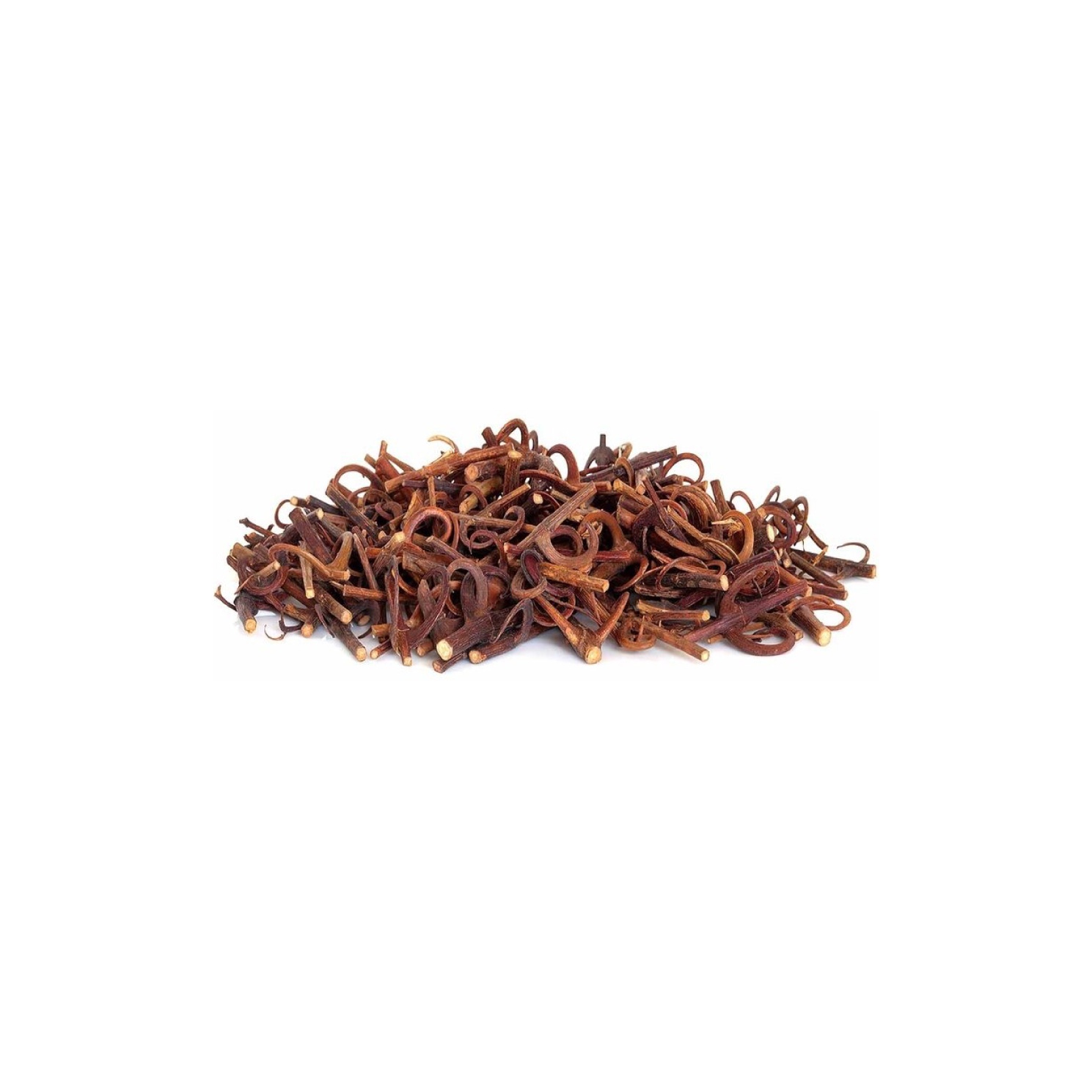 Cat's Claw Uncaria tomentosa Documented for ajmalicine, akuammigine, corynantheine and 19 more alkaloids.
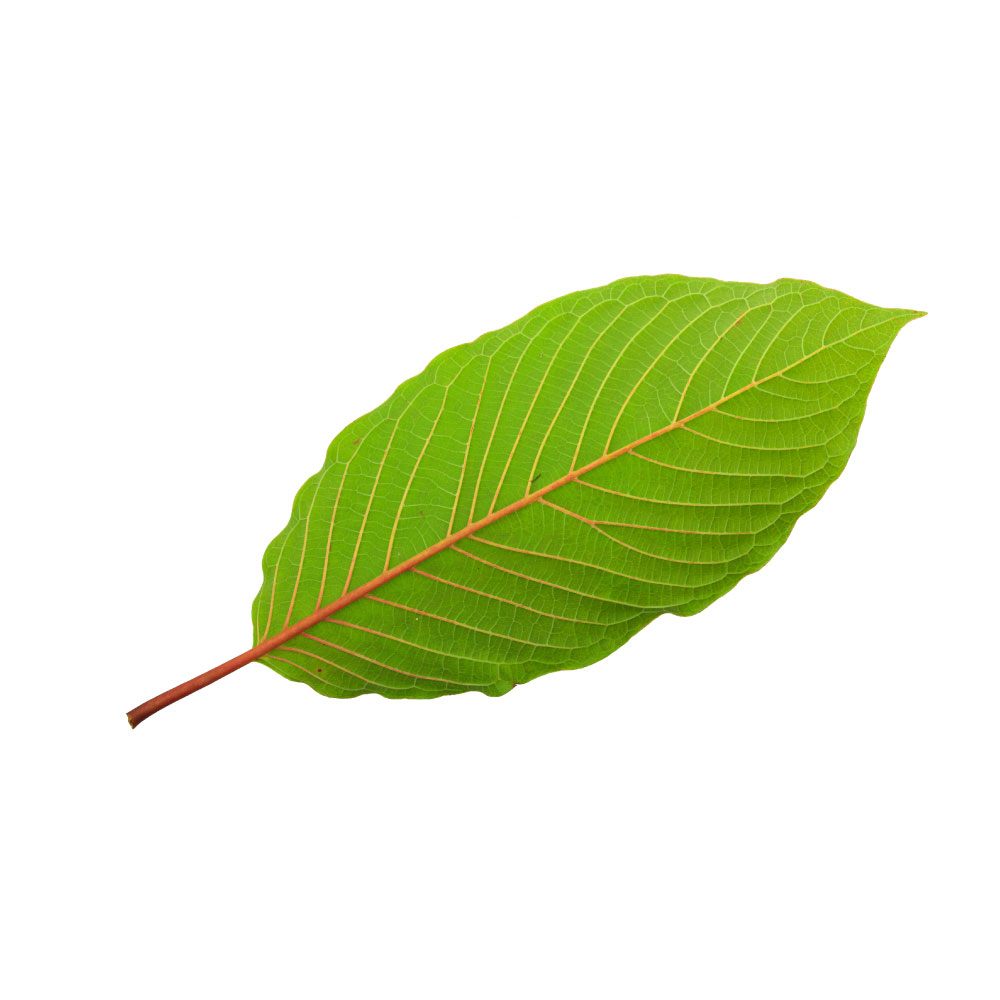 Kratom Mitragyna speciosa Documented for 7-hydroxymitragynine (0.02–0.04 % of extract), corynantheidine (1.16 % w/w), mitragynine (0.7–4.9 % dry wt), paynantheine (0.11–0.31 % dry wt) and 18 more alkaloids.
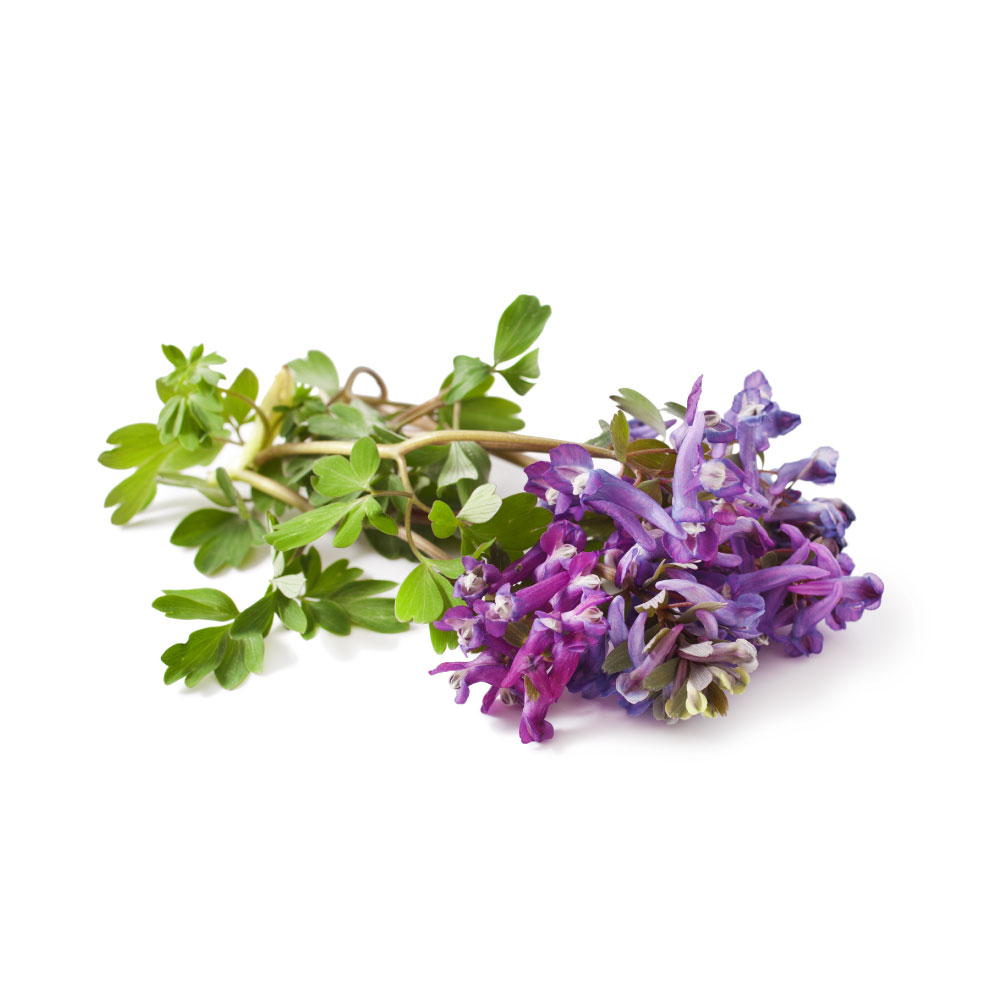 Corydalis Corydalis yanhusuo Documented for (S)-scoulerine, allocryptopine, bulbocapnine and 11 more alkaloids.
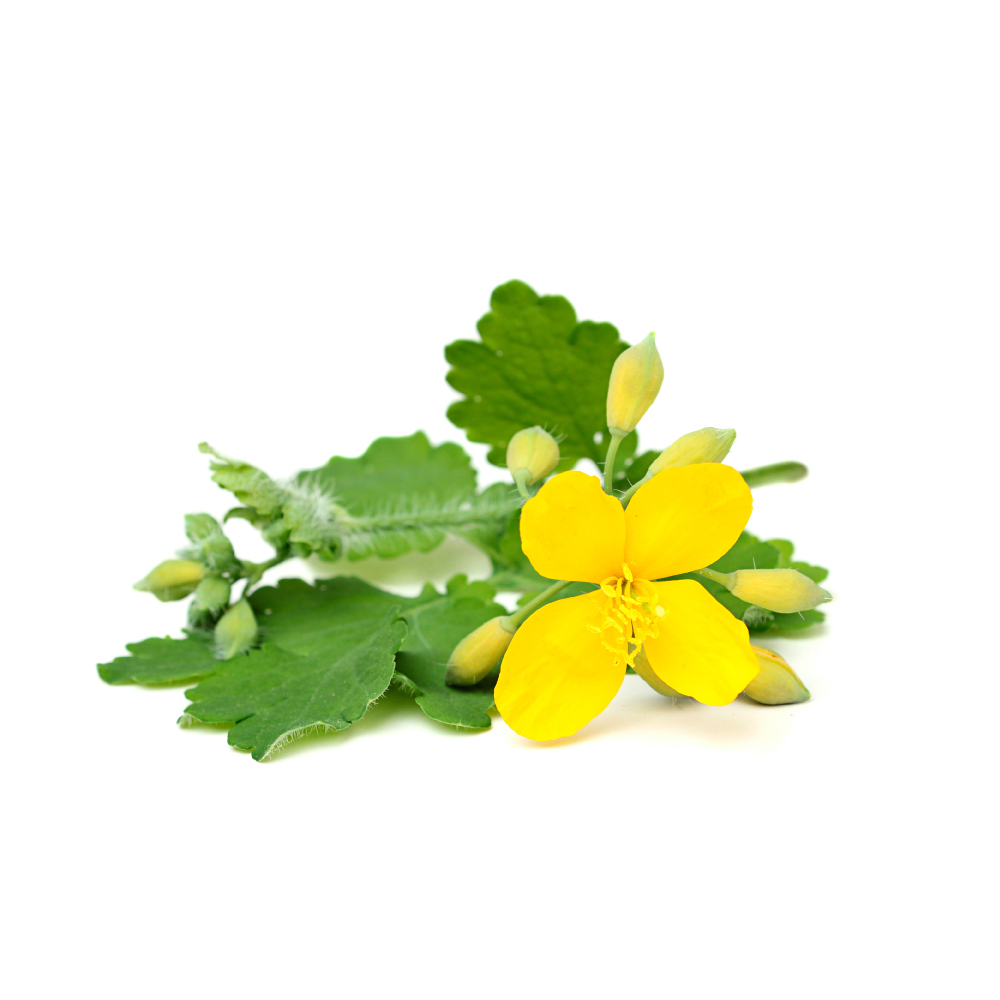 Greater Celandine Chelidonium majus Toxic Documented for chelerythrine (0.06 mg/g extract), chelidonine (1.75 mg/g extract), allocryptopine and 11 more alkaloids.
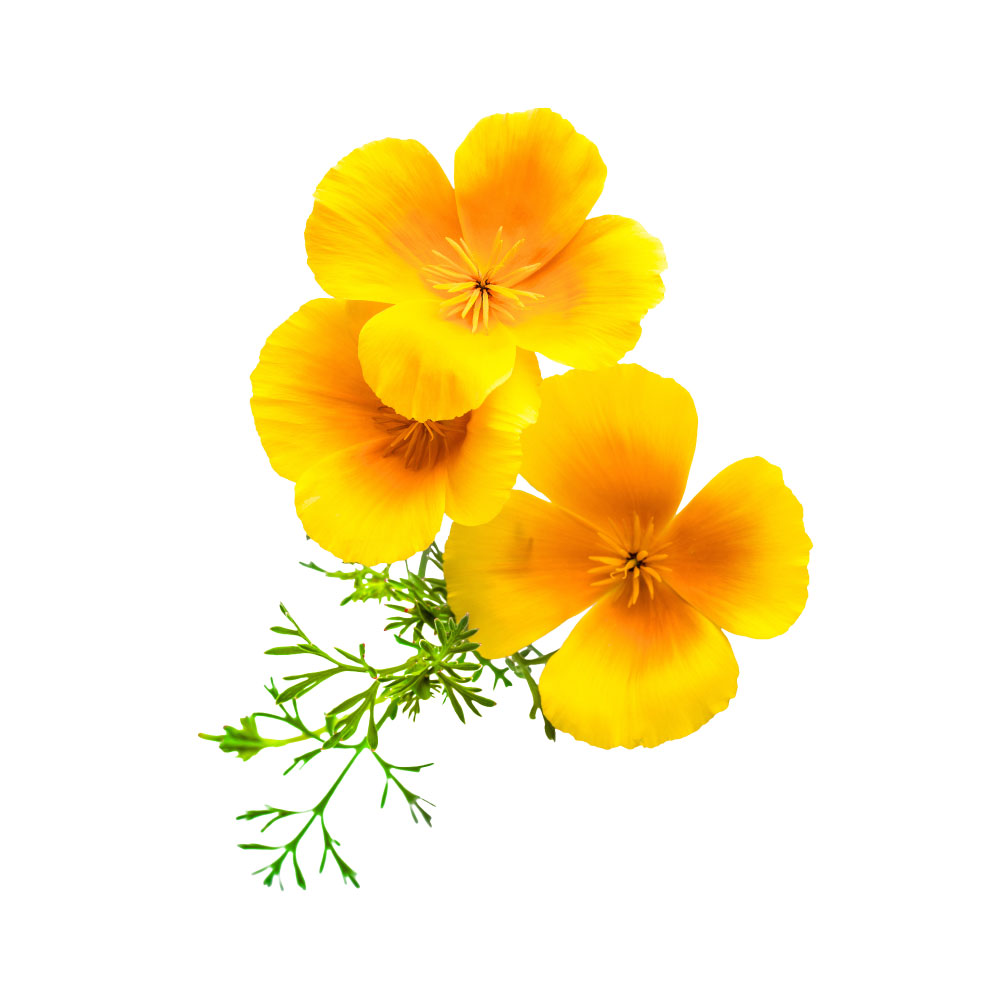 California Poppy Eschscholzia californica Documented for protopine (0.01–0.2 mg/g product), reticuline (1.1 mg/g dry wt), (S)-scoulerine and 10 more alkaloids.
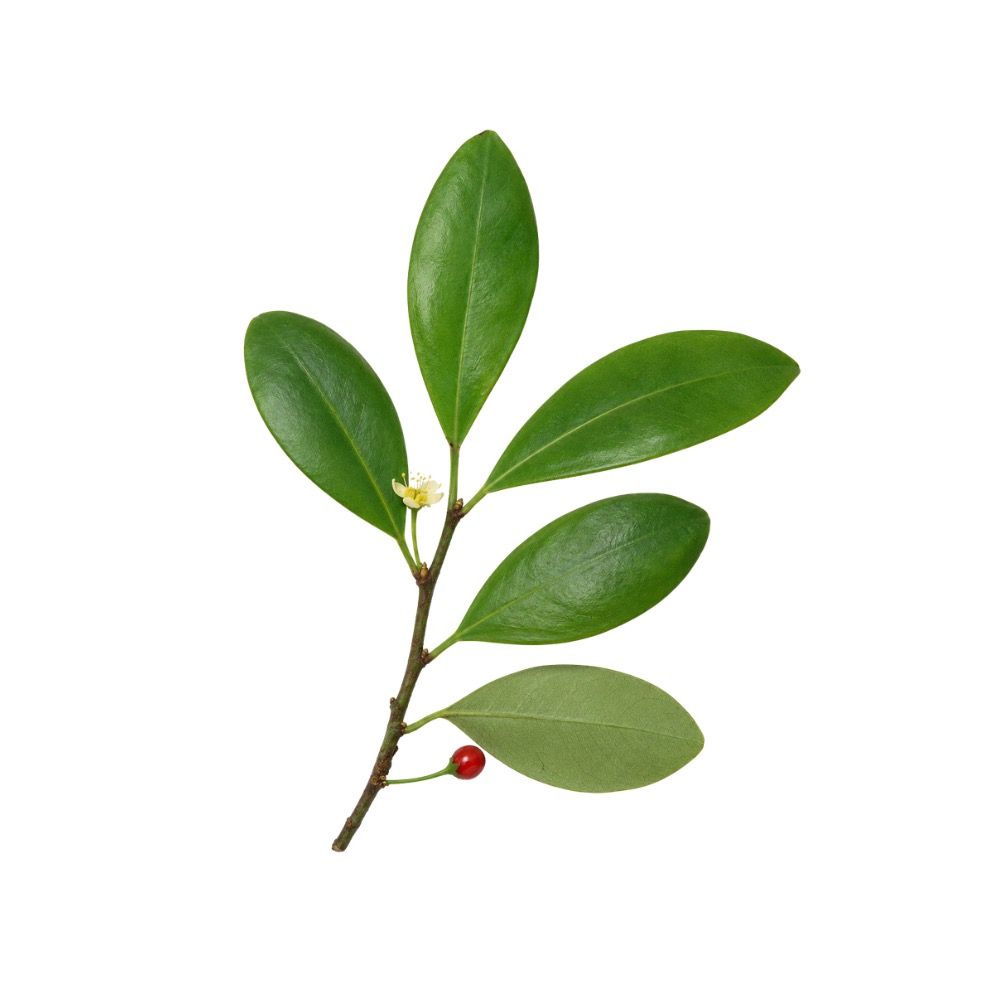 Coca Erythroxylum coca Documented for benzoylecgonine (0.11–0.12 mg/bag), cocaine (0.5–1 % dry wt), alpha-truxilline and 10 more alkaloids.
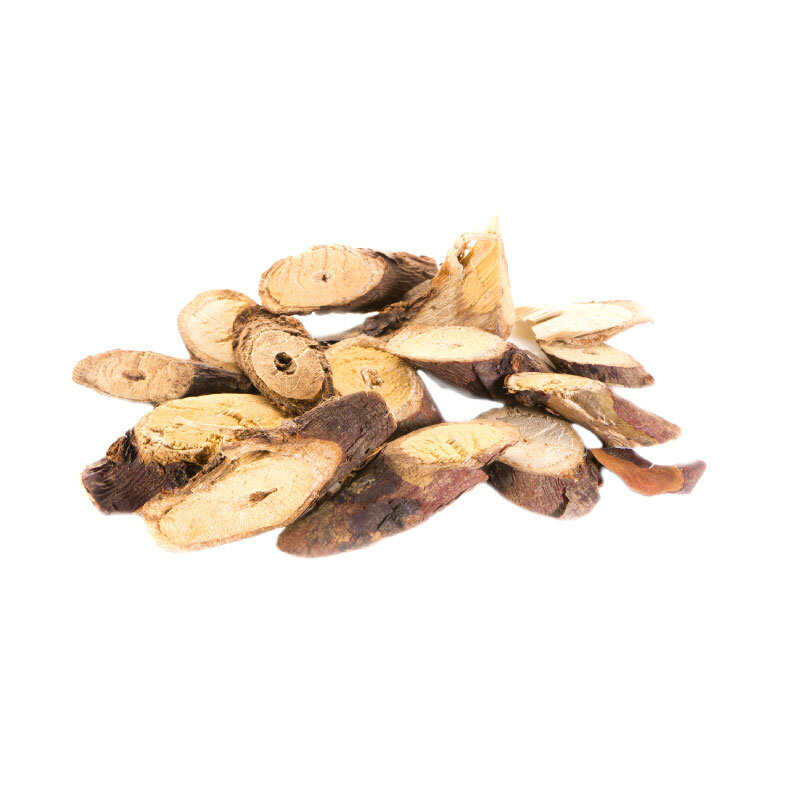 Cryptolepis Cryptolepis sanguinolenta Toxic Documented for cryptolepine (2.08 % dry wt), alkaloids, biscryptolepine and 10 more alkaloids.
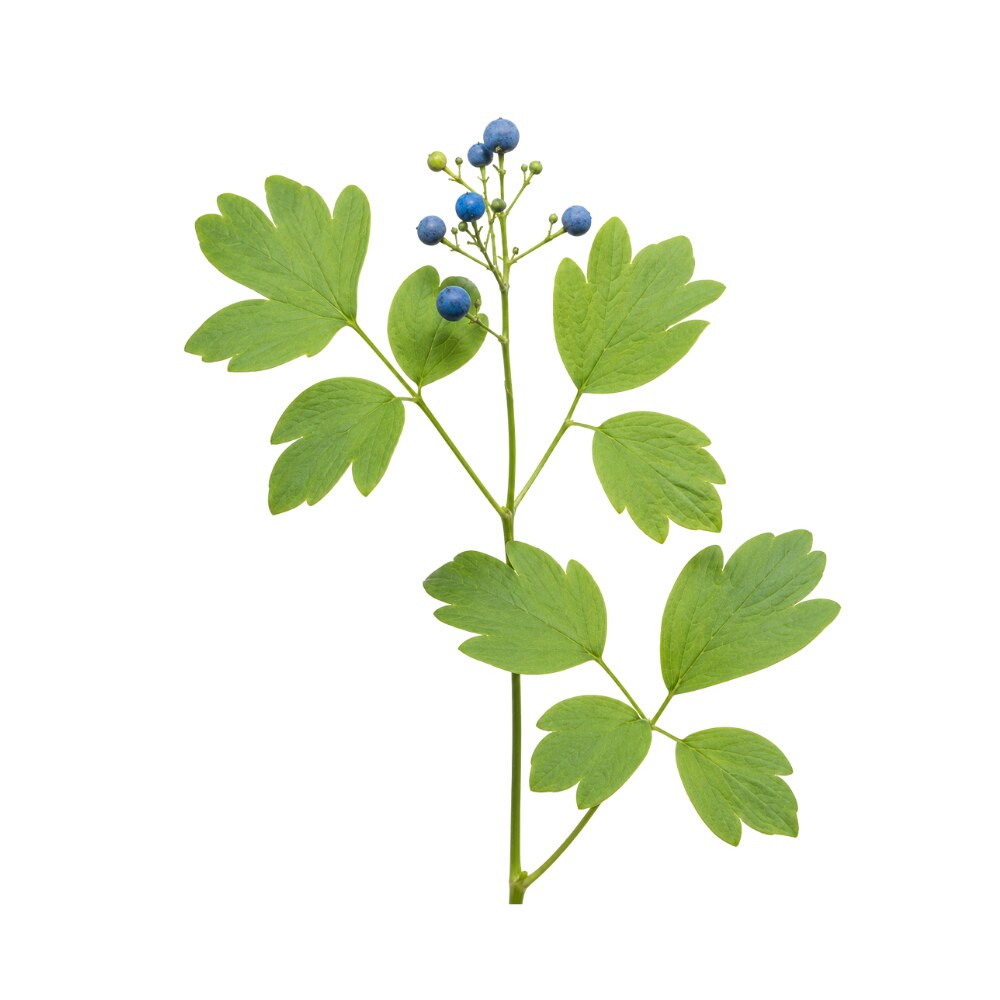 Blue Cohosh Caulophyllum thalictroides Documented for anagyrine (2–390 ppm dry wt), baptifoline (9–900 ppm dry wt), lupanine (1–5 % of total alkaloids), N-methylcytisine (5–850 ppm dry wt) and 7 more alkaloids.
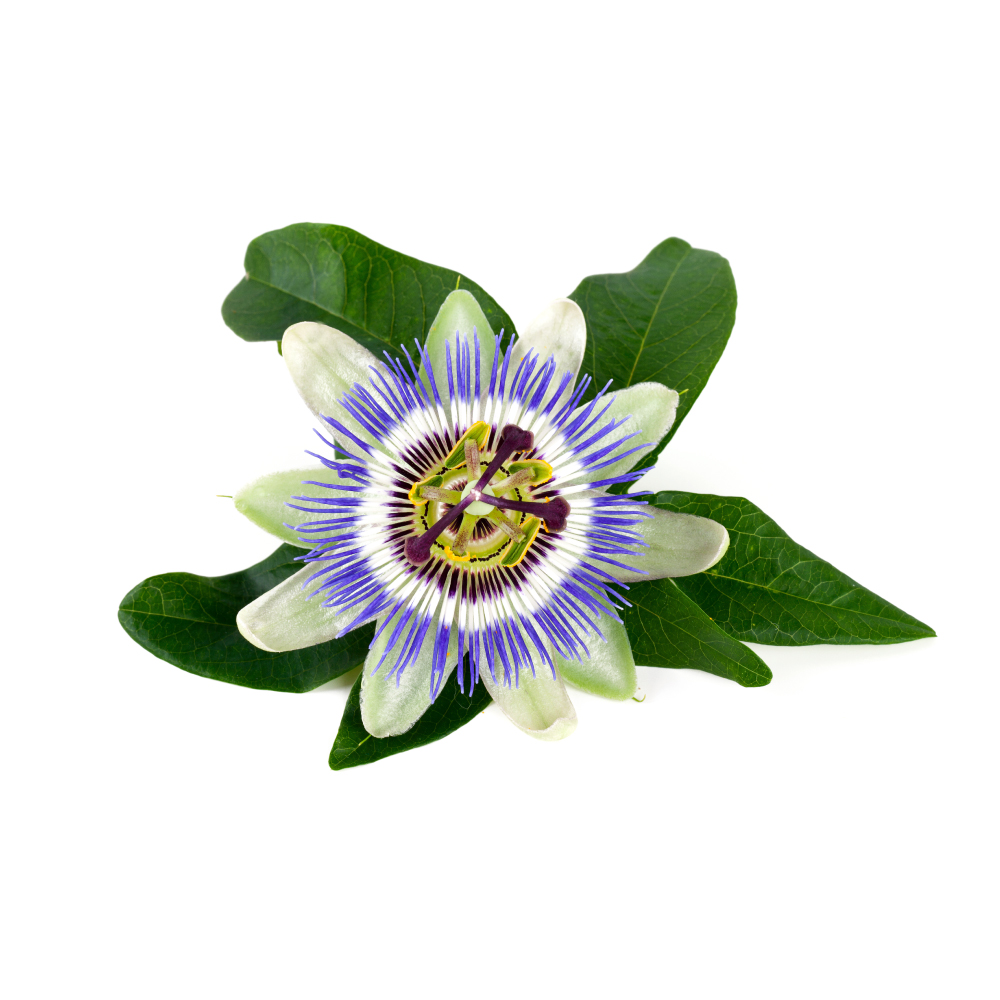 Passionflower Passiflora incarnata Documented for alkaloids, harmaline, harmalol and 7 more alkaloids.
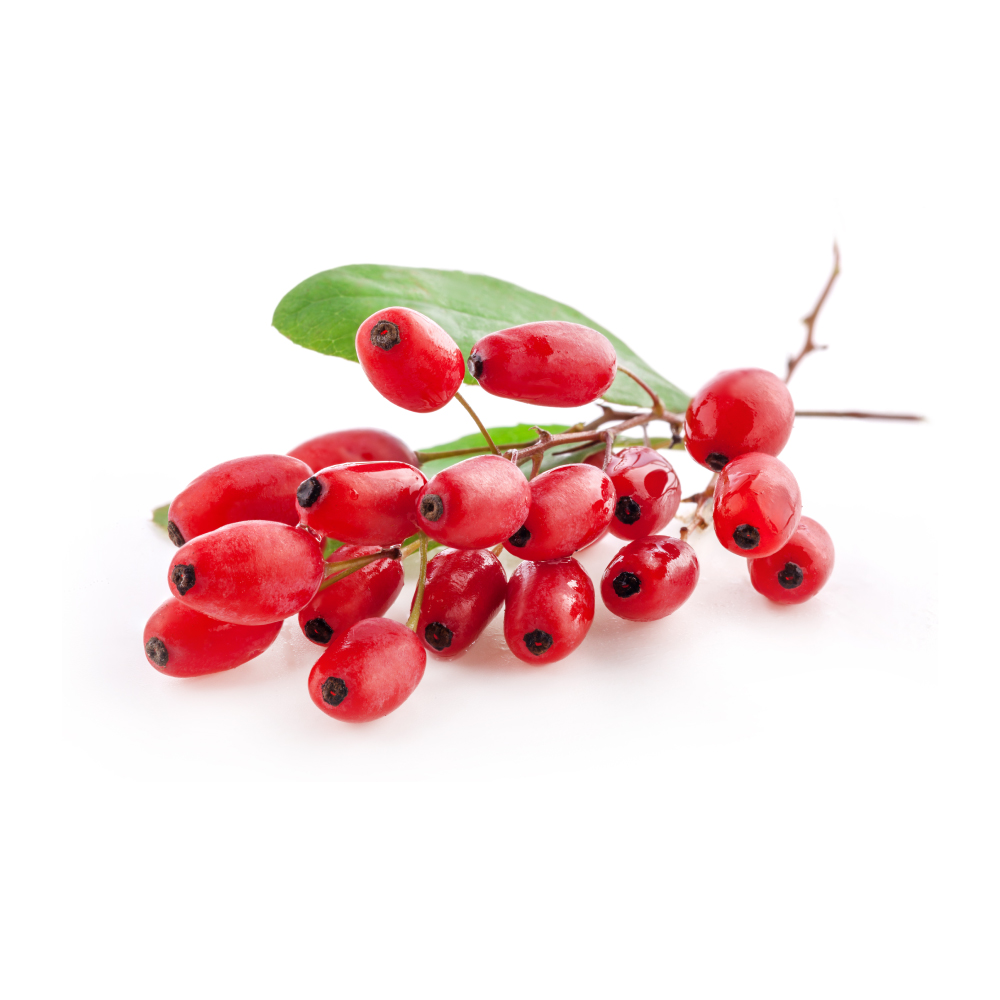 Barberry Berberis spp. Documented for berberine (1–3 % dry wt), berbamine, columbamine and 6 more alkaloids.
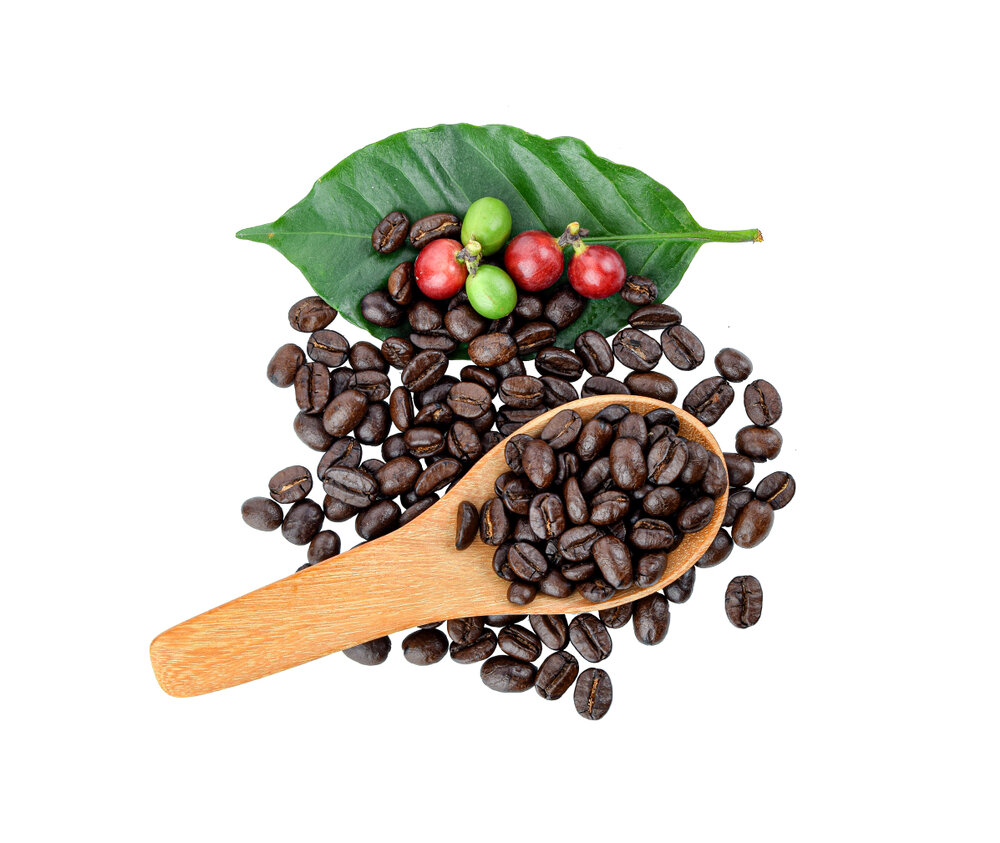 Coffee Coffea arabica Documented for caffeine (0.4–2.5 % dry wt), N-methylpyridinium (0.1–0.25 % dry wt), trigonelline (1–3 % dry wt) and 6 more alkaloids.
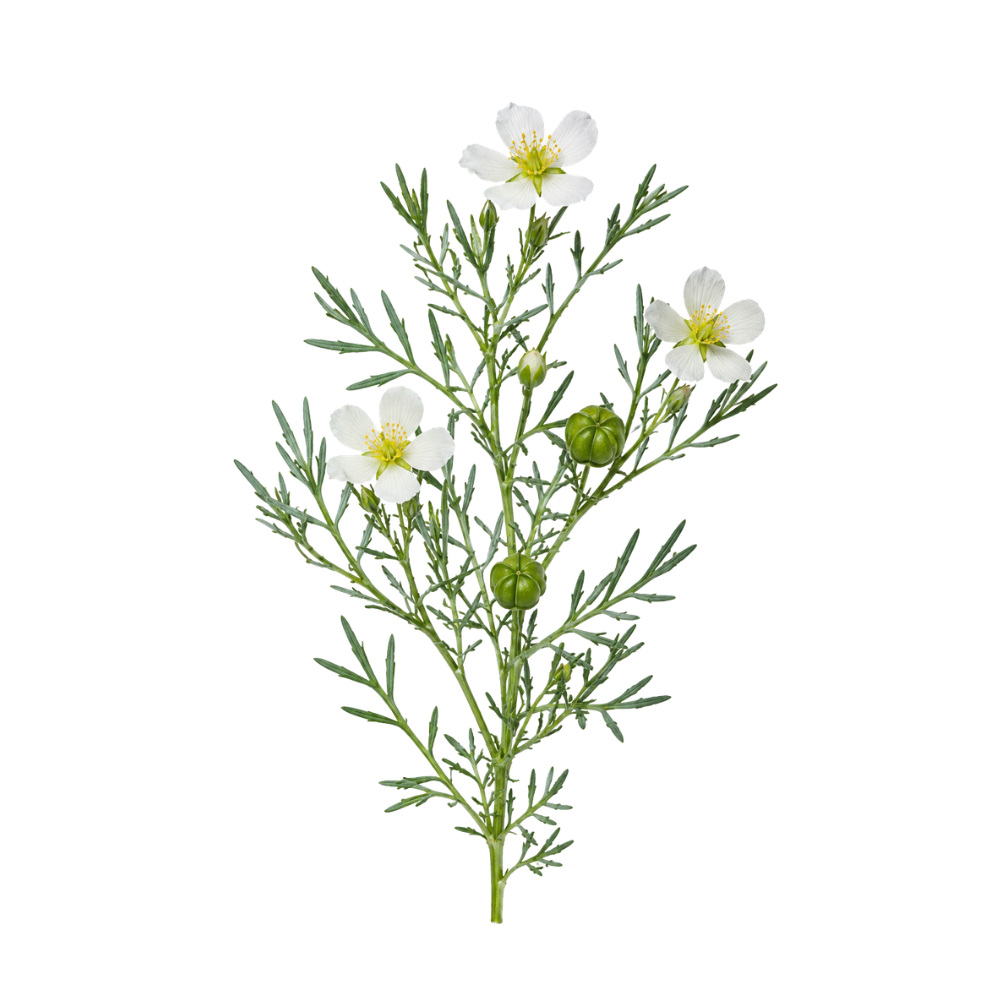 Syrian Rue Peganum harmala Toxic Documented for harmine (0.4–1.8 % dry wt), tetrahydroharmine (1 mg/g dry wt), deoxyvasicine and 6 more alkaloids.
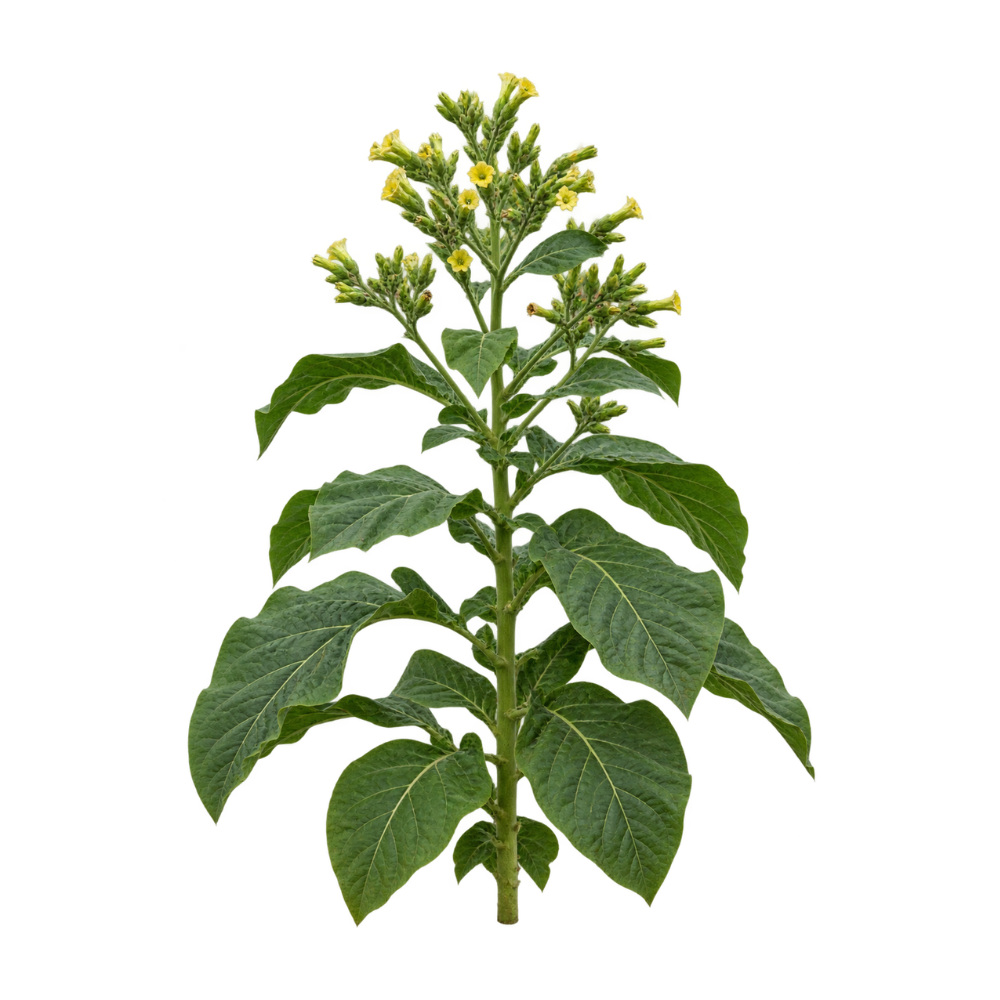 Mapacho Nicotiana rustica Toxic Documented for anabasine, anatabine, harmalol and 5 more alkaloids.
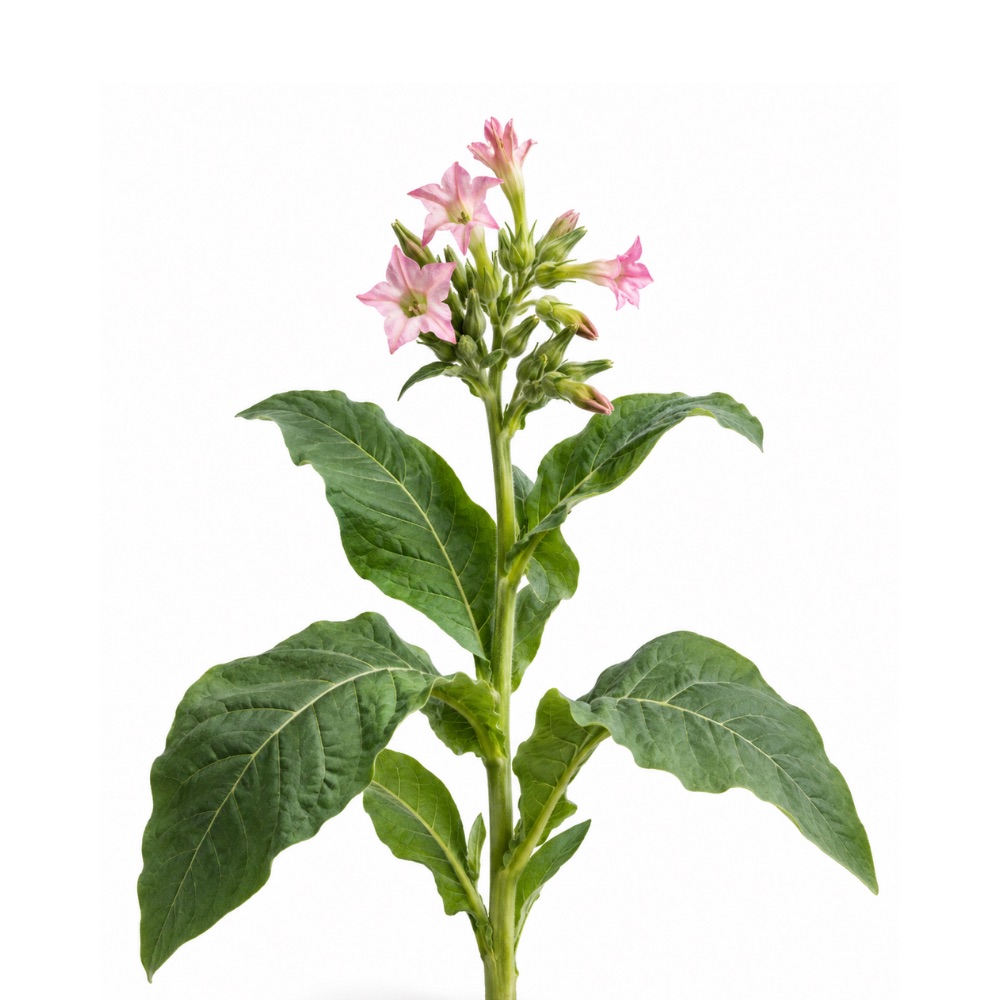 Tobacco Nicotiana tabacum Toxic Documented for anabasine, anatabine, cotinine and 5 more alkaloids.
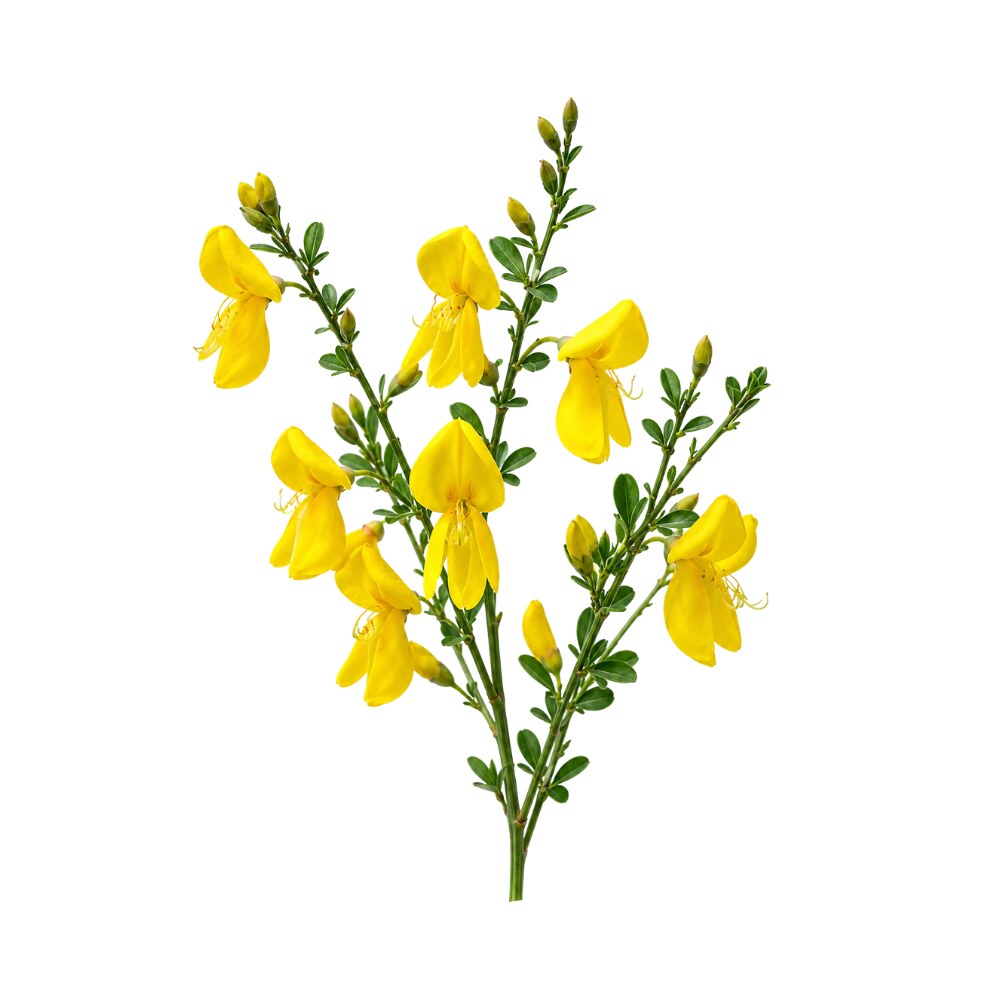 Broom Cytisus scoparius Toxic Documented for 17-oxosparteine, cytisine, hydroxytyramine and 4 more alkaloids.
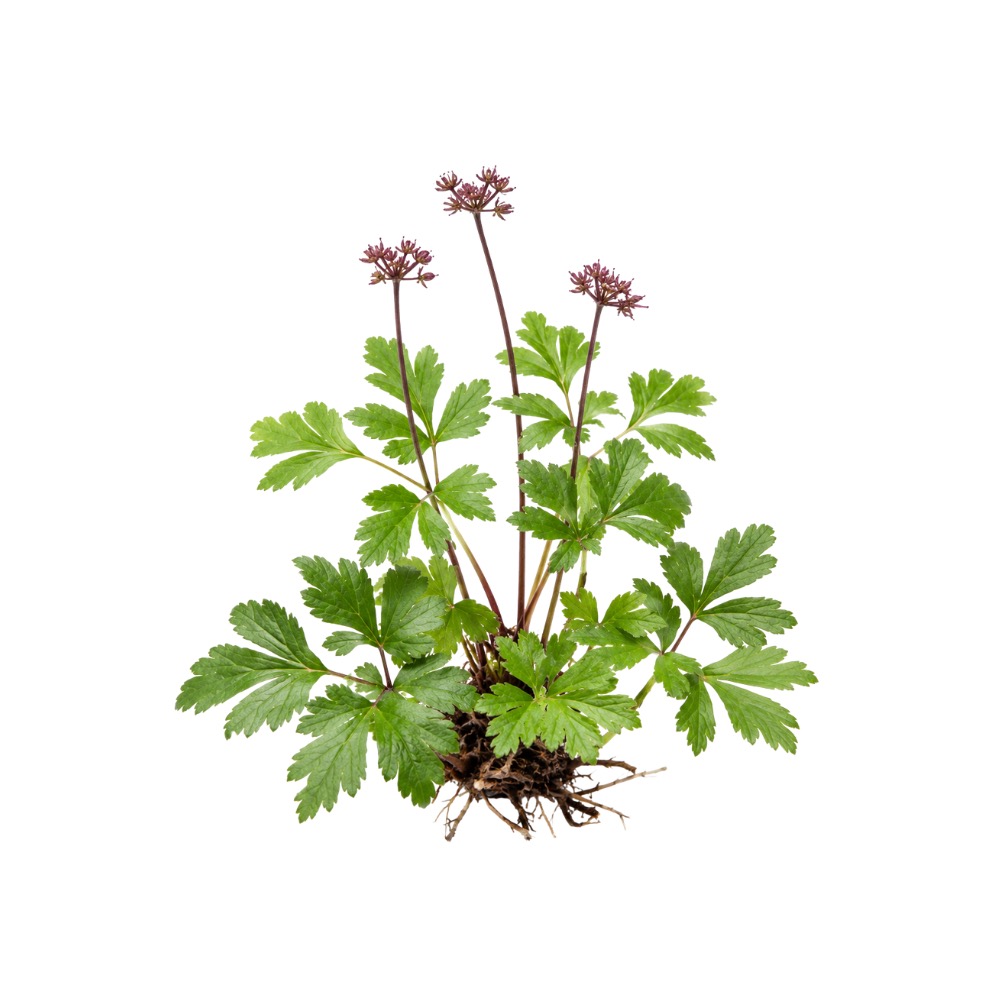 Coptis Coptis chinensis Documented for epiberberine (1.1–1.4 % dry wt), palmatine (1.5–1.7 % dry wt), berberine and 4 more alkaloids.
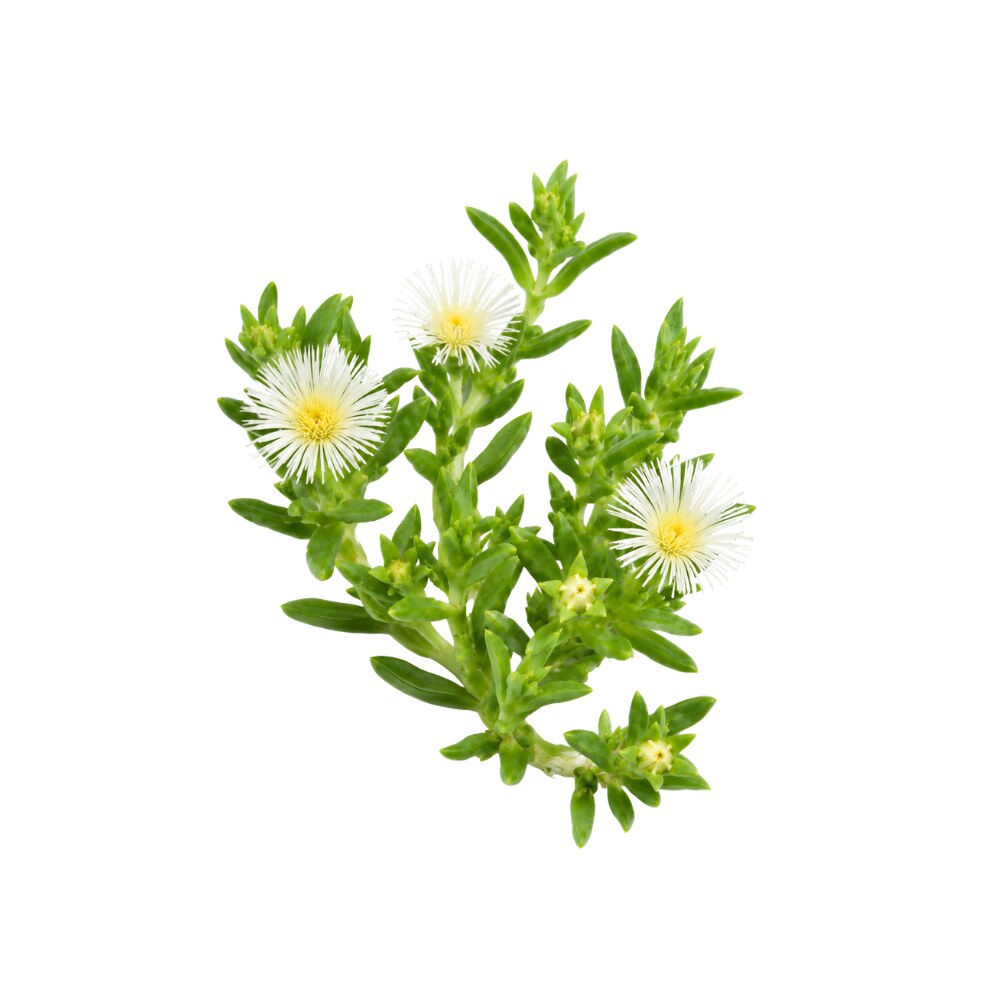 Kanna Mesembryanthemum tortuosum Documented for mesembranol (6.8 % of total alkaloids), mesembrenol (65–96 % of total alkaloids), mesembrine (1.33 % dry wt) and 4 more alkaloids.
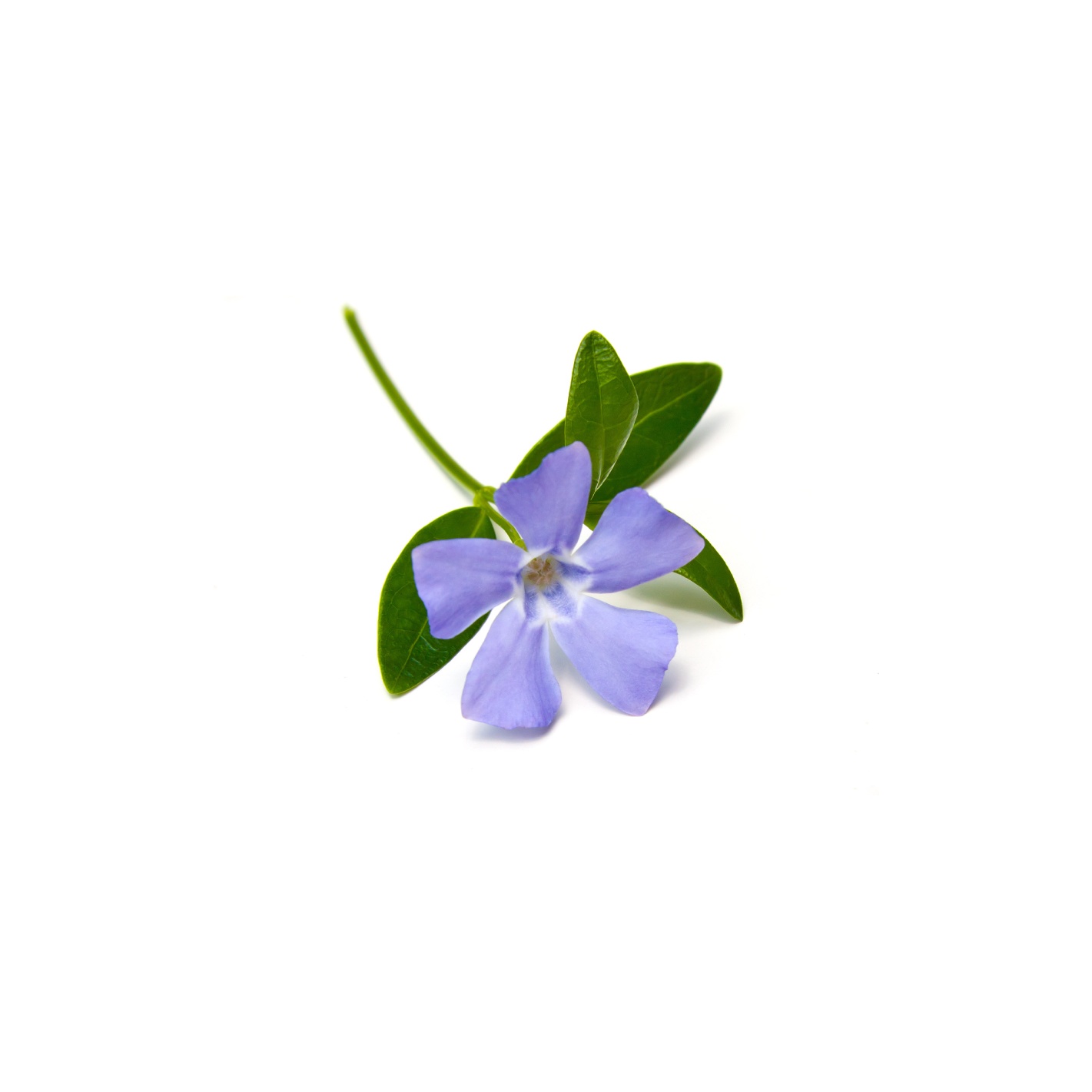 Periwinkle Vinca major Documented for 11-hydroxypolyneuridine, eburnamenine, indole alkaloids and 4 more alkaloids.
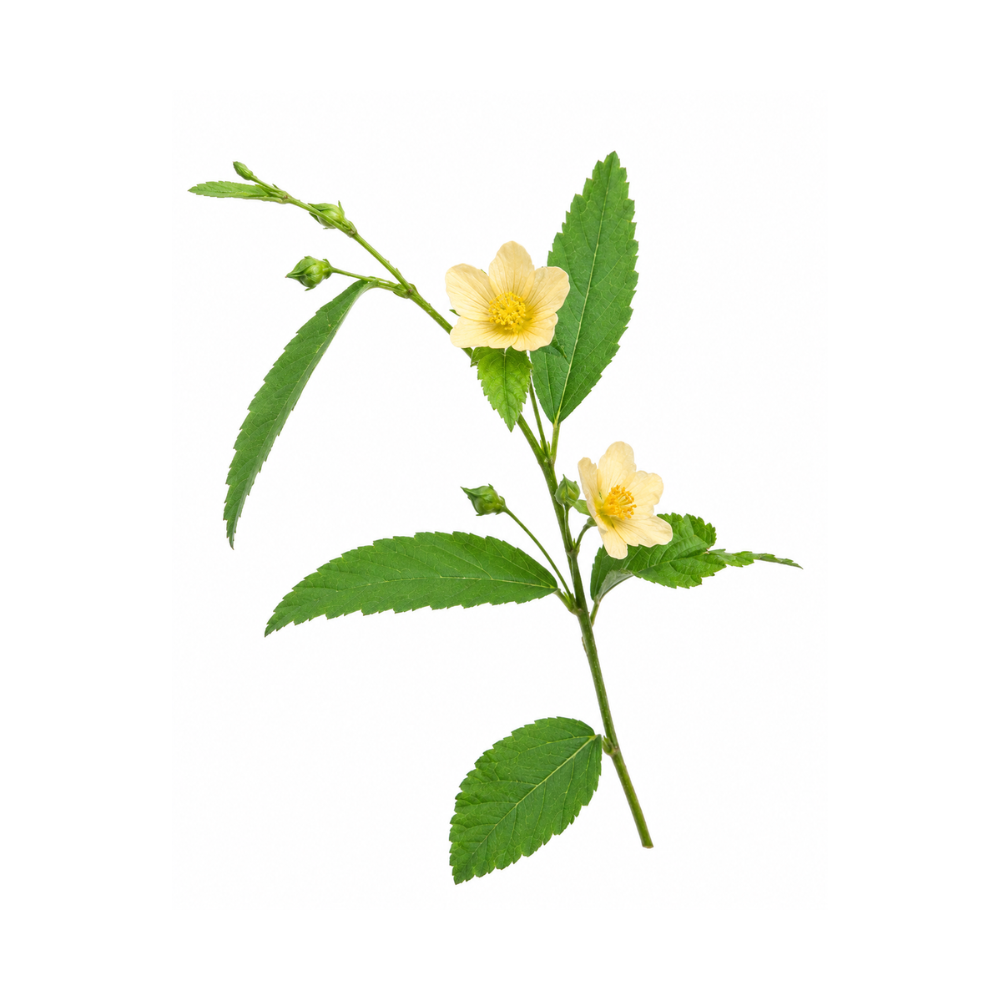 Wireweed Sida acuta Documented for 11-methoxyquindoline, cryptolepine, cryptolepinone and 4 more alkaloids.
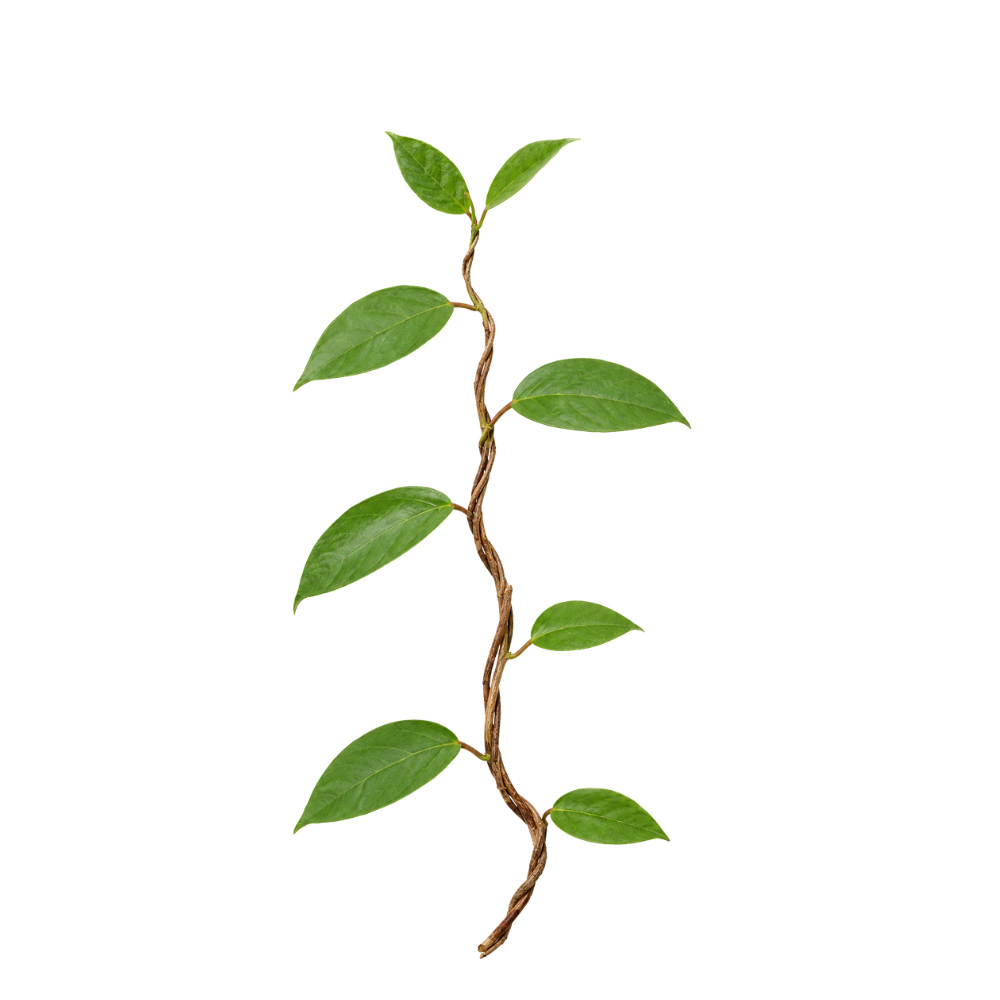 Ayahuasca Vine Banisteriopsis caapi Documented for tetrahydroharmine (0.5–4 mg/g dry wt), harmala alkaloids, harmaline and 3 more alkaloids.
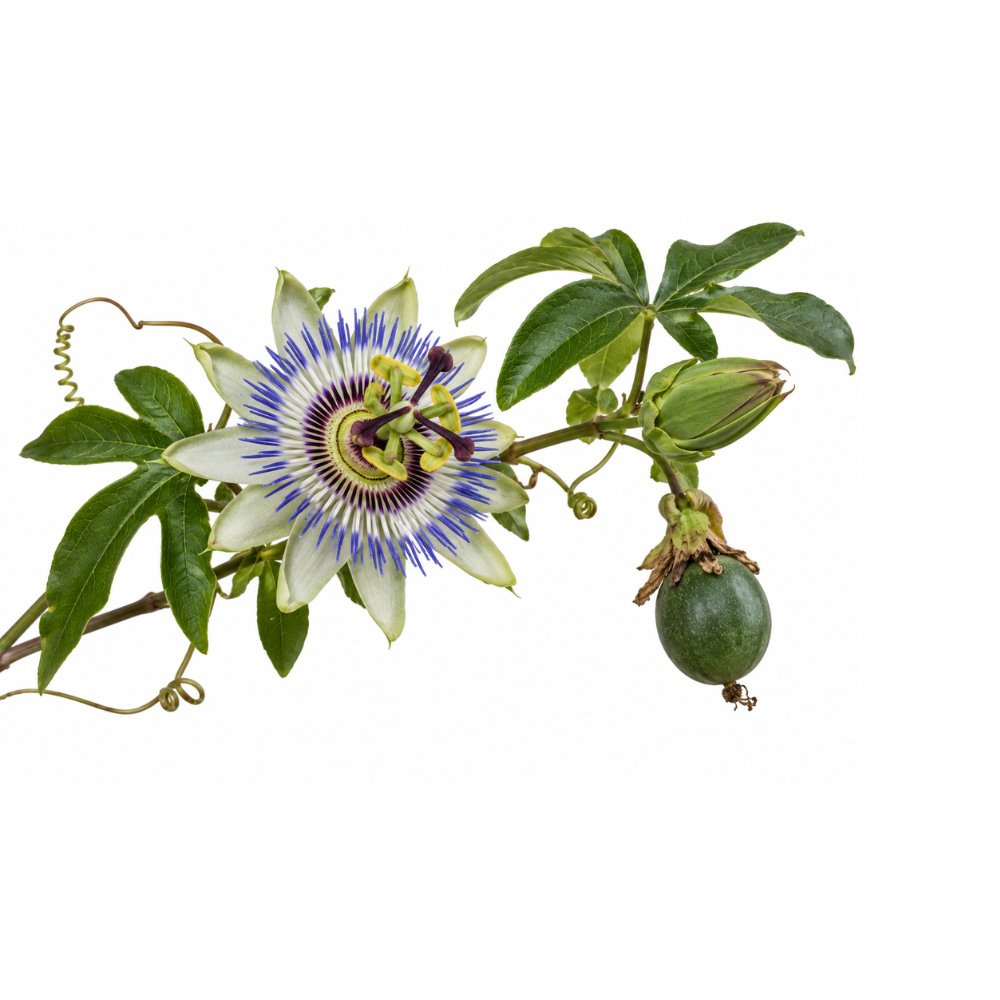 Blue Passionflower Passiflora caerulea Documented for harmaline, harmalol, harman and 3 more alkaloids.
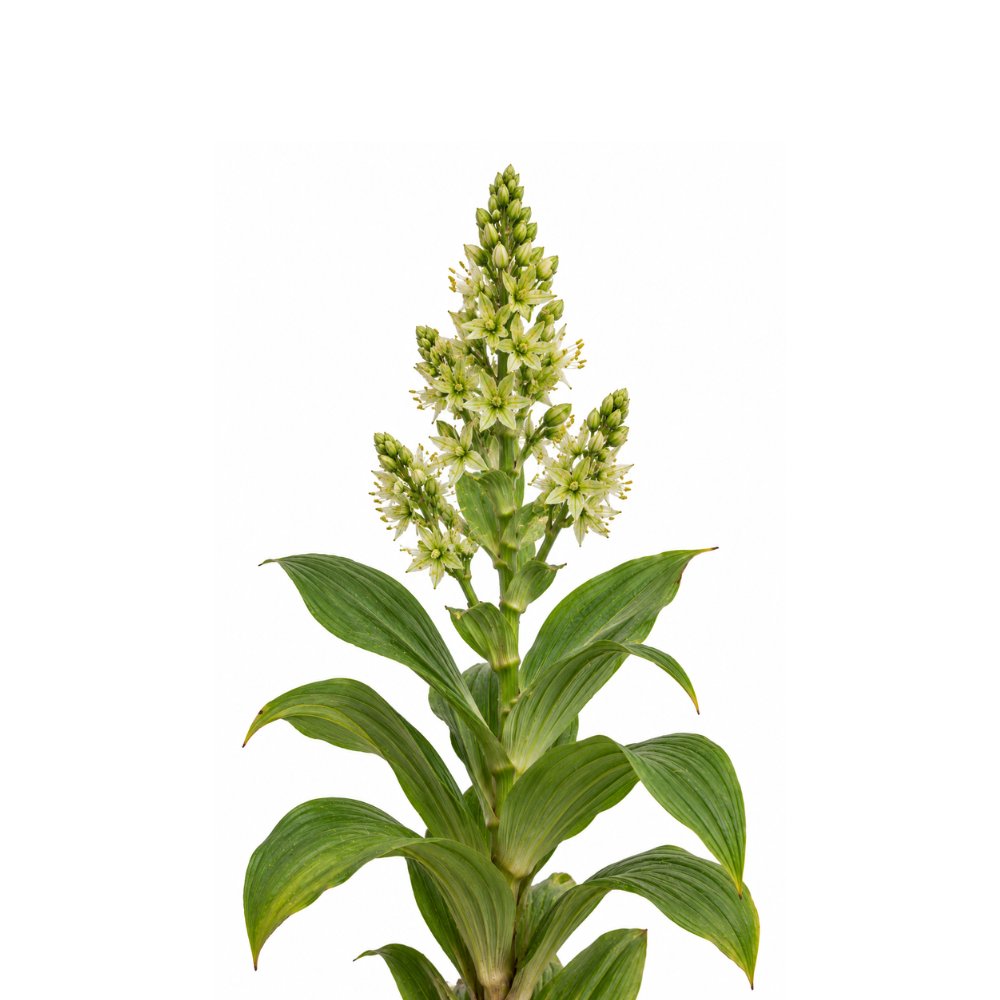 False Hellebore ☠️ Veratrum viride Toxic Documented for cyclopamine, germidine, germitrine and 3 more alkaloids.
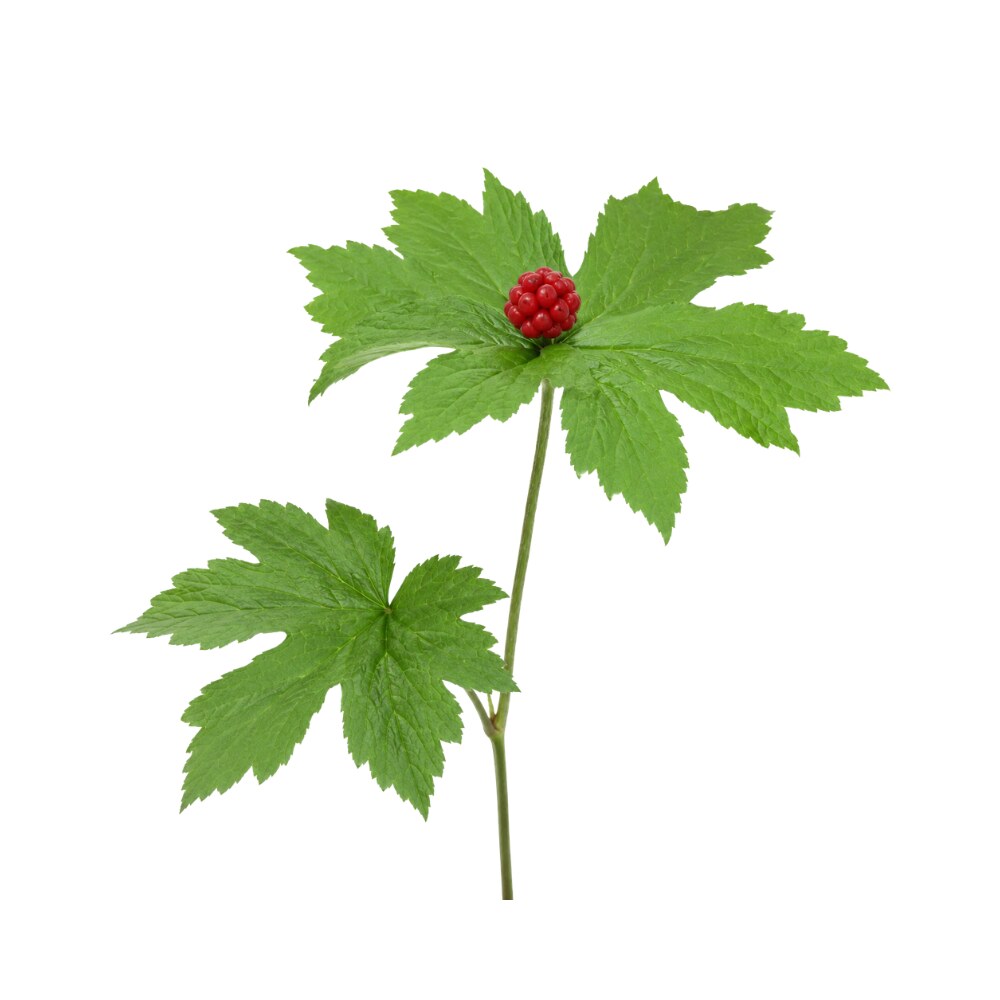 Goldenseal Hydrastis canadensis Documented for berberine (0.5–4.5 % dry wt), hydrastine (2–4 % dry wt), berberastine and 3 more alkaloids.
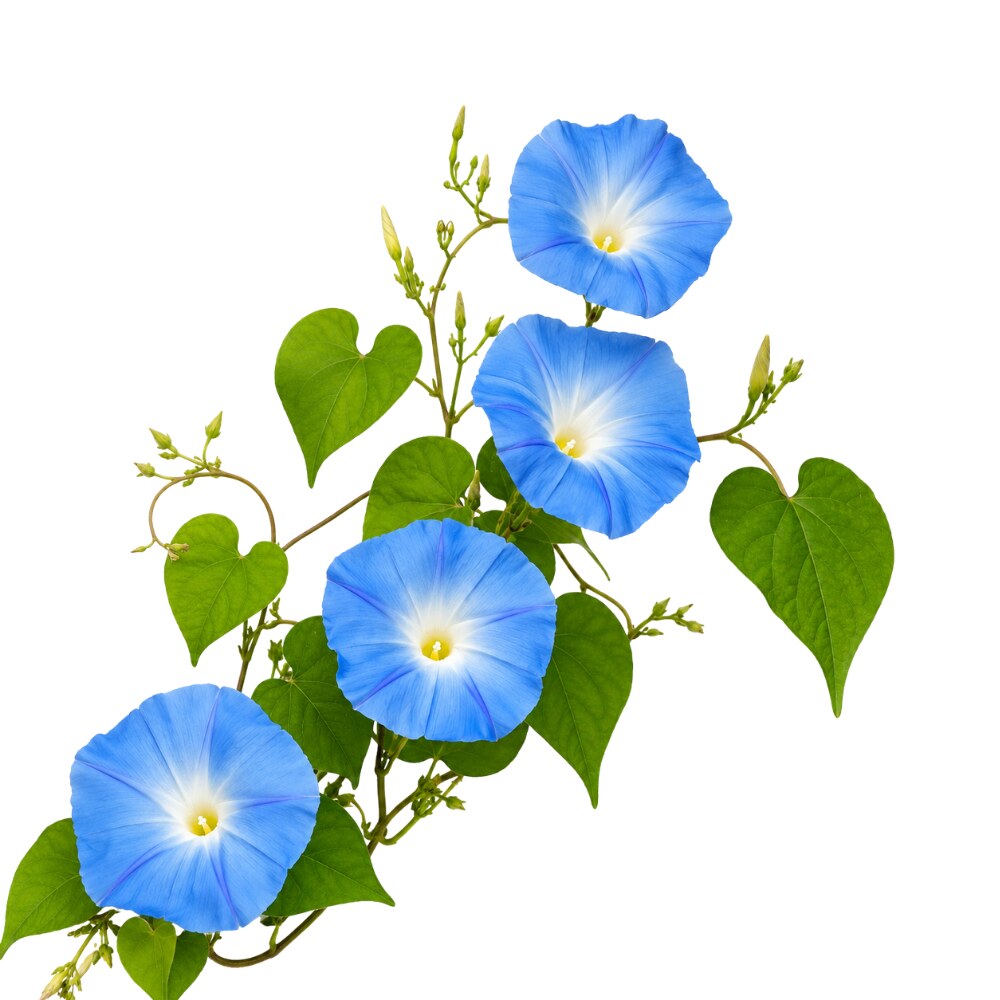 Morning Glory Ipomoea tricolor Documented for chanoclavine, ergometrine, isoergine and 3 more alkaloids.
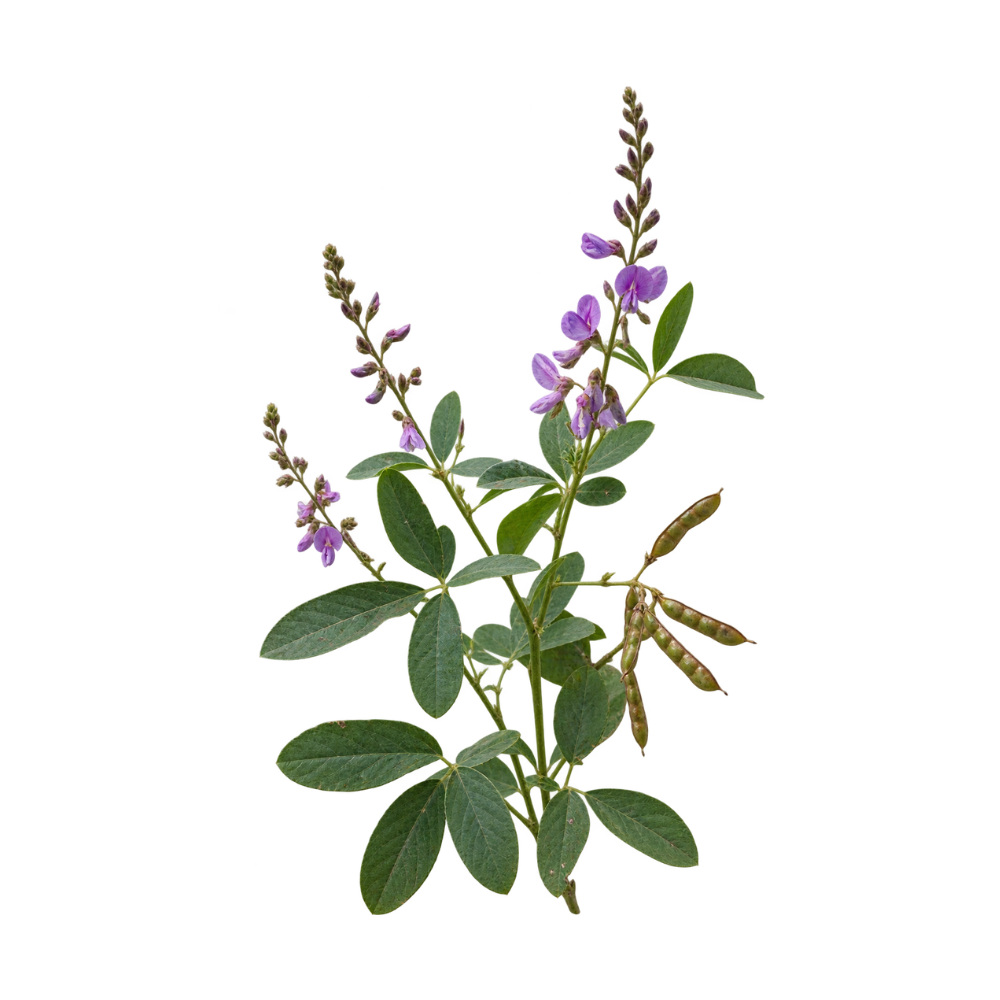 Tick Trefoil Desmodium spp. Documented for desmodiamines, hordenine, N,N-dimethyltyramine and 3 more alkaloids.
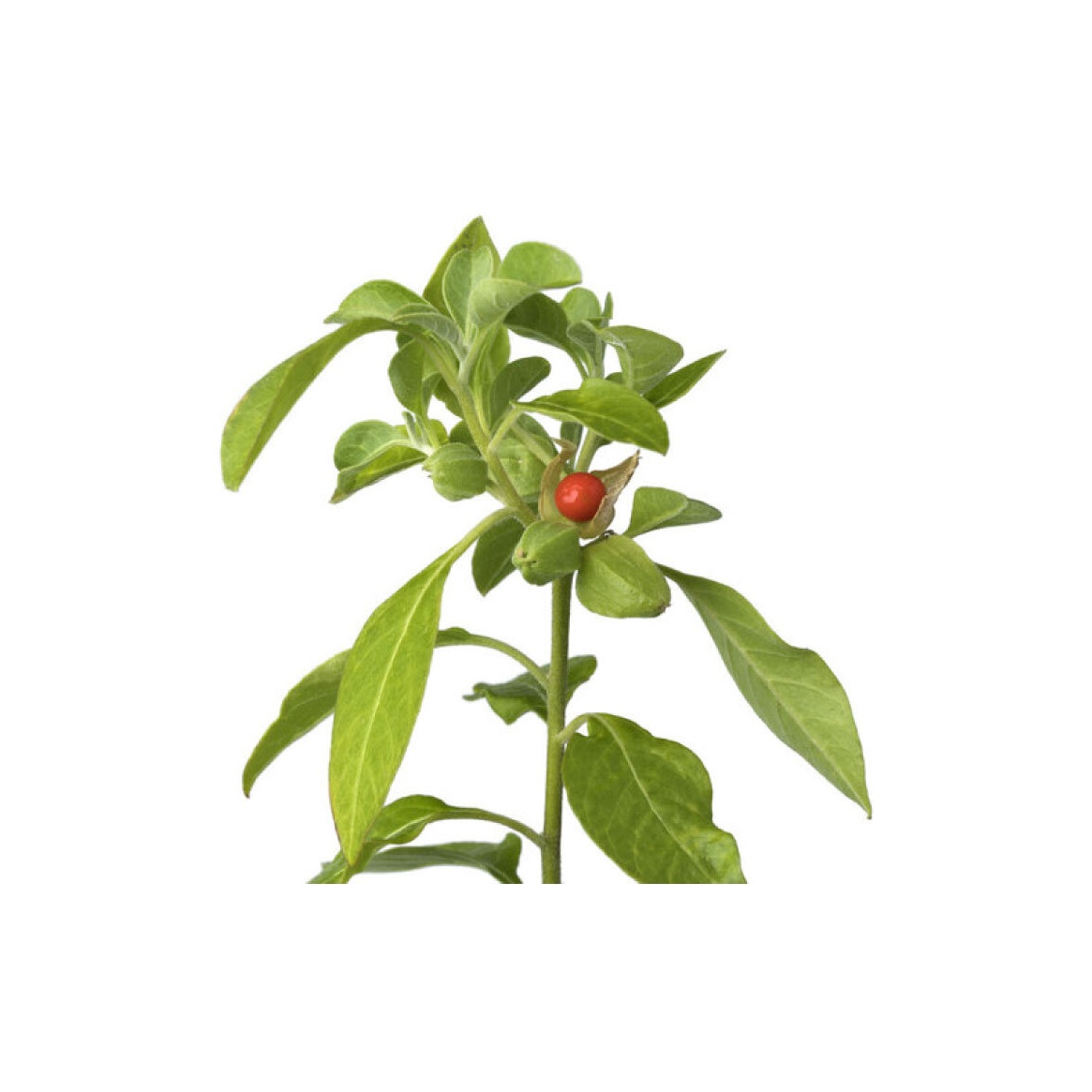 Ashwagandha Withania somnifera Documented for anaferine, isopelletierine, pseudotropine and 2 more alkaloids.
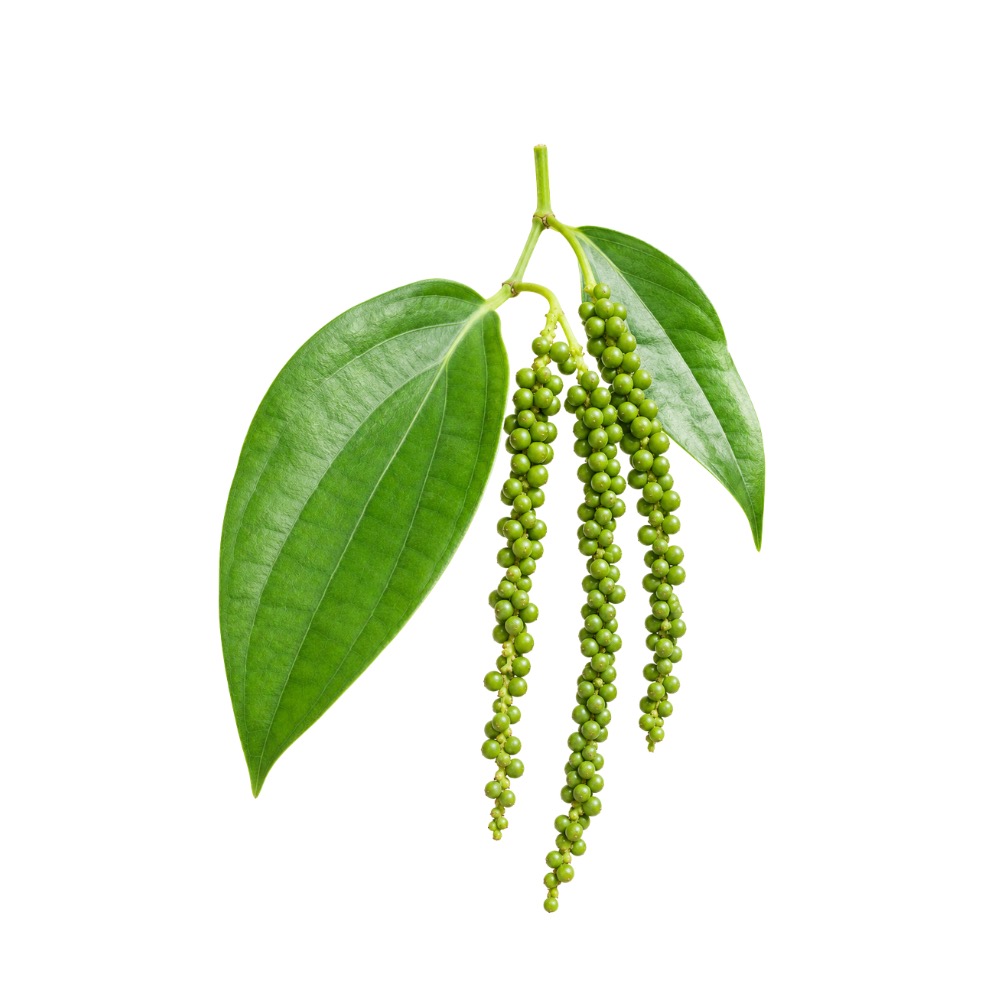 Black Pepper Piper nigrum Documented for piperine (2–9 % dry wt), chavicine, piperanine and 2 more alkaloids. Bulbous Canary Grass ☠️ Phalaris aquatica Toxic Documented for 5-MeO-DMT, bufotenin, gramine and 2 more alkaloids.
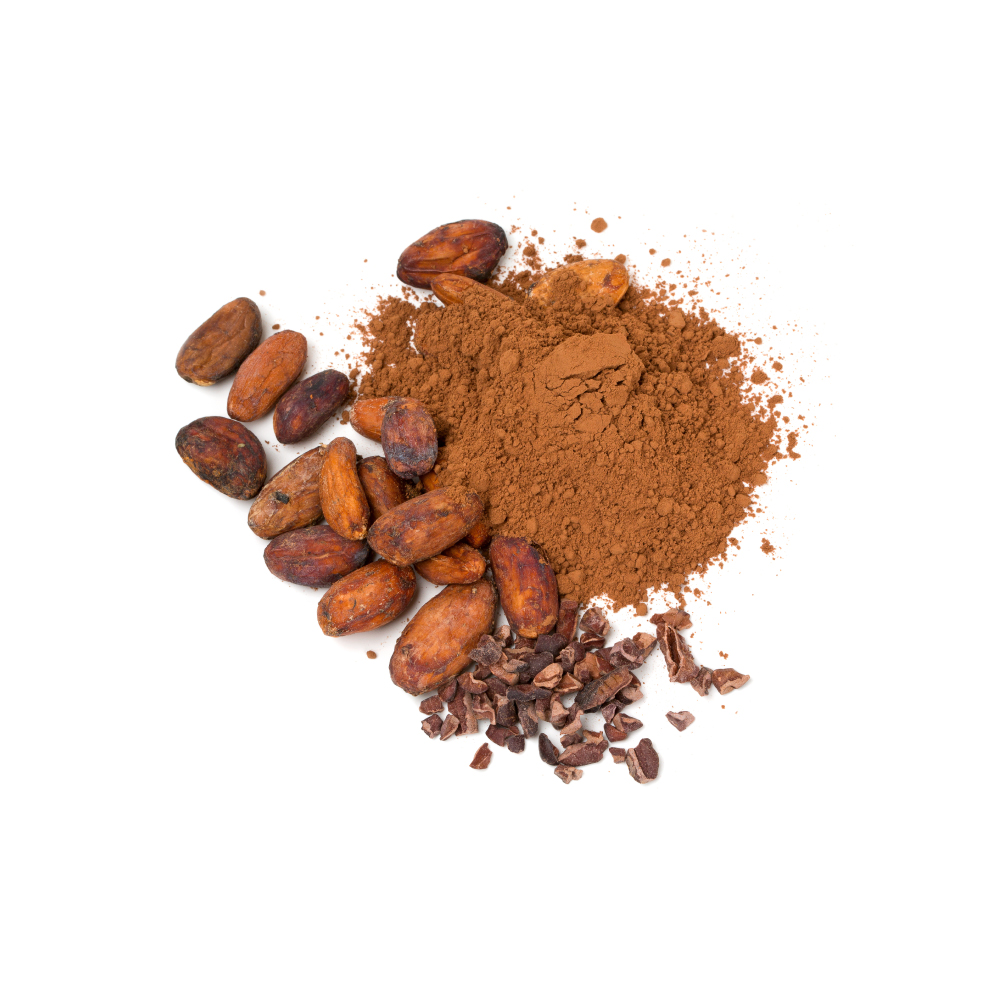 Cacao Theobroma cacao Documented for caffeine (0.1–0.7 % dry wt), phenethylamine (9.6–71.7 mg/kg), theobromine (1–4 % dry wt) and 2 more alkaloids.
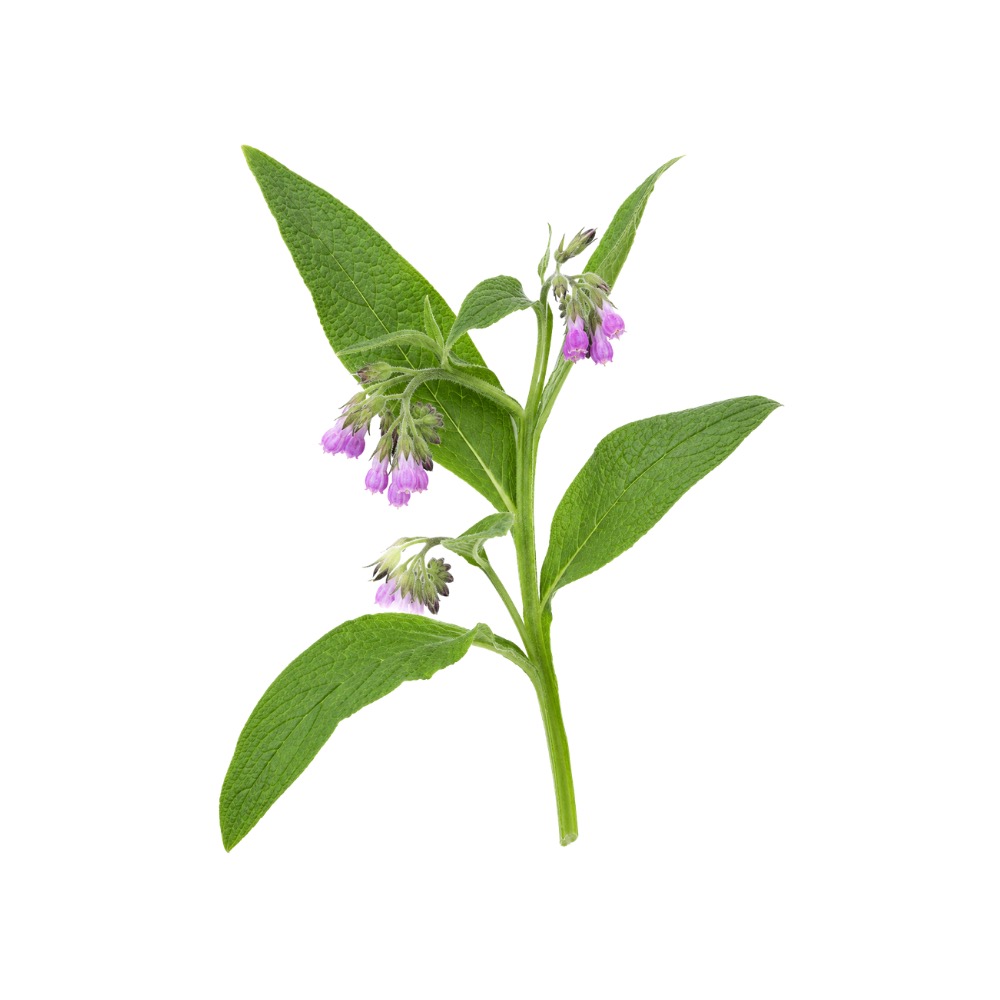 Comfrey Symphytum officinale Toxic Documented for choline, echimidine, intermedine and 2 more alkaloids.
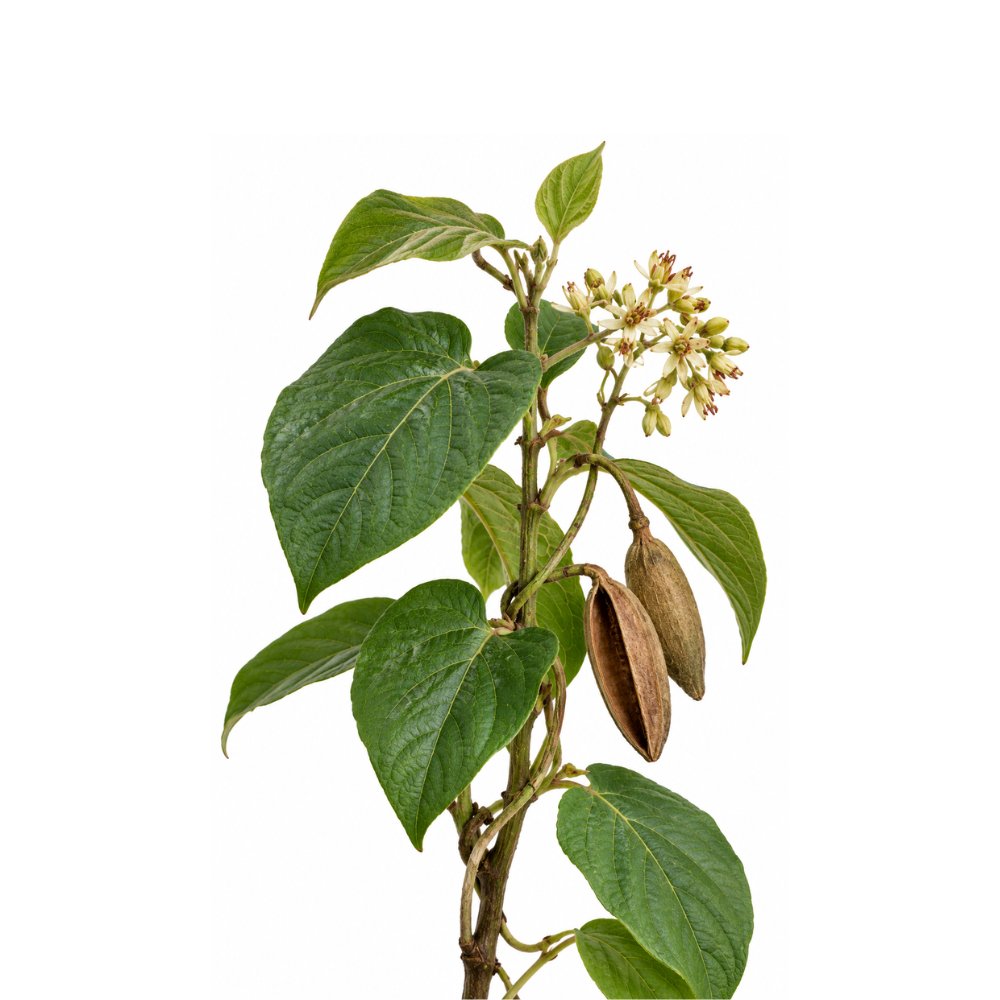 Curare ☠️ Chondrodendron tomentosum Toxic Documented for chondocurine, curine, cycleanine and 2 more alkaloids.
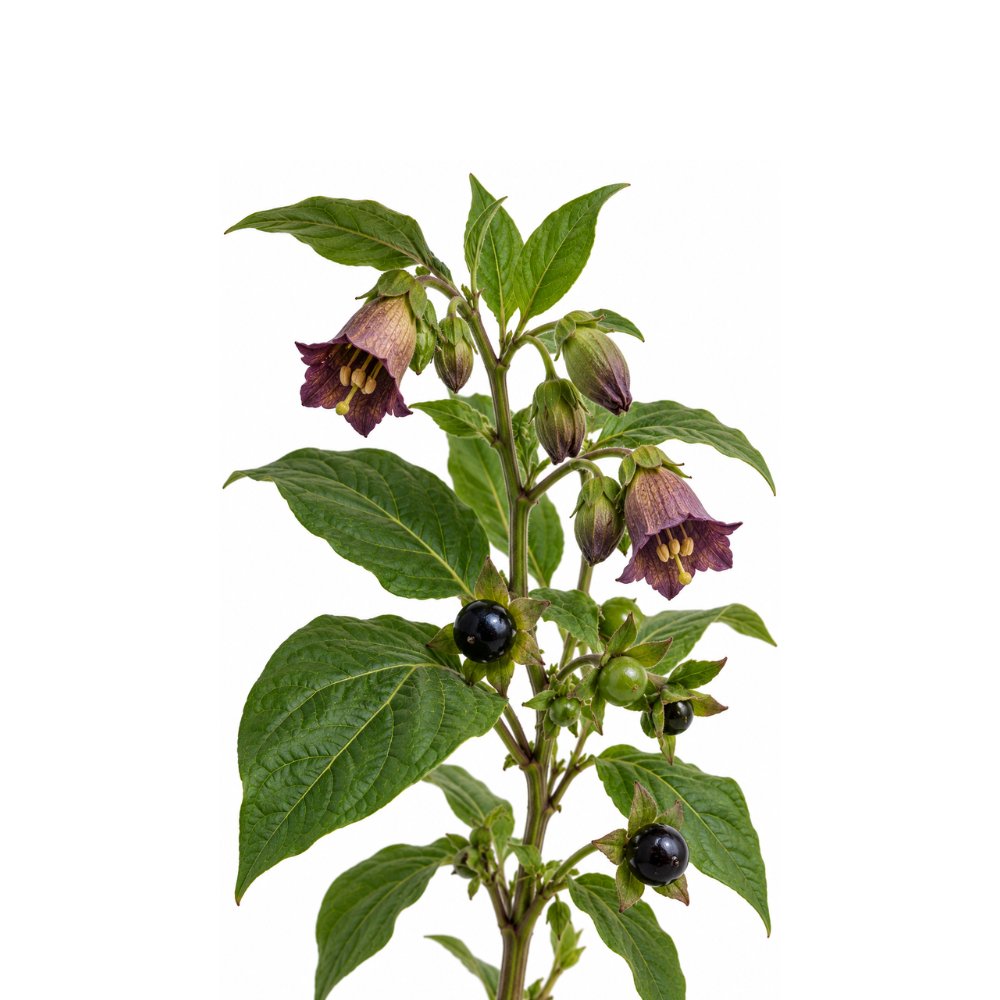 Deadly Nightshade ☠️ Atropa belladonna Toxic Documented for apoatropine, atropine, belladonnine and 2 more alkaloids.
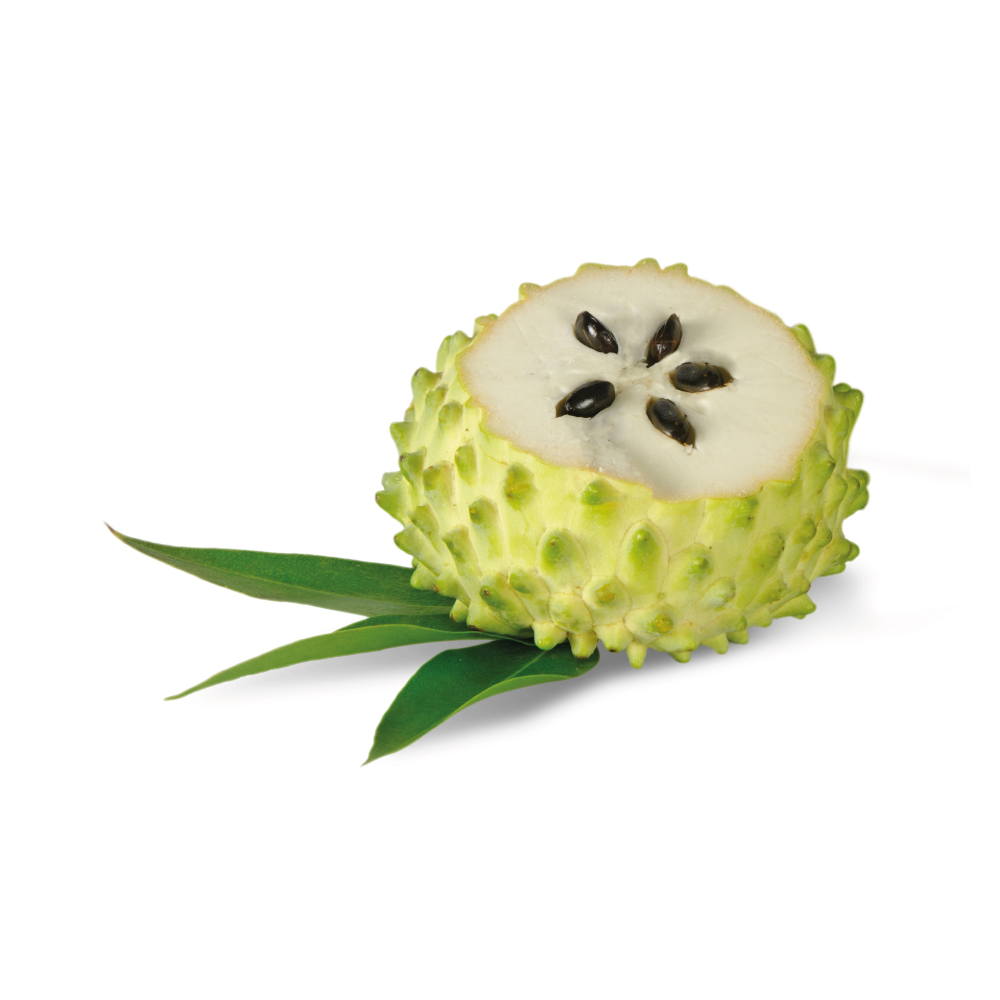 Graviola Annona muricata Toxic Documented for alkaloids, anomurine, coclaurine and 2 more alkaloids.
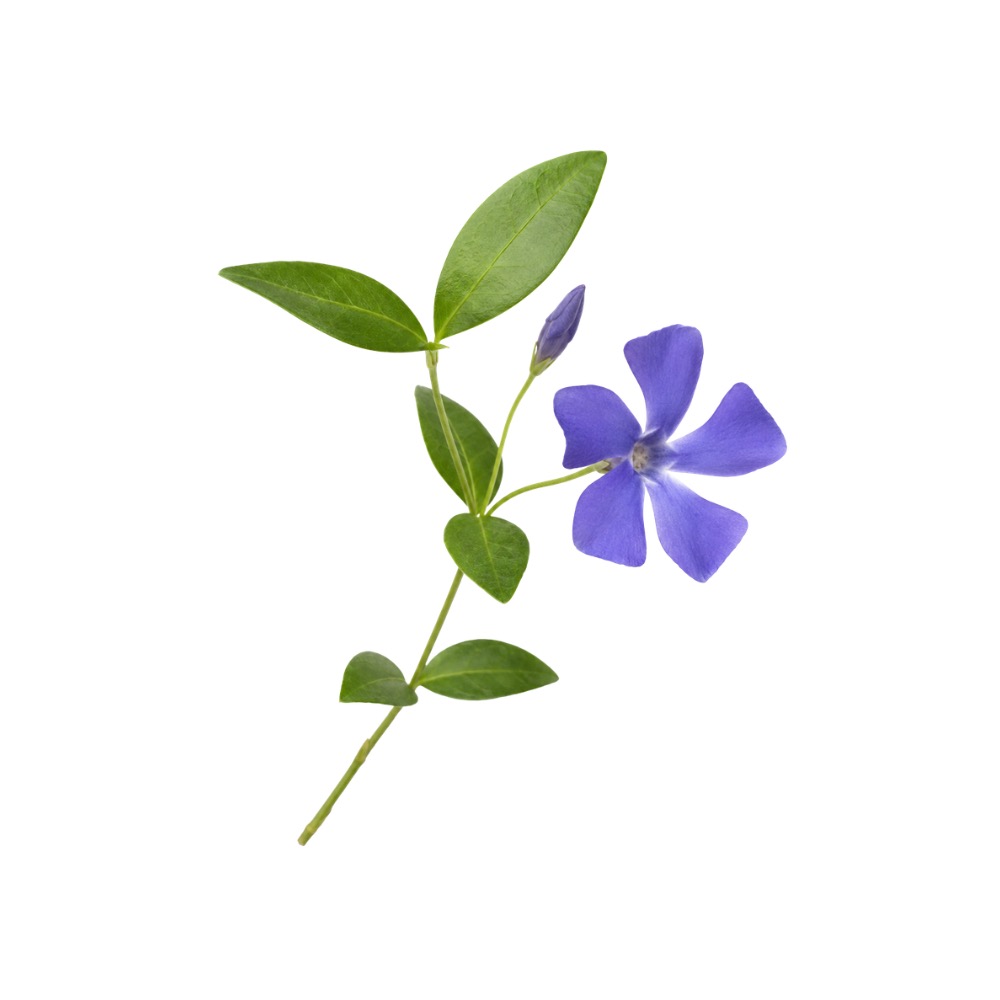 Lesser Periwinkle Vinca minor Documented for vincaminoreine (1.06 mg/100 g dry wt), akuammidine, apovincamine and 2 more alkaloids.
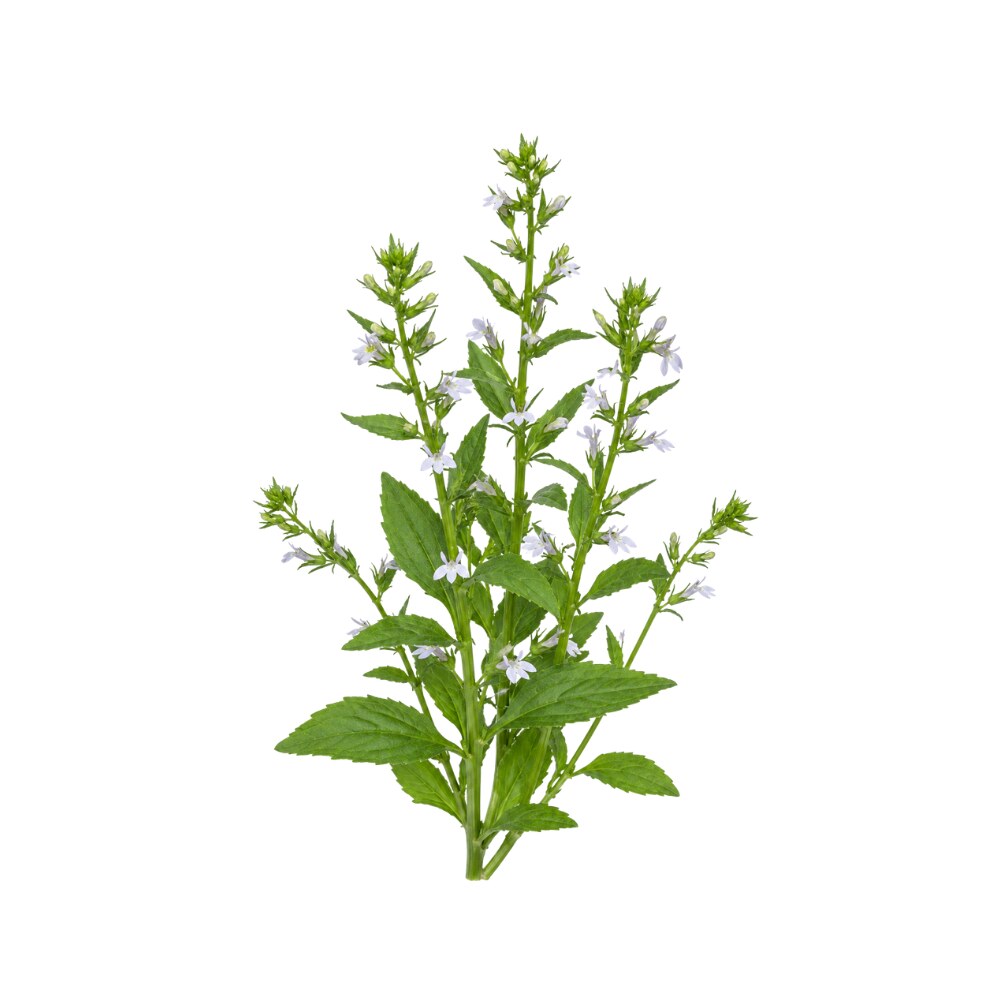 Lobelia Lobelia inflata Toxic Documented for isolobelanine, lobelanidine, lobelanine and 2 more alkaloids.
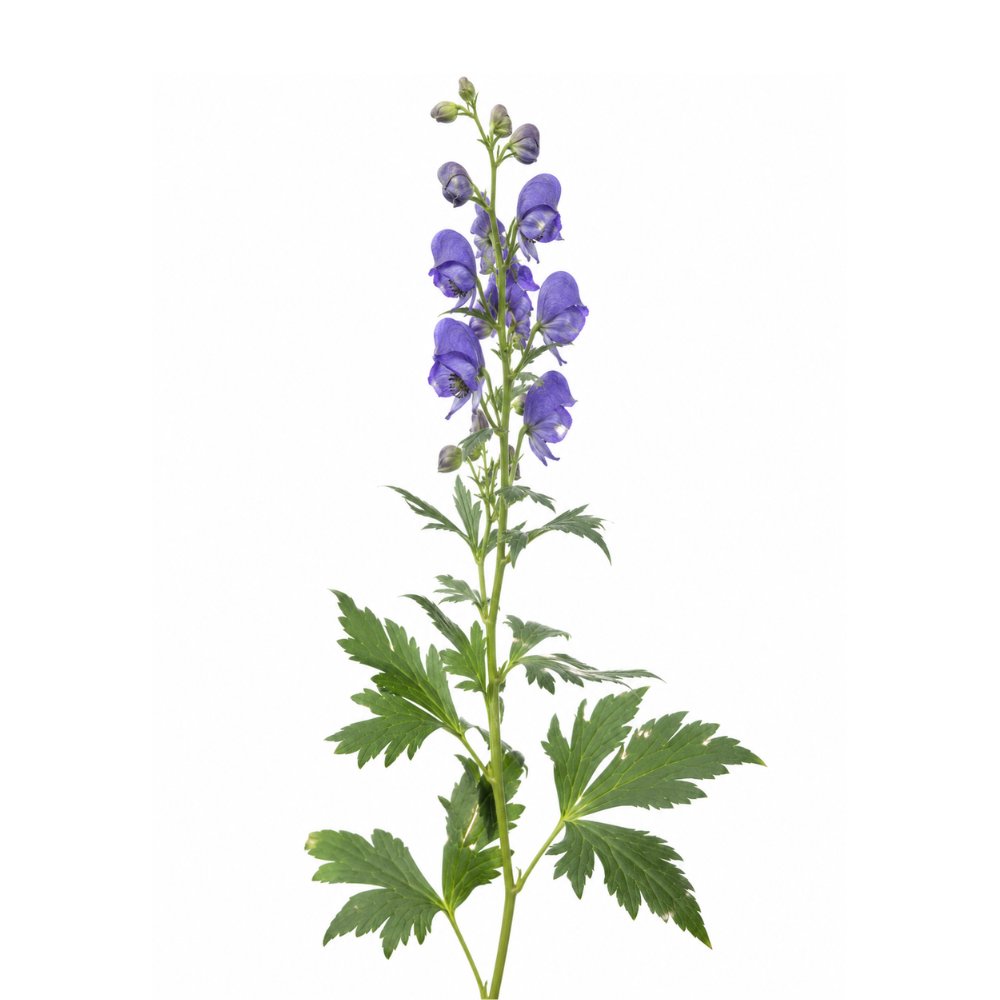 Monkshood ☠️ Aconitum columbianum Toxic Documented for aconitine, benzoylaconine, hypaconitine and 2 more alkaloids.
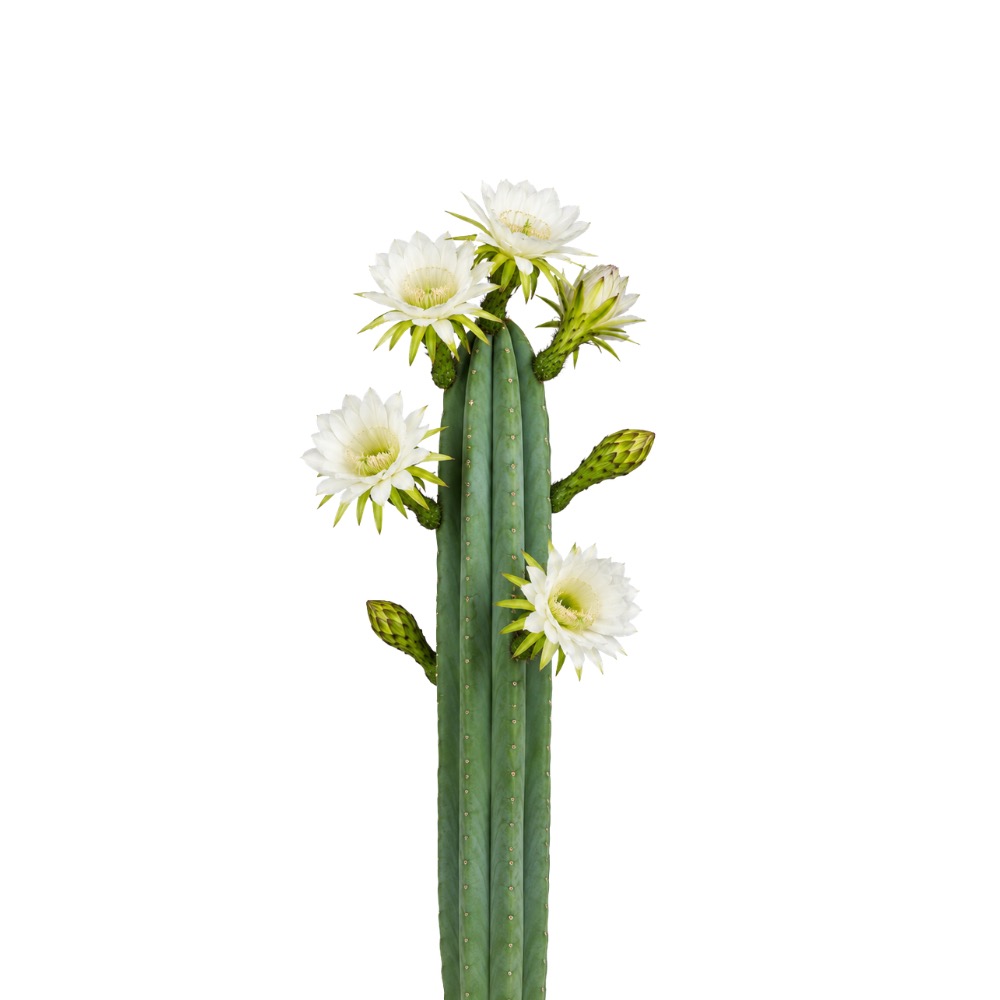 San Pedro Echinopsis pachanoi Documented for 3-methoxytyramine, anhalonidine, hordenine and 2 more alkaloids.
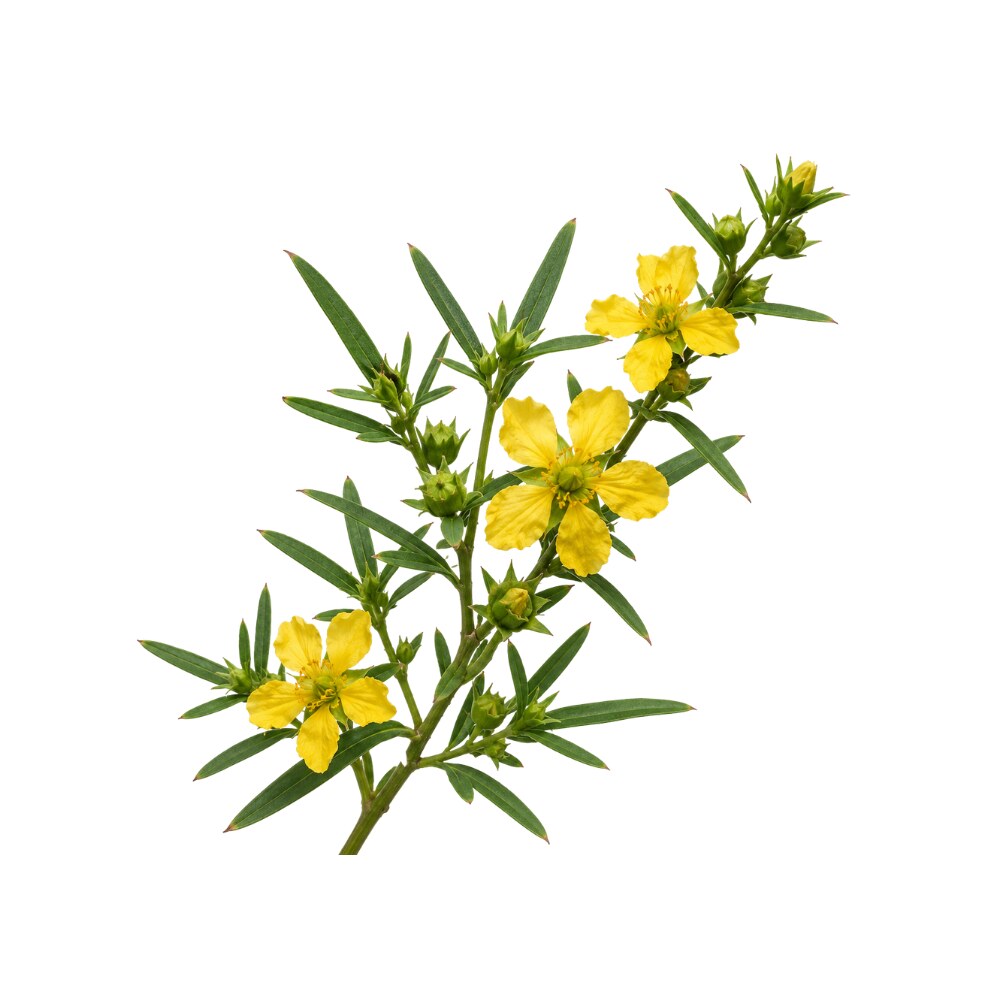 Sinicuichi Heimia salicifolia Documented for cryogenine, lyfoline, lythrine and 2 more alkaloids.
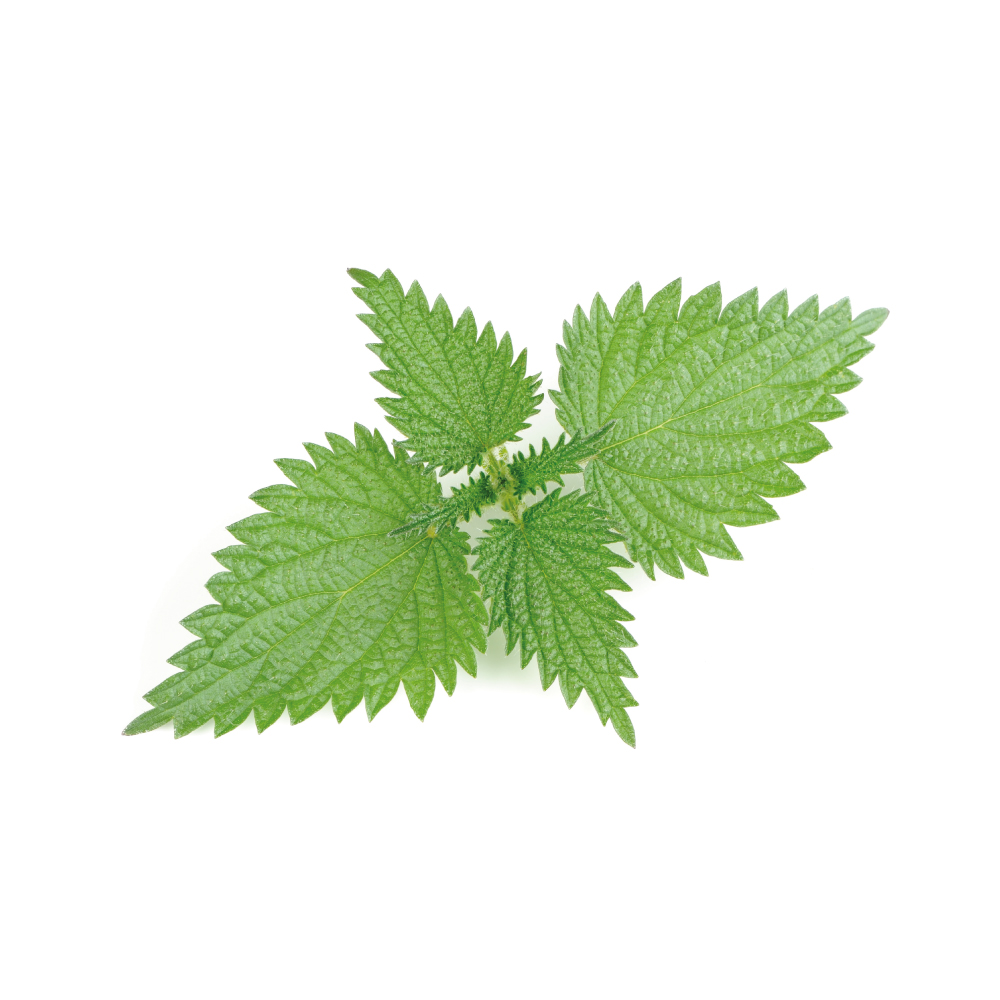 Stinging Nettle Urtica dioica Documented for acetylcholine, alkaloids, choline and 2 more alkaloids.
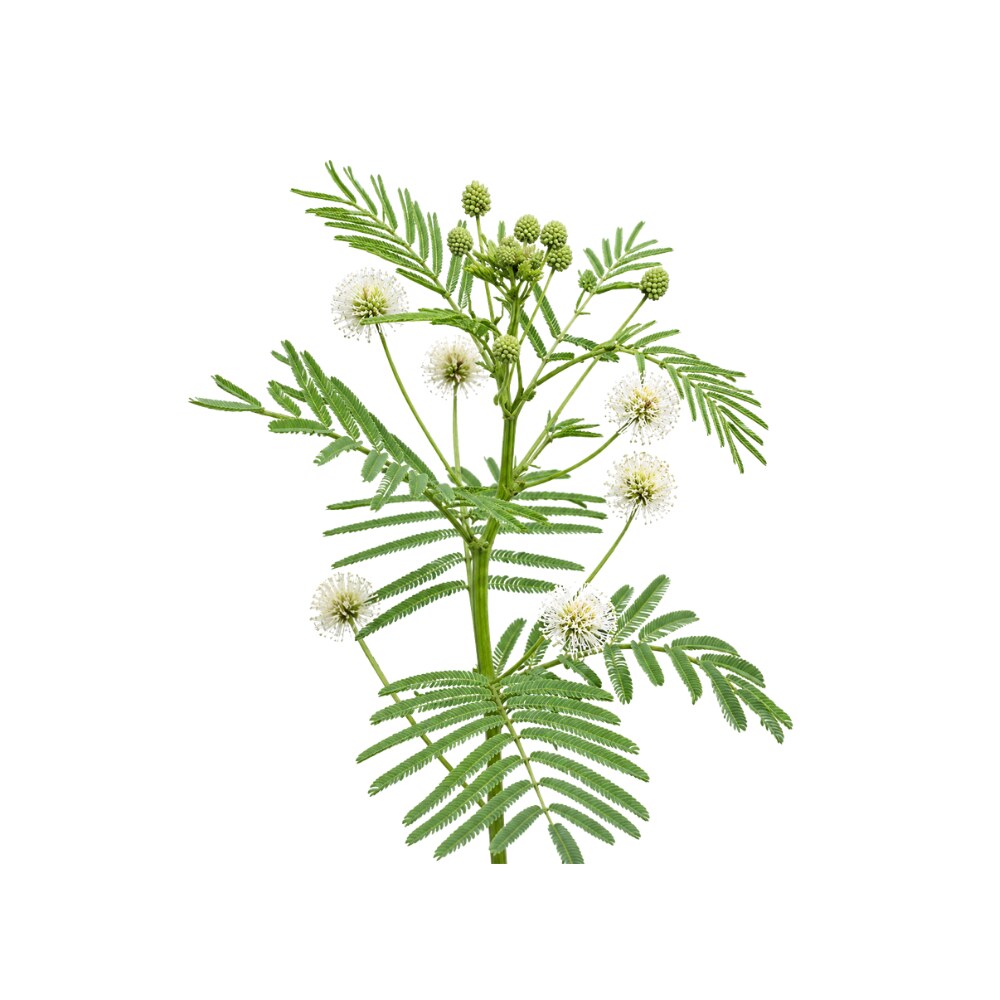 Bundleflower Desmanthus illinoensis Documented for gramine, N-hydroxy-N-methyltryptamine, N-methyltryptamine and 1 more.
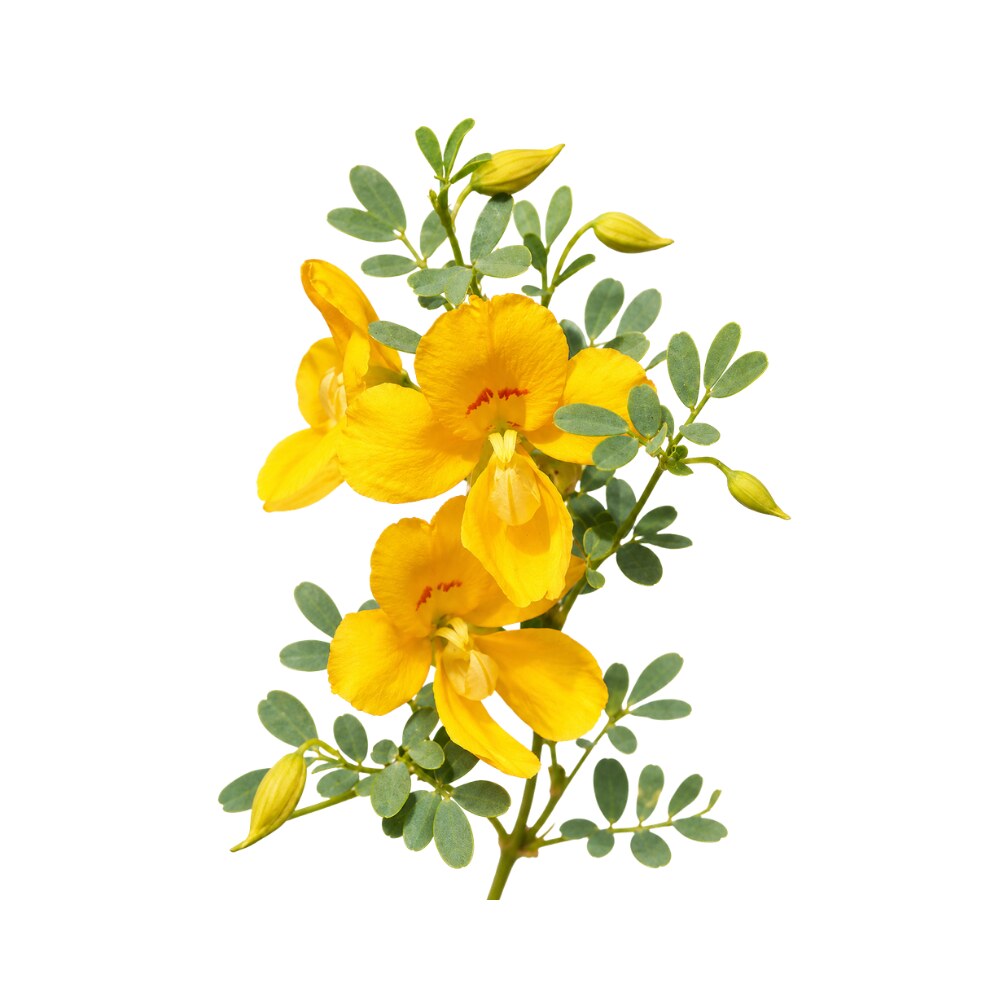 Butterfly Bush (Petalostylis) Petalostylis cassioides Documented for N-methyltryptamine, N,N-dimethyltryptamine, tetrahydroharman and 1 more.
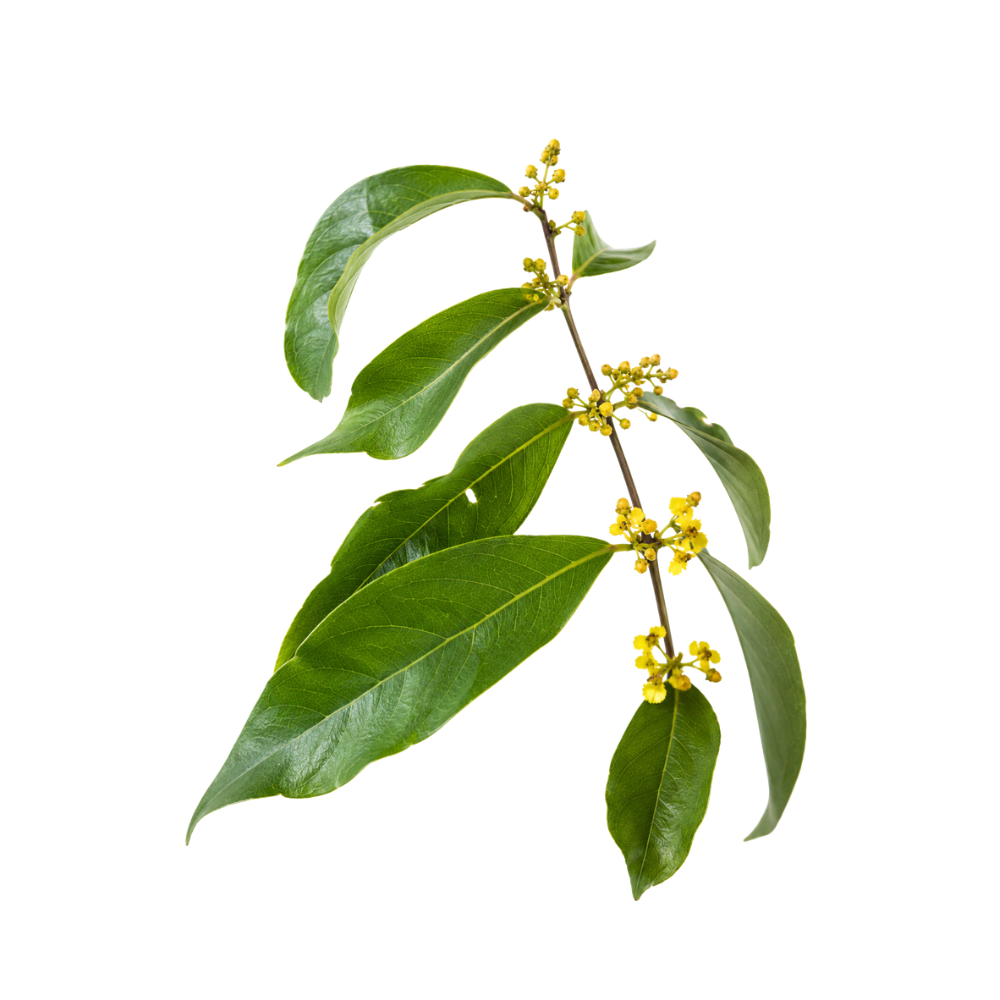 Chagro-Panga Diplopterys cabrerana Documented for 5-MeO-DMT, bufotenin, N-methyltetrahydro-beta-carboline and 1 more.
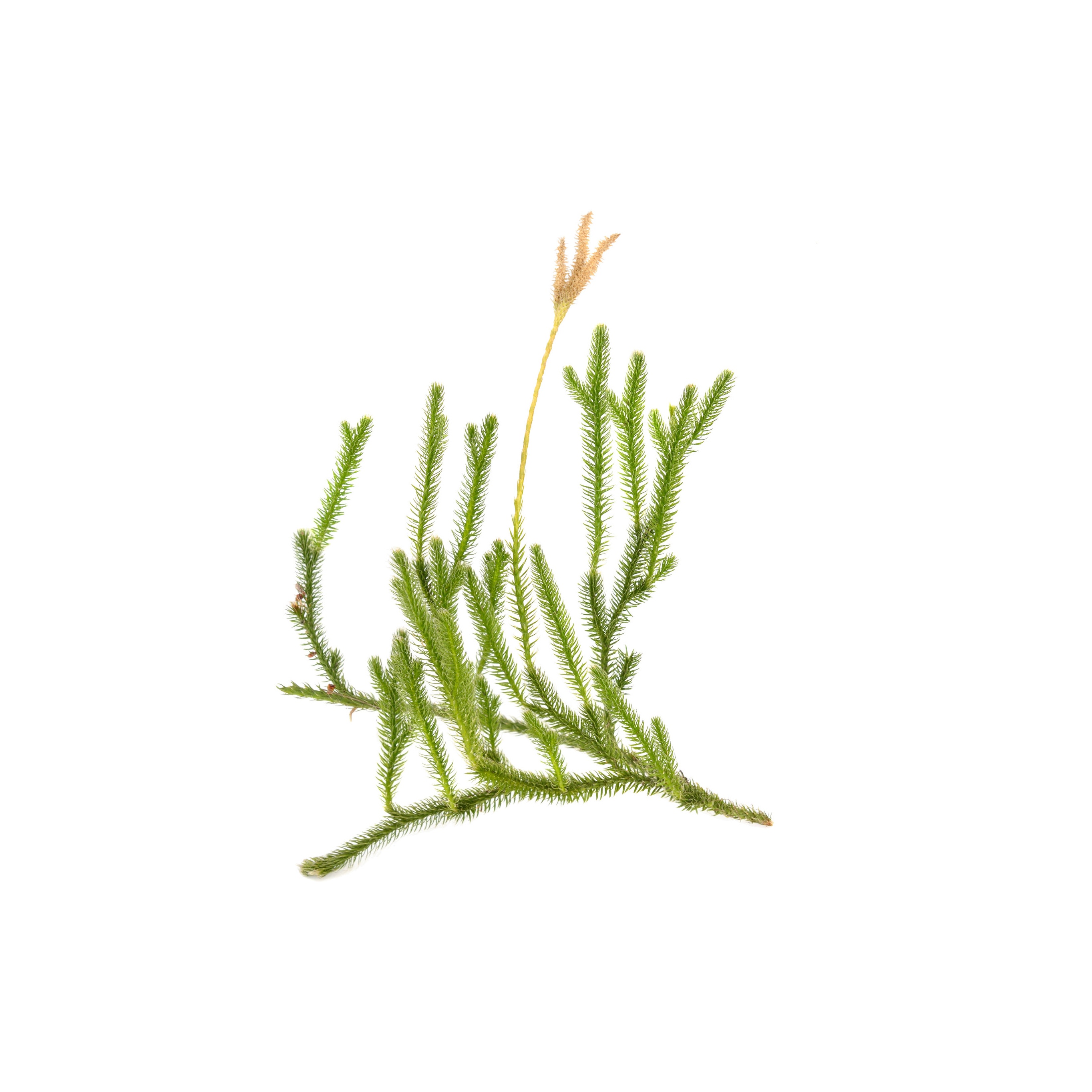 Chinese Clubmoss Huperzia serrata Documented for fordine, huperzine-A, huperzine-B and 1 more.
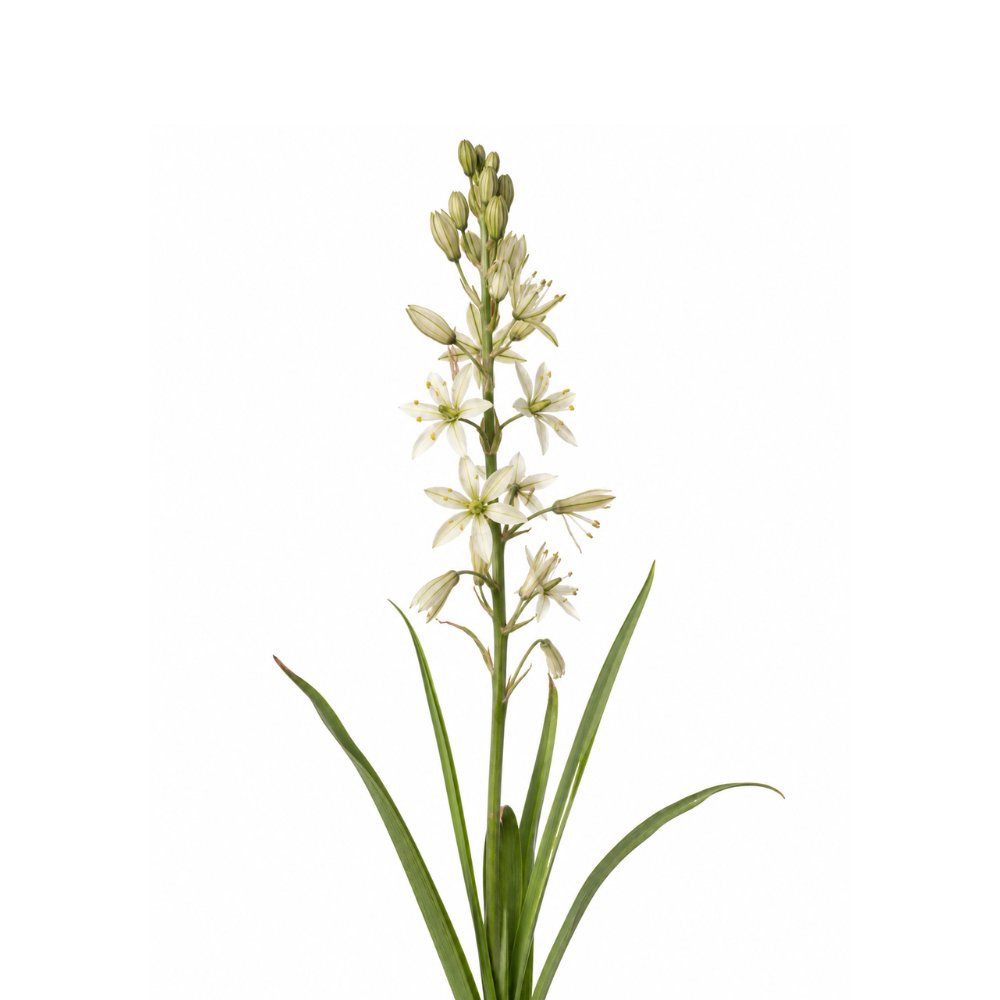 Death Camas ☠️ Toxicoscordion venenosum Toxic Documented for 3-angeloylzygadenine, 3-veratroylzygadenine, zygacine and 1 more.
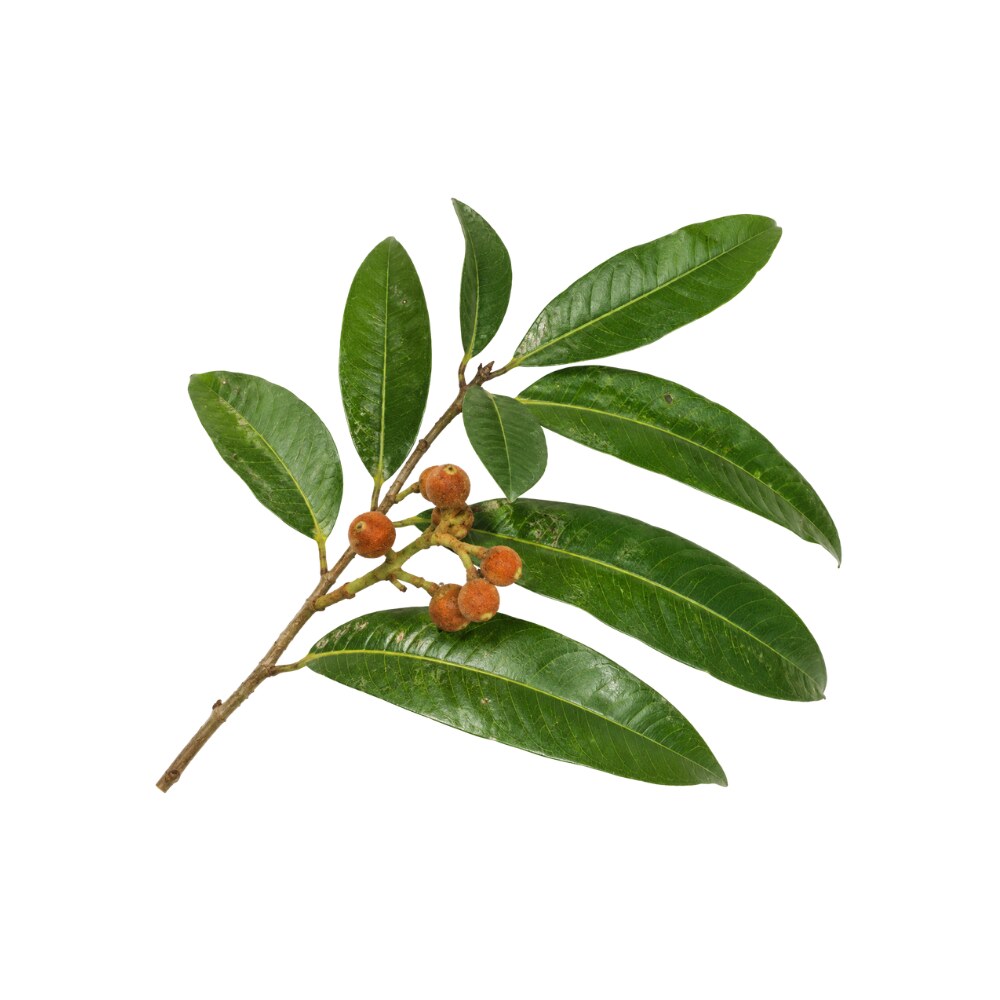 Epeña Virola spp. Documented for 2-methyl-6-methoxy-1,2,3,4-tetrahydro-beta-carboline, 5-MeO-DMT, N-monomethyltryptamine and 1 more.
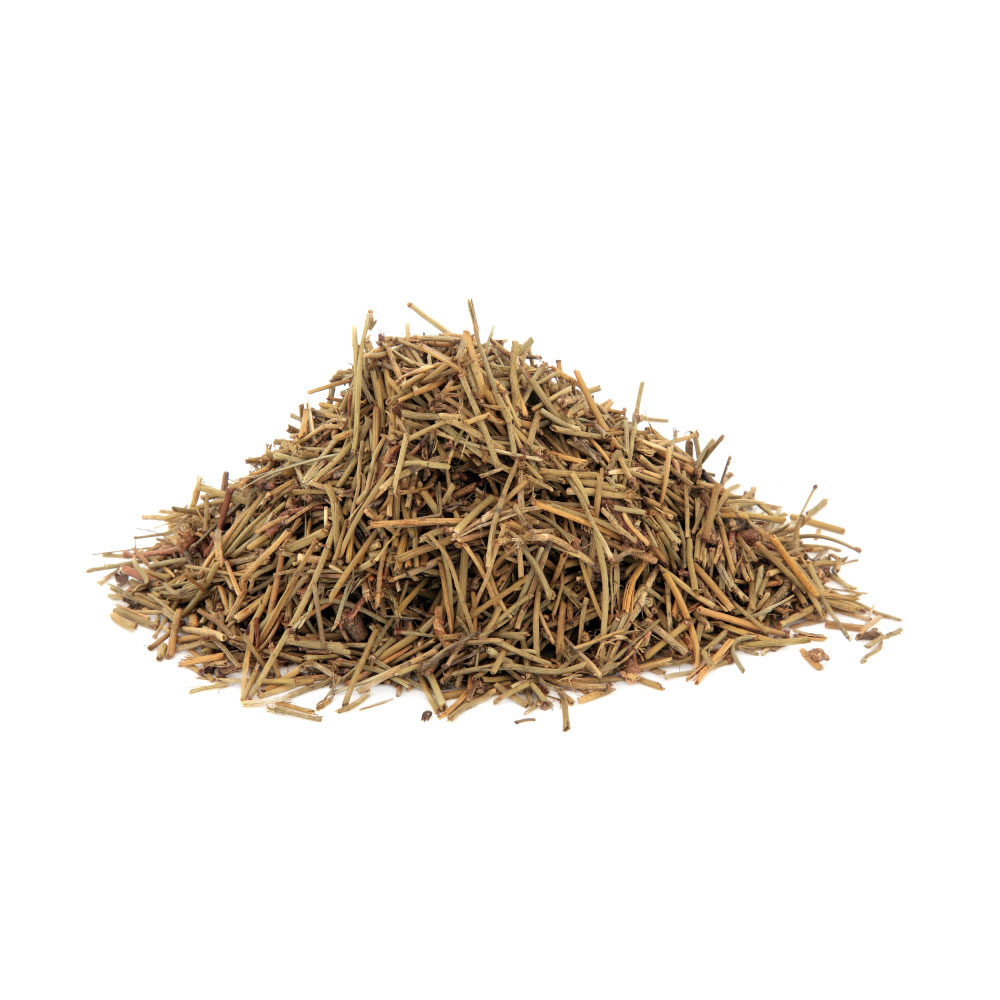 Ephedra Ephedra sinica Toxic Documented for ephedrine (0.7–2 % dry wt), alkaloids, pseudoephedrine and 1 more.
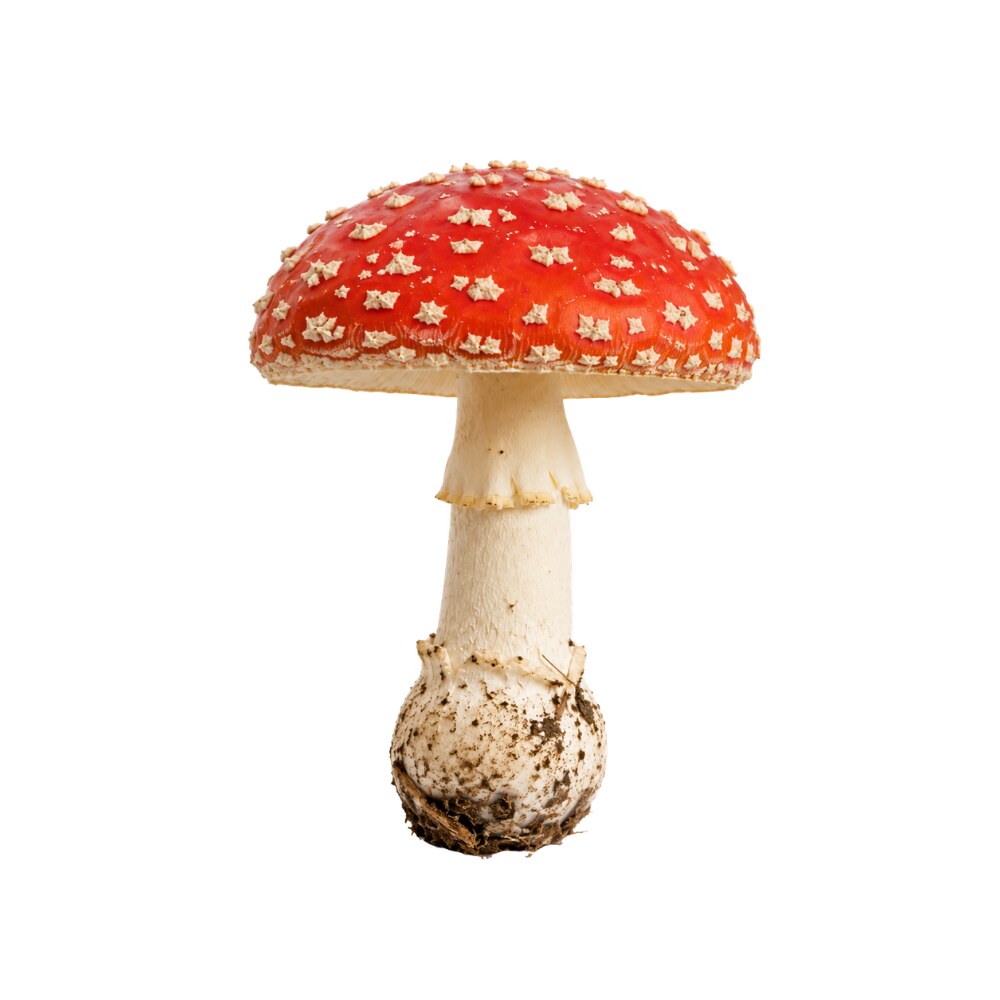 Fly Agaric Amanita muscaria Documented for ibotenic acid, muscarine, muscazone and 1 more.
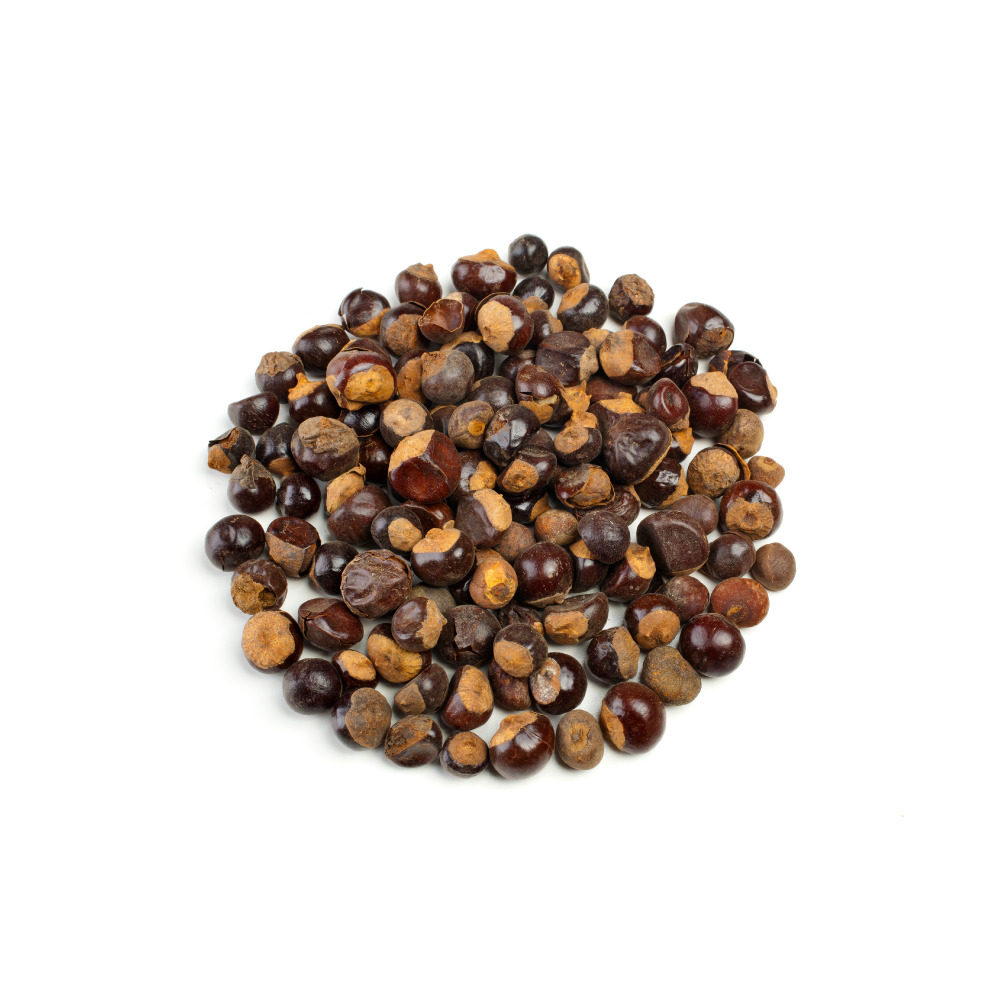 Guarana Paullinia cupana Documented for caffeine (2.5–8 % dry wt), theobromine (0.01–0.55 % dry wt), theophylline (0.15–4.6 % of extract) and 1 more.
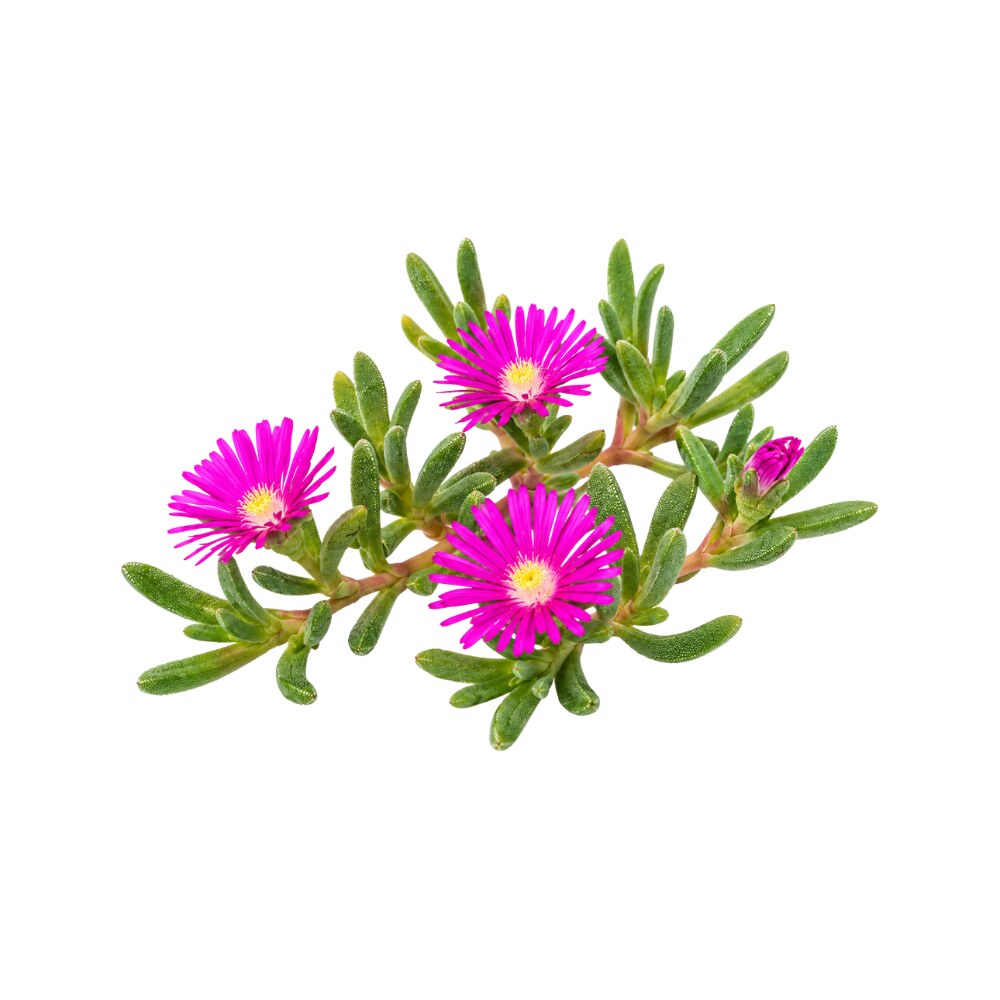 Ice Plant Delosperma spp. Documented for mesembranol, mesembrenol, mesembrenone and 1 more.
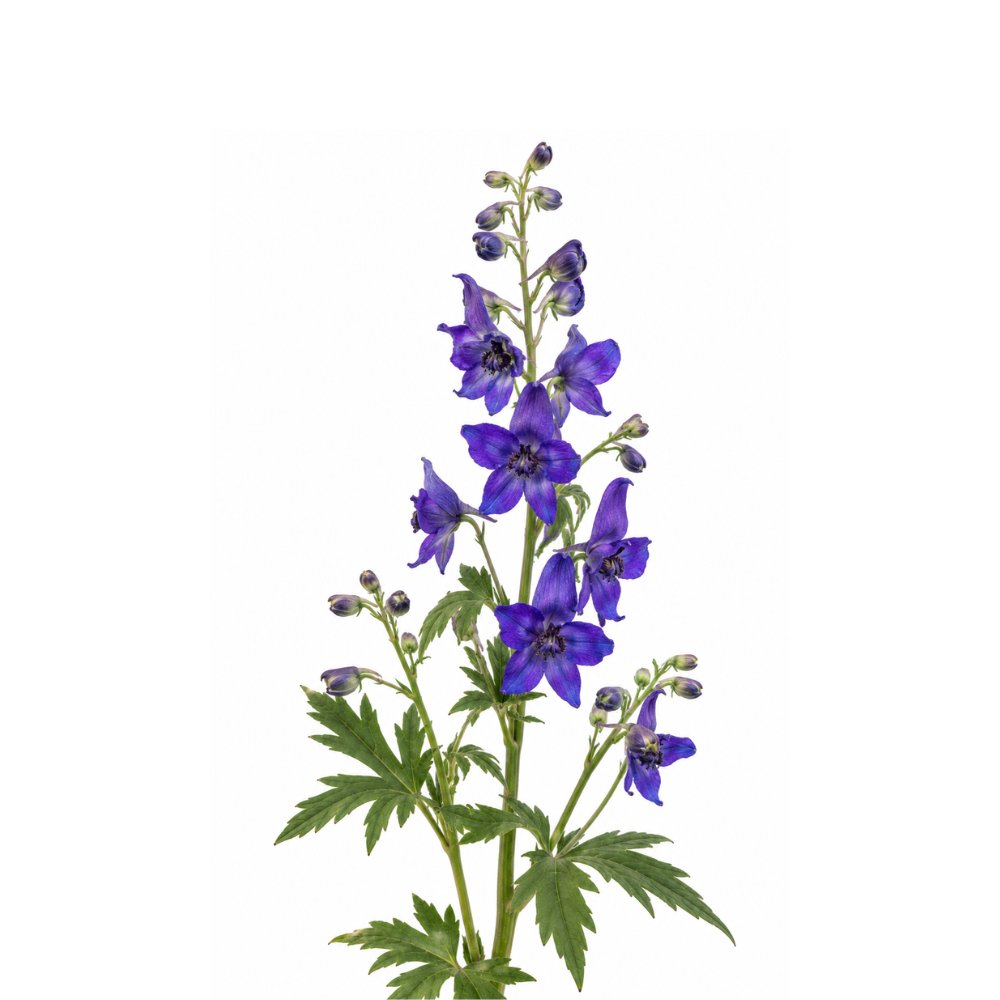 Larkspur ☠️ Delphinium glaucum Toxic Documented for 14-deacetylnudicauline, lycoctonine, methyllycaconitine and 1 more.
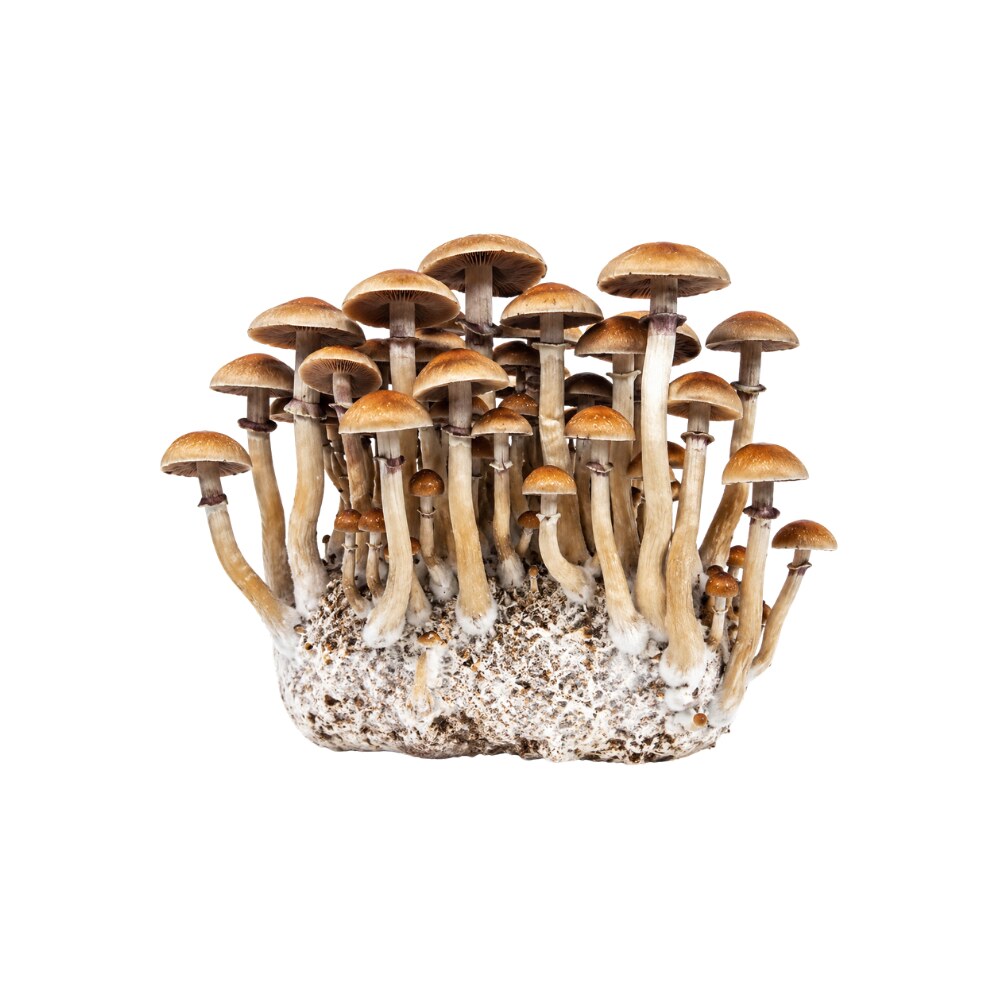 Magic Mushrooms Psilocybe cubensis Documented for baeocystin, norbaeocystin, psilocin and 1 more.
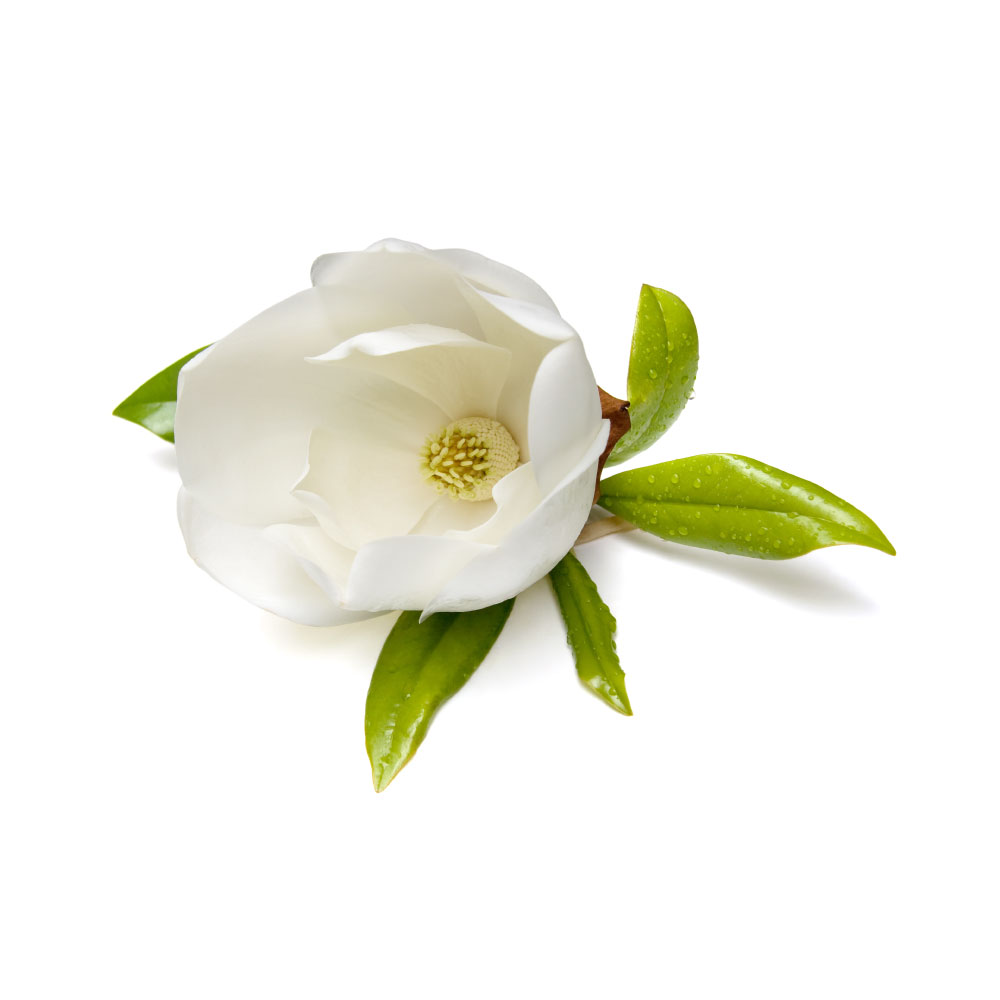 Magnolia Magnolia officinalis Documented for coclaurine, magnocurarine, magnoflorine and 1 more.
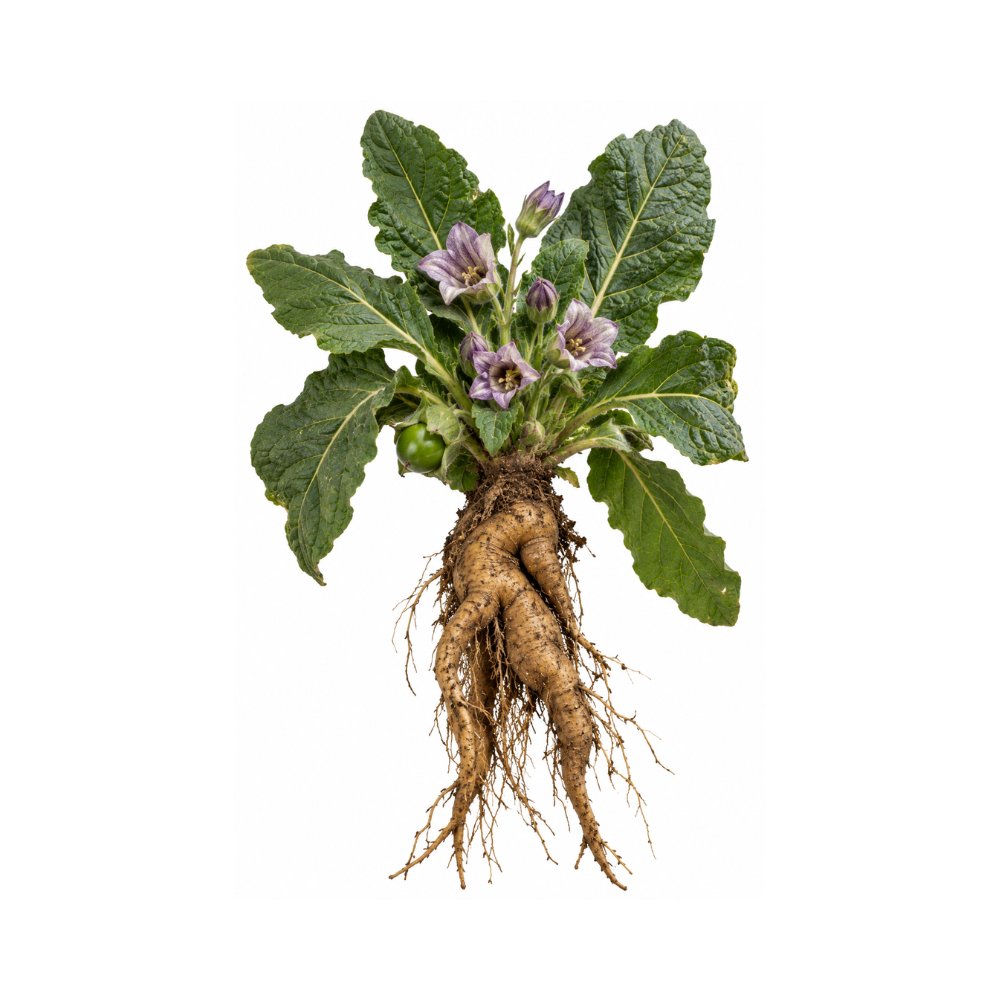 Mandrake ☠️ Mandragora officinarum Toxic Documented for atropine, hyoscyamine, mandragorine and 1 more.
 Muira Puama Ptychopetalum olacoides Documented for alkaloids, magnoflorine, menisperine and 1 more.
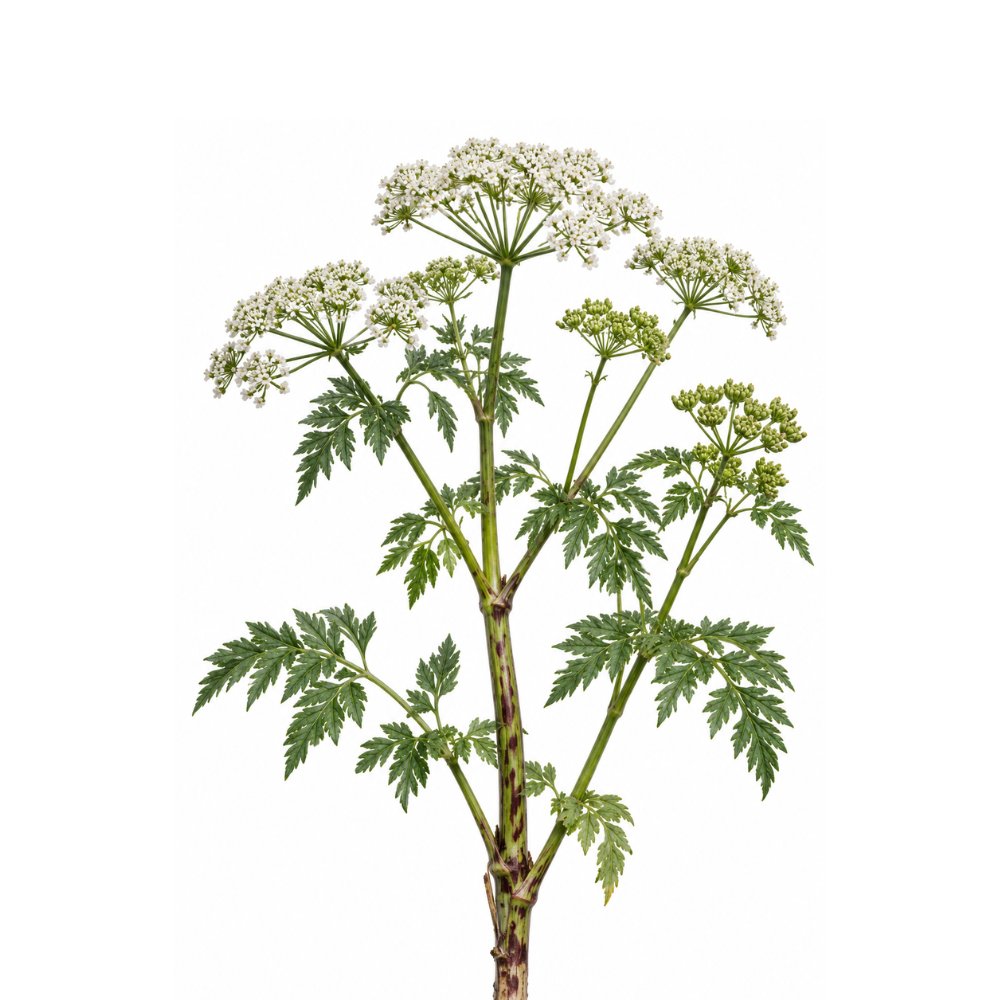 Poison Hemlock ☠️ Conium maculatum Toxic Documented for conhydrine, coniine, gamma-coniceine and 1 more.
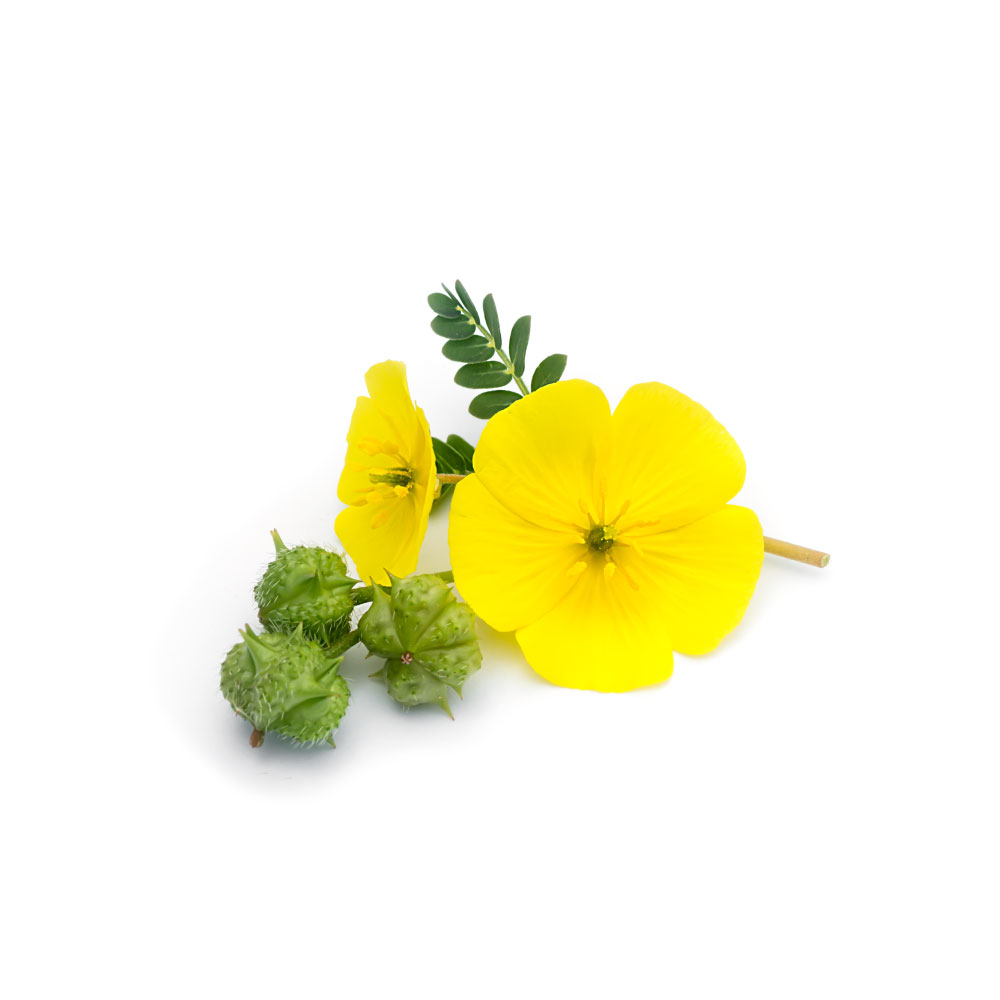 Tribulus Tribulus terrestris Documented for harmala alkaloids, harman, harmine and 1 more.
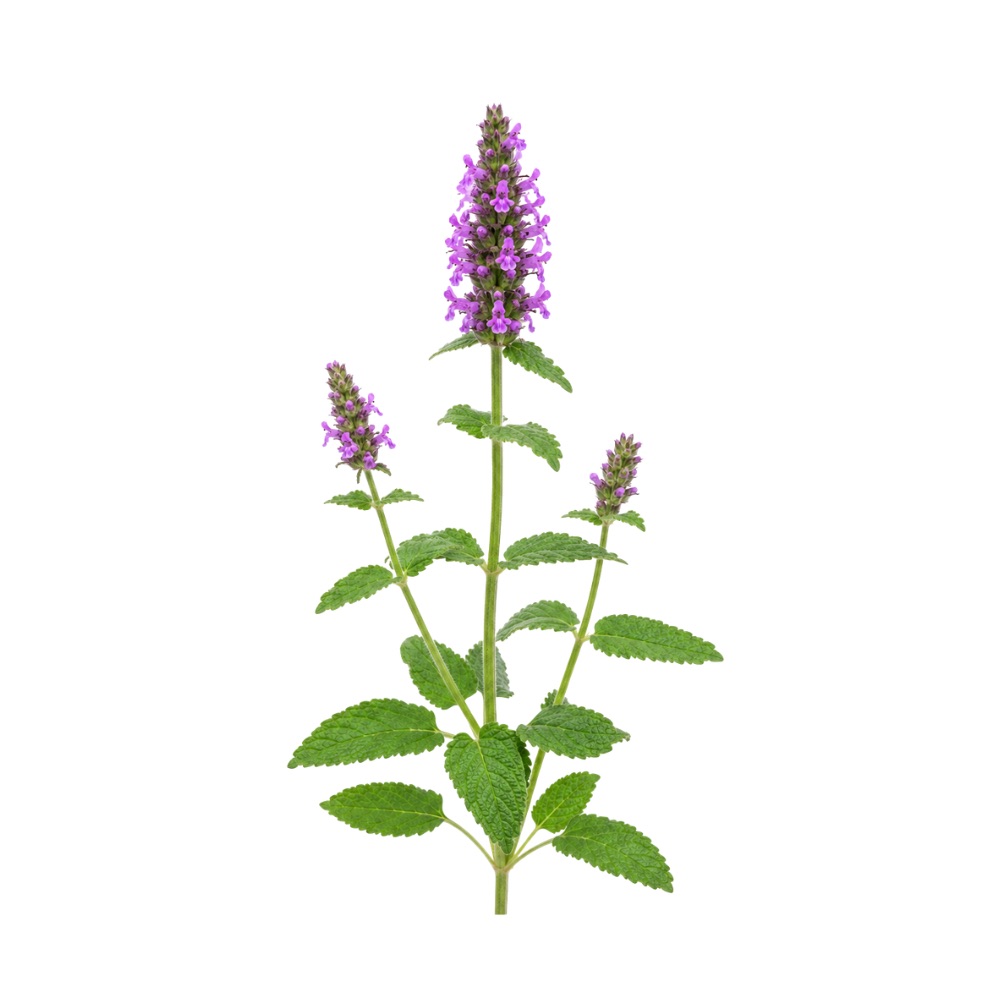 Wood Betony Stachys officinalis Documented for betonicine, choline, stachydrine and 1 more.
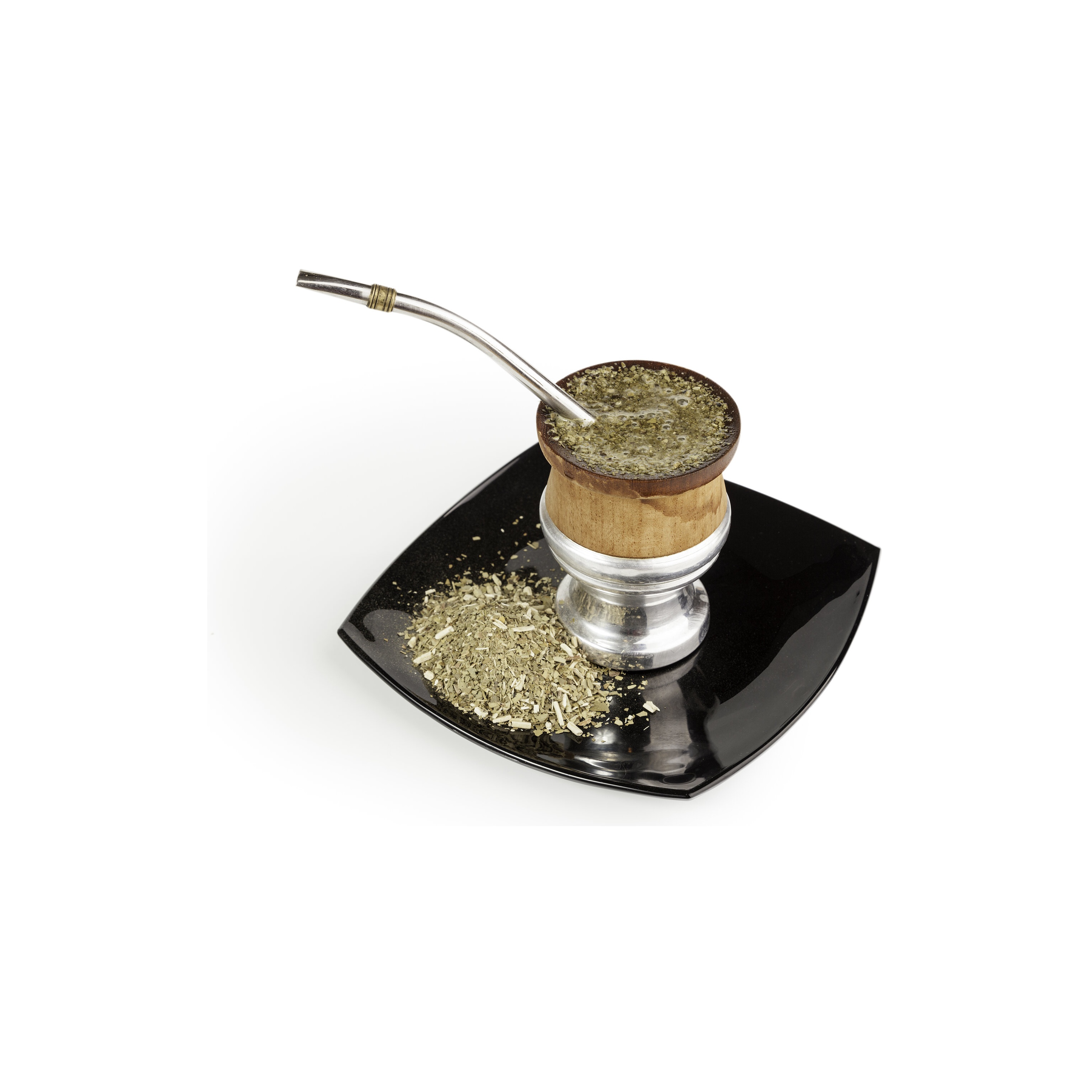 Yerba Maté Ilex paraguariensis Documented for caffeine (0.7–2 % dry wt), theobromine (0.3–0.9 % dry wt), theophylline and 1 more.
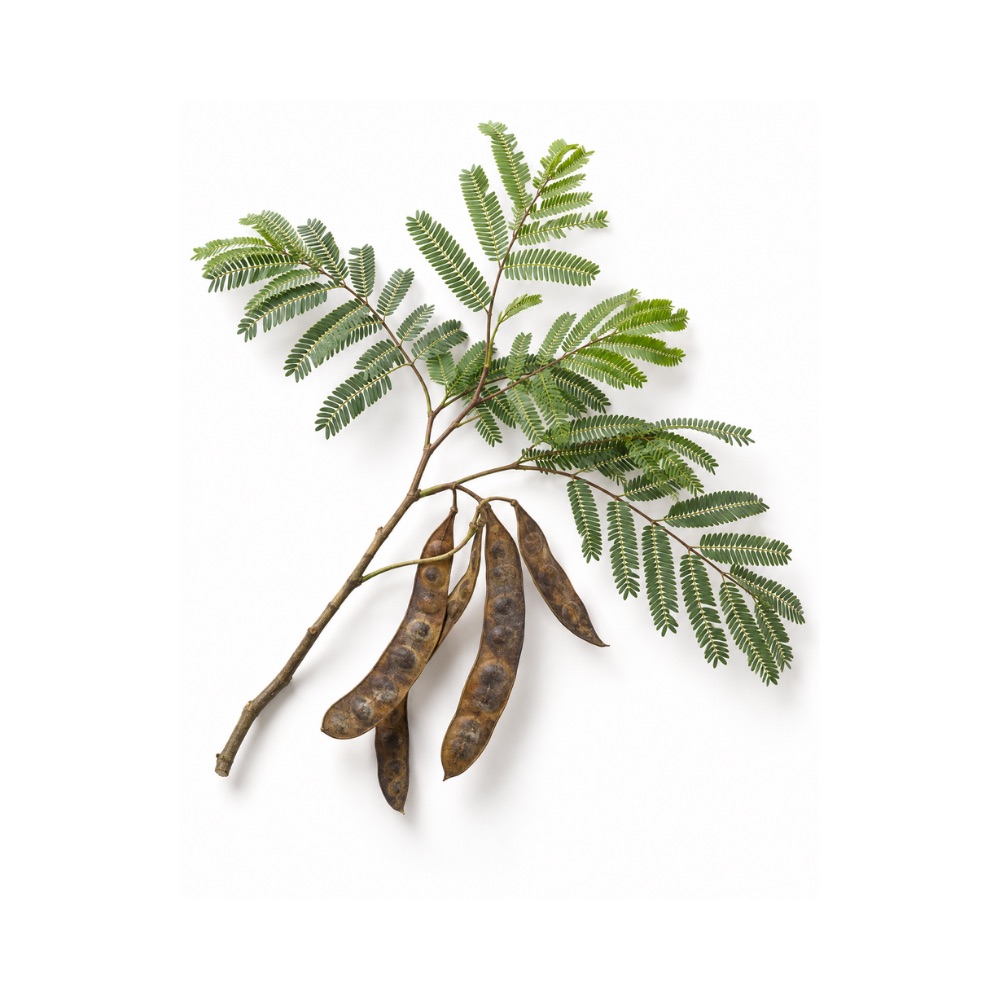 Yopo Anadenanthera spp. Toxic Documented for 5-MeO-DMT, bufotenin, N-monomethyltryptamine and 1 more.
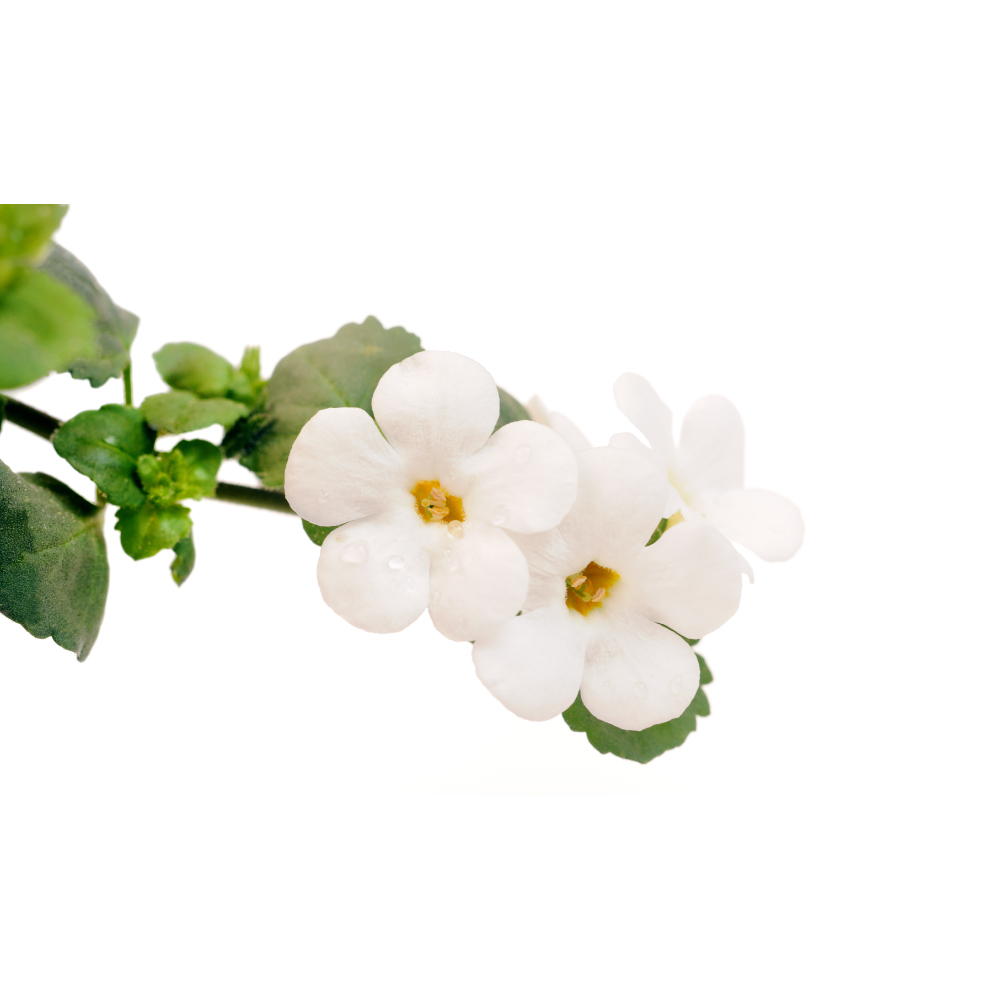 Bacopa Bacopa monnieri Documented for alkaloids, brahmine, herpestine.
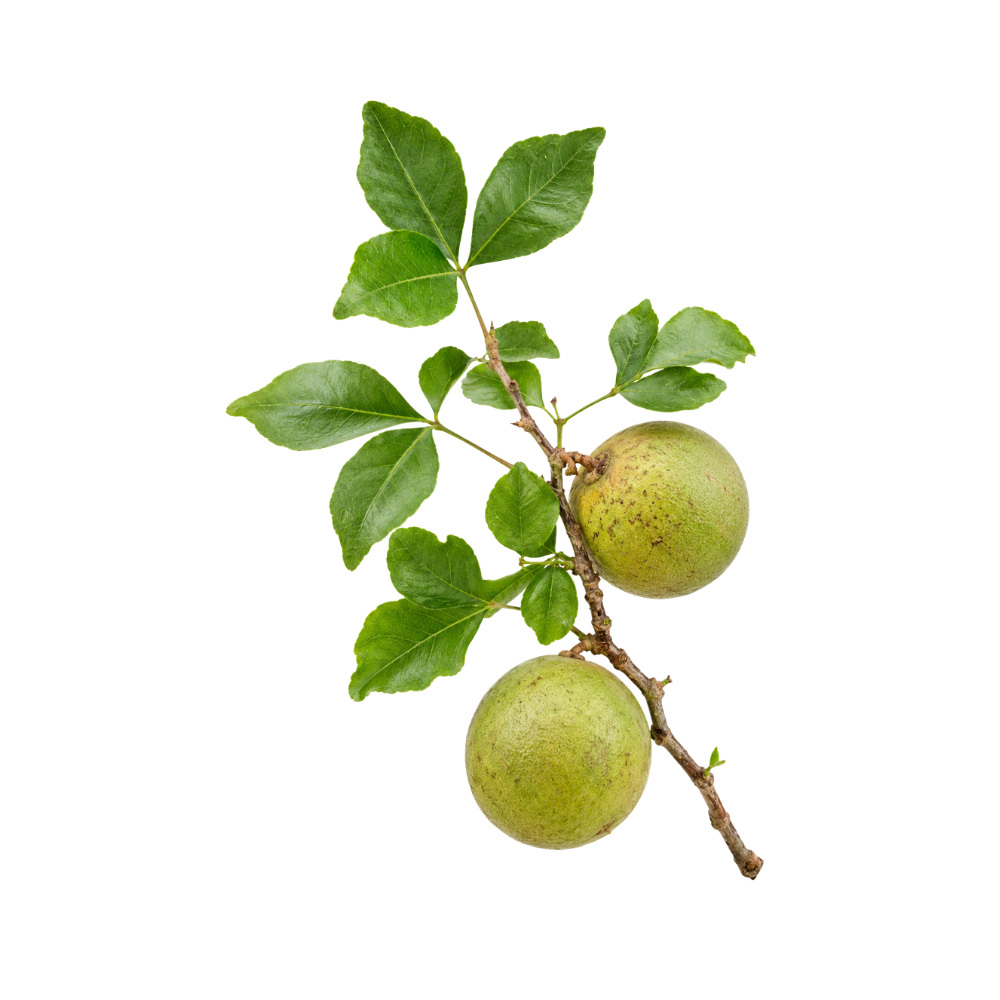 Bael Aegle marmelos Documented for aegeline, fagarine, skimmianine.
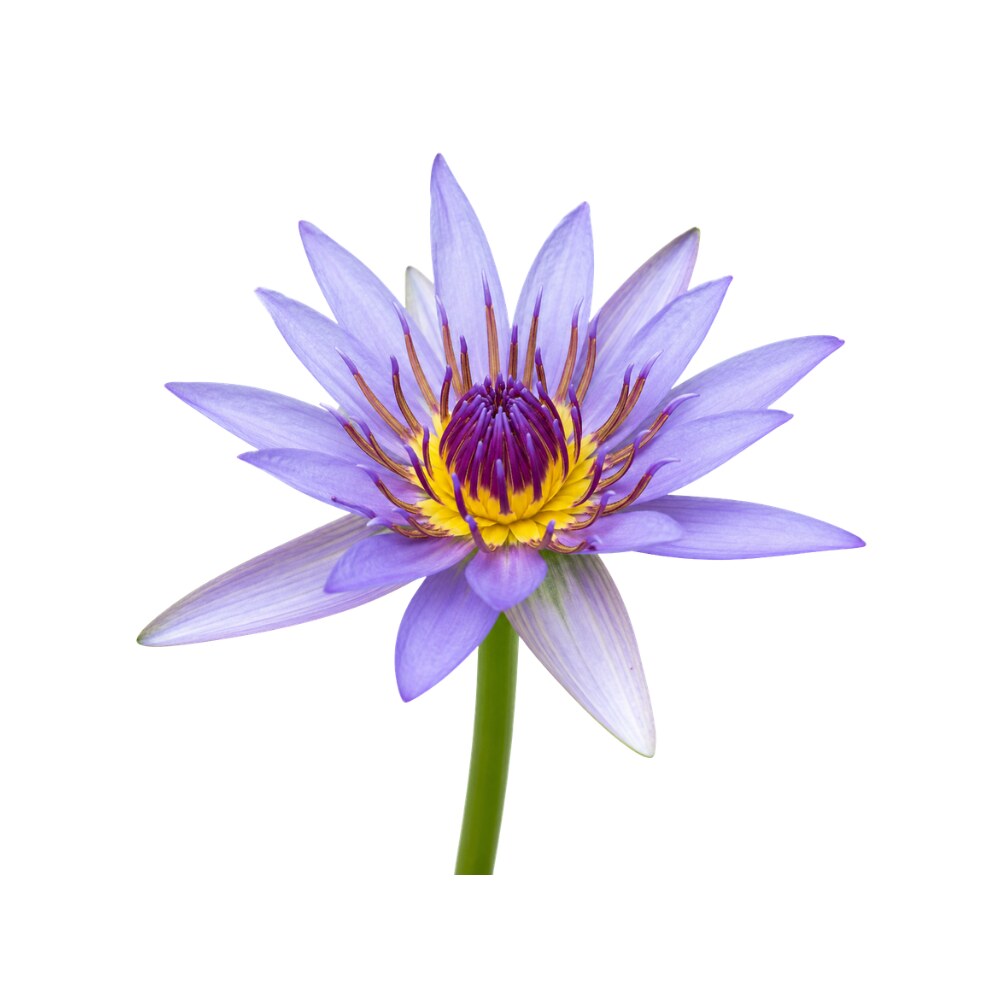 Blue Lotus Flower Nymphaea caerulea Documented for apomorphine, aporphine, nuciferine.
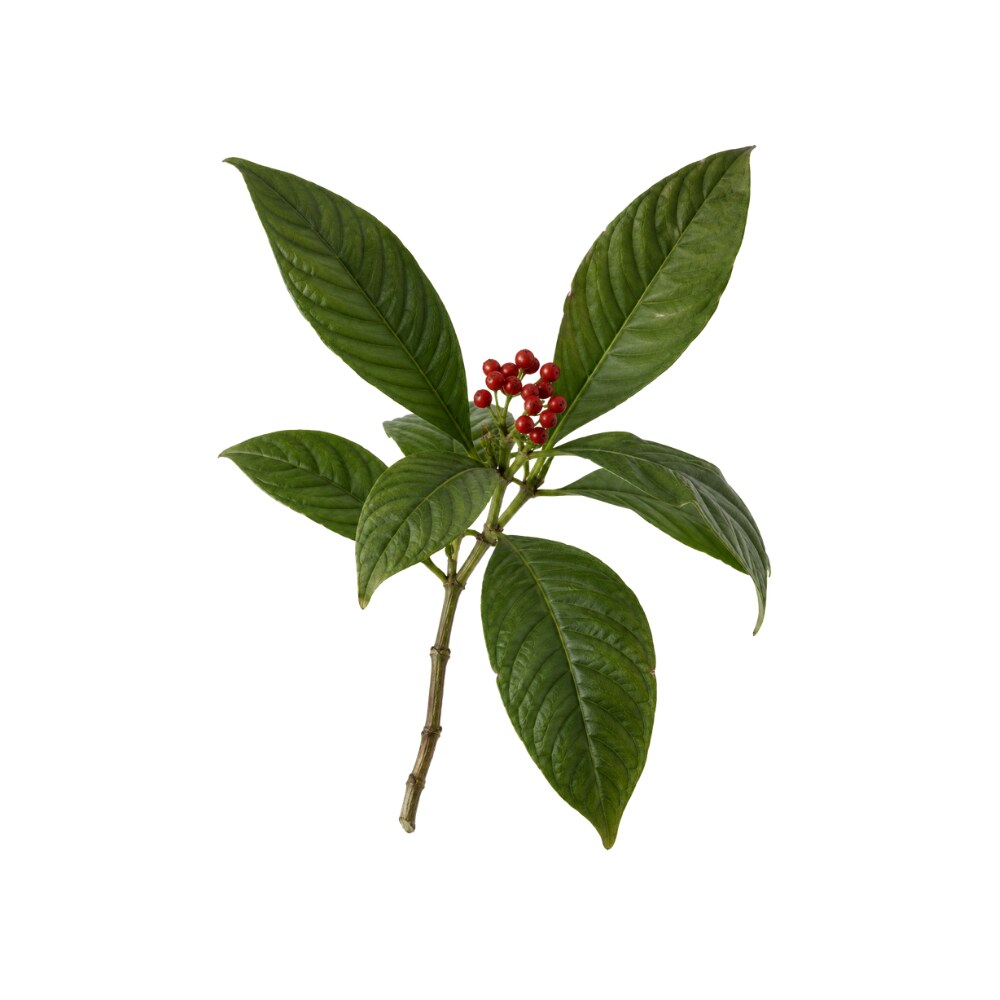 Chacruna Psychotria viridis Documented for 2-methyl-1,2,3,4-tetrahydro-beta-carboline, N-methyltryptamine, N,N-DMT.
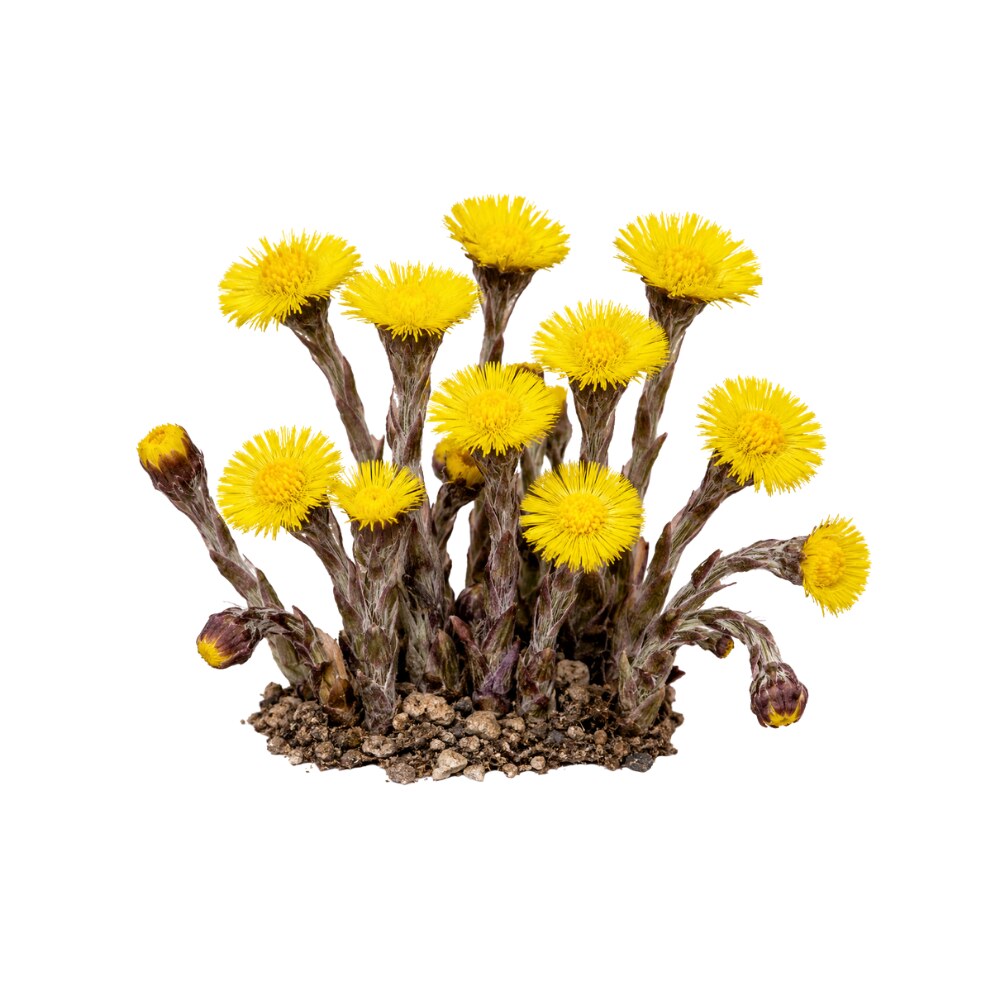 Coltsfoot Tussilago farfara Toxic Documented for senecionine, senkirkine, tussilagine.
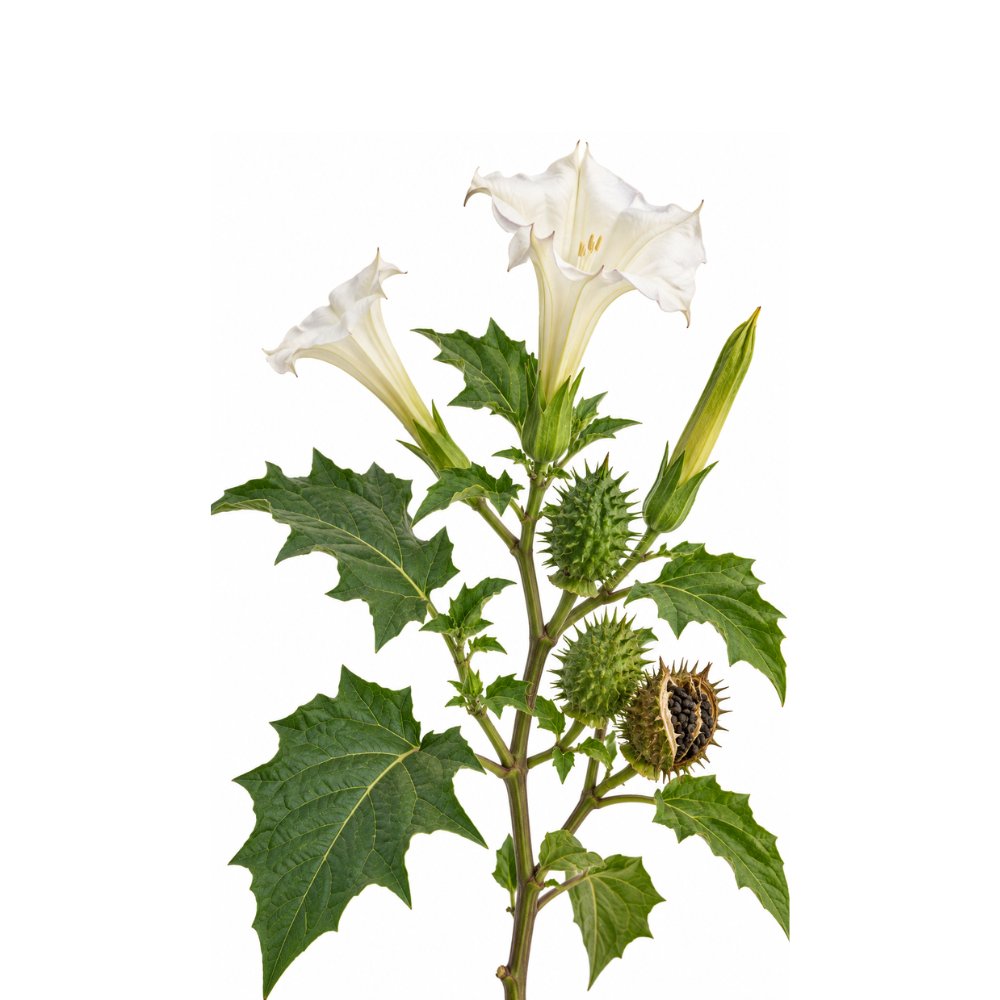 Datura ☠️ Datura stramonium Toxic Documented for atropine, hyoscyamine, scopolamine. Goat's Rue Galega officinalis Documented for 4-hydroxygalegine, galegine, vasicine.
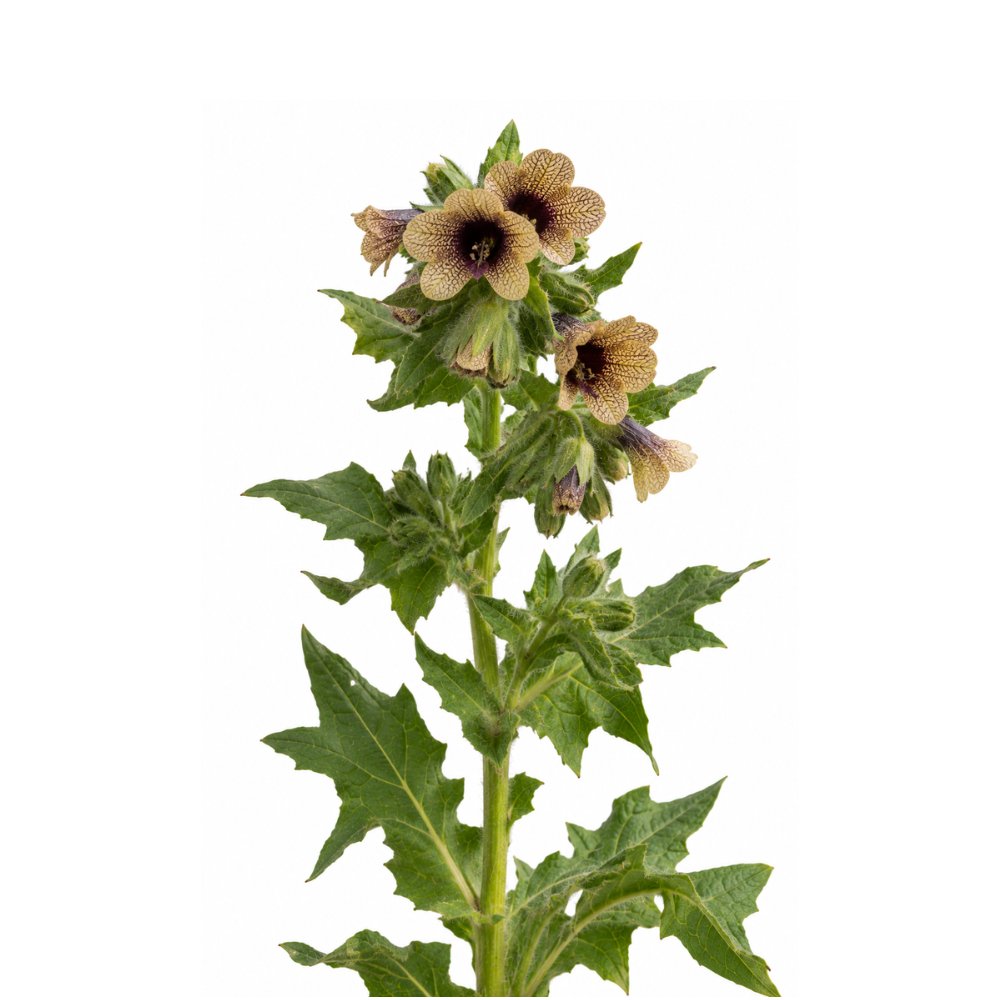 Henbane ☠️ Hyoscyamus niger Toxic Documented for atropine, hyoscyamine, scopolamine.
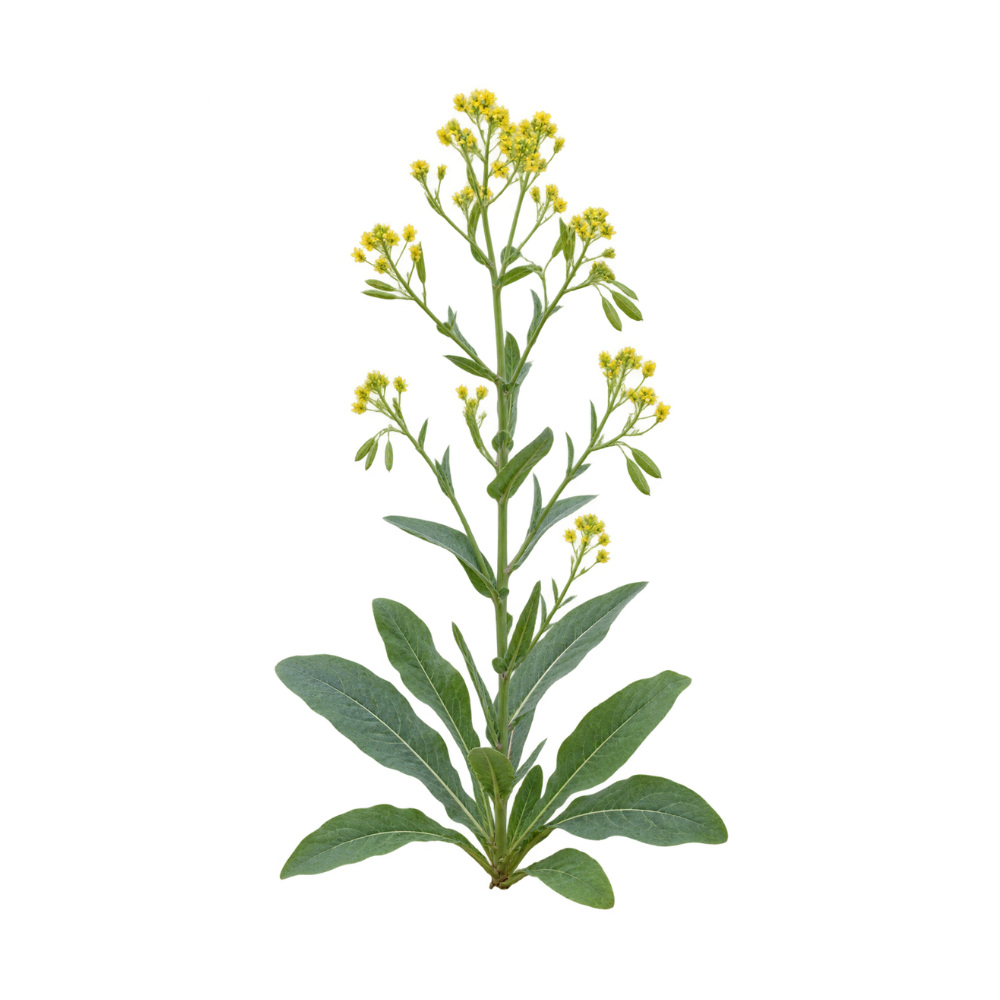 Isatis Isatis indigotica Documented for indigo, indirubin, tryptanthrin.
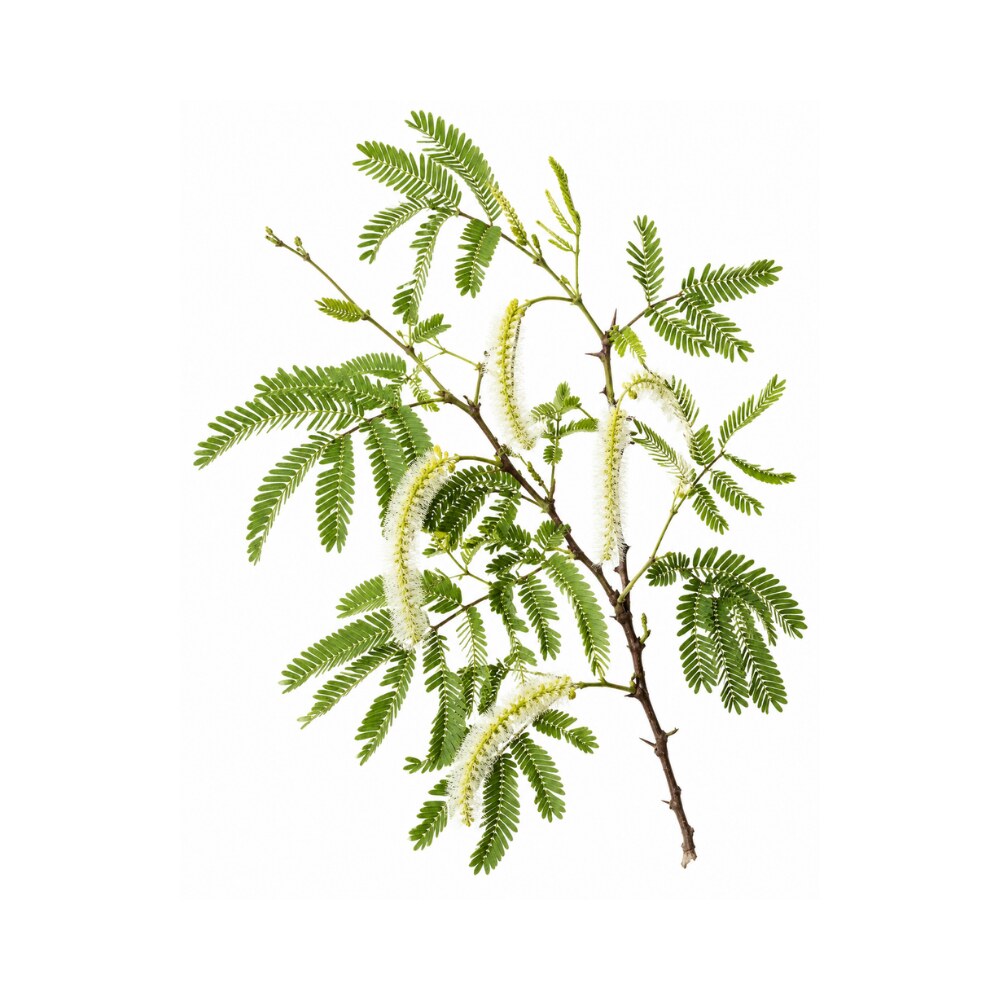 Jurema Mimosa tenuiflora Documented for N-methyltryptamine, N,N-DMT, yuremamine.
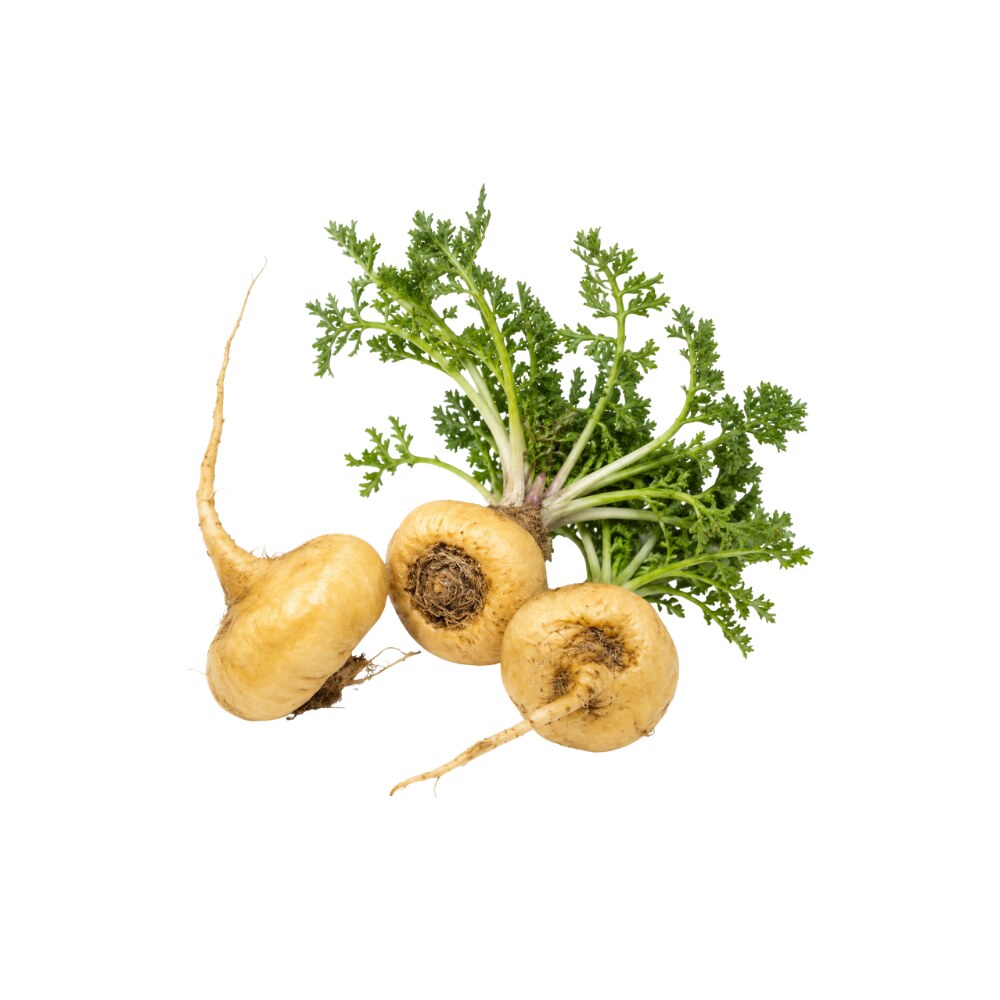 Maca Lepidium meyenii Documented for alkaloids, lepidiline, macaridine.
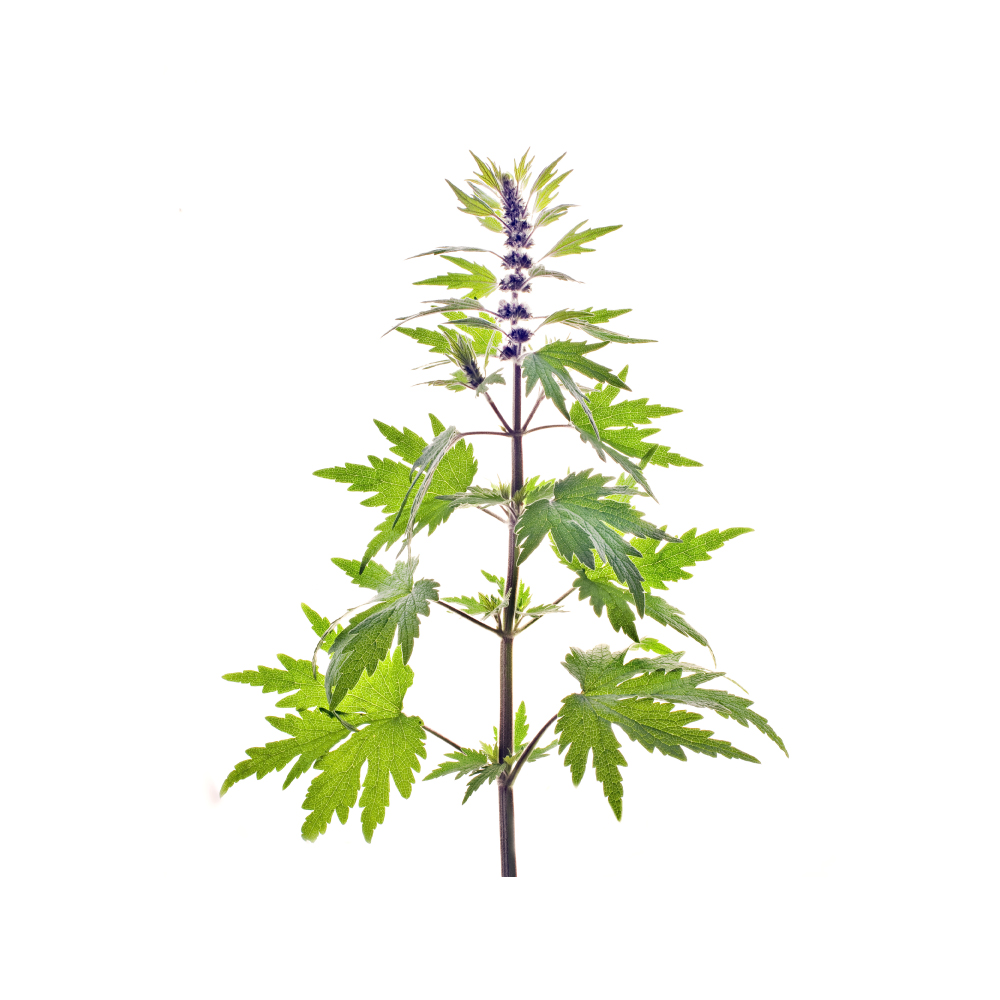 Motherwort Leonurus cardiaca Documented for leonurine, leosibiricine, stachydrine.
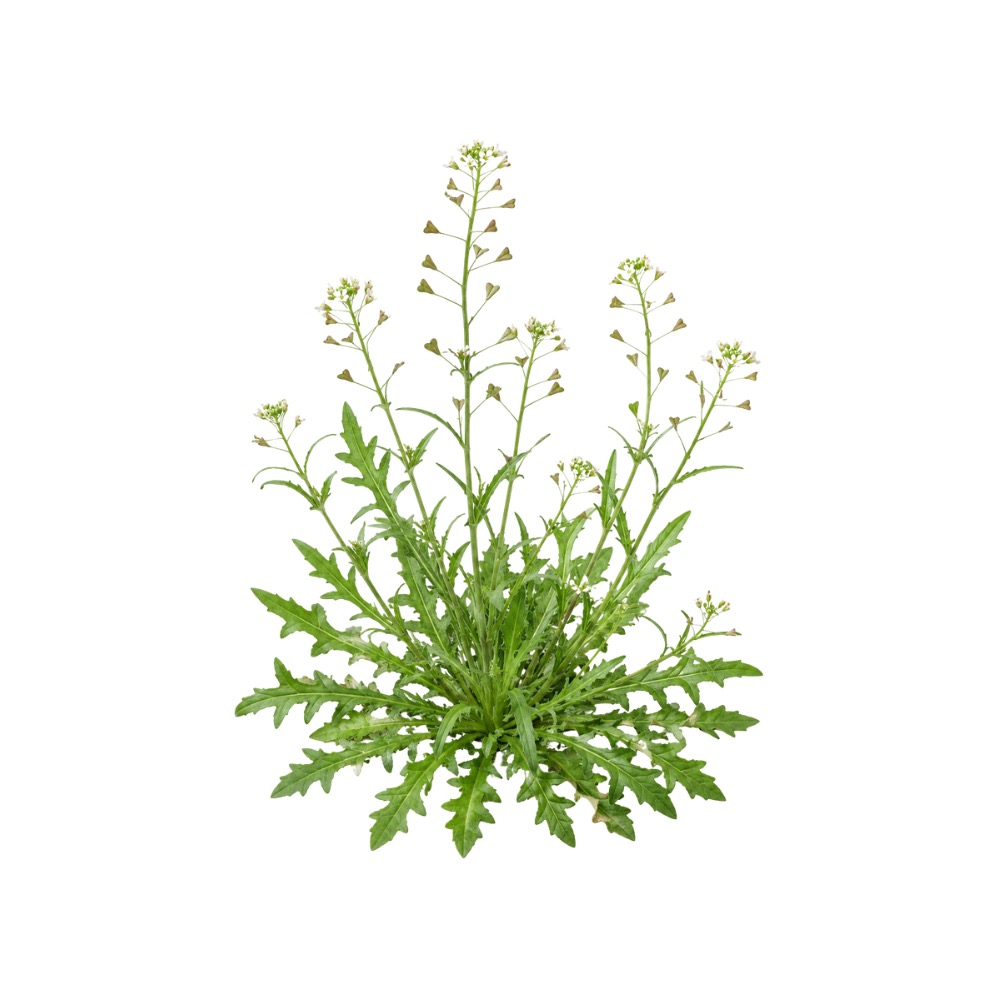 Shepherd's Purse Capsella bursa-pastoris Documented for acetylcholine, choline, tyramine.
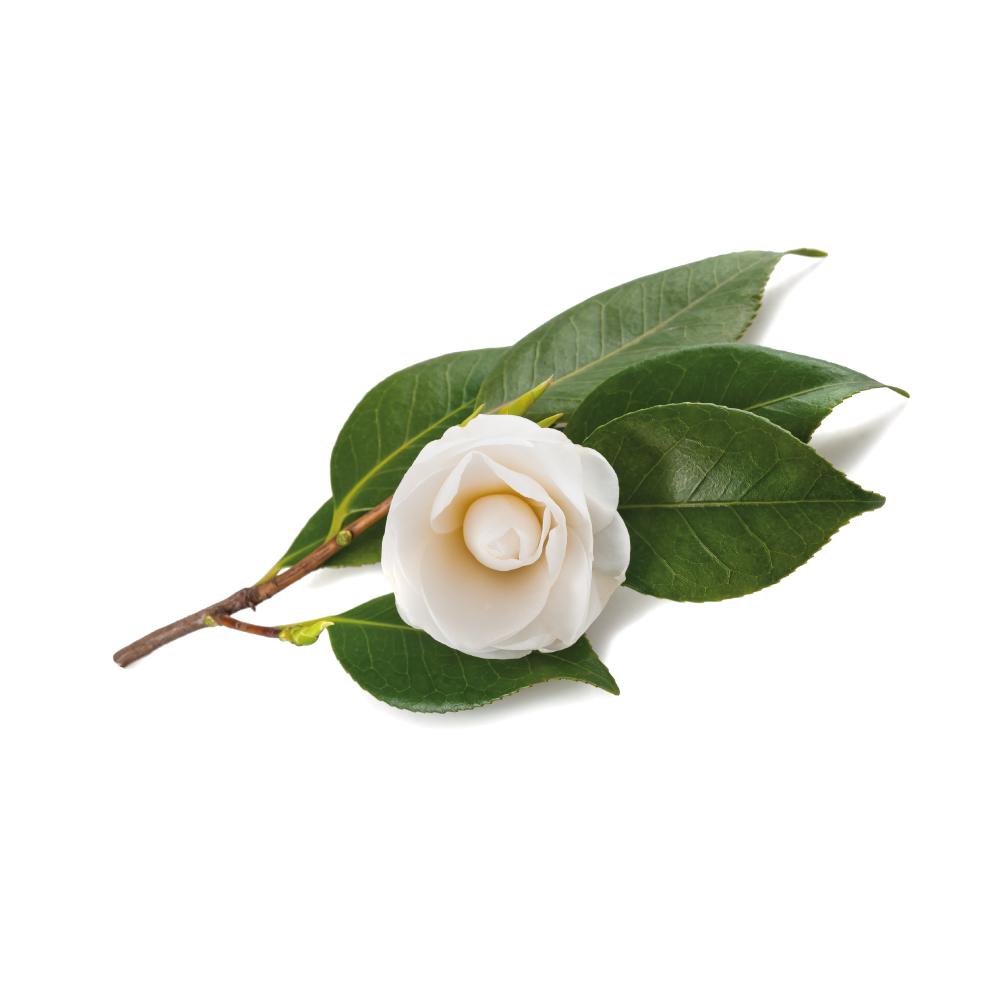 Tea Camellia sinensis Documented for caffeine (0.8–3.4 % dry wt), theophylline, xanthine alkaloids.
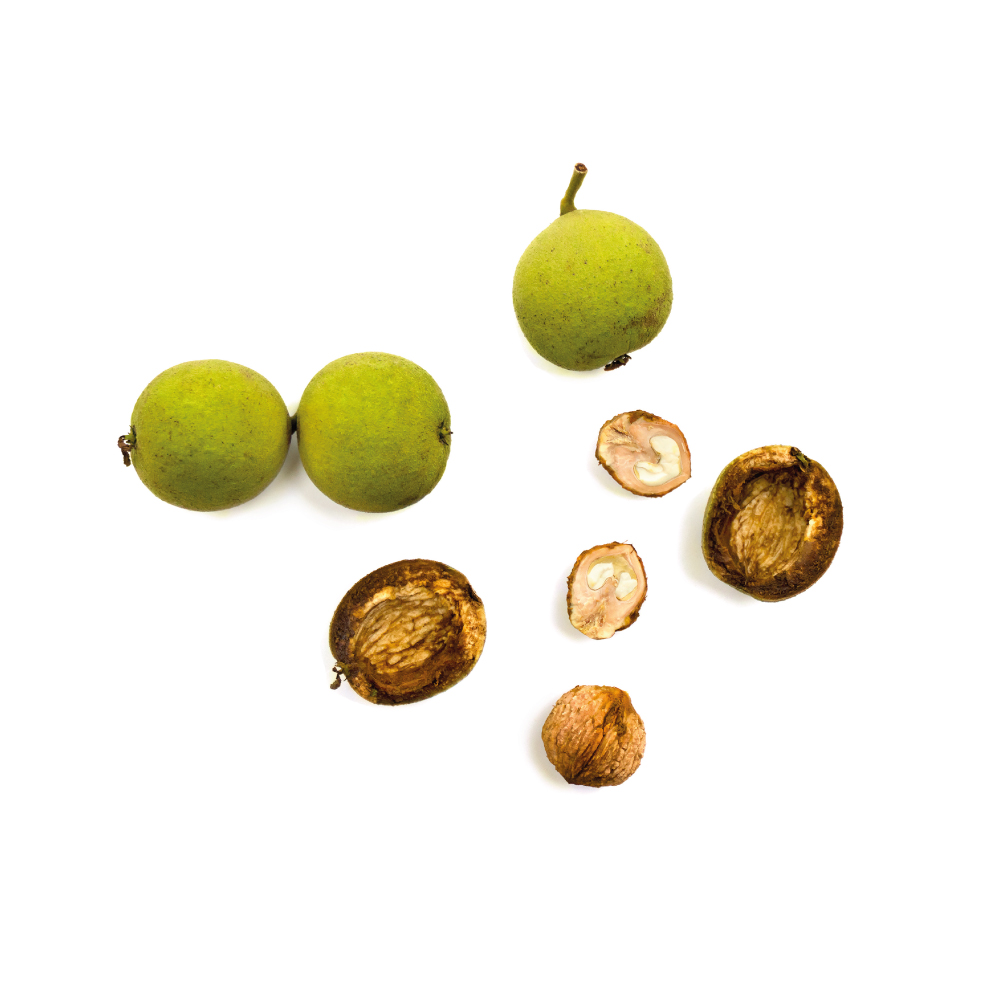 Black Walnut Juglans nigra Documented for N-omega-methylserotonin, serotonin.
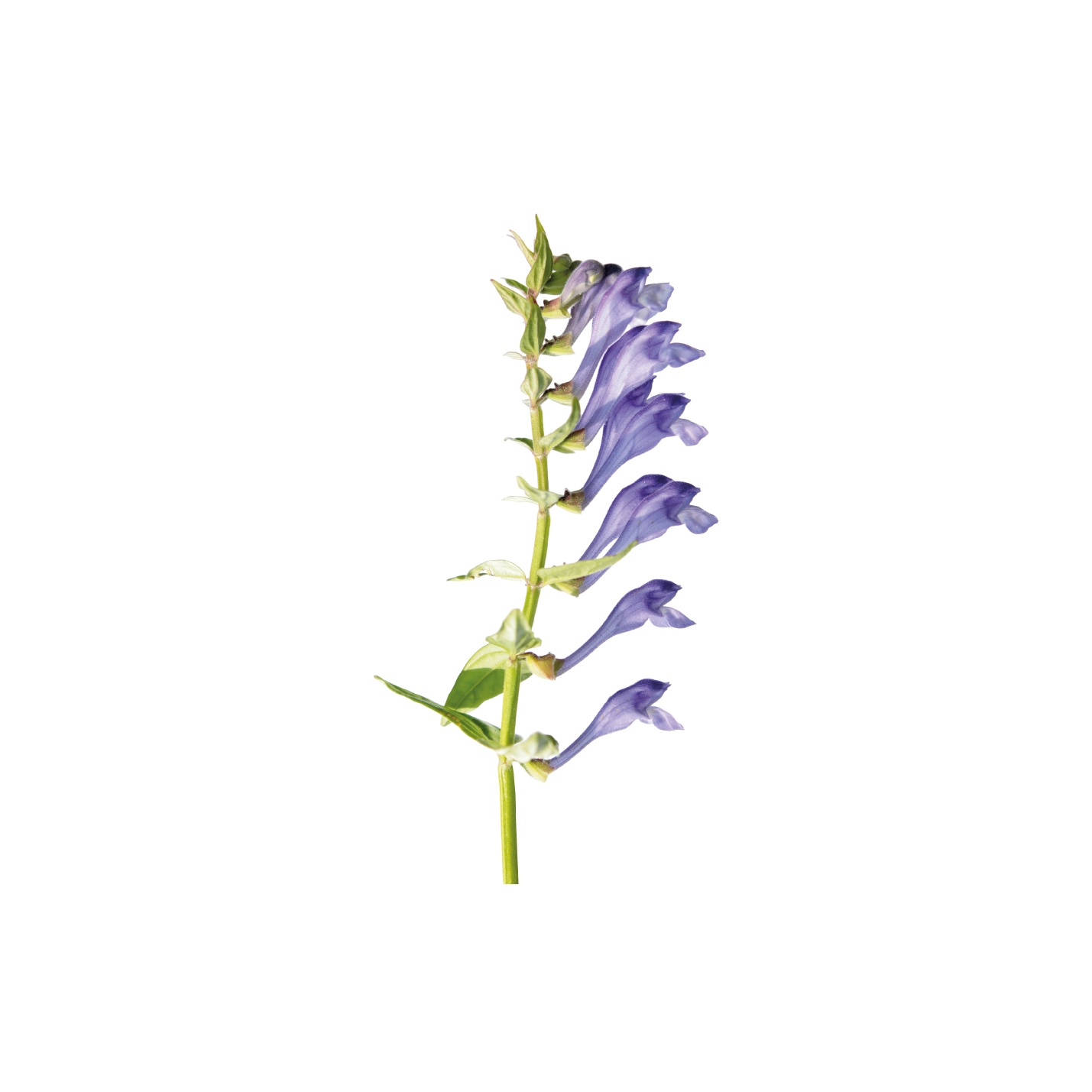 Chinese Skullcap Scutellaria baicalensis Documented for melatonin, serotonin.
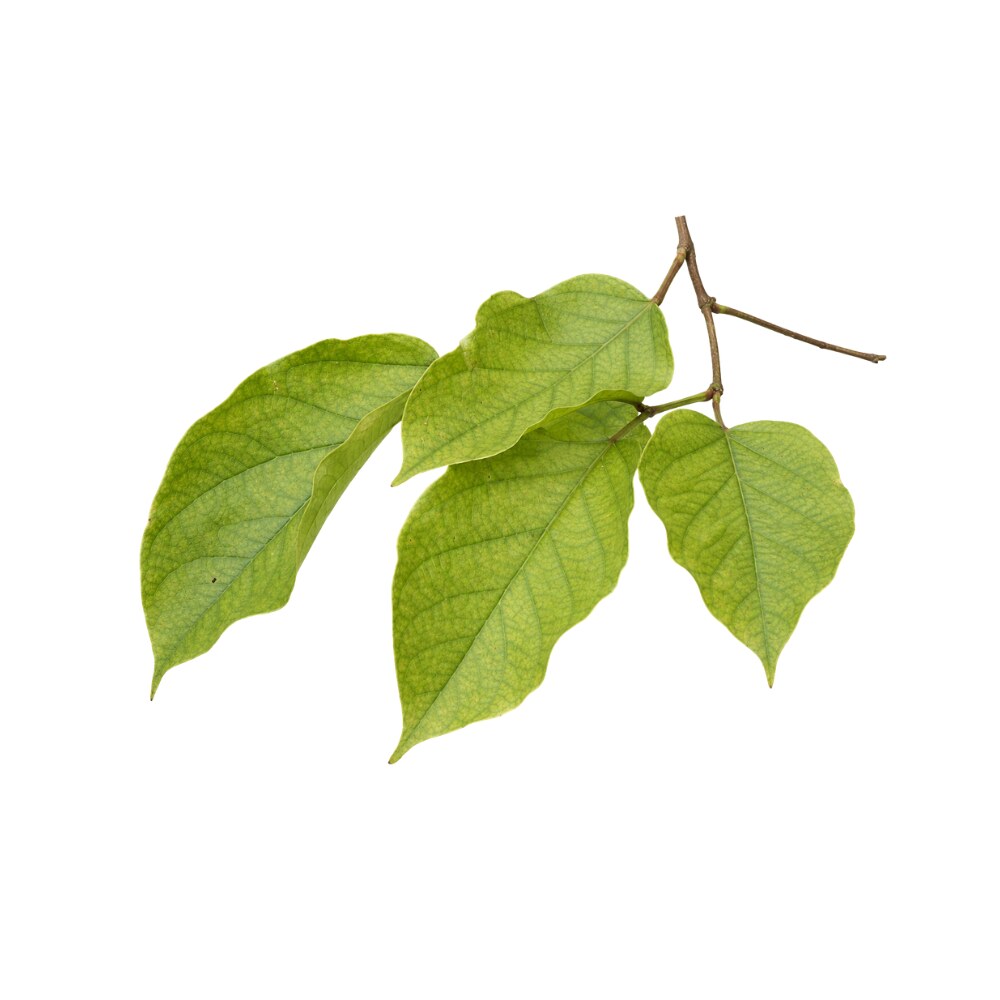 Clavo Huasca Tynanthus panurensis Documented for alkaloids, tinantina.
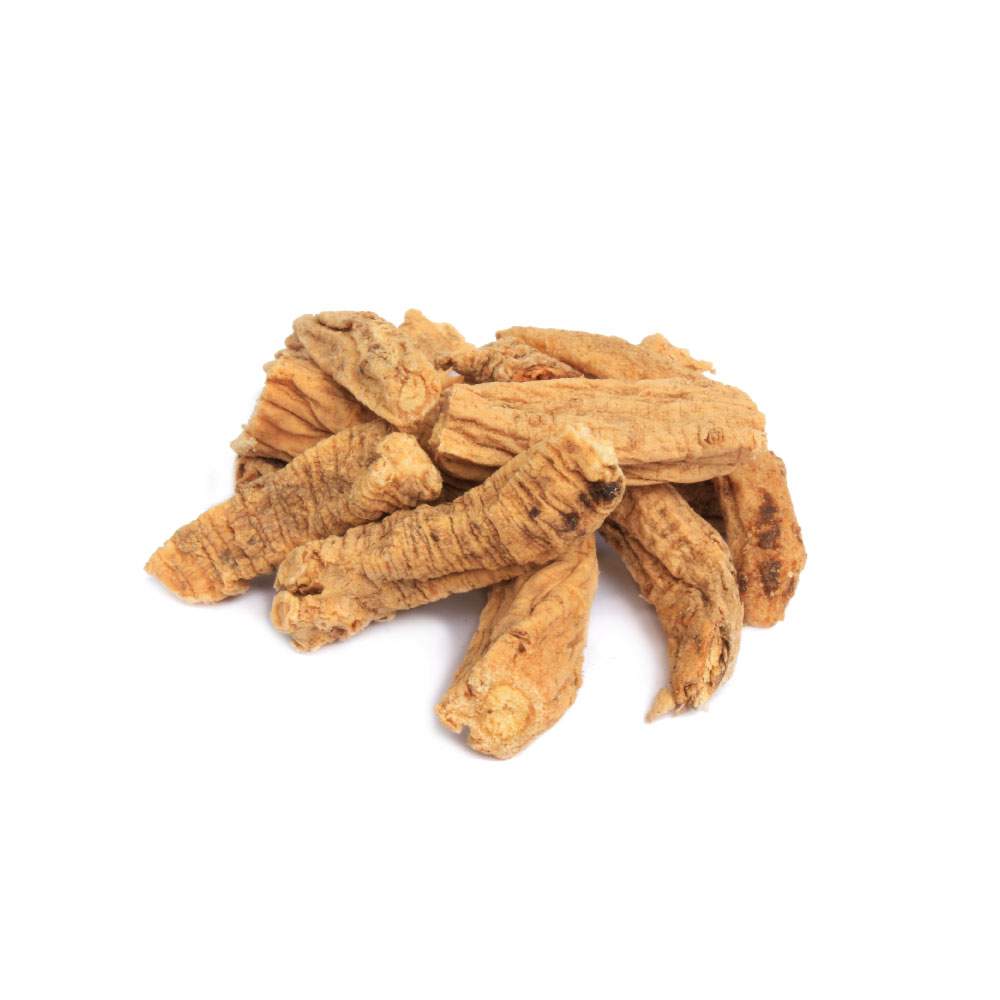 Codonopsis Codonopsis pilosula Documented for codonopyrrolidum A, perlolyrin.
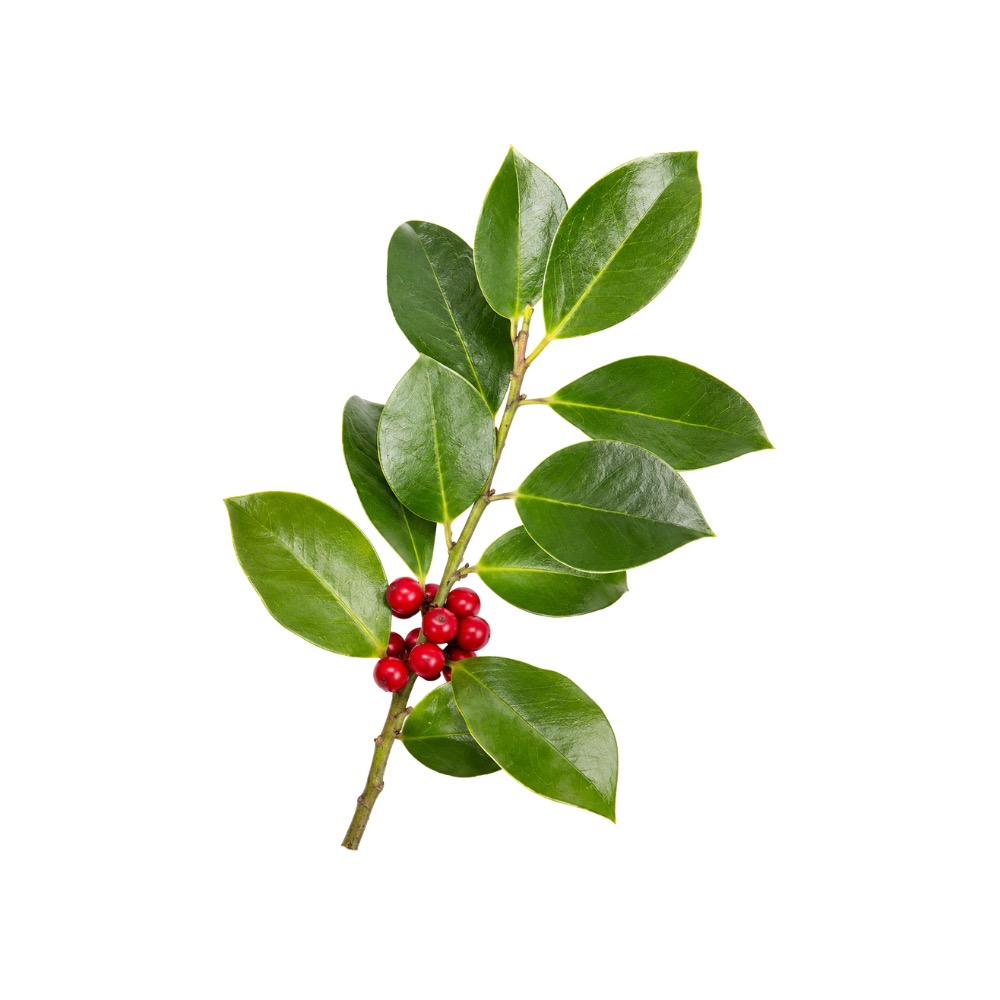 Guayusa Ilex guayusa Documented for caffeine, theobromine.
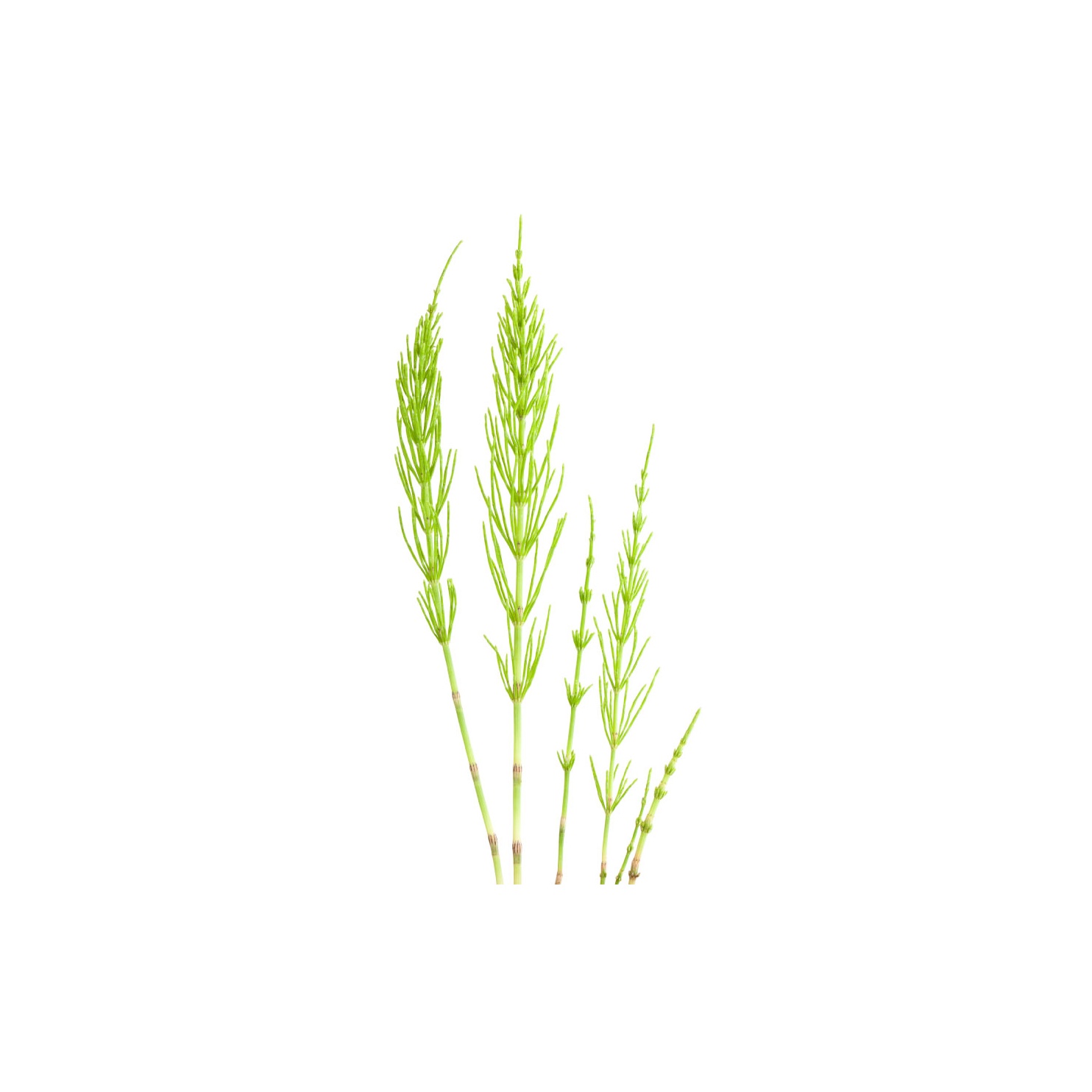 Horsetail Equisetum arvense Documented for nicotine, palustrine.
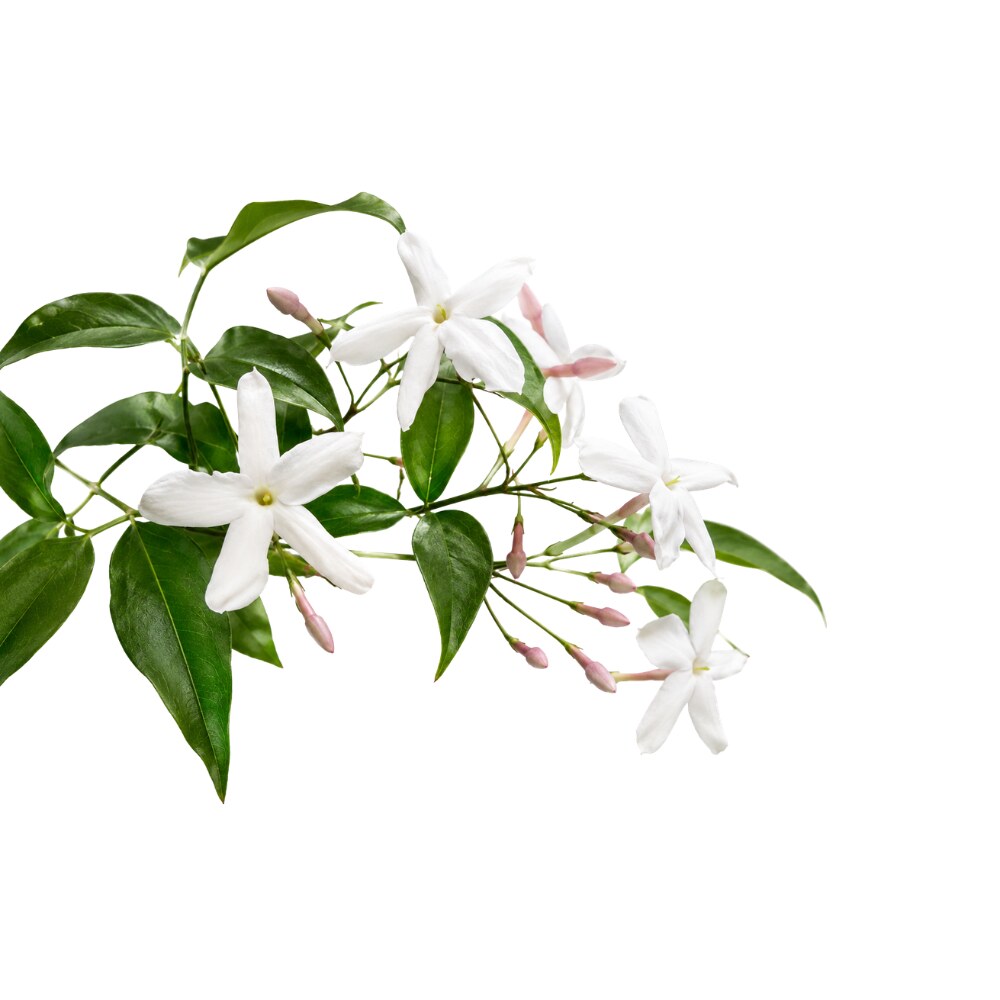 Jasmine Jasminum officinale Documented for indole, methyl anthranilate.
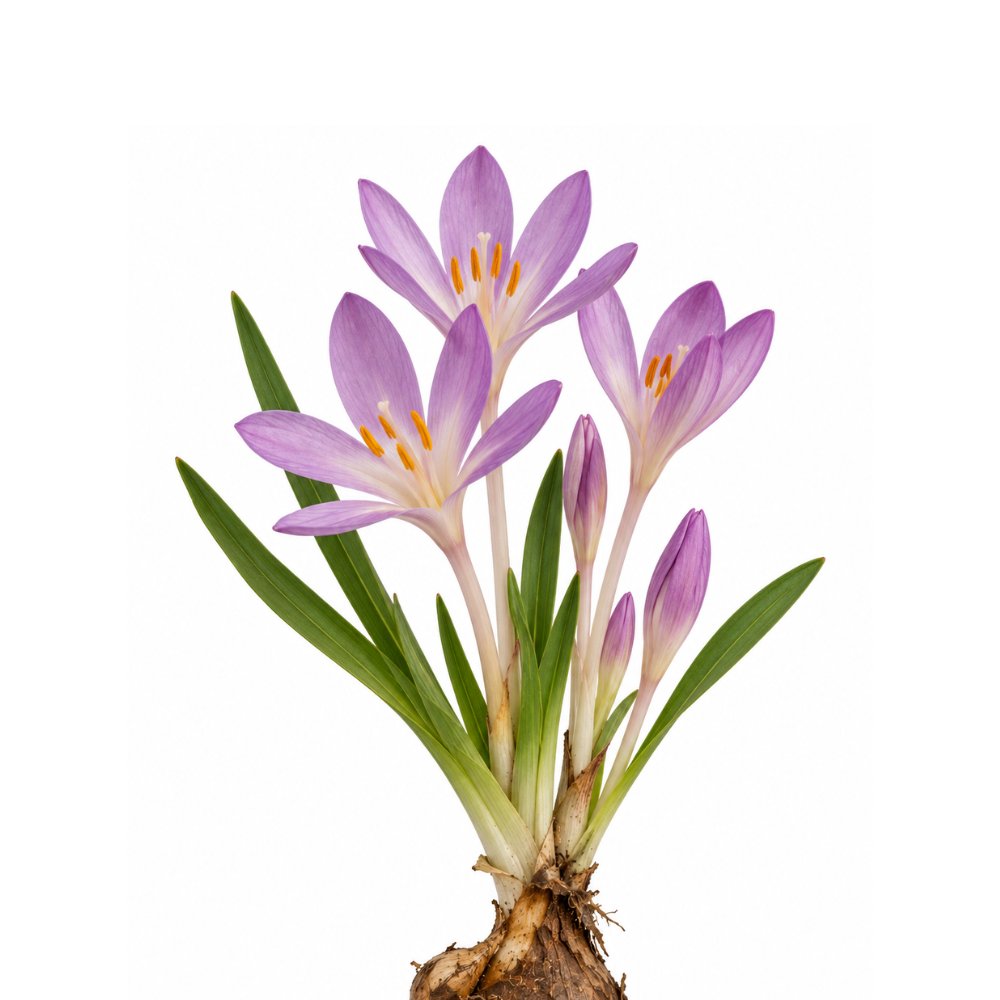 Meadow Saffron ☠️ Colchicum autumnale Toxic Documented for colchicine, demecolcine.
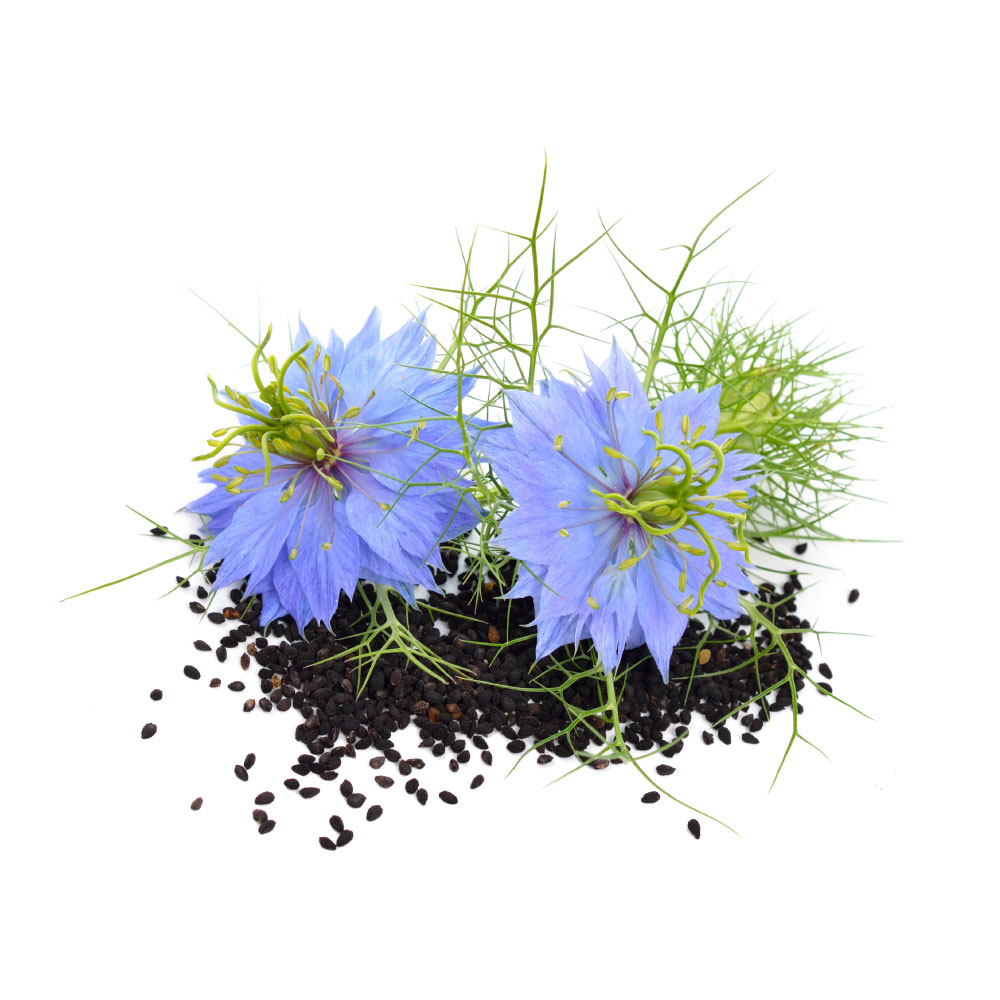 Nigella Nigella sativa Documented for nigellicine, nigellidine.
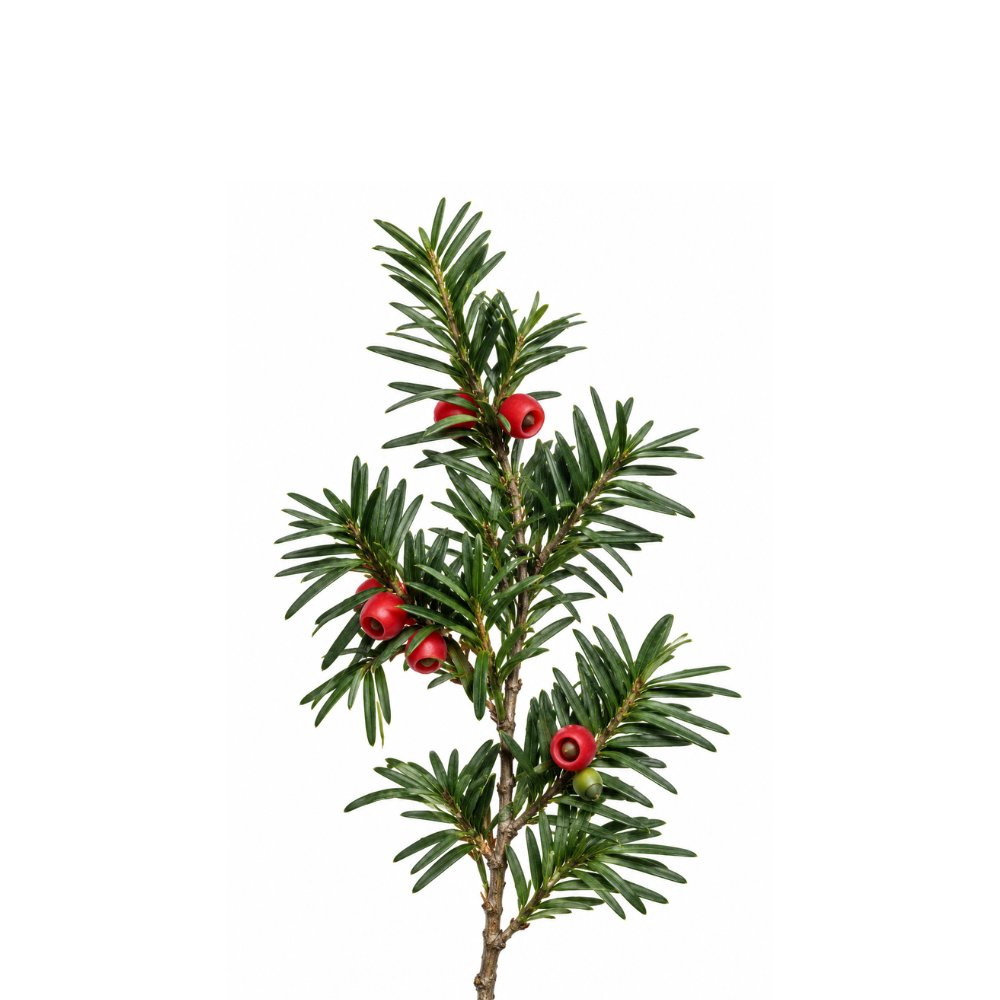 Pacific Yew ☠️ Taxus brevifolia Toxic Documented for taxine A, taxine B.
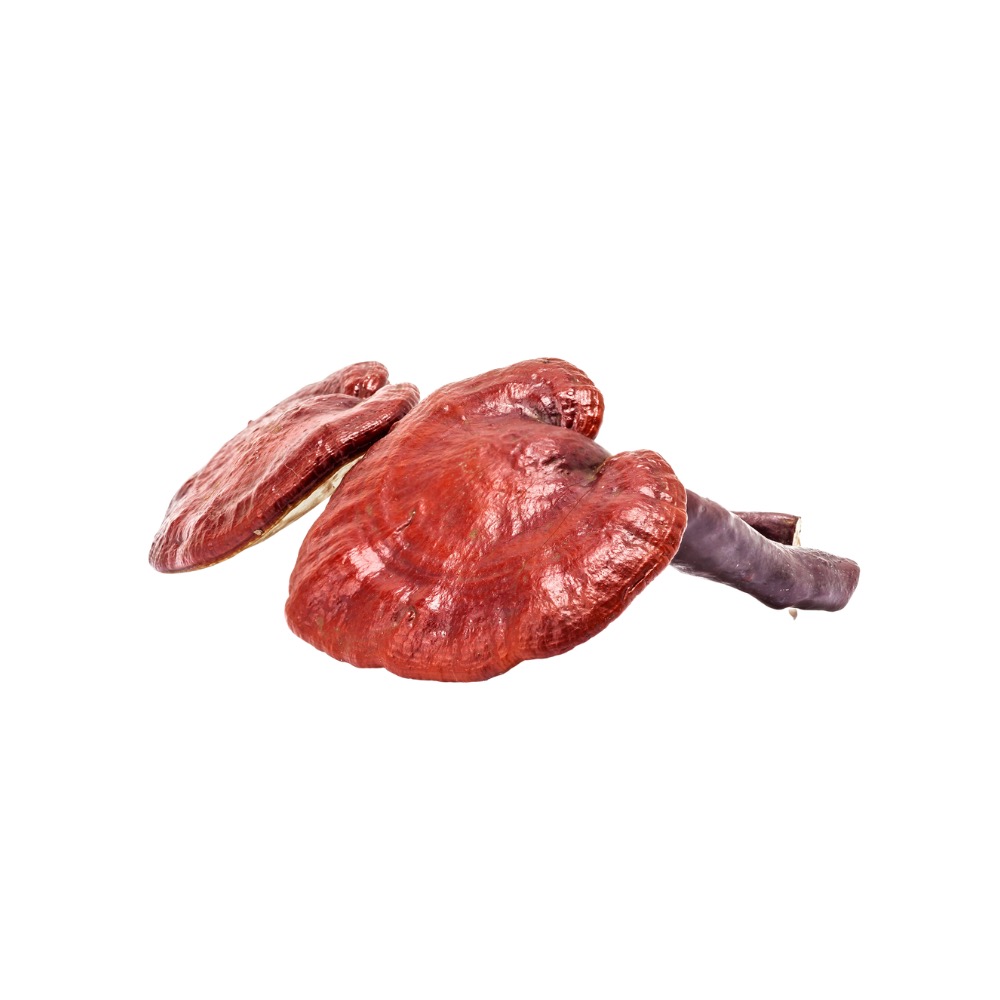 Reishi Ganoderma lucidum Documented for alkaloids, choline.
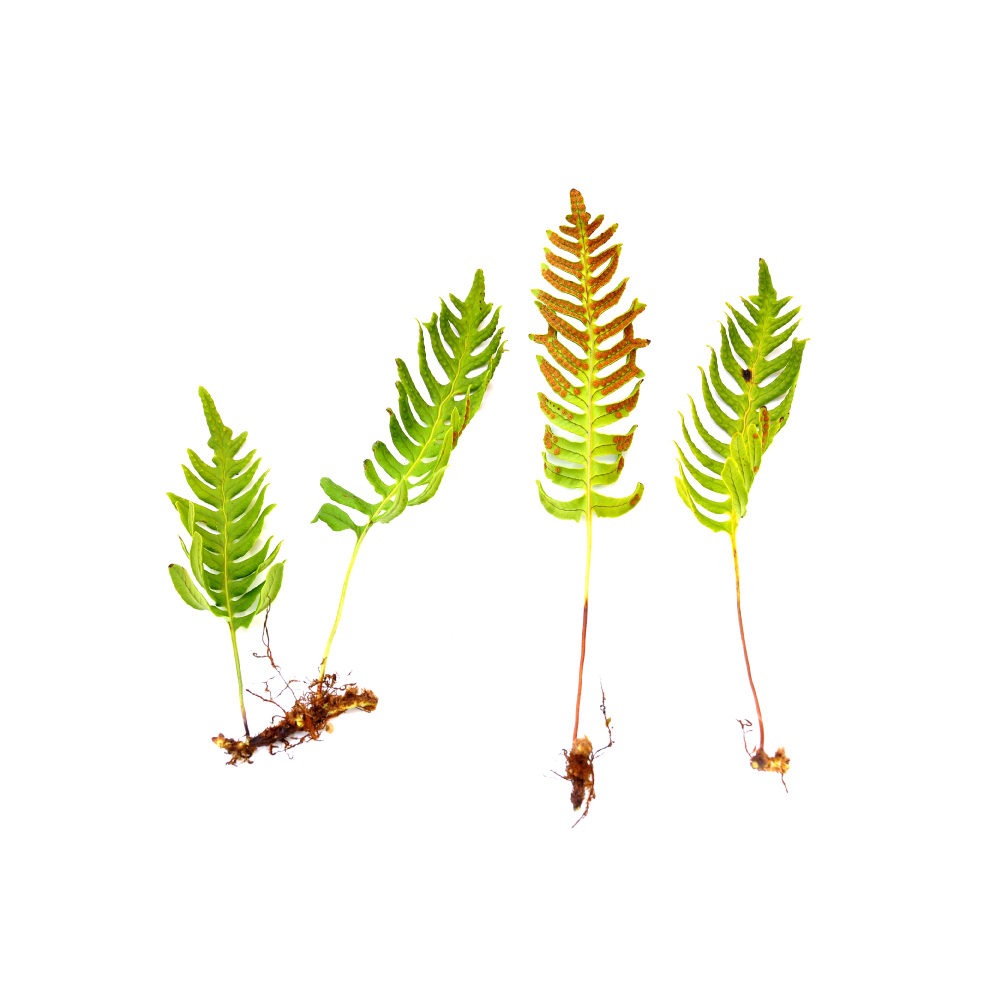 Samambaia Polypodium leucotomos Documented for alkaloids, polypodaureine.
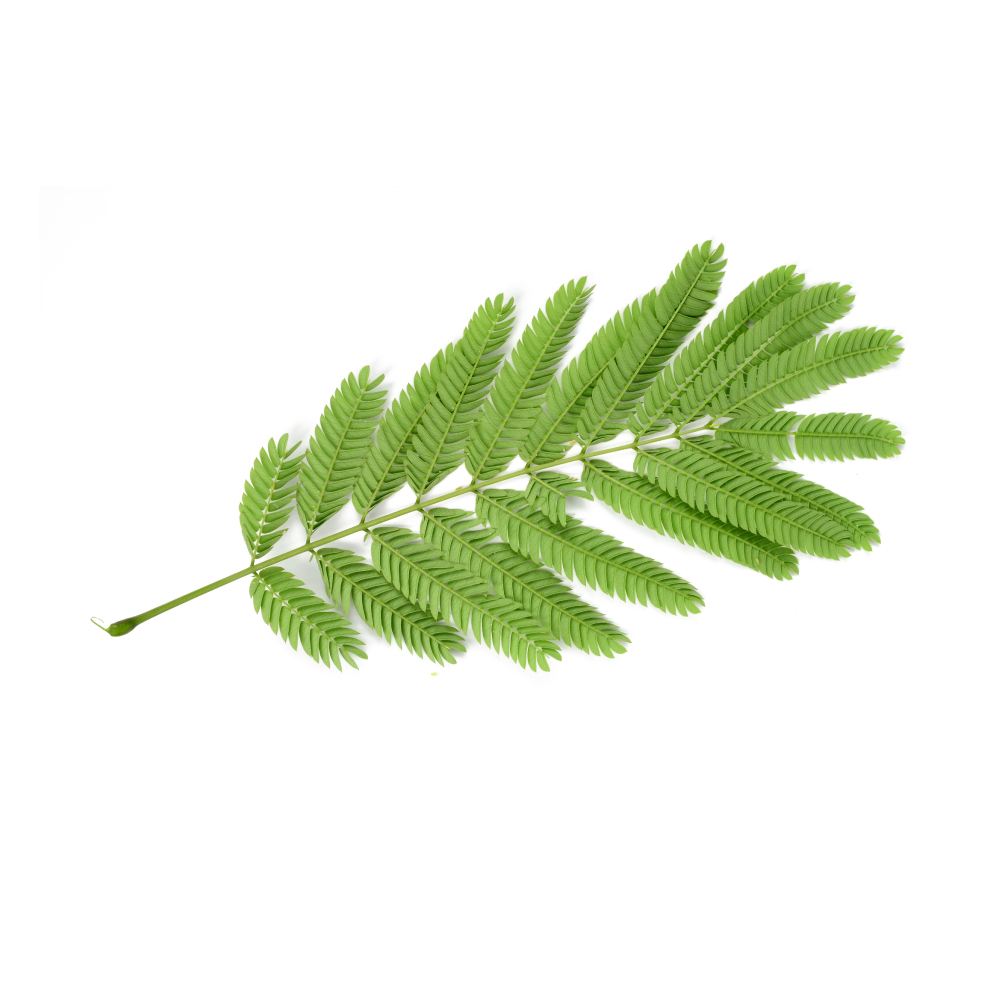 Albizzia Albizzia lebbeck Documented for macrocyclic alkaloids.
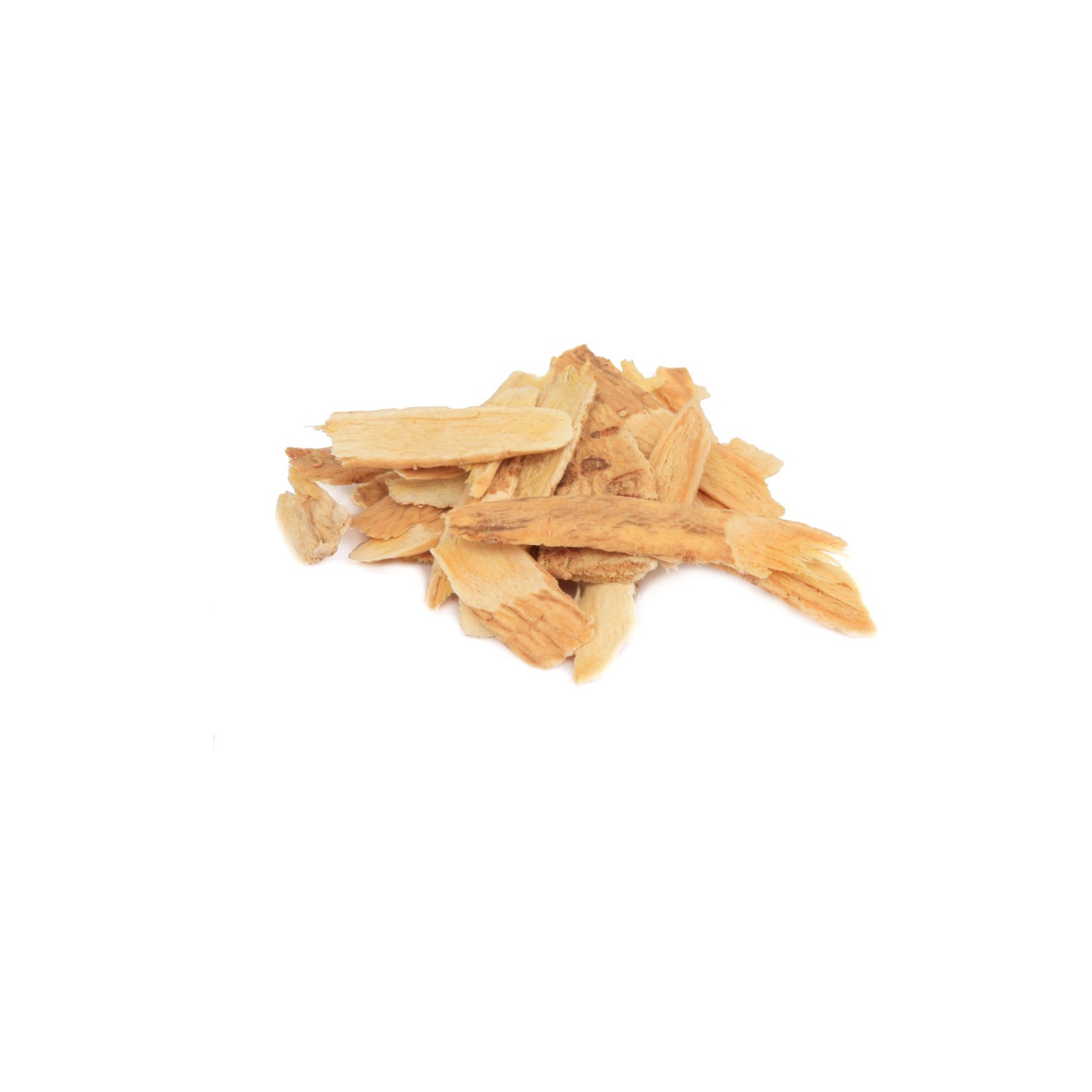 Astragalus Astragalus mongholicus Documented for choline.
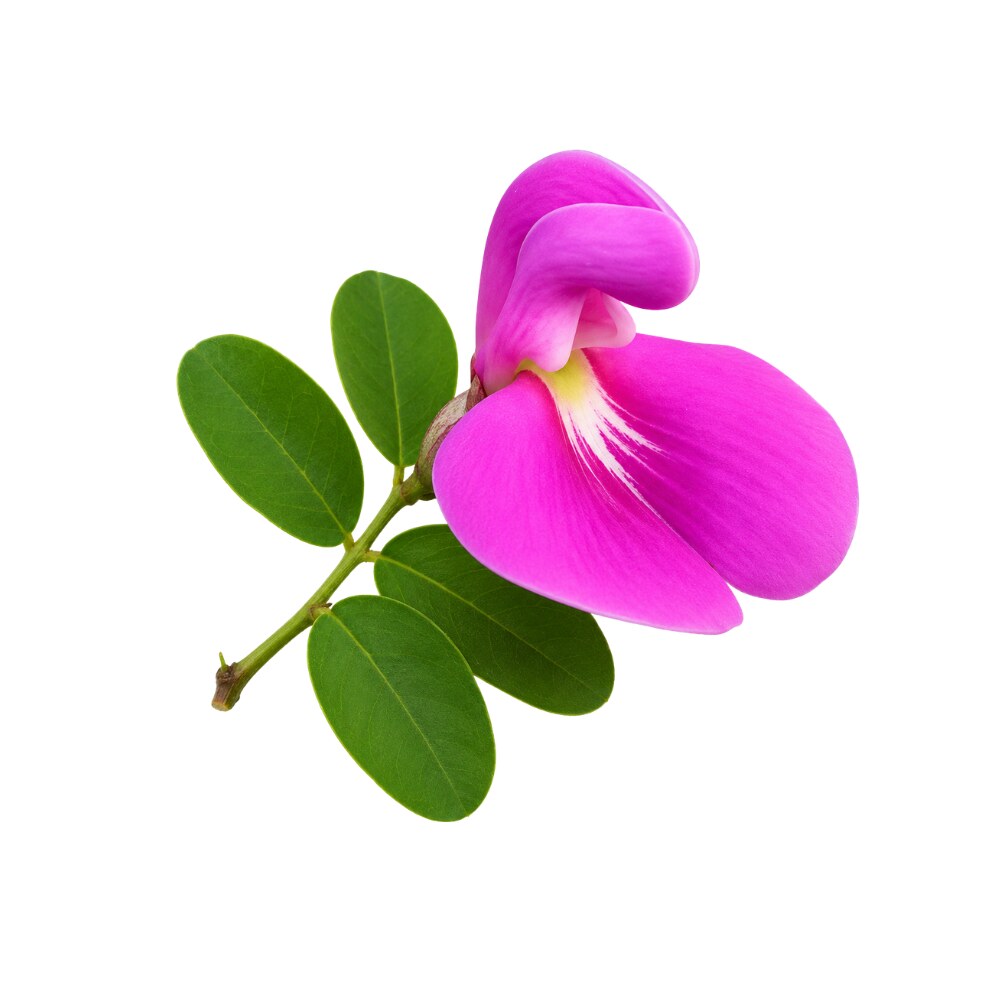 Bay Bean Canavalia rosea Documented for canarosine. Bitter Melon Momordica charantia Documented for vicine.
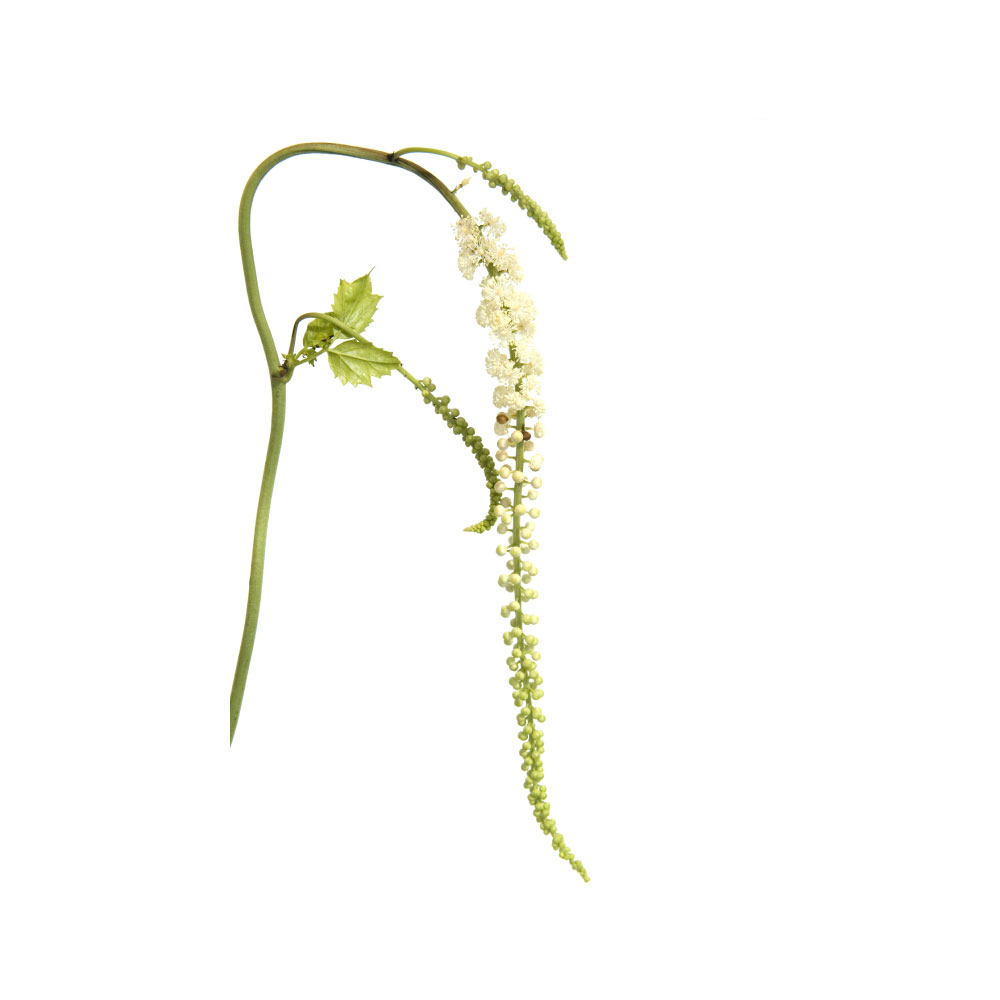 Black Cohosh Cimicifuga racemosa Documented for N-omega-methylserotonin. Cassia Cinnamon Cinnamomum cassia Documented for coclaurine.
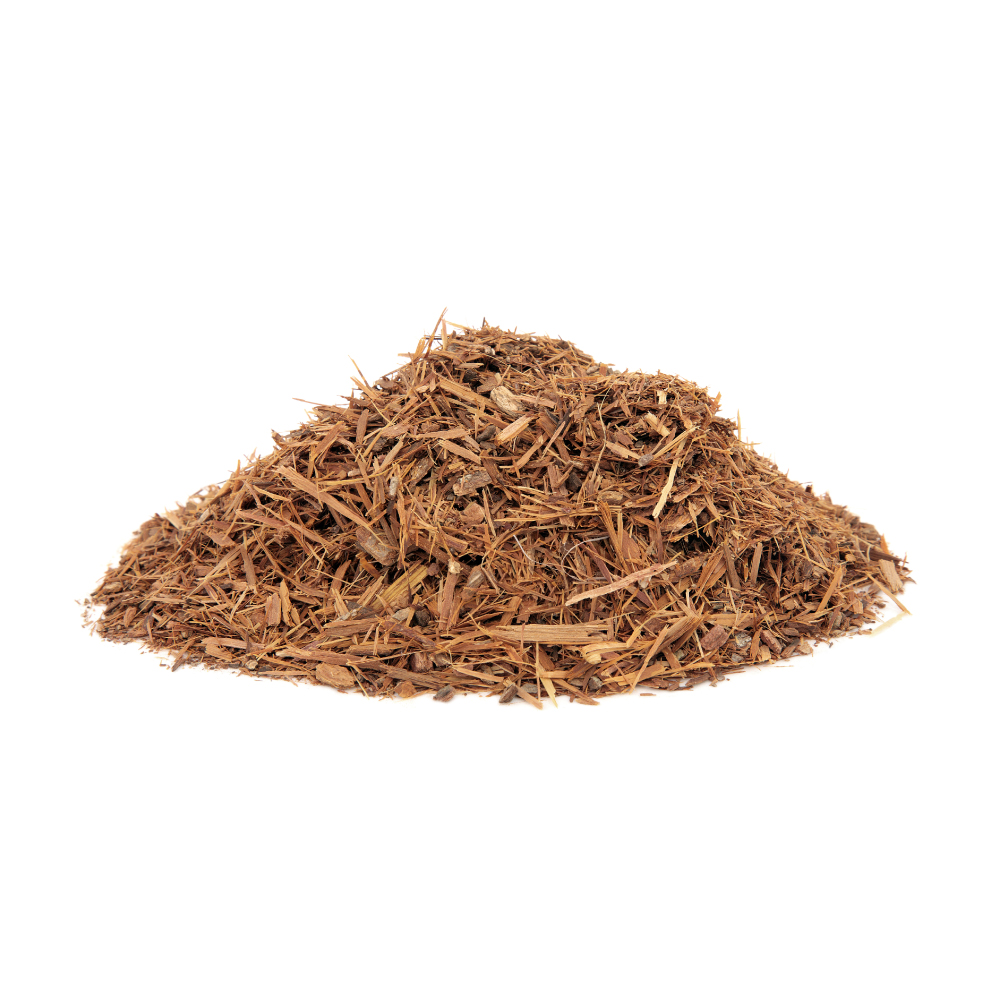 Catuaba Trichilia catigua Documented for tropane alkaloids (catuabines A, B, C).
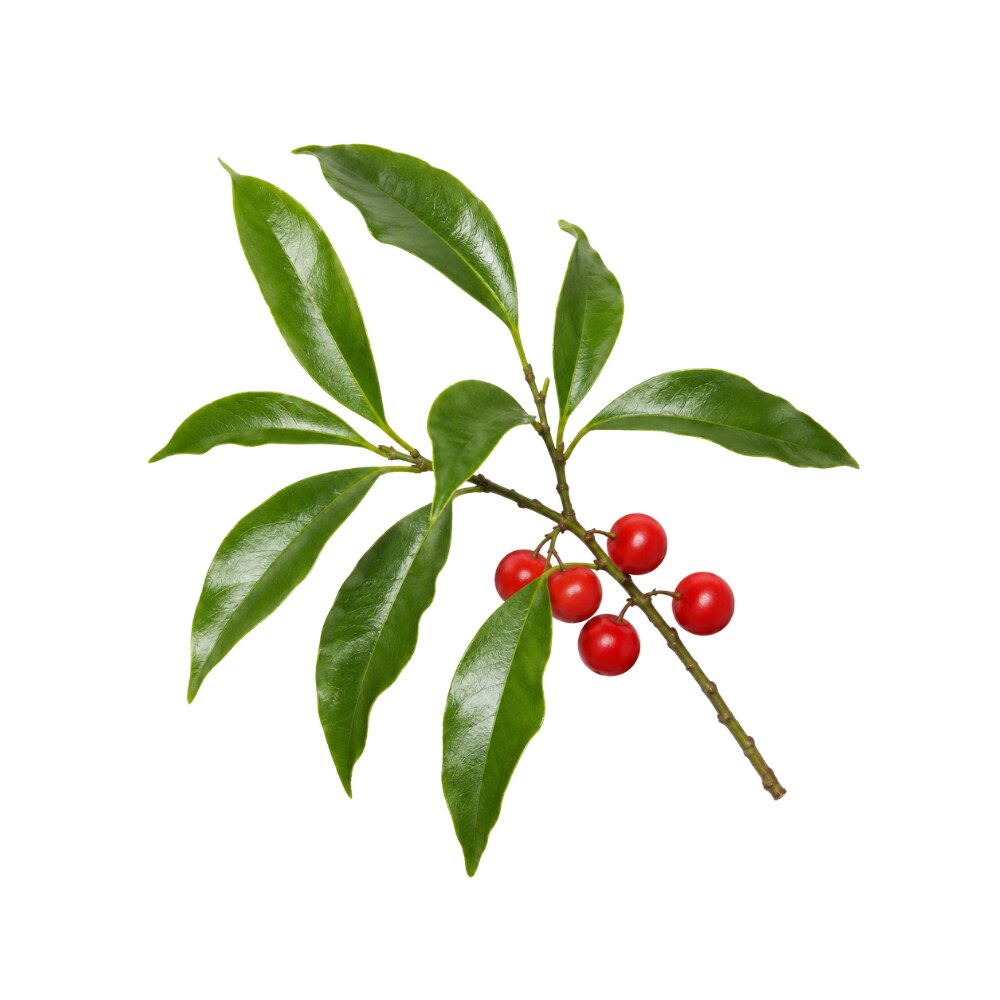 Chá de Bugre Cordia salicifolia Documented for caffeine.
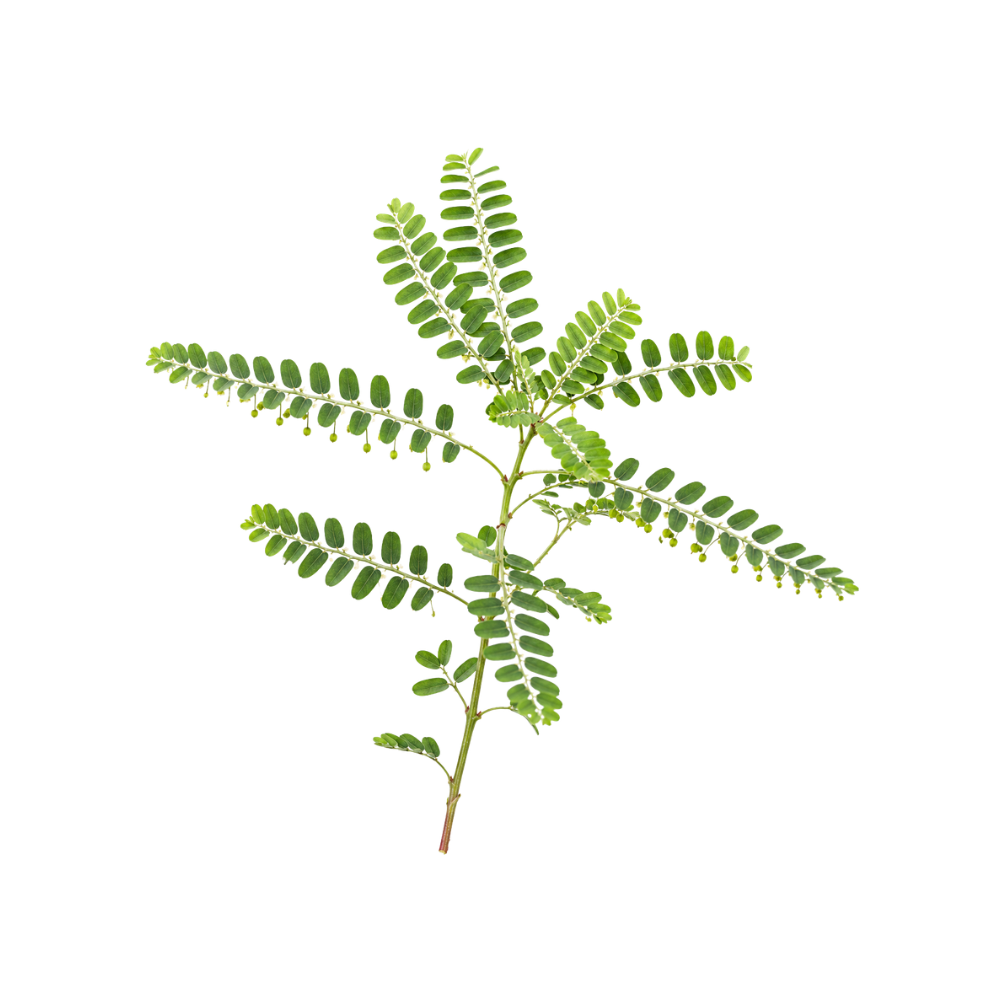 Chanca Piedra Phyllanthus niruri Documented for securinine.
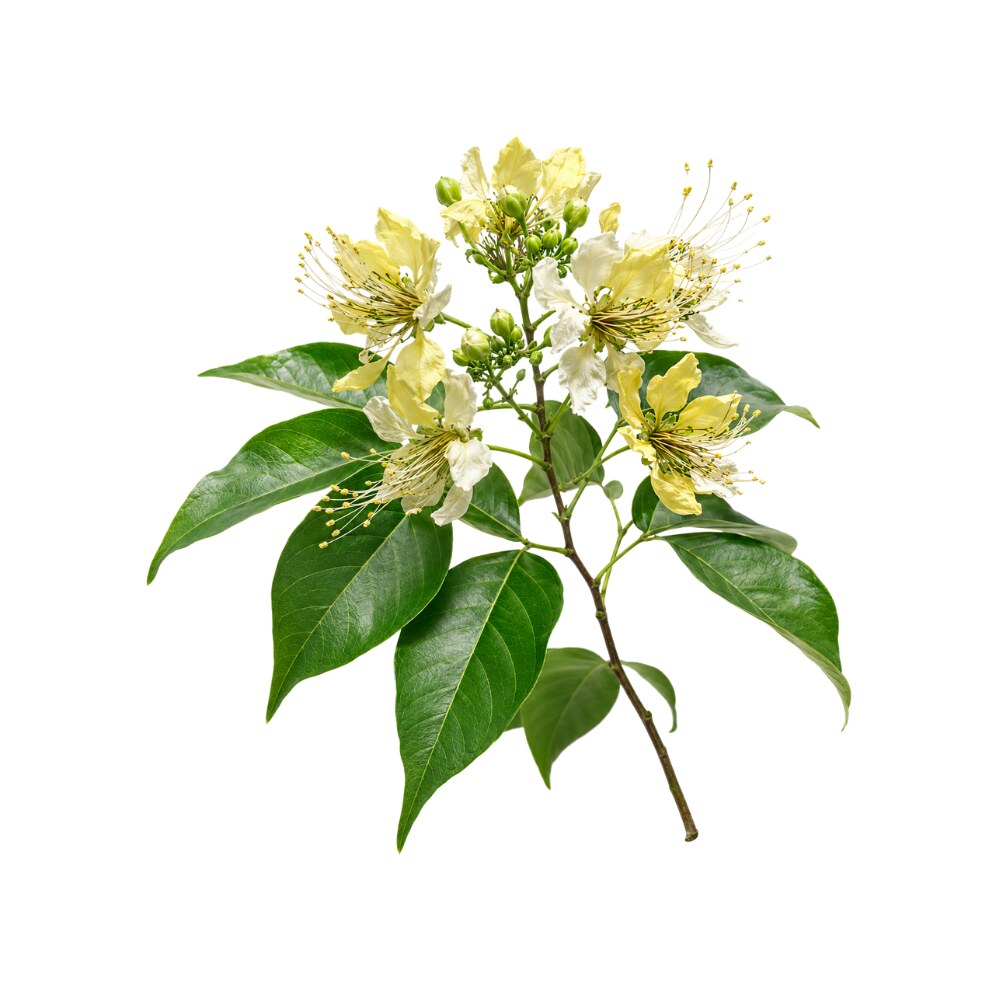 Crataeva Crataeva nurvala Documented for cadabicine.
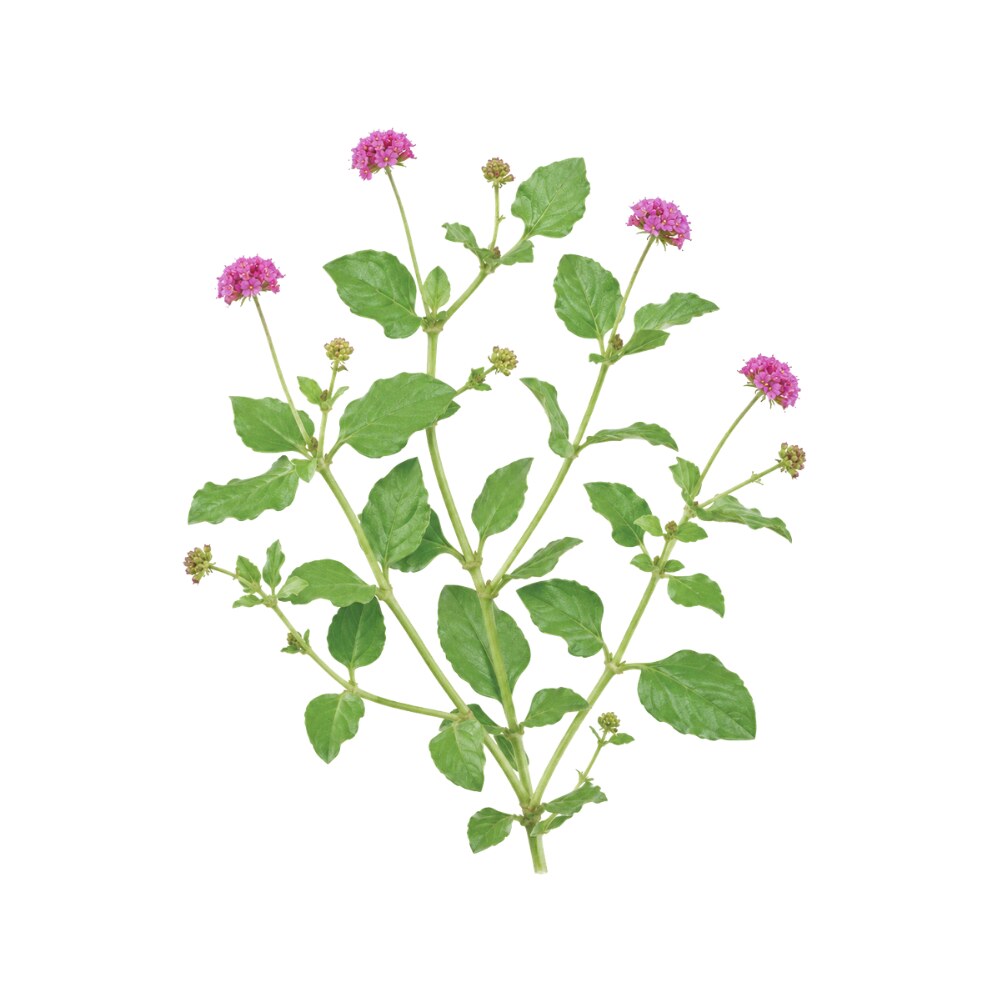 Erva Tostão Boerhavia diffusa Documented for punarnavine.
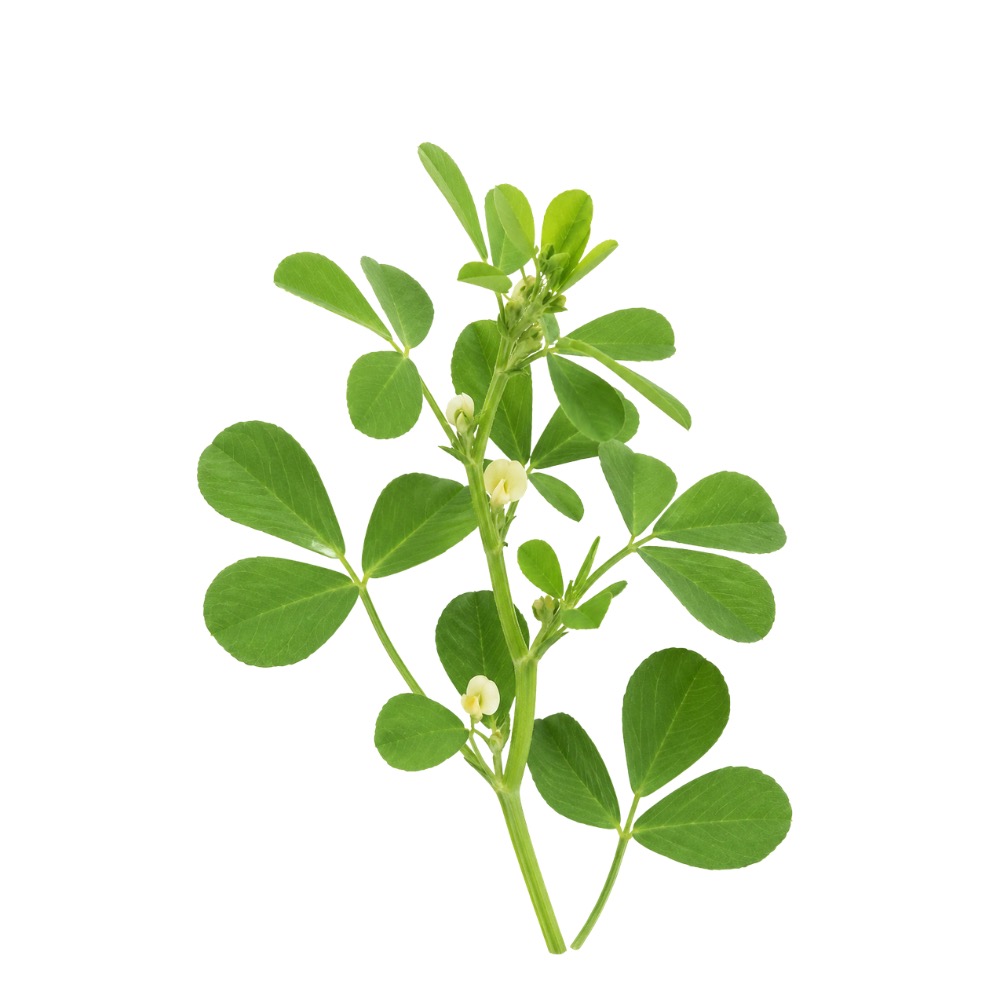 Fenugreek Trigonella foenum-graecum Documented for trigonelline (0.4–1 % dry wt).
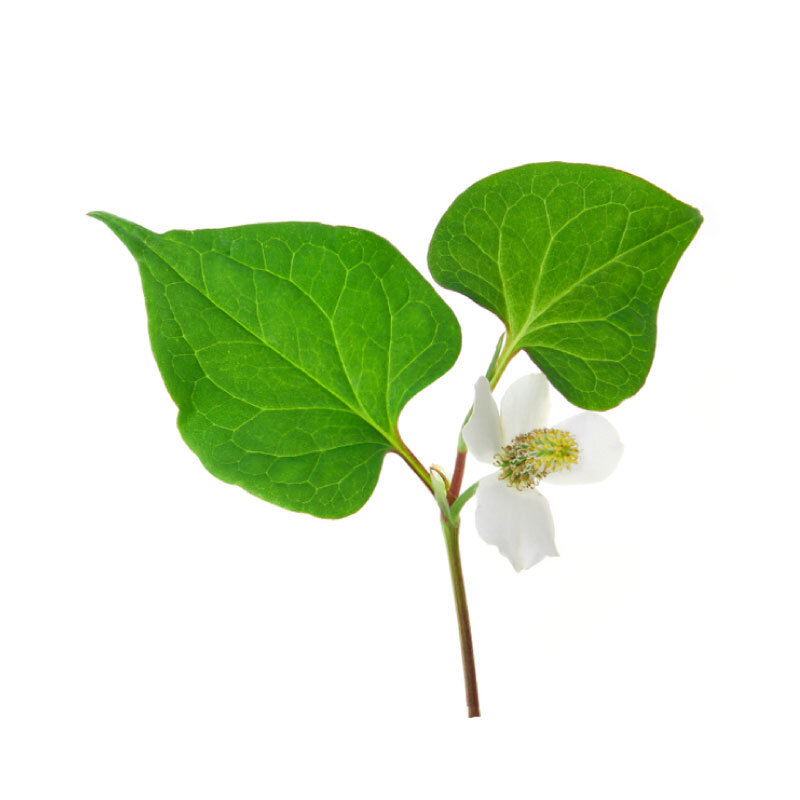 Fish Mint Houttuynia cordata Documented for alkaloids.
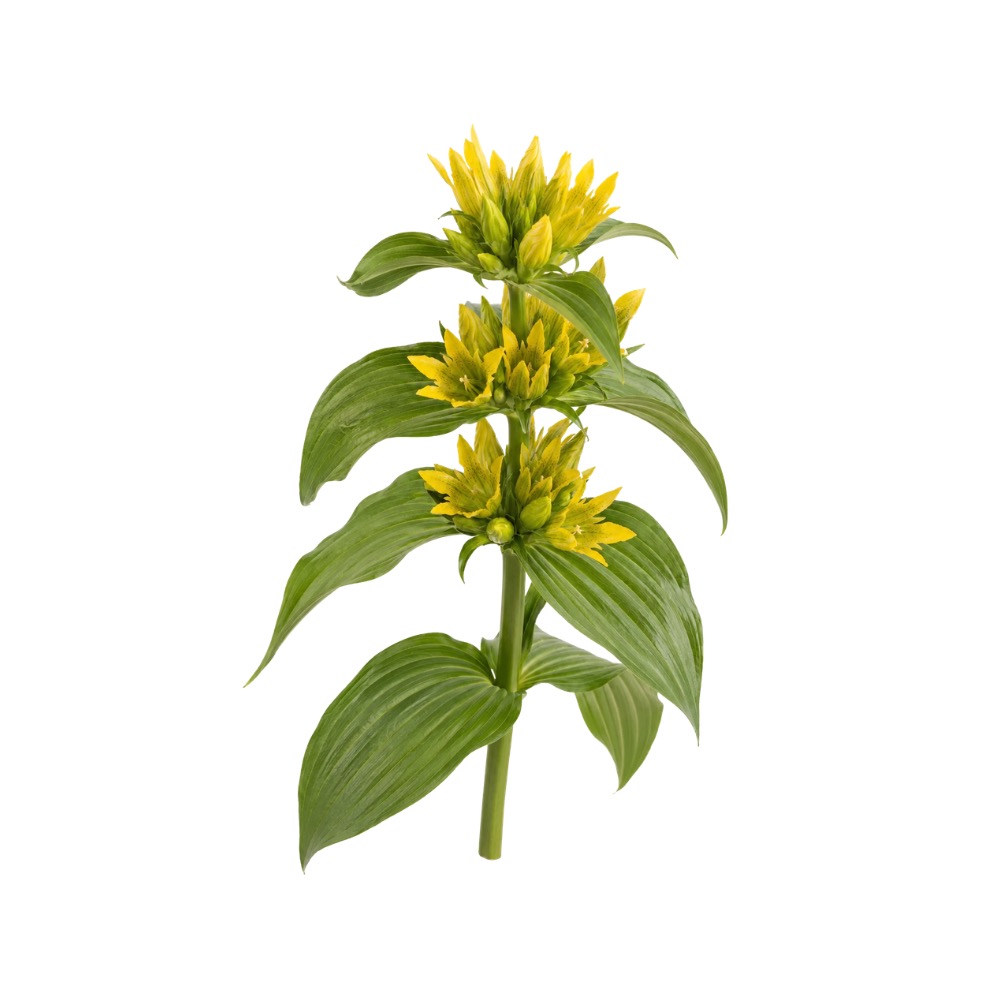 Gentian Gentiana lutea Documented for gentianine.
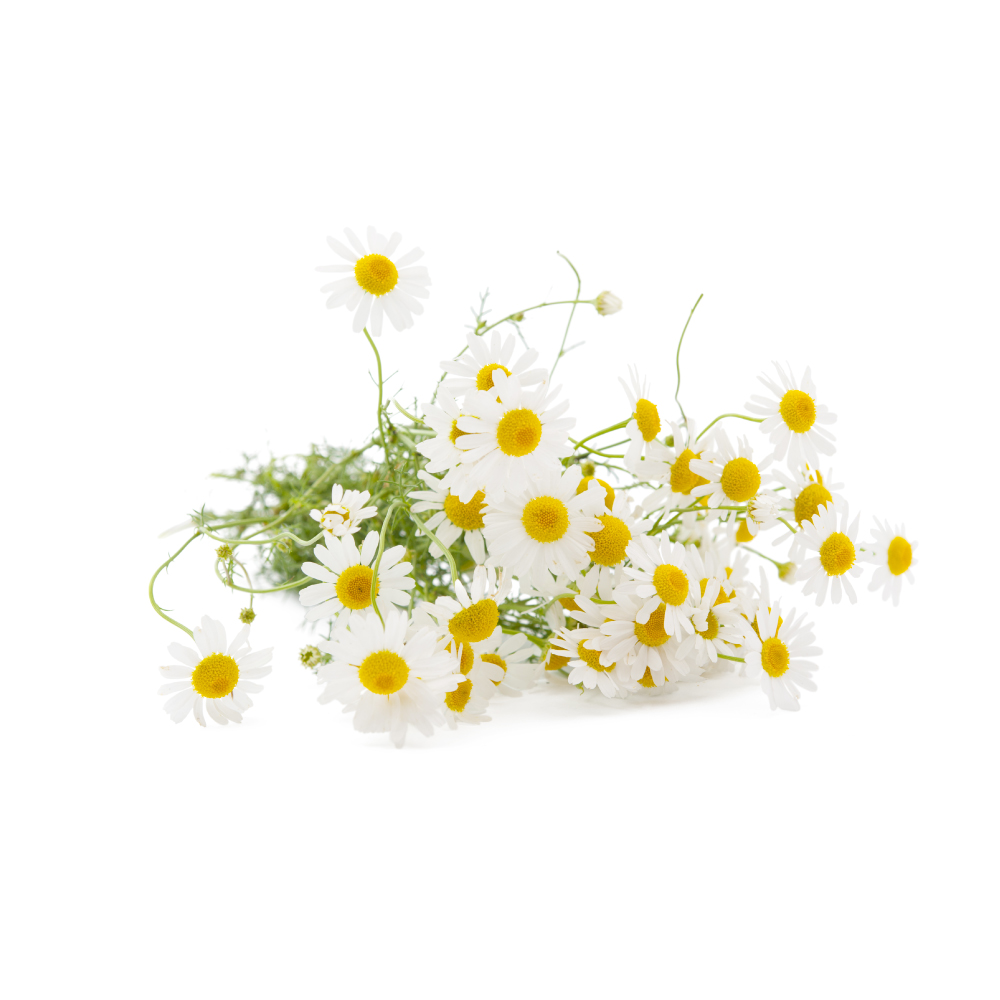 German Chamomile Matricaria chamomilla Documented for choline.
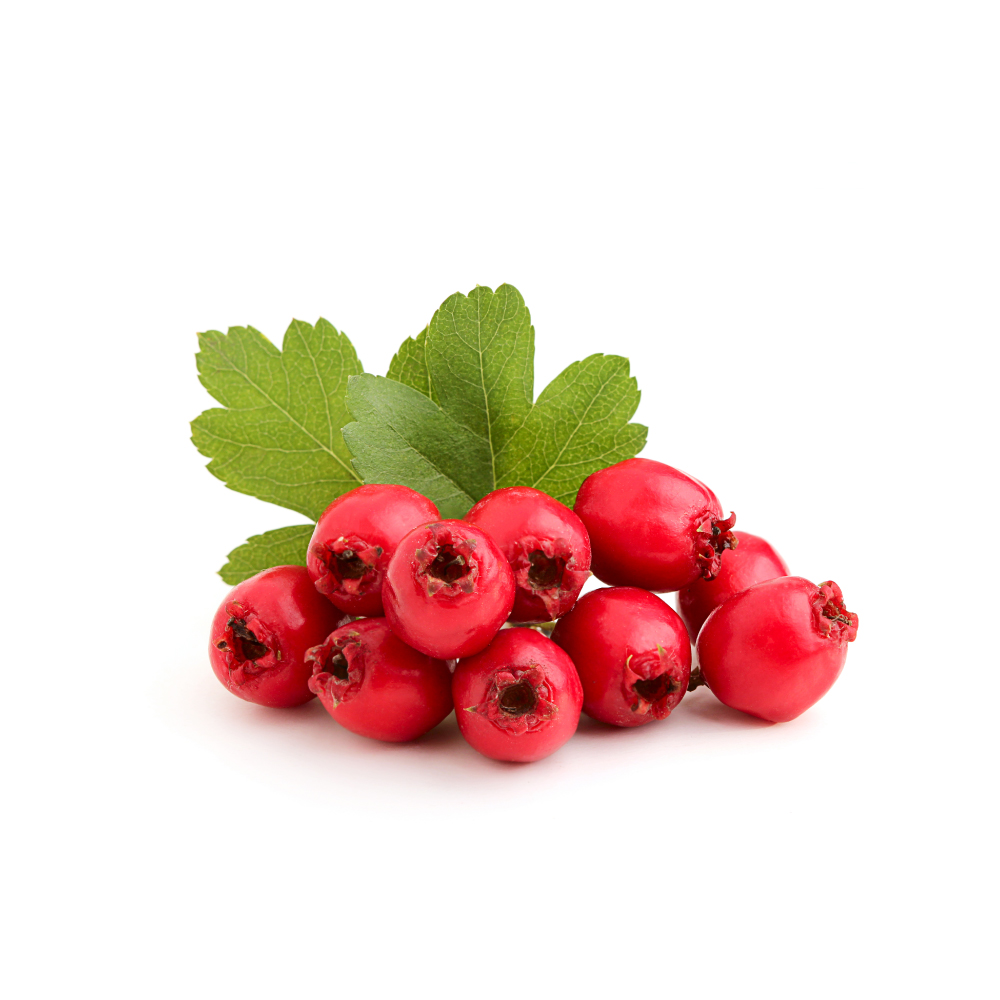 Hawthorn Crataegus oxyacantha Documented for amines. Kava Piper methysticum Documented for pipermethystine (0.2 % dry wt).
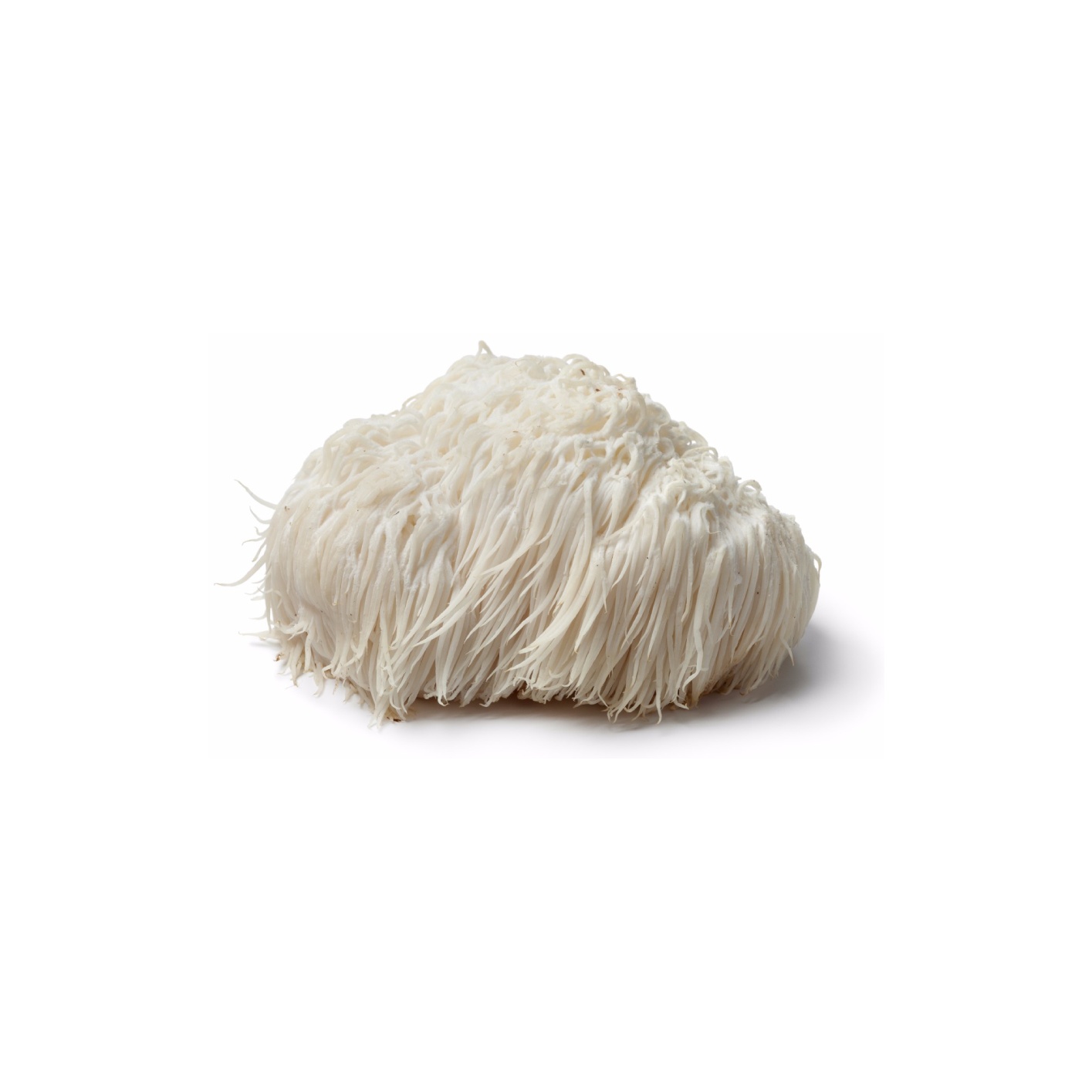 Lion's Mane Hericium erinaceus Documented for alkaloids.
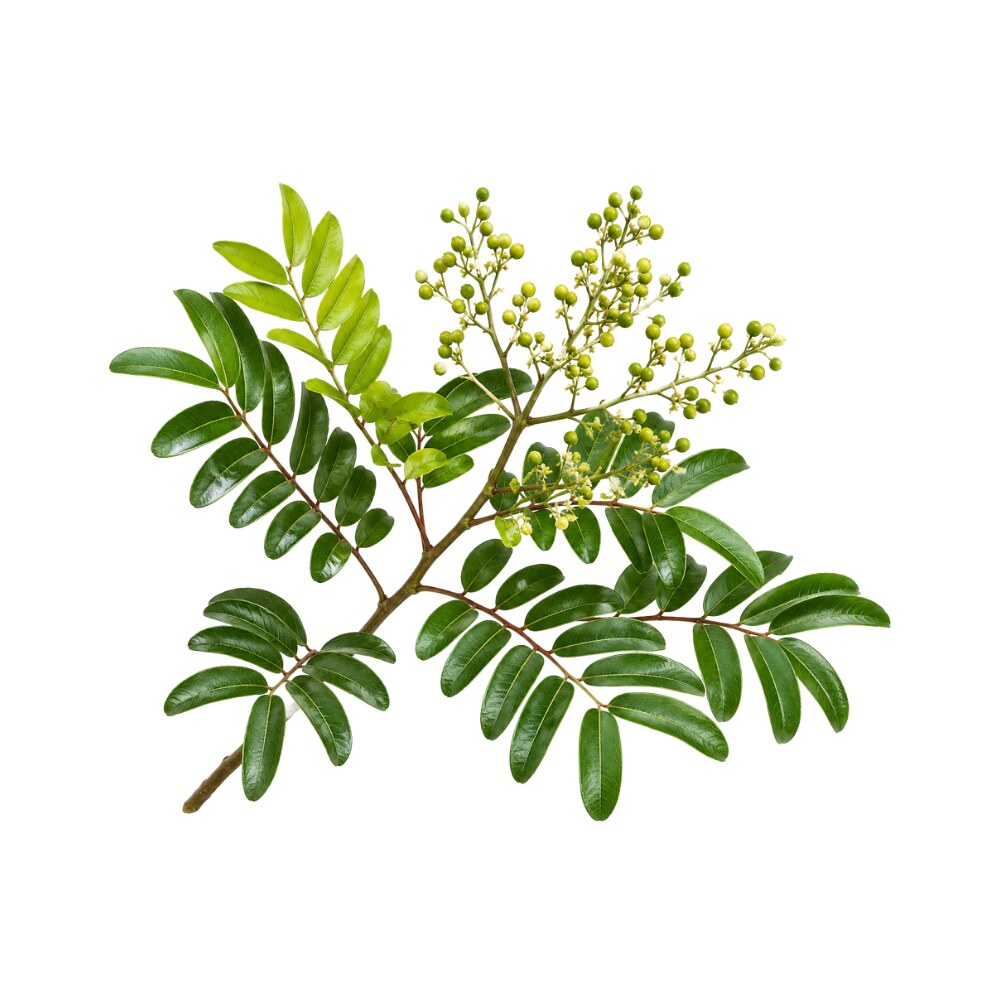 Simarouba Simarouba amara Documented for canthin-6-one.
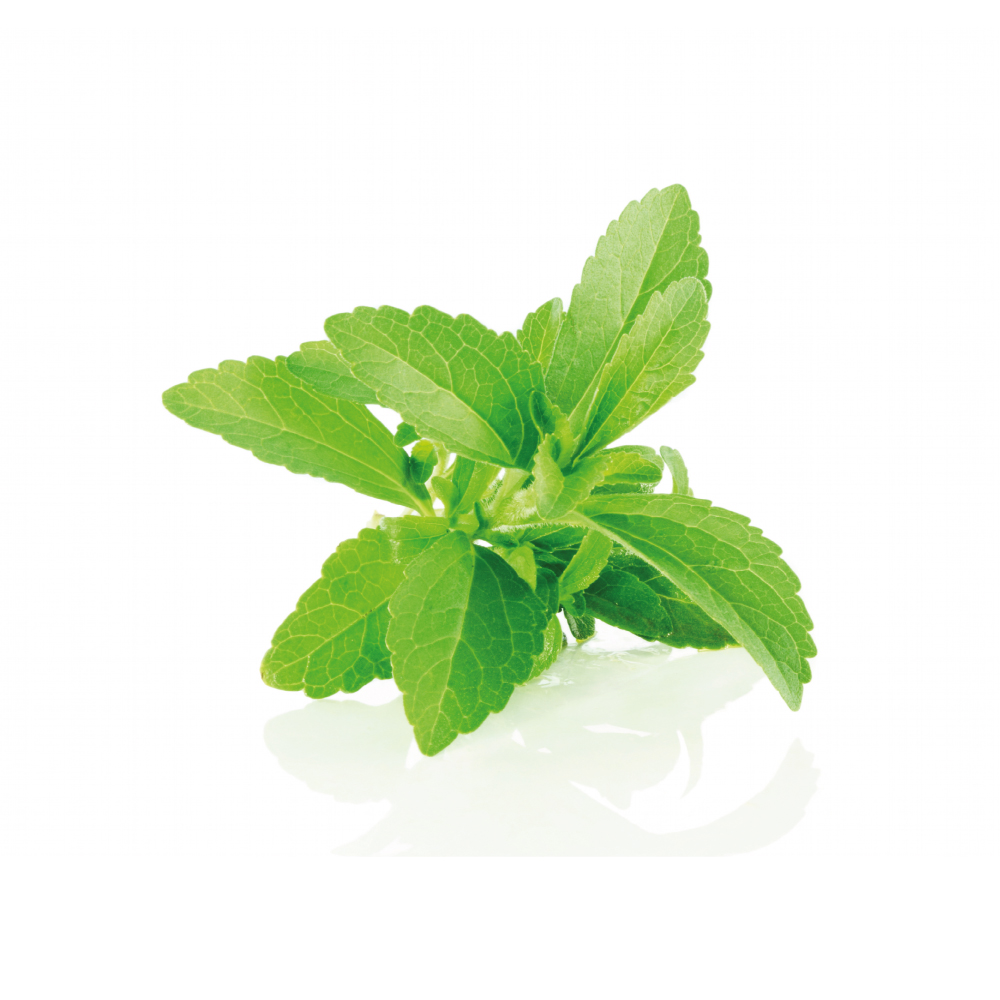 Stevia Stevia rebaudiana Documented for indole-3-acetonitrile.
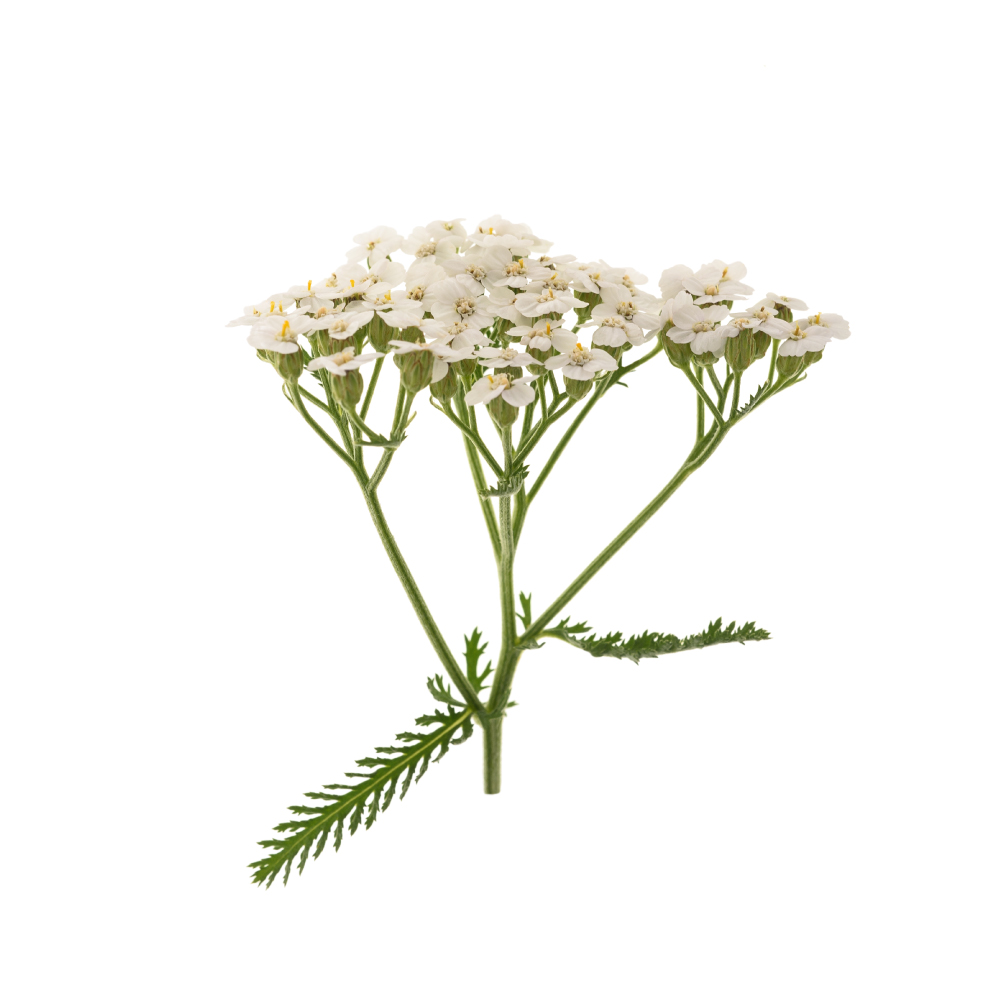 Yarrow Achillea millefolium Documented for achillein. Ylang Ylang Cananga odorata Documented for cananodine.
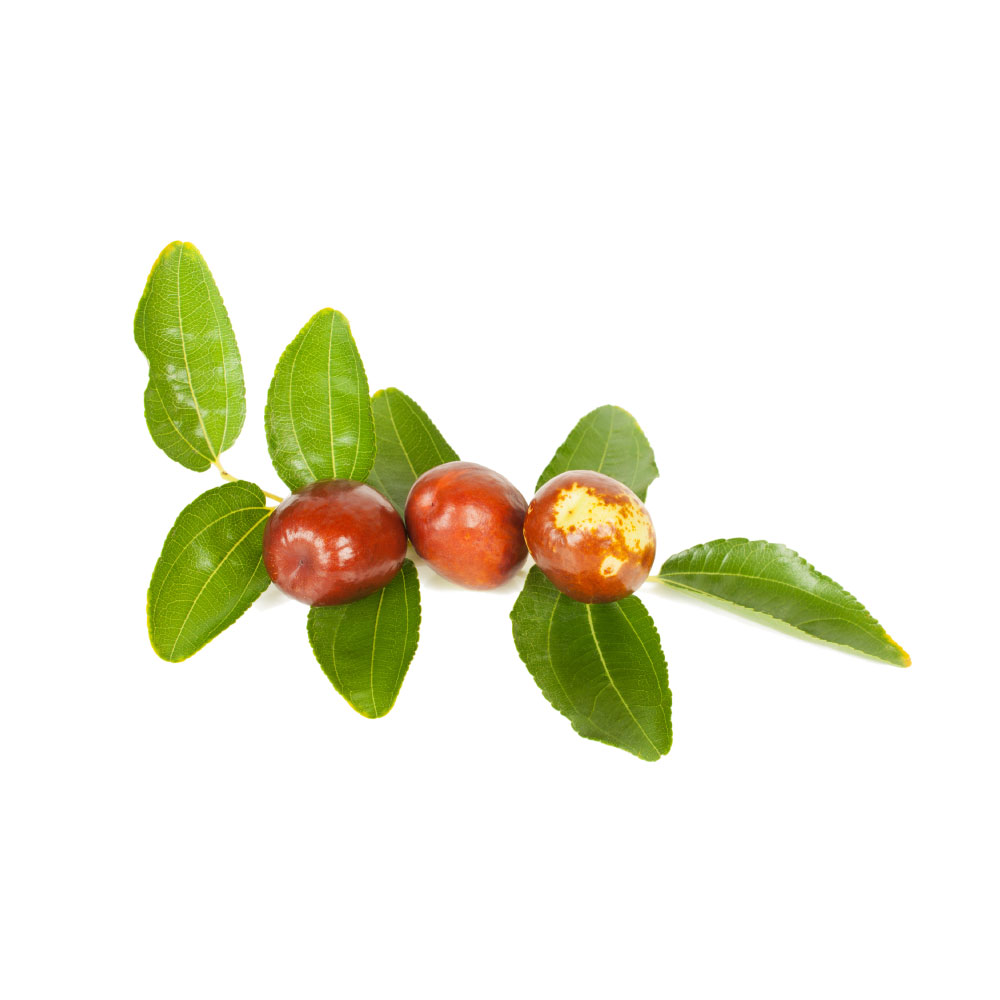 Zizyphus Ziziphus spinosa Documented for sanjoinine A.
Keep Exploring
Other Compound Classes
Keep Reading
 GuidesThe Best Kava: A Buyer's GuideHow to buy good kava: noble vs two-day cultivars, which part of the root, chemotype codes, origin, form, and the batch tests a seller should show you.
Read more
 GuidesThe Amazon's Endangered Medicinal PlantsThe Amazon gives us some of our most important medicines — but which healing plants are actually endangered?
Read more
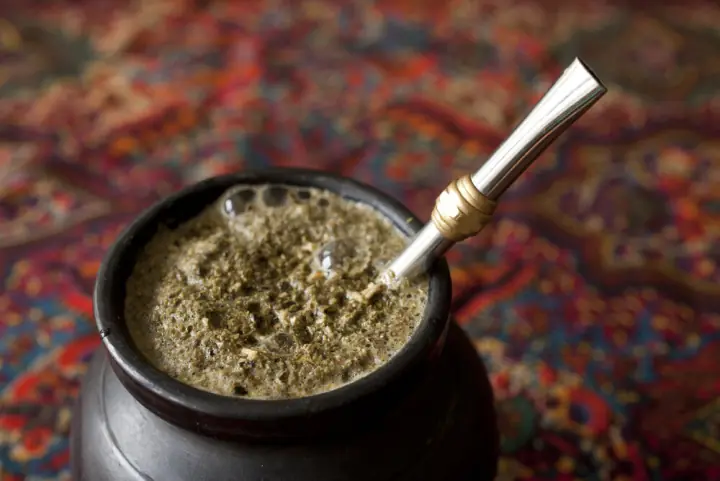 NutritionThe Best Yerba Maté Brands [Reviewed]A drinker's guide to buying yerba maté — what actually changes the taste, and ten brands worth your money.
Read more
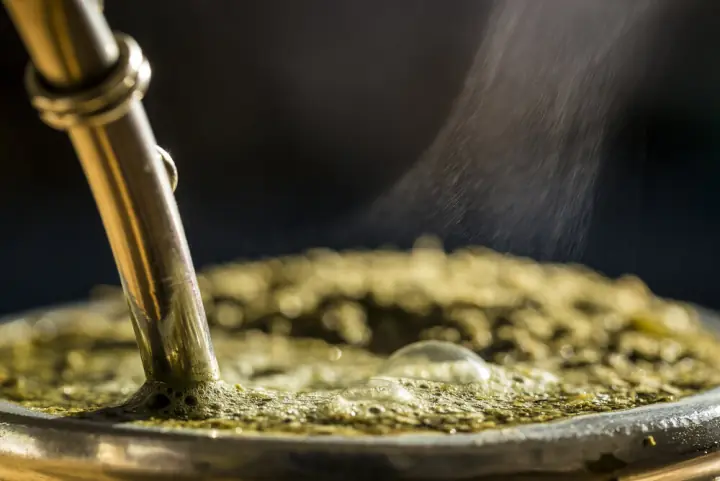 GuidesHow to Prepare Yerba Maté — The Five Best MethodsHow to brew yerba maté properly — the traditional gourd method, plus tereré, french press and cold brew.
Read more