
Compound Monograph
Rhodomyrtone
An acylphloroglucinol antibacterial, isolated from camu-camu peel and seed at MICs comparable to kanamycin.

Sources · 2
Where Does It Come From?
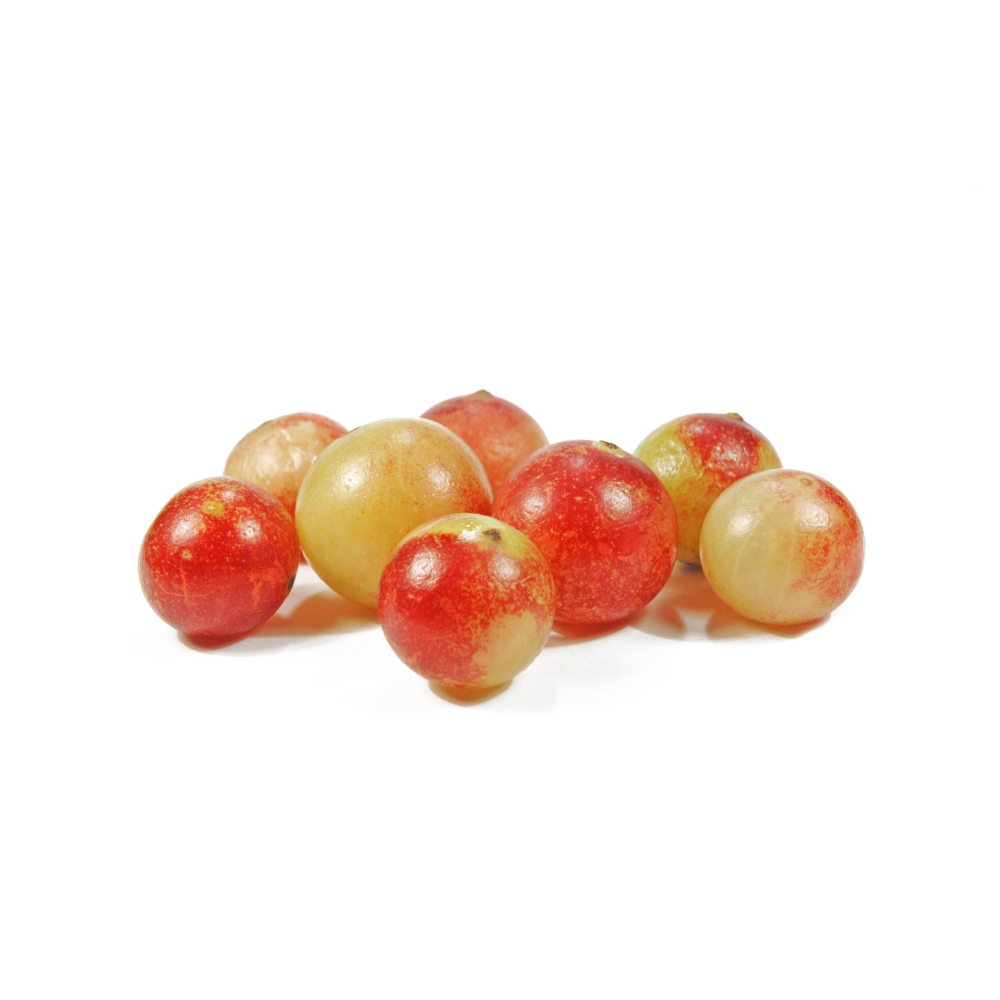
Rhodomyrtone is a naturally occurring acylphloroglucinol, found in Camu-camu and Rose myrtle. Its toxicity is not yet characterized.
Concentration
Content by Source
Concentrations not reported. No percent-dry-weight or mg/g figures have been published for this compound in its source plants.
Research & Evidence
Rhodomyrtone is an acylphloroglucinol first described from Rhodomyrtus tomentosa and since isolated, with the novel myrciarones A and B, from camu-camu peel and seed. It inhibited bacteria at MICs comparable to or below kanamycin (PMID 28475419), and is one of the better-characterised plant antibacterials against Gram-positive organisms. The activity is in vitro.
Toxicity & Safety
No isolated-compound mammalian toxicity dataset is cited here. Acylphloroglucinols are membrane-active, which is the mechanism behind both the antibacterial effect and the class’s cytotoxicity caveat.
Placeholder entry — a full monograph is pending via the compound-expansion worklist.



