
Compound Monograph
Riboflavin (B2)
Riboflavin (vitamin B2) is an essential water-soluble vitamin and the precursor of the flavin coenzymes FAD and FMN, found in small amounts across the plant kingdom.

Sources · 6
Where Does It Come From?
Riboflavin is a naturally occurring water-soluble vitamin (flavin), found in Pine pollen, Camu-camu, Leafy greens and 3 other sources. It is well tolerated orally (low toxicity).
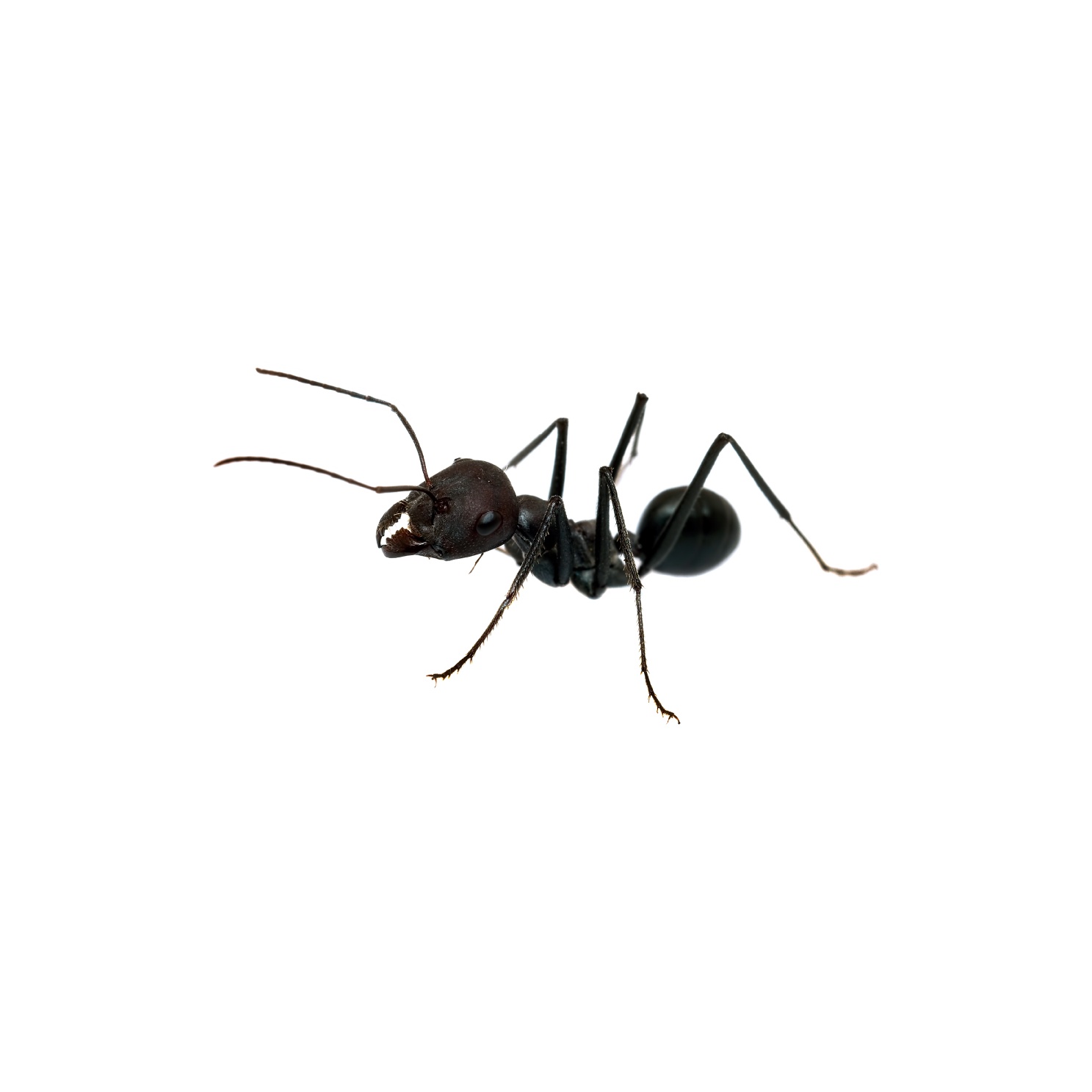 Source Black Ant Polyrhachis spp. Herb monograph →
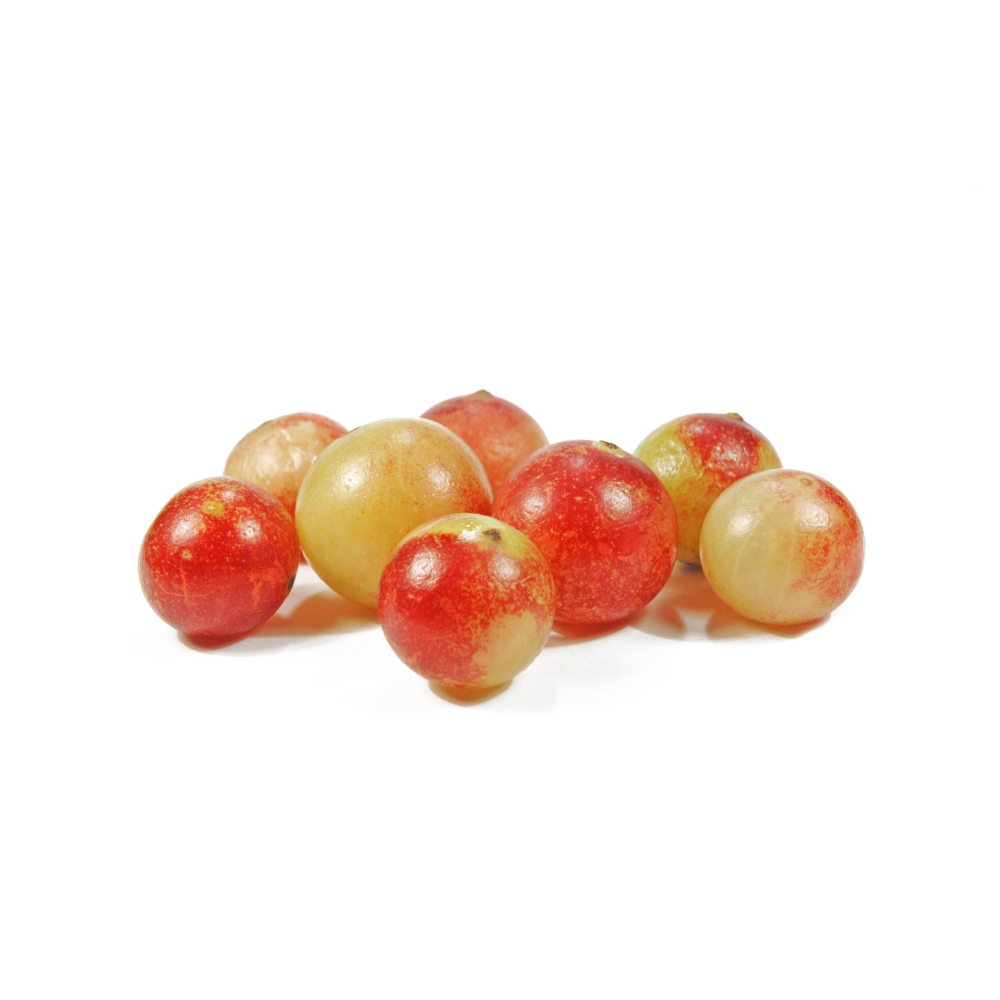 Source Camu-camu Myrciaria dubia Herb monograph →
 Source Pine Pinus sylvestris Herb monograph →
Concentration
Content by Source
Reported concentrations across the plants that contain riboflavin (B2) — the bar marks the typical level, the line shows the reported range.
Literature figures for varying plant parts and preparations. Read them as a comparative guide, not exact assays.
Research & Evidence
Riboflavin is the backbone of FAD and FMN, the flavin coenzymes that carry electrons through the respiratory chain and through dozens of oxidoreductase reactions. It is the pigment responsible for the yellow-green fluorescence of B-complex supplements and for the bright yellow urine that follows a high dose. Deficiency is uncommon in isolation and usually accompanies broader undernutrition.
Content by Source
The measured plant figures are small. Pine pollen carries roughly 2.9 mg per 100 g 1Reference 1Analysis of vitamins in pine pollen and plants of eastern biota — HPLC determinationView study →, the highest recorded here; camu-camu pulp about 0.10 mg per 100 g 2Reference 2Tablas peruanas de composición de alimentos — camu-camu. Riboflavin is notably light-sensitive, so open-air drying of a herb reduces whatever was there.
Toxicity & Safety
Riboflavin is of very low toxicity. Absorption saturates at modest oral doses and the excess is excreted; no upper intake level has been established.
References
- Tuychiev GU, Askarov IR, Abdulloev OS (2024). Analysis of vitamins in pine pollen and plants of eastern biota — HPLC determination. Journal of Chemistry of Goods and Traditional Medicine 3(1):130–137. https://doi.org/10.55475/jcgtm/vol3.iss1.2024.255
- Instituto Nacional de Salud (Peru), Centro Nacional de Alimentación y Nutrición. Tablas peruanas de composición de alimentos — camu-camu. (Values as reproduced in the camu-camu composition literature.)
Products · 1



