
Sources · 6
Where Does It Come From?
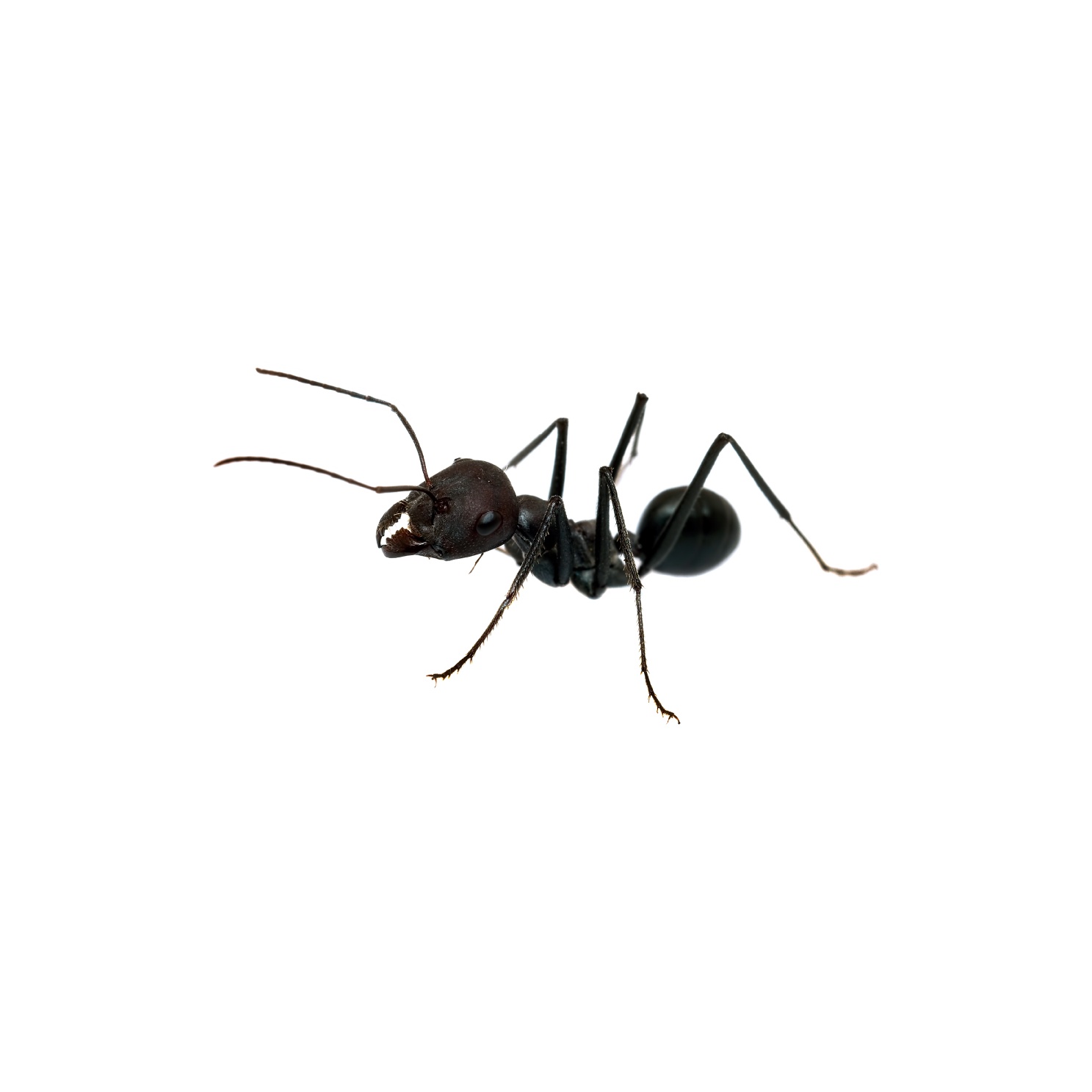 Source Black Ant Polyrhachis spp. Herb monograph →
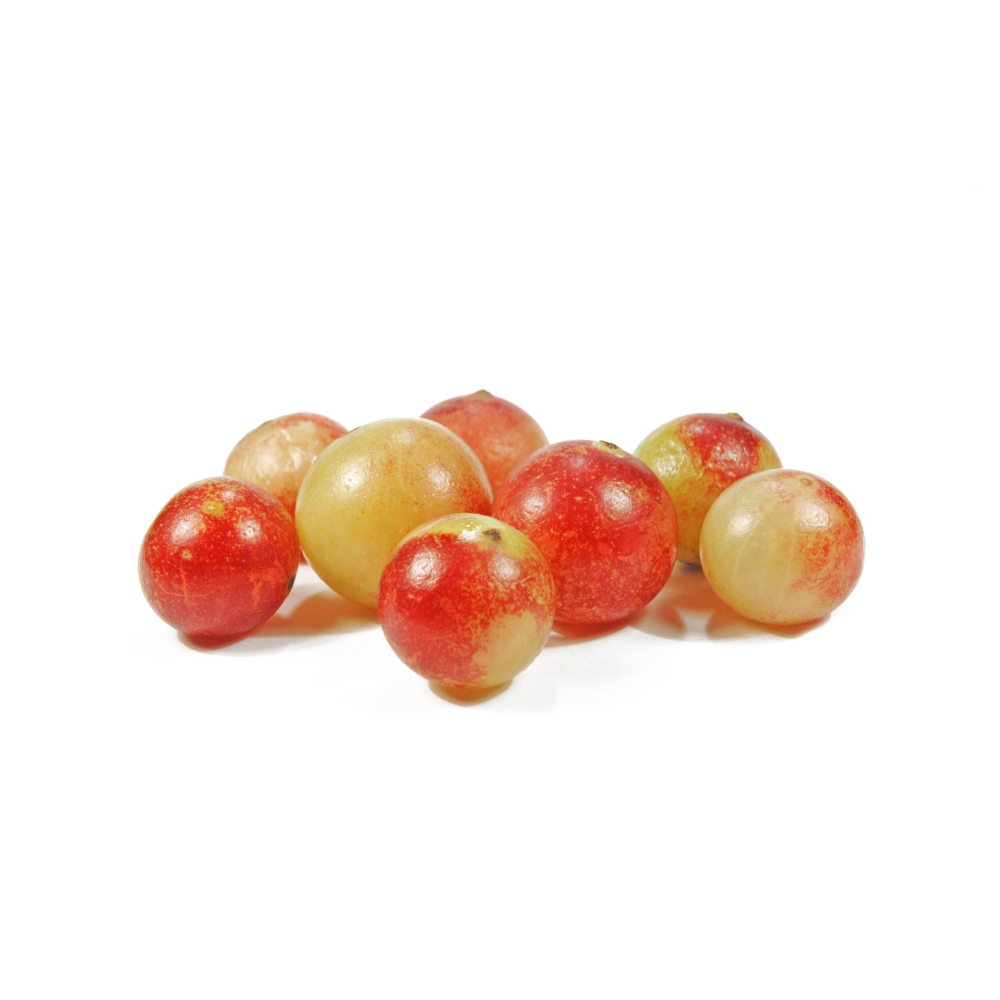 Source Camu-camu Myrciaria dubia Herb monograph →
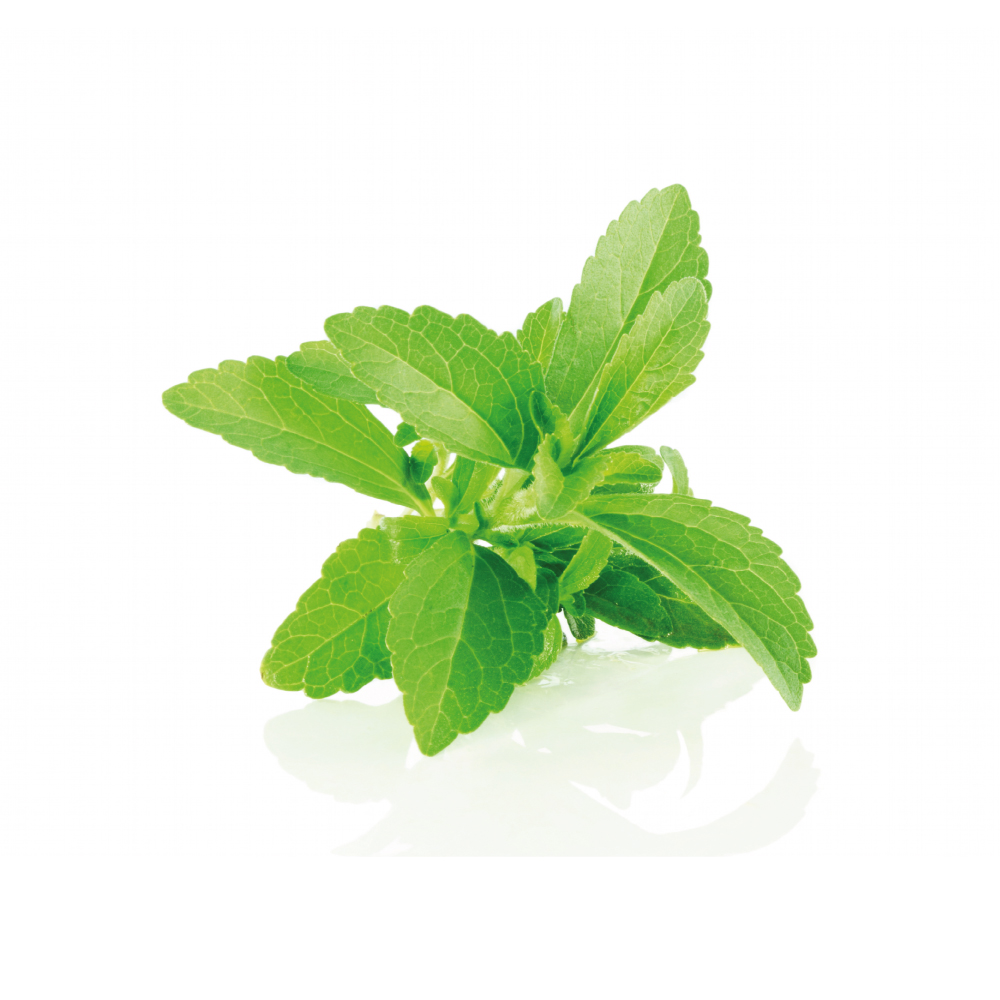 Source Stevia Stevia rebaudiana Herb monograph →
Concentration
Content by Source
Reported concentrations across the plants that contain vitamin B1 (Thiamine) — the bar marks the typical level, the line shows the reported range.
Literature figures for varying plant parts and preparations. Read them as a comparative guide, not exact assays.
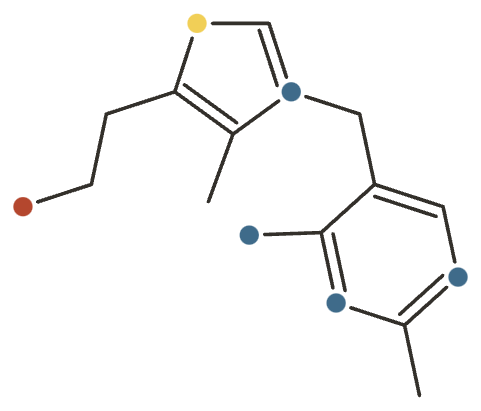
Vitamin B1 (Thiamine) at a Glance
Thiamine was the first B vitamin identified, and it was found the way most were — by working backwards from a disease. Beriberi swept through populations that had switched to polished white rice, because the milling that removes the bran also removes essentially all the thiamine. That history is worth keeping, because it explains why thiamine deficiency is still fundamentally a disease of refined carbohydrate and of alcohol: both raise the demand for thiamine while supplying little or none of it.
Biochemically it is a cofactor with a narrow, critical job. Converted in the body to thiamine pyrophosphate, it enables the enzymes that let carbohydrate enter aerobic metabolism — pyruvate dehydrogenase at the gateway to the citric-acid cycle, alpha-ketoglutarate dehydrogenase inside it, and transketolase in the pentose phosphate pathway. Take thiamine away and glucose cannot be fully burned. Tissues that run hardest on glucose and have the least reserve — brain and heart — fail first, which is exactly the clinical picture: the neuropathy and heart failure of beriberi, and the acute confusion, eye-movement abnormalities and ataxia of Wernicke’s encephalopathy.
As a supplement for people who are not deficient, the case is thinner. Requirements are small, deficiency is rare in fortified food systems, and the “energy” branding attaches to a molecule that is required for energy metabolism rather than one that accelerates it. The compelling uses are all repletion.
What It’s Used For
- Correcting deficiency (beriberi, Wernicke–Korsakoff) — the real indication, and one where treatment can be urgent. These are clinical emergencies treated with high-dose oral or parenteral thiamine, not with a supplement bought off the shelf.
- Diabetic peripheral neuropathy (benfotiamine) — the best of the beyond-deficiency signals, and specific to the lipid-soluble derivative.
- Sepsis / septic shock — a renal-protective signal in the pooled data, built on a null primary trial.
- Diabetic nephropathy / microalbuminuria — one small trial and good mechanism.
- Heart failure — pooled randomised evidence is essentially null.
- Glycaemic control (T2D / IGT) — tiny crossover trials, clinical significance not established.
- Cognitive decline / Alzheimer’s (benfotiamine) — one underpowered trial with a non-significant result.
Who is actually at risk of deficiency: heavy alcohol use (which impairs absorption, storage and activation simultaneously), after bariatric surgery, in prolonged vomiting or hyperemesis, in malabsorption, in chronic diuretic use, and on diets built on refined carbohydrate.
The claim to discount is the one on the front of the bottle: “energy” and cognitive benefit in people who are not deficient. No citable trial supports it. Thiamine is required for energy metabolism the way a spark plug is required for an engine — necessary, and not improved by adding more.
How It Works
Absorbed thiamine is phosphorylated to thiamine pyrophosphate (TPP), the form that actually does the work. TPP sits in the active site of three enzyme systems, and each failure point maps onto a symptom.
Pyruvate dehydrogenase converts pyruvate — the end product of glycolysis — into acetyl-CoA, the molecule that enters the citric-acid cycle. Without TPP that conversion stalls, glucose cannot be aerobically oxidised, and pyruvate backs up as lactate. Alpha-ketoglutarate dehydrogenase performs an analogous step inside the cycle itself. Transketolase runs the pentose phosphate pathway, which supplies the ribose for nucleotides and the NADPH for reductive biosynthesis — and because transketolase activity in red cells falls quickly when thiamine is short, it is the classic laboratory measure of thiamine status.
Two features explain the shape of thiamine deficiency. First, body stores are small — on the order of weeks, not months — so deficiency can appear fast under stress. Second, intestinal absorption is saturable: a specific transporter handles physiological amounts, and beyond roughly 5 mg per dose, uptake becomes inefficient passive diffusion. That is why large oral doses give diminishing returns, why severe deficiency is treated parenterally, and why lipid-soluble derivatives such as benfotiamine exist to bypass the transporter.
One clinically important consequence: giving glucose to a thiamine-depleted person increases demand for the very cofactor they lack, and can precipitate acute Wernicke’s encephalopathy. In hospital practice thiamine goes in first.
The full trial record is in Pharmacology & Research below.
Pharmacology & Research
Thiamine (vitamin B1) is an essential, water-soluble B vitamin that works entirely as a coenzyme: absorbed thiamine is phosphorylated to thiamine pyrophosphate (TPP), the cofactor for three enzymes that let carbohydrate enter aerobic metabolism. Because that role is permissive rather than accelerating, the honest reading of the evidence splits cleanly in two — correcting a deficiency (beriberi, Wernicke–Korsakoff syndrome, and the alcohol/refined-carbohydrate/diuretic contexts that cause it) is a real and sometimes urgent indication, whereas taking extra thiamine on top of an already-adequate intake has thin support. Two features shape everything downstream: body stores are small (weeks, not months), and intestinal absorption saturates near ~5 mg per dose, so large oral doses give diminishing returns 1Reference 1Thiamin — Health Professional Fact SheetView study →.
That saturable transport is also why lipid-soluble derivatives such as benfotiamine exist, and why the strongest “beyond-deficiency” signals attach to that form rather than to plain thiamine 8,
Support is an experimental score I’m building — a composite weighted by study type (human > animal > in vitro > review) and study volume, then tempered for consistency, form/bioavailability, and how much the effect depends on the person being deficient. It’s a beta: a fast way to rank strength of evidence at a glance, not a validated metric. Each application links down to its write-up.
This is the core, undisputed indication. Thiamine deficiency produces beriberi — peripheral neuropathy and high-output heart failure — and, especially in heavy alcohol use, Wernicke–Korsakoff syndrome: acute confusion, ophthalmoplegia and ataxia, progressing to irreversible amnesia. A Cochrane review confirms thiamine has been the treatment of choice for over 50 years, but found that randomised evidence is insufficient to define the optimal dose, route or duration — practice rests on case series and clinical experience rather than trials 2Reference 2Systematic reviewThiamine for prevention and treatment of Wernicke-Korsakoff syndrome in people who abuse alcohol — Cochrane systematic reviewView study →.
Severe or suspected Wernicke–Korsakoff is treated parenterally and urgently, and giving glucose before thiamine to a depleted person can precipitate acute Wernicke’s 1Reference 1Thiamin — Health Professional Fact SheetView study →.
The benefit is, by definition, repletion of a deficit — not a general tonic.
Gap: the indication is not in dispute, but the dosing regimen is supported by clinical convention rather than head-to-head RCTs.
Benfotiamine — a lipid-soluble thiamine prodrug that bypasses the saturable transporter and raises thiamine diphosphate more than plain thiamine 15Reference 15RCTPharmacokinetic study of benfotiamine and bioavailability assessment compared to thiamine hydrochloride — randomised trialView study → — has been trialled for diabetic sensorimotor polyneuropathy on the rationale that activating transketolase shunts harmful glycolytic intermediates into the pentose-phosphate pathway. A 2026 meta-analysis of 13 RCTs (834 participants) found B-vitamin supplementation significantly improved a neuropathy screening questionnaire and examination score, but the examination improvement fell below the minimal clinically important difference and pain scores did not improve 6Reference 6Meta-analysisVitamin B supplementation for diabetic peripheral neuropathy: a review and meta-analysis of 13 RCTs. https://pubmed.ncbi.nlm.nih.gov/42452619/View study →.
A phase II trial (n=60, benfotiamine 300 mg twice daily, 12 months) used corneal nerve fibre length as its primary endpoint 7Reference 7RCTBOND study: a randomised double-blind placebo-controlled trial to assess the effects of benfotiamine in diabetic sensorimotor polyneuropathy — phase II RCT protocolView study →, and a 2026 12-month RCT on the same endpoint reported mixed morphometric results 8Reference 8RCTEffects of benfotiamine treatment over 12 months on morphometric, neurophysiological and clinical measures in diabetic sensorimotor polyneuropathy — randomised, double-blind, placebo-controlled phase II trial. https://pubmed.ncbi.nlm.nih.gov/41571333/View study →.
The signal is real but modest and form-dependent.
Gap: statistical improvement on screening scales often does not clear the threshold for a change a patient would notice, and the benefits are specific to benfotiamine, not to ordinary thiamine.
Intravenous thiamine has been studied as a “metabolic resuscitator” in septic shock, where thiamine deficiency is common. The landmark randomised, double-blind, placebo-controlled trial (n=88, thiamine 200 mg twice daily) found no difference in its primary endpoint of 24-hour lactate 11Reference 11RCTRandomized, double-blind, placebo-controlled trial of thiamine as a metabolic resuscitator in septic shockView study →.
Later pooled analyses are more favourable on secondary outcomes: a 2025 meta-analysis (6 RCTs, 438 patients) reported reduced in-hospital mortality (RR 0.80, 95% CI 0.65–0.99) and reduced renal-replacement therapy (RR 0.48, 95% CI 0.31–0.74) 12Reference 12Meta-analysisThiamin supplementation on mitigating kidney injury and mortality in patients with septic shock — systematic review and meta-analysis of 6 RCTs. https://pubmed.ncbi.nlm.nih.gov/41277404/View study →, while a 2026 meta-analysis (9 studies, 520 patients) found reduced renal-replacement therapy but no significant short-term mortality benefit, with a mortality signal only in the thiamine-deficient subgroup 13Reference 13Meta-analysisEfficacy of thiamine (vitamin B1) in sepsis and septic shock — meta-analysis of randomised controlled trials. https://pubmed.ncbi.nlm.nih.gov/41863966/View study →.
Gap: the primary-endpoint trials are null; meta-analytic benefit is driven by heterogeneous, high-risk-of-bias studies and appears concentrated in already-deficient patients.
The idea traces to mechanistic work showing that high-dose thiamine and benfotiamine increase renal transketolase and inhibit incipient nephropathy in experimental diabetes 17Reference 17Prevention of incipient diabetic nephropathy by high-dose thiamine and benfotiamine — experimental studyView study →.
A small pilot RCT (n=40, thiamine 300 mg/day for 3 months) reported a reduction in urinary albumin excretion in type 2 diabetics with microalbuminuria 4Reference 4RCTHigh-dose thiamine therapy for patients with type 2 diabetes and microalbuminuria — randomised, double-blind, placebo-controlled pilot trialView study →.
A Cochrane review of vitamin B and its derivatives for diabetic kidney disease found the overall evidence limited and inconclusive 5Reference 5Systematic reviewVitamin B and its derivatives for diabetic kidney disease — Cochrane systematic reviewView study →.
Gap: a single small trial and mechanistic plausibility; no large or long-term RCT confirms a hard renal outcome.
Thiamine deficiency genuinely occurs in heart failure — loop diuretics increase urinary thiamine loss — which motivated supplementation trials. A pilot crossover RCT in older adults (thiamine mononitrate 500 mg against placebo, 90 days) tested feasibility and cardiac outcomes 10Reference 10RCTHigh-dose thiamine supplementation in older patients with heart failure — pilot randomised controlled crossover trial. https://pubmed.ncbi.nlm.nih.gov/35734514/View study →.
But the 2024 updated meta-analysis of 7 double-blind RCTs (274 patients) found no significant effect on left-ventricular ejection fraction (WMD 1.65%, p=0.24), end-diastolic volume, or 6-minute walk distance 9Reference 9Meta-analysisRole of thiamine supplementation in the treatment of chronic heart failure: an updated meta-analysis of 7 RCTs. https://pubmed.ncbi.nlm.nih.gov/38940395/View study →.
Any real benefit is most plausible in patients who are actually thiamine-depleted, not in heart failure generally.
Gap: the pooled randomised evidence is essentially null for function and function-related endpoints; benefit, if any, is repletion-dependent.
Small crossover trials have tested high-dose oral thiamine on glucose handling. In one double-blind crossover (n=12 with impaired glucose tolerance or new type 2 diabetes, 3 × 100 mg/day for 6 weeks) the authors reported changes in 2-hour plasma glucose but did not establish clinical significance 3Reference 3RCTHigh-dose thiamine supplementation improves glucose tolerance in hyperglycemic individuals — randomised crossover trialView study →. A companion analysis found no significant effect on blood pressure, lipids or C-reactive protein 16Reference 16RCTThe impact of thiamine supplementation on blood pressure, serum lipids and C-reactive protein in impaired glucose metabolism — double-blind randomised crossover trialView study →.
Gap: tiny samples, surrogate endpoints, and no demonstrated clinically meaningful glycaemic benefit — this is not settled evidence.
Preclinical models suggest benfotiamine reduces amyloid, advanced glycation end-products and cognitive deficits. The single human test — a 12-month phase IIa placebo-controlled trial in amnestic mild cognitive impairment and mild Alzheimer’s (n=70) — was safe and showed cognitive decline 43% lower in the benfotiamine group, but the effect was not statistically significant (p=0.125) 14Reference 14RCTBenfotiamine and cognitive decline in Alzheimer’s disease: results of a randomized placebo-controlled trial — phase IIa RCTView study →.
Gap: one small, underpowered trial with a non-significant primary result; the rest is animal data. “Energy” and general-population cognitive claims have no citable trial at all.
Mechanisms
| Target / pathway | Effect | Relevant to |
|---|---|---|
| Thiamine pyrophosphate (TPP) formation | The active coenzyme, generated by intracellular phosphorylation | All applications — the functional form of the vitamin |
| Pyruvate dehydrogenase | Cofactor; enables pyruvate → acetyl-CoA, the entry to the citric-acid cycle | Deficiency (beriberiWKS)lactate handling in sepsis |
| Alpha-ketoglutarate dehydrogenase | Cofactor within the citric-acid cycle | Energy metabolism; neuronal vulnerability in deficiency |
| Transketolase (pentose-phosphate pathway) | Cofactor; diverts triose phosphates, supplies NADPH and ribose | Diabetic neuropathy and nephropathy — the benfotiamine rationale |
| Erythrocyte transketolase activity | Falls early in deficiency | The classic laboratory marker of thiamine status |
Pharmacokinetics
Oral thiamine is absorbed by a saturable active transporter: beyond roughly 5 mg per dose, uptake shifts to inefficient passive diffusion, so fractional absorption falls sharply as dose rises and very large single doses are wasteful 1Reference 1Thiamin — Health Professional Fact SheetView study →. Body stores are small — around 25–30 mg, with a turnover of weeks — which is why deficiency can appear quickly under metabolic stress and why severe deficiency is corrected parenterally. Surplus is cleared in the urine.
Lipid-soluble derivatives were designed to defeat the transporter ceiling: benfotiamine produces substantially higher plasma thiamine and thiamine-diphosphate levels than equivalent oral thiamine hydrochloride 15Reference 15RCTPharmacokinetic study of benfotiamine and bioavailability assessment compared to thiamine hydrochloride — randomised trialView study →, and comparative pharmacokinetic work ranks lipophilic derivatives well above water-soluble salts for bioavailability 18Reference 18RCTComparative pharmacokinetic analysis of thiamine and its phosphorylated metabolites administered as lipophilic derivatives — randomised crossover PK studyView study →. For plain thiamine, the practical implication is to split doses rather than take one large one.
Clinical trials
Thiamine is an off-patent essential nutrient, so most trial activity is investigator-initiated and small, concentrated in three areas: critical care (septic shock), diabetic complications (largely benfotiamine), and heart failure. There is little large-scale industry-funded trial activity, and the biggest questions — optimal dose and route for Wernicke–Korsakoff — have never been settled by RCT.
| Completed | Planned | Terminated | Preclinical |
|---|---|---|---|
| ~30+ | Several(benfotiamine, critical care) | Few | Extensive |
Last checked: August 2026.
Dietary Sources
Thiamine is widely available but concentrated in parts of foods that processing tends to remove — which is the whole history of the vitamin.
| Source | Notes |
|---|---|
| Pork | The standout among common foods |
| Fortified cereals, bread and flour | A major contributor wherever enrichment is mandated |
| Whole grains, brown rice | Rich in the bran and germ — the fractions milling strips out |
| Legumes, sunflower seeds, nuts | Good plant sources |
| Fish, particularly trout and tuna | Moderate |
Thiamine is fragile: it is destroyed by prolonged heat, leaches into cooking water, and is degraded by sulphites used as preservatives. Raw fish and shellfish contain thiaminases that break it down, which matters for diets built heavily around them. And a high-carbohydrate, low-nutrient-density diet raises requirement while lowering supply — the same double bind, in modern form, that caused beriberi.
Herbal Sources
Herbal sources of thiamine are minor on any absolute scale. Pine pollen is the highest measured, at about 2.4 mg per 100 g by HPLC 19Reference 19Analysis of vitamins in pine pollen and plants of eastern biota — HPLC determination — [analytical study]View study → — roughly twice an adult daily requirement per 100 g of pollen, which is far more pollen than anyone consumes. Camu-camu pulp carries about 0.14 mg per 100 g 20Reference 20Tablas peruanas de composición de alimentos — camu-camu — [food-composition table].
Neither is a practical source of B1 against grains, legumes or yeast. The figures are worth recording because they set the scale: when a monograph says a herb contains B vitamins, this is the order of magnitude meant.
Dosage
These are doses studied in research, not a personal recommendation.
- RDA: 1.2 mg/day for adult men, 1.1 mg/day for adult women; 1.4 mg/day in pregnancy and lactation 1Reference 1Thiamin — Health Professional Fact SheetView study →.
- No Tolerable Upper Intake Level has been set — the Food and Nutrition Board found no reports of adverse effects from high intakes 1Reference 1Thiamin — Health Professional Fact SheetView study →. Absence of a UL is not proof that unlimited intake is safe.
- Therapeutic repletion doses are far higher and are a clinical decision — oral regimens for mild deficiency, parenteral thiamine for severe deficiency or suspected Wernicke’s.
- Absorption saturates at roughly 5 mg per dose, so very large single oral doses are inefficient. This is the rationale behind lipid-soluble derivatives such as benfotiamine, which bypass the transporter.
- Give thiamine before glucose in anyone at risk of deficiency — a carbohydrate load can precipitate acute Wernicke’s in a depleted person.
Safety
Thiamine is among the most benign substances here. The safety discussion is short because there is very little to say.
- Very low toxicity. Excess is excreted in urine, and oral absorption is self-limiting above a few milligrams.
- No Upper Limit established — the Food and Nutrition Board found no reports of harm from high intakes 1Reference 1Thiamin — Health Professional Fact SheetView study →.
- Safe at reference intakes in pregnancy and lactation, where requirements rise slightly to 1.4 mg/day.
- Deficiency is the emergency, not excess. Suspected Wernicke’s encephalopathy needs parenteral thiamine urgently, not an oral supplement.
- Interactions not fully assessed in this pass — see the box below.
Full Safety & Interactions Detail
Thiamine has very low toxicity. The body excretes surplus in the urine, and intestinal uptake beyond physiological amounts is inefficient, so there is no ready route to accumulation. On that basis the Food and Nutrition Board did not establish a tolerable upper intake level 1Reference 1Thiamin — Health Professional Fact SheetView study →. Rare hypersensitivity reactions have been reported with intravenous administration, which is a clinical-setting consideration rather than a supplement one.
- Specific drug interactions were not fully assessed in this pass 1Reference 1Thiamin — Health Professional Fact SheetView study →. The ones with mechanistic support are loop diuretics, which increase urinary thiamine loss (relevant in heart failure, where both are common), chronic alcohol use, which impairs absorption, storage and activation together, and metformin, which has been reported to interfere with thiamine transport.
- Who is actually at risk: people with heavy alcohol use, after bariatric surgery, with prolonged vomiting or hyperemesis, with malabsorption, on long-term diuretics, and on refined-carbohydrate-dominant diets.
- The practical safety point runs the other way from most supplements: the risk here is under-treating a deficiency, not over-treating a healthy person.
Safe at reference intakes. Thiamine requirements rise modestly in pregnancy and lactation, to 1.4 mg/day, and intake at that level is a standard part of prenatal nutrition 1Reference 1Thiamin — Health Professional Fact SheetView study →. Thiamine deficiency in pregnancy is a genuine concern in hyperemesis gravidarum, where prolonged vomiting can deplete stores quickly — that is a clinical situation requiring medical management rather than a supplement decision.
References
- National Institutes of Health, Office of Dietary Supplements. Thiamin — Health Professional Fact Sheet. https://ods.od.nih.gov/factsheets/Thiamin-HealthProfessional/
- Day E, Bentham PW, Callaghan R, et al. (2013). Thiamine for prevention and treatment of Wernicke-Korsakoff syndrome in people who abuse alcohol — Cochrane systematic review. Cochrane Database of Systematic Reviews. https://pubmed.ncbi.nlm.nih.gov/23818100/
- Alaei Shahmiri F, et al. (2013). High-dose thiamine supplementation improves glucose tolerance in hyperglycemic individuals — randomised crossover trial. European Journal of Nutrition. https://pubmed.ncbi.nlm.nih.gov/23715873/
- Rabbani N, et al. (2009). High-dose thiamine therapy for patients with type 2 diabetes and microalbuminuria — randomised, double-blind, placebo-controlled pilot trial. Diabetologia. https://pubmed.ncbi.nlm.nih.gov/19057893/
- Raval AD, Thakker D, Rangoonwala AN, et al. (2015). Vitamin B and its derivatives for diabetic kidney disease — Cochrane systematic review. Cochrane Database of Systematic Reviews. https://pubmed.ncbi.nlm.nih.gov/25579852/
- Mandra EV, Parfenov VA, Stupin VA, et al. (2026). Vitamin B supplementation for diabetic peripheral neuropathy: a review and meta-analysis of 13 RCTs. https://pubmed.ncbi.nlm.nih.gov/42452619/
- Bönhof GJ, Sipola G, Strom A, et al. (2022). BOND study: a randomised double-blind placebo-controlled trial to assess the effects of benfotiamine in diabetic sensorimotor polyneuropathy — phase II RCT protocol. BMJ Open. https://pubmed.ncbi.nlm.nih.gov/35115359/
- Ziegler D, Sipola G, Strom A, et al. (2026). Effects of benfotiamine treatment over 12 months on morphometric, neurophysiological and clinical measures in diabetic sensorimotor polyneuropathy — randomised, double-blind, placebo-controlled phase II trial. https://pubmed.ncbi.nlm.nih.gov/41571333/
- He S, Wang S, Xu T, et al. (2024). Role of thiamine supplementation in the treatment of chronic heart failure: an updated meta-analysis of 7 RCTs. https://pubmed.ncbi.nlm.nih.gov/38940395/
- Wong EKC, Lee JY, Chow J, et al. (2022). High-dose thiamine supplementation in older patients with heart failure — pilot randomised controlled crossover trial. https://pubmed.ncbi.nlm.nih.gov/35734514/
- Moskowitz A, et al. (2016). Randomized, double-blind, placebo-controlled trial of thiamine as a metabolic resuscitator in septic shock. Critical Care Medicine. https://pubmed.ncbi.nlm.nih.gov/26771781/
- Wang G, Liao X, Liao Y, et al. (2025). Thiamin supplementation on mitigating kidney injury and mortality in patients with septic shock — systematic review and meta-analysis of 6 RCTs. https://pubmed.ncbi.nlm.nih.gov/41277404/
- Xu X, Bai X, Cao W, et al. (2026). Efficacy of thiamine (vitamin B1) in sepsis and septic shock — meta-analysis of randomised controlled trials. https://pubmed.ncbi.nlm.nih.gov/41863966/
- Gibson GE, et al. (2020). Benfotiamine and cognitive decline in Alzheimer’s disease: results of a randomized placebo-controlled trial — phase IIa RCT. Journal of Alzheimer’s Disease. https://pubmed.ncbi.nlm.nih.gov/33074237/
- Xie F, et al. (2014). Pharmacokinetic study of benfotiamine and bioavailability assessment compared to thiamine hydrochloride — randomised trial. Journal of Clinical Pharmacology. https://pubmed.ncbi.nlm.nih.gov/24399744/
- Alaei-Shahmiri F, et al. (2015). The impact of thiamine supplementation on blood pressure, serum lipids and C-reactive protein in impaired glucose metabolism — double-blind randomised crossover trial. Diabetes & Metabolic Syndrome. https://pubmed.ncbi.nlm.nih.gov/25982678/
- Babaei-Jadidi R, et al. (2003). Prevention of incipient diabetic nephropathy by high-dose thiamine and benfotiamine — experimental study. Diabetes. https://pubmed.ncbi.nlm.nih.gov/12882930/
- Lee MJ, et al. (2016). Comparative pharmacokinetic analysis of thiamine and its phosphorylated metabolites administered as lipophilic derivatives — randomised crossover PK study. Journal of Clinical Pharmacology. https://pubmed.ncbi.nlm.nih.gov/27707509/
- Tuychiev GU, Askarov IR, Abdulloev OS (2024). Analysis of vitamins in pine pollen and plants of eastern biota — HPLC determination — [analytical study]. Journal of Chemistry of Goods and Traditional Medicine 3(1):130–137. https://doi.org/10.55475/jcgtm/vol3.iss1.2024.255
- Instituto Nacional de Salud (Peru), Centro Nacional de Alimentación y Nutrición. Tablas peruanas de composición de alimentos — camu-camu — [food-composition table].
Products · 1