
Condition
Canker Sores
Canker sores (recurrent aphthous stomatitis) are small painful mouth ulcers that heal on their own — and one of the few conditions where topical herbal gels have real randomised evidence.

Canker sores — clinically recurrent aphthous stomatitis — are small, painful ulcers that form on the soft tissue inside the mouth. They are not contagious, not caused by a virus, and not related to the cold sores they are constantly confused with. Most heal on their own within one to two weeks, and the goal of treatment is almost always pain relief and faster healing, not cure.
Topical herbal treatment of mouth ulcers is better tested than most herbal indications, and the reason is methodological rather than botanical. A mouth ulcer is visible, measurable and self-limiting; a gel is easy to randomise against a matching vehicle; and the outcomes — ulcer size, pain score, days to healing — are recorded by an examiner who does not know the allocation.
Presentation
Types & Variants
Aphthous ulceration is classified by size and behaviour, and the distinction matters because the outlook differs sharply.
- Minor aphthous ulcers — the common form, over 80% of cases. Under 10 mm, shallow, on non-keratinised mucosa (inner lip, cheek, floor of mouth, under the tongue). Heal in 7–14 days without scarring.
- Major aphthous ulcers — over 10 mm, deeper, and much more painful. They can take weeks to months to heal and may scar. Less common and worth medical assessment.
- Herpetiform ulcers — crops of many tiny (1–3 mm) ulcers that may coalesce into larger irregular ones. Despite the name they have nothing to do with herpes; the term describes only the clustered appearance.
Overview
General Pathology
The cause is not well understood. The current view is of a T-cell-mediated immune response against the oral epithelium in someone with a genetic predisposition — family history is one of the strongest known associations — triggered by any of a long list of factors:
- Local trauma — a toothbrush, a cheek bite, dental work, or sodium lauryl sulfate in some toothpastes
- Stress and disturbed sleep
- Hormonal shifts, including the menstrual cycle
- Food sensitivities — chocolate, coffee, tomatoes, citrus, nuts and gluten are commonly reported
- Haematinic deficiency — iron, folate, vitamin B12 and zinc
Recurrent ulcers can be the presenting sign of something systemic. Coeliac disease, inflammatory bowel disease, HIV, Behçet’s disease and cyclical neutropenia all cause aphthous-type ulceration, and iron, B12 or folate deficiency is found in a meaningful minority of people with persistent ulcers. Frequent or severe ulceration deserves blood tests rather than another gel.
See a clinician for: an ulcer lasting more than three weeks, ulcers that are unusually large or keep enlarging, ulcers with fever or ulceration elsewhere on the body, or any single non-healing ulcer — particularly in a smoker or heavy drinker, where oral cancer is the concern that has to be excluded.
Distinguish from: herpes simplex (cold sores — these form on the outer lip and keratinised tissue, blister before ulcerating, and are contagious), oral candidiasis, oral lichen planus, simple traumatic ulcers, and oral malignancy.
Materia Medica
Materia Medica
The herbs used for canker sores are all topical — gels, films, pastes and rinses held against the ulcer. None is taken internally for this purpose, and none prevents recurrence.
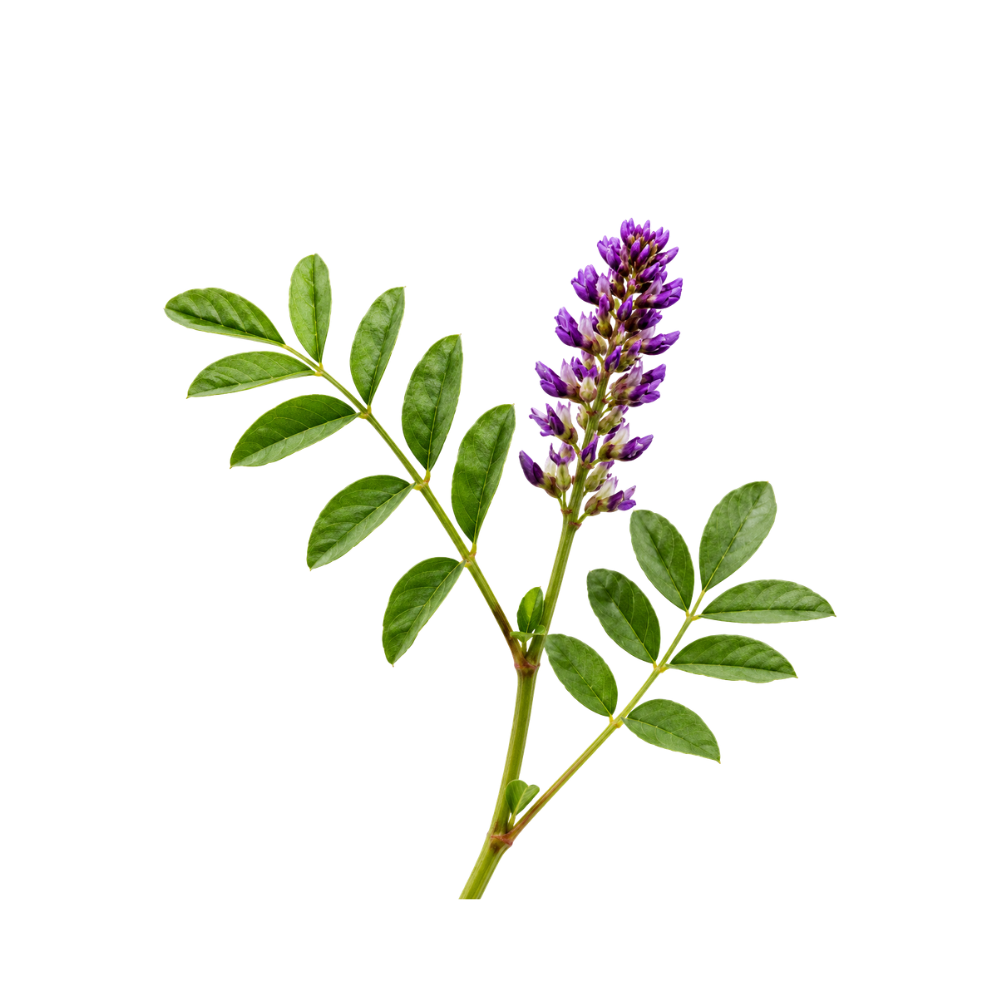 LicoriceGlycyrrhiza glabraStrong
Topical licorice has the most independent confirmation for aphthous ulcers. A systematic review of clinical trials of topical licorice for aphthous ulcers found consistent benefit on pain and healing 1Reference 1Systematic reviewTopical licorice for aphthous — systematic review of clinical trialsView study →, and a network meta-analysis of topical interventions for recurrent aphthous stomatitis — which compares treatments against each other rather than only against placebo — placed licorice among the effective options 2Reference 2Meta-analysisEfficacy of topical intervention for recurrent aphthous stomatitis — network meta-analysisView study →.
The usual delivery is a mucoadhesive film or paste that sticks to the ulcer; the same root as a mouthwash washes away in seconds. The mechanism is anti-inflammatory and barrier-forming, with glycyrrhetinic acid raising local prostaglandins that drive mucosal repair.
This is a topical, local use. The glycyrrhizin cautions on licorice (raised blood pressure, potassium loss) apply to sustained oral dosing, not to a film held in the mouth for a few days. DGL and whole-root preparations are not interchangeable.
Full monograph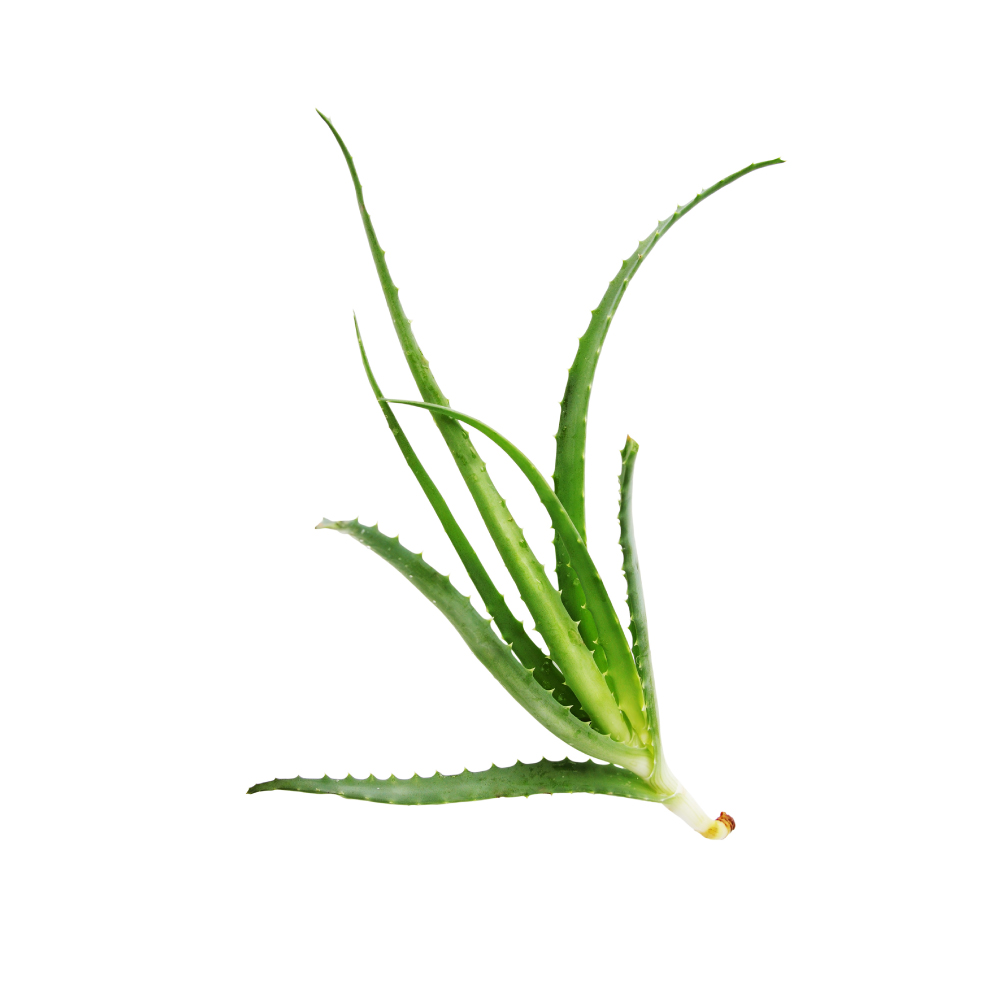 AloeAloe veraStrong
A 2022 systematic review and meta-analysis of nine trials (847 participants) found aloe produced better overall clinical efficacy than comparators for oral ulcers (RR 2.25, 95% CI 1.25–4.06), with shorter healing time in two studies 3Reference 3Meta-analysisEffects of Aloe vera in the treatment of oral ulcers — systematic review and meta-analysis of randomised controlled trialsView study →. The same meta-analysis found no statistically significant advantage in pain scores or ulcer size, and heterogeneity between trials was high. The benefit is faster healing rather than pain relief.
Aloe’s related and better-tested oral use is chemotherapy- and radiotherapy-induced mucositis, where a triple-blind trial found an aloe mouthwash as good as benzydamine rather than better 4Reference 4RCTComparative efficacy of Aloe vera and benzydamine mouthwashes on radiation-induced oral mucositis — triple-blind randomised controlled trialView study →.
Full monograph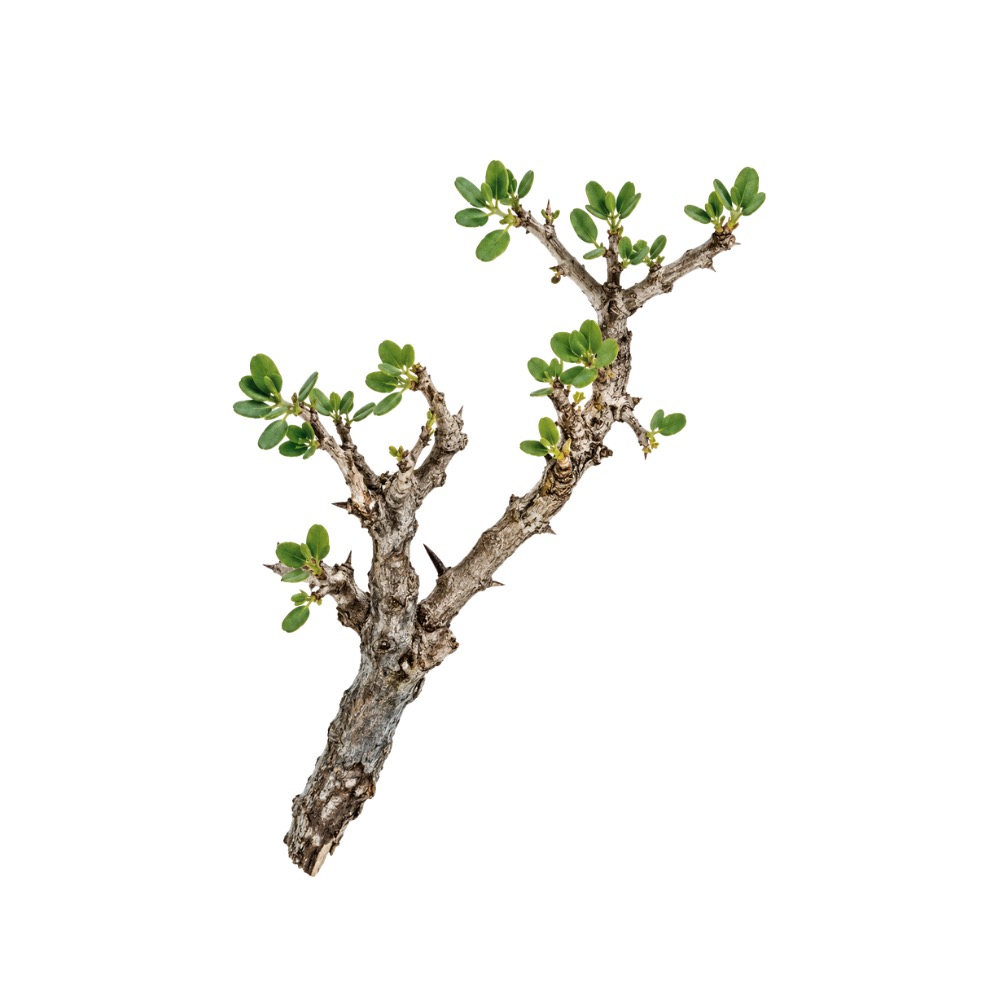 MyrrhCommiphora myrrhaModerate
The classical mouth-and-gum remedy of Western herbal practice, and the tradition is specific: an astringent, antiseptic resin applied directly to inflamed gums, mouth ulcers and tooth-extraction sockets. It has been tested for exactly that — a randomised, double-blind, vehicle-controlled trial of aloe- and myrrh-based oral mucoadhesive gels in minor recurrent aphthous stomatitis 5Reference 5RCTClinical efficacy of aloe vera- and myrrh-based oral mucoadhesive gels in minor recurrent aphthous stomatitis — randomised, double-blind, vehicle-controlled trialView study →. The aphthous evidence is that one combination-product trial.
Its larger modern evidence base is periodontal: a 2026 systematic review and meta-analysis of 15 studies found myrrh improves gingival and plaque indices and reduces post-surgical discomfort 6Reference 6Meta-analysisMyrrh in the management of periodontal disease and gingival healing — systematic review and meta-analysisView study →.
Full monograph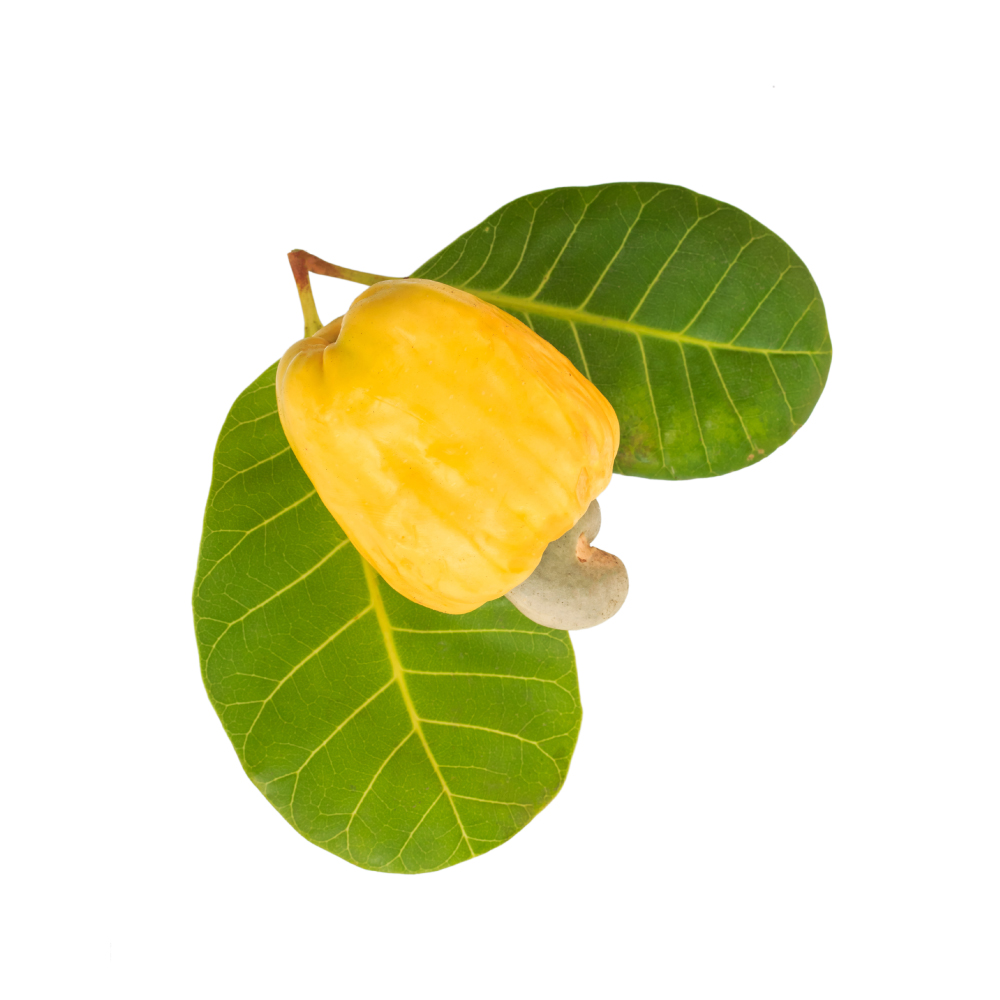 CashewAnacardium occidentaleTraditional only
The leaf and bark decoction — casho — was used across its range for mouth ulcers, sore throat and tonsillitis, alongside diarrhoea and wound washing. That is a coherent astringent tradition and the tannin chemistry supports the mechanism, but no controlled trial exists for this indication.
The shell carries urushiol, the Anacardiaceae contact allergen it shares with poison ivy and mango. The leaf and bark used medicinally are a different matter, and commercially shelled nuts are processed to remove it.
Full monographSupplementation
Supplementation
The most useful supplementation question in recurrent ulceration is not which supplement helps, but whether a deficiency is driving it. Iron, folate, vitamin B12 and zinc deficiency are all associated with recurrent aphthous stomatitis, and where one is found and corrected the ulcers often improve or stop. That argues for testing rather than blanket supplementation — and an unexplained deficiency is itself worth investigating.
Symptomatic relief otherwise comes from barrier pastes, topical anaesthetics, antiseptic or anti-inflammatory rinses, and avoiding personal triggers — including switching to an SLS-free toothpaste, which has modest evidence behind it.
References
- Dorsareh, F., et al. (2023). Topical licorice for aphthous — systematic review of clinical trials. Iranian Journal of Medical Sciences. https://pubmed.ncbi.nlm.nih.gov/37786470/
- Liu, H., et al. (2022). Efficacy of topical intervention for recurrent aphthous stomatitis — network meta-analysis. Medicina. https://pubmed.ncbi.nlm.nih.gov/35744034/
- Zou, H., Liu, Z., Wang, Z., & Fang, J. (2022). Effects of Aloe vera in the treatment of oral ulcers — systematic review and meta-analysis of randomised controlled trials. Oral Health and Preventive Dentistry. https://pubmed.ncbi.nlm.nih.gov/36504087/
- Sahebjamee, M., Mansourian, A., Hajimirzamohammad, M., et al. (2015). Comparative efficacy of Aloe vera and benzydamine mouthwashes on radiation-induced oral mucositis — triple-blind randomised controlled trial. Oral Health and Preventive Dentistry. https://pubmed.ncbi.nlm.nih.gov/25431805/
- Mansour, G., et al. (2014). Clinical efficacy of aloe vera- and myrrh-based oral mucoadhesive gels in minor recurrent aphthous stomatitis — randomised, double-blind, vehicle-controlled trial. Journal of Oral Pathology & Medicine. https://pubmed.ncbi.nlm.nih.gov/24164309/
- Alnakhli RA, Alqalaleef SS, Alesawi JM, et al. (2026). Myrrh in the management of periodontal disease and gingival healing — systematic review and meta-analysis. Journal of the International Society of Preventive & Community Dentistry. https://pubmed.ncbi.nlm.nih.gov/42004991/