

Overview
Oral at a Glance
The mouth is one of the few places where herbal medicines can be applied directly to the tissue they’re meant to affect.
That changes the way these herbs are used.
A rinse can sit against plaque and inflamed gums. A gel can coat an ulcer. Clove oil can be held directly against a painful tooth. Tannin-rich herbs can tighten swollen tissue without needing to be absorbed first.
Most oral herbs fall into a few main groups.
Astringents are used for swollen, bleeding, or spongy gums.
Antimicrobials are used against the plaque biofilm and the organisms involved in gingivitis and tooth decay.
Analgesics are used for local pain, especially toothache.
Demulcents and vulneraries are used for ulcers, irritated oral mucosa, and treatment-related mucositis.
The preparation matters because most of these effects are local.
A mouthwash, gargle, gel, powder, or chewing stick can deliver the same herb very differently, and simply swallowing the plant may miss the tissue entirely.
Herbal mouthrinses can reduce plaque, gingival inflammation, and bleeding, and several have performed comparably to chlorhexidine in controlled trials.
That can be useful, especially where a rinse needs to be used for longer periods and chlorhexidine’s staining and taste disturbance become a problem.
But it doesn’t replace mechanical treatment.
Plaque can be suppressed chemically. Calculus still needs to be removed. A cavity still needs to be treated. An abscess still needs drainage or dental intervention.
That distinction is especially important with periodontal disease, where the problem extends beyond inflamed gums into the tissues and bone supporting the teeth.
The mouth, gums, teeth, and oral mucosa. Sore throat, pharyngitis, and tonsillitis sit under the respiratory and immune systems, even where some of the same herbs are used as gargles.
Caution
Tooth decay, a cracked tooth, an abscess, and established periodontitis need dental treatment. Facial swelling or fever with toothache should be treated as urgent.
The Traditional View
How Herbalists Read the Mouth
Traditional oral medicine is built around a very practical set of problems: pain, bleeding, swelling, ulceration, infection, and decay.
The toothache herbs are the oldest and most immediate group.
Clove is the classic example.
It was chewed, packed into cavities, or held against painful gums long before eugenol was identified as the main active constituent.
Its local anaesthetic effect comes from blocking voltage-gated sodium channels in sensory nerves, which is the same broad mechanism used by local anaesthetics in dentistry.
Other pungent or numbing herbs, such as electric daisy, belong to the same practical tradition even where the chemistry differs.
The second major group are the astringents.
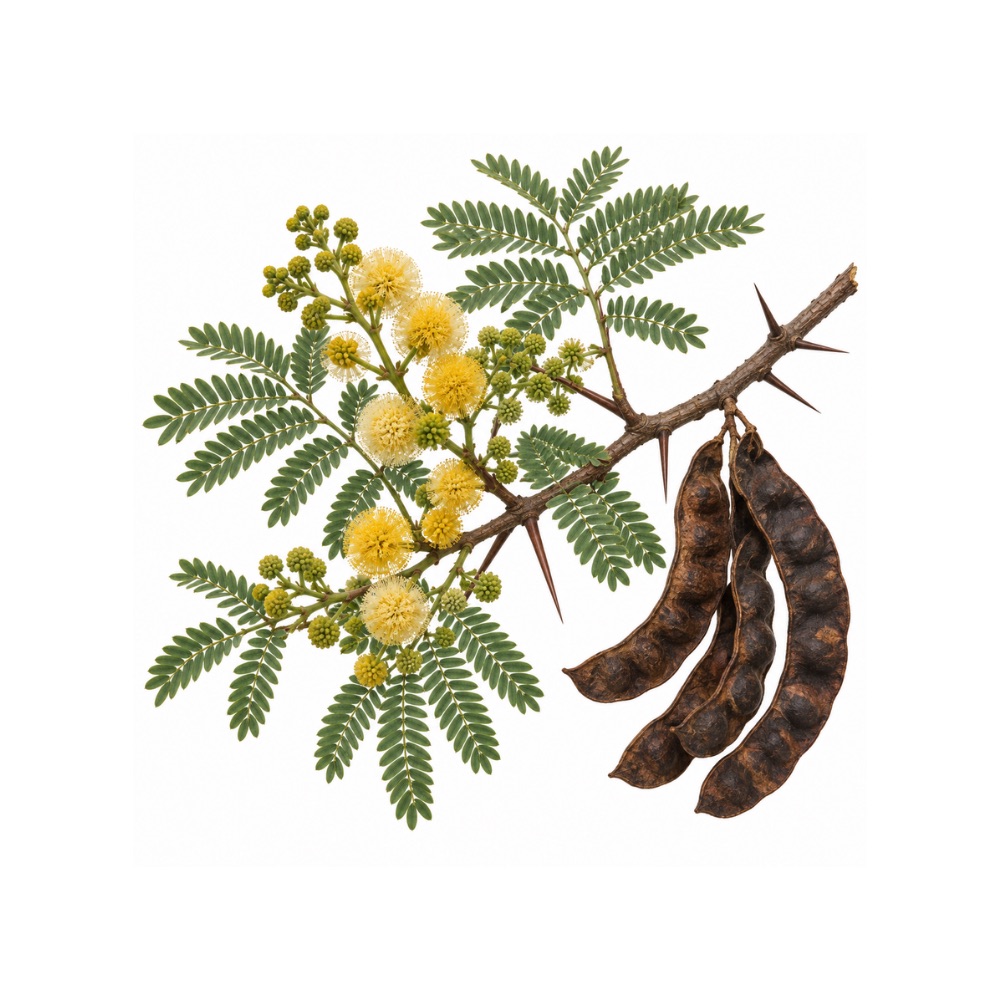
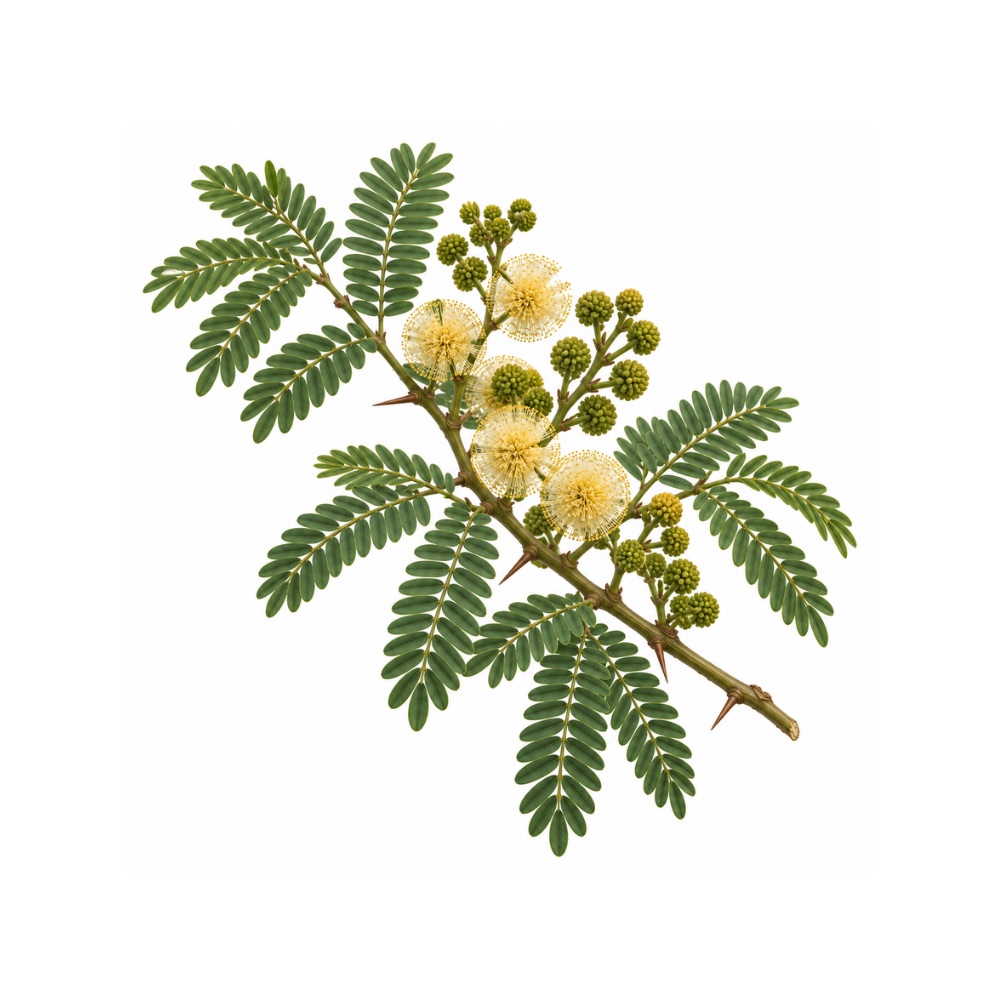
Myrrh, oak bark, guava leaf, haritaki, pomegranate, and other tannin-rich herbs are traditionally used where gums are swollen, soft, bleeding, or inflamed.
Their tannins bind proteins at the tissue surface, which tightens swollen mucosa and reduces local exudation and bleeding.
This makes astringency particularly well suited to gingivitis and other superficial gum inflammation.
The antimicrobial herbs overlap heavily with this group.
Plaque is a bacterial biofilm rather than loose bacteria sitting on the tooth surface, so the main aim is to reduce biofilm formation and microbial load rather than sterilise the mouth.
Neem, holy basil, clove, haritaki, myrrh, and similar herbs are used this way in rinses, powders, and chewing preparations.
Traditional chewing sticks are especially interesting because they combine mechanical cleaning with herbal delivery.
Neem twigs in South Asia and miswak in the Middle East are chewed until the fibres form a brush, then used directly on the teeth and gums.
Ayurvedic practice adds gandusha and kavala, where oils or medicated liquids are held or moved around the mouth for an extended period.
Triphala is one of the better-known herbal rinses used within this tradition.
A separate group is aimed at the oral mucosa rather than the teeth and gums.
Aloe, licorice, marshmallow, and other soothing herbs are used for aphthous ulcers, irritation, and mucositis, where coating and protecting the raw surface is more important than killing bacteria.
The useful distinction across all of these treatments is whether the herb is acting on pain, inflammation, biofilm, bleeding, or the mucosal barrier.
Those are all reasonable targets for topical herbal treatment.
What they don’t do is remove calculus, rebuild enamel, drain an abscess, or restore bone lost to periodontal disease.
The herbal role is therefore mainly local symptom control, tissue support, and reduction of superficial inflammation or microbial load, while structural dental problems still need structural treatment.
Key Herbal Actions
What the Herbs Do Here
The actions most often called on here, each linking through to the herbs that carry it:
Antimicrobial & Antibacterial
Dominant actionAimed at the plaque biofilm, and the dominant action in the gingivitis trials.
Astringent
Tannin-mediated tightening of inflamed gum tissue, and the traditional backbone of this system.
Anti-Inflammatory
Gingivitis is an inflammatory response, and the gingival index measures inflammation rather than bacteria.
Demulcent
The mucositis and ulcer group, a physical protective film over denuded mucosa.
Analgesic
Clove and the toothache tradition, acting locally rather than systemically.
Mechanisms
How It Works
Four mechanisms account for essentially every result below, and all four are local. None of them works by being swallowed.
01
Biofilm disruption & antibacterial action
The mechanism behind the plaque results.
Dental plaque is a mature biofilm dominated by Streptococcus mutans and, as it matures, anaerobic Gram-negatives. Biofilm bacteria are far harder to kill than free-floating ones, which is why contact time and concentration matter more than raw potency.
Plant essential oils and phenolics disrupt bacterial membranes, cause leakage of cell contents and interfere with biofilm formation and efflux. Eugenol, thymol and neem’s limonoids all do this in vitro at concentrations a rinse can plausibly deliver.
Because a rinse is held in the mouth for 30 to 60 seconds twice a day, this is one of the few settings where an in-vitro antibacterial result has a realistic path to a clinical one.
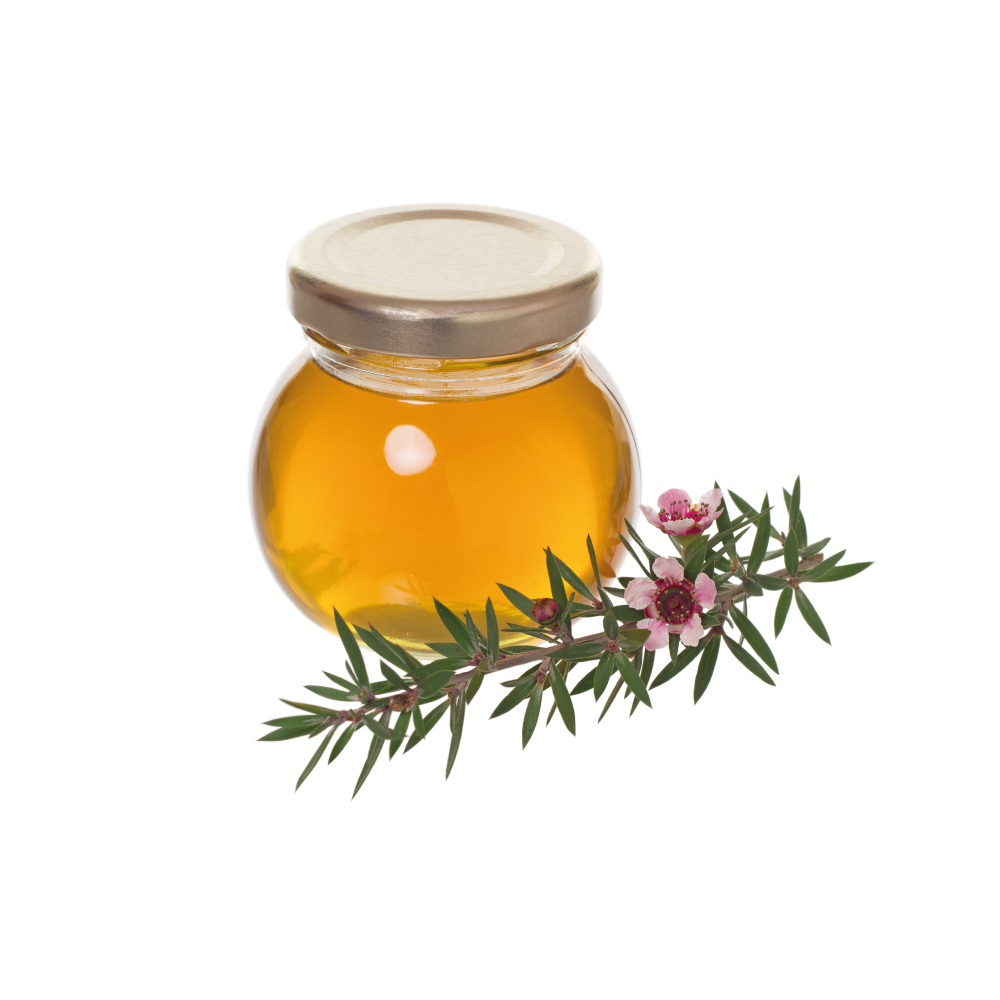
Herbs: NeemHoly BasilCloveHaritakiManuka
Key compounds: EugenolThymolAzadirachtinNimbin
02
Tannin astringency on gum tissue
The oldest mechanism here, and the reason the gingival index often improves more than the plaque index in these trials.
Hydrolysable tannins, the gallic acid esters and ellagitannins richest in haritaki and the Triphala fruits, precipitate surface proteins, which tightens inflamed, oedematous gingival tissue and reduces bleeding on probing.
It is a physical effect on the tissue rather than an antibacterial one on the plaque.
The two mechanisms run in parallel through most of the trial evidence, which is part of why the results are hard to attribute cleanly.
Herbs: HaritakiMyrrhGuavaPomegranateCatechuBabul
Key compounds: Gallic AcidEllagitanninsChebulagic AcidPunicalagin
03
Sodium-channel block — the toothache mechanism
The most conventionally pharmacological mechanism in this system.
Eugenol, which makes up roughly 70 to 90% of clove bud oil, inhibits voltage-gated sodium channels in excitable tissue 4Reference 4In vitroEugenol interacts with cardiac sodium channel and reduces heart excitability and arrhythmias — animal in vivo / in vitroView study →, the same target class as lidocaine and benzocaine.
That is the actual mechanism rather than an analogy, and it is why a clove gel performed indistinguishably from benzocaine 20% in a randomised trial of needle insertion into oral mucosa 3Reference 3RCTThe effect of clove and benzocaine versus placebo as topical anesthetics — randomised controlled trialView study →.
Eugenol is also the active principle of zinc-oxide-eugenol dental dressings, so the tradition was absorbed into dentistry rather than displaced by it.
Herbs: CloveElectric Daisy
Key compounds: EugenolSpilanthol
04
Mucosal barrier & epithelialisation
The ulcer and mucositis mechanism, and the one where the delivery vehicle does much of the work.
An aphthous ulcer or a radiotherapy-denuded mucosa is a raw surface being continually re-injured by eating, speaking and salivary enzymes. A mucoadhesive gel, film or viscous rinse forms a physical barrier that allows epithelialisation to proceed.
Aloe’s polysaccharides and licorice’s glycyrrhizin-containing extracts are both delivered this way in the positive trials, and both carry anti-inflammatory activity on top of the barrier effect.
The consistent finding across this literature is better healing time with no clear advantage on pain, which fits a barrier-and-repair mechanism rather than an analgesic one.
Key compounds: AcemannanGlycyrrhizinGlycyrrhetinic Acid
The Herbs
Materia Medica
The herbs with a written-up oral indication, grouped by what they were tested for and ordered by strength of evidence.
Every result is for something held in the mouth, and none transfers to drinking the herb.
Plaque, Gingivitis and Gum Health
5 herbsThe best-evidenced group in oral herbal medicine.
The trials share a common shape: two to six weeks, a herbal rinse against 0.2% chlorhexidine and often placebo, with plaque and gingival indices scored by a blinded examiner.
They also share common weaknesses. Samples are small, follow-up is short, the work is heavily concentrated in a single region, and the preparations are heterogeneous. Two to four weeks of any antiseptic reduces plaque scores, so short trials flatter mouthwashes.
None of them tested periodontitis, the destructive form with bone loss. Gingivitis is inflammation of the gum margin, and the two are different diseases with different stakes.
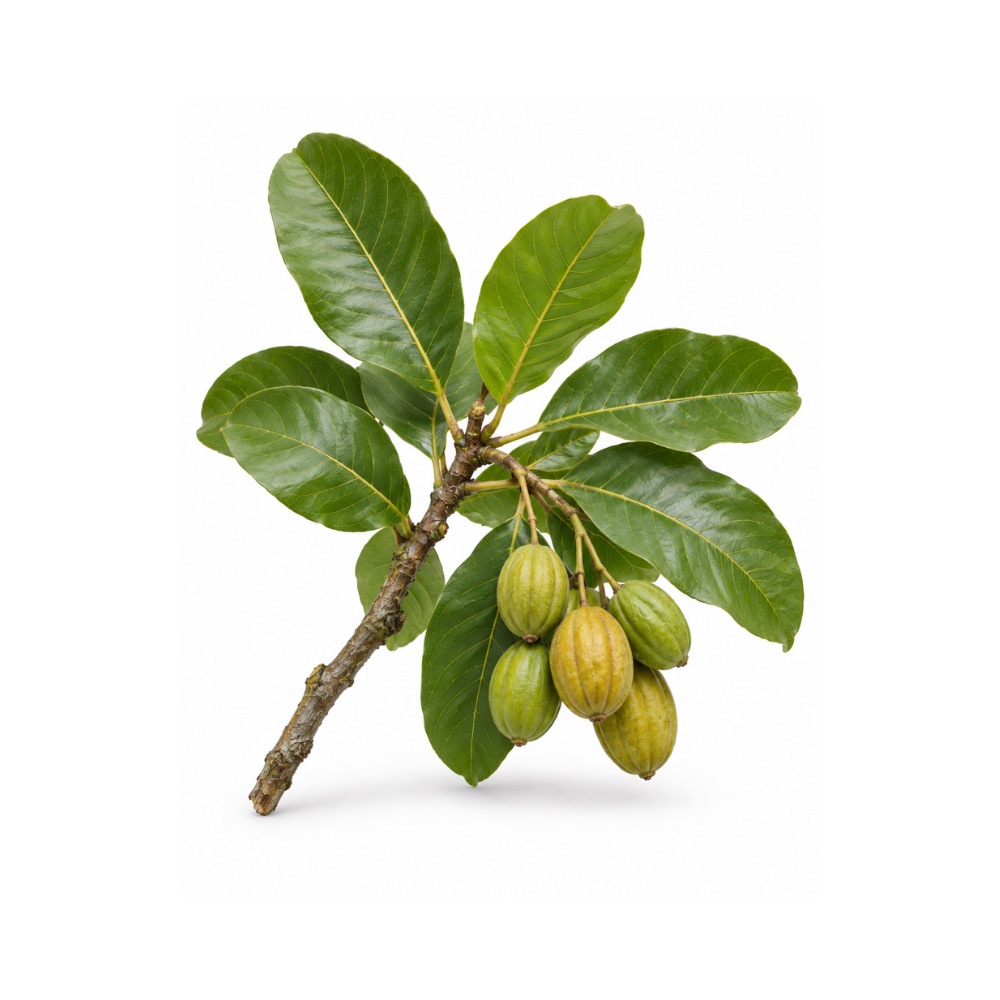 StrongStrongHaritakiTerminalia chebulaThe strongest single entry here, and the one with meta-analytic weight behind it.Read the evidenceShow lessMonograph →
In a four-week double-blind randomised trial, a T. chebula mouthrinse reduced dental plaque and gingival inflammation as effectively as 0.2% chlorhexidine and significantly better than placebo 1Reference 1RCTComparative evaluation of Terminalia chebula extract mouthwash and chlorhexidine mouthwash on plaque and gingival inflammation — 4-week randomised controlled trialView study →, and a separate two-week randomised trial found the same equivalence on periodontal indices while also neutralising salivary pH 2Reference 2RCTEffect of Terminalia chebula extract and chlorhexidine on salivary pH and periodontal health — 2-week randomised controlled trialView study →.
Most of the pooled evidence sits with Triphala, haritaki plus bibhitaki and amla, where a meta-analysis of seven RCTs found the rinse significantly improved gingival and plaque indices, comparable to chlorhexidine at lower cost 5Reference 5Meta-analysisEffect of Triphala mouthrinse on plaque and gingival inflammation — systematic review and meta-analysis of randomised controlled trialsView study →, a result echoed in a paediatric meta-analysis 6Reference 6Meta-analysisComparative anti-plaque and anti-gingivitis efficiency of Triphala versus chlorhexidine mouthwashes in children — systematic review and meta-analysisView study →.
The activity tracks the astringent, antibacterial gallic acid and ellagitannin fraction.
Two limits. The strongest pooled data are for the three-fruit formula rather than haritaki alone, and there are no trials of swallowed haritaki for gum disease, where the herb is a dose-dependent laxative instead.
 StrongStrongNeemAzadirachta indicaThe chewing stick, formalised. Neem twigs have been used as toothbrushes across South Asia for centuries, and the modern trials essentially test that practice in a bottle.Read the evidenceShow lessMonograph →
A systematic review of neem mouthrinse for plaque and gingivitis control found it performed broadly comparably to chlorhexidine 7Reference 7Systematic reviewEffectiveness of Azadirachta indica (neem) mouthrinse in plaque and gingivitis control — systematic reviewView study →, supported by a double-blind randomised trial of neem-containing toothpaste 8Reference 8RCTEffect of neem-containing toothpaste on plaque and gingivitis — randomised double-blind clinical trialView study → and a double-blind crossover RCT of the mouthwash 9Reference 9RCTComparative evaluation of neem mouthwash on plaque and gingivitis — double-blind crossover randomised controlled trialView study →.
This is by a clear margin the best human evidence neem has for anything, which is worth stating, because neem carries one of the largest preclinical literatures of any tropical tree across antimalarial, antidiabetic and anticancer claims, almost none of it clinically tested.
The oral trials are small, heterogeneous and concentrated in one region, and neem covers chemically distinct materials. The water-based leaf extract in a rinse is not the lipophilic seed oil, which is toxic in children if swallowed.
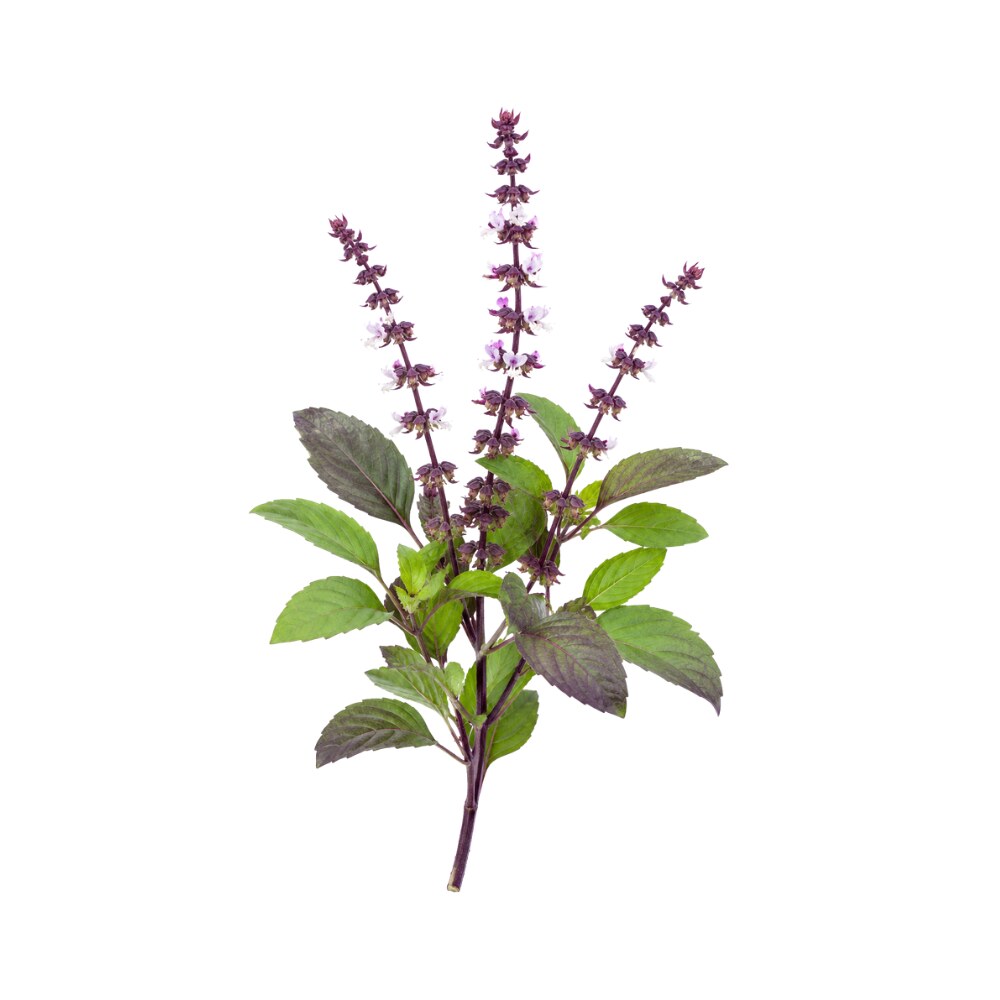 StrongStrongHoly BasilOcimum sanctumTulsi performs well as a topical oral agent, and this is the least-known of its indications.Read the evidenceShow lessMonograph →
In a triple-blind RCT, an Ocimum sanctum mouthrinse reduced dental plaque and gingival inflammation as effectively as chlorhexidine over 15 to 30 days, without chlorhexidine’s staining drawback 10Reference 10RCTA randomised controlled clinical trial of Ocimum sanctum and chlorhexidine mouthwash on dental plaque and gingival inflammation — randomised controlled trialView study →, the practical selling point of this whole group.
A 4% tulsi dentifrice reduced plaque and gingivitis in adolescents 11Reference 11RCTComparative evaluation of efficacy of 4% tulsi extract dentifrice on plaque and gingivitis — randomised controlled trialView study →, and further trials of tulsi mouthwash against gingivitis and as an endodontic antimicrobial report comparable performance to standard agents 12Reference 12RCTEfficacy of herbal mouthwashes compared with chlorhexidine on gingivitis — randomised placebo-controlled trialView study →.
The antibacterial action is attributed to eugenol and the essential oil, the same molecule that carries clove.
This is a topical, locally applied use and does not transfer to any systemic benefit from drinking tulsi tea. Tulsi’s adaptogenic and metabolic evidence is a separate literature on the nervous and metabolic pages.
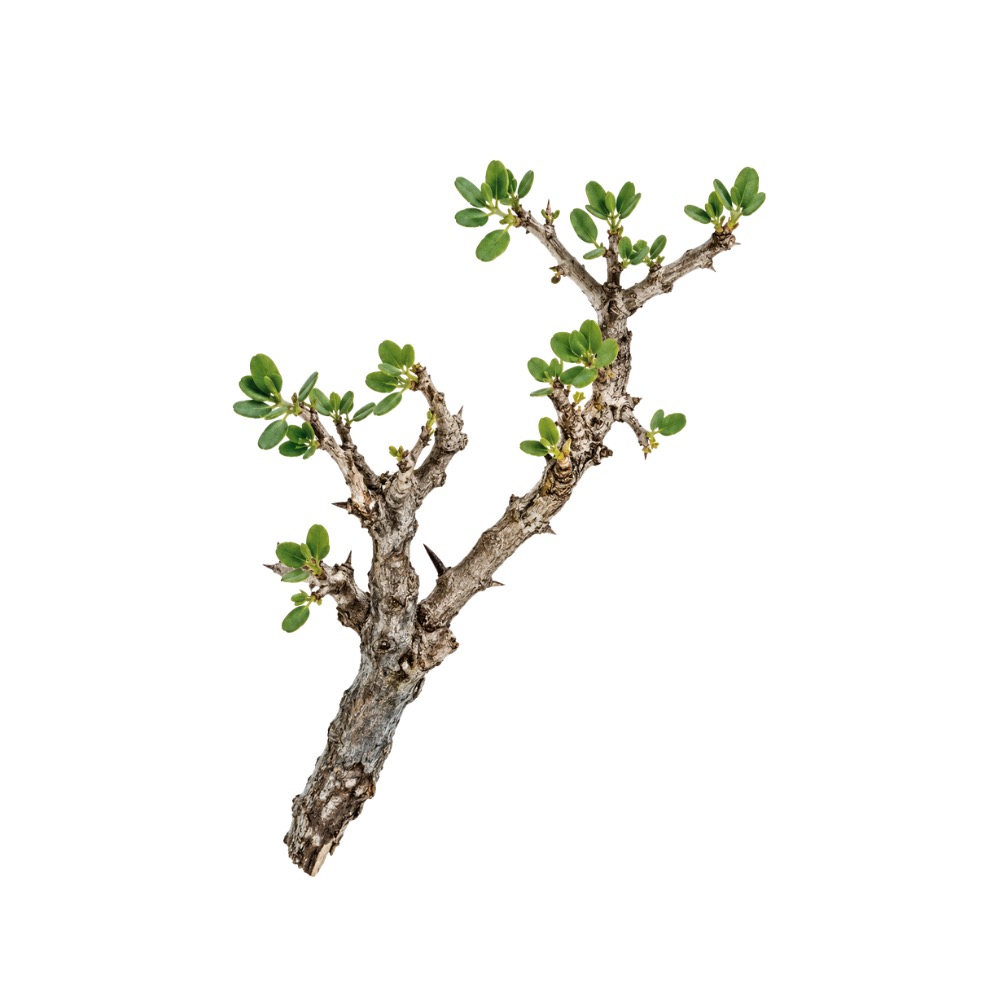 ModerateModerateMyrrhCommiphora myrrhaThe classical Western resin for the mouth, the standard herbal choice for gingivitis, spongy or bleeding gums and mouth ulcers since antiquity, and one whose modern evidence has arrived almost entirely in the last decade.Read the evidenceShow lessMonograph →
A systematic review and meta-analysis covers myrrh in periodontal disease and gingival healing 13Reference 13Meta-analysisMyrrh in the management of periodontal disease and gingival healing — systematic review and meta-analysisView study →, a controlled clinical trial found a myrrh mouthwash improved wound healing after tooth extraction 14Reference 14Clinical trialEfficacy of myrrh mouthwash on wound healing after tooth extraction — controlled clinical trialView study →, and a randomised trial compared myrrh against chlorhexidine for soft-tissue healing after implant placement 15Reference 15RCTSoft tissue healing after implant placement using myrrh vs chlorhexidine mouthwash — randomised controlled trialView study →. Its ulcer evidence is covered below.
The action is astringent and antiseptic with a particular affinity for mucous membranes, which matches the traditional description closely.
Myrrh is normally used as a diluted tincture rinse. It is a resin and does not dissolve in water, so a decoction is not the preparation.
It is also a uterine stimulant and avoided in pregnancy.
 ModerateModerateCalendulaCalendula officinalisBetter known as a wound herb, and its cleanest single-herb signal anywhere is arguably oral.Read the evidenceShow lessMonograph →
A six-month RCT in 240 patients with gingivitis found a diluted calendula tincture mouthrinse, 2 mL of tincture in 6 mL of water twice daily, significantly reduced plaque, gingival and bleeding indices against a placebo rinse 16Reference 16RCTEvaluation of Calendula officinalis as an anti-plaque and anti-gingivitis agent — randomised controlled trialView study →. Six months is by some distance the longest follow-up in this group, which matters, since two weeks of anything reduces plaque in a trial.
A 2024 double-blind trial of a multi-botanical gel containing calendula matched conventional toothpaste on gingival inflammation while shifting the crevicular-fluid proteome toward a host-immune profile 17Reference 17RCTThe effect of a nature-based gel on gingival inflammation and the proteomic profile of crevicular fluid — randomised clinical trialView study →.
The mechanism plausibly combines calendula’s triterpenoid anti-inflammatory action with antioxidant polyphenols.
Calendula’s much larger radiation-dermatitis literature is, on meta-analysis, negative, so this is not a herb with a uniformly good record. Asteraceae allergy applies.
Mouth Ulcers & Mucositis
2 herbsA different problem from plaque, and a different mechanism. These are denuded mucosal surfaces that need to re-epithelialise while being continually re-injured.
The clinically important version is oral mucositis, the ulcerated, extremely painful mouth caused by head-and-neck radiotherapy and by chemotherapy, which is severe enough to interrupt cancer treatment and drive tube feeding.
Read the comparator carefully throughout, because several of these agents beat placebo and then fail to beat the standard mouthwashes already in use.
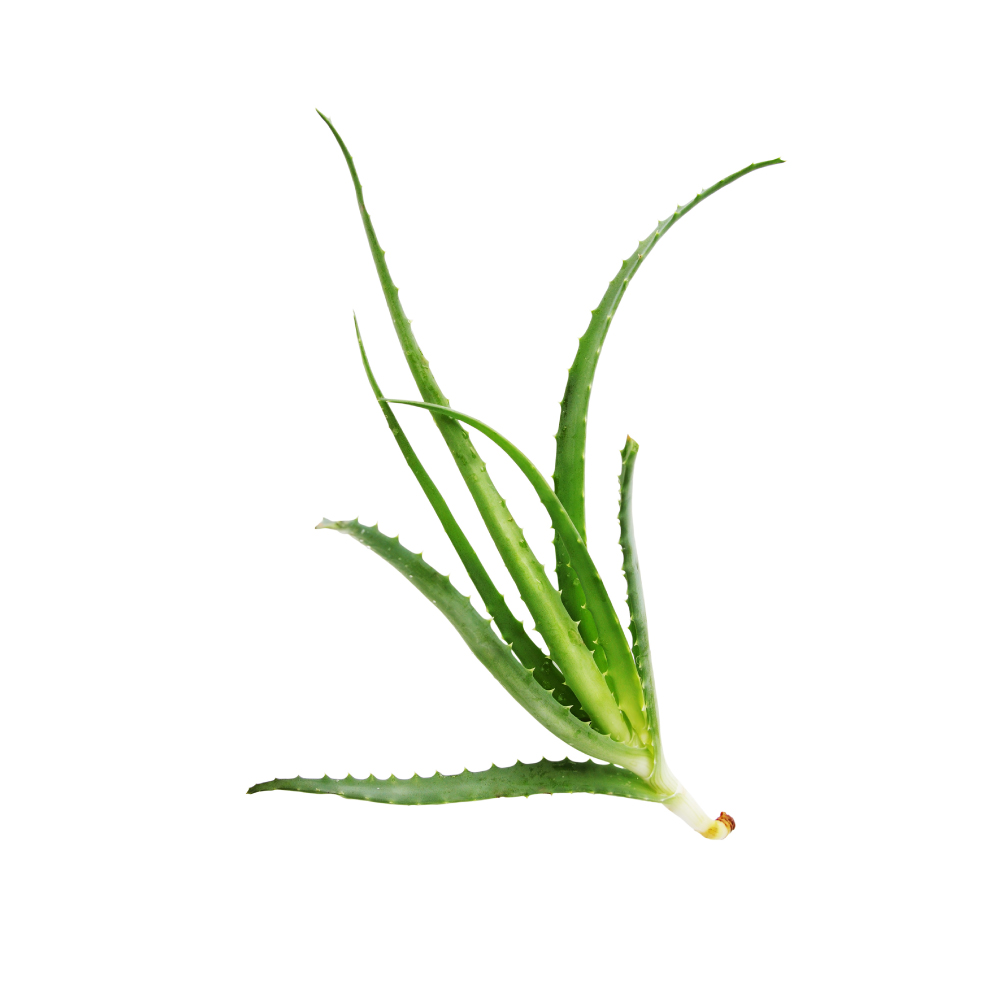 ModerateModerateAloeAloe veraThe most-tested herb in this group, with a favourable but noisy record.Read the evidenceShow lessMonograph →
For mucositis, a 2025 meta-analysis of seven RCTs (355 patients) found aloe significantly reduced severe grade 3–4 mucositis versus control (OR 0.32, 95% CI 0.15–0.70). In subgroup analysis the benefit held against placebo and not against active comparators like sodium bicarbonate or benzydamine 18Reference 18Meta-analysisEffectiveness of Aloe vera in the treatment of oral mucositis — systematic review and meta-analysis of randomised controlled trialsView study →, and an earlier Stanford phase II trial of oral aloe gel in head-and-neck patients found no benefit at all on any mucositis endpoint 19Reference 19RCTPhase II double-blind randomised study comparing oral Aloe vera versus placebo to prevent radiation-related mucositis in head-and-neck neoplasms — randomised controlled trialView study →.
For aphthous ulcers, a 2022 meta-analysis of nine trials (847 participants) found better overall clinical efficacy than comparators (RR 2.25, 95% CI 1.25–4.06) and shorter healing time, while showing no significant advantage on pain scores or ulcer size, with very high heterogeneity 20Reference 20Meta-analysisEffects of Aloe vera in the treatment of oral ulcers — systematic review and meta-analysis of randomised controlled trialsView study →.
The consistent thread is accelerated epithelialisation with essentially no side effects.
Preparation is decisive. This is inner-leaf gel used topically, since the anthraquinone latex is a stimulant laxative and whole-leaf extract is carcinogenic in rodents.
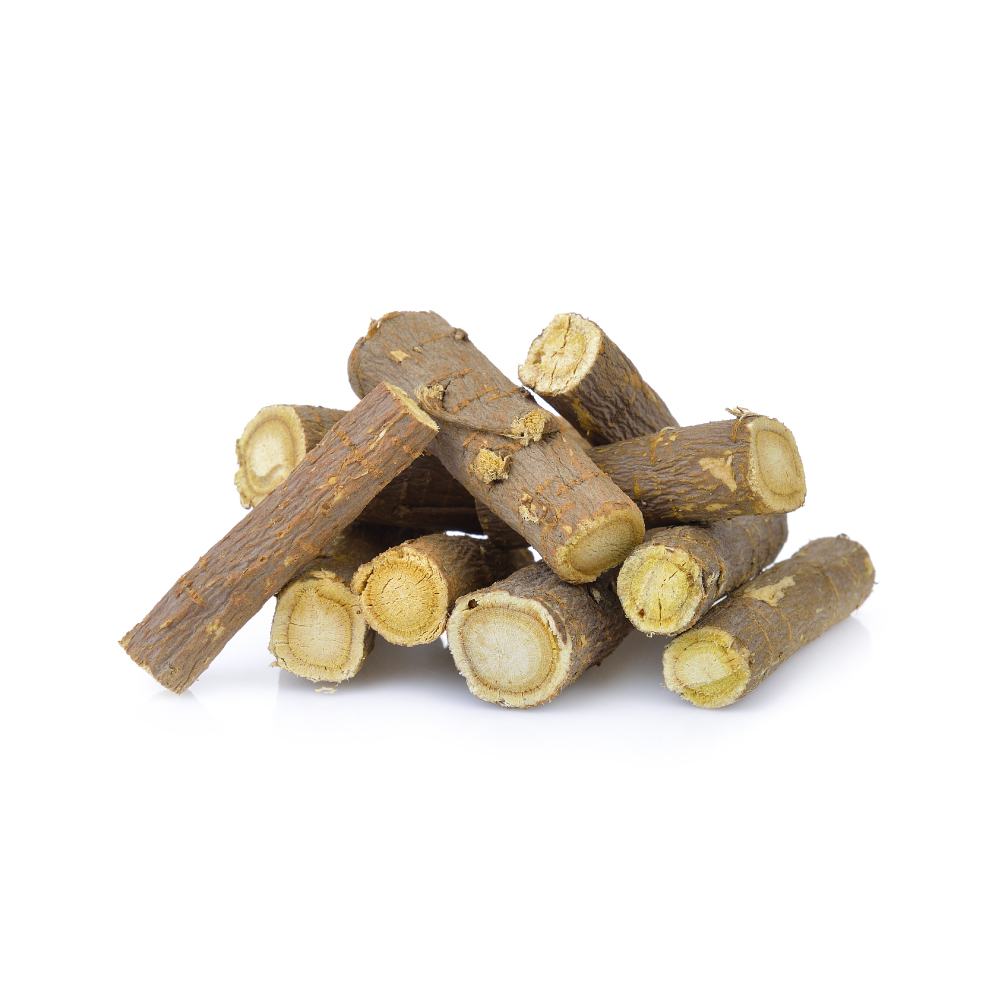 ModerateModerateLicoriceGlycyrrhiza glabraLicorice’s oral evidence is unusually specific about its delivery vehicle. The positive trials use mucoadhesive films and patches applied directly to the lesion, not lozenges and not tea.Read the evidenceShow lessMonograph →
A systematic review of clinical trials supports topical licorice for aphthous ulcers 21Reference 21Systematic reviewTopical licorice for aphthous ulcers — systematic review of clinical trialsView study →, and licorice gargles and topical preparations reach network meta-analysis for post-intubation sore throat 22,
The more curious line of evidence is caries in children. Systematic reviews of licorice lollipops and preparations report reduced salivary Streptococcus mutans and caries risk 24,
Treat that as promising rather than established, since the endpoint is largely a bacterial surrogate.
The dose-limiting problem is systemic and real. Glycyrrhizin inhibits 11β-hydroxysteroid dehydrogenase, causing hypertension and potassium loss with sustained intake, and deglycyrrhizinated preparations avoid this and behave differently.
Toothache & Dental Procedures
1 herbThe oldest indication in this system and the one with the tightest mechanism.
What is being claimed is local anaesthesia of the mucosa, analgesia at a surface. It is not treatment of the tooth, and the pain returning is the tooth still being broken.
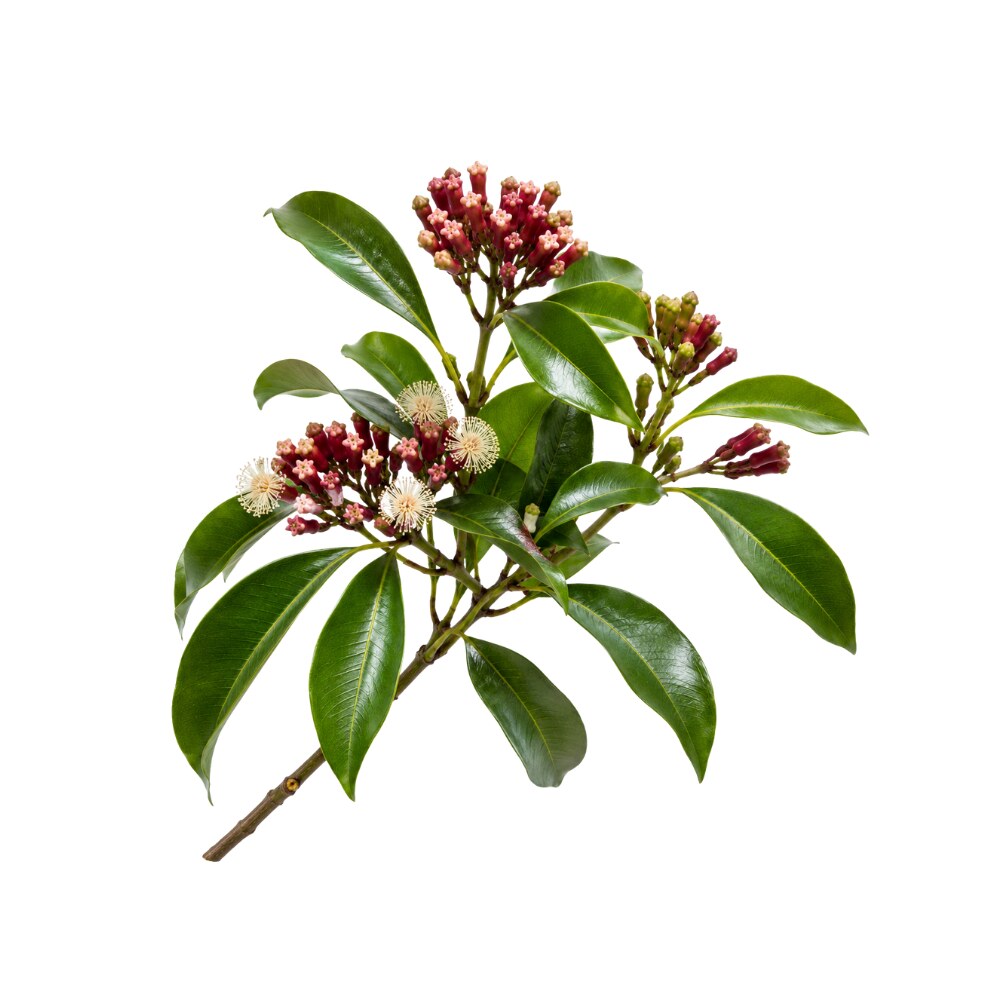 StrongStrongCloveSyzygium aromaticumThe classic toothache remedy, and one of the few traditional analgesics with a randomised trial and a fully characterised mechanism.Read the evidenceShow lessMonograph →
In a randomized subject-blinded trial in 73 adults, a homemade eugenol-based clove gel produced significantly lower pain scores than placebo and was statistically indistinguishable from benzocaine 20% gel before needle insertion into oral mucosa 3Reference 3RCTThe effect of clove and benzocaine versus placebo as topical anesthetics — randomised controlled trialView study →.
The mechanism is eugenol’s inhibition of voltage-gated sodium channels, the same target class as conventional local anaesthetics 4Reference 4In vitroEugenol interacts with cardiac sodium channel and reduces heart excitability and arrhythmias — animal in vivo / in vitroView study →, and clove-containing preparations appear in Cochrane’s review of local interventions for post-extraction dry socket 26Reference 26Systematic reviewLocal interventions for the management of alveolar osteitis (dry socket) — systematic reviewView study →. Eugenol is the active principle of zinc-oxide-eugenol dental dressings, so this is a remedy dentistry adopted rather than replaced.
Two real cautions. Undiluted clove oil burns oral mucosa and causes chemical necrosis if held against the gum, so it is diluted in a carrier oil.
And eugenol shows a sharp dose-reversal from protective to toxic, with ingested clove oil causing serious liver injury in children.
No herbs match these filters.
Safety
Pregnancy & lactation
- A rinse that is swished and spat delivers very little systemically, which makes this a more reasonable system to treat herbally in pregnancy.
- Pregnancy gingivitis is common, because hormonal change exaggerates the gum’s response to plaque, and cleaning manages it better than rinsing.
- The exceptions are uterine stimulants, swallowed laxative fruits, and anything with a systemic hormonal effect; concentrated seed oils are avoided outright.
- Dental care is safe in pregnancy and should not be postponed, and since vomiting erodes enamel, rinse with water rather than brushing.
- Herbs do not treat structural dental disease. Decay, a cracked tooth, an abscess and periodontitis with bone loss are mechanical and infective problems a rinse cannot reach.
- A dental abscess is an emergency, not a toothache. Facial swelling, fever, difficulty swallowing, or swelling toward the eye or under the tongue needs care the same day.
- Mechanical cleaning is the intervention and a herb is an adjunct to it. No trial tested a rinse instead of a toothbrush, and no antiseptic reaches the base of a periodontal pocket.
- Never apply undiluted essential oil to the gum. Neat oil causes chemical burns and mucosal necrosis, and swallowed oils have caused serious liver injury in children.
- Persistent bleeding gums warrant examination, because a bleeding disorder, leukaemia, anticoagulant therapy, uncontrolled diabetes or scurvy can present that way when hygiene and a rinse do not settle it.
- An ulcer, red or white patch, lump or numb lip lasting beyond three weeks needs looking at, because oral cancer outcomes depend heavily on early diagnosis.
- Cancer-therapy mucositis is managed by an oncology team, and the evidence above is for adjuncts used alongside standard oral care rather than substitutes.
- Strongly astringent rinses can discolour teeth and restorations with prolonged use, the same complaint these herbs are offered against, and no trial ran long enough to characterise it.
- Get dental care for facial swelling or fever with toothache, a knocked-out or fractured tooth, bleeding after an extraction that will not stop, or pain that wakes you at night.
References
- Gupta, D., Gupta, R. K., Bhaskar, D. J., & Gupta, V. (2015). Comparative evaluation of Terminalia chebula extract mouthwash and chlorhexidine mouthwash on plaque and gingival inflammation — 4-week randomised controlled trial. Oral Health & Preventive Dentistry. https://pubmed.ncbi.nlm.nih.gov/25386630/
- Gupta, D., Bhaskar, D. J., Gupta, R. K., et al. (2014). Effect of Terminalia chebula extract and chlorhexidine on salivary pH and periodontal health — 2-week randomised controlled trial. Phytotherapy Research. https://pubmed.ncbi.nlm.nih.gov/24123617/
- Alqareer, A., Alyahya, A., & Andersson, L. (2006). The effect of clove and benzocaine versus placebo as topical anesthetics — randomised controlled trial. Journal of Dentistry. https://pubmed.ncbi.nlm.nih.gov/16530911/
- Teixeira-Fonseca, J. L., et al. (2021). Eugenol interacts with cardiac sodium channel and reduces heart excitability and arrhythmias — animal in vivo / in vitro. Life Sciences. https://pubmed.ncbi.nlm.nih.gov/34217764/
- AlJameel, A. H., & Almalki, S. A. (2020). Effect of Triphala mouthrinse on plaque and gingival inflammation — systematic review and meta-analysis of randomised controlled trials. International Journal of Dental Hygiene. https://pubmed.ncbi.nlm.nih.gov/32383334/
- Minervini, G., Marrapodi, M. M., Tirupathi, S., et al. (2024). Comparative anti-plaque and anti-gingivitis efficiency of Triphala versus chlorhexidine mouthwashes in children — systematic review and meta-analysis. Journal of Clinical Pediatric Dentistry. https://pubmed.ncbi.nlm.nih.gov/39275820/
- Dhingra, K., & Vandana, K. L. (2017). Effectiveness of Azadirachta indica (neem) mouthrinse in plaque and gingivitis control — systematic review. International Journal of Dental Hygiene. https://pubmed.ncbi.nlm.nih.gov/26876277/
- Abhishek, K. N., et al. (2015). Effect of neem-containing toothpaste on plaque and gingivitis — randomised double-blind clinical trial. Journal of Contemporary Dental Practice. https://pubmed.ncbi.nlm.nih.gov/26718296/
- Jalaluddin, M., et al. (2017). Comparative evaluation of neem mouthwash on plaque and gingivitis — double-blind crossover randomised controlled trial. Journal of Contemporary Dental Practice. https://pubmed.ncbi.nlm.nih.gov/28713109/
- Gupta, D., et al. (2014). A randomised controlled clinical trial of Ocimum sanctum and chlorhexidine mouthwash on dental plaque and gingival inflammation — randomised controlled trial. Journal of Ayurveda and Integrative Medicine. https://pubmed.ncbi.nlm.nih.gov/24948862/
- Nadar, B. G., et al. (2020). Comparative evaluation of efficacy of 4% tulsi extract dentifrice on plaque and gingivitis — randomised controlled trial. Contemporary Clinical Dentistry. https://pubmed.ncbi.nlm.nih.gov/33110312/
- Penmetsa, G. S., et al. (2019). Efficacy of herbal mouthwashes compared with chlorhexidine on gingivitis — randomised placebo-controlled trial. Ayu. https://pubmed.ncbi.nlm.nih.gov/31831965/
- Alnakhli RA, Alqalaleef SS, Alesawi JM, et al. (2026). Myrrh in the management of periodontal disease and gingival healing — systematic review and meta-analysis. Journal of the International Society of Preventive & Community Dentistry. https://pubmed.ncbi.nlm.nih.gov/42004991/
- Eid RAA (2021). Efficacy of myrrh mouthwash on wound healing after tooth extraction — controlled clinical trial. The Saudi Dental Journal. https://pubmed.ncbi.nlm.nih.gov/33473242/
- Ibraheem WI, Hakami AA, Shafei AA, et al. (2022). Soft tissue healing after implant placement using myrrh vs chlorhexidine mouthwash — randomised controlled trial. Medicina (Kaunas). https://pubmed.ncbi.nlm.nih.gov/36295512/
- Khairnar, M. S., et al. (2013). Evaluation of Calendula officinalis as an anti-plaque and anti-gingivitis agent — randomised controlled trial. Journal of the Indian Society of Periodontology. https://pubmed.ncbi.nlm.nih.gov/24554883/
- Figueiredo, L. C., et al. (2024). The effect of a nature-based gel on gingival inflammation and the proteomic profile of crevicular fluid — randomised clinical trial. Gels. https://pubmed.ncbi.nlm.nih.gov/39727530/
- Cássia-Santos, D., Santos, C. K. C., Fernandes, L. T., et al. (2025). Effectiveness of Aloe vera in the treatment of oral mucositis — systematic review and meta-analysis of randomised controlled trials. International Journal of Oral and Maxillofacial Surgery. https://pubmed.ncbi.nlm.nih.gov/39909775/
- Su, C. K., Mehta, V., Ravikumar, L., et al. (2004). Phase II double-blind randomised study comparing oral Aloe vera versus placebo to prevent radiation-related mucositis in head-and-neck neoplasms — randomised controlled trial. International Journal of Radiation Oncology, Biology, Physics. https://pubmed.ncbi.nlm.nih.gov/15337553/
- Zou, H., Liu, Z., Wang, Z., & Fang, J. (2022). Effects of Aloe vera in the treatment of oral ulcers — systematic review and meta-analysis of randomised controlled trials. Oral Health & Preventive Dentistry. https://pubmed.ncbi.nlm.nih.gov/36504087/
- Dorsareh, F., et al. (2023). Topical licorice for aphthous ulcers — systematic review of clinical trials. Iranian Journal of Medical Sciences. https://pubmed.ncbi.nlm.nih.gov/37786470/
- Ruetzler, K., et al. (2013). A randomised, double-blind comparison of licorice versus sugar-water gargle for prevention of postoperative sore throat and postextubation coughing. Anesthesia and Analgesia. https://pubmed.ncbi.nlm.nih.gov/23921656/
- Singh, N. P., et al. (2020). Efficacy of topical agents for prevention of postoperative sore throat after single-lumen intubation — Bayesian network meta-analysis. Canadian Journal of Anaesthesia. https://pubmed.ncbi.nlm.nih.gov/32820466/
- Tharakan, A. P., et al. (2020). Effectiveness of licorice in preventing dental caries in children — systematic review. Journal of the Indian Society of Pedodontics and Preventive Dentistry. https://pubmed.ncbi.nlm.nih.gov/33402612/
- Nuvvula, S., et al. (2020). Efficacy of licorice lollipops in reducing dental caries in a paediatric population — systematic review. Oral Health & Preventive Dentistry. https://pubmed.ncbi.nlm.nih.gov/32238980/
- Daly, B. J., et al. (2022). Local interventions for the management of alveolar osteitis (dry socket) — systematic review. Cochrane Database of Systematic Reviews. https://pubmed.ncbi.nlm.nih.gov/36156769/
Keep Exploring