
Condition
Gingivitis & Periodontal Disease
Gingivitis is reversible inflammation of the gums caused by dental plaque; left untreated it can progress to periodontitis, which destroys the supporting bone.

Overview
Aetiology
Gingivitis is inflammation of the gingiva driven by the accumulation of bacterial plaque (a biofilm) at the gum margin. It is the most common form of periodontal disease and, at this stage, is fully reversible with plaque removal.
Contributing factors include inadequate oral hygiene, calculus (hardened plaque) that provides a rough surface for further colonization, smoking, diabetes, pregnancy and other hormonal shifts, immunosuppression, vitamin C deficiency, dry mouth, and medications that cause gingival overgrowth (phenytoin, ciclosporin, some calcium-channel blockers).
Untreated gingivitis may progress to periodontitis, in which the inflammatory response extends below the gum line and destroys the periodontal ligament and alveolar bone. Unlike gingivitis, that attachment loss is not reversible — which is why the reversible stage is the one worth treating.
Presentation
Symptoms
Red, swollen, or puffy gums that bleed easily — most often noticed when brushing or flossing. Healthy gums do not bleed, so bleeding is the cardinal sign rather than a normal occurrence.
Other features include tenderness, halitosis (bad breath), a persistent bad taste, and gums that appear shiny or have lost their stippled texture. Gingivitis is typically painless, which is why it is often ignored.
In periodontitis, additional signs appear: gum recession, deepening periodontal pockets, loosening or drifting teeth, and pus at the gum margin.
Assessment
Differential Diagnosis
- Periodontitis (attachment and bone loss — the progressed form)
- Necrotizing ulcerative gingivitis
- Oral lichen planus
- Desquamative gingivitis (mucous membrane pemphigoid, pemphigus vulgaris)
- Leukaemia-associated gingival infiltration
- Drug-induced gingival hyperplasia
- Scurvy (vitamin C deficiency)
- Primary herpetic gingivostomatitis
Treatment
Conventional Treatment
Mechanical plaque control is the foundation: professional scaling to remove plaque and calculus, followed by consistent brushing and interdental cleaning. Gingivitis usually resolves within days to weeks once the biofilm is disrupted.
Adjuncts include antiseptic mouthrinses — chlorhexidine gluconate is the reference standard, though long-term use causes tooth staining and taste disturbance — and management of the underlying contributors (smoking cessation, glycaemic control).
Periodontitis requires more involved care: root planing, and in advanced cases surgical or regenerative procedures.
The Herbs
Materia Medica (3)
Herbs traditionally or clinically used for gingivitis & periodontal disease.

Supplementation
Supplementation (1)
Supplements, nutrients and compounds used for gingivitis & periodontal disease.
Gum Arabic
Soluble fiber (plant exudate gum)
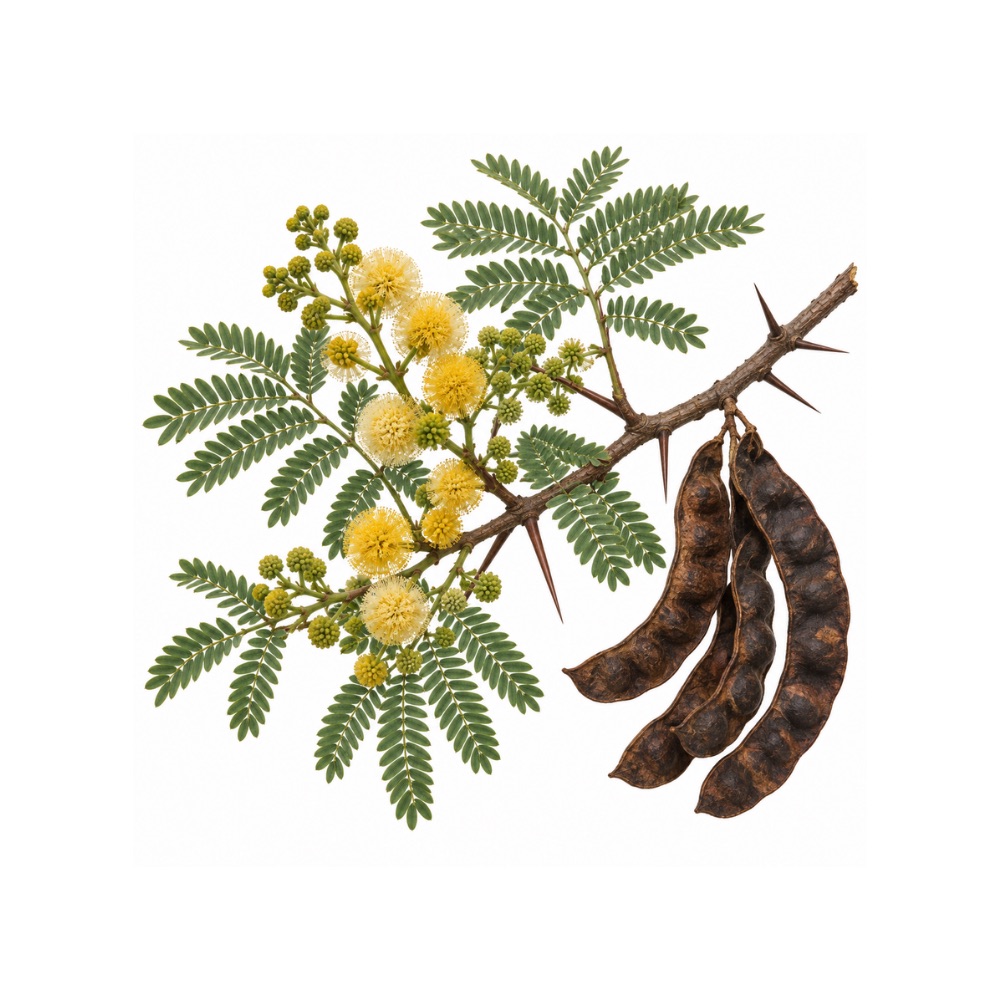
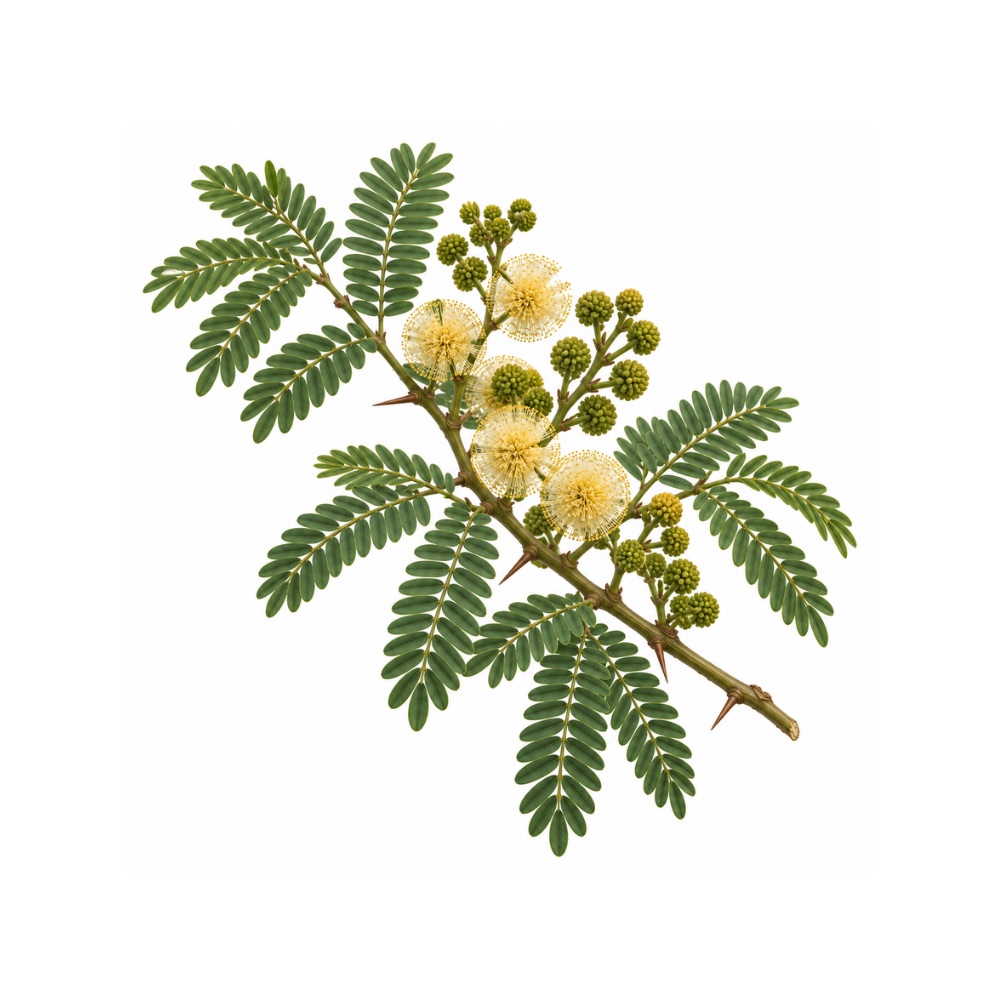
Gum arabic is the dried sap of two African thorn trees — Senegalia senegal and Vachellia seyal — sold as a soluble prebiotic fiber. It is barely fermented in the small intestine, reaches the distal colon largely intact, and feeds butyrate-producing bacteria there; small randomized trials consistently show a drop in C-reactive protein, with weaker signals on body fat, blood pressure and dental plaque.