
Condition
Cirrhosis
Cirrhosis is the result of chronic liver injury and necrosis of hepatic tissue, leading to scarring that disrupts normal liver architecture and function.

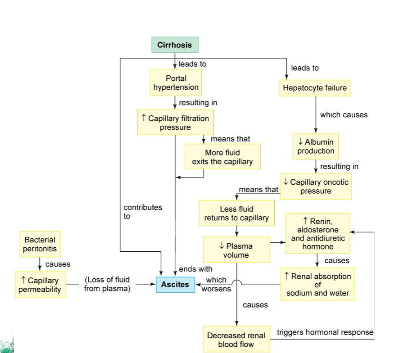
Overview
Aetiology
Cirrhosis is the result of chronic liver injury and necrosis of hepatic tissue. After repeated attempted regeneration and repair, scar tissue begins to form. Eventually this scar tissue leads to a disruption in normal liver architecture and function.
Alcoholic Liver Disease
Alcoholic liver disease accounts for the majority of cases. Alcohol dehydrogenase is one of 3 pathways in the liver that converts alcohol to acetaldehyde. During this process NAD+ is converted to NADH, which causes an increase in fatty acid synthesis, and an inhibition of fatty acid oxidation.
Additionally, this process produces a lot of reactive oxygen species as a byproduct that can react with and damage proteins and DNA in the hepatocytes.
The acetaldehyde also interacts with various molecules in the hepatocytes, rendering them useless. The results of these interactions are referred to as acetaldehyde adducts. These compounds gain the attention of local neutrophils, which attack the heptocytes, resulting with inflammation, and alcoholic hepatitis.
As inflammation and cell death continue, enzymes begin “leaking” out from the liver (such as ALT and AST, GGT, ALP).
Viral Hepatitis
Chronic viral hepatitis, particularly hepatitis B and C, causes ongoing inflammation and progressive scarring of the liver and is a common cause of cirrhosis.
Biliary Disease
Diseases affecting the bile ducts, such as primary biliary cholangitis and primary sclerosing cholangitis, obstruct bile flow and lead to chronic liver damage and fibrosis.
Hemochromatosis
Hemochromatosis is an iron-overload disorder in which excess iron accumulates in the liver, causing oxidative damage that can progress to cirrhosis.
Presentation
Symptoms
Early cirrhosis may cause no symptoms. As the disease advances, features include fatigue, loss of appetite and weight, nausea, jaundice, itching, easy bruising and bleeding, swelling of the abdomen (ascites) and legs, and confusion due to hepatic encephalopathy.
Assessment
Diagnostic Considerations
- Albumin and total serum protein
- Partial thromboplastin or prothrombin time (INR)
- Bilirubin
- AST
- ALP
- Gamma glutamyl Transferase (GGT)
- Antinuclear antibodies (ANA)
- Ferritin
- Antimitochondiral antibody test (AMA)
- Hep A or B tests
- Blood alcohol levels
- Serum ceruloplasm testing
- Alpha-1 antitrypsin level
Assessment
Differential Diagnosis
Other causes of chronic liver dysfunction and portal hypertension should be considered, including non-cirrhotic portal hypertension, hepatic congestion from right heart failure, infiltrative liver disease, and biliary obstruction.
Context
Comorbidities
Cirrhosis is commonly associated with portal hypertension, esophageal varices, ascites, hepatic encephalopathy, an increased risk of hepatocellular carcinoma, and coagulation disorders.
The Herbs
Materia Medica (3)
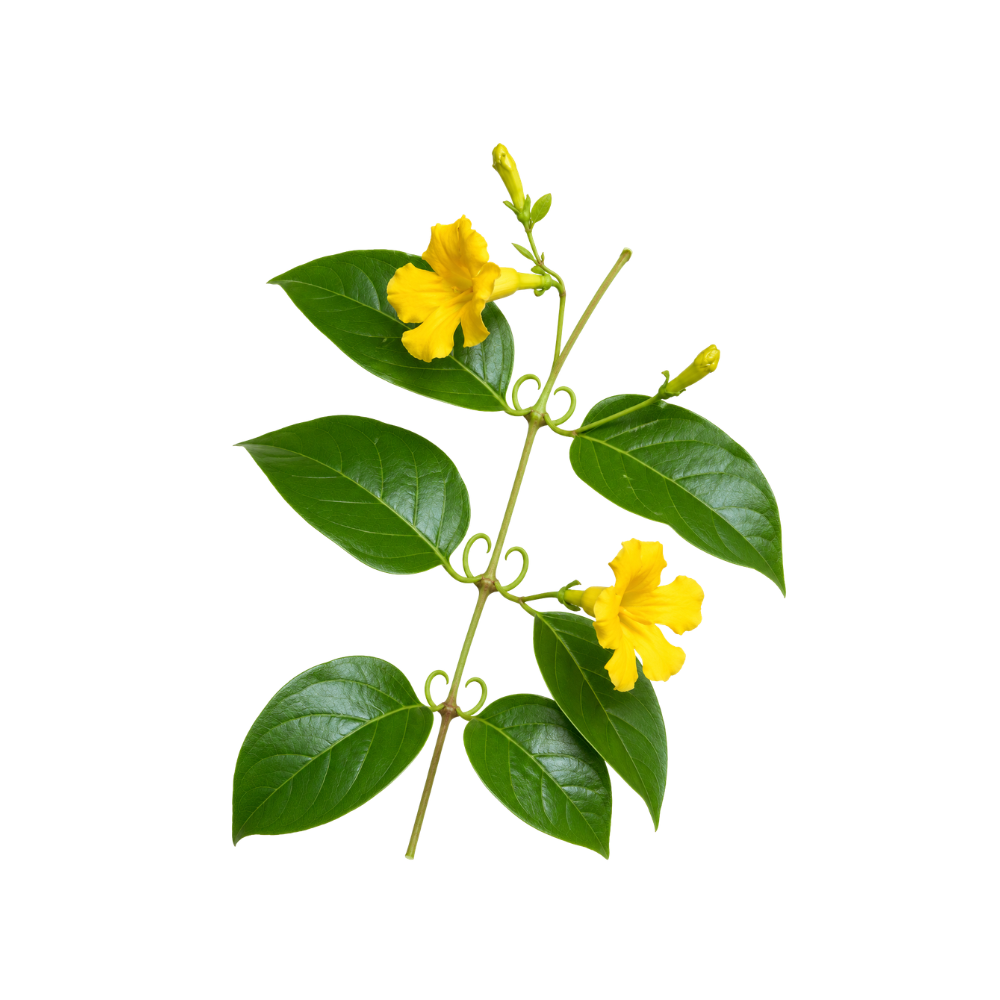
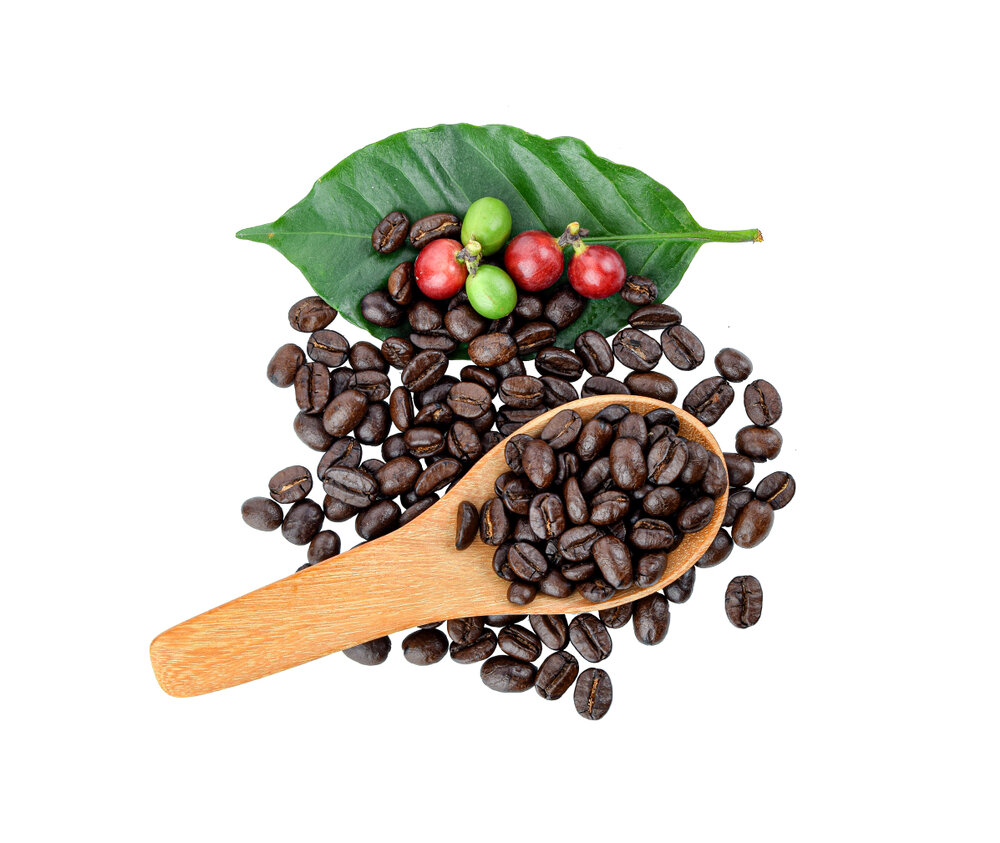
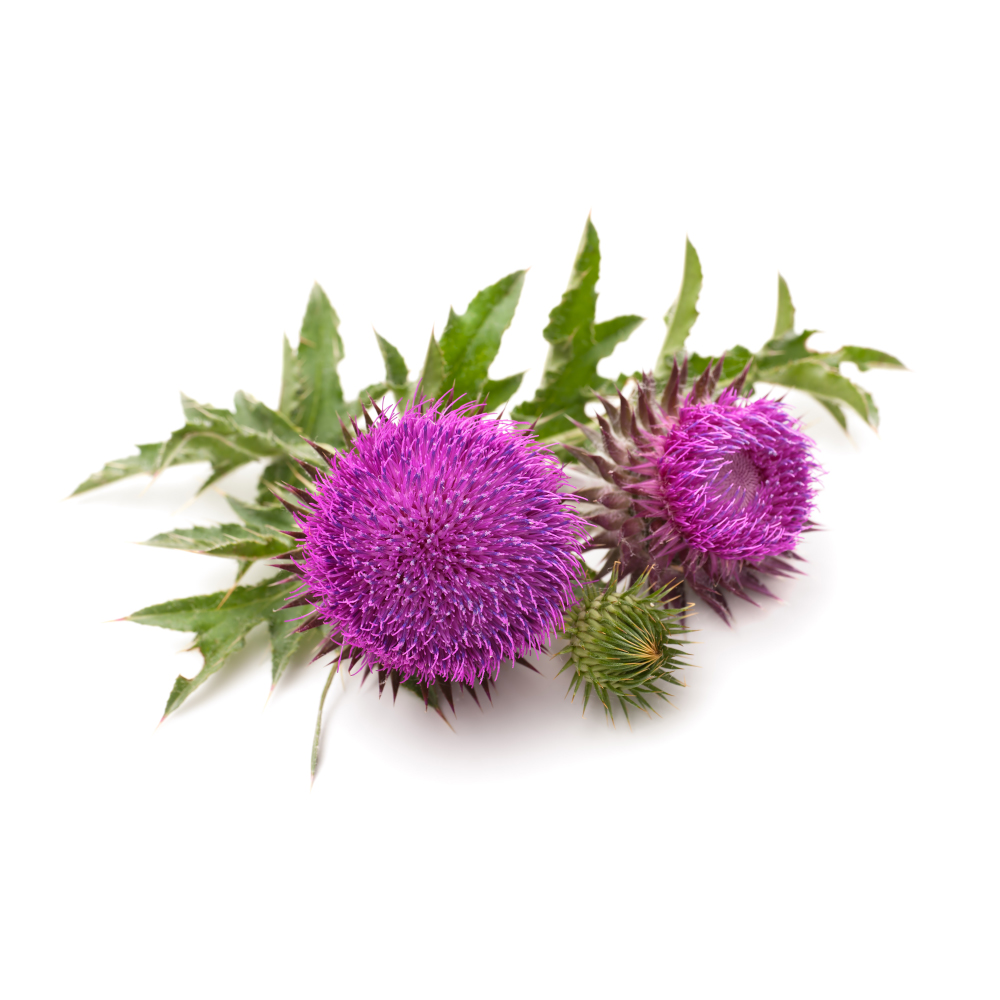
Herbs traditionally or clinically used for cirrhosis.
Supplementation
Supplementation (1)
Supplements, nutrients and compounds used for cirrhosis.
BCAAs
Amino acid group (essential)
The branched-chain amino acids — leucine, isoleucine and valine — grouped and sold as a sports supplement for muscle growth and recovery. Leucine is the key mTOR trigger.