
Condition
Hepatitis (Viral)
Viral hepatitis is inflammation of the liver caused by one of several hepatitis viruses that can produce acute or chronic infection.

Overview
Aetiology
Viral hepatitis first involves inflammation and acute infection of the liver (worse with Hep B abd C). The hepatic cells can become necrotic, resulting inflammation, fibrosis, in eventual scarring (cirrhosis).
If the acute infection is severe enough it may occlude the intrahepatic bile cannaliculi, causing jaundice. This happens because the death of hepatocytes lining the bile ductules, allowing conjugated bilirubin. Uncongegated bilirubin also increases as a result of a reduction in hepatocytes able to conjucate bilirubin.
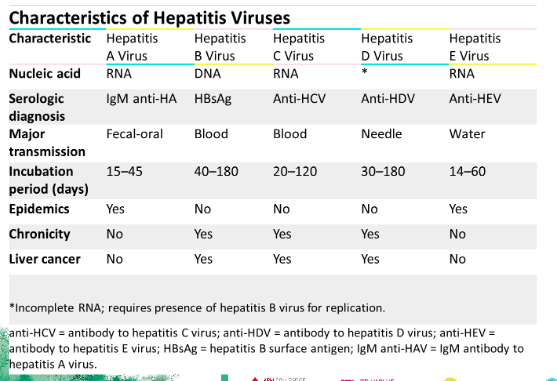
Hepatitis A virus (HAV)
Hepatitis A is transmitted via fecal-oral contact and causes acute infection only, never chronic disease. It is detected via the HAV IgM antibody in active infection, or the HAV IgG antibody following recovery or vaccination.
Hepatitis B virus (HBV)
Hepatitis B is transmitted via the blood and can cause both acute and chronic infection. It is closely linked to liver cancer and is detected via HBV antigens (HBsAg, HBcAg, HBeAg).
Hepatitis C virus (HCV)
Hepatitis C is transmitted via the blood and sexual contact and can cause both acute and chronic infection. It is detected via HCV RNA testing (PCR).
Hepatitis D virus (HDV)
Hepatitis D can only infect a host who already has HBV. It is detected via HDV IgG and HDV IgM in active infection.
Hepatitis E Virus (HEV)
Hepatitis E is transmitted via fecal-oral contact and causes acute infection only, not chronic disease. It is detected via the HEV IgM antibody in active infection, or the HEV IgG antibody following recovery.
Other Viruses
- Epstein Barr virus (EBV)
- Herpes simplex 6 virus (HSV-6)
- Coxsackie virus
- Human parvovirus (HPV)
- Cytomegalovirus
Context
Special Considerations
- Depending on the type of virus causing the condition, treatment will be different. All of these viruses except the hepatitis A virus are enveloped. Therefore herbal treatments including St John’s wort will be of value for the enveloped, but less towards the non-enveloped strains of virus.
- Hepatits A can be effectively treated with herbal medicine, however, hepatitis B, and C, can generally only be maintained with herbal medicine. They will eventually lead to chronic hepatitis.
- Higher doses will be required for acute stages of hepatitis than chronic.
Presentation
Symptoms
Acute viral hepatitis often begins with non-specific symptoms such as fatigue, loss of appetite, nausea, vomiting, low-grade fever, and aching muscles and joints. As the illness progresses it may produce jaundice, dark urine, pale stools, right upper abdominal discomfort, and an enlarged tender liver. Many infections, particularly chronic ones, may cause few or no symptoms for long periods.
Assessment
Diagnostic Considerations
Clinical Phases:
- Prodrome phase
- Icteric phase
- Recovery phase
- Chronic phase
Findings
- Atypical lymphocytosis
- ALT will be higher than AST, but both will be elevated
- Bilirubin will be increased
- High urobilinogen in the urine (as a result of reabsorped UBG not able to to be processed effectively in the liver).
Assessment
Differential Diagnosis
- Alcoholic fatty liver disease
- Non-alcoholic fatty liver disease
- Liver cancer
Herbs for Viral Hepatitis
-
Antivirals
- Phyllanthus
- thuja
- hypericum
-
Diaphoretics (in the case of fever)
- yarrow
- tilia
- sambucus
-
diffuse stimulants
- ginger
-
Immune enhancers
- echinacea
- andropgraphis
-
Hepatoprotectives
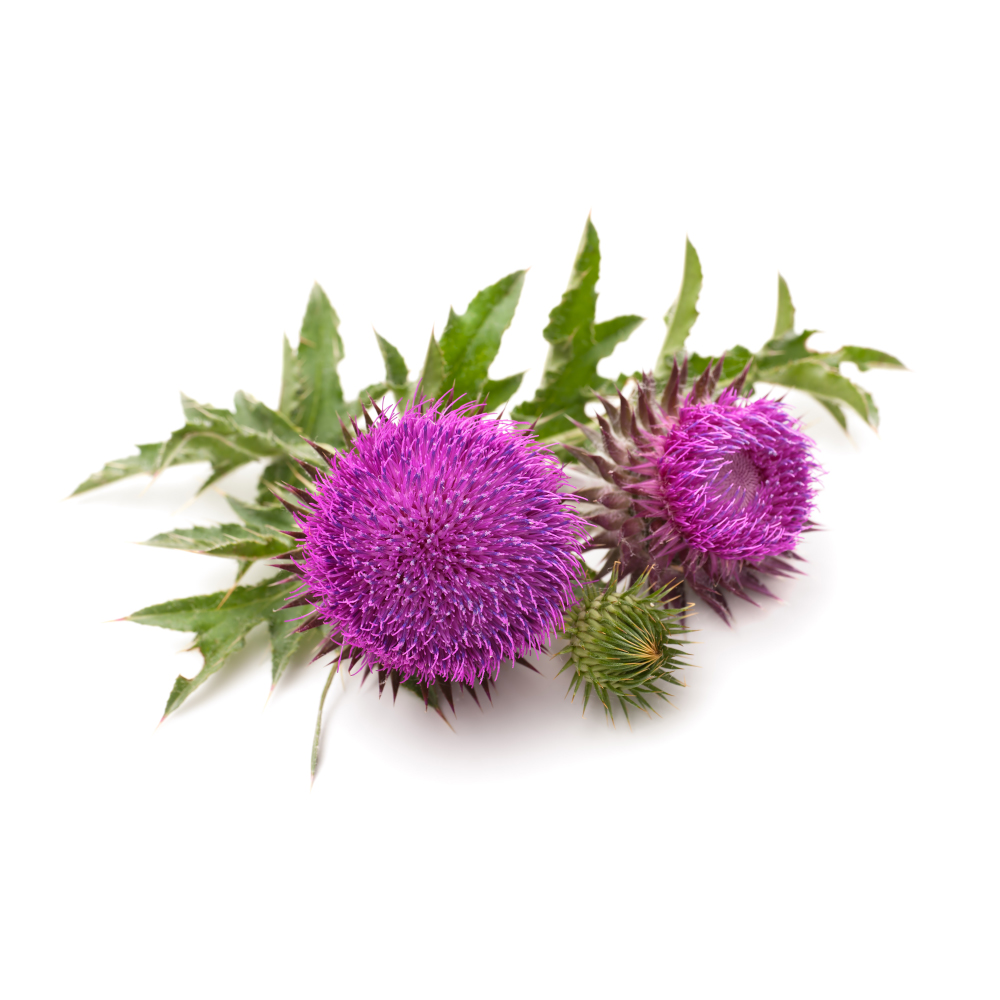
- silybum
- bupleurum
- taraxicum
- cynara
- andrographis
The Herbs
Materia Medica (10)
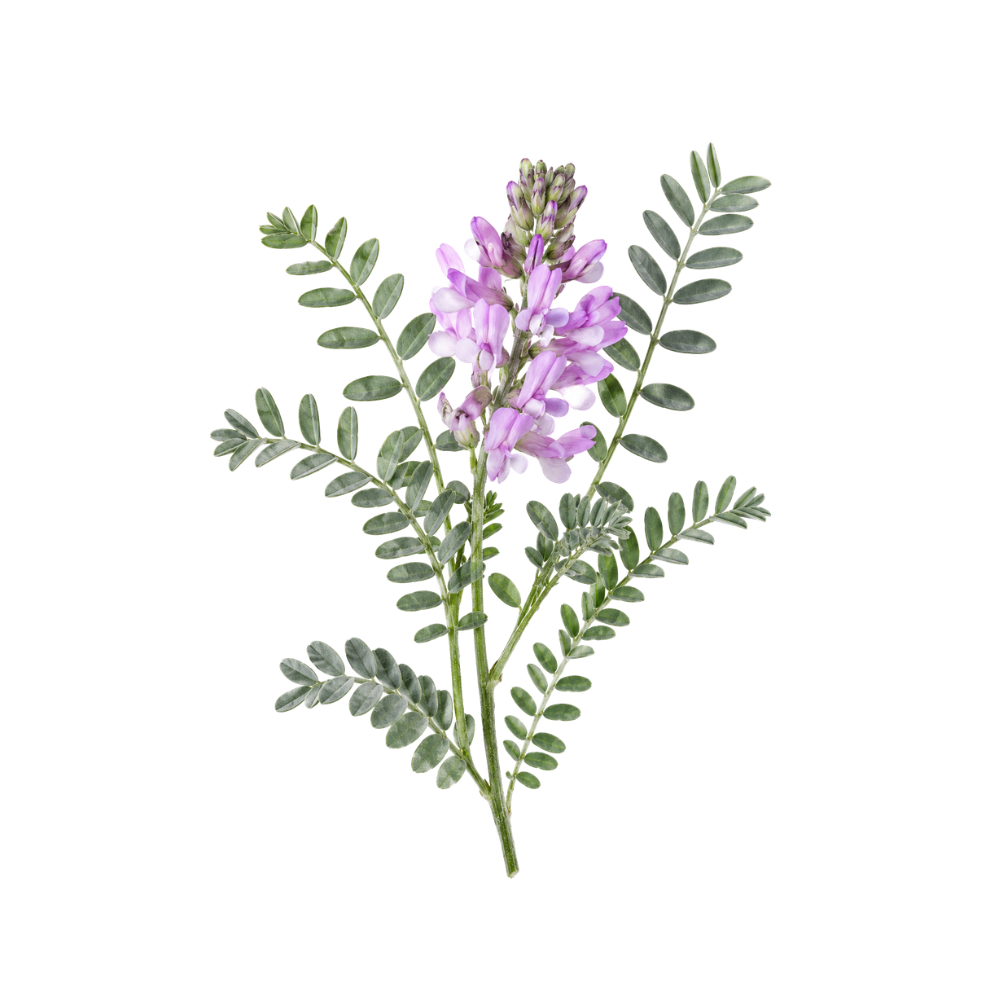
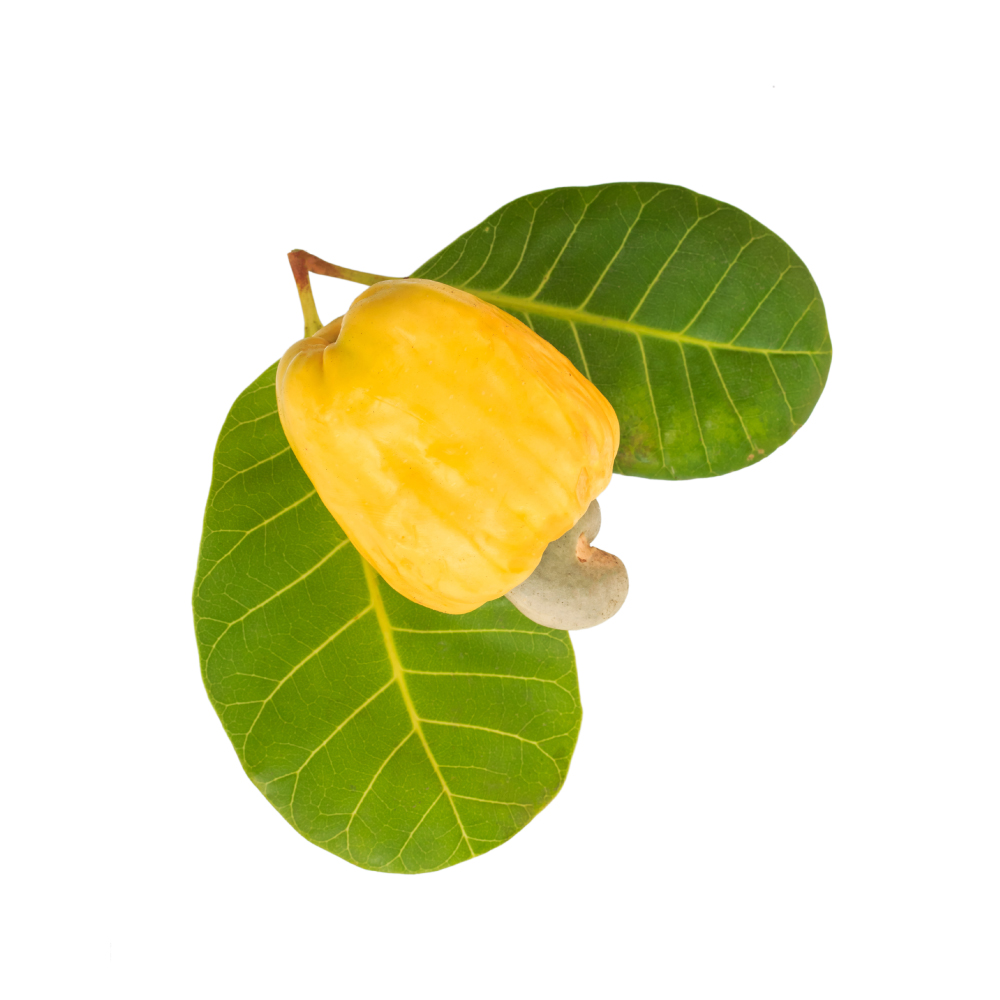
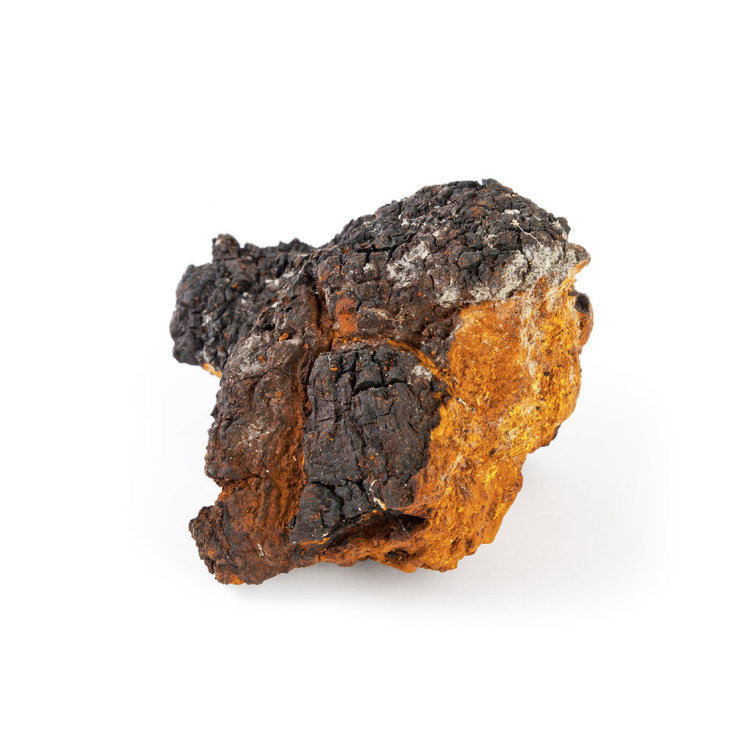
Herbs traditionally or clinically used for hepatitis (viral).






Supplementation
Supplementation (1)
Supplements, nutrients and compounds used for hepatitis (viral).
Thymosin Alpha-1 (Thymalfasin)
Thymic peptide
A 28-amino-acid thymic peptide used as an immunomodulator for chronic hepatitis B.